Transliteration
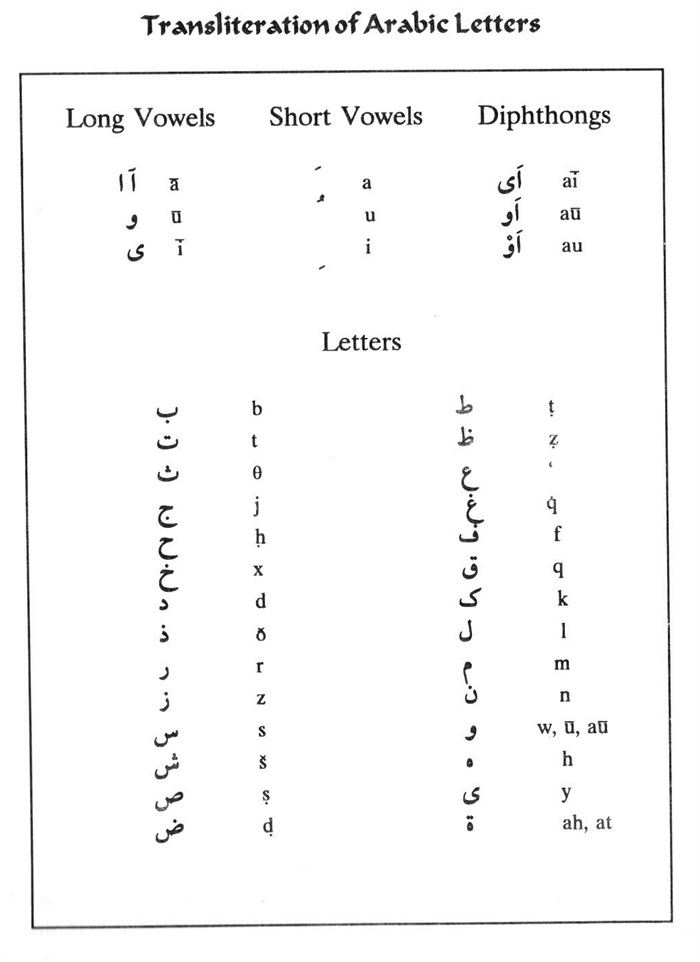
p:31
All rights reserved by the Amir-ul-Mu'mineen Ali (a.s.) Library
Title: An Enlightening Commentary into the Light of the Holy Quran Compiler. A Group of Muslin Scholars and Copyright 1998 Kamal Faghih Imani"
ISBN: 964-5691-45-1
Translator: Mr. Sayyid Abbas Şadr-Sameli Editor: Ms. Celeste Smith Published by: The Scientific and Religious Research Center
Amir-ul-Mu'mineen Ali (as) Public Library, under the direction of
Ayatullah Allamah Mujahid Al-Haj Sayyid Kamal Faghih Imāni. Address: Shekar Shekan Crossroads, Ahmadabad Street, Post Office Box 81465/5151
Esfahan, Islamic Republic of Iran, Telephone: 2281000 , 2282000, 2296478 Far 98 - 311 - 2297028
Number of copies in this Print: 6,000
First Edition: 1997 A.D., 1375 / 1417 A.H.
Second Edition: 1998 A.D. , 1376 / 1418 A.H.
Third Edition: 1998 A.D., 1377 / 1419 A.H.
Fourth Edition: 1999 A.D. , 1378 / 1420 A.H.
Fifth Edition : 2003 A.D. , 1381 / 1423 A.H.
Sixth Edition : 2005 A.D. , 1384 | 1426 A.H.
p: 1
p: 2
Introduction..........................16
Publisher's Note.........................27
Transliteration............................31
Sura Al-Fatiḥah (The Opening) No. 1 . . . . . . . . . . . . 33
Contents of the Sura . . . . . . . . . . . . . . . . . . . . . . . . . . . . . . . . . . . . . 33
The Tone of the Sura . . . . . . . . . . . . . . . . . . . . . . . . . . . . . . . . . 33
Al-Fātiḥah, the Basis of the Qur'ān . . . . . . . . . . . . . . . . . . . . . . 33
Al-Fātiḥah, Magnificent Honour of the Prophet (p.b.u.h.) . . . . 34
The Importance of its Recitation . . . . . . . . . . . . . . . . . . . . . . . . 35
The Titles of the Sura . . . . . . . . . . . . . . . . . . . . . . . . . . . . . . . . . 35
Sura Al-Fātiḥah, Arabic . . . . . . . . . . . . . . . . . . . . . . . . . . . . . . . . . . 36
English Translation . . . . . . . . . . . . . . . . . . . . . . . . . . . . . . . . . . . . . . 37
Commentary: Verse 1 . . . . . . . . . . . . . . . . . . . . . . . . . . . . . . . . . . . . 37
Everything should Begin in His Holy Name . . . . . . . . . . . . . . . . 37
Tradition and Narrations . . . . . . . . . . . . . . . . . . . . . . . . . . . . . . 38
Explanation . . . . . . . . . . . . . . . . . . . . . . . . . . . . . . . . . . . . . . . . . . . . 39
Is the Phrase ` Bism-il-lāh ' a Part of Each Sura ? . . . . . . . . . . . 39
Allah, the Most Inclusive Name of God . . . . . . . . . . . . . . . . . . . 40
Allah's General and Specific Mercy . . . . . . . . . . . . . . . . . . . . . . 42
Commentary: Verse 2 . . . . . . . . . . . . . . . . . . . . . . . . . . . . . . . . . . . . 43
The World is Full of His Mercy . . . . . . . . . . . . . . . . . . . . . . . . . . 43
Virtue of the Verse . . . . . . . . . . . . . . . . . . . . . . . . . . . . . . . . . . . 45
The Word / rabb / . . . . . . . . . . . . . . . . . . . . . . . . . . . . . . . . . . . . 45
The Term / `ālamīn / . . . . . . . . . . . . . . . . . . . . . . . . . . . . . . . . . . 46
Macrocosm and Microcosm . . . . . . . . . . . . . . . . . . . . . . . . . . . . . 47
Commentary: Verse 3 . . . . . . . . . . . . . . . . . . . . . . . . . . . . . . . . . . . . 47
The History of Slavery . . . . . . . . . . . . . . . . . . . . . . . . . . . . . . . . . 48
` Belief in Allah ' is the First Principle of Islam . . . . . . . . . . . . . 49
Commentary: Verse 4 . . . . . . . . . . . . . . . . . . . . . . . . . . . . . . . . . . . . 49
` Faith in the Resurrection ' is the Second Principle . . . . . . . . . 49
p: 3
Allah's Ownership . . . . . . . . . . . . . . . . . . . . . . . . . . . . . . . . . . . . 50
Is not Allah the Absolute Owner of This World? . . . . . . . . . . . . 50
Commentary: Verse 5 . . . . . . . . . . . . . . . . . . . . . . . . . . . . . . . . . . . . 52
Man in the Presence of Allah . . . . . . . . . . . . . . . . . . . . . . . . . . . 52
Unity of Worship . . . . . . . . . . . . . . . . . . . . . . . . . . . . . . . . . . . . . 52
Unity of Acts . . . . . . . . . . . . . . . . . . . . . . . . . . . . . . . . . . . . . . . . 52
Explanation . . . . . . . . . . . . . . . . . . . . . . . . . . . . . . . . . . . . . . . . . . . . 53
Allah: the Only Site of Reliance . . . . . . . . . . . . . . . . . . . . . . . . . 53
The Social Aspect of Worship . . . . . . . . . . . . . . . . . . . . . . . . . . . 54
We Ask Allah for Help in Confronting Forces . . . . . . . . . . . . . . 54
Commentary: Verse 6 . . . . . . . . . . . . . . . . . . . . . . . . . . . . . . . . . . . . 55
Why must We Always Ask Allah for Guidance ? . . . . . . . . . . . . 56
Human Beings Resemble an Electric Lamp (from One Point
of View) . . . . . . . . . . . . . . . . . . . . . . . . . . . . . . . . . . . . . . . . . . . . 56
What is the ` Straight Path ' ? . . . . . . . . . . . . . . . . . . . . . . . . . . . 58
The ` Belief ' Aspect . . . . . . . . . . . . . . . . . . . . . . . . . . . . . . . . . . 58
The ` Practical ' Aspect . . . . . . . . . . . . . . . . . . . . . . . . . . . . . . . . 58
` Divine Guidance ' . . . . . . . . . . . . . . . . . . . . . . . . . . . . . . . . . . . 60
` Religious Guidance ' . . . . . . . . . . . . . . . . . . . . . . . . . . . . . . . . . 61
Commentary: Verse 7 . . . . . . . . . . . . . . . . . . . . . . . . . . . . . . . . . . . . 61
Two Paths of Deviation . . . . . . . . . . . . . . . . . . . . . . . . . . . . . . . . 61
Explanation . . . . . . . . . . . . . . . . . . . . . . . . . . . . . . . . . . . . . . . . . . . . 62
Those upon Whom Allah has Bestowed His Bounties . . . . . . . . 62
Who are the Last two Groups in this Verse ? . . . . . . . . . . . . . . 63
Commentary A . . . . . . . . . . . . . . . . . . . . . . . . . . . . . . . . . . . . 63
Commentary B . . . . . . . . . . . . . . . . . . . . . . . . . . . . . . . . . . . . 64
Commentary C . . . . . . . . . . . . . . . . . . . . . . . . . . . . . . . . . . . . 64
Supplication . . . . . . . . . . . . . . . . . . . . . . . . . . . . . . . . . . . . . . . . . . . 65
Sura Al-Baqarah (The Cow) No. 2 . . . . . . . . . . . . . . . 66
Contents of the Sura . . . . . . . . . . . . . . . . . . . . . . . . . . . . . . . . . . . . . 66
Various Subjects Discussed . . . . . . . . . . . . . . . . . . . . . . . . . . . . . 66
Virtue of Studying this Sura . . . . . . . . . . . . . . . . . . . . . . . . . . . . . . 67
p: 4
Every Virtue Closely Corresponds with the Contents . . . . . . . . 68
Sura Al-Baqarah (The Cow) No. 2
Verse 1-5, Arabic . . . . . . . . . . . . . . . . . . . . . . . . . . . . . . . . . . . . . . . 70
English Translation . . . . . . . . . . . . . . . . . . . . . . . . . . . . . . . . . . . . . . 71
Commentary: Verse 1 . . . . . . . . . . . . . . . . . . . . . . . . . . . . . . . . . 71-73
The Abbreviated Letters of the Qur'ān . . . . . . . . . . . . . . . . . . . 71
Commentary: Verse 2 . . . . . . . . . . . . . . . . . . . . . . . . . . . . . . . . . 74-77
Explanation . . . . . . . . . . . . . . . . . . . . . . . . . . . . . . . . . . . . . . . . . . . . 75
What is Guidance ? . . . . . . . . . . . . . . . . . . . . . . . . . . . . . . . . . . . 75
Divine Guidance . . . . . . . . . . . . . . . . . . . . . . . . . . . . . . . . . . . 75
Characteristics of Two Groups Who Lack in Faith . . . . . 75
Religious Guidance . . . . . . . . . . . . . . . . . . . . . . . . . . . . . . . . . 76
Why is Guidance Particular to the Pious Ones ? . . . . . . . . . . . . 76
Piety in Lexicon and Religion . . . . . . . . . . . . . . . . . . . . . . . . . . . 76
The Stages of Piety . . . . . . . . . . . . . . . . . . . . . . . . . . . . . . . . . . . 76
First Stage . . . . . . . . . . . . . . . . . . . . . . . . . . . . . . . . . . . . . . . . 76
Second Stage . . . . . . . . . . . . . . . . . . . . . . . . . . . . . . . . . . . . . . 77
Third Stage . . . . . . . . . . . . . . . . . . . . . . . . . . . . . . . . . . . . . . . 77
Commentary: Verse 3 . . . . . . . . . . . . . . . . . . . . . . . . . . . . . . . . . 78-85
The Effects of Piety on Man's Spirit and Body . . . . . . . . . . . . . . 78
The Pious Ones, the First Group . . . . . . . . . . . . . . . . . . . . . . . . 78
Faith in the Unseen . . . . . . . . . . . . . . . . . . . . . . . . . . . . . . . . 79
Relationship with Allah . . . . . . . . . . . . . . . . . . . . . . . . . . . . 81
The Excellence and Importance of Prayer . . . . . . . . . . . . 82
Words of the Late Ṣāḥib Jawāhir . . . . . . . . . . . . . . . . . . . 82
Relationship with People . . . . . . . . . . . . . . . . . . . . . . . . . . . . 84
Commentary: Verse 4 . . . . . . . . . . . . . . . . . . . . . . . . . . . . . . . . . 86-88
Belief in Divine Revelations. . . . . . . . . . . . . . . . . . . . . . . . . . . . . 86
Certainty of the Hereafter. . . . . . . . . . . . . . . . . . . . . . . . . . . . . . 87
This Life Likened to the Prenatal Period of a Foetus. . . . . . . . . 87
Profound Effect of Belief in the Hereafter. . . . . . . . . . . . . . . . . 88
Commentary: Verse 5 . . . . . . . . . . . . . . . . . . . . . . . . . . . . . . . . . . . . 89
p: 5
Both Guidance and Success Guaranteed to the Pious Ones
by Allah . . . . . . . . . . . . . . . . . . . . . . . . . . . . . . . . . . . . . . . . . . . 89
Commentary: Verses 6-7 . . . . . . . . . . . . . . . . . . . . . . . . . . . . . . . 90-92
Disbelievers, the Second Group . . . . . . . . . . . . . . . . . . . . . . . . . 90
Infidelity and its Meaning . . . . . . . . . . . . . . . . . . . . . . . . . . . . 92
Infidelity, ` the Corrupt Tree ' . . . . . . . . . . . . . . . . . . . . . . 92
Faith, ` the Good Tree ' . . . . . . . . . . . . . . . . . . . . . . . . . . . 92
Verses 8-16; Arabic . . . . . . . . . . . . . . . . . . . . . . . . . . . . . . . . . . . . . . 93
English Translation . . . . . . . . . . . . . . . . . . . . . . . . . . . . . . . . . . . . . . 94
Commentary: Verses 8-16 . . . . . . . . . . . . . . . . . . . . . . . . . . . . . 95-102
Hypocrites the Third Group . . . . . . . . . . . . . . . . . . . . . . . . . . . . 95
Hypocrisy, a Disease . . . . . . . . . . . . . . . . . . . . . . . . . . . . . . . . 96
Hypocrites, Claim to be ` Reformers ' . . . . . . . . . . . . . . . . . . 96
Hypocrites, Think Themselves Wise . . . . . . . . . . . . . . . . . . . 97
Hypocrites, Change Colour Everyday . . . . . . . . . . . . . . . . . . 97
Explanations . . . . . . . . . . . . . . . . . . . . . . . . . . . . . . . . . . . . . . . . . . . 98
The Appearance of Hypocrisy and its Roots . . . . . . . . . . . . . . . 98
The Necessity of Knowing the Hypocrite . . . . . . . . . . . . . . . . . 100
A Few of Their Characteristics . . . . . . . . . . . . . . . . . . . . . . . 100
Verses 17-20, Arabic . . . . . . . . . . . . . . . . . . . . . . . . . . . . . . . . . . . . 103
English Translation . . . . . . . . . . . . . . . . . . . . . . . . . . . . . . . . . . . . . 104
Commentary: Verses 17-20 . . . . . . . . . . . . . . . . . . . . . . . . . . . 104-107
Two Interesting Parables Illustrating the Hypocrite . . . . . . . . . 104
Commentary: Verses 21-22 . . . . . . . . . . . . . . . . . . . . . . . . . . . 108-116
Do Worship Allah! . . . . . . . . . . . . . . . . . . . . . . . . . . . . . . . . . . 108
What is Servitude and Worship ? . . . . . . . . . . . . . . . . . . . . . . . 109
Some Explanations . . . . . . . . . . . . . . . . . . . . . . . . . . . . . . . . . . . 109
The Sky and the Earth are Bounties . . . . . . . . . . . . . . . . . . . . . 111
The Earth . . . . . . . . . . . . . . . . . . . . . . . . . . . . . . . . . . . . . . . 111
The Gravity . . . . . . . . . . . . . . . . . . . . . . . . . . . . . . . . . . . . . . 111
The Sky . . . . . . . . . . . . . . . . . . . . . . . . . . . . . . . . . . . . . . . . . 111
The Rain . . . . . . . . . . . . . . . . . . . . . . . . . . . . . . . . . . . . . . . . 113
Idolatry in Different Forms . . . . . . . . . . . . . . . . . . . . . . . . . . . . 114
A Detailed Scientific Meaning of Atmosphere . . . . . . . . . . . . . 115
p: 6
Commentary: Verses 23-24 . . . . . . . . . . . . . . . . . . . . . . . . . . . 117-122
Why is the Holy Qur'ān a Miracle and How ? . . . . . . . . . . . . . 118
Why do Prophets Need Miracles ? . . . . . . . . . . . . . . . . . . . . . . 120
The Holy Qur'ān, The Everlasting Miracle of the Prophet
of Islam (p.b.u.h.)! . . . . . . . . . . . . . . . . . . . . . . . . . . . . . . . . . . . 121
The Holy Qur'ān, Global and Eternal . . . . . . . . . . . . . . . . . . . . 121
Commentary : Verse 25 . . . . . . . . . . . . . . . . . . . . . . . . . . . . . . 123-128
The Specialties of the Bounties in Heaven . . . . . . . . . . . . . . . . 123
Bountiful Gardens . . . . . . . . . . . . . . . . . . . . . . . . . . . . . . . . . 123
The Fruits . . . . . . . . . . . . . . . . . . . . . . . . . . . . . . . . . . . . . . . 124
Purified Spouses . . . . . . . . . . . . . . . . . . . . . . . . . . . . . . . . . . 124
Occasion of Revelation . . . . . . . . . . . . . . . . . . . . . . . . . . . . . . . 125
Explanations . . . . . . . . . . . . . . . . . . . . . . . . . . . . . . . . . . . . . . . . . . 125
Faith and Deeds . . . . . . . . . . . . . . . . . . . . . . . . . . . . . . . . . . . . . 125
Purified Spouses . . . . . . . . . . . . . . . . . . . . . . . . . . . . . . . . . . . . . 126
The Material and Spiritual Blessings in Heaven . . . . . . . . . . . . 127
Commentary : Verse 26 . . . . . . . . . . . . . . . . . . . . . . . . . . . . . . 129-132
The Parable of the Gnat . . . . . . . . . . . . . . . . . . . . . . . . . . . . . . 129
Occasion of Revelation . . . . . . . . . . . . . . . . . . . . . . . . . . . . . . . 131
Explanation . . . . . . . . . . . . . . . . . . . . . . . . . . . . . . . . . . . . . . . . . . . 131
Commentary : Verse 27 . . . . . . . . . . . . . . . . . . . . . . . . . . . . . . 133-134
The Real Losers! . . . . . . . . . . . . . . . . . . . . . . . . . . . . . . . . . . . . 133
Commentary: Verses 28-29 . . . . . . . . . . . . . . . . . . . . . . . . . . . 135-141
The Mysterious Bounty of Life! . . . . . . . . . . . . . . . . . . . . . . . . 135
Conclusion . . . . . . . . . . . . . . . . . . . . . . . . . . . . . . . . . . . . . . . . . 138
The Seven Firmaments . . . . . . . . . . . . . . . . . . . . . . . . . . . . . . . 140
Verses 30-33; Arabic and English Translation . . . . . . . . . . . . . . . . 142
Commentary: Verses 30-33 . . . . . . . . . . . . . . . . . . . . . . . . . . . 143-148
Man, Allah's Deputy on Earth! . . . . . . . . . . . . . . . . . . . . . . . . 143
Angels on Trial . . . . . . . . . . . . . . . . . . . . . . . . . . . . . . . . . . . . . . 146
Verses 34-36; Arabic and English Translation . . . . . . . . . . . . . . . . 149
Commentary: Verses 34-36 . . . . . . . . . . . . . . . . . . . . . . . . . . . 150-155
Adam in the Garden . . . . . . . . . . . . . . . . . . . . . . . . . . . . . . . . . 150
Explanations . . . . . . . . . . . . . . . . . . . . . . . . . . . . . . . . . . . . . . . . . . 150
p:7
Why did Iblis Disobey ? . . . . . . . . . . . . . . . . . . . . . . . . . . . . . . . 150
Was the Prostration for Allah or for Adam ? . . . . . . . . . . . . . 151
Why was Adam and his Spouse Originally Placed in
the Garden ?. . . . . . . . . . . . . . . . . . . . . . . . . . . . . . . . . . . . . . . . 152
Realization of Responsibilities . . . . . . . . . . . . . . . . . . . . . . . 152
Limits of Freedom . . . . . . . . . . . . . . . . . . . . . . . . . . . . . . . . . 153
Understanding Repentance . . . . . . . . . . . . . . . . . . . . . . . . . 153
Recognizing Friends and Enemies . . . . . . . . . . . . . . . . . . . . 153
The Heavy Forfeit Paid By Adam . . . . . . . . . . . . . . . . . . . . . . . 154
Comments by the Late Allamah Ṭabātabāie . . . . . . . . . . . . 154
Commentary: Verses 37-39 . . . . . . . . . . . . . . . . . . . . . . . . . . . 156-159
Adam's Return to Allah . . . . . . . . . . . . . . . . . . . . . . . . . . . . . . 156
The True Meaning of Repentance / taubah / . . . . . . . . . . . . . . 157
Explanation . . . . . . . . . . . . . . . . . . . . . . . . . . . . . . . . . . . . . . . . . . . 158
The ` Words ' Adam Learnt from the Lord . . . . . . . . . . . . . . . 158
Commentary: Verse 40 . . . . . . . . . . . . . . . . . . . . . . . . . . . . . . 160-164
The Remembrance of the Favours of Allah . . . . . . . . . . . . . . 160
Explanations . . . . . . . . . . . . . . . . . . . . . . . . . . . . . . . . . . . . . . . . . . 161
Jews in Medina . . . . . . . . . . . . . . . . . . . . . . . . . . . . . . . . . . . . . . 161
The Jews' Twelve Coventants with Allah . . . . . . . . . . . . . . . . 162
Allah will Fulfil His Covenant, too! . . . . . . . . . . . . . . . . . . . . . 163
Why are Jews Called the Children of Israel ? . . . . . . . . . . . . . . 164
Commentary: Verses 41-43 . . . . . . . . . . . . . . . . . . . . . . . . . . . 165-167
Explanation . . . . . . . . . . . . . . . . . . . . . . . . . . . . . . . . . . . . . . . . . . 167
Islam, the Means of Discipline and Training . . . . . . . . . . . . . . 167
The Purpose of Prayer . . . . . . . . . . . . . . . . . . . . . . . . . . . . . . . . 167
Commentary: Verses 44 . . . . . . . . . . . . . . . . . . . . . . . . . . . . . . . . . 168
Commentary: Verses 45-46 . . . . . . . . . . . . . . . . . . . . . . . . . . . 169-171
How to Overcome Difficulties . . . . . . . . . . . . . . . . . . . . . . . . . . 169
Patience and Prayer . . . . . . . . . . . . . . . . . . . . . . . . . . . . . . . . . . 169
What is ` Meeting with Allah ' ? . . . . . . . . . . . . . . . . . . . . . . . 171
Commentary: Verses 47-48 . . . . . . . . . . . . . . . . . . . . . . . . . . . 172-177
The Vain Imaginations of the Jews . . . . . . . . . . . . . . . . . . . . . . 172
Intercession in the Qur'ān and Traditions . . . . . . . . . . . . . . . . . 174
p:8
Commentary: Verse 49 . . . . . . . . . . . . . . . . . . . . . . . . . . . . . . 178-180
The Greatest Bounty Bestowed on the Children of Israel . . . . 178
Slavery of Females, Past and Present . . . . . . . . . . . . . . . . . . . . 179
Commentary: Verse 50 . . . . . . . . . . . . . . . . . . . . . . . . . . . . . . 181-185
The Rescue from Pharaoh! . . . . . . . . . . . . . . . . . . . . . . . . . . . . 181
Detailed Account from the Bible . . . . . . . . . . . . . . . . . . . . 182
Commentary: Verses 51-54 . . . . . . . . . . . . . . . . . . . . . . . . . . . 186-188
The Israelites' Greatest Deviation . . . . . . . . . . . . . . . . . . . . . . . 186
Their Punishment . . . . . . . . . . . . . . . . . . . . . . . . . . . . . . . . . 188
` You have Indeed Wronged Yourselves ' . . . . . . . . . . . . . . 188
Commentary: Verses 55-56 . . . . . . . . . . . . . . . . . . . . . . . . . . . 189-191
An Unjust Demand! . . . . . . . . . . . . . . . . . . . . . . . . . . . . . . . . . . 189
Result of their Demand . . . . . . . . . . . . . . . . . . . . . . . . . . . . 190
Resurrection from the Dead . . . . . . . . . . . . . . . . . . . . . . . . . 190
Biblical Account . . . . . . . . . . . . . . . . . . . . . . . . . . . . . . . . . . 190
Commentary: Verse 57 . . . . . . . . . . . . . . . . . . . . . . . . . . . . . . 192-193
Abundant Bounties! . . . . . . . . . . . . . . . . . . . . . . . . . . . . . . . . . . 192
Commentary: Verses 58-59 . . . . . . . . . . . . . . . . . . . . . . . . . . . 194-195
The Israelites' Intensive Obstinacy . . . . . . . . . . . . . . . . . . . . . . 194
Refusal by Some to Repent . . . . . . . . . . . . . . . . . . . . . . . . . 195
Commentary: Verse 60 . . . . . . . . . . . . . . . . . . . . . . . . . . . . . . 196-197
The Miracle of Water Gushing Forth in the Desert! . . . . . . . . 196
Commentary: Verse 61 . . . . . . . . . . . . . . . . . . . . . . . . . . . . . . 198-199
Demanding a Variety of Food . . . . . . . . . . . . . . . . . . . . . . . . . . 198
Why were the Israelites Stamped with Abasement and
Humiliation? . . . . . . . . . . . . . . . . . . . . . . . . . . . . . . . . . . . . . . . . 199
Commentary: Verse 62 . . . . . . . . . . . . . . . . . . . . . . . . . . . . . . 200-202
A General Principle for Salvation . . . . . . . . . . . . . . . . . . . . . . . 200
Who are the Sabians? . . . . . . . . . . . . . . . . . . . . . . . . . . . . . . . . 201
Who are the ` People of the Book ' ? . . . . . . . . . . . . . . . . . . . . 202
Commentary: Verses 63-64 . . . . . . . . . . . . . . . . . . . . . . . . . . . 203-205
Hold the Signs of Allah Firmly! . . . . . . . . . . . . . . . . . . . . . . . . 203
How was the Mountain Raised over the Israelites' Heads? . . . 204
Commentary: Verses 65-66 . . . . . . . . . . . . . . . . . . . . . . . . . . . 206-207
p:9
Those Who Exceeded on the Sabbath . . . . . . . . . . . . . . . . . . . 206
Explanation . . . . . . . . . . . . . . . . . . . . . . . . . . . . . . . . . . . . . . . . 207
Divine Miracles of Moses (a.s.) . . . . . . . . . . . . . . . . . . . . . . 207
Verses 67-74; Arabic . . . . . . . . . . . . . . . . . . . . . . . . . . . . . . . . . . . . 208
English Translation . . . . . . . . . . . . . . . . . . . . . . . . . . . . . . . . . . . . . 209
Commentary: Verses 67-74 . . . . . . . . . . . . . . . . . . . . . . . . . . . 210-213
The Story of the Israelites' Cow . . . . . . . . . . . . . . . . . . . . . . . . 210
Verses 75-77 . . . . . . . . . . . . . . . . . . . . . . . . . . . . . . . . . . . . . . . . . . 214
Occasion of Revelation . . . . . . . . . . . . . . . . . . . . . . . . . . . . . . . . . . 214
Commentary . . . . . . . . . . . . . . . . . . . . . . . . . . . . . . . . . . . . . . . 215-216
A Futile Expectation! . . . . . . . . . . . . . . . . . . . . . . . . . . . . . . . . 215
` What Allah has Revealed to You ' . . . . . . . . . . . . . . . . . . 216
Verses 78-79 . . . . . . . . . . . . . . . . . . . . . . . . . . . . . . . . . . . . . . . . . . 217
Occasion of Revelation . . . . . . . . . . . . . . . . . . . . . . . . . . . . . . . . . . 217
Commentary: Verses 78-79 . . . . . . . . . . . . . . . . . . . . . . . . . . . . . . . 218
The Jewish Learned Men's Plots of Oppression Against
The Laymen . . . . . . . . . . . . . . . . . . . . . . . . . . . . . . . . . . . . . . . . 218
Commentary: Verses 80-82 . . . . . . . . . . . . . . . . . . . . . . . . . . . 219-221
Explanation . . . . . . . . . . . . . . . . . . . . . . . . . . . . . . . . . . . . . . . . . . . 220
Earning Sin . . . . . . . . . . . . . . . . . . . . . . . . . . . . . . . . . . . . . . . . . 220
Verses 83-86; Arabic . . . . . . . . . . . . . . . . . . . . . . . . . . . . . . . . . . . . 222
English Translation . . . . . . . . . . . . . . . . . . . . . . . . . . . . . . . . . . . . . 223
Commentary: Verses 83-86 . . . . . . . . . . . . . . . . . . . . . . . . . . . 224-227
The Breachers of the Covenant! . . . . . . . . . . . . . . . . . . . . . . . . 224
The Best Strategy for the Survival of Nations . . . . . . . . . . . . . . 226
Commentary: Verses 87-88 . . . . . . . . . . . . . . . . . . . . . . . . . 228-229
Their Covered Hearts . . . . . . . . . . . . . . . . . . . . . . . . . . . . . . . . 228
Commentary: Verses 89-90 . . . . . . . . . . . . . . . . . . . . . . . . . . . 230-231
A Religious Adherent and an Infidel ! . . . . . . . . . . . . . . . . . . . . . 230
Verses 91-93 . . . . . . . . . . . . . . . . . . . . . . . . . . . . . . . . . . . . . . . . . . 232
Commentary: Verses 91-93 . . . . . . . . . . . . . . . . . . . . . . . . . . . 233-235
Racial Bigotries of the Jews . . . . . . . . . . . . . . . . . . . . . . . . . . . . 233
Verses 94-101; Arabic . . . . . . . . . . . . . . . . . . . . . . . . . . . . . . . . . . . 236
English Translation . . . . . . . . . . . . . . . . . . . . . . . . . . . . . . . . . . . . . 237
p:10
Commentary: Verses 94-101 . . . . . . . . . . . . . . . . . . . . . . . . . . 238-242
The Jews' Claim on Heaven . . . . . . . . . . . . . . . . . . . . . . . . . . . 238
Allah Challenges the Jews' Claim . . . . . . . . . . . . . . . . . . . . . . 238
Occasion of Revelation . . . . . . . . . . . . . . . . . . . . . . . . . . . . . . . . . . 240
None Denies Divine Signs Save the Transgressors! . . . . . . . . . . . 241
Verses 102-103; Arabic . . . . . . . . . . . . . . . . . . . . . . . . . . . . . . . . . . 243
English Translation . . . . . . . . . . . . . . . . . . . . . . . . . . . . . . . . . . 244
Commentary: Verses 102-103 . . . . . . . . . . . . . . . . . . . . . . . . . 245-247
Solomon (a.s.) and the Sorcerers in Babylon . . . . . . . . . . . . . . 245
Solomon Accused of Being a Sorcerer . . . . . . . . . . . . . . . . . 245
The Story of the Two Angels, Hārūt and Mārūt . . . . . . . . . 246
The Spread of Sorcery . . . . . . . . . . . . . . . . . . . . . . . . . . . . . 246
Sorcery A Whirlpool of Blasphemy . . . . . . . . . . . . . . . . . . 247
Verses 104-105 . . . . . . . . . . . . . . . . . . . . . . . . . . . . . . . . . . . . . . . . 248
Occasion of Revelation . . . . . . . . . . . . . . . . . . . . . . . . . . . . . . . . . . 248
Commentary . . . . . . . . . . . . . . . . . . . . . . . . . . . . . . . . . . . . . . . 249-251
Leave No Pretext for Enemies! . . . . . . . . . . . . . . . . . . . . . . . . . 249
A Precise Meaning . . . . . . . . . . . . . . . . . . . . . . . . . . . . . . . . . . . 250
The Curtain Pulled Back on Enmity and Grudge . . . . . . . . . . . 251
Commentary: Verses 106-107 . . . . . . . . . . . . . . . . . . . . . . . . . 252-253
The Purpose of Abrogation . . . . . . . . . . . . . . . . . . . . . . . . . . . . 252
Verse 108 . . . . . . . . . . . . . . . . . . . . . . . . . . . . . . . . . . . . . . . . . . . . 254
Occasion of Revelation . . . . . . . . . . . . . . . . . . . . . . . . . . . . . . . . . . 254
Commentary . . . . . . . . . . . . . . . . . . . . . . . . . . . . . . . . . . . . . . . 254-255
Some Futile Pretexts . . . . . . . . . . . . . . . . . . . . . . . . . . . . . . . . . 254
Commentary: Verses 109-110 . . . . . . . . . . . . . . . . . . . . . . . . . 256-257
Envy and Obstinacy . . . . . . . . . . . . . . . . . . . . . . . . . . . . . . . . . . 256
Prayer and Alms-giving . . . . . . . . . . . . . . . . . . . . . . . . . . . . . . . 257
Commentary: Verses 111-112 . . . . . . . . . . . . . . . . . . . . . . . . . 258-259
The Qur'ān Nullifies Racial Bigotry . . . . . . . . . . . . . . . . . . . . . 259
Verse 113 . . . . . . . . . . . . . . . . . . . . . . . . . . . . . . . . . . . . . . . . . . . . 260
Occasion of Revelation . . . . . . . . . . . . . . . . . . . . . . . . . . . . . . . . . . 260
Commentary . . . . . . . . . . . . . . . . . . . . . . . . . . . . . . . . . . . . . . . 260-261
Exclusivity Originates from Ignorance . . . . . . . . . . . . . . . . . . . . 260
p:11
Verse 114 . . . . . . . . . . . . . . . . . . . . . . . . . . . . . . . . . . . . . . . . . . . . 262
Occasion of Revelation . . . . . . . . . . . . . . . . . . . . . . . . . . . . . . . . . . 262
Commentary . . . . . . . . . . . . . . . . . . . . . . . . . . . . . . . . . . . . . . . 263-265
The Most Unjust Ones! . . . . . . . . . . . . . . . . . . . . . . . . . . . . . . . 263
Explanation . . . . . . . . . . . . . . . . . . . . . . . . . . . . . . . . . . . . . . . . . . . 264
Mosques and the Ways of their Desolation . . . . . . . . . . . . . . . 264
Supplication . . . . . . . . . . . . . . . . . . . . . . . . . . . . . . . . . . . . . . . . . . 265
Verse 115 . . . . . . . . . . . . . . . . . . . . . . . . . . . . . . . . . . . . . . . . . . . . 266
Occasion of Revelation . . . . . . . . . . . . . . . . . . . . . . . . . . . . . . . . . . 266
Commentary . . . . . . . . . . . . . . . . . . . . . . . . . . . . . . . . . . . . . . . 267-269
Allah, the Omnipresent . . . . . . . . . . . . . . . . . . . . . . . . . . . . . . 267
The Philosophy of the Qiblah . . . . . . . . . . . . . . . . . . . . . . . . . . 268
Three Authentic Traditions . . . . . . . . . . . . . . . . . . . . . . . . . 269
Commentary: Verses 116-117 . . . . . . . . . . . . . . . . . . . . . . . . . 270-272
The Jews, Christians, and Pagans and their Superstitions . . . . 270
Explanation . . . . . . . . . . . . . . . . . . . . . . . . . . . . . . . . . . . . . . . . . . . 271
Commentary: Verses 118-119 . . . . . . . . . . . . . . . . . . . . . . . . . 273-276
Another Pretext . . . . . . . . . . . . . . . . . . . . . . . . . . . . . . . . . . . . . 273
The Prophet's (p.b.u.h.) Duty Defined in Regard
to their Pretext . . . . . . . . . . . . . . . . . . . . . . . . . . . . . . . . . . . . . . 274
Explanation . . . . . . . . . . . . . . . . . . . . . . . . . . . . . . . . . . . . . . . . . . . 275
Their Hearts are All Alike! . . . . . . . . . . . . . . . . . . . . . . . . . . . . 275
Two Instructive Principles: Glad Tidings and Warning . . . . . . 275
Mistaken Belief in ` Ransom ' for Sins . . . . . . . . . . . . . . . . . 275
Observing the Parallel between Encouragement and
Punishment for Training People . . . . . . . . . . . . . . . . . . . . . . 276
Verses 120-121 . . . . . . . . . . . . . . . . . . . . . . . . . . . . . . . . . . . . . . . . 277
The Occasion of Revelation . . . . . . . . . . . . . . . . . . . . . . . . . . . . . . 277
Commentary . . . . . . . . . . . . . . . . . . . . . . . . . . . . . . . . . . . . . . . 278-282
Two Unsatisfiable Groups! . . . . . . . . . . . . . . . . . . . . . . . . . . . . 278
Explanation . . . . . . . . . . . . . . . . . . . . . . . . . . . . . . . . . . . . . . . . . . . 279
Pleasing Enemies has its Limits . . . . . . . . . . . . . . . . . . . . . . . . . 280
Allah's Guidance is the Only True Guidance . . . . . . . . . . . . . 280
How Should the Book Be Read ? . . . . . . . . . . . . . . . . . . . . . . . 281
p:12
Three Groups of Readers Defined . . . . . . . . . . . . . . . . . . . . 281
Commentary: Verses 122-123 . . . . . . . . . . . . . . . . . . . . . . . . . 283-284
Blessings Come with Responsibilities . . . . . . . . . . . . . . . . . . . . 283
Intercession . . . . . . . . . . . . . . . . . . . . . . . . . . . . . . . . . . . . . . . . 284
Commentary: Verse 124 . . . . . . . . . . . . . . . . . . . . . . . . . . . . . 285-295
Imāmate, the Climax of Abraham's (a.s.) Honour . . . . . . . . . . 285
Explanation . . . . . . . . . . . . . . . . . . . . . . . . . . . . . . . . . . . . . . . . . . . 286
What does ` Words ' Mean ? . . . . . . . . . . . . . . . . . . . . . . . . . . . 286
Eligibility for Imāmate . . . . . . . . . . . . . . . . . . . . . . . . . . . . . . . . 287
Imām What Does it Mean ? . . . . . . . . . . . . . . . . . . . . . . . 287
Imāmate Bestowed on Abraham (a.s.) . . . . . . . . . . . . . . . . . . . 289
Prophethood, Messengership, Imāmate and their Differences 290
Imāmate, the Climactical Rank of Abraham (a.s.) . . . . . . . . . . 291
Who is Unjust ? . . . . . . . . . . . . . . . . . . . . . . . . . . . . . . . . . . . . . 292
An Imam, by Allah's Commission . . . . . . . . . . . . . . . . . . . . . . 293
Two Questions . . . . . . . . . . . . . . . . . . . . . . . . . . . . . . . . . . . . . . 294
The Distinguished Personality of Abraham (a.s.) . . . . . . . . . . . 295
Commentary: Verse 125 . . . . . . . . . . . . . . . . . . . . . . . . . . . . . 296-299
The Magnificence of the Ka`bah . . . . . . . . . . . . . . . . . . . . . . . . 296
Explanation . . . . . . . . . . . . . . . . . . . . . . . . . . . . . . . . . . . . . . . . . . . 298
The Secure Refuge, its Social and Educational Effects . . . . . . 298
Why the ` House ' of Ka`bah ? . . . . . . . . . . . . . . . . . . . . . . . . . 299
Commentary: Verse 126 . . . . . . . . . . . . . . . . . . . . . . . . . . . . . . . . . 300
Abraham's (a.s.) Petition to Allah! . . . . . . . . . . . . . . . . . . . . . 300
Allah's Answer . . . . . . . . . . . . . . . . . . . . . . . . . . . . . . . . . . . . . 301
Commentary: Verses 127-129 . . . . . . . . . . . . . . . . . . . . . . . . . 302-304
The Structure of the House of Ka`bah . . . . . . . . . . . . . . . . . . . 302
The Ka`bah, Originally Built by Adam (a.s.) . . . . . . . . . . . . . . . 303
Abraham (a.s.) and Ismail's (a.s.) Invocations . . . . . . . . . . . . . 304
Commentary: Verses 130-132 . . . . . . . . . . . . . . . . . . . . . . . . . 305-307
Abraham (a.s.), a Human Prototype . . . . . . . . . . . . . . . . . . . . . 305
Abraham's (a.s.) Submission . . . . . . . . . . . . . . . . . . . . . . . . . . . 306
Worthiness, the Byproduct of Purity and Sincerity . . . . . . . . . . 306
Abraham's (a.s.) Bequest to His Children . . . . . . . . . . . . . . . . . 307
p:13
Verses 133-134 . . . . . . . . . . . . . . . . . . . . . . . . . . . . . . . . . . . . . . . . 308
Occasion of Revelation . . . . . . . . . . . . . . . . . . . . . . . . . . . . . . . . . . 308
Commentary . . . . . . . . . . . . . . . . . . . . . . . . . . . . . . . . . . . . . . . 308-310
Everyone is Responsible for His Own Deeds . . . . . . . . . . . . . . 308
Improve Your Own Faith and Deeds! . . . . . . . . . . . . . . . . . 310
Verses 135-137 . . . . . . . . . . . . . . . . . . . . . . . . . . . . . . . . . . . . . . . . 311
Occasion of Revelation . . . . . . . . . . . . . . . . . . . . . . . . . . . . . . . . . . 311
Commentary . . . . . . . . . . . . . . . . . . . . . . . . . . . . . . . . . . . . . . . 312-316
Only Our Creed is True! . . . . . . . . . . . . . . . . . . . . . . . . . . . . . . 312
How to Recognize the Pure Religion . . . . . . . . . . . . . . . . . . 312
Accepting All Prophets of Allah . . . . . . . . . . . . . . . . . . . . 313
Explanation . . . . . . . . . . . . . . . . . . . . . . . . . . . . . . . . . . . . . . . . . . . 314
The Oneness of the Prophets' Invitation . . . . . . . . . . . . . . . . . 314
Who were ` Asbāt ' ? . . . . . . . . . . . . . . . . . . . . . . . . . . . . . . . . . 315
The Meaning of / ḥanīf / . . . . . . . . . . . . . . . . . . . . . . . . . . . . . . 315
Verses 138-141; Arabic and English Translation . . . . . . . . . . . 317
Commentary . . . . . . . . . . . . . . . . . . . . . . . . . . . . . . . . . . . . . . . 318-320
The Baptism of Allah . . . . . . . . . . . . . . . . . . . . . . . . . . . . . . . . 318
Prophets before Moses (a.s.), neither Jews nor Christians . . . . 319
Thrive on Your Own Excellencies . . . . . . . . . . . . . . . . . . . . . . . 320
End of Part One . . . . . . . . . . . . . . . . . . . . . . . . . . . . . . . . . . . . . 320
Beginning of Part Two . . . . . . . . . . . . . . . . . . . . . . . . . . . . . . . 321
Commentary: Verse 142 . . . . . . . . . . . . . . . . . . . . . . . . . . . . . 321-323
Occasion of the Change of the Qiblah . . . . . . . . . . . . . . . . . . . 321
Commentary: Verse 143 . . . . . . . . . . . . . . . . . . . . . . . . . . . . . . . . . 324
An Ummat of Middle Standing . . . . . . . . . . . . . . . . . . . . . . . . . 324
Commentary: Verse 144 . . . . . . . . . . . . . . . . . . . . . . . . . . . . . 327-329
Turn Towards the Sacred Mosque . . . . . . . . . . . . . . . . . . . . . . 327
Commentary: Verse 145 . . . . . . . . . . . . . . . . . . . . . . . . . . . . . 330-332
They will Never be Content! . . . . . . . . . . . . . . . . . . . . . . . . . . . 330
Commentary: Verses 146-147 . . . . . . . . . . . . . . . . . . . . . . . . . 333-334
Characteristics of Prophet Mohammad (p.b.u.h.)
Contained in (Earlier) Book . . . . . . . . . . . . . . . . . . . . . . . . . . . 333
Commentary: Verse 148 . . . . . . . . . . . . . . . . . . . . . . . . . . . . . 335-337
p:14
Every Religion has a Qiblah . . . . . . . . . . . . . . . . . . . . . . . . . . . 335
Explanation . . . . . . . . . . . . . . . . . . . . . . . . . . . . . . . . . . . . . . . . . . . 336
The Day When Imam Mahdi's (a.s.) Adherents Assemble . . . . 336
Commentary: Verses 149-150 . . . . . . . . . . . . . . . . . . . . . . . . . 338-341
Turn Your Face Towards the Ka`bah . . . . . . . . . . . . . . . . . . . . 338
Some Points and Messages . . . . . . . . . . . . . . . . . . . . . . . . . . . . . . . 339
1. Fulfilment of Prophecy . . . . . . . . . . . . . . . . . . . . . . . . . . . . . 339
2. Reiterated to be Renewed and Settled in the Minds and
Hearts of People . . . . . . . . . . . . . . . . . . . . . . . . . . . . . . . . . . . . 339
Conclusions . . . . . . . . . . . . . . . . . . . . . . . . . . . . . . . . . . . . . . . . . . . 341
Commentary: Verses 151-152 . . . . . . . . . . . . . . . . . . . . . . . . . 342-344
Messengership of the Prophet (p.b.u.h.) . . . . . . . . . . . . . . . . . . 342
Rank of Man Promoted . . . . . . . . . . . . . . . . . . . . . . . . . . . . . . . 343
Explanation: . . . . . . . . . . . . . . . . . . . . . . . . . . . . . . . . . . . . . . . . . . 343
Descriptions and Messages Derived from These Verses . . . . . 343
Commentary: Verse 153 . . . . . . . . . . . . . . . . . . . . . . . . . . . . . 345-347
Aid of Allah Requires Eligibility . . . . . . . . . . . . . . . . . . . . . . . 346
Patience . . . . . . . . . . . . . . . . . . . . . . . . . . . . . . . . . . . . . . . . . 346
Commentary: Verse 154 . . . . . . . . . . . . . . . . . . . . . . . . . . . . . 348-351
Purgatory Life for All . . . . . . . . . . . . . . . . . . . . . . . . . . . . . . . . . . . 349
Martyrdom . . . . . . . . . . . . . . . . . . . . . . . . . . . . . . . . . . . . . . . . . . . . 349
Sorts of Life . . . . . . . . . . . . . . . . . . . . . . . . . . . . . . . . . . . . . . . . . . 350
Allah, the Living . . . . . . . . . . . . . . . . . . . . . . . . . . . . . . . . . . . . . . 351
Man's Life does not Perish after Death . . . . . . . . . . . . . . . . . . . . . 351
References
Arabic, Persian Commentaries . . . . . . . . . . . . . . . . . . . . . . . . . 352
English Translations of the Qur'ān . . . . . . . . . . . . . . . . . . . . . . 352
Supporting Technical References . . . . . . . . . . . . . . . . . . . . . . . 353
Phraseological and Philological Sources . . . . . . . . . . . . . . . . . . 354
Index . . . . . . . . . . . . . . . . . . . . . . . . . . . . . . . . . . . . . . . . . . . . . . 355
Important Commentary Books. . . . . . . . . . . . . . . . . . 390
The List of Publications of the Library . . . . . . . . . . . 391
p:15
In The Name of Allah, The Beneficent, The Merciful
INTRODUCTION
" Verily this Qur'ān doth guide to that which is most right (or stable) (to run societies), and giveth the glad tidings to the Believers who work deeds of righteousness, that they shall have a magnificent reward " (Sura Al-'Asrā, No. 17, verse 9).
" We have sent down to thee the book explaining all things, a Guide, a Mercy, and Glad Tidings to Muslims," (Sura An-Naḥl, No. 16, verse 89).
" When those come to thee who believe in Our Signs, say: ` Peace be on you: Your Lord hath inscribed for Himself (the rule of) Mercy; verily, if any of you did evil in ignorance, and thereafter repented, and amended (his conduct), Lo! He is Oft-Forgiving, Most Merciful ", (Sura Al-An`ām, No. 6, verse 54).
The collection of all the messages or revelations that Prophet Muhammad (p.b.u.h.) received is called Qur'ān. The Holy Qur'ān is the ` text-book ' of Islam. All the doctrines, principals, laws, commandments and prohibitions of Islam are enshrined in the Qur'ān. It was through the Qur'ān and Muhammad Mustafa (p.b.u.h.) that the message of Allah (s.w.t.) to mankind was completed, and through the inspired commentary of Ahlul-Bait, religion was perfected.
In this century of research and scientific progression of the computer, endeavours for the conquest of space, the finding of new stars and galaxies of even more than 50 million light years away from us by modern instruments and the efforts of astronomers, and the faster means of communication have set in motion such rapid conveyances of men and material, which were far beyond the imagination of the former generations of the human race and which causes a vital change and
exchange of thoughts and religious ideology, the light of the Qur'ān and
Islam is penetrating all curtains of every kind and is illuminating many individuals' hearts in nearly all parts of the world, inspite of heavy barriers and careful controls and religious interrogation exerted by not
p:16
only many governments of non-Muslim nations, but also in some Muslim countries against their believing people, especially during the years after the Islamic Revolution of Iran.
The effective influence of the light of truth together with the speed in the movement of the Age has brought forth a more vital change and exchange of thought and religious ideology in connection with the Holy Qur'ān. In regard to this, we refer to what the Messenger of Allah (p.b.u.h.) has said about it: "...When afflictions surround you like the dark night, refer to the Qur'ān, because, it is an Intercessor whose intercession is accepted. It reports the evils (of people) which will be confirmed. It leads the person to Heaven who puts it in front of himself (follows it); and he who puts it behind himself (neglects it) will be driven to Hell. This very Qur'ān is the best guide to the best ways. It is a Book in which there are useful explanations, statements and gaining (of goals). It is the Separator (of right and wrong)...", (Usul-i-Kāfī, vol. 2, p. 599).
To recite the Qur'ān, obviously, those people whose language is not Arabic and know English, at first, refer to the Holy Book in English, because this is an international language and it is possible for all nations with any native language, to read and understand it in English. As far as we know, there are more than 50 different English translations of the Qur'ān available in Iran, alone, and, probably some others can be found, besides them, in libraries (and homes) throughout the world. This makes it easy for the lovers of truth to receive the knowledge of the Holy Qur'ān and Islamic ideology, through the medium of English,
which formerly was acquired only directly by the Arabic and Persian languages.
But, a fact should be mentioned here that although the Qur'ān is, on the whole, an easily understandable book in general, yet, not all of the words of Allah are easily understood by ordinary people and need explanatory commentary, ` Tafsīr '. Alongside this path, there are some problems that those eager to learn the Qur'ānic truth should know and be careful of. Hence, we deal, here, with some of the difficulties we recognized and were involved in when we were preparing this work; the fruit of our humble labour of more than three years, almost a pioneer service of its kind, was a translation of the commentary of over one part,
-Volumes 1 and 2, (of the 30 parts) of the Holy Qur'ān from different
p:17
commentary sources.
The Persian-Arabic original work, compiled by a group of Muslim scholars who preferred their names to be mentioned in the next world instead of this world, is based especially upon popular commentaries mostly accepted by Muslim scholars of both schools of thought, with the consultation of some other books and present living scholars, learned in the Qur'ānic Sciences, as our investigative sources on the path of
producing this translated commentary in a simple standard of English easily understood by laymen. The style of writing, here, is a mixture of British-English and American-English,understandable by all the readers, even for those acquainted with only one of them; but excuse us for using some interchangable spellings. If both are used, from time to time, they are acceptable; i.e.: defenceless and defenseless, or favour and favor.
Not All English Versions of the Qur'ān Are Acceptable
Some of the Western translators of the Holy Qur'ān, not all of them of course, and some of the producers of the literature on Islam in the English language are the anti-Muslim elements which are busy distorting the facts about the faith to create disruption in the Islamic ideology.
These hostile minds have done the worst possible work which is for them to black-list the holy Prophet (p.b.u.h.) and the religion of Islam, through their harsh, purposeful, and subtle mis-translations, mis-interpretations, mis-representations and distortion of the facts. The distortion and the misinterpretations are so strongly plastered with such attractive colors of their linguistic excellence and the delusive logic that the blind lovers of the English language, who are hardly or even totally
unaware of the actual Qur'ānic factors of faith, get caught in the falsehood tempered with the eloquence and they swallow the `sugar-coated poisonous pills of deceit ' and get themselves duly conditioned to serve the purpose of the publications of the hostile camps.
The current standing of Evil has always been against the Truth in the history of man, of course, or even before the recorded history, from when the sons of Adam (a.s.) came into existence.
When these antagonistic elements have sucessfully extended their
p:18
active influence upon our own religion, ideology and social tradition, we are also bound in our duty to Allah, His Final Word, the Holy Qur'ān, the Faith, and to Islam, to do our best, at least, to present to every sincere seeker of it a selection of the proper translation of the verses of the Holy Qur'ān from among the best translations appropriate to the meaning of the original Arabic text, and the ` Tafsīr ', commentary, applied in this book.
By the way, we believe it is the essential belief of ` Shi`ah ' that the present Qur'ān, which is in our hands today, is the Holy Book of Allah, revealed to the holy Prophet Mohammad (p.b.u.h.), as arranged and compiled during his lifetime and was reread to him to assure accuracy and it contains nothing less or more than what was revealed. And it should be noted that, " Nay, but it is a Glorious Qur'ān, (inscribed)
in a tablet preserved." (85: 21,22), whose present arrangement is the order in which the various verses were assorted and arranged at the command of the holy Prophet (p.b.u.h.), himself. This is the uncorrupted or undisturbed Word of Allah, the preservation of which has been guaranteed by Allah, Himself where He says: " We have, without doubt, sent down the Message; and We will assuredly guard it (from corruption) ", (15: 9).
Furthermore, the English translations next to the Arabic text of the verses, in this book, besides the careful investigation and searching through different lexical and commentary sources together with the consultation of various authentic translations of English versions of the Holy Qur'ān (the names of which are listed at the end of this book under the title of ` References ') contain the most specific possible senses in Arabic and English languages. These have been considered and applied to produce the closest meaning to the Word of Allah and the commentary. The translator did his best to preserve this Divine Message and, in conveying the Qur'ānic facts in English, there has been some divine assistance bestowed (by Allah) through seeking help from the Messenger of Allah, the holy Prophet of Islam (p.b.u.h.), who brought this Message to light.
The translator of the current commentary, this writer, believes that the Word of Allah, the Holy Qur'ān, which is one of the two weights ` Thaqalayn ', is too magnificent for him to translate, because of
p:19
the fear of Allah, and he needed a kind of permission from Him to change the original text from Arabic into another language which, somehow, was finally granted to him by the Prophet (p.b.u.h.) : " Verily this is a revelation from the Lord of the Worlds ", " In the perspicuous Arabic tongue ", (26: 192 and 195).
What is a ` Commentary ' ?
A pure, correct, accurate translation of the Qur'ān is necessary,
but it is not sometimes enough for the readers of it to understand all of the apparent and hidden meanings that some verses bear, and, it is the duty of every Muslim, man or woman, to read, understand and contemplate on the Holy Qur'ān according to his own capacity: "...read you, therefore, of the Qur'ān as much as may be easy for you...", (73: 20).
This reading has to be done not only with the tongue, voice and eyes; a mere recitation, but with the best light that our intellect can supply, and even more, with the truest and purest light which our heart and conscience can provide us. But, as was mentioned earlier, it is not always possible to understand the Holy Book by itself, fully, as Allah says: " That is indeed a Qur'ān most honourable," " Which none shall touch but those who are purified ", (56: 77,79).
Thus, some additional information is needed. For example, it is sometimes necessary for the understanding of the text to refer to the particular occasion of the revelation of a particular verse; or to know the philological changes of a word used at the time of revelation or before it and the meaning that it has in Arabic, today. Or, the alphabetical symbols which evidently and undoubtedly are secrets, and especially the ambiguous / mutašābihāt /, the knowledge of which has been announced to be with the / rāsixūna fil `ilm /, ` those deeply established in knowledge ', with even the names of the hinted custodians of the knowledge to remain concealed. They are some things that only `the particular ones, the sinless ones ', besides the Prophet (p.b.u.h.), himself, the agency or the sources authorized by Allah and the Holy Prophet (p.b.u.h.) viz, Ahlul-Bait who were connected to the knowledge of Allah, (as He says: " And whom We had taught knowledge from Our own Presence " (18: 65), ) knew about all the Qur'ānic facts and talked
about them in their traditions and narrations.
p:20
For instance, the Apostle, himself, answered the questions which used to be asked by people as to the meaning of certain words in the verses revealed, or details of certain historical or spiritual matters on which they sought more enlightenment. These answers and explanations, or, in other words, the commentaries were gathered by some Companions / aṣḥāb / and were afterwards written down which are called ` Ḥadīth ' or ` traditions '. Of course, the holy Prophet (p.b.u.h.) had openly declared in Hadīth-uth-Thaqalayn that the Qur'ān is with the Ahlul-Bait, and to avoid going astray, the Muslims should be attached to these two. Later, Ahlul-Bait's explanations and narrations, concerned with the matter, were added to them and, together with the effect of expert religious scholars in the past and present, brought up `Exegesis ' (explanation of the Qur'ān) which became a science in itself and was called ` Tafsīr ', commentary.
` Commentary ' shows how a group of verses or a particular verse was revealed to the holy Prophet (p.b.u.h.) for a particular occasion
which also has a general meaning. The particular occasion and the particular people concerned have passed away, but the general meaning and its application remain true for all time, to enlighten the world, thoroughly. This is also one of the miracles of this Divine Book that, with the help of `commentary ', the Qur'ān is always open and it is always new for those new generations to come.
The Current Commentary
As was mentioned earlier, the light of Islam is enlightening the corners everywhere in the world and seekers of truth, having referred to the translations of the Holy Qur'ān, find that they need ` Tafsīr ',
commentary.
Some of them, the Shi`ah believers in particular, have been led to this Center, Amir-ul-Mu'mineen Ali (a.s.) Library, which received many letters requesting a clear, concise English Tafsīr, ` a commentary of the Holy Qur'ān '.
From the beginning of Islam until today (although many times the Holy Qur'ān has been translated into English and a few of them are published with brief, detailed commentary, as footnotes), there has rarely been, as far as we know, a fairly complete commentary in English
p:21
sufficient for seekers of truth to find their answers. So, the decision was made to supply this commentary.
Ayatullah `Allamah Mujāhid Al-Hāj Sayyid Kamāl Faghīh Imānī, the founder and responsible party of this Islamic Scientific Research Center, approached and reported the need for the commentary in English to the concerning scholars and appropriate research societies. Then, 12 people, who had varying nationalities and educational backgrounds, especially from the point of English language and Islamic Theology, gathered. In their first gathering which was held on 28th Safar, 1412 (1370 H. and 1991), they concluded that the commentary of the whole Qur'ān which they intended to supply in English, would take many years of time for the translators to produce.
In order to quench the thirst of the lovers of Truth who had demanded it again and again, they decided to supply the translation of the commentary of the last section of the Qur'ān as a sample and after its publication and receiving the constructive comments of the readers, then, with better skillfulness, this writer (or writers), would continue the translation of the commentary from the beginning of the Holy Qur'ān to provide a complete one.
Therefore, they thought it would be better that the sample, entitled ` An Enlightening Commentary into the Light of the Holy Qur'ān ', begin with Sura Insān, the end of the 29th Section, because the Qur'ān was revealed for the improvement of Man and this Sura is about Man and his creation from a lowly life-germ which can develop unto the highest points where no other creature can ascend.
But at the time of initiation, viz. when the translation of the commentary of the Qur'ān actually began, the number of the involved people dwindled down to two, the translator and the editor, who continued the endeavour until the English translation of the commentary of the thirtieth part of the Qur'ān was finished and then offered it to the truth seekers of the world in two volumes.
Thanks to Allah, the Gracious, in addition to the extraordinary abundant appreciations an encouragements of the dear readers of these books from different parts of the world in their thousands of letters, the first and the second volumes of this commentary not only were elected nationally as the best translated books in Iran (1995 AD,
p:22
1416 / 1374 AH. and again in 1996 AD, 1417 / 1375 AH.) but, according to some eye witnesses and many letters from various universities and scientific religious centers in the world, they have also been considered, up to now, the newest, most unique outstanding pioneer works of their kind and are used as authentic reference books of Islamic theology based on the view points of Ahlul-Bait (a.s.). Furthermore, they have been selected to be taught as English text books in some universities and religious schools in different Eastern and Westerm countries, even in England. Therefore, we ought to be very thankful to Allah Who let the Light of His Word spread so brightly and effectively thereby. All of these favours, of course, were the best spiritual worldly reward for this mortal and a form of encouragement to begin the endeavour from the beginning of the Qur'ān as was previously designed and decided. By the help of Allah (s.w.t.), he, as a translator, finished the translation of the current volume by himself, as he did the former volumes. Also, the investigation of the materials and verification of the conformity of them with their original sources was another achievement for him added to the auspicious task of translation. Yet, he believes and usually murmers by himself: " And my success (in my task) can only come from Allah.
In Him do I trust, and unto Him do I look." (11: 88)
There have been, of course, some others such as the scholars, the editor, the library officials, the computer data entry operator and typist, those printing house-personell, etc. who sincerely had a share in the concerning activities until these published books became ready to be delivered to the dear readers.
Hence, we are completely grateful for their efforts and extend our thanks for their attempts as well as to those who financially or mentally and idealistically had any kind of involvement and cooperation in this work.
Attributes Needed for Working on This Kind of Commentary
This endeavour needed not only the knowledge and skillfulness in the English language, but also the knowledge of Arabic, Persian, and Islamic science and culture, because Tafsīr is an attempt to analyze and
explain the meaning of verses in the Holy Qur'ān. Moreover, Allah,
Himself, says: " We have sent down to thee the book explaining all things, a
p:23
Guide, a Mercy, and Glad Tidings to Muslims ", (Sura Al-Naḥl, No. 16,
verse 89).
Then, it needs that those involved have sufficient understanding about almost all sciences and knowledge that human beings are concerned with when working with the commentary. Also, besides their structure, the phonetic sound systems of the two languages, English and Arabic, are different. Therefore, when an Arabic word from the Qur'ān is mentioned in the English text, to avoid using ` Arabic Script ' in the book, as far as possible, it is shown with the phonetic alphabet and in its special phonetical sign, i.e.: / /.
A transliteration table of the Arabic letters and sounds and the corresponding phonetic signs, applied in this book, is given at the beginning of the book, (p. 31).
The Problems in Translating
The translator has tried to avoid mixing up his own personal theories and conclusions with the interpretation of the text, itself, which is usually perfectly perspicuous as it claims to be. With the help of Allah, he did his best; at times asking for guidance from some learned clergymen, and using all the knowledge and experience he possessed in the service of the Holy Qur'ān for translating its commentary, hoping that Allah accepts it. But the nature of this sort of endeavour is so that, in the course of translation, some difficulties arise from various causes. For instance, cultures in the Arabic language and English language are different so that some of the words like / amrun bayn al amrayn / in the case of fatalism and freewill are nearly impossible to be translated into English; or because the concept is not found in English literature, it is sometimes rather difficult with, for example, what /sajdah/ ` prostration ' exactly means in Arabic. In such cases he selected the meaning of the words from among what the earlier commentators and philologists used and, also, where they were not unanimous, he used the ideas of the new writers who had reasonable advantages in their interpretations. Explanations, of course, are always helpful in conveying clear meanings, which he took benefit from, too.
It is noteworthy that there are some circumstances in the text, of the commentary, in which a verse or verses of the Qur'ān from other
p:24
Suras rather than the Sura under discussion are mentioned as evidence or, thereby, for strengthening the idea. The text of these verses and, also, the traditions and narrations from the holy Prophet (p.b.u.h.) or
Ahlul-Bait (a.s.) are printed in English in bolder type than the running commentary in order to distinguish, at a glance, the substance from the shadow. Also, the mentioned verses are generally and subtly or roughly taken provisionally from A. Yusuf Ali's translation or other translations of the Qur'ān, the list of which is given at the end of the book. These verses should be changed or re-adjusted to those translations done by the writer in this book when the translation of the commentary of the Qur'ān ends.
It Was Only By His Merciful Will
The translator has interesting factual stories to tell of how the way of this endeavour was paved by Providence and how he was divinely led to be absorbed into this task, Alhamd-u-lillah. A few words given here, in this regard, are not to be misunderstood as a display of vanity for any pecular distinction; for there is none.
It is purely to attract the attention of the readers to a living instance of the Providential implementation of the divine plan and how man drifts to his assignment and how matters are automatically manipulated, though, they seem yet only to be circumstantial. " ... Our Lord is He Who gave to each (created) thing its form and nature and further gave (it) guidance." (20: 50)
For example, once, on a night, the writer of these lines, the translator, had seen in a dream that the Holy Qur'ān, was placed, honourably, on a high position, wide open, high above a very great crowd of people amongst whom he was standing, watching. The full name of his was clearly written in the midst of the writings on the right page of it with magnificent bold letters.
The dream was obviously a good one, but it did not have any particularly vivid meaning to him at that time.
It was approximately four years before he found out, in the course of translating the commentary of verses 11-16 from Sura `Abasa, No. 80, both the meaning of that true dream and the cause of later eventual
p:25
changes in his career of twenty years, as a manager of a profitable Foreign Language Center, thanks to Allah. It is always true what the Qur'ān says: " You will not unless Allah wills, surely Allah is All-Knowing,
All-Wise." (76: 30)
By His graceful arrangement, this writer was separated from almost all his material gains, of this fleeting world, to be set toward the assured, perfect, pure, spiritual rewards of the next, everlasting world from Him, Allah Willing. When he began translating the commentary of the Qur'ān and entered this great Divine Ocean of Light, he found out that from earlier times such a success had been appointed and bestowed upon him by Allah. Therefore, all changes and graceful arrangements are directly from Him and it was His helpful Will that planned His graceful design and showered the ability and insight upon him to lead him to the present point. He is eagerly in hopes that He will help him and guide him in all cases to complete the task successfully so that He accepts it from him.
Now, Alhamd-u-lillah, that the translation of the commentary of this part of the Qur'ān has been completed and handed to you, the dear reader, you are, in advance, honourably asked to, firstly, forgive whatever mistakes or typographical errs you may find in it, and, secondly, inform them clearly, if any, to the publisher's address, with your evidence or point of view to be utilized and the material be corrected in later prints.
Finally, prayer is offered to Almighty Allah that He may endow the translator with life and strength enough to live to complete the series of this humble effort successfully under His Merciful confirmation and acceptance; and may He allow this book to go what small distance it can towards our ultimate salvation. Amin.
Was-salām
Sayyid Abbas Sadr-`āmelī
p:26
The swelling, surging revolution of the Iranian Muslim nation has an essentially specific culture which is based on and has flourished because of adherence to the monotheistic school of thought, the Qur'ān, Ahlul-Bait (a.s.) and other Islamic theology. The nation of Iran has revolutionized in order to revive and expand that culture. One of the bases of this goal among the youth and other interested citizens (people) is the establishment of public scientific research centers wherein the means of study and research of Islamic science and culture are made available.
Amir-ul-Mu'mineen Ali(a.s.) Public Library and Religious Scientific Research Center in Isfahan is one of these centers, which, from its earliest days of establishment, in addition to achieving this aim, has continuously had a share, as far as possible, in the publication of the works of some Shi`ah scholars from Iran as well as others in the world. The subject matter of these useful books were different. It commenced with the publication of an outstanding Islamic work on the subject of Imāmate.This work was comprised of two books containing some chosen materials from 56 separate treatises composed by the leading traditionists of the Sunnite school of thought about Imam Mahdi, Allah's remaining emissary, and offered to the esteemed clerical class and all those interested in science and knowledge. Since then, this institute has published thirty one other valuable religious, scientific research works in Arabic and Farsi.
When these publications were distributed in different parts of the world, as one factor, together with the reflection of the social, cultural and religions revolution of Iran, they introduced this country as the `heart ' of the Islamic world. Therefore, those who love Islam and the Qur'ān and are interested in the school of thought of Ahlul-Bait (a.s.) communicated with this scientific research center from a variety of nationalities, races, and colours all over the world by way of letters, Fax messages, and telephone calls to demand that this beloved message, i.e., the Qur'ān and Islamic theology, which is the ideal of the truth-seekers of the world, be published in their own languages. ` The commentary of the Qur'ān in English ' was included among the demands of many people. Hence, the Founder of the Islamic Republic of Iran, the sage,
p:27
the grand leader of the revolution, and the master of the affairs of Muslims, the Late Honorable Ayatullah-il-`Uzmā Al-Imam Khomeinī (s.a.), was informed of the immediate circumstance. He responded: "This idea ought to be put to action as soon as possible. The translation of the commentary of the Holy Qur'ān in English, as well as in other possible languages, should be made available to the knowledgable ones and lovers of Islam and the Qur'ān." He even continued by saying: " There is much to be done and so little time."
Imam Khomeinī (R.) was a man of knowledge, interested in study and research, a learned clergyman, a high ranking philosopher, and a grand unique politician who had attained his nourishment from the pure
Fountain of Monotheism, the Qur'ān, and Ahlul-Bait's (a.s.) doctrine.
He was truly a lover of Islam and the Qur'ān and a genuine follower of Ahlul-Bait's (a.s.) knowledge and teachings. The magnificence of his thought and his sincerity to the Qur'ān and Ahlul-Bait (a.s.) is apparent
in his statements contained in ` the Last Message ' which is his last politico-divine will and testament. In this remaining work of his, after a notable explanation about the well-known holy tradition from the Prophet (p.b.u.h.) who said: " I leave behind me two weighty (very worthy and important) things: the Book of Allah (i.e. the Qur'ān) and my progeny, my Ahlul-Bait. Never, never will these two get separated from each other until they meet me at the Haud of Kauthar (the Pond of Abundance). ..."
Imam Khomeinī adds:
" We are honored and our beloved nation, which is totally committed to Islam and Qur'ān, is honored t hat it wants to liberate the truths of the Qur'ān, which from end-to-end calls for the unity of Muslims and the entire humanity, from graveyards and cemeteries and present it as the greatest prescription for liberation from the chains which are wrapped around the hands, feet, hearts, and minds of human beings and drag them towards non-existence and destruction, slavery and subjugation to the Taqootis. We are honored that we are the followers of a madhab (school of religious law) whose founder, on Allah's direction, was Allah's prophet and Ameer ul- Mu'meneen 'Ali Ibn Abi Tālib, this servant of Allah who was himself liberated from all chains and was designated, in turn, as the liberator of mankind from all chains of slavery (to other than Allah).
We are honored that Nahjul Balagha, which after the Qur'ān is
p:28
the greatest prescription for spiritual and material life, is the highest book for the liberation of mankind, and its spiritual and political prescriptions are the most valuable for liberation, is authored by our Ma'soom Imam.
We are honored that the Ma'soom Imams from 'Ali Ibn Abi Tālib to the Liberator of mankind (A.S.) who with the power of Allah is alive and supervises all affairs, are our Imams. We are honored that the supplications, which are called the ascending Qur'ān are from our Ma'soom Imams.
We are honored that the intimate prayers of Sha'banieya, the supplications of 'Arafat of Hossein Ibn 'Ali, Saheefa Sajjaddiya (this
Psalms of Āle Mohammad), and Saheefa Fatimah (which is an Allah-inspired book to Zahrāye Mardieya) are from us.
We are honored that Baqir ul 'Ulūm, who is the highest personality of history and no one, other than Allah Ta'ala and the Prophet (S.A.W.A.W.S.) and the Ma'soom Imams, has been or will ever be able to understand his station is from us. And we are honored that our madhab is Ja'afari and that our Fiqh which is an infinite sea (of knowledge) is one of his (Imam Ṣādiq a.s.) contributions. And we are
proud of all Ma'soom Imams (a.s.) and we are committed to following them.
We are honored that our Ma'soom Imams (a.s.) lived in prisons and exile because they tried to raise the status of the Deen of Islam and implement the (teachings) of the Holy Qur'ān, one of whose dimensions is the formation of the Just Government, and finally became martyrs in attempts to irradicate oppressive governments and Taqootis of their own time. Today we are honored that we want to implement the ideals of
the Qur'ān and Sunnah. For the sake of this magnanimous end, our people selflessly sacrifice their lives, properties, and loved ones in the Way of Allah.
We are honored that our women, young and old, big and small, weak and strong, are present and work, side by side or even better than our men, in raising the status of Islam and achieving the ideals of Islam in cultural, economic, and military fields. ..."
p:29
Hence, according to our Islamic religious and social duty, we took action towards the publication of the English version of the commentary of the Qur'ān. After three years of effort and endeavour on the part of all who were involved in the completing of this work, the first print of the first and second volumes of this commentary consisting of the thirtieth part (Juz') of the Holy Qur'ān entitled: ` An Enlightening Commentary into the Light of the Holy Qur'ān ' was urgently distributed throughout the world. These two volumes were so ardently and well received by the thirsty readers that over the following one and a half years we had to reprint them four times and, as a result, fortunately it happened that this Religious Research Center has been honoured to happily welcome more than four thousand letters received from various addresses all over the world, including those in European countries, different states of America, and many sites in Asia, Africa and Australia. The people of these locales, those busy in universities, research centers, and other similar institutes, or even in prisons, whose letters are all available in this library, frequently asked for these commentary books. They liked them very much and appreciated them abundantly, so much so that we cannot evaluate its depth or extent.
Now, by the might and strength of Allah, this most recent volume is presented to the lovers of Monotheism, the Qur'ān, and the Islamic theology hoping that it will be favourably accepted by Allah, the Merciful, and also be specifically regarded by His remaining emissary, the Expected Mahdī (May Allah hasten his glad advent) and, finally, be received by his true deputies, i.e., the grand ` marāji` taqlīd ' (sources of imitation) especially the great leader of the revolution and master of Muslims' affairs at the present time: Ayatullah-il-Uẓmā Sayyid Ali Khāminehee.
Sayyid Kamāl Faghīh Imānī
Researcher and Founder of the Scientific and Religious Research Center
Amir-ul-Mu'mineen Ali (a.s.) Public Library
Isfahan, Islamic Republic of Iran
p:30
p:31
بِسْمِ اللّهِ الرَّحْمنِ الرَّحیمْ
The Holy Qur'an
PART 1
p:32
بِسْمِ اللّهِ الرَّحْمنِ الرَّحیْم
(7 Verses)
In The Name of Allah, The Beneficent, The Merciful
The Holy phrase`In The Name of Allah,The Beneficent,The Merciful' / bism-il-lāh-ir-raḥmān-ir-raḥīm / is, in fact, mentioned both at the onset of the Qur'ān and at the beginning of every Sura, except Sura 9, (Sura Taubah - Repentance). And, since the purpose of Allah's Word, i.e. the whole Qur'ān, is to guide people; as Sura Al-Mā'idah, No. 5, verses 15-16 say : "...Indeed, there has come to you a light and a clear Book from Allah ", " With it Allah guideth him who follows His pleasure to the ways of peace and safety ..."; therefore, this guidance, being a grant and a fundamental principle, begins with Allah's Holy Name.
This Sura, among all Suras of the Qur'ān, has an extraordinary radiance which originates from the following merits :
This Sura, The Opening, in comparison with other Suras of the Qur'ān regarding its tone and melody, has a particular style which is clearly different and extraordinary. The other Suras contain instructions from Allah, Who gives commands and admonishments to His servants, but, in this Sura, His words are uttered on behalf of the servants. In other words, in this Sura, Allah has taught His servants how to supplicate and speak to Him, simply and without a mediator.
It is narrated that the holy Prophet (p.b.u.h.) has said : " By the One, in Whose hand is my soul, Allah has not sent down a similar Sura to this Sura (Al-Fātiḥah), neither in the Turah, nor in the Gospel, nor in
p:33
the Psalms, nor even in the Qur'ān, and it is Umm-ul-Kitāb ";(1) which means that it is the basis and origin of all excellence.
In fact, besides referring to the Resurrection, this Sura presents facts concerning the Unity of the Divine Essence, Unity of Attributes, Unity of Divine Acts, and Unity of Worship. It is the essence of the whole meaning of the Qur'ān.
It is narrated from Hadrat Amir-ul-Mu'mineen Ali (a.s.) that : " All secrets of Allah are in Divine Books; and the contents of all those Divine Books are comprised in the Qur'ān; and what is found in the Qur'ān is condensed in Sura Al-Fātiḥah, and what is in Al-Fātiḥah is gathered in /bismillāh /, and what is in / bismillāh / is concentrated in /b/, (the first letter of ` Bism-il-lāh ' )..." (2)
Based on the entirety of great commentators' statements, it is understood that this tradition indicates clearly the importance of both the Holy Qur'an and /bismillah-ir-rahman-ir-rahim / in which science and knowledge, from the beginning to the end, is comprised. The interpreter and elucidator of these sciences is the holy Prophet (p.b.u.h.), and after him there are his true vicegerents including Amir-ul-Mu'mineen Ali (a.s.). (3)
Sura Al-Fatihah, more so than the other Suras in the Holy Qur'an, was revealed to the holy Prophet (p.b.u.h.) as a great bounty. It stands on a par with the whole Qur'an. The seven verses in the Sura the sum up the whole Quran:
“And We have bestowed on the the even Oft-repeated (verses) and the Grand Qur'an", (Sura Al-Hijr, No. 15, verse 87). This meaning is also referred to in a narration from Amir-ul-Mu'mineen Ali (a.s.) quoting the Prophet's (p.b.u.h.) tradition who said :" Verily, Allah, the Exalted, has bestowed (His) favours on me particularly for 'The Opening '(Al-Fatihah) and has positioned it on a par with the whole Grand Qur'an, and surely Fatihat-ul-Kitāb (the Opening of the Qur'an) is the dearest (item) in the treasures of the Arsh, (Throne of
p:34
Heaven) "? (1)
The recitation of this Sura, because of its extreme importance, is frequently emphasized in Islamic traditions and narrations.
As for its virtue, it is narrated from the holy Prophet(p.b.u.h.) that: " The reward of any Muslim who recites the Sura Opening 's is like that of a person who has recited two thirds of the Qur'an, and so much reward would he receive as if he has given every believing Muslim, man or woman, a free will offering" (2)
There are ten titles given to this Sura, as taken from Islamic narrations and commentary books, thus: Fatihat-ul-Kitab, Umm-ul-Kitab, Umm-ul-Qur'an, Sab-ul-Mathāni, Al-Wafiyah, Al-Kafiyah, Ash-Shafiyah, Al-Asās, Aş-Şalāt, and Al-Hamd.(3)
p:35
بسم الله الرحمن الرحیم
Sura Al-Fatiḥah (The Opening) No. 1(7verses)
«بِسْمِ اللَّهِ الرَّحْمَنِ الرَّحِیمِ (1)»
«الْحَمْدُ لِلَّهِ رَبِّ الْعَالَمِینَ (2)»
«الرَّحْمَنِ الرَّحِیمِ (3)»
«مَالِکِ یَوْمِ الدِّینِ (4)»
«إِیَّاکَ نَعْبُدُ وَإِیَّاکَ نَسْتَعِینُ (5)»
«اهْدِنَا الصِّرَاطَ الْمُسْتَقِیمَ (6)»
«صِرَاطَ الَّذِینَ أَنْعَمْتَ عَلَیْهِمْ غَیْرِ الْمَغْضُوبِ عَلَیْهِمْ وَلَا الضَّالِّینَ (7)»
p:36
Sura Al-Fatihah
(The Opening) No. 1 (Verses 1-7)
1. "In The Name of Allah, The Beneficent, The Merciful." 2." (All) praise is (only) Allah, the Lord of the Worlds."
3. The Beneficent, The Merciful."
4. Master of the Day of Judgement." 5." Thee (alone) do we worship and of Thee (only) do we seek help."
6. " Guide us (O' Lord) on the Straight Path." 7. "The path of those upon whom Thou hast bestowed Thy bounties, not (the path) of those inflicted with Thy wrath,
nor (of those) gone astray."
بسم الله الرحمن الرحیم
1. "In The Name of Allah, The Beneficent, The Merciful."
It is a custom among most people of the world to recite the name of one of their great and very beloved personalities that the worthiness of their work might be elevated. That is, they relate that work to that personality from the very beginning of their endeavour.
Among all beings, the One Who is eternal is only Allah, and, therefore, everything and every activity should begin with His Holy Name. It should be enveloped in His Light, and help should be always asked only from Him. So, in the first verse of the Qur'an, we recite 'Bism-illah-ir-Rahmän-ir-Rahim' ( In The Name of Allah, The Beneficent, The Merciful ). This action should not be done only with the tongue, but it should be done truly and meaningfully, because this kind of connection with Him sets work in the right direction and keeps it far
p:37
from any deviation. For this very reason, such a work will certainly be successful and blessed.
The holy Prophet (p.b.u.h.), in a tradition, has said: Any important work that begins without mentioning / bismillah l, will remain invalid.(1)
After narrating this tradition, Hadrat Amir-ul-Mu'mineen Ali (a.s.) added: "For every action that a person wants to do, he/she shoul recite / bismillah-ir-rahmān-ir-rahim I, which means that he/she begins the action with the Name of Allah, and every action that begins with the Name of Allah is blessed." (2)
On the excellence and importance of/ bism-il-lah /, it is narrated from All-ibn-Musa-r-Rida (a.s.), who has said thus: " (The holy phrase "Bism-il-lāh-ir-Rahmän-ir-Rahim' is closer to the Exalted Name of Allah than the pupil is to the white of the eye ".(3)
Again, Ibn-Abbas narrates from the holy Prophet (p.b.u.h.) thus: "As soon as a teacher tells a child to say 'Bism-il-lah-ir-Rahmān-ir-Rahim' and the child says it, Allah records immunity (from fire) for the child, his or her parents and the teacher".(4)
Imam Sadiq (a.s.) has said: "No Holy Book ever came down from heaven but that it began with 'Bism-il-lah-ir-Rahmān-ir-Rahim."(5)
In 'Khisal' by Shaykh Sadaq it is cited that Imam Baqir (a.s.) has said: "... When we begin an action, great or small, it is appropriate to recite bism-il-lah-ir-rahmān-ir-rahim, and that action may be blessed ".(6)
In short, the stability and permanence of an action is due to this very relation to Allah.
The phrase / bism-il-lah / at the start of the Sura, teaches us to seek the help of Allah from His pure perfect Essence when we begir any action. That is why Allah, the Exalted, in the first verses revealed to the holy Prophet (p.b.u.h.) instructed him to - initiating the
p:38
proclamation of Islam - perform this great task with the Name of Allah: Proclaim in the Name of your Lord...".( Sura Al-'Alaq, No.96. werse 1): and the words of Noah (a.s.) to his followers, at the time of the Flood are: "So he said: 'Embark ye on the Ark, in the Name of Allah, whether it moves or be at rest! ..." (Sura Hus, No.11, verse 41). Again. Soloman's letter to the Queen of Sheba begins, thus: " It is from Soloman, and is (as follows): 'In The Name of Allah, The Beneficent, The Merciful" (Sura An-Naml, No. 27. verse 30 ).
Based on the same principle, all of the Suras of the Holy Qur'an, (except Sura At-Taubah, No. 9) begin with / bism-il-lah /(1) in order to pursue the essential aim of guiding man and leading him to prosperity with success, far from getting a taste of defeat.
In any event, when we begin our work with reliance upon the Supreme Power of Allah, Whose Power is above all power, we feel, psychologically speaking, far more powerful; therefore, we may be more confident. We may try more, be more persevering, and more courageous in challenging with difficulties, more hopeful, and, similarly, our intentions and the essence of our actions may be more purified. At the time of beginning any affair, reciting the Name of Allah is the secret to its success.
To whatever extent we further explain this verse, it will still be seen insufficient, because, according to a narration, Hadrat Ali (a.s.), regarding the commentary of the verse, talked to Ibn-Abbas from the beginning of a night until the next morning, but it was only for the commentary of /b/, the first letter of / bism-il-lah-ir-rahman-ir-rahim/. (2)
***
Almost all Islamic scholars unanimously hold the opinion that / bism-il-lah-ir-rahman-ir-rahim/ is, as was stated before, a part of Sura
p:39
Al-Fatihah and, also, of the other Suras of the Qur'an (exc At-Taubah, No. 9). In essence, the inclusion of /bism-il-lah/ at the beginning of all Suras of the Holy Qur'an, except the above mentioned one, is a vital piece of evidence bearing witness to this very fact, and the belief is so firm that no change has been made in the Qur'an and nothing has been added to it since it was revealed to the Prophet of Islam (p.b.ueh.).
Mu'awiyat-ibn-Ammar, one of the companions of Imam Sadia (a s.), said that he had asked the Imam whether he should say bism-il-lah-ir-rahman-ir-rahim / at the beginning of Sura Al-Fatihah when he stood for prayer, and he (a.s.) replied: " Yes ". He had questioned him (a.s.), again, as to if he should recite /bism-il-lah/ when Sura Al-Fatihah ended and before reciting the next Sura. Then, Imam Sadiq (as.), again, answered: " Yes".(1)
Dar Qutni, a Muslim learned researcher, according to a sound document, narrates from Amir-ul-Mu'mineen Ali (a.s.) that someone asked him (a.s.):" What is As-Sab-al-Mathani (Seven Verses)?" " It is Sura Al-Hamd "he (a.s.) answered. The man said: " Sura Al-Hamd consists of six verses". He (a s.) replied: " Bism-illah-ir-Rahmān-ir-Rahim 'is also one verse."(2)
Moreover, Muslims have always preserved the practice of reciting / bism-il-lah-ir-rahman-ir-rahim / at the beginning of every Sura (except Sura 9 ) when reciting the Holy Qur'an, and it has been proven, on numerous accounts, that the holy Prophet (p.b.u.h.) used to recite it, too.
It has been said that Amir-ul-Mu'mineen Ali (a.s.) was asked to say whether / bism-il-lah-ir-raḥmān-ir-rahim / was a part of Sura Al-Fatihah. He (a.s.) answered: " Yes, the Messenger of Allah used to recite it and considered it one verse (of the verses) of the Sura, and he said that 'Fatihat-ul-Kitab (The Opening) is the same as (seven verses),”(3)
p:40
Allah, the Most Inclusive Name of God
The term / ism / in the phrase / bism-il-lah /, as men of letters in Arabic literature say, is originally derived from / sumuww / with the meaning of 'height, elevation'. The reason why any 'noun' is called by
appellation is that after choosing to call a 'noun' by the particular given 'name' (ism), the hidden meaning of the expression appears, and The sense of the 'name' is elevated, therefore forsaking meaninglessness.
In the phrase / bism-il-lah /, the word Allah is the most complete and comprehensive name among the Lord's many names. This is because each of Allah's names, which are found in the Holy Qur'an, as well as in other Islamic sources, truly reflects one particular aspect of Allah's Attributes. In other words, the only name that refers to all of His Attributes of Glory and Beauty, is Allah. That is why other names are often used as modifiers for the word 'Allah'. For example, "Allah is oft-Forgiving, Most Merciful",(Sura Al-Baqarah, No. 2.verse 226), refers to Allah's forgiveness; "..Allah heareth and knoweth all things", (No.2, verse 227) shows His being well-acquainted with what is audible and what comes to pass, respectively; " And Allah sees well all that you do", (Sura Al-Hujurat, No. 49, verse is) states that He has information on everything that is done by anyone; "Surely Allah is He Who gives (all) sustenance, the Lord of Power, steadfast (for ever)", (Sura Ath-Thariyat, No. 51, verse 58) points to His giving sustenance to all creatures and, at the same time, discloses that He is powerful and firm in His actions.
And, finally, Sura Al-Hashr, No. 59, verses 23,24 reveals some other Attributes of Allah. The terms 'Creator' and 'Evolver ' are suggestive of His creativeness and inventiveness, and 'Bestower of Forms ' indicates His giving shapes: " Allah is He, than Whom there is no other god;-the Sovereign, the Holy One, the Source of Peace (and Perfection), the Guardian of Faith, the Preserver of Safety, the Exalted in Might, the Irresistible, the Supreme (in creating all creatures)...." "He is Allah, the Creator, the Evolver, the Bestower of Forms, to Him belong the Most Beautiful Names...."
Another piece of evidence which is a clear indication that this Name, Allah is all-inclusive is that the acceptance of Faith, in Islam, is
p:41
possible only by reciting the sentence: / la ilaha illalah/" There is no god but Allah"; and each of the other phrases such as: All-Knowing or Creator', or 'Bestower of Sustenance, and the like, alone is not sufficient enough to proclaim as evidence of Monotheism in Islam. And, that is why in religions other than Islam, the God of Muslims is referred to as 'Allah', because it is only Muslims who use ‘Allah’ to refer to what they do worship.
****
The words ar-Rahmān' (The Beneficent) and 'ar-Rahim (The Merciful) are adjectives, both derived from far-Raḥmah' (Mercy). The former word, the Beneficent, as it is popularly recognized among some commentators, refers to the General Mercy of Allah which is bestowed upon all creatures, among them are the believers and the disbelievers, good-doers and evildoers. And, as we can see, the Divine bounties of life are distributed everywhere and all human beings enjoy the endless merits therein. This is their sustenance. They draw it out of the abundant blessings encompassing the whole world of existence.
The word 'ar-Rahim' (The Merciful) refers to that Specific Mercy that is endowed upon the believing, obedient servants alone. The believers, because of their true belief, good actions, and faithful active obedience, deserve this special, exclusive mercy, of which the disbelievers are deprived.
The particular fact ratifying this topic is that the word Rahmān is always used in the Qur'an with the meaning of an infinite form of mercy, which is a sign of its generality, while the word Rahim sometimes used with the meaning of a finite form, which is a sign of its specificity such as: "... And He is full of Mercy to the Believers", (SUTA Al-Ahzab, No. 33, verse 43). And it is sometimes used in an in form such as in Sura Al-Fatihah.
A narration from Imam Sadiq (a.s.) says: " Allah is the God of all things and is Beneficent to all His creatures, and He is Merciful, especially
p:42
to the believers." (1)
Therefore, at the moment that we initiate any action, when we begin with the Name of Allah, we must seek His Mercy, General and Specific Mercy, both.
It is interesting to note that this power, which has a broad concept much the same as gravitational pull, and has the ability to draw hearts closer together, is the very Attribute of Mercy. This Attribute of Mercy is the very means by which men can attain a close relationship with the Creator, also.
That is why true believers, when reciting the holy verse bism-il-lah-ir-raḥmān-ir-rahim/, at the beginning of their affairs, detach their hearts from everything else and rely only upon Allah, and seek help only from Him, because He is the only One Whose Mercy is "All-Encompassing' and no creature is deprived of it.
Another fact that can also be understood from / bism-il-lah / is that Allah's acts are based on Mercy, and, punishment has an exceptional aspect which will not be fulfilled unless there are some exact, clear reasons for it.
When we recite the supplication entitled, “Jaushan Kabir', Section 20 thus : " O'Lord, Whose Mercy surpasses His Wrath..." the above point becomes clear.
Human beings should attach importance to mercy and affection and behave accordingly in their daily lives and use violence and harshness only for those times when it is clearly warranted.
We conclude this discussion with a tradition, rich in meaning, from the holy Prophet (p.b.u.h.), who, when commenting on the many different kinds of His All-Encompassing Mercy, said: "Verily, there are one hundred mercies belonging to Allah, from which, He has sent down to the Earth only one and distributed that one among His creatures. All the mercy and affection they have, issue from it. He, the Merciful, withheld the other 99 for Himself to show mercy upon His servants on the Day of Resurrection".(2)
p:43
الحمدلله رب العالمین
* (All) praise is (only) Allah's, the Lord of the Worlds
After reciting the phrase / bism-il-lah-ir-Rahmān-ir-Rahim/ I, to begin the Sura, our first duty is to bring to mind the Great Creator and Cherisher of the world of being, and His endless bounties which have surrounded us thoroughly. In doing so, it is both 'a guide ' for us to observe the existence of Providence and 'a motive 'for showing our servitude and worship to Him.
It is 'a motive' because any man, after receiving a gift, wishes to know its giver at once, in order to show his gratitude and thankfulness to him. This quality is in man's innate disposition prompting him to manifest his acknowledgment of Him.
This same quality in man, in discussing the theological motives of 'the necessity of expressing thankfulness to the Bestower', according to what man's nature and rationale leads him to, is considered one of those motives.
And it is a guide to knowing the Lord and His bounties, because the best and the most direct way towards the acknowledgment of the Origin is the study of the secrets of creation, especially, the existence o the bounties of life as related to human beings.
Therefore, perhaps, it is for these two reasons that Sura Al-Fatihah, alongside /bism-il-lah/, begins thus:" (All) praise is (only Allah's, the Lord of the Worlds".
Or, in other words, the verse" (All) praise is (only) Allah's,! Lord of the Worlds" points to both the Unity of Divine Essence, and Unity of Divine Attributes and Acts.
Originally, qualifying Allah (s.w.t.), here, with the po /rabb-il-'alamin/ (the Lord of the Worlds) is, in fact, mentioni reason after stating the claim. It seems that someone has asked praise is (only) Allah's, and the response is that it is for the reason that
p:44
He is the Lord of the Worlds'.
This is one of the characteristics of Allah. In another occurrence, the Holy Qur'an says: "He Who has made every thing when He has created most good ...." (Sura As-Sajdah, No. 32, verse 7).
And again, in Sura Hus, No. 11. verse 6, it says: " There is no moving creature on the earth but its sustenance depends on Allah....
It is, also, clearly understood from the word /al-hamd/, ‘praise, used in this verse, that Allah has created all these bounties and benefits, basically, by His Choice and His Will.
It is interesting to note that by stating the phrase, '(All) praise (only) Allah's, it is not only helpful to use it for the commencement of affairs, but, as the Qur'an teaches us, it is also used as a conclusion, like in Sura Yunus, No.10, verse 10, about the good-doers in Heaven, it says: "(This will be) their cry therein: "Glory to Thee, O God!' And 'peace' will be their greeting therein! And the close of their cry will be: Surely, the Praise is Allah's, the Lord of the Worlds!'".
Concerning the virtue of this Holy verse, there is a narration from Imam Sadiq (a.s.) which says that in a tradition from the Prophet (p.b.u.h.), he has said: " When a believing servant says 'The Praise is (only) Allah's, the Lord of the Worlds, such a praise that befits Him and His Rank, the angels are unable to record it. They will be asked by Allah why they did not record the reward of the phrase which the believing servant stated. Then, in response to their not recording the reward, they will ask how it is that they could even understand and estimate the high standard of saying such a phrase which contains the praise befitting and deserving only to Him. Allah, thc Exalted, will tell them that they should record the phrase and it would be for Him to endow the servant with the reward of the praise as befitting Him ".(1)
The word /rabb/originally means 'the owner of something who proceeds to train and improve it!
This word is absolutely applied to Allah, alone, and if it is
p:45
applied, in Arabic, for other than Him, it is certainly used in a possessive form, as / rabb-ud-dar / the owner of the house, or / rabb-us-safinab 'the owner of the ship! In any case, the word, itself, conveys the meaning of ‘training’.
There is another idea mentioned in Majma'-ul-Bayān that says: "/rabb/ means: 'an important person whose orders are obeyed." However, it is probable that both meanings refer to the same origin.
The term /alamin/ is the plural form of /alam/ The world' and we cite it, here, with the meaning of 'a collection of different creatures with common characteristics or a common time and place'. For example, we say: the world of Man, the world of animals, and the world of plants, or, we say: the world of the East and the world of the West, or the world of today and the world of yesterday. Therefore, when /ālam/, which has a plural sense by itself, is used in a plural form, it refers to the 'universe'.
The writer of the Al-Manar Commentary says that it is narrated from Imam Sadiq (a.s.) that he has said /'alamin/ means “peoples', only. Then, the writer adds that the term is used in the Qur'an with the same meaning, for example: "...That it may be an admonition to all peoples", (Sura Al-Furqan, No.25. verse 1).(1)
It is true that the term l'alamin/ in many occurrences, in the Qur'an, is used with the meaning of 'peoples', but, sometimes, it is also used with a broader scope of meaning which envelops other creatures; for instance: " Then Praise be to Allah, Lord of the heavens and Lord of the earth, -Lord and Cherisher of all the worlds!", (Sura Al-Jathiyah, No. 45. verse 36). And, also, like: "Pharaoh said: “And what is the Lord and Cherisher of the Worlds ?' (Moses) said: 'The Lord and Cherisher of the heavens and the earth, and all between them ...", (Sura Ash-Shu'ara No.26, verses 23,24).
It is interesting that in a narration from Hadrat Ali (a.s.), Şaduq has cited in the book ''Uyün-ul-Akhbar', that he (a.s.), commenting on the verse, has said: " (The phrase) Irabb-il-alarnin/ refers to all creatures whether they are inanimate or living".(2)
There is, of course, no contradiction between these traditions,
p:46
because, although the meaning of the term /'alamin/ is very vast, Man is the most significant being among all creatures of the world, so, he is sometimes especially considered the central point of them, and other creatures are dependent upon him and in his shadow. Therefore, when, in the tradition of the Imam (a.s.), the term is rendered into peoples, the reason is that the main purpose of creation, in this great gathering of beings, is Man.
This point is, also, interesting that some have introduced two forms of /alam/ 'the world': 'the great world' (macrocosm) and the lesser world' (microcosm) by which they refer to Man as 'the lesser world', because the entity of a person alone, is a collection of different powers which govern 'the great world'. In fact,'man' is a sample of the whole world. So Amir-ul-Mu'mineen Ali (a.s.) in one of his poems, addressing Man, says: "You think that you are a small body, while (you should know that you contain the great world' (macrocosm) inside you."
One of the factors that causes us to emphasize the vast meaning of / 'alām / the world', is that the term has occurred after the phrase /al-hamd-u-lil-lah/, in which we devote all the praise to Allah, only, and,
The Lord of the then, we reason our statement with /rabb-il-'alamin/ Worlds! We say the praise is only Allah's, because all perfections, all bounties and all blessings, in this world, belong to Him, the Lord, the Cherisher.
****
الرحمن الرحیم
"The Beneficent, The Merciful."
The meaning of /ar-raḥmān/' the Beneficent' and /ar-rahim/ the Merciful, together with their broad sense of meaning and the difference between them, was explained at length while commenting on /bism-il-lah/, the repetition of which is not required.(1)
p:47
A point that should be added to the commentary, here regarding 'ar-Rahman' and 'ar-Rahim', is that these two attributes which are the most significant attributes of Allah, are repeated at least 30 every day, in our (5) daily prayers, (twice in Sura Al-Fatihahana in the Sura we recite after it). In this way, we praise Allah sixty times as being 'Merciful' each day.
This, indeed, is a lesson taught to all human beings more than anything else that they should try to acquire this attribute, and practice it in their daily lives and activities. Moreover, it points to the fact that if we count ourselves among the true, obedient servants of Allah, we should not follow or imitate the manner in which tyrant slave owners use against their servants when dealing with our servants
The history of slavery indicates that the tyrant owners used to treat their slaves in horrifyingly cruel ways. For example, if a slave moved a little slow in performing services, he would receive harsh punishments: i.e. be whipped, put in chains or fetters, fastened to a mill-stone and forced to turn it, instructed to work in mines, imprisoned in deep, dark, wet holes and, if his faults were greater, he would be hanged.
Another reference in the history of slavery also shows that condemned slaves were put in wild animal cages. If the slave succeeded in staying alive, another animal would be let in on him.
These are some examples of the conduct of some owners with their slaves. But, Allah, the Lord of the Worlds, has mentioned repeatedly, in the Holy Qur'an, that Allah is Oft-Forgiving and Most Merciful to the servants who are repentant of their disobedience to Him. For example: Sura Az-Zumar, No.39, verse 3 says: "Say: 'O' My servants who have transgressed against their souls! Despair not of the Mercy of Allah: for Allah forgives all sins, for He is Oft-Forgiving, Most Merciful".
Therefore, the terms 'ar-Rahman' (the Beneficent) and 'ar-Rahim (the Merciful) used after the phrase /rabb-il-'alamin/ 'the Lord of the Worlds' refer to the idea that, He, with the absolute Power He has, s yet Merciful to all His creatures. This quality, which Allah possesses, attracts His servants to Him and they eagerly say: 'ar-Rahmān-ir-Rahim, (the Beneficent, the Merciful).
p:48
It is here that one's attention is drawn to the fact that the behaviour of Allah, the Exalted, toward His creatures is, by far, different from that of masters toward their servants, in particular, during the horrible period of slavery.
Therefore, belief in Allah is the first of the five principles of Islam.
****
ملک یوم الدین
" Master of the Day of Judgement."
In this verse, attention is paid to the second important principle in Islam, i.e. Resurrection and the Hereafter when it says:
"Master of the Day of Judgement."
Thus, the focus of the idea of the Origin and End, which is the main foundation of all ethical and social improvements in Man, reaches the peak of perfection.
It is noteworthy, here, that the mastership of Allah, or His Ownership, is pointed out, which illustrates His Sovereignty and Domination over everything and everyone on that Day, when all human beings will attend that Great Court for reckoning, before their real and genuine Master. They will see all their deeds and even their thoughts present without there being aught less than the original or anything forgotten. They will even have to accept their share of responsibility for any customs for which they have merely been the founders of, not necessarily the doers of them.
Allah's Ownership, on that Day, is not similar to our imaginary ownership of that which belongs to us from the things of this world. His Ownership, regarding the world of existence, is the real ownership. It is the special dependence of creatures on the Lord and their being in need of Him. If the flow of His blessings ceased even for a single moment, it
p:49
would cause them to perish altogether.
In other words, this ownership is the consequence of His Creatorship and Divinity. He, Who creates beings, gives them life every moment and cherishes them, protects them and guides them, is the real master of all creatures. As a matter of fact, He is the only Ruler of all powers in the world of existence.
There is no doubt that Allah is the Lord of the Worlds . The question to be raised here is this: Is not Allah the Absolute Owner of this world ?' versus our statement to this effect that He is the Master of the Day of Judgement. The answer to this question lies in the fact that the Ownership of Allah though it comprises both worlds, enjoys further manifestation in the Hereafter. This is because all material ties and imaginary ownerships are cut off (in the Hereafter), and no one has anything of his or her own on That Day. Even intercession, if ever achieved, is by Allah's command, as the Qur'an says about the Reckoning Day: "The Day on which no soul shall have aught for (another) soul, and the command That Day shall be (wholly) Allah's" (Sura Al-Infitar, No. 82, verse 19).
In other words, occasions arise, in this world, when one helps another through his or her speech, money, power, advocates, plans, designs, and so on. On That Day (the Hereafter), however, certainly not a single trace of such affairs will exist. Therefore, when people are asked: " Whose will be the Domination This Day ?...", they answer: "... that of Allah, the One, the Almighty!" (Sura Al-Mu'min, No. 40, verse 16). This is also an answer to those who reject the idea that when Allah is the Owner of everything why, then, He is called the Master of the Day of Judgement !
Man, with no belief in the Hereafter and the Day of Reckoning, would have the potential to be the most immoral of beings, the biggest tyrant committing the worst and the most hideous crimes, for, in his view, there is not any one to question or punish him if he is clever enough not to get caught and, with such characteristics, sometimes, it would be so terrible or impossible for other fellow-creatures to continue their lives in this world. Therefore, faith in life after death and the Day of Judgement, which is an essential part of Islam, like prayer, is very helpful in controlling men against committing sins.
p:50
Emphasizing the Ownership of Allah on the Day of Judgement has this effect, too, that it stands against the disbelief of disbelievers in the Hereafter. It is understood from the verses of the Holy Qur'an that Faith in Allah has been a common belief even among disbelievers in the Age of Ignorance. Sura Luqman, No. 31, verse 25 says about them: " If thou ask them, who it is that created the heavens and the earth, they will certainly say: 'Allah...", while they did not accept the speech of the Prophet (p.b.u.h.) about the Resurrection: " The Unbelievers say (in ridicule): 'Shall we point to you a man that will tell you, when ye are all scattered to pieces in disintegration, that ye shall (then be raised) in a New creation ?"" Has he invented a falsehood against Allah, or has a spirit (seized) him ?...", (Sura Saba, No. 34, verses 7,8).
A tradition from Imam Sajjad (a.s.) says: " When All-ibn-il-Husayn (a.s.) began reciting Master of the Day of Judgement', he repeated it so many times that he was at the point of losing his life".(1)
The phrase / yaum-id-din /, is repeated more than ten times in the Qur'an, exclusively with the meaning of the Hereafter': "And what makes you know what the Day of Reckoning is ? " " Again, what makes you know what the Day of Reckoning is ? " " The Day on which no soul shall have aught for (another) soul, and the command that Day shall be (wholly) Allah's " (Sura Al-Infitar, No. 82, verses 17-19).
The phrase yaum-id-din/ is used in the sense of the Day of Judgement', for "That Day' is the day of rewards; and /din/ in Arabic philology means: 'reward, recompensel. The most evident procedure fulfilled in the Hereafter is the procedure of paying rewards or inflicting punishments. On That Day, the curtains will be removed and the deeds of all will be reckoned, precisely, and everyone shall reap the fruit of his own actions, be they good or evil.
Imam Sadiq (a.s.) said in a tradition that the Day of Judgement is The Reckoning Day!(2)
It is also noteworthy to mention that some commentators believe that 'Resurrection' is called /yaum-ud-din/ because on That Day, everyone is recompensed for his own religion, if he has followed it accordingly.
p:52
ایاک نعبد وإیاک نستعین
"Thee (alone) do we worship and of Thee (only) do we seek help.
Here, this verse is a start for a servant to plea and ask his needs from Allah. In fact, from here on the tone of the statements changes, The former verses were the praise and attributes of Allah, and the statement of Faith in His Pure Unity, consisting of a confession to the belief in the Day of Resurrection. But, from this verse on, it seems that the servant, with that firm foundation of Belief in the knowledge of
Allah, sees himself in front of Him, the Pure Essence. He addresses Him and speaks, firstly, about his own worship for Him and, then, about His help which he seeks from Him. Thus he says:
Thee (alone) do we worship and of Thee (only) do we seek help."
In other words, when the concepts of the former verses settle in one's soul, and his entire entity is enlightened with the Light of Allah, the Cherisher of the Worlds, and when he recognizes His General Mercy' and 'Specific Mercy, the individual transforms into a complete person from the point of belief' and 'Faith'. The prime fruit of this deep belief in monotheism, for a person, in one respect, is to be a pure true servant of Allah, free from any idol and idolatry, far from tyrants and lusts; and, on the other hand, to seek help only from His Pure Essence.
In fact, the former verses state the Unity of Essence and Attributes, while, here, the statement is regarding the Unity of Worship and Unity of Acts.
Unity of Worship ' means that we acknowledge no person or thing worthy of worship other than Allah, Whose commands alone do we obey and Whose laws only do we follow, avoiding any kind of servitude and submission to other than Him, the Pure Essence.
Unity of Acts' means that we clearly recognize Him as the only real' Author of Causes' in the world. It does not mean that we would
p:52
refuse the world of 'cause' and be neglectful of searching for the causes of things, but it means that we would believe that any effect from any cause is under His command. It is He Who has given heat to fire, light to the sun, and vivacity to water.
The outcome of this belief is that one relies on Allah alone, and knows that all authority and power are His only. In his view, other than Him is powerless, mortal and perishable.
Allah is the only Essence to be relied on and worshipped. It is only He Who is deserving of man's reliance for everything.
This kind of thought and belief sets man apart from anyone or any thing else and joins him only to Allah. He obeys Allah even when he pursues after the world of ways and means ', i.e. he sees the Power of Allah, the Cause of causes, in control of the means.
This belief elevates the soul of man so high and the scope of his thought so broad that it reaches eternity and becomes free from any limited circumstances, in so far as, Hadrat Amir-ul-Mu'mineen, the Master of the Virtuous, Ali (a.s.), regarding Allah, says: " I worship you neither for the fear of the Fire (of Your Hell) nor for the desire of Your Paradise, but I found You fit for worshipping and I worshipped You."(1)
****
According to the Arabic literature, when the object of the verb precedes its subject, in that language, the meaning of exclusiveness is understood, and, here, the word / iyyaka / Thou 'has preceded the words / na'bud / we worship and / nasta in /we seek help' which indicates exclusiveness in which its result is the very Unity of Worship and Unity of Acts that were explained before. Even in our own worship, we need His help for which we must ask Him. We may be involved in self-conceit, deviation, hypocrisy and similar things, which
p:53
destroy our worshipping and servitude totally. Then, in all affairs and activities, our full attention should be exclusively on Allah, the Exalted.
In other words, this, in itself, is one of the stages of monotheism, a high stage of it, which is rendered into 'monotheism in speculation'. That is, one should always and in all circumstances, think of Allah only. He should rely exclusively on Allah. He should fear nothing but Allah; and he should trust Allah only. He should see nothing save Allah; he should want nothing save Allah; and he should love none save Allah. As the Qur'an says: " Allah has not made for any man two hearts in his (one) body..." (Sura Al-Ahzab, No. 33, verse 4).
The pronoun 'we', which is in the plural form, used in terms 7 na'bud /' we worship and / nasta in /we seek help, and in the next verses, shows that worship, especially prayer, is based on plural' and community.
The servant must consider himself among the community even when he is standing in front of Allah for invocation, much less during his other daily activities.
Thus, from the point of view of the Qur'an, any individualism, solitariness, and the like are not accepted in Islam. Particularly, the ritual prayer, from the prayer call: /hayya 'alas-salat/ 'hasten to the prayer', which is an invitation to initiate prayer, to Sura Al-Hamd at the beginning of the prayer, and the term /assalamu 'alaykum.../ 'peace be on you all...'at the end of the prayer, all are statements of verification to the concept that this worship basically has a social aspect; viz, it ought to be performed as a congregational prayer. It is true that the prayer performed individually is also accepted in Islam, but personal worship is considered as the secondary degree.
We have to confront different forces in this world, both the forces in nature and our innate, or inborn natural forces. To be able to challenge with these destructive, misleading factors, we need to be helped. Hence, we shelter under the protective umbrella of Allah. We
p:54
get up every morning and repeat the verse l'iyyaka na'budu wa 'iyyaka nasta'in / (Thee (alone) do we worship and of Thee (only) we seek help) to confess our servitude to Allah and to ask His Pure Essence help to make us successful in this great challenge. We do the same in the evening before we go to bed. We get up in the morning with His remembrance, and we go to bed in the evening with His remembrance, and each time we ask help from His Pure Essence. What an excellent state this is for the person who is in this stage of Faith! He never bows to any tyrant. He never loses himself for the attraction of material gain, and as the Qur'an reveals about the Prophet of Islam (p.b.u.h.), saying: "... Truly, my prayer and my service of sacrifice, my life and my death, are (all) for the Cherisher of the Worlds" (Sura Al-An'am No. 6, verse 162).
Therefore, the recitation of this Holy Sura may provide the solution to all problems in our lives. It has plenty of properties which can bring us to safety. An example is from a narration cited by one of the companions of the Prophet (p.b.u.h.). He said that in one of the battles, he was with the Messenger of Allah (p.b.u.h.). When the fight became difficult, he (p.b.u.h.) lifted his head and said: " O'Master of the Day of Judgement! Thee (alone) do we worship and of Thee (only) we seek help". At that moment the army of enemies was defeated and many of them) were killed while the Prophet (p.b.u.h.) and Muslims won.(1)
It is stated in another narration:" When a difficulty arises for a believing servant, and he recites this Holy verse, it will become easy for him".(2)
****
اِهْ-دِن-َا الصِّ-راطَ الْمُسْتَقی-مْ
"Guide us (O Lord) in the straight path".
After confessing his obedience and servitude to Allah and reaching
p:55
the state of worship, and asking for help from Him, the first thing that
the path of the the servant seeks is His guidance to the Straight Path righteous, the path of Justice, and the path of Faith and good deeds. So, he asks the Lord, Who has bestowed on him all of these bounties, to give him the bounty of guidance', too.
Such a man, in the above stated condition, is a believing one who is acquainted with the Lordship of his Lord, but it is possible, too, that suddenly he would cease to receive this bounty because of some component of wickedness, and, consequently, he would stray from the Right Path.
Therefore, he must ask his Lord, at least ten times a day, to protect him from any kind of aberration.
Moreover, this Straight Path', which is the very Divine creed, has some stages. All people are not on the same level of spiritual preparedness necessary for attaining these stages. Whatever stages a person attains, there are still some higher stages above them that a believing servant might ask Allah to guide him to reach.
Here, a question arises: "Why must we always ask Allah for guidance to the Straight Path', as if we are being misguided ?".
Besides, supposing the statement is true about us, the ordinary believers, but what about the holy Prophet and sinless Imams (p.b.u.th.) who were the examples of complete human beings? In answer to this question, we may say:
Firstly, the fact is that Man is liable to deviate from the Right Path with each step that he takes as he is walking along the path of guidance. So, he should rely on Allah and ask Him to keep him firm on the 'Straight Path'.
We must not forget that our existence, our being, and all the bounties which always come to us, are from His Origin. To clarify the matter, we cite a simple example:
All creatures, including human beings, (from one point of view) resemble an electric lamp. We see that the light of a lamp, when it is on, appears to be constant and monotonous. The reason is that the electrical current flows constantly from a generator to the lamp. The generator continuously produces some new electrical power, a part of which reaches the lamp by some connective wires. Our being is similar
p:56
to the lamp. Although it appears as a sustained being, it is, in fact, a continually renewed being that flows ceaselessly to us from the Original Being, the Bountiful Creator.
Therefore, as the continually new being reaches us, we need constant new guidance, too. It is natural that if something wrong or some barriers manifest themselves in our spiritual connective wires with
Allah; the vices, injustice, wrong doings, etc., will disrupt our connection with the Origin of guidance. At that moment, we may deviate from the Straight Path'.
We ask Allah that these barriers be removed and not obstruct our way that we may remain steadfast along the Straight Path'.
Secondly, receiving 'guidance' is the same as travelling the path of 'development' along which man can gradually promote from lower degrees to higher and higher ones.
We also know that the path of development is endless and continues towards 'infinity'.
So, it is no wonder that even the prophets and sinless Imams (p.b.u.th.) ask Allah to guide them to the 'Straight Path', because the Absolute Perfection is Allah and all of us, without any exception, are on the path of perfection, then it is acceptable that they, too, ask Him for higher promotions.
Do we not often send greetings to the holy Prophet (p.b.u.h.) by the special formula of Salawat'? Does Salawat' not have the meaning of requesting new blessings from Allah for Prophet Mohammad and his descendants (p.b.u.th.) ?
Is it not expressed in the Qur'an regarding the Prophet (p.b.u.h.) who used to say: "... O' my Lord ! advance me in knowledge ", (Sura Taha, No. 20, verse 114)?
Does the Holy Qur'an not say: " And Allah doth advance in guidance those who seek guidance...",(Sura Maryam, No.19, verse 19) ? And, again, does it not say: " But to those who receive guidance, He increases the light of) Guidance, and bestows on them their piety and restraint (from evil) (Sura Muhammad, No. 47, verse 17) ?
This explanation makes clear the answer to the question regarding the benediction which we recite for the Prophet and the sinless Imams (p.b.u.th.) by which we beseech Allah, in fact, for a higher and better
p:57
position for them all (p.b.u.th.).
Here are two traditions which make the above idea clearer :
Amir-ul-Mu'mineen Ali (a.s.) commenting on the verse 'Guide us (O'Lord) on the Straight Path', says: " It means: '(O'Lord) continue bestowing Your blessings on us as You did during the days passed by which we succeeded to obey You, so that we can obey You in the future of our lives,
too'.(1)
Imam Sadiq (a.s.) has said about the verse: " It means: '(O'Lord) show us the way which ends in Your love, leads us to Your Paradise, and prevents us from following our destructive desires or our own wrong and destroying decisions".(2)
According to what is understood from the verses of the Holy Qur'an, the 'Straight Path' is the same as the 'Monotheistic Creed'; the religion of Truth and the belief in the instructions of Allah, as Sura Al-'An'am, No. 6, verse 161 says: "Say: Verily, my Lord hath guided me to a way that is straight,- a religion of right, the path (trod) by Abraham the true in faith, and he (certainly) joined not gods with Allah!"
Here, 'a religion of right' and 'the theistic path of Abraham (a.s.) as the true faith', in which he called on no god but Allah, are introduced as the Straight Path'. This shows 'the belief aspect.
But, Sura Yasin, No. 36, verses 60 and 61 say: " Did I not enjoin on you, O'ye children of Adam, that ye should not worship Satan; for that he is to you an enemy avowed ?"" And that ye should worship Me, (for that) this is the Straight Way ?" These verses, here, point to the practical aspects of the 'religion of truth'. They urge us not to commit any Satanic deed or any wrong action.
Clinging to Allah, the Qur'an says, is the key to reaching the 'Straight Path': "... Whoever holds firmly to Allah will be shown a way that is straight", (Sura 'Al-i-Imran, No. 3, verse 101).
It is necessary to mention this point, that the Straight
p:58
Path' is always only one way, not more than that, because the shortest distance between two points is always only one straight line.
Therefore, when the Qur'an says that the Straight Path' is the very true belief in the Divine religion with its moral and practical aspects, it is because it is the shortest route to a spiritual connection with Allah
And it is also for this same reason that 'the religion of truth' is not more than one:" The Religion before Allah is Islam (submission to His Will....", (Sura 'Al-j-Imran, No. 6, verse 153).
Later it will be made evident that 'Islam' has a vast meaning which envelops all the monotheistic religions that were lawful at their own times but were nullified by the new one. Thus, it clarifies that all different commentaries that commentators have cited on the matter, i.e. the Straight Path', refer, indeed, to the same thing.
Islam, the Pure Unity, Qur'an, the Prophet, and his vicegerents (p.b.u.th.), are some explications that commentators have offered for the meaning of the Straight Path'. All of the stated explications refer to the Divine religion in the aspects of Faith' and practice!
Also all of the various narrations and traditions cited on the subject in the Islamic sources, each of which points to a separate dimension of the question, in substance, refer to one essence. Some examples are as follows:
It is narrated from the holy Prophet (p.b.u.h.) who has said: "The "Straight Path'is the path of prophets and they are those on whom Allah hath bestowed His Grace".(1)
Here are three traditions from Imam Sadiq (a.s.), who, when commenting on this verse, said: "It is the 'way' and the 'cognizance' of Imamate ".(2)
Again, in another tradition, he (a.s.) says : " By Allah, we (Ahlul-Bait) are the Straight Path' ".(3)
Another tradition from the same Imam (a.s.) says: "The Straight
p:59
Path 'is Amir-ul-Mu'mineen Ali (a.s.)".(1)
Ahmad-ibn-Mohammad-ibn-Ibrahim Al-Tha'labi, a Sunni scholar, has narrated from Abu-Buraydah Al-Aslami, who was one of the companions of the holy Prophet (p.b.u.h.), that he said: " The Straight Path is the path of Mohammad and his descendants ".(2)
This means that their path is based on the doctrine of Islam which consists of the belief in: 'Oneness of Allah', 'Justice', 'Prophethood', 'Imamate', and the 'Hereafter'. There is no doubt that the path of Ahlul-Bait (p.b.u.th.) is the Straight Path', and that adhering to it causes prosperity and salvation, while pursuing other than that leads to loss and injury.
Ibn-il-Maqazisi has narrated from the holy Prophet (p.b.u.h.) who has said: "The example of my household (Ahlul-Bait) is similar to the Ark of Noah. He who embarked it was rescued (from drowning and destruction), but, he who refused it drowned (and perished)".(3)
Other traditions narrated from Ahlul-Bait (p.b.u.th.) also confirm the concept. In addition, the well-known tradition. Thaqalayn ' from the holy Prophet (p.b.u.h.), is another good clear witness to the matter, too. It says: " I leave behind me amidst you two Great things; should you be attached to these two, never, never shall you become astray: the Book of Allah (the Holy Quran) and my progeny, my Ahlul-Bait."(4)
As was previously stated, it is certain that the holy Prophet (p.b.u.h.), Hadrat Ali-ibn-Abitalib (a.s.) and all of the other infallible Imams (a.s.) invited people to the theistic religion of Allah, an invitation to Faith and practice in truth, which elevates Man to the climax of ability, guidance, dignity, and human excellences.
By the way, it should not be neglected that there are two kinds of guidance:Divine Guidance' and 'Religious Guidance'.
'Divine Guidance' is the human intelligence bestowed on a person by Allah, which recognizes the difference between: good and bad, right
p:60
and wrong, gain and loss, felicity and wretchedness, virtue and vice, and so on. It is, in fact, the inner messenger of a person.
Religious Guidance means that Allah sends prophets, Divine Books and legislation to guide Man to all merits of this world and the next, as well as making him aware of the injuries and damages of the two worlds. Of course, when Man is guided by the above guidance and acts accordingly, he will be worthy of receiving the blessings of the next world; this is made possible through the development of the soul by acquiring knowledge, good habits, and commendable moral qualities in which state he will certainly attain the happiness of this world and that of the next, together with the infinite grace of Allah.
‘Intellect’ is called a 'guide in that it enlightens man as to what is right and what is wrong. The Prophets (p.b.u.th.), Imams (a.s.), and scholars are called 'Guides, too, because they guide the human race to the salvation and felicity in both worlds. But, really, Allah is the main Supreme Guide, and these are the means appointed for the guidance of Man.
****
صراط الذین أنعمت علیهم غیر المغضوب علیهم
ولاالضالین
"The path of those upon whom Thou hast bestowed Thy bounties, not (the path) of those inflicted with Thy wrath,
nor (of those) gone astray."
This verse is, indeed, a clear illustration of the Straight Path' which was dealt with in the previous verse. It says that the person asks
Allah to guide him onto the path of those on whom He has blessed with many kinds of bounties; (such as the blessings of guidance, success, the leadership of people of truth, knowledge, good actions, holy
p:61
wars and martyrdom); not those who deserved His wrath because of their wrong doings, nor those who neglected the right path and went astray. "The path of those upon whom Thou hast bestowed Thy bounties, not (the path) of those inflicted with Thy wrath, nor (of those) gone astray."
In fact, we are not familiar with the method of guidance, so the Lord's command, in this verse, is that we ask for the path of the prophets, good doers and all of those to whom Allah has extended His bounties, blessings and favours.
It also warns us that there are two deviated paths in front of us: the path of those inflicted with His wrath, and the path of those gone astray.
Sura An-Nisa, No. 4, verse 69 has introduced these people, thus: " All who obey Allah and the Apostle are in the company of those on whom is the Grace of Allah,- of the prophets (who teach), the Sincere (lovers of Truth), the Witnesses (who testify), and the Righteous (who do good): Ah ! What a beautiful Fellowship !"
As it demonstrates, this verse introduces the people on whom the bounties and Mercy of Allah are bestowed. They are four groups: the Prophets, the Sincere, the Witnesses, and the Righteous.
These four states may refer to an idea that: for the attainment of a sound, progressive and faithful society, prophets and Divine leaders should form the foundation.
After the prophets are the sincere truthful missionaries and preachers whose words attest to their actions by which they are able to extend the prophets' missions throughout their societies.
Following this period of the formation of these structural states, naturally, some evil-minded individuals, who serve as barriers on the path of truth, may appear in the way. There should be some others to stand against them. In this struggle a few of these defenders of truth may be gifted with martyrdom, whose blood would then water the tree of Theism.
p:62
The fruit of these struggles and devotions is yielded as the Righteous' with whom the society can be pure, efficient, and abounding with spirituality.
Therefore, in the Holy Sura Al-Fatihah (The Opening), we are encouraged to repeatedly ask Allah, during the day and night, that we be led on the path of these previously mentioned four groups, and, obviously at each time, we must emphasize with sincere effort and endeavour, on one of these four states more than the others in order to perform our duty and mission well.
The separation of these two groups from each other indicates that each group has some defining characteristics.
To make distinction between these two groups, there are three commentaries:
A) From the application of these two words in the Qur'an, it is so understood that /magdubi 'alayhim/ those inflicted with Lis Wrath' are in a worse condition than /dallin/ those gone astray'. in Owc, words, 'those gone astray' are the ordinary misguided and /magdubi 'alayhim/ 'those inflicted with His Wrath' are the misguided who are obstinate or hypocritical. And, for these two very reasons, the Curse and Wrath of Allah have been cited towards them in frequent occurrences in the Qur'an. The followings are some instances :
"... But such as open their breast to Unbelief, - on them is Wrath from Allah, ...", (Sura An-Nahl, No. 16, verse 106).
"And that He may punish the Hypocrites, men and women, and Polytheists, men and women, who imagine an evil opinion of Allah. On them is a round of Evil; the Wrath of Allah is on them. He has cursed them and got Hell ready for them: and evil is it for a destination ", (Sura Al-Fath No. 48, verse 6).
However, this group, ie. 'those inflicted with His Wrath were those who, besides their unbelief, pursued the path of obstinacy and enmity against Allah, and whenever they could, they even injured the Divine leaders and prophets (p.b.u.th.). As Sura 'Al-1-'Imran, No. 3, verse 112 says: "...They draw on themselves Wrath from Allah, and pitched over them is (the tent of destitution. This because they rejected the
p:63
Signs of Allah, and slew the Prophets in defiance of right; this because they rebelled and transgressed beyond bounds".
B) Some of the commentators believe that /dallin/ 'those gone astray' refers to the misguided of the Christians; and /maqdabi 'alayhim/ 'those inflicted with His Wrath' refers to the misguided of the Jews.
This idea was formed because of the particular responses that these two groups showed in reply to the invitation to Islam. For, as the Qur'an has clearly pointed out in different verses, the misguided Jews used to show a special grudge and enmity against the invitation of Islam, though, at the beginning, their scholars and learned men were the bearers of the glad tidings of Islam. Very soon, though, under the effect of deviation of thought, belief and notion, and, also, because their financial gains were being endangered, they became the most obstinate enemies of Islam and they did whatever evil they could against the progression of Islam and Muslims. (Even today, Zionism and Zionists hold the same position regarding the manner in which they treat Islam and Muslims.)
Therefore, to render these people as 'those inflicted with His Wrath 'seems very correct.
But, the misguided of the Christians, who upon encountering with Islam were not so grudging, but were misled because of their misperception of the Divine religion and therefore refusing the Truth, were rendered into / dallin /' those gone astray. They believed in the Father, the Son, and the Holy Ghost instead of clinging to true Monotheism, the worship of Allah. This is, in itself, one of the greatest examples of 'astray' and 'aberration'.
In the Islamic traditions, too, / magdabi 'alayhim/' those inflicted with His Wrath are interpreted as the Jews, and / dallin /' those gone astray' as the misguided of the Christians. The foundation of this interpretation is the same as was mentioned in the above.
C) It is also probable that /dallin/ 'those gone astray' refers to those who are misguided but do not insist on making others go astray, while / maqdabi 'alayhim/' those inflicted with His Wrath' refer to those who both 'go astray' and ' lead others astray'. They try vigorously to change others to become like themselves.
The references to this meaning are the verses that introduce the
p:64
persons who obstruct the way of guidance of others and are mentioned in the Holy Qur'an as 'those who would hinder (men) from the Path of Allah. Sura Ash-Shura, No. 42. verse 16 says: " But those who dispute concerning Allah after He has been accepted, - futile is their dispute in the sight of their Lord: on them is Wrath,and for them will be Penalty terrible".
Other traditions have also been cited concerning the matter, including a narration from Amir-ul-Mu'mineen Ali (a.s.). It says: "Everyone who has disbelieved in Allah, on him is Wrath, and he is astray
from His Path".(1)
In 'Ma'ani', a book of traditions, it is narrated from the Prophet (p.b.u.h.) who said: " Shi'ah (the followers) of Ali (a.s.) are those on whom Allah has bestowed the bounty of Wilāyat, love of Ali-ibn-Abutalib (a.s.); His Wrath is not on them, and they are not on the wrong path".(2)
O'Lord! Count us not among those inflicted with Your Wrath' and 'those gone astray', but consider us among true believers, the followers of the school of Ahlul-Bait (a.s).
O'Lord! Guide us on the Straight Path in our every circumstance and in all our affairs!
O'Lord! We thank you for this Divine blessing and say: "Praise belongs to Allah (alone) Who set us among those holding steadfast to the love of Ali-ibn-Abitalib and the other immaculate Imams (a.s.)."
The End
p:65
Sura Al-Fatihah (The Opening)
بِسْمِ اللّهِ الرَّحْمنِ الرَّحیْم
In The Name of Allah, The Beneficent, The Merciful
(286 Verses)
This Sura contains 286 verses, rendering it the longest Sura in the Holy Qur'ān. It is indisputable that this Sura was not revealed all at once, but partially and in increments as necessitated by the various Islamic social circumstances and conditions found at different times in Medina. But, the fact is that the inclusiveness of this Sura from the point of Islamic doctrine in Faith and many practical issues (social, political, economical, and religious) is not deniable, for, there are various subjects discussed in it, including the followings :
1. There are some discussions about Monotheism and gaining knowledge of Allah, especially by way of studying the mysteries of creation.
2. There are many statements about the Resurrection and life after death with a few tangible examples, like the story of Abraham (a.s.) and how the birds became restored to life, and the
story of Ezra.
3. There are some facts about the inimitability of the Qur'ān and the significance of this Heavenly Book.
4. There are long discussions and explanations concerning the Jews and hypocrites and their peculiar positions against Islam and the Qur'ān, evidenced by their various mischievous hindrances
against them.
5. There are some narrations about the history of the Great Prophets, including Abraham (a.s.) and Moses (a.s.) in particular.
6. There are some passages that contain a few Islamic rules
p:66
related to varying subjects, such as : prayers, fasting, Holy War on the path of Allah, the pilgrimage to Mecca, the change of the Qiblah (the direction of prayer) from Jerusalem to Mecca, marriage and divorce,
commerce, debt, and a great many of the ordinances concerning usury. Donation for the sake of Allah, is abundantly discussed. The problem of retaliation, the banning of different kinds of forbidden meat, and also gambling and wine drinking are discussed, in addition to a few other ordinances related to the subjects of writing wills, testaments, and the like.
The appellation ` Al-Baqarah ' (the Cow), the title of this Sura, is taken from the story of the Israelites' Cow, mentioned in verses 67 to 73 of this Sura, whose description will be explained later in this very commentary (on pages 208 to 213).
There are some significant traditions and narrations on the virtue of studying this Sura, cited in Islamic literature, including the followings: The Late Ṭabarsī has so cited in Majma`-ul-Bayān that once the
Prophet (p.b.u.h.) was asked : " Which Sura of the Qur'ān is the best ? "He (p.b.u.h.) answered : " Al-Baqarah ". They asked : " Which verse of the Sura (is the best) ? " He replied : " 'Āyat-ul-Kursī, the ` Verse of the Throne ', (verse 255)". (1)
The superiority of this Holy Sura is, apparently, due to its comprehensiveness, and the preference of the ` Verse of the Throne ' (verse 255) is because of its special monotheistic content, which will be dealt with later in this commentary. It is not contrary to the fact that some other Suras of the Qur'ān are considered superior in other aspects. All the Suras of the Qur'ān have been considered from different points of view. Again, it is narrated by Alī-ibn-il-Ḥusayn (a.s.) that the Prophet (p.b.u.h.) said : " He who recites the first four verses of Sura Al-Baqarah, the `Verse of Throne' (verse 255) with its next two verses (256,257) together
p:67
with the last three verses of the Sura, will not meet any trouble in himself, in his family members, and in his wealth; and Satan will not approach him, and he (having paid attention to the Qur'ān in his life) will not forget the Qur'ān".(1)
Also, ` Ubayy-ibn-i-ka`b quotes from the holy Prophet (p.b.u.h.)
thus : " He who recites this Sura (Al-Baqarah) will be encompassed by the bounties of Allah and His Mercy; and He will reward him as much as that of a person who has fought fearlessly on the path of Allah for one year". (2)
Then, the Messenger of Allah (p.b.u.h.) added that Muslims should study this Sura, know it, and do it accordingly in order to be benefited by the Mercy of Allah in this world and the next.
Imam Ja`far Ṣādiq (a.s.) is narrated to have said : " He who recites Al-Baqarah and 'Āl-i-`Imrān, these two Suras will come above his head on the Day of Judgement like two clouds similar to two umbrellas, (and will protect him from the heat of That Day) ".(3)
Here, it is necessary to mention the important fact that those rewards, virtues and significant compensations that have been cited for studying the Qur'ān or some special Suras and verses of the Qur'ān never meant that one simply should be contented with the fact that one has recited them as invocations.
On the contrary, the recitation of the Qur'ān is for understanding, and understanding is for contemplation, and contemplation is for action.
As a matter of fact, every virtue, which is mentioned for a Sura or a verse, corresponds very much with the contents of that Sura or verse.
For example, among the virtues of reciting Sura An-Nūr, No. 24, we see that it says that Allah may protect the person and his children from committing adultery and slander when he perseveres in studying it.
This consequence is because the contents of Sura An-Nūr contains some important instructions on resisting sexual deviations; i.e. the instructions advising single persons to hasten to marriage; the instructions about ` cover ' (ḥijāb); the instructions about refraining from ogling and desirous looks; the instruction that forbids spreading any
p:68
rumours and accusations about others; and, finally, the instruction on executing the punishment for fornication and adultery upon any perpetrators : be they men or women.
It is obvious that when the content of this Sura be observed by the members of a society or a family, the iniquity of adultery will not appear therein. It is the same concerning the verses of Sura Al-Baqarah,
mentioned above. They are all related to the subject of Monotheism, belief in ` Qayb ' (the Invisible), knowing Allah, and resisting evil temptations. So, if a person recites them and observes the instructions in them carefully and from the depths of his soul, he will certainly obtain those virtues.
It is certainly true, however, that the recitation of the Qur'ān deserves rewards, but, besides the original and essential rewards given by Allah, its effects on personal behavior will exist only when this
recitation is a premise for contemplation and action.
p:69
In The Name of Allah, The Beneficent, The Merciful
بِسْمِ اللّهِ الرَّحْمنِ الرَّحیمِ
1 الم
2 ذلِکَ الْکِتابُ لا رَیْبَ فیهِ هُدًی لِلْمُتَّقینَ
3 الَّذینَ یُؤْمِنونَ بِالْغَیْبِ وَ یُقیمُونَ الصَّلوةَ وَ مِمّا رَزَقْناهُمْ یُنْفِقُونَ
4 وَالَّذینَ یُؤْمِنونَ بِما اُنْزِلَ اِلَیْکَ وَ ما اُنْزِلَ مِنْ قَبْلِکَ وَبِالاْخِرهِ ِهُمْ یُوقِنُونَ
5 اُول-ئِکَ عَلی هُدًی مِنْ رَبِّهِمْ وَ اُول-ئِکَ همُ ُالْمُفْلِحُونَ
****
p:70
بِسْمِ اللّهِ الرَّحْمنِ الرَّحیْم
Sura Al-Baqarah
(The Cow)
No. 2 (Verses 1-5)
In The Name of Allah, The Beneficent, The Merciful
1. " 'Alif `A', Lām `L', Mīm `M'."
2. " This is the (True) Book wherein is no doubt, a guidance to the pious ones,"
3. " Who believe in the Unseen and keep up prayer and spend(in charity) of what We have provided them."
4. " And who believe in what has been revealed to you (Muhammad), and what has been sent down (to other apostles) before you; and of the Hereafter they are certain."
5. " They are on (true) guidance from their Lord; and they are the ones who are the successful."
ال-م
" 'Alif `A', Lām `L', Mīm `M'."
At the beginning of 29 Suras of the Holy Qur'ān, there are several certain abbreviated letters, the Muqatta`āt, which seem separate from each other; i.e. they do not form an apparently meaningful word, but wherever they occur, in the Qur'ān, the Sura follows immediately with some expressions about the Qur'ān and its importance. This in itself indicates that there is a relation between these letters and the origin of the Qur'ān. As an example, Sura An-Naml, No. 27, verses 1-2 say :
p:71
"Ṭā. Sīn. These are verses of the Qur'ān, a Book that makes (things) clear." There are, also, many other examples, similar to this one, in the Qur'ān.
The abbreviated letters of the Holy Qur'ān have always been considered mysterious. In the words of scholars and commentators, the letters that are prefixes to some Suras, such as 'Alif `A', Lām `L', Mīm `M', and the like, are among the `metaphorical expressions' of the Qur'ān. They are secrets that none knows except the Prophet (p.b.u.h.) and, after him, his successors (a.s.) who have left some traditions and narrations which testify to this very matter :
1. Amir-ul-Mu'mineen Ali (a.s.) said : " Every book has an elite and the elite of this Book (The Qur'ān) is the `abbreviated letters'. "(1)
2. It is narrated from Imam Ṣādiq (a.s.) who said : " 'Alif `A', Lām`L', Mīm `M', are the letters among the (whole) letters of the ` Exalted Name ' of Allah, which are separated and scattered in the Qur'ān and whenever the Prophet and the sinless Imams (p.b.u.th.) call Allah by that `Exalted Name', their prayer will be accepted."(2)
3. It is narrated from Imam Ali-ibn-il-Ḥusayn (a.s.), thus : " The Quraysh and the Jews refuted the Qur'ān and said: ` It is mere magic and he has made it by himself '. So, Allah said: ` 'Alif, Lām, Mīm. This is the (True) Book...', i.e. ` O' Muhammad, this Book that is sent down to you, is made up of the abbreviated letters and 'Alif, Lām, Mīm are among them. They are the same as the letters of the alphabet that you (people) use in your words. Bring similar to it if you are genuine '." (3)
4. It is narrated from Ibn-Abbas and `Akramah who have said that these letters are the `letters of oath', as well as `the Name of Allah', by which He (s.w.t.) has sworn.
The reason why Allah has sworn by these letters is, perhaps, for their importance and greatness through which the Glory and Highness of Allah and the secrets of the world of creation are stated. All sciences, from the beginning to the end, daily activities and arrangements of affairs in societies and their communications
p:72
throughout the world, the development of industries, the trading and commercial activity between people, their marriages, the social laws, regulations, and the jurisprudence of the religions of human beings, all in all, depend on the letters of the alphabet. The transmission of ancient civilizations and cultures from old generations to the later ones has been possible only through transcribing and recording them essentially with the help of the bounty of alphabets. Even this very commentary book, which is the statement of the Divine laws and the description of the Qur'ānic concepts, is being published and distributed throughout the world in different languages including the English language, because of the existence of the letters of the alphabet. Furthermore, an oath is usually taken to an important and great subject. These abbreviated letters have such an importance and greatness. Hence, Allah, the Exalted, taking an oath to a letter of the alphabet, says : " Nūn. By the Pen and by the (Record) which (men) write," ( Sura
Al-Qalam, No. 68, verse 1 ).
However, there are more than one hundred other traditions on the abbreviated letters of the Qur'ān cited by Muslim scholars in many authentic commentary and tradition books. Another aspect is that some eminent men have said that these letters refer to the idea that this heavenly Book, with such splendour and reputation that it stirs wonder in the great speakers, both Arab and non-Arab, and that has made the men of letters and all others unable to challenge it, is composed of the sort of the very alphabetical letters that are within the reach of everyone. This fact shows that the Qur'ān has not been produced by the mind of Man, but it is an absolute revelation and, therefore, none can produce the like of it. Imam Ali-ibn-Musā-ar-Ridā (a.s.) is narrated to have said in a tradition : " Verily, Allah has sent down this Qur'ān narrated by the very letters that all Arabs apply ordinarily ". And, thus, Allah, Glory be to Him and Highly Exalted is He, says : " Say,`If the whole of mankind and Jinns were to gather together to produce the like of this Qur'ān, they could not produce the like thereof, even if they backed up each other with help and
support ", (Sura Al-Asrā' , No. 17, verse 88).
p:73
****
ذلِکَ الْکِتابُ لا رَیْبَ فیهِ هُدًی لِلْمُتَّقینَ
" This is the (True) Book wherein is no doubt, a guidance
to the pious ones,"
Following the abbreviated letters, the Sura, referring to the importance of this heavenly Book, says :
" This is the (True) Book wherein is no doubt, ..." This meaning may point to the idea that Allah promised His prophet (p.b.u.h.) to send down to him a Book for the guidance of men and now it was done. For, it is a Book wherein is a source of guidance for all truth-seekers, and, these believers, in fact, have no doubt in it. The Qur'ān says that there is no doubt in this Book, and this statement is not a mere claim. It means that the content of the Qur'ān has such a style that it, in itself, attests to the authenticity of itself. In other words, the signs of truthfulness, greatness, and firmness together with the depth and synthesis of meanings, the sweetness and elegancy of the words and its stylistic form found in the statements are so evident that no doubt or temptation can interfere and every truth-seeker reaches the limits of certitude. It is interesting that over the course of time not only the freshness of the Holy Qur'ān does not decrease, but, with the progress of science and the secrets of created things being uncovered, the facts of the Holy Qur'ān become more manifest. As the international standards of development, science, and industry are raised, the luminosity and resplendence of these verses become more evident.
This is not only a claim but it is a reality that will be dealt with in this very commentary book, Allah-Willing.
p:75
The term ` guidance ' is utilized in many occurrences in the Qur'ān. In all these cases the root meaning of the word refers to two main guidances : Divine Guidance and Religious Guidance.
A) Divine Guidance is the guidance that exists in all creatures of the world. (In other words, `Divine Guidance' means the leadership of Allah upon creatures under the regulation of creation governed by some definite laws and secrets of the world of existen
It can also be said that those who are in lack of Faith are characterized in two groups. The members of the first group are those who generally seek for the truth and hold enough piety in their souls so that wherever they confront the truth they accept it.
The second group are some obstinate, fanatical, lustful people that not only do not seek for the truth but wherever they find it, they try to blow out its light. It is certain that the Qur'ān, or any other heavenly Book, has always been beneficial for the first group, but the second group does not take any advantage from it. Hence, the Qur'ān says : " And We send down (stage by stage) of the Qur'ān that which is healing and a mercy unto the believers, but it adds not to the unjust but perdition ", (Sura Al-Asrā', No. 17, verse 82).
However, it is a fact that saline soil does not grow flowers such as hyacinth though it rains a thousand times on it. But, if the land is ploughed, fertilized and prepared for planting, the life-giving droplets of rain will be useful for it.
The land of the self of man is similar to this parable. It should be empty of obstinacy and enmity, otherwise, the seed of guidance will not grow in it. So, Allah qualifies the Qur'ān as: "(The Qur'ān is) a guidance to the pious ones".
p:75
B) ` Religious Guidance ' is introduced by prophets and Divine Books. It is through their teaching and training that men can progress on the path of development. The references to this fact are found abundantly in the Holy Qur'ān, including the verse that says : " And We made them Leaders guiding (men) by Our Command...", (Sura Al-Anbiyā, No. 21, verse 73).
****
2. Why is Guidance Particular to the Pious Ones ? It is certain that the Qur'ān was sent down for the guidance of all human beings. So, the question is that why the guidance is introduced as particular to the `pious ones'.
The reason is that it is impossible for Man to take benefit from the guidance of the Divine Books unless he attains some degrees of submission and kindles the light of piety in his self.
The term / taqwā /, philologically, is derived from / wiqāyah / ` to protect from what harms '. Allah, the Exalted, says : "... save yourselves and your families from a fire...", (Sura At-Taḥrīm, No. 66, verse 6). Then, piety, in this sense, is ` the protection of oneself from what one fears'.
And, in religion, the pious are ` people who preserve their selves from what harms them in the Hereafter '.
There are some stages of piety.
The first stage is to avoid and restrain from committing sins and wrong doings; as it is narrated from the holy Prophet (p.b.u.h.) that none reaches (this stage of) piety unless he avoids unlawful things. (1)
In a tradition from the Prophet (p.b.u.h), deeds of people are divided into three kinds : 1) Those that are clearly lawful, whose
p:76
lawfulness is vividly apparent. 2) Those that are clearly unlawful, whose unlawfulness is certain. 3) Some dubious things that are situated between these two. They are lawful but resemble the unlawful. The person who avoids even the dubious things will never approach the unlawful ones.(1)
Hadrat Amir-ul-Mu'mineen Ali (a.s) is narrated to have said : "A pious person is he whose deeds would not include anything shameful if they are put in a tray and displayed it around the world (to show them) ". (2)
The second stage of piety is the full obedience to what is revealed to the Prophet (p.b.u.h.). Thus, piety consists of performing obligatory things (Wājibāt) and avoiding the unlawful things.
The third stage of piety is to rid the heart and soul of everything save Allah. In this sense, a pious person is one who strains out from his wishes, those that are not pleasing to Allah, and relies not on individuals but on Him only; viz, he forsakes from hoping in every other being and hopes only in Him; he focuses his view on observing the Beauty and Glory of His Lordship. This is real piety; so the Qur'ān says: " O' you who believe! Be careful of (your duty to) Allah with the care which is due to Him...", (Sura 'Āl-i-`Imrān, No. 3, verse 102).
****
p:77
الَّذینَ یُؤْمِنونَ بِالْغَیْبِ وَ یُقیمُونَ الصَّلوةَ وَ مِمّ-ا رَزَقْن-اهُمْ یُنْفِقُونَ
" Who believe in the Unseen and keep up prayer and spend
(in charity) of what We have provided them."
Regarding the Faith and practices in Islam, the Qur'ān, at the beginning of this Sura, divides people into three different categories :
1. The pious ones (Muttaqīn), who accept Islam in all aspects.
2. Unbelievers, who are in the exact opposite state as compared to the first group. They confess their infidelity and do not refrain from expressing hatred and acting hostilely against Islam.
3. The hypocrites, who portray contradictory features. They show themselves Muslims when they are with Muslims, but they behave hostilely towards Muslims when they are with the enemies of Islam. Their main fundamental features are, in fact, the very infidelity of theirs, but they simulate affection for Islam, too.
Undoubtedly, the harm of this group, for Islam, is greater than the second group. Hence, the Qur'ān, concerning them, is more severe. This quality, of course, is found not only in Islam but also in all ideological schools of the world. Their members are either faithful to the doctrine of that school, or are clearly opposed to it, or they are conservative hypocrites. Furthermore, this proposition does not refer only to a specific time, it has always existed in all ages of the human world.
The verses under discussion deal with the first group. These verses explain the special characteristics of the pious ones from the point of view of Faith and practice in five matters: Faith in the Unseen, establishment of prayer, spending in charity from all of the divine merits they possess, belief in the invitation of all prophets, and Faith in the
p:78
Resurrection Day.
At first, the verse describes the pious ones as those : " Who believe in the Unseen...".
` The world of the Unseen ' and ` the world of the senses ' are two concepts opposite each other. ` The world of the senses ' is the visible and physical world, while ` the world of the Unseen ' is a world beyond our senses. Therefore, the term /qayb/ is used ` for that which is concealed from us '. The Qur'ān says : "...the Knower of the unseen and the seen; He is the Beneficent, the Merciful", (Sura Al-Ḥashr, No. 59,
verse 22).
` Faith in the Unseen ' is just the first characteristic that separates the believers from unbelievers. Thus, the believers in heavenly religions contrast with the deniers of God, revelation, and Resurrection. It is for this very reason that ` Faith in the Unseen ' has been mentioned as the first characteristic of `the pious ones'.
The believers have cleft the limits of the world of `materiality' and freed themselves from their restrictions. They have stepped into a quite vast open world and, with this broad scope of view that they have obtained, they have connected themselves with the realm of an extraordinary, bigger, and greater world. But, the contrary group insists on confining Man, as an animal, inside the walls of the world of materialism. They call this retrogression, which is a kind of life filled with lusts and excessive luxuries, an advanced civilized life. Comparing the concepts and doctrines of these two groups, we conclude that the `pious ones' believe in `the Unseen', a world very much wider and bigger than what can be seen or touched with the external senses in the world of existence. The Creator of this universe is Omniscient and Omnipotent, Who has infinite Glory and Insight. He is Eternal and has no end. He has planned the world in a good, regular, and precise design.
In the world of believing men, the spirit of Man has produced a great distance between humans and animals. For them, death does not mean an end. On the contrary, it is one of the stages of progression
p:79
towards man's development. Death is an opening to a broader and greater world. Whereas, a materialist believes that the world of being is restricted to what we can see. He says that natural science has proved that the rules of nature are a chain of obligatory rules by which, without any designs or special programs, this world has been fashioned. They believe productive power of the world has no intellect even as little as that of a child. And, Man is a part of nature, i.e., when he dies everything ends. His corpse is decomposed in a few days and joins with nature again as a natural component. They conclude that there is no life after death for Man, and there is no difference between Man and animal.
Are these two people with these two different methods of thinking comparable with each other ? Are their actions and behaviours in the society the same ?
The first one cannot ignore that which is right, just and benevolent, and helping other fellow members. But the second does not see any reason for any of these matters. He cares for only what is effective and beneficial in his physical life at present or in the future. That is why that, in the lives of truthful believing people, there is purity, brotherhood, mutual understanding, and cooperation; while in the lives governed by materialism, colonialism, exploitation, plunder and murder are seen. Therefore, the Holy Qur'ān, in the above mentioned verses, considers ` Faith in the Unseen ' the first stage of piety.
Opinions are divided among the commentators as to whether Faith in the Unseen, here, points to Faith in Monotheism, or to a vast meaning that covers Faith in the world of revelation, Resurrection, angels and, in general, what is beyond the external senses.
We already pointed out that Faith in ` the world of beyond the external senses ' is the first phase of separation of the believers from unbelievers. This makes it clear that the term ` Unseen ', here, contains the same vast meaning as the term that was pointed out. Moreover, the application of the word in this verse is absolute and unrestricted. There is nothing included in the verse that would confine its meaning to a specific one.
p:80
In some traditions from Ahlul-Bait (a.s.) (1) , the term ` Unseen ', in the verse under discussion, is rendered to the `12th Imam (a.s.)', who, as we believe,is alive right now but is concealed from the eyes of people. This idea does not contrast with what was said in the above, because it is one of the aspects of ` Unseen ', too. And, in other words, ` Unseen ' is something which is not possible to be seen or heard by our external senses, such as sight or hearing or things outside the grasp of our other senses. The Existence of Allah is apparently hidden because of the limit of our external senses. The Hereafter, the status of the next world, is concealed from our eyes. In this gloomy time in which we live, the presence of prophets and our sinless Imams (p.b.u.th.) are necessary for us, but, even our Expected Imam (a.s.) whom we need to be our guide out in front of us, whose light of mastership, which would help us follow along this dim, murky, dangerous road that lies before us upon which we must travel until we reach the sound abode of ours, is absent from us. Apparently, he is out of our reach. Though, he, the esteemed one (a.s.), is never heedless of his true followers and he is always aware of their circumstances. (There will be a more comprehensive discussion concerning the ` 12th Imam (a.s.) ' later in the commentary.)
This statement shows that at this time, which is the worst of the ages, how high the position of the persons with complete Faith is! And, as it is narrated, there is reason for the holy Prophet (p.b.u.h.) to say about them : " How much I am eager to see my brothers (who will come to being) in `the end of time'! ". (2)
We may consider that the Prophet (p.b.u.h.), with such high rank and glory, has expressed his eagerness for seeing the true believers of this time, and has introduced them as his `brothers'.
Another speciality of the `pious ones' mentioned in the Qur'ān is their prayers. Prayer, which is the key to communion with Allah, holds the
p:81
believers in permanent and perpetual contact with that great Origin of Creation. They have found the way to the world beyond this world, viz, the world of the supernatural. They bow only to Allah and submit only to the Great Creator of the World of Being. That is why there is no place for submission or surrender to any tyrants and oppressors in their agenda.
Such a human feels that he has been promoted to a situation higher than that of all other creatures for that he has the honour of standing in front of Allah and is worthy of speaking directly with Him. This status is the greatest factor necessary for training.
The person who, with his whole heart and mind, stands in front of Allah, at least five times a day, and sincerely utters invocation, his thoughts, his actions and his speech altogether will become divine. How is it possible that a person like that could do anything against Allah's pleasure ?
Prayer is the pillar of Faith, the means of attaining nearness to Allah, the expression of obedience to Him, the thanksgiving for His infinite Mercy, the imitation of the examples of the holy Prophet and immaculate Imams (p.b.u.th.), the strong link between a person and Allah, and the constant means of seeking and receiving His Guidance and Assistance and avoiding errors and evil. Prayer is the only way in which faith, that lives in the heart, can be made manifest in our actions, and can ensure admission to the realm of everlasting happiness in our life in this world as well as the life in the next world.
There are many verses in the Holy Qur'ān and plenty of traditions in Islamic literature on the importance and virtue of prayer. Intellectual and religious considerations approve its excellence, too.
Here, we narrate the words of the Late Ṣāḥib Jawāhir cited in ` Jawāhir-ul-Kalām ', vol. 7, page 1. The words and ideas are based on the contents of the verses of the Qur'ān and some authentic traditions :
" Prayer is an action that prevents the performance of hideous indecent deeds. This status causes the Fire of Hell to extinguish, and any pure believer to be linked with Allah by which he can make, spiritually,
p:82
progress. Just as the water of a stream washes away dirt from the body, prayer washes away the sins of believers; and, its repetition five times a day is similar to washing the body in that stream repeatedly. Allah told Jesus (a.s.), and other prophets (p.b.u.th.) as well, to pray throughout their lives ". " However, prayer is the basis of Islam and it is the best deed and the best subject (which is legislated by the religion). It is the standard and criterion of other deeds of people. Thus, when a person has performed the prayer completely, the reward of all other of his deeds is complete, because all of his good deeds are accepted. Therefore, prayer, comparing with other religious practices, even the religion itself, is considered as a pillar similar to the central pole of a tent. For this reason the first deed of a mortal, which will be questioned about in the next life and will be discussed, is `prayer'. If prayer is accepted from a person, other (good) deeds of his lifetime will be evaluated and accepted from him. But, if it is refused, his other deeds will not be looked at and will be refused and returned to him. So, regarding this, it is not surprising if an abandoner of prayer is called an ` unbeliever '. Yes, it is certainly so when the reason of its abandonment is especially for the scorning of the religion. Prayer is something that Imam Ṣādiq (a.s.) did not know anything better or higher and more beloved than that with Allah. Even, he (a.s.) has said that these five daily canonical prayers are obligatory. He who establishes them and observes them at their proper times, will meet Allah on the Judgement Day, and He holds a covenant stating that because of this he will enter Paradise. But, he who does not keep up these obligatory prayers and does not observe them at their proper times, then, it will be up to Allah whether to forgive him or to punish him. And, the obligatory prayer is better than twenty Hajj-performances, each of which is better than a room full of gold that would completely be paid as donation in the way of Allah. Or, the obligatory prayer is better than one thousand Hajj-performances, every one of them being better than the whole world with all its contents. Verily, obedience to Allah is service to Him on the earth, and no service is comparable with prayer. That was why the angels called Zachariah (a.s.) while he was praying in his sanctuary. When a person is preparing for saying prayer, the Divine favours come down from heaven to him on the earth and some angels surround him. An angel proclaims that if this prayerful believer knew what existed in the prayer, he
would never neglect it ..."
p:83
" Ḥadrat Ridā, the 8th holy Imam (a.s.), wrote as an answer to the problems of Muhammad-ibn-Sanān that the reason of (the importance of) prayer is that it is the confession to the Lordship of Allah, Almighty and Glorious, and lack of attributing partners to Him. Prayer means to stand in front of the Almighty, Glory be to His Majesty, in a manner of humility,
abasement and wretchness and to seek forgiveness for the sins committed. In prayer, a servant puts his head down on the soil several times a day in order to glorify Allah, Almighty and Glorious, and to furnish His remembrance all the time. To stand in the presence of Allah in prayer, causes a believing person to avoid evils, and it hinders him from all kinds of sin and corruption."(1)
****
Besides the constant communion with Allah, the pious ones have a close and permanent relationship with people, the creatures of Allah. For this very reason, the Holy Qur'ān introduces their third characteristic in this verse as thus : "(They) spend (in charity) of what We have provided them".
It is noteworthy that the Qur'ān does not say that ` They spend (in charity) of what they have ', but it says : `of what We have provided them'. In this manner, it generalizes the subject of `charity' so broadly that it includes all the material and spiritual gifts of Allah.
Therefore, the pious ones are those who donate not only from their material bounties but also from their spiritual gifts such as knowledge, science, intellect, physical power, or social abilities, and, in short, from all they have in their own possession. They donate from their own capital to those who are in need of them, and, in the meantime, they do not expect any recompense from them.
Another point is that the regulation of donation is a general regularity in the world of creation and, also, in the bodily system of every living creature. The heart of a man does not beat for itself alone but it donates of whatever it has to all of the cells. The brain and the
p:84
lungs, as well as other organs of the body, continually donate the vital results of their active functions. And, generally speaking, social life with the lack of donation is meaningless.
Sincere coherence with human beings is, in fact, coherence and attachment to Allah. A person who is attached to Allah, and knows that all bounties and sustenance proceed from Him, not from himself, will not be displeased with giving charity but will be happy to donate His gifts to His servants on His way, and, as a consequence, he gains the physical and spiritual merits for doing it for himself. (For the importance of charity and its effects, refer to later explanations concerning Sura
Al-Baqarah, No.2, verses 261-274 ). At any rate, this kind of thinking purifies the soul of man from miserliness and envy. It changes the world of ` struggle for existence ' to the world of ` humanity and civilization ', a world in which everybody bonds himself to sharing his bounties with all the needy in his environment and, like the sun, gives light to his surroundings without expecting any favor in return or recompense.
It is notable that on the meaning of the phrase : "(They) spend (in charity) of what We have provided them", a tradition from Imam Ṣādiq (a.s.) says : " It means that they share (and teach to those who need) the knowledge and science Allah has taught them." (1)
It is obvious that this statement does not mean that donation is specific to knowledge but, since when speaking about charity almost all the attention is usually turned to monetary donations, Imam Ṣādiq (a.s.), by mentioning this kind of spiritual donation, wanted to clarify the broadness of the meaning of `donation'.
So therefore, this idea makes it very clear that the word `charity', referred to in the verse under discussion, is not restricted to the ` obligatory alms giving ' (Zakāt), but refers to alms in general, irrespective of obligatory or recommended ones; therefore, it has a vast meaning which includes any kind of help given gratuitously.
p:85
وَالّذَینَ یُؤْمِنونَ بِمآ اُنْزِلَ اِلَیْکَ وَ مآ اُنْزِلَ مِنْ قَبْلِکَ وَبِالاْخِرهِ ِهُمْ یُوقِنُونَ
" And who believe in what has been revealed to you (Muhammad),
and what has been sent down (to other apostles) before
you; and of the Hereafter they are certain."
Another characteristic of the pious ones is belief in all of the prophets and the Divine designs. The Qur'ān says that they are those who believe in what has been revealed to Prophet Muhammad (p.b.u.h.) (i.e. the Qur'ān) and what has been sent down (to other apostles preceding him like the Turah, the Evangel, the Psalms of David and the rest of the Divine Books).
Therefore, not only they do not feel that there is any difference in the basis of the invitation of prophets, but they know all prophets to be similar truthful teachers and trainers who came, one after another, in this great school of the world of human beings to persuade people to pave the path of their development. Further, the pious ones not only do not consider the Divine religions the cause of dispersion and hypocrisy, but, regarding their fundamental unity, recognize them as a means of relation and sincere communication among nations.
Those who have this sort of concept and this point of view would cleanse their souls and minds from the dirt of obstinacy, and believe in all that the prophets of Allah have brought forth for the guidance and development of the human race. They would respect all the `guides' of the path of `Monotheism'.
Belief in the instructions of the prophets of the past (a.s.), of course, does not mean that they do not adapt their thoughts and deeds to the religion of the last prophet (p.b.u.h.), which is the last and completing link of the series of religions. If they do anything other than that, they, in fact, regress on their path towards development.
Faith in the Resurrection is an epithet which is mentioned as the
p:86
last quality in this series of qualities for the pious ones. (1) It says : "... and of the Hereafter they are certain ".
In the phrase /wa bil 'āxirati hum yūqinūn/ the word /yaqīn/ is the state of conviction and certainty reached through accepting undoubtable evidence or unquestionable proof in /muttaqīn/. One of the epithets of `the pious ones', / muttaqīn /, is having an unshakably firm conviction and certainty that the ultimate purpose of life here lies in the realm beyond it, in the direction towards the Absolute.
They are sure that Man is not created uselessly and purposelessly. The creation has defined a route for him which will never end with death, for, if everything came to a completion in this world, all of these statements and tremendous activities and movements in the universe would certainly be in vain if it was meant only for a brief temporary life.
He accepts that the Absolute Justice of Allah is waiting for all humankind and it is not so that our deeds in this world will be disregarded without having any reckoning and compensation.
This belief provides him with ease and tranquility. The stresses resulting from the fulfilment of responsibilities not only do not hurt him, but on the contrary he receives them willingly. He stands firmly in front of misfortunes. He does not resign to any unjust matter. He is sure that even the smallest action, good or evil, will be compensated; and, after death, he will be transferred to a more comprehensive world where no cruelty or oppression exists. But he will meet the infinite favour and Mercy of Allah, the Just.
Belief in the Hereafter means cleaving the binding walls of materialism and reaching a happy realm, better and higher than that. The present world is like a school wherein Man should best prepare himself for the coming world. The present life is not the final goal but it is a preparation for the next life which will be eternal.
The life in this world is also similar to the prenatal period of a
p:87
foetus in the mother's womb. This period is not the purpose of the creation of man, of course, but it is an evolutional stage for the next period of life. Yet, if this foetus does not finish its course safely and without any defects or harm until the baby is born, it will not be happy and prosperous in its next life.
Belief in the Hereafter brings a profound effect in the behaviour of human beings. It gives them courage and bravery, because, `martyrdom' in the way of a Divine holy purpose, which is life's climax of honour and pride in this world, is the most beloved thing to a believing person. Since, to him, martyrdom is the beginning of an eternal and everlasting life.
Belief in the Hereafter controls man against sins. In other words, our sins have a reverse ratio with our Faith in Allah and the Hereafter. The more that Faith is firm and decisive, the less the amount of sin is.
One reference is the words of Allah where He commands David (a.s) : "... and do not follow desire, lest it should lead you astray from the path of Allah: (as for) those who go astray from the path of Allah, they shall surely have a severe punishment because they forgot the Day of Reckoning ", (Sura Ṣād, No. 38, verse 26).
Yes, this forgetfulness of the `Day of Reckoning' in man is the origin of the kinds of disobedience, cruelty, and corruption which are the total source of grievous punishment.
*****
p:88
اُول-ئِ-کَ عَل-ی هُ-دًی مِ-نْ رَبِّهِ-مْ وَ اُول-ئِکَ همُ ُالْمُفْلِحُونَ
" They are on (true) guidance from their Lord; and they are
the ones who are the successful."
The last verse in the verses under discussion refers to the fruit and the destination of the pious ones who have acquired the above five attributes. It says :
" They are on (true) guidance from their Lord; and they are the ones who are the successful."
In fact, both their guidance and their successfulness are guaranteed by Allah. So, it can be said that the only path towards felicity and salvation is the path of this group who, with these five special attributes, have received the guidance of Allah. The reason for the restriction, / 'ulā'ika / the pious ones only , is clear in that His guidance is always universal but only the people with such characteristics
who have chosen His narrow path, and none else, can be benefited by it, and will be successful in their life-journey in this world and the next.
It is worthy to note that the term / hidāyat / ` guidance ', as was stated before, has a vast meaning including many kinds of guidance, all of which originate from Him alone, such as : Divine Guidance, Religious Guidance, and Natural Guidance. Some details about ` guidance ' were discussed when commenting on verse 6 from Sura Al-Fātiḥah.(1)
p:89
6 اِنَّ الَّذی-نَ کَفَ-رُوا سَ-واءٌ عَلَیْهِ-مْ ءَاَنْذَرْتَهُ-مْ اَمْ لَمْ تُنْذِرْهُ-مْ لا یُؤْمِنُ-ونَ
7 خَتَمَ اللّهُ عَل-ی قُلُوبِهِ-مْ وَ عَل-ی سَمْعِهِ-مْ وَ عَل-ی اَبْصارِهِمْ غِش-اوَةٌ وَلَهُ-مْ عَ-ذابٌ عَظی-مٌ
6. " Surely, (as for) those who reject Faith, it is the same to them
whether you have warned them or have not warned
them, they will not believe."
7. " Allah has set a seal on their hearts and on their hearing,
and over their eyes is a covering, and there awaits
them a great punishment."
The followers of this group are just the opposite of `the pious
ones'. Their characteristics are concisely expressed in the above two
verses. In the first verse, it says :
" Surely, (as for) those who reject Faith, it is the same to them
whether you have warned them or have not warned
them, they will not believe."
The first group, i.e., the pious ones, in all aspects and with all of their talents and faculties, are thoroughly ready to accept the truth and follow it when they receive it.
But this group, i.e. disbelievers, insist on their aberration so rigorously that they do not agree to show any inclination towards the truth even when it becomes completely clear to them. The Qur'ān, which is a guide for the pious ones, is totally noneffective for this group. It makes no difference to them whether you describe for them or not, warn them or not, give good tidings to them or not. In principle, they are not spiritually ready to follow the ` right path ' or submit to it.
p:90
The second verse refers to the reason behind the existence of this bigotry and stubbornness. It indicates that they have sunk into impiety, infidelity, and enmity so deeply that they have lost their power of distinction. It says :
" Allah has set a seal on their hearts and on their hearing, and over their eyes is a covering, ...".
And for that reason, a great penalty is appropriate for them as the consequence of their deeds, and they deserve it. As Allah warns: "... and there awaits them a great punishment ."
Thus, the eyes by which the pious ones see the signs of Allah, the ears through which they hear the words of right, and the hearts (and minds) wherein they conceive realities, are of no avail to the second group. They have minds, eyes, and ears but, when it comes to realities, they are not able to understand, to see, or to hear, indeed, because their disgraceful actions, their stubbornness, and their enmity, like curtains, have covered over these means of acknowledgement.
It is certain that man is worthy of being guided before he reaches this state, even if he is rather astray. But when he loses his sense of distinction, there will not be any way for him to attain felicity, because he does not have the means of acknowledgement. So, it is natural that `the great punishment awaits him'. This case is like the situation of a lazy student who, by his own mischoice, does not strive to study hard enough and consequently becomes involved in the torment of ignorance and lack of certification.
The important fact is that one should be careful of sins, and when he commits one, he should repent soon and wipe it out with doing good deeds, lest the sin will remain as a fast colour stain on his heart, that which would seal the heart (with sin). The turning of the mind and the heart from the ` real ' towards the `unreal', when it gets rigid is termed in the Holy Qur'ān as `sealing'.
A tradition from Imam Bāqir (a.s.) says : " There is not a believing servant but there is a white bright site on his heart. When he commits a sin, there appears a black dot in that site. If he repents, the black dot will disappear. But if he continues committing sins, that black dot enlarges until it covers the white bright site completely. When this site is covered (with blackness) the holder of this heart will never return back to doing good
p:91
deeds. This is the meaning of the words of Allah, Almighty and Glorious, when He says : ` Nay! Rather what they used to do has put rust upon their hearts '.", (Sura Mutaffifīn, No 83, verse 14). (1)
Philologically, the term /kufr/ means `to cover, to conceal'. In religion it means : `to deny the Grace or the Existence of Allah, His prophet, the prophecies of the apostles, and the Resurrection'. He who denies these principles of the religion, even only one of them, according to the consensus of Muslims, is out of the Circle of Islam and becomes counted among the disbelievers.
Anyhow, infidelity is `the corrupt tree' whose root is false ideas, its trunk is immorality, its branches and leaves are sins and vices, and its fruit is disgrace in this world and punishment in the coming world. But Faith is `the good tree' whose root is true conviction, its trunk is fair virtues, its branches and leaves are good deeds, and its fruit is the happiness and prosperity in this world and the next world which, itself, is eternal salvation.
Sura 'Ibrāhīm, No 14, verses 24-26 say : " Have you not considered how Allah sets forth a parable of a goodly word (being) like a goodly tree, whose root is firm and whose branches are in heaven," "Yielding its fruit in every season by the leave of its Lord ? And Allah sets forth parables for men that they may receive admonition ". " And the parable of an evil word is as an evil tree pulled up from the surface of the earth, it has no stability ".
p:92
Sura Al-Baqarah No. 2 (Verses 8-16)
8 وَمنَ َالنّاسِ مَنْ یَقُولُ امَنّا بِاللّهِ وَبِالْیَوْمِ الاْخِرِ وَم-اهُ-مْ بِمُ-ؤْمِنی-نَ
9 یُخادِعُونَ اللّهَ وَالَّذینَ امَنوُا وَما یَخْدَعوُنَ اِلاّ اَنْفُسَهُمْ وَما یَشْعُرُون
10 فی قُلُوبِهِمْ مَرَضٌ فَزادَهُمُ اللّهُ مَرَض-ًا وَلَهُمْ عَذابٌ اَلیمٌ بِما کان-ُوا یَکْذِب-ُونَ
11 وَاِذا قیلَ لَهُمْ لا تُفْسِدُوا فِی الاَْرْضِ قال-ُوا اِنَّم-ا نَحْنُ مُصْلِحوُنَ
12 اَلا اِنَّهُمْ هُمُ الْمُفْسِدُونَ وَلکِنْ لا یَشْعُرُونَ
13 وَاِذا قیلَ لَهُمْ امِنُوا کَما امَنَ النّاسُ قال-ُوا اَنُؤْمِنُ کَما امَنَ السُّفَهاءُ اَلا اِنَّهُمْ هُمُ السُّفَهاءُ وَل-کِنْ لا یَعْلَمُونَ
14 وَاِذا لَقُواالَّذینَ امَنُوا قال-ُوا امَنّا وَاِذا خَلَوْا اِلی شَیاطینِهِمْ قال-ُوا اِنّا مَعَکُمْ اِنَّما نَحْنُ مُسْتَهْزِؤُنَ
15 اَللّهُ یَسْتَهْزِئُ بِهِمْ وَیَمُدُّهُمْ فی طُغْیانِهِمْ یَعْمَهُونَ
16 اُول-ئِ-کَ الَّذی-نَ اشْتَ-رَوُا الضَّ-لالَ-ةَ بِالْهُ-دی فَما رَبِحَتْ تِّجارَتُهُمْ وَما کانُوا مُهْتَدینَ
p:93
Sura Al-Baqarah
(The Cow)
No. 2 (Verses 8-16)
8. " And of people there are some who say : ` We believe in Allah and the Last Day', but they do not really believe."
9. " They seek to deceive Allah and those who have Faith, but they deceive none save themselves, and they are not aware."
10. " In their hearts is a disease, so Allah has increased their disease and there awaits them a painful punishment for that they were lying."
11. " And when it is said to them : `Do not make corruption in the earth', they say : `Verily, we are only reformers'."
12. " Indeed, they themselves are the corruptors, but they are not aware."
13. " And when it is said to them : `Believe as the people believe', they say : `Shall we believe as the fools believe ?' Beware! Truly, they themselves are the fools, but they do not know."
14. " And when they meet those who believe, they say : ` We believe (in what you believe)', but when they are alone with their evil ones, they say :
`Verily, we are with you; we were only mocking'."
15. " Allah shall pay them back for their mockery, and He leaves them alone in their inordinacy, blindly wandering on."
16. " These are they who have bought error (in exchange) for guidance, hence their transaction yields them no profit, nor are they guided (aright)."
p:94
The above verses state a short but very expressive explanation on `hypocrites' and their spiritual specialties and characteristics illustrated by their actions.
Attention should be attracted to the fact that : In a special period of its sensitive historical course, Islam was faced with a specific group among the whole of the people, who neither had the courage to truly accept the invitation of Islam, nor had the power and boldness to openly oppose it.
This third group, whom the Qur'ān calls, in Arabic terminology, /munāfiqūn/ `hypocrites', are also termed the two-faced ones. They penetrate in the rows of true Muslim communities and become a great danger for Islam and Muslims. It is usually difficult for the faithful believers to recognize them, because they appear in the society with the same manner as other Muslims do. But the Qur'ān yields some clear exact signs and specialties about them which identify their hidden routines everywhere and in all centuries. These particular qualifications can provide good criteria for the real Muslims to recognize them. At the beginning, it gives an illustration of hypocrisy itself, saying :
" And of the people there are some who say : `We believe in Allah and the Last Day', but they do not really believe."
****
They imagine this action of theirs as a kind of cleverness or, so to speak, an advantageous policy. Therefore : " They seek to deceive Allah and those who have Faith,..."
It is not such as they think : "... but they deceive none save themselves, and they are not aware". Having deviated from the Straight Path, they spend their whole lives misled. They apply their power and potentials in vanity where their gain is nothing but failure, infamy, and a painful Divine penalty.
****
p:95
In the next verse, the Qur'ān points to the fact that hypocrisy is, indeed, a disease. A safe and sound person does not have two faces.
There is complete harmony ruling between his soul and his body, since outward and inward, as well as body and spirit, are complementary to each other. If a person is a believing one, his entire being cries Faith and indicates his conviction. And if he goes astray, his deviation is revealed both outwardly and inwardly. This dissimilarity of spirit and body possessed by the hypocrite is a new additional disease. It is a sort of contradiction or duplicity or cleft that governs over the self of a man.
Then, it says :"In their hearts is a disease, ..."
Hence, in the regularity of creation, everybody who choses a path and equips himself with the necessary means to pave it would go forth on that very path. Or, in other words, the abundancy of actions and imaginations of a man on his chosen route would make the above idea much more colourful and secure. Then, the verse continues saying:
"... so Allah has increased their disease..."
The investment of the hypocrite is `lies'. They adjust the contradictions found in their lives, as much as they can; each lie with its own set of excuses. Therefore, at the end of the verse, it says : "... and there awaits them a painful punishment for that they were lying ".
Then, the Qur'ān refers to their specialties, the first of which is the claim of being `reformers', while they are, in fact, mischief-mongers, saying :
" And when it is said to them : `Do not make corruption in the earth', they say : ` Verily, we are only reformers '."
****
" Indeed, they themselves are the corruptors, but they are not aware."
Both their persistence on the path of hypocrisy and their accustomedness to these hideous disgraceful agenda have caused them to think, gradually, that their activities are useful and constructive. And, as it was mentioned previously, when sin is in excess and treads the limits, it seizes the sense of distinction, or even, it reverses the man's
p:96
distinction. In this state, impurity and impiety prevail as his second nature.
****
Another specialty of this group is that they think themselves wise and clever while they think the believers are some simple-minded and credulous fools; as the Qur'ān says :
" And when it is said to them : `Believe as the people believe', they say :
`Shall we believe as the fools believe?'..."
Thus, they accuse the truth-seeking, pure-hearted people of foolishness, for that these people, observing the signs of reality and rightfulness in the content of the invitation of the Prophet of Islam (p.b.u.h.), have humbly accepted it. The hypocrites consider corruption, duplicity, and hypocrisy signs of their cleverness and wisdom. Yes, in their logic, intellect has changed its place with foolishness.
So, the Qur'ān, answering them, says : "... Beware! Truly, they themselves are the fools, but they do not know."
Is this not, within itself, a kind of foolishness, that a person does not specify his conviction, but changes colour according to whatever group or class of ideology he joins, and assumes duplicity or even multifariousness? Is it not silly for a person to spend his faculties and abilities in doing evil and making plots for destruction and, in the meantime, to count himself among the wise?
****
The third specialty is that they change colour everyday, and choose the direction of every group they meet. As the Holy Qur'ān says:
"And when they meet those who believe, they say :
`We believe (in what you believe)'...".
They tell the believers that they follow the same school of thought as theirs, that is, they have accepted Islam eagerly and there is no difference between them.
"... but when they are alone with their evil ones, they say :
`Verily, we are with you; ..."
They tell their fellow men that they are mocking the believers when telling them that they have believed : "... we were only mocking'."
p:97
They say to them that they are deceiving them and, actually, they are supporters of their fellow men whom they have taken friend with and, keep their secrets safe and hidden.
****
Then, the Qur'ān, with a beating and decisive tone says:
" Allah shall pay them back for their mockery, and He leaves them alone in their inordinancy, blindly wandering on."
The concluding verse, on this subject, expresses their final fate which is a very grievous, inauspicious, and dark end, thus :
" These are they who have bought error (in exchange) for guidance, hence their transaction yields them no profit, nor are they guided (aright)."
For this very reason, their purchase not only is of no avail for them, but also they have lost even their investment.
When a revolution takes place in a society, particularly a revolution like the Islamic Revolution which was founded on the virtues of Right and Justice, the interests of an oppressive, tyranical, and selfish group will be exposed and possibly placed in danger. At first, this group mock it, then they apply the power of guns, economic sanctions, and continuous social propagation in order to try to subvert it. But when the signs of triumph are made manifest for all of the forces and authorities of the region, some of the opponents change their practical style of opposition and apparently resign themselves, but, in fact, they organize a hidden antagonistic group against the revolution. These vicious individuals who are termed `hypocrites', because of their actual duplicity, are the most harmful enemies of the revolution, because their position is not quite clear so that the revolutionists can
p:98
recognize them and avoid them. They deceitfully imitate and join the faithful people and occupy some social positions in the rows of the pure, truthful believers. They sometimes attain the sensitive posts, even.
Until the time when the holy Prophet (p.b.u.h.) emigrated from Mecca to Medina, Muslims had not established a government. The prime essential basis of the Islamic government was founded when the holy Prophet (p.b.u.h.) arrived in Medina. This process was made more manifest with the occurrence of the triumph of Badr, viz., a small but progressive government was formally organized.
It was at that time that the profits of many authorities in Medina, particularly that of the Jews, who were respected by Arabs, were being threatened. The Jews were respected at that time, mostly because they were of ` the People of the Book '. (1) They were fairly learned, and they were economically advanced. It was they who, before the advent of the prophet of Islam (p.b.u.h.) used to give the good news of his coming.
There were others, too, who were aspiring for the leadership of the people of Medina and were disappointed due to the migration of the Messenger of Allah. The cruel, selfish chieves of Medina and their plunderous adherents saw that people, even their relatives, were tending to Islam and abundantly believing in the Prophet (p.b.u.h.). They, after resisting for a short time, understood that they could not help but to accept Islam, though only outwardly. They realized that if they had opposed and stood against the new process, besides the damages of war and economical problems, they would have faced the danger of destruction; particularly because the total power of the Arab was his tribe, but their tribes had separated from them for the most part.
For this reason, they had developed a grudge in their hearts against the holy Prophet (p.b.u.h.) and his mission. So, they secretly planned to subvert Islam. Therefore, they selected a third way. They decided to accept the Prophet (p.b.u.h.) apparently, and to follow their own plots hiddenly.(2)
p:99
In short, the appearance of hypocrisy in a society is usually the effect of one of these two causes. The first is the triumph and power of the existing revolutionary school of thought in the society. The second cause is the spiritual weakness and the lack of nobility and courage needed to challenge such a force.
Undoubtedly, hypocrisy and the hypocrite were not only particular to the time of the Prophet (p.b.u.h.); they are found in any society and at any time. They should be recognized, of course, according to the defined criteria that the Qur'ān has introduced them with, in order to prevent their probable damages or harms.
There are various characteristics mentioned about the hypocrite in the former verses, as well as through Sura Al-Munāfiqūn, No. 63, and, also, in numerous Islamic traditions. Here are a few of these characteristics :
1. Great public outbursts and high claims with lots of boasting, but little action making their claims and actions unparallel.
2. To swing to every side in any environment with any group; to speak among any society with the ideas of that society's school of thought, and to show themselves adherents in the society of true followers but, in the meantime, to cooperate with the oppositional group.
3. To separate their affairs from those of the people and to form secret hidden societies with specific plans.
4. Characterized by tricks, deceit, lies, flattery, breach of promises, and treachery.
5. To act before others with self-aggrandizement and self-conceit, counting people silly, simple, and foolish, while knowing themselves wise and clever.
In short, duplicity of personality, or contrast between internal and external, which is the clear characteristic of the hypocrite, has different effects on their personal and social behaviour, which can be easily figured out by the keen observer.
How beautifully the Qur'ān puts it when it says : " In their hearts is
p:100
a disease, ...". Which sickness can be worse than the sickness of duplicity of outward and inward character? What disease is more painful than the illness of self-aggrandizement or lack of courage for challenging the things that we do not believe in ?
However, the disease of hypocrisy, though it is hidden, is recognizeable by its different features. It is similar to heart disease which cannot be concealed wholly; although it is unseen, its signs and symptoms can be seen in one's face and limbs quite vividly.
Hypocrisy, in its specific meaning, is the condition of some faithless persons who are apparently counted among Muslims, but their hearts are actually pledged to infidelity. They are the most dangerous group, not only for Islam but also for any revolutionary progressive school of thought. The hypocrites penetrate into the communities of Muslims and misuse any chance or opportunity for hindering affairs. For this very hostile position that they have, they are the object of serious attacks in the Qur'ān. One complete Sura of the Qur'ān is revealed about their circumstances which is entitled ` Al-Munāfiqūn '. They have also been reproached and condemned very strongly in the narrations of Ahlul-Bait (a.s.).
To introduce the hypocrite, a tradition from Imam Ṣādiq (a.s.) who has narrated from the Prophet (p.b.u.h.) says : "There are three specialities that when they are in a person, he/she is a hypocrite even the one who observes the fast, practices prayers and considers oneself a Muslim: he who is treacherous when he is trusted, when he speaks he tells lies, and when he promises he fails it". (1)
Here, we attract your attention to the noble words of Imam Amir-ul-Mu'mineen Ali (a.s.) about the hypocrites. He says :
" O' creatures of Allah! I advise you to fear, and I warn you against the hypocrites. They themselves are misguided and they will misguide you. They are lost in the labyrinth of sins and vices and will make you lose your straight path in that tortuous maze. They change their colours to suit their surroundings, and their words always have double meanings. To convert you to their views and to win your sympathies they will resort to every sort of fraud and pretence, will adopt varieties of artifices and
p:101
pretexts and will apply all possible allurements and deceptions. They always lie in ambush to seduce you. They pretend to be sincere and honest but their hearts are full of hypocrisy and vileness. Their movements are very subtle. To mislead you they work so artfully and cunningly that you cannot easily find out their purpose. They poison your minds without your knowing it, like a disease spreading inside your body without your realizing the fact. They behave as if they are ministering cures to your ailments. They talk as if they really feel for your troubles, but the result of their activities and their persuasions will affect you like an incurable disease.
Happiness and prosperity of others make them jealous and unhappy. They will do their worst to drag others into difficulties, reverses, and troubles. They will exert themselves to convert hopes of others into disappointments and despairs. And they have their victims in every walk of life.
They know how to touch your heart and how to gain your ears. For your every sorrow they have crocodile tears to shed and for every pain they offer you a balm, ineffective or injurious. If they praise you, it is with the hope of getting louder praises out of you. If they want to get something out of you, they will pester you with their demands. If they wish to slander anybody they will expose him threadbare. If they pass judgments they always forsake equity and justice ".(1)
p:102
Sura Al-Baqarah
(The Cow)
17 مَثَلُهُمْ کَمَثَلِ الَّذِی اسْتَوْقَدَ نارًا فَلَمّا اَضاءَتْ ما حَوْلَهُ ذَهَبَ اللّهُ بِنُورِهِمْ وَتَرَکَهُمْ فی ظُلُماتٍ لا یُبْصِرُونَ
18 صُمٌّ بُکْمٌ عُمْیٌ فَهُمْ لا یَرْجِعُونَ
19 اَوْ کَصَیِّبٍ مِنَ السَّماءِ فیهِ ظُلُماتٌ وَ رَعْدٌ وَ بَرْقٌ یَجْعَلُونَ اَصابِعَهُمْ فی اذانِهِمْ منَ َالصَّواعِقِ حَذَرَالْمَوْتِ وَاللّهُ مُحیطٌ بِالْکافِرینَ
20 یَکادُ الْبَرْقُ یَخْطَفُ اَبْصارَهُمْ کُلَّما اَضاءَلَهُمْ مَشَوْا فیهِ وَاِذا اَظْلَمَ عَلَیْهِمْ قامُوا وَلَوْشاءَ اللّهُ لَذَهَبَ بِسَمْعِهِ-مْ وَاَبْص-ارِهِمْ اِنَّ اللّهَ عَلی کُلِّ شیْ ْءٍ قَدیرٌ
****
p:103
Sura Al-Baqarah
(The Cow)
(Verses 17-20)
17. "The likeness of them is as the likeness of a man who kindled a fire, and when it lit all about him Allah took away their light, and left them in darkness unseeing."
18. "(They are) deaf, dumb, blind so they shall not return (to the right path)."
19. "Or (their) likeness is as a rainstorm from heaven wherein is darkness, thunder and lightning. They put their fingers in their ears against the thunderclaps, fearful of death; thus Allah encompasses the infidels."
20. "The lightning well-nigh snatches away their sight, whensoever it gives them light, they walk therein, and when it darkens over them they stand still. Had Allah willed, He would have taken away their hearing and their sight. Truly, Allah is All-powerful over all things."
After stating the epithets and characteristics of the hypocrite, the Holy Qur'ān, in order to illustrate their condition, likens them to two expressive parables :
1. In the first parable, the idea is that they are similar to a person who kindles a fire (by dark night) (to distinguish the right way from the false way under its light and reach the destination). It says :
" The likeness of them is as the likeness of a man who kindled a fire, and when it lit all about him Allah took away their light, and left them in darkness unseeing".
They think they can challenge against the darkness they are in
p:104
with a small little fire. But, it happens that suddenly a storm arrives, or a heavy rain falls, or their fuel runs out and the fire dies in coldness; so, they remain helpless, wandering in the terrible darkness.
****
Then, it adds : "(They are) deaf, dumb, blind so they shall not return (to the right path)", because they no longer have the essential necessary means of grasping the truth in their possession.
Allah, the Exalted, stating the status of the hypocrites and unbelievers, informs His Messenger that they have totally lost their human innate potentialities. They, abusing it, have destroyed the talent which Allah has originally put in their created nature and they should revive it in order for it to be used correctly. They have entirely deprived themselves of the real function of the divine faculties of sight, hearing, and speech. These sense organs are practically left useless and ineffective.
2. In the second parable, the scene of their life is illustrated in another way.
It is a dark fearful night, full of terror and danger. The rain is heavily falling and lightning flashes in the corner of the horizon every now and then. The horrible crashes of thunder seem to tear the eardrums. A defenceless person, amazed at the situation in this vast dark dangerous plain, gains no benefit. For this frightened person, whose back is wet from the rain, there is neither a safe and secure shelter to take refuge, nor does the darkness let him step forth towards his destination.
The Holy Qur'ān, in a short sentence, explains the situation of such a wandering passenger, thus : " Or (their) likeness is as a rainstorm from heaven wherein is darkness, thunder and lightning. ..."
Then, it adds : "...They put their fingers in their ears against the thunderclaps, fearful of death; ..."
And, at the end of the verse, the Qur'ān points to a fact that wherever the disbelievers go, they are under the forceful control and watch of Allah. It says : "... thus Allah encompasses the infidels."
****
p:105
In this situation lightning brightens the expanse of the sky again and again.
" The lightning well-nigh snatches away their sight, ..."
Whenever the lightning strikes and lightens the dark spread of the desert, they walk a few steps under that light, but, immediately after that, they find themselves in the same darkness they were in before :
"...whensoever it gives them light, they walk therein, and when it darkens over them they stand still. ..."
Every moment, they feel the danger in front of them because there is nothing in this desert, such as a mountain, a tree, or anything else for them to seek refuge in order to protect themselves from the danger of the flash of lightning and thunderblot. At any moment they may be seized by the lightning as its prey and be laid in ashes in a blink of an eye!
There is even the danger of the sound of thunder tearing their eardrums and the sharp flash of lightning blinding their eyes. Yes, it is true : "... Had Allah willed, He would have taken away their hearing and
their sight. Truly, Allah is All-powerful over all things."
At the time of the holy Prophet (p.b.u.h.), the quick spread of Islam, like the lightning, dazzled their eyes, and the verses of the Qur'ān, which uncovered their secrets, surrounded them as quick as lightning. They thought that another verse might come down, too, and remove the curtains from some other secrets, so, they would become publicly more disgraced.
The Qur'ān also points to this very meaning where it says : " The Hypocrites are afraid lest a Sura should be sent down about them, showing them what is (really passing) in their hearts, say: `Mock you! But verily Allah will bring to light all that you fear (should be revealed)'." (Sura At-Taubah, No. 9, verse 64).
Again, the Qur'ān, verifying that the hypocrites were always in terror and fear that, with their secrets being manifested, Allah's command would come down for the Muslims to fight them, the worst
interior enemy of Islam, and destroy them, says : "Truly, if the Hypocrites, and those in whose hearts is a disease, and those who stir up sedition in the City, desist not, We shall certainly stir thee up against them: then will they not be able to stay in it as your neighbours for any length of time:" " They
p:106
shall have a curse on them: wherever they are found, they shall be siezed and slain (without mercy)." (Sura Al-Aḥzāb, No. 33, verses 60 and 61).
In the Islamic literature, as was mentioned before, the traditions and data narrated about the hypocrite are abundant. One of them is the tradition that Imam Ṣādiq (a.s.) quoted from his father and grandfathers who,in turn, had narrated from the Messenger of Allah (p.b.u.h.) who, addressing Hadrat Ali-ibn-Abītālib (a.s.), said : " There are three signs for a believer : prayer, fasting, and alms. There are also indications referring to a hypocrite : when he speaks he tells lies, when he promises, he breaks them,
and when he is entrusted with (something), he proves himself to be dishonest".(1)
Again, `Abdullāh `Umar narrates from the holy Prophet (p.b.u.h.) that there are four characteristics which are the signs of hypocrisy: lie in speech, excuse in promise, wickedness in enmity, and dishonesty in deposit. (2)
p:107
21 یا اَیُّهَا النّاسُ اعْبُدُوا رَبَّکُمُ الَّذی خَلَقَکُمْ وَالَّذینَ مِنْ قَبْلِکُمْ لَعَلَّکُمْ تَتَّقُونَ
22 اَلَّذی جَعَلَ لَکُمُ الاَْرْضَ فِراش-ًا وَالسَّماءَ بِناءً وَاَنْزَلَ مِنَ السَّماءِ ماءً فَاَخْرَجَ بِه مِنَ الثَّمَراتِ رِزْق-ًا لَکُمْ فَلا تَجْعَلُوا لِلّهِ اَنْدادًا وَاَنْتُمْ تَعْلَمُونَ
21. " O'mankind! Worship your Lord Who created you, and those before you, so that you may guard yourselves (against evil),"
22. " Who has spread out the earth as a resting place for you, and has made heaven as a canopy, and has sent down water from heaven, wherewith He brings forth fruits for your sustenance; so do not set up rivals with Allah while you know."
In the former verses, Allah describes the statuses of three groups of people (the righteous, the disbelievers, and the hypocrites), by explaining that the righteous are inside the circle of the Divine Guidance and the Qur'ān guides them; while the hearts of the disbelievers are sealed with ignorance and, because of their own deeds, their eyes are covered with negligence which has taken away their sense of perception. And, the hypocrites are some ill-hearted people whose evil actions increase their sickness.
In the verses under discussion, after that vivid comparison, the path of felicity and salvation is specified as following the path of the first group, the righteous : " O' mankind! Worship your Lord Who created you, and those before you, so that you may guard yourselves (against evil),".
p:108
The word `servitude' in lexicon means : `the condition of subjection, submissiveness and obedience of a slave to a master'. Worship is the utmost aspect of submissiveness to the One Who is at the highest degree of virtue, kindness, benevolence, and magnanimity. That is why He has distinctly commanded : "...That you worship none but Him, ..." (Sura Al-Asra, No. 17, verse 23).
The person who has a little understanding can apply his intellect to know himself and his own Lord. When he recognizes himself, the one who has been considered the most noble creature, he will know his own Lord and Cherisher, too. This is a popular tradition that the person who after knowing himself, would know his Lord and Cherisher by that recognition. Then, as it is said, the key to the recognition of Allah is the recognition of one's self. When he finds himself in his servitude and his Lord in His Divinity, he understands that he should concentrate his obedience, humility, submissiveness and servitude unto the One in Whose hand and Will is his soul and entity; the One from Whom (s.w.t.) he takes sustenance constantly. If the emanation of existence from the Absolute Bountiful Origin ceased from him even for a moment, he would be deprived of the bounty of existence.
****
Regarding the above verses, there are some points, here, that
should be paid attention to :
1. The phrase /yā ayyu-han-nās/ ` O' mankind', which occurs twenty times in the Holy Qur'ān, has a general and collective meaning that envelops all human beings of any race, tribe, or colour. This clearly shows that the Holy Qur'ān does not pertain exclusively to a special group of people, but it invites every single person to its invitation, in general. It persuades everybody to accept Monotheism and refuse any idolatry and deviation from the path of theism.
2. To invoke the sense of people's thankfulness and to concentrate their attention on the worshipping of Allah, it begins from the greatest bounty, i.e., the bounty of the creation of all human beings.
p:109
It is a bounty that illustrates both the Power of Allah and His Knowledge, in addition to His `General Mercy' and `Specific Mercy', because in the creation of Man, the best creature in the world of existence, the signs of His infinite Knowledge and Power, together with His vastly distributed bounties, are clearly seen.
The reason that some do not bow before Allah and do not worship Him is mostly because they do not contemplate their own creation and the creation of those who came before them. They do not take into consideration that it is not right to attribute this magnificent creation to the blind and deaf causes of nature. We cannot think of these accurate, reliable and incomparable bounties, which are vividly seen in the body and the spirit of Man, from any origin except Allah, Who is the source of all knowledge and power. Therefore, the remembrance of these bounties is both a reason for theology and a stimulus for thankfulness and worshipping, along the path of Allah.
3. The fruit of this worshipping is piety and righteousness : "...so that you may guard yourselves (against evil),".
Thus, our worshippings and prayers do not add anything to the Dignity and Glory of Allah, just as the abandoning of them does not take anything from His Greatness and Beauty. These kinds of practices are some training classes to teach man piety, which is synonomous with having a sense of responsibility, and, the standard of measuring one's personality. Finally, it is worship that causes man to attain the epithet of being pious, a good mood in the spirit of man, that comes into being as a result of worship and servitude unto Allah.
4. The emphasis on the phrase : `Those before you', in the verse, may refer to the idea that if you agree with the custom of your ancestors that you should worship idols, Allah is the creator of both you and your ancestors. He is the Master and the Cherisher of you and your ancestors both. So, worshipping the idols, either done by you or by your ancestors, is not anything but aberration.
****
p:110
The Sky and the Earth are Bounties In the next verse, it points to some other great bounties of Allah that can serve to motivate men to be thankful. At first, it refers to the creation of the Earth and its Creator :
" Who has spread out the earth as a resting place for you, ...".
The earth is like a mount that carries you on its back. It continues moving at a wonderful speed in space. It has different movements but you feel no shaking at all. So the earth is one of Allah's great bounties.
Another bounty is the gravity of the earth which enables you to walk, rest, build houses and to prepare gardens, fields, and all kinds of vehicles, instruments, etc; for your usage. Have you ever thought that if the gravity of Earth did not exist, because of its rotation, all of us and all of our houses and furniture, or, in general, everything on the globe would be immediately thrown floating into space ?
The term /firāŝ/ `a resting place' not only has the meaning of rest and tranquility, but also contains the concept of being pleasant and warm with a moderate temperature.
It is interesting that, commenting on this verse, Ali-ibn-il-Ḥusayn, the fourth Imam of the Shi`ah school (a.s.), has clearly explained this meaning, thus : " Allah has arranged the earth adapted to your nature and appropriate for your bodies. He made it neither very hot so that it roasts you, nor very cold so that it freezes you. He made it neither too aromatic so much so that its odor hurts your brains, nor too foul-smelling to cause your death. He planned it neither too soft so that you be drowned in it, like in water, nor too rigid and stable to enable you to build houses and make graves to bury the corpses of your men (which cause many disasters when they remain unburied)... Yes, it is for this reason that `He has spread out the earth as a resting place for you'."(1)
The word /banā'/, considering the term /`alaykum/ `above you', refers to the meaning that the heaven is made up above you like a canopy. This idea is mentioned in another place in the Holy Qur'ān, saying: " And We have made the heaven as a canopy well guarded...", (Sura
p:111
Al-Anbiyā' , No. 21, verse 32).
This statement may seem amazing to some of those who are acquainted with the intrinsic structure of the heaven and earth from the point of modern astronomy. They may ask where and how this canopy is. Does this idea not call to mind the Ptolemaic Theory which indicated that planets are set over each other in the sky like the layers of an onion? The subject will be made clear when the following explanation is considered.
The term /samā'/ has been used in the Qur'ān in different places whose common meaning is something alongside the solution to the above problem. One of those meanings is referred to in this verse. It is the very atmosphere around the earth, that is, the thick aerial distance with a mass of gases that has surrounded the globe whose thickness, according to what specialists have said, is, roughly speaking, hundreds of kilometers, though it is not distributed uniformly in the vertical direction.
If we contemplate the essential and vital function of this mass of air, generally called the atmosphere, which has enveloped the whole earth, we will understand how this strong and stable canopy, or ceiling, is effective in protecting the lives of human beings.
This special amount of air which, as a crystal ceiling, has surrounded us, the inhabitants of the earth, is so strong and resisting that in comparison with a steel dam several meters thick, it is stronger; while it does not hinder the brilliant sunshine, which has a vital, life- giving and pleasant ray, from reaching us.
If this ceiling were not over us, the earth would be continuously beaten with showers of celestial meteorites, wherein human beings would have no peace and calmness. But this several hundred kilometer thick airy ceiling burns almost all the celestial meteorites before they reach the surface of the earth, except a few of them which can sometimes pass through it and fall somewhere on the ground to warn the earthly living creatures as a ring of danger. This small number of stones has never succeeded
to destroy the security of human lives yet; except on those occasions that Allah used them to destroy previous generations for their evil deeds.
The atmosphere, a vast and complicated physical system, has a
p:112
basic environmental influence on plant, animal, and human life.
One of the references which shows that one of meanings of the Arabic word /samā'/ as `the atmosphere of the earth', is a tradition cited by the sixth Imam, Imam Ṣādiq (a.s.) describing the colour of the sky for one of his followers, Mufaddal. He said : "O Mufaddal! Contemplate the colour of the sky which Allah has created so that it seems blue, a colour that is the most appropriate for the eyes, and looking at it strengthens the vision."(1)
We all know today that the blue colour of the sky is nothing but the reflection of sunlight on the intense thick air around the earth. Therefore, the word /samā,/ `sky', here, refers to the very `atmosphere of the earth'.(2)
Sura An-Naḥl, No. 16, verse 29 says : " Do they not look at the birds held poised in the midst of (the air and) the sky? " Then it refers to rain, thus : "...and has sent down water from heaven,...".
But, what water! It is a life-giver, an essential producer of vital energy, and the origin of all inhabited regions containing many material blessings.
The phrase : " and has sent down water from heaven ", confirms the fact, once more, that /samā'/, here, means the atmosphere of the earth. And we know that it is clouds that produce rain and clouds are the formation of water vapor floating in the air, above the surface of the earth.
Commenting on the bounty of rain coming down from the sky, Ali-ibn-il-Ḥusayn, Imam Sajjād (a.s.), has cited an interesting narration which says :
" Allah has sent down rain from the sky to water the peaks of mountains, and hills, ditches and, on the whole, all sites high or low (saturating them completely). He planned for it to rain continually and gently, with raindrops being individual and separated from each other; sometimes in the form of drizzles or mistlike, and sometimes in the form of
p:113
rainfall, in order to let it go down in the soil and saturate and fruits".(1)
Then, the Qur'ān refers to the kinds of fruits and nutritious foods that are produced because of rain and awarded to men as their sustenance. It says : "...wherewith He brings forth fruits for your sustenance;...".
This process of producing fruits is one of the most valuable proofs of His Existence. On one hand, it indicates the vast extent of Allah's Mercy unto all human creatures, and on the other hand, it specifies His Power by which, from colourless water, He can create thousands of colours in fruits and grains whose different properties are useful for men, as well as other living creatures. Hence, immediately after that, it adds :
"...so do not set up rivals with Allah while you know".
Verily, you know that these idols, or partners, which are the creations of your own fancy, have neither created you nor given you sustenance nor any of your bounties. Then, how do you go after those false gods? Do not adopt any equals for Allah and be devoted to Him to translate His Will into a practical life.
Explanation :
It is necessary to note that the false gods are not exclusively wooden or stone idols, or, for example, recognizing a man such as Jesus Christ (a.s.) as one of the trinity, but the concept has a broader scope of meaning. The false gods may be superstitions, self, or even some great or glorious things like rank, position, art, poetry, science, or, kinds of pride which can be the hidden forms of idolatry when they are set up as rivals to Allah. So, in general, knowing anything save Allah, effective in life is a kind of idolatry.
****
p:114
The Qur'ānic term /samā'/ `sky', wherefrom the rain, for example, comes down, sometimes has the meaning of atmosphere, whose explanation according to some encyclopedias is as follows :
The `atmosphere' is the mass of `air' surrounding the earth to a distance of several hundred kilometers. It appears insubstantial but in reality it has enormous mass. It is not simply a formless mass of gases which can be divided into several layers on the basis of meteorological and electromagnetic considerations, but it consists, roughly, of three major layers which differ widely in their characteristics. These layers are: the troposphere, the stratosphere, and the ionosphere. The troposphere is the layer of air that lies next to and immediately above the earth's surface. The height of the troposphere varies from the poles of the earth to the Equator, being about four or five miles at the poles and about 10 miles at the Equator.
Stratosphere was the term formerly applied to the entire atmosphere above the troposphere. Later it was found that the temperature did vary significantly with the height and also that there existed various stratifications. Some scientists have introduced rather detailed terminology to describe various layers of increasing, decreasing, and constant temperature in the atmosphere and the Ozone layer. But here the distinction will be made between two layers only : the `stratosphere' extending upward from the tropopause to the ionosphere, and the ionosphere, whose lowest ionized layer is found at a height of 35 to 40 miles.
The standard pressure of the atmosphere (760 millimeters) is very nearly equal to 1000 000 dynes per square centimeter and is often referred to as the `bar'. The `millibar' is 1 1000 of this quantity, sanctioned by the International Meteorological Conferences as the standard for the expression of barometric pressure.
If the atmosphere were of uniform density at a standard pressure of 760 millimeters of mercury and at a temperature of OC, its height could easily be calculated based on the weight of a cubic centimeter of air being 0.0012928 grams. The height of such a uniform atmosphere is 7.99 kilometers (4.97 miles), and is known as the ` height of
p:115
homogeneous atmosphere ' conveniently useful in certain physical computations.
The actual height of the atmosphere is somewhat difficult to determine since it becomes very tenuous at great heights. We may, however, infer its extent from three sources : (1) the duration of twilight which depends upon scattered sunlight from high atmospheric particles; (2) the height at which meteors become luminous; and (3) observation of auroral streamers. Twilight has been observed to exist until the sun is about 18 below the horizon, which, at a latitude of 45, indicates the existence of sufficient atmospheric particles to scatter sunlight at a height of over 60 kilometers (37 miles). Meteors have been observed to become luminous as high as 300 kilometers (186 miles). Auroral streamers have been seen to stretch upward to a height of 1100 kilometers (680 miles). It is very difficult to assign an upper limit to the earth's atmosphere. Atmospheric gases in an exceedingly tenuous condition probably extend hundreds if not thousands of miles above the earth's surface.
(This piece is extracted, here, from the Encyclopedia Americana, vol. 2, p. 508; and Encyclopedia International, vol. 2, p. 165).
****
p:116
23 وَ اِنْ کُنْتُمْ فی رَیْبٍ مِمّا نَزَّلْنا عَلی عَبْدِنا فَأْتُوا بِسُورَةٍ مِنْ مِثْلِه وَادْعُوا شُهَداءَ کُمْ مِنْ دُونِ اللّهِ اِنْ کُنْتُمْ صادِقینَ
24 فَاِنْ لَمْ تَفْعَلُوا وَلَنْ تَفْعَلُوا فَاتَّقُوا النّارَ الَّتی وَقُودُهَا النّاسُ وَالْحِجارَةُ اُعِدَّتْ لِلْکافِرینَ
23. "And if you are in doubt of what We have sent down to Our (faithful) Servant (Muhammad), then bring forth one Sura the like thereof, and call your witnesses other than Allah, if you are truthful."
24. "And if you do not do so, and you will never do it, then fear the Fire whose fuel is People and Stones, prepared for the infidels."
After Allah (s.w.t.) explains the state of the hypocrite and disbelievers, and, through the creation of the heaven and the earth, sending down rain and growing plants on the ground, proves the existence of the Creator and Cherisher of the universe, He begins to validate the rightfulness of the Holy Qur'ān and the truthfulness of His Messenger.
In order to show everyone the miraculousness of the Qur'ān with clear evidence, according to one's portion of wit and understanding, that the Qur'ān will be an argument for all, Allah confirms the prophethood of Prophet Muhammad (p.b.u.h.) and the authenticity of the Holy Qur'ān by suggesting a challenge, a direct confrontation, not only to all the contemporaries of the Prophet (p.b.u.h.) but also to men in all ages. " And if you are in doubt of what We have sent down to Our(faithful) Servant (Muhammad),..."
It addresses all the rejectors, with a concrete test, saying that if you imagine that the Qur'ān, which has been sent down from Pure Holiness to the chosen servant of Allah in the form of statements and
p:117
with the combination of ordinary alphabetical letters, is not from Him and it is the word of a human, then since outwardly you are in the same state from the point of being a human as the Prophet of Islam (p.b.u.h.) is, you should be able to produce a Sura like that of the Qur'ān and call your own witnesses that are like you, the disbelievers of the Qur'ān. You would compare your evidence with one of the Suras of the Qur'ān, even if it be a small one such as Sura Kauthar and the like. If those two were similar in comparison in all their qualities, merits and privileges, you could rightfully reject the legitimacy of the Qur'ān.
The disbelievers and pagan Arabs, who were the masters of literature and eloquence, refrained from accepting this challenge despite their pride and haughtiness in eloquence and avoided the competition. Therefore, inevitably, they turned the literary contest into a bloody battle. Thus, getting killed was easier for them than being disgraced and defeated in a literary contest. The Arab literature became helpless and meagre against the challenge of the Qur'ān. Neither those who lived at the time of the Qur'ān's revelation, nor the people born in the centuries after that could bring anything like this Holy Book, or could do anything against it, inspite of trying with their utmost strength. They were thus forced to retreat after exerting utmost efforts.
Being complete true revelation, the Qur'ān is itself a miracle. As it is authentically known and also was mentioned in the above, at the time of the Qur'ān's revelation the literary talent and eloquence of Arabs were at their peak, yet the miraculousness of the Qur'ān is not confined to its inimitable literary excellence and eloquence. It stands on its own innumerous different merits some of which are beyond the reach of the complete conception of the literary geniuses of the Arab world. It has such a rhetorical capacity and linguistic excellence that is able to express different views and knowledge in a manner that is understood and appreciated by every rational human being of any standard and accomplishment of all the ages. Then everybody in any time, once provided with the opportunity to become acquainted with the Holy Qur'ān, which offers information by which all of his/her arguments will
p:118
be completed, he/she can find himself or herself convinced by it. Such extensive knowledge and such power of expression is beyond the limitations of human ability. Even of the literate Arab people,
as were previously referred to, especially at the time of the Qur'ān's revelation when the literature of the Arabic language had reached its climax, none dared to bring a Sura similar to even its shortest one. This very single point is the smallest miraculous aspect of the Qur'ān.
There is no doubt that if the Qur'ān were the word of a human and the Prophet (p.b.u.h.), himself, who was known to the world as an illiterate one, had produced it, they would bring many Qur'āns like
it and would prove that this is not the word of Allah revealed to him (p.b.u.h.). In that condition, the enemies of Islam would maintain their works which would be available everywhere and in any ages so that they could publish and distribute them, even now, to defame the one genuine Qur'ān, but there is none.
Apart from its inimitable literary excellence, the Holy Qur'ān with its other names such as `Furqān' and `Tibyān' referring to the abilities it has, presents to the human world definite prophecies fulfilled and yet to be fulfilled, and long after. It contains some facts about endowments in nature which the human knowledge of science as it progresses will have to understand, for its further advancement. The perfectness of such nature, naturally, will be the last word with regard to the ideas, religious and social laws, sciences, and many many other things that it contains and will remain for ever, until the Hereafter.
This universality of the truth expressed in the idea and beauty and the attractive force of the language is so divine that, as we said before, it is beyond the reach of the expressive power of any limited being. It is in this regard that the Holy Qur'ān claims to be not only the word of Allah, inimitable, but the Final Word in respect to truth and justice the better or even the like of it is impossible to be produced by any one. However, it is true to say simply and shortly that the Holy Qur'ān is a miracle with respect to its contents which is the source of all knowledge and science, as it itself says : " Say : If the sea were ink (wherewith to write out) for the words of my Lord, the sea would surely be consumed before the words of my Lord are exhausted, though We were to bring the like of that (sea) to add thereto for its aid", (Sura Al-Kahf,
p:119
No. 18, verse 109).
Thus, this verse, by itself, is a vital piece of evidence regarding the correctness of the above stated claim.(1)
We know that the Divine mission of prophethood is a great rank endowed upon some of the purified distingished members of the human race. Since the purpose of prophethood is the comprehensive guidance ruling over the body and spirit of individuals, and society, toward perfection and the laying down of a legal system and social order for mankind, the assumption of responsibility involved is necessarily heavy and taxing. So, it requires great capacity and energy. Allah, therefore, bestows the position of prophethood on those who have the ability and capacity to receive and follow through the light of revelation. This unique privilege and speciality of prophets is also shown in their miracles, which all of them had. And, to prevent some false, deceitful impostors from claiming the position, it is necessary that, besides the revelation, the real ones should have sufficient evidence to bear testimony to the truth of their declaration and prove the claim that they are sent by Allah. That is, a prophet should utter such words and exhibit such deeds which could not be uttered or performed by any natural means within the power of a finite being, such as : restoring the dead to life again, communicating with animals and inanimate bodies, and the likes of them. These supernatural events are termed as miracles.
The prophet who has a miracle should introduce it to people and invite them to challenge with it. If they can produce none similar to that, thus, by the means of his miracle, he proves the truthfulness of his declaration.
p:120
Amongst the miracles issued by the Prophet of Islam (p.b.u.h.), the Qur'ān is the best remaining evidence of his rightfulness. We know, of course, that, according to what the leading scholars of Islam have said, he (p.b.u.h.) had about 4440 miracles. But the Qur'ān is a Book beyond the thoughts and mind of a mortal being. None has been able to bring one similar to it yet. It is a great heavenly miracle.
The reason that amongst all the miracles of the Messenger of Allah (p.b.u.h.) the Qur'ān has been chosen as the greatest remaining evidence of legitimacy of the Prophet of Islam (p.b.u.h.) is that it is a miracle which is `expressive', `everlasting', `world-wide', and `spiritual'.
Each of the former prophets (a.s.) had to accompany his miracle to prove its inimitability when he used to invite his opponents for challenging and bringing the like of it. In fact, his miracle or miracles could not express themselves and it was the explanations of the prophet that would complete them. This statement is also true for all the miracles of the Prophet of Islam (p.b.u.h.) except the Holy Qur'ān.
The Qur'ān is a clear miracle which need not be introduced. It invites others to itself, demands the rejecters to challenge it while it defeats them, condemns them, and it always stands victorious. That is why it, after passing centuries, viz., since the departure of the Prophet (p.b.u.h.) up to the present, has been continuing its invitation the same as it did during his lifetime (p.b.u.h). It is both religion and miracle; law, and the document of the law.
The reputation of the Holy Qur'ān cleft the bonds of time and distance and influenced beyond them. The miracles of the prophets before the Prophet of Islam (p.b.u.h.), and even his own miracles save the Qur'ān, happened in a special period of time, at a definite place and for a specific group of people. For example : the utterances of the holy little child of Virgin Mary, and raising the dead by Jesus (a.s.) were done at some definite times and places before the eyes of some particular
p:121
people. And we know that regarding the things that depend on time and place, the farther we move away from them correlatively the weaker they become. This is one of the properties of affairs related to time.
But, the Holy Qur'ān does not depend on time and place. Its brilliance and authority that illuminated the darkness of Arabia fourteen centuries ago continues unwaveringly to shine with its original splendor. Besides that, the passing of time, the advancement of science and the development of information have made it possible for us to understand it and take its advantages even more than the nations of former ages did. It is evident that what time and place cannot influence will continue to be everywhere in the world for eternity. It is also clear that a world-wide everlasting religion should have a world-wide everlasting document of legitimacy in its possession.
Then we can discuss the Holy Qur'ān :
from the point of modern science;
and the scientific explorations;
and the rotation of the Earth;
and reproduction in the plant kingdom;
and general reproduction in all the particles of the world;
and general gravity;
and the surrendering of the Sun and the Moon;
and the secrets of the creation of mountains;
and the advent of the world;
and the existence of life on other planets;
and the winds, the pollinator of plants;
and the question of the roundness of the Earth; (1)
And many other scientific facts and knowledge about the world
can be found in the Holy Qur'ān, too.
****
p:122
25 وَ بَشِّرِ الَّذینَ امَنُوا وَ عَمِلُوا الصّالِحاتِ اَنَّ لَهُمْ جَنّاتٍ تَجْری مِنْ تَحْتِهَا الاَْنْهارُ کُلَّما رُزِقُوا مِنْها مِنْ ثَمَرَةٍ رِزْقًا قالُوا هذَا الَّذی رُزِقْنا مِنْ قَبْلُ وِاُتُوا بِه مُتَشابِه-ًا وِ لَهُمْ فیها اَزْواجٌ مُطَهَّرَةٌ وَهُمْ فیها خالِدُونَ
25. " And (O' Muhammad) give glad tidings to those who have Faith and do good deeds that for them are gardens beneath which rivers flow.
Every time they are provided with fruits therefrom, they shall say : ` This is what we were provided with before! ' and they shall be given the like thereof, and there for them shall be spouses purified dwelling therein forever."
The Specialties of the Bounties in Heaven In the aforementioned verse, the infidels and the rejecters of the Qur'ān were severely threatened with a grave chastisement. Now, in this verse, to make the fact clear, by comparing the destinies of the two contradictory groups, as the style of the Qur'ān is, the destiny of the true believers is referred to as the antithesis to the painful fate of the disbelievers.
First, it says : " And (O' Muhammad) give glad tidings to those who have Faith and do good deeds that for them are gardens beneath whichrivers flow. ... "
We know that those gardens that have not a permanent source of water and need to be occasionally irrigated are not so bountiful and pleasant because of frequent difficulties concerning their upkeeping. The complete freshness is of those gardens which always have enough water easily available and within their reach. The water that belongs to them, making them self-sufficient, will never end. Then drought and shortage of water will never threaten them. The gardens of Heaven
p:123
have such a condition.
Then to point out the numerous kinds of fruit in those gardens, it says: "...Every time they are provided with fruits therefrom, they shall say: `This is what we were provided with before ! '..."
The commentators have cited some rather different commentaries concerning this statement:
Some of them have said that the objective meaning of this statement is that these blessings are for the good deeds they did formerly in the world. It was those deeds that were previously sent before them and the path was paved for them in the Hereafter.
Some others have asserted that when the Heavenly fruits are brought for them for the second time, they say that these fruits are the same as they had before, but when they eat them they sense a new taste and a fresh pleasure in them. Or, for example, when we eat grapes and apples in this world, every time we eat them or drink their juices they have basically the same tastes; but the fruits in Heaven will have a different taste every time they will be tasted, although they are apparently alike. This is one of the privileges of that world being as if there is no monotony in it !
Some have also said that it means that when they see the fruits of Heaven, they find them like the fruits in this world in order not to be odd and curious for them, but when they eat them they sense the flavor quite newly-tasting and excellent.
There is no controversy that the above statement refers to all these meanings and even to some other interpretations beyond them, because the words of the Qur'ān sometimes bear several meanings.
Then it adds : "...and they shall be given the like thereof,..."
That is, from the point of beauty and wholesomeness, all of the various Heavenly fruits are alike and they are at such a high standard that none of them can be preferred over others. They are not like the fruits in this world that some may be too ripe or aromatic while some others are, for example, too green or tasteless. The fruits in the gardens of Heaven, likening them with those of this world, are all pleasantly fragrant, delicious, wholesome, and beautifully interesting.
And finally, the last bounty, which is referred to in this verse, is` purified spouses ', where it says :
p:124
"... and there for them shall be spouses purified..."
The spouses are purified and are free from all the dirt and taints, bodily and spiritually, which they may have in this world.
One of the problems that man is confronted with, concerning the bounties in this world, is that at the same time that he possesses a bounty he thinks of its perdition and is worried about the time he is going to be in lack of it. For this very reason, the bounties in this world can never produce real tranquility for him. But the bounties in Heaven are eternal. They have no end and no perdition or discontinuation. They are full, complete, soothing and calming. So, to confirm this meaning, at the end of the verse, it says about the believers :
"... dwelling therein forever".
****
On the occasion of the revelation of this verse, the leading commentators have narrated from Ibn-Abbas as saying : " This verse has been revealed on the virtue of Hadrat Ali-ibn Abitālib (a.s.) and the true believers", (1)(since they have both `Faith' and `good deeds').
****
In many of the verses in the Qur'ān, `Faith' and `good deeds' are mentioned to be so closely together that they seem to be inseparable. True, it is so because Faith and practice are complementary to each other.
If Faith influences the depths of man's soul, its radiance will certainly reflect in his acts and cause his deeds to become `good deeds'. It is like a room wherein a bright light is kindled whose beams radiate outside through all the doors and windows. The same is the bright light of the lamp of Faith when it is glowing inside a man's enlightened heart.
p:125
If this occurs, the light of that brilliant lamp of Faith radiates from his eyes, ears, tongue, hands and feet.
Sura At-Ṭalāq, No. 65, verse 11 says: "... And those who believe in Allah and work righteousness, He will admit to Gardens beneath which rivers flow, to dwell therein for ever..."
Also, Sura An-Nur, No. 24, verse 55 says: " Allah has promised, to those among you who believe and work righteous deeds, that He will, of a surety, grant them in the land, inheritance (of power)..."
Fundamentally, `Faith' is as the root of a plant, and `good deeds' are its fruit. The existence of pleasant sweet fruit shows evidence to the soundness of the root which causes that useful fruit to be produced.
Some unbelieving persons may occasionally do some good deeds but that act will surely not be performed continuously. What is noble and certain to bring forth good deeds is the Faith that has penetrated the depths of man's soul and causes him/her to have a feeling of responsibility.
****
It is interesting that the only epithet that is mentioned in this verse to qualify the Heavenly spouses is the attribute of `purified'. This is an indication to the idea that the first and the most important status of a spouse is `purity', and all good qualities other than that are totally outshown by its radiance. The well-known tradition that is narrated from the holy Prophet (p.b.u.h.) makes this fact even clearer. He has said : " Avoid the green plants grown over dunghill". The Messenger of Allah (p.b.u.h.) was asked what he meant by `the green plants grown over dunghill', and he answered : " It is the beautiful women who have grown up among filthy family members."(1)
The word /azwāj/ in the plural means mates or wives which in the case of the female sex means husbands. This may mean the faithful wives of the faithful husbands i.e., women who had been true and faithful believers in the truth and who had been the wives of the men
p:127
who were also believers.
However, the women in Heaven, whether they are `houri' (angels) or `human creatures', are purified and clean both from the point of outward dirt such as : blood, urine, feces, semen, menstruation, postpartal bleeding, excessive menstruation, dirtiness, and the like; and from the point of inward dirt such as : bad qualities of character, evil dispositions like : rancour, grudges, envy, habitual frowning, and the like of them; and also from the point of some hideous behaviours like : adultery, fornication, and all kinds of similar vices. They, having the total aspects and conditions of purification, are clean from all sorts of corruption and possess purity in its entirity.
Sa`īd-ibn-`Āmir has narrated a tradition from the holy Prophet (p.b.u.h.) which says : " If one of the women of Heaven looks once towards the earth the whole world will be full of perfume of musk and the radiance of her light will prevail over the light of the sun and the moon". (1)
****
In many of the verses of the Qur'ān the words are about the blessings of Heaven, bounties such as : gardens beneath which rivers flow, castles, purified spouses, numerous fruits, loyal and faithful companions, etc.
But, besides these bounties, some other excellent blessings are also mentioned whose splendour and magnificence is impossible to be estimated with the worldly criteria that we have. For example, Sura At-Taubah, No. 9, verse 72 says : " Allah has promised to Believers, men and women, Gardens under which rivers flow, to dwell therein, and beautiful mansions in Gardens of everlasting bliss. But the greatest bliss is the Good Pleasure of Allah : that is the supreme felicity."
And, in Sura Al-Bayyinah, No. 98, verse 8, after mentioning some material blessings in Heaven, it says : "...Allah is well-pleased with them and they are well-pleased with Him..."
p:127
And truly, if a person reaches the position that he feels his Lord is pleased with him and he is also pleased with Him, he will dismiss all other pleasures. He will attach only to Him and will think of none else. This is a spiritual pleasure that cannot be described with any words nor in any language.
Finally, since the Resurrection has both `spiritual' and `physical' aspects, the bounties in bliss have both of those aspects, too, in order that their comprehensiveness be established and everyone, according to his/her worthiness and eligibility, will enjoy them.
****
p:128
26 اِنَّ اللّهَ لا یَسْتَحْی اَنْ یَضْرِبَ مَثَلاً ما بَعُوضَةً فَما فَوْقَها فَاَمَّا الَّذینَ امَنُوا فَیَعْلَمُونَ اَنَّهُ الْحَقُّ مِنْ رَبِّهِمْ وَاَمَّا الَّذینَ کَفَرُوا فَیَقُولُونَ ماذا اَرادَ اللّهُ بِهذا مَثَلاً یُضِلُّ بِه کَثیراً وَ یَهْدی بِه کَثیراً وَ ما یُضِلُّ بِه اِلاَّ الْفاسِقینَ
26. " Allah does not disdain to set forth the parable even of a gnat, or anything greater than that. As for those who have Faith, they know that it is the truth from their Lord.
And for those who reject Faith, they ask : ` What does Allah mean by this parable? '
Thereby He leads many astray and guides many, and He leads none astray save the transgressors".
The purpose of a parable is to make the meaning of an abstract idea more clear and explicit with the help of a material thing in order to assist the mind in catching the idea through consideration. The more man's wisdom is dependent on his base understanding, the less vigorous strength he has to conceive the spirit and reality of things when his imagination interferes. That is why that in the Divine Book and in the words of the wise and men of letters, the essence of meanings are stated in the form of parables to make complicated concepts plain, hence through a logical thing find a way to the philosophical.
A `gnat' is a small insect which is perceptible by the naked eye. Gnat is mentioned in this verse, perhaps, to show that striking a similitude between small things or beyond it is not inappropriate for the Glorious Dignity of the Essence of Allah, but to confirm that the proportion of His Sovereignty is the same over big or small, high or low and, in general, all are encompassed by His Power and are benefited by His endless Mercy and Grace. Furthermore, if we observe carefully, we will see that all the creatures, whether complex or simple, like a chain, are linked to one another. They are so interrelated and perform their
p:129
duties with such surprising harmony and regularity that it is as if they have formed a single unit to take part in a general service.
The term `gnat', in this verse, may refer to the greatness and fairness that is used in the creation of a gnat, this very small creature.
Concerning this meaning, there is a tradition from Imam Ṣādiq(a.s.) who said : " Verily, Allah (s.w.t.) has set forth a parable of a gnat because He has created `gnat', with that small size it has, consisting of all that He has created in `an elephant' with that bigness it possesses, and He has added two other limbs (for gnat) in order to stimulate (the attention of) the believers to notice the delicacy and frailness of His creation and His wonderful production." (1)
In another occurrence in the Qur'ān, He (s.w.t.) has said: " Do they not look at camels, how they are created ? ", (Sura Al-Qāshiyah, No. 88, verse 17).
Upon the importance of the intriguing creation of living creatures, Amir-ul-Mu'mineen Ali (a.s.) in one of his sermons has said:
"...How could it be ? Even if all the animals of the earth whether birds or beasts, stabled cattle or pasturing ones, of different origins and species, dull people and sagacious men all jointly try to create (even) `a gnat' they are not able to bring it into being and do not understand what is the way to its creation. Their wits are bewildered and wandering. Their powers fall short and fail, and they return disappointed and tired, knowing that they are defeated and admitting their inability to produce it, also realizing that they are too weak (even) to destroy it. ..."
The verse continues saying :
"... As for those who have Faith, they know that it is the truth from their Lord. ..."
Those who have believed in Islam and accepted the Word of Allah know that these miraculous statements are issued from the Origin of revelation. They know quite well that these parables are vivid and appropriate and are revealed from their Lord. They conceive the fact in this way because their hearts are empty of envy,grudges and pride and their souls are the site of the light of illumination and knowledge.
p:130
"...And for those who reject Faith, they ask : ` What does Allah mean by this parable? '..."
Those who have disbelieved and covered the light of Faith with the curtain of infidelity have ultimately blinded their own insight. They have made their ears, which were able to hearken to the Divine Words, deaf. They, ignorantly or mockingly, inquire that what was Allah's aim by giving this for a similitude that He causes many to err by it and many He leads aright.
In Tafsīr-ut-Tibyān, vol. 1, page 19, Shaykh Ṭūsī says : " It is like that a speaker asks what Allah means by this parable that thereby some may be led astray and some be guided. In answer to this question, Allah says that none will be led astray save the transgressors; but the way is open to the believers to reach the climax of understanding and conception with knowledge and true Faith."
****
When the previous verses, i.e., the verses that say : " The likeness of them is as the likeness of a man who kindled a fire..." and " Or (their) likeness is as a rainstorm from the heaven...", (2:17,19) were revealed, the hypocrites said that Allah is much exalted to bring forth these parables. So, to refuse their guise and statements, it says :
" Allah does not disdain to set forth the parable even of a gnat or anything greater than that."
Some commentators have cited their ideas about the verse under discussion as follows :
The Arabic term /yudillu/ means : `misleading'. Wherever this word is used in the Qur'ān, relating to Allah, it means the withdrawal of His Grace and allowing the individual to have the way of his own choice as a punishment, consequent to the individual's rejecting the
p:131
Divine Guidance voluntarily offered to him.
The Holy Qur'ān presents the justification to the frequent metaphorical expressions in the form of parables, to stimulate the human mind and heart. The result is obvious: that a healthy mind grasps the Truth whereas the perverted mind increases its doubts as to what Allah meant by the parable. Thus the one and the same expression has two opposite effects. The right impression is `guidance' /hidāyat/ which is assigned to ` the pious ' /muttaqīn/, and the wrong impression is /dalālat/ ` going astray ' which is allotted to the wrong-doers, and pointed out in the next verse. The two important characteristics of the wrong-doers are: the breach of the Covenant of Allah, after it has been confirmed and /qata`a mā amarallāh/ i.e., the severing of the relation or the connection with what Allah has commanded man to establish, and doing things subversive and harmful to the harmonious life on earth.
****
p:132
27 اَلَّذینَ یَنْقُضُونَ عَهْدَ اللّهِ مِنْ بَعْدِ میثاقِه وَ یَقْطَعُونَ ما اَمَرَ اللّهُ بِه اَنْ یُوصَلَ وَیُفْسِدُونَ فِی الاَْرْضِ اُول-ئِکَ هُمُ الْخاسِرُونَ
27. " Those who break the covenant of Allah after its confirmation and cut asunder what Allah has commanded to be joined, and they make corruption on the Earth; they are the losers".
In the aforementioned verse, the subject was partly based on the wrong-doers and their mischievous deeds. In this verse, these people are introduced clearly by three qualities :
Referring to the first quality it says :
" Those who break the covenant of Allah after its confirmation..."
Then, it refers to their second quality, saying : "... and cut asunder what Allah has commanded to be joined, ..."
Many of the commentators have pointed out that this verse refers especially to the desertion of kinsfolk and breaking off ties of relationship. But careful attention to the concept of the verse leads us to a broader and more general meaning, in which the desertion of kinsfolk is one of its examples. The evidence that supports the above idea is that the verse indicates that the makers of corruption cut the ties that Allah has commanded to remain fixed and firm. These joining ties cover the union of kindred, meeting of friends, social relationships, connections with the divine leaders, and relation with Allah. Therefore, we should not confine the meaning of the verse to a single idea alone.
In some Islamic narrations, however, the phrase : `What Allah has commanded to be joined' is rendered in connection with Amir-ul- Mu'mineen Imām Ali (a.s.) and the entire Ahlul-Bait, the immaculate,(a.s.).
p:133
The third quality of the makers of corruption on the earth, which is lastly referred to in this verse, is : "...and they make corruption on the Earth; ..."
It is, of course, evident that they have neglected the path of Allah and disobeyed Him. These disbelievers, who do not observe mercy even towards their relatives, certainly treat others with cruelty. They pursue their own pleasures and personal interests. It does not matter to them where the society may be led. Their central aim is to increase their profit and to obtain their desires. They do not care if they must do any wrong or commit any offense to reach their goals. It is obvious how destructive the result of this kind of thinking and acting may be in the society.
The Qur'ān, at the end of this verse, says :
"... they are the losers."
Truly, it is so. What a greater loss than this that a man spends his entire physical and spiritual capital on the way to the destruction and disaster of his own life !
What fate can they have save this dreadful one when some people step out of the circle of obedience to Allah's Command to the extent of the meaning of the term /fisq/ ` mischief ' ?
`Mischief', in Islam, is one the most abhored crimes, as the Qur'ān says : " Mischief is more grievous than murder ", (2:217). This is one of the many indications that Islam stands for peace on earth and never tolerates anything which disturbs it.
p:134
28 کَیْفَ تَکْفُرُونَ بِاللّهِ وَ کُنْتُمْ اَمْواتًا فَاَحْیاکُمْ ثُمَّ یُمیتُکُمْ ثُمَّ یُحْییکُمْ ثُمَّ اِلَیْهِ تُرْجَعُونَ
29 هُوَ الَّذی خَلَقَ لَکُمْ ما فِی الاَْرْضِ جَمیعًا ثُمَّ اسْتَوی اِلَی السَّماءِ فَسَوّیهُنَّ سَبْعَ سَمواتٍ وَ هُوَ بِکُلِّ شیْ ْءٍ عَلیمٌ
28. " How can you deny Allah and you were dead and He gave you life, then He will cause you to die, then again restore you to life, and unto Him you will be returned ? " (Therefore, neither your life nor your death is in your will; what you have is Allah's.)
29. " It is He Who created for you all that is in the earth; then turned (His Will) to heaven and fashioned it into seven heavens, for He is All-Knowing of all things."
In these couple of verses, through a series of the Divine blessings and some of the marvelous phenomena of creation, the Holy Qur'ān attracts man's attention to the Lord of the world and His Magnificent Sovereignty. It very clearly completes the undisputable evidence set forth for the acknowledgment of Allah's Omnipotence, that was previously cited in verses 21 and 22.
It must be remembered that the correct conception of Allah is the basic need for proper faith. This faith serves as guidance from the main generative source (Allah) for the whole system of religion. The most practical method of acquiring this basic knowledge about the existence of the Essence of Allah is to carefully observe and thoughtfully reflect on the creation which is before our own eyes. This is a point that nobody can deny or express any doubt about. This method is repeatedly impressed and demanded in the Holy Qur'ān. The course adopted in the Holy Qur'ān to educate man is the most scientific
p:135
and the most modern one, i.e. of proceeding from the concrete to the abstract.
At first it inquires : " How can you deny Allah and you were dead and He gave you life,..."
The Qur'ān reminds all individuals that formerly they were inanimate like the pieces of stone, wood, and the like of them. The water of life had not been poured on you and the breeze of vitality had not blown through the garden of your being to open the blossom of your lifetime in the realm of your entity.
Now, you are gifted with the bounty of life and you are actually living. Numerous organs and limbs, and various integral systems of sensing to form conceptions are bestowed upon you. Who has given you this very blessing of life and being ? Did you yourself give it to your own self ? It is clear that every rational person will unhesitately confess that this blessing is not from his own origin, but it has come from a
knowing, mighty source, the One Who knows all its secrets and its complicated arrangements; and Who is able to design it totally. In this case there will arise the question of why you deny the One Who has granted you life.
Today, it has been proven by the scientists of the world that there is not anything more complicated than the phenomenom of life. Man has surprisingly gained a great deal of successful progress in
the field of science, in general, and experimental natural science, in particular, but the secret of the riddle of life has not been uncovered yet. This subject is so mysterious that it has remained inexplicable for millions of learned individuals whose thoughts and efforts have been left fruitless in conceiving it. Possibly, in the future, under the light of further scientific development, man will gradually become more acquainted with the secrets of life. But the main question is : Can anybody ascribe such an extraordinarily delicate and precise phenomenom, which is full of mysteries and is in need of superior knowledge and power for itself, to the irrational nature, which itself does not have `life' from its own ?
That is why we say the phenomenom of life, in the world of nature, is the greatest evidence for the affirmation of the existence of Allah about which abundant books have been compiled. The
Qur'ān, in the above verse, emphasizes on the very matter, too.
p:136
After the citation of this bounty, it refers to another vivid example, i.e., the phenomenom of death. It says :
"...then He will cause you to die, ..."
Everybody usually sees that his relatives, kinsfolk, acquaintances, companions, and friends die one after another, and their lifeless bodies are buried in the soil. This actual circumstance is also a station of contemplation : Who took their beings from them ? If their beings were theirs by themselves, they would be eternal. When it is taken from them, it is further proof that life is bestowed upon them by someone else.
True, the ` Bestower of life ' is the ` Bestower of death ', as the Qur'ān says : " He Who created Death and Life, that He may try which of you is best in deed ...", (Sura Al-Mulk, No. 67, verse 2). The Qur'ān, after providing these two clear statements as proof for the Essence of Allah in order to make the soul of man disposed to grasp other problems, refers to the subject of Resurrection and being restored to life after death. It says : "...then again restore you to life, ..."
This phenomena of life after death, indeed, is not so surprising because it is not unfamiliar and man has formerly seen the same situation in nature. Therefore, regarding the first statement, viz. `the enlivening of the inanimate', the acceptance of raising the dead after the decomposition of the body, it is not so difficult, but it is easier than the first time He created man; (although the easiness and hardness is meaningless for the Essence Whose Power is infinite).
It is odd that there have been some people who have been doubtful about man's life after death. They believe that the first life has originated from some inanimate things.
It is interesting that the above verse has made everything, from the beginning to the end, manifest before the eyes of man. In a short argument, it has expressed the advent of life to its last point in this world, death, and then the Resurrection is illustrated for him.
The objective meaning of the phrase " Unto Him you will be returned " is returning to Allah's blessings; that is, you will return to the blessings of Allah in the Hereafter. The witness to this meaning is Sura Al-'An`am, No. 6, verse 36 which says : "... As to the dead, Allah will raise them up; then will they be turned unto Him".
p:137
The objective of " Unto Him you will be returned " may be a reality more delicate and fragile than that. It is to say that : all creatures, in the process of development, begin from the station of non-existence, the zero point, and go forth towards `infinite', which is the Pure Essence of Allah. Thus, the path of development does not end with death, but, in the Hereafter, man will continue his life again, miserably, or prosperously with a higher standard of living to pave the path of his further development.
The Arabic term /kuntum/, (the second person plural), applied in the above verse, may address the human ego which was not as it is now as a conscious entity. The previous state is termed as `being dead', brought into the present conscious state, by Allah's means of `enlivening'. The departure of the conscious self from the body, is termed death appointed by Allah. The state of the human cognitive self, after its departure from the body, is termed as the `enlivening' and from that state proceeding to the other states, up to the Infinite point of the return to Allah. This shows that once our life begins, there is no reversion or regression. It is the continuous process from one state to the next, dying from the previous state and entering life into the succeeding one. Be the succeeding state pleasant or painful, it is the evolutionary consequence of the preceding state.
Also, this single verse alone denotes the continuous evolutionary transformation and the transcendence of a conscious human entity up to the communion with the Infinite, not in the sense of annihilation or the absorption of the finite into the infinite, but in the sense of the realization of the fact that nothing is real but the One, the Cause of all causes : the Essence of Allah, the Exalted.
****
After mentioning the blessing of life and pointing to the ` Origin and End ', it refers to another Divine bounty from among the immense bounties of Allah. It says : " It is He Who created for you all that is in the earth, ..."
p:138
In this manner, it specifies the worthiness of the existence of man and his high mastership over all beings in the earth. It is just this very matter that clarifies for us that Allah has created Man for a very worthy and magnificent affair. It is so important, that everything in the world is created for him! What is he created for? Yes, he is the most excellent being in the world of existence and the worthiest of all. A partial explanation will also be provided when commenting on verses 30-33 of the current Sura.
It is not this verse alone that defines the majestic position of Man but there are also abundant verses in the Holy Qur'ān that reveal the same and introduce Man as the main goal of the whole world of creation; for example : " And He has subjected to you, as from Him, all that is in the heavens and on the earth : ...", (Sura Al-Jāthiyah, No. 45,verse 13).
Some further instances from the verses of the Holy Qur'ān are as follows :
"...Who hath made the ships subject to you, ...", (14: 32).
"...And the rivers (also) hath He made subject to you...", ( 14: 32).
"...And the Night and the Day hath He also made subject to you." (14: 33).
" It is Allah Who has subjected the sea to you, ...", (45: 12).
" And He hath made subject to you the sun and the moon, ...", (Sura Ebrahīm, No. 14, verse 33).
On this subject, we will have some explanations later, too, when commenting upon Sura Ar-Ra`d, No. 13, verse 2, and Sura Ebrāhīm No. 14, verses 32 and 33.
Again, it turns to the concept of monotheism and says : "...then turned (His Will) to heaven and fashioned it into seven heavens; for He is All-knowing of all things."
****
p:139
The word /samā'/, as oppose to /'ard/ `the earth', in the lexicon means : `to be lofty, upward'. This is a collective meaning which encompasses numerous concepts, in which some of the dimensions were formerly mentioned.(1) But what is the objective meaning of the phrase `seven heavens' here? The Islamic scholars and the commentators of the Holy Qur'ān have offered different arguments on the subject, but the important idea which seems to be the most correct is that the purpose of `seven heavens' is its very actual meaning of `seven firmaments'.
Yet, from the verses of the Qur'ān, it is understoond that the whole of celestial bodies : planets and fixed stars that we can see, are totally in the first heaven, and there are six other heavens that are not visible to us and even our modern scientific equipment are not able to show them. Therefore, there are, on the whole, seven firmaments which make up the very `seven heavens'. (2)
The evidence to this statement is the words of the Qur'ān where it says : "...And We adorned the lower heaven with lights,...", (Sura Al-Fuṣṣilat, No. 41, verse 12).
In another occurrence it says : " We have indeed decked the lower heaven with beauty (in) the stars,...",(Sura Aṣ-Ṣāffāt, No. 37, verse 6).
These verses clearly indicate that what we see in the sky, which are generally called stars, are completely located in the first heaven. Beyond this heaven, there are six other heavens about whose details we do not have any exact data at present.
The reason why we said that there are six other heavens which are unknown to us yet, and science may realize them in the future, is that human knowledge is still incomplete. The more developed it becomes, the more new surprising facts about the creation it discovers. For instance, the science of astronomy has now reached a point where earthly telescopes are incompetent and satellites equipped with
p:140
powerful radars and specific means for the purpose, are utilized instead. What the great astronomical observatories and the modern equipment with the help of spacecrafts and scientific excavations have discovered, in the Arc of Descent, is a distance as far as about one thousand million (a billion) light years away from us wherein they have discovered innumerable solar systems other than ours. The astronomers themselves have confessed that this is just the beginning of the way of the world, not the end of it, and the discovery of further such systems is yet expected with the successful invention of or the enhanced structure of stronger telescopes or more advanced means of celestial excavations. Therefore, there is no doubt that, in the future, with the further progress in astronomy and science, other galaxies and firmaments, or the like, might be discovered.
****
p:141
30 وَ اِذْ قالَ رَبُّکَ لِلْمَلئِکَةِ اِنّی جاعِلٌ فِی الاَْرْضِ خَلیفَةً قالُوا اَتَجْعَلُ فیها مَنْ یُفْسِدُ فیها وَیَسْفِکُ الدِّماءَ وَ نَحْنُ نُسَبِّحُ بِحَمْدِکَ وَ نُقَدِّسُ لَکَ قالَ اِنّی اَعْلَمُ مالا تَعْلَمُونَ
31 وَعَلَّمَ ادَمَ الاَْسْم-اءَ کُلَّها ثُمَّ عَرَضَهُمْ عَلَی الْمَل-ئِکَةِ فَق-الَ اَنْبِؤُنی بِاَسْم-اءِ هؤُلاءِ اِنْ کُنْتُمْ ص-ادِقینَ
32 ق-الُوا سُبْحانَکَ لا عِلْمَ لَن-ا اِلاّ ما عَلَّمْتَن-ا اِنَّکَ اَنْتَ الْعَلیمُ الْحَکیمُ
33 ق-الَ یا ادَمُ اَنْبِئْهُمْ بِاَسْمائِهِمْ فَلَمّا اَنْبَأَهُمْ بِاَسْمائِهِمْ ق-الَ اَلَمْ اَقُلْ لَکُمْ اِنّی اَعْلَمُ غَیْبَ السَّمواتِ وَ الاَْرْضِ وَ اَعْلَمُ ما تُبْدُونَ وَ ما کُنْتُمْ تَکْتُمُونَ
30. " When your Lord said to the angels : ` I am appointing on the earth a deputy', they said: ` Will you place therein one who will make mischief therein and shed blood, while we celebrate Your Praise and extol Your Holiness? ' He said: `Assuredly I know what you know not'."
31. " And He taught Adam all the names, then He presented them before the angels, and said: `Tell Me the names of these if you are right'."
32. " They said: ` Glory be to You! Of knowledge we have naught save what you have taught us. Surely, you (alone) are the All-Knowing, the All-Wise'."
33. " He said: ` O' Adam, tell them their names'. And when he had
told them their names, He said: `Did I not say unto you that I surely know the unseen things of the heavens and the earth, and (that) I know what you reveal and what you were hiding ?' "
p:142
Through the previous verses we have understood that Allah has created all the endowments on the earth for Man, whereas in these verses the leadership and vicegerency of Man is formally proclaimed. Thus, here, Man's spiritual rank and worthiness of all these merits, are exposed.
In these verses, which begin from verse No. 30 and end with verse 39, the creation of Adam (the first human) is referred to and the following three fundamental subjects are set forth:
1. Allah informs the angels about man's vicegerency on the earth and their questioning of Him.
2. Angels are commanded to prostrate before the first human, Adam. This situation is referred to in numerous verses in the Holy Qur'ān concerning different circumstances.
3. The illustration of the situation of Adam and his life in Heaven and the events causing him to be sent out from Heaven, and then, his repentance and the order that he and his children were to live on the earth, are pointed out.
The verses under discussion speak about the first stage. It was His Will, so He created a being on the earth to be His vicegerent. The attributes of this deputy would be a reflection from the rays of Allah's Attributes, and his position somehow higher than that of the angels. It was His Will that the earth and all its endowments, i.e. forces, treasures, mines, and all its potentials be subjected to the will of such a human being.
Such a being must have a vast share of wisdom, intelligence, conception and a special capacity so that he can undertake the leadership and mastership of the earthly beings.
Therefore, in the first verse, it says:
" When your Lord said to the angels:
` I am appointing on the earth a deputy ',..."
According to what the leading Islamic scholars and learned men, and experts in commentary, have said, the objective meaning of
p:143
`khalīfah' (deputy) is the divine vicegerent on the earth, because the question which the angels asked later, saying that the human race may make mischief and shed blood on the earth while they (the angels) celebrate His Praise, reinforces this very meaning, that Allah's vicegerency on the earth is incompatible with these deeds.
Also, teaching the names to Adam, whose explanation you will read in the following verses, is good evidence supporting this claim. Again, the angels' humility and veneration before Adam is
another witness to this idea.
However, Allah was pleased to create a being above all the creatures of the universe, the best creation, appropriate for being a Divine vicegerent, Allah's Deputy on the Earth.
Commenting on these verses, Imam Ṣādiq (a.s.) in a tradition has referred to the same meaning and said that the angels, after recognizing the position of Adam, realized that he and his children were deserving to be the deputies of Allah on the earth and serve as His guidance among peoples.(1)
Then, in the current verse, the angels put forth a question, in order to understand the reality and not to protest, as it says :
"...they said: `Will You place therein one who will make mischief therein and shed blood, ..." "...while we celebrate Your Praise and extol Your Holiness? '..." But, here in this verse, Allah's answer to them is a complicated reply whose details will be given in later verses. "...He said: ` Assuredly I know what you know not '."
As it is realized from their words, the angels had comprehended that this human was not a docile one : he makes mischief, sheds blood, does wrong, etc. But how did they know it?
It is sometimes said that Allah had previously told the angels the future of Man in brief, while some others have cited that maybe the angels had comprehended the idea themselves from the term /fil'ard/ (on the earth). They knew that Man would be created from soil; and, because of the complexity of `matter' , naturally it is the center of conflict and difficulties. For, this limited world of matter cannot satiate
p:144
the avaricious nature of human beings, even if the whole world were given to a single one, he would not be satisfied. This status can sometimes be the main cause of mischief and bloodshed particularly when there is not enough sense of responsibility.
Some of the other commentators believe that the predication of the angels resulted from the fact that Adam was not the first human creature on the earth, but, before him, there had also been some other humans who had lived on the earth and had committed corruption and shed blood. This bad record caused the angels' suspicion about Adam and his descendants.
These three commentaries are not so contradictory to one another; viz, they, comprehensively, may have caused the attention of the angels to be attracted towards this subject. And, incidentally, this fact that they expressed was never denied by their Lord in His answer to them, but, besides this fact, He pointed out that there were some other more important facts about man and his capabilities that the angels did not know.
They thought that if the purpose were only for worshipping and servitude, they would be the best examples, because they were always praising Him and were the most appropriate ones for being the vicegerents! They did not consider that when lusts, wrath and various desires have no chance to influence on their behaviours and selves, their worshipping is different from the servitude and worshipping of Man whose lusts and desires have surrounded him and Satan's temptations attack him from every side. What a long distance there is between the obedience of this feeble being and the adoration of those holy and pure angels!
They did not know that in the seed of Adam there would come such great prophets as Mohammad (p.b.u.h.), Abraham (a.s.), Noah (a.s.), Moses (a.s.), Jesus (a.s.), and some Imams as the twelve sinless Imams (Ahlul-Bait) (a.s.) in addition to many pious believers, martyrs, and a great many men and women who lovingly donated the whole of their properties in the way of Allah. There would be some offsprings of Adam whose one hour of contemplation is equal to years of worshipping of the angels. It is noteworthy that the angels emphasized on three aspects
p:145
about their characteristics: /tasbīḥ/ (glorification), /ḥamd/ (praise, eulogy) and /taqdīs/ (sanctification). Undoubtedly, both the first and the second mean : celebrating His Praises and knowing Him and His Glory absolutely pure and perfect, free from any impurity or imperfection or from anything derogatory. But what is the main objective meaning of /taqdīs/ `sanctification'? Some have considered it as the purification of Allah from any imperfection which is, in fact, an emphasis again on the very meaning of /tasbīḥ/ `glorification'.
Some others believe that the term /taqdīs/ is derived from the root /quds/ which means: ` to purify the earth from the wicked and corruptors', or ` to purify oneself from anything bad, evil and immoral in order to clarify the soul and body for the sake of Allah '. They have considered the term /laka/ (for you) in the phrase /nuqaddisu-laka/, ` we extol Your Holiness (for you) ', as its witness. The angels did not say: `we extol You', but they meant to say: `we purify ourselves and assist those who obey You, for You, or towards You'.
In fact, they wanted to say: if the purpose is obedience and servitude, they are obedient; and if it is worship, they are always busy doing it; and if the purpose is the purification of themselves or throughout the expanse of the earth, they are doing that too. But this matter-made human is both immoral, himself, and makes mischief on the earth.
To clarify the facts completely for the angels. He set them on trial in order that they themselves might confess that there was a great difference between them and Adam.
Adam, being given effective faculties by Divine favour, had an extraordinary receptive potential for the facts of the world of being, and as the Qur'ān says:
" And He taught Adam all the names, ..."
The commentators, from the point of view of their various styles of commentary, have delivered different ideas on the phrase `teaching names', but it is certain that its aim is not that of teaching some insignificant words or meaningless `names', because this could not be
p:146
counted an honour for Adam. The aim is teaching the nature of these names and the concepts and the things that they refer to.
Of course, this acknowlegement of the nature and the facts of the world of creation and the secrets of the world of being with its different properties in different creatures, was a great honour for Adam.(1)
It is narrated in a tradition that Imam Ṣādiq (a.s.) was asked about the meaning of this verse and he (a.s.) said: " The purpose (of names) is: lands, mountains, valleys, riverbeds (and on the whole, all things). Then he looked at the rug under him and said that even that rug was among the things He taught Adam."
Therefore `teaching names' has not been something like teaching words but it refers to the philosophy and secrets of the properties and qualities of things. He taught Adam this knowledge in order that he could use the merits and advantages of this world alongside the path of his development towards perfection.
He (s.w.t.) also taught him the capacity of language learning and the skill of writing with its proper application to be able to nominate objects and whenever he needs them, instead of showing them, he merely calls their names. This is a very great bounty of the Lord bestowed on man. We can comprehend the importance of this subject when we observe that what modern science and human beings have is under the shade of the existence of language and writing. All the scientific and cultural, historical ancient records have been kept and preserved as treasures in man's written collections generation after generation. If he could not use language and pen, it would be impossible for him to convey the knowledge and experimental data from old generations to the recent nations and the coming ones.
"...then He presented them before the angels, and said: `Tell Me the names of these if you are right'."
****
But the angels, who were in lack of such knowledge, failed in that trial and could not pass the divine examination successfully. So, their response to Him was such:
p:147
" They said: ` Glory be to You ! Of knowledge we have naught save what You have taught us. ..." "...Surely, You (alone) are the All-Knowing, the All-Wise".
They said that they did not know anything regarding this matter and their question was simply because of their lack of knowledge. They were unaware of the capacity and wonderful power of Adam (a.s.), his God-given endowment. It was a great privilege to him above the angels. They accepted that Adam (a.s.) really deserved to be the vicegerent of Allah on the earth and in the world of all beings, where without him, the whole creation would remain incomplete.
****
Then, it was Adam's turn, by the command of Allah and in the presence of angels to speak and explain the names and secrets of beings in His creation along with the insight to the knowledge of the realities or the latent properties or the hidden native endowments in each of them.
" He said: ` O Adam, tell them their names '. ..."
"...And when he had told them their names, He said: `Did I not say unto you that I surely know the unseen things of heavens and the earth, and (that) I know what you reveal and what you were hiding ?' "
Allah, having the knowledge of all the hidden things of the heavens and the earth, knew also what the angels did hide in their imaginations, which was that they deemed themselves more deserving of the high office of being the Deputy of Allah among His creation. This belief of the angels made them inquire into the Divine Will about Adam's being the vicegerent.
But when Adam (a.s.) spoke and the angels observed that surprising glory in him, they respected Adam for the vast knowledge and immense information and worthiness that radiated from him. Thus, it was made clear for them that it was only Adam (a.s.) who was apt enough to be His Deputy on the Earth.
****
p:148
34 وَ اِذْ قُلْنا لِلْمَلئِکَةِ اسْجُدُوا لاِدَمَ فَسَجَدُوا اِلاّ اِبْلیسَ اَبی وَاسْتَکْبَرَ وَکانَ مِنَ الْکافِرینَ
35 وَ قُلْن-ا یا ادَمُ اسْکُ-نْ اَنْ-تَ وَزَوْجُ-کَ الْجَنَّ-ةَ وَکُلا مِنْه-ا رَغَداً حَیْثُ شِئْتُما وَلا تَقْرَبا ه-ذِهِ الشَّجَ-رَةَ فَتَکُونا مِنَ الْظّالِمی-نَ
36 فَاَزَلَّهُمَ-ا الشَّیْطانُ عَنْها فَاَخْرَجَهُما مِمّا کانا فی-هِ وَقُلْنَا اهْبِطُوا بَعْضُکُمْ لِبَعْضٍ عَ-دُوٌّ وَلَکُ-مْ فِی الاَْرْضِ مُسْتَقَ-رٌّ وَمَتاعٌ اِلی حینٍ
34. " And when We said to the angels: ` Prostrate yourselves before Adam.' They all prostrated themselves except Iblīs; he refused and was full of pride, and so he became one of the infidels."
35. " And We said: ` O' Adam, dwell you and your spouse in the Garden and eat of the plentiful therein (both of you) wherever you desire, but do not approach this tree, lest you become one of the unjust '."
36. " But Satan caused them to fall therefrom, and brought them out from the state (of felicity) in which they had been. And We said: ` Get down all of you, and be enemies one of another, and for you on the earth will be your dwelling place and your means of livelihood for a time'."
****
p:149
In the former statements, the high rank and glory of Man was discussed. Now, in these verses, another aspect of the subject is dealt with. At first, to call upon our minds, the Qur'ān says:
" And when We said to the angels:
` Prostrate yourselves before Adam.'
They all prostrated themsevles except Iblīs;
he refused and was full of pride, ..."
Yes, he was proud and it was for this very pride that he became one of the unbelievers:
"...and so he became one of the infidels".
It should be noted that the above verse is the most valid piece of evidence and a vivid witness to the magnificence and nobility of Man whom, after his being created, all the angels were commissioned to make obeisance and pay homage to, and bow before that splendid creation. He was really appropriate for the position of being the divine deputy and His vicegerent on the earth. This one, who had such a high glorious rank, that was apt to bring up, from his seed, some refined and respectful children, some of whom would be prophets, was worthy of such obeisance and honour.
You may consider the position of an ordinary learned person who knows some definite formulas in a branch of science, and think of how immensely we respect him. Then, the position of Adam with all of his glory and vast knowledge about the world of being, is obvious.
****
We know that ` satan ' is a common noun that envelops both the first Satan and all other satans. But, ` Iblīs ' is a proper noun which refers to the same one that tempted Adam (a.s.). According to the
p:150
verses of the Qur'ān, Iblīs was not of the same nature as the angels, but he was from a different genus i.e. of the Jinn, of the nature of matter, who had been assembled among the angels. One of the verses wherein Iblīs is spoken of as a Jinn is as follows :
" And when said We unto the angels: `Prostrate ye unto Adam': then they (all) prostrated but Iblis; he was of Jinn,...", (Sura Kahf, No. 18, verse 50).
His motive in this disobedience was pride and a special bigotry which had dominated his behaviour. He imagined that he was superior to Adam (a.s.) and he should not have been ordered to prostrate himself before him (a.s.). He thought Adam should prostrate before him. The explanation of this idea will be discussed later, in comments referring to Sura Al-A`rāf, No. 7, verse 12.
The cause of his blasphemy was also that he considered the wise command of Allah rather inappropriate. He not only disobeyed practically, but also protested theoretically. Thus, his pride and self-conceit annulled a life-time of his worshipping and rendered it worthless! Beware, pride has many effects of ` this kind ' !
The phrase: "...so he became one of the infidels" shows that before this command, too, he had changed his path from the path of angels and obeying the command of Allah, and had had ideas resulting from pride in mind. Perhaps, he had told himself that if the order of obeisance were given to him, he would certainly never obey it. The phrase: "...what you conceal", in verse 33, may hint to this meaning. This idea is also referred to in a tradition from Imam Hassan `Askarī, the eleventh Imam (a.s.), cited in Tafsīr-ul-Qummī.(1)
****
There is no doubt that /sajdah/ or a formulated prostration with the purpose of worshipping is deserved by none but Allah alone and the meaning of ` Unity of Worship ' means the same: that we worship and make obeisance to none else other than Allah, or it will be `shirk',
p:151
(i.e. associating the object with Allah). Therefore, it is beyond doubt that the infallible beings like the angels prostrated themselves for Allah, but it was for the creation of such a splendid being, Adam, that they obeyed Him by prostrating. Or, if they prostrated for Adam, their prostration was a kind of `obeisance' not an act of worshipping.
In the book ` `Uyūn-ul-Akhbār ' by Shaykh Ṣadūq, it is cited that Imam Ali-ibn-Mūsa-r-Ridā (a.s.) said: " The angels' prostration was for the adoration of worshipping Allah, on one side, and for the obeisance and respect of Adam (a.s.), on the other side, because we (Ahlul-Bait) were in his seed."(1)
****
However, after that episode with Iblīs and the trial of the angels, Adam was ordered that he and his spouse ought to abide in Paradise:
" And We said: ` O' Adam, dwell you and your spouse in the
Garden and eat of the plentiful therein (both of you)
wherever you desire, but do not approach this tree,
lest you become one of the unjust '."
It is understood from the verses of the Holy Qur'ān that Adam (a.s.) was created to live on the earth, this very terrestrial globe, but, at the beginning He had temporarily placed him (and his wife) in a beautiful and prosperous Garden, bountiful with blessings and free from any trouble and incommodity.
This arrangement occurred, maybe, because Adam was not acquainted with the process of living on the earth. It was difficult for him to tolerate immediately all the troubles therein. Therefore, at first, he was to obtain some more information about the kind of life to expect on the earth, and hence, it stood to reason that he should remain for a length of time in the Garden and learn the necessary skills there in order to find out that life on earth is accompanied with accepting some responsibilities and performing some duties whose accomplishments would bring his felicity, development and continuity of blessings, whereas, their refusal would cause him to be involved with pain and hardship.
p:152
Also, he must know that although he has been created free, this freedom is limited. He cannot do whatever he wishes, but he must do without some of the things existing in this world for his own good. And again, he need know that it is not so that if he does a wrong or an err all the doors of felicity and happiness will be closed to him.
He can return and repent and promise not to do anything against the order of Allah, and in such a case, when his repentance is accepted, he will return to the divine blessings.
Adam (a.s.) had to remain in that environment to gain some experience in order to be able to recognize his friend and his enemy, to learn how to live on the earth. Yes, there were a series of skills which were necessary for him to learn before stepping onto the earth. Those were the things that both Adam (a.s.) and his children needed for their future lives. Hence, the one who was created to be the vicegerent of Allah on the earth might stay in the Garden, perhaps, so that some instructions could be given to him for his information and practical use.
The following enlightening paragraph cited in Almizan upon the idea may also be mentioned here. " It should not be overlooked that even when Allah pardoned them (the couple) after their repentance, He did not return them to the Garden they were sent down to the earth to live therein. If their eating of the tree, the covering of their private parts and the life of this world were not a confirmed divine plan, and an irrevocable predetermined decree, they would have been returned to their place in the Garden as soon as they were forgiven for their mistake. In short, it was the divine plan that they should spend some time in the Garden to get them prepared for the life in this world; and their removal from the Garden, according to the causal relation decreed by Allah, was caused by their eating from the forbidden tree and becoming aware of their nakedness, and this happened because they listened to the whispering of Satan."(1)
****
p:153
Adam found himself in a position that it was best for him to follow the instruction of Allah about restraining from eating of the forbidden tree. The whisperer, Satan, had sworn to be busy whispering and making Adam (a.s.) and his children stray. As some other verses of the Qur'ān indicate, Satan assured Adam (a.s.) that if he and his wife ate from that tree they would become angels and would live in the Garden for ever. Satan even swore to them both that he was their sincere adviser: "...Most surely I am a sincere adviser to you", (Sura Al-A`rāf, No. 7, verse 21).
" But Satan caused them to fall therefrom, and brought them out from the state (of felicity) in which they had been. ..."
Yes, they were removed from the Garden where they had been in ease and tranquility, far from any pain and trouble. This event took place as the direct result of the effect of Satan's deceit.
Then the Qur'ān says: "...And We said: ` Get down all of you, and be enemies one of another,...". In this enmity, Satan was on one side, and Adam (a.s.) and his wife were on the other side.
"...and for you on the earth will be your dwelling place and
your means of livelihood for a time '."
It was at this time that Adam (a.s.) realized that he had really done injustice to himself, because he was removed from the Garden for his submission to the whispers of Satan, and was to sojourn in a place
full of pain, toil, and trouble. True that Adam (a.s.) was a prophet and was immaculate, but, as we will discuss later, if a prophet commits an err, Allah will react severely towards him as if an ordinary person had committed it. It is the same for the ordinary people when they commit sins.
****
The Late Allamah Ṭabatabaie pointed out his point of view about this subject concerning Adam (a.s.) and his spouse as follows:
" The injustice or wrong that they had done was against their own selves; it was neither a sin (as this term is used in the Sharī`ah) nor an injustice against Allah. It shows that the prohibition was in the nature
p:154
of advice, pointing out to them what was good for their own comfort; it did not have the force of an ordained law. Adam and his wife did wrong to themselves, because their disregard for that divine advice caused their removal from the Garden.
When a man commits a sin (i.e. offence, from the Sharī`ah point of view), he is given a punishment. Then if he repents and his repentance is accepted, the punishment is completely removed, and he is returned to his previous position as though he had not committed the sin at all. If Adam (a.s.) and his wife were guilty of such a sin, they should have been returned to their place in the Garden soon after their repentance was accepted. But it was not done. It clearly shows that the prohibition did not have the force of an ordained law; it was only advice. Even so, neglecting it had its natural effect on both of them and they had to leave the Garden. But this removal from the Garden was not a punishment for any sin or crime; it was the natural consequence of the wrong they had done against their own selves.(1)
For a more detailed explanation about the subject, an expressive narration from Ḥadrat Ridā, the eighth Imam (a.s.), mentioned in `Uyūn-ul-'Akhbār, p. 108 and 109 which is also referred to in Bihār-ul-Anwār, vol. 11, pp. 78 and 104, can be studied, as well as another one on p. 156 from Imam Bāqir (a.s.). Muhammad Jawād Muqniyyah, in his well-known commentary: At Tafsīr-ul-Kāshif, vol. 1, pp. 84-86 has also cited some considerable details upon the matter. All of these references can surely be helpful in clarification of the meaning.
****
p:155
37 فَتَلَقّی ادَمُ مِنْ رَبِّه کَلِماتٍ فَتابَ عَلَیْهِ اِنَّهُ هُوَ التَّوّابُ الرَّحیمُ
38 قُلْنَا اهْبِطُوا مِنْها جَمیعًا فَاِمّا یَأْتِیَنَّکُمْ مِنّی هُدًی فَمَنْ تَبِ-عَ هُدایَ فَلا خَوْفٌ عَلَیْهِمْ وَلاهُمْ یَحْزَنُونَ
39 وَالَّذینَ کَفَرُوا وَکَذَّبُوا بِایاتِنا اُولئِکَ اَصْحابُ النّارِهُمْ فیها خالِدُونَ
37. " Then Adam received (certain) words from his Lord. And He turned towards him (mercifully). Truly He is Oft-Pardoning, the Most Merciful."
38. " We said: ` Get you down from it, all together; until there shall come to you a guidance from Me, for whoever follows My guidance, no fear shall be upon them, nor shall they grieve '."
39. " But those who reject Faith and deny Our Signs, they are the inhabitants of the Fire, dwelling therein forever."
After the temptation of Iblīs and the removal of Adam from the Garden, Adam realized that he had truly done injustice to himself when he was removed from that quiet environment full of bounties as a result of the temptation of Iblis and was placed on the earth, a grievous environment full of toil and pain. At this time, Adam thought of compensation for his mistake and earnestly attended to the Lord with his whole heart and soul, but with a great deal of regret and penitence.
At the same time, the Mercy of Allah was bestowed on him with `some effective words' by the means of which Adam repented and He accepted his repentance mercifully; as the Qur'ān says:
" Then Adam received (certain) words from his Lord. ..."
p:156
"... And He turned towards him (mercifully). ..."
It did happen because: "...Truly He is Oft-Pardoning, the Most Merciful."
The term /taubah/ originally means: ` to return '. In the statements of the Qur'ān, it means: `to return from sin'. This meaning is applied when it refers to a sinful person. But, sometimes, the term is used when concerning Allah. In this case, it means ` to return to His Mercy '; that is, the mercy which a person was deprived of because of committing sin. When a sinful one returns to the path of obedience and worship, He returns that Mercy to him/her, too. That is why the Lord is attributed as ` Oft-Returning ', too.
By the way, it should be noted that the Arabic word /taubah/, which is generally understood as `repentance', does not imply the mere utterance of any verbal prayers. It demands a real and active change in the behavior as well as the active attitude of the individual towards the purity of his/her life. It demands a moral conversion with a strong and definite determination on the part of the repenting individual, never again to return to the mistake or the wrong that had been committed before.
In other words, the term /taubah/ `repentance' is a word commonly used both for Allah and His servants. When it is used for the servants of Allah, it means that ` they have returned to their Lord ', because any sinner, in fact, has abandoned his Lord, and when the servant repents, he/she returns to Him.
When servants fail to obey their Lord, it seems that they cause Him, also, to turn away from them. When Allah is attributed with /taubah/, it means that He returns His Mercy and Favour to them.
It is true that Adam, indeed, did not do any unlawful thing against the Lord, but that very mistake was counted as ` a comparative wrong ' regarding him. Adam (a.s.) immediately felt his condition and returned to his Lord. He repented by the means of the `words' he received, and his repentance was accepted. But what the nature of the `words' was will be discussed separately under the title of ` Explanation '.
****
Anyhow, Adam's repentance was accepted but not abstaining
p:157
from the use of the fruit of the prohibited tree which had a potential innate effect ultimately resulted in the form of his settlement on the earth. This consequence remained unchanged for the couple, as the above verses say:
" We said: ` Get you down from it, all together; until there shall come to you a guidance from Me, for whoever follows My guidance, no fear shall be upon them, nor shall they grieve '. "
****
" But those who reject Faith and deny Our Signs, they are the inhabitants of the Fire, dwelling therein forever."
****
Commentators have cited different ideas commenting on the quality and the meaning of the `words' that Allah taught Adam (a.s.).
Mere common sense suggests that what was bestowed upon Adam by the All-Knowing, All-Merciful Lord could not have been anything of an ordinary prayer. It must have been something very special or extraordinary which the All-Merciful Himself bestowed upon him by means of which Adam (a.s.) or anyone could unfailingly invoke the Mercy of the Lord after having displeased Him.
It is popularly accepted that the `words' were the same words and meanings revealed in Sura Al-'A`rāf, No. 7, verse 23, thus: " They said: ` Our Lord! We have wronged our own souls: if Thou forgive us not and bestow not upon us Thy Mercy, we shall certainly be lost '."
A group of commentators have said that the purpose of the `words' might have been this invocation:
" O' Lord! There is no deity but You! Glory be to You,and Yours is the Praise! O' my Lord! I have indeed wronged my soul! Do Thou then forgive me! For Thou art the Best of those who forgive". Or, "...And have mercy upon me: for Thou art the Best of those who show mercy! " Or "...And turn unto me (in Mercy); for Thou art verily the Oft-Returning, Most Merciful! ".
This idea has been cited in a tradition narrated from Imam Bāqir (a.s.),
p:158
the fifth Imam. (1)
Some phrases similar to the above ones have occurred in the Qur'ān. For example, Jonah (Yūnus) (a.s.), asking Allah to forgive him, says: "...Glory to Thee: I was indeed wrong! ", (Sura Al-'Anbiyā , No. 21, verse 87). And, about Moses (a.s.), the Qur'ān says: "He prayed: ` O' my Lord! I have indeed wronged my soul! Do Thou then forgive me! ' So (Allah) forgave him...", (Sura Al-Qaṣaṣ, No. 28, verse 16).
Many Islamic traditions narrated from Ahlul-Bait (a.s.), such as Tafsīr-i-Durrul-Manthūr, denote that the objective meaning of the ` words ' taught to Adam (a.s.) by Allah was the holy names of the Holy Five; viz: the holy Prophet Muhammad (p.b.u.h.), his cousin and son-in-law Hadrat Ali, his daughter Fatimah, and his sons (i.e. grandsons) Hassan and Husayn (a.s.). Adam (a.s.) relied on these `words' and asked Him to forgive him. Then, Allah accepted it and forgave him.
These three commentaries do not contradict one another since the entirity of the `words' might have been taught to Adam (a.s.) in order that, through their (the ` words ') reality, depth, and innate nature, he could obtained a pure perfect spiritual change in his heart and soul totally so that Allah would shower him with His Grace and Guidance.
p:159
40 یا بَنی اِسْرائیلَ اذْکُرُوا نِعْمَتِیَ الَّتی اَنْعَمْتُ عَلَیْکُمْ وَاَوْفُوا بِعَهْدی اُوفِ بِعَهْدِکُمْ وَ اِیّایَ فَارْهَبُونِ
40. " O' Children of Israel, remember My blessing wherewith I blessed you, and fulfil My covenant and I shall fulfil your covenant, and have awe of none but Me."
The Remembrance of the Favours of Allah In the previous verses we learnt about the commission of Adam's vicegerency on the earth, the respectful treatment of the angels towards him, Iblīs's reaction of pride, and the negligence of his covenant with Allah, and, consequently, his removal from the Garden and, thereafter, his penitence. Through these events, this fundamental principle was made clear that: in this world, there are two opposite forces, i.e. right and wrong, or just and unjust, which are always at odds with each other. He who, following the temptations of Satan, chooses the wrong path gets farther and farther away from felicity and salvation and involves himself in toil and pain, the fruit of which is remorse and regret.
But those who, heedless of the Satanic temptations and those of vicious fellows, choose the path of obedience of Allah will live a happy life, free from spiritual pain and grief.
There is a close similarity between the story of Adam (a.s.) and that of the Israelites when they were rescued from the clutches of Pharaoh before their vicegerency on the earth, and, after that, their negligence of their solemn promise to Allah which caused them to be involved in pain and misery. Their fate not only resembles that of Adam's, but it can also be considered as a subdivision of that general principle. Hence, in the above verse and several verses after that, Allah refers to some different aspects of the lives of the Children of Israel and their lamentable end to complete with them the educative lesson which He started with the story of Adam's fate.
He addresses the Israelites and says: " O' Children of Israel,
p:160
remember My blessing wherewith I blessed you, and fulfil My covenant and I shall fulfil your covenant, and have awe of none but Me."
Those three instructions (the remembrance of the great blessings of Allah, being loyal to His covenant, to be in awe of only Him) are, indeed, the basis of all Divine programs.
The remembrance of the blessings of the Lord leads Man to the knowledge of Allah, and provokes a sense of gratitude in him. Then, believing that those bounties are not given unconditionally and He has taken a covenant for them, makes man aware of his duties and responsibilities. After this, not having awe of anybody or any power in the way of performing the Divine duties, causes Man to remove all the barriers and obstructions from his way and fulfil faithfully his responsibilities and promises, for, having awe of this and that, is one of the greatest obstacles on this way, especially in the case of the Israelites who were under the control of Pharaonic goverments and, consequently, fear had become a part of their lives.
****
It is interesting that, according to what historians of the Qur'ān have cited, Sura Al-Baqarah is the first Sura that was revealed in Medina. This Sura talks mostly about Jews, because they were the most dominate group of the ` People of the Book ' there. Before the advent of the Prophet of Islam (p.b.u.h.), as their own religious books indicated, they were waiting for such an advent, and used to give its glad tidings to others. They were also in a very good economical condition at that time and, on the whole, they had a deep influence on the social affairs of Medina.
But, with the advent of Islam, many of them not only did not accept the invitation of Islam, but stood, hiddenly and openly, against it, because Islam hindered them from their unlawful interests and did not let them continue their evil social projects. Now, after the passing of more than fourteen centuries, this same hostility is still alive and active
p:161
against Islam.
It was at that time when the above verse and the verses after that were sent down which blamed them intensively and, by mentioning the sensitive aspects of their historical background, moved them so violently that those Jews, who had the least sense of justice and truth-seeking, awoke and accepted Islam. Besides that, this admonishment was a comprehensive lesson for all the Muslim believers, too.
In the discussions of the verses that will come later, we shall talk about some of the outstanding circumstances of these people such as their rescue from the grips of Pharaoh, the cleaving asunder of the sea and the drowning of Pharaoh and his horsemen, the appointing place of Moses (a.s.) on Mount Sinai (Toor), the calf (of gold) worshipped by the Israelites when Moses (a.s.) was not among them which caused them to receive the instruction of the bloody repentence and, thereafter, the special bounties of Allah were sent down for them, and some other events similar to these, each of which contains a lesson or lessons to be learnt by all.
****
As it is understood from the verses of the Holy Qur'ān, the covenant mentioned in the above verse is the very covenant of worshipping Allah; to treat parents, kindred, orphans, and the needy with kindness; to have fair behaviour with people, to attend and be steadfast in ritual prayers; to pay alms; to avoid doing grievous wrongs, and to avoid shedding blood.
The witness of this statement is Sura Al-Baqarah, No. 2,verses 83 and 84:
" And (remember) when We made a covenant with the Children of
Israel (instructing): ` You shall not worship any but Allah; and
(you shall do) good to (your) parents,
and to the near of kin and to the orphans, and the needy,
and speak kind words to people, keep up the prayer,
and pay the poor-rates (zakāt) '.
Then you turned away, except a few of you,
p:162
and you backslide (even now)."
" And (remember) when We made a covenant with you:
` You shall not shed your blood, nor expel one another from your
dwellings ', then you confirmed it while you bore witness."
These two verses, in fact, refer to the ten different covenants that Allah had taken from the Jews. When we consider, and add, the two other covenants of Sura Al-Mā'idah, No. 5, verse 12, which advises them to believe in the Divine prophets and help them respectfully, the fact is made clear that they had given numerous covenants to Allah for those great Divine blessings; and they had been promised by Allah to be settled in the Gardens of Heaven under whose trees and castles streams flow, if they would have kept their promises, thus:
" Allah did aforetime take a Covenant from the Children of Israel,... and Allah said: `I am with you: if ye (but) establish regular Prayers, practise regular Charity, believe in My apostles, honour and assist them,... And admit you to Gardens with rivers flowing beneath,..."
But, unfortunately, inspite of the long expectations of the Jews based upon the prophecies in their sacred scriptures, they, finally, observed none of those promises and they continued their most vehement and the most torturous opposition and persecution against Islam and Muslims not only at the advent of Islam but they have also been continuing it until the present time. The fruit of their evil actions was that they became vagrant, and this condition will always be seen in their lives till the time when they will be destroyed. If we see that, with the support of this or that, they flourish in their authorative existence for a short length of time, it cannot be counted a real reason for their final victory. We know it well that one day the true followers of Islam, free from any tribal or racial adherences, and only under the light of the Holy Qur'ān, will rise and put an end to all these vanities.
****
The bounties of Allah have never been given unconditionally and every blessing is accompanied by a responsibility or responsibilities.
A tradition from Imam Ṣādiq (a.s.) says that the objective meaning
p:163
of the phrase: `I shall fulfil your covenant', mentioned in this verse, is that Allah will fulfil His covenant in admitting them into Heaven.(1)
It is not surprising that, in this tradition, the belief in the mastership of Hadrat Ali (a.s.) is mentioned as a part of this covenant, because one of the items of the covenant of the Children of Israel was the acceptance of the prophecy of the Divine Apostles and the assisting of them. And it is evident that the acceptance of their vicegerents is also a part of the acceptance of that leadership and mastership, which should be established at any time appropriate with that age. At the time of Moses (a.s.), it was he who held that position; and at the time of Hadrat Muhammad (p.b.u.h.), he did, and thereafter Hadrat Ali (a.s.) continued it.
By the way, the phrase: "... and have awe of none but Me", referring to an awe of His punishment because of their disobedience of His command, is an emphasis on this subject that, in fulfilling their covenant with Allah, they should fear of no one and no circumstance.
****
`Israel' was one of the titles of Jacob, Yūsuf's (Joseph) father. Both the well-known commentators ` Ṭabarsī ' in his book: `Majma`ul-Bayān ' (vol. 1, p. 92), and Shaykh-ut-Ṭā'ifah the Late Ṭoosī in his commentary book entitled: ` at-Tibyān Fī Tafsīr-il-Qur'ān ' (vol. 1, p. 180) have expressed: "Israel is the same as Jacob, the son of Issac (Ishāq) the son of Abraham (a.s.)...". These two great commentators believe that the word /isrā'īl/ is a combination of the term `Isr', /`abd/, with the meaning of `servant' and ` 'il ' with the meaning of `Allah'.
Then, the word means `the servant of Allah'; and it is a `Hebraic' word.
p:164
41 وَ امِنُوا بِما اَنْزَلْتُ مُصَدِّقًا لِما مَعَکُمْ وَلا تَکُونُوا اَوَّلَ کافِرٍ بِه وَلا تَشْتَرُوا بِایاتی ثَمَنًا قَلیلاً وَ اِیّایَ فَاتَّقُونِ
42 وَ لا تَلْبِسُوا الْحَقَّ بِالْب-اطِلِ وَتَکْتُمُوا الْحَقَّ وَ اَنْتُمْ تَعْلَمُونَ
43 وَاَقیمُوا الصَّلوةَ وَ اتُوا الزَّکوةَ وَارْکَعُوا مَعَ الرَّاکِعینَ
41. " And believe in what I have revealed (the Qur'ān), confirming that (Scripture) which is with you, and be not the first to reject Faith therein, and sell not My Signs for a miserable price; and be in awe of none but Me."
42. " And confound not the truth with falsehood, nor conceal the truth while you know (it)."
43. " And keep up the prayer, and pay the poor-rates (zakāt), and bow down in prayer with those who bow down (in congregation)."
The Lord commands the Jews that they should believe in His revelation, the Qur'ān, and accept it because the acceptance of the Qur'ān is just the same as the acceptance of the Turah:
" And believe in what I have revealed (the Qur'ān) confirming that (Scripture) which is with you,..."
This statement indicates that the Turah, in which they believe, itself has pointed out the glad tidings of the advent of the promised Prophet, Hadrat Muhammad (p.b.u.h.), and the revelation of the Holy Qur'ān. Thus, the requisite belief in the content of the Turah is belief in the Qur'ān.
"...and be not the first to reject Faith therein,..."
The verse addresses the Jews and says that those people, who are of the " People of the Book " and among whom there are scholars and learned men who believe in God and have accepted the Divine prophets, should not be the first group to reject the Qur'ān and deny its
p:165
rightfulness. When their scholars do not accept the truth, many others also follow them and reject it.
"...and sell not My Signs for a miserable price;..."
Some authentic narrations denote that many of the scholars and Rabbis of the Jews used to sell the verses and some features of Hadrat Muhammad, the promised Prophet (p.b.u.h.), mentioned in the Scripture of old, the Turah, to some of the rich Jews at that time and perverted the verses of the Turah in exchange for taking money from them. Here, Allah scorns them and forbids them from doing this abominable action and directs them not to corrupt the Scripture for that little sum of money. The money they used to take was, of course, a large sum, but, in comparison with what they committed, it was very little. Allah's Signs are worth more than all their paltry considerations, and changing and perverting those Divine Signs is a very great sin so that gold and silver, howsoever much they may be, or even high social positions, seem naught in comparison with it. So, He says:
"... and be in awe of none but Me."
****
" And confound not the truth with falsehood, nor conceal the truth while you know (it)."
This verse provides another emphasis on the above meaning. The Jewish scholars are told, here, not to mix up the truth with falsehood by perverting the verses of the Turah and hiding its revelations about the Prophet of Islam (p.b.u.h.), when they are supposed to make them manifest, because they recognize them and, in connection to this, know the difference between right and wrong very well.
" And keep up the prayer, and pay the poor-rates (zakāt), and bow down in prayer with those who bow down (in congregation)."
In Islam, next to the belief in Allah, His Messenger, and the Resurrection, prayer and alms (zakāt) are the two essential pillars of Faith without which the establishment and endurance of Faith is impossible.
Prayer and poor-rates, as well as observing their proper times, are
p:166
strictly and repeatedly emphasized in the concerning verses of the Holy Qur'ān and Islamic traditions and narrations. The excellence and importance of prayers are briefly pointed out in commenting on verse 3, the current Sura on pages 80-83 in this volume.
Islam, as a religion, has revealed information with the perfection necessary to train mankind and to discipline the human race and to enable them to raise themselves from the depths of material degradation to the unlimited elevation of spiritual glory in order to qualify each individual as an adherent, as much as he or she personally desires, to rise towards the divinity in store for every sincere seeker of it. The curbing of the physical desires of a human being is sure to have the natural consequence of sublimating it by the resulting moral effect on the mind which can gradually put it well on the way to receiving the enlightenment of the higher meanings of life. A certain degree of piety and devotion is essential for a human being to be initiated into the realm of spiritual bliss. All the previous religions, particularly the creed of the Jews and the Christians, were limited to some extreme systems of optional ascetic hermitage of extremes which did not agree with the natural demands of the social life of the people. The imposition of such extremes, with the freedom to do it or not, could help only a few to follow the order, discarding completely their worthy life but the bulk of the people had sunk deep into hypocritical observances and practices.
Islam, as a practical and fully regulated religion, bases its foundation first on humbling the ego of man by making him conscious about his relation to his Creator and thus making him yield to the Lord, his God, in complete submission to Him by worshipping in a way suiting his humble position. By this, Islam brings man in the presence of his Lord.
The first cardinal doctrine or ordinance of Islam is `ṣalāt' or ` prayers ' which develops in a human being the appropriate feeling in relation to God and puts the individual in direct contact with the great qualities of the Absolute Divinity.
****
p:167
44 اَتَأْمُرُونَ النّاسَ بِالْبِرِّ وَ تَنْسَوْنَ اَنْفُسَکُمْ وَ اَنْتُمْ تَتْلُونَ الْکِتابَ اَفَلا تَعْقِلُونَ
44. " Do you enjoin righteousness upon people while you forget your own selves (to practice it)? And you read the Scripture? Have you then no sense? "
This verse is apparently addressing and scorning the scholars of the Jews who, before the Divine invitation of Hadrat Muhammad (p.b.u.h.), recommended people to embrace Islam. They enjoined them to pay charity and favour each other, but they did not do these good deeds themselves. They did not accept Islam in order to continue their mastership, nor pay charity lest they might become poor.
But, the verse, in fact, addresses and admonishes all those who habitually recommend others to piety and neglect their own souls.
" Do you enjoin righteousness upon people while you forget your own selves (to practice it)? ..."
It is not logical that a person enjoins his fellow men to help others and work righteousness but, he himself does not observe it. That is why, at the end of the verse, it says:
"... And you read the Scripture? Have you then no sense? "
It inquires, how you do not understand that you should enjoin righteousness on yourselves first and do accordingly to be as an example, then expect others to obey you and receive your recommendation, with their whole hearts. Experience has proved that words which are uttered only by the tongue, as simple statements, physically strike the ears and perish. But reasonable speech that arises from the soul and reality, settles in souls firmly and affects hearts deeply.
****
p:168
45 وَاسْتَعینُوا بِالصَّبْرِ وَالصَّلوةِ وَاِنَّها لَکَبیرَةٌ اِلاّ عَلَی الْخاشِعینَ
46 اَلَّذینَ یَظُنُّونَ اَنَّهُمْ مُلاقُوا رَبِّهِمْ وَ اَنَّهُمْ اِلَیْهِ راجِعُونَ
45. " And seek you help (from Allah) through patience and prayer; and most surely it is a hard thing, save upon the humble,"
46. " Those who bear in mind the certainty that they will meet their Lord and that verily unto Him shall they return."
To enable Man to overcome his latent low desires and to clean his mind from the love of position and rank, the Qur'ān says:
" And seek you help (from Allah) through patience and prayer; and most surely it is a hard thing, save upon the humble,"
To overcome difficulties and solve problems demands two fundamental principles.
The first principle is a strong inner will, and the second one is a firm outward refuge. These two principles are referred to in the above verse as ` patience ' and ` prayer '. Patience, here, has been rendered into ` fasting ' and ` perseverance ' during difficulties while prayer is a connection with Allah and a means of communication with this Helpful Refuge.
About the term /ṣabr/ ` patience ', one of the commentary books (1) says that it is a natural phenomena well-known to every enlightened one that bodily mortification is to some extent necessary in disciplining the human ego accommodated in the physical framework, to lighten it by liberating it from the clutches of the desires and passions of the material world otherwise it would sink deeply into its own devious personal
p:169
interest. This is essential to elevate it unto the heights of the spiritual realms. A religion merely consisting of some mere formal rituals and the offering of chanting or the recitation of some verbal prayers or charms without the demand on the individual for the practical control of the animal-self in him can hardly be worth anything. The truth endowed or the spiritual strength one gets through overcoming his selfish passions, is by itself a very vast subject to be dealt with in the brief notes meant to explain the particular aspects of the wordings of the Divine verses here. However, an Islamic tradition says that Imam Ṣādiq (a.s.) was once asked about the meaning of the word /ṣabr/ `patience ', mentioned in this verse, when he said: " Patience means fasting." (1)
Again, commenting on this verse, the leading commentators have cited that whenever any difficulty confronted the Prophet of Islam (p.b.u.h.), he used to resort to ` fasting ' and ` prayers ' to be helped with. (2) Also, Hadrat Ali (a.s.) did the same.(3)
It is also narrated from Imam Ṣādiq (a.s.) who has said: " It does not matter that when one of you is involved in a grief out of the griefs of the world, you would make ablution and enter a mosque. Then, you would recite a prayer and offer a petition therein to Allah, because I know He has commanded: ` And seek you help (from Allah) through patience and prayer'."(4)
Yes, verily prayer connects Man to an everlasting Power, to Allah, for Whom all the hard problems and complicated difficulties are easy. This very feeling causes man to be calm, powerful, and steadfast against misadventures.
And with prayer, what else can ever be imaginably more effective or successful than any individual in his helplessness approaching the All-Merciful, Almighty through prayers for help ?
****
In the verse following the above one, the Holy Qur'ān introduces the humble ones, thus :
p:170
" Those who bear in mind the certainty that they will meet their Lord and that verily unto Him shall they return."
So, it is narrated from Amir-ul Mu'mineen Ali (a.s.) who has said that one of the characteristics of the humble ones who are the same as the believers, is knowledge and certainty about their meeting with Allah which will take place in the Hereafter. (1)
The idea of ` meeting with Allah ' has been mentioned repeatedly in the Qur'ān where it totally means ` Presence in the Hereafter '. It is obvious that the purpose of ` meeting with the Lord ' is not a physical meeting like the meeting of people with each other face to face. We also know that Allah is not a bodily substance to have colour or place, or to be seen with the eyes. Then, as some commentators have said, the purpose of the phrase may be the observation of the effects of His Power in the scene of the Hereafter, such as: His bounties, rewards, and punishments.
Or, it means an esoteric intuition in the heart or soul, because, sometimes, Man reaches a point that he sees the Lord in front of him by his heart's eye, and in that case no doubt will continue for him.
This state may come to being for some people in this world as a result of piety, worship, and purification of the carnal soul. The following explanation, cited in Nahjul Balāqah, attests to the idea:
One of the companions of Amir-ul Mu'mineen Ali (a.s.), Di`lib al-Yamānī, who was a learned man, once asked him (a.s.) whether Ali (a.s.) had seen Allah, his Lord, when he (a.s.) replied: " Do I worship the One Whom I have not seen? " Then the man asked him to explain it more and Ali (a.s.) added: " Eyes do not see Him face to face, but hearts (souls) perceive Him through the (light of) realities of Faith. ..."(2)
However, in the Hereafter, all human beings will attain this esoteric intuition, since, therein, the effects of the Glory and Power of Allah will be so manifested that none can deny them, and all will have a decisive Faith in everything.
p:171
47 یا بَنی اِسْرائیلَ اذْکُرُوا نِعْمَتِیَ الَّتی اَنْعَمْتُ عَلَیْکُمْ وَ اَنّی فَضَّلْتُکُمْ عَلَی الْعالَمینَ
48 وَاتَّقُوا یَوْمًا لا تَجْزی نَفْسٌ عَنْ نَفْسٍ شَیْئًا وَلا یُقْبَلُ مِنْها شَفاعَةٌ وَلا یُؤْخَذُ مِنْها عَدْلٌ وَلاهُمْ یُنْصَرُونَ
47. " O' Children of Israel, call to mind My favour which I bestowed on you, and that I made you excel the nations (of that time)."
48. " And guard yourselves against a day when no one in the least shall avail another, nor shall intercession be accepted from any one, nor shall any ransom be taken from any one, nor shall they be helped (from outside)."
In these verses, again, the Lord addresses the Children of Israel and reminds them of His bounties bestowed on them, thus:
" O' Children of Israel, call to mind My favours which I bestowed on you, ..."
These bounties were numerous consisting of Faith, Divine Guidance and their rescue from the grips of pharaohs which led them to regaining their splendour and independence.
Then, among these bounties He has pointed out the bounty of their being made to excel the nations of their time which in itself is a combination of different bounties. He continues and says: "... and that I made you excel the nations (of that time)."
Some may think that the objective meaning of the phrase, " I made you excel the nations ", is that He has made them excel the nations all over the world and for ever.
But, regarding other verses, the Qur'ān makes it clear that the application of the address ` you ' is meant for those immediately present
p:172
at that time and in their own locality, because in another occurrence the Qur'ān, addressing Muslims, says: " You are the best of peoples, evolved for mankind, ..." (Sura 'Āli-`Imrān, No. 3, verse 110).
Another verse about the Israelites says: " And We made a people, considered weak (and of no account), inheritors of lands in both East and West ...", (Sura Al-'A`rāf, No. 7, verse 137). It is obvious that the Children of Israel did not inherit the world entirely at that time. So, it means that they inherited the east and the west of their own region. Therefore, their preference to other nations means preference to the other nations in their environment at that time.
****
The Qur'ān rejects the vain considerations of the Jews. They thought that, on the Day of Judgement, their forefathers and ancestors, who were prophets of Allah, would make intercession for them; or they imagined that on that Day those prophets could give ransom for their sins the same as some of their people employ bribery in this world.
The Qur'ān says:
" And guard yourselves against a day when no one in the least shall
avail another ..."
"... nor shall intercession be accepted from any one..."
"... nor shall any ransom be taken from any one, ..."
"... nor shall they be helped (from outside)."
In brief, the ` Judge ' on that Day is He Who accepts, from the servants, only pure good actions done with true belief, as the Qur'ān says about it: " The Day whenon neither wealth nor sons will avail," " But only he (will prosper) that brings to Allah a sound heart ", (Sura Shu`arā, No. 26, verses 88 and 89).
The verse under discussion, in fact, is a hint to this reality that, in this world, saving a sinful person from punishment by applying all possible means is an ordinary custom. Sometimes someone undertakes the payment of another person's compensation and pays it. If this way fails, intercession may be resorted to and some respectable personalities who have power and influence may be brought forward to intercede for him. If intercession does not avail either, the person tries to save
p:173
himself by paying for the fine. And, if this, too, provides no results, he asks his friends and fellow men to help him somehow, so that he can escape from the grips of punishment.
There are different ways of fleeing from punishment in this world, but the Qur'ān says that the chastisements in the Hereafter are completely different from those in this world and none of these behaviours are acceptable there. The only way of rescue is to refuge under the shade of Faith and righteousness, and to ask help from Allah, the Merciful.
Supplication:
O' Lord, the Creator, the Cherisher! We humbly ask You to guide us so that, at the end, You will be pleased with us and we can be prosperous."
The term /ŝafā`at/ ` intercession ', with all its derivations, has occurred about thirty times in the Qur'ān. This status shows the depth of the importance of the matter.
Undoubtedly, the punishments of the Lord, whether in this world or in the next, are not for revenging at all, but they are, in fact, to warrant the obedience of the Divine ordinances and, consequently, the development and progress of men. Therefore, everything that weakens this security should be avoided in order that people would be less likely to commit sin and vice.
On the other hand, the way of repentance and return to righteousness and improvement should not be completely closed to the sinners. They must have the opportunity and possibility of improving themselves which results in piety and returning to the path of Allah.
Thus, intercession means that, on the Day of Judgement, prophets, saints, and some special righteous ones will intercede with Allah's permission for those who have not cut their tie of Faith with Allah and preserved their spiritual relationship with Him and His Messengers.
p:174
In other words, intercession, in its proper meaning, exists for the preserving of this equilibrium. It is a means for the sinners and the wrong-doers to return from their present way to the path of obedience and servitude.
We may emphasize that the doctrine of intercession is quite natural, reasonable and logical. It is a natural, just, and merciful classification of souls according to the natural affinity and the bonds of love and sincere attachment which existed between the individual and the faithful servants of Allah, viz. the holy Prophet (p.b.u.h.) and the holy Ahlul-Bait (a.s.) whose purity of spirit, flawlessness of conduct and character, selfless services and matchless sacrifices for the cause of truth, are universal factors and whose goodliness is unreservedly acknowledged by the Muslims and even by the non-Muslims as well.
However, as it was mentioned before, there are numerous verses in the Qur'ān concerning ` intercession '. To understand these verses completely and correctly, all of them should be studied carefully and considered as a whole to follow the unity of purpose they are meant for.
It is absolutely wrong that for proving our claim we take only one verse from amongst the numerous verses on intercession and neglect the others. The errs that have come into being upon the subject of intercession, as well as upon some other rational subjects, are the effect of such wrong and imperfect investigations. This method, in which we take a single verse and refuse or neglect other verses that can be elucidative and frames of reference for that particular verse, is far from the right manner of researching.
Then, firstly, besides all the other arguments of the various expositions on the validity of intercession based upon the other verses of the Qur'ān, as was mentioned formerly, and with further assurance by the traditions of the holy Prophet (p.b.u.h.), it is a natural and logical conclusion, beyond all doubt, that on the Day of Judgement intercession cannot be but an undeniable fact. That is, Allah's regard for His holy and faithful servants is accepted as a natural and logical necessary factor.
Secondly, it is certain that the Holy Qur'ān in many places, some of which are mentioned below, asserts the effectiveness of intercession under some conditions, on the Day of Judgement, when those
p:175
authorized by the Lord shall have the right to do it. The Qur'ān says:
" On that Day shall no intercession avail except for those for whom permission has been granted by (Allah) Most Gracious and whose word is acceptable to Him ", (Sura Ṭāhā, No. 20, verse 109).
" No intercession can avail in His Presence, except for those for whom He has granted permission...", (Sura Sabā, No. 34, verse 23).
" And those whom they invoke besides Allah have no power of intercession; only he who bears witness to the Truth, and they know (him)", (Sura Az-Zukhruf, No. 43, verse 86).
For further elucidation on the doctrine of intercession some of the verses which can also be referred to are: 26: 100, 2: 123 and 255, 74: 48, 21: 28, and 19: 87.
In the authentic literature of Muslims,both the Sunnite and Shī`ah schools, through some Islamic narrations, there are many implications to the existence of ` intercession ' in the Hearafter which are presented as explanatory statements for the aforementioned verses on intercession.
Some of these books are: Bihār-ul-Anwār, Majma`-ul-Bayān, Tafsīr-i-Almīzān, At-Tibyān fī Tafsīr-il-Qur'ān, Al-Burhān fī Tafsīr-il-Qur'ān, Al-Khiṣāl by Shaykh Ṣadūq, Usūl-i-Kāfī, Sunan-i-Ibn-Mājih, Musnad-i-Aḥmad, Muwatta'-i-Mālik, Sunan-i-Tarmazī, Sunan-i-Dārmī, Ṣaḥīḥ-i-Muslim, Ṣaḥiḥ-i-Bukhārī, ...
Out of the many traditions and narrations cited in the above mentioned books, a few of them have been chosen here:
1. The holy Prophet (p.b.u.h.) has said: " I will be the first one who intercedes and the first one whose intercession will be accepted (by Allah)." (1)
2. Hadrat Ali (a.s.) said: "...We will intercede and those who love (and follow) us will do so, too. ..."(2)
3. The holy Prophet (p.b.u.h.) also said: "...I have been bestowed on (five privileges: the first is) ` intercession ' which I have kept for my followers(Ummah). Intercession is (permitted) for the one who associates no partner with Allah ..."(3)
4. Again, the Messenger of Allah (p.b.u.h.) has said: "...The most
p:176
prosperous people by my intercession on the Day of Judgement will be those who have sincerely said from their deep hearts (souls): there is no god except Allah (i.e. sincerely believe in Allah)."(1)
5. The holy Prophet (p.b.u.h.) has also said: " My intercession is for all (true) Muslims."(2)
6. Firdous-ud-Diylamī, Abūhurayrah, narrates from the holy Prophet (p.b.u.h.) who has said: " The intercessors (in the Hereafter) are five: the Qur'ān, relationships, trust, your Messenger, and the people of the house (Ahlul-Bait) of your prophet."(3)
7. Imam Ṣādiq (a.s.) is narrated to have said: " There is none of (the people of) ancient times and (those of) the later times but needs Muhammad's intercession (p.b.u.h.) on the Day of Judgement. "(4)
8. In Usūl-i-Kāfī, it is also cited that Imam Ṣādiq (a.s.) has said in a tradition: " He who wishes to enjoy of intercession by the intercessors with Allah, should try to gain His pleasure." (5)
We hope that Allah, the Merciful, may bestow the success of obedience and servitude on His path upon all of us and may He save us from any err and sin in our deeds. May He deprive us not of the intercession of the holy Prophet (p.b.u.h.) and Ahlul-Bait (a.s.) on the Day of Reckoning. Amin, O' Lord of the Worlds !
****
p:177
49 وَاِذْ نَجَّیْناکُمْ مِنْ الِ فِرْعَوْنَ یَسُومُونَکُمْ سُوءَ الْعَذابِ یُذَبِّحُ-ونَ اَبْناءَکُمْ وَ یَسْتَحْیُ-ونَ نِساءَکُ-مْ وَ فی ذلِکُمْ بَلاءٌ مِنْ رَبِّکُمْ عَظیمٌ
49. " And (remember) when We delivered you from the people of Pharaoh who had afflicted you with evil torment, slaughtering your sons and sparing your women-folk, and in that was a great trial from your Lord."
In this verse, the Qur'ān points to another great bounty out of the bounties He bestowed on the Children of Israel. This favour is the bounty of deliverance from the grips of those transgressors. This is the greatest bounty amongst the bounties of Allah on them and He reminds them, saying:
" And (remember) when We delivered you from the people of Pharaoh..."
" ...who had afflicted you with evil torment, ..."
" ...slaughtering your sons and sparing your women-folk, ..."
They let your women-folk live as maid-servants and serve hard for them.
"...and in that was a great trial from your Lord."
To illustrate the torments of Pharaoh upon the Israelites, the Qur'ān has particularly applied the term /yasūmūna/ in the future tense of the verb, which, in Arabic, indicates the duration and continuity of that evil torment. Thus, they saw for themselves that their innocent sons were slaughtered before their eyes and their daughters were taken away from them to serve in the Egyptians' houses as maid-servants. That conduct caused them to tolerate and experience torture permanently, too. They were considered as servants, workers, and slaves of the Coptic people in Egypt and of the men of Pharaoh.
It is a matter of importance that the Qur'ān counts this event as a great and grievous trial for the Children of Israel and, of course, bearing all those bitter harsh afflictions had been a hard tremendous trial.
p:178
It is also probable that the term /balā'/ ` trial ', here, has been used with the meaning of ` punishment '. The reason is that before that event, Israelites had been enjoying an abundancy of bounties with great power and authority. But they became ungrateful and the Lord punished them.
Anyhow, the day when the Children of Israel were delivered from the tyrannical clutches of the Egyptian monarch, the Pharaoh, was a very important historical day in their lives on which the Holy Qur'ān has emphasized repeatedly.
In the history of the Israelites, their bondage in Egypt was indeed a tremendous trial for them. Even the Egyptians' wish to spare the lives of the Israelites' females when the males were slaughtered, as the Qur'ān declares, added to their bitterness. So, their rescue from that cruelty was really counted as a bounty.
It seems that the Qur'ān intends to warn all human beings that they should try to obtain their rightful freedom however hard it may be, and protect it.
Hadrat Ali (a.s.) has pointed out this matter in one of his sermons: "...Real death is in the life of subjugation while real life is in dying in the way of freedom..."(1)
But the modern world is different from that of the ancient in this manner. At that time, for example, Pharaoh, through his peculiar cruelty, slaughtered the men and the sons of the people who were his enemies and let their females remain alive to serve Egyptians. While, today, in this modern world, the spirit of manhood among males is often slaughtered under some other circumstances, and their females are mostly made slaves for the lustful pleasure of a group of filthy men. Sometimes, the Pharaohs of the Age have pity upon neither men nor women; neither sons nor daughters; neither adults nor infants. They have verified this statement in the massacres they have committed in some Islamic and non-Islamic countries by using chemical bombs and
p:179
the likes of them. Their actions are often even worst than what the Pharaohs of Egypt used to do.
Now, why did Pharaoh decide to kill the Israeli boys and let their women-folk live ? Some of the commentators believe that the reason for that murderous decision was the dream that Pharaoh dreamed. A more appropriate answer to this question will be discussed when commenting on Sura Al-Qaṣaṣ No. 28, verse 4. Therein, you will come to know that the reason for that murder was not only Pharaoh's dream, but he and his clique also stood in awe of the increasing number of the Children of Israel and that they might become powerful and destroy the government of Pharaoh. This factor helped them make that hostile decision.
Some details about the miserable lot of the Israelites under the bondage of Pharaoh and how they were rescued, are also explained in Exodus the opening chapter of the Bible i.e. Chapter 1.
****
p:180
50 وَ اِذْ فَرَقْنا بِکُمُ الْبَحْرَ فَاَنْجَیْناکُمْ وَ اَغْرَقْنا الَ فِرْعَوْنَ وَاَنْتُمْ تَنْظُرُونَ
50. " And (remember) when We divided the sea for you, and delivered you and drowned Pharaoh's people while you were looking on."
In the previous verse the miraculous rescue of the Israelites from the tyrannical grips of the Egyptian monarch, the Pharaoh, was briefly pointed out. The present verse is, in fact, an explanatory statement of that rescue, which itself is a sign of the great bounties of Allah upon the Children of Israel. It says:
" And (remember) when We divided the sea for you, ..."
"...and delivered you and drowned Pharaoh's people while
you were looking on."
The incident of the drowning of Pharaoh and his horsemen in the sea, and the rescue of the children of Israel from their cruel clutches is expressed in several Suras of the Qur'ān, including: Sura Al-'A`rāf, No. 7, verse 136 - Sura Al-'Anfāl, No. 8, verse 54 - Sura Al-'Asrā', No. 17, verse 103- Sura Ash-Shu`arā', No. 26, verses 63 and 66 - Sura Az-Zukhruf, No. 43, verse 55- and Sura Ad-Dukhān, No. 44, verses from 17 on.
More or less all the details of that happening are stated in the above Suras, but by the verse under discussion the story is hinted at only from the point of the favour and grace of Allah upon the Children of Israel in order to attract them to the invitation of Islam, the new religion of salvation, and to invoke them to accept it.
As you will read the explanation of this subject in detail through the aforementioned Suras, Moses (a.s.), after a long time of preaching and inviting Pharaoh and his people to the Divine Faith and showing them numerous miracles and receiving no positive response from them, was commissioned that he and the Children of Israel move from Egypt
p:181
was commissioned that he and the Children of Israel move from Egypt at midnight. But when he reached the seashore, he realized that Pharaoh and his horsemen were closely pursuing them. The Israelites were terribly afraid.
They had the frightful sea in front of them and at their heels the forceful army of the Pharaoh, whom they could not challenge, threatened them. At that time Moses (a.s.) was commanded to strike the water of the sea with his Rod and he obeyed. Then several dry paths appeared in the sea on which Moses (a.s.) and his people passed. When they crossed the sea from between the walls of water and arrived on the other side of the sea safely, Pharaoh and his army, who were following them, entered the same paths. They reached the midst of the sea when the walls of water came together and all of them drowned. Their corpses were floating over the sea water as the Children of Israel were watching them and witnessing how helpless their enemies were in front of their eyes.
That terrible anxiety and the horrible fear they had compared with this miraculous rescue both deserved to be contemplated, and demanded that they express thanksgiving to Allah.
In this manner, the Qur'ān tells the Jews that Allah has granted them His Mercy so that they could rid themselves of that anxiety and awe; then why do they repudiate the Prophet of Islam, Allah's Messenger, and do not accept Islam?
By the way, this verse teaches the human race to rely on Allah and trust in that everlasting Power in their lives. They ought to try hard and not stop in their endeavours and seek His help, because He helps them even in their most grievous moments.
A detailed story of this miraculous event is given in the Bible, Exodus; Chapter 14.
1. And the Lord spake unto Moses, saying,
2. Speak unto the children of Israel, that they turn and encamp before Pi-hahiroth, between Migdol and the sea, over against Baal-zephon: before it shall ye encamp by the sea.
3. For Pharaoh will say of the children of Israel, They are entangled in the land, the wilderness hath shut them in.
4. And I will harden Pharaoh's heart, that he shall follow after them; and will be honoured upon Pharaoh, and upon all his host; that
p:182
the Egyptians may know that I am the LORD. And they did so.
5. And it was told the king of Egypt that the people fled: and the heart of Pharaoh and of his servants was turned against the people, and they said, Why have we done this that we have let Israel go from serving us ?
6. And he made ready his chariot, and took his people with him.
7. And he took six hundred chosen chariots, and all the chariots of Egypt and captains over every one of them.
8. And the LORD hardened the heart of Pharaoh, King of Egypt, and he pursued after the children of Israel and the children of Israel went out with an high hand.
9. But the Egyptians pursued after them, all the horses and chariots of Pharaoh, and his horsemen, and his army, and overtook them encamping by the sea, beside Pi-hahiroth, before Baal-zephon.
10. And when Pharaoh drew nigh, the children of Israel lifted up their eyes, and, behold, the Egyptians marched after them; and they were sore afraid: and the children of Israel cried out unto the LORD.
11. And they said unto Moses, Because there were no graves in Egypt, hast thou taken us away to die in the wilderness wherefore hast thou dealt thus with us, to carry us forth out of Egypt ?
12. Is not this the word that we did tell thee in Egypt, saying, Let us alone, that we may serve the Egyptians ? For it had been better for us to serve the Egyptians, than that we should die in the wilderness.
13. And Moses said unto the people, Fear ye not, stand still, and see the salvation of the LORD, which he will show to you today: for the Egyptians whom ye have seen today, ye shall see them again no more for ever.
14. The LORD shall fight for you, and ye shall hold your peace.
15. And the LORD said unto Moses: Wherefore criest thou unto me? Speak unto the children of Israel, that they go forward.
16. But lift thou up thy rod, and stretch out thine hand over the sea, and divide it: and the children of Israel shall go on dry ground through the midst of the sea.
17. And I, behold, I will harden the hearts of the Egyptians, and they
p:183
shall follow them: and I will get honour upon Pharaoh, upon all his host, upon his chariots and upon his horsemen.
18. And the Egyptians shall know that I am the LORD, when I have gotten honour upon Pharaoh, upon his chariots, and upon his horsemen.
19. And the angel of God, which went before the camp of Israel, removed and went behind them; and the pillar of the cloud went from before their face, and stood behind them:
20. And it came between the camp of the Egyptians and the camp of Israel; and it was a cloud and darkness to them, but it gave light by night to these: so that the one came not near the other all the night.
21. And Moses stretched out his hand over the sea; and the LORD caused the sea to go back by a strong east wind all that night, and made the sea dry land, and the waters were divided.
22. And the children of Israel went into the midst of the sea upon the dry ground: and the waters were a wall unto them on their right hand and on their left.
23. And the Egyptians pursued and went in after them to the midst of the sea, even all Pharaoh's horses, his chariots, and his horsemen.
24. And it came to pass that in the morning watch the LORD looked unto the host of the Egyptians through the pillar of the fire and of the cloud, and troubled the host of the Egyptians.
25. And took off their chariot wheels, that they drave them heavily: so that the Egyptians said, let us flee from the face of Israel: for the LORD fighteth for them against the Egyptians.
26. And the Lord said unto Moses, Stretch out thine hand over the sea, that the waters may come again upon the Egyptians, upon their chariots and upon their horsemen.
27. And Moses stretched forth his hand over the sea and the sea returned to his strength when the morning appeared; and the Egyptians fled against it; and the LORD over-threw the Egyptians in the midst of the sea.
28. And the waters returned, and covered the chariots, and the horsemen, and all the host of Pharaoh that came into the sea after them; there remained not so much as one of them.
p:184
29. But the children of Israel walked upon dry land in the midst of the sea; and the waters were a wall unto them on their right hand, and on their left.
30. Thus the LORD saved Israel that day out of the hand of the Egyptians; and Israel saw the Egyptians dead upon the sea shore.
31. And Israel saw that great work which the LORD did upon the Egyptians: and the people feared the LORD, and believed the LORD, and his servant Moses.
****
The above text is exactly narrated from the Bible, published in London by the British and Foreign Bible Society, 146 Queen Victoria Street. Then, if some signs and punctuations are not the same as those used in the present style of English writing, it should not be taken as being wrong or misused, but it is because of the method of writing in the original English translated Bible that we observed carefully, without making any changes in the text. The case is also true for page 190 in this book.
****
p:185
51 وَ اِذْ واعَدْنا مُوسی اَرْبَعینَ لَیْلَةً ثُمَّ اتَّخَذْتُمُ الْعِجْلَ مِنْ بَعْدِه وَاَنْتُمْ ظالِمُونَ
52 ثُمَّ عَفَوْنا عَنْکُمْ مِنْ بَعْدِ ذلِکَ لَعَلَّکُمْ تَشْکُرُونَ
53 وَاِذْ اتَیْن-ا مُوسَ-ی الْکِت-ابَ وَالْفُ-رْق-انَ لَعَلَّکُ-مْ تَهْتَ-دُونَ
54 وِ اِذْ قالَ مُوسی لِقَوْمِه یا قَوْمِ اِنَّکُمْ ظَلَمْتُمْ اَنْفُسَکُمْ بِاتِّخاذِکُمُ الْعِجْلَ فَتُ-وبُ-وا اِل-ی بارِئِکُ-مْ فَاقْتُلُ-وا اَنْفُسَکُمْ ْذلِکُمْ خَیْرٌ لَکُ-مْ عِنْدَ بارِئِکُمْ فَتابَ عَلَیْکُمْ اِنَّهُ هُوَ الْتَّوّابُ الْرَّحیمُ
51. " And (remember) when We appointed forty nights for Moses, and you then took the Calf (for worship) after him, and you were unjust (to yourselves)."
52. " Then We pardoned you after that in order that you might be thankful."
53. " And (remember) when We gave Moses the Book as a Criterion(between right and wrong) so that you might be guided (aright)."
54. " And (remember) when Moses said to his people: ` O' my people, you have indeed wronged yourselves by worshipping the Calf; so turn (in repentance) to your Creator and slay yourselves (the wrong doers), that will be better for you with your Creator'. Then, He turned towards you (mercifully). Truly, He is the Oft-Pardoning, the Most Merciful."
In these four verses, the Qur'ān refers to another episode in the adventurous history of the Children of Israel and reminds the Jews of some shaking events of theirs.
These verses speak of their greatest deviation throughout the
p:186
history of their lives which was their aberration from the path of monotheism to the worshipping of the calf. The Qur'ān warns them that they had gone astray once in their history because of the temptations of the mischief makers. Now they should beware not to repeat that mistake. They should be attentive that the way of pure monotheism, viz. the way of Islam and the Qur'ān, is open to them.
They must not detach from it. First the verse says :
" And (remember) when We appointed forty nights for Moses, ..."
When he (Moses) departed from you and his thirty night appointment delayed for forty nights, "...and you then took the Calf (for worship) after him, and you were unjust to yourselves."
This event will be scrutinized when commenting on Sura Al-'A`rāf, No. 7, verse 142 and Sura Tāhā, No. 20, verses 86 on.
The story in brief is as follows:
After the deliverance of the Children of Israel from the tyrannical grips of Pharaoh and his men, who drowned in the sea, Moses (a.s.) was commanded to leave for Mount Sinai to stay there for thirty days and nights in order to receive the Law or the Turah on the Tablets from the Lord. Subsequently, the term was extended by ten more days and nights for the trial of the people. The delay in the return of Moses (a.s.) to his people at the end of thirty days, owing to the extension of the time by ten days and nights, was sufficient to create in the minds of the Israelites doubt about the authenticity of Moses (a.s.) as a true Prophet, on one hand, and for fallacious seducive Sameri to make a golden Calf possessing a special sound in order to deceive the Israelites, on the other hand. They, thereby, were deluded into calf-worship.
The majority of the Children of Israel joined him. Aaron (a.s.), the deputy and brother of Moses (a.s.) with a minority of people remained faithful to their monotheistic creed. They tried very much to restrain others from that great deviation, but they failed finally.
When Moses (a.s.) returned from the Mount and observed the circumstances, he became angry about it and scorned them severely. They understood that they had done wrong and decided to repent. Moses (a.s.) on Allah's command suggested to them an important repentance, whose explanation will be presented in future verses.
****
p:187
In the next verse it says :
" Then We pardoned you after that in order that you might be thankful."
****
Then, it continues mentioning the series of happenings that had occurred before, saying:
" And (remember) when We gave Moses the Book as a Criterion (between right and wrong) so that you might be guided (aright)."
" And (remember) when Moses said to his people: ` O' my people, you have indeed wronged yourselves by worshipping the Calf; ..."
"...so turn (in repentance) to your Creator..." your repentance should be fulfilled in this definite form: "...and slay yourselves (the wrong doers), ...", in which the righteous had to kill the wrong doers. Of course, those who had not worshipped the calf were not condemned to death, but they were commissioned to slay those calf-worshippers among themselves, be they their own kith and kin, i.e. their own fellow menwhom they loved the most because they had associated a partner, the Calf, to the Lord, the One True God.(1) "...that will be better for you with your Creator. ..."
"...Then, He turned toward you (mercifully). Truly, He is the
Oft-Pardoning, the Most Merciful."
The phrase /innakum ẓalamtum anfusakum/ `you have indeed wronged yourselves', here, is also noteworthy because: in Islam, sin which a man or a woman commits, is done against the individual's own self. For, the first and the immediate effect of a sin committed is that the individual becomes degenerated and thus gets far away from Divine Mercy.
****
p:188
55 وَ اِذْ قُلْتُمْ یا مُوسی لَنْ نُؤْمِنَ لَکَ حَتّی نَرَی اللّهَ جَهْرَةً فَاَخَذَتْکُمُ الصّاعِقَةُ وَ اَنْتُمْ تَنْظُرُونَ
56 ثُمَّ بَعَثْناکُمْ مِنْ بَعْدِ مَوْتِکُمْ لَعَلَّکُمْ تَشْکُرُونَ
55. " And (remember) when you said: ` O' Moses! we will never believe in you until we see Allah manifestly', so the thunderbolt struck you while you looked on."
56. " Then We raised you up after your death in order that haply you might be thankful."
These two verses remind the Children of Israel about another bounty amongst the great bounties that Allah bestowed upon them.
This illustrates how stubborn and obstinate those people were, and how the divine grievous torment encompassed them as a result of their unjust demand. But, thereafter, the Mercy of Allah blessed them again. It says:
" And (remember) when you said: ` O' Moses! we will never believe in you until we see Allah manifestly ', ..."
This kind of demand might originate from their ` ignorance ', because the minds of ignorant ones usually cannot understand beyond the impressions of their senses. Their minds are not able to conceive anything invisible. So, they demanded to see the Lord openly with their own eyes.
Or, it originated haply from their stubbornness and their habit of seeking pretext which was one of the characteristics of those people.
At any rate, they frankly told Moses (a.s.) that they would never believe in him until they saw the Lord manifestly and with their very eyes.
Here, they insisted on seeing Him. This placed Moses (a.s.) in a
p:189
helpless predicament. So, they saw, instead, one of the creatures of Allah that they did not have the ability to look upon. This incident might have made them understand that the eyes of the head were not able to see even many of the creations of Allah, much less their ability to see His Pure Self, the Almighty. Then, a thunderbolt came down and struck the mountain. It issued an amazing light with a horrible sound and an awful earthquake so that everybody there, because of their intensive fear, fell down dead. So, the Qur'ān, following the above sentence says: "...so the thunderbolt struck you while you looked on."
****
Moses (a.s.) was very worried about that event. Seventy persons from amongst the great leaders of the Israelites had died in that occurrence. It was a very crucial event for the Children of Israel to endure and they would make life hard for Moses (a.s.). Then he (a.s.) asked Allah to raise them up and let them live again. His supplication was accepted, as the Qur'ān says:
" Then We raised you up after your death in order that haply you might be thankful."
This short explanation of the above two verses is also expounded more comprehensively in Sura Al-'A`rāf, No. 7, verse 155 and Sura Nisā, No. 4, verse 153. Concerning seeing God, we have in Exod. 33: 20: " And He said: ` Thou canst see My face: for there shall no man see Me and live '."
See the Bible, Exodus 19: 16 and 17, too, which is as follows:
16. And it came to pass on the third day in the morning that there were thunders and lightnings, and a thick cloud upon the mount, and the voice of the trumpet exceeding loud; so that all the people that was in the camp trembled.
17. And Moses brought forth the people out of the camp to meet with God; and they stood at the nether part of the mount.
This story shows that while inviting the ignorant and stubborn people to the right path, the great prophets of Allah were involved in many complicated problems. Sometimes, the people asked for improvisatorial miracles from the prophets; and sometimes they went further and demanded of them to see the Lord openly with their
p:190
physical eyes. They said decisively that they would never believe in them unless their demand was actually performed. They insisted on their vain thoughts and put forth some new excuses even when they were faced with respective violent responses from the Lord. But, the Grace and Mercy of Allah assisted the prophets on their path, else it was impossible for them to resist and stand firm when receiving all those excuses.
This tendency of demanding extraordinary and silly manifestations as miracles had also been the habit of the opponents of the holy Prophet (p.b.u.h.), (the Holy Qur'ān 4: 153, and 17: 90-96).
By the way, this verse is one of the verses that attests to the existence of the possibility of ` restoration of life ', in this world, because its occurrence in one respect is evidence of its possibility in other respects, too.
****
p:191
57 وَظَلَّلْنا عَلَیْکُمُ الْغَمامَ وَاَنْزَلْنا عَلَیْکُمُ الْمَنَّ وَالْسَّلوی کُلُ-وا مِنْ طَیِّباتِ ما رَزَقْناکُ-مْ وَ ما ظَلَمُ-ون-ا وَلکِنْ کانُوا اَنْفُسَهُمْ یَظْلِمُونَ
57. " And We outspread the clouds to shade you, and We sent down ` manna ' and ` quail ' upon you, (saying): ` Eat of the good things We have provided for you '. (But they rebelled); to Us they did no harm, but they were putting themselves to destruction."
As it is understood from Sura Al-Mā'idah, verses 20 to 22, when the Children of Israel were saved from the hostility of the Pharaoh and his army, Allah commanded them to move toward the Holy Land of Jerusalem and enter in it. But the Israelites did not obey the command saying: "...in this land are a people of exceeding strength: never shall we enter it until they leave it: if (once) they leave then shall we enter ", (the Holy Qur'ān 5: 22).
Those rebellious people's disobedience did not stop there. They even told Moses (a.s.): "...Go thou, and thy Lord, and fight ye two, while we sit here (and watch) ", (Sura Al-Mā'idah, No. 5, verse 24).
Moses became very displeased with their words and told the story of his grievance to the Lord. Finally, it was appointed that the Children of Israel wander through the desert (of Sinai) in distraction for forty years.
A group of those people regretted their wrong action and returned to the Lord repenting of that sin. Then, He bestowed His bounties on them again, a part of which is referred to in the verse under discussion, where it says:
" And We outspread the clouds to shade you, ..."
p:192
It is obvious how happy a wandering passenger, who has been walking under the hot sun in the desert that he has to pass through without any shelter from morning till evening, is when he receives the welcome shade of clouds !
True, it is probable that shady clouds sometimes appear in the sky of the deserts, but the verse clearly declares that the event was not an ordinary thing that occurred for the Children of Israel. It was the favour of Allah that often showered upon them and they enjoyed it.
At the same time, during that long span of time, the passengers in that hot dry desert needed food and sustenance. That problem was also solved for them by the Merciful Creator, as the verse continues saying:
"...and We sent down ` manna ' and ` quail ' upon you, ..."
"...(saying): ` Eat of the good things We have provided for you '...",
in order that you may enjoy of the pure delicious nutritious sustenance and not disobey Him. Yet, they were not thankful to Him.
"...(But they rebelled); to Us they did no harm, but they were putting themselves to destruction."
The terms ` manna ' and ` salwa ' are differently interpreted by different philologists and commentators. However, the fact is: ` manna ' and ` salwa ' refer to the heavenly provisions the Israelites were provided with, without any strain or burden on their part.
****
p:193
58 وَ اِذْ قُلْنَا ادْخُلُوا هذِهِ الْقَرْیَةَ فَکُلُوا مِنْها حَیْثُ شِئْتُمْ رَغَداً وَادْخُلُوا الْبابَ سُجَّداً وَ قُولُوا حِطَّةٌ نَغْفِرْ لَکُمْ خَطایاکُمْ وَ سَنَزیدُ الْمُحْسِنینَ
59 فَبَدَّلَ الَّذینَ ظَلَمُوا قَوْلاً غَیْرَ الَّذی قیلَ لَهُمْ فَاَنْزَلْنا عَلَی الَّذینَ ظَلَمُوا رِجْزاً مِنَ السَّماءِ بِما کانُوا یَفْسُقُونَ
58. " And (remember) when We said, ` Enter this city (Jerusalem) and eat of the plentiful therein, wherever you desire, and enter the gate with humility and ask forgiveness, We shall forgive you your sins, and give more (the portion of) those who do good '."
59. " But those who were unjust substituted a saying other than that which had been spoken unto them, so We sent down upon those who were unjust a torment from heaven for what they used to pervert."
Here we are dealing with another aspect of the life of the Children of Israel concerning their entrance in the Holy Land. It says:
" And (remember) when We said: ` Enter this city (Jerusalem)..."
The term /qaryah/ in our ordinary speaking usually means: ` a village or a town ', but in the Qur'ān it is applied for any place where people are gathered to live in, whether it is a city, town, or village. The meaning, here, is Jerusalem and the Holy Land.
Then it adds:
"...and eat of the plentiful therein, wherever you desire, ..."
"...and enter the gate with humility and ask forgiveness, ..."
"...We shall forgive you your sins, and give more (the portion of) those who do good '."
p:194
It should be noted that the term /ḥittah/ philologically means: ` a putting down ', and, here, it means: ` a petition for the putting down of a heavy burden of sin from them and asking Allah to forgive their faults.'
The Lord commanded the Israelites to say that phrase with their whole hearts and spirits for the purpose of asking, thereby, for the putting down of their heavy burdens from them, because they needed to be put down from them before entering the Holy Land. And, they were promised that they would be forgiven their sins if they did perform the command accordingly. Maybe, it is for the same reason that one of the doors of Heaven is entitled ` Bāb-ul-Ḥittah ' (the door of forgiveness). Abū Ḥayyān Andulusī says that the objective meaning of /bāb/, here, is one of the doors of Jerusalem which is known as ` Bāb-ul-Ḥittah '.(1)
The verse finally proclaims that as for the doers of good, besides forgiving their sins, there will be endowed some additional bounties and rewards upon them, too. It says:
"...and give more (the portion of) those who do good."
****
However, Allah ordered them to express this phrase sincerely as a sign of their repentance and request for forgiveness in order to show their humility unto Him. The Lord promised them that He would forgive them their sins if they followed through with the command. In that case, He would also increase His favour and reward for the good doers among them along with the forgiveness of their faults.
But, as we know and are acquainted with the stubbornness and obstinacy of the Children of Israel, some of them even refused to utter the phrase and mockingly they said another incongruous word (Hinta) `wheat' instead of it. Then, the Qur'ān says:
" But those who were unjust substituted a saying other than that
which had been spoken unto them, ..."
"...so We sent down upon those who were unjust a torment from heaven for what they used to pervert."
Divine Punishment in some form or other awaits those who unwarrantedly and unjustly change the word of Allah and His covenant, to something other than the original presented to them.
p:195
60 وَاِذِ اسْتَسْقی مُوسی لِقَوْمِه فَقُلْنَا اضْرِبْ بِعَصاکَ الْحَجَرَ فَانْفَجَرَتْ مِنْهُ اثْنَتا عَشْرَةَ عَیْنًا قَدْ عَلِمَ کُلُّ اُناسٍ مَشْرَبَهُمْ کُلُوا وَاشْرَبُوا مِنْ رِزْقِ اللّهِ وَلا تَعْثَوْا فِی الاَْرْضِ مُفْسِدینَ
60. " And (remember) when Moses sought water for his people, so We said: ` Strike the rock with your staff. ' Then there gushed forth from it twelve springs. Each (group of) people knew their (respective) drinking-place. ` Eat and drink of Allah's provision, and commit you not evil in the earth, doing corruption'."
Again in this verse, Allah has pointed out one of the important favours bestowed upon the Children of Israel, saying:
" And (remember) when Moses sought water for his people, ..."
When Moses (a.s.) prayed for water, Allah accepted his plea as the Qur'ān says: "...so We said: ` Strike the rock with your staff.'..."
"...Then there gushed forth from it twelve springs. ..."
Each of those springs flowed for a definite tribe so that among all of the tribes of Israelites: "... Each (group of) people knew their (respective) drinking place. ..."
There are a variety of ideas about what kind of stone that rock was and how Moses (a.s.) was supposed to strike that rock, and in what form the flow of water appeared from it. What the Qur'ān says is not more than that Moses (a.s.) struck the rock with his staff and then twelve springs gushed forth therefrom.
This incident is referred to in Exod 17: 1-6, with the only difference being that the number of twelve springs that gushed forth
p:196
from the rock is not mentioned.
However, the Lord, on one hand, sent ` Manna ' and ` Salwa ' (quails) for them, and, on the other hand, provided them enough water, easily available, and told them: "...` Eat and drink of Allah's provision, and commit you not evil in the earth, doing corruption '."
In fact, the Lord advises them, as a showing of gratitude for these great bounties, that at least they should lay stubbornness and obstinacy aside and stop hurting prophets (a.s.).
****
p:197
61 وَاِذْ قُلْتُمْ یا مُوسی لَنْ نَصْبِرَ عَلی طَعامٍ واحِدٍ فَادْعُ لَنا رَبَّکَ یُخْرِجْ لَنا مِمّا تُنْبِتُ الاَْرْضُ مِنْ بَقْلِها وَ قِثّائِها وَ فُومِها وَ عَدَسِها وَ بَصَلِها قالَ اَتَسْتَبْدِلُونَ الَّذی هُوَ اَدْنی بِالَّذی هُوَ خَیْرٌ اِهْبِطُوا مِصْراً فَاِنَّ لَکُمْ ما سَاَلْتُمْ وَ ضُرِبَتْ عَلَیْهِمُ الذِّلَّةُ وَالْمَسْکَنَةُ وَ باؤُ بِغَضَبٍ مِنَ اللّهِ ذلِکَ بِاَنَّهُمْ کانُوا یَکْفُرُونَ بِایاتِ اللّهِ وَ یَقْتُلُونَ النَّبِیّنَ بِغَیْرِ الْحَقِّ ذلِکَ بِما عَصَوْا وَ کانُوا یَعْتَدُونَ
61. " And (remember) when you said: ` O' Moses! never can we (always)
endure one sort of food, so beseech your Lord for us,
to produce for us of what the earth groweth, its pot-herbs, and
cucumbers, garlic, lentils, and onions '. He (Moses) said:
` Would you have in exchange what is worse for what is better?
Enter a city, thus you shall get that which you demanded! '
Abasement and humiliation were stamped upon them
and they incurred wrath from Allah;
that was because they went on rejecting Allah's Signs
and slaying the prophets unjustly.
That was because they disobeyed, and went on transgressing."
To continue the description mentioned in the former verses about the different bounties Allah bestowed on the Children of Israel, here in the verse under discussion, the unthankfulness and ingratitude of the Israelites for those great favours is illustrated.
The verse indicates how obstinate they were, so much so that
p:198
perhaps no people can be found in the history of the human race similar to them from the point of being ungrateful for Divine favours.
At first it says: " And (remember) when you said: ` O' Moses! never can we (always) endure one sort of food, ..."
"...so beseech your Lord for us, to produce for us of what the earth groweth, its pot-herbs, and cucumbers, garlic, lentils and onions'. ..."
But in reply to them: " He (Moses) said: ` Would you have in exchange what is worse for what is better?..."
Now that it is so: "... Enter a city, thus you shall get that which you demanded! '..."
Then, the Qur'ān adds that: "... Abasement and humiliation were stamped upon them, and they incurred wrath from Allah;..."
"...that was because they went on rejecting Allah's Signs and slaying the prophets unjustly. ..."
"...That was because they disobeyed, and went on transgressing."
As the above verse indicates, they incurred humiliation and wretchedness because of two things : the first was because they went on disobeying the orders of Allah and straying from the path of monotheism to that of infidelity.
The second factor was that they used to kill the righteous and apostles of Allah. This hard-heartedness and heedlessness of the Divine laws and even against most human laws, that even today clearly continues among the Jews, might be the cause of that humiliation and abasement.
Right now, as we are writing these lines, the territory of Lebanon is being invaded savagely by this hard-hearted tribe where thousands of men and women, among whom are innocent, old persons, infant babies, hospital patients and the like, are unjustly and tyrannically being slain in a pitiable way. Their bodies are lying lifelessly on the ground in wait of burial. We are sure that this tribe will certainly have to pay the penalty for their cruelty in the future.
****
p:199
62 اِنَّ الَّذینَ امَنُوا وَالَّذینَ هادُوا وَالنَّصاری وَالصّابِئینَ مَنْ امَنَ بِاللّهِ وَالْیَوْمِ الاْخِرِ وَ عَمِلَ صالِح-ًا فَلَهُمْ اَجْرُهُمْ عِنْدَ رَبِّهِمْ وَلا خَوْفٌ عَلَیْهِمْ وَلاهُمْ یَحْزَنُونَ
62. " Verily those who believed (in the Prophet of Islam), and those of Jews and Christians and Sabians, whoever believed (truly) in Allah and the Last Day, and worked righteousness for them is their reward with their Lord, and no fear shall be upon them, nor shall they grieve. "
The Qur'ān, here, points to a general and common principle when it proclaims that that which is worthy is ` truth ' and ` reality '. With Allah, only ` true Faith ' and ` good deeds ' are accepted.
" Verily, those who believed (in the Prophet of Islam) and those of Jews and Christians and Ṣabians, whoever believed (truly) in Allah and the Last Day, and worked righteousness for them is their reward with their Lord, ..."
Therefore, they will have no fear in the future nor any grief for their past:
"...and no fear shall be upon them, nor shall they grieve."
This verse, with nearly the same form, has occurred in Sura Al-Mā'idah, No. 5, verse 69; and with a further variation on the same subject in Sura Al-Hajj, No. 22, verse 17.
A careful study over the verses cited after this verse in Sura Al-Mā'idah, makes it clear that the Jews and Christians boasted that their religions were better than other religions. They imagined that all of Heaven would be for them alone, exclusively.
That very pride, perhaps, was seen in the manner of some Muslims, too. The current verse denotes that superficial faith, especially
p:200
with the lack of doing good deeds, whether it proceeds from Muslims or Jews, Christians and Ṣabians, or the followers of any other religion, is worthless. Faith in Allah and the Last Day of Judgment is noted worthy by Allah when it is true, pure, and sincere, and accompanied with righteous deeds. Only this agendum deserves rewards and causes peace, security, and salvation for a believer.
****
There are a variety of opinions as to who the Ṣabians are. Here you are introduced to a few of them which are usually referred to. For example, the description cited in: ` An Arabic English Lexicon, Part 4,' p. 1640, by Edward William Lame is, in brief, as follows:
The term /ṣābi'ūn/ in the Kurān is said to mean: ` Those who depart from one religion to another ...[The Ṣabians,] said to worship the stars secretly, and openly to profess themselves to belong to the Christians: They are called /aṣ-ṣābi'ah/ and /aṣ-ṣābi'ūn/ : and they assert that they are of the religion of Ṣābi the son of Sheyth [or Sheth] the son of Adam: their appellation may also be pronounced /aṣ-ṣābiyūn/...or the Ṣābi'ūn are a certain class of the people who possess revealed scripture: or a people whose religion resembles that of the Christians, except that their Qiblah is towards the place where blows the [south, or southerly, wind called] Janūb... or according to some, their Qiblah is the Ka`bah: and they assert that they are of the religion of Noah. It is said that they are thus called in relation to Ṣābi the son of Lāmak [or Lamech], the brother of Noah. It is said that they are worshippers of angels: and it said that they are the worshippers of the stars: and that their appellation is Arabic; from /ṣaba'/ ` he departed from a religion '; or from /ṣaba/ ` he inclined ', because of their inclining from Truth to falsehood.
Another idea about ` Ṣabians ', the appellation mentioned in the Holy Qur'ān, is what the known scholar, Rāqib, cites in his book, `Mufradāt '. He says: " They are a group of followers of Noah (a.s.), and their name mentioned along with the names of Believers, Jews, and Christians, is also an evidence that they have been a religious group of
p:201
people, believing in one of the heavenly religions who believed in God and the Hereafter, too."
Some other commentators have said that the idea that some have called them pagans and star worshippers, or some others have considered them Zoroastrians, does not seem right, because Ṣabians believed that: first, the heavenly Holy Books were revealed to Adam (a.s.) and then to Noah (a.s.) and after him to Sām (a.s.), then to Rām (a.s.) and thereafter to Abraham (a.s.), then to Moses (a.s.) and after him to John (a.s.) the son of Zachariah, all of which were sent rightfully and Divinely.
The Qur'ānic phrase / 'ahlul kitāb / ` the People of the Book ' has occurred in more than 30 different verses of the Qur'ān where it mostly means both the Jews and the Christians or either of them.
The above mentioned Arabic-English Lexicon, part one, page 121 explains the phrase / 'ahlul-kitāb / thus: ` (the people of the Scripture, or Bible; and) the readers, or reciters, of the Mosaic Law, and of the Gospel.'
Apparently, all the adherents of the prophets who had revealed Books, the clearest example of whom are Jews and Christians, may be called ` the People of the Book '. If so, we can also consider the Prophet's tradition when he was asked about the number of the Books Allah revealed and he (p.b.u.h.) replied: " One hundred and four books were revealed: ten books to Adam (a.s.), fifty books to Shīth, thirty books to Ukhnūkh (Enoch) and he is the first one who wrote by pen, ten books to Abraham, the Turah to Moses, the Ingeel to Jesus, Zabūr to David, and the Qur'ān to Muhammad (the Prophet of Islam)."(1)
p:202
63 وَاِذْ اَخَذْنا میثاقَکُمْ وَ رَفَعْنا فَوْقَکُمُ الطُّورَ خُذُوا ما اتَیْناکُمْ بِقُوَّةٍ وَاذْکُرُوا ما فیهِ لَعَلَّکُمْ تَتَّقُونَ
64 ثُمَّ تَوَلَّیْتُمْ مِنْ بَعْدِ ذلِکَ فَلَوْلا فَضْلُ اللّهِ عَلَیْکُمْ وَ رَحْمَتُهُ لَکُنْتُمْ مِنَ الْخاسِرینَ
63. " And (remember) when We made a covenant with you, and raised the Tūr (Mountain) above you; (saying): ` Hold you fast that which We have given you with the strength, and remember all that is therein (to do accordingly); haply you shall guard yourselves (against evil)'."
64. " Thereafter, you turned back, and had it not been for the Grace and Mercy of Allah on you, you had certainly been among the losers."
In these verses, the subject of taking a covenant from the Children of Israel for the practicing of the contents of the Turah and, then, breaching that covenant, is pointed out. At first it says:
" And (remember) when We made a covenant with you, and raised the Tūr (Mountain) above you; ..."
"... (saying): ` Hold you fast that which We have given you with the strength, ..."
"...and remember all that is therein (to do accordingly); haply you shall guard yourselves (against evil)'."
*****
But you people neglected your covenant.
" Thereafter, you turned back, ..."
"...and had it not been for the Grace and Mercy of Allah on you, you had certainly been among the losers. "
p:203
The objective of the covenant, here, is the same that has been mentioned in verse 40 of the current Sura and what is in verse 83 and 84, which will be discussed later. The items of that covenant are: worshipping only Allah; treating parents, relations, orphans, and those in need with kindness; speaking to and treating people fairly; attending and being steadfast in ritual prayers, paying alms, avoiding shedding blood, the like of which had been mentioned in the Turah, too.
Sura Al-Mā'idah, No. 5, verse 12, also denotes that Allah had taken a covenant from the Children of Israel to believe in all of the Divine prophets and help them, and practice regular charity in the way of Allah. Then, at the end of the same verse, Allah promises that if they keep this covenant and actually do it, they will be allowed to abide in Paradise.
****
The leading famous commentator, the Late Ṭabarsī, has narrated from ` Abūzeyd ' that when Moses (a.s.) returned from Mount Sinai and brought the Turah with him, he told his people that he had brought a Divine Book consisting of some religious instructions and rules about lawful and unlawful things. He told them to take the instructions that Allah had ordained and practically observe them in their lives.(1)
But the Jews, with the excuse that he (a.s.) had brought them difficult duties to perform, disobeyed and exceeded the limits. The Lord commanded the angels to raise a great big rock from Tūr Mountain above them.
At that moment Moses (a.s.) announced that if they promised to perform the orders of Allah and repented for their disobedience, that punishment would be removed from over them, else they would be destroyed.
The Jews, who expected that the Mountain would fall on them at any moment, submitted and accepted the Turah and prostrated for Allah. Then, finally, that chastisement was warded off because of their
p:204
repentance.
This very occurrence, with a little difference, is mentioned in verse 93 of the current Sura; and in Sura An-Nisā', No. 4, verse 104; and in Sura Al-A`rāf, No. 7, verse 171. It is necessary to note, here, that as for the suspending mountain and as to how it could stand high above as a covering overhead for the Israelites, some commentators believe that it was by the command of Allah that Tūr Mount was shaken and taken up from its place and, then, suspended above them as a canopy.(1) A more detailed explanation will be referred to when commenting on Sura Al-'A`rāf, No. 7, verse 171.
The above mentioned event as described in the Qur'ān was quite known by the Jews, who had these original statements in the Turah about it with them. Besides that, this event is also recorded in Talmud Aboda Sara. 1: 2 which says: ` I will cover you with the mountain like a roof '. Talmud.
****
p:205
65 وَلَقَدْ عَلِمْتُمُ الَّذینَ اعْتَدَوْا مِنْکُمْ فِی السَّبْتِ فَقُلْنا لَهُمْ کُونُوا قِرَدَةً خاسِئینَ
66 فَجَعَلْناها نَکالاً لِما بَیْنَ یَدَیْها وَما خَلْفَها وَ مَوْعِظَةً لِلْمُتَّقینَ
65. " And certainly you have known those among you who exceeded the limits on the Sabbath, so We said to them: ` Be you (as) apes despised and rejected '. "
66. " So We made it an exemplary punishment to those who witnessed it and to their posterity and an admonishment to the pious ones."
These two verses, like the previous verses, point out the disobedience and transgression dominating the souls of the Jews, and their intensive interest in economic gain.
At first, it says: " And certainly you have known those among you who exceeded the limits on the Sabbath, ..."
And, also, you have known that: "... so We said to them: ` Be you (as) apes, despised and rejected '."
Some may think that the present state of the Israelites and their apparent progress, after the first and the second World Wars or after their unlawful occupation of the Holy Land does not tally with this but yet they are hated by most nations and they have no rest in the real sense of the term, and the term ` a Jew ' has passed into a proverb for a niggardly, miserly person this is due to their own vanities and their hatred towards the others which, for example, they have shown in many places such as Palestine and Lebanon, both openly and hiddenly, during these recent years.
****
" So We made it an exemplary punishment to those who witnessed it
and to their posterity..."
p:206
"...and an admonishment to the pious ones."
It is worthy to note that Imam Bāqir (a.s.) and Imam Ṣādiq (a.s.) are narrated from, who, on the meaning of this verse, have said: " The purpose of the phrase /mā bayna yadayha/ ` those who witnessed it ' is the generation of that time, and the objective of the phrase /mā xalfahā/ ` their posterity ' is about us Muslims."(1) . That is, that exemplary lesson was not exclusive to the Israelites alone, but it was meant for all of us, the Muslims, too; or, all who come after them until the Day of Judgement and who do the same as they did.
Whenever an apostle of Allah wanted to introduce himself to his people as a true, authentic Messenger of Allah, he would prove his claim by performing some miracles given by Him.
Here, it must be remembered that the following wonderful events wrought by divine and supernatural phenomena are counted in the Holy Qur'ān as the miracles given to Moses (a.s.) as the proof of his prophethood, each of which will be discussed in its appropriate place.
They are as follows:
1. The Rod of Moses (a.s.) becoming a serpent. (7: 107, 26: 32)
2. The Palm of Moses (a.s.) shining brightly. (7: 108, 26: 33)
3. The dividing of the sea. (2: 50)
4. The gushing of water from the rock. (2: 60, 2: 74)
5. The shower of manna and quails from heaven. (2:57)
6. The shadowing of the cloud over the Israelites' heads. (2: 57, 2: 93)
7. The raising of the dead to life. (2: 56, 2: 73)
8. The suspension of the mount above the heads of the people. (2: 63)
9. The transformation of the transgressors into despised apes. (2: 65, 7:
166).
****
p:207
67 وَ اِذْ قالَ مُوسی لِقَوْمِه اِنَّ اللّهَ یَأْمُرُکُمْ اَنْ تَذْبَحُوا بَقَرَةً قالُوا اَتَتَّخِذُنا هُزُواً قالَ اَعُوذُ بِاللّهِ اَنْ اَکُونَ مِنَ الْجاهِلینَ
68 قالُوا ادْعُ لَنا رَبَّکَ یُبَیِّنْ لَنا ما هِیَ قالَ اِنَّهُ یَقُولُ اِنَّها بَقَرَةٌ لا فارِضٌ وَلا بِکْرٌ عَوانٌ بَیْنَ ذلِکَ فَافْعَلُوا ما تُؤْمَرُونَ
69 قالُوا ادْعُ لَنا رَبَّکَ یُبَیِّنْ لَنا ما لَوْنُها قالَ اِنَّهُ یَقُولُ اِنَّها بَقَرَةٌ صَفْراءُ فاقِعٌ لَوْنُها تَسُرُّ النّاظِرینَ
70 قالُوا ادْعُ لَنا رَبَّکَ یُبَیِّنْ لَنا ما هِیَ اِنَّ الْبَقَرَ تَشابَهَ عَلَیْنا وَ اِنّا اِنْ شاءَ اللّهُ لَمُهْتَدُونَ
71 قالَ اِنَّهُ یَقُولُ اِنَّها بَقَرَةٌ لا ذَلُولٌ تُثیرُ الاَْرْضَ وَلا تَسْقِی الْحَرْثَ مُسَلَّمَةٌ لا شِیَةَ فیها قالُوا الأن جِئْتَ بِالْحَقِّ فَذَبَحُوها وَ ما کادُوا یَفْعَلُونَ
72 وَ اِذْ قَتَلْتُمْ نَفْس-ًا فَادّرَءْتُمْ فیها وَاللّهُ مُخْرِجٌ ما کُنْتُمْ تَکْتُمُونَ
73 فَقُلْنَا اضْرِبُوهُ بِبَعْضِها کَذلِکَ یُحْیِ اللّهُ الْمَوْتی وَیُریکُمْ ایاتِه لَعَلَّکُمْ تَعْقِلُونَ
74 ثُمَّ قَسَتْ قُلُوبُکُمْ مِنْ بَعْدِ ذلِکَ فَهِیَ کَالْحِجارَةِ اَوْ اَشَدُّ قَسْوَةً وَ اِنَّ مِنَ الْحِجارَةِ لَما یَتَفَجَّرُ مِنْهُ الاَْنْهارُ وَ اِنَّ مِنْها لَما یَشَّقَّقُ فَیَخْرُجُ مِنْهُ الْماءُ وَ اِنَّ مِنْها لَما یَهْبِطُ مِنْ خَشْیَةِ اللّهِ وَ مَا اللّهُ بِغافِلٍ عَمّا تَعْمَلُونَ
p:208
67. " And (remember) when Moses said to his people : ` Surely, Allah commands you that you should sacrifice a cow '. They said : ` Do you mock us ?' He said : ` I take refuge with Allah from being one of the ignorant! ' "
68. " They said ` Ask your Lord for us to make it clear to us what she is.' Moses said : ` He says : Surely she is a cow neither old nor young, but of middle age; so do what you are commanded '."
69. " They said : ` Ask your Lord for us to make it clear to us what colour she should be.' Moses replied : ` He says she should be a yellow cow, bright in colour, giving delight to the beholders '."
70. " They said : ` Ask your Lord for us to make it clear to us what kind of cow must it be, for surely to us the cows are all alike, and, if Allah wills, we shall surely be guided aright.' "
71. "(Moses) said: ` Verily, He says : Verily, she is a cow not (yet) trained to till the soil or to water the fields; sound and without blemish. ' They said : ` Now you have brought the truth.' Then they offered her in sacrifice, though they had not the mind to do (it)."
72. " And (remember) when you killed a man and disputed thereon : but Allah was to bring forth what you were hiding."
73. " So, We said : ` Strike him (the corpse) with a part of it (the sacrificed cow) '. Thus, Allah gives life to the dead and shows you of His signs, so that you might understand."
74. " Then your hearts hardened after that as stones or even worse in hardness; for verily, among stones there are some from which rivers gush forth, and others that split asunder and water issues out of them, and others tumble down through fear of Allah, and Allah is not heedless of what you do."
****
p:209
Among what we have already studied about the Children of Israel in Sura Al-Baqarah, all of the facts were mentioned shortly and briefly.
The event of the Israelites' Cow which is referred to in the above verses, in contrast to all of the previous incidents, is explained in detail and comprehensively. This is so, perhaps, for the reason that this story is mentioned in the Qur'ān only once.
Besides that, there are many instructive subjects involved in it which requires such an extensive explication. One of these subjects which is vividly seen throughout the story, is the persistency of the Israelites in seeking for excuses. It also illustrates their level of faith in the revelations brought forth by Moses (a.s.). Most important of all is that the story provides clear emphatic evidence to the possibility of the Resurrection.
As it is understood from the Holy Qur'ān and its commentaries, the incident was described that one of the Israelites was murdered in a mysterious way, in which his murderer was not at all known.
So, there arose a dispute among the different tribes and divisions of the people as to who murdered the man. Every tribe accused the members of another tribe of the crime and announced that the members of its own tribe were innocent. For its judgement and solution, the problem was brought to the Apostle Moses (a.s.). One one hand, that crime was committed hiddenly and the murderer of the man could not be found by any ordinary means employed at that time. On the other hand, that dispute might have led to a great complicated disturbance among the Children of Israel. Then, finally Moses (a.s.), by the help of the Grace and Guidance of Allah and through a miraculous way, whose explanation will come later, solved the problem.
The Qur'ān begins the description of the event as thus :
" And (remember) when Moses said to his people :
` Surely, Allah commands you that you should sacrifice a cow '. ..."
"... They said : ` Do you mock us ? '..."
"... He said : ` I take refuge with Allah from being one of the ignorant! '."
p:210
That is, causing division and mocking others are acts of the
ignorant and never is a prophet of Allah of such people.
****
When the Israelites realized that it was not a mockery and the matter was serious, " They said : ` Ask your Lord for us to make it clear to us what she is,'..."
The phrase : ` Ask your Lord ' which is repeated several times in their demands, carries a kind of hidden impoliteness and ridicule in itself. It seems that they considered the Lord of Moses (a.s.) a different
Lord from their own Lord.
However, as a reply to their demand :
" ...Moses said : ` He says: Surely she is a cow neither old nor young, but of middle age; '..."
In order to stop them from prolonging the matter by bringing new excuses forth to postpone that fulfillment of the command of Allah, at the end of the statement, it has been added :
"... so do what you are commanded '."
But, they still continued their insistence and obstinacy.
" They said : ` Ask your Lord for us to make it clear to us what colour she should be.'..."
"... Moses replied : ` He says she should be a yellow cow, bright in colour, giving delight to the beholders '."
Anyhow, this cow should be very good and interesting in colour.
The colour should be so bright and beautiful that any beholder wonders and becomes delighted when looking at it.
It is amazing that they were not satisfied with that and went on seeking for excuses by which, every time, they made the fulfillment of their duty more difficult.
A tradition says that Imam Ridā (a.s.) has said that any cow would have been sufficient, but they imposed the particulars upon themselves, and the more they did so, the more did Allah impose the restrictions as a punishment for their persistent demands for unnecessary details. All
p:211
this, while Moses (a.s.) acting under inspiration, was driving them to purchase a particular cow belonging to a particular man who was very holy and pious and deserved to be favoured. They had to pay him an enormous price for this cow which was the only one then available.
Hence they were very near to not doing it. (1)
****
" They said : ` Ask your Lord for us to make it clear to us what kind of a cow must it be,..."
"... for surely to us the cows are all alike, ..." "... and, if Allah wills, we shall surely be guided aright'."
****
Again, "(Moses) said :` Verily, He says: Verily, she is a cow not (yet)
trained to till the soil or to water the fields; sound and without blemish.'..."
"... They said : ` Now you have brought the truth.'..." So, they tried with much effort to find that particular cow, and, finally,they found it.
"... Then they offered her in sacrifice, though they had not the mind to do (it)."
****
After describing this story in detail, again the Qur'ān retells it briefly, and generally through the following two verses, thus :
" And (remember) when you killed a man and disputed thereon : but Allah was to bring forth what you were hiding."
" So, We said : ` Strike him (the corpse) with a part of it (the sacrificed cow).'..."
"... Thus, Allah gives life to the dead..."
"... and shows you of His signs, so that you might understand."
****
p:212
In the last verse of the verses under discussion, the hardness of the hearts of the Israelites is referred to. It points out that after witnessing all these events and observing the Signs of Allah and the miraculous evidence that Moses (a.s.) prepared for them, yet their hearts became hard, even harder than stone, because, there are some rocks that bring forth water, or shatter and fall down for the fear of Allah. It says :
" Then your hearts hardened after that as stones or even worse in hardness; ..."
"... for verily, among stones there are some from which rivers gush forth,..."
"... and others that split asunder and water issues out of them,..."
"... and others tumble down through fear of Allah, ...".
So, your hearts are even harder than these rocks, because neither a spring of passion, love, or knowledge flows out of them nor tremble they from the fear of Allah. Then in the last sentence of the verse, it says :
"... and Allah is not heedless of what you do."
This is a subtle threat against this group of Israelites and all others who behave like them or do the same as they did.
****
p:213
75 اَفَتَطْمَعُونَ اَنْ یُؤْمِنُوا لَکُمْ وَ قَدْ کانَ فَریقٌ مِنْهُمْ یَسْمَعُونَ کَلامَ اللّهِ ثُمَّ یُحَرِّفُونَهُ مِنْ بَعْدِ ما عَقَلُوهُ وَ هُمْ یَعْلَمُونَ
76 وَ اِذا لَقُوا الَّذینَ امَنُوا قالُوا امَنّا وَ اِذا خَلا بَعْضُهُمْ اِلی بَعْضٍ قالُوا اَتُحَدِّثُونَهُمْ بِما فَتَحَ اللّهُ عَلَیْکُمْ لِیُحاجُّوکُمْ بِه عِنْدَ رَبِّکُمْ اَفَلا تَعْقِلُونَ
77 اَوَلا یَعْلَمُونَ اَنَّ اللّهَ یَعْلَمُ ما یُسِرُّونَ وَ ما یُعْلِنُونَ
75 " Do you then hope that they would believe in you (in Faith), and a party among them indeed used to hear the Word of Allah, then perverted it after they had understood it, and they know (this) ? "
76. " And when they meet those who have Faith, they say : ` We believe ', but when they are alone with one another, they say : ` Do you speak to them of what Allah has revealed to you, that they may thereby dispute with you about this before your Lord ? Have you then no sense ? ' "
77. " What ! Do they not know that Allah knows what they hide and what they make known ? "
Upon the occasion of the revelation of these first two verses, some of the commentators have narrated from Imam Bāqir (a.s.) who has said: "A group of the Jews, who had not enmity with the truth, when they met the Muslims they would tell them of what had been mentioned in the Turah about the specialties of Prophet Muhammad (p.b.u.h.). The leaders of the Jews understood the matter and told them to avoid informing Muslims of what was cited in the Turah about the epithets of Prophet Muhammad(p.b.u.h.) lest they would argue with the Jews about
p:214
it before their Lord. Then this verse was revealed." (1)
As noted from these verses, the Qur'ān has discontinued the story of the Israelites and, with an instructive conclusion, has turned to the Muslim believers, saying : " Do you then hope that they would believe in you (in Faith), and a party among them indeed used to hear the Word of Allah, then perverted it after they had understood it, and they know (this)?"
Therefore, when you see that they reject the inspiring words of the Qur'ān and the miracles of the holy Prophet of Islam (p.b.u.h.), you should not be annoyed. They are the children of the same people who, as the elected members of the tribe, went to Mount Sinai, heard the words of Allah, and understood His instructions, but when they returned they altered them.
It is perceived from the phrase : `... and a party among them indeed...", that not all of them but a party, who probably formed the majority in them, were of those who perverted Allah's Words.
It is cited in ` Asbāb-un-Nuzūl ' that when some of the Jews returned from Mount Sinai, they told their people : " We heard that Allah ordered Moses, ` Whenever you can do My instructions do them, but when you cannot, leave them ", and this was the first perversion.
However, at the advent of the Prophet of Islam (p.b.u.h.), it was expected that the Jews would accept this religion before others embraced it, because they were the followers of the Book, whereas the pagans were not. Besides that, they had learnt the epithets of the Prophet of Islam (p.b.u.h.) from their own books. But the Holy Qur'ān says that, considering their previous bad reputation, your hope is of no avail. The reason is that some deviated characteristics which dominated the spirits of this group, caused them to separate from truth, though it was well within the realm of their ability to embrace it.
The next verse uncovers another bitter fact about this deceitful
p:215
hypocritical group. It says :
" And when they meet those who have Faith, they say: ` We believe',..."
"... but when they are alone with one another, they say:
` Do you speak to them of what Allah has revealed to you, ..."
"... that they may thereby dispute with you about this
before your Lord ? Have you then no sense ? ' "
In commenting on this very verse, this probability also exists that the initial words of the verse are about the hypocritical Jews who pretended to be believers in the presence of the Muslims but in their absence they denied it. They even scorned those pure-hearted Jews who had conveyed the secrets of the Turah to the Muslims.
At any rate, this is a confirmation to what was said in the previous verse that a group with such attributes governing their spirits should not be expected to become faithful.
The phrase : / fataḥallāhu `alaykum / ` what Allah has revealed to you ' may mean : ` the Divine command which was in the authority of the Children of Israel '. Or, the phrase may refer to the idea that Allah had opened the doors of the divine secrets and the prophecies about the coming religion unto them.
It is noteworthy that this verse clearly shows that the Faith of this hypocritical group in Allah was so weak and hollow that they considered Him as an ordinary person and imagined that if they could conceal a fact from the Muslims, it would be concealed from Allah, too.
*****
Then, in the next verse, it frankly says : " What ! Do they not know
that Allah knows what they hide and what they make known ? "
****
p:216
78 وَ مِنْهُمْ اُمِّیُّونَ لا یَعْلَمُونَ الْکِتابَ اِلاّ اَمانِیَّ وَ اِنْ هُمْ اِلاّ یَظُنُّونَ
79 فَوَیْلٌ لِلَّذینَ یَکْتُبُونَ الْکِتابَ بِاَیْدیهِمْ ثُمَّ یَقُولُونَ هذا مِنْ عِنْدِاللّهِ لِیَشْتَرُوا بِه ثَمَنًا قَلیلاً فَوَیْلٌ لَهُمْ مِمّا کَتَبَتْ اَیْدیهِمْ وَ وَیْلٌ لَهُمْ مِمّا یَکْسِبُونَ
78. " And there are among them illiterates, who know not the Book, but only fancies and mere conjectures. "
79. " So, woe to those who write the Book with their hands and then say:` This is from Allah,' so that they may sell it for a little price, so, woe to them for what their hands have written and woe to them for what they earn."
A group of the learned men of the Jews altered the epithets of the holy Prophet (p.b.u.h.) mentioned in the Turah. This perversion was contrived to protect their social positions and benefits which they used to obtain from their common people over the years.
When the Prophet of Islam (p.b.u.h.) announced his mission and they recognized his epithets coincided with what was mentioned in the Turah, they were afraid that their profits would be endangered if the fact became evident. Therefore, they wrote some epithets completely different from what was actually cited in the Turah.
The ordinary Jews, who had heard the true epithets of the Prophet of Islam (p.b.u.h.), more or less, asked their scholars frequently whether this Prophet was the same promised prophet whose advent they had given them glad tidings of. Then the Jewish savants and scholars decided to recite some perverted verses from the Turah to them in order to make them content thereby.
p:217
Following the previous description about the vicious deeds of the Jews, these verses divide them into two definite groups : the laymen and the deceitful learned men. A few of the Jewish scholars, of course, accepted the truth and believed in Islam and joined the community of Muslims. It says :
" And there are among them illiterates, who know not the Book, but only fancies and mere conjectures."
The phrase /ummīyūn/ ` the illiterates ' is the plural form of the term /ummī/ which, here, means an illiterate person who remains the same in his native endowments as he was when he was born without any external education or training from anyone whosoever; and this state is ordinarily known as illiteracy. Or, this case also occurs because some mothers, because of their naive motherly love for their children, ignorantly do not let their children separate from them and go to schools to study.
The term /'amānīyy/ is the plural form of /'amnīyyah/ ` conjecture ', and, here, it may refer to the privileges, vain desires, wishful thinking and mere conjectures of the Jews that they considered for themselves.
The second group was the Jewish priests and savants who often altered the facts for their own benefit, as the Qur'ān says :
" So, woe to those who write the Book with their hands and then say:
` This is from Allah; ', ..."
"... so that they may sell it for a little price,..."
"... so, woe to them for what their hands have written..."
"... and woe to them for what they earn."
From the last meanings of the verse, it is well understood that they had used impious means and had come up with an incorrect conclusion.
****
p:218
80 وَقالُوا لَنْ تَمَسَّنَا النّارُ اِلاّ اَیّام-ًا مَعْدُودَةً قُلْ اَتَّخَذْتُمْ عِنْدَاللّهِ عَهْداً فَلَنْ یُخْلِفَ اللّهُ عَهْدَهُ اَمْ تَقُولُونَ عَلَی اللّهِ ما لا تَعْلَمُونَ
81 بَلی مَنْ کَسَبَ سَیِّئَةً وَ اَحاطَتْ بِه خَطیئَتُهُ فَاُولئِکَ اَصْحابُ النّارِهُمْ فیها خالِدُونَ
82 وَالَّذینَ امَنُوا وَ عَمِلُوا الصّالِحاتِ اُول-ئِکَ اَصْحابُ الْجَنَّةِ هُمْ فیها خالِدُونَ
80. " And they said : ` The Fire shall not touch us but for a few days '. Say: ` Have you taken such a promise from Allah, for He never fails in His promise ? Or do you speak against Allah what you do not know ? ' "
81. " Yea! whoever earns evil and is encompassed by his sins, these are the inhabitants of the Fire, therein shall they abide forever."
82. " And those who have Faith and do deeds of righteousness they are the inhabitants of Paradise, therein shall they abide forever."
The Qur'ān, here, points to one of the false statements of the Jews of which they were proud and that very pride was the origin of part of their deviation. Thus the Qur'ān responds to it :
" And they said: ` The Fire shall not touch us but for a few days.'..."
"... Say: ` Have you taken such a promise from Allah, for He never fails in His promise? Or do you speak against Allah what you do not know?'"
One of the most obvious reasons for the stubbornness and egoism of this group is their belief in the ` preference of the Jewish race over all other races, and that they are different from other nations, and that their sinners will have to tolerate the Fire only for a few days as their punishment and, therefore, Paradise will be theirs exclusively forever. '
p:219
This claim of privileges is not logical in any aspect, because, before Allah, there is no difference between the members of the human race from the point of rewards or punishments for their deeds.
Can they support the expectation to their claim of being exceptional among nations and therefore receiving special treatment regarding the general law of penalties by describing something they have done to deserve it ?
However, the above verse with a logical statement, refuses their vain imaginations and denotes that their claims depict one of these two conditions : they should either have taken a particular promise from Allah on the matter that they have not or, they tell lies and calumniate against Him.
****
The next verse expresses a common and universal law which is logical from any point of view. It says:
" Yea! whoever earns evil and is encompassed by his sins, these are the inhabitants of the Fire, therein shall they abide forever."
This is a general rule for the sinners belonging to any sect, nation, in any locality, and at any time.
****
There is also a universal, general law for the pious believers, which the next verse announces :
" And those who have Faith and do deeds of righteousness they are the inhabitants of Paradise, therein shall they abide forever."
****
The Arabic term /kasb/ and /'iktisāb/ both mean: ` to earn or gain something willingly and consciously '.
Earnings are received in return for something done to profit one's self. This is quite different from merely falling into evil. It is to selfishly seek one's own gain that is evil. One sin leads to another sin
p:220
and thus the conscience of the individual gradually becomes deadened until sinning becomes natural and normal for that person and he is totally abandoned to evil and attempts to justify his actions and to deny that he deserves eternal punishment. The law of cause and effect works in its natural order in the case of evil as in the case of virtue. Those who devote themselves wholly to evil, must naturally find themselves beset on every side by the consequent evil effects of the causative evil factors wrought by the individual. But those who struggle against evil, however long it may take for them to overcome it, the inclination towards the evil, cannot be considered equivalent to those who are out to earn evil. Those who struggle to overcome evil hate and detest it and the individual's earnest and sincere effort to overcome evil, naturally ends in the triumph of good in the human nature. With this endeavour of good against evil, the natural consequence of the struggle strengthens the nobility in the individual's personality. But, purposefully yeilding to evil with a selfish motive for any selfish gains, gradually erects a fortress of evil for the individual so that the access of good becomes more and more difficult and ultimately renders the individual's approach to any goodness as impossible. As the individual is totally lost, for all times, to evil, he convicts himself to the perpetual consequences of the evil all around him for ever.
These kind of people are those who are referred to, later, in Sura 2: 86 which says :
" Those are they who have bought the life of this world at the price of the Hereafter, for them the punishment shall not be lightened, nor shall they be helped."
****
p:221
83 وَاِذْ اَخَذْنا میثاقَ بَنی اِسْرائ-لَ لا تَعْبُدُونَ اِلاَّ اللّهَ وَ بِالْوالِدَیْنِ اِحْسانًا وَ ذِی الْقُرْبی وَ الْیَتامی وَالْمَساکینِ وَ قُولُوا لِلنّاسِ حُسْنًا وَ اَقیمُوا الصَّلوةَ وَ اتُوا الزَّکوةَ ثُمَّ تَوَلَّیْتُمْ اِلاّ قَلیلاً مِنْکُمْ وَ اَنْتُمْ مُعْرِضُونَ
84 وَاِذْ اَخَذْنا میثاقَکُمْ لا تَسْفِکُونَ دِماءَکُمْ وَلا تُخْرِجُونَ اَنْفُسَکُمْ مِنْ دِیارِکُمْ ثُمَّ اَقْرَرْتُمْ وَ اَنْتُمْ تَشْهَدُونَ
85 ثُمَّ اَنْتُمْ هؤُلاءِ تَقْتُلُونَ اَنْفُسَکُمْ وَ تُخْرِجُونَ فَریق-ًا مِنْکُمْ مِنْ دِیارِهِمْ تَظاهَرُونَ عَلَیْهِمْ بِالاِْثْمِ وَالْعُدْوانِ وَ اِنْ یَأْتُوکُمْ اُساری تُفادُوهُمْ وَ هُوَ مُحَرَّمٌ عَلَیْکُمْ اِخْراجُهُمْ
اَفَتُؤْمِنُونَ بِبَعْضِ الْکِتابِ وَ تَکْفُرُونَ بِبَعْضٍ فَما جَزاءُ مَنْ یَفْعَلُ ذلِکَ مِنْکُمْ اِلاّ خِزْیٌ فِی الْحَیوةِ الدُّنْیا وَ یَوْمَ الْقِیمَةِ یُرَدُّونَ اِلی اَشَدِّ الْعَذابِ وَ مَا اللّهُ بِغافِلٍ عَمّا تَعْمَلُونَ
86 اُولئِ-کَ الَّذی-نَ اشْتَ-رَوُا الْحَیوةَ الدُّنْی-ا بِالاْخِ-رَةِ فَلا یُخَفَّفُ عَنْهُمُ الْعَذابُ وَلاهُمْ یُنْصَرُونَ
p:222
Sura Al-Baqarah
(The Cow)
No. 2 (Verses 83-86)
83. " And (remember) when We made a covenant with the Children of Israel (instructing): ` You shall not worship any but Allah; and (you shall do) good to (your) parents, and to the near of kin and to the orphans, and the needy, and speak kind words to people, keep up the prayer, and pay the poor-rates (zakāt) '.
Then you turned away, except a few of you, and you backslide (even now)."
84. " And (remember) when We made a covenant with you:
` You shall not shed your blood, nor expel one another from your dwellings ', then you confirmed it while you bore witness."
85. " Yet you kill one another and expel a group of your people from their dwellings, helping others against them in sin and enmity, and if they come to you as captives, you ransom them yet their very expulsion was forbidden for you.
Do you then believe in part of the Book, and disbelieve in (another) part ?
What shall be the recompense of those of you who do that, but disgrace, in the life of this world, and on the Day of Resurrection to be consigned to the most terrible punishment ? And Allah is not heedless of what you do."
86. " Those are they who have bought the life of this world at the price of the Hereafter, for them the punishment shall not be lightened, nor shall they be helped."
****
p:223
In a few of the verses mentioned before, the covenant of the Children of Israel was hinted at, but no details were given about it.
Through the verses under discussion, Allah reminds them of some of the items of this covenant. Most of these items or all of them should be counted as the fundamental principles and permanent laws of the Divine religions, because this same covenant and these instructions, in some form or other, are comprehensively found in every religion.
In these verses, the Qur'ān severely scorns and blames the Jews because they broke their covenant, and threatens them with disgrace in the life of this world and the most grievous punishment in the Hereafter.
This covenant, that the Children of Israel were witnesses of and confessed to, contains the following items:
1. Monotheism and worshipping Allah, as the verse says:
" And (remember) when We made a covenant with the Children of Israel
(instructing): ` You shall not worship any but Allah; ..."
2. "... and (you shall do) good to (your) parents, ..."
3. "... and to the near of kin and to the orphans, and the needy, ..."
4. "... and speak kind words to people,..."
5. "... keep up the prayer,..."
6. "... and pay the poor-rates (zakāt).'..."
"... Then you turned away, except a few of you, and you
backslide (even now)."
****
7. " And (remember) when We made a covenant with you:
` You shall not shed your blood,..."
8. "... nor expel one another from your dwellings', ..."
9. "... then you confirmed it while you bore witness."
(This item of the covenant is perceived from the sentence :
" Do you then believe in part of the Book, and disbelieve in (another) part?")
****
p:224
But you disregarded many of these aspects of your covenant with Allah.
" Yet you kill one another and expel a group of your people from their dwellings, ..."
"... helping others against them in sin and enmity, ..."
All of these deeds you did are a breach of the covenant you had taken with Allah.
"... and if they come to you as captives, you ransom them ..."
"... yet their very expulsion was forbidden for you. ..."
It is surprising that you, in paying ransom, and setting your captives free, comply with the ordinances of the Turah and the Divine Covenant:
"... Do you then believe in part of the Book, and disbelieve in (another) part ?..."
"... What shall be the recompense of those of you who do that, but disgrace, in the life of this world, ..."
"... and on the Day of Resurrection to be consigned to the most terrible punishment ?..."
"... And Allah is not heedless of what you do."
Then, He, the Just, will take all of them into account and will judge upon you according to your deeds in the Divine Court of Justice.
****
The last of the verses under discussion, in fact, states their main motive for doing these contradictory actions. It says :
" Those are they who have bought the life of this world at the price of the Hereafter, ..."
For this reason : "... for them the punishment shall not be lightened, nor shall they be helped."
****
p:225
Explanation
These verses have been revealed about the Children of Israel, but they contain a series of universal laws for the whole human race throughout the world. These laws consist of some advice for those nations who wish to survive and to exist successfully, as well as the secrets of failure and destruction.
From the view point of the Qur'ān, nations will be happy and able to continue living when the individuals of that nation, avoiding sins, attach themselves to the greatest Power and rely on that Everlasting Source for help in all conditions. It is obvious that this Origin can be none but Allah, the Exalted. Therefore, they should obey Allah and bow only to Him, i.e. being sincere unto Him alone in obedience. If nations follow this law, they will be afraid of none. Genuine sincerity and perfect intentions of a believer in the way of Allah, do not tolerate the yielding of himself, in any regard, to anything or anybody else other than the One and Only True God, Allah. For it will mean the individual's surrender to his self which is nothing more than surrender to Satan which is the equivalent of worshipping him.
As it was already pointed out, the means of salvation, i.e. for a nation to survive and endure successfully, is firm adherence of its members to the Divine Covenant and their faithful and loyal attachment to the divinely commissioned guides. It is obvious that misdeeds or sins weaken faith, adherence, and the love of goodness, and the excess of it may result in the total severance of the Holy connection, and in the individuals becoming totally lost in the darkness of infidelity, hence eternal punishment and no salvation in either this world or the coming world will be the result for such a nation.
These verses of the Holy Qur'ān, if studied properly and judged dispassionately almost suffice to illustrate what is meant by the religion Islam and what kind of life Islam invites its believers, or all nations to live. And if the members of nations act upon these commandments, how peaceful, pleasant, and enjoyable will be the life here on earth.
These are on one side, but on the other side, the secret of the
p:226
failure and defeat of nations, which finally leads to their destruction and abolishment, lies in the existence of hate and enmity between them and between the members inside each nation, i.e. being heedless to the above mentioned commandments. Such a nation will soon perish because of disregarding Allah's covenant by not relying on Him, by not respecting and helping their parents, family members, kindreds, neighbours, and all fellow men, by shedding blood and by not observing the rights of others by expelling them out of their houses or lands in order to occupy their properties :
"... You shall not shed your blood, nor expel one another from your dwellings, ..."
And, finally, one of the factors of the destruction of nations is unjust discrimination in the execution of laws, i.e. when they observe those laws which protect their personal profits but neglect what is beneficial for the society.
"... Do you then believe in part of the Book, and disbelieve in (another) part? ..."
And these are some of the causes of either the development or failure of nations from the view point of the Qur'ān.
****
p:227
87 وَ لَقَدْ اتَیْنا مُوسَی الْکِتابَ وَ قَفَّیْنا مِنْ بَعْدِه بِالرُّسُلِ وَ اتَیْنا عیسَی ابْنَ مَرْیَمَ الْبَیِّناتِ وَ اَیَّدْناهُ بِرُوحِ الْقُدُسِ اَفَکُلَّما جاءَکُمْ رَسُولٌ بِما لا تَهْوی اَنْفُسُکُمُ اسْتَکْبَرْتُمْ فَفَریق-ًا کَذَّبْتُمْ وَ فَریق-ًا تَقْتُلُونَ
88 وَ قالُوا قُلُوبُنا غُلْفٌ بَلْ لَعَنَهُمُ اللّهُ بِکُفْرِهِمْ فَقَلیلاً ما یُؤْمِنُونَ
87. "And We gave Moses the Book, and after him sent Messengers in succession; and We gave Jesus, son of Mary, clear Signs, and confirmed him with the Holy Spirit. Is it that whensoever (thereafter) there came to you a Messenger, with what your selves desire not, you became arrogant ? Some you denied, and others you slay."
88. " And they said: ` Our hearts are covered '. Nay! Allah has cursed them for their disbelief. Little is that which they believe."
****
In these verses, again, the Children of Israel are addressed. Yet the concepts and criteria mentioned in them are universal and apply to all.
At first, it says: " And We gave Moses the Book,..."
"... and after him sent Messengers in succession; ..."
There came Messengers such as David, Solomon, Joshua, Zacharia and John.
"... and We gave Jesus, son of Mary, clear Signs, and confirmed him with the Holy Spirit. ..."
****
p:228
"...Is it that whensoever (thereafter) there came to you a Messenger, with what your selves desire not, you became arrogant ? ..."
This domination of desire on you was so intense that from among those prophets:
"... Some you denied, and others you slay."
This verse makes a fact clear that the Divine apostles, when communicating their prophecies, on the path of Allah, were heedless of the oppositions of the materialists. And, it must be so, because a correct sincere leadership is not anything save that. If prophets tend to follow the unconditioned desires of people and adapt themselves to people's selfish inclinations, they will be the followers of ` the misled ' rather than being a divine leader for the followers of the path of truth.
" And they said: ` Our hearts are covered.'... "
"... Nay! Allah has cursed them for their disbelief. ..."
And it is for the same reason that: "... Little is that which they believe."
The above sentence may be about the Jews who either rejected the prophets (p.b.u.h.) or killed them. It is also probable that it refers to the Jews who were comtemporary with the holy Prophet (p.b.u.h.) and used to inflexibly oppose him with obstinacy and enmity. However, it states the fact that Man, following his desires, may reach a point that he be cursed by Allah and be deprived of His Mercy. It is in this case that his heart is enclosed in a covering so tight that the truth can rarely penetrate into it.
****
p:229
89 وَلَمّا جآءَهُمْ کِتابٌ مِنْ عِنْدِ اللّهِ مُصَدِّقٌ لِما مَعَهُمْ وَ کانُوا مِنْ قَبْلُ یَسْتَفْتِحُونَ عَلَی الَّذینَ کَفَرُوا فَلَمّا جاءَهُمْ ما عَرَفُوا کَفَرُوا بِه فَلَعْنَةُ اللّهِ عَلَی الْکافِرینَ
90 بِئْسَمَا اشْتَرَوْا بِه اَنْفُسَهُمْ اَنْ یَکْفُرُوا بِما اَنْزَلَ اللّهُ بَغْی-ًا اَنْ یُنَزِّلَ اللّهُ مِنْ فَضْلِه عَلی مَنْ یَشاءُ مِنْ عِبادِه فَباؤُ بِغَضَبٍ عَلی غَضَبٍ وَ لِلْکافِرینَ عَذابٌ مُهینٌ
89. " When there came to them a Book from Allah, confirming what was with them and, from before, they had been praying for victory over those who rejected the Truth when there came to them that which they recognized (to be Truth), they disbelieved in it. So Allah's curse is on the disbelievers. "
90. " Evil is the thing they have sold themselves for, denying in what Allah has sent down, out of envy that Allah should send down of His grace on whomever He wills of His servants, and they have incurred Wrath upon Wrath, and for the disbelievers awaits a humiliating punishment."
The words in these verses are again about the Jews and their lives. They formerly had an ardent love and were desirous for the advent of Islam and Prophet Muhammad (p.b.u.h.) for which they had settled in Medina waiting to see the signs of the new Prophet (p.b.u.h.) about which they had studied in their heavenly Book, the Turah. From before, they usually gave each other the happy tidings of the advent of such a
p:230
Prophet (p.b.u.h.) and they hoped that his appearance would help them to be able to defeat their enemies. But when they received a Book from Allah, the Qur'ān, which contained the same message that the Jews had had with them, in the Turah, they rejected it.
" When there came to them a Book from Allah, confirming what was with them and, from before, they had been praying for victory over those who rejected the Truth when there came to them that which they recognized (to be Truth), they disbelieved in it. ..."
"... So Allah's curse is on the disbelievers."
Yet, it sometimes happens that a person eagerly pursues a certain fact, but when he reaches it and finds it opposite to his personal interests, he, being affected by his low desires, refuses it and abandons it, or even sometimes he stands against it.
In fact, the Jews have willingly acquired defeat. Those people who, with the purpose of accepting and following the promised Prophet (p.b.u.h.) had emigrated from their own homes and, with many difficulties, had settled in Medina in order to attain their goal, ultimately joined the camp of the pagans and hostile disbelievers. Therefore, the Qur'ān says:
" Evil is the thing they have sold themselves for,..."
"... denying what Allah has sent down, out of envy that Allah should send down of His grace on whomever He wills of His servants, ..."
It seemed they expected that the promised prophet (p.b.u.h.) would be one from among the Children of Israel. They were displeased of the Qur'ān having been sent down to someone else. Then they, surrendering themselves to infidelity and disbelief in the Truth, showed their envy to the holy Prophet Muhammad (p.b.u.h.). Therefore, at the end of the verse, it says:
"... and they have incurred Wrath upon Wrath, and for the disbelievers awaits a humiliating punishment."
****
p:231
91 وَ اِذا قیلَ لَهُمْ امِنُوا بِما اَنْزَلَ اللّهُ قالُوا نُؤْمِنُ بِما اُنْزِلَ عَلَیْنا وَ یَکْفُ-رُونَ بِما وَراءَهُ وَ هُوَ الْحَ-قُّ مُصَدِّق-ًا لِما مَعَهُمْ قُلْ فَلِمَ تَقْتُلُونَ اَنْبِیاءَ اللّهِ مِنْ قَبْلُ اِنْ کُنْتُمْ مُؤْمِنینَ
92 وَ لَقَدْ جاءَکُمْ مُوسی بِالْبَیِّناتِ ثُمَّ اتَّخَذْتُمُ الْعِجْلَ مِنْ بَعْدِه وَ اَنْتُمْ ظالِمُونَ
93 وَ اِذْ اَخَذْنا میثاقَکُمْ وَ رَفَعْنا فَوْقَکُمُ الطُّورَ خُذُوا ما اتَیْناکُمْ بِقُوَّةٍ وَاسْمَعُوا قالُوا سَمِعْنا وَ عَصَیْنا وَ اُشْرِبُوا فی قُلُوبِهِمُ الْعِجْلَ بِکُفْرِهِمْ قُلْ بِئْسَما یَأْمُرُکُ-مْ بِ-ه ایمانُکُ-مْ اِنْ کُنْ-تُ-مْ مُ-ؤْمِنی--نَ
91. " When it is said to them: ` Believe in what Allah has sent down ',
they said: ` We believe (only) in what was sent down to us (before) '.
But they disbelieve in what is beyond that, while it is the Truth confirming what is with them. Say:
` Why then were you slaying the Prophets of Allah in former times, if you were (indeed) faithful ?' "
92. " And, also, Moses came to you with clear signs; yet you took to worship of the Calf after him (in his absence) and you were (willful) wrongdoers. "
93. " And (remember) when We made a covenant with you, and raised the Mount, above you, (saying):
` Hold you fast that which We have given you with the strength, and hear (Our commandments) '. They said:
` We hear and disobey '; and they were made to imbibe (the love of ) the Calf into their hearts because of their disbelief.
Say: ` Evil is what your faith bids you if you be, indeed, faithful '."
p:232
In commenting on the previous verses, it was said that the Jews tolerated a lot of trouble and toil on the path of reaching the Prophet (p.b.u.h.) that the Turah had promised, but when he (p.b.u.h.) came, they did not believe in him, because of envy, or for the reason that this prophet (p.b.u.h.) was not from the Children of Israel, or because their personal interests were in danger.
Now, through the verses under discussion, the Qur'ān refers to the racial bigotries of the Jews by which they are known throughout the world. It says:
" When it is said to them:` Believe in what Allah has sent down ', they said:` We believe (only) in what was sent down to us (before) '. But they disbelieve in what is beyond that, ..."
The Jews believed neither in the Evangel (Ingīl) nor in the Qur'ān, but they paid attention only to the racial aspects and their personal benefits.
The Jews said that they believed in what had been revealed to them, i.e. to the Israeli prophets (a.s.) and they would not believe in anything revealed to a non-Israeli prophet (i.e. the holy Prophet Mohammad (p.b.u.h.)). The reply to this arrogance is given in this verse saying that that which has been sent down to the holy Prophet (p.b.u.h.) is truth verifying that which is in the Book with them, referring to the prophecy proclaimed in Duet. 18: 15-18. And, now, the Qur'ān says:
"... while it is the Truth confirming what is with them. ..."
Then, the Holy Qur'ān uncovers their falsehood and says that their excuse for their disbelief is that Prophet Muhammad (p.b.u.h.) is not from among them :
" ...Say: ` Why then were you slaying the Prophets of Allah in former times, if you were (indeed) faithful ? ' "
If they truly believed in the Turah, the Divine Book in which murder is considered a major sin, they would not slay the great prophets of Allah.
Furthermore, this statement that they say: " We believe (only) in
p:233
what was sent down to us (before) ", is a clear deviation from the path of Monotheism, or, in other words, it is, in itself, blasphemy. This is a kind of arrogance and selfishness whether it be in the form of a personal issue or racial one.
The purpose of Monotheism is to eradicate these disgraceful habits from the unity of human beings so that they accept Allah's commandments merely because they are issued from that Origin.
In other words, if the acceptance of the Divine instructions is only on the condition that they be sent down to us, it is, in fact, ` disbelief ' rather than ` belief ', or it is infidelity rather than ` faithfulness ' in Islam. The acceptance of such instructions is not at all true evidence of Faith.
It is worthy to note that when the above verse says: " When it is said to them: ` Believe in what Allah has sent down,'... " it refers neither to Muhammad (p.b.u.h.) nor to Moses (a.s.) nor to Jesus (a.s.). It merely says:
" Believe in what Allah has sent down."
****
To make their falsehood clearer, in the next verse, the Quraān provides further evidence against them. It says:
" And, also, Moses came to you with clear signs; yet you took to worship of the Calf after him (in his absence) and you were (willful) wrongdoers. "
The Qur'ān tells the Jews that if you are true and you believe in your prophet, why did you worship the Calf after those clear signs and that monotheistic evidence ? What kind of faith is it that when Moses (a.s.) goes to the Mount, in his absence, it escapes from your hearts and immediately infidelity is substituted therein; or the Calf takes the place of Monotheism ?
Yes, with this wrong action, you committed an injustice both to yourselves and your society, and to your coming generations.
****
In the subsequent verse, the Holy Qur'ān cites another example
p:234
proving the meagreness of their claim. It refers to the covenant of Mount Sinai and says:
" And (remember) when We made a covenant with you, and raised the Mount, above you, (saying):
` Hold you fast that which We have given you with the strength, and hear (Our commandments) '. They said:
` We hear and disobey '; ..."
"... and they were made to imbibe (the love of) the Calf into their hearts because of their disbelief. ..."
Yes, blasphemy and mammonism, whose symbol was the love of the golden Samaritan Calf, had influenced their hearts and took root throughout their souls. That was why they forgot their Lord.
Strange! What sort of Faith is it that condones both the slaying of prophets and the worshipping of the Calf, but neglects the observance of firm Divine Covenants ?
Yes, "... Say: ` Evil is what your faith bids you if you be, indeed, faithful '."
****
p:235
94 قُلْ اِنْ کانَتْ لَکُمُ الدّارُ الاْخِرَةُ عِنْدَاللّهِ خالِصَةً مِنْ دُونِ النّاسِ فَتَمَنَّوُا الْمَوْتَ اِنْ کُنْتُمْ صادِقینَ
95 وَلَنْ یَتَمَنَّوْهُ اَبَداً بِما قَدَّمَتْ اَیْدیهِمْ وَاللّهُ عَلیمٌ بِالظّالِمینَ
96 وَلَتَجِدَنَّهُمْ اَحْرَصَ النّاسِ عَلی حَیوةٍ وَ مِنَ الَّذینَ اَشْرَکُوا یَوَدُّ اَحَدُهُمْ لَوْ یُعَمَّرُ اَلْفَ سَنَةٍ وَ ما هُوَ بِمُزَحْزِحِه مِنَ الْعَذابِ اَنْ یُعَمَّرَ وَاللّهُ بَصیرٌ بِما یَعْمَلُونَ
97 قُلْ مَنْ کانَ عَدُوّاً لِجِبْریلَ فَاِنَّهُ نَزَّلَهُ عَلی قَلْبِکَ بِاِذْنِ اللّهِ مُصَدِّقًا لِما بَیْنَ یَدَیْهِ وَ هُدیً وَ بُشْری لِلْمُؤْمِنینَ
98 مَنْ کانَ عَدُوّاً لِلّهِ وَ مَلئِکَتِه وَ رُسُلِه وَ جِبْریلَ وَ میکائیلَ فَاِنَّ اللّهَ عَدُوٌّ لِلْکافِرینَ
99 وَ لَقَدْ اَنْزَلْنا اِلَیْکَ ایاتٍ بَیِّناتٍ وَ ما یَکْفُرُ بِها اِلاَّ الْفاسِقُونَ
100 اَوَکُلَّما عاهَدُوا عَهْداً نَبَذَهُ فَریقٌ مِنْهُمْ بَلْ اَکْثَرُهُمْ لا یُؤْمِنُونَ
101 وَ لَمّا جاءَهُمْ رَسُولٌ مِنْ عِنْدِاللّهِ مُصَدِّقٌ لِما مَعَهُمْ نَبَذَ فَریقٌ مِنَ الَّذینَ اُوتُوا الْکِتابَ کِتابَ اللّهِ وَراءَ ظُهُورِهِمْ کَاَنَّهُمْ لا یَعْلَمُونَ
****
p:236
Sura Al-Baqarah
(The Cow)
No. 2 (Verses 94-101)
94. " Say: ` If the Last Abode with Allah is yours exclusively and not for other people, then long for death if you are truthful '. "
95. " But never will they long for death, because of what their hands have sent forth; for Allah well knows the unjust. "
96. " Indeed, you will find them the greediest of people for life, even more than those who associate partners (to Allah); each one of them is covetous to live (even) a thousand years, yet the prolongation of his life shall not remove him further away from the punishment. Allah sees what they do. "
97. " Say (O' Muhammad): ` Whoever is an enemy to Gabriel, who brought down (the Qur'ān) upon your heart by Allah's leave, confirming what was before it, and a guidance and glad tidings for the believers ' ; "
98. " And whoever is an enemy to Allah, His angels, His Messengers, Gabriel and Michael (should know that) Allah is surely an enemy to the infidels. "
99. " Verily, We have sent down to you clear Signs, and none denies them except the transgressors. "
100. " What! Whenever they made a covenant, a group of them cast it aside ? Nay, most of them do not (truly) believe. "
101. " And when there came to them a Messenger from Allah, confirming what was with them, a part of them who were given the Book cast the Book of Allah behind their backs, as though they knew (it) not! "
****
p:237
" Say: ` If the Last Abode with Allah is yours exclusively and not for other people, ..."
From the former verses, it was understood that the Jews claimed that they would not be touched by the Fire but for a few days when they worshipped the Calf, saying: " The Fire shall not touch us but for a few days ". Also, when they were told to believe in Allah's revelation, they replied that they would believe only in their Book, the Turah: " We believe (only) in what was sent down to us (before). " They imagined that they were the only people who would be qualified for salvation and felicity, while other nations would be punished and receive eternal destruction in the Hereafter. Then, to cancel this kind of idea and to verify that the case is not as they considered, it is told them:
"... then long for death if you are truthful '."
The Messenger of Allah is commanded to tell them that if the abode of the Hereafter and the blessings of Heaven are exclusively theirs, they must strive to reach such bliss and invoke for death in order to get rid of the disasters and miseries of this world. It is in this situation that they would attain eternal happiness which they falsely think belongs to them alone.
****
" But never will they long for death, because of what their hands have sent forth; ... "
"... for Allah well knows the unjust."
And in another occurrence, as a protest to them, the Qur'ān says:
"... If you think that you are friends to Allah, to the exclusion of (other) men, then invoke your desire for death if you are truthful! ", (Sura Al-Jumu`ah, No. 62, verse 6).
Yes, a sincere friend desires to be with his friend, someone in love wishes to see one's love, and a seeker of a particular thing is anxious and desirous to obtain that which one is seeking.
Worldly affairs and materialism often stand as a curtain or barrier between Allah and His servants. They usually do not let one approach Him and be acquainted with his / her Creator deservingly. Therefore,
p:238
the true sincerity towards Him is the desire of death. Then, here, to unvail the falsehood of the statement of the Jews, Allah announces that if they truly believe that the future abode with Allah is exclusively theirs and think that only they are those who are the favoured people of Allah, not any other people, they must invoke death with their tongues, hearts, and actions to reach Him without any natural barrier.
" Indeed, you will find them the greediest of people for life, even more than those who associate partners (to Allah);..."
But they never invoke death because they are the greediest of all people for the life of this world. They love the long life of this world even much more than pagans and idolators.
"... each one of them is covetous to live (even) a thousand years, ..."
Besides their hideous deeds and that they do not seek death in order to meet the Lord, each of them would like to live one thousand years.
The figure ` one thousand years ' metaphorically refers to the idea that they wish to live a long life. This is evidence to their lie and they know that neither the Last Abode with Allah is theirs, nor are they the friends of Allah. They arrogantly state these things, based on bigotry, in order to tell the Muslims that both the Jews and their ancestral religion are right, and Muslims are wrong and their religion is untrue.
Then Allah, by this clear evidence, made their falsehood manifest by stating that the friends of Allah are those who are desirous of death to attain their goal.
"... yet the prolongation of his life shall not remove him further away from the punishment. ..."
"... Allah sees what they do. "
That is, the Jews will never long for death, then how can they desire a long life when it does not save them from the punishment ? Yet, they are the greediest people for the low life of this world which can be a barrier obstructing entrance into the everlasting felicity of the life in the coming world. Furthermore, the members of this group having belief in the Hereafter and the life after death, are greedier for the life of this world than pagans and blasphemers, who wrongly believe that Man will be destroyed and perish after death.
" Say (O' Muhammad): ` Whoever is an enemy to Gabriel, ..."
p:239
The commentators believe that as `Abdullah-ibn-Abbas cites, the occasion of revelation of this verse was as follows:
One of the scholars of the Jews by the name of Ibn-Ṣūriyā, with a group of Jewish people from Fadak, was attending the holy Prophet (p.b.u.h.) when he put forth some questions to test his gift of prophecy.
Thereby being convinced that Muhammad (p.b.u.h.) was a true prophet of Allah, he asked as to which of Allah's angels had conveyed the
Divine messages to him, and he (p.b.u.h.) answered that Gabriel had.
The Jew said he would not believe, as Gabriel was the enemy of his people and he is the angel of punishment, annoyance, displeasure, indignation, and execution; while Michael was not, and if Michael would have been the one who came down to the Prophet (p.b.u.h.), then they would believe in him (p.b.u.h.). So, Allah (s.w.t.) sent down this verse and told the holy Prophet (p.b.u.h.) to say that he who is the enemy of Gabriel, is the enemy of the one:
"... who brought down (the Qur'ān) upon your heart by Allah's leave, ..."
"... confirming what was before it, and a guidance and glad tidings for the believers ' ; "
Thus, the Qur'ān attests to the rightfulness of all the heavenly Books such as the Turah, the Evangil, Psalms of David, the Written Sheets (Scriptures), and what Allah had sent to other prophets (a.s.).
The word /hudan/ ` a guidance ' here, may refer to the guidance of the Qur'ān for all of the believing members of the Jinn and humans. The guidance is apportioned to the believers perhaps for the reason that it is only the believers who are benefited by the Qur'ān, so therefore, the glad tidings are given to them.
****
Now, this verse reiterates the subject matter of the previous verse but with more emphasis and accompanied with a threat. It says:
" And whoever is an enemy to Allah, His angels, His Messengers, Gabriel and Michael (should know that) Allah is surely an enemy to the infidels. "
This statement is an indication to the meaning that these instances
p:240
This statement is an indication to the meaning that these instances are not separable. The Essence of Allah, angels, all His Messengers, Gabriel and Michael or any other angels, from this point of view, are all the same and to have enmity with one of them is, in fact, having enmity with the others.
In other words, Allah's ordinances, which are helpful on the path to development of the human race, have been revealed from His Origin unto prophets (p.b.u.th.) by means of angels. And if there be any difference between their missions, it is a difference of the division of responsibilities, not a contrast in missions. They are all alongside the path of the same goal. So, being an enemy against one of them is showing enmity against Allah.
****
Upon the occasion of revelation of verse 99, there is a narration from Ibn-Abbas who said: " Ibn-Ṣūriyā, a Jewish scholar, told the Prophet (p.b.u.h.): ` O Muhammad, you have not brought anything for us that we understand it, and also the Lord has not sent a clear sign to you so that we follow you thereby '. Then, Allah sent down this verse which was a frank vivid answer to that statement.(1)
Through this verse, the Qur'ān points to the fact that Allah has given the Prophet of Islam (p.b.u.h.) enough evidence and sufficient
Signs all of which are so clear that nobody can deny them. Hence, those who deny them, indeed, have recognized the rightfulness of his invitation, but, because of their special evil intentions, they oppose it.
" Verily, We have sent down to you clear Signs, and none denies them except the transgressors. "
Contemplation over the verses of the Qur'ān makes the way clear for any pure-hearted truth-seeker. By reciting these verses, the reality and truthfulness of the invitation of the Prophet of Islam (p.b.u.h.), as well as the greatness of the Qur'ān, can be understood. But, only those can understand this meaning that their hearts have not been darkened
p:241
as a result of committing sin. Thus, it is not surprising that transgressors and those who have stained themselves with sins by disobeying the commands of Allah, never believe in Islam.
****
" What! Whenever they made a covenant, a group of them cast it aside?
Nay, most of them do not (truly) believe. "
With reference to the previous verses, this verse is also a protest against the Jews as to why some of these people neglect and breach their covenant that they make with Allah. They not only break their covenant but also have no faith at all. It may refer to this idea that if they believed in Allah and His prophets (a.s.), they would never break their covenant or never fail in their promise.
****
" And when there came to them a Messenger from Allah, confirming what was with them, ... "
The purpose of the term ` Messenger ', here, may be the Last Prophet (p.b.u.h.), or it may refer to all those prophets (a.s.) who came after Moses (a.s.), because, according to the previous verses, the Qur'ān protests against the Jews for rejecting all of the great prophets after Moses (a.s.). These prophets (a.s.), with their Divine commissions, abrogated Moses' religion whereas, in the meantime, they confirmed the rightfulness of what the Jews had in their hands the Turah yet, some of them (the Jews) put the Book of Allah behind their backs:
"... a part of them who were given the Book cast the Book of Allah behind their backs, ..."
Some of the learned men of the Jews put the Book of Allah, the Turah, which attested to the prophethood of the Last Messenger of Allah, Prophet Muhammad (p.b.u.h.), " behind their backs " and, by neglecting his specific description which was recorded in the Turah, they abandoned it totally:
"... as though they knew (it) not ! "
****
p:242
Sura Al-Baqarah
(The Cow)
No. 2 (Verses 102 and 103)
102 وَاتَّبَعُوا ما تَتْلُوا الشَّیاطینُ عَلی مُلْکِ سُلَیْمنَ وَ ما کَفَرَ سُلَیْمنُ وَلکِنَّ الشَّیاطینَ کَفَرُوا یُعَلِّمُونَ النّاسَ السِّحْرَ وَ ما اُنْزِلَ عَلَی الْمَلَکَیْنِ بِبابِلَ هارُوتَ وَ مارُوتَ وَ ما یُعَلِّمانِ مِنْ اَحَدٍ حَتّی یَقُولا اِنَّما نَحْنُ فِتْنَةٌ فَلا تَکْفُرْ فَیَتَعَلَّمُونَ مِنْهُما ما یُفَرِّقُونَ بِه بَیْنَ الْمَرْءِ وَ زَوْجِه وَ ما هُمْ بِضارّینَ بِه مِنْ اَحَدٍ اِلاّ بِاِذْنِ اللّهِ وَ یَتَعَلَّمُونَ ما یَضُرُّهُمْ وَلا یَنْفَعُهُمْ وَ لَقَدْ عَلِمُوا لَمَنِ اشْتَربهُ ما لَهُ فِی الاْخِرَةِ مِنْ خَلاقٍ وَ لَبِئْسَ ما شَرَوْا بِه اَنْفُسَهُمْ لَوْ کانُوا یَعْلَمُونَ
103 وَلَوْ اَنَّهُمْ امَنُوا وَاتَّقَوْا لَمَثُوبَةٌ مِنْ عِنْدِاللّهِ خَیْرٌ لَوْ کانُوا یَعْلَمُونَ
****
p:243
Sura Al-Baqarah
(The Cow)
No. 2 (Verses 102 and 103)
102. " And they followed what the Shaitans chanted of sorcery in the reign of Solomon; and Solomon disbelieved not, but the Shaitans disbelieved by teaching people sorcery; and that which was sent down to the two angels, Hārūt and Mārūt, in Babylon. Even though they (the two) never taught anyone without saying: ` We are only a trial for you, therefore do not disbelieve'.
So they learned from these two (magic spells) by which they might cause separation between a man and his wife, though they cannot hurt anyone (thereby) but by Allah's leave.
They learn what harms them and profits them not; and they surely knew that the buyers of it would have no share of happiness in the Hereafter. And vile was the price for which they sold their own selves, had they but known (this)! "
103. " Yet, had they believed (in Allah), and guarded themselves (against evil) a reward from Allah would have been better, had they but known (this)! "
****
p:244
It is understood from the Islamic literature that, at the time of Solomon (a.s.), some of his fellow countrymen used to practice the art of sorcery. Solomon (a.s.) ordered that their records and related materials be gathered and kept locked in a safe place. (Their preservation was, perhaps, for the purpose that there may have been some pieces of paper among them helpful for breaking the spells of the sorcerers' magic.)
After the departure of Solomon (a.s.), a group of people took them out and began spreading and teaching others sorcery. Some, taking advantage of this opportunity, said that Solomon (a.s.) was not a prophet at all, and the wonderful power that he had over the realms of nature was through witchcraft; so it was with the help of those magic tricks that he could dominate his country and do extraordinary things.
By following this group, some of the Israelites were severely engaged in the art of sorcery; so intensively that they put the Turah aside.
When the Prophet of Islam (p.b.u.h.) announced his invitation and, through the verses of the Qur'ān, proclaimed that Solomon (a.s.) had been one of the apostles of Allah, some of the Jewish rabbis told their people: ` Are you not surprised that Muhammad says Solomon was an apostle while he was a sorcerer ? '
This statement by those Jews was counted a great accusation against this Divine prophet (a.s.), because when they said he was a sorcerer it insinuated that he was a lier and not a true prophet. This action caused him to be considered a blasphemer. Then, the above verse responded to their false accusation.
However, the first verse of this group of verses illustrates another dimension of the hineous actions of the Jews : that they accused the apostle of Allah, Solomon (a.s.), of sorcery and witchcraft. It says:
" And they followed what the Shaitans chanted of sorcery in the reign of Solomon; ..."
The pronoun ` they ', existing in the Arabic word /wattaba`ū/, `they
p:245
followed ', may refer to the Jews contemporary with the Prophet of Islam (p.b.u.h.) or those contemporary with Solomon (a.s.) or all of them.
The objective meaning of the term /šayātīn/ may be the evil people, or devils of the Jinn, or both of them.
Then, after stating the above idea, the Qur'ān adds:
"... and Solomon disbelieved not, ..."
Solomon (a.s.) never did practice sorcery, and he did not take any advantage from it in attaining his goals:
"... but the Shaitans disbelieved by teaching people sorcery; ..."
"... and that which was sent down to the two angels, Hārūt and Mārūt, in Babylon. ..."
Yes, they stretched their hands toward sorcery from two sides :
one, from the side of sorcery which was taught by the Shaitans during the time of Solomon (a.s.); and the other side was the instructions that Hārūt and Mārūt taught people for the purpose of breaking the spells of sorcery.
"... Even though they (the two) never taught anyone without saying :
` We are only a trial for you, therefore do not disbelieve '. ..."
In short, when these two angels appeared in the society, sorcery was in fashion among those people and a popular item in their marketplace. At that time, most of the people were captured in the grips of sorcerers. The two angels taught people the ways in which they could counter the effects of such wicked practices (the witchcraft) of the sorcerers as an art of self-defense. But learning this art demanded, firstly, that they learn about the magic itself. So, in order to be able to negate sorcery, they initially had to learn sorcery itself, and the ways in which it might work effectively, as good skillful magicians.
But Jewish mischief mongers took this matter as a means for spreading sorcery more and more. They expanded it so vastly that they accused the Divine prophet, Solomon (a.s.), of sorcery and said that if nature, or even Jinns and humans, obeyed him (a.s.), it was merely the effect of sorcery. Yes, this is the common habit of the vicious: to accuse the great men as being their followers to justify their own school of thought.
At any rate, they could not pass this Divine trial successfully and,
p:246
consequently, failed in keeping the right path, the true Faith.
"... So they learned from these two (magic spells) by which they might cause separation between a man and his wife, ..."
But the Power of Allah is above all these abilities.
"... though they cannot hurt anyone (thereby) but by Allah's leave. ..."
"... They learn what harms them and profits them not; ..."
Yes, they altered this divine constructive training. Instead of utilizing it on the path of improving their society and using it as a means of defense against the witchcraft of the sorcerers, they applied it to doing evil.
"... and they surely knew that the buyers of it would have no share of happiness in the Hereafter. ..."
"... And vile was the price for which they sold their own selves, had they but known (this)! "
****
They were heedless of their own happiness and of that of the society they belonged to, and were drowned in the whirlpool of blasphemy.
" Yet, had they believed (in Allah), and guarded themselves (against evil) a reward from Allah would have been better, had they but known (this)! "
****
p:247
104 یا اَیُّهَا الَّذینَ امَنُوا لا تَقُولُوا راعِنا وَ قُولُوا انْظُرْنا وَاسْمَعُوا وَ لِلْکافِرینَ عَذابٌ اَلیمٌ
105 ما یَوَدُّ الَّذینَ کَفَرُوا مِنْ اَهْلِ الْکِتابِ وَ لاَ الْمُشْرِکینَ اَنْ یُنَزَّلَ عَلَیْکُمْ مِنْ خَیْرٍ مِنْ رَبِّکُمْ وَ اللّهُ یَخْتَصُّ بِرَحْمَتِه مَنْ یَشاءُ وِاللّهُ ذُو الْفَضْلِ الْعَظیمِ
104. " O' you who have Faith! Do not say (to the Prophet) ` rā`inā ' but say ` unẓurnā '; and hearken (unto him) and for unbelievers awaits a painful punishment. "
105. " Neither those who reject Faith from among the people of the (earlier) Book, nor those who take partners to Allah, wish that any good should be sent down upon you from your Lord, and Allah chooses especially whom He pleases for His Mercy and Allah is the Lord of Mighty Grace. "
Ibn Abbas, the leading commentator, is narrated to have said that the early Muslims, when the Prophet (p.b.u.h.) was speaking and teaching them the divine verses and commandments, often asked him to speak slowly so that they could comprehend the material well and could have opportunity enough to ask their questions. For this purpose, then, they applied the phrase /rā`inā/ derived from the root /ar-ra`ā/ ` to give respite ', which means: ` give us respite, wait for us '.(1) But the Jews took the same word from the Arabic root /ar-ra`ūnah/ used with the meaning of ` foolhardiness, thoughtlessness, foolishness ', which means: ` make foolish of us ' and suggests an insult.(2)
Here, the Jews had found something by which they could ridicule
p:248
and make fun of the Prophet (p.b.u.h.) and the Muslims.
The first verse of the above verses was revealed to prevent this derisive usage of the word by the Jews. It commanded the believers to use /unẓurnā/ instead of /rā`inā/ which had the same meaning, but was plain and unambiguous. Thus, the enemies could not misuse it.
Some other commentators have said that the phrase /ra`inā/ was employed by some Jews in whose language it had an uncomplimentary meaning. They repeated it again and again.
Some others of the commentators have also said that the Jews pronounced /rā`īnā/ instead of saying /rā`inā/ and, addressing the Prophet (p.b.u.h.) with that term which meant ` our cattle-tender, shepherd ', ridiculed him.
These occasions of revelation do not contrast with each other, so that all of them may be right.
****
Regarding what was said about the occasion of revelation, the first verse of the verses under discussion says :
" O' you who have Faith! Do not say ( to the Prophet) ` rā'inā ' but say ` unẓurnā '; ..."
"... and hearken (unto him), and for unbelievers awaits a painful punishment."
It is well understood from this verse that the Muslims, should be careful to avoid giving their enemies any pretext, because they may misuse even one short sentence against them. The Qur'ān advises the Muslims to avoid uttering even the smallest common word which they might transform into a term of reproach in order to weaken the spirits of the Muslims. They should be careful not to select words which have multiple or ambiguous meanings that may be misused by the enemies to mock them thereby but rather should choose appropriate, unambiguous words. They must guard themselves against the cynical trick of using
p:249
words which sound complimentary to the ear but have a hidden barb in them.
When Islam is so meticulous that it does not let Muslims give their enemies pretext for these little things, the duty of Muslims is clear for greater and more important subjects, both concerning their interior affairs and international matters.
It is also noteworthy that the phrase /rā`inā/, besides what was stated before, is not free from impoliteness in meaning, because this term may also be derived from the word /murā`āt/, which means that `you should observe us and we will observe you likewise '. Then, the Qur'ān has bidden the Muslims not to use it anymore, since it contains a sense of impoliteness, besides the abusing of it by the Jews.
The honorific and enlivening sentence /yā 'ayyuhallaīna 'āmanū/ ` O' you who have Faith ', addressed to the believers, has occurred 80 times in the Qur'ān. The above verse is the first one which contains this phrase.
It is interesting that this phrase has occurred only in the verses that have been revealed in Medina, viz. it is not seen in the Meccan verses. It may be for the reason that with the emigration of the Prophet (p.b.u.h.) to Medina, Muslims gathered together and it was then that the situation of Muslims became stabilized, especially when they formed a strong, powerful government. Hence, Allah (s.w.t.) addressed them with this phrase :
" O' you who have Faith! "
This phrase conveys another meaning, too. It indicates that now that you have Faith and have submitted to the truth, i.e. you have taken a covenant with Allah, you should obey Him according to the commandments that have come along with it. In other words, your Faith necessitates that you follow these instructions accordingly.
It is also notable that in many references of Islamic literature, including the ones of the Sunnite, the holy Prophet (p.b.u.h.) is narrated to have said:
p:250
" No verse has Allah revealed with ` O' you who have Faith ' save that Ali is at its top and is its chief. "(1)
****
In the next verse, the Qur'ān pulls back the curtain on the enmity and grudge of the pagans and the People of the Book towards the believers. It says:
" Neither those who reject Faith from among the people of the (earlier) Book, nor those who take partners to Allah, wish that any good should be sent down upon you from your Lord, ..."
But this is not but a bare wish for them, because:
"... and Allah chooses especially whom He pleases for His Mercy..."
"... and Allah is the Lord of Mighty Grace."
Because of their envy and enmity, the enemies of Islam did not want to be witnesses to this honour and glory given to Muslims, and they could not adapt to the fact that a great Prophet with a Divine Book from Allah could be appointed for them (Muslims). But, it was impossible for those hostile enemies to hinder the Mercy and Grace of Allah.
****
p:251
106 ما نَنْسَخْ مِنْ ایَةٍ اَوْ نُنْسِها نَأْتِ بِخَیْرٍ مِنْها اَوْ مِثْلِها اَلَمْ تَعْلَمْ اَنَّ اللّهَ عَلی کُلِّ شیْ ْءٍ قَدیرٌ
107 اَلَمْ تَعْلَمْ اَنَّ اللّهَ لَهُ مُلْکُ السَّمواتِ وَالاَْرْضِ وَ ما لَکُمْ مِنْ دُونِ اللّهِ مِنْ وَلِیٍّ وَ لا نَصیرٍ
106. " Whatever We abrogate of a verse or cause it to be forgotten, We bring a better or the like of it. Do you not know that Allah has power over all things ? "
107. " Do you not know that to Allah belongs the dominion of the heavens and the earth and that, besides Allah, you have neither guardian nor helper? "
The central meaning of these verses, is again the Jewish evil propaganda against the Muslims.
The Jews occasionally said that the true religion was the religion of the Jews and the real Qiblah was the direction that they used for their prayers. The evidence supporting their idea was that the Prophet of Islam (p.b.u.h.) used to pray toward their Qiblah (Jerusalem). But when the command for changing the Qiblah from Jerusalem to the Ka`bah came down and, according to verse 144 from this very Sura, Muslims had to pray toward the direction of Mecca (Ka`bah), this pretext was taken away from the Jews. Therefore, they tried to assert a new pretext and said that if the first Qiblah was right, then what was the second instruction for ? And, if the second instruction was correct, then the Muslims' previous religious actions performed towards Jerusalem would be considered invalid.
The Qur'ān replies to their objections through these verses and, thereby, enlightens the hearts of the believers. It says:
p:252
" Whatever We abrogate of a verse or cause it to be forgotten, We bring a better or the like of it. ..."
And it is easy for Allah, of course:
"... Do you not know that Allah has power over all things ? "
" Do you not know that to Allah belongs the dominion of the heavens and the earth..."
Allah has the right to change His ordinances in any form He pleases and He is the most knowledgable of all as to the welfare of His servants.
"... and that, besides Allah, you have neither guardian nor helper ? "
In fact, the first part of this verse denotes the absolute sovereignty of Allah in religious ordinances and that He is able to recognize and has the required knowledge to decide what is good for His creatures. Then, believers should not hearken to the vain words of some self-centered fellows who have doubt in the abrogations of the Divine Ordinances.
And the second part of the verse is a warning to those who choose refuge and support in other than Allah, because there is no real support in the world save Allah.
It should also be noted that the term /nasx/ ` abrogation ' in philology means: ` to abolish, destroy ', and from the point of view of religion it means: `to nullify a rule and substitute another in its place'. The detailed explanation about this subject will be discussed later.
****
p:253
108 اَمْ تُریدُونَ اَنْ تَسْئَلُوا رَسُولَکُمْ کَما سُئِلَ مُوسی مِنْ قَبْلُ وَ مَنْ یَتَبَدَّلِ الْکُفْرَ بِالاْیمانِ فَقَدْ ضَلَّ سَواءَ السَّبیلِ
108. " Or do you desire to question your Messenger (Muhammad) as Moses was questioned aforetime ? And he who exchanges Faith for infidelity, he has surely strayed from the right way."
In the commentary books you may find some apparently different occasions of revelation for this verse, but their conclusions are nearly the same. A few of them are as follows:
One of the occasions of revelation upon the above verse has been narrated by Ibn Abbas. It is stated that once Wahab-ibn-Zayd and Rāfi`-ibn-Ḥarmalah came to the holy Prophet (p.b.u.h.) and asked him to bring a letter from Allah for them to read and then they might believe. Or, it happened that he (p.b.u.h.) was asked to make some streams appear and flow for them so that they might follow him.
Some other commentators have said that a group of Arabs wanted from the Prophet of Islam (p.b.u.h.) the same things that the Jews wanted from Moses (a.s.). They asked him to show the Lord clearly so that they could see Him with their own eyes and then they would believe.
As a response to them for their demand, the above verse was revealed.
The addressees, in this verse, are some Muslims whose Faith was feeble, or the pagans. The Jews are not mentioned directly in this verse but, as we will explain later, it is not far removed from the story of the Jews.
p:254
It was, perhaps, after the event of the change of the Qiblah that some of Muslims and pagans, affected by the temptations of the Jews, requested some vain and futile demands from the holy Prophet (p.b.u.h.), the examples of which were cited in the above. Allah, the Almighty, forbade them to ask such questions. The Qur'ān says:
" Or do you desire to question your Messenger (Muhammad) as Moses was questioned aforetime ? ..." But you have decided, indeed, to evade believing by the acceptance of these vain pretexts.
In view of the fact that this action is a way of exchanging Faith for blasphemy, at the end of the verse it adds:
"... And he who exchanges Faith for infidelity, he has surely strayed from the right way."
It should be noted that Islam has never prevented people from asking scientific or logical questions, as well as asking the Prophet (p.b.u.h.) to perform miracles in order to prove the Divine rightfulness of his prophecy, because the means of gaining understanding and Faith are the same. But there were some people who asked some futile questions and demanded some irrational pretexts in order to shirk the invitation of the holy Prophet (p.b.u.h.).
****
p:255
109 وَدَّ کَثیرٌ مِنْ اَهْلِ الْکِتابِ لَوْ یَرُدُّونَکُمْ مِنْ بَعْدِ ایمانِکُمْ کُفّاراً حَسَداً مِ-نْ عِنْ-دِ اَنْفُسِهِ-مْ مِ-نْ بَعْ-دِ ما تَبَیَّ-نَ لَهُ-مُ الْحَ-قُّ فَاعْفُوا وَاصْفَحُوا حَتّی یَأْتِ-یَ اللّهُ بِاَمْ-رِه اِنَّ اللّهَ عَلی کُلِّ شیْ ْءٍ قَدی-رٌ
110 وَاَقیمُوا الصَّلوةَ وَ اتُوا الزَّکوةَ وَ ما تُقَدِّمُوا لاَِنْفُسِکُمْ مِنْ خَیْرٍ تَجِدُوهُ عِنْدَ اللّهِ اِنَّ اللّهَ بِما تَعْمَلُونَ بَصیرٌ
109. " Many of the people of the (earlier) Book wish they could turn you back to be infidels, after you have believed, out of their own envy, even after the truth was manifest to them.
(Nevertheless) forgive and overlook till Allah brings about His command, truly Allah has power over all things."
110. " And keep up the prayer, and pay the poor-rates; whatever good you shall forward for yourselves, you shall find it with Allah; surely Allah sees what you do. "
There were many members of the People of the Book, especially those of the Jews, who not only disbelieved in Islam but they also urged the believers to abandon their Faith. Their motive, for this action, was nothing but envy.
Through the above mentioned verses, the Qur'ān addresses this matter by saying:
" Many of the people of the (earlier) Book wish they could turn you back to be infidels, after you have believed, out of their own envy, even after the truth was manifest to them. ..."
Here, the Qur'ān bids the believers to forgive them their evil
p:256
endeavours aiming at the destruction of Faith until Allah sends His command:
"... (Nevertheless) forgive and overlook till Allah brings about His command, truly Allah has power over all things."
This is, in fact, a tactical instruction given to Muslims that they should stand firm before the intense pressure of the enemies; and in this particular circumstance utilize the weapon of forgiveness while they focus their abilities upon constructing themselves and their Islamic society, and wait for the command of Allah.
As a great many of the commentators have said, the purpose of ` the command of Allah ', here, is ` the command for the Holy War ' which at that time had not been revealed yet. The reason for the delay may have been that their conditions were not completely appropriate for that command. That was why, according to many of the commentators, the idea in this verse was changed by the subsequent verses regarding ` the Holy War ', which will be referred to later.
The verse following the above one bids the believers to perform two great constructive commands. One of them is about ` prayer ' which establishes a firm relationship between the servant and his Lord. The second is alms-giving which is the secret of cohensiveness among the members of societies. These two are necessary for defeating enemies. It says:
" And keep up the prayer, and pay the poor-rates; ... "
By these two deeds you may strengthen both your spirit and body.
Then, it adds that you should not think that the good deeds you do and the material wealth you pay as poor-rates in the way of Allah will be lost totally. It is not so, but:
"... whatever good you shall forward for yourselves, you shall find it with Allah; ..."
"... surely Allah sees what you do."
Thus, He definitely knows which deeds you have done for His sake and which ones for the sake of other than Him.
****
p:257
111 وَ قالُوا لَنْ یَدْخُلَ الْجَنَّةَ اِلاّ مَنْ کانَ هُوداً اَوْ نَصاری تِلْکَ اَمانِیُّهُمْ قُلْ هاتُوا بُرْهانَکُمْ اِنْ کُنْتُمْ صادِقینَ
112 بَلی مَنْ اَسْلَمَ وَجْهَهُ لِلّهِ وَ هُوَ مُحْسِنٌ فَلَهُ اَجْرُهُ عِنْدَ رَبِّه وَلا خَوْفٌ عَلَیْهِمْ وَلاهُمْ یَحْزَنُونَ
111. " And they said: ` None shall enter Paradise except one who is a Jew or a Christian.' Such are their fancies. Say: ` Bring your proof, if you are truthful '."
112. " Yes! Whoever submits himself entirely to Allah, and he is a doer of good, his reward is with his Lord; no fear shall be upon them, nor shall they grieve."
In the above verses, the Qur'ān has referred to one of the other vain, inappropriate statements of a group of the Jews and the Christians, and then, it has responded to them with a knockdown answer. It is as thus:
" And they said: ` None shall enter Paradise except one who is a Jew or a Christian '. ..."
In reply to them, at first, it says:
"... Such are their fancies. ...", and they will never reach such
wishes. Then, addressing the Prophet (p.b.u.h.) it says:
"... Say: ` Bring your proof, if you are truthful '. "
****
Every claim needs its own proof for verification. When the fact became clear that they had not any proof for their claim and that their insistence that Paradise was exclusively theirs, which was merely a bare desire of theirs, the essential basic criterion for entering Paradise was given, as a general law in this verse, as it says:
p:258
" Yes! Whoever submits himself entirely to Allah, and he is a doer of good, his reward is with his Lord; ..."
Therefore, "...no fear shall be upon them, nor shall they grieve."
In short, the fact is that entering Paradise, the reward of Allah, and attaining felicity and salvation in the coming eternal life is exclusive to no tribe or particular race, but these merits belong to the ones who have the following two attributes:
The first attribute is that the person should submit himself wholly to the commands of Allah, and obey all of His commandments without considering any difference between this ordinance or that one. It should not be so that he accepts those commandments that are compatible with what he considers his benefit and puts aside those that are opposite to that which he desires. Yes, such ones are entirely submitted to Allah's Will.
The second attribute is that the effect of Faith is illustrated in their deeds in the form of good actions. These people are good to all human beings in all of their affairs.
By this statement, in fact, the Qur'ān, as a general rule, nullifies the inappropriate racial bigotries, and absolutely dismisses true salvation and happiness from the confinement of a special tribe. To sum it up, the verse distinguishes Faith and good deeds as criterion for true felicity.
****
p:259
113 وَ قالَتِ الْیَهُودُ لَیْسَتِ النَّصاری عَلی شیْ ْءٍ وَ قالَتِ النَّصاری لَیْسَتِ الْیَهُودُ عَلی شیْ ْءٍ وَ هُمْ یَتْلُونَ الْکِتابَ کَذلِکَ قالَ الَّذینَ لا یَعْلَمُونَ مِثْلَ قَوْلِهِمْ فَاللّهُ یَحْکُمُ بَیْنَهُمْ یَوْمَ الْقِیمَةِ فیما کانُوا فیهِ یَخْتَلِفُونَ
113. " The Jews said: ` The Christians rest on naught ', and the Christians said:
` The Jews rest on naught '; yet they (both) recite the (same) Book. Even so, similar to their sayings, spoke those who know not. Allah will judge between them on the Day of Judgement in what they differ."
Some of the commentators have narrated from Ibn Abbas that when a group of Christians who were from Najrān were attending a gathering of the Prophet's (p.b.u.h.), some of the Jewish scholars were there, too. These two groups began disputing with each other before the Prophet (p.b.u.h.). Rafi`-ibn-Ḥarmalah, one of the Jews, turned to the Christians and said that their religion was based on naught. Thus, he was rejecting the prophethood of Jesus (a.s.) and his Divine Book.
Then, a man from among the Christians from Najrān, too, replied to him with a similar expression and said that the religion of the Jews was based on naught. Thus, he also rejected both the prophethood of Moses (a.s.) and the Turah. It was at that time that the above verse was revealed and reproached both groups for their fabricated statements.(1)
In the previous verse, we became acquainted with a portion of the proofless claims of a group of the Jews and the Christians. The verse
p:260
under discussion indicates that when a proofless claim comes forth, it results in exclusivity and then leads to contradiction.
" The Jews said: ` The Christians rest on naught ' , and Christians said:
` The Jews rest on naught '; ..."
The phrase: ` rest on naught ' may mean that they have no rank and honour with Allah; or their belief is not a thing worthwhile.
Then, to complete the above idea, it adds:
"...yet they (both) recite the (same) Book. ..."
That is, with the Divine Book that they have in their hands which can guide them toward the right path concerning these problems, it is surprising that they say such words which originate from nowhere except prejudice and enmity.
Then the Qur'ān continues saying:
"...Even so, similar to their sayings, spoke those who know not."
(Although these are the People of the Book and those are pagans or idolaters.)
This verse introduces ignorance as the origin of bigotry and prejudice, because ignorant people are always shut in their own worlds and do not accept other than that which they know. They seriously believe only in the Faith that they have been acquainted with from their early childhood, even if it is false or superstitious. Therefore, they put aside everything other than that which they believe.
At the end of the verse, it says:
"...Allah will judge between them on the Day of Judgement in what they differ."
It is in the Hereafter where the facts will be entirely evident and the proof and references of all things will become perfectly manifest. None will be able to deny what is right and, thus, there will remain no dispute. Yes, one of the special characteristics of the Resurrection Day is that all disagreements will come to an end.
By the way, the above verse reminds Muslims that although the followers of these religions have stood against them and rejected Islam, therefore, they need not be worried because the Jews and Christians do not verify even themselves. Each of them nullifies the other and, in principle, ignorance is the origin of bigotry and bigotry is the source of exclusivity.
p:261
114 وَ مَنْ اَظْلَمُ مِمَّنْ مَنَعَ مَساجِدَ اللّهِ اَنْ یُذْکَرَ فیهَا اسْمُهُ وَ سَعی فی خَرابِها اُولئِکَ ما کانَ لَهُمْ اَنْ یَدْخُلُوها اِلاّ خائِفینَ لَهُمْ فِی الدُّنْیا خِ-زْیٌ وَ لَهُ-مْ فِی الاْخِ-رَةِ عَذابٌ عَظی-مٌ
114. " And who is more unjust than he who prevents the mosques of Allah of His Name being remembered therein and strives for their ruin? Such (people) might never enter them, save in fear. For them is disgrace in this world, and in the Hereafter a great punishment."
It has been narrated from Ibn Abbas, cited in the book ` Asbāb-un-Nuzūl ', that this verse was revealed about Fatlus-ur-Rūmī, a Roman, and his friends. They fought against the Children of Israel and burnt the Turah. In that war, Jewish children were made captives, and Jerusalem was ruined and filled with corpses.(1)
The Late Ṭabarsī, a great commentator, narrates from Ibn Abbas, in his book ` Majma`ul-Bayān ', that this strive for the destruction of Jerusalem was continued until when that Holy Land was conquered by Muslims. ...(2)
A tradition from Imam Ṣādiq (a.s.) says that this verse was revealed about the Quraysh when they prevented the holy Prophet (p.b.u.h.) from entering Mecca and the Ka`bah.(3)
Also, a third occasion of revelation is cited for this verse. It says the verse is referring to the sites in Mecca where Muslims used to pray at, which pagans destroyed totally after the emigration of the Prophet
p:262
(p.b.u.h.) from that City.(1)
There is no discrepancy in saying that all three of these occasions of revelation refer to their own individual incidents. Therefore, each of them illustrates one of the dimensions of the subject.
When dealing with the occasions of revelation of the above mentioned verse, it is understood that the words are about all three groups: the Jews, the Christians and the pagans, while the words in the previous verses were mostly about the Jews and sometimes about the Christians.
At any rate, the Jews, creating mischief about the Qiblah, tried to return the direction of the prayers of Muslims toward Jerusalem in order to appear to have, by that manner, a kind of superiority in the eyes of the community of Muslims and also weaken the lustre and elegance of the Sacred Mosque and the Ka`bah.(2)
The pagans of Mecca, having prevented the holy Prophet (p.b.u.h.) and Muslims from visiting and pilgrimaging to the Sacred House, the Ka`bah, practically stepped forth toward the desolation of this Holy Structure.
The Christians, too, having conquered Jerusalem and having performed actions which gave rise to what was said to be the occasion of revelation of this verse, as narrated by Ibn Abbas, tried to ruin it.
The Qur'ān, warning these three groups and all others who pave a similar way, says:
" And who is more unjust than he who prevents the mosques of Allah of His Name being remembered therein and strives for their ruin? ..."
Thus, the Qur'ān considers this prevention unjust and introduces contrivers of it as the most unjust people. Indeed, what greater ` unjust'
p:263
could be committed than that they strive to ruin the Monotheistic centers and prevent people from remembering the Name of their Providence, whose consequence would be the spread of polytheism and corruption in the society !
Then, the verse continues saying :
"... Such (people) might never enter them, save in fear. ..."
That is, Muslims and monotheists of the world should stand so firm against these transgressors that their hands be curtailed from these sacred sites so that none of them can freely and without fear enter therein.
In commenting on the above verse, a possible meaning is that these kind of unjust people with these kind of actions will never truly succeed in taking these Holy shrines and places of worship under their own control. The final circumstance will be such that they will not be able to enter them save in fear. They will be subject to just the same fate and fortune that the pagans of Mecca had regarding the Sacred Mosque.
Finally, through the concluding words of the verse and with a shocking statement, the Qur'ān has referred to the penalty of those transgressors both in the present world and the coming world. It says:
"... For them is disgrace in this world, and in the Hereafter a great punishment. "
And this is the end of those who want to separate servants from their Providence.
There is no doubt that the above verse has a vast meaning which is not confined to a particular time or place. The verse, from this point of view, is like other verses of the Qur'ān which have been revealed in relation to a specific condition or circumstance referred to as the occasion of revelation, but their ordinances are valid in all ages. Therefore, anyone or any group who strive in any form to ruin the mosques of Allah, or prevent the Name of Allah from being
p:264
remembered and adored therein, will be faced with the same disgrace and great punishment which have been pointed out in this verse.
It is also necessary to pay attention to this fact that the prevention of worshippers from entering into the Sacred Mosque and the barring of the remembrance of the Name of Allah and His adoration along with striving for ruining it, does not only refer to the mosque being destroyed by shovel and pick, but involves any actions that cause mosques to be ruined or seem dull and lustreless.
As it will be explained when commenting on Sura Al-Taubah, No. 9, verse 18, the purpose of the Qur'ānic phrase /ya`muru masājid/, mentioned in the verse, according to the clear meanings of some Islamic narrations and traditions, is not merely ` to build or to mend the mosques '. Attending these holy shrines and remembering the Name of Allah and adoring Him therein not only is a means of maintaining them but also is counted as their most important form of maintenance.
Therefore, in the opposite case, whatever causes people to neglect the remembrance of the Name of Allah and keeps them apart from the mosques, is a very grand injustice.
****
O' Lord ! Guard us from, and against, any deviation and corruption!
****
p:265
115 وَ لِلّهِ الْمَشْرِقُ وَ الْمَغْرِبُ فَاَیْنَما تُوَلّوُا فَثَمَّ وَجْهُ اللّهِ اِنَّ اللّهَ واسِعٌ عَلیمٌ
115. " And to Allah belong the East and the West, wherever you turn, there is the Presence of Allah. Surely Allah is All-Embracing, All-Knowing."
There are different narrations cited on the cause of the occasion of revelation of this verse.
Ibn Abbas says that this verse concerns the change of the Qiblah. When Muslims' Qiblah was changed from Jerusalem to the Ka`bah, the Jews tried to reject it by objecting to the Muslims and demanding of them how the Qiblah could be changed. This verse was revealed and replied to their objection that the East and the West of the world belong to Allah.(1)
Another tradition indicates that this verse has been revealed regarding ` the recommended prayers '. It refers to this meaning that one can pray his supererogatory prayers in any direction that his mount moves towards, even if he is facing opposite to the Qiblah.(2)
Some others have narrated from Jābir who said that the Prophet (p.b.u.h.) once sent some of the Muslims to fight in a war. When the dark of night fell and they wanted to pray their night prayer they could not confirm the correct direction of the Qiblah. Then, every one used an approximate direction towards the Qiblah and offered his prayers. At the break of dawn they found out that they had prayed towards a direction other than the Qiblah. They informed the holy Prophet (p.b.u.h.) about it and the above verse was revealed declaring that their prayers were all correct in such a condition.(3)
p:266
( This religious creed, of course, has some conditions that should be studied in jurisprudent books.)
It is realistic that all of the above occasions of revelation are correct for this verse. That is, the verse refers to the idea of the change of the Qiblah as well as reciting the supererogatory prayer when riding on a mount, and the obligatory prayers performed when the correct direction of the Qiblah is not recognizable. Besides, no verse, in principle, is allocated exclusively to its occasion of revelation, but its content should be considered as a general ordinance; and, sometimes, what a great number of different ordinances can be derived from it.
The previous verse was about the oppressors who prevented worship in the mosques of Allah, and strived for the destruction of them. The verse under discussion is a continuation of the same idea. It says:
" And to Allah belong the East and the West, wherever you turn, there is the Presence of Allah. ..."
It is not such that if they prevent you from entering the mosques of Allah and attending the monotheistic centers, the path of adoring Allah would be entirely closed to you. The East and the West of the world belong to Him. Whithersoever you turn, He is there. Also, the change of the Qiblah, which was ordained because of some particular circumstances, has not the least effect on our worship. Can any place be found where Allah is not there. In principle, Allah has no limited place. (A further explanation can be studied on page 322).
That is why at the end of the verse, it says:
"... Surely Allah is All-Embracing, All-Knowing."
The point noteworthy here is that the East and the West mentioned in the verse should not be taken as confined to the directions where the sun rises or sets, as they are only relative expressions. The emphasis on the East and the West may be because the first directions that man is able to recognize are these two directions, and the other
p:267
directions can be figured out by determining them.
The Qur'ān, concerning these directions, also says: " And We made a people, considered weak (and of no account), inheritors in both East and West, ...", (Sura 'A`rāf, No. 7, verse 137).
****
The first question that arises here is that if ` wherever we turn, there is the Presence of Allah ', then why is it necessary that we observe the direction of the Qiblah ?
As we will explain later, observing the Qiblah does not mean to confine the Presence of Allah to a particular direction. Since man is a creature dependent on material and concrete thought, he should pray towards whatever direction the commandment has mandated. All should pray towards a single direction in order to unite all Muslims in single rows, and to avoid dispersion and disorder.
Imagine how disgraceful it would be if every individual prayed toward a separate direction or in dispersive rows.
By the way, the direction which is appointed as the Qiblah ( the direction towards the Ka`bah ) is a holy place and it is the most ancient sacred site of monotheism whose consideration evokes monotheistic remembrance.
The phrase / wajhullah / does not mean ` the face of Allah ', as some have rendered, but it means, here, ` the Unity or Presence of Allah '.
As it was stated before, in the occasion of revelation, and many Islamic narrations attest to, this verse has been taken as the basic reference to certify the validity of the prayers offered by those who would pray toward a direction other than the direction of the Ka`bah by mistake or because of lack of the capability of verification. This very verse is also referred to for the validity of reciting prayers when riding on a moving mount. (For more details concerning this subject, refer to the jurisprudential books ` Wasā'il-ush-Shī`ah ', ` Kitāb-uṣ-Ṣalāt ', and `Abwāb-ul-Qiblah '.)
p:268
Here, we attract your attention to three authentic traditions about the term / wajhullah / and its meaning :
1. It is cited in the book ` Al-Tauḥīd ' from Salmān Fārsī, through a tradition known as Jāthlīq, who asked Amir-ul-Mu'mineen Ali (a.s.) some questions which were comprehensively replied to. One of them was that he asked him (a.s.) which direction his Lord's presence was. Hadrat Ali (a.s.) told Ibn Abbas to have some firewood fetched for him (a.s.). The firewood was brought and was kindled. When the fire was flaming, Ḥadrat Ali (a.s.) asked the man which direction the face of the fire was, and the Christian answered that its face was on every side.
Ali-ibn-Abītalib (a.s.) said: " This fire which is a material, is not recognized by its face, then Allah, its Creator, is not like that. ` To Allah belong the East and the West, wherever you turn, there is the Presence of Allah.' ..."(1)
2. Again, keeping in mind that the commands given by the Holy Messenger (p.b.u.h.) are those that he has received from Allah, it is narrated from Amir-ul-Mu'mineen Ali (a.s.) who said that the manifestation of Allah (s.w.t.) is Ahlul-Bait (a.s.) who are the guides and Imams for people whose obedience to them has been enjoined by Him the same as it has been enjoined to Him and His Messenger (p.b.u.h.). That is, the only way to the cognizance of / wajhullah / ` the Presence of Allah ' and the Divine Majesty is through Ahlul-Bait (a.s.), who are His witnesses. (2) That is, haply, why they (Imams) have said: " It is through us that people know Allah, and through us (with our guidance) they worship Allah."(3)
3. Tāriq-ibn-Shahāb has narrated in a tradition from Ḥadrat Amir-ul-Mu'mineen Ali (a.s.) who said: " O Ṭāriq ! Imām is the Word of Allah, the Proof of Allah, the Presence of Allah, the Light of Allah..."(4)
There are some other expressive narrations on the subject cited in Biḥārul-Anwār, vol. 93, p. 228, which can be referred to, too.
****
p:269
116 وَ قالُوا اتَّخَذَ اللّهُ وَلَداً سُبْحانَهُ بَلْ لَهُ ما فِی السَّمواتِ وَالاَْرْضِ کُلٌّ لَهُ قانِتُونَ
117 بَدیعُ السَّمواتِ وَالاَْرْضِ وَ اِذا قَضی اَمْراً فَاِنَّما یَقُولُ لَهُ کُنْ فَیَکُونُ
116. " They said: ` Allah has taken to Himself a son '. Glory be to Him! Nay, to Him belongs all that is in the heavens and on the earth: all are obedient to Him."
117. " Originator (is He) of the heavens and the earth; and when He decrees a matter to be, He only says to it ` Be ' and it is."
The superstitious belief that Allah has got a child is accepted by the Christians, a group of the Jews, and some pagans. All of them believe that He has chosen a child for Himself.
Sura At-Taubah, No. 9, verse 30 says: " The Jews call `Uzair (Ezra) a son of Allah, and the Christians call Christ the son of Allah. That is a saying from their mouth; (in this) they but imitate what the Unbelievers of old used to say. Allah's curse be on them: how they are deluded away from the Truth! "
Also, about the pagans, Sura Yūnus, No. 10, verse 68 says:
"They say: ` Allah has begotten a son! ' Glory be to Him! He is Self-Sufficient! ..."
There are many other verses in the Holy Qur'ān that refer to this inappropriate idea of theirs.
To condemn this superstition, the first verse of the verses under discussion says:
" They said: ` Allah has taken to Himself a son '. Glory be to Him! ..."
p:270
Why would Allah need to take a son for Himself? Is He in need of one? Is He limited? Does He need to be helped? Or, is it necessary for Him to have any descendants?
"...Nay, to Him belongs all that is in the heavens and on the earth; ..."
"... all are obedient to Him."
He is not only the Possessor of all things and creatures in the world of existence, but also, " Originator (is He) of the heavens and the earth; ..."
And He has created all of them without any previous design, preparation, or without being in need of any pre-existing material.
What necessity is He forced by to have a child while everything is immediately ready for Him?
"... and when He decrees a matter to be, He only says to it ` Be ' and it is."
Besides the above verse, the phrase / kun fayakūn / ` Be! and it is ' has occurred in several verses of the Qur'ān, including the followings:
1. Sura 'Al-i-`Imran, No. 3, verse 47
2. Sura 'Al-i-`Imran, No. 3, verse 59
3. Sura Al-An`ām, No. 6, verse 73
4. Sura An-Naḥl, No. 16, verse 40
5. Sura Maryam, No. 19, verse 35
6. Sura Yāsīn, No. 36, verse 82
7. Sura Qāfir, No. 40, verse 68
This phrase is about the Will of Allah and His Absolute Sovereignty on the subject of creation.
To understand this well, we should know the meaning of the Unity of Acts and the creation of all created beings by Allah's Will. Precisely, Unity of Acts, in terms of His acts, does not need any help or helper from outside Himself. Should He use any means for that purpose, the means itself is created by Him and used by Him. It is not
p:271
that He needs some help from outside Himself which is not connected to Him, and to be brought from somewhere else, or if so Allah would not be able to do whatever He wants to. No, it is not like that at all. Allah's Acts need none but Himself and His Will alone.
The explanation is that the objective meaning of the phrase / kun fayakūn / (` Be! ' and it is ) is not that Allah issues a verbal command with the word ` Be ', but the reality is that when He wills something to exist it exists. There will be no time between that Will and its existence, not even a moment.
In other words, the phrase / kun fayakūn / (` Be! ' and it is ) is only to bring home to the human mind the Omnipotent Will which, properly speaking, can never be translated into any verbal expression.
Amir-ul-Mu'mineen Ali ibn-AbīṬālib (a.s.), of whom the holy Prophet (p.b.u.h.) had declared: ` I (i.e. the holy Prophet himself) am the City of knowledge and Ali is its Gate ', in referring to the phrase mentioned in this verse; regarding the Divine Omnipotence and the execution of His Will says:
" Not by sound uttered, nor by voice heard, His Word, blessed be He, is Action proceeding from Him ".(1)
There is a similar idea in a tradition from Ḥadrat Musa-ibn-Ja`far, the seventh Imam (a.s.), cited in Al-Kāfī as well as in Touḥid Ṣadūq. (2)
This meaning, with a slightly different explanation, is also mentioned in Tafsīr-Burhān, vol. 1, p. 146.
****
p:272
118 وَ قالَ الَّذی-نَ لا یَعْلَمُ-ونَ لَوْ لا یُکَلِّمُنَ-ا اللّهُ اَوْ تَأْتین-ا ایَ-ةٌ کَذلِکَ قالَ الَّذینَ مِنْ قَبْلِهِمْ مِثْلَ قَوْلِهِمْ تَشابَهَتْ قُلُوبُهُمْ قَدْ بَیَّنَّا الاْیاتِ لِقَوْمٍ یُوقِنُونَ
119 اِن-ّا اَرْسَلْن-اکَ بِالْحَ-قِّ بَشی-راً وَ نَذی-راً وَ لا تُسْئَلُ عَنْ اَصْحابِ الْجَحیمِ
118. " And the ignorant said: ` Why does Allah not speak to us or a Sign comes not to us? ' Even thus said those before them, the like of what they say; their hearts are all alike.
Indeed We have made clear the Signs to people who are sure."
119. " Verily, We have sent you ( O' Muhammad) with the truth as a bearer of glad tidings and a warner and you shall not be questioned about the inhabitants of the Blazing Fire."
Similar to the pretexts of the Jews, in the initial verses of the above group of verses, another party of pretext-seekers are referred to, whom, apparently, were the Arab pagans. It says:
" And the ignorant said: ` Why does Allah not speak to us or a Sign comes not to us? '..."
This group of unbelieving people, whom the Qur'ān has referred to as / allaǒīna lā ya`lamūna / ` the ignorant ' had, indeed, two illogical demands:
1. Why does Allah not speak to them ?
2. Why does a Sign not come to them ?
In answer to these selfish demands, the Qur'ān says:
"... Even thus said those before them, the like of what they say;
p:273
their hearts are all alike. Indeed We have made clear the Signs to people who are sure."
If they truly intend to understand the Truth, these very verses revealed to the Prophet (p.b.u.h.) are clear Signs to the rightfulness of his Call. Why should some verses be independently and directly revealed to each individual separately? And, what does it mean that a person insists that Allah must speak to him, himself, directly?
A similar idea to this is also stated in Sura Al-Muddaththir, No. 74, verse 52, thus: " Forsooth, each one of them wants to be given scrolls (of revelation) spread out! "
This manner, in principle, besides that it is not necessary, contrasts with Divine Wisdom, because firstly, the rightfulness of the prophethood of prophets has been proved to all peoples by way of the verses which were revealed to them themselves. Secondly, it is not possible for verses and miracles to be revealed to every individual, for this needs a special kind of eligibility, preparation, and purity of soul. It closely resembles to a situation in which all the wires of the vast electrical system of a city (the strong thick wires and the very thin ones) be expected to receive the same extraordinarily high amount of electricity that immediately arrives into the initial thick wires directly from the main generator. This expectation is certainly a vain, incorrect expectation. The engineer who has arranged these various wires for different purposes has calculated the capability of each wire. Some of them convey the electricity directly and immediately from the generator, while some others do it by means of some intermediary wires and with a variety of voltages.
****
The next verse addresses the holy Prophet (p.b.u.h.) and defines his duty regarding their demands for miracles and other pretexts. It says:
" Verily, We have sent you ( O' Muhammad) with the truth as a bearer of glad tidings and a warner ..."
That is, O' Muhammad (p.b.u.h.) your responsibility is that you proclaim Our commandments to all people, to illustrate the miracles, and to express the facts logically and with clear statements. This action
p:274
should coincide with persuading the good doers and warning the evil doers. This is your duty.
"... and you shall not be questioned about the inhabitants of the Blazing Fire."
****
In the above verses we learnt that the Qur'ān declares: " Even thus said those before them, the like of what they say; their hearts are all alike."
This idea points to the fact that the passing of time and the instructions of prophets (p.b.u.h.) should have had such an effect that the later generations could gain a larger portion of knowledge so that they would put aside vain statements which are a sign of ignorance. But unfortunately, this group of people usually have no share in the process of development. They are always retrogressive so that it seems as if they belonged to thousands of years ago, and the passing of time has not affected the least change in their minds.
****
` Glad tidings ' and ` warning ' or ` encouragement ' and ` threat ' form a great part of the motives of educational and social affairs. A person should be both encouraged for his good deeds and punished for his wrong actions, in order to be prepared for paving the first path and avoiding the second route.
Mere encouragement is not enough for the attainment of improvement in an individual or a society, because in this condition the individual is sure that committing sin does not harm him.
The present followers of Christ (a.s.), for example, believe in `ransom'. They think that Jesus (a.s.) has been sacrificed for their sins. Even their clergymen sometimes promise them Heaven, and forgiveness
p:275
for their sins on behalf of the Lord. It is evident that such a group of people may easily commit sins.
In a Guide to Christian Workers of the New American Standard Version Bible (pg. 1295), it is cited about Christ (a.s.):
" He tasted death for me, thus He bore the supreme penalty of my sins."
Surely this incorrect idea makes its followers bold in committing wrongs and corruption.
In short, those who think mere encouragement is enough in training men (irrespective of children or adults) and threats, punishment and revenge have no place and should be completely put aside, are completely wrong. On the other hand, those who, neglecting the encouraging aspect, think that training is based only on threats and terror are on a wrong path as well.
These two groups have a mistaken conception of Man, because they do not have this fact in mind: that Man is made up of a combination of hope and fear, love of living and hatred of destruction. His nature is to attract gain and to repel loss.
Observing the parallel between these two principles is particularly essential since if encouragement and hope goes beyond limits, it results in boldness and negligence. And when threats and punishment is abundant, it produces despair and extinguishes the flames of love and vitality.
For the exact same reason, in the verses of the Qur'ān, the terms ` glad tidings ' and ` warning ' have occurred in conjunction with each other. It has happened that the term ` glad tidings ' has sometimes preceded the term ` warning ', like in the verse under discussion; and sometimes it is vice versa, as in Sura Al-A`rāf, No. 7, verse 188, which says:
"... I am a warner and a bringer of glad tidings to those who have Faith."
In fact, in the majority of these verses of the Qur'ān, `glad tidings ' has preceded ` warning '. This may be because, in general, the Mercy and Grace of Allah have preceded His Wrath and punishment, as we call Him in supplications: " O' He Whose Mercy precedes His Wrath."
****
p:276
120 وَلَنْ تَرْضی عَنْکَ الْیَهُودُ وَ لاَ النَّصاری حَتّی تَتَّبِ-عَ مِلَّتَهُمْ قُلْ اِنَّ هُدَی اللّهِ هُوَ الْهُدی وَ لَئِنِ اتَّبَعْتَ اَهْواءَهُمْ بَعْدَ الَّذی جاءَکَ مِنَ الْعِلْمِ ما لَکَ مِنَ اللّهِ مِنْ وَلِیٍّ وَلا نَصیرِ
121 اَلَّذینَ اتَیْناهُمُ الْکِتابَ یَتْلُونَهُ حَقَّ تِلاوَتِه اُول-ئِکَ یُؤْمِنُونَ بِه وَ مَنْ یَکْفُرْ بِه فَاُول-ئِکَ هُمُ الْخاسِرُونَ
120. " For, never will the Jews be pleased with you nor the Christians unless you follow their religion. Say:
` Behold Allah's guidance is the only (true) guidance.'
And verily if you follow their desires after the knowledge has come to you, you shall have from Allah neither protector nor helper."
121. " Those to whom We have given the Book read it as it ought to be read, they are the ones that truly believe in it, and whoever disbelieves in it, they shall (surely) be the losers."
On the occasion of revelation of the first of the above verses, it is narrated from Ibn Abbas that the Jews in Medina and the Christians from Najrān expected that the Prophet of Islam (p.b.u.h.) would traditionally accept the same Qiblah as they had. When Allah altered the Qiblah from Jerusalem to the Ka`bah, they became disheartened with the Prophet of Islam (p.b.u.h.). (Perhaps, some of the Muslim believers, too, criticized that they should not do anything that would offend the Jews and the Christians).
The above verse was revealed and informed the Prophet (p.b.u.h.) that that group of Jews and Christians would be satisfied with him neither by coming into agreement upon the Qiblah nor by anything else
p:277
except that he would follow their creeds.(1)
Some others have narrated that the Prophet (p.b.u.h.) insisted very much on convincing them to accept Islam. The above verse was revealed telling him (p.b.u.h.) to disregard that idea because never would they be pleased with him unless he followed their religion.(2)
There are also various narrations upon the occasion of revelation of the second of the above verses. Some of the commentators believe that this verse was revealed about those people who came with Ja`far-ibn-AbīṬālib from Abyssina to Medina. They had joined Islam and accompanied him when he left there. They were 40 men, thirty-two of whom were from Abyssina and eight men were from the monks of Syria among whom there was a famous Christian monk by the name of Baḥīrā.(3)
Some other commentators believe that the verse was revealed about some people from among the Jews such as Abdillāh-ibn-Salām, Shu`bat-ibn-`Amru, Tamām-ibn-Yahūdā, and so on who accepted the invitation of Prophet Muhammad (p.b.u.h.) and became true believers.(4)
****
The previous verse relieves Hadrat Muhammad (p.b.u.h.) of any responsibility concerning those stubborn misguided people. Now, this verse, elaborating on the same idea, informs the Prophet (p.b.u.h.) of the reason why it is so:
" For, never will the Jews be pleased with you nor the Christians unless you follow their religion. ..."
"... Say: ` Behold Allah's guidance is the only (true) guidance'. ..."
p:278
Allah's guidance is a guidance which is not adulterated with superstitions and wrong thoughts of ignorant people. Yes, such pure noble guidance should be followed.
Then, it adds:
"... And verily if you follow their desires after the knowledge has come to you, you shall have from Allah neither protector nor helper."
****
But, since some of the Jewish and Christian truth-seekers accepted the invitation of the Prophet of Islam (p.b.u.h.) and embraced Islam, the Holy Qur'ān, after scorning the aforementioned group, commemorates this group well by saying:
" Those to whom We have given the Book read it as it ought to be read, they are the ones that truly believe in it, ..."
"... and whoever disbelieves in it, they shall (surely) be the losers."
These people were those who truly read their Divine Book as it ought to be read and followed it accordingly. This manner of striving resulted in their being guided. Therein, they had studied the glad tidings of the advent of the promised prophet and they found those attributes congruous with Muhammad, the Prophet of Islam (p.b.u.h.), so thereby they submitted, and Allah, therefore, appreciated them.
****
The phrase / wa la 'initaba`ta 'ahwā'ahum /, ` and verily if you follow their desires ', may prompt the readers of the verse to ask this question: Was it possible that Muhammad (p.b.u.h.) would, with his inerrant position of prophethood, follow the desires of those misguided Jews?
In answer to this question we say that these statements, which are frequently cited in the verses of the Qur'ān, do not contradict with the state of inerrancy of prophets (p.b.u.th.), because on one hand, it is a conditional sentence, therefore the mentioning of the protasis does not
p:279
mean that the action will definitely be performed.
On the other hand, the state of being immune from sin does not refute the capability of committing sin and err by prophets (p.b.u.th.). Although prophets and Imams (p.b.u.th.) are able to commit sin and their free will is not taken away from them, they would never contaminate themselves with corruption or even taint their souls with a single sin. In other words, they can commit sins but their belief, knowledge, and virtue is so intense that they never draw near to any sin. Therefore, such admonishments as the above are completely appropriate for them.
Thirdly, this statement, although addressing the holy Prophet (p.b.u.h.), may envelop all believers entirely.
****
It is true that one should attract the enemies' attention towards his invitation with the magnetic power of excellent ethics and superior character, but there are some who never accept the truth. They are not worth worrying about. They will never believe in the true path, hence, endeavouring to attract their attention is a waste of time.
****
This fact is also understood from the above verses that the only law which can lead man towards salvation and happiness is the law and guidance of Allah, because to whatever extent the knowledge of man progresses, it is still interwoven with ignorance, doubt and deficiency from the points of view of various aspects. Hence, the guidance which comes forth under the shade of such incomplete knowledge cannot be considered an absolute guidance. The only One Who can provide `Absolute Guidance ' is the One Who possesses ` Absolute Knowledge ',
without any ignorance or imperfection. This Attribute applies only to Allah.
p:280
This meaning is an expressive one which defines a clear path for us regarding the Holy Qur'ān, the Divine Book. Now, those who read the verses of the Qur'ān are defined in several groups:
One of these groups emphasize on the forms of pronunciation and articulation of the phonemes and morphemes and also the overall intonation of the verses of the Qur'ān with their own proper Arabic points of articulation. They always think of linguistical regulations for the Arabic pronunciation of the signs and sounds, pauses and extensions, and, finally, for observing the special letters in the Qur'ān known as /yarmalūn/. They usually are not particularly concerned with the meaning and the content of the verses they read. When they disregard the meaning of the Qur'ān, their actions accordingly are obvious. The example of this kind of people is depicted in the Qur'ān saying: "...is as the likeness of the ass bearing books...", (Sura Al-Jumu`ah, No. 62, verse 5).
The second group are those who, in addition to the verbal utterances, pay close attention to the meanings of the verses and contemplate over the elegancies and exquisite points of the Qur'ān.
They try to understand the sciences described therein, but they do not actually comply with its ordinances.
The third group are those true believers who accept the Qur'ān as a mandate of action and use it as a comprehensive program for their lives. They consider the recitation of this great Book, contemplation over its meanings, and conception of its purposes as preliminary for their actions. That is why whenever they recite the Qur'ān, a fresh and pleasing state encompasses their souls allowing them to make new decisions with vigorous intention and a strong inner feeling of preparedness for their actions. This is, perhaps, the privilege granted for reading the Book in the way in which it ought to be read.
A tradition from Imam Ṣādiq (a.s.), commenting on this verse, says: " They recite its verses slowly, and understand it, and act according to its orders, and hope for its promises, and are afraid of its threats, and take lessons from its stories, and obey its commandments, and desist from what it prohibits. By God, it does not mean memorizing its verses,
p:281
and studying its letters, and reciting its chapters, and learning its one-tenths and one-fifths. They remembered its words and neglected its boundaries. And what it means is meditating on its verses and acting according to its orders. Allah, the High, has said: ` (It is) a Book We have sent down to you abounding in good, so that they may ponder over its verses'...", (38: 29), (Irshādul-Qulūb, ad-Daylamī).(1)
****
p:282
122 یا بَنی اِسْرائ-لَ اذْکُرُوا نِعْمَتِیَ الَّتی اَنْعَمْتُ عَلَیْکُمْ وَ اَنّی فَضَّلْتُکُمْ عَلَی الْعالَمینَ
123 وَاتَّقُوا یَوْمًا لا تَجْزی نَفْسٌ عَنْ نَفْسٍ شَیْئًا وَ لا یُقْبَلُ مِنْها عَدْلٌ وَ لا تَنْفَعُها شَفاعَةٌ وَلاهُمْ یُنْصَرُونَ
122. " O' Children of Israel ! call to mind My favour which I bestowed on you and that I made you excel all the nations (of that time)."
123. " And guard yourselves against a day when no one in the least shall avail another, neither shall any ransom be accepted from any one, nor shall intercession profit any one, nor shall they be helped (from outside)."
Once again, in these verses, Allah addresses the Children of Israel and reminds them of His favours bestowed on them; particularly that He preferred them to all other nations of their time.
" O' Children of Israel ! call to mind My favour which I bestowed on you and that I made you excel all the nations (of that time)."
****
But, since every blessing is followed by a corresponding responsibility, and, therefore, Allah gives man a duty or a responsibility to undertake for each bounty which is given him, in the next verse He threatens him by saying:
" And guard yourselves against a day when no one in the least shall avail another, ..."
"... neither shall any ransom be accepted from any one, ..."
"... nor shall intercession profit any one, ..."
And, if you think that anyone can help others that day, save Allah, you are mistaken, because He says:
p:283
"...nor shall they be helped (from outside)."
Therefore, none of the means of rescue that they would grope for in this world to save themselves, will be available there. There will be only one way open to them which is the path of Faith, good action, repentance of sins, and self-improvement.
These two verses are quite similar to verses 47 and 48 of the current Sura, where we explained the idea of intercession in detail. Here, it is referred to, again, reminding that the warning, i.e. that `intercession shall not be of any avail ', does not at all mean that the intercession by the holy Prophet (p.b.u.h.) or any other of his divine allies will also be ineffective on the Day of Judgement. It is a warning against the disbelievers who, as a figment of their own fanciful imaginations, think that their guardian deities, gods or goddesses will come to their aid, or to those of the Jews and Christians who stubbornly claim the intercession of Moses (a.s.), or that Christ's (a.s.) blood has been paid as a ransom for the sins of his followers. This verse clearly denies any such ransom for sins or intercession for the sinners who do not believe in the divinely promised Last Apostle of Allah, Muhammad Mustafā (p.b.u.h.), and reject faith in the truth which he preached. But, as it was mentioned before, the intercession of the holy Prophet (p.b.u.h.) or the other holy ones (a.s.) will be accepted by the leave of Allah (s.w.t.).
****
p:284
124 وَ اِذِ ابْتَل-ی اِبْرهیمَ رَبُّهُ بِکَلِماتٍ فَاَتَمَّهُنَّ قالَ اِنّی جاعِلُکَ لِلنّاسِ اِمامًا قالَ وَ مِنْ ذُرِّیَّتی قالَ لایَنالُ عَهْدِی الظّالِمینَ
124. " And (remember) when his Lord tested Abraham with words (of command) which he fulfilled. He said:
` Verily, I have appointed you an Imam (leader) for mankind.'
(Abraham) pleaded: ` And of my offspring (as well)? '
He, (Allah) said: ` My covenant does not include the unjust '."
From this verse on, the topics of discussion are Abraham (a.s.), the honourable prophet of Allah and the hero of Monotheism, the structure of the Ka`bah, the sacred site of worship, and the importance of this great monotheistic center. These subjects are referred to in the next eighteen verses. Three main ideas were the objectives of these verses:
The first aim was that they might provide people with the necessary preparation for the change of the direction of the Qiblah and to inform Muslims that the Ka`bah is a legacy of Abraham (a.s.), the idol-breaker. If pagans and idol-worshippers used it as an idol temple, it was only temporarily and it did not decrease the glorious high rank of the Ka`bah at all.
The second goal was to address the problem of the Jews and Christians who were claiming to be the heirs of Abraham (a.s.) and his religion. These verses, reflecting back on the numerous former verses about the Jews, clarify how very unfamiliar they were with the creed of Abraham (a.s.).
The third purpose was that Arab pagans believed in a special incessant ancestral link between them and Abraham (a.s.). They, too,
p:285
had to be made to understand that their belief systems and codes of behavior had no similarity with that of Abraham (a.s.), the iconoclastic prophet.
In this verse, at first, it says:
" And (remember) when his Lord tested Abraham with words (of command) which he fulfilled. ..."
Yes, this verse speaks about the important occurrences in Abraham's life, i.e. his great tests and how he passed them successfully, which illustrates his high rank and superior personality and manifests the worthiness of his being.
When Abraham (a.s.) passed these trials successfully, Allah saw fit to give him a gift as a prize. Therefore, addressing him:
"...He said:` Verily, I have appointed you an Imam (leader) for mankind.'..."
In order that this Divine gift would continue in his seed, and prophethood and ` Imāmat ' would not come to an end with his death:
"... (Abraham) pleaded: ` And of my offspring? '..."
The answer to this question was :
"...He (Allah) said: ` My covenant does not include the unjust '."
That is, I accepted your plea, but only for those of your offspring who are doers of righteous deeds and are pure and sinless i.e. those who are worthy of this rank.
****
Studying the verses of the Qur'ān and noting the great and important deeds that Abraham (a.s.) fulfilled and, hence, being appointed to the position of Imāmat by Allah, leads us to the conclusion that the term / kalimāt / meaning ` words ', or the Divine commandments by which Abraham (a.s.) was tried, were not those of the usual sort. It clearly indicates that the tests were not connected with matters of ordinary reasoning or faith. They can never be considered ordinary tests. The purpose of the ` words ' was a series of heavy, hard, laborious, grave duties which were given to Abraham, the sincere pure
p:286
prophet (a.s.), and he was the only one who had the qualifications to successfully complete them. Some of those commandments were such as the followings :
One trial was concerning the steadfastness of his faith in Allah.
Abraham (a.s.) was commanded through a vision in a dream to slay his son Ishmael. When he awoke, he unhesitatingly acted as he was bidden, (37: 105-108). This indicates that Abraham (a.s.) already knew that he was Allah's prophet and what he saw in the vision was no other than Allah's command. With such a certainty in his mind, he was willing to do, by Allah's command, something that no other loving or sensible father possibly could slay his own son.
In another incident, by Allah's command, he took and left his wife and his infant son to an area of dry land, where no food and water or any inhabitants could be found.
He also stood against the idol-worshippers of Babylon and very bravely defended Monotheism in his historical trial after he had broken their idols. He miraculously held firm in faith and patience when he was thrown into the midst of fire.
Recalcitrating, he emigrated from the land of idol-worshippers, and went to a faraway region in order to proclaim his prophecy.
He did many things similar to those mentioned above and each of those trials was, indeed, heavy and difficult for a man to undertake, but he, with the power of Faith, was able to perform them successfully thereby proving himself worthy of the position of ` Imāmat ', Divine leadership.
****
Precisely speaking, it is understood from the above mentioned verse that the position and rank of Imāmat which was bestowed upon Abraham (a.s.), only after successfully enduring those frequent difficult trials, was above and beyond the rank of prophethood.
The primary sense of meaning of the term / imām / is that of being foremost, but it also has other different meanings including:
p:287
A) Leadership in the worldly social affairs of people, (as the Sunnite school of thought believes).
B) Authority over the religious affairs of people in this world (as some others of them have interpreted).
C) Responsibility of bringing religious duties into action, whether it is through the establishment of government in its vast meaning or performing the commandments and ordinances of Allah, and the execution of social justice along with the training of souls, both outwardly and inwardly. The rank of Imāmat is higher than the rank of prophethood, because prophethood and messengership is only a matter of receiving some commandments from Allah and preaching them as glad tidings and warnings. All of these are true in the case of Imāmat, in addition to practicing the Divine ordinances and training the souls of individuals, outwardly and inwardly. (It is clear, of course, that many of the prophets had had the rank of Imāmat, too.)
Imāmat, in fact, is the position of presenting the aims of religion practically, and guidance is ` attaining the ideal ' not merely ` showing the way '.
Besides that, Imāmat includes ` Divine Guidance ', too. It means the innate quality of the Imam's spiritual influence and the attracting glow of his pureness encompassing, deeply touching, and truly effecting the realm of receptive people's hearts which results in their spiritual guidance.
From this point of view, an Imam is just like the sun that, with its life-giving light, fosters and gives vitality to all living creatures. The function of an Imam in spiritual aspects is the same as the physical function of the sun.
The Holy Qur'ān says: " He it is Who sends blessings on you, as do His angels, that He may bring you out from the depths of Darkness into Light: and He is Full of Mercy to the Believers ", ( Sura Al-Aḥzāb, No. 33, verse 43).
It is well understood from this verse that the special mercies of Allah and the hidden aid given by His angels can lead the believers and those who trust in Him to come out from ` darkness ' into ` light '.
This is also true about an Imam. The innate authority of an Imam and the great prophets (a.s.) who had also possessed the rank of Imāmat
p:288
as well as their vicegerents, had a deep effect on receptive individuals by which they could train them and therefore bring them from the depths of ignorance and error into the light of guidance.
There is no doubt that the purpose of Imāmat in this verse is the third meaning, because it is understood from many of the verses of the Qur'ān that the concept of ` guidance ' lies within the meaning of Imāmat, as Sura As-Sajdah, No. 32, verse 24 says:
" And We appointed, from among them, leaders, giving guidance under Our Command, so long as they persevered with patience and continued to have Faith in Our Signs."
This guidance does not mean merely ` showing the way ', because, in principle, Abraham (a.s.) had the rank of prophethood and Messengership for giving guidance in the sense of ` showing the way ' before becoming an Imam.
However, the Qur'ān clearly attests to this fact that Imāmat was bestowed on Abraham (a.s.) when he persevered with patience in tolerating the difficulties which he encountered as he paved the path of certitude alongside his Faith, and passed his various great tests successfully. This rank was above and beyond the rank of guidance with the meaning of preaching glad tidings and warning people.
Therefore, guidance within the concept of Imāmat is nothing save ` attaining the ideal ', cherishing the soul of religion and bringing forth training programmes for the individuals who are prepared to grasp them.
This meaning is cited in an expressive tradition from Imam Ṣādiq (a.s.) which says: " Verily, Allah, the Blessed, the Sublime, took Abraham (a.s.) as His slave before He took him as a prophet. And verily Allah took him as His prophet before He took him as a messenger. And Allah took him as His messenger before He made him a confident (khalil). Allah took him as a confident before He appointed him as an Imam. When He had brought all these things together in him: He (Allah) said: ` Verily, I have appointed you an Imam (leader) for mankind'."
The Imam (a.s.) continued: " Since this was something very great in the eyes of Abrahām, he said: ` And of my offspring (as well)? ' He (Allah) said: ` My covenant does not include the unjust '."
The Imam (a.s.) concluded: " A stupid person cannot be the Imām
p:289
of the pious." This means that only those seed of Abraham (a.s.) who were pure and infallible were worthy of being Imām.
As it is understood from the verses of the Qur'ān and various ideas existing in traditions and Islamic literature, those who were commissioned by Allah had different ranks.
A. Prophethood means the ability to receive revelation from Allah. Then, a prophet is one on whom the Divine revelation comes down and whatever he receives by revelation he delivers to people.
B. Messengership means to preach the Divine revelation, to spread the ordinances of Allah, and to train the souls and minds of individuals through education and acknowledgement. Therefore, a Messenger is he who is commissioned, by effort and endeavour and utilizing any acceptable and proper means available to him, to invite people unto Allah and His commandments in order to elicit an ideological, convictional, educational and mental transformation in them.
C. Imāmat, means to guide and lead people. In fact, an Imam is he who tries to execute, actually, Allah's ordinances by acquiring the power necessary to organize a godly government; and if he is not able to organize a formal government, he does his best in carrying out the ordinances of Allah, both personally and socially.
In other words, an Imam is commissioned to execute Allah's commandments and assure their performance, while a Messenger is commissioned to preach those commandments. Again, in other words, a Messenger shows the path but an Imam, besides his other heavy responsibilities which were pointed out before, paves the path for `attaining the ideal '.
Let it not remain unsaid that it is clear that many of the prophets,
p:290
like the Prophet of Islam (p.b.u.h.), were possessors of all three ranks.
They had Divine revelation bestowed upon them. They preached the commandments of Allah, and endeavoured in organizing godly governments for executing His ordinances, while they were training the souls of people according to their own religions.
In brief, Imāmat is the essence of leadership in all aspects:
materially and spiritually, physically and theologically, apparently and hiddenly. Imam is the chief of government as well as the leader of the society, a guide in religious affairs, and a teacher of ethics to train people both inwardly and outwardly.
It is the Imam who, with his mysterious spiritual strength, guides receptive persons forward along the path of inner development, instructs the ignorant ones with his ability and knowledge, and, by means of his government or other executive resources enforces the principles of Justice.
In defining the reality of Imāmat, it was made clear that a person may become a prophet or a Messenger while he has not been appointed as an Imam. This position demands special eligibility in all aspects. It is the same position that Abraham (a.s.) attained after successfully passing many difficult tests and proving his genuine worthiness; this being the last step of his development to qualify for that rank.
Some may imagine that the qualifications of an Imam is only that a person ` be worthy and a model '. They do not consider the fact that this condition existed in Abraham from the very beginning of his prophethood. Furthermore, not only Abraham, but also all prophets and Messengers, had had this epithet from the onset of their calling. It is for this reason that a prophet should be sinless since his deeds are considered as models. Therefore, Abraham (a.s.), who was a prophet and Messenger of Allah, was gifted the rank of Imāmat by Allah after he passed his trials successfully and proved that he was worthy of it.
****
p:291
The objective meaning of the Arabic word ` the unjust ' mentioned in this verse: " My covenant does not include the unjust " is not only ` being unjust to others '. But the term ` unjust ' (in contrast with the philosophical meaning of ` justice ' which means to set everything in its own proper place), here, is used with its broad sense of meaning.
Thus, committing an ` unjust ' act means that ` a person, an action, or a thing has been arranged in a situation which is not appropriate '.
Since the position of Imāmat and the outward and inward leadership of people is an extraordinarily splendid position with many responsibilities, the committing of the slightest sin or disobedience disqualifies a person from attaining this rank.
So, in the traditions of Ahlul-Bait (a.s.) we see that, for proving the vicegerency of Hadrat Ali (a.s.) immediately after the holy Prophet (p.b.u.h.), they have quoted this very verse as justification, indicating that others had been idol-worshippers before Islam, in the age of ignorance, and the only person who did not prostrate before an idol, besides Prophet Muhammad (p.b.u.h.), even for a moment was Ali-ibn-Abitālib (a.s.). What unjust act is greater than that a person performs idol-worshipping! Did Luqmān not tell his son: " O my son!
Join not in worship (others) with Allah: for false worship is indeed the highest wrong-doing " ? (Sura Luqmān, No. 31, verse 13).
Hishām-ibn-Sālim, as an example, narrates from Imam Ṣādiq (a.s.) who said: " Surely, Abraham was a prophet but he was not an Imam until when Allah said: ` Verily, I have appointed you an Imam (leader) for mankind '. Abraham pleaded: ` And of my offspring (as well)? ' He (Allah) answered: ` My covenant does not include the unjust '. Those who have worshipped an idol, they will not be an Imam (leader)."(1)
In another tradition, `Abdillah-ibn-Mas`ūd narrates from the holy Prophet (p.b.u.h.) who said: " Allah told Abraham: ` I do not give you My covenant (of Imāmat) for the unjust of your children.' Abraham said: `Who are these unjust whom Your covenant does not include of my offspring? '
Allah said: ` Whoever prostrated before an idol, leaving Me, I will never
p:292
make him an Imam ', and he is not worthy of being an Imam ..."(1)
****
It is also understood from the current verse that an Imam (a sinless comprehensive leader of people) should be appointed by Allah. The reason is that: firstly, Imāmat is a kind of covenant from Allah and it is evident that such a person should be ordained by Him, the One Who is the Maker of the covenant.
Secondly, the persons who have even tainted their lives with iniquity, even as small as a dark spot, whether it is against themselves or against others, or if there is a sign of idol-worshipping even for a short period of time in their lives, they are not eligible for Imāmat. They should be perfectly sinless throughout their whole lives in order to become an Imam.
It is Allah who knows the hearts and minds of men and has given us criteria by which to evaluate them. This point will be discussed more comprehensively at a later time.
If we want to recognize the vicegerent of the Prophet (p.b.u.h.), according to the above criterion, there would not be any one save Amir-ul-Mu'mineen Ali (a.s.).
It is noteworthy that the writer of Al-Manār narrates from Abū-Ḥanīfah that he believed the government of the time was exclusively suitable for the Alawites. That was why he approved rebellion against their ruling government (which was headed by Mansūr of the Abbasides). And it was also for the same reason that he did not agree, himself, to be in charge of the position of Supreme Court Judge in the government of the Abbasides.
Then, the writer of Al-Manār adds that the four kalifs of the Sunnite school of thought all did not agree with the governments of their time, whom they did not approve as worthy chiefs of the Muslims,
p:293
because the governors were some cruel unjust ones.(1)
It is ironical that, in our time, some of the Sunnite scholars approve and support the tyrannical governments whose relations with the enemies of Islam are certain and definite, and their mischief and unjust acts are clear to all. But, this is insignificant compared to the fact that, they also consider them / 'ulul'amr / ` political and religious chieves' and / wājib ul 'itā`ah / ` necessary to be obeyed '.
****
This fact should also be noted that the concept of Imāmat does not necessarily mean that an Imam forcedly leads all people to the Truth; but it means that people having their own free will, together with their potential for receptiveness and their eligibility, can take advantage of and use the Imam's quality of effectiveness in outward and inward leadership in order to be guided.
It is just like we stated earlier, that the sun has been created to furnish light, heat and energy for all living creatures which have the potential to receive these bounties and are capable of development.
Another question that may be proposed is that according to the above commentary it seems that, every Imam previously must have been a prophet or a Messenger and then be appointed as an Imam, whereas the sinless vicegerents of the holy Prophet (p.b.u.h.) were not in such a position.
As an answer, we say that it is not necessary that the Imam, himself, be previously a prophet or a Messenger and then reach that position. When his predecessor had the rank of prophethood, Messengership and Imāmat, (such as the Prophet of Islam (p.b.u.h.)), the eligible vicegerent can continue executing the duties of Imāmat as an Imam. This situation occurs when a new Messenger is not needed, like after the Prophet of Islam (p.b.u.h.), who is the seal of the prophets.
In other words, if the process of receiving Divine revelation and
p:294
communicating all the ordinance have been formerly performed and only the stage of their execution remains, the true successors of the prophet can continue the prophet's line of execution, and it does not necessitate that he, himself, be a prophet or a Messenger.
****
Abraham's (a.s.) name is mentioned in the Holy Qur'ān in 69 occurrences which are gathered in 25 Suras. In these verses, this great prophet (a.s.), whose worthy epithets are mentioned therein, is highly praised and appreciated by Allah from all aspects. He was a prototype, an example, of a complete human being.
The supremeness of his knowledge about Allah, his clear logical statements against idol-worshippers, his intense efforts and endeavours in challenging with the tyrants of his time, his dedication and forbearance in obeying the commands of Allah, and his unique perseverance against the storms of adventures and grievous trials, are all good examples for Muslims, and those who pave the path towards Allah, to take and follow in their lives as their models.
As the Qur'ān says about Abraham (a.s.), he was of the elect and good, (1) in the ranks of the Righteous,(2) a model,(3) a man of truth,(4) most tender-hearted, and forbearing.(5) Furthermore, he was incomparably brave and extraordinarily generous as well.
Allah Willing, we will offer a more detailed explanation concerning this matter later when commenting on some of the verses of Sura Ibrāhīm, No. 14, especially the last part of the Sura.
****
p:295
125 وَ اِذْ جَعَلْنَا الْبَیْتَ مَثابَةً لِلنّاسِ وَ اَمْنًا وَاتَّخِذُوا مِنْ مَقامِ اِبْرهیمَ مُصَلّیً وَ عَهِ-دْن-ا اِل-ی اِبْ-رهی-مَ وَ اِسْم-عی-لَ اَنْ طَ-هِّ-را بَیْتِ-یَ لِلطّائِفینَ وَالْعاکِفینَ وَالرُّکَّعِ السُّجُودِ
125. " And (remember) when We made the House (the Ka`bah in Mecca) a resort and a secure sanctuary for the people, (saying):
` Take to yourselves Abraham's Station for a place of prayer '.
And We enjoined Abraham and Ismail (saying):
` Sanctify My House for those who go around it, for those who abide in it and pay devotion, and to those who bow down and prostrate themselves '."
After explaining the high rank of Abraham (a.s.) stated in the previous verse, the Qur'ān, in this verse, directs attention towards the magnificence of the House, the Ka`bah in Mecca, which was built by Abraham and his son (a.s.). It says:
" And (remember) when We made the House (the Ka`bah in Mecca) a resort and a secure sanctuary for the people, ..."
Since the term / maābah /, originally based on / aub /, means ` a place to which people return ' or ` a place where people assemble ', and the Ka`bah has been a center where monotheists gather every year, then, by this assembly, believers, not only bodily but also spiritually, return to Divine Unity and to their intrinsic nature. So, that may be why the term / maābah / (a resort, an abode, a house) has been used for this Sacred House. And, since a man's house is the continuous returning site of its inhabitants who, after having completed their affairs, can experience rest and tranquility therein, there lies this sense of
p:296
resting and tranquility in the meaning of the term / maābah /. This emphasizes the concept of its next word / amnan / ` secure sanctuary ' especially with the word ` people ', which indicates that this secure center is a common refuge for all people of the world.
This is, in fact, the acceptance by Allah of one of the requests that Abraham (a.s.) sought. (We will discuss this subject on page 300.)
Then, it adds:
"... (saying): ` Take to yourselves Abraham's Station for a place of prayer.'..."
The opinions of the commentators are divided as to what` Abraham's Station ' is. Some of them have said that the whole Hajj is Abraham's Station. Some others have rendered it to / `arafah / ` the Mount of Recognition ', / maš`arul ḥarām / ` Sacred Monument ', and /jamarāt/ ` lapidations '; while others believe that the entire sacred premises of Mecca is considered the ` Station '.
But, as many Islamic narrations denote, and many of the commentators have said, too, the verse apparently refers to the very standing-place of Abraham which is located close to the Ka`bah where pilgrims offer their circumambulatory prayer after performing their ritual circumambulation of the Ka`bah. Thus, the purpose of the term /muṣallā/, mentioned in the verse, is ` the place of prayer ', too.
Then, it refers to the covenant that He made with Abraham (a.s.) and Ismail (a.s.) about the purification of the Ka`bah, where it says:
"... And We enjoined Abraham and Ismail (saying):
` Sanctify My House for those who go around it, for those who abide in it and pay devotion, and to those who bow down and prostrate themselves '."
What is the meaning of sanctification here? Some have said that the meaning of sanctification here is purification from the existence of idols.
Some others have said that the purpose is purification from outward dirt like blood and the contents of animals' stomachs which people sacrificed therein, because there were some ignorant persons who thoughtlessly did such deeds as leaving these remains behind.
Furthermore, some believe that sanctification, here, means ` purity of intent ' when building this House of Monotheism.
p:297
There is no reason for us to confine the meaning of sanctification
here. Its purpose is purification of this ` House of Monotheism ' from
any dirt, physically and spiritually.
It is for this reason that in some traditions we read that this verse
has been rendered into sanctification from pagans and in some others
into washing and purifying the body from dirt.
****
According to the above verse, ` the House of Ka`bah ' has been chosen and proclaimed as ` a secure refuge ' by Allah. We know that there are resolute rules in Islam instructing every believer to avoid any quarrel, war, fight and bloodshed within the limits of this Holy land, Mecca. It is so that not only the members of humankind, regardless of nationality, race, gender, group, or condition, should be safe and secure there, but also animals and birds are protected there, in that nobody is allowed to hurt them.
In this world, where fighting and wars are always within the overall scene, the existence of such a peaceful center can function as a special helpful fortress within which the problems of many nations can be solved. The security of this region lets different peoples, with all their differences and enmities that they may have, gather together therein, sitting, speaking, and solving their difficulties. Thus, one of the most important problems which usually exists, initiating face to face oral communications about dismissing or decreasing enmities between nations, can be solved.
It frequently happens that the two sides of a conflict or the opposing governments in the world are willing to put an end to their antagonism and have parley for this purpose, but they cannot find a secure and respectable place wherein both sides can feel free to speak therein peacefully and securely. This case has been anticipated in Islam, and Mecca is introduced as such a center.
p:298
Now that most of the Muslims of the world are unfortunately involved in some hostile conflicts, they can make use of this sacred secure land, and, under its banner of holiness and special spirituality which enlightens the hearts, begin speaking with each other to solve their problems.
****
In the above verse, the Ka`bah is referred to by the Lord as ` My House ', while it is clear that neither is Allah bodily substance nor does He need a House. The purpose, here, is to honour and glorify the Ka`bah by stating its honour and lofty status, and, therefore, it is called /baytullah / ` the House of Allah '.
****
p:299
126 وَ اِذْ قالَ اِبْرهیمُ رَبِّ اجْعَلْ هذا بَلَداً امِنًا وَارْزُقْ اَهْلَهُ مِنَ الثَّمَراتِ مَنْ امَنَ مِنْهُمْ بِاللّهِ وَالْیَوْمِ الاْخِرِ قالَ وَمَنْ کَفَرَ فَاُمَتِّعُهُ قَلیلاً ثُمَّ اَضْطَرُّهُ اِلی عَذابِ النّارِ وَ بِئْسَ الْمَصیرُ
126. " And (remember) when Abraham said: ` My Lord, make this a secure City and provide its people with fruits such of them that believe in Allah and the Last Day.' He said:
` And whoever disbelieves, I shall let him enjoy himself for a little while, then I shall drive him to the Punishment of Fire and an evil destination it is ! ' "
In this verse Abraham (a.s.) asks Allah two great requests in favour of the inhabitants of this Holy land, one of which was referred to in the previous verse. The Qur'ān says:
" And (remember) when Abraham said: ` My Lord, make this a secure City ..."
As it was pointed out in the previous verse, Allah accepted this invocation from Abraham (a.s.) and set this Holy land as a secure center, both outward and inward security.
His second petition was thus:
"... and provide its people with fruits such of them that believe in Allah and the Last Day.'..."
It is interesting that Abraham (a.s.) requested ` security ' first, and then he asked for material gifts which itself is a reference to the fact that a safe and sound economic status is not possible unless there exists security in a town or country.
The opinions are divided amongst the commentators as to the
p:300
meaning of the term ` fruits ' here. On the whole, it seems that the word has a vast meaning, so broad that it includes any material bounty whether it is fruits or other nutritious substances, as well as spiritual bounties.
Concerning the meaning of this term in the above verse, Imam Ṣādiq (a.s.) in a tradition has said: " It is the fruits of hearts."(1) This indicates that Allah attracts the attention and affection of human beings to the people of this Holy land.
This is also noteworthy, that Abraham (a.s.) invocates this petition only for the believers in Allah, the only True God, and the Last Day, because he might have realized from the statement: " My covenant does not include the unjust," cited in the former verse, the fact that some groups of his future offspring would follow the path of polytheism and injustice; then, to show reverence in a courteous
manner, here, he did not include them in his petition.
However, Allah's answer to this invocation of Abraham (a.s.) was:
"... He said: ` And whoever disbelieves, I shall let him enjoy himself for a little while, ..."
"...then I shall drive him to the Punishment of Fire and an evil destination it is ! ' "
This is, in fact, the same ` General Mercy ' of Allah by which His unlimited bounties are available to all creatures so that good doers and evildoers equally enjoy from His vast bountiful Table in this world, but in the next world, where His ` Specific Mercy ' comes forth, wrongdoers will have no share of it and also they will have no way to rescue themselves.
****
p:301
127 وَ اِذْ یَرْفَعُ اِبْرهیمُ الْقَواعِدَ مِنَ الْبَیْتِ وَ اِسْمعیلُ رَبَّنا تَقَبَّلْ مِنّا اِنَّکَ اَنْتَ السَّمیعُ الْعَلیمُ
128 رَبَّنا وَاجْعَلْنا مُسْلِمَیْنِ لَکَ وَ مِنْ ذُرِّیَّتِنا اُمَّةً مُسْلِمَةً لَکَ وَ اَرِنا مَناسِکَنا وَتُبْ عَلَیْنآ اِنَّ-کَ اَنْتَ التَّ-وّابُ ال-رَّحی--مُ
129 رَبَّنا وَابْعَثْ فیهِمْ رَسُولاً مِنْهُمْ یَتْلُوا عَلَیْهِمْ ایاتِکَ وَ یُعَلِّمُهُمُ الْکِتابَ وَ الْحِکْمَةَ وَ یُزَکّیهِمْ اِنَّکَ اَنْتَ الْعَزیزُ الْحَکیمُ
127. " And (remember) when Abraham and Ismail raised up the foundations of the House; (saying): ` Our Lord, accept (this service) from us; for surely You are All-Hearing, All-Knowing'."
128. " ` Our Lord, make us submissive (Muslims) to You, and of our progeny an Ummah (a nation) submissive to You, and show us our ways of worship, and turn to us (mercifully); for surely You are the Oft-Returning, the Most Merciful '."
129. " ` Our Lord, send amongst them an Apostle of their own who shall recite unto them Your revelations, teach them the Book and the Wisdom, and purify them; for surely You are Almighty, All-Wise '."
It is clearly understood from the numerous verses of the Qur'ān, the Islamic traditions, and some historical records that the House of Ka`bah had been founded before Abraham (a.s.) and that it had been
p:302
established at the time of Adam (a.s.). Sura Ibrāhīm, No. 14, verse
37, quoting from the tongue of Abraham (a.s.), says: " Our Lord ! Surely I have settled a part of my offspring in a valley unproductive (of fruit) near Your Sacred House, ..."
This verse confirms that when Abraham (a.s.) with his wife and his infant son Ismail arrived at the Holy land of Mecca, there was no sign of the Ka`bah seen therein, but he was guided there by Divine inspiration.
Another verse says: " The first House (of worship) appointed for men was that at Bakka: full of blessing..." (Sura 'Āl-i-`Imrān, No. 3, verse96).
It is certain that the worshipping of Allah and the structure of the center of adoration did not begin from the time of Abraham (a.s.).
It had started before that and was established at the time of Adam (a.s.).
The idea mentioned in the verse under discussion indicates the same meaning, too. It says:
" And (remember) when Abraham and Ismail raised up the foundations of the House; (saying): ` Our Lord, accept (this service) from us; for surely You are All-Hearing, All-Knowing'."
This statement refers to the concept that the foundations of the Ka`bah had existed from before, and Abraham (a.s.) and Ismail (a.s.) raised them up.
Hadrat Amir-ul-Mu'mineen Ali (a.s.) in one of his sermons known as Qāṣi`ah also says: " Do you not see that Allah, the Glorified, has tried all the people among those who came before, beginning with Adam, up to the last ones in this world with stones... He made those stones into His Sacred House... Then He commanded Adam and his sons to turn their attention towards it. ..."(1)
In short, the verses of the Qur'ān and the Islamic narrations confirm this historical fact that the House of Ka`bah was originally built by Adam (a.s.). Then during the Flood at the time of Noah, it fell down. Then, later, it was rebuilt by the hands of Abraham (a.s.) with the aid of his son Ismail (a.s.).
The second of the above two verses attests to the fact that Abraham (a.s.) and his son Ismail (a.s.) sought from Allah five
p:303
important invocations. These prayers, which were offered when they were busy building the Ka`bah, are so exact and consistent with all the necessities of material and spiritual life, that they can lead man to the recognition of the magnificence of the souls of these two great Apostles of Allah.
At first, Abraham (a.s.) prays:
" ` Our Lord, make us submissive (Muslims) to You, ..."
Then he invocates: "...and of our progeny an Ummah (a nation) submissive to You, ..."
He continues saying: "... and show us our ways of worship, ..." (so that we can adore You in a way worthy of Your Highness).
After that, he (a.s.) seeks Allah for repentance, thus:
"... and turn to us (mercifully); for surely You are the Oft-Returning, the Most Merciful '."
****
The fifth invocation, which was sought from Allah at the time of constructing the Holy Ka`bah by Abraham and Ismail (a.s.), is this:
" ` Our Lord, send amongst them an Apostle of their own ..."
"... who shall recite unto them Your revelations, teach them the Book and the Wisdom, and purify them; ..."
"...for surely You are Almighty, All-Wise."
****
p:304
130 وَ مَنْ یَرْغَبُ عَنْ مِلَّةِ اِبْرهیمَ اِلاّ مَنْ سَفِهَ نَفْسَهُ وَ لَقَ-دِ اصْطَفَیْن-اهُ فِ-ی الدُّنْی-ا وَ اِنَّ-هُ فِ-ی الاْخِ-رَةِ لَمِ-نَ الصّالِحی-نَ
131 اِذْ قالَ لَ-هُ رَبُّ-هُ اَسْلِمْ قالَ اَسْلَمْتُ لِ-رَبِّ الْعالَمی-نَ
132 وَ وَصّی بِها اِبْرهیمُ بَنیهِ وَ یَعْقُوبُ یا بَنِیَّ اِنَّ اللّهَ اصْطَفی لَکُمُ الدّینَ فَلا تَمُوتُنَّ اِلاّ وَ اَنْتُمْ مُسْلِمُونَ
130. " And who turns away from Abraham's creed but he who makes a fool of himself ? Indeed, We chose him in this world, and in the Hereafter surely he shall be among the righteous."
131. " When his Lord said to him, ` Submit ', he said,
` I have submitted to the Lord of all worlds'."
132. " And this did Abraham bequeath to his sons, and (so did) Jacob, ` My children, Allah has chosen for you the Faith, therefore die not unless you are Muslims '."
In the former verses, Abraham's personality was partly introduced.
Some of his services and quite a few of his comprehensive invocations, which included material and spiritual aspects, were discussed.
From the totality of these words, it is concluded that this great Apostle can be a good model for all the truth-seekers throughout the world, and his school of thought can be an instruction guideline for all human beings.
Based on this very matter, in the first verse of the above verses, it says:
" And who turns away from Abraham's creed but he who makes a fool of himself? ..."
Is this not foolishness that one forsakes such a pure brilliant creed
p:305
and goes astray along the misleading paths of polytheism, blasphemy, and corruption? This is a religion which is appropriate for and coinciding with the soul and nature of man. It is a process that parallels wisdom and logic. This creed is beneficial for man both in the present world and the next world.
Then, it adds: "... Indeed, We chose him in this world, and in the Hereafter surely he will be among the righteous."
Yes, Abraham (a.s.) is chosen by Allah, and he is among the ranks of the righteous and that is why he should be chosen as a model.
****
The next verse, as an emphasis, refers to one of the other outstanding qualities which is, in fact, the origin of the rest of his qualities.
" When his Lord said to him, ` Submit ', he said,
` I have submitted to the Lord of all worlds'."
Yes, it is when Abraham (a.s.), that pure true believer and self-sacrificer, hearkens to the call of his innate nature that the Lord enjoins him ` Submit ', and he submits himself totally to His command.
Abraham (a.s.) sees that the stars, the moon, and the sun, all in all, have precise settings. Then he, with his mind and perception finds out that they are subject to the regulations of creation. Therefore, he proclaims that none of them can be his Lord, and he says: " For me, I have set my face firmly and truly, towards Him Who created the heavens and the earth, and never shall I give partners to God." (Sura Al-An`ām, No. 6, verse 79).
In fact, the first step to attaining worthiness for a person is through purity and sincerity, and it was owing to this same quality in Abraham (a.s.) that he was able to submit exclusively to the command of Allah, therefore He was pleased with him and chose him, and for this same reason He selected him to introduce His religion.
The entirety of Abraham's (a.s.) deeds, throughout his life, from beginning up to the end, were unique. One of his expressions of faith was through his challenge with idol worshippers and star worshippers. Another was when, while in the midst of fire, he showed such strength
p:306
of faith that his hostile enemy, Nimrod, was so affected by him that he unwillingly said: " If a person wants to take a god, he should take one similar to the God of Abraham (a.s.)." (1)
Also, bringing his wife and suckling son to that hot dry land, i.e. the Holy land, building the House of Ka`bah, and taking his beloved son into the place of sacrifice, each was an example of the resoluteness of his manner.
****
Abraham's (a.s.) bequest to his children at the last moments of his life was also a model, as the last verse of the verses under discussion says:
" And this did Abraham bequeath to his sons, and (so did) Jacob, ..."
Each of them told their sons: "... ` My children, Allah has chosen for you the Faith, therefore die not unless you are Muslims'."
It seems that the Qur'ān by stating the bequest of Abraham (a.s.) intends to reiterate the fact that you human beings are not only responsible for your children while they are with you but you are responsible for their futures, too. When you are on your deathbed, do not think of only your financial affairs and that of your children after your death; you had better think about their spiritual life, too.
Not only did Abraham (a.s.) bequeath such a testament, but also his grandson, Jacob (a.s.), imitated Abraham's same manner and at the last moments of his life enjoined his children to attain the secret of victory, success and happiness via this short phrase: ` Submit to the Lord of the worlds'.
The mentioning of Jacob from among all prophets, here in this verse, is perhaps with the aim of telling the Jews and Christians, who each in their own way used to join themselves to Jacob, that the blasphemic creeds which they followed and the lack of pure submission in the Truth that they showed by their actions, did not coincide with the manner of the one whom they joined themselves to.
****
p:307
133 اَمْ کُنْتُمْ شُهَداءَ اِذْ حَضَرَیَعْقُوبَ الْمَوْتُ اِذْ قالَ لِبَنیهِ ما تَعْبُدُونَ مِنْ بَعْدی قالُوا نَعْبُدُ اِلهَکَ وَ اِلهَ ابائِکَ اِبْرهیمَ وَ اِسْمعیلَ وَ اِسْحقَ اِله-ًا واحِداً وَ نَحْنُ لَهُ مُسْلِمُونَ
134 تِلْکَ اُمَّةٌ قَدْ خَلَتْ لَها ما کَسَبَتْ وَ لَکُمْ ما کَسَبْتُمْ وَ لا تُسْئَلُونَ عَمّا کانُوا یَعْمَلُونَ
133. " Nay, were you witnesses when death approached Jacob ?
When he said to his sons:
` What will you worship after me ? ' They said:
` We will worship your God and the God of your forefathers Abraham, Ismail and Isaac, the One (true) God (alone) and to Him we do submit '."
134. " That is a nation that has passed away; theirs is that which they have earned, and yours is what you have earned; you shall not be questioned for what they had been doing."
A group of the Jews believed that when Jacob (a.s) was on his deathbed, he enjoined on his children the same religion which the Jews currently believe in (with all its corruption of the scriptures). For the nullification of their belief, Allah sent down this verse.
As it is also understood from the apparent meaning of the verse,
p:308
there were some rejectors of Islam who falsely charged Jacob (a.s.), the prophet of Allah, regarding this matter. (The matter was mentioned in the description of the occasion of revelation.)
To reject this false claim, the Qur'ān says:
" Nay, were you witnesses when death approached Jacob ?...":
Were you there when he frankly questioned his children the way he did?
Yes, that which you (Jews) charge Jacob (a.s.) with is not true.
The factual account which occurred was that:
"...When he said to his sons: ` What will you worship after me ? '..."
"...They said: ` We will worship your God and the God of your forefathers Abraham, Ismail and Isaac, the One (true) God (alone) and to Him we do submit '."
Yes, he did not enjoined them with anything but to believe in monotheism and to submit to the command of Allah, which is the root of submission to all the Divine ordinances.
It can be deduced from this verse that when Jacob was on his deathbed, a feeling of anxiety and worry existed in him about the future of his children. Finally he expressed his anxiety and asked his sons what they would worship after him. He especially asked ` what (thing) ' and he did not ask ` whom ', because there were some idol-worshippers in the locale who used to prostrate before some particular ` things '. Jacob wanted to know whether there was any tendency towards those beliefs in the depths of their hearts. But when he heard his children's answer, he found, again, his peace of mind.
This is also noteworthy that Ismail (a.s.) was not Jacob's father or forefather, but he was Jacob's uncle, whereas in the verse under discussion, the term / 'ābā' / which is the plural of the word / 'ab / (father) has been applied. This makes it clear that, in the Arabic language, this word was sometimes used for ` uncle '. Hence, we say that if this word has been used regarding 'Āzar in the Qur'ān, it does not negate the fact that 'Āzar was Abraham's uncle, not his father.
****
The last of the above verses mentioned is an answer to one of the delusions of the Jews. They emphasized very much on their ancestors
p:309
and the honour and glory they ascribed themselves in relation to Allah.
They imagined that even when they tainted themselves with sin, they could be rescued under the comforting shade of such ancestors. Then, the Qur'ān says:
" That is a nation that has passed away; theirs is that which they have earned, and yours is what you have earned;..."
And, in the same way that they are not responsible for your deeds, also,
"... you shall not be questioned for what they had been doing."
Therefore, instead of expending all your energy trying to prove that you, by right of ancestry, deserve the honour and high position that your pure ancestors enjoyed, you should try to improve your own Faith and deeds.
The addressees in this verse are apparently the Jews and ` the People of the Book ', but it is evident that this statement is not specifically referring to them alone, in that this basic principle, pertains to us Muslims, too.
****
p:310
135 وَ قالُوا کُونُوا هُودًا اَوْ نَصاری تَهْتَدُوا قُلْ بَلْ مِلَّةَ اِبْرهیمَ حَنیفًا وَ ما کانَ مِنَ الْمُشْرِکینَ
136 قُولُوا امَنّا بِاللّهِ وَ ما اُنْزِلَ اِلَیْنا وَ ما اُنْزِلَ اِلی اِبْرهیمَ وَ اِسْمعیلَ وَ اِسْحقَ وَ یَعْقُوبَ وَ الاَْسْباطِ وَ ما اُوتِیَ مُوسی و َعیسی وَ ما اُوتِیَ النَّبِیُّونَ مِنْ رَبِّهِمْ لا نُفَرِّقُ بَیْنَ اَحَدٍ مِنْهُمْ وَ نَحْنُ لَهُ مُسْلِمُونَ
137 فَاِنْ امَنُوا بِمِثْلِ ما امَنْتُمْ بِه فَقَدِ اهْتَدَوْا وَ اِنْ تَوَلَّوْا فَاِنَّماهُمْ فی شِقاقٍ فَسَیَکْفیکَهُمُ اللّهُ وَ هُوَ السَّمیعُ الْعَلی-مُ
135. " And they said: ` Be Jews or Christians, you shall be guided aright '.
Say: ` Nay ! Rather the creed of Abraham, the upright;
and he was not of those who associate partners to Allah '."
136. " Say: ` We have believed in Allah and that which has been sent down
to us, and (in) what was sent down to
Abraham, Ismail, Isaac, Jacob and the tribes;
and (in) that which was given to Moses and Jesus
and (in) that which was given to all prophets from their Lord.
We make no distinction between any of them, and to Him do we submit '."
137. " If then they believe in what you believe,
they indeed are guided (aright); but if they turn away,
then they are clearly in schism; Allah will suffice you against them;
He is the All-Hearing, the All-Knowing."
Upon the occasion of revelation of these verses it is narrated fromIbn Abbas that some of the Jewish scholars and some Christians from
p:311
Najrān were disputing with the Muslims. Each of these two groups considered their own creed more superior than the other's regarding the Truth, then they negated each other. The Jews said that their prophet, Moses (a.s.), was superior and their Book, the Turah, was the best. The Christians, on the other hand, had the same claim. They said Jesus (a.s.) was the best guide and the Evangel was the best among the heavenly Books. Even though they could not settle their own disputes between themselves, the followers of both creeds invited the Muslims to their own religion. The above verses were revealed and answered them both.
****
Egoism and self-conceit usually cause one to think that Truth is exclusively his own and therefore, he considers others wrong. This very person, consequently, tries to divert others to his own way of seeing things, as the Qur'ān through the first verse of the above verses says:
" And they said: ` Be Jews or Christians, you shall be guided aright'. ..."
Tell them that distorted religions can never be the source of guidance, but:
"... Say: ` Nay ! Rather the creed of Abraham, the upright; and he was not of those who associate partners to Allah '."
The true believers in pure Faith are those who follow the pure Monotheistic creed, i.e. the Monotheism which has never been tainted with any form of polytheism. The most important basic principle for recognizing the pure religion from the corrupted ones is by keeping in mind this very perfect creed of Monotheism.
Islam instructs us not to make distinction between the divine prophets and to respect their religions totally because the fundamental principles of all Divine religions are entirely the same. Moses (a.s.) and Jesus (a.s.) reinstituted the pure (ḥanīf) doctrine of Abraham (a.s.),
p:312
which is to live and die with faith in the One True God. They believed in the non-polytheistic creed of Abraham (a.s.), the pure Monotheist, although their religions were later contaminated with polytheism by their ignorant followers. The Jews, though they taught Unity, went after false gods, and the Christians invented the trinity or borrowed it from pagans. (Of course, if they search for the pureness of truth, they will realize that there is no difference between what their prophets preached and what was brought forth by Islam and that they, in performing their duties today, should follow the divine creed of Islam which has come down from the direction of Allah for this Age).
****
Concerning the statements of the Muslims' opponents, the next verse enjoins the followers of Islam thus:
" Say: ` We have believed in Allah and that which has been sent down
to us, and (in) what was sent down to Abraham, Ismail, Isaac,
Jacob and the tribes; and (in) that which was given
to Moses and Jesus and (in) that which was given
to all prophets from their Lord. ..."
"...We make no distinction between any of them, and to Him do we submit '."
Self-conceit and tribal or racial prejudices should never lie at the root of our accepting some of the prophets and rejecting the others. They were all Divine teachers who spent their lives training and guiding people in different eras of time. Their aim was only to guide human beings towards pure Unity, Truth, and Justice, although each of them had some particular duties and special qualifications related to their own specific periods of time.
****
Then it adds :
" If then they believe in what you believe, they indeed are guided (aright); ..."
"... but if they turn away, then they are clearly in schism;..."
p:313
If they do not mix their racial and tribal problems, and the likes of them, with the religion, and formally accept all the prophets, they are also guided, otherwise they have put away the truth and followed the wrong.
The term / šiqāq / originally means ` cleft, conflict, and fight ' and, here, it has been rendered into ` blasphemy ', and sometimes into `misleading ', or ` separation from Truth and tending to falsehood ', all of which, in fact, basically point back to the same fact.
Some of the commentators have cited that when the former verse was revealed whereby Jesus (a.s.) was mentioned in a row with some other prophets, some of the Christians said that they did not agree with that statement because Jesus (a.s.) was not like other prophets; he was the son of God. The last verse of the above verses was sent down(1) and warned them that they were misguided and they were in schism.
However, at the end of the verse, it encourages the Muslims not to be afraid of the plots of enemies; saying:
"... Allah will suffice you against them; He is the All-Hearing, the All-Knowing."
****
In several occasions, the Holy Qur'ān points out that there is no difference between the prophets of Allah because all of them had received the revelation from one single Source and pursued one goal. Therefore, the Qur'ān enjoins the Muslims to respect all of the Divine prophets equally. But, as it was stated before, this exhortation does not conflict with the idea that every new religion sent down from Allah abrogates the former religions and Islam is the last religion in the world.
Of course, no religion on earth, except Islam, has ever demanded of its adherents to believe equally in the truthfulness and flawless godliness, sinless purity of conduct and character of the other apostles
p:314
of Allah and in the other sacred scripts as the revealed Word of Allah. This command in Islam was given because the Divine Apostles were like some teachers and every one of them instructed the human race as one class. It is evident that when the period and the course of one class finishes, the trainees will be promoted to another teacher, to a class of a higher degree. Therefore, all nations are to fulfill the requirements given by the last prophet of their times, which is the last stage of the development of the religion in their period of time. This statement will never contrast the rightfulness of the invitations of other prophets.
The term / sebt / originally means: ` stretching, or expanding of something easily '. A tree is sometimes called ` sabat ' because its branches expand freely. The leading lexicologists expressly declare that / sebt / the plural of which is / asbāt / includes sons' children and daughters' children.(1)
The meaning of the term / asbāt /, here, is the groups and tribes of Israelites who came forth from Jacob's twelve sons, and, since there were some prophets among them, in the above verse they are counted among those upon whom the Divine verses have been sent down.
So, the objective meaning of the term, here, is the tribe of Israelites or the tribes of Jacob's children who consisted of some prophets, not all the children of Jacob. Some of those children were not entirely eligible to be prophets because they committed sin in their dealings with their own brother.
****
The Arabic term / ḥanīf / is based on / ḥanaf / with the meaning ` orthodox, true ', or ` inclined from misguidance to right opinion '. So, those pure monotheists who turn away from polytheism and incline to
p:315
this basic principle, are called ` Ḥanīf '.
It is also for this reason that one of the meanings of / ḥanīf / is ` true, straight '.
This explanation makes it clear that the meaning offered by the commentators for the term / ḥanīf / such as Hajj, the pilgrimage to the Ka`bah, adhering to truth, following Abraham (a.s.), and the pureness of deeds, are all reflections of that inclusive meaning and each of them is an example of it.
****
p:316
138 صِبْغَةَ اللّهِ وَ مَنْ اَحْسَنُ مِنَ اللّهِ صِبْغَةً وَ نَحْنُ لَهُ عابِدُونَ
139 قُلْ اَتُحاجُّونَنا فِی اللّهِ وَ هُوَ رَبُّنا وَ رَبُّکُمْ وَ لَنا اَعْمالُنا وَ لَکُمْ اَعْمالُکُمْ وَ نَحْنُ لَهُ مُخْلِصُونَ
140 اَمْ تَقُولُونَ اِنَّ اِبْرهیمَ وَ اِسْمعیلَ وَ اِسْحقَ وَ یَعْقُوبَ وَ الاَْسْباطَ کانُوا هُودًا اَوْ نَصاری قُلْ ءَاَنْتُمْ اَعْلَمُ اَمِ اللّهُ وَ مَنْ اَظْلَمُ مِمَّنْ کَتَ-مَ شَهادَةً عِنْدَهُ مِنَ اللّهِ وَ مَا اللّهُ بِغافِ-لٍ عَمّا تَعْمَلُونَ
141 تِلْکَ اُمَّةٌ قَدْ خَلَتْ لَها ما کَسَبَتْ وَ لَکُمْ ما کَسَبْتُمْ وَ لا تُسْئَ-لُ-ونَ عَمّ-ا کانُ-وا یَعْمَلُ-ونَ
138. " (Receive) the baptism of Allah and who is better than Allah in baptizing? And Him do we worship."
139. " Say (to the Jews and Christians): ` Would you dispute with us concerning Allah Who is our Lord and your Lord? For us are our deeds and for you are your deeds: and we are sincere to Him '."
140. " Or do you claim that Abraham, Ismail, Isaac, Jacob, and the tribes were Jews or Christians? Say: ` Who then knows best, you or Allah? ' Who is more unjust than he who conceals testimony received from Allah? And Allah is not heedless of what you do."
141. " That is a nation that has passed away; theirs is that which they have earned and yours is what you earned; you shall not be questioned for what they had been doing."
p:317
Following the invitation, in the former verses, to the adherents of all religions to accept the Divine messages of all prophets, in the first verse of this group of verses, it commands them all to:
" (Receive) the baptism of Allah ..."
Which is the same as the purification by Faith and true monotheism resulting in the manifestation of one true colour. Then, it adds:
"... and who is better than Allah in baptizing? And Him do we worship."
Thus, the Qur'ān commands that all racial, tribal and other separative colours be put aside and that every one take on (symbolically) the colour of Allah.
Some commentators have recorded that it was a custom among the Christians to baptize their new-born children in baptismal water which was mixed with dye or a colour, signifying that the baptized person received new colour in life. They said that this baptism, especially with this particular colour, caused the person to be cleaned from the original sin that he had inherited from Adam (a.s.).
The Qur'ān rejects this baseless logic and tells them that in order to purify their souls and minds from any stain of sin instead of using colours of rituals, superstitions and dispersiveness, they had better accept the colour of truthfulness and godliness.
Truly, what a delicate and beautiful sentence it is! How nice it would be if all people accepted the godly colour, i.e. the colour of unity, purity and virtue! Viz the colour of colourlessness, the colour of justice, equality, patience and perseverance. Under the light of the colour of unity and sincerity, all conflicts and fights can be put to an end and the main weed of polytheism and dispersion might be rooted out.
This is, in fact, that very colournessless, or in other words, pulling away of all colours.
In several traditions, commenting on this verse, it is narrated from Imam Ṣādiq (a.s.) who has said that the objective meaning of /ṣibqatallah / ` the baptism of Allah ' is the pure creed of Islam.(1) This idea is also a reference to what was said in the above.
p:318
Some of the Jews, and some others, occasionally disputed with the Muslims claiming that all the prophets were chosen from among them and their religion was the oldest of all religions, and their book was the most ancient of Divine Books. They said that if Muhammad (p.b.u.h.) had really been a prophet, he would have been appointed from among them. They sometimes said that their race was superior to the Arab race, for the acceptance of creeds, and they were more receptive to revelation than Arabs, because they had practically been idol-worshippers while the Jews were not.
The Jews considered themselves the sons of God, the ones who claimed Heaven exclusively theirs. The Qur'ān refuses all of these false imaginations. At first, it tells the Prophet (p.b.u.h.):
" Say (to the Jews and Christians): ` Would you dispute with us concerning Allah Who is our Lord and your Lord? ..."
This Lord is not exclusively for one particular tribe or a certain race. He is the Lord of all human beings and all creatures in the world of existence.
Addressing them, it adds that they should also know that: there are no privileges for anyone except for those attained by a person's good deeds:
"... For us are our deeds and for you are your deeds: ..."
But there is a difference between those deeds. We serve Him sincerely and associate none with Him, (while most of you have poluted Unity with polytheism):
"...and we are sincere to Him '."
****
The next verse replies to some other vain claims of theirs. It says:
" Or do you claim that Abraham, Ismail, Isaac, Jacob, and the tribes were Jews or Christians?..."
"... Say: ` Who then knows best, you or Allah? '..."
Allah knows best of all that they were neither Jewish nor Christian.
You also know, whether you admit it or not, that many of those prophets came in to this world before Moses (a.s.) and Jesus (a.s.), and
p:319
if you do not know it, then you have ignorantly charged them with such a belie which in itself, is a great sin and an attempt at hiding the true fact. Thus:
"... Who is more unjust than he who conceals testimony received from Allah? ..."
"... And Allah is not heedless of what you do."
What a wonder! When it happens that a person's mind is dominated by obstinacy and prejudice, he denies even the well-known facts of history. For instance, the Jews counted the prophets such as Abraham (a.s.), Isaac (a.s.) and Jacob (a.s.), who came into the world and passed away before Moses and Jesus, as being from among the followers of Moses (a.s.) and Jesus (a.s.). They denied the above mentioned fact which is pertinent to the fate of their people and defines their Faith and religion. It may be for this very reason that the Qur'ān introduces them as the most unjust. There is no unjust action worst than that some persons intentionally deny some facts in order to misguide people so that they wander aimlessly in that misguidance.
****
In the last of the verses under discussion, which is also the last verse of the first part (out of the thirty parts) of the Holy Qur'ān, the Qur'ān answers them in another style indicating that supposing all these claims were correct, then, this is the answer:
" That is a nation that has passed away; theirs is that which they have earned..."
"...and yours is what you earned; you shall not be questioned for what they had been doing."
In conclusion, a nation should rely upon its own deeds, not on its past history. As a person should thrive on his own excellencies, not on those of his ancestors.
The End Part One
p:320
Part Two (1)
142 سَیَقُولُ السُّفَهاءُ مِنَ النّاسِ ما وَلَّبهُمْ عَنْ قِبْلَتِهِمُ الَّتی کانُوا عَلَیْها قُلْ لِلّهِ الْمَشْرِقُ وَ الْمَغْرِبُ یَهْ-دی مَ-نْ یَش-اءُ اِل-ی صِ-راطٍ مُسْتَقی-مٍ
142. " The fools among the people will say: ` What has turned them from their Qiblah (direction of prayer) which they were facing at.'
Say: ` Allah's is the East and the West;
He guides whoever He pleases to a straight way '."
This verse together with a few verses following it refers to one of the great happenings in the history of Islam which caused a huge wave of excitement among the people of that time. The explanation for the occurrence is that the Prophet of Islam (p.b.u.h.), under divine direction, prayed towards the direction of Jerusalem for thirteen years in Mecca after proclaiming his mission and then, also, for several months in Medina after his migration. But again, under divine direction, the Qiblah (i.e. the direction of prayer) was changed and Muslims were commissioned to pray towards the Ka`bah.
The commentators are divided as to the length of time that Muslims worshipped facing towards Jerusalem in Medina. The duration of this ritual situation has been cited from seven to seventeen months. However, during this period, Muslims were always entangled with the reproaches of the Jews, because Jerusalem was originally the Jewish
p:321
Qiblah. Since the Muslims used to pray towards the direction of Jerusalem, the Jewish Qiblah, during that time, they blamed that their (Muslims) acceptance of their (Jewish) Qiblah proved, as they thought, that the Jews were right in their creed and Muslims, who were not independent for themselves in the direction of prayer, were not.
These statements were difficult for the Prophet of Islam (p.b.u.h.) and Muslims to bear. They were, on one hand, showing obedience to the command of Allah, and, on the other hand, the ceaseless sarcasm of the Jews was intolerable. It was for this reason that by night Prophet Muhammad (p.b.u.h.) occasionally turned his face towards the heavens in a way that showed he was expecting to receive Divine revelation.
After some time of waiting, finally the command for changing the Qiblah was revealed. It was while the Prophet (p.b.u.h.) was praying the noon prayer and he had already performed only two rak`ats of the prayer in Banī-Sālim Mosque towards the direction of Jerusalem when Gabriel was commissioned by Allah to take the arm of the Prophet (p.b.u.h.) and turn his face towards the direction of the Ka`bah.
The Jews were annoyed with this occurrence and according to their old traditional style, they began seeking pretexts. Aforetime, they used to say that they were superior to Muslims because Muslims were dependent on the Jews regarding their Qiblah. But, when the command of changing the Qiblah was sent down by the Lord, a party of the Jews protested; as the Qur'ān says:
" The fools among the people will say: ` What has turned them from their Qiblah (direction of prayer) which they were facing at ? '..."
The Jews disputed about why the Muslims altered the former prophets' Qiblah that day. They said if the first Qiblah was correct, then why the change? And, if the second one was right, then why had they been praying towards the direction of Jerusalem for more than thirteen years?
The Lord ordered His Apostle thus:
"...Say: ` Allah's is the East and the West; He guides whoever He pleases to a straight way '."
Similar to this circumstance the words East and West, besides the verse under discussion, have occured in four other verses of the Qur'ān:
2: 115, 2: 177, 26: 28, 73: 9. There is a short explanation about their
p:322
objective meaning when commenting on verse 115 (pg. 267 this vol.). The content meaning of these terms refers to the Omnipresence of Allah as the Absolute Reality, the hold of which penetrates the universe in its every part and particle as well as its whole, meaning both the rise of the light in the East and its setting in the West are the various aspects of manifestation of Allah's Mighty and Glory i.e., whichever direction the mind turns there is this aspect of His.
This verse was a decisive clear reasonable answer for those who sought pretext by letting them know that Jerusalem, the Ka`bah and all other places belong to Allah, and, intrinsically, Allah has no house and no place; He is the Omnipresent. The main principle here is that we servants should submit to His command and whatever direction He appoints for prayer, that direction is sacred and respectable and that direction should be prayed towards. Without His commission, no place has excellence or preference in its own essence.
And, the change of the Qiblah, in fact, is one stage of the many different stages of trial and development, each of which is an example of Divine Guidance. It is He Who guides people to the ` Straight Path '.
****
p:323
143 وَ کَذلِکَ جَعَلْناکُمْ اُمَّةً وَسَط-ًا لِتَکُونُوا شُهَداءَ عَلَی النّاسِ وَ یَکُونَ الرَّسُولُ عَلَیْکُمْ شَهیداً وَ ما جَعَلْنَا الْقِبْلَةَ الَّتی کُنْتَ عَلَیْها اِلاّ لِنَعْلَمَ مَنْ یَتَّبِعُ الرَّسُولَ مِمَّنْ یَنْقَلِبُ عَلی عَقِبَیْهِ وَ اِنْ کانَتْ لَکَبیرَةً اِلاّ عَلَی الَّذینَ هَدَی اللّهُ وَ ما کانَ اللّهُ لِیُضیعَ ایمانَکُمْ اِنَّ اللّهَ بِالنّاسِ لَرَؤُفٌ رَحیمٌ
143. " And thus have We made you an Ummat of middling stand that you may be witnesses over mankind, and the Messenger may be (a) witness over you. We did not make the (former) Qiblah (direction of prayer) towards which you were facing at, except that We might distinguish him who follows the Messenger from him who turns back upon his heels; it was indeed hard except for those whom Allah has guided. Allah would never let your Faith be wasted truly Allah is to mankind Most Affectionate, Most Merciful."
In this verse a part of the philosophy and secret of the change of the Qiblah is referred to.
At first it says:
" And thus have We made you an Ummat of middling stand..."
A nation that is a medium one from any aspect, viz. it is in a state that is neither in excess nor defect and can be brought forth as an example.
But, why is the Muslims' Qiblah a middle one? Haply, it is
p:324
because most of the Christians were living in countries west of their Qiblah. In order to stand towards the direction of the birthplace of Jesus which was located in Jerusalem they had to stand nearly towards the direction of the East. Therefore the East was considered the direction of their Qiblah. The Jews, who mostly were living in Syria, Babylon and the like, prayed towards Jerusalem which was located nearly in the West for them. Hence, the West was considered the direction of their Qiblah. But, for the Muslims of that time (Muslims in Medina), the Ka`bah was located in the South, between the East and the West which, thereby, was considered a middle ground.
All of those meanings, in fact, are understood from the phrase /wakaôālika/ ` and thus ' stated in the verse. The Qur'ān, however, apparently, may intend to refer to the position of all Islamic programs and that not only the Muslims' Qiblah is middle standing but also in all other aspects they have this specialty.
Then, it adds:
"...that you may be witnesses over mankind, and the Messenger may be (a) witness over you. ..."
The expression of the Muslims being ` witnesses ' over the people of the world, and the Prophet (p.b.u.h.) bearing ` witness ' over the Muslims may be an insinuation to ` being as a model ', since witnesses are always chosen from the eligible ones. Thus, the purpose might be that you (Muslims), with these instructions and this creed, are a model nation, as the Prophet (p.b.u.h.) is a model among you.
You, by your deeds and behaviour bear witness that a man can be both a man of action and a man of religion while he is living in this very world. He, being sociable, can quite properly protect the limits of his spiritual and moral aspects. Portraying these thoughts and activities, you bear witness that not only there is no contradictions between religion and science, or the present world and the coming world, but they serve one another.
Then, the Qur'ān has pointed to one of the secrets of the change of the Qiblah when it says:
"...We did not make the (former) Qiblah (direction of prayer)
towards which you were facing at,
except that We might distinguish him who
p:325
follows the Messenger from him who turns back upon his heels; ..."
It is interesting that the Qur'ān does not say: ` him who follows you ' but it says: ` him who follows the Messenger ' which confirms the fact that you (Muhammad) are commissioned by the Lord and you are a guide. So, they must be obedient to your command in all things. In this relation, the change of the Qiblah is simple; if the command were beyond that, it should be obeyed and their seeking pretext in it is a sign of their holding on to the customs of the age of paganism and idol worshipping.
The Qurānic phrase " from him who turns back upon his heels "
which originally means ` to turn on ones heel ' is a hint to a kind of retrograde manner or retrogression.
"... it was indeed hard except for those whom Allah has guided. ..."
Yes, the soul of absolute submission to the command of Allah will not come to being unless there is Divine Guidance. This is an important matter, that one ought to be so submissive that he does not feel in his self even the slightest heaviness for the execution of such commandments; on the contrary, because it is from Allah, he embraces it willingly and eagerly.
Since the seductive enemies or the ignorant friends thought that with the change of the Qiblah our services would become futile and our reward be wasted, at the end of the verse it says:
"...Allah would never let your Faith be wasted truly Allah is to mankind Most Affectionate, Most Merciful."
Allah's commandments are issued as prescriptions for the purpose of our remedy; then one day this one is useful and the next, something else. Each of them in its proper place is the best to provide our felicity, prosperity, and development. Thus, the change of the Qiblah should not create any anxiety for you about your former prayers and worshippings nor those in the future, because all of them have been right and proper.
****
p:326
441 قَدْ نَری تَقَلُّبَ وَجْهِکَ فِی السَّماءِ فَلَنُوَلِّیَنَّکَ قِبْلَةً تَرْضبها فَوَلِّ وَجْهَکَ شَطْرَ الْمَسْجِدِ الْحَرامِ وَ حَیْ-ثُ ما کُنْتُ-مْ فَوَلُّ-وا وُجُوهَکُ-مْ شَطْ-رَهُ وَ اِنَّ الَّذینَ اُوتُوا الْکِتابَ لَیَعْلَمُونَ اَنَّهُ الْحَقُّ مِنْ رَبِّهِمْ وَ مَا اللّهُ بِغافِلٍ عَمّا یَعْمَلُونَ
144. " Indeed We see turning your face (O' Muhammad) to the heavens, and now We shall turn you (in prayer) to a Qiblah that you shall be pleased with.
Turn then your face towards the Sacred Mosque and wherever you are, turn your faces towards it (for prayer) and those who have been given the (earlier) Book know well that it is the truth from their Lord.
And Allah is not at all heedless of what they do."
As it was mentioned before, Jerusalem was the first, but temporary, Qiblah of the Muslims. So, as the Prophet (p.b.u.h.) was waiting to receive the command from Allah to change the Qiblah, especially after he had migrated to Medina and continued praying towards the same direction, i.e. towards the direction of Jerusalem, the Jews used to very frequently taunt the Muslims at not having a Qiblah of their own and stated that but for the Jews' faith, the holy Prophet (p.b.u.h.) would not even know the direction towards which, by the direction of Allah, he should turn in prayer. Owing to the sneers of the Jews he (p.b.u.h.) desired a change and Allah granted it to him. In the above verse this subject is referred to when the command of the Qiblah has been issued to the Prophet (p.b.u.h.). It says thus:
p:327
" Indeed We see turning your face (O' Muhammad) to the heavens, ..."
"... and now We shall turn you (in prayer) to a Qiblah that you shall be pleased with. ..."
"... Turn then your face towards the Sacred Mosque..."
"... and wherever you are, turn your faces towards it (for prayer)..."
According to the Islamic traditions, we know that this change of the Qiblah happened in Medina, at a very sensitive moment when the Prophet (p.b.u.h.) was praying the noontime prayer. The bringer of Divine revelation took Muhammad's (p.b.u.h.) arm and turned him from the direction of Jerusalem to the direction of the Ka`bah. At the same time Muslims immediately changed their rows, too. It is also said that in that event even the women had to change their place of prayer with the men. (It should be noted that in that occurrence Jerusalem was located approximately towards the North while the direction of the Ka`bah was towards the South.)
It is also noteworthy that the change of the Qiblah had been one of the signs of the Call of the Prophet of Islam (p.b.u.h.) written in the former scriptures. The Jews had learnt therein that he (p.b.u.h.) would pray towards two directions for his Qiblah.
Therefore, in the above verse, after the command of the Qiblah, it adds:
"... and those who have been given the (earlier) Book know well that it is the truth from their Lord. ..."
The phrase " those who have been given the (earlier) book " means the Jews who through the prophecies in their scriptures (Vide Deut 18: 15 and 18) already knew that the holy Prophet Muhammad (p.b.u.h.) was a true prophet, thus:
" The Lord, thy God, will raise up unto thee a prophet from the midst of thee, of thy brethren like unto Me; unto him you shall hearken:" Deut 18: 15.
" I will raise them up a prophet from among their brethren, like unto thee, and will put My words in his mouth; and he shall speak unto them all that I shall command him." Deut 18: 18,19
Moreover, the Prophet of Islam (p.b.u.h.) did not follow the customs of his locale at first, and put aside the Ka`bah which was the center of idols that the Arabs loved very much. He formally accepted
p:328
the direction of the Qiblah of a limited minority, i.e. Jerusalem. This was, in itself, considered proof of the rightfulness of his invitation and the Divinity of his Call.
At the end of the verse, it adds:
"... And Allah is not at all heedless of what they do."
That is, instead of introducing the change of the Qiblah as a sign of his rightfulness, they rejected it and raised a tumult. But Allah is heedless neither of their actions nor of their intentions.
****
p:329
145 وَ لَئِ-نْ اَتَیْ-تَ الَّذی-نَ اُوتُ-وا الْکِتابَ بِکُ-لِّ ایَ-ةٍ ما تَبِعُ-وا قِبْلَتَ-کَ وَ ما اَنْتَ بِتابِعٍ قِبْلَتَهُ-مْ وَ ما بَعْضُهُ-مْ بِتابِ-عٍ قِبْلَةَ بَعْضٍ وَ لَئِنِ اتَّبَعْتَ اَهْواءَهُمْ مِنْ بَعْدِ ما جاءَکَ مِنَ الْعِلْمِ اِنَّ-کَ اِذًا لَمِ-نَ الظّالِمی-نَ
145. " And even if you were to bring every Sign to those who have been given the (earlier) Book, they would not follow your Qiblah, nor would you be a follower of their Qiblah, neither are they the followers of each other's Qiblah.
And if you follow their desires after the knowledge that has come to you, then you will surely be of the Unjust."
Commenting on the previous verse it was described that the ` People of the Book ' knew that the change of the Qiblah from the direction of Jerusalem to the direction of the Sacred Mosque not only was not an objection to the authenticity of the Prophet of Islam (p.b.u.h.), but that it was one of the signs of his rightfulness to prophethood, because they had learned through their religious books that the Apostle of Islam (p.b.u.h.) would pray towards the directions of two Qiblahs. But their vain religious fanaticisms did not let them accept the fact.
In principle, until when a person has not made a decision on a subject yet, by bringing proof, reasons, logic, and miracles for him, he might be made to understand the fact or the fact, itself, might be proved and be manifested to him and consequently, he changes his belief. But, when formerly he has decidedly confirmed his position, especially in the case of a zealous or ignorant person, it is not at all possible to change his mind.
p:330
So the Qur'ān decisively says:
" And even if you were to bring every Sign to those who have been given the (earlier) Book, they would not follow your Qiblah, ..."
Therefore, do not tire yourself, for they will never surrender to the truth because the truth-seeking soul has died in them.
Unfortunately, all of the Divine prophets were faced with such persons who were either of the rich puissant ones, or of the deluded and mammonish scholars, or of the ignorant zealous laymen.
Then, it adds :
"... nor would you be a follower of their Qiblah, ..."
That is, if they think that, with their sayings and uproars, the Muslims' Qiblah may change again, they are mistaken. This Qiblah is permanent and it is the final everlasting Qiblah for all Muslims.
This kind of speaking is, in fact, one of the ways of concluding the reproaches of opponents by standing firm and proving that those futile uproars will not change anything.
Then it adds that they are so fanatic in their creed that:
"... neither are they the followers of each other's Qiblah. ..."
Neither would the Jews follow the Christian's Qiblah nor would the Christians follow the Jews' Qiblah.
Then, again for more emphasis, it warns the Prophet (p.b.u.h.):
"... And if you follow their desires after the knowledge that has come to you, then you will surely be of the Unjust."
Such warnings which are stated in the form of conditional sentenes, addressing the Prophet (p.b.u.h.) are frequently seen in the Qur'ān, the purpose of which is threefold:
The first is that all know that, regarding the law of Allah, there is no difference between the servants of Allah and even the Divine prophets are included under those laws, therefore, if, for the sake of argument, the holy Prophet (p.b.u.h.), too, were to delude from the Truth, he would also be involved with the Lord's punishment, though such a supposition is impossible concerning the prophets (a.s.) with their Faith and immence knowledge and whose ranks of virtue are known.
(And, as it was stated before, a conditional proposition does not necessarily verify the existence of a protasis.)
p:331
The second thing is that, taking into consideration the above circumstance, other people would think about their own situations and know that when the Prophet (p.b.u.h.) is being warned, then how much more they should be careful about their responsibilities and duties. They must never follow their enemies' perverted desires or give attention to their uproars.
The third aim is to make it clear that the holy Prophet (p.b.u.h.), too, has no right on his own to change anything in Allah's ordinances. It is not so that any one can collide or come to terms with him, since he is a servant, too, and obedient to His Command.
****
p:332
146 اَلَّذینَ اتَیْنا هُمُ الْکِتابَ یَعْرِفُونَهُ کَما یَعْرِفُونَ اَبْناءَهُمْ وَ اِنَّ فَریق-ًا مِنْهُمْ لَیَکْتُمُونَ الْحَقَّ وَ هُمْ یَعْلَمُونَ
147 اَلْحَقُّ مِنْ رَبِّکَ فَلا تَکُونَنَّ مِنَ الْمُمْتَرینَ
146. " Those to whom We have given the (earlier) Book, recognize him (the Prophet) as they recognize their sons, but a group of them most surely conceal the truth while they know (it)."
147. " The Truth is from your Lord, therefore be not one of the doubters."
Following the former discussions about the obstinacy and bigotry of a party of the People of the Book, the first verse of the above says:
" Those to whom We have given the (earlier) Book, recognize him (the Prophet) as they recognize their sons, ..."
They have learnt about his name and his specific characteristics in their religious books.
"... but a group of them most surely conceal the truth while they know (it)."
Some of them, of course, having seen those clear signs of the promised Prophet (p.b.u.h.) embraced Islam. It is quoted from `Abdillah-ibn-Salām, who previously had been one of the Jewish scholars and then accepted Islam, that he said that from before, he knew the Prophet of Islam (p.b.u.h.) better than he knew his son, (1) and the other scholars knew the Prophet of Islam well, too.
This verse uncovers an important fact. It denotes that the earlier Divine Books had contained a very vivid and distinct illustration of the physical and spiritual characteristics of the Prophet of Islam (p.b.u.h.). It had been so clear that those who were acquainted with those Books could draw a clear image of him in their minds.
Can anybody imagine that any name or description about the
p:333
Prophet of Islam's (p.b.u.h.) characteristics could not be found mentioned in the Turah and the Evangel? Certainly not, because, as the above verse indicates, the Prophet of Islam (p.b.u.h.) was announced openly and very clearly before their eyes by his epithets that were cited in the books of the ` People of the Book '. If this statement were not true, might the scholars of the ` People of the Book ' not rise against it?
Would they not present their books to him and insist that he should prove his claim thereby according to their Books? Was it possible that even one of their learned men would surrender to the invitation of the Prophet of Islam (p.b.u.h.) without sufficient cause ?
Thus, such verses in the Holy Qur'ān are, themselves, clear evidence for them to the rightfulness of the prophethood of the Prophet of Islam (p.b.u.h.)
****
Then, to emphasize upon the former statements about the change of the Qiblah or the ordinances of Islam in general, it says:
" The Truth is from your Lord, therefore be not one of the doubters."
The announcement to the holy Prophet (p.b.u.h.) that he, in fact, is the Apostle from Allah sounds to some as a consolation to the holy Prophet himself (p.b.u.h.) so that he would never doubt when the enemies sneered or scorned upon either the change of the Qiblah or about other problems, even if all of them allied with each other against him. As it was mentioned before, any warning or threat addressed to the holy Prophet (p.b.u.h.) is always and invariably meant, not for the holy Prophet (p.b.u.h.), but for his followers. He never doubted in the Divine revelation because the revelation was, for him, on the level of `certainty of sight '.
****
p:334
148 وَ لِکُ-لٍّ وِجْهَ-ةٌ هُ-وَ مُوَلّیه-ا فَاسْتَبِقُوا الْخَیْراتِ اَیْنَ ما تَکُونُوا یَأْتِ بِکُمُ اللّهُ جَمیع-ًا اِنَّ اللّهَ عَلی کُلِّ شیْ ْءٍ قَدیرٌ
148. " Everyone has a direction to which he turns, so hasten to precede each other towards all that is good.
Wherever you (may) be, Allah will bring you altogether (unto Him); surely Allah is All-Powerful over all things."
This verse is, in fact, an answer to the Jews who made a vast uproar about the event of the change of Qiblah. It says:
" Everyone has a direction to which he turns, ..."
There had been different directions of the Qiblah during the history of prophets. The change of the direction of a Qiblah is not a strange thing, because it is not like the principles of the religion which are permanent, nor is it similar to Divine affairs which are impossible to interfere in. Therefore, do not make such a big deal about the Qiblah.
"... so hasten to precede each other towards all that is good. ..."
Instead of spending all your time on talking about this minor subject, you had better pay attention to doing good deeds and having pure intentions which have a broad racing field where you can challenge to precede each other, because the criterion of the value of your existence is your pure good actions.
This meaning is just like what is stated in verse 177 of the current Sura: " It is not righteousness that you turn your faces towards the East and the West, but righteousness is that one should have faith in Allah, the Last Day, the angels, the Book, and the Apostles, ..."
If you want to examine Islam or Muslims, you can utilize this criterion for analysis, not the problem of the change of the Qiblah.
p:335
Then, as warning to the objectors and encouraging the good-doers, it says:
"... Wherever you (may) be, Allah will bring you altogether (unto Him); ..."
in the Great Court of the Hereafter which is the final stage of reward and punishment.
It is not such that some be busy doing righteous works and some others do not do anything but destruction and spend their time spoiling others' deeds and, yet, these two groups be treated equally without having any reckoning or any recompense.
The idea may seem surprising for some people that how it is possible that Allah gathers the particles of the scattered dusts of men wherever they may be, and brings them into a new life, then, it immediately says:
"... surely Allah is All-Powerful over all things."
Indeed, the existence of this statement at the end of the verse is evidence for the statement preceding it, which says:
" Wherever you (may) be, Allah will bring you altogether (unto Him) ".
According to numerous traditions narrated from the holy Ahlul-Bait (a.s.) cited in Islamic literature, the expression: " Wherever you (may) be, Allah will bring you altogether (unto Him) " has been rendered into the adherents of Imam al-Mahdi, the twelveth Imam, (a.s.).
It is quoted in ` Raudat-ul-Kāfī ' from Imam Muhammad Bāqir (a.s.) who, after mentioning this expression, said: " It means the adherents of Imam Ghā'im (a.s.) who consist of three hundred and thirteen men. By Allah, they are the objective meaning of the phrase / ummat-ul-ma`dūdah /.
By Allah, they all will gather together at the same time like the autumnal wind-driven broken clouds that become cumulus."(1)
p:336
It is also narrated from Ali-ibn-Mūsa-ar-Ridā, the eighth Imam, who has said: " By Allah, when al-Mahdi (a.s.) rises, Allah will gather all our followers from all cities unto him."(1)
There is no doubt that this commentary is one of the deep innate meanings of the verse. Based on Islamic traditions, we know that there are layers upon layers of meaning concerning the verses of the Qur'ān.
One of them is the apparent meaning which is universal and general; and others, which are the deeply hidden ones which none knows except the Prophet (p.b.u.h.), the sinless Imams (a.s.), and those whom Allah wills.
In other words, these traditions refer to this very meaning that the Creator, Who is able to gather the particles of the scattered dusts of men from different parts of the world, can easily bring the adherents of al-Mahdi (a.s.) on one day and at one time together to strike the first spark of the establishment of the revolution for the settlement of the godly government in order to put an end to tyranny and transgression, and establish Divine Justice among people throughout the world.
****
p:337
149 وَ مِنْ حَیْثُ خَرَجْتَ فَوَلِّ وَجْهَکَ شَطْ-رَ الْمَسْجِدِ الْحَرامِ وَ اِنَّهُ لَلْحَقُّ مِنْ رَبِّکَ وَ مَا اللّهُ بِغافِلٍ عَمّا تَعْمَلُونَ
150 وَ مِنْ حَیْثُ خَرَجْتَ فَوَلِّ وَجْهَکَ شَطْ-رَ الْمَسْجِدِ الْحَرامِ وَ حَیْثُ ما کُنْتُمْ فَوَلُّوا وُجُوهَکُمْ شَطْرَهُ لِئَلاّ یَکُونَ لِلنّاسِ عَلَیْکُمْ حُجَّةٌ اِلاَّ الَّذی-نَ ظَلَمُ-وا مِنْهُ-مْ فَلا تَخْشَوْهُمْ وَ اخْشَوْنی وَلاُِتِمَّ نِعْمَتی عَلَیْکُمْ وَ لَعَلَّکُمْ تَهْتَدُونَ
149. " And from whatever place you come forth, turn your face towards the Sacred Mosque. Indeed, this is the truth from your Lord. And Allah is not at all heedless of what you do."
150. " And from whatever place you come forth, turn your face (in prayer) towards the Sacred Mosque; and wherever you are,
turn your faces towards it, so that people shall have no dispute against you, save those of them that are unjust. Have no awe of them, but stand in awe of Me; and that I may perfect My blessing upon you, and so that you might be guided (aright)."
In the previous verse where the direction of the Sacred Mosque is referred to, it concerns Medina, the city where most Muslims inhabited at that time. But, in the first of the above verses, the meaning is more general and it says that from wherever you come forth and set out for travelling, turn your face towards the Ka`bah in prayer.
" And from whatever place you come forth, turn your face towards the Sacred Mosque. ..."
p:338
Here are some points and messages that can be noted:
1. In numerous verses of the Qur'ān, the subject of the Qiblah and turning towards it is repeated and emphasized. These repetitions are not undue. Through every one of these verses, besides the proposition of the Qiblah, a new point is propounded. In the current Sura,(1) after commissioning the Prophet (p.b.u.h.) and the Muslims to turn their faces towards the Qiblah, the Sacred Mosque, it says: " ...and those who have been given the (earlier) Book know well that it is the truth from their Lord...", because they had learnt from their religious books that the Prophet of Islam (p.b.u.h.) would pray towards two Qiblahs, so,
"...We shall turn you (in prayer) to a Qiblah that you shall be pleased with",
in order to fulfil the prophecy which was given to the ` People of the Book ' cited in their Book which they were expecting.
Here, the subject is emphasized again, thus: "...Indeed, this is the truth from your Lord. ..."
In the next verse, there is another reason mentioned for these reiterations which will be referred to in the following.
2. Whenever a new subject is proposed, the matter should necessarily be reiterated to be renewed and settled in the minds and hearts of people. It is narrated in a tradition that the first phrase in the prayer call (i.e. Allāhu-Akbar) is repeated four times in order that people be prepared and receptive, but the phrases following that are repeated only two times, because people's attention has already been attracted by the proclamation of the call to prayer.
The Lord warns those who disobey His Command, saying:
"...And Allah is not at all heedless of what you do."
****
In the second of the above verses, too, immediately after the ordinance of turning the face towards the Sacred Mosque, the Lord says:
"...so that people shall have no dispute against you..."
As it was formerly pointed out, the ` People of the Book ' knew that the Prophet of Islam (p.b.u.h.) would pray towards two Qiblahs, so,
p:339
if that had not come to pass, they would have questioned or objected that the Prophet (p.b.u.h.) lacked the qualities mentioned in the earlier heavenly Books, or they would have sneered and despised the Muslims accusing them that they, who had not an independent Qiblah for their own, were the followers of the Jewish Qiblah. This objection was not, of course, only from the side of the Jews, but the pagans also assisted them in their ridicules, criticizing : ` Why does not Muhammad respect the Ka`bah, the Holy House built by Abraham and Ismail (a.s.), exclusively for the prayer to God and does yeild towards the religious centre of the Jews? ' The hypocrites, too, were busy objecting to the change of the Qiblah. They said that the Prophet (p.b.u.h.) was not firm in his decision.
However, this verse, with emphasis and repetition, prepares the Muslims for acceptance and perseverance. It informs them that those people who accept proof and reasons will not object to you, but those who are wrong doers and unjustly conceal the truth will not stop seeking pretexts. "...so that people shall have no dispute against you, save those of them that are unjust. ..."
Therefore, you should neither give heed to them nor be afraid of them. You should fear only Allah.
"...Have no awe of them, but stand in awe of Me; ..."
Another point which is noteworthy, here, is that the Qiblah is the symbol of Monotheism. The Qiblah, the direction of prayer, is the emblem of the Muslims. In Nahjul-Balaqah, Sermon 173, the Qiblah is referred to as ` a clear sign, or a distinguishing flag '. Idol worshippers and star worshippers, when worshipping, turned towards idols or stars or the moon. Instead of those misguided directions, Islam introduced the Ka`bah as the Qiblah for Muslims. Thus turning towards the Sacred Mosque is considered a sign of being mindful of the Lord. Some traditions indicate that the Prophet of Islam (p.b.u.h.) usually sat towards the direction of the Qiblah. We are even advised by the Holy Ahlul-Bait (a.s.) to lie, to sleep and to sit down towards that direction. This action has been counted as a form of worship. There are some special obligatory ordinances on observing the Qiblah while performing certain ritual actions. For instance, slaughtering animals to be used for food, burial of a Muslim corpse in the grave, and establishing the
p:340
obligatory prayers should be done towards the Qiblah. Elimination of bodily wastes while facing or with one's back to the Qiblah is unlawful.
In addition to what was said in the above, the Qiblah is the sign and the factor of uniting Muslims. If we look from above the earth down at the Muslims of the world, we see that they turn towards the Qiblah at least five times a day with special regularity and in a particular order. Throughout history, the Ka`bah has been the center point of the godly movements and revolutions, including that of Abraham (a.s.), Prophet Muhammad (p.b.u.h.), up to Imam Husayn's (a.s.); and in the future, Imam Mahdi (May Allah hasten his advent) will start his blessed movement from the site of the Ka`bah. Then, we conclude that:
1. The Ka`bah is the Qiblah of Muslims, all of whom, wherever
they be, are commissioned to turn towards it when they stand praying.
" And from whatever place you come forth, turn your face towards the Sacred Mosque. Indeed, this is the truth from your Lord.
And Allah is not at all heedless of what you do."
2. Muslims should avoid doing anything that causes their enemies to seek pretext.
"...so that people shall have no dispute against you..."
3. Independence is a ` value ' while tolerating flattery is a disgrace.
4. The change of the Qiblah is the fulfilment of the conditions and qualities promised in the earlier Divine Books.
5. The change of the Qiblah was a factor to nullify the vain objections and pretexts of the ` People of the Book ', pagans, and hypocrites.
6. It is not right to be silent when there is injustice:
"...save those of them that are unjust. ..."
7. Foreign enemies cannot be the greatest danger for the Muslims, while impiety and having no awe of Allah is the real danger.
8. Appointing an independent Qiblah for the Muslims was to prepare the perfection of Allah's blessing upon them.
"...and that I may perfect my blessing upon you, ..."
"...and so that you might be guided (aright). ..."
9. Appointing an independent Qiblah for Muslims' prayers towards the Sacred Mosque is a process for the guidance of believers.
****
p:341
151 کَما اَرْسَلْنا فیکُمْ رَسُولاً مِنْکُمْ یَتْلُوا عَلَیْکُمْ ایاتِنا وَ یُزَکّیکُمْ وَ یُعَلِّمُکُمُ الْکِتابَ وَ الْحِکْمَةَ وَ یُعَلِّمُکُ-مْ مالَ-مْ تَکُونُ-وا تَعْلَمُ-ونَ
152 فَاذْکُرُونی اَذْکُرْکُمْ وَاشْکُرُوا لی وَلا تَکْفُرُونِ
151. " Even as We have sent among you a Messenger of your own who recites Our revelations to you that purifies you and teaches you the Book and the Wisdom, and teaches you that which you did not know."
152. " Therefore, remember Me, and I will remember you; and be thankful to Me, and be you not ungrateful."
The subject matter of the first verse is the Messengership of the Prophet of Islam (p.b.u.h.) which was in answer to the invocation of Abraham (a.s.) who had asked: " Our Lord, send amongst them an Apostle of their own who shall recite unto them Your revelations, ...", (Sura Al-Baqarah, No. 2, verse 129). Besides, that the Prophet of Islam (p.b.u.h.) also repeatedly said: " I am (the fruit of) the very acceptance of my father's invocation, Abraham (a.s.)."(1)
Thus, Allah sent a prophet to the people from among themselves who was familiar with their demands, needs, and wishes. He used to communicate with them through their own language, and he lived amongst them.
" Even as We have sent among you a Messenger of your own who recites Our revelations to you that purifies you and teaches you the Book and the Wisdom, and teaches you that which you did not know."
****
p:342
Through the second verse, Allah has promoted the rank of Man by saying that He and we remember each other.
" Therefore, remember Me, and I will remember you, ..."
The level and standard of knowledge and understanding of people is diffirent, so, Allah tells a group of servants : "...Remember Allah's favour on you...", (Sura `Āl-il-`Imrān, No. 3, verse 103), while he addresses some others of them thus: "... remember Me...", as in the current verse. The remembrance of Allah is a prerequisite to being thankful to Him, hence, it has preceded the term thankfulness. This is an illustration of the consideration of Allah's honour for Man as a reflection of His Grace unto His servants. On one end of this scale, there is Man with his ignorance, poverty, mortality, and feebleness, while on the other end, there is Allah, the All-Knowing, the All-Sufficient, the Eternal, and the All-Mighty Who wants him to remember Him in order to show his gratitude for the great blessings of the Qiblah and the Messenger of Islam, and He promises to remember him, too. This very remembrance is also a favour from Allah bestowed upon His servants.
No doubt, if a person neglects Allah in life, He, of course, will be heedless towards him, too.
"... and be thankful to Me, and be you not ungrateful."
Here, your attention is attracted to the following descriptions and messages derived from the above verses:
1. The recitation of Divine revelations, the purification of receptive souls, the instruction of the Book and Wisdom, and teaching of people what they do not know, are among the duties of prophets.
2. That leader is successful who is from amongst the people themselves, because he is acquainted with their problems and speaks the same language as theirs.
"...a Messenger of your own who recites Our revelation to you..."
3. Human beings are not able to solve all their scientific problems by themselves. That is why He did not say in the verse / mālāta`lamūn / `(He teaches you) what you do not know ', but He said: / mālamtakūnū
p:343
ta`lamūn / `(He teaches you) that which you did not know ' in order to remind us that if the prophets (a.s.) had not existed, Man could never have found the answers to many of his problems. For example, he could not have found out what his future (the next world) will be, or, he could not recognize which path was the true path of felicity and salvation.
4. Prophets were not merely the teachers and leaders of ethics and theology, but they were also the instructors of science. Without their leadership in science, human knowledge would have remained undeveloped in all fields.
"...and teaches you that which you did not know."
5. The remembrance of Allah is not only the cause for the Grace of Allah, but with the remembrance of Allah the hearts will gain peace and rest. Sura Al-Ra`d, No. 19, verse 28 says:
"...Certainly! By Allah's remembrance are the hearts at rest."
6. Establishing prayer is the best way to remember Allah, as in Sura Tāhā, No. 20, verse 14, Allah Himself says:
"...keep up prayer for My remembrance..."
****
p:344
153 یا اَیُّهَا الَّذینَ امَنُوا اسْتَعینُوا بِالصَّبْرِ وَ الصَّلوةِ اِنَّ اللّهَ مَعَ الصّ-ابِرینَ
153. " O' you who have Faith! seek you help (from Allah) through patience and prayer, verily Allah is with the patient ones (in the time of adversity)."
The phrase / yā'ayyuhallaǒīna'āmanū / " O' you who have Faith! " addresses all those who have Faith entirely, foremost of whom Hadrat Amir-ul-Mu'mineen Ali (a.s.) and the rest of the immaculate Imams are distinguished. This idea is expressed in many Islamic narrations; for instance, it is quoted from Ibn Abbas narrating from the holy Prophet (p.b.u.h.) who said: " No revelation containing ` O' you who have faith ' was sent down except that Ali is at its top and is its chief."(1)
Again, it is narrated from `Akramah who narrates from Ibn-Abbas that has said: " Allah has sent down no verse in the Qur'ān consisting of `O' you who have faith ' but Ali-ibn-Abītālib (a.s.) is the leader of it and the chief of it ".(2)
Of course, the more complete and the higher the degree of Faith is, the content of the verse about it is more clear and more apparent. (This phrase has also been discussed more comprehensively when commenting on Sura No, 2 verse 104 on pages 250 and 251 in the current volume.)
The phrase / wasta`īnū / " seek you help from Allah " is a guiding imperative phrase because at every moment and in all affairs a mortal is in need of Allah's help, whether it is something which is inside his free will, because he is not an absolutely independent subject, though he is created free in will; or it is something which is outside of his will. Man is in complete need of Him (s.w.t.) and he should constantly invocate for
p:345
everything and seek help from the Lord.
A person most naturally and reasonably can be qualified for the special blessings from God. If this verse is to be taken as referring to the conquest of Mecca, even then it holds good, if it means to say that the people must prove their worthiness or value to the Truth in Islam by bearing the hardest trials with constant prayers to the Lord; for prayer suggests the praying individual's acknowledgment of God's Omnipotence and the individual's confidence in God being the All-Merciful one, as the only One who can grant the prayers of the sincere supplicants.
Real Faith can never be mere empty words. It must express or manifest itself through patience or endurance in all that befalls the individual to show his faithfulness to God, and the help from God must be sought through prayers or supplications to the Lord.
The aid of Allah requires eligibility. This eligibility is confirmed by two things:
The first is having patience in worldly hardships and perseverance in bearing its bitter circumstances. And also having patience in tolerating the hardship of performing Divine services, and obtaining knowledge and good ethics, patience in withholding one's self from lusts and the fleeting pleasure of committing sins and yeilding to low desires, is necessary. This bitterness of hardship, which is short in time, finally results in a sweet fruit which lasts a long time. Concerning the epithets of the true believers, Amir-ul-Mu'mineen Ali (a.s.) has said: " The short period of patience resulted in a long period of tranquility for them."(1)
The term / ṣabr / ` patience ', in this verse, is rendered into ` fasting ' and `holy war '.
The second thing is ` prayer ' which is the highest means of turning towards and approaching Allah by which we may seek help and aid from that Origin of favour and Grace.
Some commentators have rendered the term / ṣalāt / into ` supplication ' whose explanation demands a separate chapter.
Some others, based on some Islamic traditions, have interpreted it into the ` obligatory prayers ' and ` supererogatory prayers' . For
p:346
example: it is cited in Tafsīr `Ayyashī narrated from Fudayl from Imam Bāqir (a.s.) who said: " O' Fudayl, convey our salam (regards) to our followers whom you visit and tell them I say that I avail you aught (in keeping you far) from the punishment of Allah save by piety. Then, they must control their tongues and be careful of their hands. They should be attentive to patience and prayer. Verily Allah is with the patient ones."(1)
The first part of the verse has also occurred in verse 45, the explanation of which can be referred to on pages 169 and 170.
The objective meaning of the phrase " Allah is with the patient ones" is that His help, assistance, guidance, success, favours, the protection from pests, the perfection of intentions, as well as His other blessings are showered upon the patient by Him.
Above all of the aforementioned bounties, there is the reward of Allah granted to the patient believers in the Hereafter about whom He says: " Those who patiently persevere will truly receive a reward without measure! ", (Sura Az-Zumar, No. 39, verse 13).
****
p:347
154 وَ لا تَقُولُوا لِمَنْ یُقْتَلُ فی سَبیلِ اللّهِ اَمْواتٌ بَلْ اَحْی-اءٌ وَ ل-کِنْ لا تَشْعُرُونَ
154. " And do not say of those who are slain in Allah's way:
` They are dead.' Nay (they are) alive, but you perceive (it) not."
The Qur'ānic phrase ` of those who are slain in Allah's way ' refers to those who are slain (i.e. martyred) in the battles led by the Prophet (p.b.u.h.) or Imams (a.s.) or one of their specific deputies, as well as anyone who is martyred on the path of Islam and propagation of the religion of Allah. The content of the verse is inclusive of not only all who are slain in the path of Allah such as: the immaculate Imams (a.s.) their ministers, Muslim scholars and believers, although the occasion of revelation of the verse is reported that it was revealed about the Muslims who were martyred in the battle of Badr, but also any one other than them.
" And do not say of those who are slain in Allah's way:
` They are dead.'..."
The phenomenon of martyrdom is more clearly described in Sura 'Āli-`Imrān, No. 3, verses 169,170 which gives further information about the truth that those who surrender or sacrifice their lives in the way of Allah (i.e. the martyrs) are alive receiving their sustenance from their Lord.
" And reckon not those who are killed in Allah's way as dead; nay they are alive (and) are provided sustenance from their Lord;" " Rejoicing in what Allah has given them out of His grace, ..."
The term /šahīd/ ` martyred ' used in many occurrences in the Qur'ān refers to this blissful state of realization.
Therefore, this stage of life, i.e. the life immediately after death, i.e. the purgatory life, is not allocated to martyrs alone, though the verse is about them, but it envelops all people, because stating something does
p:348
not mean that the unstated, but applicable, instances are not involved.
For example, when we say ` this man is just ', it does not mean that justice belongs to him exclusively and there is not any other just person; while there may be thousands of people who are just.
Thus, this verse, here, confirms the purgatorial life for the martyrs. This life, the intermediate state, according to many verses of the Qur'ān and abundant Islamic traditions, exists for all believers and nonbelievers both, with a distinction. The soul of a believer, after departuring from its physical body, will settle in a body similar to this one and will be sustained in that world until when the Hereafter comes forth; while the soul of a nonbeliever, during the time when passing this course, will be in torment, as the Qur'ān says: " (In falsehood will they be) until when death comes to one of them, he says: ` O' my Lord! send me back (to life), " " In order that I may work righteousness in the things I neglected. ' By no means! It is but a word he says, Before them is a partition till the Day they are raised up." (Sura Al-Mu'min, No. 23, verses 99 and 100).
It is narrated from Yūnus-ibn-Thibyān who said he was sitting with Imam Ṣādiq (a.s.) when he was explaining about the believers' souls and he (a.s.) said: " O' Yūnus! when Allah gets the soul of a believer taken, He puts his soul in a setting like his body that was in this world. So, they eat and drink and when a comer enters he recognizes them in the same form as they were in the world."(1)
Also, Abū-Baṣīr narrates from Imam Ṣādiq (a.s.) who, about the believers' souls, said: " (They will be) in Heaven with the same features as their (worldly) bodies were so that if you see him (one of them) you will surely recognize him and say who he is."(2)
Then the Qur'ān continues saying:
"...Nay, (they are) alive, ..."
Life is divided into four sorts: the plant-life, the animal-life, the human-life, and the Faith-life.
Plant-life is the power of growth which is common among plants and animals including human beings. The death of this particular life is
p:349
when that power stops.
Animal-life is the power by which feeling and conscious movement come to being. Human beings and animals have this life in common. It dies when this power ceases.
Human-life is the faculty of general reasoning and perceiving by which Man is distinguished from animal. This phenomenon emerges because of that abstract and rational soul which administrates this body.
Its death causes the interruption of this administration and breaking off its connection with the body but there is no destruction for it and it remains to return to the body again when the Resurrection occurs. So, this purgatorial state exists not only for martyrs or Muslims, but for the soul of every conscious being.
Faith-life is the peace of mind, assurance of self, and clearness of heart all of which come into existence for a believer through Faith and knowing Allah. It is in this state that he can live in rest and tranquility with joy and pleasure because the toils, hardships, and miseries of this world would not create any awe, worry, anxiety or instability for him.
This very condition originates from his relianace and belief in Providence, Who gives only goodness.
This life is the same as the ` good life ', about which the Lord says:
" Whoever works righteousness, man or woman, and has Faith, verily, to him will We give a new life, a life that is good and pure, and We will bestow on such their reward according to the best of their actions." (Sura An-Naḥl, No. 16, verse 97). And, the Qur'ān also says: " O' you who have Faith! give your response to Allah and His Apostle, when He calleth you to that which will give you life; ..." (Sura Al-Anfāl, No. 8, verse 24).
It is said that the utterances in a language indicate meanings so that letter and spirit correspond with each other. For example, the term `light or lamp ' is applied to any means which is used in darkness to get brightness from. Then, whatever has this function, the application of that term for it is correct, although the substance is different from the point of material, form and other qualities.
Life is a general sense which is recognized by the appearance of the effects which are expected from it. In this sense, the term ` life ' is used for the Essence of Allah, too. The example of this idea is recited
p:350
in Sura 'Āl-i-`Imran, No. 3, verse 2 which says: " Allah! there is no god but He, the Living, the Self-Subsisting, Eternal." That is, the Essence from Whom the effects of knowledge and power are clear and manifest.
That is why some sholars said that Allah's life is His very Knowledge and Power. Of course, the Essence of the Knower and the Mighty is alive. Therefore, wherever the effects of this meaning exist, the application of this utterance is correct, but it is not necessary that its kind and its characteristics and properties, which are appropriate to those particular situations, be the same everywhere and in all circumstances. Hence, the life in Purgatory, from the point of quality for martyrs and other people, is of the quality of the same world. It is for this reason that the people of this world with their senses, the quality of the nature of which is of the quality of this world, can not perceive that which is of the quality of the nature of that world.
"...but you perceive (it) not."
By the way, this verse clears the doubt of materialist and pagans who believe that with death, man's life becomes extinct, i.e. there is no life after death. Here, the Qur'ān warns all, Muslim or non-Muslim, that
So, with this in mind, we realize that there is nothing more valuable or worthwhile than the time spent striving for the perfection of such a life. May Allah help us all to follow His Ordinances that He so graciously made available to us by way of the Qur'ān in order that we might experience success in this life and in the Hereafter.
****
p:351
1. Tafsīr-i-Nemūneh, by A Group of Shi'ah Scholars with Ayatollah Makarim Shīrazī, Dār-ul-Kutub-il-Islāmiyyah, Qum, Iran, 1990/1410. - F
2. Majma`-ul-BayānfīTafsīr-il-Qur'ān, by Shaykh Abū Ali al-Fadl-ibn-il-Ḥusayn
Al-Ṭabarsī, Dār-u-Ihyā'-it-Turath-il`Arabī, Beirut, Lebanon, 1960/1380
A.H. - A
3. Al-Mīzān fī Tafsīr-il-Qur'ān by `Allamah as-Saiyed Mohammad Ḥusayn at-Ṭabātabā'ī, al-A`lamī lil-Matbu`āt, Beirut, Lebanon, 1972/1392 A.H. - A
4. Atyab-ul-Bayān fī Tafsīr-il-Qur'ān by Saiyed `Abdul-Ḥusayn Ṭayyib,
Moḥammadi Publishing House, Isfahan, Iran, 1962/1382 A.H. - F
5. Ad-Durr-ul-Manthūr fī-Tafsīr-il-Ma'thūr by Imam `Abd-ur-Raḥmān al-Suyūtī, Dār-ul-Fikr, Beirut, Lebanon, 1983/1403 A.H. - F
6. Al-Tafsīr-ul-Kabīr by Imam Fakh-ir-Rāzī, Dār-ul-Kutub-il-`islmiyyah,Tehran,1973/1353. - A
7. Al-Jāmi` li-Aḥkām-il-Qur'ān (Tafsīr-ul-Qartabī) by Moḥammad-ibn-Aḥmad al-Qartabī, Dār-ul-Kutub-il Miṣriyyah, 1967/1387. - A
8. Tafsīr-i-Nūr-uth-Thaqalayn by `Abd-i-`Ali-ibn Jum`at-ul-`Arūsī al-Huweyzī, al-Matba`atul-`ilmiyyah, Qum, Iran, 1963/1383 A.H. - A
9. Tafsīr-i-Rūḥ-ul-Janān by Jamāl-ud-Dīn Abul-Futūḥ Rāzī, Dār-ul-Kutub Al-Islāmiyyah, Tehran, 1973/1393 A.H. -
10. Tafsīr-i-Rūh-ul-Bayān by Ismā`īl Haqqī al-Burūsawī Dār-u-Iḥyā'-ut-Turāth Al-`Arabī, Beirut. - A
1. The Holy Qur'ān, Text, Translation and Commentary by Abdullah Yusuf Ali, Publication of the Presidency of Islamic Courts and Affairs, State of Qatar, 1946.
2. The Holy Qur'ān, Arabic Text by a Group of Muslim Brothers, English Translation and footnotes by M. H. Shākir, Tehran, Iran.
p:352
3. The Glorious Koran, Bi-lingual Edition with English Translation by Marmaduke Pickthall, printed in Great Britain by W. and J. MacKay Ltd., Chatham, Kent, London.
4. Al-Mīzān, An Exegesis of the Qur'ān by al-Allamah as-Sayyid Muḥammad Ḥusayn-at-Tabātabā'ī, Translated by Sa`yyid Saeed Akhtar Rizvi, Vol. 1, Tehran, WOFIS, 1983.
5. The Koran Translated with notes by N. J. Dawood, Penguin Books Ltd., New York, U.S.A, 1978.
6. The Koran Interpreted, Translated by Arthur J. Arberry, London, Oxford University Press, 1964.
7. The Glorious Koran, Translated with Commentary of Divine Lights by Ali Muhammad Fazil Chinoy, Printed at the Hyderabad Bulletin Press, Secanderabad-India, 1954.
8. Holy Qur'ān, Shakir, M. H., Ansariyan Publications, Qum, Islamic Republic of Iran, 1993.
9. The Holy Qur'ān with English Translation of the Arabic Text and Commentary According to the Version of the Holy Ahlul-Bait by S. V. Mir Ahmad Ali, published by Tarike-Tarsile Qur'ān, Inc., New York, 1988.
10. A Collection of Translation of the Holy Qur'ān, supplied, corrected and compiled by Al-Balāq Foundation, Tehran, Iran, (unpublished).
1. Nahjul - Balāqa by as - Saiyed ar - Radī Dār - ul - Kitab al - Lubnānī, Beirut, Lebanon, 1982.
2. Sharḥ - i - Nahjul - Balāqa by Ibn - i - Abil - Ḥadīd, Dar - u - Ihya' -il - Kutub - il- `Arabiyyah, Egypt, 1959/1378 A.H.
3. Nahj-al-Balāqa of Amir al-Mu'mineen `Ali ibn Abī Tālib, selected and compiled by as-Saiyed Abul-Hassan `Ali ibn al-Ḥusayn ar-Radī al-Musawī, Translated by Saiyed Ali Raza, World Organization For Islamic Services (WOFIS), Tehran, Iran, 1980.
4. Nahjul Balāgha - Ḥazrat Ali, Translated by Sheikh Hassan Saeed, Chehel Sotoon Library and Theological School, Tehran, Iran, 1977.
5. Al-Kāfī by ash-Shaykh Abu Ja`far Muhammad ibn Ya`qūb ibn Ishāq al-Kulaynī ar-Rāzi, Translated and published by WOFIS, Tehran, Iran,1982.
p:353
6. Shī`a, by Allamah Sayyid Muḥammad Ḥusayn Tabātabā'ī, translated by Sayyid Hosein Nasr, Qum, Ansariyan Publications, 1981.
7. Williams Obstetrics, Pritchard, Jack A., 1921; MacDonald, Paul C., 1930, Appleton-Century-Crofts, New York, U.S.A., 1976.
8. The Encyclopedia Americana, Americana Corporation, New York, Chicago, Washington, D.C., U.S.A., 1962.
9. Compton's Encyclopedia and Fact-Index, F.E. Compton Company, printed in U.S.A., 1978.
10. Webster's New Twentieth Century Dictionary of the English Language Unabridged, Second Edition, by Noah Webster, Published by the World Publishing Company, Cleveland and New York, U.S.A., 1953.
1. A Glossary of Islamic Technical Terms Persian-English, by M.T. Akbari and others, Edited by B. Khorramshahi, Islamic Research Foundation, Astan, Quds, Razavi, Mashhad, Iran, 1991.
2. Al-Mawrid, a Modern Arabic-English Dictionary, Third Edition, by Dr. Rohi Baalbaki, Dar el-Ilm Lilmalayin, Beirut, Lebanon, 1991.
3. Elias' Modern Dictionary, Arabic-English, by Elias A. Elias and Ed. E. Elias, Beirut, Lebanon, 1980.
4. An Introduction to Arabic Phonetics and the Orthoepy of the Qur'ān, by Bahman Zandi, Islamic Research Foundation, Astan, Quds, Razavi, Mashhad, Iran, 1992.
5. A Concise Dictionary of Religious Terms and Expressions (English-Persian and Persian-English), by Ḥussein Vahid Dastjerdi, Vahid Publications, Tehran, Iran, 1988.
6. Arabic-English Lexicon, by Edward William Lane, Librarie Du Liban, Beirut, Lebanon, 1980.
7. A Dictionary and Glossary, by Penrice B.A. Curzon Press Ltd., London, Dublin, Reprinted, 1979.
8. Webster's New World Dictionary, Third College Edition, by David B. Guralnik, Simon and Schuster, New York, U.S.A., 1984.
9. The New Unabridged English-Persian Dictionary, by Abbas Aryanpur (Kashani), Amir Kabir Publication Organization, 1963.
10. The Larger Persian English Dictionary, by S. Haim, published in Farhang Mo`aser, Tehran, Iran, 1985.
p:354
A
Aaron
brother of Moses - 187
Abbreviated Letters (of the Qur'ān)
considered mysterious - 72
great and important - 73
letters of oath - 72
more than 100 traditions about - 73
relation between them and origin of Qur'ān - 71
Abraham, Prophet (a.s.)
bequest to his sons - 307
called on no god but Allah - 58
from Adam's seed - 145
gift of Imāmate - 286
hero of Monotheism - 285
passed great tests - 286,287,307
prototype of a complete human being - 295,305
sincere and true prophet - 286,295,306
theistic path of - 58
two requests to Allah on behalf of the inhabitants of the Holy Land - 300
Abū-Hanīfah - 293
Accusations
and rumors, spreading forbidden - 68,69
Action
Allah, powerful and firm in - 41
become divine - 82
divided into three kinds - 76
essence of - 39
good - 42,125,200
initiate with Name of Allah - 38,43
of Allah, based on Mercy - 43
of recitation, not only with tongue - 37
of this world, not disregarded - 51,87
p:355
INDEX
recitation of Qur'ān a premise for - 69
stability and permanence of - 38
Adam (a.s.)
creation of - 143
created to live on Earth - 152
given capacity to learn languages, write, etc - 147
learns about free will, repentance, and gains experience in the Garden - 153
life in the Garden - 143
removed from the Garden - 143
reveals secrets of creation - 148
similarity between his story and that of the Israelites - 160
Admonishments
Allah gives - 33
Adultery
and fornication, punishment for - 69
Ahlul-Bait
attachment to - 175,177
strongly reproach and condemn hypocrites - 101
` What Allah has commanded to be joined ' - 133
` 'Ālamīn '
meaning of - 46
Ali, Imam (a.s.)
invited people to the theistic religion of Allah - 60
mastership of, after death of Prophet Mohammad - 164,292,293
never worshipped idols - 292
spoke all night about the initial letter of ` Bismillāh ' - 34
true vicegerent - 34
Allah
belief in - 49
eternal - 37,79
existence of - 136
God of Muslims - 42
helps even in most grievous moments - 182
Lord of Power - 39,41,53,110,129
p:356
INDEX
Lordship of - 56,109
Mastership (Sovereignty) and Ownership (Domination) of -49,51,110,129,135,253,267
Most Inclusive Name of God - 41
Omnipresent - 267
Omniscient and Omnipotent - 79
Original Being, Bountiful Creator - 57,81,109,226
Supreme Guide - 61
We need His help even in our own worship - 54
Allamah Tabatabaie,
the Late - about Adam - 154
Almizan
the story of Adam - 153
Angels
aid believers - 288
commanded to prostrate before Adam - 143
How did they know man would make mischief ? - 143
informed of Man's vicegerency - 143
raised rock from Mt. Tūr over Israelites heads - 204
revealed Allah's ordinances to prophets - 241
trial of - 146
Arc of Descent - 141
` Ar-Raḥman ' and ` Ar-Raḥīm '
infinite and finite forms of Mercy - 42
meaning of - 42
repeated at least 30 times each day in daily prayers - 48
'Asbāb-un-Nuzūl - 215
Atmosphere - 112,115
Attributes
Allah, name which refers to all His Attributes - 41
each of Allah's Names refers to a particular aspect of His - 41
of Mercy - 43
Āzar - 309
p:357
INDEX
B
Badr, Battle of - 99,348
Baptism
custom that was among some Christians - 318
of Allah - 318
Barzakh
see Purgatory
Believers
contrast with deniers - 79,108
destiny of - 123
follow the pure Monotheistic creed - 312
given aid from angels - 288
in Heavenly Religions - 79
recipients of General Mercy - 42
true, Prophet Mohammad expressed eagerness for seeing - 81
rely on Allah - 43
understand parables - 130,132
Book, People of the - 99,161,330,334
envy of some - 256
grudge of some - 251
knew that Prophet Mohammad would pray towards two Qiblahs - 339
meaning of - 202
should accept the Qur'ān - 165
Bounty
accompanied with responsibility - 283
Allah created by His Choice and Will - 45
bestowed on the Israelites - 178,179
Divine, enjoyed by everyone - 42
endless - 44
four groups on whom are bestowed - 62
from Allah's Origin - 56, 85
greatest - 110
p:358
INDEX
many kinds of - 61
of creation - 111
of guidance, - 56
ceases because of wickedness - 56
of heaven - 111
of life - 44
of this world, temporary - 125
sharing - 85
Sura Fātihah, a great - 34
we praise Allah for - 47
C
Charity
see Donation
Christ
see Jesus
Christians
and the trinity - 64, 313
belief, in ransom - 275, 284
that Allah has chosen a child for Himself - 270
despute with Jews - 312
misguided of - 64
should follow the creed of Islam - 313
some believed Heaven to be exclusively theirs - 200, 258
those that embraced Islam commemorated by Allah - 279
Commerce - 67
Community
person must consider himself amongst - 54
Confidence
through reliance - 39
Connection
Spiritual, with Allah - 37,59
things that disrupt - 57
p:359
INDEX
with divine leaders - 133
Coptic
people - 178
Cover (Hijāb)
modest dress - 68
Creation
bounty of - 111
of all humans, the greatest bounty - 110
reflection on, to gain knowledge of Allah - 135
regularity of - 96
secret of, in Abbreviated Letters of Qur'ān - 72
study secrets of - 44
D
Dar Qutnī
a Muslim researcher - 40
David, Prophet - 228
Day
of Judgment - 49, 50, 51, 175, 201
forgetfulness of - 88
of Reckoning - everyone recompensed for his own religion - 51
no one has anything of his / her own on that Day - 50
results of no belief in - 50
of Resurrection - see Resurrection
Death
Bestower of - 137
does not mean end - 79,138
life after - 50,66
opening to a broader and greater world - 80,81
Debt - 67
Deeds
see Actions
p:360
INDEX
Defeat
far from - 39
secret of - 277
Deviation
free from - 38
of thought - 64
revealed both outwardly and inwardly - 96
Difficulties
challenging with courage - 39
how to overcome - 169
` Dīn '
meaning of - 51
Disbelievers
see Unbelievers
Disobedience
repent of - 48
Donation
a general regularity in creation - 84
(alms) essential pillar of Faith - 166
for the sake of Allah - 67, 162, 204, 224
meaning of - 84
of divine merits - 78
secret of cohesiveness among members of society - 257
strengthens body and spirit - 257
E
Earth
a bounty - 111
Essence
Allah's Pure and Perfect - 38,52,53,55,129,135,137,138
of our actions - 39
of the meaning of Qur'ān, Sura 1 - 34
Unity of - 34
p:361
INDEX
Evangel
characteristics of Prophet Mohammad contained in - 334
Jews did not accept - 233, 312
Evildoers
deprived of Specific Mercy - 42
recepients of General Mercy - 42
Ezra - 66
F
Faith
acceptance of - 41
and fasting - 67, 169
and good deeds, criterion for true felicity - 259
basic need for - 135
complete - 81
influences man's soul - 135
in Islam - 78
in life after death - 50,79,86
in Unseen - 78,80
lamp of - 125
manifested in our actions through prayer - 82
path of - 56
pillar of - 82
prayer a manifestation of - 82
serves as guidance - 135
stage of - 55
those in lack of - 75
true, accepted by Islam - 200
theistic path of Abraham - 58
Fatlus-ur-Rūmī - 262
Forgiveness
Allah's - 41
weapon of - 257
p:362
INDEX
G
Gabriel,
Angel - 240
Garden
Adam temporarily placed there - 152
Good-doers
encouragement to - 336
path of - 62
recipients of General and Specific Mercy - 42
Gospel - 33 (also see Evangil)
Guidance
Absolute - 280
Allah's Pure - 279,280
bounty of - 56
consequence of rejection of - 131, 172
constant, new - 57
Divine - 60,89,288,323,326
meaning of - 75
faith serves as - 135
grant and fundamental principle - 33
guaranteed for pious by Allah - 89
intellect called - 61
Natural - 89
of human race - 86
Qur'ān, a source of - 74
receiving - 57
Religious - 61, 89
meaning - 76
We are not familiar with method of - 62
why must we always ask Allah for - 56
Guide
Allah's word - 33,50
bring Allah to mind - 44
Prophets, Imams, and Scholars - 61
p:363
INDEX
Supreme, Allah is - 61
H
Ḥanīf
meaning of - 315
Heaven
bounties of - 125,128
criterion for entering - 258
first - 140
fruits of - 124
gardens of - 123
good-doer in - 45
not exclusive to particular tribe or race - 259
one of doors of, entitled `Bāb-ul Ḥittah - 195
purified spouses of - 124,126
Hell
inhabitants of the Fire of - 220
Hereafter
Allah's Ownership further manifested in - 50
and meeting with Allah - 171
belief in, meaning of - 87
effect of - 88
consequences of no belief in - 50
esoteric intuition in - 171
everything perfectly manifest - 261
foundation of ethical and social improvement - 49
paying of rewards and inflicting of punishment - 51,336
Ḥijāb
see Cover
Holy
Allah's Name - 33,37
Five - 159
War - 67,257
p:364
INDEX
Human Beings
see Man
Hypocrisy
a disease - 76
always existed - 78
and ` those inflicted with His Wrath ' - 63
destroys worship - 53
Divine religions are no cause of - 86
duplicity that governs self - 96
meaning of - 95
roots of - 98
Hypocrites
afraid of their secrets being manifested - 106
characteristics of - 100
enemies of Islam - 78,98,106
found in any society at any time - 100
history of - 95
investment of, is his lies - 96
one complete Sura revealed about them - 101
one of three categories of people - 78
simulate affection for Islam - 78
sometimes attain sensitive posts - 99
specialities of - 96
status of - 105
strongly reproached and condemned by Ahlul-Bait - 101
usually difficult to recognize - 95
I
Iblis (Satan)
a Jinn - 151
deceit of - 154
his pride and why he disobeyed - 150
p:365
INDEX
Idolatry
meaning of - 114
Intentions - 39
Imāmate
appointed by Allah - 293
bestowed upon Abrahm - 287,289
meaning of - 287,288,290
qualifications of - 287,288,291,294
Intercession
accepted by Allah's leave - 284
in Hereafter - 176,284
meaning of - 174
natural and logical - 175
verses referring to - 176,177
Invitation
of Prophet of Islam - 97
of all prophets, belief in - 78
no difference in basis of - 86
to theistic religion - 60,109
Invocations
see prayer
` Ism '
meaning of - 41
Ismail, Hadrat - 297,303,309
Islam
acceptance of Faith in - 41
demands adherents to believe equally in all Divine Prophets and Divine
Books - 315
Doctrine of - 60
encourages scientific and logical questions but forbids futile questions - 255
envelops all monotheistic religions - 59
expected that Jews would accept - 215
followers of, free from tribal or racial adherences - 163
individualism and solitariness not accepted in - 54
p:366
INDEX
last religion in the world - 314
plan to subvert, by unbelievers in Medina - 99
proclamation of - 39
religion of, meaning - 167
vast meaning of - 59
responses to invitation of - 64,161
stands for peace on earth - 134
unbelievers act hostilely against - 78
Israel
Children of - 160
big rock from Mt. Tūr raised above their heads - 204
exceed the Sabbath - 206
made to excel the nations of their time - 172,283
meaning of - 164
one of the titles of Jacob - 164
tribes of - 315
Israelites
calf worship - 162,187
covenant of - 162
cow and murdered man - 210
deliverance from transgressors - 178,181,182
demand, to see Allah - 189
variety of food - 199
given ` manna ' and ` quail ' - 193
present condition of - 199
refusal to enter Jerusalem - 192
saw thunderbolt and 70 died - 190
sons slaughtered and daughters taken as servants - 178
wandered in Sinai Desert for 40 years - 192
J
Jacob,Hadrat - 307,308,309,315
p:367
INDEX
` Jaushan Kabir ' Supplication - 43
Jawāhir,the Late Sāhib
comments about prayer - 82
` Jawāhir-ul-Kalam' - 82
Jerusalem - 67,262,321,327
Jesus, Prophet (a.s.)
birthplace of - 325
from seed of Adam - 145
given clear signs - 228
miracles of - 121
prophethood of - 260
reinstituted the pure doctrine of Abraham (Monotheism) - 312
Jews
accused Solomon of sorcery - 245
and belief that Allah has chosen a child for Himself - 270
attempted to change Muslim Qiblah back to Jerusalem - 263
awaited the advent of Islam - 161,230
challenged to long for death - 238
claim to being preferred race - 219
commanded by Allah to accept Qur'ān - 265
expected the Prophet of Islam to be from among their people - 231,251,391
hostility towards Islam - 161,163
misguided of - 64
racial bigotries of - 233
scholars of, admonished others but neglected their own souls - 168
should follow the creed of Islam - 313
some believed, Heaven to be exclusively theirs - 200,219,238,258,319
their sinners would tolerate the punishment of Fire very briefly - 219,238
some used to sell verses of Turah to be perverted - 166,217,218
some went after false gods - 313
those that embraced Islam commemorated by Allah- 279,333
threatened with disgrace in this life and punishment in the Hereafter - 224
wish for long life - 239
p:368
INDEX
Jinn
Iblis, of the - 151
John, Hadrat - 228
Jonah, Hadrat
repentance of - 159
Joshua, Hadrat - 228
Judgement
see Day
Justice
and right, the Revolution of Islam based on - 98
Divine, throughout the world - 337
K
Ka`bah
built by Abraham and Ismail - 296,340
center point of godly movements and revolutions - 341
established at the time of Adam - 303
fell during Flood at the time of Noah - 303
House of Allah - 299
House of Monotheism - 297
Muslims' direction of prayer - 252,266,277,285,321,331,340
place of rest and tranquility - 297,298,300,338,341
sanctification of - 297
symbol of Monotheism - 340
turning toward, a sign of being mindful of the Lord - 340
` Khiṣāl ' - 38
Kindred
breaking ties with forbidden - 133
treat kindly - 162,204,224
Knowledge
Absolute - 280
of Allah, belief in - 52
Qur'ān is comprised of - 34
p:369
INDEX
` Kufr '
meaning of - 92
L
Life
advent of - 137
Bestower of - 137
restoration of - 191
riddle of - 136
Light
given to the sun by Allah - 53
His, everything should be enveloped in - 37
of piety - 76
of truth, people who try to blow it out - 75
M
Macrocosm and microcosm - 47
Magic
see Sorcery
Mahdi, Imam
assembly of his adherents - 336,337
unseen - 81
Majma'-ul-Bayān - 67,262
Man
can speak directly to Allah - 82
cease to receive bounty if involved in wickedness - 56
combination of hope and fear, ... - 276
created from soil - 144
enjoy bounties of life - 42
essential aim of guiding - 39
ethical and social improvements in - 49
formerly inanimate - 136
p:370
INDEX
guided to salvation by ` Guides ' - 61
innate disposition of thankfulness - 44
in need of Allah's Help - 54,345
leader and vicegerent - 143
liable to deviate - 56
magnificence and nobility of - 150
main purpose of creation - 47,139,143,144
not created uselessly or purposelessly - 87
of action and religion - 325
rank of, promoted by Allah - 343
sample of the whole world - 47
set apart from other things and joins with Allah - 53
soul of, elevated - 53
taught to acquire attribute of mercy - 48
through recognition of self is able to recognize Allah - 109
who is dominated by prejudice denies even facts of history - 320
will attend Great Court for Reckoning - 49
(also see Resurrection and Hereafter)
with no belief in Hereafter, consequences of - 50
world of - 46
worthiness of existence - 139
worthy of being guided before he reaches state of his heart being sealed with
sin - 91
Marriage
and divorce - 67
hasten to - 68
Martyrdom
beginning of everlasting life - 88
gift of - 63
Meat
banning of certain - 67
Mecca
center for settling conflict and solving problems - 298
pilgrimage to - 67
p:371
INDEX
Mediator
we can speak to Allah without - 33,82
Medina
first Islamic government formed there - 99,250
Sura 2 revealed in - 161
Mercy
Allah's acts are based on - 43
Allah's, ` All Encompassing ' - 43
attracts His servants to Him - 48
endless - 129
shown to all creatures - 48
Divine, sin gets us away from - 188
General - 42,52,301
no creature deprived of - 43
of Allah - 87
Specific - 42,52,301
we must seek - 43
Messengership
meaning of - 290
Michael
angel - 240
Miracles
of Moses - 182,183,184,196,207
of Prophet Mohammad - 121
of prophets - 120
of Qur'ān - 118
Mischief
one of the most abhored crimes in Islam - 134
Monotheism
Abraham, the hero of - 285
all religions of, enveloped in Islam - 59
concept of - 139
creed of - 58
deep belief in - 52
p:372
INDEX
House of - 297
in Islam - 42
in speculation - 54
invitation to - 60
never tainted with polytheism - 312
path of - 86
path of Abraham - 58
Prophet Mohammad and Hadrat Ali invited people to - 60
purpose of - 234
Qur'ān invites everyone to - 109
reinstituted by Moses and Jesus - 313
the worship of Allah - 64
Moses, Prophet (a.s.)
from Adam's seed - 145
invited Pharoah to Faith - 181
miracle of, parting sea - 182,183,184
striking rock and twelve springs gushed forth - 196
miracles of - 207
on Mt. Sinai - 162,187
reinstituted the pure doctrine of Abraham - 312
Turah received by - 187,204
Mosque
those who strive to ruin - 264
Motive
of offering thanksgiving - 44
` Mufradāt ',
by Rāqib - about Ṣabians - 201
Muhammad, Prophet (p.b.u.h.)
authenticity of - 117,241,274,329
everlasting miracle of - 121
from Adam's seed - 145
interpreter and elucidator of science - 34
invitation of - 60,97
resorted to fasting and prayer during difficulty - 170
p:373
INDEX
responsibility of - 274,278
Muslims
and monotheists should stand firm against transgressors - 264
enemies of - 64
God of - 42
should avoid giving enemies pretext - 249
some thought Heaven to be exclusively theirs - 200
witnesses - 325
worship Allah - 42
N
Name
of Allah, everything and every action should begin with - 37,38
in proclaiming Islam - 39
reciting - 39
refers to all His Attributes of Glory and Beauty - 41
why things are given - 41
Narrations of :
Prophet Mohammad
acceptance of Abraham's invocation - 342
Ahlul-Bait - 60
Al-Bāqarah - 67,68
asking Allah for safety - 55
` I am the city of knowledge...' - 272
` O' you who have faith ' - 250,345
piety - 76
reciting Sura 1 - 35
Straight Path - 59
Sura Al-Fātihah - 33
its virtue - 35
Imam Ali
/ `ālamīn / - 46
Abbreviated Letters of Qur'ān - 72
Allah's word is Action - 272
p:374
INDEX
/ bismillāh / - 38,40
characteristics of the humble - 171
deeds of a pious person - 77
manifestation of Allah - 269
patience - 346
secrets of Allah - 34
seeing Allah - 171
sermons of - hypocrites - 101
importance of creation of living creatures - 130
the Sacred House - 303
subjugation - 179
Sura Al-Fātiḥah - 34
why worship Allah ? - 53
Imam Ali-ibn-il-Ḥusayn
Abbreviated Letters of Qur'ān - 72
from Prophet Mohammad about Sura 2 - 67
rain - 113
the Earth - 111
Imam Ali-ibn-Mūsa-r-Ridā
Imām Mahdi - 337
importance of / bismillāh / - 38
the alphabet - 73
the angels prostrate before Adam - 152
Imam Bāqir
/ bismillāh / - 38
Imam Mahdi - 336
meaning of Sura 2: 65 - 206
patience and prayer - 346
Abu-Buraydah Al-Aslami
the Straight Path - 60
Ibn-Abbas
Abbreviated Letters of Qur'ān - 72
/ bismillāh / - 38
Occasion of Revelation of :
p:375
INDEX
Sura 2: 25 - 125
Sura 2: 99 - 241
Sura 2: 104,105 - 248
Sura 2: 108 - 254
Sura 2: 113 - 260
Sura 2: 114 - 262
Sura 2: 115 - 266
Sura 2: 120,121 - 277
Sura 2: 135,136 - 311
` O' you who have faith ' - 345
Jābir
direction of prayer - 266
Imām Ṣādiq
Abbreviated Letters of Qur'ān - 72
/ alamīn / - 46
` Baptism of Allah ' - 318
/ bismillāh / - 38,40
Imāmate - 292
intercession - 77
mercy - 42
patience and prayer - 170
Suras Al-Baqarah and `Āl-i-Imrān-68
Virtue of verse 2 of Al-Fātiḥah-45
Sa`īd-ibn-`Āmir
women of Heaven - 127
Noah, Prophet - 39,145
O
Obedience
after confessing - 55
consequence of stepping out of circle of - 134
deserves Specific Mercy - 42
path of - 160
p:376
INDEX
in Allah - 109
Oppression
nonexistent in Hereafter - 87
Oppressors
and tyrants, no place for surrender to - 82
Ordinances
of Allah - 214
Orphans
and needy, treat kindly - 162,204,224
P
Pagans
see Unbelievers
Parables
Faith and good deeds as root of plant and fruit - 126
hypocrisy similar to heart disease - 100
hypocrite similar to person who kindles a fire by night - 104
scene of hypocrite's life illustrated - 105
the gnat - 129
Paradise
see Heaven
Parents
treat kindly - 162,204,224
Path
everyone chooses - 96
of Ahlul-Bait - 60,61
of Allah - 65,174
of development - 76,138
of felicity and salvation - 108
of obedience - 166
of prophets, good doers, ... - 62
of righteousness, Justice, ... - 56,284
Right, those who reject - 61
p:377
INDEX
Straight, consequence of adhering to - 60
key to reaching - 58
theistic, of Abraham - 58
Patience
meaning of - 169
Peace
on Earth - 226
Pharoah
dream of - 180
drowning of - 162,182,184
Egyptian monarch - 181
slaughtered men and sons of his enemies and enslaved their females - 179
Piety
fruit of worshipping - 110
light of - 76
meaning of - 76
real - 77
stages of - 76
Pious ones
believe in Divine Revelation - 86
characteristics of - 78,90
guidance, particular to - 76
only people benefited by 89
Practical
and moral aspects of ` religion of truth ' - 58,59
Prayer
and patience, eligibility for Allah's aid confirmed by - 346
at least five times a day - 82
congregational - 54
connects man to Everlasting Power - 170
essential, for control of sin - 50
pillar of faith - 166
establishment of - 78,344
faith manifested in action because of - 82
p:378
INDEX
key to communion with Allah - 81,346
pillar of Faith - 82
ritual - 54,162,204,224,257
social aspect of - 54
specialty of pious ones - 81
strengthens body and spirit - 257
supererogatory - 266
teaches man piety - 110
words of Late Sāḥib Jawāhir regarding - 82
Prejudice
forbidden - 313,314,318
Pride
effect of - 151
Prophethood
meaning of - 290
purpose of - 120
Prophets
aim of - 313
and their miracles - 120
duties of - 343
heedless to opposition of materialists - 229
inerrancy of - 279
neither Jewish nor Christian (those before Moses) - 319
no distinction should be made between - 312,313,314
rightfulness of - 274
Psalms - 34
Ptolemaic theory - 112
Punishment
Divine, awaits those who unjustly change the Word of Allah - 195
for adultery and fornication - 69
inflicting, fulfilled in Hereafter - 51
in the coming world - 92
of Allah, not for revenge - 174
received by slaves of tyrant owners - 48
p:379
INDEX
the total source of - 88
Q
Qayb (the Invisible) - 69,79
Qiblah
change of - 67,252,266,277,321,322,326,328,334,335,341
fulfilment of prophecy - 339
Muslims', a middle one - 324
a symbol of Monotheism - 340
philosophy of - 268
special obligatory ordinances on observing while performing certain ritual
actions - 340
unites Muslims - 341
Queen of Sheba - 39
Qur'ān
absolute revelation - 73
Allah's Word - 33
a miracle - 118,121
apparent and hidden meanings of - 337
a source of guidance - 74
attests to authenticity of, itself - 74
all Heavenly Books - 240
authenticity of - 117
course used to educate man - 136
essence of whole meaning of - 34
freshness of - 74
importance of - 34
inimitability and significance of - 66
invites everyone to Islam - 109
Jews did not accept - 233
longest Sura in - 66
no change since revealed - 40
noneffective for unbelievers - 90
p:380
INDEX
not produced by mind of man - 73
other names of - 119
readers of - 281
recitation of - 68,69
rejectors of, threatened - 123
rejects vain considerations of the Jews - 173
revealed in increments - 66
scientific facts - 122
the basis of - 33
will remain forever - 119
R
` Rabb '
meaning of - 45
Radiance
of Sura Al-Fātiḥah - 33
Recitation
deserves rewards, ... - 69
for understanding - 68
importance of - 35,55
of Name of Allah - 39
Reckoning
Great Court for, all deeds and thoughts present - 49
Relationship
with Allah - 38
with people - 84,133
Reliance
upon the Power of Allah - 39,53,54,56,77,182
Religion
Divine - Christians' misperception of - 64
means of relation and sincere communication among nations - 86
no cause of dispersion - 86
everyone recompensed for his own - 51
p:381
INDEX
he who denies - 92
of truth - 58
very true - 59
Repentance
Adam learned about - 153,156
Allah Merciful towards - 48
meaning of - 157
way of, not completely closed to sinners - 174
Resurrection
and Hereafter - 49
and life after death - 66
belief in - 52,78,79,86
Day of - 52
deniers of - 79
evidence of - 210
faith in - 49,50
not accepted by disbelievers - 51
paying rewards and inflicting punishment - 51
understanding possibility of - 336
Revelation
Absolute - 73
deniers of - 79
Reward
given for citing Qur'ān - 68,69
in Hereafter - 51
Righteousness
fruit of worshipping - 110
S
Sabians
meaning of - 201
Salawāt
reason for sending - 57
p:382
INDEX
Salvation
adhering to ` Straight Path ' leads to - 60
eternal, for good doers - 92
Guides lead the human race to - 61
means of - 226
path towards - 89,108,280
Sanctification
meaning - 145
Satan
see Iblis
Science
and knowledge comprised in / bismillāh / - 34
and the Seven Firmaments - 140
depends on letters of alphabet - 72,73
Islam encourages scientific and logical questions - 255
modern - 147
natural - 80
prophets, instructors of - 344
with progress of, facts of Qur'ān become more manifest - 74
Scripture
prophecies in - 163
some verses sold and perverted - 166
Seed
of guidance - 75
Servants
of Allah - 33
plea and ask needs from Allah - 52
taught by Allah how to supplicate and speak to Him - 33
Seven Firmaments - 140
Shaykh Ṣadūq - 38,46,152
Shaykh Tūsī - 131
Shirk
meaning of - 151
p:383
INDEX
Sin
done against self - 188
earning - 220
has reverse ratio with Faith - 88
prayer and belief in Judgement Day controls man against - 50
restrain from - 76
seals heart - 91
when in excess - 96
Slavery
history of - 48
of females, past and present - 179
Social
circumstances, Qur'ān revealed in increments according to - 66
laws, dependent on alphabet - 73
Solomon, Prophet (a.s.) - 39,228,245
Sorcery
at time of Solomon - 245
Jews accused Solomon of - 245
Soul
development of by acquiring knowledge, ... - 61
Faith influences - 125,126
hold piety in - 75
man's - 109
of absolute submission - 326
of man, elevated by complete belief in Allah - 53
recite Qur'ān and observe from depth of - 69
Spirit
dissimilarity of, in hypocrisy - 96
of man - 79
Success
ask Allah for - 55
guaranteed by Allah for the pious - 89
prosperity with - 39
secret to - 39,226
p:384
INDEX
in work - 38
Supplication - 65,66,174
Sustenance
given to all creatures by Allah - 41,42
T
Ṭabarsī, the Late - 67,164,204,262
Tauba
see Repentance
Temptation
can not interfere with belief in Qur'ān - 74
resist - 69
Theistic
see Monotheism
Traditions of :
Prophet Mohammad
/ bismillah / - 38
bounty - 65
deeds divided in three types - 76
hypocrites - 107
Imāmate - 292
intercession - 176
Mercy - 43,177
` People of the Book ' - 202
revealed Book - 202
Sura 1 - 34
Thaqalayn - 60
virtue of Sura 1, verse 2 - 45
women of heaven - 127
Imām Ali
intercession - 176
meaning of ` Guide us (O' Lord) on the Straight Path ' - 58
meaning of Imam - 269
p:385
INDEX
who is astray - 65
Imām Bāqir
Adam's words of repentance - 158
consequences of sin - 91
Imām Ridā
Israelites' Cow - 211
Imām Ṣādiq
Abraham and Imāmate - 289
Day of Judgement - 51
donation - 85
fruits, Sura 2:126 - 301
hypocrites - 101,107
meaning of ` Guide us (O' Lord) on the Straight Path ' - 58,60
names taught to Adam by Allah - 147
Occasion of Revelation : Sura 2:114 - 262
parable of gnat - 130
phrase ` I shall fulfil your covenant ' - 163
recitation of Qur'ān - 281
sky - 113
Salmān Fārsī
Jathlīq - Presence of Allah - 269
Training
by encouragement and threat - 275
Turah - 33,312
acceptance of Qur'ān the same as acceptance of - 165
burnt by Fatlus-ur-Rūmī and his friends - 262
glad tidings of advent of Prophet Muhammad given in - 165, 214, 215, 230,
242, 333
received by Moses - 187,204
Tyrants
and lust - 52
no place for surrender to - 82
slave owners - 48
p:386
INDEX
U
Ummul-Kitāb
meaning of - 34
Unbelievers
act hostilely against Islam - 78
characteristics of - 90
cover light of Faith - 131
deny Day of Judgement - 51
destiny of - 123
do not progress with instructions - 275
do not understand parables - 131.132
General Mercy bestowed on - 42
illogical demands of - 273
never believe in Islam - 241
occasionally do good deeds - 126
qualities of - 133
status of - 105,108
Unity
Faith in His Pure - 52
of Allah - 268
of Attributes - 34,44,52
of Divine Act - 34,44,53,54
meaning of - 52
of Divine Essence - 34,44,52
of worship - 34,53,54,151
` Uyūn-ul-Akhbār ', by Ṣadūq - 46,152
V
Verse of the Throne - 67
Vicegerency
Adam - 150
attributes of - 143
p:387
INDEX
established appropriately - 164
of Man - 143
true - 34
W
War, Holy - 67,257
Warning - of two deviated paths - 62
Water - 113,114
Allah has given vivacity to - 53
flowed from rock - 196
of life - 136
the ` tree of theism ' - 62
Way - see Path
Will
Allah's, bounties and benefits are created by - 45
free, man created with - 153
World
comprehensive - 87
greater - 79,80
human beings - 86
of being - 81
materialists' belief of - 80
of believing men - 79
of ` cause ' - 53
of creation - 72,147
of existence - 42
` of humanity and civilization ' - 85
of Man, animals, ... - 46
of materialism - 79
of nature - 136
of sense - 79
of ` struggle for existence ' - 85
of the supernatural - 81
p:388
INDEX
of the Unseen - 79
of ` ways and means ' - 53
planned in good, regular, precise design - 79
present
disgrace in - 92
like a school - 87
prosperity in - 92
two opposite forces in this - 160
Worship
difference between that of Man and angels - 145
fruit of - 110
Him, - 44,52
reason why some do not - 110
none worthy of other than Allah - 52
only Allah, - 162,204,224
Muslims - 42
Qur'ān invokes attention to - 109
reaching state of - 56
social aspects of - 54
things that destroy - 54
utmost aspect of submissiveness - 109
Z
Zacharia - 228
Zakāt - 85
Zionism / Zionist - 64
Zoroastrian - 202
p:389
Publications of the Scientific and Religious Research Center
Imam Ali (a.s.) Public Library
Language Which Each Title Is In: A = Arabic ; F = Farsi
1. Tafsīr-i-Shubbar (A Commentary of the Holy Qur'ān) - A
2. Ma`ālim-ut-Touhīd fī Qur'ān-il-Karīm (The Unity of Allah in the Holy Qur'ān) - A
3. Kholāṣ-iye-`Abaqāt-ul-Anwār (A Summary of a Tradition on Imamate) - A
4. Khutūt-i-Kullī-yi-Eqtiṣād-dar Qur'ān wa Riwāyat (Main Points of Economy in Qur'ān and Traditions) - F
5. Al-Imam Mahdī `inda Ahl-us-Sunnah, Vol. 1-2 (Imam Mahdī (a.s.) According to Tradition) - A
6. Ma`ālim-ul-Ḥukūmah-fī-Qur'ān-il-Karīm (Lessons on Government in the Holy Qur'ān - A
7. Al-Imam-iṣ-Ṣādiq wal Mathāhib-il-Araba`ah (Imam Sādiq and Muslims' Issues) - A
8. Ma`ālim-un-Nabuwwah fī Qur'ān-il-Karīm, Vol. 1-3 (Prophethood in the Holy Qur'ān) - A
9. Ash-Shu'ūn-il-Eqtiṣād fī-Qur'ān was Sunnah (Ways of Economy in Qur'ān and Tradition) - A
10. Al-Kāfī fī Fiqh by Abiṣ-Ṣalāḥ al-Ḥalabī (Subjects on Jurisprudence and Ordinances) - A
11. Asn-al-Matālib fī Manāqib-i-`Ali-ibn-Abī-Ṭālib by Shams-ud-Dīn al Juzarī ash-Shāfi`ī (The Merits of Imam`Ali (a.s.): the Successor of the Prophet (p.b.u.h.) of Islam - A
12. Nuzul-ul-Abrār bimā Sahḥa min Manāqib-i-Ahlul-Bait-il-Athār by Ḥafiẓ Mohammad al-Badakhshanī (Subjects on the Successors of the Prophet of Islam (p.b.u.h.)) - A
13. Ba`z-i-Mu'allifāt by Shahīd-ash-Shaykh Murtadā Mutahharī (Some works on Islamic Education) - F
14. Al-Qaybat-il-Kubrā (The Greater Occultation of Hazrat Mahdī) - A
15. Yaum-ul Mau`ūd (The Promised Rise of Hazrat Mahdī (a.s.)) - A
16. A-Qaybat-iṣ-Ṣuqrā (The Lesser Occultation and the Deputies of Hazrat Mahdi (a.s.)) - A
17. Mukhtalaf-al-Shī`ah by `Allāmah al-Ḥillī (Judgement through Jurisprudence in Islam) - A
18. Ar-Rasa'il-il-Mukhtārah by `Allāmah ad-Dawānī wal-Muhạqiq Mīrdāmād (A Book on the Theoloty and Philosophy of Islam) - A
19. Aṣ-Ṣahīfat-ul-Khāmisat-us-Sajjādiyah (The Psalms of Islam as Stated by the Fourth Imam (a.s.)) - A
20. Nimūdārī az Ḥukūmat-i-`Ali (a.s.) (An Outline on the Government of Hazrat `Ali (a.s.)) - A
21. Manshūrhā-yi Jāvīd-i-Qur'ān (The Eternal Lights of the Qur'ān; An Objective Commentary) - F
22. Mahdī-yi-Muntaẓar dar Nahjul-Balāqa (The Awaited Mahdi (Guide) in Peaks of Eloquence) - F
23. Sharh-il-Lum`at-id-Damishqiyyah, 10 Vols. (Some Subjects on Islamic Jurisprudence and Ordinances) -A
24. Tarjamah wa Sharḥ-i-Nahjul-Balāqa, 4 Vols. (Translation and Explanation of the Statements of Imam`Ali (a.s.)) - F
25. Fī Sabīl-il-Wahdat-il-Eslāmīyyah (The Need of Islamic Unity) - A
26. Naẓarāt-un-fī-Kutub-il-Khālidah (Opinions on Islamic Matters) - A
27. Kitāb-al-Wāfī, 30 Vols. (Traditions on Different Subjects) - A
28. Dah Risālah by Feyd-i-Kāshānī (Ten Articles on Islamic Education) - F
29. Majmoo`i Testhāy-i-Bīnesh wa M`āref Islamī (A Collection of Test Questions on Islamic Knowledge and Culture) - F
30. Darīcheh-'ī bar Ahkām (Elementary Religious Questions for the Coming Generation) - F
31. An Enlightening Commentary into the Light of the Holy Qur'ān - English
p:390
There are 260 Arabic/Farsi Commentaries (Tafsir) Available at the Imam Ali (a.s.) Public Library as Sources for This Commentary and Among Them are the Following:
1. Tafsīr - ul - Qur'ān - il - Karīm by `Allāmah as - Sayyid `Abdullāh Shubbar, Dār-u-Iḥyā'-it-Turāth-il-`Arabī, Beirut, Lebanon - A
2. Tafsīr-ul-Qummī by Abil-Hasan `Alī ibn Ibrāhīm-il-Qummī, Dār-ul-Kitāb, Qum, Iran,1968/1387 A.H. - A
3. Fi-Zilāl, Sayyid-i-Qutb; Dār-u-Iḥyā'-it-Turāth-il-`Arabī, Beirut,Lebanon,1967/1386 -A
4. At-Tafsīr-ul-Kāshif by Muhammad Jawād Muqniyah, Dār-ul `ilm lil-Malāyīn,Beirut, Lebanon, 1970 - A
5. Tafsīr-iṣ-Ṣāfī by al-Fayd-il-Kāshānī, al-A`lamī lil-Matbu`āt, Beirut,Lebanon,1979/1399 A
6. Manhaj-uṣ-Ṣādiqīn by Fatḥullāh Kāshānī, `Ilmiyyah Islāmiyyah Bookshop, Tehran, Iran - F
7. Tafsīr-i-Abulfutūh Rāzī by ash-Shaykh Abulfutūh Rāzī,Islamiyyah Bookshop,Tehran,Iran, 1973/1393 A.H. - F
8. Tafsīr-i-Rūḥ-ul-Ma`ānī by al-Ālūsī al-Baqdādī, Dār-u-Ihyā'it-Turāth-il-`Arabī, Beirut, Lebanon 1985/1405 - A
9. Tafsīr - i - al - Manār (Tafsīr - ul - Qur'ān - il - Ḥakīm), by Mohammad Rashīd Ridā, Dār-ul-Ma`rifat, Beirut, Lebanon, - A
10. Tafsīr-ut-Ṭabarī (Jāmi`-ul-Bayān fī Tafsīr-il-Qur'ān) by Mohammad-ibn-Jarīr at-Tabarī, Dār-ul-Fikr, Al-Qāhirah, Egypt, 1988/1408 - A
11. Nafaḥāt-ur-Raḥmān fī Tafsīr-il-Qur'ān by ash-Shaykh Muhammad an-Nahāwandī, Iran, 1937/1357 - A
12. Al-Tafsīr-ul-Ḥadīth by Muḥammad `Izzat Darūzat; Dār-u-Ihyā'-il-Kutub Al-`Arabbiyyah, al-Qāhirah, Egypt, 1962/1381 - A
13. Al-Tebyān fī Tafsīr-il-Qur'ān by Moḥammad-ibn-il-Ḥassan Ṭūsī,Dār-u-Ihyā'-it-Turāth Al-`Arabī, Beirut, Lebanon - A
14. Ālā'-ur-Raḥmān fī Tafsīr-il-Qur'ān by Muḥammad Jawād Albalāqī, Wijdānī Bookshop, Qum, Iran - A
15. Al-Isra'īliyāt fī-Tafsīr wal Ḥadīth by Dr. Muḥammad Husain Al-Thahabī, Dār-ul-Īmān, Damascus, 1985/1405 - A
16. Al-Bayān fī Tafsīr-il-Qur'ān by Sayyid Abulqāsim Khu'ī, al-Matba`at-ul-`ilmiyyah, Qum Iran, 1966/1385 - A
17. At-Tafsīr wal-Mufassirūn by Muḥammad Ḥusain Al-Thahabī, Dār-ul-Maktab Al-Ḥadīthah, al Qāhirah, Egypt, 1976/1396 A.H. - A
18. Al-Jawāhir fī Tafsīr-il-Qur'ān-il-Karīm, by Ṭantāwī Juharī, Mustafā Bāb-il-Halabī Printing Office, Egypt, 1930/1350 - A
19. Fathul-Qadīr by Muḥammad-ibn-`Ali al-Shoukānī; `Ilmul Kutub; Beirut, Lebanon, 1981/1401 - A
20. Al-Mabādi'-ul-`Āmmah li Tafsīr-il-Qur'ān by Dr. Muḥammad Ḥusain-`Ali-al-Saqīr; Maktab-ul-A`lām-il-Islāmiyyah, Qum, Iran, 1993/1413 - A
21. Tafsīr-ul-Baqawī (Ma`alim-ut-Tanzīl fī Tafsīr wat-Ta'wīl) by Husain -ibn Mas`ūd al-Baqwī ash-Shāfi`ī; Dār-ul-Fikr, al-Qāhirah, Egypt 1985/1405 A.H. - A
p:391
بِسْمِ اللّهِ الرَّحْمنِ الرَّحیم
یا اَیُّهَا النّاسُ قَدْ جاءَکُمْ بُرْهانٌ مِنْ رَبِّکُمْ وَ اَنْزَلْنا اِلَیْکُمْ نُوراً
مُبیناً (سوره نساء 4 آیه 471)
" O' mankind! Verily there has come to you a convincing proof (the Messenger and the Qur'ān) from your Lord: for We have sent unto
you a light (that is) manifest." (Holy Qur'ān 4: 174)
اِنّا نَحْنُ نَزَّلْنَا الذِّکْرَ وَ اِنّا لَهُ لَحافِظُونَ (سوره الحجر 51 آیه 9)
" We have, without doubt, sent down the Message and We will assuredly Guard it (from corruption)." (Holy Qur'ān 15: 9)
وَ مَنْ اَعْرَضَ عَنْ ذِکْری فَاِنَّ لَهُ مَعیشَةً ضَنْکا وَ نَحْشُرُهُ یَوْمَ
الْقِیمَةِ اَعْمی (سوره طه 02 آیه 421)
" But whosoever turns away from My Message (the Qur'ān), verily for him is a straitened toilsome life, and We shall raise him up blind on the Day of Judgement." (Holy Qur'ān 20: 124)
وَ نُنَزِّلُ مِنَ الْقُرانِ ما هُوَ شِفاءٌ وَ رَحْمَةٌ لِلْمُؤْمِنینَ (سوره اسراء 71 آیه
28)
" And We send down (stage by stage) of the Qur'ān that which is a healing and a mercy to those who believe...", (Holy Qur'ān 17: 82)
p:392
A Presentation to Muslims
بسم الله الرحمن الرحیم
" یا اَیُّهَا الَّذینَ آمَنُوا اَطیعُوا اللّه وَ اَطیعُوا الرَّسُول وَ اُولِی الاَْمْرِ مِنْکُمْ "قالَ اللّه تَعالی:
سوره النساء 4-لآیه 95
In The Name of Allah, The Beneficent, The Merciful
" O you who have faith! Obey Allah, and obey the Apostle, and those charged with authority among you..." (Sura Nisa, No. 4, Verse 59)
(`Those charged with authority' are only the twelve sinless Imams (a.s.) and, at the time of occultation, Sources of Imitation, who are learned, pious, and just, should be referred to.)
فِی اِکْملِ ِالدّینِ فی حَدیثٍ عَنْ جابِرِ الْجُعْفی عَنْ جابِرِبْنِ عَبْدِاللّهِ الاَْنْص-اریّ قالَ: قُلْتُ: یا رَسُولَ اللّهِ عَرَفْنَا اللّهَ وَ رَسُولَهُ، فَمَنْ اُولُوالاَْمْرِ الَّذیِنَ قَرَنَ اللّهُ طاعَتَهُمْ بِطاعَتِکَ؟ فَقالَ (صلی الله علیه و آله) هُمْ خُلَفائی یا جابِرُ، وَ اَئِمَةُ الْمُسْلِمینَ مِنْ بَعْدی أوَّلُهُمْ عَلیُ ُّبنُ ُاَبیطالِبٍ، ثُمَّ الْحَسَنُ وَ الْحُسَینُ، ثُمَّ عَلِیُّ بْنُ الْحُسَیْنِ، ثُمَّ مُحَمِّدُ بْنُ عَلیٍّ الْمَعْرُوفُ فِی التَّوْراةِ بِالْباقِرِ، وسَتُدْرِکُهُ یا جَابِرُ، فَاِذا لَقَیْتَهُ فَأَقْرِئْهُ مِنّیِ السَّلاَمَ، ثُمَّ الصَّادِقُ جَعْفَرُ بْنُ مُحَمَدٍ، ثُمَّ مُوسَی بْنُ جَعْفَرٍ، ثُمَّ عَلِیُّ بْنُ مُوسی، ثُمَّ مُحَمَّدُ بْنُ عَلِیٍّ، ثُمَّ عَلیُّ بْنُ مُحَمَّدٍ، ثُمَّ الْحَسَنُ بْنُ عَلیّ ّ-ٍ، ثُمَّ سَمِیّی وَ کَنِیّی حُجَّةُ عَلِیٍّ، ذَاکَ الَّذِی یَفْتَحُ اللّهُ تَعالی ذِکْرُهُ عَلَی اللّهِ فی أَرْضِهِ، وَ بَقِیَّتُهُ فی عِبادِهِ ابْنُ الْحَسنِ ِبْنِ یَدَیْهِ مَشَارِقَ الاَْرْضِ وَ مَغارِبَه-ا
In ` Ikmāl-ud-Din ' a tradition, through ` Jābir-il-Ju`fī ', is narrated from ` Jābir-ibn-`Abdillāh ' thus: " I said: ` O Messenger of Allah,
we have known Allah and His Apostle; then who is ` Ulul-Amr ', those that Allah has made their obedience the same as your obedience? ' Then, the Prophet (p.b.u.h.) said: ` O Jābir! they are, after me, my successors and the Guides of Muslims; the first of them is Ali-ibn-Abitalib; then (Imam) Hassan, and (Imam) Husain; then Ali-ibn-il-Husain; then Mohammad-ibn-Ali; known in the Turah as Bāqir, whom you will see. O Jābir! When you visit him, give my regards to him. After him, there is Sādiq, Ja`far-ibn-Muhammad; and after him Mūsa-ibn-Ja`far; then Ali-ibn-Mūsā; then Muḥammad-ibn-Ali; then Ali-ibn-Muhammad, then Hassan-ibn-Ali; and after him (there comes) Al-Ghā'im whose name and sir-name is the same as mine. He is Allah's Authority on the Earth
p:393
and His Remainder amongst His servants. He is the son of (Imam) Hassan-ibn-Ali (al-`Askarī). This is the very personality by whose hands Allah will open the Easts and Wests of the worlds.
(Ikmal-ud-Dīn, Vol. 1, p. 253' with nearly similar meaning, in Yanābī-`ul-Mawaddah, p. 117)
" اِنْ هُوَ اِلاّ وَحْیٌ یُوحی وَ ما یَنْطِقُ عَنِ الْهَوی "قالَ اللّهُ تَعالی:
سوره النجم (35) - لآیة 3 و 4
" Nor does the Apostle speak out of desire. It is naught but revelation that is revealed "
(Sura Najm, No. 53, verses 3,4)
قالَ رَسولُ اللّه (صلی الله علیه و آله):
اِنّی تارِکٌ فِیکُمْ الثَّقَلَیْنِ کِتابَ اللّهِ وَ عِتْرَتی، کِتابُ اللّهِ حَبْلٌ مَمْدُودٌ مِنَ السَّماءِ اِلَی الاَْرْضِ وَ عِتْرَتی" أَهْلُ بَیْتی وَ اِنَّ الّلطیفَ الْخَبیرَ اَخْبَرَنی اَنَّهُما لَنْ یَفْتَرِقا حَتّی یَرِدا عَلَیَّ الْحَوْضَ فَانْظُرُوا بِماذا تَخْلُفُونی " لَنْ تَضِلُّوا ما اِنْ تَمَسَّکْتُمْ بِهِما" وَ فی حَدیثٍ اخَر:"قالَ النَّبی (صلی الله علیه و آله):
The Prophet (p.b.u.h.) said: " I leave behind me two weighty (very worthy and important) things: The Book of Allah (i.e. the Qur'ān), which is a stretched string from the heaven to the earth, and my progeny, my Ahlul-Bait; for verily Allah, The Merciful, The Aware, informed me that never, never, will these two get separated from each other until they meet me at the Houd of Kauthar (the Pond of Abundance). Therefore, be careful and contemplate on how you will treat them (after me) ". And, in another tradition it is added: " Never, never, shall you get astray if you attach yourselves to these TWO."
(Ma`ānī-ul-Akhbār, p. 90, tradition 2, and Musnad Aḥmad-ibn-Ḥanbal, Vol. 3, p. 17, and other books from the Sunnite School and Shi`ah School mentioned in Iḥqāq-ul-Haqq, Vol. 9, p. 309 to 375)
Abul-Hassan-ir-Ridā (a.s.) said:
" May the Mercy of Allah be upon the servant who Keeps alive our
commandment." I asked him (a.s.) how the one could keep your
commandment alive. He (a.s.) said: " He (can) learn our sciences and
teach them to people. In fact, if people knew (the merits) and
goodnesses of our speech, surely they would follow us."
(Ma`ānī-ul-Akhbār, p. 180 `Uyūn-i-Akhbār-ur-Ridā, V. 1, p. 207)
p:394
p: 1
p: 2
Introduction . . . . . . . . . . . . . . . . . . . . . . . . . . . . . . . . . . . . . . . . . . . . 14
Transliteration . . . . . . . . . . . . . . . . . . . . . . . . . . . . . . . . . . . . . . . . . 16
Sura Al-Bawarah (The Cow) No. 2 . . . . . . . . . . . . . . . . . . 17
Section 19: Trials, Patience and Steadfastness . . . . . . . . . . . . . . . . . . . . 17
Commentary: Verse 153 . . . . . . . . . . . . . . . . . . . . . . . . . . . . . . . . . . 17-19
" O' you who have Faith " . . . . . . . . . . . . . . . . . . . . . . . . . . . . . . . . 17
Eligiblility Required for the Aid of Allah . . . . . . . . . . . . . . . . . . . 18
Commentary: Verse 154 . . . . . . . . . . . . . . . . . . . . . . . . . . . . . . . . . 20-23
Martyrs . . . . . . . . . . . . . . . . . . . . . . . . . . . . . . . . . . . . . . . . . . . . . . 20
Purgatory Life . . . . . . . . . . . . . . . . . . . . . . . . . . . . . . . . . . . . . . . . . 20
Plant Life . . . . . . . . . . . . . . . . . . . . . . . . . . . . . . . . . . . . . . . . . . . . 21
Animal Life . . . . . . . . . . . . . . . . . . . . . . . . . . . . . . . . . . . . . . . . . . . 22
Human Life . . . . . . . . . . . . . . . . . . . . . . . . . . . . . . . . . . . . . . . . . . . 22
Faith Life . . . . . . . . . . . . . . . . . . . . . . . . . . . . . . . . . . . . . . . . . . . . . 22
Commentary: Verse 155-157 . . . . . . . . . . . . . . . . . . . . . . . . . . . . . . 24-29
Trial, an Indisputable Divine Rule . . . . . . . . . . . . . . . . . . . . . . . . . . 25
Allah Tests All Human Being . . . . . . . . . . . . . . . . . . . . . . . . . . 25
Fear . . . . . . . . . . . . . . . . . . . . . . . . . . . . . . . . . . . . . . . . . . . . 25
Hunger . . . . . . . . . . . . . . . . . . . . . . . . . . . . . . . . . . . . . . . . . 25
Loss of Property . . . . . . . . . . . . . . . . . . . . . . . . . . . . . . . . . . . 26
Loss of Life . . . . . . . . . . . . . . . . . . . . . . . . . . . . . . . . . . . . . . 26
Famine . . . . . . . . . . . . . . . . . . . . . . . . . . . . . . . . . . . . . . . . . . 26
Glad Tidings to Those Who Persevere with Patience . . . . . . . . 26
Imam Al-Mahdi . . . . . . . . . . . . . . . . . . . . . . . . . . . . . . . . . . . . . . . . 26
/Salawāt/ . . . . . . . . . . . . . . . . . . . . . . . . . . . . . . . . . . . . . . . . . . . . . . 28
Verse 158, Arabic; English Translation . . . . . . . . . . . . . . . . . . . . . . . . 30
Occasion of Revelation . . . . . . . . . . . . . . . . . . . . . . . . . . . . . . . . . . . . . 30
Commentary: Verse 158 . . . . . . . . . . . . . . . . . . . . . . . . . . . . . . . . . 31-32
Acts Done Ignorantly . . . . . . . . . . . . . . . . . . . . . . . . . . . . . . . . . . . 31
Verses 159-160, Arabic; English Translation . . . . . . . . . . . . . . . . . . . . 33
p: 3
Occasion of Revelation . . . . . . . . . . . . . . . . . . . . . . . . . . . . . . . . . . . . 33
Commentary: Verses 159-160 . . . . . . . . . . . . . . . . . . . . . . . . . . . . . 33-34
The Qur'ān, the Book of Guidance . . . . . . . . . . . . . . . . . . . . . . . . 34
Repentant Ones . . . . . . . . . . . . . . . . . . . . . . . . . . . . . . . . . . . . . . . . 34
Commentary: Verses 161-162 . . . . . . . . . . . . . . . . . . . . . . . . . . . . . 35-36
Repentance at the Moment of Death . . . . . . . . . . . . . . . . . . . . . . . 35
Faith in Theism . . . . . . . . . . . . . . . . . . . . . . . . . . . . . . . . . . . . . . . . 36
Section 20: Unity of Allah, Fate of the Polytheists . . . . . . . . . . . . . . . . 37
Commentary: Verse 164 . . . . . . . . . . . . . . . . . . . . . . . . . . . . . . . . . . 37-42
Existence of Providence . . . . . . . . . . . . . . . . . . . . . . . . . . . . . . . . . 37
Harmony of Universe . . . . . . . . . . . . . . . . . . . . . . . . . . . . . . . . . . . . 38
Creation of the Heavens and the Earth . . . . . . . . . . . . . . . . . . . 38
Constant Change of the Day and the Night . . . . . . . . . . . . . . . . 39
Ships that Sail on the Sea . . . . . . . . . . . . . . . . . . . . . . . . . . . . . . . . . 40
Rain . . . . . . . . . . . . . . . . . . . . . . . . . . . . . . . . . . . . . . . . . . . . . . . . . . 41
Commentary: Verse 165 . . . . . . . . . . . . . . . . . . . . . . . . . . . . . . . . . . 43-44
Disbelievers / Pagans . . . . . . . . . . . . . . . . . . . . . . . . . . . . . . . . . . . . 43
Commentary: Verse 166 . . . . . . . . . . . . . . . . . . . . . . . . . . . . . . . . . . . . 45
Beware Who Your Leader Is . . . . . . . . . . . . . . . . . . . . . . . . . . . . . . 45
Beware of Whose Love You Carry in Your Heart . . . . . . . . . . . . . 45
Commentary: Verse 167 . . . . . . . . . . . . . . . . . . . . . . . . . . . . . . . . . . 46-47
Following Unfaithful Leaders . . . . . . . . . . . . . . . . . . . . . . . . . . . . . . 46
The Cruel Rulers Will Disown Their Faithful Followers . . . . . . . . 47
Section 21: Only Laful and Clean Food Should be Taken . . . . . . . . . . . . 48
Commentary: Verses 168-169, . . . . . . . . . . . . . . . . . . . . . . . . . . . . . . . 48
Lawful and Unlawful Food . . . . . . . . . . . . . . . . . . . . . . . . . . . . . . . . 48
Stages of Satan's Invitations unto Temptation . . . . . . . . . . . . . . . . . 49
Commentary: Verses 170-171 . . . . . . . . . . . . . . . . . . . . . . . . . . . . . . 51-52
Blind Following of the Ancestors is Condemned . . . . . . . . . . . . . . . 51
Commentary: Verse 172 . . . . . . . . . . . . . . . . . . . . . . . . . . . . . . . . . . . . 53
Gratefullness . . . . . . . . . . . . . . . . . . . . . . . . . . . . . . . . . . . . . . . . . . . 53
Commentary: Verse 173 . . . . . . . . . . . . . . . . . . . . . . . . . . . . . . . . . . . . 54
p: 4
Logical Reasons for the Laws of Prohibition of Particular Food . . 54
May Eat Unlawful Food Only if Forced by Necessity . . . . . . . . . . . 55
Explanations . . . . . . . . . . . . . . . . . . . . . . . . . . . . . . . . . . . . . . . . . . . 55-56
Islam's Attention to the Problem of Food-stuff . . . . . . . . . . . . . . . . 55
Invoking Allah's Name at the Time of Slaughtering Animals . . . . 55
Islam, a Complete and Easy Religion . . . . . . . . . . . . . . . . . . . . . . . . 55
Do not Misuse the Exception Made for "Necessary Circumstances"56
General Conclusion . . . . . . . . . . . . . . . . . . . . . . . . . . . . . . . . . . . . . . . . 56
Commentary: Verses 174-176 . . . . . . . . . . . . . . . . . . . . . . . . . . . . . . 57-60
Prophet Mohammad's (p.b.u.h.) Advent Recited by the Jews . . . . 57
Results of Barring the Truth . . . . . . . . . . . . . . . . . . . . . . . . . . . . . . 58
Explanations . . . . . . . . . . . . . . . . . . . . . . . . . . . . . . . . . . . . . . . . . . . 58-60
Selling Faith is a Loss . . . . . . . . . . . . . . . . . . . . . . . . . . . . . . . . . . . . 58
Unlawful Food or Drinks will Incarnate in the Form of Fire . . . . . 59
Punishment should be Appropriate to Crime . . . . . . . . . . . . . . . . . 59
Concealing the Truth . . . . . . . . . . . . . . . . . . . . . . . . . . . . . . . . . . 59-60
Section 22: Genuine Righteousness, Retaliation, and Bequest . . . . . . . . . . 61
Commentary: Verse 177 . . . . . . . . . . . . . . . . . . . . . . . . . . . . . . . . . . 61-62
Faith and Its Effects . . . . . . . . . . . . . . . . . . . . . . . . . . . . . . . . . . . . . 61
Explanations . . . . . . . . . . . . . . . . . . . . . . . . . . . . . . . . . . . . . . . . . . . 62-64
Acting According to this Verse is Equivalent with Complete Faith 62
Those Who " Claim " Faith and Those Who Practice It . . . . . . . . . 63
Belief in Allah, Resuurection, and the Revealed Book . . . . . . . . . 63
Reaching a True Piety: Donations to the Poor . . . . . . . . . . . . . . . . 63
Patience and Perseverance . . . . . . . . . . . . . . . . . . . . . . . . . . . . . . . . 63
Righteousness . . . . . . . . . . . . . . . . . . . . . . . . . . . . . . . . . . . . . . . . . . 64
Verses 178-179, Arabic; English Translation . . . . . . . . . . . . . . . . . . . . 65
Occasion of Revelation . . . . . . . . . . . . . . . . . . . . . . . . . . . . . . . . . . 65-66
Commentary: Verses 178-179 . . . . . . . . . . . . . . . . . . . . . . . . . . . . . . 66-71
Saving of Life in Retaliation . . . . . . . . . . . . . . . . . . . . . . . . . . . . 66-68
Answers to Questions Regarding Retaliation . . . . . . . . . . . . 68-69
Retaliation and Pardon, a Complete Assemblage . . . . . . . . . . . . . 69-70
p: 5
Other Questions Concerning Retaliation Addressed . . . . . . . . . . . 70
Commentary: Verses 180-181 . . . . . . . . . . . . . . . . . . . . . . . . . . . 72-76
Bequest in a Fair Manner . . . . . . . . . . . . . . . . . . . . . . . . . . . . 72-74
Circumstances Under Which Bequests can be Changed . 75-76
The Philosophy of Testament . . . . . . . . . . . . . . . . . . . . . . . . . . . 77-78
Justice in Testament . . . . . . . . . . . . . . . . . . . . . . . . . . . . . . . . . . 78-79
Bequest, Obligatory or Recommended . . . . . . . . . . . . . . . . . . . . . . 79
Bequest is Changeable During the Life . . . . . . . . . . . . . . . . . . . . . . 79
Section 23: Fasting during Ramadan; Rights of Property . . . . . . . . . . . . . 80
Commentary: Verses 183-185 . . . . . . . . . . . . . . . . . . . . . . . . . . . . . . 81-85
Fasting, the Origin of Piety . . . . . . . . . . . . . . . . . . . . . . . . . . . . . . . . 81
Some Specifics Regarding Fasting . . . . . . . . . . . . . . . . . . . . . . . . 82-85
Fasting and Its Educational, Social, and Hygienical Effects ...85-88
Fasting in Former Religions . . . . . . . . . . . . . . . . . . . . . . . . . . . . 88-90
Ramadan, the Transcendent Month . . . . . . . . . . . . . . . . . . . . . . 90-91
The Principle of ` No Hardship ' . . . . . . . . . . . . . . . . . . . . . . . . . 91-92
Conclusion . . . . . . . . . . . . . . . . . . . . . . . . . . . . . . . . . . . . . . . . . . . . 92-93
Verse 186, Arabic; English Translation . . . . . . . . . . . . . . . . . . . . . . . . . 94
Occasion of Revelation . . . . . . . . . . . . . . . . . . . . . . . . . . . . . . . . . . . . . 94
How are Supplications Answered? . . . . . . . . . . . . . . . . . . . . . . . 95-99
Verse 187, Arabic; English Translation . . . . . . . . . . . . . . . . . . . . . . . . 100
Occasion of Revelation . . . . . . . . . . . . . . . . . . . . . . . . . . . . . . . . . 100-101
Commentary: Verse 186 . . . . . . . . . . . . . . . . . . . . . . . . . . . . . . . . 101-103
Allah's Limits . . . . . . . . . . . . . . . . . . . . . . . . . . . . . . . . . . . . . 103-104
The Dawn . . . . . . . . . . . . . . . . . . . . . . . . . . . . . . . . . . . . . . . . . 104-105
Piety, the Beginning and the End . . . . . . . . . . . . . . . . . . . . . . . . . . 105
Verse 188, Arabic; English Translation . . . . . . . . . . . . . . . . . . . . . . . . 106
Commentary: Verse 188 . . . . . . . . . . . . . . . . . . . . . . . . . . . . . . . . 106-109
Bribery, a Calamity . . . . . . . . . . . . . . . . . . . . . . . . . . . . . . . . . . 107-109
Section 24: Fighting in Self-Defence; Pilgrimage under Restrictions . . . 110
Commentary: Verse 189 . . . . . . . . . . . . . . . . . . . . . . . . . . . . . . . . 111-113
p: 6
Natural Measures . . . . . . . . . . . . . . . . . . . . . . . . . . . . . . . . . . . 112-113
Commentary: Verse 190 . . . . . . . . . . . . . . . . . . . . . . . . . . . . . . . . 114-116
Fight: Why and Against Whom . . . . . . . . . . . . . . . . . . . . . . . . . . . . . 115
Verses 191-192, Arabic, English Translation . . . . . . . . . . . . . . . . . . . 117
Commentary: Verses 191-192 . . . . . . . . . . . . . . . . . . . . . . . . . . . . . . . 117
Explanations . . . . . . . . . . . . . . . . . . . . . . . . . . . . . . . . . . . . . . . . . 117-118
Verse 193; Arabic; English Translation . . . . . . . . . . . . . . . . . . . . 119-122
The Preliminary Holy Wars for Freedom . . . . . . . . . . . . . . . . . . . . 120
A Defensive Holy War . . . . . . . . . . . . . . . . . . . . . . . . . . . . . . . . . . 120
Holy War Against Infidelity and Idolatry . . . . . . . . . . . . . . . . . . . . . 121
Commentary: Verse 194 . . . . . . . . . . . . . . . . . . . . . . . . . . . . . . . . 123-124
Explanation . . . . . . . . . . . . . . . . . . . . . . . . . . . . . . . . . . . . . . . . . . . . . 124
Commentary: Verse 195 . . . . . . . . . . . . . . . . . . . . . . . . . . . . . . . . 125-126
Spending, a Prevention of Destruction . . . . . . . . . . . . . . . . . . . . . 125
Verse 196, Arabic; English Translation . . . . . . . . . . . . . . . . . . . . . . . . 127
The Rites of Pilgrimage . . . . . . . . . . . . . . . . . . . . . . . . . . . . . . 127-129
Commentary: Verse 196 . . . . . . . . . . . . . . . . . . . . . . . . . . . . . . . . 129-131
Rites Regarding Hajj and `Umrah . . . . . . . . . . . . . . . . . . . . . . 129-131
Commentary: Verse 197 . . . . . . . . . . . . . . . . . . . . . . . . . . . . . . . . 132-134
Hajj . . . . . . . . . . . . . . . . . . . . . . . . . . . . . . . . . . . . . . . . . . . . . . 132-134
Commentary: Verses 198-199 . . . . . . . . . . . . . . . . . . . . . . . . . . . . 135-139
Economic Activities in Hajj Season . . . . . . . . . . . . . . . . . . . . . 135-137
Why `Arafat? . . . . . . . . . . . . . . . . . . . . . . . . . . . . . . . . . . . . . . 137-138
Mash `ar-ul-Haram . . . . . . . . . . . . . . . . . . . . . . . . . . . . . . . . . . 138-139
Explanations . . . . . . . . . . . . . . . . . . . . . . . . . . . . . . . . . . . . . . . . . 140-146
Main Conditions Related to the Pilgrimage . . . . . . . . . . . . . . 140-142
A Few of the Qur'anic Verses on Hajj . . . . . . . . . . . . . . . . . . . . . . 143
The Time for the Pilgrimage and the Discipline Therein . . . . 143-144
Disciplinary Restrictions of Amnesty during the Hajj Period . . . . 144
Lawful Game during the Pilgrimage . . . . . . . . . . . . . . . . . . . . . . . . 144
The Sanctity of the Holy Ka'bah and the Month and
Offerings . . . . . . . . . . . . . . . . . . . . . . . . . . . . . . . . . . . . . . . . . . 144-145
The Disciplinary Conduct to be followed during the
p: 7
Pilgrimage . . . . . . . . . . . . . . . . . . . . . . . . . . . . . . . . . . . . . . . . . 145-146
Commentary: Verse 200-202 . . . . . . . . . . . . . . . . . . . . . . . . . . . . 147-149
Hajj and the Remembrance of Allah . . . . . . . . . . . . . . . . . . . . 150-151
Commentary: Verse 203 . . . . . . . . . . . . . . . . . . . . . . . . . . . . . . . . 150-151
Celebrate the Praises of Allah . . . . . . . . . . . . . . . . . . . . . . . . 150-151
Verses 204-206, Arabic; English Translation . . . . . . . . . . . . . . . . . . . 152
Occasion of Revelation . . . . . . . . . . . . . . . . . . . . . . . . . . . . . . . . . 152-153
Commentary: Verses 204-206 . . . . . . . . . . . . . . . . . . . . . . . . . . . . 153-154
Hypocrisy . . . . . . . . . . . . . . . . . . . . . . . . . . . . . . . . . . . . . . . . . . . . . 153
Commentary: Verse 207 . . . . . . . . . . . . . . . . . . . . . . . . . . . . . . . . 155-156
The Plot to Kill Prophet Muhammad (p.b.u.h.) . . . . . . . . . . . 155-156
Explanations . . . . . . . . . . . . . . . . . . . . . . . . . . . . . . . . . . . . . . . . . 156-157
Speech of an Evil Person . . . . . . . . . . . . . . . . . . . . . . . . . . . . . . . . 156
Gaining Allah's Pleasure . . . . . . . . . . . . . . . . . . . . . . . . . . . . . . . . 157
Facing Danger in the Way of Allah . . . . . . . . . . . . . . . . . . . . . . . 157
Verses 208-209, Arabic; English Translation . . . . . . . . . . . . . . . . . . . 158
Occasion of Revelation . . . . . . . . . . . . . . . . . . . . . . . . . . . . . . . . . . . . 158
Commentary: Verses 208-209 . . . . . . . . . . . . . . . . . . . . . . . . . . . . 158-160
Wordly Peace . . . . . . . . . . . . . . . . . . . . . . . . . . . . . . . . . . . . . . . . . 158
Satanic Temptations and Deviations Usually Come Forth
Gradually . . . . . . . . . . . . . . . . . . . . . . . . . . . . . . . . . . . . . . . . . . . . . 159
Commentary: Verse 210 . . . . . . . . . . . . . . . . . . . . . . . . . . . . . . . . 161-163
Signs and Evidence of Allah . . . . . . . . . . . . . . . . . . . . . . . . . 161-162
Allah, the Self-Sufficient . . . . . . . . . . . . . . . . . . . . . . . . . . . . 162-163
Section 26: Rejection of the Signs and the Apostles from Allah . . . . . 164
Commentary: Verse 211 . . . . . . . . . . . . . . . . . . . . . . . . . . . . . . . . 164-165
Manner of the Children of Israel . . . . . . . . . . . . . . . . . . . . . . . . . . 164
Verse 212, Arabic; English Translation . . . . . . . . . . . . . . . . . . . . . . . . 166
Occasion of Revelation . . . . . . . . . . . . . . . . . . . . . . . . . . . . . . . . . . . . 166
Commentary: Verse 212 . . . . . . . . . . . . . . . . . . . . . . . . . . . . . . . . 166-167
Commentary: Verse 213 . . . . . . . . . . . . . . . . . . . . . . . . . . . . . . . . 168-169
Mankind, but a Single Nation . . . . . . . . . . . . . . . . . . . . . . . . . . . . . 168
p: 8
Explanations . . . . . . . . . . . . . . . . . . . . . . . . . . . . . . . . . . . . . . . . . 169-170
Complexity of Life Varies with size of Population . . . . . . . . . . . . 169
Necessity of a Judge . . . . . . . . . . . . . . . . . . . . . . . . . . . . . . . . . . . . 169
Faith in the Resurrection . . . . . . . . . . . . . . . . . . . . . . . . . . . . . . . . 169
Intentional Contradiciton . . . . . . . . . . . . . . . . . . . . . . . . . . . . . . . . 170
Path to the Solution of Contradiction . . . . . . . . . . . . . . . . . . . . . . 170
Judgement of Prophets . . . . . . . . . . . . . . . . . . . . . . . . . . . . . . . . . . 170
Disputes Between Believers . . . . . . . . . . . . . . . . . . . . . . . . . . . . . . 170
" The Staight Path " . . . . . . . . . . . . . . . . . . . . . . . . . . . . . . . . . . . . . 170
Verse 214, Arabic; English Translation . . . . . . . . . . . . . . . . . . . . . . . . 171
Occasion of Revelation . . . . . . . . . . . . . . . . . . . . . . . . . . . . . . . . . . . . 171
Commentary: Verse 214 . . . . . . . . . . . . . . . . . . . . . . . . . . . . . . . . 172-173
Intense Adversities as a Divine Practice . . . . . . . . . . . . . . . . . 172-173
Verse 215, Arabic; English Translation . . . . . . . . . . . . . . . . . . . . . . . . 174
Occasion of Revelation . . . . . . . . . . . . . . . . . . . . . . . . . . . . . . . . . . . . 174
Commentary: Verse 215 . . . . . . . . . . . . . . . . . . . . . . . . . . . . . . . . 174-175
Charity: What Should be Spent and on Whom . . . . . . . . . . . . 174-175
Commentary: Verse 216 . . . . . . . . . . . . . . . . . . . . . . . . . . . . . . . . 176-178
Fighting in the Cause of Allah . . . . . . . . . . . . . . . . . . . . . . . . . . . 176
Divine Laws of Creation and Legislation . . . . . . . . . . . . . . . . . . . . 177
Holy War . . . . . . . . . . . . . . . . . . . . . . . . . . . . . . . . . . . . . . . . . 177-178
Referential Text from the Book of the Old Testament . . . . . . . . 178-181
Section 27: Questions about Various Important Topics . . . . . . . . . . . . . 182
Verses 217,218, English Translation . . . . . . . . . . . . . . . . . . . . . . . 182-183
Occasion of Revelation . . . . . . . . . . . . . . . . . . . . . . . . . . . . . . . . . 183-184
Commentary: Verses 217-218 . . . . . . . . . . . . . . . . . . . . . . . . . . . . 184-185
Fighting in the Sacred Months . . . . . . . . . . . . . . . . . . . . . . . . 184-186
Effects of Belief and Disbelief on Deeds . . . . . . . . . . . . . . . . 185-186
Commentary: Verse 219 . . . . . . . . . . . . . . . . . . . . . . . . . . . . . . . . 187-189
Wine and Gambling . . . . . . . . . . . . . . . . . . . . . . . . . . . . . . . . . . . . 187
Disad vantages Resulting from Drinking Wine and Gambling . . . 188
Commentary: Verse 220 . . . . . . . . . . . . . . . . . . . . . . . . . . . . . . . . 191-192
p: 9
Concerning Orphans . . . . . . . . . . . . . . . . . . . . . . . . . . . . . . . . . . . . 191
Explanations . . . . . . . . . . . . . . . . . . . . . . . . . . . . . . . . . . . . . . . . . 192-193
Orphans are Our Younger Brothers/Sisters . . . . . . . . . . . . . . . . . . 192
Endeavor Justly for Orphans . . . . . . . . . . . . . . . . . . . . . . . . . . . . . 192
Beware not to Consume the Wealth of Orphans Unjustly . . . . . . 193
Duties in Islam are not Unbearable . . . . . . . . . . . . . . . . . . . . . . . . 193
Verse 221, Arabic; English Translation . . . . . . . . . . . . . . . . . . . . . . . . 194
Occasion of Revelation . . . . . . . . . . . . . . . . . . . . . . . . . . . . . . . . . . . . 194
Commentary: Verse 221 . . . . . . . . . . . . . . . . . . . . . . . . . . . . . . . . 195-197
Selection of an Appropriate Spouse . . . . . . . . . . . . . . . . . . . . 195-197
Section 28: Regulation about Divorce . . . . . . . . . . . . . . . . . . . . . . . . . . . 198
Verse 222, Arabic English Translation . . . . . . . . . . . . . . . . . . . . . . . . 198
Occation of Revelation . . . . . . . . . . . . . . . . . . . . . . . . . . . . . . . . . 198-199
Commentary: Verse 222 . . . . . . . . . . . . . . . . . . . . . . . . . . . . . . . . 199-203
Hygienic Concerns During Menstruation . . . . . . . . . . . . . . . . 199-201
Permitted Sexual Intercouse . . . . . . . . . . . . . . . . . . . . . . . . . . 201-203
Old Testament: Concerning Menstruation . . . . . . . . . . . . . . . 203-204
Commentary: Verse 223 . . . . . . . . . . . . . . . . . . . . . . . . . . . . . . . . 205-207
A Means of Protection for the Human Race . . . . . . . . . . . . . 205-206
Be Mindful of Your Future (Life After Death) . . . . . . . . . . . . . . 207
Verse 224, Arabic; English Translation . . . . . . . . . . . . . . . . . . . . . . . . 208
Occasion of Revelation . . . . . . . . . . . . . . . . . . . . . . . . . . . . . . . . 208
Oath Taking . . . . . . . . . . . . . . . . . . . . . . . . . . . . . . . . 208-209
Commentary; Verse 225 . . . . . . . . . . . . . . . . . . . . . . . . . . . . . . . . 210
Responsibility of an Oath Taken . . . . . . . . . . . . . . . . . . . . . . . . . . 210
Messages . . . . . . . . . . . . . . . . . . . . . . . . . . . . . . . . . . . . . . . . . . . . . . . 210
Commentary: Verses 226-227 . . . . . . . . . . . . . . . . . . . . . . . . . . . . 211-212
`Forswear' in the Age of Ignorance.....211-212
Messages . . . . . . . . . . . . . . . . . . . . . . . . . . . . . . . . 212-213
Duty of Prophets: Wipe Out Superstitions . . . . . . . . . . . . . . . . . . 212
Husband to be Attentive to his Wife . . . . . . . . . . . . . . . . . . . . . . . 213
Giving Respits . . . . . . . . . . . . . . . . . . . . . . . . . . . . . . . . 213
p: 10
Islam, the Advocator of the Oppressed . . . . . . . . . . . . . . . . . . . . . 213
Divorce Accepted in Islam When Necessary . . . . . . . . . . . . . . . . . 213
Commentary: Verse 228 . . . . . . . . . . . . . . . . . . . . . . . . . . . . . . . . 214-216
Waiting Period After Divorce Prior to Remarriage for
Women . . . . . . . . . . . . . . . . . . . . . . . . . . . . . . . . 214-216
Section 29 . . . . . . . . . . . . . . . . . . . . . . . . . . . . . . . . 217
Verse 229, Arabic; English Translation . . . . . . . . . . . . . . . . . . . . . . . . 217
Occasion of Revelation . . . . . . . . . . . . . . . . . . . . . . . . . . . . . . . . 217
Commentary: Verse 229 . . . . . . . . . . . . . . . . . . . . . . . . . . . . . . . . 217-219
Rules Regarding Divorce . . . . . . . . . . . . . . . . . . . . . . . . . . . . . 217-219
Messages . . . . . . . . . . . . . . . . . . . . . . . . . . . . . . . . 219-220
Divorce should not be Taken Lightly . . . . . . . . . . . . . . . . . . . . . . . 219
Limits of Allah Regarding Duty of Husband and Wife . . . . 219-220
A Law-Breaker is Unjust . . . . . . . . . . . . . . . . . . . . . . . . . . . . . . . . 220
Verse 230, Arabic; English Translation . . . . . . . . . . . . . . . . . . . . . . . . 221
Occasion of Revelation . . . . . . . . . . . . . . . . . . . . . . . . . . . . . . . . 221
Commentary: Verse 230 . . . . . . . . . . . . . . . . . . . . . . . . . . . . . . . . 221
Another Rule Regarding Divorce . . . . . . . . . . . . . . . . . . . . . . . . . 221
Messages . . . . . . . . . . . . . . . . . . . . . . . . . . . . . . . . 222
Men Should not Misus Conjugal Rights . . . . . . . . . . . . . . . . . . . . 221
Importance of Insight . . . . . . . . . . . . . . . . . . . . . . . . . . . . . . . . 222
Observing Family Affairs are Among the Limits of Allah . . . . . . 222
Commentary: Verse 231 . . . . . . . . . . . . . . . . . . . . . . . . . . . . . . . . 223-225
Divorce in a Fair Manner . . . . . . . . . . . . . . . . . . . . . . . . . . . . . 223
Mock not Allah's Laws . . . . . . . . . . . . . . . . . . . . . . . . . . . . . 224-225
Section 30 . . . . . . . . . . . . . . . . . . . . . . . . . . . . . . . . 226
Verse 232, Arabic; English Translation . . . . . . . . . . . . . . . . . . . . . . . . 226
Occasion of Revelation . . . . . . . . . . . . . . . . . . . . . . . . . . . . . . . . 226
Commentary: Verse 232 . . . . . . . . . . . . . . . . . . . . . . . . . . . . . . . . 227-228
Another Chain was Broken! . . . . . . . . . . . . . . . . . . . . . . . . . . . . . . 227
Commentary: Verse 233 . . . . . . . . . . . . . . . . . . . . . . . . . . . . . . . . 230-233
p: 11
Seven Instructions upon Suckling . . . . . . . . . . . . . . . . . . . . . . 230-233
Commentary: Verse 234 . . . . . . . . . . . . . . . . . . . . . . . . . . . . . . . . 234-236
Superstition Against Women in Old Times . . . . . . . . . . . . . . . 234-235
Commentary: Verse 235 . . . . . . . . . . . . . . . . . . . . . . . . . . . . . . . . 237-238
Can Widows be Engaged During Waiting Period? . . . . . . . . . 237-238
Commentary: Verse 236 . . . . . . . . . . . . . . . . . . . . . . . . . . . . . . . . 239-240
Divorce Prior to Settling Dowry and Consummation of . . . . . . . . . 239
Commentary: Verse 237 . . . . . . . . . . . . . . . . . . . . . . . . . . . . . . . . 221-242
Divorce Prior to Consummation but After Settling Dowry . . 221-242
Verse 238, Arabic; English Translation . . . . . . . . . . . . . . . . . . . . . . . . 243
Occasion of Revelation . . . . . . . . . . . . . . . . . . . . . . . . . . . . . . . . 243
Commentary: Verse 238 . . . . . . . . . . . . . . . . . . . . . . . . . . . . . . . . 243-244
Guard Your Prayers . . . . . . . . . . . . . . . . . . . . . . . . . . . . . . . . 243
Commentary: Verse 239 . . . . . . . . . . . . . . . . . . . . . . . . . . . . . . . . 245
How to Pray when Conditions are Unsafe or during Travel . . . . . 245
Commentary: Verse 240 . . . . . . . . . . . . . . . . . . . . . . . . . . . . . . . . 246-247
Maintenance for the Widow . . . . . . . . . . . . . . . . . . . . . . . . . . . . . . 246
Commentary: Verse 241 . . . . . . . . . . . . . . . . . . . . . . . . . . . . . . . . 247
Provision for the Divorced Woman . . . . . . . . . . . . . . . . . . . . . . . . 247
Commentary: Verse 242 . . . . . . . . . . . . . . . . . . . . . . . . . . . . . . . . 248
Clear Signs of Allah . . . . . . . . . . . . . . . . . . . . . . . . . . . . . . . . 248
Section 32: Fight in the Cause of Allah; References to the Conduct of the
Ancient People . . . . . . . . . . . . . . . . . . . . . . . . . . . . . . . . . . . . . . . . . . . . . 249
Verse 243, Arabic; English Translation . . . . . . . . . . . . . . . . . . . . . . . . 249
Occasion of Revelation . . . . . . . . . . . . . . . . . . . . . . . . . . . . . . . . 249
Commentary: Verse 243 . . . . . . . . . . . . . . . . . . . . . . . . . . . . . . . . 250-251
Fate of One of the Old Nations . . . . . . . . . . . . . . . . . . . . . . . . . . . 250
Explanation of Ezekiel's Invocation . . . . . . . . . . . . . . . . . . . . . . . . 251
Commentary: Verses 244-245 . . . . . . . . . . . . . . . . . . . . . . . . . . . . 252-254
Why is Donation Rendered into Giving a Loan? . . . . . . . . . . . . . 254
Verses 246-252, Arabic; English Translation . . . . . . . . . . . . . . . . 255-258
Explanation . . . . . . . . . . . . . . . . . . . . . . . . . . . . . . . . . . . . . . . . . . 259-260
p: 12
An Introduction to above Group of Verses . . . . . . . . . . . . . . . . . . 259
A Marvellous Incident! . . . . . . . . . . . . . . . . . . . . . . . . . . . . . 259-260
Commentary: Verse 246 . . . . . . . . . . . . . . . . . . . . . . . . . . . . . . . . 261-263
Israelites Request a king . . . . . . . . . . . . . . . . . . . . . . . . . . . . . . . . 261
Disobedience of the Israelites . . . . . . . . . . . . . . . . . . . . . . . . . . . . 262
Commentary: Verse 247 . . . . . . . . . . . . . . . . . . . . . . . . . . . . . . . . 264-267
Saul Appointed King . . . . . . . . . . . . . . . . . . . . . . . . . . . . . . . . 264-267
Commentary: Verse 248 . . . . . . . . . . . . . . . . . . . . . . . . . . . . . . . . 267-269
Ark of the Covenant . . . . . . . . . . . . . . . . . . . . . . . . . . . . . . . . 267-269
Explanation . . . . . . . . . . . . . . . . . . . . . . . . . . . . . . . . . . . . . . . . . . 268-269
Description of the Holy Ark . . . . . . . . . . . . . . . . . . . . . . . . . . 268-269
Commentary: Verse 249 . . . . . . . . . . . . . . . . . . . . . . . . . . . . . . . . 270-272
Saul's Troops Tested at the Stream . . . . . . . . . . . . . . . . . . . . . . . . 270
Encounter With Goliath . . . . . . . . . . . . . . . . . . . . . . . . . . . . . . . . 271
Tradditions . . . . . . . . . . . . . . . . . . . . . . . . . . . . . . . . 273
Commentary: Verse 250 . . . . . . . . . . . . . . . . . . . . . . . . . . . . . . . . 273-274
Saul and his Troops Ask Allah for Patience and Perseverance . . . 273
Reference to this Incident in the Bible . . . . . . . . . . . . . . . . . . . . . 273
Leader should have Inspired Knowledge of Good and Evil . . . . . 274
Commentary: Verse 251 . . . . . . . . . . . . . . . . . . . . . . . . . . . . . . . . 275-277
David Slew Goliath . . . . . . . . . . . . . . . . . . . . . . . . . . . . . . . . . 275-277
Commentary: Verse 252 . . . . . . . . . . . . . . . . . . . . . . . . . . . . . . . . 279-281
Signs of Allah Recited to Prophet Muhammad (p.b.u.h.) . . 279-281
END OF PART TWO . . . . . . . . . . . . . . . . . . . . . . . . . . . . . . . . . . . . . . . 282
An Expressive Tradition . . . . . . . . . . . . . . . . . . . . . . . . . . . . . . . . . . . . .283
References . . . . . . . . . . . . . . . . . . . . . . . . . . . . . . . . . . . . . . . . . . . . . . . . . . .284
Index . . . . . . . . . . . . . . . . . . . . . . . . . . . . . . . . . . . . . . . . . . . . . . . . . . . . . . . . . 287
Verses of the Qur'an and Traditions. . . . . . . . . . . . . . . . . . . . . . . . . .298
The List of Publications of the Library . . . . . . . . . . . . . . . . . . . . . . . .303
p: 13
In The Name of Allah, The Beneficent, The Merciful
PREFACE
Upon the Second Part of the
Commentary of the Qur'ān
The Qur'ān is the Divine Revelation and the Book of human training in the school of Islam. The commentary of the Holy Qur'ān is an explanation which not only makes its subjects clear but also expands the range of knowledge in human beings, and increases the insight of those who believe in it and act according to its contents.
In the introduction of the previous volume of this commentary of the Qur'ān, part one, a rather detailed explanation has been written about the reason for compiling and introducing this series of the holy book, in the English version, entitled: " An Enlightening Commentary into the Light of the Holy Qur'ān ". The need and frequent requests of people, with various nationalities throughout the world, from this Scientific Religious Research Center for a commentary of the Qur'ān in English has been the main factor that prompted the stuff of the Center to take action on compiling and publishing these existing volumes in order to make them available for the seekers of this heavenly Book. In that preface, a short definition upon ` Commentary ' and the history of the commencement of the commentary of the Qur'ān, and the effective phenomena contained within, is precisely presented. Therefore, by referring to that introduction, the readers can become acquainted with the quality and circumstance of the contents of this magnificent book and the difficulties that naturally exist in this great field, in general.
The matchless and warm appreciation of the truth seekers of the contents of this exegesis has been the best encouragement and, in fact, the driving force that, with the help of Allah and ceaseless striving and cooperation of all people involved in the course of its development, caused this volume, with no pause and in a good status, to be published and distributed among people of different countries immediately following the previous volume.
p: 14
The certain need of Muslim believers in the newly independent countries of the Eastern Europe for the Qur'ānic literature and obtaining its guiding meanings and enlivening concepts, especially florishing with the godly traditions of the Prophet (p.b.u.h.) and Ahlul-Bayt (a.s.), in the Russian language, was another grace of Allah (s.w.t.) which was showered upon the staff of this Researching Center and caused that the existing volumes of this commentary of the Qur'ān, besides being translated into English, to be expressed in Russian, too, and distributed throughout the region.
May Allah, the Almighty, bestows upon all of us the opportunity to be capable of continuing this humble service on this sacred and godly path so that we can compile, publish and distribute the commentary of the whole Qur'ān successfully and praiseworthily in Persian, Russian, and English languages, in a way that the Lord, Glory be to His Majesty, may accept this small endeavour with the sanctity of the honour and rank of His Authority over the earth (May Allah hasten his glad advent), and because of that may He receive it from the servants of the Qur'ān and Islam assembled in this Center. Amin.
The Scientific and Religious Research Center
Amir-ul-Mu'mineen Ali (a.s.) Public Library
Sayyid `Abbās Ṣadr-`āmelī
The Translator
p: 15
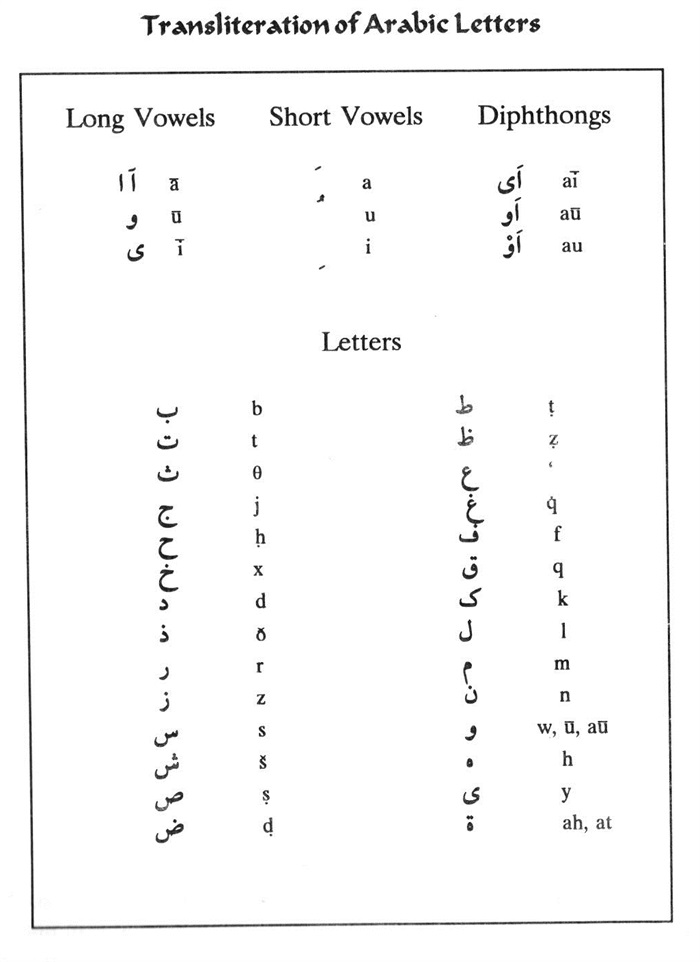
p: 16
Trials: The Necessity of Patience and Steadfastness
153 یآ اَیُّهَا الَّذینَ امَنُوا اِسْتَعینُوا بِالصَّبْرِ وَ الصَّلوةِ اِنَّ اللّهَ مَعَ الصّ-ابِرینَ
153." O' you who have faith! seek you help (from Allah) through patience and prayer, verily Allah is with the patient ones (in the time of adversity)."
The phrase / yā'ayyuhallaǒīna'āmanū / " O' you who have Faith" addresses all those who have Faith entirely, foremost of whom hadrat Amir-ul-mu'mineen Ali (a.s.) and the rest of the immaculate Imams are distinguished. This idea is expressed in many Islamic narrations; for instance, it is quoted from Ibn Abbas narrating from the holy Prophet (p.b.u.h.) who said: " No revelation containing ` O' you who have faith' was sent down except that Ali is at its top and is its chief."(2)
Again, it is narrated from `Akramah who narrates from Ibn-Abbas that has said: " Allah has sent no verse in the Qur'ān consisting of `O' you who have faith ' but Ali-ibn-Abītālib (a.s.) is the leader of it and the chief of it ".(3)
Of course, the more complete and higher the degree of Faith is,
p: 17
the content of the verse about it is more clear and more apparent. (This phrase has also been discussed more comprehensively when commenting on Sura No. 2, verse 104 on pages 250 and 251 in the previous volume.)
The phrase / wasta`īnū / " seek you help from Allah " is a guiding imperative phrase because at every moment and in all affairs a mortal is in need of Allah's help, whether it is something which is inside his free will, because he is not an absolutely independent subject, though he is created free in will; or it is something which is outside of his will. Man is in complete need of Him (s.w.t.) and he should constantly invocate for everything and seek help from the Lord.
A person most naturally and reasonably can be qualified for the special blessings from Allah. If this verse is to be taken as referring to the conquest of Mecca, even then it holds good, if it means to say that the people must prove their worthiness or value to the Truth in Islam by bearing the hardest trials with constant prayers to the Lord; for prayer suggests the praying individual's acknowledgment of Allah's Omnipotence and the individual's confidence in God being the All-Merciful One, as the only One Who can grant the prayers of the sincere supplicants.
Real Faith can never be mere empty words. It must express or manifest itself through patience or endurance in all that befalls the individual to show his faithfulness to God, and the help from Allah must be sought through prayers or supplications to the Lord.
The aid of Allah requires eligibility. This eligibility is confirmed by two things:
The first is having patience in worldly hardships and perseverance in bearing its bitter circumstances. And also having patience in tolerating the hardship of performing Divine services, and obtaining knowledge and good ethics, patience in withholding one's self from lusts and the fleeting pleasure of committing sins and yielding to low desires, is necessary. This bitterness of hardship, which is short in time, finally results in a sweet fruit which lasts a long time. Concerning the epithets of the true believers, Amir-ul-Mu'mineen Ali (a.s.) has said: " The short
p: 18
period of patience resulted in a long period of tranquility for them."(1)
The term / ṣabr / ` patience ', in this verse, is rendered into ` fasting ' and `holy war '.
The second thing is ` prayer ' which is the highest means of turning towards and approaching Allah by which we may seek help and aid from that Origin of Favour and Grace.
Some commentators have rendered the Qur'ānic term / ṣalāt / into `supplication ' whose explanation demands a separate chapter.
Some others of the commentators, based on some Islamic traditions, have interpreted it into the ` obligatory prayers ' and ` supererogatory prayers'. For example: it is cited in Tafsīr `Ayyashī narrated from Fudayl from Imam Bāqir (a.s.) who said: " O' Fudayl!, convey our salam (regards) to our followers whom you visit and tell them I say that I avail you aught (in keeping you far) from the punishment of Allah save by piety. Then, they must control their tongues and be careful of their hands. They should be attentive to patience and prayer. Verily Allah is with the patient ones."
The first part of the verse has also occurred in verse 45, Sura Al-Baqarah, the explanation of which can be referred to on pages 169 and 170 in the previous volume.
The objective meaning of the phrase " Allah is with the patient ones" is that His help, assistance, guidance, success, favours, the protection from pests, the perfection of intentions, as well as His other blessings are showered upon the patient by Him.
Above all of the aforementioned bounties, there is the reward of Allah granted to the patient believers in the Hereafter about whom He says: "Those who patiently persevere will truly receive a reward without measure!", (Sura Az-Zumar, No. 39, verse 13).
****
p: 19
154 وَ لا تَقُولُوا لِمَنْ یُقْتَلُ فی سَبیلِ اللّهِ اَمْوتٌ بَلْ اَحْیاءٌ وَ ل-کِنْ لا تَشْعُرُونَ
154. " And do not say of those who are slain in Allah's way: ` They are dead '. Nay, (they are) alive, but you perceive (it) not."
The Qur'ānic phrase: ` of those who are slain in Allah's way ' refers to those who are slain (i.e. martyred) in the battles led by the Prophet (p.b.u.h.) or Imams (a.s.), or one of their specific deputies, as well as anyone who is martyred on the path of Islam and propagation of the religion of Allah. The content of the verse is inclusive of not only all who are slain in the path of Allah such as: the immaculate Imams (a.s.), their ministers, Muslim scholars and believers, although the occasion of revelation of the verse is reported that it was revealed about the Muslims who were martyred in the battle of Badr, but also any one other than them.
" And do not say of those who are slain in Allah's way:
` They are dead.'..."
The phenomenon of martyrdom is more clearly described in Sura 'Āli-`lmrān, NO. 3, verses 169,170 which gives further information about the truth that those who surrender or sacrifice their lives in the way of Allah (i.e. the martyrs) are alive receiving their sustenance from their Lord.
" And reckon not those who are killed in Allah's way as dead; nay they are alive (and) are provided sustenance from their Lord;" " Rejoicing in what Allah has given them out of His grace, ..."
The term /šahīd/ ` martyred ' used in many occurrences in the Qur'ān refers to this blissful state of realization.
Therefore, this stage of life, i.e. the life immediately after death, i.e. the purgatory life, is not allocated to martyrs alone, though the verse
p: 20
is about them, but it envelops all people, because stating something does not mean that the unstated, but applicable, instances are not involved.
For example, when we say ` this man is just', it does not mean that justice belongs to him exclusively and there is not any other just person; while there may be thousands of people who are just.
Thus, this verse, here, confirms the purgatorial life for the martyrs. This life, the intermediate state, according to many verses of the Qur`ān and abundant Islamic traditions, exists for all believers and nonbelievers both, with a distinction. The soul of a believer, after departuring from its physical body, will settle in a body similar to this one and will be sustained in that world until when the Hereafter comes forth; while the soul of a nonbeliever, during the time when passing this course, will be in torment, as the Qur'ān says: " (In falsehood will they be) until when death comes to one of them, he says: `O' my Lord! send me back (to life), - " " In order that I may work righteousness in the things I neglected.' By no means! It is but a word he says, Before them is a partition till the Day they are raised up." (Sura Al-Mu'min, No. 23, verses 99 and 100).
It is narrated from Yūnus-ibn-Thibyān who said he was sitting with Imam Sādiq (a.s.) when he was explaining about the believers' souls and he (a.s.) said: " O' Yūnus! when Allah gets the soul of a believer taken, He puts his soul in a setting like his body that was in this world. So, they eat and drink, and when a comer enters, he recognizes them in the same form as they were in the world."(1)
Also, Abū-Baṣīr narrates from Imam Ṣādiq (a.s.) who, about the believers' souls, said: " (They will be) in Heaven with the same features as their (worldly) bodies were, so that if you see him (one of them) you will surely recognize him and say who he is."(2)
Then, the Qur'ān continues saying:
"...Nay, (they are) alive, ..."
Life is divided into four sorts: the plant-life, the animal-life, the human-life, and the Faith-life.
p: 21
Plant-life is the power of growth which is common among plants and animals including human beings. The death of this particular life is when that power stops.
Animal-life is the power by which feeling and conscious movement come to being. Human beings and animals have this life in common. It dies when this power ceases.
Human-life is the faculty of general reasoning and perceiving by which Man is distinguished from animal. This phenomenon emerges because of that abstract and rational soul which administrates this body. Its death causes the interruption of this administration and breaking off its connection with the body, but there is no destruction for it and it remains to return to the body again when the Resurrection occurs. So, this purgatorial state exists not only for martyrs or Muslims, but for the soul of every conscious being.
Faith-life is the peace of mind, assurance of self, and clearness of heart, all of which come into existence for a believer through Faith and knowing Allah. It is in this state that he can live in rest and tranquility with joy and pleasure, because the toils, hardships, and miseries of this world would not create any awe, worry, anxiety or instability for him.
This very condition originates from his reliance and belief in Providence, Who gives only goodness.
This life is the same as the ` good life ', about which the Lord says: " Whoever works righteousness, man or woman, and has Faith, verily, to him will We give a new life, a life that is good and pure, and We will bestow on such their reward according to the best of their actions."(Sura An-Naḥl, No. 16, verse97). And, the Qur'ān also says:" O' you who have Faith! give your response to Allah and His Apostle, when He calleth you to that which will give you life; ..." (Sura Al-'Anfāl, No. 8, verse 24).
It is said that the utterances in a language indicate meanings so that letter and spirit correspond with each other. For example, the term `light or lamp ' is applied to any means which is used in darkness to get brightness from. Then, whatever has this function, the application of that term for it is correct, although the substance is different from the point of material, form and other qualities.
p: 22
Life is a general sense which is recognized by the appearance of the effects which are expected from it. In this sense, the term ` life ' is used for the Essence of Allah ,too. The example of this idea is recited in Sura 'Āl-i-`Imrān, No. 3, verse 2 which says: " Allah! there is no god but He, the Ever-Living, the Self-Subsistent (the subtainer and protector of all things)." That is, the Essence from Whom the effects of knowledge and power are clear and manifest. That is why some scholars said that Allah's life is His very Knowledge and Power. Of course, the Essence of the Knower and the Mighty is alive. Therefore, wherever the effects of this meaning exist, the application of this utterance is correct, but it is not necessary that its kind and its characteristics and properties, which are appropriate to those particular situations, be the same everywhere and in all circumstances. Hence, the life in Purgatory, from the point of quality for martyrs and other people, is of the quality of the same world. It is for this reason that the people of this world with their senses, the quality of the nature of which is of the quality of this world, can not perceive that which is of the quality of the nature of that world.
"...but you perceive (it) not."
By the way, this verse clears the doubt of materialist and pagans who believe that with death, man's life becomes extinct, i.e. there is no life after death. Here, the Qur'ān warns all, Muslim or non-Muslim, that MAN'S LIFE DOES NOT PERISH AFTER DEATH, BUT IT DOES REMAIN.
So, keeping this in mind, we realize that there is nothing more valuable or worthwhile than the time spent striving for the perfection of such a life. May Allah help us all to follow His Ordinances that He so graciously made available to us by way of the Qur'ān in order that we might experience success in this life and in the Hereafter.
****
p: 23
Verses 155-157 (1)
155 وَلَنَبْلُوَنَّکُمْ بِشیْ ْءٍ مِنَ الْخَوْفِ وَ الْجُوعِ وَ نَقْصٍ مِنَ الاَْمْوالِ وَ الاَْ نْفُسِ وَ الثَّمَراتِ وَ بَشِّرِ الصّابِرینَ
156 اَلَّذینَ اِذا اَصابَتْهُمْ مُصیبَةٌ قالُآ اِنّا لِلّهِ وَ اِنّا اِلَیْهِ راجِعُونَ
157 اُول-ئِکَ عَلَیْهِمْ صَلَواتٌ مِنْ رَبِّهِمْ وَ رَحْمَةٌ وَ اُول-ئِکَ هُمُ الْمُهْتَدُونَ
155. "And We will surely test you (all) with something of fear and hunger and loss of property, lives and fruits; but give glad tidings to the (steadfast) patient."
166. "Who, when a calamity befalls them, (by showing perseverance), say:` Verily we belong to Allah, and certainly unto Him shall we return'."
167. " Those are they on whom are blessings and Mercy from their Lord, and they are the ones that are guided (aright)."
Imam Amir-ul-Mu'mineen Ali (a.s.) said: "Even though Allah, the Glorious, knows them more than they know themselves, yet He does so to let them perform actions with which they earn reward or punishment."(2)
Concerning the sense of rial, in a sermon, he (a.s.) also has remarked:
"...Certainly, Allah tries His servants in respect of evil actions by decreasing
p: 24
fruits, holding back blessings and closing treasures of good, so that he who wishes to repent may repent, he who wishes to recall (forgotten good) may recall, and he who wishes to abstain (from evil) may abstain. ..." (1)
****
Allah (s.w.t.) tests all human beings, but with varieties. All the different sites of the world are the testing-places, and all the members of humanity, even the prophets, are under trial, and all the pleasant and unpleasant things are the means of trial. We ought to know that the Divine examinations are not done in order to clear out the ambiguity, but they are to evoke and train the capacities and abilities of humankind.
The means of this trial are all bitter and sweet happenings of Man, including: fear, hunger, loss of property, lives, agricultural products, fear from enemies, economic siege, and taking part in Holy War himself, or by sending children and dear ones to the battle of war.
These trials were experienced in the first war of Islam (battle of Badr), and will also come forth at the time of the reappearance of the Expected Mahdī, the twelfth Imam (May allah hasten his glad advent), for which Muslims should be prepared.
The inflictions, which human beings encounter with, are usually concerned with wealth, life, children, or the fear of the loss of either of them.
The secret of mentioning ` fear ', among the means of trials, first, may be that the purpose is the fear for the lack of either of those three things. It is always before the loss of the very things that one fears of losing them.
Then, next to fear, hunger is pointed out, which comes into being as a result of poverty. Yet, in this respect, fasting is counted one of the examples of hunger.
Loss of property has been situated in the third degree. The loss of wealth, of course, is very bitter, especially for a rich person when he
p: 25
becomes poor.
Then there comes the loss of life, which often occurs because of different ailments or after being wounded: in a battle-field and Holy War in the way of Allah, and so on.
And, finally, the loss of fruits comes forth. Some of the commentators have rendered this loss into the death of one's child, which is the heaviest calamity.
"...but give glad tidings to the (steadfast) patient."
It addresses the prophet of Islam (p.b.u.h.) that he gives glad tidings to those people who persevere with patience in their calamities and difficulties.
Some commentators have said that this ` glad tidings' points to the reward of Heaven and the merit of Divine forgiveness for them, as Imam Ṣādiq (a.s.) has said: "Allah, Mighty and Glorious, said: `...but give glad tidings to the (steadfast) patient', or, (that is), with Paradise and forgiveness."(1)
But in another tradition, Imam Ṣādiq (a.s.) has rendered the concept of ` glad tidings ' into the reappearance of Imam Al-Mahdī (a.s.), where he says:
" Before the rise of Ghā'im (Al-Mahdī) (May Allah hasten his auspicious reappearance) there will appear some signs by which Allah tries the Muslim believers. " Muhammad-ibn-Muslim, (who was one of the special followers of the Imam), said that he required to know what those signs were; and he (a.s.) answered:" Those are the same that Allah, the Glorious, has expressed in the Qur'ān, thus:` And We will surely test you (all) with something of fear and hunger and loss of property, lives and fruits;'
So far as he (a.s.) recited: `...but give glad tidings to the (steadfast) patient', and continued to say: ` This means to give glad tidings to the believers who show patience and perseverance in these calamities for the advent of the Ghā'im (a.s.), (viz., Hadrat Mahdī, May Allah (s.w.t.) hasten his glad advent." (2)
Yes, the world is anxiously awaiting the advent of this great
p: 26
reformer (a.s.). When he comes, he will fill the world full of justice.
Then, there will be no inequity, no cruelty, and no transgression. Allah will open the doors of blessings out of the earth and heaven because of his auspicious appearance. At that time, the believing people can continue to live peacefully and easily under his esteemed government, to prove their worship and servitude to Allah.
Concerning this meaning, in a tradition, the Holy Prophet (p.b.u.h.) has said:" Al-Mahdī is mine. His luminous forehead is high and wide, while over whose nose there is a little projection. He will fill the earth with justice, just as it is filled up with aggression and cruelty."(1)
****
"Who, when a calamity befalls them, (by showing perseverance), say:
` Verily we belong to Allah, and certainly unto Him shall we return'."
After recounting different calamities, and giving glad tidings to the patient, it introduces this group of patient who, with this competency, rightfully deserve to be given glad tidings. It is clear that every ordinary person is not fit to be rewarded with all these excellences and dignities.
Hence, that reward, i.e. the glad tidings, is specialized to the ones whose patience originates from a firm foundation. This particular glad tidings is qualified by a special blessing and Mercy from the side of Allah.
These kind of people are those ones whose hearts turn to their Lord at the moment of meeting with a calamity when, they say:
`... Verily we belong to Allah, and certainly unto Him shall we return'."
They treat such because they have realized, through knowledge of certainty or by visual certainty, that whatever exists belongs to Allah and is under His Will. So, whatsoever He has given to human-kind in this world, such as: soul, property, children, and all other similar respects, are ficticious.
They also know that whatever Allah has bestowed upon them
p: 27
has been based upon His Wisdom, and when He takes it from them, it is not taken because of miserliness, but it is for His good that He takes a blessing from a person to mercifully impart a better one. They have found out that their return, their destination, as well as the return of every thing, is undoubtedly unto Him.
****
However, he who, based on these foundations, knows and remembers that his soul, wealth, and whatever he possesses belongs to Allah and is under His Authority, surrenders to His divine decrees. The one, with this awareness, will be patient and thankful properly and reasonably. Such a person, of course, is one of those eligible believers for whom Allah says:
" Those are they on whom are blessings and Mercy from their Lord,...", and they are prosperous.
Some of the commentators have said that / ṣalawāt/ (blessings and peace), which comes from Allah (s.w.t.), is the same as ` fogiveness', while some others believe that it is `praise'.
The term /ṣalawāt/ (blessings) is said in the plural form because it refers to the abundant mercy of Allah. It may mean that there are many frequent blessings for these steadfast patient from Allah which do not cease.
It is narrated from the Prophet (p.b.u.h.) who said:" The person who receives a calamity and thereafter, whenever the one remembers it, utters the phrase ` Verily we belong to Allah, and certainly unto Him shall we return ', Allah gives the believer once again the reward of the day when the one received that calamity". (Even though there has passed a long time after that calamity). (1)
He (p.b.u.h.) has also said in another tradition that, for such a person, Allah will amend that calamity with a better quality than before and his destiny will conclude well. (2)
"...and they are the ones that are guided (aright)."
p: 28
This group of the patient, as was mentioned in the above, when they entangle with a calamity, are patiently steadfast, since they have known that they themselves and what they have are all Allah's, and in His possession. They also know that their return is unto Him, and they express this fact, too, by their tongue and with uttering the above holy phrase. Such people have attained the rank and position of nearness to Allah. Their march is gain after gain, i.e. an ever progressive gain. They are, in fact, guided aright.
****
p: 29
158 اِنَّ الصَّف-ا وَ الْمَرْوَةَ مِنْ شَع-آئِرِ اللّهِ فَمَنْ حَجَّ الْبَیْتَ اَوِ اعْتَمَرَ فَلا جُناحَ عَلَیْهِ اَنْ یَطَّوَّفَ بِهِم-ا وَ مَنْ تَطَوَّعَ خَیْرا فَاِنَّ اللّهَ ش-اکِرٌ عَلیمٌ
158. " Behold, Safā and Marwah are among the Symbols (appointed by) Allah; so whoever makes the pilgrimage (Hajj) to the House, or performs `Umrah, therefore it is no blame on him to go round them both. And for whoever (obeys Him and) initiates good, then verily Allah is Grateful, All-Knowing."
Running between Safā and Marwah, is obligatory with the Shi`ah, the followers of Ahlul-Bayt (a.s.), and it is one of the main actions in both greater pilgrimage (Hajj) and lesser pilgrimage (`Umrah). But, at the beginning of Islam, those Muslims were not willing to perform it because they had imagined that there had been something wrong in it, for, at the Age of ignorance, there had been an idol in Safā called: 'Usāf, and another in Marwah named: Nā'ilah, which pagans used to touch both while running therein. So, this very verse was revealed to make the Muslims free from that false imagination. This very meaning is cited in At-Tibyān fī Tafsīr-il-Qur`ān, narrated from Imam Muhammad Bāqir (a.s.) and Imam Ja`far Ṣādiq (a.s.). (1) The idea is also cited with more details in Majma`-ul-Bayān, narrated from Imam Ṣādiq (a.s.). It begins thus:
" Muslims had usually seen some signs of innovation from the pagans of pre Islamic era of Ignorance, (so they disliked to circumambulate them).
Then, Allah sent this verse down (to remove that aversion)."(2)
p: 30
The expansion of this description is thus that before the advent of Islam and also at the time of revelation some pagans and idol-worshippers used to go to Mecca to make Hajj pilgrimage with a particular form which was common at that time. Their fulfilment of Hajj pilgrimage was principally originated from Prophet Ebrāhīm (Abraham) (a.s.) but with a mixture of superstitions and polytheism.
Some of their ritual actions were: halt at `Arafāt, sacrifice, circumambulation, and run between Safā and Marwah, which were done in a special state.
Islam, clearing out that noble performance from superstitions, accepted Hajj pilgrimage as a great worship and approved all of its correct and pure ceremonies.
One of the deeds which was to be done then was /Sa`y/, i.e., running between two hillocks called Safā and Marwah, over which the aforementioned idols were kept and pagans touched them when climbing those two hillocks.
Hence, Muslims were averse to going to these hillocks and thought that in that circumstance it was not right for them to perform running between Safā and Marwah.
Then, it was at the time of `Umrat-ul-Ghadā (in seventh A.H.) that the above verse was revealed and announced that Safā and Marwah are among the Symbols of Allah and, although some ignorant people have polluted them with idols, it is not right that Muslims abandon the obligatory running between them.
This verse, regarding the particular psychological conditions that was mentioned in the occasion of revelation, preliminarily informs Muslims that Safā and Marwah are among the symbols of Allah:
" Behold, Safā and Marwah are among the Symbols (appointed by) Allah;..."
After this introductory sentence, it subsequently comes to the meaning that:
p: 31
"...so, whoever makes the pilgrimage (Hajj) to the House, or performs `Umrah, therefore it is no blame on him to go round them both. ..."
The wrong behaviour of pagans, that had polluted the symbols of Allah with those idols, should never decrease anything of the importance of those two sacred sites.
At the end of the verse, it says:
"... And for whoever (obeys Him and) initiates good, then verily Allah is Grateful, All-Knowing."
Therefore, the Lord, by giving good rewards bountifully, thanks the servants for their obedience and doing right actions; while He is completely aware of their intentions and knows who is interested in the idols and who is averse to them.
Explanation:
It may be worthy to say that the terms Safā and Marwah are referred to in the Qur'ān only once.
These two hillocks stand nearly 420 meters opposite each other.
This distance is now set up as a covered hall under whose ceiling the pilgrims perform the running, /sa`y/. The height of Safā Mount is 15 meters, and that of Marwah is 8 meters.
These two terms, used now as proper names for those two hillocks, are philologically meaningful, too. The term /safā/ means a hard smooth stone, while /marwah/ means a hard rough stone.
The Qur'ānic term /ša`ā'ir/ is the plural form of /ša`īrah/ which means ` ritual sign'. Therefore, the phrase /ša`ā'irillāh/ means anything which reminds a person of Allah, and revives a sacred remembrance in one's mind which, itself, would be an act of virtue or devotion to Allah.
The term /'i`tamara/, derived from /`umrah/, originally means the additional parts that are added to a building in order to complete it. This word, used in religious terminology, is applied for special deeds added to the performances of Hajj Pilgrimage. (When `Umrah is done separate from Hajj pilgrimage, it is called / `umrah mufradah/, a single `Umrah).
This minor pilgrimage to Mecca is very much similar to Hajj pilgrimage in many aspects, but its difference is not so minute, of course.
p: 32
159 اِنَّ الَّذینَ یَکْتُمُونَ م-آ اَنْزَلْن-ا مِنَ الْبَیِّناتِ وَ الْهُدی مِنْ بَعْدِ ما بَیَّنّاهُ لِلنّاسِ فِی الْکِتابِ اُول-ئِکَ یَلْعَنُهُمُ اللّهُ وَ یَلْعَنُهُمُ الْلاّعِنُونَ
160 اِلاَّ الَّذینَ تابُوا وَ اَصْلَحُوا وَ بَیَّنُوا فَاُول-ئِکَ اَتُوبُ عَلَیْهِمْ وَ اَنَا التَّوّابُ الرَّحیمُ
159. " Verily, those who conceal what We have revealed of the clear evidence and the guidance, after We made it clear for mankind in the Book; they are those that Allah does curse them and (also) curse them (all) those who curse (such ones)."
160." Except those who repent, and amend (themselves) and make manifest (the truth). These it is unto whom I turn (mercifully; and I am the Oft-Returning (to mercy), the Merciful (to people)."
Jalāl-id-Dīn Suyūty has narrated in his book, 'Asbāb-un-Nuzūl, from Ibn-Abbas that several Muslim people, such as Ma`āth-ibn-Jabal, Sa`d-ibn-Ma`āth, and Khārijat-ibn-Ziyd asked scholars of the Jews several questions about some subjects in the Torah (which concerned the advent of the Prophet (p.b.u.h.)). They concealed the reality of the subject and, (in their answers), did not refer to the main idea. The above verse was revealed about them. (1)
In the occasion of revelation it was mentioned that the addressees in this verse were the scholars of the Jews, but the meaning is general and never limits the concept of the verse to them only. It covers all whosoever that conceal the truth.
This holy verse intensively blames such people, saying:
p: 33
" Verily, those who conceal what We have revealed of the clear evidence and the guidance, after We made it clear for mankind in the Book;
they are those that Allah does curse them and (also) curse them (all) those who curse (such ones)."
By this verse, we realize that both Allah and the servants of Allah and angels totally hate this action. In other words, concealing the fact is an action that stimulates the wrath of all adherents of truth from jinn, mankind, and angels.
What a treachery is greater than that the scholars, for the sake of their personal interest, hide the Messages and evidences of Allah, which are His deposits, and cause people to go astray.
The phrase: " after We made it clear for mankind in the Book;" indicates that such persons, in fact, attempt to spoil the struggles of prophets and the devotions of the godly people alongside the path of the propagation of the Messages of Allah. This action is really a great sin so that none can ignore.
****
The Qur'ān, as a book of guidance, never blocks up the way of return and does not shut the windows of hope to people. It never makes people despair for the Mercy of Allah, however much they are sinful.
Hence, in the next verse, it shows the way of repentance of this great sin, thus:
" Except those who repent, and amend (themselves) and make manifest (the truth). These it is unto whom I turn (mercifully); and I am the Oft-Returning (to mercy), the Merciful (to people)."
The phrase: " and I am the Oft-Returning (to mercy), the Merciful (to people)," regarding that it has occurred next to the phrase: " These it is unto whom I turn (mercifully)" refers to the particular affection and kindness of Allah unto the repentant ones. It says if they return, Allah will return, too. If they return to the obedience and servitude, and reveal the fact, Allah will return to Mercy and again shower over them the blessings He had ceased.
****
p: 34
161 اِنَّ الَّذینَ کَفَرُوا وَ ماتُوا وَ هُمْ کُفّارٌ اُول-ئِکَ عَلَیْهمْ ْلَعْنَةُ اللّهِ وَالْمَلئِکَةِ وَ النّاسِ اَجْمَعینَ
162 خالِدینَ فیها لا یُخَفَّفُ عَنْهُمُ الْعَذابُ وَ لا هُمْ یُنْظَرُونَ
163 وَ اِلهُکُمْ اِلهٌ واحِدٌلآ اِلهَ اِلاّ هُوَ الرَّحْمنُ الرَّحیمُ
161. " Verily those who reject faith, and die while they are infidels, upon them shall be the curse of Allah, (of) the angels, and (of) mankind all together."
162. " Abiding therein forever, the torment shall not be lightened for them nor shall they be given respite."
163. " And your God is One God. There is no god but He; He is the Beneficent, the Merciful."
It was described in the former verses that if the people who conceal the fact repent and express the reality, they will be involved in the mercy and grace of Allah. But in this verse they are warned that if they do not repent and remain in the state of infidelity until they die, they will be in the same situation that Allah, angels and all people curse them. Of course, the repentance that occurs before death is accepted, but the repentance at the moment of death is not helpful.
At first, it says:
" Verily those who reject faith, and die while they are infidels, upon them shall be the curse of Allah, (of) the angels, and (of) mankind all together."
This group of infidels, similar to the aforementioned group, are involved in the curse of Allah, angels, and people, too. The difference is that this group, because of their continuous insistence on being faithless, can not have a way to return to the right path.
p: 35
****
Then, it adds:
" Abiding therein forever, the torment shall not be lightened for them nor shall they be given respite."
****
Since the principle of the Faith in theism can put an end to all these misfortunes, in the last verse of this group of verses, it says:
" And your God is One God. ..."
Again, to emphasize more, it says:
"... There is no god but He;..."
Then, at the end of the verse, as the reason for that statement, it adds:"...He is the Beneficent, the Merciful."
Yes, only the One, Whose general mercy encompasses all creatures, on one side, and on the other side, Whose specific Mercy reaches the true believers, deserves servitude, and no one else.
****
p: 36
164 اِنَّ فی خَلْقِ السَّمواتِ وَ الاَْرْضِ وَ اخْتِلافِ الَّیْلِ وَ النَّه-ارِ وَ الْفُلْکِ الَّتی تَجْری فِی الْبَحْرِ بِما یَنْفَعُ النّاسَ وَ ما اَنْزَلَ اللّهُ مِنَ السَّماءِ مِنْ م-اءٍ فَاَحْیا بِهِ الاَْرْضَ بَعْدَ مَوْتِه-ا وَ بَثَّ فیه-ا مِنْ کُلِّ دآبَّةٍ وَ تَصْریفِ الرِّیاحِ وَ السَّح-ابِ الْمُسَّخَرِ بَیْنَ السَّم-اءِ وَ الاَْرْضِ لاَیاتٍ لِقَوْمٍ یَعْقِلُونَ
164. " Surely in the creation of the heavens and the earth and the alternation of night and day, and (in) the ships that sail on the sea with what profits mankind, and (in) the water which Allah sends down from heaven and enlivens therewith the earth after its death,
and spreads in it all kinds of animal, and in the change of the winds and the clouds controlled (for service) between the sky and the earth;
surely there are signs for a people having understanding."
The previous verse spoke about the Oneness of the Lord. Then, here in this verse, there is the reason and evidence to prove the existence of the Providence and that there is only One God, the Glorious. He, the Almighty, is the cause of all causes and the source of knowledge, power, order, and regularity.
Primarily, we attract attention to the fact that uniformity and order, in general, are signs for the existence of intelligence and knowledge, where harmony is a reason for the being of unity. Based on this principle, the explanation of which has been stated in the books of theism, when we deal with the various aspects of ` order ' in the world of
p: 37
existence, we come to the harmony and the unity of action in the regular working of the universe, on one side, and on the other side, we encounter with a single source of knowledge and power that all these glorious effects originate from.
So, the native uniformity and the perfect and the never disturbed harmony in the working of the universe, loudly and most eloquently suggests and clearly manifests the Unity of the Creator and the unchallengeable or unquestionable supremacy of its Single Master or Lord. Man is exhorted to reflect over the creation and realize the divine unity in the midst of the diversity and the manifoldness of the innumerable objects in the heavens and the earth and in the forces of nature and the perfectly harmonious working of the natural phenomena.
The uniformity and the harmony in the objects and the working of the universe is constantly referred to in the Holy Qur'ān as a sign of the Unity of the Maker.
Taking this short introductory explanation into consideration, we continue explaining the commentary of the verse again.
In this verse, there are six aspects of the indication of regularity in the world of existence, each of which is a symbol for the unity of that Infinite Essence or an indication to the Eternal One, the pure Essence, the Supreme Being.
1. The first symbol, which refers to the Unity of the Creator, is the creation of the heavens and the earth:
" Surely in the creation of the heavens and the earth..."
Yes, this glorious universe with all its stars and planets, including millions and millions of illuminating suns, some of which meaningfully twinkle at us when we look at the sky at night or show themselves far from behind some great telescopes, all in all are the signs and means of reflection of His Power, Knowledge,and Unity.
It is surprising that the more the knowledge of the human race increases, the clearer the greatness and vastness of this universe is recognized, and it is not evident that how large and up to when this scientifical expansion of the recognition of the still secrets of the universe will continue.
Today, scientists and astronomers infrom us that there are thousands and thousands of galaxies in the universe where our solar
p: 38
system is only a part of one of them. In our galaxy alone, there are hundreds million suns and bright stars among which, according to the scientists' data, there can be found some millions of inhabitable planets.
What a Splendour! What a Power.
In addition to the tradition narrated from the holy Prophet (p.b.u.h.) (1) and Ahlul-Bayt (a.s.) about some of the verses of the Qur'aān confirming the existence of the living creatures in the Heaven and other planets (earths) besides our dwelling earth, there have been written many scientific books on this subject by a lot of Islamic and non-Islamic scholars that the followings are a few examples out of hundreds of similar examples:
a) The Earth, the Sky and the Stars from the View of the Qur'ān; by Dr. Muhammad Sādiqī.
b) The Qur'ān and the Modern Science; by: `Abdul-Qanī- Al-Khatīb; translated by: Dr. Asadullāh Mubashshirī.
c) Jahān 'Āfarīn; by: Husayn Nūrī, one of the esteemed scholars in the Religious Teaching Center of Qum.
d) The Earth and the Sky; by: A. Welkuf; translated by: Ali Dukhāniyātī.e) Galaxies and Quasars; by: William J. Kaufmann, I (Department of Physics, Sandiego, State University).
It should be noted that the life found on other planets may be, of course, rather in a different form from what exists on our globe.
Therefore, in investigations of the matter, we must not consider only the kind of the life on the earth as a standard, because those globes have their own life-conditions for themselves which are certainly different from the circumstances of the life on the earth, so that, in a great deal of cases such as temperature, water, air and light, they are incomparable with that of the earth.
2. The second indication is seen in the constant change of the day and the night, where it says:
"...and the alternation of night and day,..."
Yes, the constant change of night and day, the absence of
p: 39
darkness and the presence of light, with that regularity that they have, and, that one ceaselessly becomes shorter and the other one becomes longer, that as a result of which the four seasons come into being, when trees, plants, and animals obtain their evolutions under these gradual changes, are totally the signs of His Exalted Essence and Attributes.
If these gradual changes were not, or they happened without order, or they were always either day or night alone, there would be no life throughout the world at all.
3. Then, it points to the ships which move on the water of the seas for the benefit of Man:
"... and (in) the ships that sail on the sea with what profits mankind,..."
Man travels long voyages over the seas and oceans by small and large ships towards different points of the world to perform his purposes. This kind of transportation over sea-water can be afforded by employing some factors, particularly when it is done by a sailer.
The first factor is the regular winds that blow from the surface of the seas towards the land and vice versa, including the ceaseless winds blowing from the North Pole and South Pole called ` Arctic winds and Antarctic winds ', or the regional winds which blows in their own proper times and let the ships utilize this natural force gratuitously setting forth to their destinations.
Another factor is the natural property of wood against the special pressure of water which causes that it floats over water.
Again, there is the two invariable magnetic poles of the earth which fix the hands of a compass.
The arrangement of the stars in the sky, which lead people to their destinations, is also counted a factor.
Yes, it is with the combination of all these arrangements that the application of ships, with their abundant benefits alongside the help of men, can be made possible. Thus, all these processes are indications of His Pure Essence.
Concerning the sailing ships, it is surprising that today, with the invention of the force of powerful engines used in the ships, not only this meaning has not lost its importance but it has also gotten a higher position in this respect, because the great gigantic ships are still among
p: 40
the best means of transportation and communication between people of different spots. Some kinds of modern ships are as large as a town, having arenas, pleasure centers, playgrounds, and even a market-place for shopping. Or, in some particular ships, there are airports where several aeroplanes can land on or take off from.
4. Now, the rain, the life-giving water which is sent down from the sky to the earth, is pointed out. It says:
"...and (in) the water which Allah sends down from heaven and enlivens therewith the earth after its death,
and spreads in it all kinds of animal,..."
Yes, wherever the pure life-giving drops of rain fall down, thereby, life, freshness, blessing, abundancy, and movement may appear therein. This lifeless but splendid water, which falls down with special order, and waters all those plants and living creatures continually, is the harbinger of His Power and Grandeur.
5. Then, for the useful currents and regular and irregular blowing of the winds, it says:
"...and in the change of the winds..."
The winds blow not only over the seas and oceans and cause ships to move about, but also over the surface of lands, mountains, valleys, and plains. They sometimes take the male pollen from stamens and pollinate the pistil and help their pollination in order to yield us fruits.
They also scatter seeds in different spots of the land to grow. They, at a time, frequently move the waves of the seas to stir them and make the conditions conducive for the living creatures.
With transferring the hot weather of the warm regions to the cold regions, and transferring the cold weather of the cold regions to the warm regions, the winds are effective in making the climate of the globe moderate.
Sometimes, the winds push the polluted and poisonous air of the cities, which has not enough oxygen, out into the deserts and forests and cause the fresh air, full of oxygen, to come unto the reach of human beings and other living creatures.
Yes, the wind, that blows and gifts man with benefits and blessings, is another sign of His Infinite Grace and Wisdom.
6. The last indication, mentioned in this verse, is clouds which, as
p: 41
servants, in spite of the gravity, are suspending between the sky and the earth to be moved here and there, carrying millions of tons of water easily with them without posing the least danger for anybody.
Hence, they are counted as a sign of the Greatness of the Creator, where He says:
"...and the clouds controlled (for service) between the sky and the earth;..."
However, if there were not the management of the irrigation of the clouds, there would not be any water throughout the world for man to drink, nor any spring or stream for plants to grow and, everywhere, the lands would be dry and dead. Therefore, this is also another trace of the Knowledge and Might of Allah.
"... surely there are signs for a people having understanding."
Yes, all of the above mentioned indications are the evidence of the existence of that Pure Essence, but for the people who understand and contemplate, not for the unaware ones and the people of little wisdom who have eyes but have not eyesight, or have ears but are deaf.
****
p: 42
165 وَ مِنَ النّاسِ مَنْ یَتَّخِذُ مِنْ دُونِ اللّهِ اَنْدادا یُحِبُّونَهُمْ کَحُبِّ اللّهِ وَ الَّذینَ امَنُوا اَشَدُّ حُبّا لِلّهِ وَ لَوْیَرَی الَّذینَ ظَلَمُآ اِذْ یَرَوْنَ الْعَذابَ اَنَّ الْقُوَّةَ لِلّهِ جَمیعا وَ اَنَّ اللّهَ شَدیدُ الْعَذابِ
165. "And yet, of men, there are some who take unto themselves (for worship) objects other than Allah, and love them as the love due to Allah;
but for those who have faith, their love of Allah is more intensive.
And if only those who are unjust could see (what they will realize) when they behold the punishment, that the Power is wholly Allah's,
and that Allah is severe in (enforcing) the Penalty."
Disbelievers have gone astray. Their affection to things other than Allah, is like the wish and desire of a sick person unto eating the food which is harmful for his sickness but the patient ignorantly persists on having it. In contrast with them are the believers. So those who have Faith surely love Allah very intensively and more than anything or anybody else.
The pagans, who have done unjustly to themselves, will see their miserable destination on the Day of Reckoning, when they will recognize their wrong thought and their deviation. On that Day they will understand fully that the entire Power belongs to Allah and that they had gone a wrong way when they had referred to other than Him. The intensive punishment of Allah, on that Day, will be upon those who, thoughtlessly and unreasonably, had left out the attachment to Allah and clung to some vain and chaffy imaginations.
Then, it is so that in Sura 'An`ām, No. 6, verse 102, to guide them, Allah warns them thus:
" That is Allah, your Lord, there is no god but He; the Creator of all things,
p: 43
therefore serve Him, and He has charge of all things."
By the way, it is narrated by Muhammad-ibn-Muslim that Imam Muhammad Bāqir (a.s.) and Hadrat Ṣādiq (a.s.) , speaking about the phrase: "...but for those who have faith, their love is more intensive " had said: " They are the progeny of Muhammad (p.b.u.h.) ". (1)
****
p: 44
166 اِذْ تَبَرَّاَ الَّذینَ اتُّبِعُوا مِنَ الَّذینَ اتَّبَعُوا وَ رَاَوُا الْعَذابَ وَ تَقَطَّعَتْ بِهِمُ الاَْسْبابُ
166." When would those that were followed disown those who followed and they would see the torment and their ties (between them) are cut asunder."
Beware who your leader is and whose love you carry in your heart! Those of you who love these tyrants and pay your affections to other than Allah, should know that they (the tyrants) want you for their own interests in this world. Therefore, they abuse your abilities and sincerity to obtain their own wishes, power and authority. But, on the Resurrection Day, they will avoid you and, hating you, will leave you alone.
This meaning should also be noted that in Tafsīr-ul-Burhān and in the book ` Ikhtisās ', by Shaykh Mufīd, there are some traditions cited about the meaning of the phrase: " when would those that were followed disown those who followed...". Among them, there is a tradition from Imam Bāqir (a.s) who said: " By Allah, O' jābir, these are the leaders of transgressors and their means for injustice."(1)
Therefore, in contrast with this group, as was referred in the previous verse, are the truly faithful ones, who bear the intensive love in their heart for Allah. They love not only the genuine leaders of the religion but also everything that Allah loves. The basic reason for this is that every thing they love is only for gaining Allah's pleasure. Even when they love their own family and issues, they love because it is their duty to do so as prescribed by Allah.
****
p: 45
167 وَ قالَ الَّذینَ اتَّبَعُوا لَوْ اَنَّ لَنا کَرَّةً فَنَتَبَرَّاَ مِنْهُمْ کَما تَبَرَّؤُا مِنّا کَذلِکَ یُریهِمُ اللّهُ اَعْمالَهُمْ حَسَراتٍ عَلَیْهِمْ وَ ماهُمْ بِخارِجینَ مِنَ النّارِ
167." And those who followed shall say:
` Had there been for us a return (to the world), then we would disown them even as they have (now) disowned us.
Thus Allah will show them their deeds; bitter regrets will be upon them.And never shall they get out of the Fire."
These mislead followers, who see the unfaithfulness of their leaders so evident, console themselves by saying:
" Had there been for us a return (to the world), then we would disown them even as they have (now) disowned us. ..."
But, what a pity! It is too late, because there is no possibility for them to return to life again.
Then, at the end of the verse, it says:
"... Thus Allah will show them their deeds; bitter regrets will be upon them.
And never shall they get out of the Fire."
Yes, they can afford nothing but sigh and regret bitterly. A regret for the wealth they gathered but others took the benefit of it. A regret for the extraordinary opportunities that they had had for attaining prosperity and being saved, but they missed them all easily. A regret for adoring some incapable worthless leaders instead of adoring Allah, the Almighty.
But, it is a vain regret, because it is neither the time of action nor the occasion for making up for the past. Nay! it is only the time of punishment and receiving the results of one's own deeds.
According to some traditions, there are some different halts in the Hereafter. In a few of these halts people cannot speak anything and silence dominates lips, where they can merely look at others regretfully and shed tears. In some other of these halts, there are people who ask
p: 46
each other for help, while some others curse and hate each other for their former deeds.
This verse indicates that at this time when the cruel leaders, who were adored, loved, and followed formerly, here, disown their followers and accept no responsibility for them. So, the followers disown them, too, and regret very much why they loved them, supported them, and followed them. But they gained naught. They regret in heart and express their regret by tongue in this manner that if they could return to life once more, they would never follow them. They say that these people who are so disloyal that they denounce their followers here on this Day (the Reckoning Day), they (the followers), too, would denounce them if they could return to the world again. They regret, but what is the use of this regret? It is of no use, and they cannot come out from the blazing Fire of Hell.
****
p: 47
Injunction about the use of food-stuff Blind following disallowed.
Concealing of truth and corrupting the Word of God and bartering it for worldly gains amounts to the eating of Fire.
168 یا اَیُّهَا النّاسُ کُلُوا مِمّا فی الاَْرْضِ حَلالاً طَیِّبا وَ لا تَتَّبِعُوا خُطُواتِ الشَّیْطانِ اِنَّهُ لَکُمْ عَدُوٌّ مُبینٌ
169 اِنَّم-ا یَأْمُرُکُمْ بِالسُّوءِ وَ الْفَحْشآءِ وَ اَنْ تَقُولُوا عَلَی اللّهِ ما لا تَعْلَمُونَ
168." O' mankind! eat of what is in the earth lawful and good; and do not follow the footsteps of Satan.
Surely he is a manifest foe for you."
169. " Verily, he (Satan) enjoins you evil acts and indecency and that you should speak against Allah what you know not."
One of the signs of a complete religion is that it considers the usage of the unlawful food-stuffs a Satanic deed (as the Qur'ān says:
"...intoxicants and games of chance... are an abomination of Satan's work...") (1) , and the inappropriate avoidance of eating the lawful ones originated from the temptations of Satan, (as the Qur'ān says: "...eat of what Allah has given you and do not follow the footsteps of Satan..."). (2)
Therefore, in the current verse, too, it says:
" O' mankind! eat of what is in the earth lawful and good; and do not follow the footsteps of Satan. ..."
p: 48
In some of the historical narrations it is cited that a few of the Arab tribes had unreasonably forbidden a part of their crops and their animals for themselves, where they used to sometimes attribute those prohibitions to Allah. Then, the above verse was revealed to dismiss that ambiguity.
Islam pays also specific attention to the material life of people. At the top of these things is the food necessities about which there are found tens of Qur'ānic verses and hundreds of traditions in Islamic literature.
One of the duties of prophets has been to define the lawful and unlawful edible materials and drinks beside the introduction of the advantages and disadvantages of each of them. This verse emphasizes that we have to consume from what is religiously lawful and pure /ḥalāl/ on the earth:
" O' mankind! eat of what is in the earth lawful and good;..."
And that we must not prohibit ourselves from some things under the effect of the Satan's temptation, because it is certain that Satan is our open enemy:
"...and do not follow the footsteps of Satan. Surely he is a manifest foe for you."
Imam Bāqir (a.s.) has narrated a tradition from the Prophet (p.b.u.h.) who said: " Worship of Allah is divided into seventy divisions, the best of which is earning a living lawfully."(1)
Again, in another tradition, the very holy Imam, the fifth Imam, (a.s) has said: " He who seeks for sustenance in this world in order to be independent of people for his needs, to provide for his family members, and to stretch affection unto his neighbours, will meet Allah, Almighty and Glorious, on the Day of Judgement while his face will be as bright as the full moon."(2)
****
It is cited in Tafsīr-i-Rouh-ul-Bayān that Satan has some different stages in his invitations unto temptations. At first, he invites to
p: 49
infidelity. If he fails in this phase, he invites to innovation. If he does not succeed, he invites to lesser sins. Failing in these stages, Satan invites to doing good and lawful deeds instead of worshipping Allah.
When he fails in this phase, too, he invites to performing worships with lower qualities than the noble ones in order to stop a person from promoting to higher degrees.(1)
Thus, the statement of the verse is a warning against what Satan does and how he leads men astray by his different forms of evil whispers when the Qur'ān says:
" Verily, he (Satan) enjoins you evil acts and indecency and that you should speak against Allah what you know not."
****
p: 50
170 وَ اِذا قیلَ لَهُمُ اتَّبِعُوا ما اَنْزَلَ اللّهُ قالُوا بَلْ نَتَّبِ-عُ ما اَلْفَیْنا عَلَیْهِ اباءَنا اَوَلَوْ کانَ اباؤُهُمْ لا یَعْقِلُونَ شَیْئا وَ لا یَهْتَدُونَ
171 وَ مَثَلُ الَّذینَ کَفَرُوا کَمَثَلِ الَّذی یَنْعِقُ بِما لا یَسْمَعُ اِلاّ دُعاءً وَ نِداءً صُمٌّ بُکْمٌ عُمْیٌ فَهُمْ لا یَعْقِلُونَ
170. " And when they are told: ` Follow what Allah has sent down,' they say: ` Nay! We follow what we found our fathers upon,'
even though their fathers had no understanding of anything nor were they guided aright."
171. " And the parable of those who reject Faith is as the likeness of the one who shouts to that which hears no more than a call and a cry;
deaf, dumb, and blind (are they) wherefore they do not understand.
Blind following of the ancestors is condemned The previous verse warned us to avoid following the whispers and footsteps of Satan. Now, in this verse, one of the examples of those footsteps, which is the blind following of others, is pointed out. It says:
" And when they are told:
` Follow what Allah has sent down,'
they say: ` Nay! We follow what we found our fathers upon,'..."
They mean that they do not care what the verses of Allah say or the Messenger of Allah invites to. So, in answer to them, the Qur'ān says:
...even though their fathers had no understanding of anything nor were they guided aright."
This statement refers to the fact that: if their fathers had no wisdom and understanding by themselves nor had they accepted the godly guidance of the prophets, then, would they follow their fathers
p: 51
yet? If their ancestors or the infidels themselves had wisdom or were guided, it would not matter, but it is not so.
****
There are two comparisons in this verse: 1) the likening of the caller of Truth to a shepherd; 2) the likening of infidels to some beasts that understand nothing from the speech of the shepherd save a call and a cry. This simile has been confirmed in a tradition by Imam Bāqir (a.s.), too. The parable means that the invitation of the Prophet (p.b.u.h.) from that faithless crowd to Truth and breaking the dam-like barrier of blindly imitation, is similar to the person who shouts to a cattle of sheep or some animals in order to save them from danger but they do not understand this message.
" And the parable of those who reject Faith is as the likeness of the one who shouts to that which hears no more than a call and a cry; ..."
Then, at the end of the verse, to emphasize more and to explain it more clearly, it adds:
"... deaf, dumb, and blind (are they) wherefore they do not understand."
****
p: 52
172 یا اَیُّهَا الَّذینَ امَنُوا کُلُوا مِنْ طَیِّباتِ ما رَزَقْناکُمْ وَ اشْکُرُوا لِلّهِ اِنْ کُنْتُمْ اِیّاهُ تَعْبُدُونَ
172. " O' you who have Faith! eat of the good things We have provided you with, and be grateful to Allah, if Him it is you worship."
In this verse, too, Allah advises us to be grateful for using the blessings and bounties, and thank Him. There is a tradition from the holy Prophet (p.b.u.h.), cited in Tafsīr-uṣ-Sāfī, stating that Allah says that He creates people, but they worship other than Him; and, He provides (them) sustenance, but they thank others save Allah.
It is made clear in this verse that we ought to eat from the good wholesome foods that Allah has provided us sustenance and be thankful to Him.
" O' you who have Faith! eat of the good things We have provided you with, and be grateful to Allah, ..."(1)
Intellect necessiates the act of thankfulness to the giver of a bounty, too.
"... if Him it is you worship."
However, being thankful to Allah is a means of continuity and abundancy of bounties. And, to be grateful to Allah is a sign of sincerity and the purity of one's Faith.
It is narrated from Imam Hādī (a.s.) who said that the wrath of Allah encompasses those who prohibit or deprive themselves from the godly lawful things and permissible deeds.(2)
****
p: 53
173 اِنَّما حَرَّمَ عَلَیْکُمُ الْمَیْتَةَ وَ الدَّمَ وَ لَحْمَ الْخِنْزیرِ وَ ما اُهِلَّ بِه لِغَیْرِ اللّهِ فَمَنِ اضْطُرَّ غَیْرَ باغٍ وَ لا عادٍ فَلا اِثْمَ عَلَیْهِ اِنَّ اللّهَ غَفُورٌ رَحیمٌ
173. " Verily, He has forbidden you only carrion, blood, swineflesh, and whatever has other (name) than Allah's been invoked upon it.
But whoever is forced (by necessity), not desiring nor transgressing, no sin shall be on him; surely Allah is Forgiving, Merciful."
Following the previous subject, this verse states that certain edible things are lawful to eat, and we should not prohibit the lawful things of Allah to ourselves opinionatedly and because of some vain imaginations. Yet, Allah has forbidden us carrion, blood, swineflesh or the flesh of any animal slaughtered invoking the name of anybody else other than God, as it says:
" Verily, He has forbidden you only carrion, blood, swineflesh, and whatever has other (name) than Allah's been invoked upon it. ..."
There are some logical and acceptable reasons cited for this Divine law of prohibition, of course. For example, it is narrated from Imam Ṣādiq (a.s.) who said:
" No one obtains anything from carrion but weakness of his body, decrease of his strength, and cease of his offspring. And, the consumer of carrion dies not but by a sudden death. Those who consume blood (as food stuff) become hard-hearted. ..."(1)
According to some hygienical advice, the flesh of swine is the carrier of two kinds of microbes called tapeworms and trichina. (The latter is a very small nematode worm trichinella, whose larvae infest the intestines and voluntary muscles of man, pigs etc., causing trichinosis).
p: 54
Today, it is forbidden to use swineflesh even in some Eastern countries. In former divine religions, such as the religion of the Jews, the flesh of swine has been held in great detestation. In the Bible, the sinners are also likened to swine.
There is an exception, of course, where the term /qayrabāqin/ denotes not for enjoyment but forced by unavoidable necessity, and term / `ādin / means without any intention to revolt against the prescribed laws of Allah or not exceeding the bare limits of the actual want or the bare necessity. If anybody under circumstances beyond his control or forced by necessity, to save his life, takes such things, it will not be a sin upon him.
"...But whoever is forced (by necessity), not desiring nor transgressing, no sin shall be on him; ..."
This permission is because of the Mercy and Grace of Allah, as the verse itself says:
"...surely Allah is Forgiving, Merciful."
It is cited in Tafsīr-i-Nūr-uth-Thaqalayn in an expressive tradition from Imam Ṣādiq (a.s.) who said: " Whoever is forced (to eat) carrion or blood, or swineflesh and he avoids eating something of it until he dies, then he is an infidel."(1)
1. Islam has paid full attention to the problem of food-stuffs. It has frequently warned Muslims against the putrid, harmful, and unlawful food. The prohibition of swineflesh, carrion and blood is found in four occurrences in the Qur'ān. The Messages of this prohibition were preached two times in Medina and two times in Mecca.
2. Considering Allah, and invoking His name at the time of slaughtering animals, is necessary. This is to warn us to know and be aware that everything belongs to Allah and therefore, none of our deeds should be done out of the circle of theism.
3. Islam is a complete and an easy religion. It stops in no
p: 55
circumstance. Every ritual duty or religious prohibition can be changed when there is emergency.
4. No one must misuse the necessary circumstances in this respect.
Here in this verse, and in the similar other verses of the Qur'ān, is laid down the principle of the Islamic law to be observed under normal conditions and the law of exception for the state of emergency.
The things forbidden under normal conditions may be permissible in the emergency. The spirit of the law to be observed in both the cases is the sense of obedience, and sticking to the prescribed limits. Under no circumstances any revolt against any law is allowed.
p: 56
174 اِنَّ الَّذینَ یَکْتُمُونَ ما اَنْزَلَ اللّهُ مِنَ الْکِتابِ وَ یَشْتَرُونَ بِه ثَمَنا قَلیلاً اُول-ئِکَ ما یَأْکُلُونَ فی بُطُونِهِمْ اِلاَّ النّارَ وَ لا یُکَلِّمُهُمُ اللّهُ یَوْمَ الْقیامَةِ وَ لا یُزَکّیهِمْ وَلَهُمْ عَذابٌ اَلیمٌ
175 اُول-ئِکَ الَذینَ اشْتَرَوُا الضَّلالَةَ بِالْهُدی وَ الْعَذابَ بِالْمَغْفِرَةِ فَما اَصْبَرَهُمْ عَلَی النّارِ
176 ذلِکَ بِاَنَّ اللّهَ نَزَّلَ الْکِتابَ بِالْحَقِّ وَ اِنَّ الَّذینَ اخْتَلَفُوا فِی الْکِتابِ لَفی شِقاقٍ بَعیدٍ
174. " Surely those who conceal any part of the Book which Allah has sent down (to them), and sell it for a small price they shall eat naught but Fire into their bellies, and Allah will not speak to them on the Day of Resurrection, nor will He purify them, and theirs will be a painful punishment."
175. " Those are they who have bought error for guidance and punishment for forgiveness; how they shall endure the Fire! "
176. " This is because Allah has sent down the Book with the Truth; and surely those who differ in the Book are in flagrant schism."
Before the advent of the holy Prophet of Islam (p.b.u.h.), the Jewish scholars used to tell their people about that happy advent and described the signs of that promised Prophet for them from the Torah.
But as soon as the Prophet of Islam (p.b.u.h.) was divinely appointed and announced his Call, they did not confess the prophethood of Muhammad (p.b.u.h.) for they thought they would lose their position, wealth, etc. It was why they neglected every thing and concealed the
p: 57
Truth. Such people, by concealing the fact, might remain in their position receiving some presents and gifts for a length of time but this is a little price comparing to that great sin of theirs.
" Surely those who conceal any part of the Book which Allah has sent down (to them), and sell it for a small price- ..."
What they take and eat in this bargain is naught, indeed, but Fire. This meaning is similar to the content of the verse where eating the wealth of orphans is likened to Fire, too, as if they ate Fire in their bellies. (1)So, it says:
"...they shall eat naught but Fire into their bellies, ..."
On the Day of Resurrection, Allah will not speak to these people mercifully, while the believers can speak with Him then. This talk, of course, may be either through some waves created in the space, or by inspiration and the mute tongue of the heart. On that Day all believing people can become interlocutors of Allah.
Those persons, who tried to bar the influence of the sound of truth from reaching the ears of people, have shut, in fact, the way of the speech of Allah on the Reckoning Day to themselves. They will not hear a word of kindness, but hear the word of wrath in Hell, being addressed with words such as:
" Go away into it and speak not (to Me) ...".(2)
Allah will not purify them from their sins then, because there will be a painful punishment prepared for them as a result of their evil actions in this world.
"...and Allah will not speak to them on the Day of Resurrection, nor will He purify them, and theirs will be a painful punishment."
1. Selling Faith, in any case and rate, is a loss and the obtained price is a little: "...and sell it for a small price-".
2. The unlawful food or drinks of this world will incarnate in the
p: 58
form of Fire in the Hereafter, "...but Fire ...".
3. Punishment should be appropriate to the crime. Those who bar the way of reaching the word of Allah for people to hearken in this world, must be deprived from the pleasure of hearing the speech of Allah in the next world.
4. Concealing the truth is not only about the holy Prophet (p.b.u.h.). Those who conceal the truth about the true successors of Prophet Muhammad (p.b.u.h.), receive the same punishment, too. That is, those who have hidden the announcement of the Messenger of Allah in Qadīr-i-Khum and obliterated it from their history and commentary books and perverted the process of the verses of the Qur'ān with their own justifications in order to mislead Muslims towards some particular ones other than the immaculate Imams, have concealed the Truth, too.
****
Those who conceal the Truth are some persons who exchange misguidance for guidance and punishment for forgiveness.
" Those are they who have bought error for guidance and punishment for forgiveness, ..."
Do they not know that they somehow share with the corruption and aberration of mankind throughout history by their action when they conceal the Truth? Do they think that they are able to bear the punishment of Allah ?
"... how they shall endure the Fire! "
It is narrated in a tradition that the holy Prophet (p.b.u.h.), speaking with Ali-ibn-Abī-Tālib (a.s.), said: " The worst of men is he who sells his coming world for his present life, and more evil than this is the one who sells his coming world for the present life of someone else."(1)
****
p: 59
The people who conceal the Truth are severely warned and threatened with Divine punishments, because Allah has sent down the Book so clearly and reasonably that no doubt or ambiguity remains for anyone.
" This is because Allah has sent down the Book with the Truth; ..."
Yet, there are some people who, to protect their personal interests, take action in justification and falsification of the concepts of the revealed Book and cause people to differ in it. In this way, they intend to gain some profits without any due, or unlawfully. Then, Allah, introducing them, says:
"...and surely those who differ in the Book are in flagrant schism."
****
p: 60
177 لَیْسَ الْبِرَّ اَنْ تُوَلُّوا وُجُوهَکُمْ قِبَلَ الْمَشْرِقِ وَ الْمَغْرِبِ وَلکِنَّ الْبِرَّ مَنْ امَنَ بِاللّهِ وَ الْیَوْمِ الاْخِرِ وَ الْمَلئِکَةِ وَ الْکِتابِ وَ النَّبِیّنَ وَ اتَی الْمالَ عَلَی حُبِّه ذَوِی الْقُرْبی وَ الْیَتامی وَ الْمَساکینَ وَ ابْنَ السَّبیلِ وَ الْسائِلینَ وَ فِی الرِّقابِ وَ اَقامَ الصَّلوةَ وَ اتَی الزَّکوةَ وَ الْمُوفُونَ بِعَهْدِهِمْ اِذا عاهَدُوا وَ الصّابِرینَ فَی الْبَأْسآءِ وَ الضَّرّآءِ وَ حینَ الْبَأْسِ اُول-ئِکَ الَّذینَ صَدَقُوا وَ اُول-ئِکَ هُمُ الْمُتَّقُونَ
177. " It is not righteousness that you turn your faces towards the East and the West, but righteous is he who believes in Allah, the Last Day,
the angels, the Book, and the Apostles, and for the love of Him gives (of) his wealth, although he likes it, to the kindred, the orphans, the needy, the travellers, beggars and for the (emancipation of) slaves, and keeps up the prayer, and pays the poor-rates (zakāt);
and those who fulfil their promise whenever they make a promise, and are patient in distress, adversity, and in the time of war, these are they who are the truthful (in Faith verbally and actually) and these are the pious ones."
The Faith of a person in Allah causes him to be humble before Him and to stand firm, with no obedience, before tyrants; where the Faith in Resurrection creates eyesight and magnanimity; and Faith in
p: 61
angels refers to the existence of belief in the processes of supernatural including the Faith in revelation, Providence, etc.
Faith in prophets is a belief in a straight way and true guidance existing throughout history. It is an evidence leading to the fact that Man has never been aimless and absolutely free in this world.
" It is not righteousness that you turn your faces towards the East and the West, but righteous is he who believes in Allah, the Last Day, the angels, the Book, and the Apostles, ..."
The Qur'ānic phrases: " gives (of) his wealth " indicates the assistance and humanity of believers; " keep up the prayer " refers to the direct link with Allah; " pay the poor-rates (zakāt) " leads to planning the social life for solving the problem of different layers of the society;
" Those who fulfil their promise whenever they make a promise "
strengthens the coherence and connection between people; and the concept of " are patient " is an active factor in Man to become persevering and stable.
"... and for the love of Him gives (of) his wealth, although he likes it, to the kindred, the orphans,
the needy, the travellers, beggars and for the (emancipation of) slaves, and keeps up the prayer, and pays the poor-rates (zakāt);
and those who fulfil their promise whenever they make a promise, and are patient in distress, adversity, and in the time of war, these are they who are the truthful (in Faith verbally and actually) and these are the pious ones."
1- This verse is one of the most consistent verses of the Qur'ān. It is cited in Al-Mīzān, Commentary, that the Messenger of Allah said in a tradition that everyone who acts according to this verse has a complete Faith.(1)
2-We should heed the content and essence of the religion rather than to go after the mere mottoes, which hold us back from the main
p: 62
godly aims.
3- The number of those who claim Faith is very large, but the true believers, who follow all the details of this verse, are a particular small group: " These are they who ...".
4- Belief in Allah, Resurrection and revealed Book is mentioned before the fulfilment of the righteous deeds.
5- In this verse, the act of attachment to Allah " Faith in Allah ", and connecting with the poor and deprived people, and also social aids upon accidents and afflictions have been stated together, one after another, in the verse.
6- For reaching a true piety, donation in both obligatory and non-obligatory forms are necessary. There are some people who sometimes help the poor while they do not pay their religious obligatory payments. There are also some other believing people who pay their obligatory payments but are often indifferent to the poor and the deprived. Here , in this verse, the true pious believers are introduced as those who pay both their obligatory alms and recommended donations; as well.
"... and for the love of Him gives (of) his wealth ".
Regarding this meaning, that is why that some Islamic narrations say that in the wealth of the rich, besides the poor-rates, there is a portion for the deprived and the poor.(1)
And also, the one who goes to bed while he is satiated but someone in his neighbourhood is hungry, has faith neither in Allah nor in the Hereafter. (2)
Therefore, to feel responsibility for the hungry people, is a duty on us, whether we have paid the obligatory alms or not.
7- It is necessary to show patience and perseverance in all the followings:
Being patient and firm in facing with poverty and afflictions.
To show patience and endurance in having ailments.
To be patient in battle and at the time of Holy War.
However, patience is the cause of all virtues. So, the Qur'ān
p: 63
introduces patience as one of the factors for entering Heaven, where it says: " These shall be rewarded with high places because they were patient, ..."(1)These are given high positions as a reward for the patience they had, while some others are honoured by angels in Heaven with these words: " Peace be on you because you were constant, ..."(2)
And, one of the conditions of obtaining the position of Imamate is to be patient, as the Qur'ān says: " And We made of them Imams to guide by Our command when they were patient, ..." (3)
8- The application of the term /birr/ (righteous) is similar to the application of honey. Whoever or whatever is very sweet and wholesome is likened to honey. Then, whosoever is very good and benevolent is called ` righteous '; viz. , such a one is absolutely a right-doer.
****
p: 64
178 یا اَیُّهَا الَّذینَ امَنُوا کُتِبَ عَلَیْکُمُ الْقِصاصُ فِی الْقَتْلَی الْحُرُّ بِالْحُرِّ وِ الْعَبْدُ بِالْعَبْدِ وَ الاُْنْثی بالاُْنْثی فَمَنْ عُفِیَ لَهُ مِنْ اَخیهِ شیْ ْءٌ فَاتِّباعٌ بِالْمَعْرُوفِ وَ اَدآءٌ اِلَیْهِ بِاِحْسانٍ ذلِکَ تَخْفیفٌ مِنْ رَبِّکُمْ وَ رَحْمَةٌ فَمَنِ اعْتَدی بَعْدَ ذلِکَ فَلَهُ عَذابٌ اَلیمٌ
179 وَلَکُمْ فِی الْقِصاصِ حَیوةٌ یآ اُولِی الاَْلْبابِ لَعَلَّکُمْ تَتَّقُونَ
178. " O' you who have Faith! Retaliation (Qiṣāṣ) is prescribed for you in the matter of the (unlawfully) murdered:
the freeman for the freeman,the slave for the slave,the female for the female.
But for him who is forgiven somewhat by his (aggrieved religious) brother, then prosecution (for blood-wit) should be made according to a fair manner (ma`rūf) and let the payment be made to him with kindliness.
This is an alleviation from your Lord, and a mercy;
so whoever transgresses the limits after this, he shall have a painful punishment."
179. " And in (the law of) retaliation there is (saving of) life for you, O' people of understanding, so that you may guard yourselves (against evil)."
The custom in the Age of Ignorance among some Arabs was so that when an individual was murdered from their tribe, they would decide to kill as many members from the murderer's tribe as they could. That thought was so harsh that they were ready to destroy even the entire people of the murderer's tribe for only a single murder. Then, the above verse was sent down and announced the just law of retaliation, (Qiṣāṣ).
This Islamic decree was, indeed, a medial status between the two different injunctions which were current at that time. Before the
p: 65
revelation of this ordinance of Islam, some people considered retaliation necessary, with no changes, so that nothing else was permissible to substitute it, while some other groups believed that only the rule of blood-wit should be followed. So, Islam decreed the law of retaliation in the case of the discontent of the heirs of the murdered, and blood-wit when both parties agree upon it.
From this verse on, in the current Sura, a series of decrees and ordinances of Islam are stated and completed.
At first, it begins with the protection of the value of blood which is an extraordinary important problem in social connections. Through this verse, Islam makes all the concerning old customs invalid. The Qur'ān, addressing the believers, says:
" O' you who have Faith! Retaliation (Qiṣāṣ) is prescribed for you in the matter of the (unlawfully) murdered: ..."
The Holy Qur'ān, in the case of some indispensible commands, sometimes makes use of the phrase: " It is prescribed for you " to state the matter. The above verse, for example, is an instance of this application where the coming verses, which speak about ` making bequest ' and ` fasting ', are other ones. In any case, this particular phrase makes the importance and emphasis of the theme clear, because those matters are always written that, from any point of view, have reached to the state of positiveness, and are earnest.
As it was pointed out in the occasion of revelation, these verses, with the application of the term retaliation and in order to moderate the intemperances which the Age of Ignorance fulfilled about murder, show that the heirs of the murdered are rightful to accomplish, against the murderer, exactly the same that that person has committed upon the murdered.
But the Qur'ān does not suffice only to this amount. In this very verse, it exposes the problem of equality to discussion with a particular explicitness where it continues saying:
p: 66
"...the freeman for the freeman, the slave for the slave, the female for the female. ..."
Allah willing, we will explain that this idea is not an evidence, as some have considered, for the superiority of the male-blood to the female-blood, and that a male murderer, under certain conditions, can be punished by the law of retaliated for the murder of a woman.
Then, to make it clear that the subject of retaliation is merely a right for the heirs of the murdered and it is not a convincing ordinance for them when they can simply forgive the murderer, if they wish, and take a blood-wit, or even, they can take no blood-wit at all, it immediately adds:
"... But for him who is forgiven somewhat by his (aggrieved religious) brother, then prosecution (for blood-wit) should be made according to a fair manner (ma`rūf) and let the payment be made to him with kindliness. ..."
Thus, on one hand, the avengers of blood are advised not to be immoderate in taking a blood-price if they dispense with retaliation, and take the blood-wit with a fair price and according to what Islam has appointed and also by installments so that the party be able to pay it.
And, on the other hand, through the sentence: "...let the payment be made to him with kindness ", it recommends the murderer to pay the blood-price in a right style and without any negligence so that his debt be entirely paid on time. Therefore, the Qur'ān has defined the duty of each party and how they should treat to each other.
At the end of the verse, for emphasis and to attract the attentions to the fact that transgressing the limits of Allah, from the side of whoever it may be, deserves a severe punishment, it says:
"... This is an alleviation from your Lord, and a mercy; so whoever transgresses the limits after this, he shall have a painful punishment."
This equitable command for ` retaliation ' and ` forgiveness ',
which makes up a quite, logical manly assemblage, condemns, on one hand, the wrong method of the Ignorance Age which considered no equality in retaliation and, similar to the tyrants of this very age of space, sometimes killed hundreds of people in excuse of the murder of
p: 67
one person.
And, on the other hand, it does not shut the door of pardon to people. In the meantime, it does not lower the respect of blood, and does not allow murderers to become bold and presumptuous. And also, thirdly, it announces that neither of the two parties are permitted to transgress the limits after accepting the principle of pardon and blood-wit. This command was issued in spite of the old custom of the Ignorant tribes where the heirs of the murdered might kill the murderer even after forgiving him and taking the blood-wit.
****
The next verse, in a short but very expressive sentence, answers a great deal of questions in regards to the problem of retaliation. It says " And in (the law of) retaliation there is (saving of) life for you, O' people of understanding,
so that you may guard yourselves (against evil)."
This verse, which in the Qur'ānic text consists of ten particles, is expressed in utmost eloquence and clarity. It is so interesting that its first phrase has become as an Islamic motto used by common Muslim people. It clearly shows that Islamic law of retaliation is not for revenging at all, but it is a door-way to life for men to let them continue living.
Retaliation, on one hand, guards the safety of the life of the society, because if the ordinance of retaliation were not in any form at all, the hard-hearted persons would feel security and, consequently, the lives of people would be in danger. The evidence for this is the countries wherein the law of retaliation has been nullified and the number of murders and crime has incredibly increased.
On the other hand, the law of retaliation causes the life of a homicidal person be saved since it prevents him considerably from the thought of murder and brings him under control.
For the sake of the necessity of equality and order, the law of retaliation is a hinder against the frequent slaughters and puts an end to the customs of some Ignorant tribes in which a single murder has been the pretext of several murders and the latter, in turn, has been the cause
p: 68
of further slaughters, too. By this way, the law of retaliation has also stopped some of those homicides and caused a few societies continue to live peacefully.
Regarding the fact that it is only in the absence of pardon that the ordinance of retaliation can be executed, the existence of the Islamic law of retaliation, in general, is also another phase opened to life and living.
The concluding phrase which says: "... so that you may guard yourselves (against evil) " completes this wise ordinance of Islam. This meaning is also considered as a warning which halts or retards any oppression and transgression.
Islam, in all respects, follows the problems inclusively and with their proper practical aspects. It has stated the right perfect idea about the proposition of unlawfully murdered, far from any injustice or excessive progressiveness. This Islamic law is similar neither to the perverted Jewish law, which emphasizes only on mere retaliation, nor to the present Christianity, which advises its followers to pave only the way of either pardon or compensation; because the latter causes to embolden the homicides and the former can become a factor of harsh vengeance and brutality.
Suppose that the murdered and the murderer be two brothers, or they have some background of friendship or social connections. In this case, bonding to retaliation, may produce a new additional grievance for the family of the murdered, especially when the concerning people are full of human love and affection, then, forcing them to execute the act of retaliation, itself, can be considered another grief and torture upon them. On the other hand, limiting the law to pardon and compensation alone, also makes the corruptive people bolder.
This is why Islam has decreed the law of retaliation as the main ordinance and, to moderate it, has added the ordinance of pardon beside it and along with it.
In other words, the heirs of the murdered are rightful to choose one of the following varieties:
1- The execution of retaliation
p: 69
2- To pardon without taking any blood-wit.
3- To pardon with taking the blood-wit. (In this case, of course, the consent of the murderer is also necessarily considered.)
Explanations:
It is possible that some groups object that the command in the verses of retaliation is that a ` man ' should not be killed for the murder of a ` woman ', then, what is the difference between the life of a man and that of a woman? Why should a male not be killed under the punishment of the law of retaliation for the slaughter of an innocent female, a gender (i.e. the feminine gender) that forms half of the population over the earth ?
The answer to this question is that: the verse does not mean a ` male ' should not be retaliated against by capital punishment for a ` female '. But according to what is detailed in the books of Islamic jurisprudence, the heirs of the murdered woman can punish the male-murderer by the law of retaliation (i.e. capital punishment) on condition that they pay half of the blood-price.
In other words, the purpose of the lack of retaliation (Qiṣāṣ) of a ` man ' for the slaughter of a ` woman ' is a retaliation without any condition; but his killing is permissible, of course, when half of the blood-price is paid.
No explanation is necessary here that the payment of the aforementioned sum for the execution of the punishment under the law of retaliation does not mean that a woman, from the point of philanthropy, is lower than a man, or a female is less dear than a male. This is, indeed, absolutely a wrong and illogical imagination. The apparent form of the term ` blood-price ' may have been the origin of the appearance of this imagination. The act of the payment of the half sum of blood-price is only for the compensation of the loss that the man's family members suffer from his capital punishment by the law of retaliation.
The expansion of the explanation is that: males are usually the effective financial factor of their families. It is often men, in families, who earn a living and pay money for the expenditures, in general, and
p: 70
run the economical affairs therein. Therefore, the difference between a man and a woman, from the point of economy and finance in their own family, is quite clear to everybody. If this difference be not observed, the remaining family members and the innocent children of the murdered man have surely to suffer an amount of unreasonable financial damage. Hence, Islam, with the rule of the payment of half of the blood-wit for the punishment of a ` man ' by the law of retaliation, has considered the rights of all members, and prevented the unforgivable injury and stroke that a family may be given. Islam never lets the rights of some individuals, such as the children of the person who has been punished by the law of retaliation, be trod under the pretext of the term ` equality '.
It is possible, of course, that some women earn a living in their own family better than men there. But we know that a law or an ordinance does not turn around the pivot of an individual, and we must compare the totality of men with the totality of women.
Another point that attracts the attention, and is understood from the phrase " by his brother ", is that Islam strengthens the relation of brotherhood between its followers so firm that even after the illegitimate shedding of blood it is still valid. So, to encourage the heirs of the murderer to forgiveness and moderation, and also to put their affection in motion, Islam introduces them as the brothers of the murderer. And, this meaning is both surprising and interesting. The mentioned situation, of course, is about those murderers who have taken action in this great heinous sin under the force of emotion, wrath, and the like of them, and the murderers have also become regretful and repented of their wrong action. But, the murderers who are proud of their crime and, with no regret or repentance, boast about it, are neither worthy of the appellation of ` bretheren ' nor are they eligible for pardon.
****
p: 71
180 کُتِبَ عَلَیْکُمْ اِذا حَضَرَ اَحَدَ کُمُ الْمَوْتُ اِنْ تَرَکَ خَیْراً الْوَصِیَّةُ لِلْوالِدَیْنِ وَ الاَْقْرَبینَ بِالْمَعْرُوفِ حَقّا عَلَی الْمُتَّقینَ
181 فَمَنْ بَدَّلَهُ ما سَمِعَهُ فَاِنَّمآ اِثْمُهُ عَلَی الَّذینَ یُبَدِّلُونَهُ اِنَّ اللّهَ سَمیعٌ عَلیمٌ
182 فَمَنْ خافَ مِنْ مُوصٍ جَنَفا اَوْ اِثْما فَاَصْلَحَ بَیْنَهُمْ فَلا اِثْمَ عَلَیْهِ اِنَّ اللّهَ غَفُورٌ رَحیمٌ
180. " It is prescribed for you, when death approaches (any) one of you, and if he leaves behind wealth for parents and near relatives that he makes a bequest in a fair manner (this is) a duty (incumbent) on the pious ones."
181. " Whoever then changes it (the bequest) after he has heard it, the sin thereof shall be on those who change it.
Surely Allah is All-Hearing, All-Knowing."
182. " But if any one fears injustice or sin on the part of a testator, and establishes agreement among them (the parties concerned), then there is no sin upon him;
surely Allah is Forgiving, Merciful."
The speech in former verses was about problems such as life, murder, murdered, and retaliation, while in these verses a part of the ordinances of bequest in relation with the financial affairs is referred to, where it says:
" It is prescribed for you, when death approaches (any) one of you, and if he leaves behind wealth for parents and near relatives that he makes
p: 72
a bequest in a fair manner ..."
Then, at the end of the verse, it adds:
"... (this is) a duty (incumbent) on the pious ones."
Bequest should not be considered as a bad omen. Some persons think that bequest is a sign of death or passing away soon, while bequest is a kind of providence and farsightedness. So, if the verse tells us to leave a bequest at the presence of death by saying: " When death approaches (any) one of you, ...", it is for the reason that those moments are the last occasions; else, an individual can lay down a bequest years before the time of death.
Some Islamic groups have considered the bequest an obligatory ordinance, but as it is understood from the phrase "...(this is) a duty on the pious ones " this action is voluntary, otherwise it would say: this is a duty on the believers.
According to the attitudes of the Islamic commentators and jurisprudents, leaving a bequest is, of course, incumbent when the one is in debt to people or there is a religious duty upon the one which must be fulfilled. These duties may be such as: one fifth levy (khums), poor-tax (zakāt), performance of pilgrimage (Hajj), etc., and in other ordinary cases, similar to them, leaving a bequest is emphatically praiseworthy.
By the way, in this verse, the Arabic term ` khayr ' has been applied for ` wealth ' to make it manifest that Islam knows wealth a good thing and a blessing from Allah when it has been earned in a lawful way and is spent alongside the path of the help and benefit of people. This idea nullifies the wrong attitudes of those who think of wealth substantially as a bad thing. Islam hates those deviated pretenders to piety who have not recognized the spirit of Islam and think of Islamic piety as a quality equivalent to poverty. The wrong thought and behaviour of such apparent believers cause the stagnation of some Islamic societies and, consequently, the development of the exploiters.
In the meanwhile, this very meaning of the verse is a slight hint to the idea that the logical abundance of wealth is lawful in Islam. The evidence is that the unlawful wealth that a person leaves behind in this
p: 73
world is not ` fair ', but it is adversity and evil.
Some Islamic traditions indicate that the word `khayr', here, refers to the considerable wealth that needs being bequeathed. Therefore the inconsiderable properties, which the heirs can divide between themselves according to the canonical law of heritage, need not be bequeathed. In other words, a small amount of wealth is not something that one separates one third of it to leave a bequest for.(1)
The phrase: "...when death approaches (any) one of you," is for the statement of the last opportunity available for leaving down a bequest so that if it be postponded, it may be missed. At any rate, it is fairly appropriate that we, having forethought and utilizing our opportunity, prepare ourselves by writing down our bequest. This manner, as it is understood from the Islamic literature, not only is good but also quite admirable.
The Messenger of Allah said: " Whosoever dies and has left a bequest, has died as a martyr."(2) This meaning is considerably mentioned in some other traditions, too. Then, it is from improvidence of a person who imagines that leaving a bequest is a bad omen through which a person pushes his death forward. But, bequeathing is a kind of undeniable factual farsightedness which, although it might not prolong the longevity, will surely never shorten the life time.
Bequest restricted with the term / bil ma`rūf / (in a fair manner) shows that a bequest must be reasonable in all respects. It should be done in a fair manner both from the point of amount of wealth and in respect of the person to whom the bequest is addressed, so that customary law and common-sense know it rationally a good action; not a sort of unjust discrimination which usually causes conflicts and deviation from the limits of justice and truth.
****
When a bequest contains all the abovementioned qualities, it is respectable and sacred in all aspects. Hence, any change or conversion in it is forbidden and is counted unlawful (ḥarām), as the verse itself
p: 74
says:
" Whoever then changes it (the bequest) after he has heard it, the sin thereof shall be on those who change it. ..."
And, if they imagine that Allah does not know their plots, they are intensively in err, as it says:
"...Surely Allah is All-Hearing, All-Knowing."
This verse may also point to this fact that the wrong actions committed by the executor of testament never nullifies the reward of the testator. When such an evil happens, the sin is only upon the executor of testament who has changed something from the quality or quantity of the testament or has interfered with the fundamentals of the testament itself. Yet, the testator will obtain his own concerned godly reward whether the testament that he has left be changed later, in any form, or not.
Another probability has also been cited in the commentary of the verse. It says that the purpose is: when the property of the dead, as the result of the wrong actions of the executor of testament intentionally is given to some ones who are not deserving of it, (and they are not aware of that wrong action), there is no sin on them. So the sin is only on the executor of testament who deliberately has committed such a wrong.
It should be also noted that there is no contradiction between these two commentaries, and both can be gathered from the meaning of the verse.
****
So far, concerning this Islamic decree, it has become quite clear that any change, of any kind and of any amount, in testaments is a sin. But, since there may be exceptions in a law or ordinance, then, in the last verse of this group of verses, it says:
" But if any one fears injustice or sin on the part of a testator, and establishes agreement among them (the parties concerned), then there is no sin upon him; surely Allah is Forgiving, Merciful."
Thus, the exception is only due to the instances where the testament has not been arranged properly. It is only in this status that a
p: 75
change made by the executor of testament is permissible. Then, if the testator is still alive, the executor must notify him/her of that intention to change the testament, but if the testator has passed away, the executor takes action on changing it himself. This situation, from the point of the Islamic jurisprudence, is restricted to the following cases:
1. When the testator has bequeathed more than one third of his total wealth. According to the Islamic literature based on the traditions narrated from the holy Prophet (p.b.u.h.) and the Immaculate Imams (Ahlul-Bayt) (a.s.), a person can make a bequest on his wealth only up to one third of it, since more than that is not religiously permissible in Islam.(1)
Therefore, making bequest over the entire property benevolently for good intentions, which is common among some unaware people, is, regarding the Islamic laws, perfectly wrong. So, the duty is upon the executor of the bequest to decrease it up to one third of the remaining wealth.
2. If the testator has bequeathed something of sin, transgression, and evil to be performed, it is upto the executor to change it. For example, when the testator makes bequest that a part of his wealth be spent on the spread and development of some mischievous centers, or, also, when the bequest causes a necessary duty to be abandoned unreasonably, the executor is allowed to change it.
3. When something of the bequest brings about means of conflict, corruption, or blood shedding, in this case, the circumstance should be adjusted under the direction of the Islamic judge.
By the way, the Arabic term /janaf/, which means a deviation from the path of Justice and a unilateral inclination, hints to the deviations that seize the testator unconsciously; while the term /'im/ (sin) refers to the intended deviations.
The final phrase of the verse which says: "... Surely Allah is Forgiving, Merciful " may point to the fact that if the executor of testament effectively removes or improves the wrong that the testator has done and returns him to the right way, Allah forgives him, too.
p: 76
Explanation:
Regarding the law of heritage, only a particular group of relatives, and with a definite portion, inherit the wealth. This situation may be in the case that some other near and far relatives, or some of the close friends and local people, are in dire need of some financial aid.
In addition to that, sometimes it happens that the religiously ordained portion, ordained concerning the amount of heritage, is not sufficient to supply the needs of some heirs.
The inclusiveness of the Islamic laws does not let these gaps be left unfilled. So, it has issued the law of testament alongside the law of heritage. It lets Muslims decide on one third of their wealth to be spent after their death in a manner they like.
Besides that, sometimes a person wishes to do some good actions, but during his life-time he is not able to perform them, because of some financial necessities that he has. The logic of intellect demands that he decides on a part of the wealth, that he has suffered to earn during his life, to be spent on these good affairs after his death, at least, and not to be deprived of them.
All these circumstances have caused that the law of testament be decreed in Islam, and it has been emphasized with the phrase: " (this is a duty on the pious ones."
Testament is not restricted only to the above mentioned aspects, of course, but a person should explain all his debts to people, the deposits that others have given him to charge of, and the like of them in the testament so clearly that there may remain no ambiguous subject concerning the rights of men or the rights of Allah which have been upon him.
In Islamic literature, testament is frequently emphasized on. For example, a tradition narrated from the holy Prophet (p.b.u.h.) says: " It is not appropriate for a Muslim believer to sleep at night except that his
p: 77
testament is under his head."(1)
The phrase ` under his head ', mentioned in the above tradition, is, of course, for emphasis and the purpose is that he must always be prepared in this respect.
Taking the abovementioned explanation about the lack of transgression in testament in mind, there are many traces in Islamic traditions emphasizing upon the lack of ` transgression ' and ` damage ' in testament which, on the whole, indicate that as much as making a testament is a good and worthy deed, the same quality transgression in it is blameworthy and counted among grievous sins.
Imam Muhammad Bāqir (a.s.), in a tradition, says: " He who regards justice in his testament is like the person who has given the same amount as charity (in the way of Allah) during his own life; but the one who treats unfair in his testament will meet Allah on the Day of Judgement while He will have turned away His Grace from him."(2)
Transgression, treating unfair, and damage in testament is that a person bequeathes more than one third of his wealth and deprives the heirs from their religiously lawful rights. Or, he may make some undue distinctions for the sake of his unreasonable loves and hatreds. In the cases that the heirs are in dire need, even, the recommendation is that bequeathing one third of the wealth be decreased to a quarter or one fifth of the wealth. (3)
When we study the Islamic narrations and the statements of the leaders of Islam in relation to the subject, we understand the emphasis and importance that they have considered for the existence of Justice in testament. The following tradition is one of the concerning instances:
Once at the time of revelation, one of the men from the Ansār tribe passed away. He had some little children, but he had spent his wealth on the path of Allah in a manner that there remained no more
p: 78
property from him. When the Prophet (p.b.u.h.) became aware of it, he asked: " What did you do with that man? " Then, the people thereby answered that they had buried him. The holy Prophet (p.b.u.h.) said: "If I had been informed of it before, I would not have permitted you to bury him in the graveyard of Muslims, because he has left his little children reduced to beggary."
As it was said before, making testament, in essence, is among the emphatically recommended actions, but sometimes it becomes obligatory for some people. For instance, when a person has neglected or failed to pay the godly obligatory rights, or there are some things with him belonging to people, (formerly deposited to him), and the one thinks that their rights may be transgressed if he does not bequeath, then bequeathing is obligatory. More important than that is when the position of a person in a society is so that if he does not make a bequest it is probable that the safe system of that society or their religion be inflicted an irreparable severe blow upon. So, in all of these circumstances, it is obligatory to bequeath.
The testator is not restricted by Islam to what he has bequeathed himself. A person is allowed to review the amount, the manner, and the executor of the bequest as long as he is alive, because when the time passes, circumstances may vary and his attitudes upon the aforementioned subjects change, too.
This point is also necessary to be mentioned that we must make use of bequest as a means of repairing our former shortcomings, in a manner that even if some of our relatives had shown unkindness to us, we dispaly affection to them by the way of testament. It is cited in some Islamic narrations that the leaders of Islam bequeathed some money especially for those relatives who were not kind to them in order to attract their affection again.
p: 79
To Fast during the month of Ramadan-Prayer and supplication to God-Discipline to be observed during the month-Rights of property to be respected
183 یا اَیُّهَا الَّذینَ امَنُوا کُتِبَ عَلَیْکُمُ الصّیامُ کَما کُتِبَ عَلَی الَّذینَ مِنْ قَبْلِکُمْ لَعَلَّکُمْ تَتَّقُونَ
184 اَیّاما مَعْدُوداتٍ فَمَنْ کانَ مِنْکُمْ مَریضا اَوْ عَلَی سَفَرٍ فَعِدَّةٌ مِنْ اَیّامٍ اُخَرَ وَ عَلَی الَّذینَ یُطیقُونَهُ فِدْیَةٌ طَعامُ مِسْکینٍ فَمَنْ تَطَوَّعَ خَیْرا فَهُوَ خَیْرٌ لَهُ وَ اَنْ تَصُومُوا خَیْرٌ لَکُمْ اِنْ کُنْتُمْ تَعْلَمُونَ
185 شَهْرُ رَمَضانَ الَّذی اُنْزِلَ فیهِ الْقُرانُ هُدًی لِلنّاسِ وَ بَیِّناتِ مِنَ الْهُدی وَ الْفُرْقانِ فَمَنْ شَهِدَ مِنْکُمُ الشَّهْرَ فَلْیَصُمْهُ وَ مَنْ کانَ مَریضا اَوْ عَلَی سَفَرٍ فَعِدَّةٌ مِنْ اَیّامٍ اُخَرَ یُریدُ اللّهُ بِکُمُ الْیُسْرَ وَ لا یُریدُ بِکُمُ الْعُسْرَ وَلِتُکْمِلُوا الْعِدَّةَ وَلِتُکَبِّرُوا اللّهَ عَلی ما هَدبکُمْ وَلَعَلَّکُمْ تَشْکُرُونَ
183. " O' you who have Faith! Fasting is prescribed for you as it was prescribed for those before you,
so that you may guard yourselves (against evil)."
184. " (Fast for) a certain number of days. But whoever among you is sick or on a journey, then (he shall fast) the same number of other days,
and for those who are hardly to do it, (there is) a redemption by feeding an indigent. But whoever volunteers to do good, it is better for him;
and it is better for you that you fast, if you did (only) know."
185. " The month of Ramadān that wherein the Qur'ān was sent down to
p: 80
be a guidance for mankind, and as clear signs of guidance and a criterion (between right and wrong).
Therefore, whoever of you is present (at his home) during the month,
he shall fast therein and whoever is sick or on a journey,
he shall then (fast) the same number of other days;
Allah desires ease for you, and He does not desire hardship for you;
so you should complete the number (of days decreed), and exalt Allah for His having guided you, and that haply you might be grateful (to Him)."
Next to several important ordinances of Islam stated in the former verses, these current verses refer to another ordinance, i.e. fasting, which is one of the most serious acts of worship. The Qur'ān, with the same tone of emphasis that was applied for the previous verses, says:
" O' you who have Faith! Fasting is prescribed for you as it was prescribed for those before you, ..."
Then, immediately after this, it refers to the philosophy of this humanizing worship and, in a short but meaningful sentence, says:
"... so that you may guard yourselves (against evil)."
According to what the Late Kolayny says in his famous book (Al-Kāfī), piety is rendered into one's restriction from sin. Most sins originate from wrath and lust. Fasting brings the extravagance of this instinct under control, which, consequently, decreases corruption and increases piety.(1)
Yes, fasting is a great effective factor in the process of training the spirit of piety in all dimensions of every field. This will be addressed in detail later.
Since this worship is accompanied with deprivation from some material pleasures and one must suffer some troubles especially when it
p: 81
is in summer, there are different particular meanings used in the above verse to make the mind of believers ready for the acceptance of this decree.
To attract the attentions and to make the subject an interesting one for the addressees, it begins with the phrase:
" O' you who have Faith! "
Then, it refers to the statement of the fact that fasting is not appointed only for Muslim Ummah but it had been practised by the former nations, too.
Finally, the philosophy of fasting, and that the fruitful results of this Divinely ordered duty return totally to you, is stated.
A tradition narrated from Imam Ṣādiq (a.s.) says:
" The pleasure found in (the phrase: ` O' you who have Faith! ' is so that) it has removed the tiredness of this worship and effort."(1)
****
In the next verse, again, in order to reduce the hardship of fasting, it states a few other commands regarding this. It initiates the subject thus:
"(Fast for) a certain number of days. ..."
It is not so that you be obliged to fast all the year through or a considerable part of it, but fasting is for only a small section of the year.
Another matter is that:
"...But whoever among you is sick or on a journey, then (he shall fast) the same number of other days, ..."
Then there comes the third group, those who are absolutely unable to fast, such as elderly men, elderly women, the constant patients with chronic diseases, where it says:
"... and for those who are hardly able to do it, (there is) a redemption by feeding an indigent. ..."
"... But whoever volunteers to do good, it is better for him, ..."
And finally, at the end of the verse, the fact is restated, which
p: 82
itself is another emphasis on the philosophy of fasting, thus:
"... And it is better for you that you fast, if you did (only) know."
This meaning also refers to the fact that the worship of fasting, as other worships, does not add anything to the Glory and Dignity of Allah but all its merits are for the worshipper. Islamic traditions confirm the same meaning, too.
The holy Prophet (p.b.u.h) has said: " He who fasts during the fasting month for the sake of Allah, all his sins will be forgiven."(1)
It is also cited in a divine tradition that Allah says: " Fasting is Mine, and I do reward it."(2)
Also, in another tradition it is narrated from the holy Prophet (p.h.u.h.) who said:
" There is an alms for every thing, and the alms of bodies is fasting."(3)
Hence, it makes clear that the phrase: "...it is better for you that you fast, ..." addresses all those who fast, not only a particular group of them.
The last verse of this group of verses introduces the time of fasting and a part of its ordinances and their philosophies. At first it says that those certain days that you must fast are the month of Ramadān, and:
" The month of Ramadān is that wherein the Qur'ān was sent down..."
And this Qur'ān is the same that is:
"...to be a guidance for mankind, and as clear signs of guidance and a criterion (between right and wrong). ..."
Then again, the command for the passengers and the sick is restated and, as an emphasis, it says:
"...Therefore, whoever of you is present (at his home) during the month, he shall fast therein, and whoever is sick or on a journey, he shall then (fast) the same number of other days; ..."
The repetition of the ordinance of the sick and passenger in this verse and the previous one may be for the purpose that some people, thinking that not to fast is absolutely a disgraceful action, insist on fasting when they are sick or are on a journey, so the Qur'ān, by this
p: 83
repetition, makes the Muslims understand that fasting is a divine duty for the safe and sound persons while, in the same manner, not fasting is also a divine command for the sick and passengers (with their proper conditions) so that the offense of it is a sin.
At the end of the verse, it pays attention to the philosophy of the divine legislation of fasting once more, and says:
"... Allah desires ease for you, and He does not desire hardship for you: ..."
It points to this fact that although fasting is apparently a kind of strictness and limitation, its conclusion is ease and tranquility of man, both spiritually and materially .
This sentence may hint to this matter that the Divine commands are not similar to the commands of tyrants. In the case that the fulfilment of an action is very laboursome, Allah enjoins an easier duty to be performed. Therefore, the ordinance of fasting, with all its importance, was exempted for the sick, passengers, and those feeble ones unable to perform it.
Then, it adds:
"...So you should complete the number (of days decreed), ..."
This means that every one who is safe should fast one month a year because it is necessary for his health. For this reason, if a person is sick or on a journey during the month of Ramadān, the one must belate the accomplishment of fasting those days until the same number is completed. Even menstruous women, who are excused from establishing prayers, are not exempted from fasting at a later date.
So, in the final sentence of the verse, it says:
"...and exalt Allah for His having guided you, and that haply you might be grateful (to Him)."
Yes, we must exalt Allah for the guidances He has endowed upon us, and be thankful to Him for all those blessings He has mercifully given us.
It is noteworthy that the act of thanksgiving is mentioned with the term `haply', while the matter of exalting Allah is stated conclusively. This difference of statement may be for the reason that the fulfilment of this worship (fasting) is, at any rate, the exaltation of the Essence of Allah, but thanksgiving, which is the same as using the blessings in
p: 84
their proper sites and taking benefit from the effects and practical issues of fasting, has some conditions which will not be fulfilled unless those conditions be obtained, the most important of which are: a perfect sincerity, the recognition of the reality of fasting, and acknowledgement about the philosophy of fasting.
Explanations:
1-From the point of various effects that fasting may spiritually and materially produce in the unity of man, it has different dimensions that can be discussed. The ethical dimension and the philosophy of fasting are the most important of all.
Fasting makes the soul of man elegant, then strengthens his will, and moderates his instincts.
The one who observes the fast, although he is hungry and thirsty, must restrain himself from eating food and drinking water, and also, from the pleasure of sexual intercourse when he is fasting. One must prove that he/she can hold the rein of his/her restive passions and is able to dominate his/her desires and lusts.
Indeed, the most important philosophy of fasting is this very spiritual status of it. A person who has many kinds of food and drinks available at his reach to use of them whenever he is hungry or thirsty cannot be so tolerant at the time he is in lack of them. But the one who observes the fast is like a plant which grows in a dry desert. It resists when water is rare, stands steadfast against strong storms and intense cold. Such people can deal with deprivations when they are challenged with them, and, therefore, can be firm and perseverant.
Fasting trains the soul of a person. With temporary restrictions, fasting gives man perseverance, authority in will, ability of challenging with severe deprivations, and, since it controls restive instincts, it showers light and inner purity into the heart.
However, fasting causes man to promote from the animate nature so that he can ascend unto the rank and the world of angels.
The phrase:"...haply you might be grateful (to Him) " may point to
p: 85
the same fact.
And, also, the famous tradition from Imam Ṣādiq (a.s) is another hint to the same matter which says: " Fasting is a protector from Fire."(1)
Another tradition narrated from Amir-ul-Mu'mineen Ali (a.s.) says that the Prophet (p.b.u.h.) was asked what they would do that Satan be banished, and he (p.b.u.h.) answered: " Fasting blackens his face; charity breaks his back; the love in (the path of) Allah, and persistence in righteous deeds put an end to him, and seeking (Allah's) forgiveness cuts his aorta."(2)
When Ali-ibn-Abī-Tālib (a.s.), stating the philosophy of worship, speaks about fasting and he, says: " (Allah has laid down) fasting as a trial of the people in their sincerity..."(3)
In another tradition, the holy Prophet (p.b.u.h.) has said: " Verily, there is a door for (entering) Heaven by the name of ` Al-Rayyān ' (quenched of thirst) none enters therein but fasting ones."(4)
Explaining this tradition, the Late Ṣadūq cites in his book ` Ma`āny-ul-Akhbār ' the reason that this name has been taken for that door of Heaven is that much of the toil of a fasting person is because of his thirst. So when the fasting ones enter this door, they will be so saturated that they will never become thirsty thereafter.
The Social Effect of Fasting
Every intelligent person realizes that fasting works as a lesson of equality among the members of a society. By practicing the religious command, the rich realize perceptibly both the state of the hungry and the deprived of their society, and, with saving in their daily meals, can help them well.
It is possible, of course, that by explaining the status of the hungry and the deprived to the rich, it will make them understand that status,
p: 86
but if this condition becomes perceptible and objective, it will react more effectively. Fasting gives this great social subject a perceptible form to those who observe it.
It is narrated from Imam Ṣādiq (a.s.) in a well-known tradition that Hishām-ibn-Ḥakam asked him about the reason for the divine legislation of this ordinance when he (a.s.)said: " Allah has enjoined fasting in order to settle equivalence between the rich and the poor, and this is for the sake that the rich feel the taste of hunger and, consequently, be merciful toward the poor (by giving them their rights). And, since the things are usually available for the rich, then Allah, the Exalted, is pleased when equivalence is erected between His servants. So, He, thereby, has ordained that the rich feel the taste of hunger and pain so that they feel sympathy for the weak and be merciful toward the hungry."(1)
Verily, if the populations of rich countries throughout the world customarily fast a few days a year and feel the taste of hunger, will there
still remain so many hungry people in the world ?
Fasting and Its Hygienical and Remedial Effects
In modern medicine, as well as the old one, the miraculous effect of ` abstinence ' in curing kinds of sicknesses have been proven so evidently that it cannot be deniable. Few of physicians have not pointed out this fact in their scientific notes. As all of us know, the reason of the origin of many diseases is gluttony, because the unabsorbed extra materials of food-stuffs in the form of obtrusive tallow or additional sugar in blood remain in different parts of the body . These additional materials, inside the levies of muscles of body, are, in fact, as some putrid oozy sites where kinds of microbes of some infectious diseases can grow. The best way of defending against these sicknesses is to annihilate them by means of abstinence and fasting.
Besides this property of fasting, which causes the additional and unabsorbed materials of the body to be burnt, fasting is a considerable
p: 87
factor for servicing the body with giving a rest to the organs of digestion.
This rest is extremely necessary for these organs. They are the most important parts of the body and are continuously busy working throughout the year.
It is clear that one who observes the fast, as Islam advises, ought not to eat too much food at the time of breaking the fast and just before the dawn during the fasting month of Ramadān in order to enjoy the result of the hygienical effect of fasting, otherwise the consequence may become contrary.
Alexy Sufurin, a Russian scientist, writes in his book that by means of fasting a specific result can be obtained in treating diseases such as:
anemia, dyspepsia, chronic extended enteritis, furuncle and inner abscess, consumption, rheumatism, gout (padagra, chiragra, gonagra), dropsy, sciatica, some opthalmic deseases, diabetes, skin diseases, renal diseases, and so on.
Treatment through fasting is not limited to the foregoing diseases alone, but also the sicknesses concerning the fundamentals of the body involving the bodily cells like cancer, syphilis, and plague can be cured by means of fasting.(1)
The holy Prophet (p.b.u.h.) is narrated to have said in a famous tradition: "Fast to be healthy."(2)
Again, in another tradition he (p.b.u.h.) has said: " The stomach is the site of all ailments, while dietary (abstinence) is the head of all remedies."(3)
The existing Torah and Bible indicate that the Jews and the Christians had fasting, too, (Math.6:16,17;and Luke 5: 33-35). The followers of some other religions used to fast in times of sorrow and affliction.
In the Lexicon of the Bible it is cited that fasting, in general, has always been practised among every nation and in any religion at the
p: 88
time of an unexpected sorrow or disaster.(1)
It is also caught from the Torah that Moses (a.s.) had forty days of fasting. It is cited in the Old Testament thus: " When I was gone up into the mount to receive the tables of stone, even the tables of covenant which the Lord made with you, then I abode in the mount forty days and forty nights,
I neither did eat bread nor drink water."(2)
Also, at the time of repentance and seeking the pleasure of the Lord, the Jews fasted. So, it is cited in the Lexicon of the Bible that when the Jews got the opportunity that they wanted to state their weakness and humility before the Lord, they fasted in order that they confess their faults and to obtain the pleasure of His Essence by means of that fasting and repentance.(3)
It is probable that ` the Great Fasting with atonement ', which was for one particular day a year, was common among the Jewish people.
They had, of course, some other temporary days to fast in remembrance of the destruction of Jerusalem, etc., too.(4)
As the Bible indicates, Jesus (a.s.) had also forty days of fasting.
It says thus:
" Then was Jesus led up of the Spirit into the wilderness to be tempted of the devil. 2) And when he had fasted forty days and nights, he was afterward an hungred."(5)
It is also understood from the Evangel that the disciples of Jesus used to fast. It says: " 33) And they said unto him, Why do the disciples of John fast often and make prayers, and likewise the disciples of the Pharisees; but thine eat and drink? 34) And he said unto them, Can ye make the children of the bridechamber fast, while the bridegroom is with them? 35) But the days will come, when the bridegroom shall be taken away from
p: 89
them, and then shall they fast those days." (1)
Again, it is cited in the Lexicon of the Bible that the lives of disciples and believers, in old times, were full of negation of pleasure and tremendous toils accompanied with observing the fast. (2)
Thus, the Qur'ānic sentence saying: "... as it was prescribed for those before you, ..." is also confirmed whit many historical religious evidences existing in other divine religions even after they had been perverted.
The month of Ramadān has been selected for fasting because it has a preference to other lunar months of the year. In the verse under discussion, this preference is stated such that the Qur'ān, which is the Book of Guidance for humankind and, with its commands and legislations, has separated the right from wrong to lead man toward prosperity, was revealed in the month of Ramadān. Besides that, both some verses of the Qur'ān and the Islamic literature indicate that all the great heavenly Books, such as the Torah, the Bible, the Psalms of David, the Books of Ibrāhīm, and the Qur'ān, have all totally been sent down in this month.
In this respect, Imam Ṣādiq (a.s.) said: " The Torah was sent down on the sixth of Ramadān, the Bible on the twelfth, the Psalms on the eighteenth and the Qur'ān by the Night of Destiny (Laylat-ul-Qadr) in Ramadān."(3)
Thus, the month of Ramadān had always been the month of the great heavenly Books to be sent down. This month had been the month of education, since training without teaching and practice is fruitless. The training aim of Fasting should also be parallel with the more and the utmost profound knowledge about the divine instructions so that it
p: 90
wipes out the soul and self of man from sin.
Once, on the last Friday of Sha`bān,the Prophet of Islam (p.b.u.h.) delivered a sermon about the significant of the month of Ramadān to prepare his companians for receiving this sacred month. In that great sermon he (p.b.u.h.) said:
" O' people! Allah's month has approached you laden with blessing, mercy and forgiveness. It is a month which Allah regards as the best of all months."
" Its days, in the sight of Allah, are the best of days; its nights are the best of nights; and its hours are the best of hours."
" It is a month in which you are invited to be the guests of Allah, and you are regarded during it as worthy of Allah's Grace."
" In this month, your breathing praises Allah, and your sleeping adores Him. Your deeds (of worship) are accepted, and your pleas are answered therein."
" Therefore, ask Allah, your Lord, in sincere intentions and pure hearts to enable you to observe the fast and to recite His Book (the Qur'ān) during this month, for only a wretch is the one who is deprived of Allah's Forgiveness in this great month."
" Let your hunger and thirst during it remind you of the hunger and the thirst of the Day of Judgement. Give alms to the poor and indigent among you, respect your elderly and be kind to your youngsters, and strengthen blood-kinship of yours."
" Safeguard your tongues (from sin), do not look at what Allah has prohibited your eyes from watching it, and do not listen to what your ears are forbidden to hear. Be kind to the orphans of other people, so that your own orphans be consequently given affections, too. ..."
In the above mentioned verse, this matter was pointed out that Allah's Will is not that you be troubled and uneasy, but He ordained so that you feel ease. It is certain that this ordinance here is about the proposition of fasting and its benefits together with the concerning commandment due to passengers and sick persons. But, regarding its
p: 91
universality, this ordinance has been used as a general principle upon all Islamic rules, and the verse has been taken as a reference for it which is known as the rule of ` No Hardship ' (lā-ḥaraj) among jurisprudents.
This religious rule says that the foundation of the Islamic legislation is not based upon hardship. So, if, somewhere, an ordinance creates intense hardship, it can be exempted temporarily. For instance, the jurisprudents have said that when performing one's ablution or standing erect, and the like of them, due to establishing prayers requires much pain, it changes to dry ablution and prayers in sitting position.
Concerning the lack of hardship in Islam, it is also stated in Sura Hajj No. 22,verse 78, thus: "...He has chosen you and has not laid upon you any hardship in religion."
Also, another hint to this subject is the famous tradition of the Messenger of Allah (p.b.u.h.) where he says: " I was appointed to a tolerant and facile religion."(1)
In these verses, the philosophy of fasting accompanied with some concerning ordinances are stated for the benefit of Muslim believers to follow.
By the way, fasting had been in vogue in every religion in some form or other. It is one of the cardinal doctrines of the practice of the faith, in Islam, taking its rank next only to the obligatory five times daily prayers. These verses of the Qur'ān show that fasting was enjoined by all the prophets of Allah who preceded the holy Prophet Muhammad (p.b.u.h.).
It should also be noted that fasting in Islam is to train to suppress our natural appetites and shun evil. It does not mean abstaining only from food but from every kind of evil. Abstention from food is only a step towards the realization that if one has to abstain from that which is lawful, how much more he must abstain from what had been forbidden by Allah. The main object of the Islamic fast is to purify the conduct
p: 92
and character and get the soul charged with divine attributes of Allah in the practical life for one complete month. It helps the Muslims to guard themselves against evil as well as conditioning with restrain by habituating themselves to suffer physical affliction and self-control and resistance and fortitude which they must always be prepared to suffer in the defence of faith and the faithful.
On the other hand, since Islam is a tolerant and easy religion, fasting is not allowed for those who are on lawful journey. Or, it is exempted for Muslims in the case of the risk of any illness being aggravated, testified by a reliable doctor. This status is for that Islam does not will intense hardship for its followers.
****
p: 93
186 وَ اِذا سَاَلَکَ عِبادی عَنّی فَاِنّی قَریبٌ اُجیبُ دَعْوَةَ الدّاعِ اِذا دَعانِ فَلْیَسْتَجیبُوا لی وَلْیُؤْمِنُوا بی لَعَلَّهُمْ یَرْشُدُونَ
186. " When My servants ask you concerning Me, then (say unto them:)
verily I am nigh: I answer the prayer of every supplicant when he calls on Me; so (they should) hearken unto My call, and believe in Me, in order that they may be led aright."
Once someone asked the holy Prophet (p.b.u.h.) whether Allah was near so that they could whisper to Him or He was far so that they would speak to Him loudly. Then, the above verse was revealed (to answer that Allah is close to His servants.).(1)
An Armament Called Supplication
Since one of the means of approaching to Allah for His servants is the phenomenon of supplication, next to the statement of a great part of Islamic ordinances in the former verses, this verse pays particular attention to this subject. This phenomenon is a general process for all supplicants and those who want to resort to Allah, yet its occurrence among the verses related to fasting gives it an additional concept. The reason is that the spirit of every worship is obtaining nearness to Allah by the sincere wailing or cry of the heart.
This verse, addressing the Prophet (p.b.u.h.) says:
" When My servants ask you concerning Me, then (say unto them:) verily I am nigh;..."
I am closer (to them) than they may consider. I am closer than you to yourself; and closer than your life-vein to you. In another occurrence in the Qur'ān, Allah, referring to man, says: "...and We are nearer to him than his life-vein ", (Sura Qāf, No. 50, verse 16).
p: 94
Then, it adds:
"...I answer the prayer of every supplicant when he calls on Me;..."
"...so (they should) hearken unto My call, ..."
"...and believe in Me,..."
"...in order that they may be led aright."
It is noteworthy that, in this verse, Allah has pointed to His pure Essence seven times, and to His servants, too, seven times. Thus, He has illustrated thereby His utmost connection, nearness and love unto His servants.
`Abdullah-ibn-Sanān says that he heard that Imam Ṣādiq (a.s.) said: " Try to pray very much because it is the key of Allah's forgiveness and
the means of obtaining any want. There are some blessings and graces with Allah that reaching them is impossible but via supplication. And, do know that any door which you knock it will finally be opened."(1)
Yes, He is near to us. How can He be far from us while His site is between the self of man and his heart, as the Qur'ān says: "...and know that Allah intervenes between man and his heart,..." (Sura Al-'Anfāl, No. 8, verse 24).
Before that we expect our supplications be answered, we must practise purifying our heart and soul, repent from our sins, and follow the way of the divine leaders' career.
1- Imam Ṣādiq (a.s.) is narrated who has said: " Be aware, any one of you, not to ask his Lord any thing of the necessities for this world and the coming one unless the one initiates with praising Allah and paying tribute to Him, and with benediction upon the Prophet and his progeny (p.b.u.th.). Thereafter, he ought to confess his sins (before Him) and then asks his want."(2)
2- A person should strive to sanctify his life from properties that he has obtained by usurpation, oppression and cruelty so that his food-stuff would not be from any unlawful origin. There is a tradition
p: 95
from the holy Prophet (p.b.u.h.) who has said: "He who wishes that his supplications be answered must surely purify his food and his earnings (to be lawful)."(1)
3- A person should not restrain from struggling against corruption and inviting others unto right and truth, since those who abandon the act of enjoining right and forbidding wrong, their supplications are scarcely ever answered. It is narrated from the Prophet (p.b.u.h.) who said: " You should enjoin right and forbid wrong, or Allah may set up your wicked ones as absolute masters over your good ones. Then, whatsoever the good pray it will not be answered."(2)
The abandonment of this great duty, in fact, creates some disorders in the society, the result of which is boldness of the vicious of the society with no defence therein. In this case, supplication for the removal of its fruits is useless, because those evil effects are the direct consequence of the behaviour of those people themselves.
4- True faith, righteous deed, faithfulness and uprightness are some other conditions of the fulfilment of supplications. Hence, the person who does not keep his promise before Allah should not expect to be involved among those whom Allah has promised to answer.
Once, someone went to Imam Amir-ul-mu'mineen Ali (a.s.) and complained about why his supplications were not answered though Allah had said: "...call upon Me, I will answer you,..." (Sura Al-Mu'min, No. 40, verse 60).
In answer to that question, the holy Imam said: " Your hearts (minds) have acted treacherously toward eight characteristics, (so, your supplications are not answered):
1- You have known Allah but you have not paid His right such that has been enjoined upon you. Therefore, your cognition does not benefit you anything.
2- You have believed in His Messenger while thereafter, you have opposed his Sunnah. You are in his religion, then, where is the fruit of your Faith?
3- Surely you have recited his revealed book but you do not act
p: 96
accordingly. And, you said: " We have heard and we obey " (1) , whereas you opposed it then.
4- You say you fear the Fire (of Hell), While you always commit your own sins, and you approach it thereby; then, where is your fear?
5- You say you are eager and interested in Heaven (the Divine reward) but you always do some things which send you away from it; so, where is that inclination that you have to it ?
6- Verily, you eat the blessing of Allah but you do not show gratitude about it.
7- Certainly Allah has ordered you to be the enemy of Satan, and He has said: " Surely the Satan is your enemy, so take him for an enemy;...". (Sura Fātir, No. 35, verse 6). Verbally you claim that you are his enemy but actually you make friends with Satan without opposing him.
8- You have put the faults of people before your eyes and your own ones at your backs. Then, what supplication of yours can be answered for you with this case that you yourselves have closed its doors? So, fear Allah and improve your deeds, purify your intentions, and enjoin right and forbid wrong. It is in this case that Allah answers you your supplications."(2)
This expressive tradition clearly says: the promise of Allah to answer supplications is a conditioned promise, not an absolute one. It is conditioned that you fulfil your promises and covenants, too; whereas you have broken promises in eight ways. So, if you put an end to this breach of promise, your call will be answered.
practising upon the foregoing eight instructions which are, in fact, the conditions of supplications to be answered, is enough for training Man and employing his faculties alongside a productive and fruitful path.
5). Another condition of the answering of supplication is that it should be accompanied by struggle, effort and studious action. Imam Amir-ul-Mu'mineen Ali (a.s.) says: " He who prays but does not exert
p: 97
effort is like the one who shoots without a bow-string."(1)
Regarding to the fact that a bow-string is the means of sending an arrow towards the target, the function of effort and action in the efficacy of prayer is made manifest.
All the aforementioned five conditions illustrate this reality that not only supplication should not substitute the natural phenomena and ordinary means of obtaining the goal, but for its being answered, a general change is also necessary to occur in the career of the supplicant. His spirit should be renewed, and his former deeds must be reviewed so that the demanded results come into existence for the supplicant.
Thus, reverting to supplication or the efficacy of prayer does not at all exclude the necessity on the part of the supplicant of the use of the necessary external means of achieving the desired object. The connection between the practical means and prayer is indissoluble. Any sincere seeker of an object will naturally look for the practical means to achieve it. In the search for the means one must endeavour as best as possible for him, employing all his native faculties, devoting the necessary time and attention to achieve the desired object. When one is in his search for the means, open and hidden, he naturally desires guidance from the Higher Power from which nothing is hidden and for which nothing is impossible or difficult. Prayer blesses the supplicant by granting him the guidance necessary for the realization of the desire.
A Few Narrations Upon Supplication
1- It is narrated from Imam Ṣādiq (a.s.) who said Imam Amir-ul-Mu'mineen Ali (a.s.) said: " The most beloved deeds on the earth with Allah, Mighty and Glorious, is prayer; and the best worship is piety ". Imam Ṣādiq (a.s.) added that Amir-ul-Mu'mineen Ali (a.s.) was a man who used to pray very much.(2)
2- Imam Ṣādiq (a.s.) narrated from the Prophet (p.b.u.h.) who
p: 98
said: " Prayer is the believer's armour, the pillar of religion, and the (spiritual) light of the heavens and the earth."(1)
3- Amir-ul-Mu'mineen Ali-ibn-Abītalib (a.s.) said:
" Prayer is the keys of (safety and) success and the keys to (the doors of) prosperity. The best supplication is that which arises from a pure chest and a pious heart. ..."(2)
4- The holy Prophet (p.b.u.h.) said: " Shall I not lead you to a weapon which saves you from your enemies, and increases your sustenance (abundantly)? " They answered him positively. Then he said: " Call your Lord both in night and day, because supplication is the armour of a believer."(3)
5- Imam Ṣādiq (a.s.) has narrated from Amir-ul-Mu'mineen Ali (a.s.) who said: " Supplication is the shield of a believer; whenever you knock on a door very much, it will be opened for you."(4)
****
p: 99
187 اُحِلَّ لَکُمْ لَیْلَةَ الصِّیامِ الرَّفَثُ اِلی نِسائِکُمْ هُنَّ لِباسٌ لَکُمْ وَ اَنْتُمْ لِباسٌ لَهُنَّ عَلِمَ اللّهُ اَنَّکُمْ کُنْتُمْ تَخْتانُونَ اَنْفُسَکُمْ فَتابَ عَلَیْکُمْ وَ عَفا عَنْکُمْ فَالآن باشِرُو هُنَّ وَ ابْتَغُوا ما کَتَبَ اللّهُ لَکُمْ وَ کُلُوا وَ اشْرَبُوا حَتّی یَتَبَیَّنَ لَکُمُ الْخَیْطُ الاَْبْیَضُ مِنَ الْخَیْطِ الاَْسْوَدِ مِنَ الْفَجْرِ ثُمَّ اَتِمُّوا الصِّیامَ اِلَی الَّیْلِ وَ لا تُباشِرُوهُنَّ وَ اَنْتُمْ عاکِفُونَ فِی الْمَساجِدِ تِلْکَ حُدُودُ اللّهِ فَلا تَقْرَبُوها کَذلِکَ یُبَیِّنُ اللّهُ ایاتِه لِلنّاسِ لَعَلَّهُمْ یَتَّقُونَ
187. " It is made lawful for you to go in unto your wives on the night of the fasts; they are a garment for you and you are a garment for them.
Allah knew that you used to act unfaithfully among yourselves, so He has turned to you (mercifully) and pardoned you.
So now you may associate with them and seek what Allah prescribed for you. Eat and drink until the white thread (of dawn) becomes manifest unto you from the black thread (of night) at the dawn-break, then complete the fast till nightfall and do not approach them (your wives) while you are at your devotion in the mosques.
These are limits (set by) Allah, therefore do not approach (violate) them.
Thus Allah makes clear His Signs for mankind, so that they may guard themselves (against evil)."
It is so understood from the Islamic literature that at the advent of the revelation of the command of fasting, Muslims were allowed to eat a meal before sleeping at night. So, if anyone occasionally fell asleep at night and then awoke, eating and drinking was unlawful (ḥarām) for the one.
p: 100
Once, one of the companions of the Prophet (p.b.u.h.) by the name of Mat`am-ibn Jubayr, who was a weak man, fasted in that situation. In the evening, he entered home for breaking the fast. When his wife went to prepare food for him, he fell asleep because of fatigue and weariness. After some while he woke up and, then, he said he was not allowed to eat and he could not break the fast, and, therefore, with the same state of hunger, he slept. Next morning, in the state of fasting, he attended a place around Medina to dig ditches in order to prepare themselves for the battle of aḥzāb. While he was in the effort and struggle of digging, he fainted as a result of hunger and weakness. Then, when the Prophet (p.b.u.h.) came to him he was touched upon seeing his situation.
Also, a group of young Muslims, who could not control themselves, associated with their wives during the nights of Ramadān.
It was in that circumstance that the revelation was sent down and let Muslims eat and drink during the length of night and associate (sexual intercourse) with their own wives as well.
As it was mentioned in the occasion of revelation, at the advent of Islam, association with wives was forbidden during night and day in Ramadān. Eating and drinking after sleeping was also not permissible.
That was, perhaps, a trial as well as a preparation for Muslims so that they would accept the ordinances of fasting.
The verse under discussion, which consists of four Islamic ordinances about fasting and the act of devotion in the mosques, initiates the matter thus:
" It is made lawful for you to go in unto your wives on the night of the fast;..."
Then, it pays to the philosophy of this subject and says:
"...they are a garment for you and you are a garment for them. ..."
The primary thought or the meaning accommodated in the description of clothing used here relating to the mutual relation of husband and wife and the mutual comfort and protection they afford to each other, is superb and unique in its expression. There cannot be a
p: 101
better description of the position of a man and wife and their relation to each other, which is unsurpassed in beauty.
Clothing, on one hand, protects man against heat and cold, and also against the danger of foreign bodies scraping or penetrating the skin. On the other hand, clothing not only covers the disgraces of the body, but also is an ornament for a person. The metaphor mentioned in this verse is a hint to all of these meanings.
Two spouses protect each other from deviations. They hide the faults and blemishes of each other. They provide the means of rest and tranquillity for each other. Each of them is counted as the ornament of the other.
This meaning makes the utmost spiritual connection and coherence of man and woman clear as well as their nearness to each other. It also points to the equality of man and woman in this respect, since whatever thing is said about men equally, and with no change, is mentioned about women.
Then, the Qur'ān refers to the reason of the change of this divine law and says:
"Allah knew that you used to act unfaithfully among yourselves, so He has turned to you (mercifully) and pardoned you. ..."
Yes, in order that you commit no more sin, Allah mercifully made that duty easy for you and decreased the length of its restriction.
"...So now you may associate with them and seek what Allah prescribed for you. ..."
This matter is certainly not in the sense of obligation but it is a permission after that state of prohibition. So, the idea can be taken as an evidence of permissibility.
The phrase: "...and seek what Allah prescribed for you ..." points to this fact that utilizing this permission and reduction, which is on the path of the laws of creation and preservation of the regularity of ` seed permanence ', is no problem at all.
Then, it refers to the second ordinance and says:
"...Eat and drink until the white thread (of dawn) becomes manifest unto you from the black thread (of night) at the dawn-break, ..."
Therefore, Muslims could eat and drink all the night long until the dawn when they would stop.
p: 102
Then the statement is upon the third ordinance, thus:
"...then complete the fast till nightfall..."
This statement is another emphasis on the prohibition of eating and drinking and sexual intercourse during the day time for those who observe the fast. It is an indicative point to the beginning and the end of a fast which begins from the dawn and ends at night.
Finally, it points to the fourth ordinance when it says:
"...and do not approach them (your wives) while you are at your devotion in the mosques. ..."
The statement of this ordinance is like an exception for the former ordinance, because in this situation, the length of which is at least three days, they fast but during this limited time they can have sexual intercourse neither in days nor at nights.
At the end of the verse, alluding to all the foregoing ordinances, it says:
"These are limits (set by) Allah, therefore do not approach (violate) them. ..."
Approaching the bounds is sometimes tempting and causes that man violates them and commits sins. Yes,
"...Thus Allah makes clear His Signs for mankind, so that they may guard themselves (against evil)."
Explanation:
As is was mentioned in the commentary of the above verses, the Holy Qur'ān, after stating some ordinances about fasting and being at devotion, renders these ordinances, as the `limits set by Allah': the bounds between lawful (ḥalāl) and unlawful (ḥarām) matters, and the limits between prohibited and permissible things. It is noteworthy that the Qur'ān does not say `do not pass the limits', but it says: " do not approach them", because approaching the limits is tempting and sometimes, under the influence of lusts or because of being involved in mistakes, a person may violate them.
p: 103
It is for this very reason that some Islamic laws forbid man from stepping into the situations that may cause him to slip and commit sins, such as taking part in a society of sinners, even though he himself does not share in it; or being with a non-relative, of the opposite sex in a lonely private place wherein no one can enter.
The term originally means ` to seclude oneself in a place, or to remain a long time beside something'. In religion it means keeping to the mosques for the purpose of worship. The duration of this retreat is three days during which the person fasts and abandons some pleasures. This worship has a profound effect in purification of the soul and attending to the Providence. The manner and conditions of this worship are mentioned in the books of Islamic jurisprudence. This worship, of course, is essentially counted among the recommended deeds, but in some particular circumstances, exceptionally, it becomes obligatory. At any rate, the verse under discussion refers to only one of its conditions because of its connection to the proposition of fasting, i.e. the lack of association with wives whether at night or in the daytime.
The term /fajr/ basically means `break open', hence the light of the dawn, which breaks the gloom of night with its bright advent, in the Qur'ānic term is called /fajr/.
In the verse under discussion, in addition to the above term, the dawn has been rendered thus:
"...until the white thread (of dawn) becomes manifest unto you from the black thread (of night)..."
It is interesting that a tradition says that `Udayy-ibn-Hātam, one of the believers, once came to the Prophet (p.b.u.h.) and said that he had put two white and black threads in front of him watching them, but it (the dawn) did not become manifest for him. Then, the Prophet (p.b.u.h.) laughed so that his holy teeth appeared. Then, he (p.b.u.h.) said: " O' son of Hātam! verily, it is the whiteness of day (dawn) and the
p: 104
darkness of night. Then, begin from this time."(1)
At the end of the night, at first a very weak white colour rises in the sky without extending laterally and appears to be black, presenting itself like an obstacle on the horizon, and is compared to the tail of a fox whose narrow end is onto the horizon and its conical shaped end is in the mid-sky. This is the `False Dawn'. But after a while a clear white light appears, rising, filling the horizon with its whiteness, like a white thread stretched beside a black thread, and, thereafter, spreads throughout the sky with a special brightness by which the night ends and the day begins. This is the ` True Dawn ' when the morning prayer can, then, be performed.
It is interesting that in the first verse concerning the ordinance of fasting it was stated that the ultimate aim of it is piety. This very meaning is also exactly repeated at the end of the last verse of this group of verses saying: " So that they may guard themselves (against evil)." This shows that all of these rites are a means of training the spirit of piety and self-restraint in man in order to produce a faculty of guarding against evil and to feel responsibility before the duties of mankind.
****
p: 105
188 وَ لا تَأْکُلُوا اَمْوالَکُمْ بَیْنَکُمْ بَالْباطِلِ وَ تُدْلُوا بِهآ اِلَی الْحُکّامِ لِتَأْکُلُوا فَریقا مِنْ اَمْوالِ النّاسِ بِالاِْثْمِ وَ اَنْتُمْ تَعْلَمُونَ
188. " And do not devour your property among yourselves by wrongful means, nor offer it as a bribe to judges, with intent that you may unlawfully swallow up a portion of other people's property, while you know."
This verse prohibits Muslims from committing a very indecent action. It tells them not to swallow up the property of other people unrightfully, and not to earn wealth through a wrong way. They should be aware not to occupy the belongings of others forcefully and unjustly and then the oppressors refer to the judges so that haply they might give them something as a present or bribe in order to appropriate people's properties oppressively. If so, they have done two great wrongs:
devouring others' rights, and bribery.
" And do not devour your property among yourselves by wrongful means, nor offer it as a bribe to judges, that you may unlawfully swallow up a portion of other people's property, while you know."
The subject of bribery is so important in Islam that Imam Sādiq (a.s.) says about it:
"...and bribery in judgement is the same as disbelief in Allah, the Exalted."(1)
The holy Prophet (p.b.u.h.) is narrated to have said in a famous tradition:
" Curse of Allah be upon the bribee, the briber and the one who makes every effort between them."(2)
Something similar to this meaning is expressed in Sura An-Nisā'. No. 4, verse 29 where it says: " ... do not devour your property among yourselves falsely, except that it be trading by your mutual consent, ..."
The verse under discussion clearly says that if some ones gain a
p: 106
case by giving bribes, the wealth under the suit which they win will be unlawful for them. Thus, the mere apparent winning in the court does not make the properties lawful. This very fact is clearly referred to in a tradition from the holy Prophet (p.b.u.h.) where it says: " Verily, I am a human being (who is commissioned to judge between you through apparent means). If a conflict comes forth to me in which some of you may have stronger evidence than that of the other party, then I will judge in favour of him according to it. So, if I thereby judge for him upon the right of a Muslim, it is a piece of fire. He can take it or leave it off."(1)
One of the calamities that humankind had been entangled with from the earliest times, and which is running with a more intense speed today, is bribery. It has been one of the greatest barriers of the execution of social justice. It causes that the regulations and laws, which must basically preserve the rights of the oppressed groups, to be employed, in most societies, to support the interests of the authoritative groups.
It is the rights of the weak, in fact, that law must support, for the rich and powerful people, with the possibilities they have, are always capable to defend their benefits. Evidently, if the path of bribery be opened, laws and judges may produce just a contrary result, because it is usually the powerful ones who are able to spend in bribery. Therefore, as a consequence, laws can be a new toy for them to continue their Satanic game of transgression and cruelty against the rights of the oppressed.
For this reason, when bribery influences in a society, it destroys the foundation of the social life of those people. In this situation, transgression, inequity, injustice and undue distinction penetrate in all organs and, as a result, there remains but a bare name of laws and justice.
That is why Islam, showing the foulness of bribery, has condemned it intensely so that it has been counted a great sin in the view of the
p: 107
religion.
It is worthy noting that the ugliness of this indecent action is often covered in some other fallacious arguments and charming terms. This status causes that bribers and bribees usually make use of words such as:
present, offering, dedication, tip, reward, recompense, and so on, for the bribe. But it is clear that these variations of names do not change the nature of bribery at all, and, however the money paid or taken thereby is certainly unlawful (ḥarām).
It is cited in Nahjul-Balāqah that Ash`ath-ibn-Qays went to Ali-ibn-Ali-Tālib (a.s.) in a night with a closed flask full of honey paste to give it to him (a.s) as a present hoping that he would win the case in the court of Hadrat Ali (a.s.). But Ali (a.s.) surprised and violately said:
" Childless women may weep over you. Have you come to deviate me from the religion of Allah, ...? "
" By Allah, even if I am given all the domains of the seven (stars) with all that exits under the skies in order that I may disobey Allah to the extent of snatching one grain of barley from an ant, I would not do it. For me, your world is lighter than the leaf in the mouth of a locust that is chewing it.
What has `Ali to do with bounties that will pass away and pleasures that will not last? ..."(1)
Islam has condemned bribery in any form and by any name. It is narrated in the history of the life of the Prophet of Islam (p.b.u.h.) that once he was informed that one of his governor-generals had received a bribe in the form of a present. Then the Prophet (p.b.u.h.) harshly told him:
" Why do you take the thing which is not your right? "
Then the man, apologizing to him (p.b.u.h.), said that it was a present. Again, the Prophet (p.b.u.h.) expressed:
" If you were to remain at home while you were not a governor from my side, would people present you with anything? "(2)
Then, the Prophet (p.b.u.h.) ordered the present to be taken and be sent inside the Muslim public treasury, when he dismissed him from his rank.
p: 108
Even, in order that a judge would not confront with bribery in its hidden shapes, Islam advises that judges would not go shopping in the market themselves, lest discounts unconsciously affect on them and, when judging the suit, they eventually take the side of the giver of the reduction.
How good it is that Muslims, inspired by their heavenly Book, do not sacrifice all their holy things at the foot of bribery!
It is also said that the purpose of the verse is that they do not spend the wealth and properties of each other by means of vain pleasures like gambling or other games.
It is narrated from Imam Ṣādiq (a.s.) who said: " The Quraish used to play games upon their wives, children, and personal wealth, losing them.
Allah prohibited them of doing that."(1)
It is better to consider all of these commentaries for the verse, because it can bear the meanings of them all totally.
****
p: 109
Religious Calendar to be according to the Lunar Year Regard for the sanctity of the Sacred Month Fighting in self-defence Regard for the sanctity of the holy city Self-defence during the sacred month Pilgrimage under restrictions combining ` Umrah ' with `Haj '
189 یَسْئَلُونَکَ عَنِ الاَْهِلَّةِ قُلْ هِیَ مَواقیتُ لِلنّاسِ وَ الْحَجِّ وَ لَیْسَ الْبِرُّ بِاَنْ تَأْتُوا الْبُیُوتَ مِنْ ظُهُورِها وَ لکِنَّ الْبِرَّ مَنِ اتَّق-ی وَ أْتُوا الْبُیُوتَ مِنْ اَبْوابِها وَ اتَّقُوا اللّهَ لَعَلَّکُمْ تُفْلِحُونَ
189. " They ask you concerning the new moons; say:
` They are times appointed for mankind and (for) the Hajj'.
It is not righteousness that you should enter dwellings from their backs but righteousness is this that one should guard himself (against evil); and enter the dwellings by their (proper) doors, and fear Allah:
that you may be prosperous."
Occasion of Revelation:
It has been said that Ma`āz-ibn-Jabal came to the Prophet (p.b.u.h.) and said that he was frequently asked about the crescent of the moon and that why it gradually changes to a full shape and then alters to its first status.
Also, it is narrated that the Jews asked the Messenger of Allah (p.b.u.h.) what the crescent of the moon was for and what the use of it was. At that time the above verse was sent down and announced that the different states of the moon have different material and spiritual advantages in the system of the human beings' lives.
p: 110
As mentioned in the occasion of revelation of the verse, some people asked the Prophet of Islam (p.b.u.h.) a few questions about the reason of the different peculiar shapes that the Moon seemed to have and the concerning use of them.
In answer to these questions, Allah ordered the Prophet (p.b.u.h.) to tell them the effects and the different usages of the crescent for all people.
They ask you concerning the new moons; say:
` They are times appointed for mankind and (for) the Hajj'.
It is not righteousness that you should enter dwellings from their backs but righteousness is this that one should guard himself (against evil); and enter the dwellings by their (proper) doors, and fear Allah:
that you may be prosperous."
The rising of the Moon at the beginning of each lunar month in the form of crescent, and then its gradual change, can be the source of many uses in the act of practising worship and the accomplishment of religious duties by people, and in their material career as well. Every body can easily count days of the month and enumerate the month of the year by the help of the varying shapes or forms of the Moon when dealing with trading and writing agreements due to appointing the times of promises and contracts. Besides that, fasting , the performance of the great worship of Pilgrimage and festivals, etc., prescribed by Islam, are timed according to the lunar months. The best way for people to recognize them and decide to arrange the affairs is this very form of the crescent in various shapes when they see them differently at the beginning, in the middle, and at the end of the months.
It is obvious that the regularity of the social life of man without a common and precise means of dating is impossible. So, the Moon, indeed, is a natural calendar for all human beings. It is a natural phenomenom that the entire people, whether literate or illiterate, wherever in the world they are, can make use of it.
For this reason, the Creator, the Great, has made this worldly calendar available for the use of the human race in their life system.
p: 111
One of the advantages of Islamic laws is that their orders have usually been arranged corresponding with the natural measures, for these measures are some means that are available to all people and, besides that, the passing of time does not affect them.
But, on the contrary, unnatural scales are not within reach to all human beings for every thing. For example, the population of the world have not been able to use of some international measures for timing the evening yet.
Therefore, we see that Islam has sometimes assigned the measure of a span, or a man's height and the like of it. And, for appointing a time, phenomena such as sunset, break of dawn, decline of sun from the meridian and the vision of the Moon are usually pointed out.
" It is not righteousness that you should enter dwellings from their backs..."
In this verse the statement is partly about the Hajj Pilgrimage which can be performed at its proper time by visual noting the crescent of the Moon. It has also pointed to one of the superstitious customs of the Age of Ignorance accomplished in the rites of pilgrimage which Allah prohibited them from.
It was the practice among Arabs that after getting into the pilgrim garment ('Iḥrām) they considered it unlawful to enter their house through the usual doors. Hence they cut a new entrance under the ground from behind their premises. They did so because they thought it was a good action since it was a desuetude of habit and, therefore, they would complete the act of the pilgrim garment which was a desuetude of habits.(1)
But the Qur'ān explicitly says that righteousness lies in piety, not in the superstitious customs. So, it immediately tells them seriously to enter their houses from the very ordinary doors.
But the object and the significance of the revelation of this verse is reasonably wider, greater, and more common. For the fulfilment of any action, whether it is a ritual action or a non-religious one, we should
p: 112
enter it through its proper way, not from a deviated path. Here, entering from behind is a figurative expression for turning aside from the right course, and entering by the door means sticking to the right path. This meaning is narrated from Imam Bāqir (a.s.) by Jābir, one of his companions.(1)
In the commentaries from Ahlul-Bayt (a.s.) it is narrated about this verse that they have said:
" We are the doors and the ways of Allah that invite unto (His) Heaven...".(2)
This tradition means that in your total religious affairs you should arrive by the main door and take your agenda from them (a.s.) whom are trained in the school of revelation and the Divine Messages were revealed in their house, (Ahlul-Bayt).
The phrase: " It is not righteousness..." may point to another narrow meaning saying that your question about the crescent, instead of inquiring about theology, is like the manner of the one who has put the main and right path of the house aside and enters it through a burrow from behind the premise. What a disgraceful manner!
****
p: 113
190 وَ قاتِلُوا فی سَبیلِ اللّهِ الَّذینَ یُقاتِلُونَکُمْ وَ لا تَعْتَدُوا اِنَّ اللّهَ لا یُحِبُّ الْمُعْتَدینَ
190. " And fight in the cause of Allah (against) those who fight you, but be not aggressive, for surely Allah loves not the aggressors."
Occasion of Revelation:
It is narrated by Ibn-`Abbās that this verse was revealed about the ` Peace of Hudaibiyah '. The incident was in this manner that the holy Prophet (p.b.u.h.) started on a journey to go to Mecca for `Umrah accompanied by 1400 people out of his companions. When they arrived Hudaibiyah, (a land near Mecca), pagans hindered them from entering into Mecca and doing the sacred rites of the `Umrah. After a lot of debates and discussions, they agreed with the Prophet (p.b.u.h.) that Muslims would go to Mecca the following year when the pagans would empty the City for them to circumambulate the Sacred House for three days.
The next year, when they set out towards Mecca, they were scared that the pagans might not be loyal to their promise and prohibit them, hence, consequently, a battle could come forth and the Prophet (p.b.u.h.) was not willing to fight in the forbidden month. So, this verse was sent down and permitted them to defend and fight against the enemies if they initiated fighting.
In this verse, the Qur'ān has issued the command of fighting upon those who initiate war against Muslims. It lets Muslims use swords or any weapons and defensive means in order to stop the enemies. This condition, in fact, is for the time when the circumstances require and the course of patience in Muslims has ended, so they can openly and courageously defend their rights.
p: 114
There are three subjects pointed out in this verse. They make manifest the logic of Islam about war.
1- The first phrase of the verse points to the ideal of the wars in Islam. It says: " And fight in the cause of Allah..."
Then, the main goal in Islamic fights (jihād) is the cause of Allah and the stretch of the Divine laws including: truth, justice, monotheism, and eradication of transgression, degeneration and deviation.
Thus, Islam condemns the wars aiming for: vengeance, ambition, conquering other countries, taking lands of others, and obtaining spoils of war. So, taking weapon and setting to war is right only when it is done in the path of Allah.
2- Now, the question is that against whom the holy struggle is right. The second phrase of the verse answers:
"...(against) those who fight you, ..."
It clearly says that Muslims should not begin war unless the opponents initiate fighting by using weapons, except for some peculiar cases which will be pointed out when discussing the verses about Holy War.
By the way, it is understood from this verse that civil people (women and children in particular), who have not risen for fighting, must not be invaded and they are, therefore, privileged from invasion.
Basing on this principle, the great leader of Islam, Ali-ibn-Abītālib (a.s) orders his soldiers thus:
" Do not fight them unless they initiate the fighting, because, by the grace of Allah, you are in the right and to leave them till they begin fighting will be another point (of right) from your side against them. ..."(1)
3- The limit of war is defined by the next clause, saying:
"...but not aggressive, ..."
The basis of this meaning is that fighting in Islam is for the sake of Allah and in the path of Allah, where there should not be any transgression and aggression.
p: 115
"...for surely Allah loves not the aggressors."
That is why Islam, in spite of the wars of our Age, advises Muslims to observe many ethical principles in war. For example, it tells them not to kill in fight those who put down their weapons and surrender, those who have lost their ability of fighting or, basically, are not able to fight, like old men and women and children. Such people should not be invaded. Gardens and trees should not be destroyed. Muslims must not poison the water that their enemies use as their drinking water by poisonous ingredients (the chemical and microbial war).
Imam Amir-ul-Mu'mineen Ali (a.s.) says:
"...If, by the Will of Allah, the enemy is defeated, then do not kill the runner away. Do not strike a helpless person. Do not finish a wounded. And, do not inflict on women even though they may attack your honour with filthy words and abuse your officers, ..."(1)
The above mentioned explanations prove the invalidity of the numerous accusations of the enemies of Islam against Islam about the Islamic Holy wars. With these clear statements of the Qur'ān, upon the aims of fighting in Islam and the different dimensions that the Holy War has, the answer to the objections of the enemies is made manifest.
There will come forth some more explanations, of course, when commenting other verses of Jihād. Allah willing.
****
p: 116
191 وَ اقْتُلُوهُمْ حَیْثُ ثَقِفْتُمُوهُمْ وَ اَخْرِجُوهُمْ مِنْ حَیْثُ اَخْرَجُوکُمْ وَ الْفِتْنَةُ اَشَدُّ مِنَ الْقَتْلِ وَ لا تُقاتِلُوهُمْ عِنْدَ الْمَسْجِدِ الْحَرامِ حَتّی یُقاتِلُوکُمْ فیهِ فَاِنْ قاتَلُوکُمْ فَاقْتُلُوهُمْ کَذلِکَ جَزاءُ الْکافِرینَ
192 فَاِنِ انْتَهَوْا فَاِنَّ اللّهَ غَفُورٌ رَحیمٌ
191. " And slay them wherever you find them, and drive them away from where they drove you away.
And persecution is more grievous than slaughter.
And fight not with them at the Sacred Mosque unless they fight with you therein; then, if they fight with you, slay them;
such is the retribution of the infidels."
192. " But if they desist, then surely Allah is Forgiving, Merciful."
This verse tells Muslims to fight against the idol worshippers of Mecca, who had expelled them (Muslims) from their own home and city, and to drive them (the idol worshippers) out from that city, since they had persecuted the Muslims for years. That treatment was more grievous than slaughter, because slaughter is taking the worldly life of a person instead of which the one reaches the prosperity of the next world, while in torture the one has neither the comfort of the present world nor the pleasure and ease of the coming world.
Yet, it enjoins Muslims not to fight at the Sacred Mosque in order to preserve the security and sanctity of it. But, if pagans did not observe the respect of the Mosque and fought against Muslims, they would do the same amd punish them.
1- Reciprocation and conclusiveness with harshness is certain in
p: 117
some respects.
2- Sacred premises of Mecca and the Sacred Mosque are holy but the esteem of the blood of Muslims is more sacred. So, here, the comparison of the state of important and more important is considered.
3- Since Muslims should not initiate in fighting, they must not initiate destroying the sacred things, either.
4- Knowing the reason of a commandment is the secret of mirth and obedience. The Qur'ān expresses the reason for the command of fighting. It says that they persecuted you for years, and that torture is more grievous and dangerous than slaughter. If the Qur'ān issues the command of expulsion, it is for the reason that they had expelled the Muslims from their houses for years.
" And slay them wherever you find them, and drive them away from where they drove you away.
And persecution is more grievous than slaughter.
And fight not with them at the Sacred Mosque unless they fight with you therein; then, if they fight with you, slay them; such is the retribution of the infidels."
****
In the next verse it says that Allah accepts their repentance if they put aside the custom of infidelity and idolatry and, consequently, they will be brethren of Muslims. They will be even exempted from the taxes and from the punishments that offenders must tolerate.
" But if they desist, then surely Allah is Forgiving, Merciful."
The clemency enjoined by Islam upon its adherents even against their blood thirsty enemies in the battle-field, has no match in any religion. The Muslims have been definitely commanded to sheathe their swords if the enemy desists from fighting. The fight allowed by Islam has to be only against the wrong done, and there should be no rancour against the enemy when they correct themselves or even when they end the hostility.
****
p: 118
193 وَ قاتِلُوهُمْ حَتّی لا تَکُونَ فِتْنَةٌ وَیَکُونَ الدّینُ لِلّهِ فَاِنِ انْتَهَوْا فَلا عُدْوانَ اِلاّ عَلَی الظّالِمینَ
193. " And fight with them until there is no (more) persecution, and the religion is only for Allah. But when they desist, there should be no hostility save against the (willful) aggressors."
Commentary:
In this verse, the purpose of the Holy War in Islam (Jihād) is stated. It says that fighting is not for the sake of ordinary aims that humankind usually follow in their battles, nor for the sovereignty over the earth and conquest, nor for earning so much spoils, nor for preparing some selling markets and obtaining sufficient food stuff, nor for giving superiority to a group or a race over another group or race.
The aim of Holy Struggle is one and only one thing, and that is the attraction of Allah's pleasure which lies in the settlement of social justice, supporting the persons who have encountered with deceit and aberration, wiping out the environment of human societies from infidelity and idolatry, and, finally and particularly, setting the instructions of Allah up in action.
Therefore, as it is realized, fighting is for eradication of persecution among humankind and settling the creed of monotheism in them throughout the world.
" And fight with them until there is no (more) persecution, and the religion is only for Allah. ..."
And, at the end of the verse, it adds that if they return and leave out infidelity, corruption and idolatry, Muslims should not bother them to revenge the past. They must ignore the past because opposition and reciprocal fighting is used only against oppressors when the circumstances require.
Islamic Holy War (Jihād), in fact, can be divided into three categories:
p: 119
Allah has designed some commands and programs for the sake of happiness, freedom, development, prosperity, and tranquility of Man.
He has commissioned His prophets (a.s.) to communicate these commands to people. Now, if a person or a group of people imagine that this communication is against their personal mean benefits so that they produce some barriers on the way of Prophets' invitation, the prophets are rightful to remove those barriers from their way and acquire the freedom of delivering propagation, at first, through a peaceful way and, if it is not possible, then with the use of violence.
In other words, people of all societies have the right to hearken to the heralds of truth and be free to accept their invitations. Now, if some persons decide to deprive them of their lawful right and do not let the call of the heralds of truth reach the ears of their spirits and, as a result, become free from the bounds of mental and social slavery, the adherents of these agenda are rightful to employ any means in order to obtain that freedom. Hence, the necessity of preliminary Holy Wars (Jihād) in Islam, as well as other heavenly religions, is made manifest.
Also, if some persons bear pressure upon some Muslim believers to invert them to their previous religion, they can apply any means to remove that pressure.
It sometimes happens that war is posed to a person or a group of people, viz, they are unexpectedly invaded or unawarely transgressed by an enemy. Here, all the heavenly laws and human rules consider the attacked person or group of persons rightful to rise and defend themselves. Alongside this defense, they can use all their potentialities powerfully and do their best to protect their entity. This kind of struggle is called defensive Holy War. Wars such as the Battles of Aḥzāb, 'Uhud, Mūtah, Tabūk, Ḥunain and some other battles at the advent of Islam are counted among this kind of Holy War, which have had defensive forms.
p: 120
At the same time that Islam invites the people of the world unto its call, which is the last and highest godly creed, it respects ` freedom of belief '. For this reason, it gives the nations who have the heavenly Book an enough respite to study and contemplate over Islam and willingly accept it. If they do not accept it, they will be treated as ` a confederate minority ', in a peaceful life under some particular conditions, of course, which are neither complicated nor difficult.
But infidelity and idolatry is neither a religion nor a creed nor is counted respectful. It is but a kind of superstition, a deviation, and stupidity. In fact, it is a kind of mental and ethical disease which should be, with any possible means, rooted out.
The terms ` honour ' and ` respecting others' opinions ' are used in the cases that those opinions have a safe and sound foundation. But, sickness, deviation, superstition, and aberration are not some things that can be counted respectable. That is why Islam orders that idolatry be rooted out from the human societies, however much costly it may be, even at the cost of fighting. Idol-temples and the signs of idolatry, if not possible peacefully, should be destroyed by force.
Why Was Holy War Legislated in Medina ?
We know that Holy War was enjoined for Muslims in the second year A.H. while it was not compulsory before that.
The reason of this subject is clear because, on one hand, the number of Muslims in Mecca was so small that rising practically meant suicide.
On the other hand, the enemy was quite powerful in Mecca, and, indeed, Mecca was counted the main center of anti-Islamic powers. The opponents of Islam were so strong there that it was impossible to fight them inside Mecca.
But, when the Prophet (p.b.u.h.) entered Medina, a great deal of people believed him, so many that he was able to spread his invitation clearly inside and outside of Medina. He (p.b.u.h.) could form a simple government and prepare the necessary means for fighting with his
p: 121
enemies, and since Mecca was a rather far distance from Medina, he succeeded to do it with tranquility and peace of mind, and the revolutionary Muslim troops could prepare themselves for fight and defense against enemies.
****
p: 122
194 اَلشَّهْرُ الْحَرامُ بِالشَّهْرِ الْحَرامِ وَ الْحُرُماتُ قِصاصٌ فَمَنِ اعْتَدی عَلَیْکُمْ فَاعْتَدُوا عَلَیْهِ بِمِثْلِ مَا اعْتَدی عَلَیْکُمْ وَ اتَّقُوا اللّهَ وَ اعْلَمُآ اَنَّ اللّهَ مَعَ الْمُتَّقینَ
194. " The sacred month for the sacred month; and all sacred things are (under the law of) retaliation.
Whoever then commits aggression (by fighting) against you, attack him in like manner as he attacked you;
and have awe for Allah, and know that Allah is with the pious ones."
According to the Islamic calendar, there are four lunar months in every year which are specifically respected, and fighting is unlawful and forbidden therein. One month of these four months, i.e., Rajab, is separate while the rest, i.e., Zilqa`dah, Zil-Hajjah, and Muḥarram, are consecutive. One of the reasons that the month Zil-Qa`dah is so called is that in this month it is necessary to have a halt of fighting.
This is the law of Islam that enjoins the adherents not to fight during four particular months of the year, but non-Muslim enemies always lie in ambush to misuse the opportunities. So, they may think that since Muslims are obliged to observe this law, they had better attack. This verse says that if your opponents rush upon you during these four months, you can stand against them, too, and fight in the same months. So, you may apply the sacred month for the sacred month, because the sanctity of the blood and protection of the system of Islam is much more than the sanctity of these months.
The sacred month for the sacred month, ..."
Then, whosoever did not regard with reverences should be treated under the law of retaliation.
"and all sacred things are (under the law of) retaliation."
Hence, as a general rule, it says:
Whoever then commits aggression (by fighting) against you, attack him in like manner as he attacked you;
p: 123
Islam is not a religion of aggression and transgression, but it does not accept the aggression of others. Yet, the style of action should be in a manner that piety be always observed, and in retaliation, limits would not be violated when we do know and ought to be aware that Allah is with the pious ones.
"...and have awe for Allah, and know that Allah is with the pious ones."
1- No path is blind in Islam. The protection of the unity of Islam and the souls of Muslims are preferred to the sanctity of places and times.
2- We must be equitable even in contact with enemies.
" Whoever then commits aggression (by fighting) against you, attack him in like manner as he attacked you; ..."
3- The necessity of piety, even at the time of fighting, is another one of the Islamic training principles.
4- The order of legislation should not be in a manner that it becomes a means of despair for Muslims and boldness in disbelievers.
The principle of similar reciprocation stands for this very sake.
5- At the time of fighting in similar reciprocation, if you do not violate the limits of justice and be of the pious ones, you will enjoy of the Divine help.
****
p: 124
195 وَ اَنْفِقُوا فی سَبیلِ اللّهِ وَ لا تُلْقُوا بِاَیْدیکُمْ اِلَی التَّهْلُکَةِ وَ اَحْسِنُوا اِنَّ اللّهَ یُحِبُّ الْمُحْسِنینَ
195. " And spend in the way of Allah; and cast not yourselves by your own hands into perdition:
and do good (to others), for verily Allah loves the doers of good."
Holy War needs as much money and property as it needs the sincere, strong experienced battle men, because in Holy War, the existence of both the spiritual and physical preparation, and suitable weapons, artillery and other fighting equipments for troops are necessary. True it is that the most important effective factor of the fate of a war is the involving soldiers, but a soldier needs to be equipped.
Hence, the verse emphasizes that the lack of spending wealth in this way is to bring themselves and other Muslims to destruction.
" And spend in the way of Allah; and cast not yourselves
by your own hands into perdition:..."
At the time of revelation, in particular, a great deal of Muslims were full of ardor and emotions for Holy War, but they were so poor that they could not prepare the artillery. As the Qur'ān states, they used to come to the Prophet (p.b.u.h.) and ask him to supply the necessary means in order to send them to the battle-field. But they usually came back with sorrow and grief while their eyes were shedding tears because the required means could not be supplied. The statement of the Qur'ān in Sura At-Taubah, No. 9, verse 92 is thus; "...they went back while their eyes overflowed with tears on account of grief for not finding that which they should spend."
A general fact and a social rite can be taken from this holy verse in account of disbursing, although the subject is mentioned next to the
p: 125
verses of Holy War. The idea is that spending, in general, causes the members of a society to be delivered from perdition. And, on the contrary, when the custom of donation be neglected and the properties be compiled in one pole of the society, there will come forth a majority of the poor and deprived. So, very soon, a great burst happens in the society in which the selves and wealth of capitalists will be burnt by the fire of that revolution. Here, thereby, the relation of `donation' and `prevention of destruction ' is made clear.
Therefore, disbursement is useful for capitalist, before it would be beneficial to the state of the deprived; that is, the justification of wealth is a protector of wealth. Imam Amir-ul-Mu'mineen Ali (a.s.) has pointed to this very fact where he says:
"...guard your properties by paying alms tax..."(1)
Next to the stage of Holy War and donation, it leads to benevolence and, at the end of the verse, it commands to doing good because the stage of doing good is the highest stage in the course of human development which Islam regards to fully. It says:
"...and do good (to others), for verily Allah loves the doers of good."
The occurrence of this phrase at the end of the verse on donation points to this meaning that the act of donation must be fulfilled with an absolute sincerity and affection: far from any term of reproach or what annoys or hurts the person whom the favour is done to.
****
p: 126
196 وَ اَتِمُّوا الْحَجَّ وَ الْعُمْرَةَ لِلّهِ فَاِنْ اُحْصِرْتُمْ فَما اسْتَیْسَرَ مِنَ الْهَدْیِ وَ لا تَحْلِقُوا رُؤسَکُمْ حَتّی یَبْلُغَ الْهَدْیُ مَحِلَّهُ فَمَنْ کانَ مِنْکُمْ مَریضا اَوْبِه اَذًی مِنْ رَأْسِه فَفِدْیَةٌ مِنْ صیامٍ اَوْ صَدَقَةٍ اَوْ نُسُکٍ فَاِذآ اَمِنْتُمْ فَمَنْ تَمَتَّعَ بِالْعُمْرَةِ اِلَی الْحَجِّ فَمَا اسْتَیْسَرَ مِنَ الْهَدْیِ فَمَنْ لَمْ یَجِدْ فَصیامُ ثَلثَةِ اَیّامٍ فِی الْحَجِّ وَ سَبْعَةٍ اِذا رَجَعْتُمْ تِلْکَ عَشَرَةٌ کامِلَةٌ ذلِکَ لِمَنْ لَمْ یَکُنْ اَهْلُهُ حاضِرِی الْمَسْجِدِ الْحَرامِ وَ اتَّقُوا اللّهَ وَاعْلَمُآ اَنَّ اللّهَ شَدیدُ الْعِقابِ
196. " And complete the Hajj (Pilgrimage) nad the `Umrah for the sake of Allah; but if you are prevented (to complete it),
then (send) whatever offering (sacrificial animal) as may be obtained with ease; and do not shave your heads till the offering reaches its place (of sacrifice); but whoever among you is sick, or has an ailment in his head, then he (should) make redemption by fasting, or alms-giving or sacrificing. And when you are secure,
then whoever enjoys from the `Umrah to the Hajj (he should offer) of whatever offering is easily available (for him). But whoever finds none (to give), should fast three days during the Hajj (Pilgrimage), and seven days when you have returned; these (make) ten (days) complete.
That is for the one whose family members do not dwell near the sacred Mosque. Have awe of Allah, and know that verily Allah is severe in penalty."
The visitors of the holy shrine of Mecca usualy perform the ceremonies of minor pilgrimage first. The rites are as follows:
They put on pilgrim's garb ('iḥrām) from some definite sites
p: 127
known as ` Trysting Place '. It means that they undertake to abandon doing a series of deeds which are unlawful for the person in a pilgrim state. They cover themselves with pilgrim's garb which consists of two pieces of unsewn cloth, and they continually say `labbaika' while going towards Ka`bah. When they reach Mecca, at first, they circumambulate Ka`bah in seven rounds. Then, they keep up a two-rak`at-prayer in a place called Maqām-i-Ebrāhīm (Station of Abraham). After that, they ply to and fro between two mountains named Safā and Marwah for seven times. Finally, they, having cut a piece of a nail or some hair of theirs, take off the pilgrim's garb.
Then, again for the ceremonies of Pilgrimage, they put on pilgrim's garb and go unto `Arafāt, which is a land 24 kilometers far from original city of Mecca, in order to stay therein on the ninth of Zil-Hajjah, from noon until sunset, busy praying with invocation. After sunset, they move to Mash`ar-ul-Ḥarām (Sacred Monument), which is located at a distance of 15 kilometers from Mecca, where they must remain until morning. When the sun rises, they move into Mina, a land nearby there, and, on the same day, which is known as Feast of Sacrifice, they throw seven pebbles at a special Pillar called: ` Jamarah `uqbā ', and then they sacrifice before shaving their heads (while women cut off a piece of hair from their heads). When they did their hair cut (Taqṣīr), they take off their pilgrim's garb at last.
They return to Mecca the same day or after that and perform the ritual circumambulation of the Ka`bah, circumambulation prayer, running between Ṣafā and Marwah, Nisā' circumambulation and Nisā' circumambulation prayer. On the eleventh and twelfth of the month, they throw pebbles at three special pillars in Minā which are called `Jamarāt ', one after another seven times at each pillar each day while, during the nights before these days, they have to remain in Minā.
Thus, they accomplish the rites of the formal Pilgrimage (Hajj) each of which is the survival of one historical event and that they are some effective hints and implicit declarations to the matters of refinement of character and social philosophies. (The description of each philosophy will be delivered when commenting on the concerning verses).
p: 128
Now it is necessary to notify that the verse indicates that all these actions should be fulfilled for the sake of Allah and according to His commandments, not for making display and pretence nor for the sake of idols.
Therefore, the first clause of the verse proclaims that in the deeds of Pilgrimage, both the formal Pilgrimage (Hajj) and the lesser formal one (`Umrah), no motive should interfere but seeking to be nearer to Allah.
" And complete the Hajj (Pilgrimage) and the `Umrah for the sake of Allah; ..."
Then it adds that if something like sickness and fear of enemy happens that hinders you from performing the ritual rites of Hajj and `Umrah after you are clothed in pilgrim's garb you must sacrifice an animal as it is possible for you.
"... but if you are prevented (to complete it), then (send) whatever offering (sacrificial animal) as may be obtained with ease; ..."
It should be noted, of curse, that if the prevetion is as a result of sickness and the like and the pilgrim's garb is done for the lesser formal Pilgrimage (`Umrah Mufradah), the sacrifice should be sent to Mecca, but if it has happened from the side of an enemy, the duty of sacrifice must be done at the same place where the prevention has occurred. The Prophet (p.b.u.h.) behaved in the same manner in Hudaybiyah, too. But, if the person is in the pilgrim's garb of Hajj and becomes sick, the one must send the sacrifice to Minā.
"... and do not shave your heads till the offering reaches its place (of sacrifice); ..."
One of the rites that should be done in Hajj (Pilgrimage) is shaving the head (for men, and cutting some hair of the head for women). But they must be careful that they are not allowed to do this duty before sacrificing the offering in the place of sacrifice.
"...but whoever among you is sick, or has an ailment in his head, then he (should) make redemption by fasting, or alms-giving or sacrificing. ..."
The exception is for the person who has an ailment or a difficulty
p: 129
that has to shave before the appointed time. If the person did so, (i.e. shaved his head because of ailment and the like), it is necessary for the one to give ransom. This ransom can be three days of fasting, or feeding six indigents, or slaughtering a lamb.
"...And when you are secure, then whoever enjoys from the `Umrah to the Hajj (he should offer) of whatever offering is easily available (for him).
But whoever finds none (to give), should fast three days during the Hajj (Pilgrimage), and seven days when you have returned;..."
When you are free from sickness and enemy and you want to perform the `greater Pilgrimage ', you must sacrifice whatever you can from animals such as a camel, cow, or lamb. But if any of you cannot find the animal, or financially is not able to afford it, he must fast three days during the days of pilgrimage (the seventh, eighth, and ninth days) and seven days after returning from Hajj so that it makes ten days.
"...these (make) ten (days) complete. ..."
It is evident that three days and seven days make ten days, yet the Qur'ān says that they are totally ten days complete. This meaning may point to the idea that the ten days can be substituted for the sacrifice completely.
This greater Pilgrimage with these orders is for those who are not dwelling nearby the Sacred Mosque. (The known state among Muslimjurisprudents is that everyone who is sixteen kilometers far from Mecca his duty is to follow the rites of the ` greater Pilgrimage ', but those who are not far from Mecca by this distance, their duty is the `separation Pilgrimge' (Hajj-i-Qir'ān). This subject is detailed in books of jurisprudence furnished with its concerning evidences.)
"...That is for the one whose family members do not dwell near the sacred Mosque,..."
Finally, at the end of the verse, the command is due to piety and that believers be aware not to have any shortcoming about the divine instructions in order to protect themselves from the severe punishment of Allah.
"...Have awe of Allah, and know that verily Allah is severe in penalty."
This emphasis may be for this that Pilgrimage (Hajj) is a great Islamic worship so that if the rites of it be not carefully observed and its spirit be neglected, there will be a large loss for Muslims.
p: 130
This worship (Hajj) is the very one that Imam Amir-ul-Mu'mineen Ali (a.s.) has considered it the `flag' and `magnificent motto' of Islam. At the last moments of his life, he (a.s.) has remarked in his will, thus:
" Fear Allah (and) keep Allah in view in the matter of your Lord's House (Ka`bah). Do not forsake it so long as you live, because if it is abandoned, you will not be spared."(1)
Some enemies of Islam have also said that while Pilgrimage is in process they cannot gain victory.
One of the great believing men says: woe unto Muslims if they do not comprehend the meaning of Hajj, and woe unto others if they do not catch its meaning!
****
p: 131
No warfare during the Pilgrimage Months - Warning against the hypocrites Further instructions regarding Hajj - Invitation to complete submission to God (i.e. Islam);
197 اَلْحَجُّ اَشْهُرٌ مَعْلُوماتٌ فَمَنْ فَرَضَ فیهِنَّ الْحَجَّ فَلا رَفَثَ وَ لا فُسُوقَ وَ لاجِدالَ فی الْحَجِّ وَ ما تَفْعَلُوا مِنْ خَیْرٍ یَعْلَمْهُ اللّهُ وَ تَزَوَّدُوا فَاِنَّ خَیْرَ الزّادِ التَّقْوی وَ اتَّقُونِ یآ اُولِی الاَْلْبابِ
197. " (The performance of) the Hajj (Pilgrimage) is in months well-known, whosoever then undertakes (to perform) the Hajj therein, then let there be no intercourse, nor indulge in ungodliness, nor disputing in the Hajj. And whatever good you do, Allah knows it.
And make provision, but surely the best provision is the piety.
So, have awe of Me, O' people of understanding."
" (The performance of) the Hajj (Pilgrimage) is in months well-known, ..."
In this verse, the Qur'ān remarks that the rites of Pilgrimage (Hajj) should be fulfilled in certain months of the year not throughout it. The books of tradition, Qur'ān commentary, and jurisprudence say that this great worship can be fulfilled only in Shawwal, Zil-Qa`dah, and during the first ten days of Zil-Hajjah, (a part of which relates exclusively to the ninth, tenth, eleventh, and twelfth days of the month
p: 132
and another part of it can be performed during this whole length of time).
" ... whosoever then undertakes (to perform) the Hajj therein, then let there be no intercourse, nor indulge in ungodliness, nor disputing in the Hajj. ..."
This part of the verse indicates that those who have made the performance of Pilgrimage (Hajj) obligatory for themselves, by putting on pilgrim's garb and engaging in the rites of Pilgrimage, should restrain themselves from enjoying even lawful sexual association and committing wickedness. They must avoid obscene and vain debates or foul speech and all that appertains thereto, because the place is the site of worship, sincerity, and abandoning the material worldly pleasures. It is an environment from where the spirit must gain strength and, separating from the world of material entirely, find way into the world of super material. This status should be in a manner that the relation of brotherhood and alliance can be tightened.
Then, it adds:
" ... And whatever good you do, Allah knows it. ... "
This is the first reward which is given to a good doer, because the happiness of a true believer is, in the first stage, to know that his Lord is aware of the good action that the one has done for His sake. This, by itself, is very delightful and delectable.
" ... And make provision, but surely the best provision is the piety. ... "
In this part of the verse the command unto the believers is due to making provision.
It is said that at the advent of Islam some people, particularly from Yemen, used to journey to Mecca on pilgrimage without sufficient provisions for their sustenance on the pretence that they trusted in Allah's help. But Allah gives sustenance through natural ways and by ordinary means. So, in this section of the verse, the Qur'ān enjoins upon the pilgrims to first make the necessary provisions for the whole journey and then, taking it with them, proceed.
By the way, the term `making provision' may point to a spiritual aspect, meaning that besides this material provision there is another necessary provision which should be made and that is the provision of
p: 133
`piety' and `righteousness' .
This phrase contains a narrow hint to this fact that in the journey of Pilgrimage there are many instances for making spiritual provision which should not be neglected. In Mecca, the illustration of Islam, the lively scenes of the self-sacrifices of Abraham, the hero of theism, and some specific manifestation of the splendour of Allah are seen, the which that can be comprehended in no other place. Those who have a vigil spirit can gain spiritual provisions from this unique journey for their life in this world as well as the coming one.
Then, it concludes the verse by saying:
" ... So, have awe of Me, O' people of understanding."
This final phrase addresses the possessors of mind and intellect telling them that they should be pious, because it is they who enjoy the utmost merits of this excellent educational process, while others only share a small portion of it.
****
p: 134
198 لَیْسَ عَلَیْکُمْ جُناحٌ اَنْ تَبْتَغُوا فَضْلاً مِنْ رَبِّکُمْ فَاِذآ اَفَضْتُمْ مِنْ عَرَفاتٍ فَاذْکُرُوا اللّهَ عِنْدَ الْمَشْعَرِ الْحَرامِ وَ اذْکُرُوهُ کَما هَدبکُمْ وَ اِنْ کُنْتُمْ مِنْ قَبْلِه لَمِنَ الضّآلینَ
199 ثُمَّ اَفیضُوا مِنْ حَیْثُ اَفاضَ النّاسُ وَ اسْتَغْفِرُوا اللّهَ اِنَّ اللّهَ غَفُورٌ رَحیمٌ
198. " There shall be no sin for you to seek bounty from your Lord.
Then when you hasten on (in multitude) from `Arafāt, remember Allah by the sacred Monument (Muzdalifah), remember Him as He has guided you, although before that you were surely of those who went astray."
199. " Then hasten on from where the people hasten on, and seek forgiveness of Allah;
verily Allah is Forgiving, Merciful. "
At the Age of Ignorance, people considered trading and taking passengers or baggages to different destinations during the Hajj season unlawful (ḥarām) and a sin. They counted the Hajj performances of those who did such activities invalid. At the season of Hajj, Muslims were naturally expecting to know whether the ordinances of that Age were still valid or they were worthless from the view of Islam. Then, the above verse was revealed telling them:
" There shall be no sin for you to seek bounty from your Lord ..."
The verse under discussion announces the aforementioned ordinance of the time of ignorance, which counted bargain at the time of Hajj a sin, is incorrent. It proclaims that trade and the like activities are no problem during the season of Hajj, and it does not matter that people enjoy of the blessings of Allah and gain profit from their work
p: 135
and activities.
As Islamic literature indicates about the philosophies of Hajj, in addition to the ethical, political and cultural philosophies, this verse points to the philosophy of economics, too. This idea says that the transportation of Muslims from different points of the world toward the Ka`bah and the formation of that great Islamic congress can be a good basis for a common movement due to economics in Islamic societies. In this great meeting, before or after the rites of Hajj, the thoughtful Muslim minds in economics can assemble, and, with cooperation and association of each other, establish a firm foundation for the economics of the Islamic societies. They can produce, by the help of correct commercial exchanges, for example, such a strong and fixed economy that they become independent and free from want from enemies and non-Muslims.
Therefore, these trades and commercial exchanges, themselves, are among the means of strengthening the Islamic nations against the enemies of Islam. The reason is that no nation will have complete independence without having a powerful economy. Yet, it is evident, of course, that the commercial activities should be set in a position after the ethical and worshipping aspects of Hajj, not prior and dominative to it. Fortunately, pilgrims have enough time for this job both before and after the rites of Hajj.
Hushām-ibn-Ḥakam said that he asked Imam Ṣādiq (a.s.) about the reason that Allah enjoined people to circumambulate the House (Ka`bah) and perform Hajj.
Imam Ṣādiq (a.s.) replied:
" Verily Allah has created human beings ... and has enjoined them to do an action (Hajj) which contains the obedience of religion and is good for the affairs of their world. He assigned that (at the time of Hajj), Muslims assemble from the east and west of the world in order to be acquainted with each other, and in order that every nation makes use (of the productions and) trades of other nations, and that the muleteers and cameleers make profit (in this journey by hiring out their vehicles to others), and that they become familiar with the effects (traditions) of the Prophet (p.b.u.h.) (so that those traditions continue to survive by)
p: 136
remembering and not to be forgotten. If it were so that every nation spoke about only their own environment, and whatever there was therein, they would be destroyed and the cities would turn to ruin, and commercial profits would be wasted, and the traditions and signs of the Prophet (p.b.u.h.) would be vanished. This is the philosophy of Hajj."(1)
" ... Then when you hasten on (in multitude) from `Arafāt, remember Allah by the Sacred Monument (Muzdalifah), ... "
In this section of the verse, the Qur'ān's command is due to this subject that after performing the rites that should be fulfilled in `Arafāt, they must move to Mash`ar-ul-Ḥarām (the Sacred Monument), which is located between Mina and `Arafāt, and remember Him therein.
" ... remember Him as He has guided you,
Here, the speech of the verse remarks that for thanksgiving and being grateful for the guidance of Allah, remember Him (s.w.t.) in Mash`ar-ul-Ḥarām, a remembrance appropriate to the guidance that He has given you.
At that time, Muslims could realize well the value of this great blessing, viz. guidance, because they were not so far from the time that the inhabitants of Arabian Peninsula had gone astray totally, and could see how Allah had saved them from all those aberrations and misfortunes by leading them to the blessing of this pure divine religion, Islam.
" ... although before that you were surely of those who went astray."
It is said that `Arafāt is a land about 24 kilometers away from the center of Mecca where pilgrims halt from noon until evening on the ninth of Zil-hajjah. The origin of this appellation has been differently described. One of them is that when the harbinger of revelation, Gabriel, showed Abraham (a.s.) the rites of Hajj therein, he (a.s.) responded: "I recognized," , " I recognized"(`Araftu). But it is probable that this appellation points to another fact, too. That land, from which
p: 137
the first steps of the performance of Hajj begins, is a very fitting place for the recognition of the Pure Essence of Allah. Verily, that spiritual attraction that man finds in him at the arrival of that indescribable land, is not comparable with that of any desert.
In `Arafāt, originally everywhere is the same, everything contains a harmony, all pilgrims behave alike in that desert. They have relieved themselves from the noise of the cities and from the tumult and dazzling glare of the material world, busy contemplating therein, under the blue sky, in the clean fresh air clear from sin, where the harbinger of revelation has stretched wings, where accompanied with its breeze the murmur of Gabriel and the manly sound of Abraham (a.s.) strengthened with the delightful voice of the Prophet of Islam (p.b.u.h.) and the true believers of early Islam, are spiritually heard. In this remindful land where as if a window had been opened to the supernatural world, not only man can be drowned in the emanation of gnosis of Allah and may follow the common praising murmur of the whole creation but also he might find himself indise his own ego, the which he has lost for a lifetime and has been looking for. If so, he will also become gnostic to his own rank and will comprehend that he is not the one who works hard day and night and greedily pokes about here and there to earn a living and whatever more he obtains the less his thirst of greed is quenched. He finds out that there is another diamond-like nobility in his soul that he is, in fact, the same worthy existence.
Yes, this very land is called `Arafāt, the site of recognition. What an interesting and appropriate appellation!
The statements cited about the appellation used for Sacred Monument as `Mash`ar-ul-Ḥarām ' denote that the place is a center for the `mottoes of Hajj', and it is a sign for its great glorious divine concerning rites.
However, it must not be neglected that the Arabic term / mash`ar / is derived from / shu`ūr / which means : `sense, consciousness or awareness '.
p: 138
In that exciting unique night, i.e., the night before the tenth of Zil-hajjah, when the pilgrims, after passing their training course in `Arafāt, have moved into Muzdalifah to spend a night long until after sunrise there, lying over the smooth sands under the starry sky, find themselves among a crowd which seems as a small pattern of the Great Resurrection in the Hereafter. This shakening scene, with that pure serenity that the surroundings has, makes the pilgrims, being covered in those innocently plain clothes of `Iḥrām, feel a special new spring of thought, understanding and awareness inside their own entity, so that, if they contemplate, they can clearly hear the fall of that consciousness in the depth of their hearts. That is why that venerable place is called `Mash`ar'.
****
" Then hasten on from where the people hasten on, ..."
By this verse, the Providence has notified the privileges that the Quraish had considered for themselves. The Quraish used to call themselves `Humus' (those who are firm in religion) and, counting themselves the offsprings of Abraham and custodians of Ka`bah, imagined themselves superior to the people of other Arab tribes. Hence, they stayed to avoid joining the other pilgrims in proceeding to the plain of `Arafāt under the pretext that it was out of the limits of Mecca, though they knew that it was among the rites of Hajj and a part of the creed of Abraham.
In the above verse, the Qur'ān tells Muslims that they all must halt in one place (`Arafāt) and from there all should go towards Mash`ar from which they totally move to Mina. Thus, that wrong privilege of the Quraish passed off.
" ... and seek forgiveness of Allah; verily Allah is Forgiving, Merciful."
It adds that they ought to avoid those wrong ideas of the age of ignorance and seek forgiveness of Allah because Hajj, or Islam, does not recognize any such distinctions and had already levelled every such difference and distinction. Then, it remarks that Allah is forgiving and merciful.
****
p: 139
In addition to the aforementioned descriptions about the Pilgrimage, cited in the commentary upon verse No. 196 under the title of ` The Rites of Pilgrimage ', there are some detailed explanations given at the beginning of an English translation of the Qur'ān, by S. V.
Mir Ahmed Ali, which are exactly adopted here, as follows:
" It is incumbent on every Muslim who has the necessary means to do it, to visit, on Pilgrimage, the Holy Mosque, the Ka`bah, in Mecca once in his life. The carrying out of this ordinance is subject to the condition that the individual has the means to do it.
The main conditions are:
1. The individual must be a major and not a minor.
2. He must have the means to meet the expense of the journey, without detriment to his ability to continue his business or the means of his living.
3. The health of the individual should permit the journey.
4. There should be no risk of life in the journey.
(For exact details refer to `Fiqh')
The essential formality of Hajj is the Eḥram, i.e., the male should remove his stitched clothes and get himself wrapped with two pieces of unstitched, clean cloth, one covering his body from his neck to his loins and another from his waist to his feet. A female should wrap these two pieces over and above her usual clothes.
The Eḥram cloth should have been lawfully acquired and it should not be silken or transparent.
The moment the individual puts on the Eḥram, i.e., the garb of a Pilgrim, (i.e., a Haji), he becomes responding exclusively to the call of the Lord which was issued to mankind through the great Prophet Abraham:
" And (remember O' Our Apostle Muhammad!) when We fixed for Abraham the place for the House, (saying): ` Associate thou not with Me aught, and cleanse My House for those who make the circuits and stand in prayer, and bow and prostrate themselves (unto Me)."
" And proclaim thou unto the people the Pilgrimage (Hajj)! They will come
p: 140
unto thee on foot and on lean camel, coming from every remote (high) way! " 22:26, 27
Putting on the Ehram, the pilgrim in response to the call of the Lord issued through Abraham, calls:
` Labbaik, Allahomma Labbaik! ' ` La Sharika laka Labbaik '
Yes, here I am O' Lord, here I am. There is no partner for thee.
Yes, here I am.
` Innal-Hamd laka wan-Ne`mata laka ' ` Wal Mulka laka Labbaik '
Verily, the Praise and the bounties are Thine. And the Dominion is Thine. Yes, I am here, O Lord! "
Note:
The above mentioned response of Hājī is cited in the aforementioned book. But the exact words that they actually recite now is as follows: Labbayk, Allāhumma Labbayk! Labbayka lā Sharīka Laka Labbayk! Innal-Hamda wan-Ni`mata Laka wal-Mulk, lā Sharīka Laka Labbayk!
It is worth noting that the call of the Lord to mankind, issued through Abraham thousands of years ago has been made to ring and resound into the ears of men through Islam and today the Holy House of the Lord, the Ka`bah, is visited regularly and punctually every year on the fixed dates in the month of Zilhaj, the last month of the Islamic Calendar year.
After putting on the Eḥram, the Haji or the pilgrim has to do the following:
1. `Ṭawāf', i.e., circumambulation, i.e., going seven times round the Ka`bah.
2. After the ` Ṭawāf ' is completed, a prayer (ṣalāt) of two Rak`ats, like that of the Morning Prayers, must be performed.
3. After the prayer, the pilgrim has to cut the nails (or the hair).
These formalities are performed immediately as the pilgrim arrives in the city of Mecca for the pilgrimage and this is called `Umrah and the cutting of the nails (or the hair) is called `Taqṣeer'. This could be performed from the first of the lunar month Shawwal to the 8th of Zilhaj.
p: 141
On the 8th Zilhaj the pilgrim should put on the Eḥram.
On the 9th Zilhaj the pilgrim should go to the plain of Arafāt and stay there until sunset.
After the sunset the pilgrim should proceed to the place called Mash`ar and stay there at night.
On the morning of 10th Zilhaj the pilgrim should go to the plain of Minā, offer sacrifice and effect the `Taqṣeer' (shaving his head clean).
After this, the pilgrim should put off the Eḥram but must remain in Minā for two or three nights.
During the day the pilgrim goes to Mecca to perform `Ṭawāf' and offer two Rak`at prayer.
After completing the `Ṭawāf' the pilgrim should perform the Sa`i between the two hillocks Safā and Marwa.
After completing the Sa`i, the pilgrim should conclude the performace by repeating the `Ṭawaf' called the `Ṭawāf-i-Nisā'.
(Caution: Be it known the above note about the performace of Hajj, is only a bare skeleton just to give an idea of pilgrimage in Shia`ism For the exact details one should refer to ` Fiqh ').
This completes the pilgrimage and the Haji now returns to Mecca. After the Hajj, the pilgrim proceeds to Medina to visit the shrine of the Holy Prophet (p.b.u.h.) and the graves of the Four Holy Imams (a.s.) in the Cemetry `Jannatul-Baqī' viz.
1. The Second Holy Imam Hasan Ibne Ali Al-Mujtaba.
2. The Fourth Holy Imam Ali ibnul Husain Az-Zainul`ābideen.
3. The Fifth Holy Imam Muhammad ibne Ali Al-Bāqir.
4. The Sixth Holy Imam Ja`far ibne Muhammad As-Sādiq.
The Mausoleums over graves of the above Holy ones have been demolished and the pilgrims are not allowed by the Saudi Rule to offer any prayers like Fātiha or the recitation of any salutation to the Holy Souls. Every sincere Muslim loyal to the Holy family of the Holy Prophet (p.b.u.h.); the Ahlul-Bait (a.s.), particularly the Shi`as, feel for the ruined condition of the holy graves and the unwarranted and unreasonable ban on the recitation of either the Holy Qur'ān or offering any salutation to the Holy Souls, and earnestly prays to God for the restoration of the freedom to offer the Salutation etc., on the Holy
p: 142
Shrines as it was before, and for the removal of the Un-Islamic ban.
" Verily, the First House made for mankind is the one at Mecca, Blessed and a Guidance for the worlds."
" In it are clear signs; the standing place of Abraham; and whoever entereth it is secure; and (purely) for God, is incumbent upon mankind, the pilgrimage to the House, for those who can afford to journey thither; And whosoever denieth then Verily, God is Self-sufficiently independent of the Worlds." 3: 95,96
` The pilgrimage ' is performed in the known months; so whosoever determines the performance of the pilgrimage therein, there shall be then no foul speech nor abusing nor disputing in the pilgrimage, and whatever good you do, God knoweth it and maketh provision. `Verily the best of provision is the piety of oneself and fear Me, O' men of understanding '.
There is no blame on you in seeking bounty from your Lord, so when ye hasten on from `Arafāt then remember God near the Holy Mash`ar, Monument, and remember Him as He hath guided you, though before that ye were certainly of those gone astray.
" Then hasten on from where the people hasten on, and seek forgiveness of Allah; Verily, God is Forgiving, Merciful."
So when ye have performed your devotions, then laud God as ye lauded your fathers, rather a greater lauding. But there are some people who say, ` Our Lord give us in this world, and they shall have no portion in the hereafter.
" Hajj is the months well-known, whosoever then undertaketh the pilgrimage therein, then let there be no intercourse, nor bad language, nor quarrelling during the pilgrimage; and whatever of good ye do, God knoweth it; so make provision (for your journey) and verily the best provision is piety; and fear Me O' ye people of understanding."
" It shall be no guilt on your part if ye seek bounty from your Lord (in trade during pilgrimage); then when ye march from `Arafāt remember God
p: 143
near the Holy Monument, and remember Him as He hath guided you, although ye were surely before this, of those who had gone astray.
" Then march ye on from whence the other people march on and seek pardon of God; verily God is Forgiving, Merciful.
" And among them there are some who say Our Lord! give us good in this world and good in the hereafter and save us from the torment of the (Hell) Fire.
" These shall have a portion of what they have earned; verily, God is quick in reckoning.
" And remember ye God on the numbered days; and whosoever hasteneth off in two days it will be no sin on him, and whoso tarrieth (there), on him (also) there will be no sin and this is for him who guardeth (against evil) so take ye shelter in God and know ye (that) unto Him ye shall (all) be gathered." 2: 197-203
" O' ye who believe! kill ye not (any) game while ye are in the pilgrim garb; and whoever among you killeth it intentionally, the compensation (of it) is the like of what he killed from the cattle, as adjudged by two just men from among you, as an offering to be brought to the Ka`bah or the expiation (of it) is the feeding of the poor or the equivalent of it in fasting, that he may taste the heinousness of his deed; God hath pardoned what is gone by; and whoever returneth (to it); then will God exact penalty from him, and God is Mighty, Lord of Retribution." 5: 95
" Allowed unto you is the game of the sea and eating thereof a provision for you and for the travellers; and forbidden unto you is the game of the land so long as ye are in the pilgrim garb; and fear ye God unto Whom ye shall be gathered." 5: 96
" God hath made the Ka`bah, the Sacred House, a Sanctuary (Place
p: 144
of stay in peace) for mankind and the Sacred Month and the Offerings and the (animals with the) garlands; this is that ye may know that God knoweth whatever is in the heavens and whatever is in the earth, and that God is the Knower of all things." 5: 97 (For details refer to `Fiqh').
In the case of Eḥram for Hajj, the repetition of the Talbiah should stop at noon on the day of `Arafa. The Haji during Eḥram should abstain from the following:
1. Hunting or helping in any form and utilizing a hunted animal.
2. All sexual enjoyments, even witnessing a marriage contract.
3. Any deliberate action causing discharge of sperm.
4. Use of any incense or perfume.
5. Any kind of mischief or uttering a lie, or falsehood.
6. Any kind of dispute or quarrel, particularly it is associated with any kind of swearing by God.
7. Killing even any insect on the body.
8. Removal of hair on the body, by any means.
9. Covering the head and the top of the foot. The head should not be even submerged in the water.
10. Sheltering under moving shelters, like umbrellas, hooded cars or carts or aeroplanes. No harm in remaining inside stationary shelters like rooms etc.
11. Cutting of nails, trees, plants and herbs.
12. Use of cosmetics decorations and ornaments.
13. Wearing of weapons unless necessary.
14. Rubbing or scratching the body. (RF.)
After entering Mecca, one should not leave it before Hajj is over
Wear the Ehram after one of the daily compulsory prayers.
Recite Talbiah when wearing the Ehram.
Take off the Ehram when the `Umrah is over, but no shaving to be done.
Remove hair before wearing the Ehram.
Take the Gusle Ehram and Wudū for prayers.
p: 145
After completing the Sa`y of `Umrah cut hair or nails.
There are two Tawafs:
(a) For `Umrah.
(b) In Zilhaj.
At Mina on the 10th.
Stone the three Satans.
Shave head and offer the sacrifice.
After giving the sacrifice come out of Ehram.
On the 11th and 12th also perform the other rites and stoning at Mina.
For the exact details do consult ` Fiqh '.
p: 146
200 فَاِذا قَضَیْتُمْ مَناسِکَکُمْ فَاذْکُرُوا اللّهَ کَذِکْرِکُمْ ابآءَکُمْ اَوْ اَشَدَّ ذِکْرا فَمِنَ النّاسِ مَنْ یَقُولُ رَبَّنآ اتِنا فِی الدُّنْیا وَ مالَهُ فِی الاْخِرَةِ مِنْ خَلاقٍ
201 وَ مِنْهُمْ مَنْ یَقُولُ رَبَّنآ اتِنا فِی الدُّنْیا حَسَنَةً وَ فِی الاْخِرَةِ حَسَنَةً وَ قِنا عَذابَ النارِ
202 اُول-ئِکَ لَهُمْ نَصیبٌ مِمّا کَسَبُوا وَ اللّهُ سَریعُ الْحِسابِ
200. " When you have performed your (holy) rites, then remember Allah, as you remember your forefathers or even with more intense remembrance.
And there are some men who say: ` Our Lord! give us in this world ', they shall have no portion in the world to come."
201. " But there are some who say:
` Our Lord! grant us good in this world and good in the world to come, and save us from the torment of the Fire '."
202. " These shall have a portion of what they have earned; and Allah is quick in reckoning."
It is narrated from Imam Ṣādiq (a.s.) that in the Age of Ignorance when the performance of Hajj ended there usually formed a meeting of people where they used to boast about the fanciful honours that they had owned from their ancestors. They used to explain their stories in detail.
The Qur'ān says that after finishing the rites of Hajj remember Allah, and speak about Him and His endless blessings in that large gathering. This remembrance of the Lord might be, at least, with the same enthusiasm and affection that you had in your boastings and glory towards your ancestors in the Age of Ignorance, though this one should be even more intense than the former one.
p: 147
" When you have performed your (holy) rites, then remember Allah, as you remember your forefathers or even with more intense remembrance. ..."
This verse also teaches us that greatness and honour is true under the shadow of relation with Allah, not boasting for the vain honours of forefathers.
"... And there are some men who say: ..."
After that, the Qur'ān makes the situation of people clear, and points out the standard of thought and understanding of people.There are some groups of people who do not look for anything but the material interest for themselves, and do not seek from Allah but for the same. They say:
"...` Our Lord! give us in this world ', ..."
These people do not seek for any share of spiritualities, here in this life. They will not have any share of them in Hereafter, either. In the coming eternal world, where all need everything of that kind, they will have nought, and no portion of the good things of the next world will be given them.
"...They shall have no portion in the world to come."
****
The second group are those whose thoughts are not limited to the material life alone. They seek for both the good things of the life of this world, as the primary stage of the spiritual developement towards perfection, and the felicity of the next world. So, this verse defines, in fact, the logic of Islam due to the material subjects and spiritual subjects.
It condemns those who are drowned only in materialities as well as those who have no regard and attention to the worldly life.
" But there are some who say: ` Our Lord! grant us good in this world and good in the world to come, ..."
They also ask Him to save them from the painful chastisement of the coming world, saying thus:
"...and save us from the torment of the Fire."
It is obvious that the term /ḥasanah/, which means ` goodness ',
p: 148
has a vast meaning in the verse so that it includes all the material and spiritual merits. But, in some traditions, it is narrated that the Prophet (p.b.u.h.), in answer to the question that what the goodness of this world and the world to come was, said:
" He who has been bestowed a thankful heart, a busy praising tongue, and a pious wife who helps him in his affairs of this world and the next, then, surely, he has been given the good of this world and the good of the coming world, and will be kept off from the torment of Fire."(1)
Evidently, this meaning is among the kind of commenting on a general concept upon a specific one, and pointing to the clear examples rather than to be exclusive to these particular ones.
****
" These shall have a portion of what they have earned;
and Allah is quick in reckoning."
Following the foregoing ideas, in this verse it says that these two groups of people will enjoy of what they have obtained, both those who seek Allah for only the things of this life and those who demand Him the good of this life and the next. Neither of them are deprived from what they seek for, but each group will be confined to their own demands.
Allah will reckon the account of all people in the Hereafter in a short time without interfering one person's account with that of another person.
It has been narrated from Imam Amir-ul-Mu'mineen Ali (a.s.) who said:
" Verily Allah will reckon the human beings in a single whole time similar to (the way) that He provides them sustenance wholly in a time."(2)
So, the Qur'ān says:
"...and Allah is quick in reckoning."
In this verse, the question of speediness of reckoning from the side of Allah has been pointed out.
****
p: 149
203 وَ اذْکُرُوا اللّهَ فی اَیّامٍ مَعْدُوداتٍ فَمَنْ تَعَجَّلَ فی یَوْمَیْنِ فَلا اِثْمَ عَلَیْهِ وَ مَنْ تَاَخَّرَ فَ-لا اِثْمَ عَلَیْهِ لِمَنِ اتَّقی وَ اتَّقُوا اللّهَ وَ اعْلَمُوا اَنَّکُمْ اِلَیْهِ تُحْشَرُونَ
203. " Celebrate the praise of Allah during the appointed days (Dhul-Hijjah 11,12,13),
but whoever hastens off within two days, it will be no sin on him,
and whoso tarries (there), on him (also) there will be no sin, (this is) for him who guards (against evil).
Then be in awe of Allah, and know that unto Him you shall be (all) gathered."
This verse, following to the explanation of the remembrance of Allah at the conclusion of the performance of the rites of Pilgrimage, defines the process of it and that they, instead of vain boastings of the Age of Ignorance, must specifically remember Allah in a few days the minimum of which is two days. These days, based on the frame of reference of the former verses, are the days after the Feast of Sacrifice which naturally are the eleventh, twelfth and thirteenth of the month. In the terminology of traditions, these days are called `the days of Tashrīq '.
As this appellation denotes, these days are the time when the mind and spirit of a person can be delighted under the light of the performance of those splendid religious rites.
" Celebrate the praise of Allah during the appointed days (Dhul-Hijjah 11,12,13), but whoever hastens off within two days, it will be no sin on him, and whoso tarries (there), on him (also) there will be no sin, ..."
In the Islamic literature, it is recommended that after the fifteen daily prayers, (the first of which is the noon prayer on the Feast of Sacrifice and its final one is the morning prayer on the thirteenth day of the month), the following inspiring phrases be recited; the Arabic transliteration of which are pronounced thus:
p: 150
" Allāhu akbar, Allāhu akbar, lā 'ilāha 'illallāhu wallāhu akbar, Allāhu akbar, wa lillāhil ḥamd, Allāhu akbaru `alā mā hadānā, Allāhu akbaru `alā mā razaqnā min bahīmatil-'an`ām, wal-ḥamdu lillāhi `alā mā 'ablānā "
" Allah is great, Allah is great. There is no God save Allah. Allah is great. Allah is great and all praise is due to Allah. Allah is great in that He has guided us. Allah is great in that He has granted us animals for sustenance, and all praise is due to Allah for what He has destined for us."
This part of the verse which says: " it will be no sin on him " may point to the choice of either two or three days in remembrance of Allah. Then, this clause means that there is no sin upon the one who chooses either of them. (And, the primary apparent meaning of the phrase is this very one.)
Also, these words may be rendered to the negation of sin absolutely for the pilgrims of the Sacred House. According to this interpretation, after the performance of the rites of Hajj, having been done faithfully and with full attention and sincerity, which ends with the above mentioned holy phrases, all the signs of former sins and their evil remaining consequences upon the heart and soul of pilgrims will be wiped out. It is at this time that the pilgrims, with clean souls and free from the burden of sins, leave that great site, i.e., that moral training land. The commentators have taken the term /li-man-it-taqā/, " (this is) for him who guards (against evil) ", as an attestation to this recent mentioned meaning.
At the end of the verse, it advises us that we mortals should be in awe of Allah and be aware that our path is unto Him and we all will be mustered when our deeds, whether good or evil, will be reckoned and we will be rewarded for them.
" Then be in awe of Allah, and know that unto Him you shall be (all) gathered."
****
p: 151
204 وَ مِنَ النّاسِ مَنْ یُعْجِبُکَ قَوْلُهُ فِی الْحَیوةِ الدُّنْیا وَ یُشْهِدُ اللّهَ عَلی ما فی قَلْبِه وَ هُوَ اَلَدُّ الْخِصامِ
205 وَ اِذا تَوَلّی سَعی فِی الاَْرْضِ لِیُفْسِدَ فیها وَ یُهْلِکَ الْحَرْثَ وَ النَّسْلَ وَ اللّهُ لا یُحِبُّ الْفَسادَ
206 وَ اِذا قیلَ لَهُ اتَّقِ اللّهَ اَخَذَتْهُ الْعِزَّةُ بِالاِْثْمِ فَحَسْبُهُ جَهَنَّمُ وَ لَبِئْسَ الْمِهادُ
204. " And among people is he whose speech in the life of this world causes you to wonder, and he calls on Allah to witness as to what is in his heart,
yet he is the most violent of adversaries."
205. " And when he turns back, he strives to cause mischief on the earth,
and to destroy the tilth and the stock. But Allah does not love mischief."
206. " And when it is said to him, ` Fear Allah ',
pride drives him towards sin. So Hell shall be sufficient for him and it is an evil abode indeed."
These verses were revealed about a man by the name of 'Ukhnos-ibn-Sharīq. He was a handsome man and of attractive speech.
He pretended to the friendship of the Prophet (p.b.u.h.) and showed himself a Muslim. Whenever he went to the Prophet (p.b.u.h.), he expressed his Faith to him and, though he was a hypocrite, he took an oath that he loved the Prophet (p.b.u.h.) and had believed in God. The Messenger of Allah spoke with him warmly and treated him with his kindness and affection.
When there came a conflict between the Prophet (p.b.u.h.) and the members of the Thaqīf Tribe, that man took Muslims by surprise and killed their beasts. He burnt their farming crops.
Some other commentators have said that he passed by a farm belonging to Muslims and set its agricultural crops on fire. He
p: 152
hamstringed their beasts, too, and, thereby, made his hidden hypocrisy manifest. Then, the above verses were revealed.
As mentioned in the occasion of revelation, the verse points to the hypocrisy of some mischief-makers and warns the Messenger of Allah (p.b.u.h.) against them. It says:
" And among people is he whose speech in the life of this world causes you to wonder, and he calls on Allah to witness as to what is in his heart, yet he is the most violent of adversaries."
There are some people who, with their smooth tongue, express Faith and indulge in plausible talk with many oaths. But, the same persons are the most harmful enemies and hostile ones against Islam; and, hiddenly they stir up quarrels and cause all sorts of mischief: they spoil the crops of the farms, strive to waste and defame the believing men and the religion of the Truth.
Allah uncovers their tricks and makes their interiors manifest for His Messenger that they try in the path of making mischief. If they were true in their statements, they would not cast mischief and destruction, because everybody knows that Allah does not love mischief.
" And when he turns back, he strives to cause mischief on the earth, and to destroy the tilth and the stock. But Allah does not love mischief."
There may come forth this question that why the Prophet (p.b.u.h.) treated such people kindly. The reason was for that he was commissioned to accept the statements of all people as long as they did not show the contrary status. And such should be that, of course.
Some commentators have said that the purpose of the phrase /wa'iðā tawallā/ " And when he turns back " at the beginning of the second verse may have been in the sense of ` government ', since the term /tawallā/ derived from the root /wilāyat/ means government. Taking this consideration, the commentary of this verse is such: ` when the
p: 153
hypocrites take the government in their control, they begin making mischief and destruction and stretching oppression and transgression amongst people. Then as the result of the spread of oppression and cruelty, the cities and societies turn to ruin and the lives and properties of people will be in danger. These wicked people are so that when they are prohibited from doing disgrace, their fanaticism and obstinacy will be excited, then, they not only do not hearken to the advices of the benevolent advisers but, with their own specific pride, increase their wickedness and evil actions. Such people cannot be controlled save with the Fire of Hell.
" And when it is said to him, ` Fear Allah ',
pride drives him towards sin. So Hell shall be sufficient for him and it is an evil abode indeed."
In fact, this verse is a hint to one of other characteristics of hypocrites which is a stable zeal and a harsh pride and obstinacy that drive them to the limits of the greatest evil:
"...pride drives him towards sin. ..."
In contrast to this group, there are the believing people who, under the government of Faith, are apart from this hideous and dangerous quality.
****
p: 154
207 وَ مِنَ النّاسِ مَنْ یَشْری نَفْسَهُ ابْتِغآءَ مَرْضاتِ اللّهِ وَ اللّهُ رَؤُفٌ بِالْعِبادِ
207. " And among people is he who sells his self to seek the pleasure of Allah; and Allah is affectionate unto His (faithful) servants."
Ibn-i-Abil-Ḥadeed, one of the scholars of the Sunni schools who lived in the seventh century A.H., has cited in his famous book, Sharḥ-i-Nahjul-Balāqah (the Explanation of the statements of Imam `Ali (a.s.)), that the commentators totally had said that the above verse was revealed about and in the praise of Ali-ibn-Abī-Ṭālib after that he readily slept in the bed of the Prophet (p.b.u.h.) on the night known as Laylat-ul-Mabīt. This idea is in wide scale famous so that none can deny it but a pagan or a crazy one.
The explanation of the event precisely is such that the pagans of Mecca decided to elect one person from each tribe to kill the Prophet Muhammad (p.b.u.h.) all together in order to prevent the rise of Banī-Hāshim tribe in vengeance for his bloodshed. They thought, in that way, they could be free from the Prophet's Call. But the Prophet (p.b.u.h.) became aware of their hostile plot before it was too late. Then, `Ali-ibn-Abī-Ṭālib (a.s.) accepted readily to sleep in the Prophet's bed so that he (p.b.u.h.) could get out of Mecca safely.
As soon as Ali (a.s.) slept in that bed instead of the holy Prophet (p.b.u.h.), the Providence questioned His two dear angels, Gabriel and Michael, which of them was ready to be devoted to the other, but neither of them was ready to do that. So, the Lord told them to watch then how `Ali-ibn-Abī-Ṭālib (a.s.) was ready to devote his soul for the Messenger of Allah (p.b.u.h.).
Many of the Muslim scholars have confessed to the above fact. The Late `Allāmah Amīnī has mentioned the names of such scholars in
p: 155
his famous book: Al-Qadīr, vol. 2, p. 48, including Musnad-i-Imam Aḥmad Ḥanbal, vol. 1, p. 348.
It is cited in Atyab-ul-Bayān Fī Tafsīr-il-Qur'ān that the book called Qāyat-ul-Marām has narrated twenty traditions, nine of which are through the Sunnite scholars and eleven of them are narrated through Shī`ah scholars, denoting that the verse under discussion was revealed on the virtue of Ali-ibn-Abī-Ṭālib (a.s.) on Laylat-ul-Mabīt i.e. the night when he (a.s.) slept in the Prophet's bed and the Messenger of Allah (p.b.u.h.) migrated to Medina.(1)
One of the books written in the third century A.H. entitled: Tārīkh-i-Ṭabarī, vol. 2, p. 373 has explained the description of the event of Laylat-ul-Mabīt, the night in which `Ali (a.s.) slept in the bed of the Messenger of Allah (p.b.u.h.). This event is also explained in Tarīkh-i-Ya`qūbī, vol. 2, p. 39.
Ibn-i-Abil-Ḥadeed expresses in Sharḥ-i-Nahjul-Balāqah, vol. 4, p. 73 that Mu`āwiyah payed four thousand Dirhams in order that it would be said by people that the above holy verse was revealed upon the virtue of Ibn-i-Muljam.
Some of the books from both Sunni and Shi`ah schools, which have vividly considered the revelation of this verse upon the virtue of `Ali-ibn-Abī-Ṭālib (a.s.), are as follows:
'Iḥyā'-u-`Ulūm-id-Dīn, vol. 3, p.238 by Qazālī;Tathkirat-ul-Khawāṣ, by Sebt-ibn-Jauzī Ḥanafī; As-Sīrat-un-Nabawiyyah Ibn-i-Hushām, vol. 2, p. 291, by Ibn-i-Hushām; As-Sīrat-ul-Ḥalabīyyah, vol. 2, p. 29, printed in Maktabat-ut-Tijārīyat-ul-Kubrā, Egypt, by Ḥalabī; Al-Fuṣūl-ul- Muhimmah, by Ibn-i-Sabbāq Mālikī.
1- Sometimes it happens that an evil person says something which seems wonderful: " And among people is he whose speech... causes you to wonder, ..." (the Qur'ān, 2: 204); but, in comparison with that, a true believer does something that causes the world to wonder:
p: 156
" And among people is he who sells his self..."
2- The most profitable bargain is the one that a person sells his best property, his soul, to Allah, his Creator. Such a bargain is done neither for Paradise nor for being safe from the Fire of Hell, but it is merely performed for gaining His pleasure:
"...to seek the pleasure of Allah; ..."
3- This is important that a person ventures his self and puts his soul in danger on the way of Allah by going forward towards the danger with no fear of it, whether the one confronts that danger or not.
Regarding to the occasion of revelation, the praise is for the one who exposes his soul in the process of sale although there happens no adventure.
4- The love and affection of Allah is the best reward. Allah has ordinarily assigned a definite reward for every action in the Qur'ān, but in this verse, instead of expressing any sorts of reward, it simply says Allah is affectionate:
"...and Allah is affectionate unto His (faithful) servants."
****
p: 157
208 یا اَیُّهَا الَّذینَ امَنُوا ادْخُلُوا فِی السِّلْمِ کآفَّةً وَ لا تَتَّبِعُوا خُطُواتِ الشَّیْطانِ اِنَّهُ لَکُمْ عَدُوٌّ مُبینٌ
209 فَاِنْ زَلَلْتُمْ مِنْ بَعْدِ ما جاءَتْکُمُ الْبَیِّناتُ فَاعْلَمُوا اَنَّ اللّهَ عَزیزٌ حَکیمٌ
208. " O' you who have Faith! enter you all into submission (to Allah in being in peace), and follow not the footsteps of Satan, for he is a manifest foe for you. "
209. " But if you slip after clear arguments have come to you, then know that Allah is the Mighty, the Wise. "
It is narrated from `Akramah that this verse was revealed about the Jews who had converted to Islam, such as: `Abdullah-ibn-Salām, Tha`labat-ibn-Salām, Ibn-i-Yāmīn, Asad and Asīd (the sons of Ka`b), Shu`bat-ibn-Amr, Bahīrā-Rāhib, Sa`īd-ibn-Amr, and Ghays-ibn-Zayd. They went to the Messenger of Allah (p.b.u.h.) and asked him to allow them to glorify Saturday and recite the Torah; and, similar to the custom in the Age of Ignorance, to avoid consuming the milk and meat of camel. (1)
The worldly peace is possible only under the Shadow of Faith.
The Qur'ānic words /silm/ and /salām/ in lexicon mean `peace' and `quietness'. So, this verse invites all the believes to peace, and in view of the fact that it addresses the believers, the verse means that peace can come into existence only with the existence of Faith. Thus, war and anxiety cannot be removed only by relying on mere human made rules and laws based on material affairs. Then, it is only by the use of the spiritual power of Faith that human beings, in spite of all their
p: 158
differences, can live peacefully and in fellowship together when they, consequently, may form a worldly government.
" O' you who have Faith! enter you all into submission (to Allah in being in peace), ..."
It is evident that material affairs such as: language, race, wealth, geographical region, and social classes are totally the origin of separation and dispersion. They cannot provide the real worldly peace which needs a firm circle of connection between the hearts of human beings in the world. This linking circle is only Faith in Allah which is beyond those differences. Therefore, a certain worldly peace without Faith is impossible; the same manner that the inner peace and tranquillity in the unity of a person and in his spiritual environment, without having a true Faith, is impossible.
" ... and follow not the footsteps of Satan, ..."
As it was formerly mentioned, the Satanic temptations and deviations usually come forth gradually and , according to the meanings of the Qur'ān, each of them is counted as the following of a step of Satan. (1) Here, this fact is stated again that deviation from the right and following the stimuli of enmity, hypocrisy, fighting and blood-shedding usually begin from slight and simple stages. Believing people should be aware of their advent in order to stop them. There is a proverb common among Arab people which says: Verily, a destructive fight begins with a slap.
"... for he is a manifest foe for you. "
The enmity of Satan against human kind is not something hidden or unknown. Satan has decided and sworn to behave inimically towards man since the beginning of the creation of Adam, and does his best to settle this enmity among the human race. Yet, as it has been described before, this opposition and hostility can not harm the true believers but it is a secret alongside the path of spiritual development.
****
" But if you slip after clear arguments have come to you, ... "
p: 159
The path is clear; the program is clear; and the destination is also clear; so, there is no room for falling for the temptations of Satan.
Yet, if you deviate from the straight path and go astray while you have all of these clear reasons in hand, it will be your own fault. Thus, do know that Allah is both `Mighty' , so that no one can flee from His justice, and `Wise' so that He judges nothing unjustly.
" ... then know that Allah is the Mighty, the Wise. "
Explanations:
Another interpretation of the verse says: this verse indicates that the Holy Prophet (p.b.u.h.) through this revelation was informed of what will happen to those who joined the ranks of Islam for some interest of their own or other. It is clearly stated in this verse that those who backslide after adopting the faith, may not foolishly imagine that their going astray is going to affect in the least, the cause of God or would cause any inconvenience to the cause of those who believe in God. Those who go astray, need not be arrogant as to imagine that they will defeat God's Power or Wisdom. The loss will be of those who go astray and not in the least of anybody else.
****
p: 160
210 هَلْ یَنْظُرُونَ اِلاّ اَنْ یَأْتِیَهُمُ اللّهُ فی ظُلَلٍ مِنَ الْغَمامِ وَ الْمَل-ئِکَةُ وَ قُضِیَ الاَْمْرُ وَ اِلَی اللّهِ تُرْجَعُ الاُْمُورُ
210. " Are they waiting for aught but Allah should come to them in the shadows of clouds, with the angels?
The matter has (already) been decided; and to Allah is the reversion of all affairs. "
In this verse Prophet Muhammad (p.b.u.h.) is addressed, where the Lord, following the previous subject, remarks whether all these available signs and clear evidences and ordinances are not enough to protect people from deviation and being safe from the grips of their obvious foe, (Satan).
Do the followers of Satan's command, besides having all those clear signs, expect that Allah accompanied with the angels, should come unto them in canopies (1) of cloud and yield them some evidences more clear than the present ones? This is impossible, because Allah is not substance. Suppose this impossible happening becomes possible, what is the use of it when it is not needed?
" Are they waiting for aught but Allah should come to them in the shadows of clouds, with the angles? ... "
It is in the case that the whole matter is decreed and determined, and nothing has remained undone.
" ... The matter has (already) been decided; ..."
And the destination of everything is to Allah, thus the end of all affairs is unto Him.
" ... and to Allah is the reversion of all affairs. "
Therefore, the apparently interrogative sentence at the beginning of the verse, in meaning, is a negative question which means such a
p: 161
thing cannot happen. (This is besides that, as we said, the occurrence of this impossible action is not necessary, because all the means of guidance have sufficiently been provided for the human race). So, according to this interpretation, there is nothing hidden in the meaning of the verse; and, therefore, the words of it have exactly and totally been commented on.
But, some of commentators have not taken the initial sentence of the verse as a positive interrogation with a negative sense. They have considered it a kind of warning against the sinners and those who follow the temptations of Satan, (a threat causing worldly punishment or the punishment of the world to come). In this case, the meaning of the verse will be as follows:
Are such people, with those unbecoming deeds and behaviour of theirs, awaiting for the command of Allah and His angels (of wrath) to come upon them for their punishment and put them in the chastisement of this world or the coming world, and put an end to their affairs? Of course, their deeds have no fruit for them but this very mentioned one indeed.
It is also worthy to note the explanation by al-`Allāmah as-Sayyid Muḥammad Ḥusayn at-Ṭabātabā'ī in Al-Mīzān Commentary, vol. 3, pp. 152, 153 (English version), about the verse under discussion where it says:
It is self-evident truth, which is also proved by the Qur'ān and the sunnah, that attributes of the body connot be used for Allah, nor can He be described with adjectives of transient things. No such word, phrase of sentence can be used for Him which implies transience, need, deficiency or want.
Allah says: Nothing whatsoever (is there) like the like of Him. (42:11); and Allah is He Who is Self-sufficient (35:15); Allah is the Creator of everything. (39:62) There are numerous such verses; and all of them are confirmed and decisive ones to which the ambiguous verses should be referred. It is these confirmed verses which guide us towards the correct interpretation of the ambiguous ones. If any verse apparently attributes to Allah and action or a characteristic of transient things, then it must be referred to the confirmed verses and interpreted in a way which is not below His dignity nor opposed to His
p: 162
beautiful names.
Now here is a verse which attributes the action of `coming' to Allah. A few other verses also have used this word for Him. And comes your Lord with the angels arrayed in ranks (89:22); then came upon them Allah from whence they did not expect (59:2); so Allah came upon their structure from the foundations (16:26). In all such verses, it is necessary to interpret them with such meaning which are worthy of Divine sublimity. We may give them the meaning of, let us say, sending His chastisement upon them or surrounding them with His power of wrath. Accordingly, the meaning of `Allah should come to them' in this verse shall be: `Allah should surround them with His power for enforcing His decree on them'.
****
p: 163
211 سَلْ بَنی اِسْرائیلَ کَمْ اتَیْناهُمْ مِنْ ایَةٍ بَیِّنَةٍ وَ مَنْ یُبَدِّلْ نِعْمَةَ اللّهِ مِنْ بَعْدِ ما جاءَتْهُ فَاِنَّ اللّهَ شَدیدُ الْعِقابِ
211. " Ask the Children of Israel how many clear signs We gave them; and whosoever changes Allah's blessing after it has come unto him, then, verily Allah is severe in retribution. "
This verse points to the manner of the Children of Israel that how they were entangled with the punishment of Allah when they changed the blessings of Allah and showed ingratitude after having those clear signs and divine favours.
" Ask the Children of Israel how many clear signs We gave them; and whosoever changes Allah's blessing after it has come unto him,..."
The purpose of `change of blessing' is that one misuses the blessings, favours, and material and spiritual sources of authority, potentialities and talents that the one naturally has in his possession on the path of destruction, deviation, transgression, and vicious actions.
Allah gave the Children of Israel both spiritual trainees and powerful leaders. He (s.w.t.) bestowed upon them all sorts of material and spiritual facilities and possibilities, but they changed those bounties.
That behaviour they had, not only ruined their lives in this world, but also causes that there will be waiting a painful chastisement for them in the world to come.
"... then, verily Allah is severe in retribution."
The problem of `change of blessing' and its painful resulting fate is
p: 164
not conclusive to the Israelites. At this very present Age, the industrial world is also entangled with this great adversity. The human race of today has so much abundant and different bounties and facilities that no period in the history has recorded the like of them for human kind. Yet, as a result of being distant from the heavenly instructions of prophets and because of `change of blessing' , human beings of this Age have applied those bounties terribly alongside the way of their own destruction. They have produced the most dangerous destructive weapons out of them (those bounties) to ruin the world. Or, they have gained profits by misusing their own material natural potentialities for the spread of transgression, oppression, exploitation, and have changed the world into an insecure and unpeaceful site in all respects.
The initial phrase of the verse: "Ask the Children of Israel" is, in fact, for the reason that the blessing of Allah be confessed by them, and then, it be remarked why they were faced with that adversity: that they scattered wandering in the world.
p: 165
212 زُیِّنَ لِلَّذینَ کَفَرُوا الْحَیوةُ الدُّنْیا وَ یَسْخَرُونَ مِنَ الَّذینَ امَنُوا وَ الَّذینَ اتَّقَوْا فَوْقَهُمْ یَوْمَ الْقِیمَةِ وَ اللّهُ یَرْزُقُ مَنْ یَشاءُ بِغَیْرِ حِسابٍ
212. " The life of this world has been made to seem fair to those who disbeleive, and they mock those who beleive,
but those who guard (against evil) shall be above them on the Day of Judgement and Allah provides with sustenance for whomever He wills without measure. "
Ibn-Abbas, the famous commentator, says that this holy verse was revealed about the chief leaders of Quraysh, a minority of wealthy people in their disbelieving tribe, who were living in easy circumstances. They used to mock a group of steadfast Muslim believers, who were poor from the point of finances. These disbelievers said: if the Prophet Muhammad (p.b.u.h.) had really been appointed from the side of God and was a noble prophet, the rich and authoritative ones would have followed him. Then, this verse was revealed and answered their vain statements.
The occasion of revelation of the verse does not hinder us from taking the verse as a general and common rule, or consider it as the perfecter of the previous verse about the Jews. The verse says:
" The life of this world has been made to seem fair to those who disbelieve, ... "
Thus, they were so proud that they ridiculed those believers who were rather poor:
" ... and they mock those who believe, ... "
p: 166
Yet, in the meantime, the attention should also be paid to this condition that:
" ... but those who guard (against evil) shall be above them on the Day of Judgement ... "
The reason for that condition lies in the coming world where the spiritual ranks will be illustrated in their objective forms and believers will be positioned in such elevated high ranks that these miserable people, comparing them to as if the believers are in high sky of honour, feel themselves in the lowest and deepest earthly abode of disgrace. This is not surprising, of course, because the foregoing detailed condition is the fruit of their own deeds:
" ... and Allah provides with sustenance for whomever He wills without measure. "
These facts are, indeed, some gladtidings for the poor believers and also a severe warning to the rich who are proud and faithless unto the Truth.
And the phrase stating that `Allah provides with sustenance for whomever (here, the believers) He wills without measure' may point to this idea that Divine rewards, from the view of quantity and quality, are never equivalent to our good deeds. They are bestowed according to His Grace and Generosity, and, also, we know that there is no limit to the Grace and Generosity of Allah.
p: 167
213 کانَ النّاسُ اُمَّةً واحِدَةً فَبَعَثَ اللّهُ النَّبِیّنَ مُبَشِّرینَ وَ مُنْذِرینَ وَ اَنْزَلَ مَعَهُمُ الْکِتابَ بِالْحَقِّ لِیَحْکُمَ بَیْنَ النّاسِ فیمَا اخْتَلَفُوا فیهِ وَ مَا اخْتَلَفَ فیهِ اِلاَّ الَّذینَ اُوتُوهُ مِنْ بَعْدِ ما جاءَتْهُمُ الْبَیِّناتُ بَغْیا بَیْنَهُمْ فَهَدَی اللّهُ الَّذینَ امَنُوا لِمَا اخْتَلَفُوا فیهِ مِنَ الْحَقِّ بِاِذْنِه وَ اللّهُ یَهْدی مَنْ یَشآءُ اِلی صِراطٍ مُسْتَقیمٍ
213. " (All) Mankind was but a single nation, then Allah raised Prophets as bearers of good tidings and warners, and He sent down with them the Book with the Truth that it might judge between people on that wherein they differed.
And none were at odds over it, except those very (people) whom it was given unto, after clear arguments had come to them, revolting among themselves. So Allah guided by His Will, those who believed regarding that which people had differed about the truth.
And Allah guides whomever He wills to the Straight Path. "
It is understood from this verse that human race had a simple and plain life at the beginning. Then, later, after the increase of population and the appearance of a variety of tastes among them, little by little, diversities and oppositions arose.
" (All) Mankind was but a single nation, ... "
As some Islamic traditions indicate, this period has been adapted to an Age before the time of Noah (a.s.) when people, with little information, used to live a simple limited life.
But, sometime later there appeared some conflicts between individuals when they wanted to gain more and more interests especially
p: 168
by employing others for reaching the foregoing purposes via them. This caused that the classes of people and social levels came into existence.
" ... then Allah raised Prophets as bearers of good tidings and warners, ..."
The necessity of a social life is the existence of a firm and just law in that society. This law should be able to solve the problems of people. Allah appointed the prophets for solving the problems and removing the opposition created thereby. He (s.w.t.) sent some heavenly Books down to them, but some arrogant groups consciously stood against the invitation of the prophets and produced a new conflict, added to their former ones.
" ... and He sent down with them the Book with the Truth ... "
In this way, of course, Allah led some receptive people to His guidance with His grace and favour, and left those who, as a result of envy, jealousy, force, or oppression, resisted against the truth alone to themselves until they recieve their retribution.
" ... that it might judge between people on that wherein they differed. ..."
1- The larger the number of contemporary people in one region is, the more variety of demands will arise; and, when the life is simpler and the number of people is smaller, the less the contradictions will be.
2- Wherever there lies a dispute, there needs a judge. Human made laws and civilizations are not able to solve the discords of mankind, because all human groups or individuals usually look for their own personal needs or demands. The solution of the human problems should be made up via the path of Divine prophets and through the revealed laws which are free from any fault and falsification because they are sent down from the side of Allah (s.w.t.) and by an infallible figure, i.e. a godly prophet.
" ... And none were at odds over it, except those very (people) whom it was given unto, ... "
3- The best way of solution to contradictions is Faith in the Resurrection. This doctrine utilizes the subject of glad tidings to prevent the appearance of contradictions, and uses the subject of warning as its remedy.
p: 169
4- The worst kind of contradiction is the intentional one which comes forth with the aim of jealousy and oppression while there are clear evidences available.
" ... after clear arguments had come to them, revolting among themselves. ..."
5- The path to the solution of contradiction, therefore, is belief in Truth and obeying the law of prophets:
" ... So Allah guided by His Will, those who believed ... "
6- The critical statement of the Qur'ān is targeted to that pertinacious contradiction in which a person does not accept the judgement of prophets appointed by Allah based on the Divine Law, else the contradictions and disputes that finally surrender to justice are not objected. This kind of diversity is similar to the two pans or scales of a balance which move up and down until one finally parallels with the other.
" ... regarding that which people had differed about the truth. ..."
7- There sometimes appear disputes between the believers, too, but they will be led under the guardianship of Allah; while disbelievers will be wandering in darkness forever.
" ... And Allah guides whomever He wills to the Straight Path. "
8- Rescue from contradiction is, surely, counted "the Straight Path. "
****
p: 170
214 اَمْ حَسِبْتُمْ اَنْ تَدْخُلُوا الْجَنَّةَ وَ لَمّا یَأْتِکُمْ مَثَلُ الَّذینَ خَلَوْا مِنْ قَبْلِکُمْ مَسَّتْهُمُ الْبَأْسآءُ وَ الضَّرّآءُ وَ زُلْزِلُوا حَتّی یَقُولَ الرَّسُولُ وَ الَّذینَ امَنُوا مَعَهُ مَتی نَصْرُ اللّهِ اَلا اِنَّ نَصْرَ اللّهِ قَریبٌ
214. " Or did you suppose you would enter Paradise untouched by the suffering which was endured by those before you?
They were afflicted by distress and adversity and were so shakened that the Messenger and those who believed with him said,
`When will Allah's help (come)?'
Surely Allah's help is (always) nigh! "
Some of the commentators say that this verse was revealed on the occasion of the battle of Ahzāb, or the Confederate, when the Muslims got impatient and terribly terrified in the battle. So, they, being surrounded by the enemy, began asking about the help of Allah, the Almighty. Therefore, the revelation of this verse invited them to patience and perseverance and made them hopeful of triumph through the help of Allah.
It is also reported that when Muslims were defeated in the battle of 'Uhud, `Abdillah-ibn-'Ubayy, reproaching them, inquired that until when those Muslims were going to give themselves in death and he added that if Muhammad (p.b.u.h.) was really the Messenger of Allah, then He (s.w.t.) would not let his companions be captured or killed. At that moment the above verse was revealed.
****
p: 171
The above verse indicates that some of the believers thought that the main factor of arriving in Heaven was only the expression of Faith to Allah and, thereafter, no trouble or pain they might tolerate. Hence, Allah would arrange their affairs, they imagined, and destroy their enemies without any effort and endeavour that they themselves might suffer.
Against this kind of wrong thinking, the Qur'ān points to the true and usual method of Allah. It says that the believers must be ready to devote themselves and to face with troubles and difficulties along the path of Faith and its influence. These difficulties are, in fact, some trials which make the real Faith from the unreal one manifest. The Qur'ān also explains that these trials and difficulties exist as a general law, and that is why they had afflicted the former nations and all previous sects, too.
" Or did you suppose you would enter Paradise untouched by the suffering which was endured by those before you? ..."
The Israelites, for example entangled with many sufferings in order to be rescued from the oppressive grips of the Pharaoh. When they were amazed and did not know what to do, the grace and favour of Allah came and helped them to win their enemy. This situation was not exclusive to the Children of Israel alone, but, as the above verse points out in the phrase: " by those before you ", all earlier nations had a common status from this point of view, too. It seems that this is a Divine practice which is the secret of training and spiritual development in human kind.
" ... They were afflicted by distress and adversity ..."
All dynasties should be involved in the current of adversities and calamities so that they be prepared for some more important and graver adventures, and also, by this way, the efficient and experienced ones be recognized and with repelling the unworthy persons, the society be filtered.
p: 172
" ... and were so shakened that the Messenger and those who believed with him said, ..."
Another point that we must be aware of in commenting on this verse is that, at the end, it proclaims that afflictions and adversities had so intensely encompassed the former nations that even the believing people and prophets, all together, said:
" ... `When will Allah's help (come)?' ... "
It is evident that the purpose, here, is not a protest against the Providence, but this manner of statement is itself a kind of invocation and a plea for help. So, the Qur'ān says:
" ... Surely Allah's help is (always) nigh! "
p: 173
Verse 215, Arabic; English Translation
215 یَسْئَلُونَکَ ماذا یُنْفِقُونَ قُلْ ما اَنْفَقْتُمْ مِنْ خَیْرٍ فَلِلْوالِدَیْنِ وَ الاَْقْرَبینَ وَ الْیَتامی وَ الْمَساکینِ وَابْنِ السَّبیلِ وَ ما تَفْعَلُوا مِنْ خَیْرٍ فَاِنَّ اللّهَ بِه عَلیمٌ
215. " They ask you (O' Muhammad) what they should spend; say:
`Whatever you spend that is good, (from your material and spiritual wealth to avail) for parents, relatives, the orphans, the needy, and the traveller; and whatever you do that is good, verily Allah is All-Knowing of it '."
`Amr-ubn-i-Jamūh was an old man who was rich, too. Once he asked the Prophet Muhammad (p.b.u.h.) what he would spend as charity and to whom he could give the charity. Concerning this matter, the above verse was revealed.
There are many verses in the Qur'ān which speak about charity in the way of Allah. The Lord of the world has variously encouraged Muslims to spend in charity and help the indigent, but the status of the verse under discussion is different. At the time of revelation, some people wanted to know what kind of property they should spend from.
So, it says:
" They ask you (O' MUhammad) what they should spend; ..."
The verse, in answer to this question, besides explaining what should be spent, points to another problem, too. It adds the situations and persons that charity might be spent on. And, as it was mentioned in the above, the occasion of revelation also shows that both problems (the material which should be spent, and the persons whom charity should be given to) had been questioned about.
In reply to the first subject, i.e. the matter that should be
p: 174
dispensed with by the way of charity in the way of Allah, applying the term `khayr' (good), there has been given a complete, expressive and inclusive answer to the question. The answer simply is whatsoever good that may benefit the others. Thus, it concludes all beneficial capital, irrespective of material or spiritual.
" ... say, ` Whatever you spend that is good,
(from your material and spiritual wealth to avail) ... "
In reply to the second subject, i.e. the person and the order in which charity should proceed, a logical series is given. The claim of the parents and of the nearest relatives is made the first concern of the charitable. Then, it refers to the orphans and the indigents before paying to the needy travellers.
" ... for parents, relatives, the orphans, the needy, and the traveller; ..."
It is self-evident that making provision for relatives, besides the ordinary effects that any charity has, contains a profound result in firmness of their relationship.
" ... and whatever you do that is good, verily Allah is All-Knowing of it '."
The dispensers of charity should not persist on the matter so that others understand their benevolence, and their good actions should be done for obtaining more sincerity. It seems that the secret of that fact lies in this sense that the One Who gives reward knows everything including whatever deed we do. So, the Exalted One in Whose possession is the recompense of all deeds, with Him are the accounts of all human beings, too.
****
p: 175
216 کُتِبَ عَلَیْکُمُ الْقِتالُ وَ هُوَ کُرهٌ ٌلَکُمْ وَ عَسی اَنْ تَکْرَهُوا شَیْئًا وَهُوَ خَیْرٌلَکُمْ وَ عَسی اَنْ تُحِبُّوا شَیْئًا وَ هُوَ شَرٌّلَکُمْ وَ اللّهُ یَعْلَمُ وَ اَنْتُمْ لا تَعْلَمُونَ
216. " Fighting (in the cause of Allah) is prescribed for you,
although you dislike it.
Yet it may happen that you dislike a thing while it is good for you;
and it may happen that you love a thing while it is evil for you;
surely Allah knows, and you know not. "
The previous verse was about charity while this verse is about donating soul and blood, both of which run in the field of devotion, both together in one rank.
This verse states that, it is necessary for you to fight against the enemy. This command has surely been legislated and is incumbent upon Muslims, while human kind naturally is inconvenient with suffering toils and pains.
" Fighting (in the cause of Allah) is prescribed for you, although you dislike it. ..."
The next part of the verse points to the fact that fighting and struggling with the enemy is basically hard and disagreeable, because it causes the death of some people, together with pain and loss of limbs and properties in an environment of terror and insecurity for some others. Yet, there are always some devoted persons who never withhold of any self-sacrifice in the way of their own sacred aims.
But, the majority of ordinary people are those who, as was reasoned in the above, tend not to take part in the holy struggle and self-sacrificing practically.
The Lord of the world, with a sharp tone, condemns this kind of thinking of theirs, but He opens a new doorway to them. The Qur'ān, addressing Muslims, says that you are not aware of the expediencies of
p: 176
affairs. How do you know? There may be something good behind what you suppose is inconvenient, and there may be something evil at the back of what you like. It is only Allah Who knows the whole secret of affairs. Yet, it is certain that those who are studious and clever (not the inattentive people) can find a way to the solution of a part of the secrets of some qualifications.
" ... Yet it may happen that you dislike a thing while it is good for you; and it may happen that you love a thing while it is evil for you;
This verse points to a fundamental principle in the Divine laws of creation and legislation. It develops the spirit of regulation and resignation in man unto these laws. It is so that human members, concerning the Divine laws, should not take their own distinction and concept as a criterion of judgement, because surely their knowledge is limited in all aspects and, comparing with their unknown quantities, it is naught, or as if it were a drop of water in the face of a sea.
" ... surely Allah knows, and you know not."
Therefore, they must never frown at such laws which originate from the knowledge of Allah, the knowledge that is infinite from any points of view. But, they ought to know that all of these laws are totally alongside the benefit of the human race whether they are the laws of legislation such as: Holy War, alms tax, and the like of them, or the laws of creation and the incidents that occasionally occur in life and are never avoidable. They are like death and grievous inflictions unto our friends and relatives which come forth unexpectedly and unavoidably; or like the future secrets which are concealed from Man, and the similar subjects.
However, Holy War is one of the important applications of Islam.
There are many verses of the Qur'ān as well as Islamic traditions from Prophet Muhammad (p.b.u.h.) and Ahlul-Bayt (a.s.) found upon the importance and virtue of Holy War.
It is narrated in a tradition from the Prophet (p.b.u.h.) who said:
Good deeds comparing with Holy War in the way of Allah are not but a
p: 177
corpse in an unfathomable sea."(1)
It is also narrated from Imam Ṣādiq (a.s.) who said: " Holy War (in Islam) is the best (of all) things next to the obligatory duties (such as: prayers, fasting, Hajj and alms tax)."(2)
Again, the Messenger of Allah (p.b.u.h.) is narrated who has said:
" Heaven has a door which is called the Door of Strivers."(3)
Holy War has not been allocated only to Islam. Other Divine religions before Islam had also had it, as the current Torah has narrated the injunctions of Moses (a.s) about fighting with several tribes other than the Israelites. Some definite references among them are:
DEUTERONOMY, Chapters 7, 13, and Chapter 20; EXODUS, Chapter 32; and NUMBERS, Chapter 31.
The prophet Jesus (a.s.) also has been commissioned to Holy War as it is recognized from MATTHEW, Chapter 10, No. 34 and LUKE, Chapter 19, No.27 and Chapter 22, No.36.
Some stories of a few other former prophets who fought against disbelievers are referred to in the Qur'ān, too. A few examples are:
Sura 'Āl-i-`Imrān, No. 3, verse 47; Sura Al-Baqarah, No.2, verse 246; and Sura Al-Mā'idah, No.5, verse 27.(4)
A. Referential texts from the Book of the Old Testament, referred to in the above, are as follows:
The fifth book of Moses called DEUTERONOMY; Chapter 7, p. 219 No.2 to 5 say:
2 And when the Lord thy God shall deliver them before thee; thou shalt smite them, and utterly destory them; thou shalt make no covenant with them, nor shew mercy unto them:
3 Neither shalt thou make marriages with them; thy daughter thou shalt not give unto his son, nor his daughter shalt thou take unto thy
son.
p: 178
4 For they will turn away thy son from following me, that they may serve other gods: so will the anger of the Lord be kindled against you, and destroy thee suddenly.
5 But thus shall ye deal with them; ye shall destroy their altars,
and break down their images, and cut down their groves, and burn their graven images with fire.
And, Deuteronomy, Chapter 13, pp. 227 and 228, No.9 and 15 say:
9 But thou shalt surely kill him; thine hand shall be irst upon him to put him to death, and afterwards the hand of all the people.
10 And thou shalt stone him with stones, that he die; because he hath sought to thrust thee away from the LORD thy God, which brought thee out of the land of Egypt, from the house of bondage.
11 And all Israel shall hear, and fear, and shall do no more any such wickedness as this is among you.
12 If thou shalt hear say in one of thy cities, which the LORD thy God hath given thee to dwell there, saying,
13 Certain men, the children of Belial, are gone out from among you, and have withdrawn the inhabitants of their city, saying, Let us go and serve other gods, which ye have not known;
14 Then shalt thou enquire, and make search, and ask diligently; and, behold, if it be truth, and the thing certain, that such abomination is wrought among you;
15 Thou shalt surely smite the inhabitants of that city with the edge of the sword, destroying it utterly, and all that is therein, and the cattle thereof, with the edge of the sword.
Again, Deuteronomy, Chapter20, p.234, No.1-4 say:
1 WHEN thou goest out to battle against thine enemies, and seest horses, and chariots, and a people more than thou, be not afraid of them: for the LORD thy God is with thee, which brought thee up out of the land of Egypt.
2 And it shall be, when ye are come nigh unto the battle, that the priest shall approach and speak unto the people,
3 And shall say unto them, Hear, O Israel, ye approach this day unto battle against your enemies: let not your hearts faint, fear not, and do not tremble, neither be ye terrified because of them;
p: 179
4 For the LORD your God is he that goeth with you, to fight for you against your enemies, to save you.
Also, in the second book of Moses, called: EXODUS; Chapter 32, pp. 106, 107, No. 27-29, it says:
27 And he said unto them, Thus saith the LORD God of Israel, Put every man his sword by his side, and go in and out from gate to gate throughout the camp, and slay every man his brother, and every man his companion, and every man his neighbour.
28 And the children of Levi did according to the word of Moses: and there fell of the people that day about three thousand men.
29 For Moses had said, Consecrate yourselves to day to the LORD, even every man upon his son, and upon his brother; that he may bestow upon you a blessing this day.
However, in the fourth book of Moses called: NUMBERS, Chapter 31, p.201, No. 1-12 says thus:
1 AND the LORD spake unto Moses, saying,
2 Avenge the children of Israel of the Midianites: afterward shalt thou be gathered unto thy people.
3 And Moses spake unto the people, saying, Arm some of yourselves unto the war, and let them go against the Midianites, and avenge the LORD of Midian.
4 Of every tribe a thousand, throughout all the tribes of Israel, shall ye send to the war.
5 So there were delivered out of the thousands of Israel, a thousand of every tribe, twelve thousand armed for war.
6 And Moses sent them to the war, a thousand of every tribe, them and Phinehas the son of Eleazar the priest, to the war, with the holy instruments, and the trumpets to blow in his hand.
7 And they warred against the Midianites, as the LORD commanded Moses; and they slew all the males.
8 And they slew the kings of Midian, beside the rest of them that were slain; namely, Evi, and Rekem, and Zur, and Hur, and Reba, five kings of Midian: Balaam also the son of Beor they slew with the sword.
9 And the children of Israel took all the women of Midian captives, and their little ones, and took the spoil of all their cattle, and
p: 180
all their flocks, and all their goods.
10 And they burnt all their cities wherein they dwelt, and all their goodly castles, with fire.
11 And they took all the spoil, and all the prey, both of men and of beasts.
12 And they brought the captives, and the prey, and the spoil, unto Moses, and Eleazar the priest, and unto the congregation of the children of Israel, unto the camp at the plains of Moab, which are by Jordan near Jericho.
B. The referential texts from the Book of New Testament are as follows:
a. The Gospel according to St.Matthew, Chapter 10, P.902, No.34: such is recorded:
34 Think not that I am come to send peace on earth: I came not to send peace, but a sword.
b. The Gospel according to St. Luke, Chapter 19, p.1076, No.27 reports:
27 But those mine enemies, which would not that I should reign over them, bring hither, and slay them before me.
c. And, St. Luke, Chapter 22, p. 1080, No.36 explains thus:
36 Then said he unto them, But now, he that hath a purse, let him take it, and likewise his scrip: and he that hath no sword, let him sell his garment, and buy one.
****
p: 181
Persecution during the sacred month Mischief graver than carnage Pardon and Mercy for the emigrants and those who strive and struggle in the way of the Lord Question about intoxicants and gambling, Alms Orphans Matrimony with believer men and women.
217 یَسْئَلُونَکَ عَنِ الشَّهْرِ الْحَرامِ قِتالٍ فیهِ قُلْ قِتالٌ فیهِ کَبیرٌ وَ صَدٌّ عَنْ سَبیلِ اللّهِ وَ کُفْرٌ بِه وَ الْمَسْجِدِ الْحَرامِ وَ اِخْراجُ اَهْلِه مِنْهُ اَکْبَرُ عِنْدَ اللّهِ وَ الْفِتْنَةُ اَکْبَرُ مِنَ الْقَتْلِ وَ لا یَزالُونَ یُقاتِلُونَکُمْ حَتّی یَرُدُّوکُمْ عَنْ دینِکُمْ اِنِ اسْتَطاعُوا وَ مَنْ یَرْتَدِدْ مِنْکُمْ عَنْ دینِه فَیَمُتْ وَ هُوَ کافِرٌ فَاُول-ئِکَ حَبِطَتْ اَعْمالُهُمْ فِی الدُّنْیا وَ الاْخِرَةِ وَ اُولئِکَ اَصْحابُ النّارِهُمْ فیها خالِدُونَ
812 اِنَّ الَّذینَ امَنُوا وَ الَّذینَ هاجَرُوا وَ جاهَدُوا فی سَبیلِ اللّهِ اُول-ئِکَ یَرْجُونَ رَحْمَتَ اللّهِ وَ اللّهُ غَفُورٌ رَحیمٌ
217. " They ask you (O' Muhammad) concerning the sacred month about fighting in it. Say: `Fighting in it is a grave (sin); but to bar (people) from Allah's way,
p: 182
and to deny Him (to prevent access) to the Sacred Mosque, and to drive its people therefrom is, a graver (crime) with Allah.
Sedition is more gravous than slaughter.
They will not cease fighting against you until they turn you back from your religion, if they can.
But whoever of you turns back from his religion, and dies disbelieving such are they whose deeds shall be of no avail in this world and Hereafter; those are the inhabitants of the Fire, wherein they shall dwell forever."
218. " Those who believed and those who migrated (suffered exile) and struggled in the way of Allah these are they who hope for Allah's Mercy; and Allah is Forgiving, Merciful."
It is said that this verse was revealed about the struggle of `Abd-il-lāh-ibn-Jaḥsh. The event was as follows:
Before the occurrence of the battle of Badr, the Messenger of Islam (p.b.u.h.) sent for `Abdillāh-ibn-i-Jaḥsh. When he came, the Prophet (p.b.u.h.), accompanying him eight men from among the Emigrants, gave him a letter and told him to start on a journey immediately, and after two days of paving the way, then he would open the letter to read and follow what it said. So, after two days of travelling, `Abdillāh opened the letter and found thus: "When you opened the letter, you go forward to `Nakhlah' , (a land between Mecca and Ṭā'if), and from there watch the situation of Quraysh. Then report to us the circumstances.
`Abdillāh told his companions the matter and added that the Prophet (p.b.u.h.) had commanded him not to force them on that way. So, those who would be ready to be killed might follow him, and the rest could return. All the members decidedly started to go forward with him.
When they reached Nakhlah, they encountered a caravan from Quraysh wherein was `Amr-ubn-i-Ḥadramī. That day was the last day of Rajab (one of the Sacred Months), so, they began consulting whether they could attack that group or not.
A few of them said if they left the caravan to continue their way,
p: 183
they would enter the limits of the sacred town, Mecca, where it was forbidden to attack them. Hence, finally, the Prophet's agents invaded them bravely. They succeeded to kill `Amr-ubn-i-Ḥadramī and brought the caravan with two captives to the Prophet (p.b.u.h.). The Messenger of Allah (p.b.u.h.) said he had not ordered them to fight in a sacred month. Therefore, he did not mix himself with the booties and the captives. The victorious warriors felt annoyed and Muslims thereby began scolding them. Infidels also sarcastically stated that the Prophet Muhammad (p.b.u.h.) made fighting, bloodshedding, and capturing in the Sacred Months lawful. At that time the first verse of the above verses was revealed.
After the revelation of this verse, `Abdillāh-ibn-i-Jaḥsh and his companions stated that they had strived on that way to obtain the reward concerning the Holy War. They also asked the Prophet (p.b.u.h.) whether they had got the reward of the strivers. Then, the second verse in the above was sent down.(1)
As the occasion of revelation denotes, the verse intends to answer the questions about fighting in Sacred Months. It clearly proclaims the prohibition of fighting in Sacred Months and counts such a fighting a great sin.
" They ask you (O' Muhammad) concerning the sacred month about fighting in it. Say: `Fighting in it is a grave (sin); ... "
Yet, it emphasizes that the infidels who have committed great sins such as infidelity to Allah, banning people from being lead to the straight path, expelling the inhabitants of Mecca from their home, trampling on the divine sanctuary and security of the sacred premises of Mecca, where the birds, beasts and plants should be secured, are not rightful to object to a group of Muslims who took action in fighting by mistake during a Sacred Month.
" ... but to bar (people) from Allah's way,
p: 184
and to deny Him (to prevent access) to the Sacred Mosque, and to drive its people therefrom is, a graver (crime) with Allah. ..."
In addition to that, pagans have made mischief, because any subversive move against truthful people and barring them from embracing the theistic creed is a movement to creating a mischievous environment full of infidelity and idolatry. This crime is graver than fighting in a Sacred Month.
" ... Sedition is more gravous than slaughter. ..."
Thus, these Qur'ānic words addresses Muslims and warns them to be careful not to be affected by the evil propagations of infidels. It informs them to have insight and be conscious for pagans who always try to convert them from Islam. It says:
" ... They will not cease fighting against you until they turn you back from your religion, if they can. ..."
To prevent this situation, the Qur'ān warns that whoever of Muslims turns back from the Truth and dies in that status while the one is an infidel, this infidelity nullifies all his good deeds of this world and the next world totally.
"... But whoever of you turns back from his religion, and dies disbelieving such are they whose deeds shall be of no avail in this world and Hereafter' ..."
When a person, with such a condition of disbelief, has no valid good deeds in Hereafter, reasonably the one will be permanently involved in the torment of Allah.
" ... those are the inhabitants of the Fire, wherein they shall dwell forever."
There is a discription about the Arabic term /ḥabt/ (forfeiture) in Almīzān, Commentary, a part of which is as follows:
In short, `ḥabt of deeds' means their coming to nothing and their being of no effect. It has been said that it is derived from / ḥabata / which is used when an animal over-eats and its stomach distends, often resulting in its death.
The gist of the verse under discussion, like other verses of forfeiture, is that disbelief and apostasy make the deeds ineffective, i.e., such deeds lose their power to make life blissful. On the other hand,
p: 185
true faith and belief give life to the deeds and they create felicity, bliss and happiness in life. If someone acquires true faith after disbelief, his deeds are given a new life and they become effective in making life blessed and happy (although they were forfeited and ineffective before). Likewise, if he apostatizes after having been a believer, all his deeds become dead, null and void; they cannot make life in this world or in the Hereafter happy. Thereafter, if he leaves his apostasy and comes back to the fold of Islam, it is hoped that his deeds will be revived; but if he dies in the apostasy, the forfeiture will have been confirmed and misery unhappiness will be written down for him.(1)
****
The Arabic term /jihād/ literally means striving that can be with wealth i.e. spending money in the way of Allah, or with life which means giving away life or getting killed in Allah's way i.e. for Allah's cause.
"Those who believed and those who migrated (suffered exile) and struggled in the way of Allah - these are they who hope for Allah's Mercy; ..."
This point is also remarked in the second verse that some warriors in the cause of Allah (s.w.t.), as a result of being unaware or being insufficiently cautious, may make some errors, (the foregoing story of `Abdillāh-ibn-i-Jaḥsh was an example of this meaning), but Allah will forgive them for their greater services that they usually do faithfully and sincerely.
" ... and Allah is Forgiving Merciful. "
****
p: 186
219 یَسْئَلُونَکَ عَنِ الْخَمْرِ وَ الْمَیْسِرِ قُلْ فیهِمآ اِثْمٌ کَبیرٌ وَ مَنافِعُ لِلنّاسِ وَ اِثْمُهُما اَکْبَرُ مِنْ نَفْعِهِما وَ یَسْئَلُونَکَ ماذا یُنْفِقُونَ قُلِ الْعَفْوَ کَذلِکَ یُبَیِّنُ اللّهُ لَکُمُ الاْیاتِ لَعَلَّکُمْ تَتَفَکَّرُونَ
219. " They ask you concerning wine and gambling. Say:
`There is a great sin in both of them, and (some) profits for people; but their sin is greater than their profit'.
They ask you as to what they should spend. Say:
`Whatsoever can be spared'.
Thus does Allah make the Signs clear to you, in order that you may ponder."
The statement in this verse is about two questions and their divine answers. The first question is about `wine' and `gambling', thus:
"They ask you concerning wine and gambling. ..."
The term `Khamr' in Arabic lexicon means `a cover' , hence the veil that women wear to cover their heads to observe ` Hijāb ' , it is called ` khimār '. Since the alcoholic beverages often delude the ability of the distinction of the person who drinks and, in fact, it covers the wisdom, in Arabic language that kind of liquor is called `khamr'.
The term `Maysir' is derived from the Arabic word /yusr/ which means: `ease, easiness, and facility', as if, in gambling, each of the two parties wants to take the wealth of the other easily.
In answer to the question of some believers about wine and gambling, the verse, addressing the Prophet (p.b.u.h.), says:
" ... Say: `There is a great sin in both of them, and (some) profits for people; ..."
This profit maybe refers to those interests that the producers of wine obtain through planting vineyards or preparing raisins for wine, or
p: 187
selling wine; or the money taken as taxes, charges, and custom-duties; or the profit some gain by establishing game-houses. But the sin and interior loss of these two is graver than their exterior profits.
Here are a few disadvantages resulting in drinking wine and gambling listed in some commentary books:
1. Shortening the lifetime
2. The negative effects on the procreation of babies specially if the intercourse of the couple happens when the person is intoxicated.
3. The spread of immorality and the increase in the number of crimes such as: theft, combat, murder, sexual offenses, and dangerous driving accidents.
One of the scholars expert in natural science has said: " If governments in the drunkard nations close half of the vintneries, we will be able to close half of the hospitals and psychiatric asylums."
Gambling is also known among the causes of: disturbance, neurasthenic diseases, apoplexies cerebral and hemacardiorrhagia, the increase of heartbeats, inappetence, paleness, and so on. Those who deal with the factors of crimes (in some societies) have formally issued that about thirty percent of the number of crimes are related to gambling.
By the way, gambling surely has a destructive function in the development of economics, because it wastes the mirth of the useful work.
Gambling has been announced forbidden and illegal in some of non-Islamic countries during the recent years. In England, for instance, that law passed to be executed in 1853, in America in 1855 (where it is again now practiced in some states), in Russia in 1854, and in Germany it passed in 1873.
The second question is regarding to the quality of /`afw/ `charity', when the Prophet (p.b.u.h.) is asked about:
" ...They ask you as to what they should spend. Say:
' Whatsoever can be spared.'
Thus does Allah make the Signs clear to you, in order that you may ponder."
In the Arabic dictionary, the term /`afw/ , in addition to the sense
p: 188
of `pardon' and `forgiveness', means: `moderation, superfluous goods, and the best thing of the wealth'. Each of these meanings is fitting in the verse; and the purpose of the term /`afw/, here, may conclude all of these senses. That is, if you desire to spend, you should observe both moderation, and do not disburse all your property as charity so that thereafter you yourself become needy, and when you give something to someone, give that of your most beloved things; for the Qur'ān says:
" By no means shall you attain to righteousness until you spend (benevolently) out of what you love; ... " , (Sura `Āl-i-`Imrān, No.3, verse 92).
Explanations:
1- When dealing a thing, we must be just. The verse does not connive the profits of wine and gambling, but it propounds the subject so that it animates the power and faculty of contemplation and meditation in us.
2- Both wine and gambling are the means of destruction of body and soul. They are both causes of failure, so, they have come together in the Qur'ān.
3- Protect both wisdom and peace. With the prohibition of wine, wisdom and contemplation has been protected; and by the prohibition of gambling, the safety of peace and spiritual and economical security have been guarded.
4- As the commentary books indicate, at the advent of Islam, the prohibition of wine had been introduced step by step until when it was fully performed throughout the Islamic society.
At the call of Islam, people habitually used to drink wine although it had been forbidden in the former religions. The Divine Messages gradually made them ready to accept its prohibition. In Sura An-Naḥl, No.16, verse 67 the revelation says: "And of the fruits of the palms and the grapes you obtain from them intoxication and goodly provision; ...", which means you may obtain both spirituous liquor and good provision from grapes, i.e., spirituous liquor is not a good provision.
p: 189
After that, concerning wine and gambling, the verse under discussion was sent down, saying that their harm, in comparison, is more than their profits:
" ... There is a great sin in both of them, and (some) profits for people; but their sin is greater ..."
Then, in another occurrence, a different verse of the Holy Qur'ān was revealed, (Sura An-Nisā', No.4, verse 43), and commanded Muslim believers:
" ... do not go near prayer when you are intoxicated."
And, finally, the prohibition of wine was completely made manifest and perpetual when the word of Allah announced in Sura Al-Mā'idah, No. 5, verse 90, thus:
"... intoxications and gambling ... are only an uncleanness, the Satan's work; ..."
There are so many traditions and narrations from the Prophet (p.b.u.h.) and also from the holy Imams (a.s.) condemning the use of wine and as to what a miserable fate awaites the individual on the Day of Judgement.
The holy Prophet (p.b.u.h.), for example, is narrated to have said:
" All intoxicants are prohibited; and, curse of Allah is on liquor, on him who manufactures it, on him who helps its manufactures, on its seller, its purchaser, its distributor, the user of its money, its loader, its bearer, and its consumer." (1)
****
p: 190
220 فِی الدُّنْیا وَ الاْخِرَةِ وَ یَسْئَلُونَکَ عَنِ الْیَتامی قُلْ اِصْلاحٌ لَهُمْ خَیْرٌ وَ اِنْ تُخالِطُوهُمْ فَاِخْوانُکُمْ وَ اللّهُ یَعْلَمُ الْمُفْسِدَ مِنَ الْمُصْلِحِ وَ لَوْشاءَ اللّهُ لاََعْنَتَکُمْ اِنَّ اللّهَ عَزیزٌ حَکیمٌ
220. " (Ponder) over this world and the Hereafter.
And they ask you concerning orphans. Say:
` To set right for them (their affairs) is best; and if you become co-partner with them, they are your brethren.
Allah knows well the mischief-maker from the peace-maker;
and had He willed, He would have surely made, it hard for you. Verily Allah is the Mighty, the Wise."
The initial phrase of the verse: `over this world and the Hereafter' refers either to the subject of charity, which was mentioned at the end of the previous verse, meaning that your charity is for your happiness in this world and the next. This act of spending should, of course, be neither in a manner that you donate your whole wealth so that you fall into trouble in your life, nor in a form of stinginess that causes your deprivation of the divine rewards in Hereafter.
Or, it refers to pondering over that which was mentioned in the former verse. If so, it means that everybody should think about the affairs of this world and the next, because we have to obtain the spiritual rewards of the next world only in this very world. This pondering can simply be contemplating over the problems such as Unity of Allah, Resurrection, the secrets of creation, and the dominating laws of nature in order to understand them and to accept them, although the acceptance of the creed is not conditioned to the recognition of all
p: 191
secrets perfectly. So, the verse says:
" (Ponder) over this world and the Hereafter. ..."
Concerning the question about orphans, the commentary books denote that: when the tenth verse of Sura An-Nisā' No. 4, was revealed announcing that those who swallow the property of the orphans unjustly, swallow fire into their bellies, the families who had orphans in their houses felt anxious so that some of them even exiled the orphans from their houses and some others separated the dishes of the orphans' food from those of theirs. In that situation both the orphans and the householders encountered several annexing difficulties.
Therefore, they went to the Prophet (p.b.u.h.) and asked him about the quality of their manner towards the orphans. The Prophet (p.b.u.h.) replied to them that if they tried to improve the affairs of orphans it would be better for them. They should not dismiss the orphans and shirk the responsibility of managing them for that their wealth could be mixed with that of theirs while the orphans are religiously their brethren. So, it did not matter that they might mix their properties with each other in the case that their intention in living with orphans was not to swallow their wealth.
"...And they ask you concerning orphans. Say:
` To set right for them (their affairs) is best; and if you become co-partner with them, they are your brethren. ..."
They should also be aware that Allah recognizes good doers from evil doers; and His Will is not to ordain hardship for the believers; and He is, of course, Almighty and All-Wise.
"...Allah knows well the mischief-maker from the peace-maker; and had He willed, He would have surely made, it hard for you.
Verily Allah is the Mighty, the Wise."
1- Orphans are neither our sons nor our servants, but they are our younger brothers and are counted with us in number: " They are your brethren "; so, they must live with us and be inside our lives.
2- To shirk the affairs of orphans is not right, but public interest is
p: 192
that we, as a custom, endeavour justly for them with a good intention and brotherly.
3- It is not important that some individuals claim for improvement, because Allah knows who is a peace-maker and who is a mischief-maker. So, beware not to swallow the wealth of orphans under the pretext of improvement, nor to evade it for the fear of mischief.
4- There is no unbearable duty in Islam, (considering the occasion of revelation of the verse cited in the above).
5- Any improvement given in the life of orphans is valuable. The term ` improvement ', mentioned in the verse, has come in an absolute form to encompass all sorts of improvement including: scientific, financial, practical, educational and theological aspects.
p: 193
221 وَ لا تَنْکِحُوا الْمُشْرِکاتِ حَتّی یُؤْمِنَّ وَ لاََمَةٌ مُؤْمِنَةٌ خَیْرٌ مِنْ مُشْرِکَةٍ وَ لَوْ اَعْجَبَتْکُمْ وَ لا تُنْکِحُوا الْمُشْرِکینَ حَتّی یُؤْمِنُوا وَلَعَبْدٌ مُؤْمِنٌ خَیْرٌ مِنْ مُشْرِکٍ وَ لَوْ اَعْجَبَکُمْ اُول-ئِکَ یَدْعُونَ اِلَی النّارِ وَ اللّهُ یَدْعُوا اِلَی الْجَنَّةِ وَ الْمَغْفِرَةِ بِاِذْنِه وَ یُبَیِّنُ ایاتِهِ لِلنّاسِ لَعَلَّهُمْ یَتَذَکَّرُونَ
221. " And do not marry idolater women until they believe,
and a believing maid is definitely preferable to an idolater (free) woman even though she may please you.
Nor give (your women) in marriage to idolater men until they believe;
and certainly a believing servant is preferable to an idolater (free man), though he may please you.
Those invite to the Fire while Allah invites to paradise and forgiveness by His Will, and He makes clear His Signs to people, so that they may take heed."
Once there came a man into Mecca by the name of Marthad. He was a brave man who had converted to Islam. He occasionally met " `Anāgh ", the beautiful woman whom he was acquainted with formerly, at the time of Ignorance. She invited him to sinful actions as before, but Marthad, who had become a Muslim, did not accept her wish. Hence, the woman asked him to marry her. Marthad replied that it was contingent on the permission of the Prophet (p.b.u.h.). Then, after performing his affairs, he returned to Medina and told the Prophet (p.b.u.h.) about the matter. So, this verse was revealed and stated that the idol-worshippers and pagan women are not eligible to be married by Muslim men.
p: 194
The term /nikāḥ/ in Arabic philology means: ` matrimony, wedlock, and marriage '.
Islam has considered a number of conditions for the wife that a man wants to select. These conditions are identified in Islam because this religion takes the matrimonial life important for the sake of the assured heritable effects upon offspring, and, also, for the sake of the training issues of the family environment over the fate of the children. It says, for example, that a pagan woman is not suitable to be married by a Muslim. Supposing that such a woman be chosen for marriage, the resulting children will naturally obtain her spiritualities and qualities under the principle of heritage, and after birth, if they trained by that mother, (whereas it is often thus), these children may have an abominable end. That is why the Holy Qur'ān, in this verse, has explicitly prohibited marriage with the women who are infidel or idol-worshippers.
" And do not marry idolater women until they believe, and a believing maid is definitely preferable to an idolater (free) woman even though she may please you. ... "
In addition to that, if pagans, who are counted foreigners in an Islamic society, penetrate into the houses of Muslims by means of marriage, that society will be inflicted with disorder and interior enemies. In such a situation the different rows and categories therein are not recognized from each other. Hence, the Qur'ān, hereby, tells them not to marry with that group of women.
However, Islam has not closed all the doors absolutely to them.
Therefore, in order to use their sexual tendency towards their felicity, the Qur'ān says:
" ... Nor give (your women) in marriage to idolater men until they believe;
and certainly a believing servant is preferable to an idolater (free man), though he may please you. ..."
Similar to the statement at the threshold of the verse that prohibits men from marrying idolatress or infidel women, in this part of the verse, giving girls and women in marriage to infidels and idolater men is prohibited, too. And, similar to the idea that the believing maids
p: 195
are more eligible to marry with than the free idolater women even with admirable beauty or wealth, the believing servants and slaves are more eligible to marry with than the handsome men who are apparently of dignity but disbelieving. In fact, the wedlock of believing women with disbelieving men is forbidden while they are infidels; but there is no sin in marrying them when they accept the truth and believe. This is the very way of return which was also pointed out at the beginning of the verse.
In the subsequent sentence, the reason of the prohibition for the wedlock of believing ones with idolaters and infidels, men and women, is expressed:
" ... Those invite to the Fire while Allah invites to Paradise and forgiveness by His Will, ... "
The prohibition of marriage with an idolater is for the reason that they call their companions towards idolatry and some disgraceful manners. Their behaviour, of course, originates from idolism especially when this companionship is via matrimony whose intensity of mutual effect is deeper and more impressive. The fruit of this conduct is the blazing Fire of Hell.
Briefly speaking, acquaintance with them, particularly through the way of marriage, is inacquaintance with Allah; and approaching them is, indeed, keeping aloof from the Lord.
The believers, unlike that group, because of belief and high human qualities resulting from their true Faith, call their companions to the Truth and excellence. The fate of this manner is Paradise and the forgiveness of Allah.
In this occasion, regarding the close and sincere relation that the true believers have with Allah, He has applied His own appellation instead of using `believers' and has said:
" ... Allah invites to Paradise and forgiveness by His Will, ... "
Commenting on the last part of this holy verse, the author of
Atyab-ul-Bayān says:(1)
" Allah (s.w.t) makes His Signs clear to people to be guided and
p: 196
consequently, they haply take heed. When they recognize the difference between obedience and disobedience, they may avoid sin and follow worship. These Signs are irrespective of revealed prescripts, applicable duties, and ethical instructions; or the verses of macrocosm and microcosm which lead the servants towards the path of felicity and salvation so that they are rescued from the calamities of this world and those of the next world."
"... and He makes clear His signs to people, so that they may take heed."
****
p: 197
Men not to go near women during the monthly course - Glad-tidings to the believers about their meeting Allah - period of waiting for divorced women - Reconciliation after the divorce and re-establishment of conjugal relations.
222 وَ یَسْئَلُونَکَ عَنِ الْمَحیضِ قُلْ هُوَ اَذًی فَاعْتَزِلُوا النِّساءَ فِی الْمَحیضِ وَ لا تَقْرَبُوهُنَّ حَتّی یَطْهُرْنَ فَاِذا تَطَهَّرْنَ فَأْتُوهُنَّ مِنْ حَیْثُ اَمَرَکُمُ اللّهُ اِنَّ اللّهَ یُحِبُّ التَّوابینَ وَ یُحِبُّ الْمُتَطَهِّرینَ
222. " They ask you (O' Muhammad) concerning menstruation. Say:
`It is a hurt; so avoid (intercourse with) women during menstruation and do not approach them till they be cleaned.
When they are thus purified, then you may go unto them as Allah has commanded you.'
Verily, Allah loves those who repent constantly, and (He) loves those who purify themeselves."
Women have a state of menstruation every month the course of which is at least three days and at most ten days. It is discharging of blood from the woman's womb, with some special qualities which the concerning jurisprudent books detail. The woman in this condition is called: /ḥā'id/ `menstruous woman' and that blood is called `menstrual blood'.
The existing religious regulations among the Jews and the Christians due to sexual intercourse of men with such women are opposite to each other, so different that it creates questions for a person not from amongst them.
p: 198
Some of the Jews say that the association of men with such women is absolutely unlawful, even in the form of eating food with them at the same table, or living in one room. They say, for example, a man should not sit where a menstruous woman had sat before. So, if the man sat thereon, he would have to wash his clothing, else it is unclean, /najis/. Or, if he sleeps in her bed, he must wash both his clothing and body. In short, according to the current Torah, a woman, during this period, is considered an unclean one necessary to avoid. (The Torah, Leviticus, Chapter 15, p. 138, No. 19-29 which is exactly narrated at the end of the current discussion._
Christians are just opposite with this group. They actually make no difference between the menstrual period of woman and other than that. There is no bar for them to have any association with their wives including sexual intercourse during that period, even.
Pagan Arabs, the ones who were living in Medina in particular, had become, more or less, sociable with the habits of the Jews, and treated menstruous women like the Jews did. They used to keep aloof from their wives when they were in their monthly courses. That very notable difference in those religious notions and the existing custom among their adherents, caused that some Muslims posed that question to the Prophet (p.b.u.h.). In answer to their question, this verse was revealed.
" They ask you (O' Muhammad) concerning menstruation. Say:
` It is a hurt; ..."
The Arabic term /maḥīd/ is an infinitive form which, here,
philologically means `menstruation'. Thus, the meaning of the verse is:
O' Muhammad they ask you about menstruation and its injunctions. In answer to that, say `It is a hurt'.
In fact, this phrase states the philosophy of the ordinance of the prohibition of sexually approaching women during their monthly course.
p: 199
This matter is referred to in the subsequent sentence. Sexual intercourse with women in this state, besides being repugnant, brings forth many harms. This fact has been approved by modern medicine, too, which can be found in concerning medical books.
Some of these harms are as follows:
1. At first, preparing a good environment for the increase of venereal microbes (as a result of dropping particles from the mucus of endometrium in the womb during this period).
2- The probability of the increase of venereal diseases, or STO, both in man and woman.
3- Creating a kind of hatred in man.
And, however, for more data, the books concerning the hygiene of women should be referred to.
The continuation of the commentary of the verse is stretched in the next page.
p: 200
"... so avoid (intercourse with) women during menstruation and do not approach them till they be cleaned. ... "
The beginning phrase of this verse, which enjoins avoidance and prohibits approaching and having intercourse with menstruous women, initially seems similar to the present regulations in the creed of the Jews. But, regarding to the sentence: `then you may go unto them as Allah has commanded you' , which is upon the permission of sexual intercourse with women after being cleaned from the menstruation, it is recognized that the purpose of avoidance and barring the approaching is only abstention from sexual intercourse during that period.
Thus, Islam has paved a moderate path due to the monthly course of women. And, the method of Islam everywhere is always the middle way; so, it is always aloof from excess and defect. Here, it also condemns the excess of the Jews by saying that, any companionship and association with women in their course, except for sexual intercourse, does not matter. It also rejects the method of the Christians who consider no limitation for the association with menstruous women. In this way, Islam, observing the honour and personality of woman and abandoning her humiliation, has prevented the deeds which cause hygienical harms and hurts for both man and woman.
" ... When they are thus purified, then you may go unto them as Allah has commanded you.' ..."
This part of the verse is, in fact, an explanation of the permitted intercourse with women. It is understood from the terms `when they are thus purified' that as soon as women are free from monthly course, sexual intercourse with them is allowed for their husbands; because this phrase has occurred after the qualification of the uncleanliness of menstruation. That is, when women are cleaned from this uncleanliness, the prohibition will be removed. The interpretation of /tatahharna/ `are thus purified' into ritual ablution /qusl/ for women is not fitting with the apparency of the verse, because there has not been any statement of
p: 201
obligatory `ritual ablution' /qusl/ at the beginning of the verse.
In other words, the apparent meaning of the earlier phrase that says: `till they be cleaned' is that the prohibition is during the time of uncleanliness of a woman; and the phrase: `when they are thus purified', which has begun, in Arabic, with a sign of subdivision, refers to the meaning of the earlier phrase, i.e. when they become cleaned, this prohibition will be removed. And, this is the same judgement that our great religious jurisprudents have also chosen in jurisprudence and have decreed that: sexual intercourse with women, after being cleansed from blood, and even before performing their ritual ablution /qusl/, is permissible.
By the foregoing explanation, it became defined that the phrase `are thus purified' , in spite of what some have supposed, does not have any indication to performing ritual ablution, and the obligation of it has been proved through another reason.
In the next sentence, it commands that you may approach your wives in the same way that Allah has ordered you:
" ... then you may go unto them as Allah has commanded you. ' ..."
This phrase can be an emphasis on the previous statement, i.e.
you may have sexual intercourse only in the case of cleanliness of your wives, not in other than that.
It may also convey a wider and more general concept, viz. after being cleaned, the sexual approachment should also be performed in the limits of the commandments of Allah.
The commandment can evidently encompass both the genetic commandment of Allah and the divine legislation, because, for the purpose of the maintenance of the human kind, Allah has settled a kind of interest and attraction between the two sexes toward each other that, for the same reason, each party enjoys a special pleasure from the other one. But it is certain that the aim of that status has been for the maintenance of the generations of human kind, and this struggle and pleasure is a preparation for that aim. Therefore, sexual pleasure should be settled alongside the path of the maintenance of the human race. For this very reason, masturbation, sodomy and the like of them, which are a deviation from this genetic commandment, are totally
p: 202
forbidden. By no means can these disagreeable acts provide the main aim of sexual intercourse and are not even towards it (besides other grave harms that they have).
" ... Verily, Allah loves those who repent constantly, and (He) loves those who purify themselves."
The term ` repentance ' means return from sin and regret from disobedience to the command of Allah.
The main pillars of repentance are three:
1- The acknowledgment that the one has ignorantly disobeyed the commandment of Allah formerly.
2- To feel sorry about that action.
3- A firm decision upon its abandonment in the future and making an effort to make up for the past.
When such a situation appears in a person, the one is called /tā'ib/ `repentant', and that action is termed /taubah/ `repentance'. (More explanation about repentance and its conditions have been detailed and will be cited upon the verses of consequence.)
The objective meaning of the Qur'ānic term /tathīr/ `purification' in this verse is `not to be polluted by sin' and `refrain from disobeying Allah'.
The occurrence of this phrase at the end of the verse is for that, after the command of the Lord enjoining the avoidance of the believers from sexual intercourse during the monthly period of women, some might not restrain themselves from that because of the intense pressure of their natural instinct and inspite of the order of Allah would commit sin. So, in order that this group of people be hopeful and could return to rightfulness, the Qur'ān remarks that if (such) people repent, Allah loves them, while those who keep purified themselves from the beginning and do not pollute themselves with this sin, have a larger portion of the love and grace of Allah.
****
Old Testament, Leviticus, Chapter 15, p. 138, No. 19 to 29, concerning women at the period of menstruation, says thus:
19. And if a woman has an issue, and her issue in her flesh be
p: 203
blood, she shall be put apart seven days: and whosoever toucheth her shall be unclean until the even.
20. And every thing that she lieth upon in her separation shall be unclean: every thing also that she sitteth upon shall be unclean.
21. And whosoever toucheth her bed shall wash his clothes, and bathe himself in water, and be unclean until the even.
22. And whosoever toucheth any thing that she sat upon shall wash his clothes, and bathe himself in water, and be unclean until the even.
23. And if it be on her bed, or on any thing whereon she sitteth, when he toucheth it, he shall be unclean until the even.
24. And if any man lie with her at all, and her flowers be upon him, he shall be unclean seven days; and all the bed whereon he lieth shall be unclean.
25. And if a woman have an issue of her blood many days out of the time of her separation, or if it run beyond the time of her separation; all the days of the issue of her uncleanness shall be as the days of her separation: she shall be unclean.
26. Every bed whereon she lieth all the days of her issue shall be unto her as the bed of her separation: and whatsoever she sitteth upon shall be unclean, as the uncleanness of her separation.
27. And whosoever toucheth those things shall be unclean, and shall wash his clothes, and bathe himself in water, and be unclean until the even.
28. But if she be cleansed of her issue, then she shall number to herself seven days, and after that she shall be clean.
29. And on the eighth day she shall take unto her two turtles, or two young pigeons, and bring them unto the priest, to the door of the tabernacle of the congregation.
****
p: 204
223 نِسآؤُکُمْ حُرْثٌ لَکُمْ فَأْتُوا حَرْثَکُمْ اَنّی شِئْتُمْ وَ قَدِّمُوا لاَِنْفُسِکُمْ وَاتَّقُوا اللّهَ وَاعْلَمُوا اَنَّکُمْ مُلاقُوهُ وَبَشِّرِ الْمُؤْمِنینَ
223. " Your women are a tilth for you, so come into your tilth as you will, and forward (good deeds) beforehand for yourselves, and be careful (of your duty) to Allah, and know that you shall meet Him.
And give gladtidings to the believers (O' Muhammad)."
In this verse wives are likened to a tillage. This metaphor about women may seem heavy in the eyes of some people because Islam has stated such a speech upon half of the population of the world. But there is a thin and delicate meaning in this comparison. By this statement, in fact, the Qur'ān intends to illustrate the necessity of the existence of women in the human crowd as an essential means of protection and maintenace of humankind, not as a means of quenching the lust and venereal desire.
" Your women are a tilth for you, so come into your tilth as you will, ..." Similar to the need of man for nourishment for the continuance of his life, that without farming and producing food stuff this aim cannot be obtained, the same is for the maintenance of human race wherefore, and as one of the reasons that, the existence of women is needed. This meaning is counted as warning to those who consider women as a toy and a means of sensuality.
"...and forward (good deeds) beforehand for yourselves, ..."
This phrase again is, indeed, a hint to this matter that the ideal of sexual intercourse is not a mere pleasure and seeking of enjoyment. Believing persons should utilize the gift of conjugal relations for producing and training good and eligible children which is itself a sacred service as a spiritual supply forwarded beforehand for their own coming
p: 205
life in the Hereafter.
Hence, the Qur'ān attracts the attentions to this important fact that, in choosing a wife, observe some principles that lead to developing righteous offsprings and supplying this great social and manly treasure.
It is narrated in a tradition from the Prophet (p.b.u.h.) who has said: "When a person dies, (the continuity of) his deeds ceases except for three (things): the current charity, the knowledge that be benefited from, and the righteous child who prays for him."
This means that after death there is no deed for a person, so the one can provide no more supply for himself except by means of three things that if the person possesses them, they will be helpful for the mortal after death. These three things are:
The first is ` the current charity ', that is the benevolent effects which are always used along the path of social benefits, such as: mosque, hospital, library and the like of them. The second is providing some scientific work, like: compiling a useful book, educating some righteous pupils, and so on. And the third is training some righteous children who, by their tongues and good actions, seek forgiveness for their parents who have passed away.
"...and be careful (of your duty) to Allah, and know that you shall meet Him. And give gladtidings to the believers (O' Muhammad)."
Since the subject under discussion (sexual intercourse) is very important and connects with the most attractive instincts of mankind, that is the very sexual instinct, the Lord has invited them to being careful of the problem of venereal association and being attentive to His commandments; so, He says:
"...and be careful (of your duty) to Allah, ..."
Then, it attracts their attention to the Resurrection that they will meet their Lord and they will see the fruit of their deeds:
"...and know that you will meet Him. ..."
Finally, it gives gladtidings to those believing ones who obey these orders, which are useful for both the material and spiritual lives; saying thus:
"...And give gladtidings to the believers (O' Muhammad)."
****
p: 206
Another commentator has rendered the phrase: /qaddimū li anfusikum/ `and forward (good deeds) beforehand for yourselves' into a rather different dimension of its meaning. This commentary says the phrase mentioned here clearly indicates in every manner or behaviour man should be mindful to see that this move advances something good for him for his future (or the life after death) and that it does not displease God, and a mortal should always remember that his ultimate object is meeting Allah, and this idea contains a good tidings to the believers and a warning to the unbelievers.
****
p: 207
224 وَ لا تَجْعَلُوا اللّهَ عُرْضَةً لاَِیْمانِکُمْ اَنْ تَبَرُّوا وَ تَتَّقُوا وَ تُصْلِحُوا بَیْنَ النّاسِ وَ اللّهُ سَمیعٌ عَلیمٌ
224. " And do not make Allah, because of your swearing (by Him), an obstacle to your doing good and guarding (against evil) and making peace among people; and Allah is All-Hearing, All-Knowing."
In many commentary books of the Qur'ān including Majma`-ul- Bayān and Rūh-ul-Bayān, the occasion of revelation of this verse shortly is narrated thus:
There appeared a dispute between the bridegroom and the daughter of one of the companions of the Prophet (p.b.u.h.) by the name of Abdullāh-ibn-Rawāheh. He had sworn not to interfere in their affairs and not to make peace between them. The revelation was sent down and prohibited such oaths.
Commentary:
The Arabic term / 'aymān/ is the plural form of /yamīn/ in the sense of `oath'; and the word: / `urdah/ means: ` liable to, object, or impediment ', according to different renderings.
The following messages and points can be taken from the above verse:
1- Do not appeal to swearing as a barrier for doing good:
" And do not make Allah, because of your swearing (by Him), an obstacle to your doing good..."
2- Use no oath as a means for adjusting your escape from your own responsibility; and do not miss good and benevolent actions and, consequently, their rewards thereby.
"...and guarding (against evil) and making peace among people; ..."
3- Do not misuse Allah and His Holy Name in any occasion. This manner is a kind of boldness and impoliteness.
p: 208
It is narrated from Imam Ṣādiq (a.s.) who has said:
" Take no oath by Allah whether you are right or wrong ..."(1)
4- High values and benevolence should not be abandoned.
5- Beware that Allah hears all statements and He also knows even what have not been uttered, (but they have been thought of).
Then take into account every word and thought of yours.
"... and Allah is All-Hearing, All-knowing."
6. Distributing goodness and benevolence amongst people under the light of piety and virtue, are valuable. Hence, these actions should not be abandoned with the pretext of swearing by His Holy Name. And, basically, being mindful of the value of these good things, such oaths ought not to be taken.
****
p: 209
225 لا یُؤاخِذُکُمُ اللّهُ بِاللَّغْوِ فی اَیْمانِکُمْ وَلکِنْ یُؤاخِذُکُمْ بِما کَسَبَتْ قُلُوبُکُمْ وَاللّهُ غَفُورٌ حَلیمٌ
225. " Allah will not hold you liable for thoughtlessness in your oaths, but He will hold you liable for what your hearts have incurred; and Allah is Forgiving, Forbearing."
The oaths which have been taken thoughtlessly, carelessly, or at the time of anger and with no intention or will; or the oaths taken because of loquaciousness and in hurry-scurry speakings, are not legally valuable.
" Allah will not hold you liable for thoughtlessness in your oaths, ..."
The liability to an oath is payable only when it is taken deliberately, in a normal situation, and by the Holy Name of Allah for a useful affair. This sort of oath is religiously obligatory to be executed.
Therefore, breaking it is unlawful and the atonement of which is detailed in Sura Al-Mā'idah. (1) So, the expiation of it is the feeding of ten indigents, or a suitable clothing given to them, or the freeing of a slave;
but if the one finds the possibility of none of them then, he/she should observe the fast for three days.
"...but He will hold you liable for what your hearts have incurred; and Allah is Forgiving, Forbearing."
The responsibility of man depends on his will and decisions for what he elects. Allah forgives the faults of His servants which have been issued from them in some abnormal conditions.
****
p: 210
226 لِلَّذینَ یُؤْلُونَ مِنْ نِسائِهِمْ تَرَبُّصُ اَرْبَعَةِ اَشْهُرٍ فَاِنْ فاءوُا فَاِنَّ اللّهَ غَفُورٌ رَحیمٌ
227 وَ اِنْ عَزَمُوا الطَّلاقَ فَاِنَّ اللّهَ سَمیعٌ عَلیمٌ
226. " For those who swear to abstain from their wives, there shall be a waiting of four months; so if then they revert, surely Allah is Forgiving, Merciful."
227. " And if they have resolved on divorce, then surely Allah is All-Hearing, All-Knowing.
One of the methods that was customary in the Age of Ignorance for the separation of a husband from his wife was /'īlā'/ ` forswear '. This method was also followed by those Muslims who had newly embraced Islam. The word means: ` oath of sexual abstention '.
At the Age of Ignorance, when a man displeased his wife, he sometimes took oath to abstain from associating with her, and by this unmanly way, he created a straitened circumstance for her. He neither divorced her legally to make her free to marry with her desired husband and obtain her own wishes, nor he himself was ready to make peace with her and continue to live with her as a spouse.
" For those who swear to abstain from their wives, ..."
So, the verse under discussion speaks about the design that Islam has planned for that problem to put an end to it. It says that husband has a respite of four months to make the woman free from this captivity and entanglement. He may either renounce his oath, and continue to live with his wife, or legally divorces her and lets her be free.
"...there shall be a waiting of four months; ..."
Choosing the first way, and not to disturb the assembly of the family, is undoubtedly reasonable and also pleases Allah.
Therefore, at the end of the verse, it says:
"...so if then they revert, surely Allah is Fogiving, Merciful."
p: 211
The concluding sentence:"...surely Allah is Forgiving, Merciful" denotes that renouncing this oath will not be counted a sin, (though it is understood from the statement that the essence of taking oath is not an agreeable action).
****
If the man decides to become separate from her and divorces her, forgiveness and mercy is not assured for his action, and Allah, Who is aware of all secrets, knows whether his sensuality has forced the husband to misuse the law of divorce, or his situation and conditions have really required that. The Lord is All-Hearing unto the apparent execution of divorce and is All-Knowing about the motive of it, as well.
So, the Qur'ān syas:
" And if they have resolved on divorce, then surely Allah is All-Hearing, All-Knowing.
But it should be noted that, although Islam has not absolutely nullified the proposition of forswear, but it has, indeed, wiped out its effects, because, it does not allow any man to separate from his wife and abandon sexual intercourse by forswearing and taking oath. If we see that the verse has given this kind of man a respite of four months' time to decide, it is not for showing that it is really possible to reject any right of the matrimonial rights by forswearing, but it is for the sake that sexual intercourse, as a religious obligation, is necessary at least once every four months. (It is, of course, so that the woman might not commit sin because of this length of time, otherwise, especially for the young ladies that may commit sin as a result of that long time, the length of time between the sexual intercourses should be shortened as much as that her sexual need be provided for.)
1 - To wipe out the social customs and old traditions treated superstitiously and ignorantly has been a principle among the duties of prophets.
2- Being attentive to the rights and spiritual and instinctive needs
p: 212
of one's wife is a principle for the husband.
3- Sometimes, Man uses the most sacred appellations for the worst aims.
4- For the return of some individuals to the right path and that they make a wise decision, giving a respite is necessary.
5- Islam is the advocator of the oppressed. Women have always been oppressed and their rights have been transgressed all along the length of the history. Therefore, the Qur'ān has frequently supported them.
6- People should be encouraged to lead safe and sound lives. The statement: "...so if then they revert, surely Allah is Forgiving, Merciful " has occurred in the verse to make man aware of the fact that reverting to the course of life is the secret of receiving the forgiveness and mercy of Allah.
7- Islam accepts divorce, with all its bitterness and ugliness, but it does not bear that a wife be suspended and her situation unclear.
8- Be careful of sensuality and be in awe of a decision that destroys the livelihood of a woman, because:
" Allah is All-Hearing, All-Knowing ".
****
p: 213
228 وَ الْمُطَلَّقاتُ یَتَرَبَّصْنَ بِاَنْفُسِهِنَّ ثَلثَةَ قُرُوءٍ وَ لا یَحِلُّ لَهُنَّ اَنْ یَکْتُمْنَ ما خَلَقَ اللّهُ فی اَرْحامِهِنَّ اِنْ کُنَّ یُؤْمِنَّ بِاللّهِ وَ الْیَوْمِ الاْخِرِ وَ بُعُولَتُهُنَّ اَحَقُّ بِرَدِّهِنَّ فی ذلِکَ اِنْ اَرادُوا اِصْلاحا وَلَهُنَّ مِثْلُ الَّذی عَلَیْهِنَّ بِالْمَعْرُوفِ وَ لِلرِّجالِ عَلَیْهِنَّ دَرَجَةٌ وَ اللّهُ عَزیزٌ حَکیمٌ
228. " And the divorced women should wait (not wedding anyone else) concerning themselves for three (monthly) courses;
and it is not lawful for them to conceal what Allah has created in their wombs, if they believe in Allah and (in) the Last Day. And their husbands have a greater right (than others) to take them back in the meanwhile, if they wish for reconciliation (indeed).
And they (women) have rights similar to those against them in a fair manner, but men have precedence above them; and Allah is the Mighty, the Wise."
In the previous verse the words were about divorce, and then, in this verse, a part of the ordinances of divorce and some of its concerning details are stated. There are five ordinances mentioned in it. At first, it speaks about ` waiting period ', saying:
" And the divorced women should wait (not wedding anyone else) concerning themselves for three (monthly) courses; ..."
The Qur'ānic term /qurū'/, mentioned in the above verse, is applied in the sense of the period of cleanliness of a woman. And, since the accomplishment of divorce should be performed at the time that the woman is clean and has not had sexual intercourse with her husband, this cleanliness is counted once, and when, afterward, she passes two
p: 214
menstruations and becomes clean, one after another, as soon as the third cleanliness finishes and at the moment that mestruation is seen, the waiting period has passed and, at that very status, her marriage is permissible.
The second ordinance is:
"...and it is not lawful for them to conceal what Allah has created in their wombs, if they believe in Allah and in the Last Day. ..."
It is noteworthy that the problem of the beginning and ending of the waiting period, that usually a woman understands herself rather than anyone else, has been trusted to the statement of the woman and it is accepted as a document.
The third ordinance understood from the verse is that the husband can revoke during the waiting period of a revocable divorce. It says:
"...And their husbands have a greater right (than others) to take them back in the meanwhile, if they wish for reconciliation (indeed). ..."
In fact, when the woman is passing the waiting period of the revocable divorce, the husband can begin the conjugal relation again without any ceremonies. This meaning may happen with any word or action which is with the intention of revocation.
Then the verse pays to the fourth ordinance, stating:
"...And they (women) have rights similar to those against them in a fair manner,
but men have precedence above them;..."
Thus, as there are some rights for men upon the wives, there are also some rights for women upon husbands who are charged to observe them.
Regarding to the clear difference between the physical and spiritual powers of woman and man, the administration of the family is up to man and its assistance has been given to the woman. This difference cannot be an obstacle that some women, from the point of spiritual offices, knowledge, and piety be in a higher degree than many of men.
The Arabic term /ma`rūf/ which means a benevolent, logical and reasonable action, has been repeated 12 times in these verses to be
p: 215
counted as a warning against men and women in order that they do not abuse their rights, but, by respecting the mutual rights of each other, they should try to fix their conjugal relations and obtain the pleasure of Allah.
Finally, at the conclusion of the verse, it says:
"...and Allah is the Mighty, the Wise."
This concluding phrase of the verse points to the fact that the Wisdom and Prudence of Allah requires that in the society every person undertakes the very duties that the law of creation has assigned for the one and they are adapted to the structure of his body and spirit. The Wisdom of Allah also requires that similar to the duties that have been given over to women, there would be settled some certain rights for them, too, in order that there appears an equality and justice between duty and right.
The significance of this meaning, and the difference between the sexes and their responsibilities, will be explained later when the occasion applies.
****
p: 216
229 اَلطَّلاقُ مَرَّتانِ فَاِمْساکٌ بِمَعْرُوفٍ اَوْ تَسْریحٌ بَاِحْسانٍ وَلایَحِلُّ لَکُمْ انْ ْتَأْخُذُوا مِمّآ اتَیْتُمُوهُنَّ شَیْئااِلاّاَنْ یَخافآ اَلاّ یُقیماحُدُودَ اللّهِ فَاِنْ خِفْتُمْ اَلاّ یُقیما حُدُودَ اللّهِ فَلا جُناحَ عَلَیْهِما فیمَا افْتَدَتْ بِه تِلْکَ حُدُودُ اللّهِ فَلا تَعْتَدُوها وَ مَنْ یَتَعَدَّ حُدُودَ اللّهِ فَاُولئِکَ هُمُ الظّالِمُونَ
229. " Divorce (is permissible) only twice, then either maintain (them) in honor or let (them) go in kindness.
And it is not lawful for you to take anything of what you have given them,
unless both fear that they can not keep (themselves) within Allah's bounds; and if you fear that they cannot keep (themselves) within Allah's bounds, it is no sin on either of them about what she gives up to get herself freed (from the wedlock).
Those are Allah's limits; so do not transgress them.
And, whoever transgresses Allah's limits then these are they that are the (willful) wrongdoers."
Once there came a woman to one of the Prophet's wives and complained about her husband that he repeatedly divorced her and then revoked again to create damages for her thereby. And, it was customary among pagan Arabs that a man could divorce his wife thousands of times and revoke it, while there was no limit in this regard. When this grievance was reported to the Prophet (p.b.u.h.), the above verse was revealed and limited the divorce to three times.
p: 217
It was pointed out in the commentary of the former verse that the regulations of ` waiting period ' and `revocation ' are for the improvement of the conditions of family status and preventing from separation and dispersion. But, some of the new converted believers acted according to the old paganism and abused this regulation. To hurt their wives, they divorced them and revoked it again and again. So, this verse was sent down and prevented that ugly and unmanly action. It says:
" Divorce (is permissible) only twice, ..."
This kind of divorce (revocable divorce), of course, should be accomplished in different meetings, not in one session alone.
Then, the Qur'ān adds that in each of these two meetings the husband should either keep his wife honourably with him and make peace with her, or kindly let her go and separate with her for ever.
"...then either maintain (them) in honor or let (them) go in kindness. ..."
Therefore, the third divorce has not any revocation, because when they had two occasions of dispute and divorce and then peace and revocation were fulfilled, they must put an end to it.
The purpose of the phrase: ` let (them) go in kindness ' is that the husband ought to pay that woman her rights fully and does not let himself say unsuitable words behind her back after he separates from her. He must not make the attitude of other people bad against her and lets her retain the possibility of marriage. Hence, separation should also be accompanied with kindness and benevolence. That is why the verse continues saying:
"...It is not lawful for you to take anything of what you have given them, ..."
It is not lawful for the husband to take or withhold anything out of what he has given or promised to give i.e. ` Mahr ' or dower to the wife. The dower amount is usually large and much of it usually remains unpaid by the husband, the payment of the dower amount, particularly when the divorce is pronounced, is another check upon the husband resorting to an indiscriminate and unnecessary divorce of his wife.
p: 218
So, at the time of separation and divorce, the husband is not allowed to take back from the woman forcefully what he has given her as a marriage-portion.
In the next part of the verse, it points to the divorce of khul`, and says that it is only in one phase that taking the dower is possible. It is in the case that the woman does not want to continue the conjugal life and they both fear that they are not able to observe the limits of Allah in that kind of life.
"...unless both fear that they can not keep (themselves) within Allah's bounds; ..."
Under this law the wife may seek to get freed of the wedlock by returning the dower to husband, if she has already received it, or to forgo it, if it be still due to her and take the divorce of khul` from Hākim-i-Shar`, viz. the Islamic judge.
Then it syas:
"...and if you fear that they cannot keep (themselves) within Allah's bounds, it is no sin on either of them about what she gives up to get herself freed (from the wedlock)."
In this phase, the origin of separation is, in fact, the wife. So, she must pay the indemnity of this action and let the man, who is willing to live with her, marry another lady with the same marriage-portion.
At the end of the verse, it points to the whole of the ordinances that are stated in this verse, and says:
"...Those are Allah's limits; so do not transgress them. And, whoever transgresses Allah's limits then these are they that are the (willful) wrongdoers."
1- Plurality of divorce is based on plurality of marriage, i.e. there should be a marriage before a divorce. When a man, in one session, tells his wife: ` I divorced you thrice ', there has occurred, indeed one divorce, because he has not ceased more than one marriage. For this reason, in the jurisprudence of Ahlul-Bayt (a.s.) it is cited that a number of divorces should be fulfilled in a number of stages; and before every
p: 219
divorce there should also be a wedlock. This plurality, besides the apparent indication of the verse, is for a closer common good, too. It is not convenient that the relation of a family be disturbed in one gathering and by one decision for ever.
2- Earning the life by the husband and obedience of the wife unto her husband are the limits of Allah.
3- The breaker of the law is unjust.
"...And, Whoever transgresses Allah's limits - then these are they that are the (willful) wrongdoers."
****
p: 220
230 فَاِنْ طَلَّقَها فَلا تَحِلُّ لَهُ مِنْ بَعْدُ حَتّی تَنْکِحَ زَوْجا غَیْرَهُ فَاِنْ طَلَّقَها فَلا جُناحَ عَلَیْهِما اَنْ یَتَراجَعآ اِنْ ظَنّآ اَنْ یُقیما حُدُودَ اللّهِ وَ تِلْکَ حُدُودُ اللّهِ یُبَیِّنُها لِقَوْمٍ یَعْلَمُونَ
230. "If he divorces her (for the third time), she shall not be lawful to him thereafter, until she marries another husband;
and if he (the latter) divorces her,
then it is no sin on (either of) them to return to each other (by marriage), if they think that they can keep Allah's bounds.
Those are Allah's limits; He makes them clear to a people who know.
Once, at the time of Prophet of Islam (p.b.u.h.), a woman came to him and said she had been the spouse of her cousin by the name of Rifā`ah, who divorced her thrice. After that, she married a man named `Abd-ur-Rahmān, but he, before any sexual relations with her, divorced her, too. Then, she asked the Prophet (p.b.u.h.) whether she could return to her first husband.
The Messenger of Allah (p.b.u.h.) did not agree and said that her marriage with that first husband was right if she had sexual intercourse with her new husband. The above verse was revealed.
In the commentary of the previous verse this fact was briefly referred to that: after the second divorce, the couple should either follow the path of peace and kindness, or separate from each other for ever.
The verse under discussion is counted as a note, indeed, added to that ordinance. It says:
" If he divorces her (for the third time), she shall not be lawful to him thereafter, until she marries another husband; and if he (the latter) divorces her, then it is no sin on (either of) them
p: 221
to return to each other (by marriage), if they think that they can keep Allah's bounds.
1- Men should not misuse their conjugal rights. They ought to know that they are not free and authoritative upon their wives forever in this regard.
It is narrated from Imam Ridā (a.s.) who said: " Do not take divorce light, and do not cause your wives to incur a loss."
2- Not every one knows the secrets and the Wisdom of the Divine laws, therefore some people, maybe, look at these instructions surprisingly, while the secrets of them are clear for those who have insight. Common people often see the apparent of these instructions, but the cognizant recognize the spirit and the depth of them.
3- Muslims should know that the limits of Allah are not liable only to prayers, alms, Hajj, and Holy War. Observing the family affairs are the limits of Allah, too.
"...Those are Allah's limits; He makes them clear to a people who know."
****
p: 222
231 وَ اِذا طَلَّقْتُمُ النِّسآءَ فَبَلَغْنَ اَجَلَهُنَّ فَاَمْسِکُوهُنَّ بِمَعْرُوفٍ اَوْ سَرِّحُوهُنَّ بِمَعْرُوفٍ وَ لا تُمْسِکُوهُنَّ ضِرارا لِتَعْتَدُوا وَ مَنْ یَفْعَلْ ذلِکَ فَقَدْ ظَلَمَ نَفْسَهُ وَ لا تَتَّخِذُوا ایاتِ اللّهِ هُزُوا وَاذْکُرُوا نِعْمَتَ اللّهِ عَلَیْکُمْ وَ ما اَنْزَلَ عَلَیْکُمْ مِنَ الْکِتابِ وَ الْحِکْمَةِ یَعِظُکُمْ بِه وَ اتَّقُوا اللّهَ وَ اعْلَمُوا اَنَّ اللّهَ بِکُلِّ شَیْ ْءٍ عَلیمٌ
231. " When you divorce women, and they have reached their waiting-period, then either retain them in a fair manner or set them free in a fair manner; and do not retain them for injury,
so that you transgress (the limits); and whoever does that he indeed is unjust to his (own) self. And do not take Allah's Signs in mockery,
and remember Allah's blessing upon you and what He has sent down unto you of the Book and Wisdom to admonish you thereby,
and be in awe of Allah and know that Allah is All-Knowing of all things."
This verse, following the subject of the previous verse, states some limits that Islam has legislated upon divorce in order to prevent some disregards unto the rights and honour of women.
The verse indicates that during the waiting-period, even if there is only one day remained from that term, man is allowed to return to his wife and retain her with the purpose of living together sincerely. But, if the circumstances are not favourable, he can set her free. At any rate, whatever his decision is: either revocation or separation, it should be fulfilled in a fair manner and with goodness and, consequently, far from any revengefulness.
" When you divorce women, and they have reached their waiting-period, then either retain them in a fair manner or
p: 223
Then the verse interprets the Qur'ānic term /ma`rūf/ (a fair manner) saying that the revocation should be based on serenity and sincerity.
"...do not retain them for injury,
so that you transgress (the limits); and whoever does that he indeed is unjust to his (own) self. ..."
Since, at the Age of Ignorance, divorce and revocation had often been used as a means of injury and avengefulness, the verse, with a severe tone, says that retaining a woman as one's wife should not be performed with the aim of hurting her or transgressing her, because this manner is not only unjust against her but also unjust to his own self.
This meaning may be for the sake that:
1- The revocation which is based on the purpose of transgression contains no tranquility and peace with it.
2- From the view point of the Qur'ān, in the system of creation, man and woman are complementary parts of one unit. So, for a husband treading the rights of his wife is a transgression and injustice to his own self.
3- The one who acts unjustly against another person he, indeed, goes forward unto the punishment of Allah and, thus, he has done cruelty to himself, in fact.
Some people usually commit thousands of offences, but, to fly from the pressure of their inner sense or, as they imagine, to fly from the chastisement of Allah, they seek protection of some legal devices and cling to the apparent meaning of verses or ordinances.
The Qur'ān considers this style a kind of mockery to the revealed verses and the Divine laws. This swerve, unfortunately, is seen applied upon many of the ordinances, one of which is this very one of divorce. As it was said before, the right of revocation is up to husband for the sake that the wedlock remains steadily all the longer. But some people move exactly opposite to this direction, ie., abusing the right of
p: 224
revocation, they try to take revenge and hurt the woman. They cover their real cruel feature under the veil of acting upon Law.
This is the same as mockery unto the Qur'ān and the Law. The verse under discussion remarks that we beware not to mock the Messages of Allah (s.w.t.) and remember the Divine great blessing of the religion of truth and the heavenly Book, too, which has come for our happiness.
"... And do not take Allah's Signs in mockery, and remember Allah's blessing upon you and what He has sent down unto you of the Book and Wisdom to admonish you thereby, ..."
Religion and its collection of regulations has originated from the firm system of this very world, and has been legislated based upon the real interests of men. Therefore, it is not right that, by neglecting the requirements, we clasp to the apparent of some ordinances and make up some spiritless frames which put our interests in danger. They are also counted as heedlessness to Allah's Signs.
At the end of the verse, in order to defend from the rights of women and to prevent from the divine ordinances probably being abused, it reminds of this fact that to be careful of your duties to Allah and know that He is aware of all your activities and all the secrects of this world.
"...and be in awe of Allah and know that Allah is All-Knowing of all things."
****
p: 225
232 وَ اِذا طَلَّقْتُمُ النِّساءَ فَبَلَغْنَ اَجَلَهُنَّ فَلا تَعْضُلُوهُنَّ اَنْ یَنْکِحْنَ اَزْواجَهُنَّ اِذا تَراضَوْا بَیْنَهُمْ بِالْمَعْرُوفِ ذلِکَ یُوعَظُ بِه مَنْ کانَ مِنْکُمْ یُؤْمِنُ بِاللّهِ وَ الْیَوْمِ الاْخِرِ ذلِکُمْ اَزْکی لَکُمْ وَ اَطْهَرُ وَ اللّهُ یَعْلَمُ وَ اَنْتُمْ لا تَعْلَمُونَ
232. " And when you divorce women, and they have reached their waiting-period, do not prevent them from marrying their (former) husbands, when they agree between themselves in a fair manner.
With this is admonitioned whoever of you believes in Allah and the Last Day; that is more virtuous and purer for you; surely Allah knows and you know not."
One of the companions of the Prophet (p.b.u.h.) by the name of Ma`qal-ibn-Yasār opposed the marriage of his sister with her former husband named `Āṣim ibn `Ady. This man, `Āṣim, had divorced her but, after concluding the prescribed waiting-period, both of them were willing to fasten their wedlock again by a new wedding.
For this reason the revelation was sent down and prevented him (Ma`qal) from opposing such a marriage.
It is also cited in another narration that the verse was revealed when Jābir-ibn-`Abdullāh opposed the marriage of his cousin with her former husband. Perhaps, in the Age of Ignorance, this right had been given to many close relatives.
(No doubt, in our jurisprudent, brothers and cousins have no guardianship (wilāyat) over their sisters or cousins, but, as we will
p: 226
explain in this discussion later, the meaning of the above verse is a general ordinance about guardians and other than them that neither of these people may rightfully oppose such a marriage: neither father nor mother, nor cousin, nor non-relative persons.)
As was stated in the former explanations, in old times women were living bound in the chains of ignorance and were terribly captured by the will, desire, and lust of lewd men without having any regard for women's affection, thought and decision.
One of the examples of that status was the subject of choosing husband where the like or dislike and willingness of women had no place. Concerning to this style, even when the woman was formally married and then separated from her husband thereafter, her second marriage with him again depended on the decision of her guardian or guardians, although those two (the man and the woman) wished to continue their former conjugal life.
Their guardians, then, used to prevent that wedlock because of their (guardians') own interests or for some vain imaginations and superstitions.
The Qur'ān has clearly condemned this style. It says that the guardians and other individuals have not such a right, because when both the man and woman, who are the main elements of marriage, have unanimity with each other and after that separation they are willing to marry again, opposition of others is meaningless.
" And when you divorce women, and they have reached their waiting-period, do not prevent them from marrying their (former) husbands, when they agree between themselves in a fair manner. ..."
Thus, it is understood from this verse that divorcees need not to obtain permission or agreement of their guardians to marry again, and even the opposition of their guardians, if any, is invalid. Now, the question is about the marriage of the virgin girls that: is it necessary to
p: 227
obtain her guardian's permission? The above verse is silent in this regard and we must refer to the jurisprudent books for its explanation. It only continues saying:
"...With this is admonitioned whoever of you believes in Allah and the Last Day; ..."
This part of the verse means that these ordinances, that are stated for individuals' benefits, affect on those who believe both in Allah, the Creator of the world, and in the Day of Judgement. It is in this case that a person, under the light of theology, can detach from egoism and, controlling his low desire, rescues himself from deviation.
"...that is more virtuous and purer for you; surely Allah knows and you know not."
This concluding statement points to the fact that the fruit of one's action upon these ordinances is perfectly his, but as a result of unsufficient information some individuals may not be aware of the philosophy of divine ordinances; while the Lord, Who knows all the secrets, has assigned these instructions for the sake of protecting their interests and purification and cleanliness of family members.
It is noteworthy that, in this sentence, acting upon these instructions are introduced as the causes of both vitrue and purity, (more virtuous and purer), which means that acting upon these instructions removes both the different impurities, resulted from doing some worng deeds, from families so that it purifies them, and attains development, improvement, favour and blessing for them.
****
p: 228
233 وَ الْوالِداتُ یُرْضِعْنَ اَوْلادَهُنَّ حَوْلَیْنِ کامِلَیْنِ لِمَنْ اَرادَ اَنْ یُتِمَّ الرَّضاعَةَ وَ عَلَی الْمَوْلُودِ لَهُ رِزْقُهُنَّ وَ کِسْوَتُهُنَّ بِالْمَعْرُوفِ لا تُکَلَّفُ نَفْسٌ اِلاّ وُسْعَها لا تُضآرَّ والِدَةٌ بِوَلَدِها وَ لا مَوْلُودٌ لَهُ بِوَلَدِه وَ عَلَی الْوارِثِ مِثْلُ ذلِکَ فَاِنْ اَرادا فِصالاً عَنْ تَراضٍ مِنْهُما وَ تَشاوُرٍ فَلا جُناحَ عَلَیْهِما وَ اِنْ اَرَدْتُمْ اَنْ تَسْتَرْضِعُوا اَوْلادَکُمْ فَلا جُناحَ عَلَیْکُمْ اِذا سَلَّمْتُمْ مآ اتَیْتُمْ بِالْمَعْرُوفِ وَ اتَّقُوا اللّهَ وَ اعْلَمُوا اَنَّ اللّهَ بِما تَعْمَلُونَ بَصیرٌ
233. " And the (divorced) mothers shall suckle their children for two whole
years for him (father) who desires to complete the period of suckling. It is (incumbent) upon the father to provide (sustenance) and their clothing (nursing mothers) in a fair manner.
No soul shall have imposed upon it a duty but to the extent of its capacity;
neither shall a mother be made to suffer harm on account of her child, nor a father on account of his child, and the same devolves upon the heir.
But if they desire to wean by mutual consent and consultation, then it is no sin on them. And if you desire to seek a wet nurse for your children, it is no sin on you as long as you pay what you promised for in a fair manner;
and be in awe of Allah, and know that Allah sees what you do."
****
p: 229
In Arabic philology the term /wālidah/ is used for ` mother ' while the term /umm/ has a wider meaning and, besides applying the term for `mother ', its concept sometimes refers to the ` root ' or ` source ' of everything.
In this verse, the Qur'ān points to several instructions about the problem of suckling and the different rights that mother, child, and father have in this regard. These instructions, on the whole, are seven various ordinances.
1- The right of nursing the child for two whole years is specialized to mother, because it is she who can suckle and look after her child during this time. In view of the fact that the nutrition of the baby, bodily and spiritually, has a close and firm relation with mother's milk and affections, although the guardianship of little children has been given to father, the right of protection and maintenance of a child is given to mother. On the other hand, maternal affections should be observed, too, because the mother cannot bear to see that her bosom is empty from her child and remain silent in such sensitive moments. Therefore, specializing the right of suckling and maintenance of a child to mother is a kind of mutual right which is helpful for both the circumstances of the mother and the conditions of her child.
" And the (divorced) mothers shall suckle their children for two whole years ..."
2- It is not necessary that the duration of suckling to be positively two years. This two-year-suckling period is for the one who wants to accomplish it perfectly.
"...for him (father) who desires to complete the period of suckling. ..."
But, regarding to the position of the child's body and observing its health, the mother has also the right to diminish this course when she thinks it is favourable.
A tradition from Ahlul-Bayt (a.s.) says that the whole course of suckling is two years while its incomplete course is twenty one months.
p: 230
This idea may be abstructed from gathering the concepts of this verse and verse 15 from Sura Al-Ahqāf, No. 46, where it says: "...and the bearing of him and the weaning of him was thirty months; ...". And, we know that the course of pregnancy is usually nine months. Therefore, the remaining time, which is twenty one months, is the ordinary time of suckling.
And, also in view of the fact that, in Sura Al-Ahqāf, the matter has not been cited in a compulsory form, hence, considering the health of the child, mothers may rightfully diminish the suckling months to less than 21 months, too.
3- Mother's expenses for food and clothing during the suckling course, even when she is divorced, is upon the baby's father in order that mother be able to nurse the child conveniently and with a peace of mind.
"...It is (incumbent) upon the father to provide (sustenance) and their clothing (nursing mothers) in a fair manner. ..."
Here, the Qur'ānic phrase /almaulūd-i-lahū/ (ie. the one for whom the child is born) which is used instead of applying the term ` father ', attracts the attention. It seems the revelation intends to move the affections of the father all the more towards the path of doing his aforementioned duty. That is, if the expenses of the mother and child during the suckling course has been trusted with father to pay, it is for the reason that the baby is his own beloved child and is the fruit of his heart, not a foreigner.
The occurrence of ` in a fair manner ', here, shows that mother's clothing and food should be given in a scale about the usage and also appropriate to her position. Neither stinginess nor immoderation is right in this regard.
Then, to remove any ambiguity, it explains more about this subject that the duty of a father is due to his capacity, as Allah has assigned no duty beyond the ability of any individual.
"...No soul shall have imposed upon it a duty but to the extent of its capacity; ..."
4- Neither father nor mother should disregard the fate of their child because of their own oppositions. This may cause a harm for the
p: 231
mind and spirit of the child which cannot be compensated later.
"...neither shall a mother be made to suffer harm on account of her child, nor a father on account of his child, ..."
Men ought to be attentive to the mothers' right of suckling and protection. They should not tread it by taking the child from them. By the way, mothers should not abuse the right which is given to them, either, by restraining suckling through some various vain pretexts, or deprive the man from visting his child.
5- After the death of the father, his heir should undertake this duty and provide the necessities of the mother during the time she nurses the child.
"...and the same devolves upon the heir. ..."
6- The allowance of weaning is given to parents though the previous verses have defined some limits for suckling the child. Parents, with the agreement of each other, can wean whenever they think it is suitable for the physical state of the child.
"...But if they desire to wean by mutual consent and consultation, then it is no sin on them. ..."
That is, if parents counsel and agree to decide to wean, there will be no problem for them.
In the meanwhile, the mother is not obliged to nurse the baby. So, whenever she wishes she can stop it, while it is better for her to forsake some of her own desires for the sake of development of her child and not let herself lose the cooperation and the due consultation of her husband alongside this way, so that the mutual consent, pointed in the verse, actually happens.
7- It is impossible to prevent the mother from nursing her child, unless mother herself refrains from suckling, or there really comes forth a barrier for her. Hence, it says:
"...And if you desire to seek a wet nurse for your children, it is no sin on you as long as you pay what you promised for in a fair manner; ..."
The last part of the above sentence means that engaging another woman to suckle the child instead of mother, after consultation and obtaining mutual consent, does not matter. It is, of course, upon
p: 232
condition that this manner does not cause the mother's right due to the length of her former suckling to be trodden. This right should be paid to her in a fair manner.
Since disputes and oppositions between man and woman sometimes awaken the spirit of revengefulness in them, and their fate or that of their helpless child may be exposed to danger, and each of them may think of evil planning for the other, at the end of these ordinances, the Qur'ān says:
"...and be in awe of Allah, and know that Allah sees what you do."
****
Note:
A thin and delicate explanation is also cited upon this verse which we narrate exactly here:
The root, ` darara ' meaning harm; in its original form to do harm (transitive) and in its secondary form ` Tadarrar ' meaning to suffer or to receive harm (intransitive). Here the secondary form ` Mudarra ' has been used which usually means mutual give and take, meaning neither to harm nor to get harmed. As such this passage means that on account of the child or the disagreement between the parents none of the three (viz. the father, mother or the child) should be harmful to the other, or should be harmed by the other. This interpretation covers the various commentaries given by the different commentators.
The implication of the passage regarding the mutual rights of the wife and the husband during the period of suckling of their issues, and the right and the duty of the heir of the husband and the condition for the permissibility of employment of a wet-nurse for the suckling of the issue, there are very subtle points for which you may please refer to `Fiqh ', jurisprudent books.
****
p: 233
234 وَ الَّذینَ یُتَوَفَّوْنَ مِنْکُمْ وَ یَذَرُونَ اَزْواجا یَتَرَبَّصْنَ بِاَنْفُسِهِنَّ اَرْبَعَةَ اَشْهُرٍ وَ عَشْرا فَاِذا بَلَغْنَ اَجَلَهُنَّ فَلا جُناحَ عَلَیْکُمْ فیما فَعَلْنَ فی اَنْفُسِهِنَّ بِالْمَعْرُوفِ وَ اللّهُ بِما تَعْمَلُونَ خَبیرٌ
234. " And those of you who die, and leave widows behind, they should keep themselves in waiting for four months and ten (days);
when they have completed their waiting period, then it is no sin on you for what they do for themselves in a fair manner.
And Allah is fully aware of what you do."
One of the main problems and basic difficulties for women is their marriage after the death of husband. Since the immediate marriage of the widow with another spouse after the death of her husband often contradicts with affections and keeping the regards of the ex-husband, it is not fitting, with the spirit and sensations of the relatives of the Late, besides that the lack of a child in woman's womb must become certain. So, the above verse has conditioned the remarriage of the widows to keeping themselves in waiting for four months and ten days.
Observing the honour of matrimonial life, even after the death of the spouse, is a natural innate proposition. That is why there have always been some special customs common on this purpose among different tribes. Sometimes in these social traditions, the behaviour has been so excessive that women would become helplessly captured in a manner that sometimes the worst crimes could be committed upon them. For example, in some tribes it was customary to burn the widow; and in some others they would bury her alive with the man.
Some groups of people used to deprive the widows from their remarriage forever and, thus, those kind of widows were isolated thereby.
In some tribes, widows had to stay for a length of time beside their
p: 234
husband's grave inside a black tent and in some dirty shabby clothings, plain and without any ornamentation. They could not even wash themselves during days and nights.
The above verse put an end to all of these superstitions, and, in the meanwhile, it worthily and respectfully supported the principle of observing the honour of matrimonial life by keeping the waiting-period after the death of husband.
" And those of you who die, and leave widows behind, they should keep themselves in waiting for four months and ten (days); ..."
The Arabic term /tawaffā/, which is used in many occurrences in the Qur'ān, means ` to take '; and the term /baðr/, which has no past tense form in Arabic, means ` strewing '. So, the verse says the women who lose their husbands have to wait for four months and ten days as waiting-period and abstain from remarriage.
"...when they have completed their waiting period, then it is no sin on you for what they do for themselves in a fair manner. ..."
The sense of /bulūq-i-'ajal/ refers to the conclusion of the period.
This part of the verse indicates that after finishing this length of time, women can remarry everybody they want.
The prescribed waiting period of four months and ten days is compulsorily to be observed by a widow whether she had intercourse with the bereaved husband or not. In the case of her being pregnant the maximum prescribed waiting period or the period or the delivery, whichever be the later, should be observed.
Dealing with the divorce and the waiting period, it was appropriate to deal with the question of an out sider overtly or covertly proposing to marry the divorced one. Qur'ān says there would be no harm provided the talk does not exceed the limit of modesty and no contract is finalised before the conclusion of the waiting period.
****
In view of the fact that sometimes concerning guardians hinder the marriage of the widows because of some superstitions and vain imaginations, the verse addresses them and tells them that they have no
p: 235
responsibility in this regard and widows can have their re-wedlock on a proper base with whoever they desire.
"... And Allah is fully aware of what you do."
The guardians should stand away from interfering in their children's affairs, and know that the Lord is aware of everything, and He recompenses all for their good actions and evil actions.
****
p: 236
235 وَ لا جُناحَ عَلَیْکُمْ فیما عَرَّضْتُمْ بِه مِنْ خِطْبَةِ النِّسآءِ اَوْ اَکْنَنْتُمْ فی اَنْفُسِکُمْ عَلِمَ اللّهُ اَنَّکُمْ سَتَذْکُرُونَهُنَّ وَ لکِنْ لا تُواعِدُوهُنَّ سِرّا اِلاّ اَنْ تَقُولُوا قُوْلاً مَعْرُوفا وَ لا تَعْزِمُ-وا عُقْدَةَ النِّکاحِ حَتّی یَبْلُغَ الْکِتابُ اَجَلَهُ وَ اعْلَمُوا اَنَّ اللّهَ یَعْلَمُ ما فی اَنْفُسِکُمْ فَاحْذَرُوهُ وَ اعْلَمُوا اَنَّ اللّهَ غَفُورٌ حَلیمٌ
235. " There is no sin on you if you make an indirect proposal of marriage to (such) women, or keep concealed (the intention) to yourselves;
Allah knows that you will think of them; but make no promise to them in secret, unless you speak in fairness.
And do not resolve on a wedlock until the prescribed period is completed, and know that Allah knows what is in your hearts,
so beware of Him; and know that Allah is Forgiving, Forbearing."
As to the foregoing Qur'ānic discussion about the waiting-period of women after their husband's death, in this verse, one of the important ordinances in relation to the widows in their waiting-period is pointed out. It says:
" There is no sin on you if you make an indirect proposal of marriage to (such) women, or keep concealed (the intention) to yourselves;
Allah knows that you will think of them;
but make no promise to them in secret, unless you speak in fairness. ..."
It is, in fact, a natural phenomenon that a woman may think of her future fate after the death of her husband. And, on the other hand,
p: 237
some men may also be in thought of marriage with them because of easier conditions that widows usually have.
Then, continuing the subject, the verse says:
"... And do not resolve on a wedlock until the prescribed period is completed, ..."
It is certain that if a person confirms a wedlock which is during the waiting-period, it is totally invalid /bātil/. Moreover, if he does it intentionally, that action causes the woman to be unlawful /ḥarām/ to him forever.
Then, it follows saying:
"... and know that Allah knows what is in your hearts, so beware of Him; and know that Allah is Forgiving, Forbearing."
That is, Allah does not hasten to punish His servants, because He is ` Forbearing ' about what they do.
****
p: 238
236 لا جُناحَ عَلَیْکُمْ اِنْ طَلَّقْتُمُ النِّسآءَ مالَمْ تَمَسُّوهُنَّ اَوْ تَفْرِضُوا لَهُنَّ فَریضَةً وَ مَتِّعُوهُنَّ عَلَی الْمُوسِعِ قَدَرُهُ وَ عَلَی الْمُقْتِرِ قَدَرُهُ مَتاعا بِالْمَعْرُوفِ حَقّا عَلَی الْمُحْسِنینَ
236. " There is no sin on you if you divorce women while you have not yet touched them nor settled any dowry on them; yet make provision for them, the rich according to his means, and the straitened according to his means; a provision in a fair manner.
(This is) a duty on the doers of good."
Continuing about the theme of divorce, there are also some other ordinances in the above verse and the verse after that. It says:
" There is no sin on you if you divorce women while you have not yet touched them nor settled any dowry on them; ..."
This circumstance is, of course, when either the man or the woman, after confirming the marriage tie and before having any sexual relations, understands that they can not live together as a married couple because of some problems. In this case, it is so much the better that at this time they separate from each other by means of divorce and do not let it be postponed to later stages when it surely will become more difficult.
After that, the verse pays to another ordinance concerning the subject, where it says:
"... yet make provision for them, ..."
For the payment of this gift, in fact, the ability of man should also be considered. That is why the verse continues saying:
p: 239
"...the rich according to his means, and the straitened according to his means; a provision in a fair manner. ..."
Both the wealthy men and the poor men should pay this gift, but due to their ability. And, in view of the fact that this gift has a considerable effect on the woman in preventing her from taking vengeance and freeing her from the pressure or the weight which may fall on her heart as a result of breaking their tie of marriage, the above verse concerns the gift to the benevolent nature of man, and says:
"... (This is) a duty on the doers of good."
This idea points to the fact that the payment should be accompanied with benevolence and also performed in a peaceful manner by the husband.
****
p: 240
237 وَ اِنْ طَلَّقْتُمُوهُنَّ مِنْ قَبْلِ اَنْ تَمَسُّوهُنَّ وَ قَدْ فَرَضْتُمْ لَهُنَّ فَریضَةً فَنِصْفُ ما فَرَضْتُمْ اِلاّ اَنْ یَعْفُونَ اَوْ یَعْفُوَا الَّذی بِیَدِه عُقْدَةُ النِّکاحِ وَ اَنْ تَعْفُوا اَقْرَبُ لِلتَّقْوی وَ لا تَنْسَوُا الْفَضْلَ بَیْنَکُمْ اِنَّ اللّهَ بِما تَعْمَلُونَ بَصیرٌ
237. " And if you divorce them before you have touched them, and you have already settled a dowry on them, then (pay them) one-half of what you have settled, unless they (women) remit it, or he remits it in whose hand is the marriage tie;
and that you (yourselves voluntarily) remit (the whole) is nearer to piety.
And, do not forget generosity among yourselves. Surely Allah sees what you do."
In this verse, those women are spoken about who separate from their husbands before any relations while there have been appointed a dowry for them. It syas:
" And if you divorce them before you have touched them, and you have
already settled a dowry on them, then (pay them) one-half
of what you have settled,
This lawful legislation is an ordinance which gives the right to the woman to take half of the whole marriage-portion completely although there has been no sexual intercourse.
After fixing this matter, it pays to some moral and affectional aspects, and says:
"... unless they (women) remit it, or he remits it in whose hand is the marriage tie; ..."
The tone of the verse, on the whole, is based upon the principle of ` fair manner ' and ` benevolence '. It emphasizes that even divorce and separation should not be mingled with any dispute, conflict and opposition originated from the sense of revengefulness. On the
p: 241
contrary, it should be based on nobility, generosity and forgiveness. It says:
"... and that you (yourselves voluntarily) remit (the whole) is nearer to piety.
And, do not forget generosity among yourselves.
Surely Allah sees what you do."
****
p: 242
832 حافِظُوا عَلَی الصَّلَواتِ وَ الصَّلوةِ الْوُسْطی وَ قُومُوا لِلّهِ قانِتینَ
238. " Guard your prayers, and (especially) the middle prayer and stand devoutly before Allah."
At the time of revelation of the Divine Messages, a group of hypocrites did not participate in congregational prayer under the pretext of the hot weather in order to disturb the order of the rows of Muslims. Tracing and following them, some of the true Muslims did not take part in the congregational prayer, either. The Messenger of Allah (p.b.u.h.) was annoyed about it so that he threatened them with a probable intense heavenly punishment.
So, as it is narrated in a tradition, in the extraordinary hot middays of summer, the Prophet (p.b.u.h.) performed the prayer (midday prayer) in congregation. That prayer was the most grievous canonical prayers for the companions of the Prophet (p.b.u.h.) so that it happened that usually there stood no more than one or two lines of them behind the Prophet (p.b.u.h.) for midday prayer. In that circumstance, he (p.b.u.h.) said he had decided to burn the houses of those who did not participate in their prayer there. Then the verse was revealed and the importance of the noon prayer (in congregation) was emphasized thereby.
The importance of the prescribed daily prayers, especially the midday prayer, is emphasized repeatedly in the verses of the Qur'ān, for prayer is the most effective factor in the connection of man with Allah.
As an instance, in the above verse it says:
" Guard your prayers, and (especially) the middle prayer ..."
The verse recommends to stand humbly, and truly obedient, before the Lord.
"... and stand devoutly before Allah."
Beware that the heat and the cold of weather, or the engagements
p: 243
of the world, such as: wealth or wife and children, do not hinder you from this great duty.
The purpose of /ṣalāt-il-wustā/ (the midmost prayer) is the very `midday prayer'.
****
Note:
The Arabic term /wustā/, used in the above verse, means: ` middle, or the best, or the most excellent '. Commentators differ as to the exact meaning of this phrase. The weight of the authorities seems to favour interpreting it as the `aṣr or the midday prayer, since it is mostly neglected and yet it is most necessary to remember Allah in the midst of the worldly engagements.
****
p: 244
239 فَاِنْ خِفْتُمْ فَرِجالاً اَوْ رُکْبانا فَاِذا اَمِنْتُمْ فَاذْکُرُوا اللّهَ کَما عَلَّمَکُمْ مالَمْ تَکُونُوا تَعْلَمُونَ
239. " And if you fear (an enemy or danger), then (pray) on foot or riding;
but when you are safe, then remember Allah as He has taught you that which you did not know."
In this verse it emphasizes that you cannot abandon establishing prayers even in the most grievous conditions such as in the battlefield.
But in circumstances like that many of the obligations of prayer are diminished, for example: being to the direction of Qiblah, the performances of bowing and prostration in ordinary manner, and so on.
Hence, it says:
" And if you fear (an enemy or danger), then (pray) on foot or riding; ..."
Therefore, constant attending to prayers is not only for the time of security and safety, but canonical prayers should be kept always and in any condition.
"...but when you are safe, then remember Allah as He has taught you that which you did not know."
And, when you are in security, then prayers in this status have to be kept in the ordinary form and with all their ritual manners and conditions.
It is clear that the thankfulness of servants due to this divine teaching, in which He has taught them the way of establishing prayers both in the secured time and in fear, is by way of the very performance of them, as they should be kept.
****
p: 245
240 وَ الَّذینَ یُتَوَفَّوْنَ مِنْکُمْ وَ یَذَرُونَ اَزْواجا وَصِیَّةً لاَِزْواجِهِمْ مَتاعا اِلَی الْحَوْلِ غَیْرَ اِخْراجٍ فَاِنْ خَرَجْنَ فَلا جُناحَ عَلَیْکُمْ فی ما فَعَلْنَ فی اَنْفُسِهِنَّ مِنْ مَعْرُوفٍ وَ اللّهُ عَزیزٌ حَکیمٌ
240. " And those of you who are about to die and leave wives behind, make a bequest in favour of their wives, a year's maintenance without turning them out; but if they leave (of their own accord), there is no sin on you in what they do themselves in a fair manner; and Allah is the Mighty, the Wise."
The Qur'ān returns to the problem of marriage and divorce again and deals with its concerning affairs. At first it speaks about the husbands who are approaching death while they are leaving wives behind them. It advises that they ought to bequeath for their widows a year's maintenance and residence in their homes. Thus it says:
" And those of you who are about to die and leave wives behind, make a bequest in favour of their wives, a year's maintenance without turning them out; ..."
This ordinance is, of course, in the case that they (widows) do not leave their homes, and if they leave the husband's house, they have not any right of maintenance and residence.
"...but if they leave (of their own accord), there is no sin on you in what they do with themselves in a fair manner; ..."
As if for the sake that such women be not anxious about their future, it consoles them at the end of the verse, and says that the Providence is able to open a new way to them after the lack of their former husband; and, therefore, there is certainly wisdom in that calamity.
"... and Allah is the Mighty, the Wise."
p: 246
241 وَ لِلْمُطَلَّقاتِ مَتاعٌ بِالْمَعْرُوفِ حَقّا عَلَی الْمُتَّقینَ
241. " And for the divorced women make a provision according to a fair manner; (this is) a duty on the pious ones."
In this verse, the Qur'ān has paid to another ordinance of the ordinances of divorce. It says:
" And for the divorced women make a provision according to a fair manner; ..."
The ordinance in this verse, similar to what was said in verse 236, is about the women whom are not appointed a dowry for at the time of wedlock, and they are divorced before any sexual intercourse.
This provision is a gift which is paid from the side of husband, and it is appreciated.
"... (this is) a duty on the pious ones."
****
p: 247
242 کَذلِکَ یُبَیِّنُ اللّهُ لَکُمْ ایاتِه لَعَلَّکُمْ تَعْقِلُونَ
242. " Thus Allah makes clear to you His Signs, so that you might understand."
In this verse, which is the last verse from the group of verses about divorce, the Qur'ān syas:
" Thus Allah makes clear to you His Signs, so that you might understand."
It is evident that the purpose of the Qur'ānic phrase /la`allakum ta`qilūn/ ` so that you might understand ' is that the intention of movement from the beginning should be towards the destination of ` action '; else, mere contemplation upon ordinances and understanding them, with no deed, will be fruitless.
****
p: 248
Death caused by Allah against those who refused to fight when they were ordained - Muslims enjoined to sacrifice their lives and their wealth in the cause of Allah - Saul's kingdom over Israel and their demur against Saul being chosen as their king.
243 اَلَمْ تَرَاِلَی الَّذینَ خَرَجُوا مِنْ دِیارِهِمْ وَ هُمْ اُلُوفٌ حَذَرَ الْمَوْتِ فَقالَ لَهُمُ اللّهُ مُوتُوا ثُمَّ اَحْیاهُمْ اِنَّ اللّهَ لَذُو فَضْلٍ عَلَی النّاسِ وَ لکِنَّ اَکْثَرَ النّاسِ لا یَشْکُرُونَ
243. " Have you not considered those (of old) who fled their homes, though they were thousands (in number), for fear of death?
Then Allah said to them: ` Die! ' (and they died);
then He restored them to life. Truly Allah is gracious to people, but most people are not thankful. "
Once, one of the cities of Syria became smitten with a plague and people passed away one after another. At that time, some people, hoping that they might flee from the grips of death, abandoned their homeland. After leaving their environment and escaping from death, they felt powerful and independent in them. They, neglecting the Will of Allah and expecting the natural phenomena to help them, became proud and haughty. Therefore, the Lord destroyed them in that desert by the same sickness.
p: 249
This verse indirectly and also instructively points to the awesome fate of one of the old nations. They encountered with a terrible infectious disease in their environment where thousands of them fled from.
" Have you not considered those (of old) who fled their homes, though they were thousands (in number), for fear of death? ..."
Then it refers to their fate, saying:
"...Then Allah said to them: ` Die! ' (and they died);
They died by the same sickness that they had used as the pretext of their flight.
Then Allah brought them back to life, maybe, in order that the story of their lives might serve as a warning for others who can take an example from it.
"...then He restored them to life. ..."
This creative command is similar to the command cited in Sura Yāsīn No. 96, verse 82, where it says: " His command, when He intends anything, is only to say to it: ` Be ', so it is."
The phrase: / umma 'ahyāhum / (then He restored them to life),
mentioned in the verse, hints to the story of those people who, after death, were quickened by the invocation of Ezekiel, the Prophet, (a.s.).
Since their coming back to life was one of the clear blessings of Allah both from their points of view and from the point of warning other people, the verse finally says:
"...Truly Allah is gracious to people, ..."
Not only this group of people received, but also all humankind always receive the grace, kindness, and blessings of Allah, while they are usually not grateful.
"...but most people are not thankful."
The Late Ṣadūq, a great famous scholar from Shī`ah school of thought, reasoning on this verse for the possibility of resurrection, says:
" One of our convictions is belief in resurrection (that some former people
p: 250
return to life again in this very world)."(1)
This holy verse can also be a document for the problem of the Resurrection and raising the dead in the Hereafter.
****
The explanation of Ezekiel's invocation, as has been cited upon the description of the concept of the Qur'ānic phrase: " Then He restored them to life ", is as follows:
Owing to the repeated visits of the plague, the children of Israel numbering several thousands left their homes for fear of death. It happened so that the disease once again pested the town and the people in a huge number of thousands got out of the town being confident of their escape from death which evidently indicated lack of faith in God.
Allah commanded all of them to die and they were all dead and reduced to dust, only their bones were lying on the earth. One of the Israelite prophets, Ezekiel, passed that way and prayed to the Lord to raise the people to life. Ezekiel, was inspired by Allah to pray to Him reciting a particular name and to sprinkle water on the rotten bones of the dead, which ` Ezekiel ' did and the people were once again quickened. Thus it was manifested for the knowledge of the faithless people that Allah does whatsoever He pleases and they could never go their own way against the Will of the Lord.
****
p: 251
244 وَ قاتِلُوا فی سَبیلِ اللّهِ وَاعْلَمُوا اَنَّ اللّهَ سَمیعٌ عَلیمٌ
245 مَنْ ذَا الَّذی یُقْرِضُ اللّهَ قَرْضا حَسَنا فَیُضاعِفَهُ لَهُ اَضْع-افا کَثیرَةً وَ اللّهُ یَقْبِضُ وَ یَبْصُطُ وَ اِلَیْهِ تُرْجَعُونَ
244. " And fight in the way of Allah, and know that Allah is All-Hearing, All-Knowing."
245. " Who is he that will lend to Allah a goodly loan, so He will multiply it for him manifold? And Allah straitens and extends and unto Him you will be rerurned."
From here on the verses of Holy War come forth. It begins with the command of fighting in the path of Allah, and warns us to beware that He hears what we say and knows what we have in our hearts, from our motives and intentions, regarding the Holy War in the way of Allah. It says:
" And fight in the way of Allah, and know that Allah is All-Hearing, All-Knowing."
Inspite of all that has been said that Islam prefers peaceful methods of preaching the truth, and that it never took any initiative in waging war against its opponents, the fact is that Islam recognizes the right of taking even the initiative in using force against those who persist in ungodly activities causing human degradation or social or moral deterioration. But this measure can not be adopted save by the Prophet of Allah or his Vicegerent authorized by him and none else. As the fifth Holy Imam Muhammad Ibne-Ali Al-Bāqir says ` A war may be termed as holy or godly (Jihād) ' if the object be to make people give up submission to any one besides Allah, and to submit only to God's authority and the Divine Will. But if the object be to make them give up submission to one creature in order to submit to any other, it is the usual war waged for selfish and some worldly gain. Hence it is unholy and thus condemned by Islam.
p: 252
However, Islam enjoins on Muslims to be always ready, well prepared and well equipped to meet all exigencies or an eventuality which may unexpectedly develop against them, then they should gather strength as much as they can so that their opponents, the opponents of the divine cause may refrain from any unprovoked aggression.
****
Occasion of Revelation
It is narrated that the holy Prophet (p.b.u.h.) once said that whoever gives any alms will receive it twice in Heaven. Abud-Daḥdāḥ Ansārī, addressing the Messenger of Allah (p.b.u.h.), said that: he had two gardens and questioned if he donated one of them as alms, would he have it twice in Heaven? Then the Prophet replied him positively. After that he donated his more priviledged garden to the Prophet (p.b.u.h.) before when the revelation was sent down making his alms two thousand thousandfold for him. This is the interpretation of /'ad`āfan kaīrah/ ` manifold '.
Commentary:
This verse inquires who is it that offers to Allah a goodly gift and donates from the wealth He has given to him on the path of Holy War and alongside the way of helping the needy, so that Allah would multiply it to him manifold? It says:
" Who is he that will lend to Allah a goodly loan, so He will multiply it for him manifold? ..."
Thus, according to this verse, lending Allah is also rendered into the donations which are performed in the way of Holy War.
So, at the end of the verse, it says that it is Allah (s.w.t.) Who both withholds and amplifies the sustenance of the servants.This statement points to the idea that: do not think that donation and giving alms causes your wealth to be diminished. The increase and decrease of your sustenance depend on Allah.
p: 253
"... And Allah straitens and extends and unto Him you will be returned."
In several verses of the Qur'ān donating in the path of Allah has been rendered into giving a loan to Allah. It shows the ultimate grace of Allah unto His servants, on one hand, and the utmost importance of the subject of donation, on the other hand.
In Nahjul-Balāqah, Imam Amir-ul-Mu'mineen Ali (a.s.) says:
" Allah asks you for a loan while the treasures of heavens and the earth belong to Him and He is Self-Sufficient, Praiseworthy. (It is not because of His want), but that He may try you for which of you is the best in action."(1)
****
p: 254
246 اَلَمْ تَرَاِلَی الْمَلاَِ مِنْ بَنی اِسْرائیلَ مِنْ بَعْدِ مُوسی اِذْ قالُوا لِنَبیٍّ لَهُمُ ابْعَثْ لَنا مَلِکا نُقاتِلْ فی سَبیلِ اللّهِ قالَ هَلْ عَسَیْتُمْ اِنْ کُتِبَ عَلَیْکُمُ الْقِتالُ اَلاّ تُقاتِلُوا قالُوا وَ مالَنآ اَلاّ نُقاتِلَ فی سَبیلِ اللّهِ وَ قَدْ اُخْرِجْنا مِنْ دِیارِنا وَ اَبْنآئِنا فَلَمّا کُتِبَ عَلَیْهِمُ الْقِتالُ تَوَلَّوْا اِلاّ قَلیلاً مِنْهُمْ وَ اللّهُ عَلیمٌ بِالظّالِمینَ
****
247 وَقَالَ لَهُمْ نَبِیُّهُمْ إِنَّ اللَّهَ قَدْ بَعَثَ لَکُمْ طَالُوتَ مَلِکًا قَالُوا أَنَّی یَکُونُ لَهُ الْمُلْکُ عَلَیْنَا وَنَحْنُ أَحَقُّ بِالْمُلْکِ مِنْهُ وَلَمْ یُؤْتَ سَعَةً مِنَ الْمَالِ قَالَ إِنَّ اللَّهَ اصْطَفَاهُ عَلَیْکُمْ وَزَادَهُ بَسْطَةً فِی الْعِلْمِ وَالْجِسْمِ وَاللَّهُ یُؤْتِی مُلْکَهُ مَنْ یَشَاءُ وَاللَّهُ وَاسِعٌ عَلِیمٌ
248 وَقَالَ لَهُمْ نَبِیُّهُمْ إِنَّ آیَةَ مُلْکِهِ أَنْ یَأْتِیَکُمُ التَّابُوتُ فِیهِ سَکِینَةٌ مِنْ رَبِّکُمْ وَبَقِیَّةٌ مِمَّا تَرَکَ آلُ مُوسَی وَآلُ هَارُونَ تَحْمِلُهُ الْمَلَائِکَةُ إِنَّ فِی ذَلِکَ لَآیَةً لَکُمْ إِنْ کُنْتُمْ مُؤْمِنِینَ
p: 255
249 فَلَمّا فَصَلَ طالُوتُ بِالْجُنُودِ قالَ اِنَّ اللّهَ مُبْتَلیکُمْ بِنَهَرٍ فَمَنْ شَرِبَ مِنْهُ فَلَیْسَ مِنّی وَ مَنْ لَمْ یَطْعَمْهُ فَاِنَّهُ مِنّی اِلاّ مَنِ اغْتَرَفَ غُرْفَةً بِیَدِه فَشَرِبُوا مِنْهُ اِلاّ قَلیلاً مِنْهُمْ فَلَمّا جاوَزَهُ هُوَ وَ الَّذینَ امَنُوا مَعَهُ قالُوا لا طاقَةَ لَنَا الْیَوْمَ بِجالُوتَ وَ جُنُودِه قالَ الَّذینَ یَظُنُّونَ اَنَّهُمْ مُلاقُوا اللّهِ کَمْ مِنْ فِئَةٍ قَلیلَةٍ غَلَبَتْ فِئَةً کَثیرَةً بِاِذْنِ اللّهِ وَ اللّهُ مَعَ الصّابِرینَ
****
250 وَ لَمّا بَرَزُوا لِجالُوتَ وَ جُنُودِه قالُوا رَبَّنآ اَفْرِغْ عَلَیْن-ا صَبْرا وَثَبِّتْ اَقْدامَنا وَ انْصُرْنا عَلَی الْقَوْمِ الْکافِرینَ
****
251 فَهَزَمُوهُمْ بِإِذْنِ اللَّهِ وَقَتَلَ دَاوُودُ جَالُوتَ وَآتَاهُ اللَّهُ الْمُلْکَ وَالْحِکْمَةَ وَعَلَّمَهُ مِمَّا یَشَاءُ وَلَوْلَا دَفْعُ اللَّهِ النَّاسَ بَعْضَهُمْ بِبَعْضٍ لَفَسَدَتِ الْأَرْضُ وَلَکِنَّ اللَّهَ ذُو فَضْلٍ عَلَی الْعَالَمِینَ
****
252 تِلْکَ آیَاتُ اللَّهِ نَتْلُوهَا عَلَیْکَ بِالْحَقِّ وَإِنَّکَ لَمِنَ الْمُرْسَلِینَ
****
p: 256
246. " Have you not seen the chiefs of the Children of Israel, after Moses, when they said to a Prophet of theirs:
`Raise up for us a king, that we will fight in Allah's way'.
He said: ` Might it be that, if fighting is written for you, then you will not fight? '
They said: ` Why should we not fight in the way of Allah, while we have been expelled from our dwellings and our children? '
But when fighting was written for them, they turned back save a few of them, and Allah is All-Knowing of the unjust. "
****
247. " And their Prophet said to them: ` Verily Allah has raised up Saul for you as a king.' They said: ` How can he hold kingship over us, while we are more rightful to kingship than he,
and he has not been given abundance of wealth? ' He said:
` Verily Allah has chosen him over you, and He has increased him abundantly in knowledge and stature.
Allah gives His kingdom unto whomso He wills; and Allah is All-Embracing, All-Knowing ',"
****
248. " And their Prophet said to them: ` Verily the sign of his kingship is that the Ark of the Covenant will come to you, wherein shall be a tranquility from your Lord,
and the Relics of what the family of Moses and the family of Aaron have left behind, the angels bearing it.
Surely in that shall be a sign for you, if you are (truly) faithful."
****
249. " So when Saul marched out with the troops he said:` Verily Allah will try you by a river, whoever drinks from it he is not of me,
p: 257
and whoever tastes it not, he is surely of me, including the one who tastes but a single handful.' But they all drank of it, except a few of them.
And when he (Saul) crossed it (the river), those who believed with him said:
` We have no power today against Goliath and his troops.'
Those who knew that they would meet Allah said:
` How often a small party has overcome a numerous host by Allah's leave!
And Allah is with the (steadfast) patient ones '."
****
250. " So when they encountered Goliath and his troops, they said:
` Our Lord! pour down upon us patience,
and make our steps firm, and help us against the disbelieving people '."
****
251. " Thus they routed them by Allah's leave, and David slew Goliath;
and Allah gave him the kingship and wisdom and taught him of what He willed. And were Allah not to repel some people by means of other people, the earth would certainly be full of mischief;
but Allah is Gracious to all (His) creatures."
****
252. " These are the Signs of Allah; We recite them to you (Muhammad) in truth, and verily, you are (one) of the Messengers."
****
p: 258
In these verses Providence, the Great, points to one of the wonderful adventures of a group of the Israelites that happened after the time of Moses (a.s.). The statement of this happening, of course, is following the statement of Holy War and the defence from the limits of the religion of Allah, which is, in fact, the same as the limits of humanity. It is stated, indeed, for the Muslims to take lesson from that marvellous incident.
The Israelites who had become weak and poor under the domination of Pharaoh, gained great power and splendour under the wise leadership of Moses (a.s.).
Allah showered many blessings upon them with the sanctity of this Great Prophet, including the Ark of the Covenant. The Jews, by carrying the Ark before the troops, got a kind of confidence and spiritual capability. This power and glory continued a length of time after Moses (a.s.). But the same victorious capacity and blessful bounties they had, gradually made them proud and, thereby, they became disobedient.
Finally, they were defeated with a great slaughter by Philistines when they lost their power and authority accompanied with loosing the Ark. After that, they became so weak and inflicted with dispersion that they were not able to defend themselves even against the smallest enemies. It was so that their enemies expelled a great many of them from their own land and captured their children, too.
That status continued for years. At last, their prayer was heard and Allah raised a prophet for them called Samuel, to save them and guide them.
Those people, who had become tired and worn from the cruelty and transgressions of their enemies, were seeking for a shelter to take
p: 259
refuge in. Therefore, they gathered around him and asked him to appoint a king for them.
They all had decided to follow the command and leadership of such a king to fight unitedly against their enemy with heart and soul in order to regain their last honour and glory.
Prophet Samuel, who was well acquainted with their spirituality and knew their disloyal characteristics from before, told them he was afraid that they might disobey their commander, as to face with their enemy, when the order of Holy War in the way of Allah would be prescribed for them.
They objected that how they could disobey their commander and do not do their own duty in the case that the torturous enemy had expelled them from their home and had occupied their land and captured their children.
When Prophet Samuel found that those people had recognized their ailment and were seeking for the remedy, as if they had realized the secret of their state of being retarded, he prayed and asked the Lord what those people wanted. It was revealed to him to introduce Saul as their king.
Samuel invoked Allah that he had not seen Saul yet and he did not know him. The revelation came down indicating that he would be sent to him. Samuel was commanded that when Saul came to him, he (Samuel) would give him (Saul) the commandership of the troops and Holy War.
****
p: 260
246 اَلَمْ تَرَاِلَی الْمَلاَِ مِنْ بَنی اِسْرائیلَ مِنْ بَعْدِ مُوسی اِذْ قالُوا لِنَبیٍّ لَهُمُ ابْعَثْ لَنا مَلِکا نُقاتِلْ فی سَبیلِ اللّهِ قالَ هَلْ عَسَیْتُمْ اِنْ کُتِبَ عَلَیْکُمُ الْقِتالُ اَلاّ تُقاتِلُوا قالُوا وَ مالَنآ اَلاّ نُقاتِلَ فی سَبیلِ اللّهِ وَ قَدْ اُخْرِجْنا مِنْ دِیارِنا وَ اَبْنآئِنا فَلَمّا کُتِبَ عَلَیْهِمُ الْقِتالُ تَوَلَّوْا اِلاّ قَلیلاً مِنْهُمْ وَ اللّهُ عَلیمٌ بِالظّالِمینَ
246. " Have you not seen the chiefs of the Children of Israel, after Moses, when they said to a Prophet of theirs:
`Raise up for us a king, that we will fight in Allah's way'.
He said: `Might it be that, if fighting is written for you, then you will not fight? '
They said: ` Why should we not fight in the way of Allah, while we have been expelled from our dwellings and our children? '
But when fighting was written for them, they turned back save a few of them, and Allah is All-Knowing of the unjust. "
After Prophet Moses (a.s.), the Israelites lost their power as a result of their self-indulgence and being desirous in welfare and laziness.
So they became involved again in the domination and oppression of the tyrants when they lost both their freedom and home. In order to be free from vagrancy and come out of the yoke of servitude of those tyrants, they decided to fight. Therefore, they went to their Prophet and asked him to appoint a king, a commander, for them so that they could struggle by Holy War against the tyrannical ruler of their time.
" Have you not seen the chiefs of the Children of Israel, after Moses, when they said to a Prophet of theirs: `Raise up for us a king, that we will fight in Allah's way. ..."
p: 261
The Prophet (a.s.), regarding their notorious background, questioning them said: was it not probable that, after prescribing the command of war to them, they would disobey and would not be ready to fight?
"... He said: ` Might it be that, if fighting is written for you, then you will not fight?
They did not agree with that idea and said that they would fight, for they had been expelled from their home and had been made vagrant for a long time, because their cities had been occupied by the enemy and their children were captured:
"... They said: ` Why should we not fight in the way of Allah, while we have been expelled from our dwellings and our children? '..."
But, with all these claims, when the command was issued, all of them, except a few, did not attend the battle-field and disobeyed that command.
"... But when fighting was written for them, they turned back save a few of them, and Allah is All-Knowing of the unjust. "
****
Explanations: (1)
Vr. 246 (279) The event alluded to in this verse has a reference also in the Bible. (1 Samuel 8: 19, 20).
19. " Nevertheless the people refused to obey the voice of Samuel; and they said, Nay! but we will have a king over us;
20. " That we also may be like all the nations, and that our kind may judge us, and go out before us, and fight our battles."
After `Moses,' prophets after prophets were appointed to succeed him and to maintain the Law (`Torah'). `Moses' was succeeded by `Usha bin Noon,' `Kalib.' `Ezekiel' and `Ilyas' and `Elisha' and as time passed the people neglected and ultimately gave up the Law and became
p: 262
idolatrous. And in the time of the prophet `Yasa' there appeared an enemy for the Israelites who were the people of the land of `Shalisha,' from the tribe of Goliath (`Jaloot') who had captured all the land on the shores of the Mediterranean including Palestine and Egypt. They subdued the Israelites, killed 440 Israelite princes and noblemen and had taken the Israelites as their subjects and taken away their lands. (1 Sam. 17: 1). Now the Israelites had no prophet to guide them out of the calamitous state. They prayed to God for a prophet. At last their prayer was heard and God sent a prophet to them in Samuel. When Samuel appeared and claimed apostleship of God, the Israelites asked him to appoint a king for them to lead them in the battle for freedom from the subjection and servitude they had been suffering under the enemy. In those days battles were fought only under kings and the Prophet was only the adviser or the administrative adviser or a director of the affairs. Prophet Samuel warned them before hand that they might disobey after it gets prescribed for them to fight in the way of God. Here was the question of fighting for the freedom of the people against the torturous subjection and it has been termed as the fight in the way of God. It is evident that the fight for right means the fight for God.
****
p: 263
247 وَ قالَ لَهُمْ نَبِیُّهُمْ اِنَّ اللّهَ قَدْ بَعَثَ لَکُمْ طالُوتَ مَلِکا قالُوا اَنّی یَکُونُ لَهُ الْمُلْکُ عَلَیْنا وَ نَحْنُ اَحَقُّ بِالْمُلْکِ مِنْهُ وَلَمْ یُؤْتَ سَعَةً مِنَ الْمالِ قالَ اِنَّ اللّهَ اصْطَفبهُ عَلَیْکُمْ وَ زادَهُ بَسْطَةً فِی الْعِلْمِ وَ الْجِسْمِ وَ اللّهُ یُؤْتی مُلْکَهُ مَنْ یَشآءُ وَ اللّهُ واسِعٌ عَلیمٌ
247. " And their Prophet said to them: ` Verily Allah has raised up Saul for you as a king.' They said: ` How can he hold kingship over us, while we are more rightful to kingship than he, and he has not been given abundance of wealth? ' He said:
` Verily Allah has chosen him over you, and He has increased him abundantly in knowledge and stature.
Allah gives His kingdom unto whomso He wills;
and Allah is All-Embracing, All-Knowing '."
This group of oppressed Israelites, though they had asked their prophet to appoint a chief for them to guide them to be able to escape from the torturous subjection of the tyrant rulers, failed in the field of trial.
" And their Prophet said to them: ` Verily Allah has raised up Saul for you as a king.'..."
It is appropriate to note that their Prophet was Samuel. Ṭālūt, who is the same as Saul, was called ` Ṭālūt ' (according to the Bible) on account of his height and the strength of his stature, for he was the tallest of his people (Sam. 10: 23). The proper names used in Arabic are different from their Hebrew originals.
So, when their prophet, Samuel, appointed Saul (Ṭālūt), who was
p: 264
an unknown poor shepherd, as their chief, they, being affected by their proud and vain consideration that they had from their own leader and leadership, despised Saul's kingship for the lack of wealth and reputation. Those people, who had wealth in abundance, said that they were worthier than him for the position because of the gross great wealth they had.
"... They said: ` How can he hold kingship over us, while we are more rightful to kingship than he, and he has not been given abundance of wealth? ' ..."
When the prophet heard their pretexts about the poverty and lack of wealth of Saul, he told them that undoubtedly Allah had appointed him as a king for them, and, instead of wealth, he had ability in knowledge and in body. Besides that, he had the necessary authority and ability of command of an army in fight.
"... He said: ` Verily Allah has chosen him over you, and He has increased him abundantly in knowledge and stature.
So, Allah selects whosoever He wills for leadership due to his efficiency and his inner faculties.
"... Allah gives His kingdom unto whom so He wills; and Allah is All-Embracing, All-knowing '."
****
Conclusion:
Whatever be the details of the Israelites' history referred to here, the instructions to be inferred from it regarding the religious authority who can wage war in the way of God is as follows:
1. Besides the presence of a divine legislator and a religious judge sometimes an excutor is also needed. It should be borne in mind that all the three aspects of government (Aamiriyat)... i.e. legislation, justice and execution are included in the sovereignty of God. He may delegate all the aspects to any one man as His Vicegerent and He may distribute the various functions to different persons. In any case the appointment rests with God and none else. Here the Prophet represents the Divine
p: 265
Authority in law and justice. When the people asked him to appoint a king as an executor, he said that God has appointed `Talut' as their king, indicating that he (the Prophet) had no right to do it. This refutes the tendency now developing among the people that in the establishment of the legislative and the judicial bodies the `Kitab', i.e., the Book and the `Sunnat', i.e., the Tradition to be the final authorities, and the people should have no voice in the matter. But in the establishment of the final executive authority people may have voice and call it the Theodemocratic form of government.
The sovereignty (`Aamiriyat') is exclusively God's. To allow the public to have any say in it, means return to the age of ignorance and not Islam.
2. `Jehad', i.e. war in the way of God was prescribed and practiced by the previous prophets also, and the reaction favourable or unfavourable, to this precept had been the same as in Islam.
3. The unfavourable reaction of the people to the divine appointment as based on temporal consideration which are known to the limited and narrow views, as was the case with the angels regarding the vicegerency of Adam. The answer to this criticism is almost the same that it was God's selection and the selection is based on the extensity and the intensity of knowledge, strength and character and that the Kingdom is God's and He alone has the right to give to any one whom He likes, but His liking is not arbitrary or unreasonable. It is based on the superiority and the excellence of the person, known only to Him as He alone is the all-Pervading and the Omniscient. This discards the importance of the temporal consideration as wealth, seniority in age, racial or parochial. Therefore whenever the question of the authority succeeding the Holy Prophet in regard to legislation, justice and execution, is dealt with, the implication of this exemplary passage should be taken into consideration, as the method of the succession to the Holy Prophet has continued to be the same as before (See the Qur'ān, 24: 55).
****
p: 266
248 وَ قالَ لَهُمْ نَبِیُّهُمْ اِنَّ ایَةَ مُلْکِه اَنْ یَأْتِیَکُمُ التّابُوتُ فیهِ سَکینَةٌ مِنْ رَبِّکُمْ وَ بَقِیَّةٌ مِمّا تَرَکَ الُ مُوسی وَ الُ هرُونَ تَحْمِلُهُ الْمَل-ئِکَةُ اِنَّ فی ذلِکَ لاَیَةً لَکُمْ اِنْ کُنْتُمْ مُؤْمِنینَ
248. " And their Prophet said to them: ` Verily the sign of his kingship is that the Ark of the Covenant will come to you, wherein shall be a tranquility from your Lord, and the Relics of what the family of Moses and the family of Aaron have left behind, the angels bearing it.
Surely in that shall be a sign for you, if you are (truly) faithful."
To make that group of Israelites sure about the kingship of Saul, their prophet told them that the Ark of the Covenant, /tābūt/, the sacred Chest of the Children of Israel, will be returned to them as a sign that Saul was appointed by Allah.
" And their Prophet said to them: ` Verily the sign of his kingship is that the Ark of the Covenant will come to you, ..."
The purpose of /tābūt/ is the wooden Chest wherein Moses's mother put her baby and, by the commandment of Allah, set it afloat in the water, of the Nile. Then, the men of Pharoah took it and brought the baby unto Pharoah.
The Chest remained safe in the Court of Pharoah. When Moses (a.s.) was appointed to prophethood, he (a.s.) put the Tablets of the Torah in it and gave it to his vicegerent, Yūsha`-ibn-Nūn (Joshua), and when he died, his armour and some of his belongings were put in it, too.
That Chest, which had been known among the Children of Israel as `the Ark of the Covenant ', remained in the hand of the very Children of Israel as a Sacred Chest, and they used to carry it before their forces in the battles.
p: 267
But, little by little, its sacredness wretched and the Chest was taken away. But, according to the verse under discussion, their prophet, Samuel, promissed them that the Ark of the Covenant would be returned to them soon as a sign of truthfulness of his statement. That glad tidings naturally was considered very magnificent for the Children of Israel, because by seeing that Sacred Chest, which they knew as a token of their ancient independence and glory, they thought they could regain their lost tranquivility and splendour. There are some statements about this Chest mentioned in the Torah, a part of which will be cited at the end of this commentary under the title of explanation.
Finally, at the time of the kingship of Saul, Allah returned that Sacred Chest, which was taken away, unto them through angels. That Chest brought them tranquility and peace.
"... wherein shall be a tranquility from your Lord, and the Relics of what the family of Moses and the family of Aaron have left behind, the angels bearing it. Surely in that shall be a sign for you, if you are (truly) faithful."
****
The term ` Tābūt ' in this verse stands for the Holy Ark of Chest 3 yards long and 2 yards broad with divine signs in it decipherable only by the Apostles of God. This Ark had divine blessings that whenever it was presented by the Israelites against their enemy in the midst of a battle, the enemy forces had no other choice but to take to their heels for their lives. The Israelites used to always keep the Chest in front of their forces whenever any occasion of their proceeding against any enemy had occurred and they used to come out victorious. This Ark passed from one apostle to another apostle of God. It is reported to contain the shoes, the rod and clothes of Moses, the turban of Aaron and some other sacred relics. This Ark had been certainly endowed with miraculous effects. It was this Ark that was brought out from Shiloh to help the Israelites in the war with Philistines. ...
" And when she (mother of Moses) could not longer hide him, she took for him an ark of bulrushes, and daubed it with slime and with
p: 268
pitch, and put the child therein; and she laid it in the flags by the river's brink." (OT Ex. 2: 3)
The following verse of the Holy Qur'ān clears the meaning of `Tābūt '. The address in the following verse is to Moses:
38. " And when We revealed unto thy mother what was revealed."
39. " That; Put him into a chest, then cast it down into the river." (20: 38,39)
p: 269
The religious war of the Israelites Allah blesses the sincere fighters in His Cause with triumph over their enemies.
249 فَلَمّا فَصَلَ طالُوتُ بِالْجُنُودِ قالَ اِنَّ اللّهَ مُبْتَلیکُمْ بِنَهَرٍ فَمَنْ شَرِبَ مِنْهُ فَلَیْسَ مِنّی وَ مَنْ لَمْ یَطْعَمْهُ فَاِنَّهُ مِنّی اِلاّ مَنِ اغْتَرَفَ غُرْفَةً بِیَدِه فَشَرِبُوا مِنْهُ اِلاّ قَلیلاً مِنْهُمْ فَلَمّا جاوَزَهُ هُوَ وَ الَّذینَ امَنُوا مَعَهُ قالُوا لا طاقَةَ لَنَا الْیَوْمَ بِجالُوتَ وَ جُنُودِه قالَ الَّذینَ یَظُنُّونَ اَنَّهُمْ مُلاقُوا اللّهِ کَمْ مِنْ فِئَةٍ قَلیلَةٍ غَلَبَتْ فِئَةً کَثیرَةً بِاِذْنِ اللّهِ وَ اللّهُ مَعَ الصّابِرینَ
249. " So when Saul marched out with the troops he said: ` Verily Allah will try you by a river, whoever drinks from it he is not of me,
and whoever tastes it not, he is surely of me, including the one who tastes but a single handful.' But they all drank of it, except a few of them.
And when he (Saul) crossed it (the river), those who believed with him said:
` We have no power today against Goliath and his troop .'
Those who knew that they would meet Allah said:
` How often a small party has overcome a numerous host by Allah's leave!
And Allah is with the (steadfast) patient ones '."
****
p: 270
In this verse, the Qur'ān announces the failure of a large group of Israelites in their test when they drank water from the prohibited stream. They did not tolerate the thirst therein. So, they were not successful in that trial.
" So when Saul marched out with the troops he said: ` Verily Allah will try you by a river, whoever drinks from it he is not of me, and whoever tastes it not, he is surely of me, including the one who tastes but a single handful.' But they all drank of it, except a few of them.
And when he (Saul) crossed it (the reiver), ..."
However, the remaining group, who succeeded in the foregoing examination, had another practical examination, too. It was a spiritual examination. When they encountered the great forces of Goliath, they said that they could not fight against that armed force.
"... those who believed with him said:
` We have no power today against Goliath and his troop .' ..."
But, those who believed in the Resurrection and meeting Allah in the Hereafter, said that victory is in Allah's hand, and it is by His leave that a small group may win a large and numerous troop. It says:
"...Those who knew that they would meet Allah said:
` How often a small party has overcome a numerous host by Allah's leave! And Allah is with the (steadfast) patient ones '."
****
Traditions:(1)
" Muhammad ibn Yaḥyā narrated from Muḥammad ibn Aḥmad from Muḥammad ibn Khālid and al-Ḥusayn ibn Sa`īd from an-Naṣr ibn Suwayd from Yaḥyā al-Ḥalabī from Ḥarūn ibn Khārijah from Abū Baṣīr from Abū Ja`far (a.s.) saying in a tradition, inter alia: " And Allah
p: 271
reports the words of Ṭālūt: `Surely Allah will try you with a stream;
whoever then drinks from it, he is not of me, and whoever does not taste of
it, he is surely of me.' But all of them drank from it, except three
hundred and thirteen men, among them were those who took a handful
of water as well as those who did not drink at all. When they went out
against Goliath, those who had taken handful of water said, ` We have
today no power against Goliath and his forces'; and those who had not
taken it said, `How often has a small party vanquished a numerous host
by Allah's permission, and Allah is with the patient ones.' " (al-Kāfī)
The author (`Allāmah Ṭabātabā'ī) says: That there remained with
Ṭālūt only three hundred and thirteen men (equal in number to the
Muslim `army' in the battle of Badr) is mentioned in numerous
traditions from Shī`ah and Sunnī chains. The details that those who
said: " We have today no power..." were those who had taken a handful of
water, and those who said, " How often a small party..." were those who
had not tasted it at all, may be inferred from the position of the
exceptional clause in the verse, ... ."
****
p: 272
250 وَ لَمّا بَرَزُوا لِجالُوتَ وَ جُنُودِه قالُوا رَبَّنآ اَفْرِغْ عَلَیْن-ا صَبْر وَثَبِّتْ اَقْدامَنا وَ انْصُرْنا عَلَی الْقَوْمِ الْکافِرینَ
250. " So when they encountered Goliath and his troops, they said:
` Our Lord! pour down upon us patience, and make our steps firm, and help us against the disbelieving people '."
In this verse, the incident of those two forces facing each other is pointed out. It says:
" So when they encountered Goliath and his troops, they said:
` Our Lord! pour down upon us patience, and make our steps firm, and help us against the disbelieving people '."
In fact, Saul and his troops asked for three things from their Lord in their prayer, and the prayer is well graded. First, patience and perseverance was prayed for. Their second beseech from Allah was steadfastness in the field. They asked Him to make their steps firm in order that they would not flee. The first invocation, indeed, had an inward aspect while the second prayer had an apparent and outward aspect; and surely the firmness of step is one of the consequences of the spirit of patience and perseverance.
Their third prayer was that Allah might help them to be victorious against those infidels. That was, of course, the result or the reward of those two qualities: i.e. patience and perseverance, and being firm in the battlefield.
Bible says:
9. " And it was so, that when he (Saul) had turned his back to go from Samuel, God gave him another heart."
10. " And the spirit or God came upon him and he prophesied. (Samuel 10: 9.10)
p: 273
There is some similar incident mentioned in the Bible (Judges 7: 1-6) of trying the people with thirst, but that is a different incident. It was when Gideon tried his forces by the ` Well of Harod '. The trial of the people under Saul was by the river.
From this verse it becomes clear that the one who leads the people should have inspired knowledge of good and evil for his followers and be able to conduct trials of the people's faith as was Saul who directed his men not to drink more than one handful of water from the river, even though they were dying of thirst. It was only a trial that a few, who were true believers, succeeded and Allah helped them to win Goliath and his troops.
****
p: 274
251 فَهَزَموُهُمْ بِاِذْنِ اللّهِ وَ قَتَلَ داوُدُ جالُوتَ وَ اتب-هُ اللّهُ الْمُلْکَ وَ الْحِکْمَةَ وَ عَلَّمَهُ مِمّا یَشآءُ وَ لَوْ لا دَفْعُ اللّهِ النّاسَ بَعْضَهُمْ بِبَعْضٍ لَفَسَدَتِ الاَْرْضُ وَ لکِنَّ اللّهَ ذُو فَضْلٍ عَلَی الْعالَمینَ
251. " Thus they routed them by Allah's leave, and David slew Goliath;
and Allah gave him the kingship and wisdom and taught him of what He willed. And were Allah not to repel some people by means of other people, the earth would certainly be full of mischief; but Allah is Gracious to all (His) creatures."
It is completely certain that Allah will not leave such believers alone, although the number of them be small and the number of their enemy be large. That is why the verse expresses that they set out to fight against them and it was by the leave of Allah that they defeated the enemy. It says:
" Thus they routed them by Allah's leave, ..."
David, who was a very young lad, but was vigorous and brave, had attended the army of Saul to fight against the enemy. He succeded to kill Goliath.
"...and David slew Goliath; ..."
The young warrior threw one or two stones by means of a sling, which he had with him, towards Goliath. He utilized the sling so skilfully that the stone hit just upon the head and pierced the forehead of Goliath. So, Goliath cried loudly and fell down on the ground. At that moment, fear and terror rushed into the hearts of his troops. They began to flee. It seemed, Allah had decided to show his authority, here, and by demonstrating how a king, with all that glory and abundant force could be destroyed by a lad inexperienced in fighting, and particularly with an apparently simple and worthless tool, a sling. Then it
p: 275
says:
"...and Allah gave him the kingship and wisdom and taught him of what He willed. ..."
In this verse it has not been explicitly stated that this David is the same David who was the great prophet of the Israelites and was Solomon's father, yet the above mentioned phrase of the verse indicates that this David had attained the rank of Prophethood.
At the end of the verse, the Qur'ān points to a general law, thus it says:
"... And were Allah not to repel some people by means of other people, the earth would certainly be full of mischief; but Allah is Gracious to all (His) creatures."
This concluding part of the verse clearly indicates that the only aim or object of warfare should be nothing but dispelling of mischief and the establishment of peace on earth and not at all any territorial expansion.
****
Explanation:(1)
An account of the formidable strength of the mighty forces of Goliath, is given in the Bible (1. Samuel 17: 4-11) David slew Goliath in a single combat. The Philistines seeing Goliath killed by David all of them fled and that was the end of the battle.
Quite a similar event took place in the early days of the start of Islam. The infidels of Mecca with all the strength of the strongest of their allies with the best and the choicest and the most experienced of their warrior heroes, attacked the Muslim refugees in Madina who then numbered only a few hundreds including women and children and who were practically unarmed and the enemy consisted of several full equipped battalions. The battle is called the battle of `Ahzab' i.e. the battle of the Confederates. All the idolatrous tribes of Arabia had
p: 276
united in one body against the few hundreds of ill-equipped or practically unarmed Muslims. The mighty host was twelve thousand strong and there could be hardly any fight at all. It was the question of life and death for Muslims and Islam including the Holy Prophet himself. The well-known giant-like warrior hero of the enemy's strength leapt across the ditch which the Muslims had dug between themselves and the enemy's forces, and coming forward challenged the Holy Prophet to send any one to fight him in a duel or a single combat. The Holy Prophet turned towards the small band of his men and asked them if there was anyone who would answer `Amr' on behalf of Islam and the Muslims. Though there were those present in the Muslim ranks who later, after the departure of the Holy Prophet prided themselves as the greatest heroes and the defenders of Islam and who also claimed to be the closest companions of the Holy Prophet during his life, but none stirred, and some of them even tried to hide their faces lest the choice of the Holy Prophet might fall upon them and they be commanded by the apostle of God to go to fight the giant like warrior standing fully equipped and well prepared to finish anyone that comes to face him. Every time the call was sounded by the Holy Prophet to his men for a match to meet `Amr' there was no response even from those who claimed closest companionship with him save Ali Ibne Abi Taleb, who at every time readily stood up and cried: ` Ana lahū yā Rasūllullah' (I am here for him O Prophet of God!). But the Holy Prophet asked Ali to sit down. Thrice did the Holy Prophet call for a match from his ranks and every time none but Ali stood up. Once some of the people gave cowardly answers acknowledging the matchless strength and the dauntless courage of the challenging hero of the enemy. Third time when again none but Ali stood up to fight the giant-like warrior, the Holy Prophet called forth Ali, set right his dress and placed his own turban on his head and bade him go to fight in the way of the Lord, praying to God for the triumph of Islam against the total strength of the idolatrous Arabia and declard:
`Qad Barazal 'Imānu Kulleh 'ilā Kufre Kulleh.'
i.e. ` Certainly proceeds the Whole of the Faith against the Whole of the Infidelity.' ` Ali met Amr ', the details of which one can
p: 277
have from any of the detailed Muslim history, and ultimately within a few minutes Ali brought the severed head of `Amr' the challenging idolator hero of the infidel's forces, and threw it before the feet of the Holy Prophet saying: " Here is, O Prophet of God! The head of the enemy of God and Islam ". at which the Holy Prophet (p.b.u.h.) thanked God for the victory and declared:
` Ḍarbatu Aliyin Youmal Khandaq Afdalu min `ibādatuth thaqalayn.'
i.e. ` The one stroke of Ali on the Day of the Ditch (The battle is called the Battle of the Ditch), is superior to the service (prayers) of both the worlds." This saying of the Holy Prophet (p.b.u.h.) is well-known to the Muslim world and is invariably recorded by all historians and the traditionists and unanimously acknowledged and accepted by the Muslim world as a whole. As on the triumph of David against Goliath the enemy fled away, at the triumph of Ali against `Amr' the combined forces of the Confederates of the enemy gave up the battle and left the field in chaos and confusion and the battle ended completely routed and disappointed forever.
****
p: 278
252 تِلْکَ ایاتُ اللّهِ نَتْلُوها عَلَیْکَ بِالْحَقِّ وَ اِنَّکَ لَمِنَ الْمُرْسَلینَ
252. " These are the Signs of Allah; We recite them to you (Muhammad) in truth, and verily, you are (one) of the Messengers."
This expressive verse is the last verse of the second part of the Holy Qur'ān, the commentary of which has been discussed in the current volume.
In this verse, the Qur'ān points out that these stories and incidents which were explained about, should be heeded as a warning and instructive lesson for Muslims. In particular where the story of the death of a thousand people in one moment and then their coming back to life again by the invocation of their prophet is stated.
All of these are the effects of the Signs of Allah: granting the rank of leadership to an unknown young shepherd who, in the meanwhile, was wise and eligible; the victory of a small group against a large group of armed enemies; the bravery of a young lad in that fight and endowing him the position of prophethood by the Lord. These events, mentioned in the Qur'ān, are totally some indicative hints to the truthfulness of the speech and Messengership of the Prophet of Islam (p.b.u.h.). It says:
" These are the Signs of Allah; We recite them to you (Muhammad) in truth, and verily, you are (one) of the Messengers."
Considering the contents of the previous verses, makes it clear that the elements of victory lie in the following factors:
1) A capable worthy leader; 2) truthful followers; 3) trusting in Allah;
4) patience and perseverance; and, 5) having a godly motive.
On the whole, the Qur'ān recognizes the clash and struggle for power and authority as an important factor in the development of the terrestrial life which is supported by 22: 40. The struggle for existence and the survival of the fittest is a natural factor in the development and the progress of the creation as a whole but with the advent of Adam and the birth of the intellectual faculties and the development of inspiration
p: 279
in man, the natural tendencies and values gave place to the conventional moral and legal values instead of fighting for food and the material necessities, man began to struggle for right and wrong, what ought to be done and what ougt not to. To stop this struggle means deterioration and reversion to animal life. Islam advocates the sublimation of the natural tendencies and the native urge in the best conventional and the highly improved forms by decrying the false values and the evil use of the faculties. There should be competition and struggle for such an attainment and rank which takes one closer and nearer to Allah.
Hence one should always be prepared to fight against the evil in his own self which would take him back to animal life; and to fight against the evil in the society and the state in which he lives. He should compete with the others in attaining whatever is good and godly. See the Qur'ān 2: 148 and 5: 148.
****
Explanation: (1)
So, this is history and its various defects which can never be glossed over or corrected. With this background, we should never compare the historical events mentioned in the Qur'ān, with the narrations of the same events given in the books of history. The Qur'ān is a divine revelation, free from mistake and falsehood. How can it be judged with the help of history, the history which nobody believes to be free from lie and error? Many historical events, as given in the Qur'ān, like this very story of Ṭālūt, differ from the reports in the Bible. But why should we worry? The Bible is no better than other history books; The alterations, suppressions, additions and omissions carried out in these books are too well-known to need any description. The story of Samuel and Saul was written in the Bible by an unknown hand. The story of Ṭālūt in the Qur'ān is the true words of Allah.
p: 280
This much about history in general. Now let us see what is the main object of the Qur'ān in such narrations. The Qur'ān is not a book of history, nor does it describe an event with all its details as a book of history purports to do. The Qur'ān is divine speech, poured into the mould of revelation, " With it Allah guides him who follows His pleasure into the ways of safety." That is why it does not narrate an event from the beginning to the end with all its details. It only picks out a few such points of an event as will be useful to the listener as a lesson, sermon and moral.
****
p: 281
This is
The End of Part Two
p: 282
عَنْهُ، عَنْ أَبی ِالْجارُودِ قالَ: قُلْتُ لِأبی جَعْفَ-رٍ (ع): یَا بْ-نَ رَسُولِ اللّهِ هَلْ تَعْرِفُ مَوَدَّتی لَکُمْ وَانْقِطاعیإءِلَیْکُمْ وَ مُوالاتی اِیّاکُمْ؟ قالَ: فَقالَ: نَعَمْ، قالَ: فَقُلْتُ: فَإنّی أَسْأَلُکَ مَسْأَلةً تُجیبُنِی فیها فَاِنّی مَکْفُوفُ الْبَصَرِ قَلِیلُ الْمَشی وَلا أَسْتَطی-عُ زِیارَتَکُمْ کُلَّ حینٍ قالَ: هاتِ حاجَتَکَ، قُلْتُ: أَخْبِرْنِی بِدینِکَ الَّذی تَدینُ اللّهَ عَ-زَّوَجَلَّ بِهِ أَنْتَ وَ أَهْلُ بَیْتِکَ لأدینَ اللّهَ عَزَّوَجَلَّ بِهِ، قالَ: إن کُنْ-تَ أَقْصَ-رْتَ الْخُطْبَ-ةَ فَقَدْ أَعْظَمْتَ الْمَسْأَلَةَ، وَ اللّهِ لاَُعْطِیَنَّکَ دِینی وَ دینَ اب-ائِیَ الَّ-ذی¨ نَدینُ اللّهَ عَزَّ وَ جَلَّ بِهِ: شَه-ادَةَ أَنْ لاإءِل-هَإءِلاَّ اللّهُ، وَ أَنَّ مُحَمَّداً رَسُولُ اللّهِ (ص)، وَالاْءِقْرارَ بِماجاءَ بِهِ مِنْ عِنْدِاللّهِ، وَالْوَلایَةَ لِوَلِیِّنا وَالْبَراءَةَ مِ-نْ عَدُوِّنا، وَالتَّسْلیمَ لأمْرِنا، وَانْتِظارَ قآئِمِنا، وَالاْءِجْتِهادَ وَالْوَرَعَ
الکافی/34/1
Abil-Jārūd said: " I asked Imam Bāqir (a.s.) whether he knew about my love and sincerity for him and he answered he did. Then, I said I had a question for him to answer me, for my eyes were blind and I scarcely walked, so I could not always go to visit him. He wanted me to express my question. I requested him to inform me of the creed by which he and his household adored Allah, Almighty and Glorious, so that I could worship Him, too, by it. He responded:
` You asked a great thing, though you stated a short expression.
By Allah, I give you (your answer of) my religion and the religion of my fathers by which we worship Allah, Almighty and Glorious. It is: the confession of faith that there is no god but Allah, that Muhammad (p.b.u.h.) is the Messenger of Allah, with affirmation that what has come to him (the Qur'ān) is from Allah, having affection (for us and) for the lovers and obedients to us (Ahlul-Bayt) and hatred to our enemies, surrender to our cause, awaiting our Ghā'im (the twelveth Imam, for whom there is a domination that will come whenever Allah wills), and endeavouring (for establishing divine obligatories and lawful matters) and being pious, (with avoiding unlawful things)'."
Al-Kāfī, vol. 1, p. 34
p: 283
Arabic, Persian Commentaries
1. Tafsīr-i-Nemūneh, by A Group of Shi'ah Scholars with Ayatollah Makarim Shīrazī, Dār-ul-Kutub-il-Islāmiyyah, Qum, Iran, 1990/1410. - F
2. Majma`-ul-BayānfīTafsīr-il-Qur'ān, by Shaykh Abū Ali al-Fadl-ibn-il-Ḥusayn
Al-Ṭabarsī, Dār-u-Ihyā'-it-Turath-il`Arabī, Beirut, Lebanon, 1960/1380
A.H. - A
3. Al-Mīzān fī Tafsīr-il-Qur'ān by `Allamah as-Saiyed Mohammad Ḥusayn at-Ṭabātabā'ī, al-A`lamī lil-Matbu`āt, Beirut, Lebanon, 1972/1392 A.H. - A
4. Atyab-ul-Bayān fī Tafsīr-il-Qur'ān by Saiyed `Abdul-Ḥusayn Ṭayyib,
Moḥammadi Publishing House, Isfahan, Iran, 1962/1382 A.H. - F
5. Ad-Durr-ul-Manthūr fī-Tafsīr-il-Ma'thūr by Imam `Abd-ur-Raḥmān al-Suyūtī, Dār-ul-Fikr, Beirut, Lebanon, 1983/1403 A.H. - F
6. Al-Tafsīr-ul-Kabīr by Imam Fakh-ir-Rāzī, Dār-ul-Kutub-il-`islmiyyah,Tehran,1973/1353. - A
7. Al-Jāmi` li-Aḥkām-il-Qur'ān (Tafsīr-ul-Qartabī) by Moḥammad-ibn-Aḥmad al-Qartabī, Dār-ul-Kutub-il Miṣriyyah, 1967/1387. - A
8. Tafsīr-i-Nūr-uth-Thaqalayn by `Abd-i-`Ali-ibn Jum`at-ul-`Arūsī al-Huweyzī, al-Matba`atul-`ilmiyyah, Qum, Iran, 1963/1383 A.H. - A
9. Tafsīr-i-Rūḥ-ul-Janān by Jamāl-ud-Dīn Abul-Futūḥ Rāzī, Dār-ul-Kutub Al-Islāmiyyah, Tehran, 1973/1393 A.H. -
10. Tafsīr-i-Rūh-ul-Bayān by Ismā`īl Haqqī al-Burūsawī Dār-u-Iḥyā'-ut-Turāth Al-`Arabī, Beirut. - A
English Translations of the Qur'an
1. The Holy Qur'ān, Text, Translation and Commentary by Abdullah Yusuf Ali, Publication of the Presidency of Islamic Courts and Affairs, State of Qatar, 1946.
2. The Holy Qur'ān, Arabic Text by a Group of Muslim Brothers, English Translation and footnotes by M. H. Shākir, Tehran, Iran.
3. The Glorious Koran, Bi-lingual Edition with English Translation by Marmaduke Pickthall, printed in Great Britain by W. and J. MacKay Ltd.,
p: 284
Chatham, Kent, London.
4. Al-Mīzān, An Exegesis of the Qur'ān by al-Allamah as-Sayyid Muḥammad Ḥusayn-at-Tabātabā'ī, Translated by Sa`yyid Saeed Akhtar Rizvi, Vol. 1, Tehran, WOFIS, 1983.
5. The Koran Translated with notes by N. J. Dawood, Penguin Books Ltd., New York, U.S.A, 1978.
6. The Koran Interpreted, Translated by Arthur J. Arberry, London, Oxford University Press, 1964.
7. The Glorious Koran, Translated with Commentary of Divine Lights by Ali Muhammad Fazil Chinoy, Printed at the Hyderabad Bulletin Press, Secanderabad-India, 1954.
8. Holy Qur'ān, Shakir, M. H., Ansariyan Publications, Qum, Islamic Republic of Iran, 1993.
9. The Holy Qur'ān with English Translation of the Arabic Text and Commentary According to the Version of the Holy Ahlul-Bait by S. V. Mir Ahmad Ali, published by Tarike-Tarsile Qur'ān, Inc., New York, 1988.
10. A Collection of Translation of the Holy Qur'ān, supplied, corrected and compiled by Al-Balāq Foundation, Tehran, Iran, (unpublished).
Supporting Technical References
1. Nahjul - Balāqa by as - Saiyed ar - Radī Dār - ul - Kitab al - Lubnānī, Beirut, Lebanon, 1982.
2. Sharḥ - i - Nahjul - Balāqa by Ibn - i - Abil - Ḥadīd, Dar - u - Ihya' -il - Kutub - il- `Arabiyyah, Egypt, 1959/1378 A.H.
3. Nahj-al-Balāqa of Amir al-Mu'mineen `Ali ibn Abī Tālib, selected and compiled by as-Saiyed Abul-Hassan `Ali ibn al-Ḥusayn ar-Radī al-Musawī, Translated by Saiyed Ali Raza, World Organization For Islamic Services (WOFIS), Tehran, Iran, 1980.
4. Nahjul Balāgha - Ḥazrat Ali, Translated by Sheikh Hassan Saeed, Chehel Sotoon Library and Theological School, Tehran, Iran, 1977.
5. Al-Kāfī by ash-Shaykh Abu Ja`far Muhammad ibn Ya`qūb ibn Ishāq al-Kulaynī ar-Rāzi, Translated and published by WOFIS, Tehran, Iran,1982.
6. Shī`a, by Allamah Sayyid Muḥammad Ḥusayn Tabātabā'ī, translated by Sayyid Hosein Nasr, Qum, Ansariyan Publications, 1981.
p: 285
7. Williams Obstetrics, Pritchard, Jack A., 1921; MacDonald, Paul C., 1930, Appleton-Century-Crofts, New York, U.S.A., 1976.
8. The Encyclopedia Americana, Americana Corporation, New York, Chicago, Washington, D.C., U.S.A., 1962.
9. Compton's Encyclopedia and Fact-Index, F.E. Compton Company, printed in U.S.A., 1978.
10. Webster's New Twentieth Century Dictionary of the English Language Unabridged, Second Edition, by Noah Webster, Published by the World Publishing Company, Cleveland and New York, U.S.A., 1953.
Phraseological and Philological Sources
1. A Glossary of Islamic Technical Terms Persian-English, by M.T. Akbari and others, Edited by B. Khorramshahi, Islamic Research Foundation, Astan, Quds, Razavi, Mashhad, Iran, 1991.
2. Al-Mawrid, a Modern Arabic-English Dictionary, Third Edition, by Dr. Rohi Baalbaki, Dar el-Ilm Lilmalayin, Beirut, Lebanon, 1991.
3. Elias' Modern Dictionary, Arabic-English, by Elias A. Elias and Ed. E. Elias, Beirut, Lebanon, 1980.
4. An Introduction to Arabic Phonetics and the Orthoepy of the Qur'ān, by Bahman Zandi, Islamic Research Foundation, Astan, Quds, Razavi, Mashhad, Iran, 1992.
5. A Concise Dictionary of Religious Terms and Expressions (English-Persian and Persian-English), by Ḥussein Vahid Dastjerdi, Vahid Publications, Tehran, Iran, 1988.
6. Arabic-English Lexicon, by Edward William Lane, Librarie Du Liban, Beirut, Lebanon, 1980.
7. A Dictionary and Glossary, by Penrice B.A. Curzon Press Ltd., London, Dublin, Reprinted, 1979.
8. Webster's New World Dictionary, Third College Edition, by David B. Guralnik, Simon and Schuster, New York, U.S.A., 1984.
9. The New Unabridged English-Persian Dictionary, by Abbas Aryanpur (Kashani), Amir Kabir Publication Organization, 1963.
10. The Larger Persian English Dictionary, by S. Haim, published in Farhang Mo`aser, Tehran, Iran, 1985.
p: 286
A
Abrahm, Prophet - station of - 128
Ahzāb - battle of - 101, 170
Ali, Imam - risks his life for Prophet Mohammad
Allah - affection for things other than - 43
- aid of for things other than - 18
- everything belongs to - 27 - 28
- evidence for the existence of - 42
- guides who He will - 167
- has provided signs and evidence for guidance - 160
- kind to the repentant - 34
- love for - 45
- oaths He holds believers responsible for - 209
- seeking pleasure of - 156
- speaking with on the Day of Resurrection - 58
- taking oath by - 207 - 208
- tests all human beings - 25-26
Alms - paying - 124
Ancestors - blind following of - 51
Ark of the Covenant - 260, 267 - 269
B
Bargain - most profitable - 156
Bequest (wills) - 27 - 79
- changing of by the executor of testament - 75
- importance of - 77
Bible - 90
Blessings - 28
Bribery - 106 - 109
Book of guidance, the Qur'ān, 34
p: 287
C
Change - of day and night - 39
Charity - in the way of Allah - 173, 175
Clemency - enjoined by Islam - 118
Cloud - carrying water - 42
Congregational Prayer - 241
Contemplate - 190
Creator - Unity of - 38
D
David - slew Goliath - 259, 277 - 278
Dawn - 104
Death - cannot flee - 250 - 252
Divorce - 210, 216, 220
- and remarriage - 225
- before settling dowry or becoming intimate - 239
- before becoming intimate, but after settling dowry - 239
- during - 242
- fulfil in a fair manner with goodness - 222 - 223
- remarriage to same person after - 225
- repeatedly - 216 - 218; 220 - 221
- rights of father, mother, and child(ren) in - 229
- waiting period after - 213 - 214
Door of Strivers - 177
E
Elegibility - for the aid of Allah - 18
Ethics - good - 18
Enjoin right and forbid wrong - 96
Evidence - of Allah's existence - 42
p: 288
Ezekiel - prayed for the dead to rise - 252
F
Faith - causes humbleness - 61
- not mere empty words - 18
Fasting - 81, 100
- a protector from fire - 86
- belate the accomplishment of - 84
- by Jesus and his disciples - 89
- by Jews - 89
- cause of Forgiveness - 83
- dietary (abstinence) as a remedy - 88
- by Moses - 89
- origin of piety - 81
- ultimate aim is piety - 105
Fight - during the four holy months forgiven - 183
- during the sacred month - 183
- for the sake of - 119
- only if attacked - 117
- why and against whom - 115
Food - ḥalāl (lowful) - 49, 54
Forbidden meat - 55
G
Gambling - 186 - 188
- destructive - 187
- upon family members - 109
_
Glad lidings - 26
Goliath - slain by David - 259, 277-278
Goodness - 148
Gratefulness - to Allah - 53
p: 289
H
Hajj - and forgiveness of sins - 150
- circumambulation - 136
- conditions of - 132, 139
- disciplinary conduct during - 144
- during sickness - 129
- for the sake of Allah - 129
- greatly emphasized in Islam - 130
- meaning of - 185
- months of - 132
- performance of - 140
- prepare for - 133
- shaving hair (men) and cutting some hair (women) - 129
- trade during - 135 - 137
Holy War (Jihad) - 119, 121, 125, 127
- donating in the way of - 125, 253 - 255
- importance of - 176
- main goal of - 115 - 116
- three categories of - 119 - 121
I
Idol Worship - 117
Imam Mahdi (a.s.) - 27, 26
- condition of his reappearance - 96
- supplicatin for - 94
- will fill the world with justice - 27
Ingratitude - 163
Intoxicants - 189
Islam - 92
Israelites - 260, 262
p: 290
J
Jesus, Prophet - fasted - 89
- his disciples fasted - 89
Jews - fasted - 89
- knew of advent of Prophet Mohammad - 57
Jihād - see Holy War
K
Ka`bah - 131
Kindness - of Allah - 34
L
Laylat-ul-Mabīt - 155
Life - 22
- sorts of - 22
- does not perish after physical death - 23
- purgatory - 20, 23
Living creatures in heaven - 39
Loan - giving - 252
M
__
Marriage - to believers only - 193
Martyrs - 20
Marwah - mountain - 32
Menstruation - 197
- and intimacy - 200
Minor Pilgrimage - rites of - 127
Mischief Makers - 159
Moon - 111
p: 291
Moses, Prophet - fasted - 89
Muslim men - should not marry pagans - 193
Muslim women - should not marry pagans - 194
N
Narrations:
Imam Hādi - about wrath of Allah - 53
Imam Ṣādiq - about eating haram - 54
Muhammad-ibn-Muslim-abot-Imam Bāqir and Imam Ṣādiq-love is more intense - 44
Nearness to Allah - 29
Nursing - children - 229
- the length of time
O
Oaths - which are and are not legally valuable - 209
Obligatory - when bequeathing is - 79
Orphans - 191
P
Patience - 42, 170, 268
____
- in calamity and difficulties - 26, 63
- in wordly hardships - 18
Persecution - more grievous than slaughter - 118
Perseverance - 170, 267
Prayer - during danger and safety - 246
- highest means of turning towards and approaching Allah - 19
- keep up - 62
- key of success - 99
- means of oblaining any want - 95
- midday - 244
p: 292
- without putting forth effort -97,98
Pride - drives people towards sin - 153
Principle of Faith - 36
Promise - fulfil - 62
Psalms of David - 90
Purgatory life - 20 - 23
- soul in a setting like its body - 21
Q
Qadīr-i-Khum - 59
Qur'ān - book of Guidance - 34
R
Ramadān - 90
- month of Allah - 91
Repentance - at the moment of death - 35
- main pillar of - 202
- meaning of - 202
- the way of - 34
Retaliation - 65 - 71
Reckoning - 148
Righteous - 64
Righteousness - lies in Piety - 112
S
Sacred Months - 123
Safā and Marwah - 32
Samual, Prophet - 260-261, 264
Saul - 261, 264, 271, 273
Self Defense - 114
p: 293
Sin - do not approach - 103
Social Levels - and classes, the formation of - 167
Soul - 20, 21
Spiritual Development - 171
Spouses - 101 - 102
Suckling - 229
- incomplete course - 229
- expenses of - 230
mother's right - 231
Supplication - 94, 95
- why some are not answered - 96, 97
T
Talents - using on the wrong path - 163
Temptations - of Satan, in stages - 49
Traditions:
Prophet Mohammad (p.b.u.h.) - alms - 254
_
- blessings - 28
- bribery - 106, 108
- dawn - 104
- Door of Strivers - 177
- enjoin right and forbid wrong - 96
- fasting - 83, 84, 88
- goodness - 148
- Holy War - 176
- Imam Mahdi - 27
- intoxicants - 189
- Islam - 92
- `O' you who have faith - 17
- prayer - 99
- Ramadān - 91
p: 294
- selling coming world for this life - 59
- supplication - 95
Imam Ali (a.s.) - fasting - 86
- fighting - 115
- giving a loan - 255
- Ka`bah - 131
- patience - 18
- paying alms - 124
- prayer - 99
- praying without putting forth effort - 97 - 98
- reckoning - 148
- why some supplications are not answered - 96 - 97
Imam Bāqir (a.s.) - Holy War - 253
- patience and prayer - 19
- providing for family - 49
- worship of Allah - 49
Imam Sādiq (a.s.) - bribery - 109
__
- circumambulation during Hajj - 136
- fasting - 86 - 87
- gambling - 109
- glad tidings to the steadfast - 26
- Holy War - 177
- if forced to eat ḥarām (forbidden) meat - 55
- Imam Mahdi - 26
- `O' you who have faith - 82
- prayer - 95, 98
- purgatory life - 21
- Ramadān - 90
- Supplication - 95
- trials of believers prior to advent of Imam Mahdi - 26
- Imam Ridā (a.s.) - 301
Imam Hādi (a.s.) - Holy War - 253
- godly lawful things - 58
p: 295
Imam Mahdi (a.s.) - Holy War - 253
- condition for the fulfilment of his reappearance - 96
- supplication - 94
- will fill world with justice - 27
Trial - of people by Allah - 25
Truth - concealing - 33
U
Uhud - battle of - 170
Unity - of the Creator - 38
Unlawful - food/drink - 55, 58
Uniformity - in creation - 37
V
____
Verbal - claim of enmity with Satan - 97
Victory - elements of - 280
Voyages - overseas - 40
W
Wealth - of this and the coming world - 165
- the giving of - 62
Weaning - 231
Wet Nurse - 231
Widows - remarriage of - 233
- rights of - 247
- waiting period for - 236 - 237
Winds and ships - travelling - 40
- regular winds - 40
Wine - 186 - 189
- disadvantages of - 187
p: 296
Woman - rights of, following husbands death - 247
- superstition against - 233
- the guardians of - 234
Y
Yoke - 259
Z
Zakāt - 62
of body is fasting - 83
p: 297
بِسْمِ اللّهِ الرَّحْمنِ الرَّحیم
یا اَیُّهَا النّاسُ قَدْ جاءَکُمْ بُرْهانٌ مِنْ رَبِّکُمْ وَ اَنْزَلْنا اِلَیْکُمْ نُوراً
مُبیناً (سوره نساء 4 آیه 471)
" O' mankind! Verily there has come to you a convincing proof (the Messenger and the Qur'ān) from your Lord: for We have sent unto
you a light (that is) manifest." (Holy Qur'ān 4: 174)
اِنّا نَحْنُ نَزَّلْنَا الذِّکْرَ وَ اِنّا لَهُ لَحافِظُونَ (سوره الحجر 51 آیه 9)
" We have, without doubt, sent down the Message and We will assuredly Guard it (from corruption)." (Holy Qur'ān 15: 9)
وَ مَنْ اَعْرَضَ عَنْ ذِکْری فَاِنَّ لَهُ مَعیشَةً ضَنْکا وَ نَحْشُرُهُ یَوْمَ
الْقِیمَةِ اَعْمی (سوره طه 02 آیه 421)
" But whosoever turns away from My Message (the Qur'ān), verily for him is a straitened toilsome life, and We shall raise him up blind on the Day of Judgement." (Holy Qur'ān 20: 124)
وَ نُنَزِّلُ مِنَ الْقُرانِ ما هُوَ شِفاءٌ وَ رَحْمَةٌ لِلْمُؤْمِنینَ (سوره اسراء 71 آیه
28)
" And We send down (stage by stage) of the Qur'ān that which is a healing and a mercy to those who believe...", (Holy Qur'ān 17: 82)
p: 298
A Presentation to Muslims
بسم الله الرحمن الرحیم
" یا اَیُّهَا الَّذینَ آمَنُوا اَطیعُوا اللّه وَ اَطیعُوا الرَّسُول وَ اُولِی الاَْمْرِ مِنْکُمْ "قالَ اللّه تَعالی:
سوره النساء 4-لآیه 95
In The Name of Allah, The Beneficent, The Merciful
" O you who have faith! Obey Allah, and obey the Apostle, and those charged with authority among you..." (Sura Nisa, No. 4, Verse 59)
(`Those charged with authority' are only the twelve sinless Imams (a.s.) and, at the time of occultation, Sources of Imitation, who are learned, pious, and just, should be referred to.)
فِی اِکْملِ ِالدّینِ فی حَدیثٍ عَنْ جابِرِ الْجُعْفی عَنْ جابِرِبْنِ عَبْدِاللّهِ الاَْنْص-اریّ قالَ: قُلْتُ: یا رَسُولَ اللّهِ عَرَفْنَا اللّهَ وَ رَسُولَهُ، فَمَنْ اُولُوالاَْمْرِ الَّذیِنَ قَرَنَ اللّهُ طاعَتَهُمْ بِطاعَتِکَ؟ فَقالَ (صلی الله علیه و آله) هُمْ خُلَفائی یا جابِرُ، وَ اَئِمَةُ الْمُسْلِمینَ مِنْ بَعْدی أوَّلُهُمْ عَلیُ ُّبنُ ُاَبیطالِبٍ، ثُمَّ الْحَسَنُ وَ الْحُسَینُ، ثُمَّ عَلِیُّ بْنُ الْحُسَیْنِ، ثُمَّ مُحَمِّدُ بْنُ عَلیٍّ الْمَعْرُوفُ فِی التَّوْراةِ بِالْباقِرِ، وسَتُدْرِکُهُ یا جَابِرُ، فَاِذا لَقَیْتَهُ فَأَقْرِئْهُ مِنّیِ السَّلاَمَ، ثُمَّ الصَّادِقُ جَعْفَرُ بْنُ مُحَمَدٍ، ثُمَّ مُوسَی بْنُ جَعْفَرٍ، ثُمَّ عَلِیُّ بْنُ مُوسی، ثُمَّ مُحَمَّدُ بْنُ عَلِیٍّ، ثُمَّ عَلیُّ بْنُ مُحَمَّدٍ، ثُمَّ الْحَسَنُ بْنُ عَلیّ ّ-ٍ، ثُمَّ سَمِیّی وَ کَنِیّی حُجَّةُ عَلِیٍّ، ذَاکَ الَّذِی یَفْتَحُ اللّهُ تَعالی ذِکْرُهُ عَلَی اللّهِ فی أَرْضِهِ، وَ بَقِیَّتُهُ فی عِبادِهِ ابْنُ الْحَسنِ ِبْنِ یَدَیْهِ مَشَارِقَ الاَْرْضِ وَ مَغارِبَه-ا
اکمال الدین جلد 1، صفحه 253
p: 299
In ` Ikmāl-ud-Din ' a tradition, through ` Jābir-il-Ju`fī ', is narrated from ` Jābir-ibn-`Abdillāh ' thus: " I said: ` O Messenger of Allah,
we have known Allah and His Apostle; then who is ` Ulul-Amr ', those that Allah has made their obedience the same as your obedience? ' Then, the Prophet (p.b.u.h.) said: ` O Jābir! they are, after me, my successors and the Guides of Muslims; the first of them is Ali-ibn-Abitalib; then (Imam) Hassan, and (Imam) Husain; then Ali-ibn-il-Husain; then Mohammad-ibn-Ali; known in the Turah as Bāqir, whom you will see. O Jābir! When you visit him, give my regards to him. After him, there is Sādiq, Ja`far-ibn-Muhammad; and after him Mūsa-ibn-Ja`far; then Ali-ibn-Mūsā; then Muḥammad-ibn-Ali; then Ali-ibn-Muhammad, then Hassan-ibn-Ali; and after him (there comes) Al-Ghā'im whose name and sir-name is the same as mine. He is Allah's Authority on the Earth and His Remainder amongst His servants. He is the son of (Imam) Hassan-ibn-Ali (al-`Askarī). This is the very personality by whose hands Allah will open the Easts and Wests of the worlds and this is the very personality who will be absent from his followers and his lovers in which his mastership can not be proved by a statement of anyone except for the one whose heart Allah tests for Faith."
Jabir said: "I asked him: 'O' Messenger of Allah! will his followers avail of him during his occultation? 'He answered: Yes. By the One Who appointed me to prophethood, they will seek brightness from his light and will avail by devotion in his absence the same as the availing of people from the (glow of) sun when clouds cover it..."
(Ikmal-ud-Din, Vol 1, p. 253' with nearly sinilar meaning in Yanabi-ul-Mawaddah, p. 117)
قال الله تعالی: "وَمَا یَنْطِقُ عَنِ الْهَوَی إِنْ هُوَ إِلَّا وَحْیٌ یُوحَی "
سورة النجم (53) - الآیة 3 و 4
"Nor does the Apostle speak out of desire. It is naught but revelation that is revealed "
(Sura Najm, No. 53, verses 3,4)
p: 300
قال الامام الرضا علیه السلام:
رحم الله عبدا احیا امرنا فقلت له و کیف یحیی امرکم قال یتعلم علومنا و یعلمها الناس فانهم لو علموا محاسن کلامنا لاتبعونا
معانی الاخبار صفحه 80 - عیون اخبار الرضا جلد 1 صفحه 207
Abul-Hassan-ir-Rida (a.s.) said: "May the Mercy of Allah be upon the servant who Keeps alive our commandment." I asked him (a.s.) how the one could keep your commandment alive. He (a.s.) said: " He (can) learn our sciences and teach them to people. In fact, if people knew (the merits) and goodnesses of our speech, surely they would follow us." (Maani-ul-Akhbar, p. 180 Uyun-i-Akhbar-ur-Rida, V. 1, p. 207)
p: 301
بسم الله الرحمن الرحیم
ادْعُ إِلَی سَبِیلِ رَبِّکَ بِالْحِکْمَةِ وَالْمَوْعِظَةِ الْحَسَنَةِ وَجَادِلْهُمْ بِالَّتِی هِیَ أَحْسَنُ إِنَّ رَبَّکَ هُوَ أَعْلَمُ بِمَنْ ضَلَّ عَنْ سَبِیلِهِ وَهُوَ أَعْلَمُ بِالْمُهْتَدِینَ
In The Name of Allah. The Beneficent. The Merciful
Invite (all) to the Way of your Lord with wisdom and beautiful
exhortation; and debate with them in a way which is the best; surely your Lord knows best who have strayed from His path and
knows best who are (rightly) guided.
[Sura Mah1 The Dee), No. 1, verse 125.]
p:302
Publications of the Scientific and Religious Research Center
Imam Ali (a.s.) Public Library
Language Which Each Title Is In: A = Arabic ; F = Farsi
1. Tafsīr-i-Shubbar (A Commentary of the Holy Qur'ān) - A
2. Ma`ālim-ut-Touhīd fī Qur'ān-il-Karīm (The Unity of Allah in the Holy Qur'ān) - A
3. Kholāṣ-iye-`Abaqāt-ul-Anwār (A Summary of a Tradition on Imamate) - A
4. Khutūt-i-Kullī-yi-Eqtiṣād-dar Qur'ān wa Riwāyat (Main Points of Economy in Qur'ān and Traditions) - F
5. Al-Imam Mahdī `inda Ahl-us-Sunnah, Vol. 1-2 (Imam Mahdī (a.s.) According to Tradition) - A
6. Ma`ālim-ul-Ḥukūmah-fī-Qur'ān-il-Karīm (Lessons on Government in the Holy Qur'ān - A
7. Al-Imam-iṣ-Ṣādiq wal Mathāhib-il-Araba`ah (Imam Sādiq and Muslims' Issues) - A
8. Ma`ālim-un-Nabuwwah fī Qur'ān-il-Karīm, Vol. 1-3 (Prophethood in the Holy Qur'ān) - A
9. Ash-Shu'ūn-il-Eqtiṣād fī-Qur'ān was Sunnah (Ways of Economy in Qur'ān and Tradition) - A
10. Al-Kāfī fī Fiqh by Abiṣ-Ṣalāḥ al-Ḥalabī (Subjects on Jurisprudence and Ordinances) - A
11. Asn-al-Matālib fī Manāqib-i-`Ali-ibn-Abī-Ṭālib by Shams-ud-Dīn al Juzarī ash-Shāfi`ī (The Merits of Imam
`Ali (a.s.): the Successor of the Prophet (p.b.u.h.) of Islam - A
12. Nuzul-ul-Abrār bimā Sahḥa min Manāqib-i-Ahlul-Bait-il-Athār by Ḥafiẓ Mohammad al-Badakhshanī
(Subjects on the Successors of the Prophet of Islam (p.b.u.h.)) - A
13. Ba`z-i-Mu'allifāt by Shahīd-ash-Shaykh Murtadā Mutahharī (Some works on Islamic Education) - F
14. Al-Qaybat-il-Kubrā (The Greater Occultation of Hazrat Mahdī) - A
15. Yaum-ul Mau`ūd (The Promised Rise of Hazrat Mahdī (a.s.)) - A
16. A-Qaybat-iṣ-Ṣuqrā (The Lesser Occultation and the Deputies of Hazrat Mahdi (a.s.)) - A
17. Mukhtalaf-al-Shī`ah by `Allāmah al-Ḥillī (Judgement through Jurisprudence in Islam) - A
18. Ar-Rasa'il-il-Mukhtārah by`Allāmah ad-Dawānī wal-Muhạqiq Mīrdāmād (A Book on the Theoloty and
Philosophy of Islam) - A
19. Aṣ-Ṣahīfat-ul-Khāmisat-us-Sajjādiyah (The Psalms of Islam as Stated by the Fourth Imam (a.s.)) - A
20. Nimūdārī az Ḥukūmat-i-`Ali (a.s.) (An Outline on the Government of Hazrat `Ali (a.s.)) - A
21. Manshūrhā-yi Jāvīd-i-Qur'ān (The Eternal Lights of the Qur'ān; An Objective Commentary) - F
22. Mahdī-yi-Muntaẓar dar Nahjul-Balāqa (The Awaited Mahdi (Guide) in Peaks of Eloquence) - F
23. Sharh-il-Lum`at-id-Damishqiyyah, 10 Vols. (Some Subjects on Islamic Jurisprudence and Ordinances) -A
24. Tarjamah wa Sharḥ-i-Nahjul-Balāqa, 4 Vols. (Translation and Explanation of the Statements of Imam
`Ali (a.s.)) - F
25. Fī Sabīl-il-Wahdat-il-Eslāmīyyah (The Need of Islamic Unity) - A
26. Naẓarāt-un-fī-Kutub-il-Khālidah (Opinions on Islamic Matters) - A
27. Kitāb-al-Waāfī, 30 Vols. (Traditions on Different Subjects) - A
28. Dah Risālah by Feyd-i-Kāshānī (Ten Articles on Islamic Education) - F
29. Majmoo`i Testhāy-i-Bīnesh wa M`āref Islamī (A Collection of Test Questions on Islamic Knowledge
and Culture) - F
30. Darīcheh-'ī bar Ahkām (Elementary Religious Questions for the Coming Generation) - F
31. An Enlightening Commentary into the Light of the Holy Qur'ān - English
32. A Bundle of Flowers from the Garden of Traditions of the Prophet and Ahlul-Bayt (a.s.)
p:303
There are 260 Arabic/Farsi Commentaries (Tafsir) Available at the
Imam Ali (a.s.) Public Library as Sources for This Commentary
and Among Them are the Following:
1. Tafsīr - ul - Qur'ān - il - Karīm by `Allāmah as - Sayyid `Abdullāh Shubbar, Dār-u-
Iḥyā'-it-Turāth-il-`Arabī, Beirut, Lebanon - A
2. Tafsīr-ul-Qummī by Abil-Hasan `Alī ibn Ibrāhīm-il-Qummī, Dār-ul-Kitāb, Qum, Iran,
1968/1387 A.H. - A
3. Fi-Zilāl, Sayyid-i-Qutb; Dār-u-Iḥyā'-it-Turāth-il-`Arabī, Beirut,Lebanon,1967/1386 -A
4. At-Tafsīr-ul-Kāshif by Muhammad Jawād Muqniyah, Dār-ul `ilm lil-Malāyīn, Beirut,
Lebanon, 1970 - A
5. Tafsīr-iṣ-Ṣāfī by al-Fayd-il-Kāshānī, al-A`lamī lil-Matbu`āt, Beirut,Lebanon, 1979/1399
A
6. Manhaj-uṣ-Ṣādiqīn by Fatḥullāh Kāshānī, `Ilmiyyah Islāmiyyah Bookshop, Tehran,
Iran - F
7. Tafsīr-i-Abulfutūh Rāzī by ash-Shaykh Abulfutūh Rāzī, Islamiyyah Bookshop, Tehran,
Iran, 1973/1393 A.H. - F
8. Tafsīr-i-Rūḥ-ul-Ma`ānī by al-Ālūsī al-Baqdādī, Dār-u-Ihyā'it-Turāth-il-`Arabī, Beirut,
Lebanon 1985/1405 - A
9. Tafsīr - i - al - Manār (Tafsīr - ul - Qur'ān - il - Ḥakīm), by Mohammad Rashīd Ridā,
Dār-ul-Ma`rifat, Beirut, Lebanon, - A
10. Tafsīr-ut-Ṭabarī (Jāmi`-ul-Bayān fī Tafsīr-il-Qur'ān) by Mohammad-ibn-Jarīr
at-Tabarī, Dār-ul-Fikr, Al-Qāhirah, Egypt, 1988/1408 - A
11. Nafaḥāt-ur-Raḥmān fī Tafsīr-il-Qur'ān by ash-Shaykh Muhammad an-Nahāwandī,
Iran, 1937/1357 - A
12. Al-Tafsīr-ul-Ḥadīth by Muḥammad `Izzat Darūzat; Dār-u-Ihyā'-il-Kutub
Al-`Arabbiyyah, al-Qāhirah, Egypt, 1962/1381 - A
13. Al-Tebyān fī Tafsīr-il-Qur'ān by Moḥammad-ibn-il-Ḥassan Ṭūsī, Dār-u-Ihyā'-it-
Turāth Al-`Arabī, Beirut, Lebanon - A
14. Ālā'-ur-Raḥmān fī Tafsīr-il-Qur'ān by Muḥammad Jawād Albalāqī, Wijdānī
Bookshop, Qum, Iran - A
15. Al-Isra'īliyāt fī-Tafsīr wal Ḥadīth by Dr. Muḥammad Husain Al-Thahabī,
Dār-ul-Īmān, Damascus, 1985/1405 - A
16. Al-Bayān fī Tafsīr-il-Qur'ān by Sayyid Abulqāsim Khu'ī, al-Matba`at-ul-`ilmiyyah,
Qum Iran, 1966/1385 - A
17. At-Tafsīr wal-Mufassirūn by Muḥammad Ḥusain Al-Thahabī, Dār-ul-Maktab
Al-Ḥadīthah, al Qāhirah, Egypt, 1976/1396 A.H. - A
18. Al-Jawāhir fī Tafsīr-il-Qur'ān-il-Karīm, by Ṭantāwī Juharī, Mustafā Bāb-il-Halabī
Printing Office, Egypt, 1930/1350 - A
19. Fathul-Qadīr by Muḥammad-ibn-`Ali al-Shoukānī; `Ilmul Kutub; Beirut, Lebanon,
1981/1401 - A
20. Al-Mabādi'-ul-`Āmmah li Tafsīr-il-Qur'ān by Dr. Muḥammad Ḥusain-`Ali-al-Saqīr;
Maktab-ul-A`lām-il-Islāmiyyah, Qum, Iran, 1993/1413 - A
21. Tafsīr-ul-Baqawī (Ma`alim-ut-Tanzīl fī Tafsīr wat-Ta'wīl) by Husain -ibn Mas`ūd
al-Baqwī ash-Shāfi`ī; Dār-ul-Fikr, al-Qāhirah, Egypt 1985/1405 A.H. - A
p: 304
p: 1
All rights reserved by the Amir-ul-Mu'mineen Ali (a.s.) Library
Isbn 964-5691-02-8 شابک 8-20-1965-469
Book Specifications :
Title: An Enlightening Commentary into the Light of the Holy Qur'ān
Compiler: A Group of Muslim Scholars and " Copyright 1998 Kamal Faghih Imani "
ISBN:
Translator: Mr. Sayyid `Abbās Ṣadr-`āmelī
Published by: The Scientific and Religious Research Center
Amir-ul-Mu'mineen Ali (a.s.) Public Library, under the direction of Ayatullah Allamah Mujāhid Al-Haj Sayyid Kamāl Faghīh Imānī.
Address: Shekar Shekan Crossroads, Ahmadabad Street, Post Office Box 81465/5151
Esfahan, Islamic Republic of Iran, Telephone: 281000, 282000, 296478
Fax: 98-31-297028
Number of copies in this Print: 6,000
First Edition: 1999 A.D. , 1378 / 1420 A.H.
Second Edition: 1999 A.D, 1378/1420 A.H.
Third Edition: 2002 A.D, 1380/1422 A.H.
Fourth Edition: 2005, A.d. , 1384/1426 A.H.
2007, A.D. , 1386/1428 A.H.
p: 2
Introduction . . . . . . . . . . . . . . . . . . . . . . . . . . . . . . . . . . . . . . . . . . . . 15
Transliteration . . . . . . . . . . . . . . . . . . . . . . . . . . . . . . . . . . . . . . . . . 16
Sura Al-Baqarah (No. 2) Part three . . . . . . . . . . . . . . . . . . 17
Commentary: verse 253 . . . . . . . . . . . . . . . . . . . . . . . . . . . . . . 17-18
Some privileges of a few prophets . . . . . . . . . . . . . . . . . . . . . . .. . . . 17
Some privileges of the Prophet of Islam . . . . . . . . . . . . . . . . . . . . . 18
Commentary: verse 254 . . . . . . . . . . . . . . . . . . . . . . . . . . . . . . . . . . . 19
A warning to the believers as for giving alms . . . . . . . . . . . . . . . . . . 19
Verse 255, Arabic-English Text . . . . . . . . . . . . . . . . . . . . . . . . . . . . 20
`Āyat-ul-Kursiy, one of the most important verses . . . . . . . . . . . 20-21
The importance of the verse . . . . . . . . . . . . . . . . . . . . . . . . . . . . . . . 20
Commentary: verse 255 . . . . . . . . . . . . . . . . . . . . . . . . . . . . . . . . . . 21-23
Allah, the particular appelation for God . . . . . . . . . . . . . . . . . . . . 21
Some attributes of Allah . . . . . . . . . . . . . . . . . . . . . . . . . . . . . 22
Allah may give some concealed knowledge to those He pleases . 23
Verse 256, Arabic-English Text . . . . . . . . . . . . . . . . . . . . . . . . . . . . . . . 24
Occasion of revelation . . . . . . . . . . . . . . . . . . . . . . . . . . . . . . . . . . . 24
Commentary: verse 256 . . . . . . . . . . . . . . . . . . . . . . . . . . . . . . . . . . 24-25
Embracing Islam needs no compulsion or force . . . . . . . . . . . . . . . 24
It should not be fulfilled by mere pretence . . . . . . . . . . . . . . . . . . . 25
Commentary: verse 257 . . . . . . . . . . . . . . . . . . . . . . . . . . . . . . . . . . . 26
The situation of believers and disbelievers, and their leaders . . . . . 26
Section 35: How the dead are again raised by Allah . . . . . . . . . . . . . 27
Commentary: verse 258 . . . . . . . . . . . . . . . . . . . . . . . . . . . . . . . . . 27-28
Nimrod and his disputation with Abraham about Allah . . . . . . . . 27
Abraham's reasons for Allah . . . . . . . . . . . . . . . . . . . . . . . . . . . . . 28
Commentary: verse 259 . . . . . . . . . . . . . . . . . . . . . . . . . . . . . . . . . . 29-31
Resurrection and illustration of guidance . . . . . . . . . . . . . . . . . . .30
The story of `Uzayr (Ezra) . . . . . . . . . . . . . . . . . . . . . . . . . . . . . . . . 30
Explanations of the verse . . . . . . . . . . . . . . . . . . . . . . . . . . . . . . . . . 30-31
p: 3
Commentary: verse 260 . . . . . . . . . . . . . . . . . . . . . . . . . . . . . . . . . 32-33
Abraham thought how bits of body could be gathered together . . . 32
Explanations of the verse . . . . . . . . . . . . . . . . . . . . . . . . . . . . . . . . . . . 33
Commentary: verse 261 . . . . . . . . . . . . . . . . . . . . . . . . . . . . . . . . . . . . 34
A solution to the problem of difference of social classes . . . . . . . . 34
Explanations of the verse . . . . . . . . . . . . . . . . . . . . . . . . . . . . . . 34-35
Spending in charity is praised by the Qurān . . . . . . . . . . . . . . . . . . . 35
Commentary: verse 262 . . . . . . . . . . . . . . . . . . . . . . . . . . . . . . . . . 36-77
A worthy charity . . . . . . . . . . . . . . . . . . . . . . . . . . . . . . . . . . . . . . . 36
The reward of the givers of charity is reserved with Allah . . . . . . 37
Commentary: verse 263 . . . . . . . . . . . . . . . . . . . . . . . . . . . . . . . . . . 38-39
Confronting a needy, have a good manner . . . . . . . . . . . . . . . . . . . 38
Commentary: verse 264 265 . . . . . . . . . . . . . . . . . . . . . . . . . . . 40-42
Charities should not be followed with reproach and injury . . . . 40-41
A similitude: a rock sown with seeds . . . . . . . . . . . . . . . . . . . . . . . . 41
Another similitude: a green garden is likened to some faithful ones .42
Commentary: verse 266 . . . . . . . . . . . . . . . . . . . . . . . . . . . . . . . . . . 43-44
Man is in need of righteous deeds . . . . . . . . . . . . . . . . . . . . . . . . . 43
The similitude of an old man . . . . . . . . . . . . . . . . . . . . . . . . . . . 43-44
Verse 267, Arabic-English Text . . . . . . . . . . . . . . . . . . . . . . . . . . . . . . . 45
Occasion of revelation . . . . . . . . . . . . . . . . . . . . . . . . . . . . . . . . . 45
Commentary: versre 267 . . . . . . . . . . . . . . . . . . . . . . . . . . . . . . . . 46-47
What kind of property can be given in charity ? . . . . . . . . . . . . . . . 46
Giving charities have two ends: the needy ones, and Allah . . . . . 47
Commentary: verse 268 . . . . . . . . . . . . . . . . . . . . . . . . . . . . . . . . . . 48-49
Satan threatens you of poverty when you decide to give charity . . . 48
Abundance in wealth is under the cause of giving charity . . . . . . . . 49
Commentary: verse 269 . . . . . . . . . . . . . . . . . . . . . . . . . . . . . . . . . . . . 50
The recognition between Satanic temptation and godly inspiration 50
Commentary: verses 270 271 . . . . . . . . . . . . . . . . . . . . . . . . . . . . 51-52
The objective meaning of the unjust' . . . . . . . . . . . . . . . . . . . . . . . . 51
Giving alms `hiddenly' is better . . . . . . . . . . . . . . . . . . . . . . . . . . . . . 52
Commentary: verse 272 . . . . . . . . . . . . . . . . . . . . . . . . . . . . . . . . . . 53-54
p: 4
The verse was revealed upon giving charity to non-Muslims . . . . . 53
Explanations of the verse . . . . . . . . . . . . . . . . . . . . . . . . . . . . . . . . . 53-54
Commentary: verse 273 . . . . . . . . . . . . . . . . . . . . . . . . . . . . . . . . . 55-56
Companions of the Ledge . . . . . . . . . . . . . . . . . . . . . . . . . . . . . . . . 55
Explanations of the verse . . . . . . . . . . . . . . . . . . . . . . . . . . . . . . . . 55-56
Commentary: verse 274 . . . . . . . . . . . . . . . . . . . . . . . . . . . . . . . . . . . . 57
The verse has been revealed about Hadrat Ali (a.s.) . . . . . . . . . . . 57
Commentary: verse 275 . . . . . . . . . . . . . . . . . . . . . . . . . . . . . . . . . 58-62
Usurers are like mad persons . . . . . . . . . . . . . . . . . . . . . . . . . . . . . . 58
Explanations of the verse . . . . . . . . . . . . . . . . . . . . . . . . . . . . . . . . . . . 59
Traditions upon usury . . . . . . . . . . . . . . . . . . . . . . . . . . . . . . . . . 60-61
The disadvantages of usury . . . . . . . . . . . . . . . . . . . . . . . . . . . . . 61-62
Trading without knowing its laws is falling into usury . . . . . . . . . . . . . 62
Commentary: verse 276 . . . . . . . . . . . . . . . . . . . . . . . . . . . . . . . . . 63-64
Discription about usury . . . . . . . . . . . . . . . . . . . . . . . . . . . . . . . . . . . 63
Explanation for the verse . . . . . . . . . . . . . . . . . . . . . . . . . . . . . . . . . . . 64
Commentary: verse 277 . . . . . . . . . . . . . . . . . . . . . . . . . . . . . . . . . . . . 65
Some qualittes of the believers . . . . . . . . . . . . . . . . . . . . . . . . . . . . . 65
Commentary: verse 278 . . . . . . . . . . . . . . . . . . . . . . . . . . . . . . . . . . . . 66
Interests of usury must be abandon . . . . . . . . . . . . . . . . . . . . . . . . . 66
Explanations for the verse . . . . . . . . . . . . . . . . . . . . . . . . . . . . . . . . . . .66
Commentary: verse 279 . . . . . . . . . . . . . . . . . . . . . . . . . . . . . . . . . . . 67
Explanation for the verse . . . . . . . . . . . . . . . . . . . . . . . . . . . . . . . . . . . 67
Commentary: verse 280 . . . . . . . . . . . . . . . . . . . . . . . . . . . . . . . . . . 68-69
Explanation for the verse . . . . . . . . . . . . . . . . . . . . . . . . . . . . . . . . . . . 68
Giving respite to the debtor . . . . . . . . . . . . . . . . . . . . . . . . . . . . . . . 69
Commentary: verse 281 . . . . . . . . . . . . . . . . . . . . . . . . . . . . . . . . . . 70-71
Some traditions upon usury and usurers . . . . . . . . . . . . . . . . . . . . . 71
Arabic Text of verse 282 . . . . . . . . . . . . . . . . . . . . . . . . . . . . . . . . . . . . 72
Commentary: verse 282 . . . . . . . . . . . . . . . . . . . . . . . . . . . . . . . . . . 73-76
Commercial documents in the Qurān . . . . . . . . . . . . . . . . . . . . . . . 73
The existence of 19 different ordinances in the verse . . . . . . . . 74-76
Commentary: verse 283 . . . . . . . . . . . . . . . . . . . . . . . . . . . . . . . . . . 77-78
p: 5
Commentary: verse 284 . . . . . . . . . . . . . . . . . . . . . . . . . . . . . . . . . . . . 79
Commentary: verse 285 . . . . . . . . . . . . . . . . . . . . . . . . . . . . . . . . . . 80-81
Occasion of Revelation . . . . . . . . . . . . . . . . . . . . . . . . . . . . . . . . . . . 80
Commentary: verse 286 . . . . . . . . . . . . . . . . . . . . . . . . . . . . . . . . . . 82-83
The End of Sura Al-Baqarah . . . . . . . . . . . . . . . . . . . . . . . . . . . . . . 83
Sura-'Al-i-Imran No.3 , Section 1 . . . . . . . . . . . . . . . . . . . 84
English version , verses 1-4 . . . . . . . . . . . . . . . . . . . . . . . . . . . . . . . . . . 85
A note upon the abbreviated letters . . . . . . . . . . . . . . . . . . . . . . . . 85
Commentary : verses 1-4 . . . . . . . . . . . . . . . . . . . . . . . . . . . . . . . . 86-89
Commentary : verses 5 6 . . . . . . . . . . . . . . . . . . . . . . . . . . . . . . . . . . 90
Allah's knowledge is upon all affairs of the world . . . . . . . . . . . . . . 90
Commentary : verse 7 . . . . . . . . . . . . . . . . . . . . . . . . . . . . . . . . . . . . 91-92
The Decisive the Allegorical verses in the Qur'ān . . . . . . . . . . . 91
Commentary : verses 8 9 . . . . . . . . . . . . . . . . . . . . . . . . . . . . . . 93-94
Sectin 2, The ultimate triumph of the Unity of Allah . . . . . . . . . . . . . . . . . .
Commentary : verse 10 11 . . . . . . . . . . . . . . . . . . . . . . . . . . . . . 95-97
Commentary : verse 12 . . . . . . . . . . . . . . . . . . . . . . . . . . . . . . . . . . . . . 98
Commentary : verse 13 . . . . . . . . . . . . . . . . . . . . . . . . . . . . . . . . . 99-100
Explanations . . . . . . . . . . . . . . . . . . . . . . . . . . . . . . . . . . . . . . . . . . 100
Commentary : verse 14 . . . . . . . . . . . . . . . . . . . . . . . . . . . . . . . . . . . . 101
Commentary : verse 15 . . . . . . . . . . . . . . . . . . . . . . . . . . . . . . . . 102-103
Commentary : verses 16 17 . . . . . . . . . . . . . . . . . . . . . . . . . . . . 104-105
Commentary : verse 18 . . . . . . . . . . . . . . . . . . . . . . . . . . . . . . . . 108-109
Commentary : verse 19 . . . . . . . . . . . . . . . . . . . . . . . . . . . . . . . . 108-109
Section 3 , Those who slay Apostles . . . . . . . . . . . . . . . . . . . . . . . . . . . 110
Commentary : verse 20 . . . . . . . . . . . . . . . . . . . . . . . . . . . . . . . . 110-111
Commentary : verses 21 22 . . . . . . . . . . . . . . . . . . . . . . . . . . . . 112-113
Commentary : verse 23 . . . . . . . . . . . . . . . . . . . . . . . . . . . . . . . . 114-115
Commentary : verse 23 . . . . . . . . . . . . . . . . . . . . . . . . . . . . . . . . 114-115
Explanations . . . . . . . . . . . . . . . . . . . . . . . . . . . . . . . . . . . . . . . . . . 114
Commentary : verse 24 . . . . . . . . . . . . . . . . . . . . . . . . . . . . . . . . . . . . 116
p: 6
Commentary : verse 25 . . . . . . . . . . . . . . . . . . . . . . . . . . . . . . . . . . . 117
Commentary : verse 26 . . . . . . . . . . . . . . . . . . . . . . . . . . . . . . . . 118-120
The prophecy that Muslims to be victorious against
Iran Room . . . . . . . . . . . . . . . . . . . . . . . . . . . . . . . . . . . . . . . 118
Explanation . . . . . . . . . . . . . . . . . . . . . . . . . . . . . . . . . . . . . . . 119-120
Commentary : verse 27 . . . . . . . . . . . . . . . . . . . . . . . . . . . . . . . . 121-122
The spirit of theism . . . . . . . . . . . . . . . . . . . . . . . . . . . . . . . . . . . . . 121
Explanation . . . . . . . . . . . . . . . . . . . . . . . . . . . . . . . . . . . . . . . . . . . 122
Commentary : verse 28 . . . . . . . . . . . . . . . . . . . . . . . . . . . . . . . . 123-124
Commentary : verse 29 . . . . . . . . . . . . . . . . . . . . . . . . . . . . . . . . . . . . 125
Commentary : verse 30 . . . . . . . . . . . . . . . . . . . . . . . . . . . . . . . . 126-127
Section 4 : Allah's choice of the descendants of Abraham (a.s) . . . . . . . . . . 128
Commentary : verse 31 . . . . . . . . . . . . . . . . . . . . . . . . . . . . . . . . . . . . 128
Commentary : verse 32 . . . . . . . . . . . . . . . . . . . . . . . . . . . . . . . . . . . . 129
Commentary : verses 33-34 . . . . . . . . . . . . . . . . . . . . . . . . . . . . . . 130-131
Commentary : verses 35-36 . . . . . . . . . . . . . . . . . . . . . . . . . . . . . . 132-134
Commentary : verse 37 . . . . . . . . . . . . . . . . . . . . . . . . . . . . . . . . 135-137
Commentary : verses 38-39 . . . . . . . . . . . . . . . . . . . . . . . . . . . . . . 138-140
Commentary : verse 40 . . . . . . . . . . . . . . . . . . . . . . . . . . . . . . . . . . . . 141
Commentary : verse 41 . . . . . . . . . . . . . . . . . . . . . . . . . . . . . . . . 142-143
Section 5 , the glad tidings about the birth of Jesus(a.s) . . . . . . . . . . . . . . . 144
Commentary : verse 42 . . . . . . . . . . . . . . . . . . . . . . . . . . . . . . . . . . . . 144
Commentary : verse 43 . . . . . . . . . . . . . . . . . . . . . . . . . . . . . . . . . . . . 145
Commentary : verse 44 . . . . . . . . . . . . . . . . . . . . . . . . . . . . . . . . . . . . 146
Commentary : verse 45 . . . . . . . . . . . . . . . . . . . . . . . . . . . . . . . . . . . . 147
Commentary : verse 46 . . . . . . . . . . . . . . . . . . . . . . . . . . . . . . . . . . . . 148
Commentary : verse 47 . . . . . . . . . . . . . . . . . . . . . . . . . . . . . . . . 149-150
Commentary : verse 48 . . . . . . . . . . . . . . . . . . . . . . . . . . . . . . . . . . . . 151
Commentary : verse 49 . . . . . . . . . . . . . . . . . . . . . . . . . . . . . . . . 152-155
The miracles of Jesus(a.s) . . . . . . . . . . . . . . . . . . . . . . . . . . . . 153-154
Commentary : verse 50 . . . . . . . . . . . . . . . . . . . . . . . . . . . . . . . . . . . . 156
Commentary : verse 51 . . . . . . . . . . . . . . . . . . . . . . . . . . . . . . . . . . . . 157
Commentary : verse 52 . . . . . . . . . . . . . . . . . . . . . . . . . . . . . . . . 158-159
p: 7
Commentary : verse 53 . . . . . . . . . . . . . . . . . . . . . . . . . . . . . . . . . . . 160
Commentary : verse 54. . . . . . . . . . . . . . . . . . . . . . . . . . . . . . . . . . . . 161
Section 6 : Promise of Rescue to Jesus (a.s.) . . . . . . . . . . . . . . . . . . . . . . . . 162
Commentary : verse 55 . . . . . . . . . . . . . . . . . . . . . . . . . . . . . . . . 162-163
Jesus(a.s) was never killed . . . . . . . . . . . . . . . . . . . . . . . . . . . . . . . 162
Commentary : verse 56 . . . . . . . . . . . . . . . . . . . . . . . . . . . . . . . . . . . . 164
Commentary : verse 57 . . . . . . . . . . . . . . . . . . . . . . . . . . . . . . . . . . . . 164
Commentary : verse 58 . . . . . . . . . . . . . . . . . . . . . . . . . . . . . . . . . . . . 166
Commentary : verse 59 . . . . . . . . . . . . . . . . . . . . . . . . . . . . . . . . . . . . 167
Commentary : verse 60 . . . . . . . . . . . . . . . . . . . . . . . . . . . . . . . . . . . . 168
Commentary : verse 61 . . . . . . . . . . . . . . . . . . . . . . . . . . . . . . . . 169-172
Commentary : verse 62 . . . . . . . . . . . . . . . . . . . . . . . . . . . . . . . . . . . . 173
Commentary : verse 63 . . . . . . . . . . . . . . . . . . . . . . . . . . . . . . . . . . . . 174
Commentary : verse 64 . . . . . . . . . . . . . . . . . . . . . . . . . . . . . . . . 175-176
Section 7 , Invitation to unity . . . . . . . . . . . . . . . . . . . . . . . . . . . . . . . . . . . 177
Commentary : verse 65 . . . . . . . . . . . . . . . . . . . . . . . . . . . . . . . . . . . . 177
Commentary : verse 66 . . . . . . . . . . . . . . . . . . . . . . . . . . . . . . . . . . . . 178
Commentary : verse 67 . . . . . . . . . . . . . . . . . . . . . . . . . . . . . . . . . . . . 179
Commentary : verse 68 . . . . . . . . . . . . . . . . . . . . . . . . . . . . . . . . 180-181
Commentary : verse 69 . . . . . . . . . . . . . . . . . . . . . . . . . . . . . . . . 182-183
Commentary : verse 70 . . . . . . . . . . . . . . . . . . . . . . . . . . . . . . . . . . . 184
Commentary : verse 71 . . . . . . . . . . . . . . . . . . . . . . . . . . . . . . . . . . . . 185
Section 8, Attempts to discredit Islam
Commentary : verse 72. . . . . . . . . . . . . . . . . . . . . . . . . . . . . . . . . . . . 186
Explanations of the verse . . . . . . . . . . . . . . . . . . . . . . . . . . . . . . . . 187
Commentary : verse 73 . . . . . . . . . . . . . . . . . . . . . . . . . . . . . . . . 188-189
Commentary : verse 74 . . . . . . . . . . . . . . . . . . . . . . . . . . . . . . . . . . . . 190
Commentary : verse 75 . . . . . . . . . . . . . . . . . . . . . . . . . . . . . . . . . . . . 191
Commentary : verse 76 . . . . . . . . . . . . . . . . . . . . . . . . . . . . . . . . . . . . 192
Commentary : verse 77 . . . . . . . . . . . . . . . . . . . . . . . . . . . . . . . . . . . . 193
Commentary : verse 78 . . . . . . . . . . . . . . . . . . . . . . . . . . . . . . . . 194-195
Commentary : verse 79 . . . . . . . . . . . . . . . . . . . . . . . . . . . . . . . . 196-197
Explanation : Nullification of the thoughts
p: 8
of the People of the Book . . . . . . . . . . . . . . . . . . . . . . . . . . . . . . . 196
Commentary : verse 80 . . . . . . . . . . . . . . . . . . . . . . . . . . . . . . . . . . . . 198
Section 9 , Previous Scriptures confirm Islam . . . . . . . . . . . . . . . . . . . . . . 198
Commentary : verse 81 . . . . . . . . . . . . . . . . . . . . . . . . . . . . . . . . . . . . 199
Commentary : verse 82 . . . . . . . . . . . . . . . . . . . . . . . . . . . . . . . . . . . . 200
Commentary : verse 83 . . . . . . . . . . . . . . . . . . . . . . . . . . . . . . . . . . . . 201
Commentary : verse 84 . . . . . . . . . . . . . . . . . . . . . . . . . . . . . . . . 202-203
Commentary : verse 85 . . . . . . . . . . . . . . . . . . . . . . . . . . . . . . . . . . . . 204
Commentary : verse 86 . . . . . . . . . . . . . . . . . . . . . . . . . . . . . . . . 205-206
Commentary : verse 87 . . . . . . . . . . . . . . . . . . . . . . . . . . . . . . . . . . . . 207
Commentary : verse 88 . . . . . . . . . . . . . . . . . . . . . . . . . . . . . . . . . . . . 208
Commentary : verse 89 . . . . . . . . . . . . . . . . . . . . . . . . . . . . . . . . . . . . 209
Commentary : verse 90 . . . . . . . . . . . . . . . . . . . . . . . . . . . . . . . . . . . . 210
Commentary : verse 91 . . . . . . . . . . . . . . . . . . . . . . . . . . . . . . . . . . . . 211
The End of part 3 . . . . . . . . . . . . . . . . . . . . . . . . . . . . . . . . . 212
Part 4 , Section 10 : Everliving Testimony to the truth of Islam . . . . . . . . . 213
Commentary : verse 92 . . . . . . . . . . . . . . . . . . . . . . . . . . . . . . . . 213-215
Righteousness and its branches . . . . . . . . . . . . . . . . . . . . . . . . . . . 213
The believers and giving charity . . . . . . . . . . . . . . . . . . . . . . . . . . . 214
Commentary : verse 93 . . . . . . . . . . . . . . . . . . . . . . . . . . . . . . 216-217
Commentary : verse 94 . . . . . . . . . . . . . . . . . . . . . . . . . . . . . . . . . . . 218
Commentary : verse 95 . . . . . . . . . . . . . . . . . . . . . . . . . . . . . . . . . . . 219
Commentary : verse 96 . . . . . . . . . . . . . . . . . . . . . . . . . . . . . . . . 220-221
Commentary : verse 97 . . . . . . . . . . . . . . . . . . . . . . . . . . . . . . . . 222-223
An exhibition of Allah's Power and Signs . . . . . . . . . . . . . . . . . . . 222
Hajj, the meaning of . . . . . . . . . . . . . . . . . . . . . . . . . . . . . . . . . . . . 223
Commentary : verse 98 . . . . . . . . . . . . . . . . . . . . . . . . . . . . . . . . . . . 225
Commentary : verse 99 . . . . . . . . . . . . . . . . . . . . . . . . . . . . . . . . . . . 226
Commentary : verse 100 . . . . . . . . . . . . . . . . . . . . . . . . . . . . . . . . . . . 227
Commentary : verse 101 . . . . . . . . . . . . . . . . . . . . . . . . . . . . . . . 228-229
Section 11 , To hold fast to the Cord of Allah . . . . . . . . . . . . . . . . . . . . . . 230
p: 9
Commentary : verse 102 . . . . . . . . . . . . . . . . . . . . . . . . . . . . . . . . . . . 230
Commentary : verse 103 . . . . . . . . . . . . . . . . . . . . . . . . . . . . . . . 231-232
Union , an invitation to . . . . . . . . . . . . . . . . . . . . . . . . . . . . . . . . . . 231
Commentary : verse 104 . . . . . . . . . . . . . . . . . . . . . . . . . . . . . . . 233-234
Commentary : verse 105 . . . . . . . . . . . . . . . . . . . . . . . . . . . . . . . . . . . 235
Commentary : verse 106 . . . . . . . . . . . . . . . . . . . . . . . . . . . . . . . . . . . 236
Commentary : verse 107-108 . . . . . . . . . . . . . . . . . . . . . . . . . . . 237-238
Commentary : verse 109 . . . . . . . . . . . . . . . . . . . . . . . . . . . . . . . . . . . 239
Section 12 , Muslims are raised for the welfare of mankind . . . . . . . . . . . . 240
Commentary : verse 110 . . . . . . . . . . . . . . . . . . . . . . . . . . . . . . . 240-241
Commentary : verse 111 . . . . . . . . . . . . . . . . . . . . . . . . . . . . . . . . . . . 242
Commentary : verse 112 . . . . . . . . . . . . . . . . . . . . . . . . . . . . . . . 243-244
Commentary : verse 113 . . . . . . . . . . . . . . . . . . . . . . . . . . . . . . . . . . . 245
Commentary : verse 114 . . . . . . . . . . . . . . . . . . . . . . . . . . . . . . . . . . . 246
Commentary : verse 115 . . . . . . . . . . . . . . . . . . . . . . . . . . . . . . . . . . . 247
Commentary : verse 116 . . . . . . . . . . . . . . . . . . . . . . . . . . . . . . . . . . . 248
Commentary : verse 117 . . . . . . . . . . . . . . . . . . . . . . . . . . . . . . . . . . . 249
Commentary : verse 118 . . . . . . . . . . . . . . . . . . . . . . . . . . . . . . . . . . . 250
Commentary : verse 119 . . . . . . . . . . . . . . . . . . . . . . . . . . . . . . . . . . . 251
Commentary : verse 120 . . . . . . . . . . . . . . . . . . . . . . . . . . . . . . . . . . . 252
Section 13 , the Battle of Uḥud . . . . . . . . . . . . . . . . . . . . . . . . . . . . . . . . . . 253
Commentary : verse 121 . . . . . . . . . . . . . . . . . . . . . . . . . . . . . . . 253-254
Commentary : verse 122 . . . . . . . . . . . . . . . . . . . . . . . . . . . . . . . . . . . 255
Commentary : verse 123 . . . . . . . . . . . . . . . . . . . . . . . . . . . . . . . . . . . 256
Commentary : verse 124 . . . . . . . . . . . . . . . . . . . . . . . . . . . . . . . . . . . 257
Commentary : verse 125 . . . . . . . . . . . . . . . . . . . . . . . . . . . . . . . . . . . 258
Commentary : verse 126 . . . . . . . . . . . . . . . . . . . . . . . . . . . . . . . . . . . 259
Commentary : verse 127 . . . . . . . . . . . . . . . . . . . . . . . . . . . . . . . . . . . 260
Commentary : verse 128 . . . . . . . . . . . . . . . . . . . . . . . . . . . . . . . . . . . 261
Commentary : verse 129 . . . . . . . . . . . . . . . . . . . . . . . . . . . . . . . . . . . 262
Section 14 , Usury forbidden . . . . . . . . . . . . . . . . . . . . . . . . . . . . . . . . . . . . 263
Commentary : verse 130 . . . . . . . . . . . . . . . . . . . . . . . . . . . . . . . 263-264
Commentary : verse 131 . . . . . . . . . . . . . . . . . . . . . . . . . . . . . . . . . . . 265
p: 10
Commentary : verse 132 . . . . . . . . . . . . . . . . . . . . . . . . . . . . . . . . . . . 266
Commentary : verse 133 . . . . . . . . . . . . . . . . . . . . . . . . . . . . . . . . . . . 267
Commentary : verse 134 . . . . . . . . . . . . . . . . . . . . . . . . . . . . . . . 268-269
Commentary : verse 135 . . . . . . . . . . . . . . . . . . . . . . . . . . . . . . . . . . . 270
Commentary : verse 136 . . . . . . . . . . . . . . . . . . . . . . . . . . . . . . . . . . . 271
Commentary : verse 137 . . . . . . . . . . . . . . . . . . . . . . . . . . . . . . . 272-273
Commentary : verse 138 . . . . . . . . . . . . . . . . . . . . . . . . . . . . . . . . . . . 274
Commentary : verse 139 . . . . . . . . . . . . . . . . . . . . . . . . . . . . . . . . . . . 275
Commentary : verse 140 . . . . . . . . . . . . . . . . . . . . . . . . . . . . . . . 276-277
Commentary : verse 141 . . . . . . . . . . . . . . . . . . . . . . . . . . . . . . . . . . . 278
Commentary : verse 142 . . . . . . . . . . . . . . . . . . . . . . . . . . . . . . . . . . . 279
Commentary : verse 143 . . . . . . . . . . . . . . . . . . . . . . . . . . . . . . . . . . . 280
Section 15 , perseverance and patience
Commentary : verse 144 . . . . . . . . . . . . . . . . . . . . . . . . . . . . . . . 281-282
Commentary : verse 145 . . . . . . . . . . . . . . . . . . . . . . . . . . . . . . . 283-284
Commentary : verse 146 . . . . . . . . . . . . . . . . . . . . . . . . . . . . . . . . . . . 285
Commentary : verse 147 . . . . . . . . . . . . . . . . . . . . . . . . . . . . . . . . . . . 286
Commentary : verse 148 . . . . . . . . . . . . . . . . . . . . . . . . . . . . . . . . . . . 287
Section 16 , Deliquency and dread with some Muslims . . . . . . . . . . . . . . . . 288
Commentary : verse 149 . . . . . . . . . . . . . . . . . . . . . . . . . . . . . . . . . . . 288
Commentary : verse 150 . . . . . . . . . . . . . . . . . . . . . . . . . . . . . . . . . . . 289
Commentary : verse 151 . . . . . . . . . . . . . . . . . . . . . . . . . . . . . . . . . . . 290
Commentary : verse 152 . . . . . . . . . . . . . . . . . . . . . . . . . . . . . . . 291-292
Commentary : verse 153 . . . . . . . . . . . . . . . . . . . . . . . . . . . . . . . . . . . 293
Commentary : verse 154 . . . . . . . . . . . . . . . . . . . . . . . . . . . . . . . 294-295
Section 17 , the Faithful Hypocrites in the Battle of Uḥud . . . . . . . . . . . 298
Commentary : verse 156 . . . . . . . . . . . . . . . . . . . . . . . . . . . . . . . . . . . 298
Commentary : verse 157 . . . . . . . . . . . . . . . . . . . . . . . . . . . . . . . . . . . 299
Commentary : verse 158 . . . . . . . . . . . . . . . . . . . . . . . . . . . . . . . . . . . 300
Commentary : verse 159 . . . . . . . . . . . . . . . . . . . . . . . . . . . . . . . 301-302
Commentary : verse 160 . . . . . . . . . . . . . . . . . . . . . . . . . . . . . . . . . . . 303
Commentary : verse 161 . . . . . . . . . . . . . . . . . . . . . . . . . . . . . . . 304-305
Commentary : verse 162 . . . . . . . . . . . . . . . . . . . . . . . . . . . . . . . . . . . 306
p: 11
Commentary : verse 163 . . . . . . . . . . . . . . . . . . . . . . . . . . . . . . . . . . . 307
Commentary : verse 164 . . . . . . . . . . . . . . . . . . . . . . . . . . . . . . . 308-309
Commentary : verse 165 . . . . . . . . . . . . . . . . . . . . . . . . . . . . . . . . . . . 310
Commentary : verse 166 . . . . . . . . . . . . . . . . . . . . . . . . . . . . . . . . . . . 311
Commentary : verse 167 . . . . . . . . . . . . . . . . . . . . . . . . . . . . . . . 312-313
Commentary : verse 168 . . . . . . . . . . . . . . . . . . . . . . . . . . . . . . . . . . . 314
Commentary : verse 169 . . . . . . . . . . . . . . . . . . . . . . . . . . . . . . . . . . . 315
Commentary : verse 170 . . . . . . . . . . . . . . . . . . . . . . . . . . . . . . . . . . . 316
Commentary : verse 171 . . . . . . . . . . . . . . . . . . . . . . . . . . . . . . . . . . . 317
Section 18 , Uḥud a loss to the enemy . . . . . . . . . . . . . . . . . . . . . . . . . . . . 318
Commentary : verse 172 . . . . . . . . . . . . . . . . . . . . . . . . . . . . . . . 318-319
Commentary : verse 173 . . . . . . . . . . . . . . . . . . . . . . . . . . . . . . . . . . . 320
Commentary : verse 174 . . . . . . . . . . . . . . . . . . . . . . . . . . . . . . . . . . . 321
Commentary : verse 175 . . . . . . . . . . . . . . . . . . . . . . . . . . . . . . . . . . . 322
Commentary : verse 176 . . . . . . . . . . . . . . . . . . . . . . . . . . . . . . . . . . . 323
Commentary : verse 177 . . . . . . . . . . . . . . . . . . . . . . . . . . . . . . . . . . . 324
Commentary : verse 178 . . . . . . . . . . . . . . . . . . . . . . . . . . . . . . . 325-326
Commentary : verse 179 . . . . . . . . . . . . . . . . . . . . . . . . . . . . . . . 327-328
Commentary : verse 180 . . . . . . . . . . . . . . . . . . . . . . . . . . . . . . . 329-330
Section 19 , Jewish carpings at the Apostle . . . . . . . . . . . . . . . . . . . . . . . . . 331
Commentary : verse 181 . . . . . . . . . . . . . . . . . . . . . . . . . . . . . . . 331-332
Commentary : verse 182 . . . . . . . . . . . . . . . . . . . . . . . . . . . . . . . . . . . 333
Commentary : verse 183 . . . . . . . . . . . . . . . . . . . . . . . . . . . . . . . 334-335
Commentary : verse 184 . . . . . . . . . . . . . . . . . . . . . . . . . . . . . . . . . . . 336
Commentary : verse 185 . . . . . . . . . . . . . . . . . . . . . . . . . . . . . . . 337-338
Commentary : verse 186 . . . . . . . . . . . . . . . . . . . . . . . . . . . . . . . . . . . 339
Commentary : verse 187 . . . . . . . . . . . . . . . . . . . . . . . . . . . . . . . 340-341
Commentary : verse 189 . . . . . . . . . . . . . . . . . . . . . . . . . . . . . . . . . . . 343
Section 20 , The triumph of the faithful . . . . . . . . . . . . . . . . . . . . . . . . . . . 344
Commentary : verse 190 . . . . . . . . . . . . . . . . . . . . . . . . . . . . . . . 344-345
Commentary : verse 191 . . . . . . . . . . . . . . . . . . . . . . . . . . . . . . . . . . . 346
Commentary : verse 192 . . . . . . . . . . . . . . . . . . . . . . . . . . . . . . . . . . . 347
Commentary : verse 193 . . . . . . . . . . . . . . . . . . . . . . . . . . . . . . . 348-349
p: 12
Commentary : verse 194 . . . . . . . . . . . . . . . . . . . . . . . . . . . . . . . . . . . 350
Commentary : verse 195 . . . . . . . . . . . . . . . . . . . . . . . . . . . . . . . 351-352
Commentary : verse 196 . . . . . . . . . . . . . . . . . . . . . . . . . . . . . . . . . . . 353
Commentary : verse 197 . . . . . . . . . . . . . . . . . . . . . . . . . . . . . . . . . . . 354
Commentary : verse 198 . . . . . . . . . . . . . . . . . . . . . . . . . . . . . . . . . . . 355
Commentary : verse 199 . . . . . . . . . . . . . . . . . . . . . . . . . . . . . . . . . . . 356
Commentary : verse 200 . . . . . . . . . . . . . . . . . . . . . . . . . . . . . . . . . . . 357
Sura An-Nisā, (the Women) . . . . . . . . . . . . . . . . . . . . . . . . 338
Introduction to the Sura . . . . . . . . . . . . . . . . . . . . . . . . . . . . . . . . . . . 358
The Virtue of Studying this Sura . . . . . . . . . . . . . . . . . . . . . . . . . 358-359
Section One , Responsibilities of the guardians of orphans . . . . . . . . . . . . . 360
Arabic-English version of verse 1 . . . . . . . . . . . . . . . . . . . . . . . . . . . . 360
Commentary : verse 1 . . . . . . . . . . . . . . . . . . . . . . . . . . . . . . . . . 361-362
Occasion of Revelation verse 2 . . . . . . . . . . . . . . . . . . . . . . . . . . . . . . 363
Commentary : verse 2 . . . . . . . . . . . . . . . . . . . . . . . . . . . . . . . . . 363-364
Commentary : verse 3 . . . . . . . . . . . . . . . . . . . . . . . . . . . . . . . . . 365-367
Commentary : verse 4 . . . . . . . . . . . . . . . . . . . . . . . . . . . . . . . . . 368-369
Commentary : verse 5 . . . . . . . . . . . . . . . . . . . . . . . . . . . . . . . . . 370-371
Commentary : verse 6 . . . . . . . . . . . . . . . . . . . . . . . . . . . . . . . . . 372-373
Commentary : verse 7 . . . . . . . . . . . . . . . . . . . . . . . . . . . . . . . . . 374-375
Commentary : verse 8 . . . . . . . . . . . . . . . . . . . . . . . . . . . . . . . . . . . . . 376
Commentary : verse 9 . . . . . . . . . . . . . . . . . . . . . . . . . . . . . . . . . 377-378
Commentary : verse10 . . . . . . . . . . . . . . . . . . . . . . . . . . . . . . . . . . . . 379
Commentary : verse 11 . . . . . . . . . . . . . . . . . . . . . . . . . . . . . . . . 380-383
Arabic-English version of verse 12 . . . . . . . . . . . . . . . . . . . . . . . . . . . 384
Commentary : verse 12 . . . . . . . . . . . . . . . . . . . . . . . . . . . . . . . . 385-386
Inheritance of spouses from each other . . . . . . . . . . . . . . . . . . . . . 385
Commentary : verse 13 . . . . . . . . . . . . . . . . . . . . . . . . . . . . . . . . . . . . 387
Commentary : verse 14 . . . . . . . . . . . . . . . . . . . . . . . . . . . . . . . . . . . . 388
Section 3 , Dealing with Women . . . . . . . . . . . . . . . . . . . . . . . . . . . . . . . . . 389
Commentary : verse 15 . . . . . . . . . . . . . . . . . . . . . . . . . . . . . . . . . . . . 389
p: 13
Commentary : verse 16 . . . . . . . . . . . . . . . . . . . . . . . . . . . . . . . . . . . . 390
Commentary : verse 17 . . . . . . . . . . . . . . . . . . . . . . . . . . . . . . . . . . . . 391
Commentary : verse 18 . . . . . . . . . . . . . . . . . . . . . . . . . . . . . . . . . . . . 392
Commentary : verse 19 . . . . . . . . . . . . . . . . . . . . . . . . . . . . . . . . 393-394
Commentary : verse 20 . . . . . . . . . . . . . . . . . . . . . . . . . . . . . . . . . . . . 395
Commentary : verse 21 . . . . . . . . . . . . . . . . . . . . . . . . . . . . . . . . . . . . 396
Commentary : verse 22 . . . . . . . . . . . . . . . . . . . . . . . . . . . . . . . . . . . . 397
Section 4 , Women who may be taken in wedlock . . . . . . . . . . . . . . . . . . . . 398
Arabic-English version of verse 23 . . . . . . . . . . . . . . . . . . . . . . . . . . . 398
Commentary : verse 23 . . . . . . . . . . . . . . . . . . . . . . . . . . . . . . . . 399-401
THE END OF PART 4 . . . . . . . . . . . . . . . . . . . . . . . . . . . . . . . . . . . . . . 401
References . . . . . . . . . . . . . . . . . . . . . . . . . . . . . . . . . . . . . . . . . . . . . 402-404
Index . . . . . . . . . . . . . . . . . . . . . . . . . . . . . . . . . . . . . . . . . . . . . . . . 405-418
Verses of the Qur'ān and Traditions . . . . . . . . . . . . . . 419-422
The List of Publications of the Library . . . . . . . . . . . . 423-424
p: 14
In The Name of Allah, The Beneficent, The Merciful
This endeavour has already been introduced rather in detail in the preface of the very commentary of the Qur'ān, part one. A glance over it, and being acquainted with some essential information towards the aim, can surely be helpful along the way of studying this book. The demand of those who have read the former available volumes, and are eagerly waiting for the rest of the translation of the commentary of the Qur'ān to receive as soon as possible, caused this volume to be arranged a little concisely by the compilers. It consists of the exegesis of the verses of two parts of the Qur'ān, part three and part four. The decision was also made that the concerning future volumes be compiled in the same style, so that the translation of the commentary of the whole Qur'ān be prepared in about twenty volumes, and, comparing with the past, they be in the reach of the readers, with the help of Allah, sooner than the time which is expected, Allah Willing.
We humbly ask Allah that He helps us, as ever before, to complete this holy goal successfully to offer it to all the truth seekers throughout the world.
May He guide and assist all of us by the Qur'ān, to pave the right path further and further, for we are always in need of it.
The Scientific and Religious Research Center Amir-ul-Mu'mineen Ali (a.s.) Public Library Sayyid `Abbās Ṣadr-`āmelī The Translator
p: 15
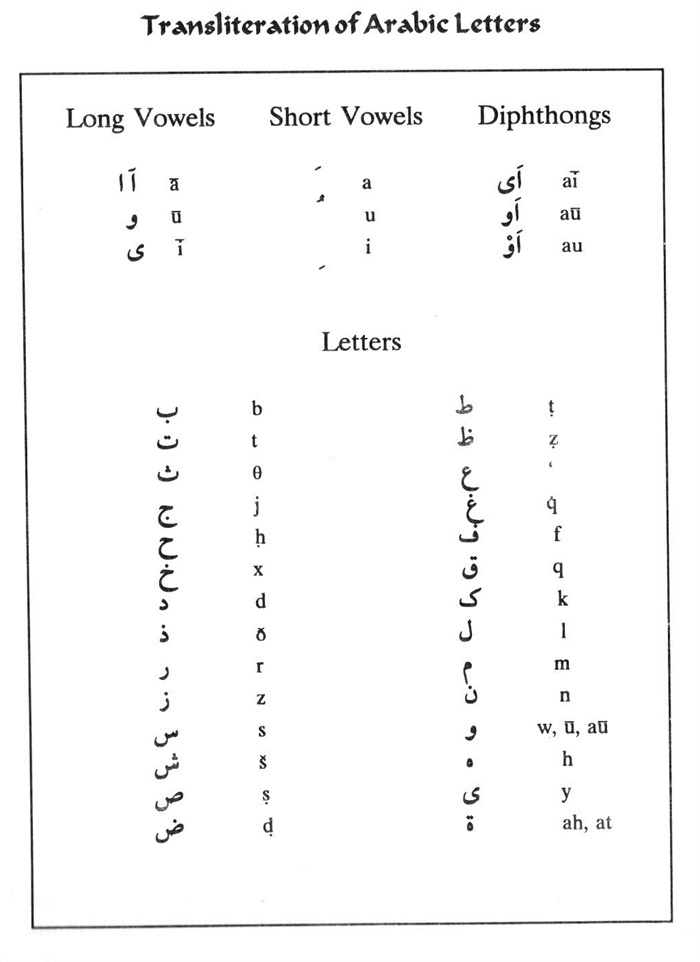
p: 16
253 تِلْکَ الرُّسُلُ فَضَّلْنا بَعْضَهُمْ عَلی بَعْضٍ مِنْهُمْ مَنْ کَلَّمَ اللّهُ وَ رَفَعَ بَعْضَهُمْ دَرَجاتٍ وَ اتَیْنا عیسَی ابْنَ مَرْیَمَ الْبَیِّناتِ وَ اَیَّدْناهُ بِرُوحِ الْقُدُسِ وَ لَوْ شاءَ اللّهُ مَااقْتَتَلَ الَّذینَ مِنْ بَعْدِهِمْ مِنْ بَعْدِ ما جاءتْهُمُ الْبَیِّناتُ وَلکِنِ اخْتَلَفُوا فَمِنْهُمْ مَنْ امَنَ وَ مِنْهُمْ مَنْ کَفَرَ وَ لَوْ شاءَاللّهُ مَااقْتَتَلُوا وَ لکِنَّ اللّهَ یَفْعَلُ ما یُریدُ
253. " These are the Messengers We have made some of whom excel the others; of them are some to whom Allah has spoken, and some of them He has raised in degrees.
And We gave Jesus, son of Mary, clear Signs, and strengthened him with the Holy Spirit. And had Allah willed, those who came after them would not have fought (one another) after the clear Signs had come to them; but they differed.
So, of them (there were) some who believed and some who disbelieved.
Yet, had Allah willed, they would not have fought (one another); but Allah does whatever He wills."
In this verse some particular privileges of a few prophets are referred to. For instance, as the following separate verse indicates, Moses (a.s.) talked to Allah, and it was the Will of Allah to choose him for that purpose; as the Qur'ān says: " He said: ` O' Moses! Verily I have chosen you above the people with My Messages and with My words (discourse); ..."(1)
p: 17
So, the verse under discussion says:
" These are the Messengers We have made some of whom excel the others; of them are some to whom Allah has spoken, ..."
In this regard, the holy Prophet of Islam (p.b.u.h.) had some more privileges than other prophets before him, such as; being ` the seal of the prophets ', the immunity of his Book (the Qur'ān) from distortion, and being entitled as ` a Mercy unto the worlds '. This is the word of Allah: " And We sent you not (O' Our Apostle Muhammad) but a Mercy unto all the worlds." (1)
Or, Abraham (a.s.) and Noah (a.s.) received the best regards from the side of Allah. Or, as the above verse says, that Jesus (a.s.) was strengthened with the Holy Spirit. It says:
"... and some He has raised in degrees. And We gave Jesus,
son of Mary, clear Signs, and strengthened him with the Holy Spirit. ..."
By the way, it is also mentioned in this Verse that if Allah willed, He could stop the opposition and fighting between people who came after those prophets and set them in one peaceful way. But Allah's way of treatment is that people be free and willful in order that they be able to accept or reject a proper path by their own choice.
"... And had Allah willed, those who came after them would not have fought (one another) after the clear Signs had come to them;
but they differed. So of them (there were) some who believed and some who disbelieved. Yet, had Allah willed, they would not have fought (one another); but Allah does whatever He wills."
****
p: 18
254 یا اَیُّهَا الَّذینَ امَنُوا اَنْفِقُوا مِمّا رَزَقْناکُمْ مِنْ قَبْلِ اَنْ یَأْتِیَ یَوْمٌ لا بَیْعٌ فیهِ وِ لا خُلَّةٌ وَ لا شَفاعَةٌ وَالْکافِرُونَ هُمُ الظّالِمُونَ
254. " O' you who have Faith! spend (in alms) of that which We have provided for you, before there comes a day wherein shall be no bargaining, neither friendship, nor intercession; and the infidels they are the unjust."
This verse is rendered as a warning to the believers, telling them to give alms and not to lose the respite they have in this life. They are recommended to provide some fitting provisions thereby for their certain journey; the next life, the Hereafter. It says:
" O' you who have Faith! spend (in alms) of that which We have provided for you, ... "
On the Resurrection Day, there will be neither any bargain to buy the means of felicity and security against one's infidelity, nor any friend or intercessor to make their infidelity invalid.
"... before there comes a day wherein shall be no bargaining neither friendship, nor intercession; and the infidels they are the unjust."
They are deprived from intercession in that world because they were the cause of deprivation for others in this world. For example, a miser person not only is unjust to himself, since he extinguishes the light of generosity inside his self and wastes his situation in the Hereafter, but also practically proves inequity against others when he ignores the Divine commendments.
****
p: 19
255 اَللّهُ لا اِلهَ اِلاّ هُوَ الْحَیُّ الْقَیُّومُ لا تَأْخُذُهُ سِنَةٌ وَ لا نَوْمٌ لَهُ ما فِی السَّمواتِ وَ ما فِی الاَرْضِ مَنْ ذَاالَّذی یَشْفَعُ عِنْدَهُ اِلاّ بِاِذْنِه یَعْلَمُ ما بَیْنَ اَیْدیهِمْ وَ ما خَلْفَهُمْ وَ لا یُحیطُونَ بِشیْ ْءٍ مِنْ عِلْمِهِ اِلاّ بِماشاءَ وَسِعَ کُرْسِیُّهُ السَّمواتِ وَالاَرْضَ وَ لا یَؤُدُهُ حِفْظُهُما وَ هُوَ الْعَلِیُّ الْعَظیمُ
255. " Allah! there is no god but He, the Ever-living, the Self-Subsisting (the Sustainer of all things); slumber seizes Him not, nor sleep; to Him belongs whatsoever is in the heavens and whatsoever is in the earth. Who is it that can intercede with Him save by His leave?
He knows what is before them and what is behind them, while they comprehend nothing of His knowledge except what He wills.
His Kursiy (knowledge) extends over the heavens and the earth; and preserving them both tires Him not; and, He is the Highest, the Greatest."
'Āyat-ul-Kursiy, One of the Most Important Verses Upon the importance and excellence of this verse, the only holy tradition narrated from the holy Prophet (p.b.u.h.), explained in the following, is enough.
Once, the Messenger of Allah (p.b.u.h.) asked Ubayy-ibn-Ka`b which verse of the verses of the Qur'ān was the most important one, and he answered the verse saying:
" Allah! there is no god but He, the Ever-living, the Self-subsisting (the Sustainer of all things);..."
Then the Messenger of Allah (p.b.u.h.) touched his chest as a sign of favour and told him " May your knowledge be wholesome to you.By the One in Whose hand is Muhammad's soul, this verse has two tongues
p: 20
and two lips which glorify the Lord below the Divine throne of authority."(1)
Another tradition narrated from Imam Bāqir (a.s.) says: " The one who recites 'Āyat-ul-Kursiy once, Allah will remove one thousand unbecoming things from his worldly unbecoming affairs, the easiest of which is poverty, and one thousand unbecoming things from his (affairs) in the Hereafter, the easiest one among which is the pain of grave."(2)
The verse begins with the Pure Essence of Allah and continues with the subject of Unity, Asmā'-ul-Ḥusnā, and His attributes. It says:
" Allah! there is no god but He, ..."
" Allah " is the particular appelation for God Which means the Essence that includes all the attributes of Divine Perfection, Glory, and Beauty.
Then, it adds two other attributes of Allah, saying that He is the Lord Who is Alive forever and is self-subsisting so that all other creatures in the universe depend on Him. It says:
"... the Ever-living, the Self-Subsisting (the Sustainer of all things); ..."
It is evident that life for Allah is the real life, because His life is the same as His Essence, His Knowledge, and His Power. It is not like that of living creatures whose lives are causual and after a length of time
they die.
Allah is completely different from His creatures from the point of life, as verse 58 from Sura Al-Furghān, No. 25 says: " And rely you on the (Ever) Living One Who dies not, ..."
Then, to indicate that neither drowzines, nor deep sleep seizes Him and never He stops managing the world, it continues saying:
"... slumber seizes Him not, nor sleep; ..."
The Arabic term /sanah/ `slumber' is the sleep which appears first in the eyes, but when it becomes deeper and reaches the mind, it is termed in Arabic /naum/ `sleep'. This verse, pointing to the latter state,
means that the governance of the Absolutely Bountiful, Allah, is
p: 21
perpetual and never ceases, even for a moment.
Then, it refers to the absolute ownership of Allah, saying:
"... to Him belongs whatsoever is in the heavens and whatsoever is in the earth. ..."
This is the fifth attributes from the attributes of Allah mentioned here. Formerly, four other attributes of Allah were referred to :
Oneness of Allah, the Everliving, the Self-subsisting, and that He never sleeps.
It is quite clear that this attribute, that everything belongs to Allah, has a great training effect in human beings. When they know that whatever they have does not really belong to themselves and it is temporarily handed over them as a deposit to use for a short time, they will surely avoid of transgressing others' rights. These people, with this cognition, will certainly withdraw committing such wrong actions as colonization, hoarding, greed, miserliness, and the like.
For the sixth attribute, it says:
"...Who is it that can intercede with Him save by His leave? ..."
In fact, by a positive interrogation with a negative sense, it says that no person can intercede at His presence but by His leave.
Intercession was discussed fairly vastly when commenting on verse 48, Sura Al-Baqarah, No. 2, in vol. part 1, pp. 174-177.
Referring to the seventh attribute, it says:
"...He knows what is before them and what is behind them, ..."
Therefore, whatever is in the expause of time and place is entirely manifest in His Knowledge. That is why everything, even intercession, depends upon His command.
In stating His eighth attribute, this fact is pointed out that He has let others know only a small part of His knowledge that has been advisable and proper for them. It says:
"... while they comprehend nothing of His knowledge except what He wills. ..."
Thus, the limited knowledge of others is a beam of the light of His illimited knowledge.
So, two other points is also understood from the above phrase.
The first is that no creature has cognition from his own and all human
p: 22
cognizance is from the source of Allah.
The second is that Allah may award a part of some concealed knowledge and some hidden secrets to those He pleases.
His ninthly and tenthly attributes are stated thus:
"...His Kursiy (knowledge) extends over the heavens and the earth; and preserving them both tires Him not; ..."
Then, power and sovereignty of Allah encompass the totality of the heavens and the earth, and His Knowledge (Kursiy) encompasses all of these expansions wholly, so that nothing is out of His dominion and authority.
It is, even, understood from some of the Islamic traditions that the expansion of Kursiy is very larger than the heavens and the earth. For example, in a tradition Imam Sādiq has said: " Heavens and earth, comparing Kursiy, is like a ring in the midst of a desert; and Kursiy, in comparison with `Arsh, is like a ring in the midst of a desert."(1)
It is true, of course, that science has not discovered the secret of this meaning yet.
Describing His eleventh and twelveth attributes, it says:
"...and, He is the Highest, the Greatest."
The Lord, Who is the Highest and the Infinite, is able to do everything so that nothing is difficult for Him. Never He tires of managing the world of existence. Never He (s.w.t.) remains neglectful, unaware and feable of it. His Knowledge involves all things because He is Omnipotent, Omnipresent.
It is worthy to note that, in spite of what is popular, the verse entitled ` 'Āyat-ul-Kursiy ' is this very single verse alone.
****
p: 23
256 لا اِکْراهَ فِی الدّینِ قَدْ تَبَیَّنَ الرُّشْدُ مِنَ الْغَیِّ
فَمَنْ یَکْفُرْ بِالطّاغُوتِ وَ یُؤْمِنْ بِاللّهِ فَقَدِ اسْتَمْسَکَ بِالْعُرْوَةِ الْوُثْقی
لاَ انْفِصامَ لَها وَاللّهُ سَمیعٌ عَلیمٌ
256. " There is no compulsion in religion. Truly the right way has become clearly distinct from error. Therefore, whoever rejects false deities (tāghūt) and believes in Allah, has grasped the firmest handle, that shall never break; and Allah is All-Hearing, All-knowing."
There was a man from Medina by the name of Abū-Ḥaṣeen who had two sons. Some of the Christian merchants, who used to import merchandise from abroad into Medina, invited those two lads to Christianity whenever they met them in Medina. Those two young men were seriously affected by them, too.
Abū-Ḥaṣeen became very inconvenient from that condition. He went to the Prophet (p.b.u.h.) and, informing him the matter, requested him to bring those children back to their own religion. He asked whether he could bring them forcefully to Islam. Then, the verse was revealed and manifested this fact that there is no compulsion in accepting the religion.
The previous verse, 'Āyat-ul-Kursiy, infact, was a collection of Unity and the Attributes of Allah, Beauty and Glory, which make up the foundation of the religion. This meaning is acceptable in all stages with reasonable proofs. That is why embracing the faith needs not any compulsion or force, and in this verse, it says:
" There is no compulsion in religion. Truly the right way has become clearly distinct from error. ..."
p: 24
This verse is a serious answer to those who imagine that Islam
applies obligation and has developed and spread through the force of sword and martial power.
Then, as a conclusion of the previous verse, it adds:
"... Therefore, whoever rejects false deities (tāghūt) and believes in Allah, has grasped the firmest handle, that shall never break; ..." And, at the end of the verse it continues saying:
"... and Allah is All-Hearing, All-knowing."
This concluding phrase is a hint to the fact that the problem of belief and disbelief is not something that can be fulfilled by mere pretence, because Allah hears the words of all entirely, whether they state openly or they speak privately and hiddenly.
****
p: 25
257 اَللّهُ وَلِیُّ الَّذینَ امَنُوا یُخْرِجُهُمْ مِنَ الظُّلُماتِ اِلَی النُّورِ
وَالَّذینَ کَفَرُوا اَوْلِیاؤهُمُ الطّاغُوتُ یُخْرِجُونَهُمْ مِنَ النُّورِ اِلَی الظُّلُماتِ
اُولئِکَ اصْحابُ النّارِ هُمْ فیها خالِدُونَ
257. " Allah is the Guardian of those who have faith; He brings them out of darkness into light; and those who reject faith, their guardians are false-deities, (taghut), who bring them out of light into darkness; they are the inhabitants of the Fire wherein shall they abide forever. "
With reference to the state of belief and disbelief, which was mentioned in the previous verse, here, in this verse, it distinguishes the situation of believers and disbelievers from the point of leader and guardian. It says:
" Allah is the Guardian of those who have faith; ..." So it is under the favour of this guardianship and leadership, that: "... He brings them out of darkness into light; ..."
Then it adds:
"... and those who reject faith, their guardians are false-deities, (taghut), who bring them out of light into darkness; ..."
It is for this reason that: "...they are the inhabitants of the Fire wherein shall they abide forever."
****
p: 26
Abraham's argument against Nimrod Illustration of how the dead are again raised by Allah Abraham directed to an experiment to see how Allah raises the dead.
258 اَلَمْ تَرَ اِلَی الَّذی حاجَّ اِبْرهیمَ فی رَبِّه اَنْ اتیهُ اللّهُ الْمُلْکَ اِذْقالَ
اِبْرهیمُ رَبِّیَ الَّذی یُحْی وَ یُمیتُ قالَ اَنَا اُحْی وَ اُمیتُ
قالَ اِبْرهیمُ فَاِنَّ اللّهَ یَأْتی بِالشَّمْسِ مِنَ الْمَشْرِقِ فَأْتِ بِها مِنَ الْمَغْرِبِ
فَبُهِتَ الَّذی کَفَرَ وَ اللّهُ لا یَهْدِی الْقَوْمَ الْظّالِمینَ
258. " Have you not seen him who disputed with Abraham about his Lord, because Allah had given him the kingship? When Abraham said:
` My Lord is He Who gives life, and causes to die.' He said:
` I (too) give life and cause to die.' Abraham said:
` Verily, Allah brings the sun from the East;
so you bring it from the West ', whereupon the one who disbelieved was confounded. And Allah does not guide the unjust people."
It is said in history and the Islamic narrations that it happened that Nimrod (Namrood), the king of Babylon, disputed with Abraham (a.s.) about the Lord.
" Have you not seen him who disputed with Abraham about his Lord, because Allah had given him the kingship?..."
Abraham (a.s.) said that his Lord is He Who gives life and causes to die.
"... When Abraham said:` My Lord is He Who gives life,
p: 27
and causes to die.' ..."
In response, Nimrod said that he, too, gave life and caused to die.
Then, he ordered to fetch two prisoners and let one of them go and commanded his men to kill the other,
"...He said: ` I (too) give life and cause to die.'..."
When Abraham (a.s.) saw the wrong concept of Nimrod from giving life and causing death and how he tried to pervent the thoughts of others, he (a.s.) immediately told him that Allah raises the sun from the East, so if he claimed that he governed the world of existence and every thing was under his order and power, as he claimed, he would bring the sun up from the West.
"... Abraham said: ` Verily, Allah brings the sun from the East; so you bring it from the West.'..."
At that time Nimrod astonished and could say nothing save keeping silent.
"... where upon the one who disbelieved was confounded. And Allah does not guide the unjust people."
****
p: 28
259 اَوْ کَالَّذی مَرَّ عَلی قَرْیَةٍ وَ هِیَ خاوِیَةٌ عَلی عُروُشِها
قالَ اَنّی یُحْی هذِهِ اللّهُ بَعْدَ مَوْتِها
فَاَماتَهُ اللّهُ مِائَةَ عامٍ ثُمَّ بَعَثَهُ
قالَ کَمْ لَبِثْتَ قالَ لَبِثْتُ یَوْما اَوْ بَعْضَ یَوْمٍ
قالَ بَلْ لَبِثْتَ مِائةَ عامٍ فَانْظُرْ اِلی طَعامِکَ وَ شَرابِکَ لَمْ یَتَسَنَّهْ
وَ انْظُرْ اِلی حِمارِکَ وَ لِنَجْعَلَکَ ایَةً لِلنّاسِ
وَانْظُرْ اِلَی الْعِظامِ کَیْفَ نُنْشِزُها ثُمَّ نَکْسُوها لَحْما
فَلَمّا تَبَیَّنَ لَهُ قالَ اَعْلَمُ
اَنَّ اللّهَ عَلی کُلِّ شیْ ْءٍ قَدیرٌ
259. " Or like him (Ezra) who passed by a town and it had fallen on its roofs, he said:
` How shall Allah bring this to life again after its death? '
So Allah made him die a hundred years, then He raised him up and said:
` How long have you tarried? '
He said, ` (Perhaps) I have tarried a day or a part of a day.'
He said: ` Nay, you have tarried (thus) a hundred years.
But look at your food and your drink they show no effect of age; and look at your ass; and that We may make of you a sign for people; and look at the bones, how We assembled them together and then clothed them with flesh.' So, when it became clear to him, he said:
` I know that Allah is All-Powerful over all things."
The previous verse stated the dispute of Abraham (a.s.) with Nimrod around the subject of Unity. That statement, indeed, was a
p: 29
guidance through logical reasoning. Now, this holy verse speaks about Resurrection, wherein guidance is accomplished through illustration of some sensible things.
" Or like him (Ezra) who passed by a town and it had fallen on its roofs, ..."
Some Islamic narrations and commentary books denote that the name of the man referred to in this verse has been `Uzayr (Ezra). They also said that he must be a prophet whom, as the verse indicates, Allah has spoken to.
1. Illustration is the best way of reasoning.
"...but look at your food and your drink they show no effect of age; ..."
2. It is appropriate to die one hundred years to recognize one important point.
3. Increase your knowledge by experience, inquiring, and so on, although you know the fact.
"... he said: ` How shall Allah bring this to life again after its death? '..."
4. We should take new lessons from old ruined towns and ancient civilizations, too, and ask qnestions.
5. Everybody will be raised with the same feature the one has at the time of death.
"...then He raised him up..."
6. The past of time, however much long may be, does not affect on the Might of Allah.
"...so Allah made him die a hundred years, them He raised him up..."
7. With Allah's Will, the firm bones rot, but fresh food, which becomes rotten in a short time, remains one hundred years fresh.
"... and said: ` How long have you tarried? '
He said, ` (Perhaps) I have tarried a day or a part of a day.'
He Said: ` Nay, you have tarried (thus) a hundred years. ..."
8. The exposition of Allah`s Power is for guiding and leading people.
"... and that We may make of you a sign for people; ..."
p: 30
9. Allah has brought a scene of the Hereafter in this world. The verse says:
"...and look at the bones, how We assembled them together and then clothed them with flesh.'..."
10. The Resurrection is a resurrection of the body, because if it were a mere spiritual resurrection, the statement of bone, dead and grave wauld not come forth.
"...and look at the bones..."
11. A handful of a thing is a sample of a ton of that thing.
" So when it became clear to him, he said: ` I know that Allah is All-Powerful over all things."
12. The dead returning to life again is also admissible in this very world and before that the final Resurrection Day happens.
"...so Allah made him die a hundred years, then He raised him up ..."
****
p: 31
260 وَ اِذْ قالَ اِبْرهیمُ رَبِّ اَرِنی کَیْفَ تُحْیِ الْمَوْتی
قالَ اَوَلَمْ تُؤْمِنْ قالَ بَلی وَلکِنْ لِیَطْمَئِنَّ قَلْبی
قالَ فَخُذْ اَرْبَعَةً مِنَ الطَّیْرِ فَصُرْهُنَّ اِلَیْکَ
ثُمَّ اجْعَلْ عَلی کُلِّ جَبَلٍ مِنْهُنَّ جُزْءًا
ثُمَّ ادْعُهُنَّ یَأْتینَکَ سَعْیا
وَ اعْلَمْ اَنَّ اللّهَ عَزیزٌ حَکیمٌ
260. And when Abraham said: ` My Lord! Show me how you give life to the dead ', He said: ` Do you not believe?' ` Yes', said Abraham,
` but to make my heart at ease.' He said:
` Take four of the birds. Then make them to incline unto you and (cutting them into pieces) place a part of them on each mountain, and thereafter, call them. They will come to you in haste.
And know that Allah is the Mighty, the Wise.
This unique matchless claim is narrated but from the only man of significance in history who after the Messenger of Allah said: " If the curtains be removed, there will be added nothing to my certitude." (1) But, other people wholly like to see what they were told, or what they believe, in their objective state. For example, everybody likes to see how sugar is produced and obtained from sugar-beet or sugar-cane although they know that sugar is originally from it.
Concerning the above verse, it is cited in some commentary books that: once Abraham (a.s.) was walking on the bank of a sea when he saw a corpse of a man over the sands there. The corpse was half in the water and half on the land so that both the animals in the sea and the
p: 32
birds and animals on the land could feed from it. Abraham thought himself if this condition happened for a man whose little bits of body were distributed among other living creatures, how could these bits be gathered together and raise on the Resurrection Day? So, he (a.s.) invoked Allah:
" And when Abraham said: ..."
"... My Lord! Show me how You give life to dead. ..."
1. We should attempt to elevate the standard of our faith and belief in ourselves as much as we reach the limit of certainty.
"... He said: ` Do you not believe?' ` Yes ', said Abraham, ` but to make my heart at ease.' ..."
2. Intuition and vision appears only for those who have paved some length of the path of knowledge, faith, and reasoning.
3. The call of the saints and Apostles of Allah can affect even on the particles in the world: "...and thereafter, call them. They will come to you in haste. ..."
4. Resurrection is a bodily resurrection, because, on the Day of Judgement, the return of the soul will be unto the very particles of the body.
5. Since the goal is reaching the certitude, the accomplishment is done by Abraham (a.s.) himself. (He killed four different birds, mixed their meat with together and divided it upon several mountains.)
"... He said: ` Take four of the birds. Then make them to incline unto you and (cutting them into pieces)
place a part of them on each mountain, ..."
6. For the purpose of a deep instruction, applying art and demonstration is necessary.
However, we must always beware of the fact:
"... And know that Allah is the Mighty, the Wise. "
****
p: 33
261 مَثَلُ الَّذینَ یُنْفِقُونَ اَمْوالَهُمْ فی سَبیلِ اللّهِ کَمَثَلِ حَبَّةٍ اَنْبَتَتْ سَبْعَ
سَنابِلَ فی کُلِّ سُنْبُلَةٍ مِائَةُ حَبَّةٍ
وَاللّهُ یُضاعِفُ لِمَنْ یَشاءُ وَاللّهُ واسِعٌ عَلیمُ
261. " The likeness of those who spend their property in the way of Allah is as the likeness of a grain (of corn) that grows seven ears, (with) a hundred grains in every ear.
And Allah multiplies (in abundance) for whom He wills; and Allah is All-Embracing, All-Knowing."
Enjoining others to giving charity and prohibition from immoderation and extravagance are the best way to solving the problem of the difference of social classes. On the other hand, the appearance and spread of usury is the origine and motive of social classes to be created. That may be why that the necessity of giving charity and prohibition of usury are stated beside each other in the Qur'ān. (1)
By the way, it should be noted it is not so that any grain of corn planted in any land does grow seven ears with a hundred grains. But, the grain should be safe, the land should be susceptible, the time must be appropriate, and the preparation and protection should be complete.
1. Applying the natural phenomena will never become out of fashion at any time. They are always comprehensible for all people in any age and in any acceptabe conditions.
2. Encouragement and promise of reward are often the most intensive motives for individuals to move forward.
3. The grace of Allah is illimited.
p: 34
"... And Allah multiplies (in abundance) for whom He wills; and Allah is All-Embracing, All-Knowing."
4. That charity is worthy which is given in the way of Allah.
" The likeness of those who spend their property in the way of Allah..."
5. The praise of the Qur'ān is upon those who spend in charity as a habit in their current life. The Arabic term /yunfiqūna/ (spend their property), which is mentioned in this verse, refers to an action done continually.
6. The best example is that example which has external reality.
"...is as the likeness of a grain (of corn) that grows seven ears, (with) a hundred grains in every ear. ..."
7. If spending one's property can be multiplied as much as seven hundred times then what about those who give their lives in charity for the sake of Allah?
****
p: 35
262 اَلَّذینَ یُنْفِقُونَ اَمْوالَهُمْ فی سَبیلِ اللّهِ
ثُمَّ لا یُتْبِعُونَ مآ اَنْفَقُوا مَنّا وَ لا اَذیً
لَهُمْ اَجْرُهُمْ عِنْدَ رَبِّهِمْ وَ لا خَوْفٌ عَلَیْهِمْ وَ لا هُمْ یَحْزَنُونَ
262. " Those who spend their property in the way of Allah, (and) thereafter, do not follow up what they have spent by reproach and with injury, for them shall be their reward with their Lord, and no fear shall be upon them, nor shall they grieve. "
In the previous verse, the importance of charity in the way of Allah was pointed out in general. Here, in this verse, some of its qualities are stated, too. It says:
" Those who spend their property in the way of Allah, (and) thereafter, do not follow up what they have spent by reproach and with injury, for them shall be their reward with their Lord, ..."
Besides the above mentioned priviledge, this quality is in them again, that:
"... and no fear shall be upon them, nor shall they grieve. "
Therefore, those who spend some of their property in the way of Allah, but after that benevolent action, they reproach or do something that cause injury, they destroy their reward, indeed, with this reprobated action.
It can also be said that such persons, in many cases, not only are not good doers, but also are some transgressors, because the honour of a man and his psychological social capitals are often surely more valuable than property and wealth.
The Qur'ānic holy phrase: "...for them shall be their reward with their Lord; " makes the givers of charity sure that their reward is reserved with their Lord in order that they go forth with a good
p: 36
amount of certainty along this path.
More than that, the application of the Qur'ānic term /rabbihim/ (their Lord) in the verse, is a hint to this meaning that their Lord trains them and will multiply it.
****
p: 37
263 قَوْلٌ مَعْرُوفٌ وَ مَغْفِرَةٌ خَیْرٌ مِنْ صَدَقَةٍ یَتْبَعُهآ اَذًی
وَاللّهُ غَنِیٌّ حَلیمٌ
263. " A kind word and forgiveness is better than a charity that is followed by injury, and Allah is Self-sufficient, Forbearing."
This verse, in fact, completes the idea in the previous verse. It says that those who have a good manner and good statement, facing with the people in need, and forgive them even when their insistence is with rudeness, their action is better than the donation of those who cause injury and irritation thereafter.
" A kind word and forgiveness is better than a charity that is followed by injury, and Allah is Self-sufficient, Forbearing."
This verse makes clear the logic of Islam due to the social values concerning the honour of people. Islam considers the value of the action of those who speak helpfully and leadingly with the needy people in order to protect them and keep their secrets hidden. This is more valuable than the charity of some selfish short-sighted individuals, who have sorts of approach and injury on such honourable persons for a small donation they give.
As was mentioned before the loss of these stingy people is more than their profit. When such persons give something, they ruin something else, too. Thus, the above statement made it clear that the Qur'ānic phrase /qaulun ma`rūf / `a kind word' has a vast meaning so that it envelops any word of kindness, consolation, affability and guidance.
The word /maqfirat / (forgiveness), mentioned in the verse, is used in contrast with the rudeness of the needy people.
In Nūr-uth-Thaqalayn, the commentary, (1) it is narrated from the holy Prophet of Islam (p.b.u.h.) who said:
p: 38
" When a needy person asks you, do not interrupt his statement until he
completes it. Then, respond him calmly and politely, or give him what you
are able to spend, or return him agreeably, because the one may be an angel
who is commissioned to try you in order to see how you behave with the
blessings that Allah has bestowed upon you. "
****
p: 39
264 یا اَیُّهَا الَّذینَ امَنُوا لا تُبْطِلُوا صَدَقاتِکُمْ بِالْمَنِّ وَالاَْذی
کَالَّذی یُنْفِقُ مالَهُ رِئاءَ النّاسِ وَ لا یُؤْمِنُ بِاللّهِ وَالْیَوْمِ الاْخِرِ فَمَثَلُهُ کَمَثَلِ
صَفْوانٍ عَلَیْهِ تُرابٌ فَاَصابَهُ وابِلٌ فَتَرَکَهُ صَلْدا
لا یَقْدِرُونَ عَلی شیْ ْءٍ مِمّا کَسَبُوا وَاللّهُ لا یَهْدِی الْقَوْمَ الْکافِرینَ
265 وَ مَثَلُ الَّذینَ یُنْفِقُونَ اَمْوالَهُمُ ابْتِغاءَ مَرْضاتِ اللّهِ وَ تَثْبیتا مِنْ
اَنْفُسِهِمْ کَمَثَلِ جَنَّةٍ بِرَبْوَةٍ اَصابَها وابِلٌ
فَاتَتْ اُکُلَها ضِعْفَیْنِ فَاِنْ لَمْ یُصِبْها وابِلٌ فَطَلٌّ
وَاللّهُ بِما تَعْمَلُونَ بَصیرٌ
264." O' you who have Faith! do not nullify your charities by reproach and injury, like the one who spends his property to be seen by people and does not believe in Allah and the last Day;
so his likeness is as the likeness of a rock whereon is (a little) soil, then a heavy rain falls upon it and leaves it just a bare stone.
They shall not be able to gain anything of what they have earned; and Allah does not guide the disbelieving people."
265. " But the likeness of those who spend their property to seek the pleasure of Allah, and to strengthen their own souls, is as the likeness of a garden on a high ground, upon which a heavy rain falls and it yields its fruit two-fold; but if a heavy rain does not fall upon it, then a light rain (is sufficient); and Allah sees what you do."
In the previous couple of verses, at first, this fact was pointed out that the believers should not make their charities in the way of Allah
p: 40
invalid because of reproach and injury. Then, two interesting similitudes are expressed upon those charities which are followed by reproach and injury and also for hypocritical acts and ostentation, and those charities which are originated from loyalty and human sympathy.
Consider a piece of rock covered with a little amount of dust.
When it be sown with good seeds and exposed to fresh air and sunshine, and then, a harsh rain falls upon it, the rain will surely washes out the thin dust from the rock and scatters the containg seed with the dust.
Consequently, the hard inpenetrable rock, on which no plant can grow, appears with its rough feature. This is not for that the fresh air, sunshine and falling rain have had a bad effect. It is because the place where the seed was sown has been an unappropriate place for the aim. Its appearance was adorned while its inner side was an inpenetrable rough rock with a mere thin amount of dust over its surface. It is in a state that plants and trees, besides having suitable conditions above the ground, need a good preparation under the ground for the roots in order to spread and feed.
" O' you who have Faith! do not nullify your charities by reproach and injury, like the one who spends his property to be seen by people and does not believe in Allah and the last Day;..."
The Qur'ān has likened the hypocritical deeds and charities followed with reproach and injury, that which originate from the callous hearts, to a rock covered with a little dust from which no profit can be gained. So, the efforts of the farmer and the sower will be wasted, too.
"...so his likeness is as the likeness of a rock whereon is (a little) soil, then a heavy rain falls upon it and leaves it just a bare stone.
They shall not be able to gain anything of what they have earned; and Allah does not guide the disbelieving people."
Consider a green grass garden which is located on a high productive land and benefited from fresh free air and sufficient sunshine. Useful downpour falls water it, but when the rainfall is not
p: 41
enough, drizzles and drops of dew preserve the pleasantness and freshness of the garden. As a result, such a garden usually yields its fruits two-fold more than the other ordinary gardens. This sort of gardens, besides having productive land, enjoy of dew and drizzles added to enough rainfalls. They have such a beautiful view that attracts the attention of any visitor from the distance. They are also safe from the threat of floods.
Those who give their wealth in charity for the sake of Allah`s pleasure and for strengthening Faith and certainty in their hearts and souls, are like this garden which have a bountiful valuable product.
" But the likeness of those who spend their property to seek the pleasure of Allah, and to strengthen their own souls, is as the likeness of a garden on a high ground, upon which a heavy rain falls and it yields its fruit two-fold; but if a heavy rain does not fall upon it, then a light rain (is sufficient); and Allah sees what you do."
****
p: 42
266 اَیَوَدُّ اَحَدُکُمْ اَنْ تَکُونَ لَهُ جَنَّةٌ مِنْ نَخیلٍ وَ اَعْنابٍ
تَجْری مِنْ تَحْتِهَا الاَْنْهارُ لَهُ فیها مِنْ کُلِّ الثَّمَراتِ
وَ اَصابَهُ الْکِبَرُ وَ لَهُ ذُرِّیَّةٌ ضُعَفآءُ
فَاَصابَها اِعْصارٌ فیهِ نارٌ فَاحْتَرَقَتْ
کَذلِکَ یُبَیِّنُ اللّهُ لَکُمُ الاْیاتِ لَعَلَّکُمْ تَتَفَکَّرُونَ
266. " Would any of you like that there should be for him a garden of date palms and vines beneath which rivers flow with all kinds of fruit for him therein, while he is striken with old age, and he has feeble offspring, then a whirlwind with fire in it strikes and it gets burnt up?
Thus Allah makes the signs clear to you, so that you may ponder. "
Another Similitude
In this verse, the Qur'ān expresses another interesting similitude to make manifest that how seriously man is in need of righteous deeds on the Judgement Day, and how hypocrisy, reproach and injury ruin the charities and good deeds of man.
This similitude illustrates the view of an old man who possesses a green, fresh and delightful garden with various trees such as date-palms, vines, etc. which are watered continuously and do not need to be irrigated. There are some lazy, careless and weak children around him whose means of earning life is the very garden. If this garden vanishes neither the old father nor the feeble children are able to reestablish it.
It happens that suddenly a fiery hurricane blows upon it and burns it totally dry. How does this old man feel when he has lost the strength of his youth, and who cannot earn his living from any other ways, while his children are feable, too ? And, what a deadly regret and grief may rush over him ?
p: 43
" Would any of you like that there should be for him a garden of date palms and vines beneath which rivers flow with all kinds of fruit for him therein, while he is striken with old age, and he has feeble offspring, then a whirlwind with fire in it strikes and it gets burnt up? ..."
The condition of a person who does a righteous work and then ruins it by hypocrisy, reproach, and injury is similar to such an old man who has tolerated many tasks, but when he is in dire need of the fruit of his efforts, all of them as a whole vanishes and leaves him alone with his grieves and regrets.
In view of the fact that the source of all misfortunes, especially the foolish act of reproach, whose benefit is a little but the loss of it is soon and great, originates from the application of no wisdom, then, at the end of the verse, Allah invites people to contemplation and pondering. It says:
"...Thus Allah makes the signs clear to you, so that you may ponder. "
****
p: 44
267 یا اَیُّهَا الَّذینَ امَنُوا اَنْفِقُوا مِنْ طَیِّباتِ ما کَسَبْتُمْ
وَ مِماّ اَخْرَجْنا لَکُمْ مِنَ الاَرْضِ
وَ لا تَیَمَّمُوا الْخَبیثَ مِنْهُ تُنْفِقُونَ وَ لَسْتُمْ بِاخِذیهِ اِلاّ اَنْ تُغْمِضُوا فیهِ
وَاعْلَمُوا اَنَّ اللّهَ غَنِیٌّ حَمیدُ
267. " O' you who have Faith! spend (in charity) of the good things that you have earned, and of what We produce for you from the earth, and do not aim at what is bad to spend thereof (in charity) while you yourselves would not accept it except that you connive at it, and know that Allah is Self-Sufficient, Praiseworthy."
It is narrated from Imam Sādiq (a.s.) that this verse was revealed about a group of people who had earned some wealth from usury at the Age of Ignorance. They usually spent out from it in charity in the way of Allah. Allah (S.W.T.) prohibited them from that action and commanded them to spend out in charity from the good property they had earned.
In Majma`-ul-Bayān Fī Tafsīr-il-Qur'ān, next to narrating this tradition, it quotes from Amir-ul- Mu'mineen Ali (a.s.) who said: " This verse has been revealed about those who used to mix the dry and bony dates with good dates when they wanted to spend in charity." (1) They were, therefore, commanded not to do that action.
These two occasions of revelation are never contradictory with each other. The verse may have been revealed upon both groups, when one of which is due to spiritual goodness and the other concerns to the appearance and material goodness.
****
p: 45
In the previous verses, the effects of charity, the qualities of givers of charity, and the deeds that may corrupt this godly action and ruin its reward were pointed out. In this verse, the quality of the property, which is to be spent in charity, is explained. In the first phrase of the verse, Allah commands believing people to spend from good of their wealth.
" O' you who have Faith! spend (in charity) of the good things that you have earned, and of what We produce for you from the earth, ..."
The term /tayyib/, the plural of which is /tayyibāt/, in philology means: good, pleasant and agreeable`. This meaning refers to both spiritual and material purity; i.e. to be clean inwardly and outwardly.
That is, that part of wealth might be given in charity that is good, useful, and valuable. It must be free from any dubiosity and pollution, either.
The above mentioned occasions of revelation attest to the generality of this meaning, too.
The phrase: "...while you yourselves would not accept it except that you connive at it,..." can not be taken as an evidence that the objective meaning here is exclusively outward of cleanliness, because the believing persons also might not accept the things which are apparently polluted or worthless, as well as the doubtful and disapproved materials, but with conniving at it and dislike.
The Qur'ānic phrase: /mā kasabtum/ `that you have earned' refers to the commercial incomes, while the phrase: /mimmā axrajnā / `what We produce' refers to the incomes earned from farming, mines and subterranean sources. Thus, it envelops all the kinds of income, because the source of all incomes of man is often from the earth and its different issues . Even, the origin of industries, trades, and the like of them all is the ground. However, this sentence indicates that all these merits are given you by Allah. Therefore, you ought not spare spending a part of it in charity in the way of Allah.
"...and do not aim at what is bad to spend thereof (in charity) while you
p: 46
yourselves would not accept it except that you connive at it, ..."
Some of people have the habit of spending out in charity mostly from the worthless and worn out things that they do not use any longer themselves. This kind of charities are neither effective in growing spiritual training of the essence of humanity in the giver of charity, nor is so useful to the needy. It can be counted sort of disgrace and scorn unto them, too.
This sentence explicitly prohibits Muslims from doing that. It says how they spend in charity from those things which they themselves do not like to accept, but hatefully. Must their Muslim brothers, and beyond that, the Lord, in Whose way they spend out in charity, be considered, in their view, lower than themselves ?
Indeed, the verse points to a precise fact. It is that the charities given in the way of Allah have two ends. On one end there are the needy ones, and on the other end there is Allah, for Whose sake the charity is spent. In this case, if the charity is taken from the low and worthless things, from one hand, it is counted an aspertion to the high rank of the Lord that the giver of charity has not regarded Him eligible for a `good' thing . On the other hand, it is a disgrace to the needy ones who, in spite of their poverty, mostly have a high level of faith and humanhood, whose soul may be injured because of such a disagreeable charity.
By the way, it should be noted that the term /lā tayammamū / ` do not aim ' may be a hint to this fact that can be something of undemanded quality which unattentively is given among the material spent in charity. This aspect is not involved in the contents of this statement. The statement is about those who intentionally accomplish it.
"...and know that Allah is Self-Sufficient, Praiseworthy."
This sentence intends to say that you must be aware that the Lord in Whose way you spend in charity is the One Who never needs your charity, and Who is worthy of all praise. It is He Who has bestowed the whole bounties upon you.
The term /ḥamīd /, `praiseworthy, may be used in the sense of `adorer'; i.e., while He is Self-Sufficient, He adores the charities you spend. Therefore, do try to spend out from good things in charity.
p: 47
268 اَلشَّیْطانُ یَعِدُکُمُ الْفَقْرَ وَ یَأْمُرُکُمْ بِالْفَحْشاءِ
وَاللّهُ یَعِدُکُمْ مَغْفِرَةً مِنْهُ وَ فَضْلاً
وَ اللّهُ واسِعٌ عَلیمٌ
268. " Satan threatens you with poverty and enjoins you to indecency; but Allah promises you forgiveness from Himself and abundance; and Allah is All-Embracing, All-Knowing.
At first, the verse admonishes that when you decide to spend in charity or to pay your alms, Satan threatens you of poverty, particularly if you want to give from your worthy and considerable things mentioned in the previous verse. Many a time it happens that this Satanic temptation hinders the act of giving charity and donation. It may affect even on the payment of Alms, Khoms (one fifth levy), and other obligatory expendings.
" Satan threatens you with poverty ..."
Allah awares man thereby that refraining from giving charity in awe of poverty is a wrong imagination. It is one of the temptations of Satan. Avoiding from thinking that this Satanic temptation looks like a logical scare, it immediately says:
"... and enjoins you to indecency; ..."
Therefore, having awe of poverty and indigency in any condition is wrong, because Satan invites not save to falsehood and aberration.
Basically, any thought which is disappointing, impedimental and short-sighted originates from deviation from natural disposition and following the temptations of Satan. But, any thought which is positive, instructive, and broad-sighted comes from the source of godly inspirations and the pure divine innate disposition.
Keeping in mind that the Satanic temptations are against the law of creation and Allah's commandments and ordinances are paralleled and adapted to creation and dispostion, results to a notable livelihood,
p: 48
peacefulness and prosperity.
"...but Allah promises you forgiveness from Himself and abundance..."
In Majma`-ul-Bayān a tradition is narrated about charity from Imam Sādiq (a.s.) who said: " Two things are from Allah and two things are from Satan. Those two from Allah are forgiveness of sins and abundance in sustenance. And those two from Satan are promise to poverty and enjoinment to indecency."
Therefore, as Ibn-Abbas has quoted, the purpose of forgiveness is the forgiveness of sins and the objective meaning of "abundance" is increase of wealth under the cause of giving charity. (1)
It is interesting that Iman Amir-ul-Mu'mineen Ali (a.s.) is narrated who has said: " When you are confronted with poverty, bargain with Allah through charity , (spend out in charity until you get free from poverty)."(2)
The phrase: " Allah is All-Embracing " means that the Power of Allah is vast, and He is All-Knowing unto all affairs and details.
****
p: 49
269 یُؤْتِی الْحِکْمَةَ مَنْ یَشاءُ وَ مَنْ یُؤْتَ الْحِکْمَةَ فَقَدْ اُوتِیَ خَیْرا کَثیرا
وَ ما یَذَّکَّرُ اِلاّ اُولُواالاَلْبابِ
269. " He grants wisdom to whom He wills, and whoever has been granted wisdom, indeed has been given abundant good;
yet no one will mind but the possessors of intellects."
The Qur'ānic term /ḥikmat/, here, has been rendered, into the sense of ` knowledge, the cognition of secrects, awareness of facts, and reaching to reality '. Allah bestows it upon some persons for the sake of their piety, purity and their strive. They recognize the difference between the Satanic temptations and godly inspirations, false and true.
None can benefit from this privilege, which is abundant good, save those who possess proper intelligence.
" He grants wisdom to whom He wills, and whoever has been granted wisdom, indeed has been given abundant good; yet no one will mind but the possessors of intellects."
The Arabic term /'albāb/ is the plural form of /lubb / in the sense of `heart, love, intellect, and understanding'. Every man of wisdom is not counted among /'ulul 'albāb/, because this title is termed for only those men of understanding who utilize their intellect definitely to find out the path of real happiness in their lives.
However, Imam Sādiq (a.s.) in a tradition has said that /ḥikmat/ is `knowledge and becoming learned in religion'; while another tradition indicates that / ḥikmat / is obedience to Allah and knowing Imam. (1)
****
p: 50
270 وَ مآ اَنْفَقْتُمْ مِنْ نَفَقَةٍ اَوْ نَذَرْتُمْ مِنْ نَذْرٍ فَاِنَّ اللّهَ یَعْلَمُهُ
وَ ما لِلظّالِمینَ مِنْ اَنْصارٍ
271 اِنْ تُبْدُواالصَّدَقاتِ فَنِعِمّا هِیَ وَ اِنْ تُخْفُوها وَ تُؤْتُوهَا الْفُقَراءَ
فَهُوَ خَیْرٌ لَکُمْ وَ یُکَفِّرُ عَنْکُمْ مِنْ سَیِّئاتِکُمْ
وَاللّهُ بِما تَعْمَلُونَ خَبیرٌ
270. " And whatever you spend in charity, or (whatever) vow you vow, surely Allah knows it. While, there will be no helpers for the unjust."
271. " If you give alms openly, it is well; but if you hide it and give it to the poor, it is better for you, and it will remove from you some of your sins; and Allah is aware of what you do."
" And whatever you spend in charity,..."
Spending in charity, here, means whatever you spend in the way of Allah or in the way of Satan.
"... or (whatever) vow you vow,..."
Or, whatsoever you have made obligatory to yourself by the way of vow, whether it be alongside the path of obedience of Allah or for committing sins, He knows it.
"... surely Allah knows it. ... "
Verily, your deed is not concealed to Allah, and He will reward you according to it.
"... While, there will be no helpers for the unjust."
The objective meaning of `unjust' here, is those who spend their wealth in the way of disobedience of Allah and committing sins. They do not give the alms of their property; or do not fulfil what they have vowed; or they vow to do that which is sin. For such people, there will
p: 51
be no friend who can save them from the Divine Judgment or prevent His punishment.
****
" If you give alms openly, it is well; but if you hide it and give it to the poor, it is better for you, and it will remove from you some of your sins; and Allah is aware of what you do."
That is, if you give your alms hiddenly to the indigents `it is better for you', viz., giving alms hiddenly is better for you: and its due reward is better and more. The purpose of alms that the concealment of which is better is the recommended alms, because making the obligatory alms manifest is more reasonable.
****
p: 52
272 لَیْسَ عَلَیْکَ هُدیهُمْ وَلکِنَّ اللّهَ یَهْدی مَنْ یَشاءُ
وَ ما تُنْفِقُوا مِنْ خَیْرٍفَلِاَنْفُسِکُمْ
وَ ما تُنْفِقُونَ اِلاَّ ابْتِغاءَ وَجْهِ اللّهِ
وَ ما تُنْفِقُوا مِنْ خَیْرٍ یُوَفَّ اِلَیْکُمْ وَ اَنْتُمْ لا تُظْلَمُونَ
272. " It is not upon you to guide them (O' Muhammad), but Allah guides aright whomsoever He wills.
And whatever of good you spend in charity shall be for your own selves; and you do not spend except seeking the pleasure of Allah;
and whatever of good you spend shall be repaid to you in full and you shall not be dealt with unjustly.
In Majma`-ul-Bayān and Tafsīr-ul-Kabīr by Fakhr-Rāzī, there are cited some occasions of revelation for the above mentioned verse which, on the whole, indicate that Muslims were in doubt to give charity to the indigents of pagans and non-Muslims. When they inquired about it from the Messenger of Allah (p.b.u.h.), this verse was revealed. (1)
1- Do not employ the abundance of giving charity and the economical pressure for bringing infidels towards the Faith " It is not upon you to guide them (O' Muhammad),..."
2- Serving the deprived is a human sympathy, as well as a duty , and generosity is a value. Hence, do give charity to non- Muslims, too.
3- Islam is a school of humanitarianism. It does not approve poverty and deprivation, even for non-Muslims.
4- The faith which be pretended under the pressure of economics
p: 53
is not worthy.
5- Guidance is a divine success which encompasses only the receptive hearts
"... but Allah guides aright whomsoever He wills."
6- The consequence of charity returns to yourselves. It survives the spirit of generosity in you. It is through charity that the appearance of levels among groups of people and social bursts can be prevented and, instead, love and kindness may grow therein. However, in charity, there can be found not deprivation while there is immunity in it.
"... And whatever of good you spend in chairty, shall be for your own selves;..."
7- Do not spend out but for Allah, because, soon or late, all the worldly benefits and merits will be vanished, but if giving charity be done for the sake of Allah, it will remain forever and you will enjoy of its incomes.
"... and you do not spend except seeking the pleasure of Allah;..."
8- Be bountiful in spending out, since whatever you give in charity will come back to you with no decrease.
"... and whatever of good you spend shall be repaid to you in full,..."
9- If you accomplish something for Allah, you will obtain your reward whether a Muslim or a pagan enjoys of it.
"... and you shall not be dealt with unjustly."
****
p: 54
273 لِلْفُقَراءِ الَّذینَ اُحْصِرُوا فی سَبیلِ اللّهِ لا یَسْتَطیعُونَ ضَرْبا فِی
الاَرْضِ یَحْسَبُهُمُ الْجاهِلُ اَغْنِیاءَ مِنَ التَّعَفُّفِ تَعْرِفُهُمْ بِسیمهُمْ لا یَسْئَلُونَ
النّاسَ اِلْحافا وَ ما تُنْفِقُوا مِنْ خَیْرٍ فَاِنَّ اللّهَ بِه عَلیمٌ
273. " (Charity is) for the poor who are restrained in the way of Allah, and are unable to move about in the land. The unaware consider them wealthy because of their restraint (from begging).
You shall recognize them by their countenance they do not beg people importunately.
And whatever of good things you give, then Allah is All-Knowing of it."
In some commentary books such as: Tafsīr-Kabīr by Fakhr Rāzī, Majma`-ul-Bayān, and Tafsīr-il-Gurtubī, it is cited that this verse has been revealed about the Companions of the Ledge. They were about four hundred people who had emigrated to Medina. Since they had not any house and familiars there, they used to live on a large platform in a corner of the Prophet's Mosque. They were always ready for (Jihād), struggle in the way of Allah.
1. There is a portion for the indigents in the wealth of the rich.
" (Charity is) for the poor..."
2. The martial-blow groups, devotees in force bases, shelterless emigrants and, on the whole, all those who are besieged in the way of Allah and have not the opportunity of trying to earn the living should be taken into necessary consideration. The scientific missions, diplomatic corps, and research centers are in the similar condition, too.
" (Charity is) for the poor who are restrained in the way of Allah, and are unable to move about in the land...."
3. Those who are able to earn their living by travelling about
p: 55
should not stay and abide in one land waiting for the charity of others.
"... and are unable to move about in the land...."
4. The immaculate, pious and respectable poor ones are praised by Allah (s.w.t).
5. The gentle-looking and undistinguished needy ones have priority.
"... The unaware consider them wealthy because of their restraint (from begging). You shall recognize them by their countenance: ..."
6. They do not insist on begging from other people even when there comes forth a necessity for them.
"... they do not beg people importunately..."
7. The feature of the indigent persons is illustrated, in this verse; and in the final sentence, people are encouraged to spending out good things.
"... And whatever of good things you give, then Allah is All-Knowing of it."
8. It is not just that some people devote their selves and what they have in the cause of Allah while some others impose insularity even in giving charity in that way.
****
p: 56
274 اَلَّذینَ یُنْفِقُونَ اَمْوالَهُمْ بِالَّیْلِ وَالنَّهارِ سِرّا وَ عَلانِیَةً
فَلَهُمْ اَجْرُهُمْ عِنْدَ رَبِّهِمْ
وَ لا خَوْفٌ عَلَیْهِمْ وَ لا هُمْ یَحزَنُونَ
274."Those who spend their property by night and day, secretly and openly, for them shall be their reward with their Lord, and no fear shall be upon them, nor shall they grieve."
In some commentary books, like Tafsīr-uṣ-Ṣāfī, Majma`-ul-Bayān, Tafsīr-ul-Qurtubī, Tafsīr-ul-Kabīr by Fakhr Rāzī, it is cited that this verse has been revealed about Hadrat Ali (a.s.). Once it happened that he had only four silver coins when he spent out in charity one coin in daytime, one coin at night, the third coin openly and the fourth coin hiddenly in the way of Allah.
" Those who spend their property by night and day, secretly and openly, for them shall be their reward with their Lord,..."
But, in addition to the above mentioned occasion of revelation, the promise of this holy verse covers all those who act similarly to that.
Such people neither scare of poverty in the world, because they believe in the promises of Allah and trust in Him, nor become grievous because of charity, since they are attentive to obtaining the pleasure of Allah and what the action of giving charity will bring forth for them in the Hereafter.
In another occasion in this very current Sura,(1) too, the givers of charity are stated about.
"... and no fear shall be upon them, nor shall they grieve."
****
p: 57
275 اَلَّذینَ یَأْکُلُونَ الرِّبوا لا یَقُومُونَ اِلاّ کَما یَقُومُ
الَّذی یَتَخَبَّطُهُ الشَّیطانُ مِنَ الْمَسِّ
ذلِکَ بِاَنَّهُمْ قالُوا اِنَّمَا الْبَیْعُ مِثْلُ الرِّبوا
وَ اَحَلَّ اللّهُ الْبَیْعَ وَ حَرَّمَ الرِّبوا فَمَنْ جاءَهُ مَوْعِظَةٌ مِنْ رَبِّه
فَانْتَهی فَلَهُ ما سَلَفَ وَ اَمْرُهُ اِلَی اللّهِ وَ مَنْ عادَ
فِاُولئِکَ اصْحابُ النّارِهُمْ فیها خالِدُونَ
275. " Those who devour usury will not rise up save like such the one whom Satan has confounded with the touch of madness. That is because they say: `Bargaining is just like usury', whereas Allah has permitted bargaining and forbidden usury.
Hence, whoever receives an admonition from his Lord, then desists, for him shall be what has already passed, and his affair rests with Allah.
And whoever reverts (to usury) then they are the inhabitants of the Fire, wherein shall they abide forever."
In Arabic philology, the word /ribā/ (usury) means `an excess, an addition'. Usurers have been likened to the persons whom Satan has driven them mad. On the Day of Judgement, usurers will be raised like mad ones, because they have such an unjust manner in this world.Mammonism makes their eyes of intellect blind. By their action, they produce difference of levels in the society, because they do not even think of sympathy, emotions and humanitarianism. They go so far that poverty and hatred cause a burst in the society so that the principle of possession becomes unstable, too.
" Those who devour usury will not rise up save like such the one whom Satan has confounded with the touch of madness...."
p: 58
Another point is that: to some persons, usury seems a principle, too. Hence, they say that bargaining and usury are the same. As the verse says:
"... whereas Allah has permitted bargaining and forbidden usury."
1. The usurers are deprived from equilibrium and, consequently, they disturb the economical equilibrium of the society.
2. The justification of sin pave the way for more committing sins.
"... That is because they say: ` Bargaining is just like usury,..."
3. It can be spared for those who are not aware of it, but not at all for those who know it and persist on doing it.
"... And whoever reverts (to usury) then they are the inhabitants of the Fire, ..."
Objecting on usury began through verses of the Qur'ān revealed from before the Prophet's Emigration. For example, in Sura Ar-Rūm, which was revealed in Mecca, a verse about usury says: "... but it increases not with Allah, ..." (1) Then, in Sura 'AĀl-i-`Imraān, No. 3 Allah commands: "... Devour not interest ...",(2) which means usury is prohibited.
Thus the most criticism and prohibition have occurred in these verses of Sura Al-Baqarah.
By the way, the Qur'ān through the statement: "And, (for) taking interest, though indeed forbidden were they against it ..." (3) announces that usury had been forbidden in the Jewish religion, too. This prohibition is stated in Turah manifestly. (4)
In Sura Al-Baqarah, the verses of usury have occurred next to the verses of charity in order to state the two aspects of good and evil which may come forth by means of wealth. Charity is a `giving' without recompense, but usury is a `taking' without recompense. In contrast to the good effects that charity has in the society, usury creates evil effects
p: 59
therein. That is why the Qur'ān, in the next verse, says: "Allah effaces usury and He causes charities to flourish, ...". (1)
The threats that are cited in the Qur'ān against taking interest in usury and accepting the dominance of illegitimate rulers, are such that they are not cited against even murder, oppression, drinking wine, gambling, and fornication. Therefore the prohibition of usury has been decidedly considered as a great sin by all Islamic parties.
"... Hence, whoever receives an admonition from his Lord, then desists, for him shall be what has already passed, and his affair rests with Allah. ..."
It is narrated in a tradition that when Imam Sādiq (a.s.) was informed that so and so was a usurer, he said: " If I were allowed by Allah I would behead him." (2)
It happened that Amir-ul-Mu'mineen Ali (a.s) met a usurer. He (a.s.) wanted him to repent from his action. When he repented Ali (a.s.) let him go and told him: " The usurer must be made repent from his action just like that a person is made repent from polytheism ".
It is narrated from Imam Bāqir (a.s.) who said: " The worst income is (the interest of) usury." (3)
The Messenger of Allah (p.b.u.h.) said: " When Allah wills to destroy a town, usury appears therein." (4)"And, Allah has cursed usurer, his agent, and the writer of usury." (5)
Shaykh Mufīd has cited in his book:(6) "Whoever considers usury lawful, should be beheaded."
Imam Sādiq (a.s), stating the reason of repetition of the verses of usury in the Qur'ān, says: " It is for making the rich prepared to do works of benevolence and spending charities; because, on one hand, usury is unlawful (ḥarām), and, on the other hand, compiling wealth as a file is also unlawful. Then, there remains no remedy for the rich but charity and productive useful jobs." (7)
p: 60
Also, upon the motive of the prohibition of usury, it is said that since usury is a kind of hinder for money to be used in the way of production and works of public utility, and, instead of effort and endeavour, only the interest of money is enjoyed, then usury has become forbidden.
Again, it is narrated from Imam Sādiq (a.s.) who have said: " If usury were permitted (ḥalāl), people would leave their businesses and trade."(1)
It is also narrated from Imam Ridā (a.s.) who said: "If usury becomes prevalent, the loan giving will disappear." (2)
At the end of the verse, it says:
"... And whoever reverts (to usury) then they are the inhabitants of the Fire, wherein shall they abide forever."
The word /`āda/ `returns', here, means that those who do not return from usury and commit again devouring interest, will be the inhabitants of the Fire of Hell and they will remain there for ever.
Taking additional money, without performing any useful work, is unjust and it is overburdening, which causes hatred and enmity. The giver of interest sometimes has to fail and, as a result of debts that increases progressively, accepts kinds of disgrace and captivity.
Usury disturbs the equilibrium of the society and causes it to be divided into two poles: the oppressors and the oppressed.
Usury is the reason of prayers to be invalid.
Regarding these destructive causes, not only in the religion of Islam, but also in all heavenly religions, usury has been forbidden. But, clinging to few pretexts, some worldly people try to justify usury or try to find a way of fly. Yet, usury has certainly its own destructive effects, though some social groups have accepted it in their own economical system.
Usury is an injustice and its disavantages encompass those who
p: 61
apply it. The progress of the western communities is because of their attentiveness to science and industry, not because of usury.
By the way, usurers should be aware of the warnings of the Qur'ān. (Applying to legal tricks, like the Jews who did for going fishing on Saturday, is only a sort of game.). The Qur'ān has not been heedless of such games and has criticized them.
Also, since economic affairs may attract people into the trap of usury, there is a tradition which says: " He who begins trading without knowing (the religious laws of trading), will be involved in usury". (1)
****
p: 62
276 یَمْحَقُ اللّهُ الرِّبوا وَ یُرْبِی الصَّدَقاتِ وَاللّهُ لا یُحِبُّ کُلَّ کَفّارٍ اَثیمٍ
276. " Allah effaces usury and He causes charities to flourish, and Allah does not love any ungrateful sinner."
The Arabic word /maḥq/ means `effacement, obliteration, erasure', and the term /muḥāq/, from the same root, is used for the moon when it disappears by the nights at the end of the lunar month. Then the term /ribā/ `usury interest', with the sense of gradual increase, is applied in the opposite correspondence.
This verse admonishes that though a usurer takes interest from others in order to compile wealth, Allah seizes the abudance and good results that he expects from the gross of wealth gained through usury.
The property resulted from usury may not necessarily be obliterated itself, but the goals, which are considered from compiling wealth, fail.
" Allah effaces usury ..."
In the course of usury, there is no love, happiness, and security, so that many a rich person can gain no sort of confort, peace, or amiability from their wealth. On the contrary, in the regulations, where there is charity, or donation and good loan, people enjoy of many favours. In such societies, the poor are not disappointed, and the rich are not encountered with callousness of the heart and do not mind the multiplication of wealth. So, in these regulations, the deprive do not think of revenge, theft, and the like, and the rich are not anxious about guarding and protecting their properties. This society will have a relative equilibrium accompanied with kindness, compassion, security and mutual understanding.
"... and He causes charities to flourish, ..."
In Tafsīr Kabīr by Fakhr Raāzī, it is cited that when usurer obliterates equilibrium, compassion, and human justice from him, his self and his property will be cursed by the poor, and every moment hatred, plot and theft threaten him. This is an example of that effacement which is stated in the verse.
p: 63
1. Do not note and gaze at only the apparent growth of wealth. " Allah effaces usury ..."
2. Sustenance is with Allah. The possessor of wealth may be deprived of welfare while the poor may often live in the best state of peace of mind.
3. Usurer is the one who is very ungrateful, and sin has settled in his soul: " ungrateful sinner ". By taking interest, he makes himself debtful to people. He makes his livelihood unlawful for himself, and also he nullifies his worships. He lets callousness, greed and avarice dominate over him.
"... and Allah does not love any ungrateful sinner."
Yes, He is a very ungrateful, as well as a sinner.
4. To efface the wealth emerging from usury is Allah's way of treatment which will be continued forever. The reference for this meaning is the Qur'ānic word /yamhaqu/ `efface' where the present tense of which, in Arabic, denotes the continuity of the verb.
****
p: 64
277 اِنَّ الَّذینَ امَنُوا وَ عَمِلُوا الصّالِحاتِ وِ اَقامُوا الصَّلوةَ وَ اتَوُاالزَّکوةَ
لَهُمْ اَجْرُهُمْ عِنْدَ رَبِّهِمْ وَ لا خَوْفٌ عَلَیْهِمْ وَ لا هُمْ یَحْزَنُونَ
277. " Verily, those who have faith, and do righteous works, and establish prayer, and pay the poor-rates, for them shall be their reward with their Lord, and no fear shall be upon them, nor shall they grieve".
Opposite to the manner of the usurers who are `ungrateful sinners', this verse portrates the future of the believers, those who do righteous deeds, establish prayers, and pay the poor-rates.
People are divided into four categories:
1. A group of people believe in truth and do righteous works. These are the believers.
2. There are some people who neither believe nor do righteous deeds. These are infidels.
3. Some people believe, but do not work righteously. These are the mischievous ones.
4. There are some people who have not faith but they apparently do good deeds. These are hypocrites.
Separate from usurers, who have taken apart from the Lord and human beings, there are some believers who have faith, do righteous actions, and have relevance with Allah by the way of prayer. They communicate with people through paying the poor-rates.
" Verily, those who have faith, and do righteous works, and establish prayer, and pay the poor-rates, for them shall be their reward with their Lord, and no fear shall be upon them, nor shall they grieve".
****
p: 65
278 یا اَیُّهَاالَّذینَ امَنُوا اتَّقُوا اللّهَ وَ ذَرُوا ما بَقِیَ مِنَ الرِّبوا
اِنْ کُنْتُمْ مُؤْمِنینَ
278. "O' you who have Faith! be in awe of Allah, and forgo what remains (due to you) of usury, if you are faithful."
It is cited in some commentary books, such as: Majma`-ul-Bayān, Al-Mīzān, and Marāqī, that when the verse upon the prohibition of usury was revealed, some of the companions of the prophet (p.b.u.h.), like Khālid-ibn-Walīd, Abbas, and Uthmān, had claimed some amount of interest from people. They asked the Prophet (p.b.u.h.) about their claims, when the above mentioned verse was revealed.
After the revelation of this verse, the holy Prophet (p.b.u.h.) said:
"My uncle, Abbas, is not rightful to demand interest either." Then, the Messenger of Allah added: " First of all, my relatives must abandon usury". He also in a sermon said: " I put all the interests of usury (belonging to) the age of ignorant under my feet, and the first one I put is the interest of Abbas." (1)
1. The requisite of faith is to dispense with the rights of others and the prohibited wealth.
"... if you are faithful."
2. The sign of piety is giving up the unlawful commodity. " O' you who have Faith! be in awe of Allah, and forgo what remains (due to you) of usury, ..."
****
p: 66
279 فَاِنْ لَمْ تَفْعَلُوا فَأْذَنُوا بِحَرْبٍ مِنَ اللّهِ وَ رَسُولِه وَ اِنْ تُبْتُمْ فَلَکُمْ رُؤُسُ
اَمْوالِکُمْ لا تَظْلِمُونَ وَ لا تُظْلَمُونَ
279. "But if you do (it) not, then be you apprised for war from Allah and His Apostle, and if you repent, you shall have your capital; (thus) deal you not unjustly (with others), nor you be dealt with unjustly."
In Islam, neither usury and taking undue gains are allowed nor can the property of people be confiscated unilaterally.
In some governmental regulations, ownership is abrogated and all properties are forcefully taken from their possessors. In some other ones exploitation, devouring other's rights, and usury, in any form, is free.
1. Usurer is a fighter against Allah. Any usurer would know that, in this battlefield, he (who is a feeble and contemptible mortal) is on one side, and Allah, the Almighty, is on the other side.
" But if you do (it) not, then be you apprised for war from Allah and His Apostle, ..."
2. Since usurer is a fighter against Allah, it is to the Islamic Government, as a duty, to take action against usurers.
3. The right of usurer is to be content with only the capital, without any interest.
"... you shall have your capital ..."
4. Both being oppressor and oppressive are condemmed. Neither accept oppresion nor be an oppressor.
"... (thus) deal you not unjustly (with others) nor you be dealt with unjustly."
5. Beware not to spare the principle of ownership of people for rescuing the deprived.
****
p: 67
280 وَ اِنْ کانَ ذُو عُسْرَةٍ فَنَظِرَةٌ اِلی مَیْسَرَةٍ وَ اَنْ تَصَدَّقُوا خَیْرٌ لَکُمْ
اِنْ کُنْتُمْ تَعْلَمُونَ
280. "And if (the debtor) is in straitness, then grant a respite until the time of ease; and if you remit it as charity it is better for you, if you but know."
Concerning this verse, it is necessary to note that although giving a respite to the debtor is recommended, here, the debtor should not misuse this matter, because if he delays paying his debt without having any plausible excuse, he is counted a sinner.
An Islamic narration says that those who do not pay their debt without any excuse will be recorded sinful the same as it is recorded for a thief ; and for the givers of respite, a reward will be recorded similar to that of martyrs.
1. Not only do refrain from taking interest, but also give a respite for taking the capital, even.
2. The capability of the debtor is the base for the length of time in repayment of the debt.
"... then grant a respite until the time of ease; ..."
3. Islam is a supporter for the indigent.
" And if (the debtor) is in straitness, ..."
4. Remittal, due to the insolvent debtor, is better for you, because it may happen that you will be in the same situation in future.
"... and if you remit it as charity it is better for you, ..."
5. Taking the capital will be forgotten, but remittal to an insolvent debtor will never be forgetable.
6. Gaining the indigent's consent and the pleasure of Allah are much better than gaining wealth.
p: 68
"... if you but know."
7. In religious jurisprudence, putting the excused debtor in prison is forbidden. In cases that a debtor is not really able to pay his debt, it is to the Islamic government to pay that debt.
8. In Islamic literature, it is said that every day that the debtor is given respite, the reward of the charity of the same amount of money is to Allah to be recorded for the creditor." (1)
****
p: 69
281 وَاتَّقُوا یَوْما تُرْجَعُونَ فیهِ اِلَی اللّهِ ثُمَّ تُوَفّی کُلُّ نَفْسٍ ما کَسَبَتْ
وَ هُمْ لا یُظْلَمُونَ
281. "And be in awe of a Day in which you shall be returned to Allah, and every one shall be paid in full what the one has earned; and they shall not be dealt with unjustly."
After stating some particular characteristics of the divine ordinances and Islamic affairs, the normatic custom of the Qur'ān is that it often brings a general, common and inclusive notification forth at the end of a group of verses in order to emphasize and strengthen what has been cited before, and in order that the senses penetrate in the mind and spirit.
Therefore, in this verse, having attracted the attentions of the believers to the Resurrection and the chastisement of the wrong doers there, it warns them to be aware that there is a great Day in front when all the actions of every person, without anything less or more, totally will be given to him.
" And be in awe of a Day in which you shall be returned to Allah, ..."
It is at that time that the one will terribly wonder about the consequence of his evil deeds. They are the fruit of what he himself has produced. No one has done unjust against him, but he himself has done wrong against himself.
"... and every one shall be paid in full what the one has earned, and they shall not be dealt with unjustly."
However, usury has ethically a very bad effect on the spirit of the debtor so that he finds a special spite in his heart against the usurer. It slackens the cord of social cooperation and mutual assistance amongst the members of communities.
In Islamic narrations it is cited upon the prohibition of usury that Hushām-ibn-Sālim has narrated from Imam Sādiq (a.s.) who said: "Verily, Allah, Almighty and Glorious, has forbidden usury so that people do
p: 70
not avoid of doing good work."(1)
1- Ibn-Mas`ūd narrated from the Messenger of Allah (p.b.u.h.) who said: " There have not been usury and fornication in no community save that they have incured the punishment of Allah upon themselves."(2)
2- Imam Amir-ul-Mu'mineen Ali (a.s.) said: " O' people! learn the jurisprudence and the laws of the religion at first, then go after trading. By Allah, usury is found in this so that it is more concealed than the movement of an ant over a hard smooth stone."(3)
3- Imam Sādiq (a.s.) said: " On the Day of Judgement, three persons are in the shelter of Allah, Almighty and Glorious, until the one becomes free from the Divine reckoning: 1) The person who has never taken action in fornication; 2) The person who has never mixed his property with usury; and 3) The person who has never had any effort in usury and fornication."(4)
4- The holy Prophet (p.b.u.h.) said: " The business being in usury is the worst jobs." (5)
5- Imam Ridā (a.s.) said: " Beware that certainly usury is an unlawful job which causes shame and disgrace. It is among the great sins for which Allah has promised the Fire of Hell upon the executor, and we refuge to Allah from the Fire of Hell. And, according to all prophets and all the heavenly Books, usury is unlawful. (6)
6- The Messenger of Allah (p.b.u.h.) said: " Most of my anxiety about my Ummah is for the unlawful jobs and unlawful incomes."(7)
7- The holy Prophet (p.b.u.h.) said: " The worshipper who does not avoid unlawful wealth and unlawful food, is like the one who builds upon a sandy land."(8)
8- Jābir said that the Prophet (p.b.u.h.) cursed the usurer, the writer of it, and its witness."(9)
9- A similar tradition to the above one is mentioned in Saḥih-i-Bukhārī, section 3, p. 78.
p: 71
282 یا اَیُّهَا الَّذینَ امَنُوا اِذا تَدایَنْتُمْ بِدَیْنٍ اِلی اَجَلٍ مُسَمًّی فَاکْتُبُوهُ
وَلْیَکْتُبْ بَیْنَکُمْ کاتِبٌ بِالْعَدْلِ وَ لا یَأْبَ کاتِبٌ اَنْ یَکْتُبَ
کَما عَلَّمَهُ اللّهُ فَلْیَکْتُبْ وَلْیُمْلِلِ الَّذی عَلَیْهِ الْحَقُّ وَلْیَتَّقِ اللَّهَ رَبَّهُ
وَ لا یَبْخَسْ مِنْهُ شَیْئا
فَاِنْ کانَ الَّذی عَلَیْهِ الْحَقُّ سَفیها اَوْ ضَعیفا
اَوْ لا یَسْتَطیعُ اَنْ یُمِلَّ هُوَ فَلْیُمْلِلْ وَلِیُّهُ بِالْعَدْلِ
وَاسْتَشْهِدُوا شَهیدَیْنِ مِنْ رِجالِکُمْ فَاِنْ لَمْ یَکُونا رَجُلَیْنِ
فَرَجُلٌ وَامْرَاَتانِ مِمَّنْ تَرْضَوْنَ مِنَ الشُّهَدآءِ
اَنْ تَضِلَّ اِحْدیهُما فَتُذَکِّرَ اِحْدیهُمَا الْاُخْری
وَ لا یَأْبَ الشُّهَدآءُ اِذا ما دُعُوا
وَ لا تَسْئَمُوا اَنْ تَکْتُبُوهُ صَغیرا اَوْ کَبیرا اِلی اَجَلِه
ذلِکُمْ اَقْسَطُ عِنْدَاللّهِ وَ اَقْوَمُ لِلشَّهادَةِ وَ اَدْنی اَلاّ تَرْتابُوا
اِلاّ اَنْ تَکُونَ تِجارهً ًحاضِرهً ًتُدیرُونَهابَیْنَکمْ ْفَلَیْسَ عَلَیْکمْ ْجُنحٌ ٌاَلاّتَکْتُبُوها
وَ اَشْهِدُوا اِذا تَبایَعْتُمْ وَ لا یُضارَّکاتِبٌ وَ لا شَهیدٌ
وَ اِنْ تَفْعَلُوا فَاِنَّهُ فُسُوقٌ بِکُمْ وَاتَّقُوا اللّهَ وَ یُعَلِّمُکُمُ اللّهُ
وَاللّهُ بَکُلِّ شیْ ْءٍ عَلیمٌ
****
p: 72
282. " O' you who have Faith ! when you contract a debt for a stated term, then write it down; and let a scribe write it down justly between you, and no scribe may refuse to write as Allah has taught him;
so let him write, and let the one who incurs the debt dictate and he should be in awe of Allah, his Lord, and not diminish anything from it.
And if he who owes the debt is unsound in understanding,
or weak (mentally), or if he is not able to dictate himself,
then let his guardian dictate justly; and call to witness from among your men, two witnesses;
but if two men are not available, then a man and two women from among those whom you approve as witnesses; so that if either of the two women errs, the other will remind her; and the witnesses should not refuse (to evidence) whenever they are summoned.
And be not averse to writing it down, be the transaction small or big, with its fix term. That is more equitable in Allah's sight and more proper for testimony, and the surest way of avoiding doubt among yourselves; unless it is ready merchandise which you handle between yourselves, then there is no sin on you not to write it down.
And have witnesses when you are trading one with another.
And let no harm be done to a scribe or witness; and if you do, that is transgression on your part.
Be in awe of Allah, and Allah teaches you, and Allah is All-Knowing of all things."
After stating ordinances of charity given in the way of Allah, and the problem of usury, this verse, which is the longest verse of the Qur'ān, expresses some ordinances upon the commercial and economical affairs in order that the capitals gain their natural growth and no difficulty or conflict comes forth for people.
There are nineteen significant instructions about financial communication and trading in this verse which are dealt with in the
p: 73
following.
1. In the first ordinance it says:
" O' you who have Faith! when you contract a debt for a stated term, then write it down;..."
This meaning, however, makes the problem of loan clear, too, saying that it is permitted, as well as appointing a time for the loan. The verse under discussion includes the whole debts which are found in bargains, like: a time-bargain, purchases on credit, and the loan itself.
2 3. Then, to create more confidence, and that the contracts to be safe from the probable interference from the side of either of the parties, it says:
"... and let a scribe write it down just between you..."
Thus, contracts must be arranged by a third person who is just.
4. The person who is able to write must not refrain from writing.
"... and no scribe may refuse to write as Allah has taught him;..."
That is, for the sake of that blessing which Allah has bestowed upon him, he should not flee from performing that writing of contract, and he must help the two sides of the bargaining in this essential problem.
5. "...So let him write, and let the one who incurs the debt dictate..."
6. "...and he should be in awe of Allah, his Lord, and not diminish it...."
7. "...And if he who owes the debt is unsound in understanding, or weak (mentally), or if he is not able to dictate himself, then let his guardian dictate..."
8. The Guardian should also observe justice in dictating and confessing the debt of those who are under his guardianship.
"...justly..."
9. Then it adds that besides that beware:
"... and call to witness from among your men, two witnesses;..."
10,11. "... from among your men,...", means that, these two men should be both `grown up' and `Muslim'.
12. "... but if two men are not available, then a man and two women..."
13. "... from among those whom you approve as witnesses;..."
p: 74
14. In the case that witnesses are two men, either of them can bear witness independently. But when the witnesses are two women and a man, those two women must bear witness with together :
"... so that if either of the two women errs, the other will remind her;..."
It is for the reason that women, because of the strong emotions they have, may be affected by some factors and deviate from the right path.
15. One of the ordinances upon this subject is that:
"... and the witnesses should not refuse (to evidence) whenever they are summoned. ..."
Therefore, bearing witness is obligatory, when the invitation for the matter comes forth.
16. Debt should be written done whether it is small or big, because the safety of the economical relations, which Islam means, requires that, even in the contracts concerning the small debts, the documents be written, too. That is for the same reason that the next sentence of the verse says:
"... And be not averse to writing it down, be the transaction small or big, with its fix term. ..."
Then, it adds:
"... That is more equitable in Allah's sight and more proper for testimony, and the surest way of avoiding doubt among yourselves;..."
This sentence, in fact, is a hint to the philosophy of the above mentioned ordinances about writing transactional documents. It vividly shows that these recorded documents can be applied by the judge as witnesses and proofs.
17. Then, one aspect is exceptionally separated from this ordinance, when it says:
"...unless it is ready merchandise which you handle between yourselves, then there is no sin on you not to write it down..."
18. In cash transactions, though arranging and writing document is not necessary, still calling to witnesses is better for them, because it can prevent the probable future disputes. So, it says:
"... And have witnesses when you are trading one with another...."
19. For the last ordinance mentioned in this verse, it says:
p: 75
"... And let no harm be done to a scribe or witness;..."
Then, it is added:
"... and if you do, that is transgression on your part...."
Finally, after mentioning all these ordinances, the Qur'ān invites people to piety, virtue, and obedience to Allah, saying:
"... be in awe of Allah,..."
Next to that, it reminds that whatever is necessary for your material and spiritual life, Allah teaches you:
"...and Allah teaches you,..."
The occurrence of the above two phrases beside each other indicates that piety and worshipping Allah have a deep effect in appearing insight, cognizance and the increase of knowledge.
And, He is aware of everything that is good or evil for people. So, He determines what is good and appropriate for them.
"... and Allah is All-Knowing of all things. "
****
p: 76
283 وَ اِنْ کُنْتُمْ عَلی سَفَرٍ وَ لَمْ تَجِدُوا کاتِبا فَرِهانٌ مَقْبُوضَةٌ
فَاِنْ اَمِنَ بَعْضُکُمْ بَعْضا فَلْیُؤَدِّ الَّذِی اؤْتُمِنَ اَمانَتَهُ وَلْیَتَّقِ اللّهَ رَبَّهُ
وَ لا تَکْتُمُوا الشَّهادَةَ وَ مَنْ یَکْتُمْها فَاِنَّهُ اثِمٌ قَلْبُهُ
وَاللّهُ بَما تَعْمَلُونَ عَلیمٌ
283. " And if you are on a journey and you do not find a scribe.
then take a pledge with possession. But if one of you entrusts to another, then he who is trusted should pay back his trust; and let him be in awe of Allah, his Lord.
And do not conceal testimony, and whoever conceals it, then surely his heart is sinful; and Allah is all-Knowing of what you do."
With stating some more ordinances upon the problem of commercial documents here, this verse, in fact, can be a complement to the previous one. The ordinances are as follows:
1. " And if you are on a journey and you do not find a scribe, then take a pledge with possession...."
Of course, when the matter happens at home and there is not any scribe available either, sufficing to pledge is allowed.
2. The pledge should certainly be taken in possession of the creditor so that there can be felt an authority of confidence. It says:
"... then take a pledge with possession. ..."
3. Then, as an exception for the ordinances stated in the earlier verses, it says:
"... But if one of you entrusts to another, then he who is trusted should pay back his trust; and let him be in awe of Allah, his Lord...."
It is interesting that the claim of the creditor is stated as a deposit wherein treachery is a great sin.
4. Then, addressing all people, the Qur'ān ordains an inclusive
p: 77
instruction upon bearing witness. It says:
"... And do not conceal testimony, and whoever conceals it, then surely his heart is sinful;..."
Thus, those who are cognizant of the rights of others have a duty to attend to bear witness when they are summoned and they should not conceal it.
Since concealing testimony and refraining from bearing witness is done by mind and heart, it is introduced by the Qur'ān as a sin of heart, and it says he who does it his heart is sinful.
Then, at the end of the verse, to emphasize and to attract the attentions better to the protection of deposits, delivering the rights of others, and stopping the concealment of testimony, the Qur'ān warns by saying:
"... and Allah is All-Knowing of what you do."
People may not know which person is able to bear witness and who is not. Or, people may not know who the creditor is and who the debtor is in the case where there is not any pledge. But Allah knows everything and rewards everyone according to his / her own deeds.
****
p: 78
284 لِلّهِ ما فِی السَّمواتِ وَ ما فِی الاَرْضِ وَ اِنْ تُبْدُوا ما فی اَنْفُسِکُمْ اَوْ
تُخْفُوهُ یُحاسِبْکُمْ بِهِ اللّهُ فَیَغْفِرُ لِمَنْ یَشاءُ وَ یُعَذِّبُ مَنْ یَشاءُ
وَاللّهُ عَلی کُلِّ شیْ ْءٍ قَدیرٌ
284. " To Allah belongs whatever is in the heavens and whatever is in the earth; and whether you reveal what is in your minds or hide it, Allah will call you to account for it.
Then He will forgive whom He wills, and will punish whom He wills; and Allah is All-Powerful over all things. "
This verse, in fact, completes what was said at the end of the previous verse. It says:
" To Allah belongs whatever is in the heavens and whatever is in the earth; and whether you reveal what is in your minds or hide it,
Allah will call you to account for it. ..."
Then, the continuation of the verse means that do not suppose that actions such as concealing testimony and heartly sins are covered to Him. No, He is the One Whose sovereignty is over the world of existence and the earth and the heavens totally. So, there will be nothing concealed to Allah.
"... Then He will forgive whom He wills, and will punish whom He wills; ..."
At the end of the verse, it says: and Allah is All-Powerful over all things."
That is, He is both cognizant due to all the things of the world and able to determine the eligibilities and competencies and He is also able to compensate the disobedients.
****
p: 79
285 امَنَ الرَّسُولُ بِما اُنْزِلَ اِلَیْهِ مِنْ رَبِّهِ وَالْمُؤْمِنُونَ کُلٌّ امَنَ بِاللّهِ وَ
مَلئِکَتِه وَ کُتُبِه وَ رُسُلِه لا نُفَرِّقُ بَیْنَ اَحَدٍ مِنْ رُسُلِه
وَ قالُوا سَمِعْنا وَ اَطَعْنا غُفْرانَکَ رَبَّنا وَ اِلَیْکَ الْمَصیرُ
285. " The Messenger believes in what has been sent down to him from his Lord, and (so do) the believers.
(They) all believe in Allah, His angels, His Books and His Messengers.
(They say:) ` We make no difference between any of His Messengers '; and they say : ` We hear, and obey.
Our Lord ! Your forgiveness (do we ask), and toward You is the destination."
When the previous verse was revealed telling the believers that everything they had in their minds Allah knows and keeps account of it, whether they concealed or made manifest them, a group of the Prophet's companions became afraid of their state. (They thought that none of them was free from the innate temptations and heartily occurrences. So, they told the Prophet (p.b.u.h.) what they thought).
Then, the revelation was sent down, and taught them how to believe in Allah and in what manner they would supplicate, and what style of obedience and submission to Him they should follow.
Sura Al-Baqarah begins with a part of theology and faith in Allah , and it ends with the same meaning, too. Thus, both the beginning and the end of the Sura are on the same line. However, the Qur'ān says:
" The Messenger believes in what has been sent down to him from his Lord,..."
This is the privilege of the godly prophets who seriously believed
p: 80
in their own doctrine and theology, and had no hesitation in their faith.
First of all and before anybody else, they themselves had believed, and they persevered more than all others. Then, it says :
"... and (so do) the believers.
(They) all believe in Allah, His angels, His Books and His Messengers.
(They say:) ` We make no difference between any of His Messengers '..."
Then, it adds that, besides having a firm and inclusive faith, in relation to action, believers also deliver such a statement :
"... and they say : ` We hear, and obey.
Our Lord! Your forgiveness (do we ask), and toward You is the destination."
Therfore, belief in origin and the Divine Messengers should go forth and parallel with the practical commitment of all commandments of Allah.
****
p: 81
286 لایُکَلِّفُ اللّهُ نَفْسا اِلاّ وُسْعَها لَها ما کَسَبَتْ وَ عَلَیْها مَااکْتَسَبَتْ
رَبَّنا لا تُؤاخِذْنا اِنْ نَسینا اَوْ اَخْطَأْنا
رَبَّنا وَ لا تَحْمِلْ عَلَیْنا اِصْرا کَما حَمَلْتَهُ عَلَی الَّذینَ مِنْ قَبْلِنا
رَبَّناوَ لا تُحَمِّلْنا مالا طاقَةَ لَنا بَه
وَاعْفُ عَنّا وَ اغْفِرْلَنا وَ ارْحَمْنا اَنْتَ مَوْلی-نا
فَانْصُرْنا عَلَی الْقَوْمِ الْکافِرینَ
286. " Allah does not impose upon anyone a duty but to the extent of his capacity; in his favour shall be what he has earned, and against him shall be (the evil) he has wrought.
Our Lord ! punish us not if we forget or make a mistake.
Our Lord ! lay not upon us a burden such as You did lay upon those before us.
Our Lord ! burden us not with what we have no strength to bear.
And pardon us, and forgive us, and have mercy on us;
You are our Guardian, so help us against the people who are infidels"
The beginning statement of this verse says :
" Allah does not impose upon anyone a duty but to the extent of his capacity; ..."
The entirety of the Islamic legislations, from the view point of capacity and capability of man, are rendered and depended on this very verse. Then, it adds that whatever good or evil a person does returns to him:
"... in his favour shall be what he has earned, and against him shall be (the evil) he has wrought. ..."
By this statement, the above verse awares the believers of their
p: 82
responsibilities and the result of their own actions. It rejects the imagination of determinism, chance, horoscope and fancies of this kind.
Next to these two essential principles (that the duty of fulfilment is due to capacity, and everyone is responsible for one's own deeds), seven suplications are asked Allah from the tongue of the believers.
These invocations are indeed, as instructions for all in general, to teach them what they say in supplication and what they ask for. At first, it says:
"...Our Lord ! punish us not if we forget or make a mistake. ..."
Therefore, the forgetfulnesses resulted from carelessness are punishable. Since they know that they are punishable for their own actions, they call Allah as their Lord, the One Who has a specific grace in their training with a special cry and say that life, in any rate, is not empty of forgetfulness and mistake. They try not to commit any intentional sin, but it is Allah Who may forgive them their mistakes and sins. As to their second invocation, it says :
Our Lord ! lay not upon us a burden such as You did lay upon those before us. ..."
For their third invocation it adds :
" ...Our Lord ! burden us not with what we have no strength to bear..."
This sentence may refer to the divine severe trials, or the hard punishments of this world and the next, or both of them. In the fourth, fifth and sixth invocations, they say:
" ...And pardon us, and forgive us, and have mercy on us; ..."
Finally, in the seventh invocation, which is the last invocation, here, they say:
"...You are our Guardian, so help us against the people who are infidels. "
Thus, their invocations cover the afairs of this world and the next, those like personal and social successes, divine forgiveness, and the mercy of Allah. This is an inclusive supplication.
p: 83
No. 3 (199 Verses in 20 sections)
Section 1
The Qur'ān and the previous scriptures the correct knowledge of the
verses of the Qur'ān Misinterpretation of the figurative verses
Prayer for guidance from Allah
In The Name of Allah, The Beneficent, The Merciful
سُورَةُ آلِ عِمْرَانَ
بِسْمِ اللَّهِ الرَّحْمَنِ الرَّحِیمِ
1 الم
2 اللَّهُ لاَإءِلَهَ إلاَّ هُوَ الْحَیُّ الْقَیُّومُ
3 نَزَّلَ عَلَیْکَ الْکِتَبَ بِالْحَقِّ مُصَدِّقًا لِّمَا بَیْنَ یَدَیْهِ
وَأَنزَلَ التَّوْرَلةَ وَالاْءِنجِیلَ
4 مِن قَبْلُ هُدیً لِّلنَّاسِ وَأَنزَلَ الْفُرْقَانَ
صإءِنَّ الَّذِینَ کَفَرُواْ بایَتِ اللَّهِ لَهُمْ عَذَابٌ شَدِیدٌ
وَاللَّهُ عَزِیزٌ ذُو انتِقَامٍ
p: 84
1. " 'Alif `A', Lām `L', Mīm `M'."
2. " Allah, there is no god but He, the Ever-Living, the Self-Subsisting
(the Sustainer of all things)."
3. " He has sent down to you the Book with truth, confirming that which is
before it, and He sent down the Turah and the Evangel."
4. " Aforetime, a guidance for people, and He sent down the Furqān.
Verily those who disbelieve in the Signs of Allah, for them there is a severe
chastisement and Allah is Mighty, the Lord of Retribution. "
As was mentioned at the beginning of the commentary of Sura
Al-Baqarah, Alif `A', Lām `L', Mīm `M' are known as abbreviated
letters, the Muqatta`āt. The best and well known definition about them
is to say that they are secrets between Allah and His Messenger. Or,
this subject may be referred to by saying that the Qurān has been
composed of these very abbreviated letters.
In other words, Allah has sent down the Qurān through letters.
This itself is a miracle, the same as He creates Man from soil, while man
makes potsherd, brick, earthenware etc. from it. This is the difference
of the Divine Power and human power.
It is worthy to note that the above abbreviated letters have occurred at the beginning of six Suras in the Qurān: Al-Baqarah, `Āl-i-`Imrān, Al-`Ankabūt, Ar-Rūm, Luqmān, and As-Sajdah. And the abbreviated letters Alif `A', Lām `L', Rā `R' have also occurred at the beginning of Suras: Yūnus, Hūd, Yūsuf, Ar-Ra`d, Ibrāhīm, and Al-Hijr.
Again the abbreviated letters Hā `H', Mīm `M', have occurred at the beginning of Suras: Ash-Shaurā, Fuṣṣilat, Az-Zukhruf, Ad-Dukhān, Al-Jāthiyah, and Al-'Aḥqāf. As the evidences show in the above, every one of these instances of abbreviated letters has been revealed at the beginning of six suras, while in each of other instances the abbreviated letter(s) has been stated for only one sura.
****
p: 85
In creation, Allah has complete cognizant administration and domination upon the whole creation. The material factors and appliances can be causes of creation but they are not alive when the cause of their existence is not from their own. The material instances have not any independent knowledge, life, and power. It is only He, the Ever-Living, that the life of every living creature depends on Him.
" Allah, there is no god but He, The Ever-Living, the Self-Subsisting (the Sustainer of all things)."
It is cited in Jaushan-Kabīr, the Supplication: He has been alive from before any living thing, and will be alive after any living thing.
There is no living thing as His partner. He is in need of none. He is the Alive Who has no death, but the life of any living creature, as well as his sustenance, is in His control. He is a living Essence Who has not got it heritably from another living being.
Now, here is a close translation for the exact text of the supplication:
" O' Ever-Living, preceding every living being, "
" O' Ever-Living, succeeding every living being, "
" O' Ever-Living, like unto Whom there is none, "
" O' Ever-Living, Who has no living partner, "
" O' Ever-Living, Who is not dependant on any living being,"
" O' Ever-Living, Who causes every living being to die, "
" O' Ever-Living, Who provides sustenance to every living being, "
" O' Ever-Living, Who has not inherited life from any living being, " (1)
****
1. The qualification of a god to be worshipped is having nominal perfections such as being Ever-Living and Self-Subsistent.
2. Monotheism is at the top and is the framework of all Divine Books.
p: 86
The term Torah is a Hebrew word which means: `law, the whole body of Jewish religious literature, including the Scripture. The Torah contains five chapters, entitled: Genesis, Exodus, Leviticus, Numbers, Deuteronomy. Since the event of the death of Moses (a.s.) and the explanation of his burial are mentioned in the Torah, the Judgement is that these subjects of the Torah have been added after the time of Moses (a.s).
The term Evangel has a Latin root (evangelium) which means `good news', or `the teaching of the New Testament'. (1) The Evangel is the Divine Book of the Christians and wherever in the Qur'ān it is mentioned it is stated in the singular form while, today, there are different Books amongst the Christians by this name, four of which are very famous. They are as follows:
1. Matthew is one of the four Evangelists, the first book of the New Testament, and the reputed author of the first Gospel. Matthew is one of the twelve students of Jesus (a.s.).
2. Mark, the second book of the New-Testament, telling the story of Jesus' life. Mark wrote this book under the authority of Petros after the time of Jesus (a.s.).
3. Luke, a physician and companion of the apostle Paul and the reputed author of the third Gospel.
4. John the fourth Gospel, the book of revelation. He has also been one of Jesus' students.
It is also remarked that the abovementioned Gospels have all been written wholly after Jesus (a.s.).
Explanations
1. The heavenly Books of prophets, one after another, are complementary of the formers: "... conforming that which is before it,..."
2. The confirmation of the former heavenly Books and prophets is a factor to the unity of theists and one of the manners of inviting others
p: 87
as the verse says: " conforming ".
3. The confirmation of the Qur'ān upon the Torah and Evangel is a proof for the idea that the former Books are heavenly, and, also, it is a great right upon the former divine religions. Otherwise, regarding the superstitions that have been added to the Torah and the Evangel, their being heavenly would be forgotten totally.
4. The means, instructions and the stages of training are different in the former Books due to their time and conditions of revelations.
Yet they are on the same line of development and unity towards the godly goal.
5. The revelation of the Qur'ān unto the Prophet (p.b.u.h.) is an honour from Allah unto his personality when He preceded the phrase `to you' to the term `the Book':
" He has sent down to you the Book with truth,..."
6. The Qur'ān is secured from any falsehood, and it is coinciding to reality and truth.
7. In spite of the fact that the Torah and the Evangel were separately and wholly revealed at once, the Qurān was sent down gradually during twenty three years. This is in the condition that it was revealed to the heart of the Prophet (p.b.u.h.) at once by the Grand Night.
8. Considering the qualities mentioned in the previous verse, the revelation of the heavenly Books is a manifestation of the attributes of Allah.
The first part of this verse, added to the meaning of the previous verse, addresses the Prophet of Islam (p.b.u.h.) and totally says:
" He has sent down to you the Book with truth, confirming that which is before it, and He sent down the Turah and the Evangel."
" Aforetime, a guidance for people, ..."
Then, pointing to the Qur'ān which separates right and wrong, it follows saying:
"... and He sent down the Furqān. ..."
Hence, after the verses of the Qur'ān being sent down from the side of Allah and completing the argument being done, together with testification of innate disposition and intellect to the truthfulness of
p: 88
prophets in their invitations, there is not any other way against rejectors but punishment. That is why, in this verse, next to the statement about the rightfulness of the Prophet (p.b.u.h.) and the Qur'ān, it says:
"...Verily those who disbelieve in the Signs of Allah, for them there is a severe chastisement ..."
And, to make it clear that there is no doubt about the capability of Allah in accomplishing His threats, it says:
"... and Allah is Mighty, the Lord of Retribution."
****
p: 89
5 إءِنَّ اللَّهَ لاَ یَخْفَی عَلَیْهِ شیْ ْءٌ فِی الارْضِ وَلا فِی السَّمَاءِ
6 هُوَ الَّذِی یُصَوِّرُکُمْ فِی الارْحَامِ کَیْفَ یَشَاءُ
لاَإءِلَ-هَ إءِلاَّ هُوَ الْعَزِیزُ الْحَکِیمُ
5. " Verily, Allah, nothing hidden is there from Him in the earth and in the heaven."
6. " He it is Who shapes you in the wombs as He pleases.
There is no god but He, the Mighty, the Wise."
How is it possible that something be hidden from Allah while He is Omnipresent and Omniscient? And regarding that His Essence is infinite and illimited from any point of view, there will be no place without Him. He is nearer to us than we are to ourselves. Therefore, in the meantime that He is found in no definite site, He dominates every thing. This domination is in the sense of His Knowledge and
cognizance upon all the things and affairs of the world.
" Verily, Allah, nothing hidden is there from Him in the earth and in the heaven."
Then, the verse points to one of the distinguished things in the world of creation which is, indeed, one of the clear examples of Allah`s
Knowledge and Power, by saying:
" He it is Who shapes you in the wombs as He pleases, ..."
Yes, it is completely true that:
"... there is no god but He, the Mighty, the Wise."
The formation of Man in mother's womb, and designing wonderful, marvellously beautiful features, one after another, in that dark environment is really surprizing. It is specially with those varieties that a human being may have from the point of stature, face, gender, kinds of capacities and faculties. Man carries different qualities in him.
So, that is why there is no god but He, and it is for this very reason that only He, His pure Essence, the Almighty, is worthy of being worshipped.
p: 90
7 هُوَ الَّذِی أَنزَلَ عَلَیْکَ الْکِتَبَ مِنْهُ ءَایَتٌ مُّحْکَمَتٌ
هُنَّ أُمُّ الْکِتَبِ وَأُخَرُ مُتَشَبِهَتٌ
فَأَمَّا الَّذِینَ فِی قُلُوبِهِمْ زَیْغٌ فَیَتَّبِعُونَ مَا تَشَبَهَ مِنْهُ ابْتِغاَءَ الْفِتْنَةِ
وَابْتِغَآءَ تَأْوِیلِهِی وَمَا یَعْلَمُ تَأْوِیلَهُوإءِلاَّ اللَّهُ وَالرَّ سِخُونَ فِی الْعِلْمِ
یَقُولُونَ ءَامَنَّا بِهِی کُلٌّ مِّنْ عِندِ رَبِّنا
وَمَا یَذَّکَّرُإءِلاَّ أُوْلُواْ الألْبَبِ
7. " He it is Who has sent down to you the Book; in it are decisive verses which are the basis of the Book, while others are allegorical.
But as for those in whose hearts there is perversity, they follow the part of it which is allegorical, seeking (to cause) dissension by seeking it (their own) interpretation, while none knows its (hidden) interpretation except Allah and those firmly rooted in knowledge. They say: ` We believe in it, the whole (of it) is from our Lord;' and none minds save the possessors of intellect."
In former verses, the statement was upon the revelation of the Qur'ān as one of the clear evidences and proofs of the prophethood of the Prophet of Islam (p.b.u.h.). Now, in this holy verse, one of the specialities of the Qur'ān is pointed out. This quality is the manner of expressing statements that is applied in this grand heavenly Book. At first, it says:
" He it is Who has sent down to you the Book; in it are decisive verses which are the basis of the Book, while others are allegorical. ..."
These allegorical verses, that in the first glance seem complicated
p: 91
because of high level of the subject or of other factors in them, are criterions to try individuals in order to separate truthful scholars from stubborn seditious persons. So, next to that, it says:
"... But as for those in whose hearts there is perversity, they follow the part of it which is allegorical, seeking (to cause) dissension by seeking it (their own) interpretation, while none knows its (hidden) interpretation except Allah and those firmly rooted in knowledge. ..."
Then, it points to those who, under the light of their correct understanding the meaning of both decisive and allegorical verses, declare:
"... They say: `We believe in it: the whole (of it) is from our Lord;'..."
Yes! verily :
"... and none minds save the possessors of intellects."
Through the above mentioned verse, it is recognized that the verses of the Qur'ān are divided into two groups. A part of the verses have such a clear concept that there is no place for denial, justification or misuse in them. These verses are called `decisive verses'. But there are other verses that, because of high level of subject or discussing about things which are out of our reach, like: the unseen world, the world of Resurrection, and the attributes of Allah, are such that their hidden meanings and the secrets and the depth of their reality need a particular scientific ability to be rendered. These verses are called `allegorical verses'.
Some perversive persones try to abuse these verses by commenting on them untruly in order to make mischief among people and deviate them from the right path. But Allah and those firmly rooted in knowledge know the secrets of these verses and explain them for people.
Of course, those who are in the first line, from the point of knowledge, (like the Prophet and Immaculate Imams), know the whole secrets while others may understand from them as much as the amount of their own knowledge. Hence, it is this very fact that sends people, even the learned scientists, after the divine teachers to catch the mysteries of the Qur'ān.
p: 92
8 رَبَّنَا لاَ تُزِغْ قُلُوبَنَا بَعْدَإءِذْ هَدَیْتَنَا وَهَبْ لَنَا مِن لَّدُنْکَ رَحْمَةً
إءِنَّکَ أَنتَ الْوَهَّابُ
9 رَبَّنَاإءِنَّکَ جَامِعُ النَّاسِ لِیَوْمٍ لاَّ رَیْبَ فِیهِ
إءِنَّ اللَّهَ لاَ یُخْلِفُ الْمِیعَادَ
8. " (They say:) ` Our Lord! let not our hearts deviate after You have guided us, and bestow on us from Your mercy, for You are, indeed, the Ever-Bestower."
9. " Our Lord! verily You are the Gatherer of mankind unto a Day in which there is no doubt; for surely Allah never fails (His) promise."
Since the allegorical verses of the Qur'ān and their hidden secrets may cause to be the means of going astray for some persons so that they fail in this kind of trial, so, those firmly rooted in knowledge and the believing intellectual ones, besides utilizing their own existing knowledge in comprehending the true meanings of these verses, seek refuge to their Lord. Both of the above mentioned verses, which are stated from the tongue of those firmly rooted in knowledge, make this fact clear. They say:
" (They say:) ` Our Lord! let not our hearts deviate after You have guided us, and bestow on us from Your mercy, for You are, indeed, the Ever-Bestower '."
****
In view of the fact that belief in Resurrection and being regardful to the Day of Judgement are the most effective things for controlling one's desires and lusts, then those firmly rooted in knowledge, remembering That Day, say:
" Our Lord! verily You are the Gatherer of mankind unto a Day in which
p: 93
there is no doubt; for surely Allah never fails (His) promise."
Therefore, they, thereby, avoid of low desires, sensuality, and excessive sentiments, which cause one to do wrong, and thus they can understand the Divine verses as they really are.
****
p: 94
Prophecy about the Vanishment of the disbelievers.
Allah`s help in the Battle of Badr Unity, the basis of the faith in Allah
Islam, the only True Religion.
10 إءِنَّ الَّذِینَ کَفَرُواْ لَن تُغْنِیَ عَنْهُمْ أَمْوَ لُهُمْ وَلاَ أَوْلَادُهُم
مِّنَ اللَّهِ شیئا وَأُوْلَئکَ هُمْ وَقُودُ النَّارِ
11 کَدَأْبِ ءَالِ فِرْعَوْنَ وَالَّذِینَ مِن قَبْلِهِمْ کَذَّبُواْ
بایَتِنَا فَأَخَذَهُمُ اللَّهُ بِذُنُوبِهِمْ
وَاللَّهُ شَدِیدُ الْعِقَابِ
10. " Verily those who disbelieve, neither their wealth nor their children shall avail them aught against Allah, and they themselves will be fuel for the (Hell) Fire."
11. " Like the People of Pharaoh and those who were before them, they denied Our Signs, so Allah caught them for their sins; and Allah is severe in penalty."
In this situation, those hearts that are deviated and are not on the straight path are referred to. The verse says:
" Verily those who disbelieve, ..."
These are those who disbelieved in the verses of Allah and His Messengers; so:
"... neither their wealth nor their children shall avail them aught against Allah ..."
p: 95
Concerning the Qur'ānic phrase /minallah/, Abū`ubaydah says that it means `with Allah', while Al-Mubarrad says that the Arabic word /min/ (from) is used with its own meaning here, which is `beginning'.
Hence, the purpose of the whole phrase is that, from the beginning to the end, there will be no vail for them out of their wealth and their children. Some others say that the phrase /minallah/ metaphorically means /min `aðābillah/ (from Allah's punishment), which has been rendered that: nothing will avail them to be away from the punishment of Allah.(1)
"... and they themselves will be fuel for the (Hell) Fire."
They themselves, i.e. their bodies, are the fuel of the fire. This very meaning is also mentioned in another verse, saying that they are `fuel' for Hell.(2)
****
There are different meanings cited upon the commentary and the sense of the Arabic term /da'b / in the Qur'ānic phrase /ka da'bi 'āli fir`aun/ " like the people of Pharaoh ", stated in the above mentioned second verse. They are as follows:
1. The habit of these infidels in rejecting both you (O' Muhammad) and what has been revealed to you is like the habit of Pharaoh's men in rejecting prophets and what Allah had revealed to them. In this regard, Ibn-`Abbas has rendered the Arabic term /da'b/ into `habit'.
2. The effort and endeavour of this group in obtaining victory and overcoming you, in order to destroy your activities, is similar to the effort of Pharaoh's men for defeating with Moses (a.s.). In this regard, the term /da`b / is taken with the concept of `effort'.
"... and those who were before them, ..."
The people mentioned in this phrase are the disbelievers of the
p: 96
former religious communities.
"... they denied Our Signs, so Allah caught them for their sins;..."
Here, for the concept of `to punish', the term `to catch' has been applied, because, `punishment' is taking the wrong doer for his sin.
"... and Allah is severe in penalty."
This Divine severe chastisement, in fact, is for those who deserve that punishment.
****
p: 97
12 قُل لِّلَّذِینَ کَفَرُواْ سَتُغْلَبُونَ وَتُحْشَرُونَ إءِلَی
جَهَنَّمَ وَبِئْسَ الْمِهَادُ
12. " Say to those who disbelieve: ` You shall be vanquished, and gathered unto Hell', and it is a terrible abode! "
It is cited in some commentary books, like: Majma`-ul-Bayān, Fakhr Rāzī, Marāqī, and some other ones, that when the Muslims gained a considerable victory in the Battle of Badr in the second year after Emigration, a group of the Jews said that the victory was counted as a sign to the truthfulness of the Prophet (p.b.u.h.). They reasoned that they had studied in the Torah that he (p.b.u.h.) could win. Another group of the Jews said that they would not haste, since haply the Prophet (p.b.u.h.) would fail in the battles thereafter. In the third year, when the Uhud Battle came forth, and Muslims were defeated, this group of the Jews became happy. Then, the verse was sent down, telling them not to hurry in judgement so soon and they (the Jews) would be defeated in near future.
" Say to those who disbelieve: ` You shall be vanquished, and gathered unto Hell', and it is a terrible abode! "
Explanations:
1. One of the miracles of the Qur'ān is its true prophecies. In this prediction, it happened that, after a short time, Muslims succeeded to defeat two Jewish tribes: Banī Quraydah and Banī An-Nadīr in Medina.
Also, in the conquest of Mecca, they vanished the pagans successfully.
2. Soothing the believers and threatening the disbelievers is a sign of proper leadership and belief in the goal.
3. Prophets have taken care of both the worldly defeats and the damages that may come forth in the next world together.
****
p: 98
13 قَدْ کَانَ لَکُمْ ءَایَةٌ فِی فِئَتَیْنِ الْتَقَتَا
فِئَةٌ تُقَتِلُ فِی سَبِیلِ اللَّهِ وَأُخْرَی کَافِرَةٌ یَرَوْنَهُم مِّثْلَیْهِمْ رَأْیَ الْعَیْنِ
وَاللَّهُ یُؤَیِّدُ بِنَصْرِه مَن یَشَاءُ
إءِنَّ فِی ذَلِکَ لَعِبْرَةً لاوْلِی الابْصَارِ
13. " Indeed there has been a sign for you in the two hosts that encountered: one fighting in the path of Allah and the other disbelieving; they (infidels) saw twice as many as they were with the sight of the eye; and Allah confirms with His aid whom He pleases.
Surely there is a lesson herein for those who have insight."
This fact has been recorded in commentary books, including:
Majma`-ul-Bayān, Marāqī, Fakhr Rāzī and many other ones, that this verse concerns Battle of Badr. In that fighting, Muslims struggled against infidels. The number of Muslims was 313 men, among whom 77 figures were from the Emigrants and 236 men from the Helpers (Ansār) for whom Sa`d-ibn-`Ibādah was the flagman. As military equipment, Muslims had only seventy camels, two horses, six armours, and eight swords; while the opposite army, the pagans, were one thousand men with one hundred horses. The Muslims won the battle wherein twenty two of them became martyrs: 14 martyrs from the Emigrants and 8 martyrs from the helpers, when hostile pagans had to give seventy killed persons and 170 men as captives.
This incident is a lesson for those who have intellect and sight that how a small group of Muslims with little equipment could defeat an equipped army the number of whose fighters was three-fold of Muslims.
This shows that mere material possibilities are not the enough cause of victory.
" Indeed there has been a sign for you in the two hosts that encountered: one fighting in the path of Allah and the other disbelieving;
p: 99
they (infidels) saw twice as many as they were with the sight of the eye; ..."
1. The victory in the Battle of Badr, by a few persons against a larger number of equipped fighters, is the prevalence of Allah's Will over people's will. It is the best example of prevalence of Truth over untruth and Faith over disbelief.
"... and Allah confirms with His aid whom He pleases. ..."
2. Wherever Allah pleases, visions, recognitions, and thoughts vary: with these very eyes, they see the same crowd twofold.
3. The worth of fight lies in fighting itself; " In the way of Allah."
4. It is True that Allah helps anyone He wills, but the condition of Allah's aid is mentioned in another occasion where it says that people should assist the religion of Allah:
"... if you help (the cause of Allah), He will help you and make firm your feet."(1)
5. All the Muslim fighters have one goal: "... one fighting in the path of Allah ...", but the disbelieving fighters have various goals and different ways:
"... and the other disbelieving... ".
6. Signs are for all, but taking lesson from these sings needs a special insight.
"...surely there is a lesson herein for those who have insight."
7. The Battle of Badr was not performed with formerly preparation. It began with the purpose of confiscation of pagans' properties who had confiscated the emigrant Muslims' properties in Mecca, but it ended with military conflict.
"... the two hosts that encountered: ..."
****
p: 100
14 زُیِّنَ لِلنَّاسِ حُبُّ الشَّهَوَ تِ مِنَ النِّسَاءِ وَالْبَنِینَ
وَالْقَنَاطِیرِ الْمُقَنْطَرَةِ مِنَ الذَّهَبِ وَالْفِضَّةِ
وَالْخَیْلِ الْمُسَوَّمَةِ وَالاْنعَامِ وَالْحَرْثِ ذَ لِکَ مَتَاعُ الْحَیَوةِ الدُّنْیَا
وَاللَّهُ عِندَهُ حُسْنُ الْمئابِ
14. " The love of desires (that come) from women, and of offsring, and heaped-up hoards of gold and silver and well-bred branded horses and cattle and tilth, is made to seem fair to mankind.
This is the provision of the life of this world, while Allah is He with Whom is the good resort."
The Arabic term /qanātīr/ is the plural form of /qintār/ which in the Qur'ānic Glossary means ` heap of talent ' or, here, ` abundaut wealth '. The word / muqantarah /, from the same root, has been added after that for additional, emphasis.
The term /xayl/, applied in this verse, means `horse' and a `riding horse'. And the word /musawwamah/ means `branded', Viz. the horses that possessed special prominces. That speciality was because of the beauty of their stature and or the kind of training they had gotten.
Those horses were called `well-bred branded horses'.
" The love of desires (that come) from women, and of offsring, and heaped-up hoards of gold and silver and well-bred branded horses and cattle and tilth, is made to seem fair to mankind. ..."
Things being seemed fair to mankind may sometimes be done by the means of imaginations, sometimes by Satan, and sometimes by flattering people in around.
The attractive examples mentioned in the verse are those in regard of the time of the revelation. They can have some new and different examples in every period.
"...This is the provision of the life of this world, while Allah is He with Whom is the good resort."
p: 101
15 قُلْ أَؤُنَبِّئُکُم بِخَیْرٍ مِّن ذَ لِکُمْ
لِلَّذِینَ اتَّقَوْاْ عِندَ رَبِّهِمْ جَنَّاتٌ تَجْرِی مِن تَحْتِهَا الانْهَارُ
خَالِدِینَ فِیهَا وَأَزْوَ جٌ مُّطَهَّرَةٌ وَرِضْوَ نٌ مِّنَ اللَّهِ
وَاللَّهُ بَصِیرُ بِالْعِبَادِ
15. " Say: `Shall I tell you of what is better than these?
For those who keep from evil are gardens with their Lord; beneath which rivers flow, wherein they will abide forever, and pure spouses, and Allah's pleasure; and Allah is well aware of the servants."
In the previous verse, Allah's word was upon belittling the love of this world and enjoining people to piety and good goal of life. In this verse, it introduces the Hereafter, as grand and worthy, and encourages people towards it.
" Say: ` Shall I tell you of what is better than these ? ..."
It addresses the Prophet (p.b.u.h.) commanding to `say' a great information in the form of a question. Some of commentators believe that the content of the inquiry stretches upto the phrase ` with their Lord ' in the verse. They say what it informs which begins from the Qur'ānic phrase `gardens beneath which rivers flow'.
Therefore, the consequence of the meaning of the verse is: `Shall I inform you of what is better than that which was formerly said about the desires of this world and lusts and their attractions ?'
"... For those who keep from evil... "
"... are gardens with their Lord, beneath wich rivers flow, ..."
Then it adds:
"... wherein they will abide forever, ..."
When enumerating the merits in Heaven, it refers to spouses therein who are pure from any pollution, filthiness, indecent qualities,
p: 102
and disgraceful manners:
"... and pure spouses, ..."
Besides Heaven of this kind, the pleasure of Allah is theirs.
"... and Allah's pleasure... "
Finally, it adds:
"... and Allah is well aware of the servants. "
****
p: 103
61 الَّذِینَ یَقُولُونَ رَبَّنَآإءِنَّنَآ ءَامَنَّا فَاغْفِرْ لَنَا ذُنُوبَنَا
وَقِنَا عَذَابَ النَّارِ
71 الصَّابِرِینَ وَالصَّادِقِینَ وَالْقَانِتِینَ وَالْمُنفِقِینَ
وَالْمُسْتَغْفِرِینَ بِالاسْحَارِ
16. " Those who say: ` Our Lord! Verily we believe, so forgive us our sins and save us from the torment of the Fire."
17. " The patient, and the truthful, and the obedient, and those who spend (benevolently), and those who seek forgiveness before dawn (times)."
The characteristics of the pious ones, who were hinted out in the previous verse, are stated here in this verse with more details.
At first it says about them:
" Those who say: ` Our Lord! We believe,..."
That is: we believe in You and Your Apostle. Then, they continue saying:
"...so forgive us our sins and save us from the torment of the Fire."
****
After that, the Qur'ān has stated some other characteristics of the pious ones where it has praised them. It says the pious are the same as:
" The patient, and the truthful, and the obedient, and those who spend (benevolently), and those who seek forgiveness before dawn (times)."
Thus, the pious have the following qualities:
1. Patience in tolerating the difficulties, the prohibitions, and the Divine services.
2. To be truthful in speech and manner.
3. Humility and submission without pride and self-admiration.
4. Giving in charity from what Allah has provided them as
p: 104
sustenance.
5. Supplications and seeking forgiveness from their Lord during the time before dawn.
The term /munfiqīn / (those who spend out), in the verse, refers to those who spend out their wealth benevolently in righteous deeds, when it consists of giving obligatory alms and recommended charity.
Opinions are divided as to the meaning of the Qur'ānic phrase /wal mustaqfirīna bil asḥār/ (and those who seek forgiveness before dawn times). They are four varieties as follows:
1. To establish prayer at midnight, (said by Qattādah). This very meaning has been cited by Iman Ridā (a.s.) who narrated from his father (a.s.) from Iman Ja`far Sādiq (a.s.).(1)
2. Those who seek forgiveness before dawn, (said by 'Anas).
3. Those who keep the morning prayer in congregation, (said by ziyd-ibn 'Aslam).
4. Those who continue keeping prayers until before dawn and then ask Allah to forgive them their sins, (said by Hassan).
It is narrated from Iman Ṣādiq (a.s.) who has said: " Whosoever, at midnight, seeks forgiveness seventy times is involved in the people of this verse... "(2)
In a tradition it is narrated from the Prophet (p.b.u.h.) who said:
" Verily Allah, Almighty and Glorious, says: ` Whenever I will to punish the people of the earth, I restrain it from them when I observe the constructors of mosques, the performers of the night prayers, those who make friends with each other in My way, and those who seek forgiveness before dawn (times)'."(3)
In Islamic literature, it is cited that if a person continuously recites /astaqfirullaha rabbī wa 'atūbu 'ilayh/ seventy times in his personal preyer of odd prayer at midnight for one year, the one will be involved of the people of this verse. (4)
****
p: 105
81 شَهِدَ اللَّهُ أَنَّهُ لاَإءِلَهَ إءِلاَّ هُوَ وَالْمَلَائکَةُ
وَأُوْلُواْ الْعِلْمِ قَآئما بِالْقِسْطَ
لاَإءِلَهَ إءِلاَّ هُوَ الْعَزِیزُ الْحَکِیمُ
18. " Allah (Himself) bears witness that there is no god but He, and (so do) the angels and the possessors of knowledge, standing firm for justice; there is no god but He, the Mighty, the Wise."
By creating a single regularity over the world of existence, Allah testifies upon the Oneness of His Own Essence. That is, the existing harmony and order, in the whole creation, is an evidence to the sovereignty of only One Power over existence. In other worlds, Allah informs of His Oneness through the wonders of creation and His wise Providence, which are like the examples of life. Allah calls the creation of the creatures as a witness to His Own Unity. By the way, He causes to understand that the phenomena He brings into existence are so that none is able to generate even one of them.
" Allah (Himself) bears witness that there is no god but He, ..."
By observing the wonders and greatness of power, angels bear witness to the Unity of Allah.
Those possessed of knowledge, /'ulul-`ilm/, who know, and it has been proved to them, that none is able to bring the wonders of the world of creation into existence but He, bear witness to the Oneness of His Essence, too.
This fact must also be noticed that though the phrase: ` the possessors of knowledge ' refers to all scientists and knowledgeable ones in general, according to some Islamic narrations, the objective meaning of it is prophets and the Imams of right guidance (a.s.).(1)
p: 106
"...and (so do) the angels and the possessors of knowledge, standing firm for justice; ..."
And, angels testify that there is no god save the One, Allah, by Whom justice is firm.
"...there is no god but He, the Mighty, the Wise."
It is He the One, and none else, Who gives sustenance, treats His servants Justly, and there is no inequity in His affairs.
****
p: 107
19 إءِنَّ الدِّینَ عِندَ اللَّهِ الاْءِسْلَامُ وَمَا اخْتَلَفَ الَّذِینَ
أُوتُواْ الْکِتَابَ إءِلاَّ مِنم بَعْدِ مَا جَاءَهُمُ الْعِلْمُ بَغْیَام بَیْنَهُمْ وَمَن
یَکْفُرْ بِایَاتِ اللَّهِ فإءِنَّ اللَّهَ سَرِیعُ الْحِسَابِ
19. " Verily the (true) religion with Allah is Islam, and those whom (formerly) the Book had been given to did not differ but after the knowledge (of the truth) had come to them, through envy of each other. And whoever disbelieves in Allah's Signs, then, verily, Allah is quick in reckoning."
The spirit of religion is the very submission to Allah. Next to the statement of the Unity of Allah, the Qur'ān refers to the oneness of religion, and says:
" Verily the (true) religion with Allah is Islam, ..."
Thus, the true religion with Allah is surrender or the submission of the self of adherent to the Will or Command of Allah. The spirit of religion, in fact, in any time and period, is not anything but submission to Divine Will:
"...and those whom (formerly) the Book had been given to did not differ;..."
The objective purpose of the verse is the Jews and the Christians whose discord was that they rejected Islam.
"...but after the knowledge (of the truth) had come to them, ..."
When they comprehended that the religion of Islam was rightful, the followers of Jesus (a.s.) believed in trinity (the Father, the Son and the Holy Ghost), and the Jews said: " Ezra is God's Son." Thus, both of them differed in the prophethood of the Prophet (p.b.u.h.) although they had studied the epithets and specialities of the Prophet (p.b.u.h.) in their Books (the Torah and the Evangel) and recognized them completely. They knew very well that Muhammad (p.b.u.h.) was the Messenger of Allah and was His Apostle.
"... through envy of each other. ..."
p: 108
This phrase means that their rejection and their discord were due to their envy and their seeking mastership, not for the reason that they were doubtful in the rightfulness of Islam.
"... And whoever disbelieves in Allah's Signs, ..."
The purpose of ` Allah's Signs ' is the Qur'ān, the Torah , the Evangel, and whatever qualities of the Prophet (p.b.u.h.) were found in them.
"... then, verily Allah is quick in reckoning."
In the meantime that Allah is swift in calling to account, there is nothing of the deeds of people concealed from Him.
****
p: 109
Chastisement for those who slay the Apostles.
Those who slay Apostles of Allah shall be punished.
To Allah alone belongs the kingdom and He alone bestows the kingdom upon whomever He wills and takes it away from whomever He wills.
20 فإءِنْ حَاجُّوکَ فَقُلْ أَسْلَمْتُ وَجْهِیَ لِلَّهِ وَمَنِ اتَّبَعَنِ
وَقُل لِّلَّذِینَ أُوتُواْ الْکِتَابَ وَالاُْمِّیِّنَ َءَ أَسْلَمْتُمْ فإءِنْ أَسْلَمُواْ
فَقَدِ اهْتَدَواْ وإءِنْ تَوَلَّوْاْ فإءِنَّمَا عَلَیْکَ الْبَلَاغُ
وَاللَّهُ بَصِیرٌ بِالْعِبَادِ
20. " So if they dispute with you, say: `I have submitted my self (totally) to Allah, and whoever follows me'.
And say to those who have been given the Book and the unlettered ones:
` Do you (also) submit yourselves ?'
So if they submit then indeed they are rightly guided, and if they turn back, then upon you is only the delivery of the message, and Allah is well-aware of the servants."
" So if they dispute with you, say: `I have submitted my self (totally) to Allah, and whoever follows me'. ..."
The Lord, addressing the Prophet (p.b.u.h.), has commanded him that if the Jews and the Christians disputed with him upon the religion, he would tell them that he had surrendered his self wholly to Allah, the One, and had taken no partner for Him with himself and had not worshipped another god with Him.
The purpose is that the Prophet (p.b.u.h.) tells them that his
p: 110
religion is theism, and this creed is the same principle that all the responsible persons are obliged to confess.
"... And say to those who have been given the Book..."
These people are the people of the Book, i.e. the Jews and the Christians.
"... and the unlettered ones..."
These are those who had not Book, i.e. the pagan Arabs.
"...` Do you (also) submit yourselves? '..."
With reference to the evidences and signs which are with you, have you embraced Islam, or you still resist on your own infidelity ?
" ... So if they submit then indeed they are rightly guided, ..."
If they embrace Islam it is useful for themselves, because they have been delivered from aberration and guided to the right way.
"... and if they turn back, then upon you is only the delivery of the message, and Allah is well-aware of the servants."
If they refrain and do not accept Islam, there will be no harm on you, O' Muhammad! You are the Messenger of Allah and your duty is only to convey the Message and to attract their attention to the way of right and guidance.
****
p: 111
21 إءِنَّ الَّذِینَ یَکْفُرُونَ بَِایَاتِ اللَّهِ وَیَقْتُلُونَ النَّبِیِّینَ بِغَیْرِ حَقٍّ
وَیَقْتُلُونَ الَّذِینَ یَأْمُرُونَ بِالْقِسْطِ مِنَ النَّاسِ
فَبَشِّرْهُم بِعَذَابٍ أَلِیمٍ
22 أُوْلَئکَ الَّذِینَ حَبِطَتْ أَعْمَالُهُمْ فِی الدُّنْیَا
وَالاَْخِرَةِ وَمَا لَهُم مِّن نَّاصِرِینَ
21. " Verily, those who disbelieve in the Signs of Allah and slay the prophets unjustly and slay those, of people, who enjoin equity, give tidings to them of a painful chastisement."
22. " They are those whose works come to nothing in this world and in the next, and they will have no helpers."
" Verily, those who disbelieve in the Signs of Allah ..."
These people are the Jews, the people of the Book, the formers of whom slew both the prophets and their followers, those who were among the worshippers of the Children of Israel.
The reason why, at the time of the revelation of the Qur'ān,
Allah (s.w.t.) gave the Jews the glad tidings of punishment was that they were pleased and content with the deeds of their ancestors. Besides that, they tried to slay and were in thought of killing the Prophet (p.b.u.h.) as well as the believers. If there were not the support of Allah, they would accomplish their evil intention.
"...and slay the prophets unjustly and slay those, of people, who enjoin equity, give tidings to them of a painful chastisement."
Here, the meaning of the term `unjustly' is not that it is possible to kill prophets justly, but the purpose is that the slaying of prophets has always been done unjustly and oppressively."
****
p: 112
" They are those whose works come to nothing in this world and in the next, ..."
The purpose of the nullification of deeds that the verse says:
`Their works come to nothing in this world ' is that, by following the Torah, their blood and wealth would not remain safe and, they could not succeed to be praised in this world. And also their deeds will come to naught in the next world, since they will deserve no reward.
Therefore, it seems that they have had no good deeds; and this is the very reality of the Qur'ānic term /ḥubūt/, ` unfruitfulness distruction '.
"... and they will have no helpers."
****
p: 113
23 أَلَمْ تَرَإءِلَی الَّذِینَ أُوتُواْ نَصِیبًا مِّنَ الْکِتَابِ یُدْعَوْنَ
إءِلَی کِتَابِ اللَّهِ لِیَحْکُمَ بَیْنَهُمْ ثُمَّ یَتَوَلَّی
فَرِیقٌ مِّنْهُمْ وَهُم مُّعْرِضُونَ
23. " Have you not seen those who have been given a portion of the Book ?
They are invited to the book of Allah that it may judge between them, then a group of them turn back, while they are opponent ".
In the commentary books of both schools of Shī'ite and Sunnite, it is cited that: it happened that a woman and a man from the Jews committed adultery while they had spouses. As the Torah had ordained, they should be palted with stone, but since those two were among the notables, they tried to flee from the execution of the Torah's instruction. So, they came to the Prophet of Islam (p.b.u.h.) in order that he judeged. He (p.b.u.h.) also commanded to stoning, and said that the law of Islam in this regard is similar to that of the Torah. But they denied the Torah's ordain. Ibn-Sūriyā, who was one the Jewish scholars, was summoned from Fadak to Medina in order to recite the Torah concerning the matter. Since he was aware of the subject, when reciting the verses of the Torah, he put his hand on the phrases related to the subject of stoning so that the verse of stoning could not be seen.
`Abdillah-ibn-Salām, who was among the Jewish scholars at that time, was present in that meeting. He recognized the situation and made the matter manifest.
1. Heedlessness of the followers of a religion to their own religious Book, is the beginning of the calamity.
" Have you not seen those who have been given a portion of the Book?..."
2. Allah's ordinances should be executed about all individuals for
p: 114
the same matter with no difference.
"... They are invited to the Book of Allah that it may judge between them, then a group of them turn back, while they are opponent".
3. Mere claim is not an indication of Faith.
4. This meaning is a warning to the Muslims that they should not treat like the Jews when executing the laws of the Qur'ān, and that they would be careful not to turn away from the commandments of the Lord.
****
p: 115
24 ذَ لِکَ بِأَنَّهُمْ قَالُواْ لَن تَمَسَّنَا النَّارُإءِلاَّ أَیَّامًا مَّعْدُودَاتٍ
وَغَرَّهُمْ فِی دِینِهِم مَّا کَانُواْ یَفْتَرُونَ
24. " This is because they said: ` The Fire shall not touch us but for a number of days'. That which they were forging has deceived them in their religion."
The vain mottoes and wrong imaginations of the Jews have immencely been mentioned in the Qur'ān that they used to say some things with the sense that: " We are the exalted and beloved nation with Allah, and we will not be punished except for those forty days that our ancestors worshipped the calf ". This very sort of imagination caused them their pride and deviation.
" This is because they said: ` The Fire shall not touch us but for a number of days'. That which they were forging has deceived them in their religion."
Even today, the Israelites believe in their racial superiority, and they refrain from no transgression to gain it.
****
p: 116
25 فَکَیْفَ إءِذَا جَمَعْنَاهُمْ لِیَوْمٍ لاَّ رَیْبَ فِیهِ
وَ وُفِّیتْ ْکُلُّ نَفْسٍ مَّا کَسَبَتْ
وَهُمْ لاَ یُظْلَمُونَ
25. " Then, how (will it be with them) when We shall gather them together for the Day (of judgement) about which there is no doubt, when every one shall be paid in full what the one has earned, and they shallnot be dealt with unjustly ? "
By rejecting the vain imaginations of the Jews, this verse threatens them and says that the divine court will be held up based upon justice and no one will be treated unjustly.
" Then, how (will it be with them) when We shall gather them together for the Day (of judgement) about which there is no doubt, when every one shall be paid in full what the one has earned, and they shall not be dealt with unjustly ? "
All people are equal before the Divine Justice, and rewards and recompences will be given due to Faith, good deed and piety, not because of tribal relationships and, or, for a special group.
No action will be eliminated, for every deed will return to its performer, who is its owner, too.
****
p: 117
26 قُلِ اللَّهُمَّ مَالِکَ الْمُلْکِ تُؤْتِی الْمُلْکَ مَن تَشَاءُ
وَتَنْزِعُ الْمُلْکَ مِمَّن تَشَاءُ وَتُعِزُّ مَن تَشَاءُ وَتُذِلُّ مَن تَشَاءُ
بِیَدِکَ الْخَیْرُ
إءِنَّکَ عَلَی کُلِّ شیْ ْءٍ قَدِیرٌ
26. " Say: ` O' Allah! Master of the Kingdom!
You shower the kingdom upon whom You please and take away the kingdom from whom You please!
and You honour whom You please and abase whom You please;
all goodness is in your hand.
Verily You are All-Powerful over all things."
In some commentary books, such as Majma`-ul-Bayān and Tafsīr-ul-Kabīr by Fakhr-Rāzī, it is recorded that the Prophet of Islam (p.b.u.h.), after conquering Mecca, prophesied for the Muslims to be victorious in the battles against Iran and Room. At that time some of the hypocrites looked at each other perhaps mockingly. Then this verse was revealed.
Some other commentators have reported that the revelation of the verse occurred at the time of digging a ditch, when the Prophet (p.b.u.h.) sharply struck with a pick on a stone and a few sparks appeared. Then, he (p.b.u.h.) said: " I received the conquest of the castles of Ctsiphon (an ancient city near Baghdad) and Yemen from Gabriel in these sparks." Hearing this, the hypocrite smiled mockingly and then this verse was revealed.
It is necessary to mention that whatever from endowment, honour, and abasement have been referred to in this verse from the side of Allah, are according to the law and way of treatment of Allah.
Otherwise, Allah does not give a person honour or does not abase
p: 118
another one. For example, an Islamic narration says: " Whosoever humbles himself for Allah, He will make him honourable; and whosoever be arrogant, He will despise him." (1) Therefore, both honour and abasement belong to Allah, but paving their way and preparing their causes depend to us.
This verse refers to the powers and governments which have been brought into existence because of the competency of persons and attachment of people. The verse does not mean those oppressive governments and powers which have come into being by the application of force and terror, furnished by making collusion with internal and external factors.
1. The real possessor of all governments is Allah. The ownership of other than Allah is temporary and limited.
2. Allah gives the government to the one who is eligible, as He gave it to Solomon, Joseph, Ṭālūl, and Zul-Qarnayn.
3. Unity in supplication and worship is a necessity. In Munājāt-ush-Sha`bāniyyah, from the Immaculate Imams, we recite: " O' Lord, my immensity and my deficiency are in Your hand (up to YourWill), not in that of other than you."(2)
4. Now that He is the Possessor, then others are not any thingsbut dipositaries and should act according to the consent of the Essential Possessor.
5. What He determines (for giving and taking) are all good, though we may not know its philosophy and judge hurriedly.
6. Honour and abasement is up to the Lord, therefore, do not expect honour from others.
The Qur'ān has criticized severely those who seek for honour from other than Allah and says: "... Do they seek honour from them?..."(3)
7. When the mortals are not really the landlords of their
p: 119
properties, why are they proud of having them in their possession or become despair for losing them?
" Say: ` O' Allah! Master of the Kingdom! You shower the kingdom upon whom You please and take away the kingdom from whom You please!
and You honour whom You please and abase whom You please;
all goodness is in your hand. Verily You are All-Powerful over all things."
p: 120
27 تُولِجُ الَّیْلَ فِی النَّهَارِ وَتُولِجُ النَّهَارَ فِی الَّیْلِ
وَتُخْرِجُ الْحَیَّ مِنَ الْمَیِّتِ وَتُخْرِجُ الْمَیِّتَ مِنَ الْحَیِّ وَتَرْزُقُ
مَن تَشَاءُ بِغَیْرِ حِسَابٍ
27. " You cause the night to pass into the day and You cause the day to pass into the night, and You bring forth the living from the dead and You bring forth the dead from the living,
and You provide with sustenance for whom You will without measure."
In this verse and the previous one the Power of Allah is mentioned for twelve times to evoke the spirit of theism in man. At first, the verse speaks about the decrease and increase of the length of the night and the day in different seasons. (It may, of course, refer to the graduality of sunset and sunrise, too, but the first meaning is more clear).
Then, the verse points to the Power of the Providence, the Omnipotent, about bringing forth the living from the dead and vice versa. The example of this meaning is seen in the creation of living cells from lifeless foodstuff and making dead from the living creatures. In another point of view, it is recognized that He causes the pious believing children to come into being from deadly-hearted unbelievers; and He brings the disbelieving deadly-hearted children into existence from the pious believing ones.
1. Besides creation, any modification and arrangement is due to His Wisdom.
" You cause the night to pass into the day and You cause the day to pass
p: 121
into the night, ..."(1)
2. The Power of Allah is not finite. He, the Almighty, brings the living out of the dead, and makes dead from the living.
"... and You bring forth the living from the dead and You bring forth the dead from the living, ..."
3. The sustenance of all beings depends on His Will, the All-Wise.
"... and You provide sustenance for whom You will without measure."
4. The changes of the night and the day and, cousequently, the appearance of seasons together with the arrangement in atmospheric conditions are among the blessings and favours of Allah.
5. The purpose of ` sustenance without measure ' is ` hountiful sustenance ' and, therefore, it does not mean that its account is out of His control.
****
p: 122
28 لاَّ یَتَّخِذِ الْمُؤْمِنُونَ الْکَافِرِینَ أَوْلِیَاءَ مِن دُونِ الْمُؤْمِنِینَ
وَمَن یَفْعَلْ ذَ لِکَ فَلَیْسَ مِنَ اللَّهِ فِی شیْ ْءٍ
إءِلاَّ أَن تَتَّقُواْ مِنْهُمْ تُقَاةً وَیُحَذِّرُکُمُ اللَّهُ نَفْسَهُ
وإءِلَی اللَّهِ الْمَصِیرُ
28. " The believers should not take the infidels as their friends, rather than the believers, and whoever does that then nothing of Allah is his, except when you guard yourselves against them, guarding carefully; and Allah warns you to be cautious of (disobeying) Him; and toward Allah is the destination."
In this holy verse, the feature of the foreign policy, encountering with the unbelievers and that assuming the mastership of disbelievers is on a par with losing the mastership of Allah, the necessary conditions of concealing of faith /taqiyyah/ and prevention of abusing it, have been stated.
Explanations:
1. It is prohibited that the believers assume the mastership of disbelievers.
" The believers should not take the infidels as their friends, rather than the believers, ..."
If the Muslims of the world had acted according to only this principle, the status of the Islamic countries would not be in such a condition that it is now.
2. Not only the acceptance of the mastership of disbelievers, but also being content with infidelity and approving it, is unlawful for the believers.
"... and whoever does that then nothing of Allah is his, ..."
p: 123
3. The apparent connexion with disbeleivers for reaching some higher aims, in some circumstances, is permissible.
4. Political relationship should not result in accepting domination of, or heartily connexion with, the infidels.
"... except when you guard yourselves against them, guarding carefully; ..."
5. Concealing of Faith is only for the sake of protection of religion. Beware not to be attracted by the infidels under the pretext of concealment of Faith, and not to misuse this concept!
"... Allah warns you to be cautious of (disobeying) Him; ..."
6. In circumstances that the basis of religion is in danger, everything must be devoted, and everybody should only be in awe of Allah.
"... and to Allah is the destination."
7. Connection or disconnection ought to be performed on the basis of contemplation and belief, not upon the basis of racial, tribal and family affections, or economical concerns, and so on.
8. In place of infidels, Muslims must make friends and cammunicate with each other among themselves.
****
p: 124
29 قُلْ إءِن تُخْفُواْ مَا فِی صُدُورِکُمْ أَوْ تُبْدُوهُ یَعْلَمْهُ اللَّهُ وَیَعْلَمُ مَا
فِی السَّمَاوَ تِ وَمَا فِی الاَْرْضِ وَاللَّهُ عَلَی کُلِّ شیْ ْءٍ قَدِیرٌ
29. " Say: ` Whether you hide what is in your hearts, or manifest it, Allah knows it, and (also) He knows whatever is in the heavens and whatever is in the earth, and Allah is All-Powerful over all things '."
Next to the verse of concealment of Faith, the above mentioned holy verse, maybe, refers to the idea that Muslims should never communicate with disbelievers under the shelter of cocealment of Faith, where the Lord knows all decisions and intentions.
Explanation:
1. This verse is a warning to those who try to communicate with the disbelievers under the excuse of concealment of Faith.
" Say: ` Whether you hide what is in your hearts, or manifest it,
Allah knows it, ..."
2. Allah is aware of whatever deed we do.
3. The Lord is aware even of our intentions.
4. Allah's knowledge encompasses the things hidden and the things manifest similarly. He knows whatever is in the earth and whatever is in the heavens.
"... and (also) He knows whatever is in the heavens and whatever is in the earth, ..."
5. Allah is both knower of thoughts of human beings and is All-Powerful over all things. That is, in a moment, He is able to make infamous all those who do evil.
"... and Allah is All-Powerful over all things '."
6. What can be concealed from the One Who is Omnipotent and knows all the secrets of heavens?
"...He knows whatever is in the heavens ..."
p: 125
30 یَوْمَ تَجِدُ کُلُّ نَفْسٍ مَّا عَمِلَتْ مِنْ خَیْرٍ مُّحْضَرًا وَمَا عَمِلَتْ
مِن سُوءٍ تَوَدُّ لَوْ أَنَّ بَیْنَهَا وَبَیْنَهُ أَمَدَا بَعِیدًا
وَیُحَذِّرُکُمُ اللَّهُ نَفْسَهُ وَاللَّهُ رَءُوفُ بِالْعِبَادِ
30. " On the Day (of Judgement) when everyone shall find present what he has done of good; but (as for) what he has done of evil, he will wish there were a far distance between it and himself; and Allah warns you to be cautious of (disobeying) His Essence and Allah is full of pity to the servants."
This verse is similar to verse No. 49 from Sura Al-Kahf, No. 18, which says: "... what they had done they shall find present (in the Hereafter), ..."
It is cited in Al-Burhān, the commentary, that every Friday when Imam Sajjād, the fourth Imam (a.s.), wanted to preach for people in Masjid-un-Nabiy (p.b.u.h.) he recited this verse.
Explanations:
1. In the Hereafter, our today deeds will be incarnated in front of us.
" On the Day (of Judgement) when everyone shall find present what he has done of good ..."
2. On the Day of Judgement, the evildoers will be ashamed of their own deeds that they have done in this world.
3. The warning of Allah is a sign of His kindness towards His servants in order that they do not commit sins.
4. Many of those actions that people like to do in this fleeting world, will be hatred through them in the Hereafter.
"... but (as for) what he has done of evil, he will wish there were a far distance between it and himself ..."
p: 126
5. On that Day, regret will be of no avail and wishes will not be doable.
6. The origin of warnings is also His love and His kindness.
"... and Allah warns you to be cautious of (disobeying) His Essence ..."
7. The Lord loves all people.
"... and Allah is Full of Pity to the servants."
8. The Pity of Allah towards people is direct.
"... and Allah is Full of Pity to the servants."
****
p: 127
Sins of those who love Allah and His Apostle are forgiven.
Mary's dedication for service to the Lord.
The glad tidings to Zachariah of being granted a son.
31 قُلْ إءِن کُنتُمْ تُحِبُّونَ اللَّهَ فَاتَّبِعُونِی یُحْبِبْکُمُ اللَّهُ وَیَغْفِرْ لَکُمْ ذُنُوبَکُمْ
وَاللَّهُ غَفُورٌ رَّحِیمٌ
31. " Say: ` If you love Allah, then follow me, Allah will love you and forgive you your sins; and Allah is Forgiving, Merciful '."
The verses under discussion, including the above verse, have been revealed about a group of the People of the Book, (the Christians from Najrān), who used to say: " We are the lovers of the Lord." Then Allah defines ` the followers of the Apostle of Allah ' as the clear example of this love, and tells His Apostle Muhammad thus:
" Say, ` If you love Allah, then follow me, ..."
If you are true in what you claim that you love Allah then follow the Apostle of Allah. This act of following is the same as obeying Allah. It is in this case that, Allah loves you and forgives your sins.
"... Allah will ` love you and forgive you your sins;
and Allah is Forgiving, Merciful '."
****
p: 128
23 قُلْ أَطِیعُواْ اللَّهَ وَالرَّسُولَ فإءِن تَوَلَّوْاْ فإءِنَّ اللَّهَ
لاَ یُحِبُّ الْکَافِرِینَ
32. " Say: ` Obey Allah and the Apostle '. But if they turn back, then verily Allah does not love the disbelievers."
The love of Allah due to His servant is that He wills to reward the servant, while the love of a servant towards the Lord is that the one heartily wishes to obey Him and to serve Him, because love originate from one's intention. Then, to emphasize on this subject, the Qur'ān says:
" Say: ` Obey Allah and the Apostle '. ..."
The objective meaning of this sentence is as such: if you claim that you love Allah, then you should reveal the sign of your love by obeying and following Allah and His Messenger.
But, if you disobey Him and His Apostle by rejecting the religion of Allah, the case is different.
"... But if they turn back, ..."
Then, Allah does not love disbelievers and, as a result of their infidelity, He will not give them any reward.
"... Then verily Allah does not love the disbelievers."
****
p: 129
33 إءِنَّ اللَّهَ اصْطَفَی ءَادَمَ وَنُوحًا وَءَالَ إءِبْرَ هِیمَ
وَءَالَ عِمْرَ نَ عَلَی الْعَالَمِینَ
34 ذُرِّیَّةً بَعْضُهَا مِن بَعْضٍ
وَاللَّهُ سَمِیعٌ عَلِیمٌ
33. " Verily Allah chose Adam and Noah, and the progeny of Abraham and the progeny of `Imrān above all people."
34. " Some of them are offsprings of the others; and Allah is All-Hearing, All-Knowing."
From this verse on, the explanation of the story of Mary and her forefathers begins. The purpose of ` the family of Abraham ' mentioned in this verse is Ismael and Issac and the offsprings of these two. The purpose of ` family of `Imrān ' is Moses and Aron, the sons of `Imrān-ibn-Yaṣhar.
" Verily Allah chose Adam and Noah, and the progeny of Abraham and the progeny of `Imrān above all people."
****
The term /ðurriyah / (offspring) is another form used instead of `the family of Abraham and the family of `Imrān ', and the phrase /ba`duhā min ba`din / (one of the other) means that the family of Abraham and the family of `Imrān are both progenies from one origin separated from each other.
" Some of them are offsprings of the others; and Allah is All-Hearing, All-Knowing."
In some commentary books,(1) it is cited that `the family of
p: 130
Abraham' is the same as ` the family of Muhammad ', Viz. Ahlul-Bayt, who, after Muhammad (p.b.u.h.), are the immaculate ones from Amir-ul-Mu'mineen Ali and Fatimat-uz-Zahrā (a.s.) up to Hadrat Mahdī (May Allah hasten his glad advent), and that Allah does not choose any one from amongst His servants unless the one be sinless, pure, and immaculate. Therefore, such special persons elected from the family of Abraham and the family of `Imrān have to be the ones who have been sinless, whether they would have been choosen as prophets or as Imans.
****
p: 131
35 إءِذْ قَالَتِ امْرَأَتُ عِمْرَ نَ رَبِّإءِنِّی نَذَرْتُ لَکَ مَا فِی بَطْنِی مُحَرَّرًا
فَتَقَبَّلْ مِنِّی
إءِنَّکَ أَنتَ السَّمِیعُ الْعَلِیمُ
36 فَلَمَّا وَضَعَتْهَا قَالَتْ رَبِّإءِنِّی وَضَعْتُهَآ أُنثَی
وَاللَّهُ أَعْلَمُ بِمَا وَضَعَتْ وَلَیْسَ الذَّکَرُ کَالاُْنثَی
وإءِنِّی سَمَّیْتُهَا مَرْیَمَ
وإءِنِّی أُعِیذُهَا بِکَ وَذُرِّیَّتَهَا مِنَ الشَّیْطَ-نِ الرَّجِیمِ
35. " (Remember) when the wife of `Imran said: ` My Lord! Verily I vowed to You what is within my womb to be (dedicated) for You (for Your service) freed; therefore accept from me; verily you are the All-Hearing, the All-Knowing'."
36. So, when she delivered her, she said: ` My Lord! I have delivered a female (child) and Allah knew best what she delivered and the male is not like the female; and I have named her Mary,
and I commend her and her offspring into Your protection from the accursed Satan'."
The spouse of `Imrān, son of Māthān, was Mary's mother and grand mother of Jesus (a.s.). Her name was Ḥannah. She had a sister by the name of 'Ishā` who was Zachariah's wife. Her father's name was Fāghūth. Thus, both Mary and Yahyā (John) were cousins for each other.
The term /muḥarrir/, mentioned in the verse, means `freed' for serving in Jerusalem so that another person does not appoint her upon doing one's own affairs.
" (Remember) when the wife of `Imran said: ... "
p: 132
It is narrated from Imam Ṣādiq (a.s.) who has said: " Allah revealed `Imrān that He would give him a son who could heal the blind and the leprous and raise the dead to life by Allah's leave, and He would make of him a prophet unto the Children of Israel. `Imrān infromed his wife of that matter."(1)
So, when Ḥannah became pregnant with Mary, she said:
"...` My Lord! Verily I vowed to You what is within my womb to be (dedicated) for You (for Your service) freed, therefore accept from me; ..."
Here, the phrase ` accept from me ' means that, I ask You to accept my vow with Your consent.
" ...Verily You are the All-Hearing, the All-Knowing'."
****
" So, when she delivered her, she said: ..."
The spouse of `Imran wished to deliver a son, but when she delivered Mary she became ashamed and, with her head hung, bashfully said:
"... ` My Lord! I have delivered a female (child) , ..."
`Imrān's wife expressed this statement with sigh and regret, because she hoped to deliver a son and hence she vowed to devote him for the service of the Lord in the place of worship.
"... and Allah knew best what she delivered and the male is not like the female; ..."
And You know that, for the aim I have vowed, son and daughter are not alike. A female can not afford the duties concerned to a male as he is able to perform them. Therefore, to magnify her she-child, Allah, in reply to her, said:
"... and Allah knew best what she delivered- ..."
This response means that the Lord is more cognizant than her to Mary and what is concerned to her due to the important affairs that her mother dose not know.
p: 133
"... and I have named her Mary, ..."
It is recognized from this sentence that naming Mary with this appellation was done by her mother at the time of delivery. By the way, it should be noted that the term Mary, in their lexicon, meant `a saint worshipping lady '. So, this kind of naming had been a sign of ultimate love and affection of that pure mother for dedicating her dear child alongside the path of the servitude of Allah (s.w.t.). That is why, after performing this auspicious naming, she asked the Lord to protect this child and the progeny that would come into being from her thereafter from the temptations of Satan and to keep them in His merciful shelter.
" ... and I commend her and her offspring into Your protection from the accursed Satan'."
****
p: 134
37 فَتَقَبَّلَهَا رَبُّهَا بِقَبُولٍ حَسَنٍ
وَأَنبَتَهَا نَبَاتًا حَسَنًا وَکَفَّلَهَا زَکَرِیَّا
کُلَّمَا دَخَلَ عَلَیْهَا زَکَرِیَّا الْمِحْرَابَ وَجَدَ عِندَهَا رِزْقًا
قَالَ یَامَرْیَمُ أَنَّی لَکِ هَذَا قَالَتْ هُوَ مِنْ عِندِ اللَّهِ
إءِنَّ اللَّهَ یَرْزُقُ مَن یَشَاءُ بِغَیْرِ حِسَابٍ
37. " So, her Lord accepted her with a good acceptance and made (the plant of) her grow a goodly growth, and He cherished her under the care of Zakariya.
Whenever Zakariya entered the sanctury to (see) her, he would find with her a sustenance.
He said: ` O' Mary! Whence have you got this ? '
She said: ` It is from Allah. Verily Allah provides with sustenance for whomever He wills without measure'."
" So, her Lord accepted her with a good acceptance... "
Mary was a girl, yet Allah accepted the vow of her mother with pleasure (that she be set in Jerusalem to serve instead of a boy), which itself was a grace of Allah to her.
"... and made (the plant of) her grow a goodly growth, ..."
The Lord made her growth and development good. He (s.w.t.) trained her well and, in all circumstances in her life, improved her affairs nicely.
"... and He cherished her under the care of Zakariya; ..."
That is, Allah added Mary to the family members (Ahlul-Bayt) of Zachariah and caused him to be Mary's cherisher and guardian, as well as a sponsor of her interests.
"... whenever Zakariya entered the sanctury to (see) her, he would find with her a sustenance. ..."
p: 135
Every time Zachariah entered Mary's sanctury, (and he used to do it frequently), he would find fresh wholesome fruits with her which did not belong to that season.
"... He said: ` O' Mary! Whence have you got this ? ' ..."
When Zachariah asked her where that sustenance had come from, Mary answered:
"... She said: ` It is from Allah '. ..."
That is, Mary replied him that it had come from Heaven, and that was a grace from the side of Allah unto her.
In Kashshāf Commentary, (At-Tafsir-ul-Kashshāf), it is cited that during the time of famine and drought, one day the Prophet (p.b.u.h.) had become hungry. Then, Fātimah (a.s.) sent two loaves of bread and some meat as a present for him in order to make him happy and honour him. The holy Prophet (p.b.u.h.), carrying that present with him, came to Fātimah's house. When he entered the house, he said:
" My daughter! come to me. "
When she came nigh to him, the Prophet (p.b.u.h.) put the cover from over the tray aside. At that time, (those who were present there saw that) the tray was full of bread and meat. So, Fātimah was surprised when she saw them and comprehended that they had come down from the side of Allah.
Then the Prophet (p.b.u.h.) asked her: " Whence has this come to you ? "
Fātimah (a.s.), answered: " It is from Allah. He provides with sustenance for whomever He wills without measure."
Then, the Messenger of Allah (p.b.u.h.) said: " I praise Allah Who has set you (O' Fātimah! ) like the chief Lady of the women of Israelites (i.e. Mary)."
After that, the Prophet (p.b.u.h.) called Hadrat Ali-ibn, Abī Tālib (a.s.), Imam Hassan (a.s.), Imam Husayn (a.s.) and all the members of his house to gather around that tray. Then, all of them ate from that food so that they satiated. Yet, there was still some considerable food remained in the tray, (so much so as if nothing had been consumed of it). So, Ḥadrat Fātimah (a.s.) distributed it among people living in her
p: 136
neighbourhood. (1)
"... Verily Allah provides with sustenance for whomever He wills without measure.' "
Allah gives sustenance without measure since His power and sovereignty has no limit or finite, and whatever is taken from it, nothing will be decreased of it.
****
p: 137
38 هُنَالِکَ دَعَا زَکَرِیَّا رَبَّهُو قَالَ رَبِّ هَبْ لِی مِن لَّدُنکَ ذُرِّیَّةً طَیِّبَةً
إءِنَّکَ سَمِیعُ الدُّعَاءِ
39 فَنَادَتْهُ الْمَلَائکَةُ وَهُوَ قَائمٌ یُصَلِّی فِی الْمِحْرَابِ
أَنَّ اللَّهَ یُبَشِّرُکَ بِیَحْیَی مُصَدِّقَا بِکَلِمَةٍ مِّنَ اللَّهِ
وَسَیِّدًا وَحَصُورًا وَنَبِیًّا مِّنَ الصَّالِحِینَ
38. " It was then (that) Zakariya prayed to his Lord; he said:
`My Lord! grant me from You a good offspring; verily You are the Hearer of all prayers'."
39. " Then the angels called unto him while he was standing praying in the sanctuary:
` Verily Allah gives you the glad tidings of Yahya (who comes) to confirm a Word from Allah, and honourable and chaste, and a prophet from among the righteous'."
" It was then (that) Zakariya prayed to his Lord; ..."
The first Qur'ānic word mentioned in the above verse is /hunālika/ which means: ` in that place '. It was the place at the sunctuary where Zachariah saw the position and honour of Mary with Allah and wished he had also a child from his wife, 'Īshā`, similar to the child of his sister, Ḥannah, although his wife was barren.
"... he said: ` My Lord! grant me from You a good offspring; ..."
Zachariah prayed and asked his Lord to give him an auspicious, pious and sound child.
" ... Verily You are the Hearer of all prayers."
****
" Then the angels called unto him while he was standing praying in the
p: 138
sanctuary: ` Verily Allah gives you the glad tidings of Yahya (who comes) to confirm a Word from Allah, and honourable and chaste, and a prophet from among the righteous'."
At that time, when Zachariah (a.s.) was standing praying in the sactuary, some angels called him that Allah granted him the glad tidings of a son, Yaḥyā (John), in the case that he (John) would confirm the Word of Allah (Hadrat Masīḥ, Jesus), and would become a leader and honourable. He would be apart from low desires and a prophet from among the pious.
Thus, not only Allah informed him the acceptance of his prayer by the angels, but also stated five characteristics of the qualities of that pure child. They are as follows:
1. Yahyā (John) acknowledged Jesus (a.s.) as a true prophet and he believed him. John was six months older than Jesus (a.s.), and he confirmed his prophethood. He was the first certifier of him and testified that Jesus (a.s.) was the Word and the Spirit of Allah. This very fact was one of the miracles concerning Jesus (a.s.), as well as the most authoritative means of the advent and propagation of his auspicious prophethood, because people did accept the statement of John due to his piety and truthfulness.
By the way, in Arabic, the terms `Īsā and Yaḥyā nearly have a similar meaning. Both of them mean `to live long'.
"... (who comes) to confirm a Word from Allah, ..."
2. Yaḥyā (John) became the chief of his tribe ạnd had preference over them from the point of honesty, knowledge, worship, and good manner.
"... honourable and chaste, ..."
3. He restrained himself from the low desires, and also from following the violent filthy passions, and mammonism.
4. He would become an honest exalted prophet. It should also be noted that the prophethood of John had been settled from his childhood. The reference for this meaning is Sura Maryam, No, 19, verse 13 which says: "... and we granted him wisdom while yet a child."
That is, we gave him the rank of prophethood at the time of his childhood. In many Islamic traditions, the Imamate of Hadrat Imam
p: 139
Jawād (a.s.), who became Imam when he was seven years old, as well as
the Imamate of Hadrat Mahdi (may Allah hasten his glad advent), have
been reasoned to John and Jesus (a.s.) who became prophets when they
were in the course of their childhood.(1)
"... and a prophet from among the righteous."
5. This prophet (John) was from amongst the righteous people.
****
p: 140
40 قَالَ رَبِّ أَنَّی یَکُونُ لِی غُلَامٌ وَقَدْ بَلَغَنِیَ الْکِبَرُ وَامْرَأَتِی عَاقِرٌ
قَالَ کَذَ لِکَ اللَّهُ یَفْعَلُ مَا یَشَآءُ
40. " He said: ` My Lord! how can I have a son (born) while, indeed, old age has already over taken me, and my wife is barren ? ' He said:
` Even so does Allah whatsoever He pleases'."
By hearing that glad tidings, Zachariah became very happy so that he could not conceal his surprise because of such a subject that happened. Therefore:
" He said: ` My Lord! how can I have a son (born) while, indeed, old age has already over taken me, and my wife is barren ? ' ..."
Then, he was answered thus:
"... He said: ` Even so does Allah whatsoever He pleases'."
With this concise sentence, which laid emphasis on the influence of the Divine Will, Zachariah was convinced.
****
p: 141
41 قَالَ رَبِّ اجْعَل لِّی ءَایَةً قَالَ ءَایَتُکَ أَلاَّ تُکَلِّمَ النَّاسَ
ثَلَاثَةَ أَیَّامٍ إءِلاَّ رَمْزًا وَاذْکُر رَّبَّکَ کَثِیرًا وَسَبِّحْ
بِالْعَشِیِّ وَالاْءِبْکَارِ
41. " He (Zakariya) said: ` My lord! appoint a token for me '.
He said: ` The token for you (will be) that you can not speak unto human beings for three days except by signals;
and remember your Lord immensely and glorify (Him) in the evening and early morning."
Here, Zachariah (a.s.) asked Allah (s.w.t.) for a token for that glad tidings he received, in order to make his heart completely certain. It was similar to the case that Abraham (a.s.) requested Allah (s.w.t.) to see the scene of resurrection to make his heart certain more than before.
" He (Zakariya) said: ` My Lord! appoint a token for me '. ..."
In answer to him, Allah said that the token for him was that he could not speak to people for three days, except by signals, and his tongue, without having any disease or natural disorder, would stop talking with men:
"... He said: ` The token for you (will be) that you can not speak unto human beings for three days except by signals; ..."
Yet, to show his (Zachariah's) gratitude to that bounty, the verse says:
"... and remember your Lord immensely and glorify (Him) in the evening and early morning."
Thus, the Lord accepted the request of Zachariah. But his tongue could not move speaking with people for three days and nights without being involved by any natural cause. Yet, in the meanwhile, he was in a condition that he was still able to be busy murmuring the name of Allah. That wonderful state was a sign of Allah's power dominated
p: 142
over everything. The Lord, Who is able to open the speechless dumb tongue when it starts to invoke the name of Allah, is also able to bring a believing child into existence from a fruitless barren womb. This occurrence can be the manifestation of the remembrance of the Providence, too.
****
p: 143
42 وإءِذْ قَالَتِ الْمَلَئکَةُ یَامَرْیَمُ إءِنَّ اللَّهَ اصْطَفَاکِ
وَطَهَّرَکِ وَاصْطَفَاکِ عَلَی نِسَاءِ الْعَالَمِینَ
42. " And (remember) when the angels said:
` O' Mary! Verily Allah has chosen you and purified you and preferred you above the women of the worlds '."
It is cited in some commentary books such as: Al-Minār, Qurtubī, Marāqī, Rouhul-Bayān, and Fakhr-Rāzī that the preeminents of the women of the world were four persons: Mary, 'Āsiyah, Khadījah, and Fātimah (a.s.). Some Islamic literature, narrated from Ahlul-Bayt (a.s.), also denotes that Mary was the preeminent woman among the women of her time, while Fātimah (a.s.) is the preeminent throughout of the history. (1) It should be noted, of course, that when Allah, the Wise, chooses a person as preeminent it is because of a special series of efficiencies and eligibilities that the one has. So, this preeminence of Mary over all women of the world was not but because of her piety and virtues. Yes, she had been chosen to give birth to a prophet such as Jesus (a.s.).
Explanations:
1. Angels may speak to human beings other than prophets, too.
2. A woman can reach the rank of Divine sainthood so that Allah sends messages to her.
3. Mary was both chosen for virtues and became the preeminent of the women. That is why the Arabic phrase /'iṣtafāki/ (has chosen you) has been repeated twice in the verse.
" And (remember) when the angels said:
` O' Mary! Verily Allah has chosen you and purified you and preferred you above the women of the worlds '."
p: 144
43 یَامَرْیَمُ اقْنُتِی لِرَبِّکِ وَاسْجُدِی وَارْکَعِی مَعَ الرَّ کِعِینَ
43. " O' Mary! worship your Lord devoutly and prostrate yourself and bow you down with those who bow (unto Him)."
In this verse, the statement is from other angels who addressed Mary and told her:
" O' Mary! worship your Lord devoutly and prostrate yourself and bow you down with those who bow (unto Him)."
This accomplishment of Mary, indeed, is a kind of gratitude for those great bounties she was given.
By the way, the attendance of women in worshipping communities has been recommended, (on the condition that women treat similar to that which Mary did).
****
p: 145
44 ذَ لِکَ مِنْ أَنبَاءِ الْغَیْبِ نُوحِیهِ إءِلَیْکَ وَمَا کُنتَ لَدَیْهِمْ إءِذْ یُلْقُونَ
أَقْلَامَهُمْ أَیُّهُمْ یَکْفُلُ مَرْیَمَ وَمَا کُنتَ لَدَیْهِمْ
إءِذْ یَخْتَصِمُونَ
44. " This is of the news of the Unseen which we reveal to you;
and you were not with them when they did cast (their lots with) their pens as to which of them should have the charge of Mary;
and you were not with them (to see) when they were quarrelling (among themselves)."
This verse points to another part of the story of Mary. It denotes that: O' Muhammad! what Was expressed for you about the story of Mary and Zachariah is from among the news of Unseen revealed to you:
" This is of the news of the Unseen which We revealed to you; ..."
This is revealed to you because these stories in this form, which are proper and free from any superstition, and whose reference is merely heavenly revelation of the Qur'ān, are not found in any of the former revealed Books, those which have been distorted later.
Then, it continues saying that when they throwing their pens into water to cast their lots in order to decide who should have the charge of Mary, you were not present therein with them. And also, when the scholars of the Israelite were quarrelling among themselves to obtain the honour of her guardianship, you were not with them. So, We informed you of all of them by means of revelation.
"... and you were not with them (to see) when they were quarrelling (among themselves)."
It is understood from this verse and the verses of Sura Aṣ-Sāfāt, No 37, about Yunus (Jonah) that when a problem comes forth which is not soluble, or when there is an endless dispute with quarrelling that no way is found to put an end to it, and it is impossible to unite that knot, casting a lot can be applied.
p: 146
45 إءِذْ قَالَتِ الْمَلَائکَةُ یَامَرْیَمُ إءِنَّ اللَّهَ یُبَشِّرُکِ بِکَلِمَةٍ
مِّنْهُ اسْمُهُ الْمَسِیحُ عِیسَی ابْنُ مَرْیَمَ وَجِیهًا فِی
الدُّنْیَا وَالاَْخِرَةِ وَمِنَ الْمُقَرَّبِینَ
45. " (Remember) when the angels said: ` O' Mary! Verily Allah gives you the glad tidings with a Word from Him whose name shall be Christ, Jesus, son of Mary; eminent in this world and the Hereafter, and of those nearest (to Allah)."
In the Qur'ān, Jesus is nominated to /kalimah/ (word) which, in the Qur'ānic texts, has been used in the sense of a `creature'. One example is its application in Sura Al-Kahf, No. 18, Verse 109, where it says: "... the sea would surely be consumed before the words of my Lord are exhausted, ..." Here, `words' has been rendered into `creatures'.
The commendation ` held in honour in this world and the Hereafter ' has been used in the Qur'ān only for Jesus (a.s.) and, thus, none else is qualified by it throughout the Qur'ān.
Explanations:
1. The position of a woman elevates so high that Allah talks to her by the way of angels.
" (Remember) when the angels said: ` O' Mary! Verily Allah gives you the glad tidings with a word from Him ..."
2. Allah sometimes nominates His saints before their birth: "... whose name shall be Christ, Jesus, ..."
3. Jesus (a.s.) is not a son of Allah but he is a creature of Allah: "... a Word from Him..."
How can be the son of Allah the one who was borne from Mary and had passed the foetal course! "... son of Mary; ..."
4. A child is a bounty.
"...eminent in this world and the Hereafter, and of those nearest (to Allah)."
p: 147
46 وَیُکَلِّمُ النَّاسَ فِی الْمَهْدِ وَکَهْلاً وَمِنَ الصَّالِحِینَ
46. " And he will speak to the people in the cradle and in adulthood, and will be one of the righteous."
Commentary:
To speak as prediction in cradle is the miracle of Jesus. He spoke to people when he was in cradle. His speech, when he would become aged, was another prediction of Jesus which meant he would live to become grown up.
" And he will speak to the people in the cradle and in adulthood, ...."
1. The One who is able to bring a child for Mary without having a husband, can make a baby speak in the cradle.
2. Where Allah wills to protect a person from accusation and imputation, He makes the mute tongue of a baby speak.
3. Where Allah intends, a baby speaks like a grown up person, too.
4. The child of a righteous woman, such as Mary, is Jesus, the righteous.
"... and will be one of the righteous."
5. In childhood, too, it is possible for him to convey the message of Allah to others. So, some of our Imams, like Imam Jawād (a.s.), Imam Ali-an-Naghī (a.s.), and Imam al-Mahdī (a.s.), were appointed to Imamate when they were in childhood.
****
p: 148
74 قَالَتْ رَبِّ أَنَّی یَکُونُ لِی وَلَدٌ وَلَمْ یَمْسَسْنِی بَشَرٌ
قَالَ کَذَ لِکِ اللَّهُ یَخْلُقُ مَا یَشَاءُ
إءِذَا قَضَی أَمْرًا فإءِنَّمَا یَقُولُ لَهُو کُنْ فَیَکُونُ
47. " She said: ` My Lord! how can I have a child when no man has touched me ? '
He said: ` Even so Allah creates what He pleases.
When he decrees a matter (to be), He only says to it `BE!' and it is '."
The Will of Allah is the cause of creation and he can create without any material means or material cause. Allah is the cause of all causes. Sometimes He takes the effect of a thing from it and sometimes gives a particular effect to a thing. The appearance of existence, the maintenance of existence, the effects of existence, and the quantity, the quality and the duration of the effects of all things depend on the Will and pleasure of Allah. The Qur'ān, in answer to the request of Zachariah, says: " Even so does Allah whatsoever He pleases."(1) While in answer to Mary it says: " Even so Allah creates what he pleases." The secret of this difference does creates in the statement may lie in this that a child coming forth from a lady without being touched with a spouse is more surprising than that an old man brings an offspring from his old wife.
Then, to complete this meaning, the Qur'ān says:
"...When He decrees a matter (to be), He only says to it `BE!' and it is '."
Explanations:
1. Allah is powerful in creation. He can create creatures both through the natural means and without natural means. Both of them
p: 149
are the same for Him,
"... He said: ` Even so Allah creates what He pleases.
When he decrees a matter (to be), He only says to it `BE!' and it is '."
2. Allah's creation through an unusual way is not a new thing.
This manner has had some former samples, too.
3. It does not matter for a person to wonder and ask question when its origin is not denial and obtimacy.
" She said: ` My Lord! how can I have a child when no man has touched me ? '..."
****
p: 150
48 وَیُعَلِّمُهُ الْکِتَابَ وَالْحِکْمَةَ وَالتَّوْرَاةَ وَالاْءِنجِیلَ
48. " And He will teach him the Book, and the wisdom, and the Torah and the Evangel."
In commentary books provided by both main Islamic schools of thought, it is cited that the purpose of the Qur'ānic phrase ` He will teach the Book ' is ` writing, and teaching how to write ' and the purpose of /ḥikmah/ (wisdom) is being conversant unto the merits, effects, goodnesses and evils of things, deeds morals and beliefs, whether those things belong to this world or to the coming world.
Explanations:
1. One of the principles and conditions of leadership is knowing the necessary things being conversant unto science, wisdom, and the contents of the heavenly Books.
" And He will teach him the Book, and the wisdom, and the Torah and the Evangel."
2. At any time, the leader of a community should have conversance of the former incidents and laws. (Jesus (a.s.) was taught Torah which was from the time of Moses.)
****
p: 151
49 وَرَسُولاًإءِلَی بَنِی إءِسْرَ ءِیلَ أَنِّی قَدْ جِئْتُکُم بِایَةٍ مِّن رَّبِّکُمْ
أَنِّی أَخْلُقُ لَکُم مِّنَ الطِّینِ کَهَیْةِ الطَّیْرِ
فَأَنفُخُ فِیهِ فَیَکُونُ طَیْرَاً
بإءِذْنِ اللَّهِ
وَأُبْرُِئ الاَْکْمَهَ وَالاَْبْرَصَ وَأُحْیِ الْمَوْتَی بإءِذْنِ اللَّهِ
وَأُنَبِّئُکُم بِمَا تَأْکُلُونَ وَمَا تَدَّخِرُونَ فِی بُیُوتِکُمْ
إءِنَّ فِی ذَ لِکَ لاََیَةً لَّکُمْ
إءِن کُنتُم مُّؤْمِنِینَ
49. " And (He will make Jesus) a Messenger to the Children of Israel,
(saying): `Verily, I have come to you with a sign from your Lord.
I will make for you like the figure of a bird out of clay, then I will breathe into it,
and it shall become a bird by Allah's leave;
and I will (also) heal the blind and the leprous and will raise the dead to life by Allah's leave;
and I will inform you of what you eat and what you store up in your houses.
Verily in that is a sign for you if you (indeed) are believers. "
This verse points to the miracles of Jesus (a.s.). At first it says:
" And (He will make Jesus) a Messenger to the Children of Israel, ..."
Then, the Qur'ān continues saying that he was commissioned to tell people:
"... I have come to you with a sign from your Lord. ..."
p: 152
This sign was not only a single sign but it had also some numerous branches; thus:
"... I will make for you like the figure of a bird out of clay, then I will breathe into it, and it shall become a bird by Allah's leave; ..."
Then, it refers to his second miracle and states about the treatment of refractory diseases in some ordinary ways. It says:
"... and I will (also) heal the blind and the leprous... "
No doubt these subjects, specially for the physicians and scholars of that time, were some undeniable miracles.
In the third stage, it points to another miracle, saying:
" ... and will raise the dead to life by Allah's leave; ..."
This phenomenon is something that is considered among miracles and extraordinary actions at any time or period. The writer of Majma`-ul-Bayān, the commentary, says that Jesus (a.s.) raised many dead persons to life. Among them, it happened that he saw a dead was being carried in a coffin on the shoulders of people. Jesus (a.s.) prayed for the dead one to bring him back to life again when the dead raised to life and came down from people's shoulder. Then he wore clothes and returned to his home and, later, he got a son. (1)
Another time Jesus (a.s.) raised a ten-year-old girl to life when it was one day after her death. She returned home and, after a length of time, she married and borne an offspring.
These kind of miracles also occurred abundantly by, and at the time of the Prophet of Islam (p.b.u.h.) and Imam Amir-ul-Mu'mineen Ali (a.s.) and other Imams from Ahlul-Bayt (a.s.). For example, one day a man from Kufah, an ancient city in Mesopotamia, came to Hadrat Ridā in Khorāsān, located in the east of Iran, and said:
" O' progeny of the Messenger of Allah! the inhabitants of Kufah have seen many miracles from your ancestor, Amir-ul- Mu'mineen Ali (a.s.) and, now, I ask you to do a miracle so that I can take it as a present to the people of Kufah."
Hadrat Ridā (a.s.), addressing the man, said: " What do you want
p: 153
that I do ? " " My mother has died," the man said: " I ask you to invocate that Allah raises her to life."
Imam Ridā told him: ' Return home and you will find your mother alive." When the man reached home in Kufah, he found his mother alive. He announced to people that the happening was the miracle of Imam Ridā. So, that woman lived for some years after that and finally she died again. (1)
It is noteworthy that the reason that Jesus (a.s.) was given those kinds of miracle was that at his time the science of medicine had progressed vastly. So, Allah appointed his miracle of the same knowledge of that time so that Jesus (a.s.) could overcome the scientists and scholars of his time, expert in that field, in order that his prophethood be proved.
The similar case happened for Moses, son of `Imrān (a.s.), when sorcery had gone to its climax and had spread very vastly. Allah gave him the miracle of Rod to nullify their magics, and made the sorcerers unable to bring something like that.
The knowledge and art of the people at the time of our prophet, Muhammad Muṣtafā (p.b.u.h.), was rhetorics and elegance. Therefore, Allah manifested the miracle of the Qur'ān to them: the surprising tone and the wonders of statements, and the marvellous style of the word of Allah, all of which made those people unable to bring the like of it.
However, in the fourth stage, it refers to the hidden secrets of people. Usually everybody has some personal affairs in his / her life that are mysteries and others rarely know them, but Jesus (a.s.) said:
" ... and I will inform you of what you eat and what you store up in your houses. ..."
At the end, the verse, referring to all of these four divine miracles, says:
"... Verily in that is a sign for you if you (indeed) are believers."
It is understood from the content of the above mentioned verse, as well as the similar verses of this sense in the Qur'ān, that the saints
p: 154
and Messengers of Allah can, by His leave, interfere in the world of nature and creation, when it is necessary. They can cause some incidents to happen which are extraordinary and different from the natural process of the current affairs. This matter is something higher than Mastership /wilāyah/ (in religion, i.e. guardianship over people), which, in Islamic literature, idiomatically is called: /wilāyat takwīnī/, i.e. (genetic authority).
****
p: 155
50 وَمُصَدِّقًا لِّمَا بَیْنَ یَدَیَّ مِنَ التَّوْرَاةِ
وَلاُِحِلَّ لَکُم بَعْضَ الَّذِی حُرِّمَ عَلَیْکُمْ وَجِئْتُکُم
بَِایَةٍ مِّن رَّبِّکُمْ فَاتَّقُواْ اللَّهَ وَأَطِیعُونِ
50. " And (I come) conforming that which is before me of the Torah and to make lawful to you a part of that which has been forbidden unto you; and I come unto you with a sign from your Lord; therefore, be in awe of Allah and obey me."
This verse is also the continuation of the expressions of Jesus (a.s.). In fact, he explains a part of the aims of his appointment to prophethood. It says:
" And (I come) conforming that which is before me of the Torah..."
He said he also came to allow them to use some of the things which (because of transgression and sin) had become forbidden for them. (The things were such as the meat of camel, some of animal fats, some birds, and some kinds of fish.)
"... and to make lawful to you a part of that which has been forbidden unto you; ..."
Then, it adds:
"... and I came unto you with a sign from your Lord; ..."
Through Sura Al-'An`ām, No 6, verse 146, Allah says: " And to those who were Jews We made unlawful every animal having claws, and of oxen and sheep We made unlawful to them the fat of both, except such as was on their backs or the entrails or what was mixed with bones: ..."
Therefore; may be, those unlawful things which became lawful by Jesus (a.s.) are these very things.
And, at the end of the verse, it concludes thus:
"... therefore, be in awe of Allah and obey me."
****
p: 156
51 إءِنَّ اللَّهَ رَبِّی وَرَبُّکُمْ فَاعْبُدُوهُ هَ-ذَا
صِرَ طٌ مُّسْتَقِیمٌ
51. " Verily Allah is my Lord and your Lord: therefore worship (only) Him; this is a straight path."
In this verse, the Qur'ān speaks from the tongue of Jesus (a.s.), and to remove any ambiguity or doubt and falsehood, and also in order that some people do not attach his exceptional birth as a means for his divinity, it says:
" Verily Allah is my Lord and your Lord: therefore worship (only) Him; this is a straight path."
Here, Jesus (a.s.) emphasizes that you must worship only Allah, (s.w.t.) neither me nor anything else. This is the way of monotheism, the straight path, not the path of paganism nor the path of duality or polytheism.
There are many other verses in the Qur'ān, too, wherein Jesus (a.s.) emphasizes on his worship and servitude before Allah. In spite of what is cited in the present perverted Evangels from the tongue of Jesus (a.s.) that he often used the term ` Father ' about himself, the Qur'ān narrates the word /rabb/ (Lord) and the like of it from Jesus (a.s.) which itself is an evidence to his utmost attention toward the effort and strive against paganism, or against the claim of divinity of Jesus (a.s.). Hence, as long as Jesus (a.s.) was alive and was among people, no one dared to introduce him as one of gods. Besides that, as the Christian researchers have confessed, the subject of Trinity and belief in three gods (the Father, the Son, and the Holy Ghost) appeared from the third century A.D.
****
p: 157
52 فَلَمَّآ أَحَسَّ عِیسَی مِنْهُمُ الْکُفْرَ قَالَ مَنْ أَنصَارِی إءِلَی اللَّهِ
قَالَ الْحَوَارِیُّونَ نَحْنُ أَنصَارُ اللَّهِ ءَامَنَّا بِاللَّهِ
وَاشْهَدْ بِأَنَّا مُسْلِمُونَ
52. " And when Jesus perceived infidelity on their part, he said: " Who are going to be my helpers (on the way) towards Allah? '
The disciples said: ` We are the helpers (on the way of) Allah! We believe in Allah and bear you witness that we are Muslims '."
The Arabic term /ḥawariyūn/ (helpers) is the plural form of /ḥawārī/ in the sense of ` change of way '. The ` helpers ' on the way towards Allah were those who left the deviated way of people and joined to the path of right.
In Safīnat-ul-Biḥār, it is narrated from Imam Ridā (a.s.) who in this respect, said: " They were some people who purified and brightened themselves and tried to purify others both." (1)
It is cited in Al-Kāfī, narrated from Imam Sādiq (a.s.) who said:
"The helpers of Jesus left him when the stage of action came forth, but our helpers heartily accept kinds of calamities and do not abandon our obedience. ..."(2)
As Moses (a.s.) prophesied, too, before coming Jesus (a.s.), the Jewish people were waiting for his advent, but when he appeared and the unlawful interest of a perverted group of Children of Israel were exposed to danger, only a small group followed Jesus (a.s.). The verse says:
" And when Jesus perceived infidelity on their part, he said:
` Who are going to be my helpers (on the way) towards Allah? ' ..."
Here, only a small group responded this invitation positively. The Qur'ān refers to these people as /ḥawāriyūm/ (helpers, the special
p: 158
disciples of Jesus (a.s.).)
"...The disciples said: ` We are the helpers (on the way of) Allah!
We believe in Allah and bear you witness that we are Muslims '."
To prove their sincerity; the disciples of Jesus, in answer to him, said that they were the helpers (on the way of) Allah and they did not say that they were his helpers.
****
p: 159
53 رَبَّنَا ءَامَنَّا بِمَا أَنزَلْتَ وَاتَّبَعْنَا الرَّسُولَ
فَاکْتُبْنَا مَعَ الشَّاهِدِینَ
53. " Our Lord! We believe in what You have revealed and we follow the Messenger, so record us among the witnesses."
In this verse, there are some expressions stated which denote to the utmost sincerity and theistic belief of the disciples.
They presented their belief unto Allah like this and said:
" Our Lord! We believe in what You have revealed and we follow the Messenger, so record us among the witnesses."
****
p: 160
54 وَمَکَرُواْ وَمَکَرَ اللَّهُ وَاللَّهُ خَیْرُ الْمَاکِرِینَ
54. " And they devised, and Allah devised, and Allah is the best devisers."
At the time of the holy Christ (a.s.), to stop the call of his invitation, a group of evil people planned some Satanic plots against him. They devised to capture and prison him in order to set the preparation of his execution by hanging him. So, they assigned some prizes to those who could show his place or would deliver him (a.s.).
But Allah (s.w.t.) obliterated their plots totally and rescued him in the best form.
" And they devised, and Allah devised, and Allah is the best devisers."
Explanations:
1. The Will and device of Allah is above all kinds of effort and device that anybody may bring forth.
2. The Lord is the supporter of His saints.
3. The evil or good devices and deeds of human beings are the main factors to call the wrath or the grace of Allah.
****
p: 161
The Christians were invited to the Spiritual Contest.
55 إءِذْ قَالَ اللَّهُ یَاعِیسَی إءِنِّی مُتَوَفِّیکَ وَرَافِعُکَ إءِلَیَّ
وَمُطَهِّرُکَ مِنَ الَّذِینَ کَفَرُواْ وَجَاعِلُ الَّذِینَ اتَّبَعُوکَ فَوْقَ الَّذِینَ کَفَرُواْ
إءِلَی یَوْمِ الْقِیَامَةِ ثُمَّ إءِلَیَّ مَرْجِعُکُمْ
فَأَحْکُمُ بَیْنَکُمْ فِیمَا کُنتُمْ فِیهِ تَخْتَلِفُونَ
55. "(Remember) when Allah said: ` O' Jesus! I will take you and raise you up to Myself and purify you of those who disbelieve and place those who follow you above those who disbelieve until the Day of Judgement.
Then, unto Me shall be your return and I shall judge between you as to that therein you used to differ."
This holy verse is again the continuation of the explanatory verses concerning the life of Jesus (a.s.). Basing on Sura Nisā', No. 4, verse 157, it is popularly assumed amongst the Islamic commentators that Jesus (a.s.) was never killed but Allah (s.w.t.) took him to heaven. The verse under discussion is something referring to the same meaning. It says:
" (Remember) when Allah said: ` O' Jesus! I will take you and raise you up to Myself..."
And, then it adds:
"... and purify you of those who disbelieve..."
The purpose of this purification is saving him from the grips of disbelieving filthy people; or saving him from unjust accusations and dastardly plots that ended in the victory of his religion.
p: 162
Then, it continues saying:
"... and place those who follow you above those who disbelieve until the Day of Judgement. ..."
This verse is one of the miraculous predictive verses of the Qur'ān which speaks of the hidden news when it says that the followers of Jesus (a.s.) will be always above the Jews who were opponent to Jesus. Then it adds:
" ... then, unto me shall be your return and I shall judge between you as to that therein you used to differ."
That is, what was said about those victories are related to this world, while the final court and the ultimate Judgement over the deeds of people is something that will happen in Hereafter.
****
p: 163
56 فَأَمَّا الَّذِینَ کَفَرُواْ فَأُعَذِّبُهُمْ عَذَابًا شَدِیدًا فِی الدُّنْیَا
وَالاَْخِرَةِ وَمَا لَهُم مِّن نَّاصِرِینَ
56. " And as to those who disbelieve, I will chastise them with a severe chastisement in this world and the Hereafter, and they will have no helpers."
This verse and the following one are addressed to the Christ (a.s.). It says: when people return to the Lord and He judges between them, the rows of people separate from each other. Then, this is the fate of those who recognized the right and rejected it:
" And as to those who disbelieve, I will chastise them with a severe chastisement in this world and the Hereafter, and they will have no helpers."
It is cited in Majma`-ul-Bayān that the chastisement of this world for them is that they become contemptible by being killed or captured, giving poll-tax, and whatever from despite and insolence come upon them. And the chastisement of the Hereafter is the blazing fire of Hell. (1)
****
p: 164
57 وَأَمَّا الَّذِینَ ءَامَنُواْ وَعَمِلُواْ الصَّالِحَاتِ
فَیُوَفِّیهِمْ أُجُورَهُمْ
وَاللَّهُ لاَ یُحِبُّ الظَّالِمِینَ
57. " And as to those who believe and do righteous works, He will pay them their rewards (fully) and Allah does not love the unjust."
After the explanation about the first group, in this verse, it refers to the second group and says:
" And as to those who believe and do righteous works, He will pay them their rewards (fully), ..."
Then, in conclusion, it emphasizes again that:
"... and Allah does not love the unjust."
Thus, the Lord, Who does not love the unjust, will never treat with the servants unjustly and will give them their rewards completely.
****
p: 165
58 ذَ لِکَ نَتْلُوهُ عَلَیْکَ مِنَ الاَْیَاتِ وَالذِّکْرِ الْحَکِیمِ
58. " This We recite unto you of the Signs and the Wise Reminder."
Next to the explanation of the story of Jesus (a.s.), this verse addresses the Prophet of Islam (p.b.u.h.) and says:
" This We recite unto you of the Signs and the Wise Reminder."
That is, this is that which was revealed to you in the form of the verses of the Qur'ān that is free from any falsehood and superstition.
It is in the case that others had polluted the story and the fate of this great prophet, Christ (a.s.), with thousands legends, superstitions, and innovations.
p: 166
59 إءِنَّ مَثَلَ عِیسَی عِندَ اللَّهِ کَمَثَلِ ءَادَمَ خَلَقَهُ مِن تُرَابٍ
ثُمَّ قَالَ لَهُ کُن فَیَکُونُ
59. " The likeness of Jesus, with Allah, is as the likeness of Adam.
He created him from dust then He said to him ` BE! ' and he `was'.
A group of Christian people entered in Medina and went to meet the Prophet of Islam (p.b.u.h.). They, talking with him, stated that the birth of Jesus (a.s.), without having a father, was a sign of, and an evident for, his divinity. Then the verse was revealed and answered them such that: if the fatherless creation is the evidence for Christ's divinity or being the Son of Allah, the creation of Adam is something more important than that, because Adam had neither father nor mother.
So, why do you not consider Adam the Lord or Son of the Lord.? " The likeness of Jesus, with Allah, is as the likeness of Adam. He created him from dust then He said to him `BE!' and he `was'.
Explanations:
1. The opponents are usually invited to the right in the same way which they have accepted. (The Christians have accepted that Adam (a.s.) is the creature of Allah although he had no parents.)
2. Stating the events of history, explaining the past experiences and presenting the actual specimen are the best way of invitation.
3. Power of Allah is not limited.
****
p: 167
60 الْحَقُّ مِن رَّبِّکَ فَلاَ تَکُن مِّنَ الْمُمْتَرِینَ
60. (This about Jesus is) the truth from your Lord, therefore be not you of the doubters."
The Arabic term /Mumtarīn / is derived from /miryah / which means ` doubt, suspicion '. An expression rather similar to the words of this verse has also occurred in Sura Al-Baqarah, No. 2, verse 147. By this verse, it makes clear that the right firm statement and the fix real speech should come from the side of the Lord Who is right and fix.
Otherwise, a fix rule and a steadfast proper speech cannot be expected from some human beings who, because of the storms of desires and instincts, are not often steadfast.
Explanations:
1. There is no rightfulness but in the path of Allah, the word of Allah, and the Law of Allah.
" (This about Jesus is) the truth from your Lord, ..."
2. The large number of the opponents, their hard effort and strive, their wealth, their propagation, and so on; ought not have any effect on you.
"... Therefore be not you of the doubters."
p: 168
61 فَمَنْ حَاجَّکَ فِیهِ مِنم بَعْدِ مَا جَاءَکَ مِنَ الْعِلْمِ فَقُلْ
تَعَالَوْاْ نَدْعُ أَبْنَاءَنَا وَأَبْنَاءَکُمْ وَنِسَاءَنَا
وَنِسَاءَکُمْ وَأَنفُسَنَا وَأَنفُسَکُمْ
ثُمَّ نَبْتَهِلْ فَنَجْعَل لَّعْنَتَ اللَّهِ عَلَی الْکَاذِبِینَ
61. " And whoever dispute with you concerning him, after what has come to you of knowledge, say: ` Come! Let us call our sons and your sons, our women and your women, and our selves and your selves, then let us invoke in earnest and lay the curse of Allah upon the liars."
This holy verse, because of containing the phrase /nabtahel/ in its Arabic text, is known in Islamic literature as the verse of ` mutual cursing ', /mubāhilah/. The Arabic term /mubāhilah/ means: to leave the personal tendencies and attracting the attention towards invocation and supplication before Allah (s.w.t.) for asking curse and perdition unto the one who is not right. (1)
In commentary books from both Sunni and Shī`ah school of thought as well as in some books of tradition and history books, it is cited that in the tenth year A.H., from the side of the Prophet (p.b.u.h.), some Muslims were commissioned to go to Najrān, a region in Yemen, in order to preach Islam. The Christian inhabitants of Najrān set out a religious mission from their side to attend Medina and discuss with the prophet of Islam (p.b.u.h.).
After some debates and disputes between them and the Prophet (p.b.u.h.), they felt hesitation and sought for pretexts. Then, this verse was revealed, stating:
" And whoever disputes with you concerning him, after what has come to you of knowledge, say: ` Come! Let us call our sons and your sons,
p: 169
our women and your women, and our selves and your selves, then let us invoke in earnest and lay the curse of Allah upon the liars."
That is, any curse which would reach either of two parties showed that that party was not right. Thus, the revelation of this verse put an end to that discussion thereby.
As soon as the missionaries of the Christians of Najrān heard the suggestion of performing the mutual curse from the Prophet (p.b.u.h.) looked at each other while they were surprised. They asked the Prophet of Islam (p.b.u.h.) for respite to contemplate and consult over the subject. Then, when they were dismissed from the presence of the Messenger of Allah, they began consulting with each other. The Chief Monk, the Leader of the selected holy group of the Christians told them that they could accept the suggestion. Then, if the Prophet of Islam (p.b.u.h.) came for cursing with ceremonies and followed by a large group of people, they would not be worried about it and knew that nothing might happen.
But, if they saw that he came to the spot with a few people, they would give up the act of /mubāhilah/ and compromise with him.
On the day of cursing, they saw that the Prophet of Islam (p.b.u.h.) entered the appointed spot followed by two boys, a young man and a lady. Those two boys were Hassan and Husayn, (a.s.) the young man was Ali-ibn-Abitālib (a.s.), and the lady was Fatimah (a.s.), the Prophet's daughter.
When the Chief Monk saw them, he exclaimed:
" By God! I see the faces that, if they pray to God for mountains to move from their places, the mountains will immediately move."
" If they curse you, you will be wiped out of existence to the last day of the life of the earth."
Therefore, the Christians asked Muhammad (p.b.u.h.) to give up the idea of the agreed /mubāhilah/ (mutual cursing) and they announced they were ready for compromise. They offered to pay two thousand suits each of which cost, more or less, at forty dirhams (drachma) every year (in addition to some other things)... .
This event is cited in commentary books of both great sects of
p: 170
Islam: Sunnites and Shi`ites.(1)
According to some of the Islamic traditions, the day of Mubāhilah (mutual curse) was the twenty fourth or twenty fifth day of Zil-Hajj, and its place, at the time of the holy Prophet (p.b.u.h.), was somewhere outside of Medina which has located inside the city now. At this place, there has been built a mosque by the name of Masjid-ul-'Ijābah which is about two kilo meters far from the Holy Tomb of the Prophet (p.b.u.h.) in Masjid-un-Nabiy.
` Mutual curse ' /mubāhilah / was not confined to that time. Some of Islamic traditions indicate that every believer can apply it, too, if the one wishes. In Nūr-uth-Thaqalayn, vol. 1, p. 351 a tradition from Imam Sādiq (a.s.) is narrated upon this subject who has issued a few instructions about it.
In Usūl-Kāfī, vol. 2, section ` mutual curse ', there are also cited five traditions which denote that every believer can apply `mutual curse' with the opponents, too, by improving oneself through observing the fast for three days. Its order is such that: at twilight he puts his right hand fingers in his opponent's fingers and recites the concerning special supplication.
There may arise a question that when Fatimah (a.s.) was the only woman attended in that event, why does the Qur'ān has applied the plural form of the word; " nisā'anā " (our women) ? The answer is that there are some examples of this specimen in the Qurān where Allah refers to a single person in the form of plural, like Sura
p: 171
'Āl-i-`Imrān, No. 3, verse 181 wherein Allah (s.w.t.) says: " ... those who say: `God is poor..." while only one Jewish preson had said that aspersive sentence. Or, the Qurān, referring to Abraham (a.s.) as an Ummah in himself standing alone against his world, says: " Abraham was indeed a model, ..." (1)
Explanations:
1. Ali-ibn-`Abītālib (a.s.) has been counted as the ` self ' of the Messenger of Allah (p.b.u.h.): " Our selves "
2. When logic, reasoning, and miracle do not make a person accept the Truth, he must be threatened to destruction.
3. The last winning means and the forceful weapon of a true believer is supplication.
4. If you stand firm, the enemy, because of not being right, will retreat.
5. By that great event, the Lord and the Messenger of Allah (p.b.u.h.) made us understood that these holy persons were the assistants and the associates of the Messenger of Allah (p.b.u.h.) in inviting people to the Truth and to his sacred goal. They, following him, were ready to face with dangers, and continued the path of his movement.
****
p: 172
62 إءِنَّ هَذَا لَهُوَ الْقَصَصُ الْحَقُّ
وَمَا مِنْ إءِلَهٍ إءِلاَّ اللَّهُ
وإءِنَّ اللَّهَ لَهُوَ الْعَزِیزُ الْحَکِیمُ
62. " Verily this is certainly the true explanation. There is no god but Allah; and verily, Allah is Mighty, Wise."
Next to the explanation of the life of Jesus (a.s.), in this verse, as an emphatic statement, it says that these explanations are the real story of Jesus (a.s.). They are not some false claims such as the divinity of Christ or that he is the son of God:
" Verily this is the true explanation, ..."
Neither the claimants of his divinity nor those who called him the son of God were right. The right is that which Muhammad (p.b.u.h.) brought forth and he (p.b.u.h.) said that he (Christ) (a.s.) was a mortal creature and a prophet of Allah who, by a divine miracle, was borne from an immaculate mother without having a father.
Again, for a more emphasis, it says:
"... There is no god but Allah; ..."
And for Allah, considering His power, the birth of a child without having a father is not an important subject.
"... and verily, Allah is Mighty, Wise."
Yet! such a One deserves to be worshipped, not other than Him.
****
p: 173
63 فإءِن تَوَلَّوْاْ فإءِنَّ اللَّهَ عَلِیمٌ بِالْمُفْسِدِینَ
63. " But if they turn back, then, verily Allah is All-Knowing of the mischief makers."
In this verse, the Qur'ān threatens those who reject accepting these facts after having the proper clear evidences before them. It says:
" But if they turn back, then, verily Allah is All-Knowing of the mischief makers."
****
p: 174
64 قُلْ یَاأَهْلَ الْکِتَابِ تَعَالَوْاْإءِلَی کَلِمَةٍ سَوَاءِ بَیْنَنَا وَبَیْنَکُمْ
أَلاَّ نَعْبُدَإءِلاَّ اللَّهَ وَلاَ نُشْرِکَ بِهِ شَیْئاً
وَلاَ یَتَّخِذَ بَعْضُنَا بَعْضًا أَرْبَابًا مِّن دُونِ اللَّهِ فإءِن تَوَلَّوْاْ
فَقُولُواْ اشْهَدُواْ بِأَنَّا مُسْلِمُونَ
64. " Say: ` O' People of the Book! come to a ward common between us and you, that we worship none but Allah, and that we associate not anything with Him, and (that) some of us do not take any others for lords other than Allah '.
And if they turn back, then say:
` Bear witness that we are Muslims '."
An Invitation to Unification.
In the former verses, the direction of invitation was towards Islam with its all specialities. But, in this verse, the aim is an invitation to the common points between Islam and other creeds of the People of the Book. It addresses the Prophet (p.b.u.h.) and states:
" Say: ` O' People of the Book! come to a ward common between us and you, that we worship none but Allah, and that we associate not anything with Him, and (that) some of us do not take any others for lords other than Allah '. ..."
By this method of reasoning, it teaches us that if there are some people who are not willing to cooperate with us in all holy aspects, we may try to attract their cooperation at least in common aims and utilize it as a base for the progression of our holy affairs.
Then, at the end of the verse, it say:
"... And if they turn back, then say: ` Bear witness that we are Muslims '."
That is, after this logical invitation to the common points of
p: 175
theism, when they still reject the Truth, tell them:
We totally submit to Allah but you do not. And, therefore, your distance from the Truth will not have the least effect on our selves and we will keep and continue our way, viz. the path of Islam. So, we worship Allah alone, and only His Laws we follow. And, there will be no human worshipping, of any kind, among us.
****
p: 176
Invitation to the followers of the Book to Unity of Allah as
a common basis of Faith
65 یَاأَهْلَ الْکِتَابِ لِمَ تُحَاجُّونَ فِی إءِبْرَ هِیمَ وَمَآ أُنزِلَتِ
التَّوْرَاةُ وَالاْءِنجِیلُ إءِلاَّ مِن بَعْدِهِ
أَفَلاَ تَعْقِلُونَ
65. " O' People of the Book! Why do you dispute about Abraham when the Torah was not sent down, neither the Evangel, but after him ?
Have you then no sense ? "
Both Jewish people and Christian people considered Abraham exclusively theirs. These kinds of statements were so current that the Qur'ān says:
" Abraham was neither (a) Jew nor (a) Christian... " (1)
Hence this verse, to refer to the absurdity of their claim, addresses them both and says how do you know Abraham (a.s.) the follower of the Torah and the Evangel while he lived before those two Books. Surely, the Book which was not revealed had not any follower. So, do you not contemplate at least thus far that your speech be adapted to the history ?
" O' People of the Book! Why do you dispute about Abraham when the Torah was not sent down, neither the Evangel, but after him ?
Have you then no sense ? "
****
p: 177
66 هَاأَنتُمْ هَؤُلاَءِ حَاجَجْتُمْ فِیمَا لَکُم بِهِ عِلْمٌ
فَلِمَ تُحَآجُّونَ فِیمَا لَیْسَ لَکُم بِهِ عِلْمٌ
وَاللَّهُ یَعْلَمُ وَأَنتُمْ لاَ تَعْلَمُونَ
66. " Ha, you are those who disputed about that of which you had knowledge; why then do you dispute about that of which you have no knowledge ? Surely Allah knows, and you know not."
This verse is both a reminder and a warning to the People of the Book. It tells them that they raised objections and asked some unappropriate questions upon what they knew. For instance at that time, they observed the natural life of Jesus (a.s.) with their own eyes, and saw his material needs: his need to food, his need to clothing, and his need to residence, yet they disputed about him.
Some of them called him (a.s.) a liar and some others considered him Son of God! Or, they disputed about Muhammad (p.b.u.h.) whose tokens were clearly cited in the Torah and Evangel and they were known to them. (1)
When you can not find a definite point and dispute upon what you know, why do you refer to a phenomenon that you have not knowledge about it and, for example, you seek for the religion of Abraham (a.s.) ?
" Ha, you are those who disputed about that of which you had knowledge; why then do you dispute about that of which you have no knowledge ? ..."
This is because Allah knows everything but you do not. (Then you should learn it from the concerned ones, viz. from the Prophet (p.b.u.h.) and his book.)
"... Surely Allah knows, and you know not."
p: 178
76 مَا کَانَ إءِبْرَ هِیمُ یَهُودِیًّا وَلاَ نَصْرَانِیًّا وَلَکِنْ کَانَ حَنِیفًا مُّسْلِمًا
وَمَا کَانَ مِنَ الْمُشْرِکِینَ
67. " Abraham was neither (a) Jew nor (a) Christian but he was an upright Muslim, and he was not (one) of polytheists."
The Arabic term /ḥanafa/ means: ` tending to the Truth ', while its opposite Arabic term is /janafa/ which means: ` deviation or swerving to falsehood ?
The term / ḥanīf / is applied for a person who is on the path of Truth. But this very word was one of the perverted words which the idolators used to employ about themselves. Therefore, the pagans were also called /ḥunafā/ which is the plural form of this word.
With the occurrence of the term /musliman/ `a muslim' in this verse and beside the term /ḥanīfan/, the Qur'ān has purified both Abraham, from the dirt of polytheism, and this holy word from the misusers.
" Abraham was neither (a) Jew nor (a) Christian but he was an upright Muslim, and he was not (one) of polytheists."
****
p: 179
68 إءِنَّ أَوْلَی النَّاسِ بإءِبْرَ هِیمَ لَلَّذِینَ اتَّبَعُوهُ وَهَذَا النَّبِیُّ
وَالَّذِینَ ءَامَنُواْ وَاللَّهُ وَلِیُّ الْمُؤْمِنِینَ
68. " Verily the nearest people to Abraham are those who follow him and this Prophet and those who believe, and Allah is the Guardian of the believers."
It is realized from this verse that the theological relationships are higher and fixer than the family relationships. Those who have the same belief, the same line, and the same goal, are closer to each other than those who are apparently relatives but are aloof from each other from the point of idea and belief.
An evidence for this meaning is found in the tradition of Imam Sādiq (a.s.) who in a statement told `Umar-ibn-Yazīd: " By Allah! You are from among the family of Muhammad (p.b.u.h.)", and then he (a.s.) recited the above verse.(1)
Again, the holy Prophet (p.b.u.h.) said about Salmān:
" Salmān is from us, Ahlul-Bayt."(2)
Explanations:
1. The essential relationship between people and their leader is a theological relationship. It is not a tribal or linguiform, or regional, or racial ralationship.
2. The standard of being nigh to the Prophets, in general, is the obedience that one proves of them.
3. The Prophet of Islam (p7.b.u.h.) and Muslims are alongside the same line with Abraham (a.s.) and they have the same purpose and the same aim.
4. There is a tradition from Amir-ul-Mu'mineen (a.s.) cited in
p: 180
Majma`-ul-Bayān which says:
" Verily the lover of Muhammad is the person who obeys Allah although the
one is far from him (p.b.u.h.) from the point of relationship. And, verily,
the enemy of Muhammad is the person who disobeys Allah, although the one is a near relative of him."(1)
****
p: 181
69 وَدَّت طَّاائِفَةٌ مِّنْ أَهْلِ الْکِتَابِ لَوْ یُضِلُّونَکُمْ
وَمَا یُضِلُّونَ إءِلاَّ أَنفُسَهُمْ
وَمَا یَشْعُرُونَ
69. " A group among the people of the Book desire to make you go astray, while they make not astray but themselves, and they are not aware.
The Arabic term /tā'ifah/ is derived from /tawāf/ and is applied for a group or a community who, in order to be safe from the danger of savage animals and robbers, decamp tribally both in summer and in winter to continue their lives.
The feature of cultural attack and ideaological plots are dealt with in this verse and the following three verses. In this verse, it informs of ideological grudges. In the next verse the Qurān informs of obtinacy and infidelity. The seventy first verse of the current sura speaks about the style of neglecting aright, overlooking justice, and intentional concealment.
Verse seventy second informs of a technical cultural attack arised from inner denial and objecting the existence of weakness and instability among some groups of people.
Explanations:
1- Knowing the enemy and his wants is necessary for being safe from the probable harms.
2- Those who try to pervert others may commit the sin of deceit, hypocrisy, rancour accusation, and plot.
"... While they make not astray but themselves, and they are not aware."
3- One of the aims of the enemies of Islam is planning for the creation of moral and ideological deviation amongst Muslims.
4- In Judgements, do not forget justice and equity.
p: 182
" A group among the people of the Book desire to make you go astray, ..."
5. The danger of ideological and cultural attacks are the most important dangers which need an earnest awareness.
6. Do not trust in the hypocritical expressions of the opponents.
They heartily desire your aberration.
****
p: 183
70 یَاأَهْلَ الْکِتَابِ لِمَ تَکْفُرُونَ بَِایَاتِ اللَّهِ وَأَنتُمْ تَشْهَدُونَ
70. " O' People of the Book! Why do you disbelieve in the Signs of Allah while you bear witness (to their truth) ? "
This verse, maybe, hints to the glad news that the people of the Book had studied in the Torah and the Evangel about Hadrat Muhammad (p.b.u.h.). They did know the Prophet of Islam (p.b.u.h.) as they knew their own children. But, they denied all those divine tokens in order to keep their social situation and protect their material interests. So, the Qur'ān says:
" O' People of the Book! Why do you disbelieve in the Signs of Allah while you bear witness (to their truth) ? "
****
p: 184
71 یَاأَهْلَ الْکِتَابِ لِمَ تَلْبِسُونَ الْحَقَّ بِالْبَاطِلِ
وَتَکْتُمُونَ الْحَقَّ وَأَنتُمْ تَعْلَمُونَ
71. " O' People of the Book! Why do you confound the Truth with falsehood
and hide the Truth while you know (it) ? "
Many of the distorters, under the name of Islamicists, orientalists, historians, and tourists, interfered in books, places, times, and human beings and distorted them. They worked on encyclopedias with the title of researchers and illustrated such a feature for Islam that when the seekers of Islam study them feel the circumstance so inconvenient that they do not even think of believing in it either.
" O' People of the Book! Why do you confound the Truth with falsehood and hide the Truth while you know (it) ? "
****
p: 185
72 وَقَالَت طَّاائِفَةٌ مِّنْ أَهْلِ الْکِتَابِ ءَامِنُواْ بِالَّذِی أُنزِلَ
عَلَی الَّذِینَ ءَامَنُواْ وَجْهَ النَّهَارِ وَاکْفُرُواْ ءَاخِرَهُ
لَعَلَّهُمْ یَرْجِعُونَ
72. " And a group of the People of the Book said: ` Believe in what has been sent down to those who believe, at the opening of the day, and disbelieve at the end of it, perhaps (by this divice) they return (from Islam)."
In the explanation of the occasion of revelation of this verse, it is said as follows.
Once at the time of the Prophet (p.b.u.h.), twelve scholars from Jewish people, in order to create a state of agitation and doubtfulness among the Muslim believers, decided to come to meet Prophet Muhammad (p.b.u.h.) in the morning and express their belief in Islam, but on the same day in the evening they would turn their backs to Islam and say that they met Muhammad (p.b.u.h.) but he was not the same as the Torah and Evangel had explained.
By this skilful plan, they wanted to show off the common people that if Islam were a good creed and the former religions confirmed it, the scholars of the People of the Book would not desist from it. Applying this manner, they could create both doubtfulness among Muslims and prevent other Jews to embrace Islam. But, by revealing this verse, the Lord made their plan manifest to all, saying:
" And a group of the People of the Book said: ` Believe in what has been sent down to those who believe, at the opening of the day, and disbelieve at the end of it, perhaps (by this divice) they return (from Islam)."
p: 186
1. It is possible that sometimes some individuals penetrate into the lines of Muslims and stab from behind, so we ought to be aware.
2. Muslims must not be simple-minded and credulous.
3. We must set our faith so firm that the return of several individuals does not affect our hearts.
4. In the foreign policy, the motive of holding communication, or ceasing it, is often to bring some special conditions both inside and outside the country.
5. It usually happens that, in sensitive stages, Allah divulges the secrets and plans of His enemies.
****
p: 187
73 وَلاَ تُؤْمِنُواْ إءِلاَّ لِمَن تَبِعَ دِینَکُمْ
قُلْ إءِنَّ الْهُدَی هُدَی اللَّهِ
أَن یُؤْتَی أَحَدٌ مِّثْلَ مَآ أُوتِیتُمْ أَوْ یُحَاجُّوکُمْ عِندَ رَبِّکُمْ
قُلْ إءِنَّ الْفَضْلَ بِیَدِ اللَّهِ یُؤْتِیهِ مَن یَشَاءُ
وَاللَّهُ وَاسِعٌ عَلِیمٌ
73. " And do not believe save in one who follows your religion.
say: " Verily the (true) guidance is Allah's guidance that a person may be given the like of what you have been given;
or they would dispute with you in the presence of your Lord '.
Say: ` Verily grace is in the hand of Allah.
He endows it with whom He pleases, and Allah is All-Embracing, All-Knowing'. "
The People of the Book had some recommendations to enjoin each other. Their first recommendation was:
" And do not believe save in one who follows your religion. ..."
The Divine revelation tells the Prophet (p.b.u.h.) that in answer to them:
"... say: " Verily the true guidance is Allah's guidance. ..."
That is, the true guidance is not confined to your religion, therefore, your prejudice is in vain.
Their second recommendation was that: never believe:
"... that a person may be given the like of what you have been given;..."
Hence, the prophethood must be in the Children of Israel, not amongst Arab.
"... or they would dispute with you in the presence of your Lord '..."
So, you have the best logic and never believe that it be with others.
Then, the Lord addresses the Prophet (p.b.u.h.) thus:
p: 188
" Say: ` Verily grace is in the hand of Allah, He endows it with whom He pleases, ..."
And it is not confined to any race or a particular sect.
"... and Allah is All-Embracing, All-knowing'."
Explanations:
1. In their plots, the enemies of Islam recommend to concealment.
They also have no trust to any one other than themselves.
2. The grace of Allah is not restricted to a particular group.
3. Prejudice is forbidden.
****
p: 189
74 یَخْتَصُّ بِرَحْمَتِهِ مَن یَشَاءُ وَاللَّهُ ذُو الْفَضْلِ الْعَظِیمِ
74. " He specializes for His mercy whom He pleases, and Allah is the Lord of Mighty Grace."
To consider that Allah endows His grace and mercy to no sect like that which He gave to the Jewish sect, is not more than a mere imagination. Allah knows well to whom He gives the charge of prophethood. He chooses the most efficient person among his servants and bestows His special grace upon him, because Allah's Grace is vast and His Wisdom is the elector.
" He specializes for His mercy whom He pleases, and Allah is
the Lord of Mighty Grace."
****
p: 190
75 وَمِنْ أَهْلِ الْکِتَابِ مَنْ إءِن تَأْمَنْهُ بِقِنطَارٍ یُؤَدِّهِ إءِلَیْکَ
وَمِنْهُم مَّنْ إءِن تَأْمَنْهُ بِدِینَارٍ لاَّ یُؤَدِّهِ إءِلَیْکَ
إءِلاَّ مَادُمْتَ عَلَیْهِ قَائمًا ذَ لِکَ بِأَنَّهُمْ قَالُواْ لَیْسَ عَلَیْنَا فِی الاُْمِّیِّینَ
سَبِیلٌ وَیَقُولُونَ عَلَی اللَّهِ الْکَذِبَ
وَهُمْ یَعْلَمُونَ
75. " And among the People of the Book is he who, if you entrust him with a heap of wealth, he will return it to you;
and among them is he who, if you entrust him with a dinar,
he will not return it to you unless you keep standing firmly upon him (demanding it). This is because they say:
` There is not any responsibility upon us for the gentile, and they tell a lie against Allah while they know (it)."
The moral values usually resist. Honesty is always good and treachery, to any one, is always disgraceful.
" And among the People of the Book is he who, if you entrust him with a heap of wealth, he will return it to you;
The justification of sin is graver than the sin itself.
"...and among them is he who, if you entrust him with a dinar, he will not return it to you unless you keep standing firmly upon him (demanding it). This is because they say:
` There is not any responsibility upon us for the gentile, ..."
They devoured the wealth of people unlawfully and said Allah was content with it.
"... and they tell a lie against Allah while they know (it). "
****
p: 191
76 بَلَی مَنْ أَوْفَی بِعَهْدِهِ وَاتَّقَی فإءِنَّ اللَّهَ یُحِبُّ الْمُتَّقِینَ
76. " Yes, whoever fulfils his promise and guards (against evil) then, verily Allah loves the pious ones. "
The command in this verse is: to stand firm and be steadfast before wrong ideas.
By the way, to keep one's word and fulfil the promise with virtue is the main cause to call the love of Allah, not only being the People of the Book with a bare pretension.
" Yes, whoever fulfils his promise and guards (against evil) then, verily Allah loves the pious ones."
****
p: 192
77 إءِنَّ الَّذِینَ یَشْتَرُونَ بِعَهْدِ اللَّهِ وَأَیْمَانِهِمْ ثَمَنًا قَلِیلاً أُوْلئکَ
لاَ خَلَاقَ لَهُمْ فِی الاَْخِرَةِ وَلاَ یُکَلِّمُهُمُ اللَّهُ وَلاَ یَنظُرُ
إءِلَیْهِمْ یَوْمَ الْقِیَامَةِ وَلاَ یُزَکِّیهِمْ
وَلَهُمْ عَذَابٌ أَلِیمٌ
77. " Verily those who sell Allah's covenant, and their oaths, for a little price, these! there will be no share for them in the Hereafter, and Allah will not speak to them, nor will He look towards them on the Day of Resurrection, nor will He make them grow (by purifying of sin), and they will have a painful chastisement."
Allah threatens, of course, those who breach their promise to following five kinds of divine wrath and deprivation from the grace of Allah.
1. The lack of any merit in the Hereafter.
2. The deprivation from the speech of Allah.
3. The deprivation from the grace of Allah.
4. The deprivation of purity from sin.
5. To be involved in the painful punishment of Allah.
" Verily those who sell Allah's covenant, and their oaths, for a little price, these! there will be no share for them in the Hereafter, and Allah will not speak to them, nor will He look towards them on the Day of Resurrection, nor will He make them grow (by purifying of sin), and they will have a painful chastisement."
In the Islamic literature, it is narrated that the Messenger of Allah (p.b.u.h.) has said:
" The person who does not observe trustworthiness, is faithless; and the person who does not fulfil his promise, has no religion. (1)
p: 193
78 وإءِنَّ مِنْهُمْ لَفَرِیقًا
یَلْوُونَ أَلْسِنَتَهُم بِالْکِتَابِ ِلِتَحْسَبُوهُ مِنَ الْکِتَابِ
وَمَا هُوَ مِنَ الْکِتَابِ
وَیَقُولُونَ هُوَ مِنْ عِندِ اللَّهِ وَمَا هُوَ مِنْ عِندِ اللَّهِ
وَیَقُولُونَ عَلَی اللَّهِ الْکَذِبَ
وَهُمْ یَعْلَمُونَ
78. " And verily among them is a group who twist their tongues with the Book that you may suppose it to be from the Book, but it is not from the Book; and they say: `It is from Allah', while it is not from Allah; and they speak falsehood against Allah and they know (it)."
Occasion of Revelation:
This verse was also revealed about a group of the Jewish scholars who used to write with their own hands some things against what was found in the Torah about the characteristics of the Messenger of Islam (p.b.u.h.) and said that it was from the Lord. They perverted the facts of the Torah with their speech.
In this verse, again, the words are about some other wrong actions of a group of scholars of the People of the Book. It says:
" And verily among them is a group who twist their tongues with the Book that you may suppose it to be from the Book, but it is not from the Book;
They did not suffice to that action either, but they explicitly said that it was from the side of the Lord:
" ... and they say: `It is from Allah', while it is not from Allah;... "
p: 194
Then, the Qur'ān emphasizes that this action was not done because of their mistake, but they knowingly told a lie about Allah.
"... and they speak falsehood against Allah and they know (it)."
By the way, from this verse and its previous verses, the great danger of the deluded scholars for a community and a nation is made clear.
****
p: 195
79 مَا کَانَ لِبَشَرٍ أَن
یُؤْتِیَهُ اللَّهُ الْکِتَابَ وَالْحُکْمَ وَالنُّبُوَّةَ ثُمَّ یَقُولَ لِلنَّاسِ کُونُواْ
عِبَادًا لِّی مِن دُونِ اللَّهِ وَلَکِن کُونُواْ رَبَّانِیِّینَ بِمَا کُنتُمْ
تُعَلِّمُونَ الْکِتَابَ وَبِمَا کُنتُمْ تَدْرُسُونَ
79. " It is not for a human being that Allah should give him the Book, the judgement and prophethood, then he should say to people:
` Be my servants rather than Allah's '; but rather, (he would say):
` Be godly because of your constant teaching the Book and your constant studying (it yourselves)."
Occasion of Revetation:
Upon the occasion of the revelation of this verse and the following one, it is cited that once a person came to the Prophet of Islam (p.b.u.h.) and said that people greeted him (p.b.u.h.) as they did unto others, while they thought that kind of ordinary greeting was not enough for them to respect him.
The man asked the Prophet (p.b.u.h.) to allow people honour him (p.b.u.h.) somehow privileged, and, for example, prostrate before him.
The Prophet (p.b.u.h.) said that prostration was not authorized before anybody other than Allah. So, they would respect their prophet only as a human being, but they ought to know his due and follow him.
This verse continues stating to nullify and improve the vain thoughts of a group of the People of the Book. It specially reminds the Christians that never Jesus (a.s.) claimed divinity. It also clearly responds the request of those who wanted to repeat those kind of claims about the Prophet of Islam (p.b.u.h.). It says:
" It is not for a human being that Allah should give him the Book,
p: 196
the judgement and prophethood, then he should say to people:
` Be my servants rather than Allah's '; ..."
Neither the Prophet of Islam (p.b.u.h.) nor either of other prophets is rightful to say such a statement. Therefore, the qualities of this kind attributed to prophets were totally made and finished by some unaware persons who had been far from the prophets' trainings.
Then, it adds:
"... but rather, (he would say): ` Be godly because of your constant teaching the Book and your constant studying (it yourselves)."
Yes, the Messengers of Allah never exceeded the limits of servitude and worship and they were always humble before Allah more than that others were.
It is understood from the aforementioned sentence that the aims of prophets were not only to educate individuals but also to train some godly, virtuous and learned scholars among the societies who could enlighten their environments with their knowledge.
****
p: 197
80 وَلاَ یَأْمُرَکُمْ أَن تَتَّخِذُواْ الْمَلَئکَةَ وَالنَّبِیِّینَ أَرْبَابًا أَیَأْمُرُکُم بِالْکُفْرِ بَعْدَ إءِذْ أَنتُم مُّسْلِمُونَ
80. " And neither would he enjoin you that you should take the angels and the prophets for lords. What! Would he enjoin you with infidelity after you have been Muslims ? "
This verse is a complementary meaning to what was said in the previous verse. It indicates that prophets did not invite people to their worship, nor invited them to worship angels nor other prophets. It says:
" And neither would he enjoin you that you should take the angels and the prophets for lords. ..."
This sentence, on one side, is a reply to the Arab pagans who considered the angels as the daughters of God and believed a kind of divinity for them, while they introduced themselves among the followers of the religion of Abraham.
On the other side, it is a respond to Sabians who counted themselves the followers of John, but promoted the rank of the angels to the extent of worship.
It is also an answer to the Jews and the Christians who introduced Ezra and Jesus the son of God.
And, at the end of the verse, the Qur'ān says:
"... What! Would he enjoin you with infidelity after you have been Muslims ? "
That is, how is it possible that there comes a prophet and begins inviting people to Faith and monotheism, but afterward he leads them to the path of polytheism ?
By the way, the verse implies the immaculateness of prophets and that they did not swerve from the path towards the obedience of Allah.
****
p: 198
81 وإءِذْ أَخَذَ اللَّهُ مِیثَاقَ النَّبِیِّینَ لَمَا ءَاتَیْتُکُم مِّن
کِتَابٍ وَحِکْمَةٍ ثُمَّ جَاءَکُمْ رَسُولٌ مُّصَدِّقٌ لِّمَا مَعَکُمْ لَتُؤْمِنُنَّ بِهِ وَلَتَنصُرُنَّهُ
قَالَ ءَأَقْرَرْتُمْ وَأَخَذْتُمْ عَلَی ذَ لِکُمْ إءِصْرِی
قَالُواْ أَقْرَرْنَا
قَالَ فَاشْهَدُواْ وَأَنَا مَعَکُم مِّنَ الشَّاهِدِینَ
81. " And (remember) when Allah took the pledge of the prophets (saying): `Since I have given you of Book and wisdom then there comes to you a Messenger, confirming that which is with you, you must believe in him, and you must help him '. He said: ` Do you affirm and accept My compact in this (matter) ? ' They said: ` We affirm ', He said:
` Then bear witness and I am also with you among the witnesses '."
The Holy Pledge!
Following the previous verses that denoted to the existence of the clear tokens of the Prophet of Islam (p.b.u.h.) in the Books of the former prophets, this verse points to a general principal concerning the subject. It says:
" And (remember) when Allah took the pledge of the prophets (saying): `Since I have given you of Book and wisdom then there comes to you a Messenger, confirming that which is with you, you must believe in him, and you must help him '. ..."
In the verses of the Qur'ān the unity of the Messengers of Allah repeatedly have been pointed out; and this verse is one of its clear examples.
Then, for an emphasis, the Qurān says:
"... He said: ` Do you affirm and accept My compact in this (matter) ? ' They said: ` We affirm ', He said:
` Then bear witness and I am also with you among the witnesses '."
****
p: 199
82 فَمَن تَوَلَّی بَعْدَ ذَ لِکَ فَأُوْلئکَ هُمُ الْفَاسِقُونَ
82. " Then whoever turns back after that, these are they that are the transgressors."
In this verse, the Qur'ān threateningly reproaches the breachers of promise and says that, after these firm pledges and emphasized promises, if any one disobeys and turns one's back to a godly prophet, like the Prophet of Islam (p.b.u.h.), the glad tidings of whose advent accompanied with his specialities have been mentioned in the former Divine Books, and does not believe, the one is a transgressor, ie. out of the circule of the obedience of Allah (s.w.t.).
" Then whoever then turns back after that, these are they that are the transgressors."
And, we know that Allah (s.w.t) does not guide such fanatic and pertinacious transgressors, as the Qur'ān in Sura at-Taubah, No. 9, verse 80 remarks. (1)
So, those who are not guided by the Lord will have a painful fate with the divine punishment of the Fire of Hell.
****
p: 200
83 أَفَغَیْرَ دِینِ اللَّهِ یَبْغُونَ وَلَهُ أَسْلَمَ مَن فِی السَّمَاوَاتِ وَالاَْرْضِ
طَوْعًا وَکَرْهًا وإءِلَیْهِ یُرْجَعُونَ
83. " Is it then other than the religion of Allah that they seek (to follow) ?
And to Him submits whoever is in the heavens and the earth, willingly or unwillingly, and unto Him they shall be returned."
All the creatures existing in the skies and the earth submit to Allah.
All people should submit to Him, too. If some people hide this submission in the ordinary conditions, when they confront with a serious danger, they helplessly turn their hearts to Him.
Some people willingly submit to Him in the ordinary situations, while the totality of people have to submit at the case they feel danger.
Every particle in the world, any atom or sell that exist, as well as created things, all in all, follow the same rule that Allah has assigned upon them, and He is able to change it at any moment.
" Is it then other than the religion of Allah that they seek (to follow) ?
And to Him submits whoever is in the heavens and the earth, willingly or unwillingly, and unto Him they shall be returned."
Explanations:
1. The existing world submits to Him, then why do we not submit ?
When all the creatures of the world bow before Him, why do we not surrender ?
"... And to Him submits whoever is in the heavens and the earth,... "
2. The Final fate of ours is going unto Him, then why do we not turn to Him from the beginning ?
"... and unto Him they shall be returned."
p: 201
84 قُلْ ءَامَنَّا بِاللَّهِ وَمَا أُنزِلَ عَلَیْنَا
وَمَا أُنزِلَ عَلَی إءِبْرَ هِیمَ وإءِسْمَاعِیلَ وإءِسْحَاقَ وَیَعْقُوبَ وَالاَْسْبَاطِ
وَمَا أُوتِیَ مُوسَی وَعِیسَی وَالنَّبِیُّونَ مِن رَّبِّهِمْ
لاَ نُفَرِّقُ بَیْنَ أَحَدٍ مِّنْهُمْ
وَنَحْنُ لَهُ مُسْلِمُونَ
84. " Say: ` We believe in Allah and in what has been sent down to us, and what was sent down to Abraham and, Ishmael, Isaac,
Jacob and the Tribes, and in what was given to Moses and Jesus and to the prophets from their Lord.
We make no difference between any of them.
And to Him do we submit'."
Similar to Sura Al-Baqarah, No. 2, verse 136, that Allah took pledge from the former prophets to believe in their following prophet, and to introduce him and help him, this verse denotes that the following prophet,
too, believes in all the former Divine Books recidivously. It says:
" Say: ` We believe in Allah and in what has been sent down to us,
and what was sent down to Abraham and, Ishmael, Isaac, Jacob and the Tribes, and in what was given to Moses and Jesus and to the prophets from their Lord.
We make no difference between any of them.
And to Him do we submit'."
The purpose of the Qur'ānic term /asbāt /, mentioned in the verse, is those seven tribes from the Children of Israel among whom there were some prophets.
p: 202
Explanations:
1. We should not ignore the services of others.
2. All prophets had the same aim.
3. Religion and the guidance of Allah have been accompanied with the life of man all the times. Prophets are like the teachers of different classes who, as links of a chain, have been commissioned to guide human beings.
4. The preference of some prophets to some others of them is never a barrier for our general belief in them.
"... we make no difference between any of them, ..."
****
p: 203
85 وَمَن یَبْتَغِ غَیْرَ الاْءِسْلَامِ دِینًا
فَلَن یُقْبَلَ مِنْهُ وَهُوَ فِی الاَْخِرَةِ مِنَ الْخَ-سِرِینَ
85. " And whoever follows any religion other than Islam, it will never be accepted from him, and, in the Hereafter, he will be among the losers."
In the previous verses, the feature of leadership and the theology of Islam was illustrated. Its general principles are as follows:
1. All the former prophets have been taken pledge to believe in their following prophet.
2. The whole existing world submits to Allah, and no religion can be accepted except the religion of Allah.
3. The followers of Islam believe in all prophets of Allah and the Divine Books.
This is the feature of the religion of Islam and its convictions. Now, the Qur'ān explicitly announces that whoever accepts besides than that it will not be accepted from him.
" And whoever follows any religion other than Islam, it will never be accepted from him, and, in the Hereafter, he will be among the losers."
****
p: 204
86 کَیْفَ یَهْدِی اللَّهُ قَوْمًا کَفَرُواْ بَعْدَإءِیَمانِهِمْ وَشَهِدُواْ
أَنَّ الرَّسُولَ حَقٌّ وَجَاءَهُمُ الْبَیِّنَاتُ
وَاللَّهُ لاَ یَهْدِی الْقَوْمَ الظَّالِمِینَ
86. " How shall Allah guide a people who have disbelieved after their belief and (after) bearing witness that the Messenger is true, and clear proofs had come unto them ?
And Allah guides not the unjust people."
Occasion of Revelation
At the advent of Islam, one of the Helpers (the Muslims in Medina) murdered a sinless person. Being afraid of the punishment, he apostatized and escaped to Mecca, while eleven persons of his companions, who had embraced Islam, apostatized, too. When he arrived in Mecca, he repented of his action seriously. Then, he sent one of his relatives to Medina to ask the Prophet (p.b.u.h.) whether there was any way for him to return.
The verse was revealed and announced the acceptance of his repentance under some special conditions.
In the former verses, the speech was about the religion of Islam as a godly acceptable religion. Here, the verse speaks about the persons who have accepted Islam and, afterward they have returned from it. These persons are called `apostates'.
It says:
" How shall Allah guide a people who have disbelieved after their belief and (after) bearing witness that the Messenger is true, and clear proofs had come unto them ? And Allah guides not the unjust people."
Why does Allah not guide such people ? The reason of it is evident.
They have known the Prophet (p.b.u.h.) through many clear signs and
p: 205
tokens and, thereafter, they have testified to his prophethood.
Therefore, by returning from Islam to infidelity, they are, indeed, unjust and transgrossive. So, the one who intentionally transgresses is not eligible for the guidance of Allah. Such a person has spoilt the aspects of guidance in his self.
****
p: 206
87 أُوْلَئکَ
جَزَاؤُهُمْ أَنَّ عَلَیْهِمْ لَعْنَةَ اللَّهِ وَالْمَلَئکَةِ وَالنَّاسِ أَجْمَعِینَ
87. " (As for) those, their recompense is that upon them is the curse of Allah, the angels and mankind altogether."
In this verse, the retribution of such people, who after knowing the Truth return from it, is stated. Now, it indicates that this retribution is the curse of Allah and of the angels and of the people altogether.
" (As for) those, their recompense is that upon them is the curse of Allah, the angels and mankind altogether."
The Arabic term /la`n /(curse) means to reject and to desert because of wrath or hatred. Thus, the curse of the Lord is the very deserting some one from His grace. And, the curse of angels and people, is either their spiritual wrath and abhorrence, or a calling on God to deprive a person from His Mercy.
These people, in fact, have sunk in corruption and sin, so that they are abhorred by all intelligent figures of the world, irrespective of human beings and angels.
****
p: 207
88 خَالِدِینَ فِیهَا لاَ یُخَفَّفُ عَنْهُمُ الْعَذَابُ وَلاَ هُمْ یُنظَرُونَ
88. " They will abide therein. Their chastisement will not be lightened, nor will they be respited."
In this verse, it is added that: not only they are involved in the general curse of all but also they will remain in it forever. In fact, they are similar to Satan who was involved in eternal curse.
Surely, the result of it is that such group of infidels will abide in a painful unreducible chastisement forever, while they will not be respited, either.
" They will abide therein. Their chastisement will not be lightened, nor will they be respited."
****
p: 208
89 إءِلاَّ الَّذِینَ تَابُواْ مِنم بَعْدِ ذَ لِکَ وَأَصْلَحُواْ فإءِنَّ اللَّهَ
غَفُورٌ رَّحِیمٌ
89. " Except those who repent after that and amend, then verily Allah is Forgiving, Merciful."
This verse opens the way of returning to such people to pave it if they wish. It lets them repent, because the aim of the Qur'ān, thoroughly, is improvement and training. It says:
" Except those who repent after that and amend, then verily Allah is Forgiving, Merciful."
It is understood from this meaning that corruption creates loss in one's Faith so that the one, after repenting, should renew his Faith in a manner that this defect be wiped out.
****
p: 209
90 إءِنَّ الَّذِینَ کَفَرُواْ بَعْدَإءِیمانِهِمْ ثُمَّ ازْدَادُواْ کُفْرًا لَّن تُقْبَلَ
تَوْبَتُهُمْ وَأُوْلَئکَ هُمُ الضَّالُّونَ
90. " Verily those who disbelieve after their belief, then increase in infidelity; their repentance will never be accepted; and these are they who are astray."
Occasion of Revelation:
Some commentators have said that this verse was revealed about a group of the People of the Book who had believed in the Prophet of Islam (p.b.u.h.) before his advent, but when he was appointed to prophethood they disbelieved in him.
A Vain Repentance
In the previous verse, the statement was about those who regreted from their deviated path sincerely and repented truly and, consequently,
their repentance was accepted. But, in this verse, the speech is about those whose repentance is not accepted. It says:
" Verily those who disbelieve after their belief,
then increase in infidelity;
their repentance will never be accepted; and these are they who are astray."
The repentance of these people is extrinsic, because when they see the triumph of the advocators of Truth, helplessly express their apparent regretfulness and repentance. Thus, it is natural that such a repentance can not be accepted.
****
p: 210
91 إءِنَّ الَّذِینَ کَفَرُواْ وَمَاتُواْ وَهُمْ کُفَّارٌ
فَلَن یُقْبَلَ مِنْ أَحَدِهِم مِلْ ْءُ الاَْرْضِ ذَهَبًا وَلَوِ افْتَدَی بِهِ
أُوْلَئکَ لَهُمْ عَذَابٌ أَلِیمٌ وَمَا لَهُم مِّن نَّ-صِرِینَ
91. " Verily those who disbelieve and die while they are disbelievers, there will never be accepted from any one of them the whole earth full of gold, if he should offer it in ransom. These are they who will have a painful punishment and they will have no helpers."
Following to the statement of the invalid repentances hinted out in the previous verse, here, in this verse, the words are about the invalidity of some ransoms, where it says:
" Verily those who disbelieve and die while they are disbelievers, there will never be accepted from any one of them the whole earth full of gold, if he should offer it in ransom, ..."
It is clear that infidelity wastes all the good deeds that a person does.
If the one could fill the earth with gold and gave all of them as charity in the way of Allah, it would not be accepted from him. And, the case, of course, will certainly be the same in the Hereafter.
At the end of the verse, the Holy Qur'ān refers to another point, saying:
"...these are they who will have a painful punishment and they will have no helpers."
That is, on the Day of Judgement, not only ransom or charity will have no advantage for them, but also the intercession of the intercessors does not extend over them. It is because intercession has some conditions among which is having belief in Allah. Besides that, in principal, intercession is done by the leave of Allah.
****
p: 211
THIS IS THE END OF PART 3
p: 212
Attaining to goodness demands sacrifice Main features of
Abraham's religion from the basis of Islam The first house of blessings
and guidance to the worlds.
92 لَن تَنَالُواْ الْبِرَّ حَتَّی تُنفِقُواْ مِمَّا تُحِبُّونَ وَمَا تُنفِقُواْمِن شیْ ْءٍ
فإءِنَّ اللَّهَ بِهِ عَلِیمٌ
92. " You will never attain righteousness unless you spend out of what you love; and whatever thing you spend, surely Allah is well aware of it."
In this verse, the Qur'ān points to one of the signs of Faith in a believer. It says:
" You will never attain righteousness unless you spend out of what you love;..."
The Arabic Term /birr/ has a vast meaning which covers all good deeds irrespective of belief and pious deeds. As it is understood from Sura Al-Baqarah, No. 2, verse 177, belief in Allah, belief in the Resurrection Day, belief in prophets, helping the indigent, prayer and fasting, to fulfil the promise, and to be steadfast in confronting with problems and adventures, all in all, are counted the branches of righteousness.
Therefore, to attain the rank of righteousness needs many qualities.
One of those qualities is spending out from the possessions that are loved by that person. This kind of giving charity is a standard for measuring the Faith and personality of the person.
To attract the attention of the givers of charity, at the end of the verse, it says:
" ... and whatever thing you spend, surely Allah is well aware of it."
p: 213
1. Abū-Ṭalḥah Anṣārī had the largest number of date trees in Medina when his garden was his most beloved thing for him. This garden was located in front of the Prophet's Mosque wherein there was a spring with wholesome water. Sometimes the Prophet (p.b.u.h.) entered that garden and drunk water from the spring. The garden was so beautiful and splendid with a great income that people commonly spoke well of it. When the above verse was sent down, Abū-Ṭalḥah went to the Prophet (p.b.u.h.) and said: " The most beloved things with me is this garden. I want to give it in charity in the way of Allah."
The holy Prophet (p.b.u.h.) said: " Well done! this is a wealth which will be of profit for you."
Then the Messenger of Allah (p.b.u.h.) continued saying: " We have accepted it from you but we return it back to you in order that you give it to your own relatives as alms. " He accepted it and divided the garden among them willingly. (1)
2. When Hadrat Fātimah Zahrā (a.s.) was going to go to her husband's house at her wedding night, a beggar asked her for a worn out dress. She (a.s.), remembering the above verse, gave in charity the same new dress which was for her wedding. (2)
3. Once it happened that a guest came to Abūthar Qafārī. Then he told the guest since he was busy at that time and he had some camels, then the guest would go out and bring him the best of them. So he went and came back with a thin camel. Then Abūthar told him that he was not faithful to him with that camel. The guest replied that he found the best camel, but he thought of the future day he would need it. Then Abūthar said: " Verily my needy day to it will be the day I will be put inside my grave, since Allah says: ` You will never attain righteousness unless you spend out of what you love; '."(3)
4. Once it happened that `Abdullah-ibn Ja`far, a rather rich but gracious Muslim, entered a palm-plantation where a black slave was
p: 214
working. At the time of food, a dog came inside the garden and approached the slave. Then he threw a loaf of bread for the dog, and it ate it. After that the slave threw the second and the third loaves of bread for the dog one after another, and it ate both of them, too.
`Abdullah, standing looking at the slave, asked him how much his everyday food was, and the slave answered: " That which you saw."
`Abdullah said: " Why did you donate (the whole your food) to this dog ? " The slave replied that the dog was not from that region and had come from a distanced place while it was hungry, so he (the slave) did not like to return it.
`Abdullah said that the slave was more gracious than him. Then, he bought the palm-plantation with all its equipments including the slave. He let him be free (not to be slave any more) when he donated him all the garden and the equipments, too. (1)
****
p: 215
93 کُلُّ الطَّعَامِ کَانَ حِلاًّ لِّبَنِی إءِسْرَ ءِیلَ إءِلاَّ مَا حَرَّمَ
إءِسْرَ ءِیلُ عَلَی نَفْسِهِ مِن قَبْلِ أَن تُنَزَّلَ التَّوْرَاةُ قُلْ فَأْتُواْ
بِالتَّوْرَاةِ فَاتْلُوهَآ إءِن کُنتُمْ صَ-دِقِینَ
93. " Every food was lawful to the Children of Israel except what Israel (Jacob) had forbidden to himself before the Torah was sent down.
Say: ` Bring you hither then the Torah and read it,
if you are truthful'."
It is cited in some commentary books that the Children of Israel raised objections to the Prophet of Islam (p.b.u.h.) that if his teachings were adopted to the teachings of the former prophets, such as Abraham, Moses, and Issac (a.s.), why he (p.b.u.h.) did not decree meat and milk of camel unlawful.
In answer to them, this verse was revealed saying that all kinds of food were lawful to the Israelites, but it was the Israel himself that made some of foods unlawful for himself.
" Every food was lawful to the Children of Israel except what Israel (Jacob) had forbidden to himself before the Torah was sent down.
Say: ` Bring you hither then the Torah and read it, if you are truthful'."
The reason for this treatment, as it has been mentioned in some authentic commentary books, is that whenever Israel consumed these kinds of food (meat of camel, for example), they were harmful for him and caused him to be physically unhealthy. Therefore, he avoided eating those sorts of food but the children of Israel thought that it was an eternal canonical prohibition. (1)
The Arabic term /ta`ām/ `food' is applied for something which is
p: 216
tasteful for human beings. The Qur'ānic word /ḥill/ means: ` to be free from , or released from ', therefore /ta`ām-i-ḥalāl / is stated for ` the lawful edible things '.
****
p: 217
94 فَمَنِ افْتَرَی عَلَی اللَّهِ الْکَذِبَ مِن بَعْدِ ذَ لِکَ
فَأُوْلَئکَ هُمُ الظَّالِمُونَ
94. " So, whoever invents a lie against Allah after that, they are unjust."
In this verse, it says: now that they are not ready to bring the Torah and their false allegation unto Allah has been proved, they should know that, after this, those who invent a lie against Allah are unjust, because they know it and they commit such wrong intentionally. It says:
" So, whoever invents a lie against Allah after that, they are unjust."
****
p: 218
95 قُلْ صَدَقَ اللَّهُ فَاتَّبِعُواْ مِلَّةَإءِبْرَ هِیمَ حَنِیفًا
وَمَا کَانَ مِنَ الْمُشْرِکِینَ
95. " Say: Allah has spoken the Truth, therefore follow the creed of Abraham, the upright (in faith) and he was not (one) of the polytheists."
The address, in this verse, is to the Prophet (p.b.u.h.), denoting that Allah is true and those false things had never been in the pure religion of Abraham (a.s.). Therefore, follow the religion of Abraham (a.s.) who was upright in faith and was not one of those who associate partners to Allah.
It says:
" Say: Allah has spoken the Truth, therefore follow the creed of Abraham, the upright (in faith) and he was not (one) of the polytheists."
That is, now that you see I am truthful in my invitation, then follow my religion which is the same as the pure religion of Abraham, the upright.
He was never one of the polytheists. So, this idea that pagans of Arab consider themselves as the followers of his creed is completely meaningless.
How far the distance between an idol-worshipper and an idol-breaker is!
****
p: 219
96 إءِنَّ أَوَّلَ بَیْتٍ وُضِعَ لِلنَّاسِ لَلَّذِی بِبَکَّةَ مُبَارَکًا
وَهُدًی لِّلْعَالَمِینَ
96. " Verily the first House (of worship) set up for mankind is the one at Bekkā (Mecca), blessed and a guidance for the worlds."
One of the objections of the Children of Israel was that they said why Muslims had taken the Ka`bah as their Qiblah instead of Jerusalem which has been built 1500 years Before Christ by Solomon. This verse is an answer to them that the Ka`bah has existed from the beginning day and it is the first House, viz, its ancientness and its date is further than any other places of worship.
By the way, it is cited in Tafsīr-AlMīzān (vol. 3, p. 583, Persion version) that there are many traditions upon the expansion of the earth /daḥw-ul-`ard/,(1) while there is no scientific reason to oppose it and it does not differ from the verses of the Qur'ān.
In Nahjul-Balāqah, sermon 192, Imam Amīr-ul Mu'mineen Ali (a.s.) says: "... Allah, the Glorified, has tried all the people among those who came before, beginning with Adam, upto the last ones in this world with stones (of Ka`bah)... "(2)
It is understood from this statement that the Ka`bah has existed from the time of Adam (a.s.) and its background is further than any other worshipping place.
In the Qur'ān and the traditions of Ahlul-Bayt (a.s.), the Ka`bah has been referred to with different terms. Some of them are as follows:
1. The Ka`bah is the first House: Sura 'Āl-i-`Imrān, No. 3, verse 96.
2. Ka`bah, a maintenance for the people: Sura Al-Mā'idah, No 5, verse 97.
p: 220
3. The Ka`bah, the ancient (free) House: Sura Al-Hajj, No. 22, verse 29.
4. The Ka`bah, the House, a resort and a secure sanctuary for the people: Sura Al-Baqarah, No. 2, verse 125.
5. The Ka`bah is a sign of Islam: Nahjul-Balāqah.
Explanations:
1. Ka`bah is the secret of the guidance of people, an inclusive guidance for all, since it is the Qiblah of all. It is similar to the Holy Qur'ān and the Prophet of Islam (p.b.u.h.) that have been revealed and who have been appointed for all human kind.
2. When Allah wills, the stones of Ka`bah will be blessed and will guide human beings. Besides that, looking at Ka`bah is counted worship, and, by His command, Abraham and Ishmael (a.s.) become its particular servants.
3. The Qur'ān, the Messenger and the Ka`bah are independent for they are specific to Allah. Neither is the Qurān made up and finished by any individual, nor the Prophet pays the allegiance of any one, nor the Ka`bah belongs to a particular person.
4. Ka`bah is the first point in the earth.
5. Ka`bah is the first House built for the worship of people.
6. The goodness and blessings of Ka`bah are not only for the believers, but they are for all.
" Verily the first House (of worship) set up for mankind is the one at Bakkā (Mecca), blessed and a guidance for the worlds. "
****
p: 221
97 فِیهِ ءَایَاتُ بَیِّنَاتٌ مَّقَامُ إءِبْرَ هِیمَ
وَمَن دَخَلَهُ کَانَ ءَامِنًا
وَلِلَّهِ عَلَی النَّاسِ حِجُّ الْبَیْتِ مَنِ اسْتَطَاعَ إءِلَیْهِ سَبِیلاً
وَمَن کَفَرَ فإءِنَّ اللَّهَ غَنِیٌّ عَنِ الْعَلَمِینَ
97. " Therein are clear signs, the standing place of Abraham, and whoever enters it is secure;
and pilgrimage to the House is a duty upon mankind for Allah, who can afford the journey to it; and anyone who disbelieves, then verily Allah is Self-sufficiently independent of the worlds."
Mecca and Ka`bah is an exhibition of Allah's power and signs. Its history is full of memories and incidents, so that contemplating on them can be giving a lesson and serving as an admonition. In its structure, Abraham works as a builder and Ishmael as a worker. The forces of 'Abraha equipped with elephants, do not succeed to ruin it and are abolished by birds of Abābeel. At the time of Ḥadrat Ali's birth (a.s.), its wall opens for her mother and lets her enter inside to bring a child who, not very late in future, takes the idols of the Ka`bah down. Balāl, an Abyssinian negro slave, in front of the astonished eyes of the nobles of Mecca, stands upon it and shouts the prayer call. And, finally, there will come a day when the Witness of Allah leans against its wall and announces the delivery of human kind and invites the people of the world to Islam.
Yes, Mecca is a Divine safe city where any one enters into is in peace. When a person arrives inside the sacred Mosque, even the person is a murderer, no one can molest him. The only action that can be done against him is to straiten the circumstances for him so that the person himself be forced to come out.
The Station of Abraham is located beside the Ka`bah. According to
p: 222
the Islamic literature, the Station of Abraham is the same stone that was under the feet of Abraham (a.s.) when he was building the Ka`bah and promoting its walls, on which the trace of his foot has remained. This stone with its foot trace, which has existed from centuries before Christ (a.s.) and Moses (a.s.), and with all those changes that happened to Ka`bah and its surroundings as a result of invasions, floods, and destructions, is one of the signs of the Power of Allah.
Allah (s.w.t.) calls people to pilgrimage. The Arabic term `Hajj' means: ` intention accompanied with movement', while the Arabic word /mahajjah/, from the same root, is called to a straight way which leads a person to the destination.
This word, in Islamic terminology, is applied for the intention of going to the sacred House and performing its concerning rites.
Yes, Ka`bah is the site of manifestation of the signs and Power of Allah, where the monotheists, the lovers of divine Unity, gather together after passing from hard high mountains and dry, plantless deserts in order to say /labbayk/.
Explanations:
1. In the Sacred House, there are many clear signs: (the sign of holiness and spirituality, the sign of spiritual trance which recalls the divine memories of all prophets, from Adam (a.s.) upon the last prophet, Muhammad Mustafa (p.b.u.h.), and that it had been the place where prophets circumambulated, and the direction of all prayers that pray toward it. ...) "
" Therein are clear signs, the standing place of Abraham,..."
2. It is of the privileges of Islam that it has assigned a region of the earth as a safe region where all the oppressed of the world can announce their call.
"... And whoever enters it is secure;... "
3. Responsibility and doing duty is decreed upon a person as much as the capability of the person allows, (whether from the point of financial ability or physical ability or security), and capability is the proper condition of Hajj.
p: 223
"... and pilgrimage to the House is a duty upon mankind for Allah, who can afford the journey to it; ..."
4. Denial of Hajj and its abandonment is infidelity.
"... and anyone who disbelieves,..."
It is cited in the book entitled: ` Man Lāyaḥduruhul-Faghīh', vol. 4, p. 368 that once the Prophet of Islam (p.b.u.h.) told Hadrat Ali (a.s.):
" The abandoner of Hajj is infidel when he is capable."
And whoever delay it a day after another until the one dies, it is as if he has died like a Jew or a Christian.
5. Going to pilgrimage is an acceptance and answering to the invitation of Abraham (a.s.), since it was the command of Allah to him to follow: " And proclaim among people the pilgrimage." (1) The first rite of the pilgrimage of the Sacred House is the change of clothing accompanied with saying ` Labbayk ', which means: O' Lord! I came.
6. The result of performing the commands of Allah will surely return to the person himself, else Allah does not need any thing.
"... then verily Allah is Self-sufficiently independent of the worlds."
7. This verse is the only verse in which the obligatoriness of Hajj pilgrimage for those who are capable is stated. It means that whoever has physical and financial capacity, it is necessary for the one to perform Hajj pilgrimage. The rest of the ordinances of pilgrimage are stated in the books of sacred rites of the pilgrimage by the jurisprudents.
8. The person who is capable and ought to go to pilgrimage, has more duties to do (than others).
9. Allah invites to pilgrimage but He does not stoop to a favor.
"... and pilgrimage to the House is a duty upon mankind for Allah, ... and anyone who disbelieves, then verily Allah is Self-sufficiently independent of the worlds."
10. Obligatory things are a kind of duty upon the believers.
"... and pilgrimage to the House is a duty upon mankind for Allah, ..."
11. Allah is an Absolute Self-sufficient.
"... verily Allah is Self-sufficiently independent of the worlds."
****
p: 224
98 قُلْ یَ-أَهْلَ الْکِتَابِ لِمَ تَکْفُرُونَ بَِایَ-تِ اللَّهِ وَاللَّهُ
شَهِیدٌ عَلَی مَا تَعْمَلُونَ
98. " Say: `O' People of the Book! Why do you disbelieve in the Signs of Allah, while Allah is Witness to what you do ? "
This verse is a question accompanied with a reproach but in a polite tone. This manner is the best kind of delivering propagation. However, it denotes that if you bear Allah in mind and know Him as a witness to your deeds, you may yield infidelity.
" Say: `O' People of the Book! Why do you disbelieve in the Signs of Allah, while Allah is Witness to what you do ? "
****
p: 225
99 قُلْ یَاأَهْلَ الْکِتَابِ لِمَ تَصُدُّونَ عَن
سَبِیلِ اللَّهِ مَنْ ءَامَنَ تَبْغُونَهَا عِوَجًا وَأَنتُمْ شُهَدَآءُ
وَمَا اللَّهُ بِغَافِلٍ عَمَّا تَعْمَلُونَ
99. " Say: ` O' People of the Book! Why do you obstacle those who believe from the way of Allah seeking to make it crooked, while you are witnesses ?
But Allah is not heedless of what you do ? "
In the previous verse the question was about the infidelity of the People of the Book. In this holy verse, besides criticizing against their former behaviour, they are questioned if they do not believe themselves and disbelieve in the Signs of Allah, by what reason they hinder others to pave the path of Allah. But they should know that Allah is never heedless of what they do.
" Say: ` O' People of the Book! Why do you obstacle those who believe from the way of Allah seeking to make it crooked, while you are witnesses ?
But Allah is not heedless of what you do ? "
Explanations:
1. Your enemies always try to pervert you from the Truth.
"... seeking to make it crooked, ..."
2. Your enemies know and are witnesses to your rightfulness.
"... while you are witnesses ? ... "
3. The enemies of Islam might know that Allah is aware of their deeds and is lying in wait for them.
"... But Allah is not heedless ..."
4. If we know that our selves and our conduct are not overlooked, even for a moment, we may leave wrong doing.
****
p: 226
100 یَااَیُّهَا الَّذِینَ ءَامَنُواْإءِن تُطِیعُواْ فَرِیقًا مِّنَ الَّذِینَ أُوتُواْ الْکِتابَ
یَرُدُّوکُم بَعْدَإءِیمَانِکُمْ کَافِرِینَ
100. " O' you who have Faith! if you hearken to a party from among of those who have been given the Book, they will turn you back, after your faith, into disbelievers."
In several commentary books it is cited that one of the Jews by the name of Shāsh-ibn-Qays once passed by the gathering of Muslims consisting of members of two tribes called 'Aus and Khazraj and saw that they were very sincere with each other. He became worried about it and said to himself that formerly these two tribes were opposite to each other, but now, under the leadership and direction of Muhammad (p.b.u.h.), they are living with each other peacefully. If this leadership continues, the existence of the Jews will be in danger.
He, systematically gathered a group to help him, and commissioned a young man to go inside them and to excite them by reminding them the memories of their fight in Biqāth (the place where those two tribes fought against each other), so that the fire of a hard combat was going to be lit between them. The Prophet of Islam (p.b.u.h.), with his soothing words, warned them and made them aware of that evil plot. Therefore, they put their swords down and kindly embraced each other while they were shedding tear and were regretful.
According to the commentators, in this incident, the above verse and the two former verses were revealed which caused the reproach and blame of the People of the Book as well as warning the Muslims.
" O' you who have Faith! if you hearken to a party from among of those who have been given the Book, they will turn you back, after your faith, into disbelievers."
****
p: 227
101 وَکَیْفَ تَکْفُرُونَ وَأَنتُمْ تُتْلَی عَلَیْکُمْ ءَایاتُ اللَّهِ وَفِیکُمْ رَسُولُهُ
وَمَن یَعْتَصِم بِاللَّهِ فَقَدْ هُدِیَ إءِلَی صِرَ طٍ مُّسْتَقِیمٍ
101. " But how can you disbelieve while the verses of Allah are being recited unto you and His Messenger is amongst you ?
And whoever holds fast to Allah will indeed be guided to the Straight Path."
The cause of deviation or disbelief is either the lack of right path or the lack of guidance. But when there are Book, normatic custom, ordinances, and divine leaders, why do they pervert ?
Relying on and trusting in Allah and seeking help from Him, is the key to security from all temptations and deviations.
" But how can you disbelieve while the verses of Allah are being recited unto you and His Messenger is amongst you ?
And whoever holds fast to Allah will indeed be guided to the Straight Path."
Explanations:
1. The way of approaching to Allah is open to everybody.
"... and whoever holds fast to Allah ..."
2. The existence of law alone is not enough to control infidelity and perversion. The presence of leader is necessary, too.
"... and His Messenger is amongst you ? ..."
3. Seeking refuge to any one or any authority rather than Allah, is perversion.
4. What is more important than motion, is finding the straight way
p: 228
and paving it.
"... (the one) will indeed be guided to the straight path."
5. Holding fast to Allah has a definite result:
"... (the one ) will indeed be guided ..."
6. Holding fast to Allah is an earnest movement accompanied with a cognizant choice which is paving the way with the saints of Allah and in the way of Allah.
****
p: 229
102 یَاأَیُّهَا الَّذِینَ ءَامَنُواْ اتَّقُواْ اللَّهَ حَقَّ تُقَاتِهِ
وَلاَ تَمُوتُنَّ إءِلاَّ وَأَنتُم مُّسْلِمُونَ
102. " O' You who have Faith! be in awe of Allah as it is due to Him:
and do not die unless you are Muslims."
Any perfection such as Faith, knowledge and piety has stages. There are elementary stages and the stages higher than that up to the absolute perfection. For instance, we recite the Qur'ān where it says: " O' Lord! increase me my knowledge! "(1) Or in Makaārim-ul-Akhlaāq, the Supplication, we, asking the Lord, recite: " O' Lord! Expand my Faith to a perfect faith."(2)
And, in the above mentioned verse we recite: "... be in awe of Allah as it is due to Him...". Imam Sādiq (a.s.) in this regard, says: " The due piety is in the fact that Allah be obeyed and not to be disobeyed; to be remembered and not to be forgotten, and to be thanked with no ingratitude," (3) This shows that there are some stages and steps in piety.
Explanations:
1. Every day we must promote to a higher stage.
" O' you who have Faith! be in awe of Allah as it is due to Him:..."
2. Mere belief is not enough, but to remain faithful is the condition.
Beginning is not so important while the ending is more important.
"... and do not die unless you are Muslims. "
3. Islam not only teaches us how to live, but also teaches us how to die.
4. Piety is the only key to the goodness of destiny.
p: 230
301 وَاعْتَصِمُواْ بِحَبْلِ اللَّهِ جَمِیعًا وَلاَ تَفَرَّقُواْ
وَاذْکُرُواْ نِعْمَتَ اللَّهِ عَلَیْکُمْ إءِذْ کُنتُمْ أَعْدَاءً فَأَلَّفَ بَیْنَ قُلُوبِکُمْ
فَأَصْبَحْتُم بِنِعْمَتِهِ إءِخْوَ نًا
وَکُنتُمْ عَلَی شَفَا حُفْرهٍ ٍمِّنَ النَّارِ فَأَنقَذَکُم مِّنْهَا
کَذَ لِکَ یُبَیِّنُ اللَّهُ لَکُمْ ءَایَاتِهِ
لَعَلَّکُمْ تَهْتَدُونَ
103. " And hold fast by the cord of Allah all together, and do not separate;
and remember Allah's favour on you when you were enemies (of each other) then He united your hearts with (mutual) love,
and thus you became brethren by His favour while you were on a brink of a pit of Fire then He delivered you from it!
Even so Allah makes clear His Signs for you, so that you may be guided."
An Invitation to Union;
In this verse, the ultimate subject, which is the problem of unity and standing against any separation, is referred to. It says:
" And hold fast by the cord of Allah all together,
and do not separate;..."
The opinions are divided among the commentators as to the meaning of the term /ḥablullāh/ ` the cord of Allah '. And in Islamic literature there are also varieties of narrations about it. But there is no difference in the basic meaning of them, because the purpose of `the cord of Allah' is any means of connection with the Pure Essence of Allah, whether it be the Qur'ān, the Prophet (p.b.u.h.) or his progeny, Ahlul-Bayt (a.s.).
Then, the Holy Qur'ān points to the great bounty of union and
p: 231
brotherhood among Muslims. It invites them that they comtemplate upon the miserable conditions of the past and to compare its dispersion with union of Islam. It says:
"... and remember Allah's favour on you when you were enemies (of each other) then He united your hearts with (mutual) love, and thus you became brethren by His favour ..."
Here, the subject of love and unity of the hearts of the believers is attributed to Allah, where it says:
"... then He united your hearts with (mutual) love, ...".
By this phenomenon, He has pointed to a social miracle of Islam, because if we refer properly to the background of the old enmity of Arab, we will realize that how a slight and simple subject could lighten the fire of a bloody war between them. This proves that it was impossible to form one united nation from that unaware, ignorant, separated people through the ordinary ways.
The importance of unity and brotherhood among the hostile Arab tribes has not remained concealed even from the eyes of the non-Muslim scientists and historians, who totally speak of it with much wonder.
Then, the Qur'ān continues saying:
"... while you were on a brink of a pit of Fire then He delivered you from it ! ... "
That is, Allah delivered you from that horrible precipice and led you to a safe and sound point, viz. the point of `brotherhood and love'.
The Arabic word /nār/ `fire' mentioned in the above verse is metaphorically used for the fights and conflicts which, in the Age of ignorance, every moment could happen by a pretext among Arabs.
At the end of the verse, to emphasize it more, it says:
"... Even so, Allah makes clear His Signs for you, so that you may be guided."
****
p: 232
104 وَلْتَکُن مِّنکُمْ أُمَّةٌ یَدْعُونَ إءِلَی الْخَیْرِ وَیَأْمُرُونَ
بِالْمَعْرُوفِ وَیَنْهَوْنَ عَنِ الْمُنکَرِ
وَأُوْلَئکَ هُمُ الْمُفْلِحُونَ
104. " And there should be a party among you who invite (others) to good and enjoin what is right and forbid the wrong, and these are they that shall be prosperous."
The secret of the location of the verse concerning with the subject of `enjoining right and forbidding wrong' between two verses that instruct to union and singleness; may be in the fact that in a dispersed social system either there is not an authority to invite people to do good, or these invitations are not effective and helpful.
The act of enjoining right and forbidding wrong may be performed in two ways: 1) It may be done as a public, common duty in which everybody must undertake it as much as the one is capable to fulfil it. 2) The duty that a uniformed group undertake and follow it powerfully. Like a driver who does not observe the traffic rules in the street. So, both other drivers protest him by lights and horns and the traffic police enters the scene to face seriously with the offender.
There are many traditions and narrations upon the subject of `enjoining right and forbidding wrong' in Islamic literature. Here, we suffice to only this one in which Imam Ali (a.s.) says:
" Do not give up enjoining right and forbidding wrong lest the mischievous gain positions over you, and then (in that case) when you pray, your invocations will not be granted to you."(1)
****
p: 233
Explanations:
1. In an Islamic society, it is necessary to be a group of inspectors and controllers, confirmed by the Islamic System, to superintend and control the situations, attitudes, and movements.
" And there should be a party among you who invite (others) to good and enjoin what is right and forbid the wrong, ..."
2. In the society, the invitation to benevolece is prior to enjoining the right.
3. To improve a society and to prevent corruption and corruptive people, without the existence of authority and a definite responsible manager, is impossible.
4. Those who compassionately sympathize with the development and improvement of the society are the true prosperous ones:
"... those are they that shall be prosperous."
5. Invitation to benevolence, enjoining the right and forbidding the wrong should ceaselessly be performed in the society, not in the form of seasonal and temporary movements.
6. Prosperity is not found only in personal delivery, but the prosperity and delivery of others are also from its conditions.
7. The invitor to benevolence and right would be Islamicist, anthropologist, and one who knows the methods. It is for this reason that it is said that some of the members of community have special duty, not all of them.
8. Enjoining the right is prior to forbidding the wrong, because if the way of what is right be open, there will be little possibility for committing wrong.
****
p: 234
105 وَلاَ تَکُونُواْ کَالَّذِینَ تَفَرَّقُواْ وَاخْتَلَفُواْ مِنم بَعْدِ مَاجَاءَهُمُ الْبَیِّنَ-تُ
وَأُوْلَئکَ لَهُمْ عَذَابٌ عَظِیمٌ
105. " And be not like those who separated, and disagreed after clear evidences had come to them;
and these are they that will have a grievous chastisement."
We ought to learn lessons from the bitter divergences between schools of the former times:
" And be not like those who separated, ..."
We should know that the root of separations is not always only the factor of ignorance, because desires also cause discord.
"... and disagreed after clear evidences had come to them; ..."
Separation and disagreement not only breaks your power in this present world and finally destroys it, but also brings Fire of Hell to you in the Hereafter.
"... and those are they that will have a grievous chastisement."
****
p: 235
106 یَوْمَ تَبْیَضُّ وُجُوهٌ وَتَسْوَدُّ وُجُوهٌ فَأَمَّا الَّذِینَ َاسْوَدَّتْ وُجُوهُهُمْ
أَکَفَرْتُم بَعْدَإءِیمَانِکُمْ
فَذُوقُواْ الْعَذَابَ بِمَا کُنتُمْ تَکْفُرُونَ
106. " On the Day when some faces will turn while some faces will turn black!
Then as to those whose faces turn black (will be said):
` Did you disbelieve after your believing ? Taste, then, the chastisement for that you were disbelieving ! "
The idea mentioned in this verse upon the white faces and the black faces on the Day of Judgement, perhapse is, in fact, the illustration of the very states and spiritualities of people.
Those who have accepted the mastership of Allah in this world, He takes them from darkness into Light, and, on that Day, they will arrive there with bright features. But those who have followed the mastership of false gods, these gods take them from Light into the darkness of desires, separation, polytheism and ignorance. These persons will be raised black in darkness on the Day of Resurrection.
In the Qur'ān, sixteen times infidelity is mentioned after Faith, two times after Islam, and three times calf-worship after theism, twenty seven times denial after knowledge and evidence. All of these instances are illustrative to danger and serves as an earnest warning for all of us.
" On the Day when some faces will turn while some faces will turn black!
Then as to those whose faces turn black (will be said):
` Did you disbelieve after your believing ? Taste, then, the chastisement for that you were disbelieving ! "
****
p: 236
107 وَأَمَّا الَّذِینَ ابْیَضَّتْ وُجُوهُهُمْ فَفِی رَحْمَةِ اللَّهِ
هُمْ فِیهَا خَالِدُونَ
108 تِلْکَ ءَایَ-تُ اللَّهِ نَتْلُوهَا عَلَیْکَ بِالْحَقِّ وَمَا اللَّهُ یُرِیدُ
ظُلْمًا لِّلْعَالَمِینَ
107. " And as to those whose faces will turn white, they shall be in the Mercy of Allah; wherein shall they abide forever."
108. " These are the verses of Allah which We recite unto you in Truth;
And Allah does not intend any injustice to the worlds."
The recitation of the divine verses, without any exaggeration or diminution, is adapted to the truth, therefore, actions and reactions, deeds and rewards, movements and recompenses of all nations have been fixed upon a single principal and way. Allah neither ordains the servants a duty beyond their endurance, nor changes the divine laws and ways of treatment with respect to nations.
Explanations:
1. Allah does not cast any kind of unjust over any one, nor does He wish any unjust for any one.
2. Having a white face or a black face is a reflection of belief, thoughts, and deeds of individuals themselves.
" And as to those whose faces will turn white, they shall be in the Mercy of Allah;
wherein shall they abide forever."
3. Unjust is usually offered by someone who is weak or is not able to obtain the goal through right way; or the one is neglectful due to evil, indecency and committing unjust, none of which is right to be attributed to Allah, the Pure. Therefore, the second verse may refer to the same fact
p: 237
that the Lord, to Whom all things belong and the return of all is towards Him, does not need to be unjust.
" These are the verses of Allah which We recite unto you in Truth;
And Allah does not intend any injustice to the worlds."
****
p: 238
109 وَلِلَّهِ مَا فِی السَّمَاوَ تِ وَمَا فِی الاَْرْضِ
وإءِلَی اللَّهِ تُرْجَعُ الاُْمُورُ
109. " And whatever is in the heavens and whatever is in the earth belongs to Allah,
and all affairs will be returned unto Allah."
The meaning in this verse is next to the idea mentioned in the previous verse.
It consists of the reason that injustice cannot be issued from the side of Allah. This verse denotes how it can be possible that Allah, (Glory be to Him and highly exalted is He), transgresses while everything in the world of existence belongs to Him.
" And whatever is in the heavens and whatever is in the earth belongs to Allah, and all affairs will be returned unto Allah."
****
p: 239
Muslims, as a whole, were raised for the welfare of human beings. They
might not afraid of the Jews. The strength of the Jews shall be a failure.
Muslims should not take the Jews as friends.
110 کُنتُمْ خَیْرَ أُمَّةٍ أُخْرِجَتْ لِلنَّاسِ تَأْمُرُونَ بِالْمَعْرُوفِ
وَتَنْهَوْنَ عَنِ الْمُنکَرِ وَتُؤْمِنُونَ بِاللَّهِ
وَلَوْ ءَامنَ َأَهْلُ الْکِتَابِ لَکَانَ خَیْرًا لَّهُم مِّنْهُمُ الْمُؤْمِنُونَ
وَأَکْثَرُهُمُ الْفَاسِقُونَ
110. " You are the best nations brought forth for (the benefit of) mankind.
You enjoin what is right and forbid the wrong and believe in Allah;
and if the People of the Book had believed, it would surely have been better for them. Some of them are believers while most of them are transgressors."
Again, an Invitation to Truth.
In this holy verse, again it has returned to the proposition of `enjoining the right and forbidding the wrong' and also ` belief in Allah ' when it says:
" You are the best nations brought forth for (the benefit of) mankind.
You enjoin what is right and forbid the wrong and believe in Allah;..."
It is interesting that the reason of being the best nations for Muslims is stated the fulfilment of `enjoining the right and forbidding the wrong' and ` belief in Allah '. This shows that the improvement of human society, without belief in Allah and not being accompanied with invitation to
p: 240
the Truth and struggling against corruption, is impossible. Besides that, the accomplishment of these two obligatory duties guarantees the spread of belief and the execution of all personal and social rules, while the surety of execution is verbally prior to the law itself.
Then it points out that the benefits of a religion which is so clear and the ordinances which are so magnificent, are deniable for none. Therefore, if the People of the Book (the Jews and the Christians) do believe, it is of their own gain. But, unfortunately, only a minority of them have recalcitrated the foolish bigotries and have embraced Islam eagerly, when the majority of the People of the Book have disobeyed the command of Allah.
"... and if the People of the Book had believed, it would surely have been better for them. Some of them are believers while most of them are transgressors."
****
p: 241
111 لَن یَضُرُّوکُمْ إءِلاَّ أَذیً وإءِن یُقَاتِلُوکُمْ یُوَلُّوکمُ ُالاَْدْبَارَ
ثُمَّ لاَ یُنصَرُونَ
111. " They shall never harm you except for annoyance; and if they fight with you, they shall turn their backs to you, then they shall not be helped."
This verse is both a prediction and a glad tidings and consolation for the Muslims. It tells them that under the shade of belief, union, and enjoining the right, they are insured. Therefore, they would not be afraid of the threats of the enemy, because the enemy is insignificant and the victory is of the Muslims'.
Explanations:
1. The school of Islam and the Muslims themselves are insured in the shade of Faith.
" They shall never harm you ..."
2. The opponents of Muslims may attain only a small part of their molesting projects.
"... except for annoyance ..."
3. He who is faithless, is in lack of the spirit of perseverance.
"... and if they fight with you, they shall turn their backs to you, then they shall not be helped."
****
p: 242
112 ضُرِبَتْ عَلَیْهِمُ الذِّلَّةُ أَیْنَ مَاثُقِفُواْ
إءِلاَّ بِحَبْلٍ مِّنَ اللهِ ِوَحَبْلٍ مِّنَ النَّاسِ
وَبَاءُو بِغَضَبٍ مِّنَ اللَّهِ وَضُرِبَتْ عَلَیْهِمُ الْمَسْکَنَةُ
ذَ لِکَ بِأَنَّهُمْ کَانُواْ یَکْفُرُونَ بَِایَاتِ ِاللَّهِ
وَیَقْتُلُونَ الاَْنبِیَاءَ بِغَیْرِ حَقٍّ ذَ لِکَ بِمَا عَصَواْ
وَّکَانُواْ یَعْتَدُونَ
112. " Abasement has been branded on them, wherever they are found,
unless (they cling to) the cord of Allah and the cord of men;
so, they have incurred wrath from Allah; and wretchedness has been stumped upon them. That is because they went on rejecting Allah's Signs and slaying the prophets unjustly.
That was because they disobeyed, and went on transgressing."
The result of disbelief and slaying prophets is being encountered with abasement and wretchedness in this world and the wrath of Allah in the coming world. Sin and transgression is a preparation for greater sins, like infidelity and slaying the prophets.
"... That was because they disobeyed, and went on transgressing."
It is worthy to note that what is worse than transgression and disbelief is the continuation and persistence of the act of disbelief and transgression.
"... so, they have incurred wrath from Allah; and wretchedness has been stumped upon them."
The Jews are always abased, although sometimes they take the cord of propagation, economics and policy, yet they are in the lowest position from the point of honesty, honour, amiability and security. The example of
p: 243
them is like the cruel persons who are armed and create alarm and terror in order to obtain masses of wealth, but they can never attain a high honourable rank.
" Abasement has been branded on them, wherever they are found, ..."
Explanations:
1. The secret of honour is two things: The inwardly Faith in the Power of Allah, and outwardly communication with communities and nations.
"... unless ( they cling to) the cord of Allah and the cord of men; ..."
So, each of them singly is imperfect. When there is Faith but accompanied with isolation and retreat with people, we can do nothing.
And, when we are in contact with all people, but there is not Faith from inside, we are helpless, too.
2. Maybe, the repetition of the word `cord' is the key to the fact that these two cords are not alike.
3. Islamic literatures denote that the Jews did not mostly slay the prophets with swords themselves, but they reported the prophets' mysteries and imformations to the enemies and, as a result of it, the cruel forces could capture the prophets and slay them.
"...That is because they went on rejecting Allah's Signs and slaying the prophets unjustly. ..."
****
p: 244
113 لَیْسُواْ سَوَاءً مِّنْ أَهْلِ الْکِتَابِ أُمَّةٌ قَائمَةٌ یَتْلُونَ
ءَایَاتِ اللَّهِ ءَانَاءَ الَّیْلِ وَهُمْ یَسْجُدُونَ
113. " Yet, they are not all alike: of the People of the Book is a group upright (in faith).
They recite the verses of Allah in the night time while they prostrate themselves (in adoration)."
The Truth-seeking Soul in Islam.
Following to the scorns and hard blames that the former verses had against the Jews, in this verse, to observe the justice and respecting the rights of eligible persons, and that all of them cannot be considered alike, it says:
" Yet, they are not all alike: of the People of the Book is a group upright (in faith). ..."
Another quality that they have, is that they usually recite the revelations of Allah during the night. It says:
"... They recite the verses of Allah in the night time... "
And, at the conclusion of the verse, it refers to their humbleness, where it says:
"... while they prostrate themselves (in adoration)."
****
p: 245
114 یُؤْمِنُونَ بِاللَّهِ وَالْیَوْمِ الاَْخِرِ وَیَأْمُرُونَ بِالْمَعْرُوفِ
وَیَنْهَوْنَ عَنِ الْمُنکَرِ وَیُسَارِعُونَ
فِی الْخَیْرَاتِ وَأُوْلَئکَ مِنَ الصَّاِحِینَ
114. " They believe in Allah and the Last Day; and they enjoin what is right and forbid the wrong, and hasten to do good deeds, and these are of the righteous ones."
In this verse, it adds that: some of the People of the Book, besides recitation of the verses of Allah and prostration, believe in Allah and in the Resurrection Day. It says:
" They believe in Allah and the Last Day, ..."
They furnish the proposition of enjoining the right and forbidding the wrong as their duty.
"... and they enjoin what is right and forbid the wrong, ..."
Another quality of them is that, in doing good, they take precedence of each other. It says:
"... and hasten to do good deeds,..."
And, finally, they are such that it says:
"... and these are of the righteous ones."
****
p: 246
115 وَمَا یَفْعَلُواْ مِنْ خَیْرٍ فَلَن یُکْفَرُوهُ وَاللَّهُ عَلِیمٌ بِالْمُتَّقِینَ
115. " And whatever good they do, they will never be denied thereward of it; and Allah knows the pious ones."
In the insight of Allah, nothing will ever be wasted. It says:
" And whatever good they do, they will never be denide thereward of it; ..."
In the Qur'ān we recite: "... Allah only accepts from those who are pious."(1) That is, the condition of the acceptance of deeds is Faith and piety. In this regard, here the verse denotes and Allah says that We ourselves know who the pious ones, whose deeds should be accepted, are.
"... and Allah knows the pious ones."
****
p: 247
116 إءِنَّ الَّذِینَ کَفَرُواْ لَن تُغْنِیَ عَنْهُمْ أَمْوَ لُهُمْ
وَلاَ أَوْلَادُهُم مِّنَ اللَّهِ شَیئاً
وَأُوْلَئکَ أَصْحَابُ النَّارِ هُمْ فِیهَا خَالِدُونَ
116. " (As for) those who disbelieve, surely neither their possession nor their children shall avail them in the least against Allah,
and they are the inhabitants of the Five; wherein shall they abide forever."
The Qur'ān has repeatedly announced that for the disbelievers neither wealth, nor progeny, nor family members, nor spouse, nor apology, nor friends, nor master, nor any thing else is of the slightest effectuality for the wrath of Allah (s.w.t.).
" (As for) those who disbelieve, surely neither their possession nor their children shall avail them in the least against Allah, and they are the inhabitants of the Five;
wherein shall they abide forever."
****
p: 248
711 مَثَلُ مَا یُنفِقُونَ فِی هَذِهِ الْحَیَوةِ الدُّنْیَا کَمَثَلِ رِیحٍ فِیهَا
صِرٌّ أَصَابَتْ حَرْثَ قَوْمٍ ظَلَمُواْ أَنفُسَهُمْ فَأَهْلَکَتْهُ
وَمَا ظَلَمَهُمُ اللَّهُ وَلَکِنْ أَنفُسَهُمْ یَظْلِمُونَ
117. " The likeness of what they (disbelievers) spend in this life of the world is as the likeness of a wind wherein is intense cold which strikes the tilth of a people, who have wronged themselves, and destroys it.
Allah has not been unjust to them, but they are unjust to themselves."
The Arabic term /ṣirr/ has been applied in the sense of: ` excessive cold that scorches plants '. The attractive point in this verse is that in view of Allah mere opinion and stimulus are not effective in affairs. That is why the verse indicates that you may not be worried about the money the disbelievers spend in a false way, because the fruit of it is like a tilth that can easily be abolished by a cold wind.
" The likeness of what they (disbelievers) spend in this life of the world is as the likeness of a wind wherein is intense cold which strikes the tilth of a people, who have wronged themselves, and destroys it. ..."
From the beginning of Islam upto now, there have been many plots, accusations, invasions, wars, and evil propagations done against Islam and Muslims, but everyday the religion of Allah have developed more than before.
When a nation faces with the wrath of Allah, it is not an injustice from the side of Allah, but it is a reflection of their own deeds that they themselves have performed.
"... Allah has not been unjust to them, but they are unjust to themselves."
****
p: 249
118 یَاأَیُّهَا الَّذِینَ ءَامَنُواْ لاَ تَتَّخِذُواْ بِطَانَةً مِّن دُونِکُمْ لاَ یَأْلُونَکُمْ خَبَالاً
وَدُّواْ مَا عَنِتُّمْ قَدْ بَدَتِ الْبَغْضَآءُ مِنْ أَفْوَاهِهِمْ وَمَا تُخْفِی صُدُورُهُمْ أَکْبَرُ
قَدْ بَیَّنَّا لَکُمُ الاَْیَاتِ إءِن کُنتُمْ تَعْقِلُونَ
118. " O' you who have Faith! Do not take intimate other than yourselves.
They do not fall short in corrupting you. They like what distresses you.
Hatred has already appeared from (the utterance of) their mouths while what their breasts conceal is greater.
We have made the Signs clear for you if you ponder."
Following to the verses stated the kind of relations the Muslims may have with the disbelievers, this verse points at one of the most sensitive subjects, and, in the form of a delicate resemblance, it warns the believers.
It says:
" O' you who have Faith! Do not take intimate other than yourselves.
They do not fall short in corrupting you. ..."
It is never such that their experience of friendship with you hinders them to desire pain and loss for you because of difference in religion and creed. In the contrary, they are interested in your distress and suffering.
"... They like what distresses you. ..."
They are usually careful of their statements and behaviour in order that you do not be cognizant of their interrior mysteries and that their secrets would not be uncovered. They speak carefully and cautiously, yet the signs of enmity is manifest from among their speech.
"... Hatred has already appeared from (the utterance of) their mouth. ..."
In short, by this means, Allah has shown the way of recognition of the inward state of the enemies; and informs us from their hidden minds and their interrior mysteries. It says:
"... while what their breasts conceal is greater. ..."
Then, it adds:
"... We have made the Signs clear for you if you ponder."
p: 250
119 هَاأَنتُمْ أُوْلاَءِ تُحِبُّونَهُمْ
وَلاَ یُحِبُّونَکُمْ وَتُؤْمِنُونَ بِالْکِتَابِ کُلِّهِ وإءِذَا لَقُوکُمْ قَالُواْ ءَامَنَّا
وإءِذَا خَلَوْاْ عَضُّواْ عَلَیْکُمُ الاَْنَامِلَ مِنَ الْغَیْظِ قُلْ مُوتُواْ بِغَیْظِکُمْ
إءِنَّ اللَّهَ عَلِیمُ بِذَاتِ الصُّدُورِ
119. " Here you are, loving them while they do not love you!
Though you believe in all Books
and when they meet you, they say: ` We believe ',
but when they are alone, they bite the ends of their fingers in rage against you.
Say: ` Die in your rage!'. Surely Allah is aware of what is in the breasts."
In this verse it addresses the Muslims and says that you love them because of relationship or neighbourliness, or for other reasons, neglecting the fact that they do not like you. It is in the case that you believe in all the Books that have been sent down by Allah (irrespetive of your own Book and the heavenly Book of theirs), but they do not believe in the revealed Book you have.
" Here you are, loving them while they do not love you!
Though you believe in all Books; ..."
Then, the Qur'ān introduces the real feature of this group of the People of the Book, who are hypocrites, when it says:
"... and when they meet you, they say: ` We believe ',
but when they are alone, they bite the ends of their fingers in rage against you. ..."
It says to the Prophet to tell them that they would die with the rage that they have and this grief will be with them until the day of their death.
"... Say: ` Die in your rage!'. ..."
You were not aware of their condition, but Allah is, because:
"... Surely Allah is aware of what is in the breasts."
****
p: 251
120 إءِن تَمْسَسْکُمْ حَسَنَةٌ
تَسُؤْهُمْ وإءِن تُصِبْکُمْ سَیِّئَةٌ یَفْرَحُواْ بِهَا وإءِن تَصْبِرُواْ وَتَتَّقُواْ
لاَ یَضُرُّکُمْ کَیْدُهُمْ شَیْئاً
إءِنَّ اللَّهَ بِمَا یَعْمَلُونَ مُحِیطٌ
120. " If any good befalls you, it grieves them; and if an evil afflicts you, they delight in it;
but if you are patient and be pious, their plotting will not harm you in any way;
surely Allah encompasses what they do."
In this verse one of the signs of their grudge and enmity is stated. It indicates that if a victory or a happy incident comes forth for you, those groups of the People of the Book will become inconvenient, but if an evil incident happens against you, they will become happy.
" If any good befalls you, it grieves them; and if an evil afflicts you,
they delight in it;..."
But if you persevere against their hostilities and, in the meantime,
you observe piety and patience, they cannot harm you by their treacherous plans, because Allah quitely encompasses whatever they do.
"... but if you are patient and be pious, their plotting will not harm you in any way; surely Allah encompasses what they do."
****
p: 252
The readiness of some and the cowardice of others
The Muslims should trust only in Allah The
divine Assistance at Badr - The assistance
through angels Allah's Pardon.
121 وإءِذْ غَدَوْتَ مِنْ أَهْلِکَ تُبَوِّئُ الْمُؤْمِنِینَ مَقَاعِدَ لِلْقِتَالِ
وَاللَّهُ سَمِیعٌ عَلِیمٌ
121. " And (remember) when you did set forth from your housefolk at daybreak to lodge the believers in encampments for the battle (of 'Uḥud), and Allah is All-Hearing, All-Knowing."
From this verse on, the revelations are about an expansive important Islamic happening known as the Battle of 'Uḥud.
At the beginning, the verse has referred to the Prophet (p.b.u.h.) and that he came out of Medina to lodge the forces at the side of 'Uḥud mount. It says:
" And (remember) when you did set forth from your housefolk at daybreak to lodge the believers in encampments for the battle (of 'Uḥud), and Allah is All-Hearing, All-Knowing."
Explanations:
1. The Prophet himself (p.b.u.h.) posted the believers at their stations for battle. Thus, it shows that not every ordinary person can decide on the site of the battle and defensive regions.
"... to lodge the believers in encampments for the battle (of 'Uhud), ..."
2. Technical, geographical, and natural plannings of military
p: 253
operations should be performed before initiating the concerning program and in a quiet and calm circumstance.
"... when you did set forth from your housefolk at daybreak ..."
3. Early morning is the best time for estimating the necessary battle conditions.
4. At the threshold of fighting, we must detach our hearts from our own housefolk.
****
p: 254
122 إءِذْ هَمَّت طَّاائفَتَانِ مِنکُمْ أَن تَفْشَلاَ وَاللَّهُ وَلِیُّهُمَا
وَعَلَی اللَّهِ فَلْیَتَوَکَّلِ الْمُؤْمِنُونَ
122. " When two parties of you had decided to flinch but Allah was the protector of them both (and helped them to change their thought); So, in Allah (alone) should the believers trust.
Two groups of Muslims by the names of ` Banū Salmah ' From 'Ūss Tribe and ` Banū Ḥarithah ' from Khazraj tribe decided to shirk to participate in fight. There are different reasons mentioned for the inactivity of these two groups. Some of them are as follows.
1. Their own fear, when they saw that the number of enemy was large.
2. They were inconvinient for that their attitude was not attended to and the troops did not shelter in the city in spite of the side of 'Uḥud mount.
3. Why did the Prophet (p.b.u.h.) not let the confederate Jews help them? And so on.
But, by His Mercy, the Lord protected those two groups from falling in the trap of the sin of return and escape from the battlefield and He kept them safe in His Mastership.
Explanations:
1. Those who are not under the mastership of Allah are inactive.
2. Allah does not leave the believers to themselves. He assists them in sensitive moments.
3. Allah is aware of our intentions and He informs His Prophet of the thoughts of people.
4. All those who go to fight, are not the same.
5. The only remedy of weakness is trust in Allah. This effective remedy is in the hands of the believers.
p: 255
123 وَلَقَدْ نَصَرَکُمُ اللَّهُ بِبَدْرٍ وَأَنتُمْ أَذِلَّةٌ
فَاتَّقُواْ اللَّهَ لَعَلَّکُمْ تَشْکُرُونَ
123. " And certainly Allah did assist you at Badr when you were contemptibly scanty; so be in awe of Allah, in order that you might be thankful."
These verses are the revelations which were sent down in a critical state for the strengthening on the defeated spirits of Muslims. At first, the notable triumph of Muslims in the Battle of Badr is pointed out, so that, by its remembrance, they become assured about their future. Therefore, it says:
" And certainly Allah did assist you at Badr when you were contemptibly scanty; ..."
The number of your members were 313 with a little preparation, while the number of the disbelievers was more than one thousand, with many equipments.
Now that the situation is like this, be in awe of Allah, and avoid repeating disobedience from the command of your leader, viz, the Prophet of Islam (p.b.u.h.), in order to be thankful for His numerous blessings.
"... so be in awe of Allah, in order that you might be thankful."
Explanations:
1. Do not forget the unseen helps, especially in the battlefield.
2. The gratitude of the unseen helps is that you do not misuse them, be not proud of them, and be careful of your duty to Allah.
****
p: 256
124 إءِذْ تَقُولُ لِلْمُؤْمِنِینَ أَلَن یَکْفِیَکُمْ أَن یُمِدَّکُمْ رَبُّکُم بِثَلَاثَةِ
ءَالَافٍ مِّنَ الْمَلَئکَةِ مُنزَلِینَ
124. " When you said to the believers: ` Will it never suffice you that your Lord should reinforce you with three thousand of angels sent down ?' "
1. By the leave of Allah, angels may be at the service of the believers.
2. It is necessary for a fighting believer to be hopeful in the Grace of Allah.
3. One of the duties of the leader in an Islamic society is to make people hopeful and regardful to the unseen helps.
" When you said to the believers: ` Will it never suffice you that your Lord should reinforce you with three thousand of angels sent down ?' "
****
p: 257
125 بَلَی إءِن تَصْبِرُواْ وَتَتَّقُواْ وَیَأْتُوکُم مِّن فَوْرِهِمْ
هَذَا یُمْدِدْکُمْ رَبُّکُم بِخَمْسَةِ ءَالَافٍ مِّنَ الْمَلَئکَةِ مُسَوِّمِینَ
125. " Yes! if you be patiently steadfast and act aright even if they (the enemy) rush on you in such a headlong manner, your Lord will reinforce you with five thousand of angels distinguished."
In the previous verse, the speech was upon three thousand assisting angels, and in this verse, it speaks about five thousand angels. This may be for the sake of military conditions, and the necessities, or because of the spiritual circumstances and piety of the fighting believers.
Explanations:
1. Perseverance and piety are the causes of the descent of the angels and the unseen helps.
" Yes, if you be patiently steadfast and act aright ..."
2. The Laws of Allah do not change with the change of time and people.
"... your Lord will reinforce you with five thousand of angels distinguished."
3. To be steadfast in affairs is worthy when it is accompanied with piety; otherwise it is stubbornness and obstinacy.
4. Do not neglect the enemy because their attack is urgent and roaring.
"... even if they (the enemy) rush on you in such a headlong manner,..."
****
p: 258
126 وَمَا جَعَلَهُ اللَّهُ إءِلاَّ بُشْرَی لَکُمْ وَلِتَطْمَئنَّ
قُلُوبُکُم بِهِ
وَمَا النَّصْرُإءِلاَّ مِنْ عِندِ اللَّهِ الْعَزِیزِ الْحَکِیمِ
126. " And Allah did not make it (the descending of angels) but as good tidings for you, and to reassure your hearts thereby;and there is no victory save from Allah, the Mighty, the Wise."
1. In battlefields, peacefulness and good news are of the necessities of the fighting believers.
" And Allah did not make it (the descend of angels) but as good tidings for you, and to reassure your hearts thereby;..."
2. The entire preparations of men including material, scientifical, psychological, and invisible affairs, without the Will of Allah (s.w.t.), are ineffective.
"... and there is no victory save from Allah, the Mighty, the Wise."
3. Glory and Power of Allah are accompanied with His Wisdom. (It is possible, of course, that under some particular reasons Muslims also be defeated in some instances. Yes, the helps of Allah depend on His Wisdom.
****
p: 259
127 لِیَقْطَعَ طَرَفًا مِّنَ
الَّذِینَ کَفَرُواْ أَوْ یَکْبِتَهُمْ فَیَنقَلِبُواْ خَائبِینَ
127. " (The Divine help was for this) that He might cut off a part of the disbelievers or abase them so that they turn back disappointedly."
As At-Taḥqīq says, the Arabic word /taraf/ means the end of something (not a corner of it).
Thus, the verse says that the unseen helps come forth to eradicate the disbelievers.
In the lexicon and commentary books, it is cited that there are two kinds of despair. If a person is hopeless from the beginning, in Arabic, the state is called /ya's/. But, if the person becomes disappointed after that he has been hopeful, the state, inArabic, is called /xā'ib /.
Explanations:
1. Infidelity and infidels should either be cut off or be abased and desperate.
(Be not happy with the weak, seasonal, partial, and humble acts that do not hurt the root of infidelity).
" (The Divine help was for this) that He might cut off a part of the disbelievers or abase them..."
2. Your union, power, policy and administratorship must be in a form that at any moment the enemy be drawn to disappointment.
"... so that they turn back disappointedly."
****
p: 260
128 لَیْسَ لَکَ مِنَ الاَْمْرِ شیْ ْءٌ أَوْ یَتُوبَ عَلَیْهِمْ أَوْ یُعَذِّبَهُمْ
فإءِنَّهُمْ ظَالِمُونَ
128. " The affair is no concern at all of yours whether He turns towards them (mercifully) or punishes them, for verily, they are unjust."
When the leader is completely truthful, he behaves like that. He even faithfully and bravely recites the revelations that relieve him of a responsibility. The Lord said:
" The affair is no concern at all of yours..."
We study in the commentary books of both great sects of Islam that when the tooth of the Prophet (p.b.u.h.) was broken and it bleeded in the Battle of 'Uḥud, he (p.b.u.h.) said: " How could these people be prosperous ? "
The verse was revealed that he was not responsible of people's prosperity.
They would be forgiven later that time, or they might be left to themselves and be punished.
"... whether He turns towards them (mercifully) or punishes them, for verily, they are unjust."
Explanations:
1. The way of repentance is not shut to even those who run away from the godly battlefields, as well as to the disbelievers who have injured the Muslims with the greatest damages.
2. Do not judge promptly.
3. Both forgiveness and punishment depend on Allah. (The merit of intercession is a gift that Allah has endowed upon the Saints. Of course, it cannot be performed without the leave of Allah; and never have prophets any independence from their own before Allah.)
4. The chastisement of human beings is the fruit of their own injustice and transgression.
p: 261
129 وَلِلَّهِ مَا فِی السَّمَاوَ تِ وَمَا فِی الاَْرْضِ یَغْفِرُ لِمَن یَشَاءُ
وَیُعَذِّبُ مَنْ یَشَاءُ وَاللَّهُ غَفُورٌ رَّحِیمٌ
129. " And to Allah belongs whatever is in the heavens and whatever is in the
earth. He will forgive whom He wills, and will punish whom He wills;
and Allah is Forgiving, Merciful."
This verse, is an emphasis on the meaning of the previous verse, saying that the punishments and torments are upto Allah, because the creation and sovereignty of all existence is in His control.
" And to Allah belongs whatever is in the heavens and whatever is in the earth. ... "
It is interesting that the persons who are involved with the wrath of Allah or those who receive the mercy of Allah are not defined in the verse. This case may be for the sake that everybody remains between fear and hope, and neither pride nor despair falls upon them.
"... He will forgive whom He wills, and will punish whom He wills,..."
It is clear, of course, that forgiveness and punishment depend on both the Wisdom ofAllah and the bases that the person produces in oneself and in the society.
"... and Allah is Forgiving, Merciful. "
****
p: 262
Means of achieving success
Not to be usurer To be in awe of Allah To be in awe of Hell
To spend in the cause of religion Mutual forbearance to seek the Divine Protection
The loss inflicted upon the enemy Misfortune at Uhud.
130 یَاأَیُّهَا الَّذِینَ ءَامَنُواْ
لاَ تَأْکُلُواْ الرِّبَواْ أَضْعَافًا مُّضَاعَفَةً وَاتَّقُواْ اللَّهَ
لَعَلَّکُمْ تُفْلِحُونَ
130. " O' you who have Faith! Do not devour usury, doubling it over and over again, and be in awe of Allah; that you may be prosperous."
This verse, together with its eight subsequent verses, have been located among the verses about the Battle of 'Uḥud. This arrangement, perhaps, is for the sake that the existence of ethical and economical themes are helpful in a defensive system. The society whose members are the people of sincerity and devotion, who hasten to do good, to repent, and are obedient to the godly leader, will be successful in war, too. But, the society whose members are mammonish, miser, disobedient, and persist in committing sin, surely will be defeated.
However, the verses on the prohibition of usury have been revealed gradually and in several stages. The first step of the prohibition of usury was a critical attack against the usury of the Jews.
This verse is for the prohibition of the usury doubling it over and over again, but, later, Islam gradually prohibited devouring even a penny of usury and introduced it as a fighting against Allah.
p: 263
Explanations:
1. Before the prohibition of the principal of usury, its ugly outstanding forms were prohibited.
"... doubling it over and over again, ..."
2. In the economical affairs, observing piety is intensively necessary.
In other words, the existence of a safe and sound economy is the sign of piety therein.
"... Do not devour usury,... and be in awe of Allah: ..."
3. Prosperity cannot be obtained by wealth and usury, but it can be obtained by piety.
"... and be in awe of Allah: that you may be prosperous. "
4. Usurer is impious and an impious person does not become prosperous. A usurer is prosperous neither in this world, nor in the Hereafter. In this world he is involved with grudge and rancour of others, and in the coming world he will encounter the Wrath of Allah.
****
p: 264
131 وَاتَّقُواْ النَّارَ الَّتِی أُعِدَّتْ لِلْکَافِرِینَ
131. " And be in awe of the Fire which has been prepared for the disbelievers."
In this holy verse the ordinance of piety and purity is emphasized again. It says:
" And be in awe of the Fire which has been prepared for the disbelievers."
From the word /Kāfirīn/ (disbelievers) mentioned in the verse, it is understood that, principally, usury does not fit with the nature of Faith.
Therefore, the usurers have a share from the Fire which is prepared for the disbelievers.
****
p: 265
132 وَأَطِیعُواْ اللَّهَ وَالرَّسُولَ لَعَلَّکُمْ تُرْحَمُونَ
132. " And obey Allah and the Messenger, that you may be shown Mercy."
The cause of the failure of Muslims in the Battle of 'Uḥud was their disobedience from the command of the Prophet (p.b.u.h.). He had told them not to leave the defensive region located between the vales of 'Uḥud Mount, but the guardian group left that site and, in spite of the order, went to gather the spoils of war. Therefore, the enemy attacked the Muslims from the same site and defeated them.
" And obey Allah and the Messenger, that you may be shown Mercy."
Explanations:
1. The order of the Messenger of Allah (p.b.u.h), whether it is governmental or religious, similar to the command of Allah, is necessary to be obeyed.
2. He who decides to abandon usury in order to obey the command of Allah and the Messenger and to have pity on people, the Lord will have mercy on him, too.
****
p: 266
133 وَسَارِعُواْإءِلَی مَغْفِرَةٍ مِّن رَّبِّکُمْ
وَجَنَّةٍ عَرْضُهَا السَّمَاوَ تُ وَالاَْرْضُ أُعِدَّتْ لِلْمُتَّقِینَ
133. " And hasten towards forgiveness from your Lord, and a Garden whose width is (as) the heavens and the earth, prepared for the pious ones."
A Race on the Path of Felicity
Following to the former verses, which threatened the wrong doers to the punishment of Fire and encouraged the good doers to the grace and mercy of Allah, in this verse the effort and endeavour of the good doers is likened to a spiritual race the goal of which is the forgiveness of Allah and the eternal blessings in Heaven. It says:
" And hasten towards forgiveness from your Lord, ..."
Since attaining any spiritual rank is not possible without being purified from sins by His forgiveness, the goal of this spiritual race firstly is forgiveness and secondly is Heaven:
"... and a Garden whose width is (as) the heavens and the earth, ..."
Then, at the end of the verse, it clearly declares that this Heaven, with its wonderful splendour, has already been prepared for the pious ones.
It says:
"... prepared for the pious ones."
p: 267
134. الَّذِینَ یُنفِقُونَ فِی السَّرَّاءِ وَالضَّرَّاءِ وَالْکَاظِمِینَ الْغَیْظَ
وَالْعَافِینَ عَنِ النَّاسِ
وَاللَّهُ یُحِبُّ الْمُحْسِنِینَ
134. " Those who spend (benevolently) in ease and in adversity, and who restrain (their) anger
and pardon (the faults of) men; and Allah loves the doers of good."
The Feature of the Pious Ones.
In the previous verse, the pious ones are promised the already prepared Eternal Heaven, therefore, in this verse, it introduces the attributes of the pious ones and expresses five splendid human qualities for them. They are as follows:
1. They spend out in any condition they are in, whether when they are in ease and welfare or at the time when they are in deprivation and adversity.
" Those who spend (benevolently) in ease and in adversity, ..."
It is worthy to note that here the first outstanding quality of the pious ones is mentioned `spending'. The reason is that these verses contain the qualities opposite to those of usurers and oppressors, which were referred to in the former verses. Moreover, spending property and wealth, especially both in the states of ease and adversity, is the most clear sign of piety.
2. The third attribute of the pious ones, mentioned here, is that:
"... and who restrain (their) anger... "
3. The forth quality they have is that:
"... and pardon (the faults of) men; ..."
Of course, restraining anger is very good but it, singly, is not enough, because it may not eradicate enmity and grudge from the heart and thought. In this condition, for dismissing the state of enmity, `restraining
p: 268
anger' and `pardoning the faults' should gather together.
4. ` Their fifth quality is that they are `good doers ', and the Lord loves the doers of good.
"... and Allah loves the doers of good."
Here, it has referred to a higher degree of pardoning. It is the case that a person, in spite of receiving wrong, reacts with doing good, (when the circumstance requires), in order to burn the root of enmity in the opponent's heart, and to make that person kind to himself.
****
p: 269
135 وَالَّذِینَ إءِذَا فَعَلُواْ فَاحِشَةً
أَوْظَلَمُواْ أَنفُسَهُمْ ذَکَرُواْ اللَّهَ فَاسْتَغْفَرُواْ لِذُنُوبِهِمْ
وَمَن یَغْفِرُ الذُّنُوبَ إءِلاَّ اللَّهُ وَلَمْ یُصِرُّواْ عَلَی مَا فَعَلُواْ
وَهُمْ یَعْلَمُونَ
135. " And those who, when they commit an indecency or do injustice to their
selves, remember Allah and seek forgiveness for their sins and who
forgives the sins except Allah ? And they (the pious) do not knowingly persist
in what they have committed."
When the pious ones do something wrong or do injustice to
themselves, they remember Allah and ask for forgiveness from Him for
their sins. It says:
" And those who, when they commit an indecency or do injustice to their selves,
remember Allah and seek forgiveness for their sins ..."
It is understood from the above verse that whensoever that a person
remembers Allah, he does not commit sin. Thus, this forgetfulness and
negligence, in the doers of good, does not remain long, and before soon
they remember Allah and make up for the past.
"... and who forgives the sins except Allah ?..."
At the end of the verse, to lay emphasis on the subject, it says:
"... And they (the pious) do not knowingly persist in what they have committed."
****
p: 270
136 أُوْلَئکَ جَزَاؤُهُم مَّغْفِرَةٌ مِّن رَّبِّهِمْ
وَجَنَّاتٌ تَجْرِی مِن تَحْتِهَا الاَْنْهَارُ خَالِدِینَ فِیهَا
وَنِعْمَ أَجْرُ الْعَامِلِینَ
136. " As for these, their reward is forgiveness from their Lord and Gardens beneath which rivers flow, therein they will abide for ever. How blissful will the reward of (such) workers be ! "
In three rather successively verses the existence of the words: ` the pious ', ` the doers of good ', and ` workers ' is the sign for that piety is not a state with isolation or only a spiritual quality but it is often accompanied with action and kindness in the society.
" As for these, their reward is forgiveness from their Lord... "
Explanations:
1. As long as a person is not purified from sins, the one is not eligible to enter Paradize.
"... and Gardens beneath which rivers flow, therein they will abide for ever..."
2. Mere wishes are not enough for obtaining the Divine favours, but effort and action are necessary.
"... How blissful will the reward of (such) workers be ! "
****
p: 271
137 قَدْ خَلَتْ مِن قَبْلِکُمْ سُنَنٌ فَسِیرُواْ فِی الاَْرْضِ
فَانظُرُواْ کَیْفَ کَانَ عَاقِبَةُ الْمُکَذِّبِینَ
137. " Indeed, there have been institutions before you, therefore travel in the earth and see what has been the end of the rejectors."
In former times, as today, every nation had always some traditions.
Therefore, those nations had a destiny according to their own deeds and their own qualities.
The sample of some institutions, which the former people had, are as follows:
a- The acceptance of right and their rescue.
b- The existence of denial in them and their destruction.
c- The Divine trials upon them.
d- The Unseen helps.
e- The period of grace and respite for the transgressors.
f- The perseverance of godly persons and attaining to their goals.
g- The evil plots of the disbelievers and their nullification by the Lord.
Explanations:
1. The history of the past is a torch over the way of the lives of the coming generations. (The history of human kind has a mental and cultural connection with together. The yesterday changes have a reflection over the affairs of today, and, in turn, those affairs of today are effective in the lives of future dynasties).
2. Journeys with definite goal and visiting the effects of transgressors together with contemplation can be the best class, the best teacher and the best trainee for human beings.
3. There is no difference between you and other nations from this
p: 272
point of view. (The factors of glory or destruction, in this regard, are all the same).
4. As individuals have the state of development, splendour, and oldness in their own lives, societies and nations have the periods of development, splendour, weakness, and destruction, too.
5. In studying the history, splendours are not so important, but the fate of those people is important.
****
p: 273
138 هَذَا بَیَانٌ لِّلنَّاسِ وَهُدًی وَمَوْعِظَةٌ لِّلْمُتَّقِینَ
138. " This is an explanation for mankind, and a guidance and an admonition for the pious ones."
This feature which was illustrated for the pious ones, and the recommendation that was given for journey and taking examples, was a statement for all human race, but, for the pious ones, it is a means of guidance and admonition.
" This is an explanation for mankind, and a guidance and an admonition for the pious ones."
Explanations:
1. Though the Qur'ān is for all human kind, the persons who are pious and observe their duty accept admonitions properly.
2. The receptivity of persons in understanding and utilizing the verses of the Qur'ān is effective.
****
p: 274
139 وَلاَ تَهِنُواْ وَلاَ تَحْزَنُواْ وَأَنتُمُ الاَْعْلَوْنَ
إءِن کُنتُم مُّؤْمِنِینَ
139. " Do not faint and do not grieve for you shall gain the upper hand, if you be believers."
After the defeat in the Battle of 'Uḥud, which happened because of disobedience of some fighters from the command of the office of the commander, the Messenger of Allah (p.b.u.h.), the Muslim had become out of spirits. The verse was revealed to state that they would not lose countenance for the failure in the Battle of 'Uḥud. They ought to strengthen themselves through their Faith and ought to know that they would gain the upper hand. As the Qur'ān says, Allah tells Moses (a.s.):
"... surely you shall be the uppermost, " (1) but He tells people if they be believers and be true in faith, they gain mastery.
" Do not faint and do not grieve for you shall gain the upper hand, if you be believers."
Explanations:
1. A local failure is not the sign of the final defeat, (regarding to the occasion of the revelation of the verse).
2. If they did not lose the spirit of Faith and did not ignore the command of the Messenger of Allah (p.b.u.h.), they would not be defeated, (regarding to the occasion of the revelation of the verse).
****
p: 275
140 إءِن یَمْسَسْکُمْ قَرْحٌ فَقَدْ مَسَّ الْقَوْمَ قَرْحٌ مِّثْلُهُ
وَتِلْکَ الاَْیَّامُ نُدَاوِلُهَا بَیْنَ النَّاسِ
وَلِیَعْلَمَ اللَّهُ الَّذِینَ ءَامَنُواْ وَیَتَّخِذَ مِنکُمْ شُهَدَآءَ
وَاللَّهُ لاَ یُحِبُّ الظَّالِمِینَ
140. " If a wound touches you,
because a wound similar to it has also touched the (disbelieving) people,
and such days We deal out in turn among mankind;
and that Allah may recognize (by trial) those who have believed and take witnesses from among you;
and Allah does not love the unjust."
This verse, in the form of consoling the Muslims, states a fact. The fact is that if they had born some losses and damages for the sake of right and along the path of a divine goal and a clear bright future, their enemies had also had some killed and wounded figures. If they did not win the victory in the Battle of 'Uḥud that day, their enemies had also been defeated in the Battle of Badr before that day. Therefore, it is necessary for them to be patient in the divine trials.
Explanations:
1. You Muslims should not be less than the disbelievers from the point of patience and perseverance.
" If a wound touches you, because a wound similar to it has also touched the (disbelieving) people, ..."
2. The sweet and bitter accidents are not durable.
"... and such days We deal out in turn among mankind;..."
3. The faithful people are recognized from those who only claim Faith in fightings and in the ascents and descents of life.
p: 276
"... and that Allah may recognize (by trial) those who have believed ..."
4. In the bitter experience of `Uḥud, the Lord took witnesses from your own that how the disobedience from the commander ended to a bitter failure.
"... and take witnesses from among you;... "
5. The temporary victory of the disbelievers is not the sign of the love of Allah to them.
"... and Allah does not love the unjust."
****
p: 277
141 وَلِیُمَحِّصَ اللَّهُ الَّذِینَ ءَامَنُواْ وَیَمْحَقَ الْکَافِرِینَ
141. " And that Allah may purge those who believe and wipe out the disbelievers."
The Arabic word /tamḥīṣ/ means to purify from any vice and defect, and the word /maḥq/ in Arabic means to decrease gradually.
Maybe, in the defeat of 'Uḥud, Allah wished to show the weak points of Muslims to them so that they would think of improving themselves and decide to recompense their shortcomings in order that they might be necesserily prepared for the later acts.
Sometimes the instructive failures are more convinient than the victories that cause negligence.
" And that Allah may purge those who believe and wipe out the disbelievers."
****
p: 278
142 أَمْ حَسِبْتُمْ أَن تَدْخُلُواْ الْجَنَّةَ وَلَمَّا یَعْلَمِ اللَّهُ
الَّذِینَ جَاهَدُواْ مِنکُمْ وَیَعْلَمَ الصَّابِرِینَ
142. " Or have you imagined that you will enter Paradise and that Allah does not yet know those among you who strived nor He knows the patient ones ? "
In this verse it refers to the holy struggle, patience and perseverance of the believers, because the way to Heaven is through patience and Holy war. The Qur'ān, addressing those who enter the Heaven, says: " Peace be on you for that you persevered in patience! ... "(1) In this statement there is a narrow sense. It does not say: Peace be on you for the performance of Hajj or fasting or paying alms, because accomplishment of any duty needs patience and perseverance.
" Or have you imagined that you will enter Paradise and that Allah does not yet know those among you who strived nor He knows the patient ones ? "
Explanation:
1. Bare Faith is not enough, effort and action is also necessary. Yes, Heaven is in the pledge of good deeds.
2. The key to Heaven is patience and Holy war. (Patience in sorrows and happinesses, in sins, in obedience, and, finally, in the greater warfare and the lesser warfare).
3. Patience and perseverance in the Holy war is necessary, because the first onset of war, its continuation, and the sad effects that come forth after war, all in all, need patience and constancy.
4. Leave your vain imaginations and false expectations.
" Or have you imagined ..."
****
p: 279
143 وَلَقَدْ کُنتُمْ تَمَنَّوْنَ الْمَوْتَ
مِن قَبْلِ أَن تَلْقَوْهُ فَقَدْ رَأَیْتُمُوهُ وَأَنتُمْ تَنظُرُونَ
143. " And really you were longing for death before you met it (the holy struggle); but (now that) you have seen it, you look (at it) ! "
In the occasion of revelation of this verse, it has been said that after the Battle of Badr when the Muslims won the war and some believers were slain, too, some of the remaining persons wished that they had also been slain in the Battle of Badr in the path of Allah. But, in the following year, when the Battle of 'Uḥud took place, they ran away from it. These people are criticized and scorned in this verse.
Explanation:
1. Be not deceived by your wishes, and do not trust on any empty motto or on any one who claims it.
2. It is in practice and in the field of action that human beings are tried. In the supplication of the martyrs of Karbala, we recite: " We wish we had been with you and had been killed as you."
Have we ever thought that how much do we do practically in action ?
" And really you were longing for death before you met it (the holy struggle); but (now that) you have seen it, you look (at it) ! "
****
p: 280
In suffering enjoined
To be steadfast in faith and to be steadfast in suffering
warning to the companions of the Apostle of Allah against
giving way in the events of trials and turning their backs upon
their heels.
144 وَمَا مُحَمَّدٌ إءِلاَّ رَسُولٌ قَدْ خَلَتْ مِن قَبْلِهِ الرُّسُلُ أَفإءِیْن مَّاتَ
أَوْ قُتِلَ انقَلَبْتُمْ عَلَی أَعْقَابِکُمْ وَمَن یَنقَلِبْ عَلَی عَقِبَیْهِ
فَلَن یَضُرَّ اللَّهَ شَیْئا وَسَیَجْزِی اللَّهُ الشَّ-کِرِینَ
144. " And Muhammad is not but only a messenger before whom messengers have already passed away. Therefore, if he dies or be killed, will you turn back (in creed) upon your heels ?
And whoever turns back upon his heels will by no means do harm to Allah in the least;
and Allah will reward the grateful."
In many commentary books from both schools of thought, it is cited that when in the Battle of 'Uḥud a stone was thrown towards the teeth of the Prophet (p.b.u.h.) by the disbelievers and it bleeded, someone cried that Muhammad was killed. Some believers also considered the slain of Maṣ`ab by mistake as the slain of the Prophet (p.b.u.h.). The gossip caused the disbelievers to be happy and encouraged, and a group of the unsettled Muslims ran away. Some others thought to go to Abūsufyān, the commander of the disbelievers, to get immunity. On the other hand, there were some Muslims there who shouted loudly: " Suppose Muhammad
p: 281
(p.b.u.h.) does not exist, but the path of Muhammad (p.b.u.h.) and the Lord of Muhammad (p.b.u.h.) do exist. Then do not escape ! "
Explanations:
1. The Islamic community should be so firmly formed that even the absence of the leader does not harm it.
2. The Prophet of Islam (p.b.u.h.) also follows Allah's way of treatment and the natural laws, and conditions such as death and life.
" And Muhammad is not but only a messenger ..."
3. Did the followers of the former religions returned from their Faith when their Prophets died ?
"... before whom messengers have already passed away. ..."
4. Spreading gossips is one the weapons of the enemy, (regarding the occasion of revelation of the verse).
"... Therefore, if he dies or be killed, will you turn back (in creed) upon your heels ? ..."
5. Belief or disbelief of people has neither any gain nor any loss for Allah.
" And whoever turns back upon his heels will by no means do harm to Allah in the least; ..."
6. Persevering on the path of right is the best kind of the pratical gratitude, the reward of which is with Allah.
"... and Allah will reward the grateful."
****
p: 282
145 وَمَا کَانَ لِنَفْسٍ أَن تَمُوتَ إءِلاَّ بإءِذْنِ اللَّهِ
کِتَابًا مُّؤَجَّلاً
وَمَن یُرِدْ ثَوَابَ الدُّنْیَا نُؤْتِهِ مِنْهَا
وَمَن یُرِدْ ثَوَابَ الاَْخِرَةِ نُؤْتِهِ مِنْهَا
وَسَنَجْزِی الشَّاکِرِینَ
145. " And it is not for any one to die but by Allah's leave at a term appointed;
and whoever desires the reward of this world,
We give him thereof;
and whoever desires the reward of the Hereafter, We give him thereof !
and Allah will reward the grateful."
As it was said before, the vain gossip of the death of the Prophet (p.b.u.h.), in the Battle of 'Uḥud disturbed a great number of Muslims so that some of them ran away from the Battlefield. It was so terrible that a few of them even wanted to return from Islam, too. In this verse, again to warn and aware that group, it says:
" And it is not for any one to die but by Allah's leave at a term appointed; ..."
Thus, if the Prophet of Allah (p.b.u.h.) were slain in that battlefield, it would not be any thing but the devised performance of Allah's way of treatment.
On the other side, escaping from the battlefield cannot prevent the coming of death of a person, the same as the participation in the Holy war does not hasten in the death of anyone.
At the end of the verse, it indicates that the effort and endeavour of no one will be wasted. Then, if the aim of a person is only the worldly material profits (and, like those fighters of 'Uḥud, tries only for obtaining
p: 283
war spoils) the one will finally get a share of it and, however, such people will attain their aim.
"... and whoever desire the reward of the Hereafter, We give him thereof ! ..."
Therefore, now that obtaining both the worldly merits and those of Hereafter need effort, then why might a person not use the capital of his self along the second path, which is an excellent and constant way ?
Another time again, it emphasizes that:
"... and Allah will reward the grateful."
****
p: 284
146 وَکَأَیِّن مِّن نَّبِیٍّ قَاتَلَ مَعَهُ رِبِّیُّونَ کَثِیرٌ
فَمَا وَهَنُواْ لِمَآ أَصَابَهُمْ فِی سَبِیلِ اللَّهِ وَمَا ضَعُفُواْ وَمَا اسْتَکَانُواْ
وَاللَّهُ یُحِبُّ الصَّابِرِینَ
146. " And how many a prophet there has been with whom were many Godly men fought;
so they did not falter despite what afflicted them in the way of Allah,
nor did they weaken, nor did they yield, and Allah loves the patient, (the steadfast)."
Former Strivers
Following the adventures of 'Uḥud, this verse refers to the bravery, faith and perseverance of the strivers and followers of the former prophets.
It encourages the Muslims to bravery, self-sacrifice and constancy while it scorns those who escaped from the battle of 'Uḥud. It says:
" And how many a prophet there has been with whom were many Godly men fought;
so they did not falter despite what afflicted them in the way of Allah, nor did they weaken, nor did they yield, ..."
It is evident that Allah also loves such servants who do not abandon perseverance.
"... and Allah loves the patient, (the steadfast)."
****
p: 285
147 وَمَا کَانَ قَوْلَهُمْ إءِلاَّ أَن قَالُواْ
رَبَّنَا اغْفِرْ لَنَا ذُنُوبَنَا وإءِسْرَافَنَا فِی أَمْرِنَا وَثَبِّتْ أَقْدَامَنَا وَانصُرْنَا
عَلَی الْقَوْمِ الْکَافِرِینَ
147. " And their statement was nothing but that they said: ` Our Lord!
forgive us our sins and our prodigality in our affair and make our feet firm and help us against the disbelieving folk '."
When facing with the enemy they entangled with difficulties as a result of some mistakes, or shortcomings they had. So, instead of leaving the battlefield, or yielding to the enemy, or arising the thought of apostasy or returning to infidelity in their mind, they turned to the glory of Allah and:
" And their statement was nothing but that they said: ` Our Lord!
forgive us our sins and our prodigality in our affair and make our feet firm and help us against the disbelieving folk '."
****
p: 286
148 فََئاتَاهُمُ اللَّهُ ثَوَابَ الدُّنْیَا وَحُسْنَ ثَوَابِ الاَْخِرَةِ
وَاللَّهُ یُحِبُّ الْمُحْسِنِینَ
148. " So Allah gave them the reward of the world and the goodness of the reward of the Hereafter;
and Allah loves the doers of good."
With that kind of thought and practice, they would get their reward from Allah soon. Thus, Allah, too, gave them both the reward of this world, which was their victory and overcoming against the enemy, and the good reward of the Hereafter.
" So Allah gave them the reward of the world and the goodness of the reward of the Hereafter; ..."
Then, at the end of the verse, the Qur'ān has counted them among the good doers, and says:
"... and Allah loves the doers of good."
****
p: 287
Dread and delinquency on the part some Muslims the causes of the misfortunes in the Battle of 'Uhud after the promised victory the delinquents murmuring.
149 یَ-أَیُّهَا الَّذِینَ ءَامَنُواْإءِن تُطِیعُواْ الَّذِینَ کَفَرُواْ
یَرُدُّوکُمْ عَلَی أَعْقَ-بِکُمْ فَتَنقَلِبُواْ خَ-سِرِینَ
149. " O' you who have Faith! if you obey those who disbelieve,
they will turn you back to your (faithless) ancestors,
so you will turn back losers."
The Repeated Warnings !
After the end of the Battle of 'Uḥud, the enemies of Islam, in the form of advice and sympathy, scattered the seed of discord among the Muslims, and made them distrustful unto Islam. This verse warns the Muslims and awares them that they must avoid following the enemies, because, after paving the honourable spiritual development along the path of Islam, they may bring Muslims back to corruption and disbelief.
" O' you who have Faith! if you obey those who disbelieve, they will turn you back to your (faithless) ancestors, so you will turn back losers."
What a damage is worse than this that a believer changes Islam with infidelity, prosperity with wickedness, and reality with falsehood.
****
p: 288
150 بَلِ اللَّهُ مَوْلَاکُمْ وَهُوَ خَیْرُ النَّاصِرِینَ
150. " Nay! Allah is your Guardian and He is the best of the helpers."
In this verse, the Qur'ān emphasizes that Allah is the helper Who will never be defeated. No power can match His Power. But other helpers may be involved with failure and be destroyed.
" Nay! Allah is your Guardian and He is the best of the helpers."
****
p: 289
151 سَنُلْقِی فِی قُلُوبِ الَّذِینَ کَفَرُواْ الرُّعْبَ بِمَا أَشْرَکُواْ بِاللَّهِ
مَا لَمْ یُنَزِّلْ بِهِ سُلْطَاًنا وَمَأْوَئهُمُ النَّارُ
وَبِئْسَ مَثْوَی الظَّالِمِینَ
151. " We shall cast terror into the hearts of those who disbelieve, for that they have associated with Allah for which He has sent down no authority,
and their abode is the Fire;
and how bad is the abode of the unjust! "
In this verse, it points to the marvellous security of Muslims after the Battle of 'Uḥud. It says:
" We shall cast terror into the hearts of those who disbelieve. ..."
That is, We do the same as you saw the example of it at the end of the Battle of 'Uḥud.
In the second sentence of the verse, the reason of casting fear into the hearts of the disbelievers is stated such:
"... for that they have associated with Allah for which He has sent down no authority,..."
Finally, at the end of the verse, it has pointed out to the end of these people. It indicates that such people have done injustice to themselve and to their society; that is why:
"... and their abode is the Fire;
and how bad is the abode of the unjust! "
****
p: 290
152 وَلَقَدْ صَدَقَکُمُ اللَّهُ وَعْدَهُ إءِذْ تَحُسُّونَهُم بإءِذْنِهِ
حَتَّی إءِذَا فَشِلْتُمْ وَتَنَازَعْتُمْ فِی الاَْمْرِ وَعَصَیْتُم مِّن بَعْدِ مَا أَرَاکُم مَّا تُحِبُّونَ
مِنکُم مَّن یُرِیدُ الدُّنْیَا وَمِنکُم مَّن یُرِیدُ الاَْخِرَةَ
ثُمَّ صَرَفَکُمْ عَنْهُمْ لِیَبْتَلِیَکُمْ وَلَقَدْ عَفَا عَنکُمْ
وَاللَّهُ ذُو فَضْلٍ عَلَی الْمُؤْمِنِینَ
152. " And indeed Allah fulfilled His promise to you (in the first stage) when, with His leave, you slew them until when you became weak-hearted and disputed about the matter, and you disobeyed after that He showed you that which you loved.
Some of you desire the world and some of you desire the Hereafter.
Then He turned you away from them (the disbelievers) so He might try you. And He has certainly forgiven you;
and Allah is gracious to the believers."
A Failure after Triumph
In the explanation of the Battle of 'Uḥud, it was said that at the beginning of the war, Muslims fought unitedly and with a special bravity so that they won the battle. But disobedience of a group of the strivers, who left their intrenchments and went to gather spoils of war, caused the circumstances to be changed and the troops of Islam bore a great failure.
When Muslim strivers, who had suffered to give many slains and a heavy loss, were returning to Medina, they were murmuring questions with each other as that: `Had Allah not promised us the victory of the war ? Then, why we were defeated in this war ? '
So, in these verses, the Qur'ān, answering them, explains the factors of their failure. This verse indicates that the promise of Allah about their triumph was completely right. Therefore, at the beginning of fight they
p: 291
won the battle; and, by the command of Allah, they killed the enemies.
The Qur'ān tells them that this promise went on until the time they had not left the perseverance and following the command of the Prophet (p.b.u.h.). The failure began from the time weakness and disobedience came upon them.
" And indeed Allah fulfilled His promise to you (in the first stage) when, with His leave, you slew them until when you became weak-hearted and disputed about the matter, ..."
That is, if you considered that the promise of victory had been without any condition, you made a great mistake. All the promises of victory are conditioned to the obedience from the command of Allah.
Then, the Qur'ān says:
"... and you disobeyed after that He showed you that which you loved. ..."
Then, it continues saying:
"... Some of you desire the world and some of you desire the Hereafter. ..."
Here, the circumstances have changed and Allah has altered your victory to failure in order to try you and punish you and train you.
"... then He turned you away prom them (the disbelievers) so that He might try you..."
Then the Lord forgave you all these disobediences and sins of yours,
while you deserved to be punished. This is because Allah does not withhold any bounty to the believers.
"... And He has certainly forgiven you; and Allah is gracious to the believers."
****
p: 292
153 إءِذْ تُصْعِدُونَ وَلاَ تَلْوُونَ عَلَی أَحَدٍ وَالرَّسُولُ یَدْعُوکُمْ فِی أُخْرَاکُمْ
فَأَثَ-بَکُمْ غَمَّا بِغَمٍّ لِّکَیْلاَ
تَحْزَنُواْ عَلَی مَا فَاتَکُمْ وَلاَ مَآ أَصَ-بَکُمْ
وَاللَّهُ خَبِیرُ بِمَا تَعْمَلُونَ
153. " (Remember) when you were climbing (the hillside) and paid no heed to any one, while the Messenger was calling you from your rear,
so He inflicted you with grief on grief that you might not be sorry for what escaped you and neither for what befell you;
and Allah is well aware of what you do."
In this verse the Qur'ān reminds Muslims the ending scene of the Battle of 'Uḥud and tells them to remember when they were scattered and they were running away without paying any attention to their fellow strivers at their backs to see in what condition they were, though the Prophet (p.b.u.h.) was calling them from their behind.
"(Remember) when you were climbing (the hillside) and paid no heed to any one, while the Messenger was calling you from your rear, ..."
The Prophet (p.b.u.h.) was calling them, saying: " O' servants of Allah! return to me! return to me! I am the Messenger of Allah."
It tells them that at that time neither of them attended to his words:
"... so He inflicted you with grief on grief...."
The invasion of grief and sorrow to them was for that they would not be sorry any more for losing the spoils of war, and that they would not be worried about the wounds they suffered in the battlefield in the path of victory; and surely Allah knows what they do.
"... that you might not be sorry for what escaped you and neither for what befell you; and Allah is well aware of what you do."
****
p: 293
154 ثُمَّ أَنزَلَ عَلَیْکُم مِّن بَعْدِ الْغَمِّ أَمَنَةً نُّعَاسًا یَغْشَی طَائفَةً مِّنکُمْ
وَطَائفَةٌ قَدْ أَهَمَّتْهُمْ أَنفُسُهُمْ یَظُنُّونَ بِاللَّهِ غَیْرَ الْحَقِّ
ظَنَّ الْجَاهِلِیَّةِ یَقُولُونَ هَل لَّنَا مِنَ الاَْمْرِ مِن شیْ ْءٍ
قُلْ إءِنَّ الاَْمْرَ کُلَّهُ لِلَّهِ یُخْفُونَ فِی أَنفُسِهِم مَّا لاَ یُبْدُونَ لَکَ
یَقُولُونَ لَوْ کَانَ لَنَا مِنَ الامْرِ شیْ ْءٌ مَّا قُتِلْنَا هَهُنَا
قُل لَّوْ کُنتُمْ فِی بُیُوتِکُمْ لَبَرَزَ الَّذِینَ کُتِبَ عَلَیْهِمُ الْقَتْلُ إءِلَی مَضَاجِعِهِمْ
وَلِیَبْتَلِیَ اللَّهُ مَا فِی صُدُورِکُمْ وَلِیُمَحِّصَ مَا فِی قُلُوبِکُمْ
وَاللَّهُ عَلِیمُ بِذَاتِ الصُّدُورِ
154. " Then, after that grief, He sent down security upon you (in the form of) slumber coming upon a group of you, while another group have cared only for their own selves, thinking about Allah unjustly, the thought of ignorance.
They say: ` Is there anything for us in the authority ? ' Say: ` Verily the authority belongs to Allah entirely '. They hide within themselves what they show not to you, saying: ` Had we had a part in the authority, we would not have been slain here '. Say: ` Even if you were in your own homes, those for whom slaughter was ordained would certainly have gone forth to their deathbeds; and that Allah might try what was in your breasts and that He might purge what was in your hearts;
and Allah is aware of what is in the breasts."
The night following the Battle of 'Uḥud was a dreadful night, full of anxiety and fear. The Muslims anticipated that the victorious soldiers of Quraysh would return to Medina again. At this time the true strivers and the repentants who had regreted from their escape in 'Uḥud, trusted to the Grace of Allah and were assured of the promises of the Prophet
p: 294
(p.b.u.h.). The verse under discussion explains the event of that night. It denotes that after those heavy grieves and sorrows of the day of 'Uḥud, He sent down peace and security on them. It says:
" Then, after that grief, He sent down security upon you, ..."
This peace was the very light sleep that fell on a group of them, but there were some others who thought of their own selves and cared nothing except their own rescue. That was why they lost the security given to them totally. It says:
"... (in the form of) slumber coming upon a group of you; while another group have cared only for their own selves, ..."
Then it pays to the explanation of the talks and thoughts of hypocrites and those whose faith was not so firm and who sat up that night.
They imagined something wrong about Allah, similar to the thoughts of the Age of Ignorance which existed before Islam. They had in their minds that the Prophet's promises were probably lies.
"... Thinking about Allah unjustly, the thought of ignorance, ..."
They said to each other among themselves whether it was possible, with that horrible circumstance they saw, that they overcame. It says:
"... They say: ` Is there anything for us in the authority ? '..."
That is, it is quitely impossible. But the Qur'ān, in answer to them, says: Yes, triumph is in the hand of Allah and if He wills, and finds you eligible for it, He will grant it to you.
"... Say: ` Verily the authority belongs to Allah entirely.'..."
The verse indicates that they conceal some affairs in their hearts and they do not make them manifest for you.
"... They hide within themselves what they show not to you,..."
It seemed they thought the failure in `Uḥud was the sign that the religion of Islam was not right. Therefore, they said if they had been right and had a share of triumph, they would not have given so many slains in that battle. It says:
"... saying: ` Had we had a part in the authority, we would not have been slain here.' "
In answer to them, Allah points to two subjects. It says:
"... Say: ` Even if you were in your own homes, those for whom slaughter was ordained would certainly have gone forth to their deathbeds;..."
p: 295
Another subject is that these events should come forth in order that the Lord try what they had in their hearts and that the rows be recognized.
Moreover, in this course, individuals might be gradually trained, and their intentions be purified, their faith be firmed, and their hearts be purged from evils.
"... and that Allah might try what was in your breasts and that He might purge what was in your hearts; ..."
At the end of the verse, it says:
"... and Allah is aware of what is in the breasts."
And it is for the very reason that Allah does not reckon only the deeds of people, but He wants to try their hearts, too, and purify them from dirt of polytheism, hypocrisy, and doubt.
****
p: 296
155 إءِنَّ الَّذِینَ تَوَلَّوْاْ مِنکُمْ یَوْمَ الْتَقَی الْجَمْعَانِ
إءِنَّمَا اسْتَزَلَّهُمُ الشَّیْطَانُ بِبَعْضِ مَا کَسَبُواْ وَلَقَدْ عَفَا اللَّهُ عَنْهُمْ
إءِنَّ اللَّهَ غَفُورٌ حَلِیمٌ
155. " Verily those of you who turned back on the day (of `Uhud) when both troops met, only Satan made them slip because of something they earned;
and certainly Allah has pardoned them; Surely Allah is Forgiving, Forbearing."
This verse is about the escape of the Muslims from the Battle of 'Uḥud. As most commentary books denote, in the Battle of 'Uḥud all strivers flew except thirteen ones. Five people of them were from Emigrants (muhājirīn) and eight people from Helpers /'anṣār/. The opinions are devided as for the names of these thirteen people that who they were, except Ali-ibn-Abītālib (a.s.).
However, in the Battle of 'Uḥud, the Muslims were divided into four groups: 1. Martyrs; 2. The Patients; 3. The Fugitives, who were forgiven; 4.The hypocrites.
Explanations:
1. Sin clears the field for the temptations of Satan.
"... only Satan made them slip because of something they earned; ..."
2. One of the reasons of escaping from fight is sin. Sin tears the curtain of piety and weakens the spirit of man and, then, paves the way for the influence of Satan.
3. Deeds effect on spiritualities. As a result of sins, some persons become coward and ran away.
4. Strivers should set themselves in the course of repentance, seeking forgiveness and self-improvement.
****
p: 297
156 یَأَیُّهَا الَّذِینَ ءَامَنُواْ لاَ تَکُونُواْ کَالَّذِینَ
کَفَرُواْ وَقَالُواْ لاِءِخْوَ نِهِمْ إءِذَا ضَرَبُواْ فِی الاَْرْضِ أَوْ کَانُواْ غُزًّی
لَّوْ کَانُواْ عِندَنَا مَا مَاتُواْ وَمَا قُتِلُواْ
لِیَجْعَلَ اللَّهُ ذَ لِکَ حَسْرَةً فِی قُلُوبِهِمْ وَاللَّهُ یُحْیی وَیُمِیتُ
وَاللَّهُ بِمَا تَعْمَلُونَ بَصِیرٌ
156. " O' you who have Faith! be not like those who disbelieved and said of their brethren when they traveled in the earth or engaged in fighting:
` Had they been with us they would not have died and they would not have been killed '; so that Allah may make this a regret in their
hearts. And, Allah gives life and causes to die; and Allah sees what you do."
We ought to stand firm against discouraging propagations and inspirations, and gossips should not be retold. We must know that death and life are from the determinations of Allah and are not concerned to fight and journey. So, the enemy cast the evil propagation in the form of sympathy and regret.
" O' you who have Faith! be not like those who disbelieved and said of their brethren when they traveled in the earth or engaged in fighting:
` Had they been with us they would not have died and they would not have been killed '; so that Allah may make this a regret in their hearts. And, Allah gives life and causes to die; ..."
Thus, Allah is the Clearsighted and the Cognizant. So, be careful of your conditions, thoughts, and deeds.
"... and Allah sees what you do. "
p: 298
157 وَلَئن قُتِلْتُمْ فِی سَبِیلِ اللَّهِ أَوْمُتُّمْ لَمَغْفِرَةٌ مِّنَ اللَّهِ
وَرَحْمَةٌ خَیْرٌ مِّمَّا یَجْمَعُونَ
157. " And if you be killed in the way of Allah or you die, surely forgiveness and mercy from Allah are far better than all that they amass."
In divine world-view and heavenly theology, the death in the way of Allah (martyrdom) is better than the whole world and its belongings to be compiled.
Mercy and forgiveness have an eternal result, but wealth and property have some temporal effects. What is important is that the affairs be in the way of Allah, whether martyrdom or death.
" And if you be killed in the way of Allah or you die, surely forgiveness and mercy from Allah are far better than all that they amass."
****
p: 299
158 وَلَئن مُّتُّمْ أَوْ قُتِلْتُمْ لاَءِلَی اللَّهِ تُحْشَرُونَ
158. " And if you die or be killed, certainly to Allah shall you be gathered together."
There is no more than one way and it is going towards Allah. Then, why do we not accept the best kind of passing away contently when we move to that direction ?
" And if you die or be killed, certainly to Allah shall you be gathered together."
And, if death and martyrdom is returning to Allah, then why is there anxiety in our mind ?
Imam Hussayn (a.s.) has said: " If bodies are prepared for death, then the death of a man in the way of Allah with sword is the best death." (1)
****
p: 300
159 فَبِمَا رَحْمَةٍ مِّنَ اللَّهِ لِنتَ لَهُمْ وَلَوْ کُنتَ فَظًّا
غَلِیظَ الْقَلْبِ لاَنفَضُّواْ مِنْ حَوْلِکَ فَاعْفُ عَنْهُمْ وَاسْتَغْفِرْ لَهُمْ
وَشَاوِرْهُمْ فِی الاَْمْرِ فإءِذَا عَزَمْتَ فَتَوَکَّلْ عَلَی اللَّهِ
إءِنَّ اللَّهَ یُحِبُّ الْمُتَوَکِّلِینَ
159. " Thus, it is due to the mercy from Allah that you have been lenient with them, and had you been rough, hard hearted, they would certainly have dispersed from around you. Therefore, pardon them and seek forgiveness for them; and consult with them in the affair.
So, when you have decided, then trust in Allah; (for) verily Allah loves those who trust (in Him)."
The content of the verse works as some general instructions, but the revelation of the verse is about the Battle of 'Uḥud. The Muslims who had ran away in the Battle of `Uḥud, and were defeated, were burning in the fire of regret, remorse and sorrow. They gathered around the Prophet (p.b.u.h.) and apologized. Then, the Lord issued the command of their general pardon by this verse.
Explanations:
1. Lenience is a gift from Allah. Thus, those who have not lenience are deprived from this bounty.
" Thus, it is due to the mercy from Allah that you have been lenient with them, ..."
2. The hard-hearted and strict people cannot have etiquette with people.
"... and had you been rough, hard hearted, they would certainly have dispersed from around you. ..."
3. A fruitful and proper leadership and administrationship is always
p: 301
accompanied with attraction and affection.
4. Attract those defeated in war and modest sinners.
"... Therefore, pardon them and seek forgiveness for them; and consult with them in the affair...."
5. Inside consultation, there lie: sympathy, development of talents, recognition of friends from enemies, selecting the best attitude, creation of kindness and love, and a practical lesson for others.
6. You may pardon them for the injustice they treated to you, and for the sin they committed with respect to Allah, seek forgiveness from Allah for them and keep them in the scene by consulting with them in the political, social affairs.
7. Beside contemplation and consultation, do not forget to trust in Allah.
"... so, when you have decided, then trust in Allah; ..."
8. Consultation and reliance in Allah are beloved with Him, whether we attain the aim or not.
"... (for) verily Allah loves those who trust (in Him). "
9. In administrationship once lenience is needed, like this verse:
"... pardon them...", while in another occasion intensity and severity is necessary: "... and be hard against them ..."(1)
****
p: 302
160 إءِن یَنصُرْکُمُ اللَّهُ فَلاَ غَالِبَ لَکُمْ
وإءِن یَخْذُلْکُمْ فَمَن ذَا الَّذِی یَنصُرُکُم مِّن بَعْدِهِ
وَعَلَی اللَّهِ فَلْیَتَوَکَّلِ الْمُؤْمِنُونَ
160. " If Allah helps you, none can overcome you. But, if He forsakes you, who is there then that can help you after that ? And on Allah should the believers rely."
In the previous verse, trust and reliance in Allah was recommended.
In this verse the reason of that reliance is expressed, saying that both honour and abasement are with Allah.
It is narrated in a tradition that the Prophet (p.b.u.h.) asked Gabriel:
" What is trust in Allah ? "
Gabriel answered: " It is so that you know people do not give you profit nor loss, neither they grant nor restrain; and that you be despair of all human kind. Then, when a servant becomes like this, he will not act for any one except Allah; he will not be hopeful of or afraid of anyone but Allah; he will not become desirous in anyone save Allah. And, this is the reality of trust, /tawakkul /."
Explanations:
1. Both overcoming against the enemy, or being defeated from the enemy, are in the Will of Allah.
2. Natural victories are usually influenced by other factors, but the divine helps and victories are not like that.
" If Allah helps you, none can overcome you. But, if He forsakes you, who is there then that can help you after that ? And on Allah should the believers rely."
p: 303
161 وَمَا کَانَ لِنَبِیٍّ أَن یَغُلَّ وَمَن یَغْلُلْ یَأْتِ بِمَا غَلَّ یَوْمَ الْقِیَ-مَةِ
ثُمَّ تُوَفَّی کُلُّ نَفْسٍ مَّا کَسَبَتْ وَهُمْ لاَ یُظْ-لَمُونَ
161. " And it is not for any prophet to defraud and whoever defrauds shall bring along what he has defrauded on the Day of Resurrection.
Then everyone will be repaid for whatever he has earned, and they will not be dealt with unjustly."
This verse, may be as an answer that refers to those who, for the sake of gathering spoils of war, left the protective zone in 'Uḥud. Imagining that they would not be deprived from their booty shares, they ignored the warnings of their commander who said that their share was preserved and it would not be far from the view of the Messenger of Allah (p.b.u.h.).
Explanations:
1. Prophets have always been trustworthy. The one, who wants to train some trustworthy persons, must not himself be treacherous.
(Unfortunately, today, there are many treacherous figures among the non-heavenly leaders).
2. Not all the companions had enough Faith. Some of them were so that who might prove treacherous actions unto the Messenger of Allah (p.b.u.h.).
3. None is safe from the suspicion of people.
4. Taking the property of others today (in this world) and returning them on that Day (in the Hereafter) is a kind of punishment. And, what a grievous state is that, that a person be brought with the wealth he had proved treacherous in before Prophets, martyrs and all human beings on the Day of Judgment.
"... and whoever defrauds shall bring along what he has defrauded ..."
Fraud; deceit, usurpation and treacher are from among the instances of /qall/ `defraud'.
p: 304
At the time of the Prophet (p.b.u.h.), it happened that the man who was in charge of collecting alms came to the Messenger of Allah (p.b.u.h.) and said: " This quantity of wealth I have collected is alms and belongs to you,
and this separate quantity is the gifts of people to myself. Then, the Prophet (p.b.u.h.) went up the pulpit and asked the audience: `If this person remained at home, would any one give him a gift ? By Allah he will be raised in Hereafter with these unlawful properties.'
5. Remembrance of Hereafter restrains a person from treachery.
"... then everyone will be repaid for whatever he has earned, ..."
6. Allah is just. (He both gives the reward completely and never goes to extremes, even for a dot).
"... and they will not be dealt with unjustly."
7. Defend the rights of pure servants and the saints of Allah.
" And it is not for any prophet to defraud ..."
8. The weakness of faith, from one side, and the love of the world, from another side, set men to suspect against the prophets.
9. Hereafter is a scene where the righteous will bring their good deeds, and the treacherous ones will bring their own treacheries:
"... and whoever defrauds shall bring along what he has defrauded on the Day of Resurrection...."
10. The rank of prophethood never fits with treachery.
****
p: 305
162 أَفَمَنِ اتَّبَعَ رِضْوَانَ اللَّهِ کَمَن بَاءَ بِسَخَطٍ مِنَ َاللَّهِ
وَمَأْوَئهُ جَهَنَّمُ وَبِئْسَ الْمَصِیرُ
162. " Is one who follows the pleasure of Allah like him who incurs wrath from Allah, and whose abode will be Hell ?
And an evil destination it is.! "
Upon the occasion of revelation of this verse, it is cited in commentary books from both great sects of Islam that: When the Messenger of Allah issued the command of setting to 'Uḥud, the hypocrites stayed in Medina under the pretext that they were not sure of the occurrence of fight and conflict. At the same time some Muslims whose faith was weak followed them and did not attend at the battle. This verse illustrates the feature of this group. In a few former verses (verse 155) it said that Allah has pardoned those who ran away from the battle and after that they regreted. But, regarding to the occasion of revelation of the verse, He does not forgive the wealthy ones and the hypocrites who seek excuses.
Explanations:
1. In an Islamic society, strivers and those who sit still at home should not be treated the same, (regarding to the occasion of revelation).
2. The aim of the true strivers is gaining the good pleasure of Allah.
" Is one who follows the pleasure of Allah..."
3. Returning face from battle-field is returning to the Wrath of Allah.
"... like him who incurs wrath from Allah,..."
"... and whose abode will be Hell ? ..."
"... And, it is an evil destination."
****
p: 306
163 هُمْ دَرَجَ-تٌ عِندَ اللَّهِ وَاللَّهُ بَصِیرٌ بِمَ-ا یَعْمَلُ-ونَ
163. " They are of (varying) ranks with Allah; and Allah sees what they do."
Some verses of the Qur'ān indicate that there are different degrees for the people. For example, Sura Al-Anfāl, No. 8, verse 4 says: "... they shall have from their Lord exalted grades..." Or, Sura Ṭāhā, No 20, verse 75 says: "... these it is who shall have the high ranks."
In this verse the persons themselves are rendered into `ranks'. It is similar to the meaning that a human being should act according to the scale, but later he himself becomes a scale. Or, another example is that: at first man is ` praiser of Allah ', /ðākir/, but later he himself becomes `reminder', /ðikr/, in a way that his remembrance causes hearts to be in peace. At first, he turns around the axis, but, later, he himself becomes the axis of the Truth.
" They are of (varying) ranks with Allah;
and Allah sees what they do."
****
p: 307
164 لَقَدْ مَنَّ اللَّهُ عَلَی الْمُؤْمِنِینَ إءِذْ بَعَثَ فِیهِمْ رَسُولاً مِّنْ أَنفُسِهِمْ
یَتْلُواْ عَلَیْهِمْ ءَایَتِهِ وَیُزَکِّیهِمْ وَیُعَلِّمُهُمُ الْکِتَبَ وَالْحِکْمَةَ
وإءِن کَانُواْ مِن قَبْلُ لَفِی ضَلَلٍ مُّبِینٍ
164. " Indeed Allah conferred a favour upon the believers when He raised up among them a messenger of their own selves to recite His verses unto them and purify them and to teach them the Book and the Wisdom;
although earlier they had surely been in manifest error."
The Arabic term /minnah/ is derived from the root /manna/ with the sense of a stone by which things may be weighed. Thus, every weighty and valuable bounty is called /minnah/. But showing some slight bounties as some heavy and magnificant ones, is disagreeable. Therefore, donating a great bounty is good, but representing an ordinary bounty in a great shape is reprobated.
Explanations:
1. The appointment of Prophets to prophecy is the greatest heavenly gift and the greatest bounty of Allah.
" Indeed Allah conferred a favour..."
2. Prophets were chosen from among people themselves.
"... when He raised up among them a messenger from among themselves..."
(See also the following complementary explanation, No. 1)
3. Purification is prior to teaching. (Purification and instruction have been at the top of the training programs of prophets).
4. The mission of prophets envelops all human kind, yet only the believers are gratitude unto this bounty and enjoy of the light of guidance.
" Indeed Allah conferred a favour upon the believers ..."
5. Self-improvement and rectitude should be performed under the light of the prophets' school of thought and the verses of Allah.
p: 308
"... to recite His verses unto them and to purify them ..."
The austerities and monasticisms whose origin is not verses of Allah and whose teachers are not divine prophets, themselves are deviation.
6. In order to recognize the bounty of appointment of prophets better, we should refer to the history concerning before their times.
"... althoug before this they had surely been in manifest error."
7. In corruptive dark and very gloomy environments it is possible to work, too.
8. In the manner of prophets, spiritual training and teaching both are accompanied with wisdom.
"... and to purify them and to teach them the Book and the Wisdom;..."
Complementary Explanations:
1. The appointment of prophets from among people has some favours in itself: a) People know the background of such a prophet and trust in him. b) People are Pioneers in excecuting the commands of Allah. c) Prophets are acquainted with the pains of people and they sympathetically have a share in their joys and sorrows. d) Prophets are always available for people.
2. There is a popular proverb in the Arabic Language which says:
Things are known by their opposites.
As it is understood from the statements of Hadrat Ali (a.s.) in Nahjul-Balāqah, in the Age of Ignorance, People had neither a sound culture nor a good hygiene.(1)
When Hadrat Ja`far Ṭayyār, Hadrat Ali's brother, was in Abyssinia, he illustrated the situation of the Age of Ignorance for Najāshī as such: "
We were worshipping idols (but now we are worshippers of Allah). At that time, we consumed corpses; we were of corruptives; we used to break off connections with our kindred, we had ill treatments with our neighbours, the strong members of us often devoured the rights of the weak. "
****
p: 309
165 أَوَ لَمَّا أَصَابَتْکُم مُّصِیبَةٌ قَدْ أَصَبْتُم مِّثْلَیْهَا
قُلْتُمْ أَنَّی هَذَا قُلْ هُوَ مِنْ عِندِ أَنفُسِکُمْ
إءِنَّ اللَّهَ عَلَی کُلِّ شیْ ْءٍ قَدِیرٌ
165. " Yet, when a disaster befalls you while you have certainly afflicted (the fow) with twice as much, you say: ` Whence is this ? '
Say: ` It is from your own selves.' Surely Allah is All-Powerful over all things ."
When seventy persons from Muslim troop were killed in the Battle of 'Uḥud and Muslims were defeated, they asked each other why they were defeated. The Lord tells them they had afflicted the enemy with twice as many in the Battle of Badr the previous year. They killed seventy people of them and captured seventy men from them, too. Besides that, the failure of that year was for their own disunity and inactivity, and that they did not obey their commander.
Explanations:
1. When judging, consider both the bitter and sweet aspects. (Do not think of the failure of `Uḥud alone and forget the triumph of Badr).
" Yet, when a disaster befalls you while you have certainly afflicted (the fow) with twice as much,..."
2. In searching for the factors of failure, begin with the innate, spiritual and mental factors; and then go to follow other factors.
"... you say: ` Whence is this ?' Say: `It is from your own selves.'..."
3. Allah is powerful over all things, but we must obtain the necessary conditions and eligibilities of enjoying it.
"... Surely Allah is All-Powerful over all things'."
4. Do not imagine that to be only Muslim is enough for winning the battle and, consequently, in every failure use the question of `why' and how, " Whence is this ? ", but beside Faith, it is necessary that the military rules, and divine way be paid attention to.
p: 310
166 وَمَا أَصَابَکُمْ یَوْمَ الْتَقَی الْجَمْعَانِ فَبإءِذْنِ اللَّهِ
وَلِیَعْلَمَ الْمُؤْمِنِینَ
166. " And what befell you on the day when both troops met was by Allah's leave and that He might distinguish the believers."
Allah has set a cause or causes for any effect, then either failure or victory has some secrets. Your failure in the Battle of 'Uḥud related to the law of causation. It was you who relaxed your efforts in the battle and did not come into agreement with other strivers, and were greedy to gather the spoils of war. This is Allah's way of treatment and the Divine Law is found in all fights.
" And what befell you on the day when both troops met was by Allah's leave..."
Explanations:
1. Failures and triumphs take place under the Will of Allah, and His leave is the same as Allah's way of treatment.
"... by Allah's leave ..."
2. Bitter and sweet happenings are the site of trial and recognition of human beings.
"... and that He might distinguish the believers."
****
p: 311
167 وَلِیَعْلَمَ الَّذِینَ نَافَقُواْ وَقِیلَ لَهُمْ تَعَالَوْاْ
قَتِلُواْ فِی سَبِیلِ اللَّهِ أَوِ ادْفَعُواْ قَالُواْ لَوْ نَعْلَمُ قِتَالاً لاَّتَّبَعْنَکُمْ
هُمْ لِلْکُفْرِ یَوْمَئذٍ أَقْرَبُ مِنْهُمْ لِلاْءِیمَنِ
یَقُولُونَ بِأَفْوَ هِهِم مَّا لَیْسَ فِی قُلُوبِهِمْ
وَاللَّهُ أَعْلَمُ بِمَا یَکْتُمُونَ
167. " And that He might distinguish those who treated hypocritically;
and it was said to them; ` Come! Fight in the way of Allah, or (at least) defend yourselves '. They said: ` If we knew fighting, we would certainly have followed you '. That time they were much nearer to the infidelity than to Faith. They utter with their mouths what is not in their hearts, and Allah knows best what they conceal."
In this holy verse, another fact is referred to. It says:
" And that He might distinguish those who treated hypocritically; ..."
Then the Qur'ān points to the debates that some Muslims and hypocrites had before the battle as such that: One of the Muslims (by the name of `Abdillah-ibn-`Amr-ibn-Hazzām, as Ibn-`Abbās has reported), observing that `Abdullah-ibn-`Abī Salūl and his friends separated from the troop of Islam and decided to return to Medina, told them:
"... and it was said to them: `Come! Fight in the way of Allah; or (at least) defend yourselves.'..."
But they brought forth a vain excuse and said:
"... they said: ` If we knew fighting, we would certainly have followed you '."
It was not more than a pretext. Both the occurrene of war was certain, and Muslims were winning the war at the beginning. If a failure came upon them, it was because of their own faults and offences. Allah says that they told a lie.
"... that time they were much nearer to the infidelity than to Faith...."
p: 312
It is understood from the above statement that infidelity and Faith have some degrees which depend on the notion and the way of treatment of the individual.
"... they utter with their mouths what is not in their hearts. ..."
They refrained from going to the battle-field as a result of their obstinacy upon their suggestion that they would fight in Medina, and because of fear from the hard blows of the enemy, or for the lack of love in Islam. But:
"... and Allah knows best what they conceal."
It is in such a case that He both manifests their evil feature for Muslims in this world, and will reckon their account in the Hereafter.
****
p: 313
168 الَّذِینَ قَالُواْ لاِءِخْوَ نِهِمْ
وَقَعَدُواْ لَوْ أَطَاعُونَا مَا قُتِلُواْ قُلْ فَادْرَءُواْ عَنْ أَنفُسِکُمُ الْمَوْتَ
إءِن کُنتُمْ صَدِقِینَ
168. " those who said about their brethren while themselves sat (at home):
` Had they obeyed us, they would not have been killed '. Say:
` Avert death from yourselves then, if you are truthful."
Besides that the hypocrites themselves refrained from going to the Battle of 'Uḥud, when the strivers were returning back from fight, they reproached them. The Qur'ān answers their groundless speech in this verse. It says:
" those who said about their brethren while themselves sat (at home):
` Had they obeyed us, they would not have been killed '. Say:
` Avert death from yourselves then, if you are truthful."
****
p: 314
169 وَلاَ تَحْسَبَنَّ الَّذِینَ قُتِلُواْ فِی سَبِیلِ اللَّهِ
أَمْوَاتا بَلْ أَحْیَآءٌ عِندَ رَبِّهِمْ یُرْزَقُونَ
169. " Do not think of those who were killed in the way of Allah to be dead.
Nay, they are alive, being provided sustenance with their Lord."
The Alive in Eternal !
This verse and two verses next to it were revealed after the incident of 'Uḥud. But its meaning and its content is general, so that it involves all the martyrs of 'Uḥud. The number of the martyrs there was fourteen the high rank of whom, as well as all martyrs, is referred to in this verse. It says:
" Do not think of those who were killed in the way of Allah to be dead. ..."
Here, the addressee is only the Prophet (p.b.u.h.) in order that others reckon their account.
"... Nay, they are alive, being provided sustenance with their Lord."
The purpose of life here is the very purgatorial life which souls have in the world after death. This does not belong to only the martyrs. But, in view of the fact that martyrs are so involved the merits of the spiritual life that as if the life of other people in the intermediate state is rather slight in comparison with it, so only they are named.
****
p: 315
170 فَرِحِینَ بِمَا ءَاتَاُهمُ اللَّهُ مِن فَضْلِهِ
وَیَسْتَبْشِرُونَ بِالَّذِینَ لَمْ یَلْحَقُواْ بِهِم مِّنْ خَلْفِهِمْ
أَلاَّ خَوْفٌ عَلَیْهِمْ وَلاَ هُمْ یَحْزَنُونَ
170. " They are happy with what Allah has given them out of His Grace,
and rejoicing for those who have not yet joined them from behind them.
No fear shall be upon them nor shall they grieve."
A part of the advantages and abundant bounties of the purgatory life of martyrs are pointed out in this verse. It says:
" They are happy with what Allah has given them out of His Grace, ..."
Their second happiness is for their brothers who are strivers, but they have not joined them yet. The strivers, the future martyrs, are also happy because they see the high rank of martyrs in the next world and know that there will be no fear nor any grief upon them on the Resurrection Day, and for its terrible happenings as well. It says :
"... and rejoicing for those who have not yet joined them from behind them.
No fear shall be upon them nor shall they grieve."
****
p: 316
171 یَسْتَبْشِرُونَ
بِنِعْمَةٍ مِّنَ اللَّهِ وَفَضْلٍ وَأَنَّ اللَّهَ لاَ یُضِیعُ أَجْرَ الْمُؤْمِنِینَ
171. " They rejoice because of favour from Allah and (His) grace, and that Allah does not waste the reward of the believers."
This verse, in fact, is as an emphasis and as a more explanation upon the glad tidings that martyrs receive after their slain. They will be happy because of two matters. The first is for that they receive the bounties of Allah, not only His bounties but His Grace, too, (which is the increase and repetition of His merits). It says:
" They rejoice because of favour from Allah and (His) grace, ..."
Another matter is that they see that Allah does not waste the reward of the believers, neither the reward of the martyrs nor the reward of these true believing strivers who have not obtained the rank of martyrdom yet. It says:
"...and that Allah does not waste the reward of the believers."
****
p: 317
1. The misfortune of the Muslims at Uḥud was no gain to the Enemy.
2. The disbelievers disabled to inflict any loss on the Muslims.
3. The Faithful were known from the Hypocrites.
172 الَّذِینَ اسْتَجَابُواْ لِلَّهِ وَالرَّسُولِ مِن بَعْدِ مَا أَصَابَهُمُ الْقَرْحُ
لِلَّذِینَ أَحْسَنُواْ مِنْهُمْ وَاتَّقَوْاْ أَجْرٌ عَظِیمٌ
172. " Those who did respond to the call of Allah and the Messenger (even) after some wound had afflicted them; for those among them who did good and acted piously there will be a great reward."
The Battle of Hamrā'-ul-Asad
As it was mentioned before, at the end of the Battle of 'Uḥud the victorious army of 'Abū-Sufyān, after winning the Battle, immediately started to go toward Mecca. When they reached the region of Ruḥā', they seriously regreted from their action. They decided to return to Medina and destroy the rest of Muslims totally. Then, the Prophet (p.b.u.h.) was informed of the matter. So, he ordered the army of 'Uḥud to be prepared for participating in another fight. This news met the army of the Quraysh when they wondered and were frightened !
At this time, another subject weakened their courage more than before. One of the pagans by the name of Ma'bad-ul-Khazā'ī, who saw the situation of the Prophet (p.b.u.h.) and his followers and was shaken by it, told him (p.b.u.h.) that observing their situation was very unpleasant and intolerable for them (the pgans). He said those words and went away.
When he reached the army of 'Abū-Sufyān in Ruhā', 'Abū-Sufyān asked him about the Prophet of Islam (p.b.u.h.). In answer to him, Ma'bad said:
p: 318
" I saw Muhammad with a large army who were pursuing you."
'Abū-Sufyān and his followers decided to retreat, but they asked a group from the tribe of 'Abdul-Qays, who were passing by there, to inform the Prophet of Islam (p.b.u.h.) that 'Abū-Sufyān and the idolators of the Quraysh, with a large army, were going towards Medina in order to annihilate the rest of the companions of the Perophet (p.b.u.h.).
When this message reached the Prophet (p.b.u.h.) and Muslims, they said:
" Allah is sufficient for us and how excellent is such a Protector ! "(1)
They waited and waited there, but no sign appeared from the enemy's army. Then, after three days remaining there, they returned to Medina. This verse, and two verses next to it, point to this incident. It indicates that those who accepted the invitation of Allah and the Messenger (p.b.u.h.), and after having some wounds afflicted on the day of 'Uḥud, they became ready to take part in another fight against the enemy.
From among them, those who did good and were pious, viz. those who took part in the war with pure intention and complete sincerity, will have a great reward. It says:
" Those who did respond to the call of Allah and the Messenger (even) after some wound had afflicted them; for those among them who did good and acted piously there will be a great reward."
****
p: 319
173 الَّذِینَ قَالَ لَهُمُ النَّاسُ إءِنَّ النَّاسَ قَدْ جَمَعُواْ لَکُمْ
فَاخْشَوْهُمْ فَزَادَهُمْ إءِیمَنًا وَقَالُواْ حَسْبُنَا اللَّهُ وَنِعْمَ الْوَکِیلُ
173. " Those to whom the people said: ` Verily the men have gathered against you, therefore fear them '. Yet it increased them in faith and they said:
` Allah is sufficient for us and how excellent is such a Protector! ' "
The enemy, propagating agents, and some simple-minded and coward people advisingly inspire that the group of enemy is strong and none can combat them, so it is better not to entangle yourselves with fight. The true believers, without any fear and, as they are qualified in the verse, calmly answer them.
" Those to whom the people said: ` Verily the men have gathered against you, therefore fear them '. Yet it increased them in faith and they said:
` Allah is sufficient for us and how excellent is such a Protector! ' "
Explanations:
1. Be not frightened by the hollow propagations of the enemy.
2. In the fighting place and among the strivers, be careful of the penetrating members of the enemy.
3. The strongest barrier against all the threats of the enemy is Faith and trusting in Allah.
"... Allah is sufficient for us and how excellent is such a Protector! ' "
4. When a believer happens to be inflicted with disasters, he increases his reliance and his connection with Allah.
"... Yet it increased them in faith ..."
****
p: 320
174 فَانقَلَبُواْ بِنِعْمَةٍ مِّنَ اللَّهِ وَفَضْلٍ لَّمْ یَمْسَسْهُمْ سُوءٌ
وَاتَّبَعُواْ رِضْوَ نَ اللَّهِ وَاللَّهُ ذُو فَضْلٍ عَظِیمٍ
174. " So they returned (home) with the favour from Allah and (His) grace;
no evil touched them and they followed the pleasure of Allah;
and Allah is the Lord of Mighty Grace."
The wounded strivers of the Battle of 'Uḥud were prepared again to defend Islam by the command of the Messenger of Allah (p.b.u.h.). Then, they pursued the enemy as far as the camping-place of Hamrā'-ul-Asad. So, the enemies, who were afraid of Muslims' preparation and courage, dispensed with attacking again and returned home. This verse is upon the praise of sincere wounded strivers of the Battle of 'Uḥud.
Explanations:
1. There were Many a man who adventured the danger and returned safely, and there were many coward ones who flew from the danger but finally encountered with misfortune.
" So they returned (home) with the favour from Allah and (His) grace; no evil touched them,..."
2. For the godly men, the principal is the pleasure of Allah. Neither martyrdom, nor safety, nor injury, nor welfare is the principal for them.
"... and they followed the pleasure of Allah ..."
3. The great grace of Allah is destined to only the strivers who have participated in the Battle.
"... And Allah is the Lord of Mighty Grace."
****
p: 321
175 إءِنَّمَا ذَ لِکُمُ الشَّیْطَ-نُ یُخَوِّفُ أَوْلِیَآءَهُ فَلاَ تَخَافُوهُمْ وَخَافُونِ
إءِن کُنتُم مُّؤْمِنِینَ
175. " It is only Satan that causes his friends to fear; but do not fear them and fear Me if you are believers."
A real believer does not fear of anyone other than Allah. Thus,
Faith is not aloof from bravity. So, strivers ought to be afraid of only Allah and keep on being pious.
To impose horror and threat is the permanent policy of the powers.
" It is only Satan that causes his friends to fear; but do not fear them and fear Me if you are believers."
****
p: 322
176 وَلاَ یَحْزُنکَ الَّذِینَ یُسَ-ارِعُونَ فِی الْکُفْرِإءِنَّهُمْ لَن یَضُرُّواْ اللَّهَ شَیْئا
یُرِیدُ اللَّهُ أَلاَّ یَجْعَلَ لَهُمْ حَظًّا فِی الاَْخِرَةِ وَلَهُمْ عَذَابٌ عَظِیمٌ
176. " And let not those who hasten on to disbelief grieve you.
Verily they will never harm Allah at all. Allah intends to assign them no fortune in the Hereafter and they will have a great Torment."
It seemed that the people who were defeated in the Battle of 'Uḥud were afraid of each other. They thought what would happen then that they were defeated and the infidels returned to Mecca victoriously. In answer to them, the verse says that they would not be worried, because it was the respite of Allah in order that they could fill the capacity of their infidelity and that they do not have any merit in the coming world.
Explanations:
1. Keep your peace and calmness, because the effort of disbelievers is uneffective in obliteration of Islam.
" And let not those who hasten on to disbelief grieve you. ..."
2. Wishful hastening in the field of infidelity, deprives individuals from having eligibility of repentance and receiving the grace of Allah.
3. The infidelity of people does no harm to His Pure Essence.
"... Verily they will never harm Allah at all. ..."
4. To give respite to disbelievers is the way of treatment of Allah, not as a sign of unawareness or incapability unto it.
"... Allah intends to assign them no fortune in the Hereafter..."
5. Both the wrath of Allah and His Grace are great. (In the former couple of verses, the Qur'ān gave glad tidings to the grace of Allah for those wounded strivers who got prepared for the second time to go to fight by the command of the Prophet (p.b.u.h.). Here, it also refers to the great punishment belonging to the stubborn infidels).
"... and they will have a great torment. "
p: 323
177 إءِنَّ الَّذِینَ اشْتَرَوُاْ الْکُفْرَ بِالاْءِیمَنِ لَن یَضُرُّواْ اللَّهَ
شَیْئاً وَلَهُمْ عَذَابٌ أَلِیمٌ
177. " Verily those who have bought infidetily for faith,
never shall they harm Allah at all;
and they will have a painful torment."
The subjects of buying and selling, and also gaining and losing, have frequently been repeated through different occurrences in the Qur'ān. In this process, the Qur'ān is considered as a market, where people are the sellers, the beliefs and thoughts are the goods, and sometimes Allah and sometimes other than Allah are the customers. In this market selling is compulsory, but electing the customers is up to the choice of human beings. That is, we cannot leave out what we have, including power, action, and belief, but we can set our belief and action in a path to be gainful or detrimental.
In the Qur'ān, those who purchase with Allah and take Heaven and His pleasure in return, are praised, while another group are criticized. This group, for their perversion or for chosing gain, either do not make profit:
" Yields them no profit "(1) , or face with loss: " Surely man is in loss "(2) , " That is a manifest loss."(3) And, in some verses, of the Qur'aān like the above verse, those who sell their Faith in return with infidelity are despised, and, on the other side, the believers are consoled that the apostasy of that group has no harm to Allah or to the path of Allah.
" Verily those who have bought infidetily for faith,
never shall they harm Allah at all;
and they will have a painful torment."
****
p: 324
178 وَلاَ یَحْسَبَنَّ الَّذِینَ کَفَرُو اْ أَنَّمَا نُمْلِی لَهُمْ خَیْرٌ لاِنفُسِهِمْ
إءِنَّمَا نُمْلِی لَهُمْ لِیَزْدَادُواْإءِثْمًا
وَلَهُمْ عَذَابٌ ٌمُّهِینٌ
178. " And let not those who disbelieve think that Our giving them respite is good for their selves; We give respite to them only that they may increase in sin;
and that they will have an abasing torment."
The Qur'ān has repeatedly applied the phrase / lā yaḥsabanna/ (they do not think) about infidels, hypocrites, and the persons whose Faith is weak. This is because these persons are deprived from insight, proper analysis, good intellect, and necessary clear mind. They think that creation is vain, martyrdom is annihilation, the world is permanent, honour is a supreme good. The Qur'ān has rejected all these inaginations in different occurrences.
Sometimes, the disbelievers consider having possibilities, victories and welfare as a sign of their own eligibility, while Allah respites them upon their stubbornness towards His Essence and upon their being polluted by infidelity and corruption in order that they dive deep in their destruction.
The history details that when Yazīd, the kalif of the time, had Imam Hussayn (a.s.) slain, the house-hold members of the Imam, including Hadrat Zaynab Kubrā (a.s.), were taken to Syria as captures. In his meeting, Yazīd proudly addressed Hadrat Zaynab (a.s.) and said: " Did you see that Allah is with us ? " In answer to him, Zaynab (a.s.) recited this very verse, and added: " I know your rank low and little and it is deserving for any despising. Do whatever you wish, but by Allah, beware that you cannot quench the light of Allah', (our remembrance)."
Yes, for such luxurious people, the abasing torment has been prepared in order that their imaginary worldly honour be accompanied with
p: 325
abasement and degradation in the Hereafter.
However, criminals are divided into two groups: One group are those who are improveable, and Allah warns and awakens them by admonition, and by pleasant and unpleasant events. The second group are those who are not guidable. Allah leaves them alone to themselves so that all their eligibilities of corruption appear. That is why Imam Bāgir (a.s.) in explanation of this verse said:
" Death is a bounty for the infidels, because the longer they live, the more sin they commit."(1)
Explanations:
1. Respites are not counted as a sign of being loved.
2. Bounties are useful when they are used alongside the path of right, rectitude, and goodness.
3. The length of life is not important, gaining good advantages of life is important.
" And let not those who disbelieve think that Our giving them respite is good for their selves; ..."
In the supplication Makārim-ul-Akhlāgh `the Moral Characteristics '
Imam Sajjad (a.s.) invokes: " O' Lord! if my life will be the pasture of Satan, shorten it ! "(2)
4. Do not hasten in judgement; consider the conclusion and the coming world, too.
"... We give respite to them only that they may increase in sin, and that they will have an abasing torment."
5. The welfare and authority of the tyrants is not the sign of their rightfulness and the pleasure of Allah upon them. However, it is not a reason for us to be silent before them, either.
****
p: 326
179 مَّا کَانَ اللَّهُ لِیَذَرَ الْمُؤْمِنِینَ عَلَی مَا أَنتُمْ عَلَیْهِ
حَتَّیَ یمِیزَ الْخَبِیثَ مِنَ الطَّیِّبِ وَمَا کَانَ اللَّهُ لِیُطْلِعَکُمْ عَلَی الْغَیْبِ
وَلَ-کِنَّ اللَّهَ یَجْتَبِی مِن رُّسُلِهِ مَن یشََاءُ
فََامِنُواْبِاللَّهِ وَرُسُلِهِ
وإءِن تُؤْمِنُواْ وَتَتَّقُواْفَلَکُمْ أَجْرٌ عَظِیمٌ
179. " Allah is not One to leave the believers in the state wherein you are, until He sorts out the vicious from the good.
And Allah is not going to acquaint you with the unseen,
but Allah chooses anyone He pleases from His Messengers (to acquaint with unseen).
Therefore, believe in Allah and His Messengers, and if you believe and act piously, then you will have a great reward."
This is the last verse stated about the event of 'Uḥud in this Sura.
The verse clearly announces that the world is a large laboratory. It is not such that everybody who claims faith be left free to live in the society ordinarily.
No, people are examined, and failures and victories are the means of recognition of their inwards. For instance, the very failure in the Battle of 'Uḥud was a means for that the hypocrites to be recognized. Allah (s.w.t.) does not acquaint people with `the knowledge of hidden things', because if right and wrong be recognized with that knowledge, the flame of hope will be quenched, the social connections will be broken, and the life will be encountered with confusion. It is better that we do not know the supernatural secrets in order that the life continues ordnarily, and the recognition of right and wrong be performed through gradual examinations.
p: 327
Explanations:
1. Allah (s.w.t.) leaves the disbelievers alone to themselves in order
" That they increase in sin ", but He does not leave the believers alone, as it says:
" Allah is not One to leave the believers in the state wherein you are; ..."
2. The separation of pure from impure is one of the ways of treatment of Allah.
"... until He sorts out the vicious from the good. ..."
3. Life should continue in its ordinary form. Knowing the secrets of people through `the knowledge of hidden things' ordinarily disturbs the common life.
"... And Allah is not going to acquaint you with the unseen,..."
4. Life should continue in its normal way, yet Allah endows `the knowledge of hidden things' to some particular ones.
"... but Allah chooses anyone He pleases from His Messengers
(to acquaint with unseen). ..."
5. Allah gives the knowledge of unseen to those who have the rank of messengership from Him.
6. The ranks of all prophets are not equal to each other.
"... Allah chooses anyone He pleases from His Messengers. ..."
7. The knowledge of hidden things belongs to Allah alone, yet some of the choosen Messengers of Allah enjoy of a part of it (not the whole of it) only to know it.
"... Therefore, believe in Allah and His Messengers, and if you believe and act piously, then you will have a great reward."
****
p: 328
180 وَلاَ یَحْسَبنَ َّالَّذِینَ یَبْخَلُونَ بِمَا ءَاتَاهُمُ اللَّهُ مِن فَضْلِهِ
هُوَ خَیْرًا لَّهُم بلْ ْهُوَ شَرٌّ لَّهُمْ
سَیُطَوَّقُونَ مَا بَخِلُواْ بِهِ یَوْمَ الْقِیَمَةِ وَلِلَّهِ مِیرَاثُ ُ السَّمَوَ تِ وَالاَْرْضِ
وَاللَّهُ بِمَا تَعْمَلُونَ خَبِیرٌ
180. " And as for those who are niggardly with what Allah has granted out of His grace,
let them not think it is better for them, nay it is worse for them;
that which they were niggardly of will be clung to their necks on Resurrection Day;
and to Allah belongs the heritage of the heavens and the earth;
and Allah is aware of what you do."
The Heavy Burden of Captivity !
This holy verse explains the destiny of the misers on the Day of Resurrection. These are the very people who try to heap wealth and protect it. They refrain to spent out money in charity along the path of the servants of Allah.
In the above verse, there is not anything mentioned about alms and incumbant payments, but according to the traditions by Ahlul-Bayt (a.s.) and the statements of commentators, this verse has been appropriated to those who hinder paying alms. The Qur'ān says:
" And as for those who are niggardly with what Allah has granted out of His grace, let them not think it is better for them, ..."
But, in spite of the imagination of these people, this manner will be against them. It says:
"... nay it is worse for them; ..."
Then, it explains their destiny in the Hereafter, like this:
"... that which they were niggardly of will be clung to their necks on
p: 329
Resurrection Day; ..."
It is understood from this verse that the wealth whose incumbant rights have not been paid and the society has enjoyed nothing of it, according to the law of embodiment of deeds, will incarnate in the form of a painful chastisement on Resurrection Day, similar to other evil deeds of man.
Then, the verse points to another subject and indicates that these properties, whether they be spent out in the way of Allah (s.w.t.) and in the path of His servants, or not, will finally be separated from their possessors; and:
"... and to Allah belongs the heritage of the heavens and the earth, ..."
Now that the circumstace is like this, so much the better that before separating from their wealth, instead of only having its responsibility and regret, they enjoy of its spiritual merits.
At the end of the verse, it says:
"... and Allah is aware of what you do."
Therefore, if you behave niggardly, He knows it; and if you apply your wealth in the path of assisting the society, He knows it, too; and He grants the reward of every one appropriately.
****
p: 330
Jewish carping at the Apostle's calling for subscriptions the Jews rejecting every prophet who did not follow the Mosaic Law Muslims to bear losses and hardships.
181 لَّقَدْسَمعَ َاللَّهُ قَوْلَ الَّذِینَ قَالُواْ
إءِنَّ اللَّهَ فَقِیرٌ وَنَحْنُ أَغْنِیَآءُ سَنَکْتُبُ مَاقَالُواْ وَقَتْلَهُمُ الاَْنبِیَاءَ بِغَیْرِ حَقٍّ
وَنَقُولُ ذُوقُواْ عَذَبَ َالْحَرِیقِ
181. " Allah has certainly heard the statement of those who said:
` Verily Allah is poor and we are rich '. We shall record what they state and their slaying the prophets unjustly; and We will say:
` Taste the torment of burning '."
The Occasion of Revelation:
This verse and the next one are revealed upon the reproach and blame of the Jews.
The Prophet (p.b.u.h.) had a letter written to Banī Qīnqā', the Jew, in which he invited them to performing prayers; paying alms, and giving loan to the Lord. (The purpose of the last part of this sentence is spending out in the way of Allah that which is stated in this form in order to move the feelings of men).
The agent of the Prophet (p.b.u.h.) entered a house which was the center of teaching the Jewish religious subjects and it was called `Bayt-ul-Madāris'. He handed the letter to Fanḥāṣ, a great Jewish learned man. After reading the letter, he mockingly said: " If your statements are true, it should be said that Allah is poor and we are rich, for if He were not poor, He would not ask us for loan."
" In addition to that, Muhammad (p.b.u.h.) believes Allah has
p: 331
prohibited you (Muslims) from usury while he himself promises you interest and increase of wealth for giving charity."
But, when these two verses were revealed, Fanḥāṣ denied to confess he had said these words.
In this verse, it says:
" Allah has certainly heard the statement of those who said:
` Verily Allah is poor and we are rich '. ..."
Therefore, their denial was useless. Then, the Lord says not only We hear their words, but also.
"... We shall record what they state and their slaying the prophets unjustly; ..."
Recording and accounting their deeds is for that their total accomplishments will be put before them on the Reckoning Day in order that they see the fruit of their actions.
"... and We will say: `Taste the torment of burning'."
****
p: 332
182 ذَ لِکَ بِمَا قَدَّمَتْ أَیْدِیکُمْ وَأَنَّ اللَّهَ لَیْسَ بِظَلاَّمٍ لِّلْعَبِیدِ
182. " This is for what your hands have sent on ahead and, of course, Allah is not in the least unjust to the servants."
In this verse, it says that the painful torment you are tasting its bitterness now, is the fruit of your own deeds. It was you yourselves who did wrong to your own souls, for never is Allah unjust to anyone.
It says:
" This is for what your hands have sent on ahead and, of course, Allah is not in the least unjust to the servants."
In principle, if criminals, such as you, do not receive the punishment of their evil deeds, and be counted in the row of good doers, it will be the utmost injustice; and if Allah did not do like that, He would be the most unjust.
****
p: 333
183 الَّذِینَ قَالُواْإءِنَّ اللَّهَ عَهِدَإءِلَیْنَا أَلاَّ نُؤْمِنَ لِرَسُولٍ
حَتَّی یَأْتِیَنَا بِقُرْبَانٍ تَأْکُلُهُ النَّارُ
قُلْ قَدْ جَآءَکُمْ رُسُلٌ مِّن قَبْلِی بِالْبَیِّنَتِ وَبِالَّذِی قُلْتُمْ
فَلِمَ قَتَلْتُمُوهُمْ إءِن کُنتُمْ صَدِقِینَ
183. " Those who said: ` Verily Allah has covenanted with us not to believe in any messenger until he brings us an offering which fire (from heaven) will consume '. Say: ` Indeed Messengers came unto you before me (all) with miracles, and with that (very miracle) which you spoke of;
why then did you kill them,
if you are so truthful ? ' "
To fly from accepting Islam, some disbelievers sought a pretext and said that Allah had covenanted with them that they would believe in only a prophet who brought them an animal to offer, and a lightning from heaven would burn that victim in front of the eyes of people. It was then that they might be assure of his prophethood.
This verse was revealed in order that the Prophet (p.b.u.h.) would tell those pertinacious seekers of pretext that: if they were right, why did they not believe in the prophets before the Prophet of Islam ? Those prophets, in addition to different kinds of miracles, also brought them what they said, i.e. bringing an offering.
Explanations:
1. The history of all groups and nations, as well as their background, is the best reference to their claims.
"... Say: `Indeed Messengers came unto you before me (all) with miracles, and with that (very miracle) which you spoke of, ..."
2. Do not justify your escaping from Truth by religious subjects.
" Those who said: ` Verily Allah has covenanted with us. ..."
p: 334
The subject of offering a ram is mentioned in the Torah, Leviticus, Chapter 9, No. 2, such: " And he said unto Aaron, Take thee a young culf for a sin offering, and a ram for a burt offering, without blemish, and offer them before the Lord."
3. The opponents' seeking pretext, throughout the history of human beings, are alike.
"... and with that (very miracle) which you spoke of. ..."
4. As soon as a person pertains with the spirit of arrogance, the one neither avoids denigrating Allah "... Verily Allah has covenanted with us...",
nor submits to any prophet: "... not to believe in any messenger...". Such a person also expects that miracles adopt to his wishes and desires.
****
p: 335
184 فإءِن کَذَّبُوکَ فَقَدْ کُذِّبَ رُسُلٌ مِّن قَبْلِکَ جَاءُو بِالْبَیِّنَتِ
وَالزُّبُرِوَالْکِتَبِ الْمُنِیرِ
184. " Then, if they reject you, messengers before you have already been rejected while they came even with clear arguments; and the Psalms and the Enlightening Book."
In this verse, Allah consoles the Prophet (p.b.u.h.) and tells him that if these seekers of pretext reject you, it is not a new or an odd thing because the messengers before you were rejected, too. It says:
" Then, if they reject you, messengers before you have already been rejected ..."
This is in a case that those messengers had both clear signs and clear miracles with them.
"... while they came even with clear arguments ..."
Those messengers had not only clear arguments and miracles but they brought also both firm, acceptable scriptures and the Enlightening Book. It says:
"... and the Psalms and the Enlightening Book. "
****
p: 336
185 کُلُّ نَفْسٍ ذَآئقَةُ الْمَوْتِ وإءِنَّمَا تُوَفَّوْنَ أُجُورَکُمْ یَوْمَ الْقِیَمَةِ
فَمَن زُحْزِحَ عَنِ النَّارِ وَأُدْخِلَ الْجَنَّةَ فَقَدْفَازَ
وَمَا الْحَیَوةُ الدُّنْیَآإءِلاَّ مَتَعُ الْغُرُورِ
185. " Every one tastes death. And verily you will be paid in full your reward on the Resurrection Day. Then whoever is delivered from the Fire and admitted into Paradise, he indeed is prosperous;
and the life of this world is not but a provision of deception."
Death, a General Destiny !
At first, this verse points to a law that involves all the living creatures of the world. It says:
" Every one tastes death. ..."
In fact, most people are willing to forget their mortality, but this is a reality that even if we forget it, it (the death) will never forget us.
Then, it says that after the life of this world, the stage of receiving the fruit of deeds (whether good reward or retribution) begins. It says:
"... And verily you will be paid in full your reward on the Resurrection Day. ..."
Then, it adds that those who remove from the effect of the absorption of Hell Fire and enter Heaven, they are saved and have found their beloved and demanded ideal. It says:
"... Then whoever is removed from the Fire and admitted into Paradise, he indeed is prosperous; ..."
As if, Hell absorbs human beings with all its power towards itself.
Yes, verily the factors which attract man towards it, are some astonishing attractions. Do the fleeting desires, unlawful sexual pleasures, unlawful positions and properties not have attraction for every human being ?
In the next sentence, it completes the former discussion by saying:
"... and the life of this world is not but a provision of deception."
p: 337
The important thing is that the material world and its pleasures do not become the ideal and the final goal of Man; otherwise, using the material world and its merits, as a means for attaining the human development, not only is not blameworthy, but also is necessary and essential.
****
p: 338
186 لَتُبْلَوُنَّ فِی أَمْوَ لِکُمْ وَأَنفُسِکُمْ وَلَتَسْمَعُنَّ
مِنَ الَّذِینَ أُوتُواْ الْکِتَبَ مِن قَبْلِکُمْ وَمِنَ الَّذِینَ أَشْرَکُواْ أَذیً کَثِیرًا
وإءِن تَصْبِرُواْ وَتَتَّقُواْفإءِنَّ ذَ لکَ َمِنْ عَزْمِ الاُْمُورِ
186. " Certainly you will be tried in your wealth and your own selves,
and certainly you will bear much abuse from those who were given the Book before you, and from those who are idolaters. And if you preserve patiently,
and act piously, then that is indeed of determining factor in affairs."
After emigrating Muslims from Mecca to Medina, pagans began to encroach and to plunder their wealth and properties in Mecca. Whomever they could find, they hurt and troubled. On the other hand, the Jews in Medina told them words of sarcasm. They even sang odes for Muslim women and girls with full impudence, or they (the Jews) libelled them. The Jewish person who was leading these things was called `Ka`b-ibn-'Ashraf'.
The Prophet (p.b.u.h.) issued order that the person be killed, and thus he was killed.
This verse, solacing the Muslims, recommends them to be patient and pious, because a decision made under its shade is trustable.
Explanations:
1. Your trial is an earnest subject, so, make yourselves prepared for it.
2. Hearing abuse and annoyance, and suffering much harms from the foe is among the means of your trial.
"...and certainly you will bear much abuse from those who were given the Book before you, and from those who are idolaters. And if you preserve patiently, and act piously, then that is indeed of determining factor in affairs."
3. The most applied means of trial are wealth and soul.
" Certainly you will be tried in your wealth and your own selves, ..."
****
p: 339
187 وإءِذْ أَخَذَ اللَّهُ مِیثَقَ الَّذِینَ أُوتُواْ الْکِتَبَ
لَتُبَیِّنُنَّهُ لِلنَّاسِ وَلاَ تَکْتُمُونَهُ فَنَبَذُوهُ وَرَآءَ ظُهُورِهِمْ
وَاشْتَرَوْاْ بِهِ ثَمَنًا قَلِیلاً فَبِئْسَ مَا یَشْتَرُونَ
187. " And (remember) when Allah took a pledge from those who were given the Book (saying): ` You shall certainly make it known to people and you shall not hide it '. But they cast it behind their backs and took a small price for it , then, how bad is what they purchase."
The reason that there are many millions of the Christians, the Jews, and the Zoroastrians throughout the world is totally for the sake of inopportune silence of their learned people. According to the commentary of Atyab-ul-Bayān, there are more than sixty occurrences in the New Testament and Old Testament where the glad tidings of Islam and the Prophet (p.b.u.h.) is refferred to, but the learned persons of the People of the Book have left all of them away. The sin of concealment is so important that Allah has used such a meaning for its retribution that He has applied for no other sin. The concerning verse says: "... They are those that Allah does curse them and (also) curse them (all) those who curse (such ones)."(1)
Explanations:
1. Whatever concealment that causes people to remain in paganism, infidelity, ignorance and corruption is a great sin, and the concealer has a share in the sin of people.
2. The motive of the annihilating silences are usually obtaining wealth or social rank and or protecting it.
"... and took a small price for it, then, how bad is what they purchase."
p: 340
3. The learned persons are responsible for their people.
4. The statement and exhibition of facts must be done in a way that nothing be concealed for people.
" And (remember) when Allah took a pledge from those who were given the Book (saying): ` You shall certainly make it known to people and you shall not hide it '. But they cast it behind their backs, ..."
5. Mere knowledge is not enough for attaining prosperity and felicity. Piety and appropriate heedlessness to the worldly wealth and social rank is necessary, too.
****
p: 341
188 لاَ تَحْسَبنَ َّالَّذِینَ یَفْرَحُونَ بِمَا أَتَواْ
وَّیُحِبُّونَ أَن یُحْمَدُواْ بِمَا لَمْ یَفْعَلُواْ
فَلاَ تَحْسَبَنَّهُم بِمَفَازَةٍ مِّنَ الْعَذَابِ
وَلَهُمْ عَذَابٌ أَلِیمٌ
188. " Do not think those who rejoice in what they have done and love to be praised for what they have not done, so do not think that they would be safe from the punishment and they will have a painful torment."
There are always some hypocrites in the society who like to be treated, in spite of their hypocrisy, as the believers. It is exactly similar to the cowards who wish to be entitled with bravity, and the ignorants and people with a little knowledge who are pleased to be called ` learned '.
Sometimes they appear in the society with a state to inspire people that they have the best titles and ranks. But these persons are some deceitful ones who never embrace prosperity.
Basically, people are divided into three groups:
1. Those who strive with effort and endeavour and intend that none know it but Allah. The example of this group is those who say: "... no reward do we desire from you, nor thanks."(1)
2. Those who work with the motive that people know it and praise them.
3. Those who expect people to praise them without doing anything good. Such persons are referred to in this verse.
" Do not think those who rejoice in what they have done and love to be praised for what they have not done, so do not think that they would be safe from the punishment and they will have a painful torment."
****
p: 342
189 وَلِلَّهِ مُلْکُ السَّمَوَ تِ وَالاَْرْضِ وَاللهُ ُعَلَی کُلِّ شیْ ْءٍ قَدِیرٌ
189. " And to Allah belongs the Sovereignty of the heavens and the earth, and Allah is All-Powerful over all things."
In this verse, there are some glad tidings for the believers, and also there is a threat for the disbelievers. It says:
" And to Allah belongs the Sovereignty of the heavens and the earth, and Allah is All-Powerful over all things."
That is, it is not necessary that the believers pave the unusual ways for their development and progression. They can continue their way of progression under the light of the Power of Allah through the lawful and proper paths.
****
p: 343
Prayer for the promised triumph The predicated triumph.
190 إءِنَّ فِی خَلْقِ السَّمَوَ تِ وَالاَْرْضِ وَاخْتِلَفِ الَّیْلِ وَالنَّهَارِ
لاََیَتٍ ٍلاُِوْلِی الاَْلْبَبِ
190. " Verily in the creation of the heavens and the earth and the alternation of the night and the day, there are signs for the possessors of intellects."
It is cited in the commentary books by Fakhr Rāzī, Qurtubī and Marāqī that once `Āyishah was asked what the best memory was that she remembered from the Prophet (p.b.u.h.). She replied that all the affairs of the Prophet (p.b.u.h.) were wonderful, but the most important one of all was that one night the Prophet (p.b.u.h.) was relaxing in the house where `Āyishah was living. Before having a rest, he suddenly stood up and wore his clothing, made ablution and began praying. He shed tears so much so that the front of his clothes became wet. After that he bowed down for prostration. When he fell prostrate he wept so much so that the ground became wet. Next morning, when Bilāl came and asked him about so much amount of tear, the Prophet (p.b.u.h.) said: " Last night some verses were revealed to me (verses 190 to 194, Sura 'Āl-i-'Imrān)." And then he (p.b.u.h.) added: " Woe to the one who recites these verses and does not contemplate."
Again, in the commentary book by Fakhr Rāzī, a tradition has been narrated from Hadrat Ali (a.s.) who said: " The Messenger of Allah (p.b.u.h.) used to recite these verses before his midnight prayers."(1)
In another tradition we have also been recommended to recite these
p: 344
holy verses.
It is narrated from one of the companions of Imam Ali (a.s.) by the name of `Nuf Bakkalī' who said: One night he was at the presence of Hadrat Ali (a.s.). He (a.s.) got up from his bed and recited these verses.
Then Imam asked him whether he was awake or asleep, and Bakkalī answered he was awake. Then Hadrat Ali (a.s.) said: " Blessed are the persons who did not accept the taints of the earth."(1)
Explanations:
1. The creation of the world follows an aim.
2. Knowing the existence is a primary stage for knowing Allah.
3. Those who are intelligent grasp the knowledge of Allah from every thing in the world.
4. The more wise a person is, the more signs he grasps.
" Verily in the creation of the heavens and the earth and the alternation of the night and the day, there are signs for the possessors of intellects."
****
p: 345
191 الَّذِینَ یَذْکُرُونَ اللَّهَ قِیَمًا وَقُعُودًا وَعَلَی جُنُوبِهِمْ
وَیَتَفَکَّرُونَ فِی خَلْقِ السَّمَوَ تِ وَالاَْرْضِ
رَبَّنَا مَا خَلَقْتَ هَذَا بَطِلاً سُبْحَنَکَ فَقِنَا عَذَابَ النَّارِ
191. " Those who remember Allah while standing, sitting and lying on their sides, and mediate on the creation of the heavens and the earth,
(seriously saying) ` Our Lord! You have not created (all) this in vain!
Glory be to you! Save us then from the torment of the Fire '."
The remembrance of Allah in all conditions of a person is the sign of wisdom.
" Those who remember Allah while standing, sitting and lying on their sides, ..."
And, `the possessors of intellects' are those who remember Allah and contemplate. The Qur'ān introduces them such:
" Those who remember Allah while standing, sitting and lying on their sides, and mediate ..."
Faith is worthy when it is based on intelligence and contemplation. It says:
"... and mediate on the creation of the heavens and the earth, ..."
We should know this fact that the farther we keep aloof from the godly aims, the nearer we will approach to Hell and we must return that distance again. The world of creation has not been done in vain even though we do not realize all its secrets.
"... ` Our Lord! You have not created (all) this in vain! Glory be to you!
Save us then from the torment of the Fire '."
****
p: 346
192 رَبَّنَآإءِنَّکَ مَن تُدْخِلِ النَّارَ فَقَدْ أَخْزَیْتَهُ
وَمَا لِلظَّلِمِینَ مِنْ أَنصَارٍ
192. " Our Lord! anyone You cause to enter the (Hell) Fire, surely You have put him to disgrace; and the unjust will have no helpers."
Fire is important, but disgrace and notoriety is more important, and more painful than the bodily punishment.
" Our Lord! anyone You cause to enter the (Hell) Fire, surely You have put him to disgrace; ..."
By the way, the transgressors will be deprived of intercession.
"... and the unjust will have no helpers. "
****
p: 347
193 رَّبَّنَإءِنَّنَا سَمِعْنَا مُنَادِیًا یُنَادِی لِلاْءِیمَنِ أَنْ ءَامِنُواْ بِرَبِّکُمْ فََامَنَّا
رَبَّنَافَاغْفِرْ لَنَا ذُنُوبَنَا وَکَفِّرْ عَنَّا سَیَِّئاتِنَا
وَتَوَفَّنَا معَ َالاَْبْرَارِ
193. " Our Lord! Verily we have heard (the invitation of) a Crier calling to the faith, saying: ` Believe in your Lord!' So we did believe.
` Our Lord! forgive us therefore our sins, and cover of us our evil deeds,
and make us die with the righteous '."
Perhaps, the purpose of the Arabic term /ðunūb/ `sins', occurred in this verse, is `the great sins', and the purpose of the term /sayyi'ah/ `sin' is a lesser sin '; as in the following holy verse, /sayyi'āt/ (lesser sins) has occurred in comparison with /kabā'ir/ (great sins): " If you shun the great sins which you are forbidden, We will do away with your small sins ..."(1)
And, maybe, the purpose of the Qurānic term /sayyi'āt / is the effects of sins.
While in this world the wise say: " Verily we have heard (the invitation of), ...", there are some persons who are heedless to this invitation.
Certainly on the Resurrection Day, they regretfully will say: ` We wish we would hearken to the words of Allah and had obeyed His command ', as the Qur'ān refers to them in Sura Al-'An`ām, No. 6, verse 31; and Sura Az-Zumar, No. 39, verse 56.
Explanations:
1. The wise are ready to accept the truth, and they, responding to the call of their innate disposition, answer the call of prophets, the invitation of the godly knowledgeable men, and the cry of martyrs.
2. Seeking forgiveness is the sign of wisdom.
p: 348
3. Death with the righteous, is a gift from Allah.
4. The far sighted intelligent ones wish the death with the righteous, and think of the goodness of destiny.
" Our Lord! Verily we have heard (the invitation of) a Crier calling to the faith, saying: ` Believe in your Lord!' So we did believe. ` Our Lord!
forgive us therefore our sins, and cover of us our evil deeds, and make us die with the righteous '."
*****
p: 349
194 رَبَّنَا وَءَاتِنَا مَا وَعَدتَّنَا عَلَی رُسُلِکَ وَلاَ تُخْزِنَا یَوْمَ الْقِیَمَةِ
إءِنَّکَ لاَ تُخْلِفُ الْمِیعَادَ
194. " our Lord! and grant us what You have promised us through Your Messengers, and do not disgrace us on the Day of Resurrection.
Verily You do not break any promise."
In these verses, Allah has illustrated the way and manner of `the wise' and `the people of understanding', such that they are qualified with these qualities: the remembrance of Allah, the thought of attaining to `wisdom', submitting to prophets, seeking Allah's forgiveness, willing to die well, and expecting to reach the bounties of Allah and saving from disgrace and notoriety.
In the previous verses, the Faith of the wise unto Allah and the Resurrection was referred to. Now, in this verse, the belief in prophethood is also pointed out.
" Our Lord! and grant us what You have promised by Your Messengers, ..."
Explanations:
1. The goal of the wise is reaching to divine graces, and saving from the Hell Fire and notoriety in the Hereafter.
2. The wise believe in all prophets and all promises of Allah.
" Our Lord! and grant us what You have promised us through Your Messengers, and do not disgrace us on the Day of Resurrection. Verily You do not break any promise."
****
p: 350
195 فَاسْتَجَابَ لَهُمْ رَبُّهُمْ أَنِّی لاَأُضِیعُ عَمَلَ عَمِلٍ مِّنکُم
مِّن ذَکَرٍ أَوْ أُنثَی بَعْضُکُم مِّنم بَعْضٍ
فَالَّذِینَ هَاجَرُواْ وَأُخْرِجُواْ مِن دِیَارِهِمْ وَأُوذُواْ فِی سَبِیلِی وَقَتَلُواْ وَقُتِلُواْ
لاَُکَفِّرَنَّ عَنْهُمْ سَیَِّئاتِهِمْ وَلاَُدْخِلَنَّهُمْ جَنَّتٍ
تَجْرِی مِن تَحْتِهَا الاَْنْهَرُ
ثَوَابًا مِّنْ عِندِ اللَّهِ
وَاللَّهُ عِندَهُ حُسْنُ الثَّوَابِ
195. " So their Lord responded their prayer, (saying):
` I will not waste the work of any worker among you, whether male or female,
the one of you being from the other.
So, those who migrated and were driven out of their homes and suffered hurt in My way, and who fought and were killed,
I will certainly cover their evil deeds,
and I will certainly make them enter into gardens beneath which rivers flow,
as a reward from Allah;
and Allah! with Him (only) is the Fairest Reward."
The content of this verse follows the subject of the previous verses. It is about the people of understanding, the possessors of intellects, and the result of their deeds.
Upon the occasion of the revelation of this verse, it is said that once ` Umm-us- Salamah ' (one of the Prophet's wives) asked the Messenger of Allah (p.b.u.h.) that there are many statements mentioned in the Qur'ān about Holy war, immigration, and self-sacrifice of men, but do women have a share in them, too ? The verse was revealed and their Lord answered this question as such:
p: 351
" So their Lord responded their prayer, (saying): ` I will not waste the work of any worker among you, whether male or female, ..."
There are some unawere people among non-Muslims that sometimes accuse Islam by saying that Islam is the religion of males, not females.
Here, this statement makes it clear that how far such people are from the Truth.
Through the next words, the verse indicates that in the process of creation all human beings relate to each other, because some of them have been born from some others, ie, women have been created from men and men from women.
"... the one of you from the other. ..."
In the continuation of the verse, it concludes that:
"... So, those who migrated and were driven out of their homes and suffered hurt in My way, and who fought and were killed, I will certainly cover their evil deeds, ..."
Then, the Qur'ān adds that besides forgiving their sins they will certainly be placed in Heaven containing of various bounties. It says:
"... and I will certainly make them enter into gardens beneath which rivers flow, ..."
This is a reward bestowed by Allah which is given to them, for their self-sacrifice, and it is, of course, of the best rewards. It says:
"... as a reward from Allah; and Allah! with Him (only) is the Fairest Reward."
This part of the verse is a hint to the fact that the godly rewards are not fully and completely recognized by the people in this world, but they ought to know that Allah's reward is higher and more significant than any other rewards.
****
p: 352
196 لاَ یَغُرَّنَّکَ تَقَلُّبُ الَّذِینَ کَفَرُواْ فِی الْبِلَدِ
196. " Let not the (prosperous) going about of those who disbelieve deceive you in the cities."
Because of their commercial travels, the pagans of Mecca and the Jews of Medina lived in welfare. But the Muslims, as a result of leaving their wealth and properties in Mecca and emigrating to Medina, and, on the other hand, being involved with economical siege, were living in some straitened circumstances. So, the revelation of this verse caused them to console.
" Let not the (prosperous) going about of those who disbelieve deceive you in the cities."
Explanations:
1. Sending political, economical, and martial missions, or holding secret meetings and having equivocal interviews performed by the enemy, should not deceive you.
****
p: 353
197 مَتَاعٌ قَلِیلٌ ثُمَّ مَأْوَاهُمْ جَهَنَّمُ وَبِئْسَ الْمِهَادُ
197. " (It is) a brief enjoyment! Thereafter their abode is Hell, and how bad the resting place (it is) ! "
Imam Amir-ul-Mu'mineen Ali (a.s.) in a tradition has said: " There is not goodness in a pleasure after which is Fire (of Hell)."(1)
The fleeting pleasures and eternal torment is for the infidels, while temporary hardships and the eternal peace and confort belongs to the believers.
" (It is) a brief enjoyment! Thereafter their abode is Hell,
and how bad the resting place (it is) ! "
****
p: 354
198 لَکِنِ الَّذِنَ َاتَّقَوْاْ رَبَّهُمْ لَهُمْ جَنَّتٌ تَجْرِی مِن تَحْتِهَاالاَْنْهَرُ
خَلِدِینَ فِیهَا نُزُلاً مِّنْ عِندِ اللَّهِ
وَمَا عِندَ اللَّهِ خَیْرٌ لِّلاَْبْرَارِ
198. " But those who are in awe of their Lord, for them are gardens beneath which rivers flow, therein they will abide for ever,
a reception from Allah,
and whatever is with Allah is the best for the righteous."
In Arabic Language, the term /nuzul/ is called to the first thing which the guest is usually received with, such as sweet drink, fruit and so on.
From this point of view, it seems that the verse intends to say: beware not to pervert from the path of piety and Faith when you see the commercial going about of infidels, because the gardens of Heaven are just the beginning of the reception for you, not its main one.
" But those who are in awe of their Lord, for them are gardens beneath which rivers flow, therein will they abide for ever, a reception from Allah, and whatever is with Allah is the best for the righteous."
****
p: 355
199 وإءِنَّ مِنْ أَهلِ ِالْکِتَبِ لَمَن یُؤْمِنُ بِاللَّهِ وَمَا أُنزِلَ
إءِلَیْکُمْ وَمَا أُنزِلَ إءِلَیْهمْ ْخَشِعِینَ لِلَّهِ
لاَ یَشْتَرُونَ بَِایَتِ اللَّهِ ثَمَنًا قَلِیلاً أُوْلَئکَ لَهمْ ْأَجْرُهُمْ عِندَ رَبِّهِمْ
إءِنَّ اللَّهَ سَرِیعُ الْحِسَابِ
199. " And surely of the People of the Book are some who believe in Allah and in what has been sent down to you and in what has been sent down to them, being humble towards Allah. They do not sell the verses of Allah for a small price. These are they that have their reward with their Lord;
verily Allah is quick in reckoning."
Some commentators believe that this verse has been revealed about some of the People of the Book who embraced Islam. They were included of forty people from Najrān, thirty two persons from Abyssinia, and eight men from Byzantine. (1)
Some other commentary Books denote that the verse is revealed about Negus who died in the ninth year after Immigration in the month Rajab. When the Messenger of Allah (p.b.u.h.) became aware of his death, he told Muslims that one of their brethren had died somewhere out of Arabia and they would prepare to pray his funeral prayer in compensation of his services. They asked who he was, and the Prophet (p.b.u.h.) said it was Negus. After that Muslims, accompanying the Messenger of Allah (p.b.u.h.), went into the Baqī', a graveyard in Medina, and prayed his funeral prayer.
****
p: 356
200 یَأَیُّهَا الَّذِنَ َءَامَنُواْ اصْبِرُواْ وَصَابِرُواْ وَرَابِطُواْ
وَاتَّقُواْ اللَّهَ لَعَلَّکمْ ْتُفْلِحُونَ
200. " O' you who have faith! do persevere and outdo (all others) in endurance, and be ready (to guard the bounds), and be in awe of Allah that you may be prosperous."
This verse recommends kinds of perseverance and patience when confronting misfortunes, as follows: In the first stage be patient in personal adversities and desires.
" O' you who have Faith! do persevere ..."
In the second stage: persevere more against the pressure of the enemy.
"... and outdo (all others) in endurance, ..."
In the third stage: try to protect the geographical bounds against the invasions of the foreign enemies; try to protect the ideologial and theological bounds by means of scientific argumentations; and try to protect the bounds of the heart (mind) from the attack of temptations.
"... and be ready (to guard the bounds), ..."
In Arabic language, tying something somewhere is called /rabāt/ and that is way this term is also used for an `inn', because in old times caravans used to stay there where they kept their goods, horses, and camels.
Again, it is used for a heart which is firmly tied to the grace of Allah, too. There are also some other derivations from the same root which are applied in Arabic, like: /'irtibāt/ (relationship), /marbūt/ (related), and /rābit / (communicator).
In Islamic traditions, the phrase /rābitū / has been applied in the sense of `expectation for prayer'. It seems that Muslims tighten their own hearts and souls by the link that they create in prayers.
****
p: 357
No. 4 (177 verses)
In the Name of Allah, the Beneficent, the Merciful
This Sura, which contains 177 verses, was revealed in Medina. Next to Sura Al-Baqarah, it is the longest Sura of the Qur'ān from the point of the number of words and letters. Its contents invite to Faith, justice, taking examples from the nations of the past, breaking the ties of friendship with the enemies of Allah, and supporting the orphans. In this Sura there are subjects such as marriage, equitable distribution of property after death, the necessity of obeying the divine leader, immigration, Holy War in the way of Allah, and so on.
This Sura is entitled An-Nisā, (the women), since the first thirty five verses of it are about women and family affairs.
****
According to a tradition, the Prophet of Islam (p.b.u.h.) said:
"Whoever recites Sura An-Nisā, as if this person has spent property in the path of Allah as much as any Muslim inherits by virtue of the purport of this Sura, and also, a similar reward of a person who has freed a slave, will be given to him." (1)
It is evident that the purpose in this tradition, and all of the similar traditions, is not a bare recitation of the verses, but recitation is a preparation for comprehension, the which is, in its turn, a preparation for
p: 358
action and behaving accordingly in personal and social life. Thus, it is certain that if Muslims take lessons from the contents of the verses of this Sura and apply them in their own lives, besides their worldly advantages, they will enjoy of all these rewards in the Hereafter.
****
p: 359
Sura An - Nisā,
(The Women)
Respect for the ties of relationship Care of orphans' property
Conditional Polygamy Permitted Warning against embezzlement of orphans' property.
بِسْمِ اللَّهِ الرَّحْمَنِ الرَّحِیمِ
1 یَأَیُّهَا النَّاسُ اتَّقُواْ رَبَّکُمُ الَّذِی خَلَقَکُم مِّن نَّفسٍ ٍ وَاحِدَةٍ
وَخَلقَ َمِنْهَا زَوْجَهَا وَبَثَّ مِنْهُمَا رِجَالاًکَثِیرًا وَنِسَآءً
وَاتَّقُواْ اللهَ َالَّذِی تَسَآءَلُونَ بِهِ وَالاَْرْحَامَ
إءِنَّ اللَّهَ کَانَ عَلَیْکُمْ رَقِیبًا
In the Name of Allah, the Beneficent, the Merciful
1. " O' people! be in awe of your Lord, Who created you from a single soul and from it created its mate and spread from them (the couple) many men and women.
And be in awe of Allah through Whom you demand one of another, as well as any ties of kinship;
Surely Allah is watching over you."
****
p: 360
Challenge against Unjust Discrimination.
The first verse of this sura addresses all human beings. The content of this verse is a message to mankind as a whole. It invites them to piety and being in awe of Allah. It says:
" O' people! be in awe of your Lord, ..."
Then, to introduce the Lord Who is aware of all deeds of human
beings, it points to one of His attributes which is the origin of the unity of human race. It says:
"... Who created you from a single soul ..."
The phrase ` a single soul ' refers to the first human being whom the Qur'ān introduces as ` 'Ādam ', the father of all human beings. The
application of the term /banī'ādam/ `the children of 'Ādam' in the Qur'ān refers to this meaning, too.
Then, in the next sentence, it says:
"... and from it created its mate ..."
This means that He created Adam's wife from his nature, not from the limbs of his body. Basing on a tradition from Imam Bāqir (a.s.), the
creation of Eve from one of the ribs of Adam has intensely been rejected, and it has been stipulated that Eve was created from the rest of Adam's clay.
In the next verse, it continues saying:
"... and spread from them (the couple) many men and women. ..."
This idea leads to the comprehension that the multiplying of the race of the children of Adam has been performed only through Adam and his wife, and no other creature has had any hand in it.
Then, for the sake of the importance that piety has in the structure of the foundation of a safe and sound society, again it invites people to observing piety. It advises people to be in awe of Allah, the One Who is Great in their view, so that when they want to demand something from others, they apply His Name. It says:
"... And be in awe of Allah through Whom you demand one of another, ..."
p: 361
And it adds that:
"... as well as any ties of kinship, ..."
Mentioning this subject here is a sign of an extraordinary importance that the Qur'ān maintains for strengthening blood-kinship.
At the end of the verse, it says:
"... Surely Allah is watching over you."
That is, He sees all your deeds and intentions and, by the way, He protects you against unpleasant adventures.
****
p: 362
2 وَءَاتُواْ الْیَتَمَی أَمْوَ لَهُمْ وَلاَ تَتَبَدَّلُواْ الْخَبِیثَ بِالطَّیِّبِ
وَلاَ تَأْکُلُوا أَمْوَالَهُمْ إءِلَی أَمْوَ لِکُمْ
إءِنَّهُ کَانَ حُوبًا کَبِیرًا
2. " And give the orphans their property, and do not exchange something bad (of yours) for something good (of theirs), nor devour their
property along with your own; (for) it is surely a great crime."
At the time of the Prophet of Islam (p.b.u.h.), one of the members of a tribe by the name of Banī-Qatfān had a rich brother, and it happened that the rich brother passed away. Then, as a guardian of his brother's orphans, he took his property in his possession, but when his brother's son matured and demanded it, he denied returning his right to him. The subject was explained to the holy Prophet (p.b.u.h.). Then this verse was revealed, and when the man heard it, he repented and returned the property to its owner. Then the man said: " I refuge with Allah from that I be polluted through the great sin."
Commentary:
Treachery in Orphans' Property Is Forbidden!
In any society it happens that, as a result of some events and accidents, some parents die and there remain some little children from them.
There are three important instructions upon the property of orphans mentioned in this verse.
1. At first, it instructs as such:
" And give the orphans their property, ..."
This ordinance means that your interference in these properties is in the rank of a trustee and as an inspector, not as a possessor.
p: 363
2. The second instruction is to prevent guardians from devouring the property of orphans.
Sometimes it happens that some guardians of the orphans, under the pretext that changing the property of the orphan is benefitable for the orphan, or it makes no difference to change it, or if it remains it will be wasted, take the best and choice parts of the properties of the orphans and put their own bad and undemanded properties in their places. The Qur'ān says:
"... and do not exchange something bad (of yours) for something good (of theirs),..."
3. The third instruction has been added as follows:
"... nor devour their property along with your own; ..."
This sentence means that: do not mix the property of the orphans with your own property so that its result ends to the possession of the whole. Or, do not mix your undesirable property with their good property so that its result be treading the rights of the orphans.
At the end of the verse, to emphasize and prove the importance of the matter, that this kind of transgression to the property of the orphans is a great sin, it says:
"... (for) it is surely a great crime."
****
p: 364
3 وإءِنْ خِفْتمْ ْ أَلاَّ تُقْسِطُواْ فِی الْیَتَمَی فَانکِحُواْ مَا طَابَ لَکُم
مِّنَ النِّسَاءِمَثْنَی وَثُلَثَ وَرُبَعَ
فإءِنْ خِفْتُمْ أَلاَّ تَعْدِلُواْ فَوَ حِدَةً أَوْ مَا مَلَکتْ ْأَیْمَنُکُمْ
ذَ لِکَ أَدْنَی أَلاَّ تَعُولُواْ
3. " And, if you fear that you cannot act equitably towards orphans, then marry those women who seem good to you, two, or three, or four;
but if you (still) fear that you will not act justly (between them) then (marry) only one or someone your right hands have acquired.
That is more proper, that you may not deviate from equity."
Occasion of Revelation:
Before Islam, it was customary in Arabia among many people that they took the orphan girls to their houses under the name of defraying and guardianship and then they married them and appropriated their property, too. They assigned even their dowries less than what the ordinary amount was, since every thing was in their own hand, and when they felt the least inconvenience from them, they would easily leave them off.
At that time the verse was revealed and instructed the guardians of the orphans that they could marry the girl orphans if they observed justice about them completely.
In this verse, another right, out of the rights of the orphans, is pointed out. It admonishes that at the time of marrying the girl orphans, if you fear that you cannot observe the right and justice about the conditions of matrimony, as well as their property, relinguish marrying them and refer to other women. It says:
" And, if you fear that you cannot act equitably towards orphans, then marry
p: 365
those women who seem good to you, ..."
Then, it adds that you may choose from among them two or three or four to marry with. It says:
"... two, or three, or four; ..."
So, immediately after that it continues saying that this is in the case that you keep the perfect justice. But, if you fear that you do not observe justice unto those wives of yours, you must suffice to only one wife, so that you keep away from imposing cruelty and transgression against others. It says:
"... but if you (still) fear that you will not act justly (about them) then ( marry) only one, ..."
Or, instead of taking a second wife, you may take advantage of the She-slave that you have, because their conditions are less heavy, although they must enjoy of their own rights, too. it says:
"... or someone your right hands have acquired. ..."
This action choosing only one wife or your slave, better prevents you from cruelty and deviating from the path of equity. It says:
"... That is more proper that you may not deviate from equity."
Justice about Wives:
What a man is enjoined to observe in justice about his wife is the observance of the equity in one's practical conditions and outward aspects of life, because applying justice in heartily affections is out of the ability of man. (1)
p: 366
Explanations:
1. Islam is the supporter of the deprived class of the socity, especially the orphans, and the girl orphans in particular, emphatically on the subject of chastity, matrimony, and misusing them.
2. It is not necessary to be assured of inequity of yourself to abandon marrying the orphans, but probability and fear from it of your own side, is enough either.
3. In choosing a wife, heartily willing is a principal.
4. On the whole, Islam agrees with conditioned polygamy for men.
****
p: 367
4 وَءَاتُواْ النِّسَاءَ صَدُقَاتِهنَ َّنِحْلَةً فإءِن طِبْنَ لَکُمْ عَن شیْ ْءٍ مِّنْهُ نَفْسًا
فَکُلُوهُ هَنِیئا مریئاً
4. " And give women their dowries as a free gift, but if they, of themselves, be pleased to give up to you something of it, then consume it with pleasure and wholesomely."
Concerning the above verse where this term has been applied, it can be explained that the Arabic term /niḥlah/, as Rāqib Esfahānī has said, is derived from /naḥl/ in the sense of `bee'. Since a bee gives honey to people and expects nothing, so, a present is also called /niḥlah/.
An Islamic tradition indicates that the finest properties should be used in three occasions: 1. Dowry 2. Hajj pilgrimage 3. Shroud. If you spend your best properties in paying dower, your offsprings will be of the righteous.(1)
Explanations:
1. Paying dower of the wife (which is her right) is obligatory.
2. Dower sum is not the rate of a lady, but it is a wedding gift and the sign of affection and friendship.
" And give women their dowries as a free gift, ..."
3. Dowry is the gift of man to the woman, and never it is her cost.
However, we must know that dower is a financial support for the woman at the probable time of separation and as a compensation of her damage.
4. A woman has the right of possession of her dower. Thus, the parents and relatives of the lady have no right at all to take it for themselves.
5. A woman is free to take her dowry or donate it.
"... but if they, of themselves, be pleased to give up to you something of it, ..."
p: 368
6. A wholesome wealth is that which whose owner bestows willingly and pleasantly.
"... but if they, of themselves, be pleased to give up to you something of it, then consume it with pleasure and wholesomely."
7. The extrinsic consent is not enough, but heartily consent is essential when the Qur'ān says: " of themselves". Then, unwillingly given or compulsory remits are not valid.
****
p: 369
5 وَلاَ تُؤْتُواْ السُّفَهَاءَ أَمْوَ لَکُمُ الَّتِی جَعَلَ اللَّهُ لَکُمْ قِیَمًا
وَارْزُقُوهُمْ فِیهَا وَاکْسُوهُمْ
وَقُولُوا لَهُمْ قَوْلاً مَّعْرُوفًا
5. " And do not give the feeble-minded your property which Allah has made for you a (means of) support, but feed them and clothe them therewith,
and speak to them with kind words."
In Islamic literature distrustful winebibbers, in Arabic, are called /safīh/ `feeble-minded'. Therefore, personal properties and public properties should not be put under the authority of some unreliable persons.
Some Islamic traditions indicate that the vast sense of the term "feeble -minded" covers evil-doers, too. The secret that property should not be given unto their control is that ` property ' is the consistence of the society.
Thus, giving any position, responsibility and secret imformation, upon which the consistence of the society depends, to the persons who are habitually wrong-doers, is not right.
Explanations:
1. Those who are feeble-minded, winebibbers, and unrestrained should not be authoritative in economy and wealth.
2. When the feeble-minded have authority over even their own property, it is economically harmful for your property, too.
(It is notable that the verse says: " your property " and it does not say: their property).
" And do not give the feeble-minded your property which Allah has made for you a (means of) support, ..."
3. In daily affairs, economical expediencies of the society and mental development ought to be noted to.
" And do not give the feeble-minded your property...."
p: 370
4. The feeble-minded persons are not admissible to use their properties themselves.
5. The financial and economical authorities of the system should be chosen from among some upright and experienced persons.
" And do not give the feeble-minded ..."
6. The contractors of the economical agreements must not be some wrong-doers and sinners.
7. Wealth is a means of rising-up. Then, if wealth is not utilized as a means of rising-up in a country, the economical system there is ill and its excecutor is a feeble-minded person even if he has got P.H.D. in economics.
8. Wealth is for the consistence of life, economics, and the leaver of the system.
"... which Allah has made for you a (means of) support, ..."
9. Capitals must not remain stagnantly. The wealth of the orphans and the feeble-minded persons should also be applied in the current of production and profitableness, so that its income can be enough for their lives to run and nothing of their capital would be spent.
"... but feed them and clothe them therewith, ..."
10. The spiritual status and personality of the deprived must be regarded to.
"... and speak to them with kind words."
****
p: 371
6 وَابْتَلُواْ الْیَتَمَی حَتَّی إءِذَا بَلَغُواْ النِّکَاحَ
فإءِنْ ءَانَسْتُم مِّنْهُمْ رُشْدًا فَادْفَعُواْإءِلَیْهِمْ أَمْوَ لَهُمْ
وَلاَ تَأْکُلُوهَاإءِسْرَافًا وَبِدَارًا أَن یَکْبَرُواْوَمَن کَانَ غَنِیًّا فَلْیَسْتَعْفِفْ
وَمَن کَانَ فَقِیرًا فَلْیَأْکُلْ بِالْمَعْرُوفِ
فإءِذَا دَفَعْتُمْ إءِلَیْهِمْ أَمْوَالَهمْ ْفَأَشْهِدُواْ عَلَیْهِمْ
وَکَفی بِاللَّهِ حَسِیبًا
6. " And do test the orphans until they reach the age of marriage.
Then, if you find in them maturity, make over to them their property and do not consume it wastefully and hastily lest they should grow up;
and whoever (of the guardians) is rich, let him abstain (from taking something of the property of the orphans) and whoever is poor, let him devour reasonably.
Then, when you make over to them their property, take witnesses over them;
and Allah is enough as a Reckoner."
Another instruction has been given in this verse about the orphans and the fate of their property. It begins thus:
" And do test the orphans until they reach the age of marriage...."
Then, it continues saying that, at this time, if you find enough maturity in them that they are able to run their affairs upon their own property, return it to them. It says:
"... Then, if you find in them maturity, make over to them their property..."
Here, it remarks to the guardians again that they should not devour the property belonging to the orphans wastefully before the orphans grow up. It says:
"... and do not consume it wastefully and hastily lest they should grow up; ..."
Another matter is that if the guardians of the orphans are rich, they
p: 372
must never take anything, under any plea, from the property of the orphans. But if they are poor, for the labours they bear to protect orphans' properties, they, observing justice, can only take their recompenses from those properties. Here is the concerning statement:
"... and whoever (of the guardians) is rich, let him abstain (from taking something of the property of the orphans) and whoever is poor, let him devour reasonably...."
Then, it refers to the last ordinance of this group of ordinances about the guardians of the orphans. It orders that when you want to deliver their property to them, to avoid any accusation or any conflict, take witnesses. It says thus:
"... Then, when you make over to them their property, take witnesses over them; ..."
At the end of the verse it remarks that you must know that the real reckoner is Allah and the most important thing is this fact that your account is clear with Him. So, if you commit any treachery, which is concealed to the witnesses, He will reckon it. Therefore, it says:
"... and Allah is enough as a Reckoner."
****
p: 373
7 لِّلرِّجَالِ نَصِیبٌ مِّمَّا تَرَکَ الْوَ لِدَانِ وَالاَْقْرَبُونَ
وَلِلنِّسَآءِ نَصِیبٌ مِّمَّا تَرَکَ الْوَ لِدَانِ وَالاَْقْرَبُونَ مِمَّاقَلَّ مِنْهُ
أَوْکَثُرَ نَصِیبًا مَّفْرُوضًا
7. " Men shall have a portion of whatever the parents and the near relatives leave,
and women shall have a portion of whatever the parents and the near relatives leave,
be it little or much, (it is) a decreed portion."
Occasion of Revelation:
One of the companians of the Prophet (p.b.u.h.) passed away. His cousins divided his wealth among themselves though he had left some small children, and they gave nothing of it to his wife and children. According to their custom, affected from the Age of Ignorance, they believed that only those were inheritors who had the power of fighting. Then, responding to the grievance of the wife of that man and receiving the Divine revelation of the above verse, the Messenger of Allah (p.b.u.h.) called the above mentioned cousins and told them to return the properties to the principle inheritors.
1. In the law of Islam, not only men but also women have the right of inheritance, and the religion of Islam is the protector of the rights of women, too.
" Men shall have a portion of whatever the parents and the near relatives leave, and women shall have a portion of whatever the parents and the near relatives leave, ..."
2. In this religion, division of inheritance basing on the power and ability of fighting is forbidden.
3. The principal is the justly division of inheritance, not its amount.
p: 374
"... be it little or much, ..."
4. The standard of the portion of inheritance is invariable.
"... (it is) a decreed portion."
****
p: 375
8 وإءِذَاحَضَرَ الْقِسْمَةَ أُوْلُواْ الْقُرْبَی وَالْیَتَمَی وَالْمَسَکِینُ
فَارْزُقُوهُم مِّنْهُ
وَقُولُواْ لَهُمْ قَوْلاً مَّعْرُوفًا
8. " And when the relatives and orphans and the needy are present at the division (of heritage), give them (something) out of it and speak to them kind words."
An Ethical Ordinance
Certainly this verse has been revealed after the law of division of heritage, because it says:
" And when the relatives and orphans and the needy are present at the division (of heritage), give them (something), ..."
Though the terms ` orphans ' and ` the needy ' are mentioned in the abstract form, the purpose of it is the orphans and the needy of the relatives.
Then, at the end of the verse, it says:
"... and speak to them kind words."
****
p: 376
9 وَلْیَخْشَ الَّذِنَ َلَوْ تَرَکُواْ مِنْ خَلْفِهِمْ ذُرِّیَّةً
ضِعَفًا خَافُواْ عَلَیْهِمْ فَلْیَتَّقُواْ اللهَ َوَلْیَقُولُواْ قَوْلاً سَدِیدًا
9. " And let those fear who, if they left behind them weakly children,
would fear on their account, so let them be in awe of Allah, and let them speak right words."
As the Islamic literature denotes, devouring the wealth of orphans has reflections both in this world and in the coming world. In this world, as the verse indicates, the damage reaches to the offsprings, and in the Hereafter, there will be the Hell Fire (which is referred to in the next verse).(1)
The meaning of the verse may refer to the prohibition of abnormal donations and bequests that they bequeath or remit the whole property they have lest their small and weak children be left in poverty and misfortane after their death.(2)
Again, the verse may work as a recommendation to those who have handicaped offsprings in order that, by proper plannings, they would provide for their future.(3)
Explanations:
1. We must substitute the conditions of others with those of ours, to recognize the pains and difficulties better.
We ought to treat the orphans with a manner that we like our orphans to be treated with it.
" And let those fear who, if they left behind them weakly children, would fear on their account, ..."
2. Whoever does a wrong action, he himself will receive its fruit.
p: 377
Transgression against the orphans of other people today will appear in the form of a custom in the society tomorrow, and it will involve our own orphans, too.
3. In methods of propagation, affections and innate dispositions should be utilized, too.
"... if they left behind them weakly children, ..."
4. Beside providing food and clothing, the orphans are in need of love, affection, and guidance.
"... and let them speak right world. "
5. There should be neither treachery in the property of the orphans, nor shortcoming in their training, nor harshness in speech to them.
"... so let them be in awe of Allah, ..."
****
p: 378
10 إءِنَّ الَّذِینَ یَأْکُلُونَ أَمْوَ لَ الْیَتَمی ظُلْمًا
إءِنَّمَا یَأْکُلُونَ فِی بُطُونِهِمْ نَارًا
وَسَیَصْلَوْنَ سَعِیرًا
10. " Verily; those who devour the properties of the orphans unjustly,
certainly they swallow Fire into their bellies, and they shall enter the burning Fire."
In Tafsir Al-Mīzān, this verse has been taken as an evidence for the embodiment of deeds in Hereafter.(1) Devouring the property of the orphan will turn to Fire on Resurrection Day.
Devouring the property of the orphan is unlawful when it is done unjustly and with transgression. Else, the usual holding familiar intercourse, which does not cause a loss or damage to the orphans and there is not any evil intention towards devouring their property, is admissible. The Qur'ān says: (2)
"... they are your brothers. And Allah knows well the mischief-maker from the peace-maker; ..."
Explanation:
The apparent shape, here, is devouring the property of the orphan, but the real feature of it will be made manifest in the form of Fire in the Hereafter.
****
Section 2
Law of Inheritance
p: 379
11 یُوصِیکُمُ اللَّهُ فِی أَوْلَادِکُمْ لِلذَّکَرِ مِثْلُ حَظِّ الاُْنثَیَیْنِ
فإءِن کنَ َّنِسَاءً فَوْقَ اثْنَتَیْنِ فَلَهُنَّ ثُلُثَا مَاتَرَکَ
وإءِن کَانَتْ وَ حِدَةً فَلَهَاالنِّصْفُ
وَلاَِبَوَیْهِ لِکُلِّ وَ حِدٍ مِّنْهُمَا السُّدُسُ مِمَّا تَرَکَ إءِن کَانَ َ لَهُ وَلَدٌ
فإءِن لَّمْ یَکُن لَّهُو وَلَدٌ وَوَرِثَهُ أَبَوَاهُ فَلاُِمِّهِ الثُّلُثُ
فإءِن کَانَ لَهُ إءِخْوَةٌ فَلاُِمِّهِ السُّدُسُ مِنم بَعْدِ وَصِیَّةٍ یُوصِی بِهَا أَوْدَیْنٍ
ءَابَاؤُکُمْ وَأَبْنَاؤُکُمْ لاَ تَدْرُونَ أَیُّهُمْ أَقْرَبُ لَکُمْ نَفْعًا
فَرِیضَةً مِّنَ اللَّهِ إءِنَّ اللَّهَ کَانَ عَلِیمًا حَکِیمًا
11. " Allah enjoins you concerning your children: The male shall have the equal of the portion of two females; and if they are more than two females, then they will have two-thirds of the inheritance; and if there is (only) one, she will have the half; and as for his parents, each of them shall have a sixth part of the inheritance if he has a child, but if he has no child and his parents be his heirs, then his mother shall have the third, and if he has brothers, then his mother shall have the sixth after (the payment of) a bequest he may have bequeathed or a debt. You do not know which of your parents and your children is closer to you in usefulness.
(This is) an ordinance from Allah. Verily Allah is All-Knowing, All-Wise."
There are ordinances of inheritance mentioned in some other religions, too. For instance, in the Torah, the Book of Numbers, Chapter 27, verses 8 to 11 some laws of inheritance are referred to. They are as follows:
8. And thou shalt speak unto the children of Israel, saying, If a man die, and have no son, then ye shall cause his inheritance to pass unto his
p: 380
daughter.
9. And if he have no daughter, then ye shall give his inheritance unto his brethren.
10. And if he have no brethren, then ye shall give his inheritance unto his father's brethren.
11. And if his father have no brethren, then ye shall give his inheritance unto his kinsman that is next to him of his family, and he shall possess it: and it shall be unto the children of Israel a statute of judgment, as the Lord commanded Moses.(1)
It should also be noted that Jesus (a.s.) has approved, in the Bible, the same law of the Turah.
In Islam, the inheritance of a person, who has no inheritor, is given to the Islamic judge and Imam.
The pre-Islamic Arab deprived women and small children from inheritance.
The Portions of Inheritance:
In this verse, the ordinance of the first class of inheritors (children, fathers, and mothers) has been mentioned.
At first, it says:
" Allah enjoins you concerning your children: The male shall have the equal of the portion of two females;..."
This meaning is a kind of emphasis on the portion of daughters taking from the inheritance and challenging with the traditions of the people in the Age of Ignorance who deprived women totally.
Then the verse denotes that if the heirs of the diseased are exclusively two daughters or more than that, two-thirds of the inheritance belongs to them. It says:
"... and if they are more than two females, then they will have two-thirds of the inheritance; ..."
But if there remains only one daughter, she will have half of the
p: 381
whole inheritance. The verse says:
"... and if there is (only) one, she will have the half; ..."
Now, the inheritance of fathers and mothers, who are also involved in the first class of inheritors and are in the same row with the children, is classified in three states:
The first state: is when the diseased person has an offspring or offsprings; then there will be one sixths of the inheritance for the father and again the same portion for mother. It says thus:
"... and as for his parents, each of them shall have a sixth part of the inheritance if he has a child, ..."
The second state: is when there exists no child and the inheritors are only the parents. In this case one thirds of the whole wealth belongs to the mother and the rest of it belongs to the father, as the verse says:
"... but if he has no child and his parents be his heirs, then his mother shall have the third, ..."
The third state: is when the inheritors are only parents and he has no offspring but he has brother(s) from the side of his parents or only from the side of his father. Then, the portion of the mother decreases from one third to one-sixth and the remaining five-sixth of the inheritance belongs to the father. It says:
"... and if he has brothers, then his mother shall have the sixth, ..."
In fact, brothers, who do not inherit anything, prevent the additional amount of the inheritance of the mother, and that is why, in Arabic language, they are called: /ḥājib/ `chamberlain'.
Then, the Qur'ān says that all of these things are after fulfilling the bequest that the diseased has bequeathed, and paying his debts, saying thus:
"... after (the payment of) a bequest he may have bequeathed or a debt. ..."
It should be noticed, of course, that only one third of the property can be bequeathed on. Therefore, if a person bequeaths more than that, it is not valid unless the heirs permit.
In the next sentence, it says:
"... You do not know which of your parents and your children is closer to you in usefulness. ..."
p: 382
Then, at the end of the verse, it remarks that:
"... (This is) an ordinance from Allah. Verily Allah is All-Knowing, All-Wise. "
This statement is considered as an emphasis upon the former subjects so that there remains no place for people to bargain about the laws of the portions of heritance.
Why Is the Heritance of Man Equal of the Portion of Two Women?
With reference to the Islamic literature we realize that this question has actively existed in the minds of people since the beginning of Islam.
They sometimes asked questions from the leaders of Islam on this regard.
For example, it is narrated that Imam Ali-ibn-Musa-r-Ridā, in answer to this question, said: " The fact that the portion of women from inheritance is equal to the half of the portion of men is for the reason that when a lady marries she takes something (dower) and man should give something. In addition to that, the life expenses of the wife is upon the man while a woman has no responsibility for the expenses of man as well as that of herself."(1)
****
p: 383
12 وَلَکُمْ نِصْفُ مَاتَرَکَ أَزْوَ جُکُمْ إءِن لَّمْ یَکُن لَّهُنَّ وَلَدٌ
فإءِن کَانَ لَهُنَّ وَلَدٌ فَلَکمُ ُالرُّبُعُ مِمَّا تَرَکْنَ مِن بَعْدِ وَصِیَّةٍ یُوصِینَ بِهَآ أَوْ دَیْنٍ
وَلَهُنَّ الرُّبُعُ مِمَّا تَرَکْتُمْ إءِن لَّمْ یَکُن لَّکُمْ وَلَدٌ
فإءِن کَانَ لَکُمْ وَلَدٌ فَلَهنَ َّالثُّمُنُ مِمَّا تَرَکْتُم
مِّن بَعْدِ وَصِیَّةٍ تُوصُونَ بِهَآ أَوْ دَیْنٍ
وإءِن کَانَ رَجلٌ ٌیُورَثُ کَلَلَةً أَوِ امْرَأَةٌ وَلَهُ أَخٌ أَوْ أُخْتٌ فَلِکُلِّ وَاحِدٍمِّنْهُمَا
السُّدُسُ فإءِن کَانُواْ أَکْثَرَ مِن ذَ لِکَ فَهُمْ شُرَکَآءُ
فِی الثُّلثِ ِمِن بَعْدِ وَصِیَّةٍ یُوصَی بِهَآ أَوْ دَیْنٍ غَیْرَ مُضَآرٍّ
وَصِیَّةً مِنَ َاللَّهِ وَاللَّهُ عَلِیمٌ حَلِیمٌ
12. " And you will have half of what your wives leave, if they have no child.
But if they have a child, then you shall have a fourth of what they leave after (the payment of) any bequest they may have bequeathed or a debt;
and they shall have a fourth of what you leave if you have no child,
but if you have a child, then they shall have an eighth of what you leave after (the payment of) a bequest you may have bequeathed or a debt.
And if a man or a woman leaves property to be inherited by neither parents nor offspring, and he (or she) has a brother or a sister,
then each of them two shall have a sixth,
but if they are more than that, they shall be sharers in a third after (the payment of) any bequest that does not harm (others). (This is) an ordinance from Allah,
and Allah is Knowing, Forbearing."
p: 384
In this verse, the explanation of the heritance of spouses from each other is stated. The verse, says:
" And you will have half of what your wives leave, if they have no child..."
But if they have a child or children, even if they are from another husband, only one fourth of her property belongs to you. It says:
"... But if they have a child, then you shall have a fourth of what they leave, ..."
This distribution is, of course, after paying the debts of the wife and fulfilling her bequests upon financial affairs, as the verse says:
"... after (the payment of) any bequest they may have bequeathed or a debt; ..."
And, if you have not any child, there will be a fourth of your heritance for your wives. It says:
"... and they shall have a fourth of what you leave if you have no child, ..."
Then, the portion of your wives will be one eighth of your property, except for the land the explanation of which is stated in jurisprudent books.
It is in the case that you have a child, even though this child is from another wife. It says:
"... but if you have a child, then they shall have an eighth of what you leave...."
This division, similar to the previous division, is also done after the fulfilment of the bequest you have bequeathed and paying the debts. The verse, continues saying:
"... after (the payment of) a bequest you may have bequeathed or a debt. ..."
Then, it states the ordinance of the inheritance of sisters and brothers, when it says:
"... And if a man or a woman leaves property to be inherited by neither parents nor offspring, and he (or she) has a brother or a sister, then each of them two shall have a sixth,..."
The Arabic term /kalālah/ is used for the maternal sisters and brothers who have inheritance from the diseased person. This situation is
p: 385
in the condition that there remains a maternal brother and sister from the diseased person. But if they are more than one they will have, on the whole, one third. That is they must divide one third of the property among themselves.
"... but if they are more than that, they shall be sharers in a third..."
Then it adds that this is in the case that the bequest be performed formerly and the debts be separated from the property.
"... after (the payment of) any bequest. ..."
And, it is in the condition that it does not harm the inheritors through the bequest or confessing a debt.
"... that does not harm (others). ..."
So, at the end of the verse, for an emphasis, it says:
"... (This is) an ordinance from Allah, and Allah is Knowing, Forbearing."
That is, this is a divine order which you must respectedly observe and He, Who has enjoined you these ordinances, is cognizant of your interests and expedients, and He is also aware of the intentions of the testators; yet, in the meantime, He is Forbearing and does not punish promptly those who treat against His command.
****
p: 386
13 تِلْکَ حُدُودُ اللَّهِ وَمَن یُطِعِ اللهَ َوَرَسُولَهُ یُدْخِلْهُ جَنَّتٍ
تَجْرِی مِن تَحْتِهَا الاَْنْهَرُ خَلِدِینَ فِیها
وَ ذلِکَ الْفَوْزُ الْعَظِیمُ
13. " These are limits (set) by Allah; and whoso obeys Allah and His Messenger, He will admit him into gardens beneath which rivers flow,
to abide therein forever;
and this is the great success."
Following the discussion of inheritance in the previous verse, here, in this verse, the concerning laws are referred to as `the divine limits', where it says:
" These are limits (set) by Allah; ..."
These are some limits which are forbidden to pass over or transgress.
Therefore, those who transgress and break the bounds of these laws are known as sinners and criminals.
Then, it speaks about those who respect these limits by observing them, saying:
"... and whoso obeys Allah and His Messenger,
He will admit him into gardens beneath which rivers flow, to abide therein forever; ..."
And, at the end of the verse, it adds:
"... and this is the great success."
****
p: 387
14 وَمَن یَعْصِ اللَّهَ وَرَسُولَهُ وَیَتَعَدَّ حُدُودَهُ یُدْخِلْهُ نَارًا خَلِدًا فِیهَا
وَلَهُ عَذَابٌ مُّهِینٌ
14. " And whoso disobeys Allah and His Messenger, and transgresses His limits,
He will admit him in Hell-Fire, to abide therein, and he shall have an abasing torment."
In this verse, other side of the coin is discussed about and those groups, who are opposite to the people mentioned in the previous verse, are referred to. It says:
" And whoso disobeys Allah and His Messenger, and transgresses His limits,
He will admit him in Hell-Fire, to abide therein, ..."
Then, at the end of the verse, the final fate of such people is pointed out, where it says:
"... and he shall have an abasing torment."
In the former sentence, the bodily punishment of the Lord was referred to, while in this concluding sentence, which speaks about abasing torment, the spiritual aspect of that punishment is pointed out.
****
p: 388
Punishment to immoral women and men
Tolerance for repentance Unlawful to treat women harshly
Kindness to women enjoined.
15 وَالَّتِی یَأْتِینَ الْفَاحِشَةَ مِن نِّسَائکُمْ فَاسْتَشْهِدُواْعَلَیْهنَ َّأَرْبَعَةً مِّنکُمْ
فإءِن شَهِدُواْ فَأَمْسِکُوهُنَّ فِی الْبُیُوتِ
حَتی یَتَوَفَّاهُنَّ الْمَوْتُ أَوْ یَجْعَلَ اللَّهُ لَهُنَّ سَبِیلاً
15. " And as for those of your women who are guitly of lewdness, call to witness four of you (Muslims) against them; then if they bear witness (to the fact), confine them to the houses until death takes them away or Allah makes some way for them."
The punishment of filthy women who have husband and are polluted with lewdness is pointed out in the above verse, where it says:
" And as for those of your women who are guitly of lewdness, call to witness four of you (Muslims) against them; ..."
Then, the verse continues saying:
"... then if they bear witness (to the fact), confine them to the houses until death takes them away ..."
Thus, the punishment of lewdness for the women who have husband has been assigned `life imprisonment' in this verse.
But, immediately after that, it says:
"... or Allah makes some way for them."
From the above mentioned sense, it is understood that this ordinance had been a temporary ordinance, because later the holy Prophet (p.b.u.h.) issued the divine ordinance of `stoning', the explanation of which is found in Islamic literature and the books of jurisprudence where you may refer to it.
****
p: 389
16 وَالَّذَنِ ِیَأْتِیَنِهَا مِنکُمْ فََاذُوهُمَا فإءِن تَابَاوَأَصْلَحَا
فَأَعْرِضُواْ عَنْهُمَآ
إءِنَّ اللَّهَ کَنَ َتَوَّابًا رَّحِیمًا
16. " And when two of you commit it (lewdness) punish them both, but if they repent and amend, then turn aside from them. Verily Allah is Oft-returning (to mercy), the Merciful."
In this verse the ordinance of fornication is stated. It indicates that the man and woman, who have not spouses and commit this indecent action, lewdness, both must be punished. It says:
" And when two of you commit it (lewdness) punish them both; ..."
The punishment mentioned in this verse is a general punishment,
while verse No. 2 from Sura Nūr, No. 221, which assigns one hundred stripes for each of the two parties, can be a commentary and an explanation upon the above verse.
At the bottom of the verse, it points to the matter of repentance and forgiveness about these kinds of sinners, and says:
"... but if they repent and amend, then turn aside from them. Verily Allah is Oft-returning (to mercy), the Merciful."
In the meantime, it is understood from this ordinance that the persons who have repented of their faults should never be blamed for their former sins.
****
p: 390
17 إءِنَّمَا التَّوْبَةُ عَلَی اللَّهِ لِلَّذِنَ َیَعْمَلُونَ السُّوءَ
بِجَهَالَةٍ ثُمَّ یَتُوبُونَ مِن قَرِیبٍ فَأُوْلَئکَ یَتُوبُ ُاللَّهُ عَلَیْهِمْ
وَکَانَ اللَّهُ عَلِیمًا حَکِیمًا
17. " Verily repentance with Allah is only for those who do evil ignorantly and then repent soon. So, these are they toward whom Allah returns (mercifully) and Allah is All-Knowing, All-Wise."
In the previous verse, the subject of the fulfilment of stripes upon those who commit indecency, fornication, as their punishment with repentance, was clearly stated. In the above verse, some of its conditions are mentioned, too. It says:
" Verily repentance with Allah is only for those who do evil ignorantly..."
The purpose of the usage of the term `ignorantly' in the above mentioned verse is the violence of instincts and the domination of the strong low desires, and their conquest over the strength of intellect and faith. In this state, the knowledge of man about sins, although does not vanish completely, under the influence of those strong instincts becomes affected and, actually, remains futile. So, when the knowledge of man loses its effect, it will practically be equal to ignorance.
In the next sentence, the Qur'ān has pointed to one of other conditions of repentance, where it says:
"... and then repent soon. ..."
That is, they regret from their actions soon and return to Allah, since a complete repentance is that which, on the whole, wipes out the remaining effects of sins from the spirit and mind of the person.
After mentioning the conditions of repentance, the verse concludes as such:
"... So, these are they toward whom Allah returns (mercifully) and Allah is All-Knowing, All-Wise."
****
p: 391
18 وَلَیْسَتِ التَّوْبَةُ لِلَّذِینَ َیَعْمَلُونَ السَّیَِّئاتِ حَتَّی إءِذَا حَضَرَ
أَحَدَهُمُ الْمَوْتُ قَالَإءِنِّی تُبْتُ الَْآنَ
وَلاَ الَّذِینَ یَمُوتُونَ وَهُمْ کُفَّارٌ أُوْلَئکَ أَعْتَدْنَا لَهمْ ْعَذَابًا أَلِیمًا
18. " And repentance is not for those who go on doing evil deeds until death comes to one of them, he says: `Verily now I repent', nor for those who die while they are disbelievers. Those are they for whom We have prepared a painful torment."
Those whose repentance is not accepted is referred to in this verse. It says:
" And repentance is not for those who go on doing evil deeds until death comes to one of them, he says:
`Verily now I repent,'..."
The second group whose repentance is also not accepted are those who pass away while they are infidels. The verse says about them:
"... nor for those who die while they are disbelievers. ..."
In fact, the verse indicates that those who have repented from their sins and they had been safe and sound and had a good faith, but at the time of death they were not faithful, their former repentance is futile, too.
At the end of the verse, it says about both groups:
"... Those are they for whom We have prepared a painful torment."
****
p: 392
19 یَأَیُّهَا الَّذِینَ ءَامَنُواْ لاَ یَحِلُّ لَکُمْ أَن تَرِثُواْالنِّسَاءَکَرْهًا
وَلاَ تَعْضُلُوهُنَّ لِتَذْهَبُواْ بِبَعْضِ مَا ءَاتَیْتُمُوهُنَّ
إءِلاَّ أَن یَأْتِینَ بِفَاحِشَةٍ مُّبَیِّنَةٍ وَعَاشِرُوهُنَّ بِالْمَعْرُوفِ
فإءِن کَرِهْتُمُوهُنَّ فَعَسَی أَن تَکْرَهُواْ شَیْئاً
وَیَجْعَلَ اللَّهُ فِیهِ خَیْرًاکَثِیرًا
19. " O' you who have Faith!
It is not lawful for you to inherit the women against their will,
and do not straiten them in order that you may take a part of what you have given them,
unless they are guilty of manifest lewdness;
but deal kindly with them, and if you hate them, it may be that you dislike a thing while Allah has placed abundant good in it."
Occasion of Revelation:
It is narrated from Imam Bāqir (a.s.) that the above verse was revealed about the men who used to keep their wives without treating with them as a spouse, waiting for their death in order to possess their properties.(1)
The verse may hint to the fact that only the wealth is heritable, and the wife of a man after his death does not belong to any one as heritage. After the death of her first husband, a woman can choose another husband with her own decision.
p: 393
Explanations:
1. Islam is the defender of the rights of women.
" O' you who have Faith! It is not lawful for you to inherit the women against their will, ..."
2. Women have the right of possession.
"... to inherit the women...."
3. Conjugal life should be based on mutual love, not on taking possession of wealth.
4. Taking back the dower forcefully is unlawful.
"... and do not straiten them in order that you may take a part of what you have given them, ..."
"... unless they are guilty of manifest lewdness, ..."
5. Women should be treated well.
"... but deal kindly with them ..."
6. Many of goodnesses lie among the unpleasant things.
"... and if you hate them, it may be that you dislike a thing while Allah has placed abundant good in it."
****
p: 394
20 وإءِنْ أَرَدتُّمُ اسْتِبْدَالَ زَوْجٍ مَّکَانَ زَوْجٍ وَءَاتَیْتُمْ
إءِحْدَاهُنَّ قِنطَارًا فَلاَ تَأْخُذُواْ مِنْهُ شَیْئاً
أَتَأْخُذُونَهُ بُهْتَنًا وإءِثْمًامُّبِینًا
20. " And if you intend to take one wife in place of another and you have given one of them a considerable property then do not take anything of it.
Would you take it by slandering (her) and with manifest wrong ? "
At the Age of Ignorance, when some men desired to marry another wife, he would denigrate his first wife so that she had to remit her dower in order that the husband might divorce her. After that, the husband could marry another woman with the same dower that he had taken back. This verse blames the custom of the pagans of that time.
Explanations:
1. Remarriage is admissible from the point of Islam.
" And if you intend to take one wife in place of another. ..."
2. Divorce is in the authority of man.
3. Islam is the defender of the rights of women, and prohibits it if the second marriage might waste the rights of the first wife.
"... and you have given one of them considerable property ..."
4. Wives have possession and their whole wealth must be given to them completely.
"... then do not take anything of it. ..."
5. One of the worst sorts of transgression is taking the property of others by justifying, denigrating and defaming them.
"... would you take it by slandering (her) and with manifest wrong ? "
****
p: 395
21 وَکَیْفَ تَأْخُذُونَهُ وَقَدْ أَفْضَی بَعْضُکُمْ إءِلَی بَعْضٍ
وَأَخَذْنَ مِنکُم مِّیثَاقًا غَلِیظًا
21. " And how can you take it (back) when one of you has already gone in to the other and they have taken from you a firm covenant ? "
This verse indicates that in the fulfilment of propagations and forbidding wrong, human's affections should be utilized either. (You that, for a long time, have had a whole relationship with your wife and have obtained your wishes, why do you take back her dower unjustly now ? )
Then, at the time of misfortunes of life, former pleasures should be remembered, too.
" And how can you take it (back) when one of you has already gone in to the other? ..."
The marriage contract is a firm covenant; therefore, breach of promise is not proper.
"... and they have taken from you a firm covenant."
****
p: 396
22 وَلاَ تَنکِحُواْ مَا نَکَحَ ءَابَاؤُکُم مِّنَ النِّسَاءِ
إءِلاَّ مَا قَدْ سَلَفَ إءِنَّهُ کَانَ فَاحِشَةً وَمَقْتًا وَسَاءَسَبِیلاً
22. " And do not marry women whom your father married,
except what has already passed;
verily it is indecent and hateful and it is an evil way."
One of the customs in the pre-Islamic era of Ignorance was that whenever a person passed away, his offsprings would marry their step mother (their fathers' wife).
It happened that one of the Helpers, called Abū-Qays, passed away and his son suggested to marry his step mother. The woman said that she should ask the matter from the Messenger of Allah (p.b.u.h.). When she went to the Prophet (p.b.u.h.) and told him the matter, this verse was revealed and prohibited the marriage with step mother.
" And do not marry women whom your father married,
except what has already passed;
verily it is indecent and hateful and it is an evil way."
****
p: 397
Unlawful to wed blood and foster relations Not to marry
two sisters at a time To marry free women
Laws regards wedding slave girls.
23 حُرِّمَتْ عَلَیْکُمْ أُمَّهَتُکُمْ وَبَنَاتُکُمْ وَأَخَوَ تُکُمْ
وَعَمَّتُکُمْ وَخَلَتُکُمْ وَبَنَاتُ الاَْخِ وَبَنَاتُ الاُْخْتِ
وَأُمَّهَتُکمُ ُالَّتِی أَرْضَعْنَکُمْ وَأَخَوَ تُکُم مِّنَ الرَّضَعَةِ
وَأُمَّهَاتُ نِسَآکمْ ْوَرَبَائِبُکُمُ الَّتِی فِی حُجُورِکُم مِّن
نِّسَائکُمُ الَّتِی دَخَلْتُم بِهنَ َّفإءِن لَّمْ تَکُونُواْ دَخَلْتُم
بِهِنَّ فَلاَ جُنَاحَ عَلَیْکُمْ وَحَلَائلُ أَبْنَائکمُ ُالَّذِینَ منْ ْأَصْلَابِکُمْ
وَأَن تَجْمَعُواْ بَیْنَ الاُْخْتَیْنِ إءِلاَّ مَا قَدْ سَلَفَ
إءِنَّ اللَّهَ کَانَ غَفُورًا رَّحِیمًا
23. " Forbidden to you (in marriage) are your mothers, and your daughters, and your sisters, and your parental aunts and your maternal aunts, and daughters of your brother and daughers of your sister, and your mothers that have suckled you, and your foster sisters, and the mothers of your wives, and your step-daughters who are in your guardianship (born) of your wives to whom you have gone in, but if you have not gone in to them, there shall not be a sin on you (to marry their daughters), and the wives of your sons who are of your own loins. And (it is forbidden to you) that you should have two sisters together (at the same time), except what has already passed, verily Allah is Forgiving, Merciful."
p: 398
In this verse, those women with whom marriage is forbidden are pointed out. This prohibition comes forth through three ways: 1) Birth of progeny, genealogical relationship; 2) marriage, (casual relationship); 3) suckling, (foster relationship)
The marriages with the above mentioned relatives, which had occurred before the revelation of this verse, were forgiven. The prohibition of marriage with some relatives had been enjoined in the former divine religions, too. For example, the Torah, book of Leviticus, Chapter 18, verses 6 to 23 are as follows:
6. None of you shall approach to any that is near of kin to him, to uncover their nakedness: I am the LORD.
7. The nakedness of thy mother, shalt thou not uncover: She is thy mother; thou shalt not uncover her nakedness.
8. The nakedness of thy father's wife shalt thou not uncover: it is thy father's nakedness.
9. The nakedness of thy sister, the daughter of thy father, or daughter of thy mother, whether she be born at home, or born abroad, even their nakedness thou shalt not uncover.
10. The nakedness of thy son's daughter, or of thy daughter's daughter, even their nakedness thou shalt not uncover: for their's is thine own nakedness.
11. The nakedness of thy father's wife's daughter, begotten of thy father, she is thy sister, thou shalt not uncover her nakedness.
12. Thou shalt not uncover the nakedness of thy father's sister: she is thy father's near kinswoman.
13. Thou shalt not uncover the nakedness of thy mother's sister: for she is thy mother's near kinswoman.
14. Thou shalt not uncover the nakedness of thy father's brother, thou shalt not approach to his wife: she is thine aunt.
15. Thou shalt not uncover the nakedness of thy daughter in law: she is thy son's wife; thou shalt not uncover her nakedness.
16. Thou shalt not uncover the nakedness of thy brother's wife: it is thy brother's nakedness.
p: 399
17. Thou shalt not uncover the nakedness of a woman and herdaughter, neither shalt thou take her son's daughter, or her daughter's daughter, to uncover her nakedness; for they are her near kinswomen: it is wickedness.
18. Neither shalt thou take a wife to her sister, to vex her, to uncover her nakedness, beside the other in her life time.
19. Also thou shalt not approach uncover to a woman to uncover her nakedness, as long as she is put apart for her uncleanness.
20. Moreover thou shalt not lie carnally with thy neighbour's wife, to defile thyself with her.
21. And thou shalt not let any of thy seed pass through the fire to Molech, neither shalt thou profane the name of thy God: I am the LORD.
22. Thou shalt not lie with mankind, as with womankind: it is abomination.
23. Neither shalt thou lie with any beast to defile thyself therewith:
neither shall any woman stand before a beast to lie down thereto: it is confusion.
Explanations:
1. The authority of enjoining things to be unlawful (such as alcoholic liquore, some bargains, and married women) is wholy up to Allah.
" Forbidden to you (in marriage) are your mothers, and your daughters, and your sisters, and your parental aunts and your maternal aunts, and daughters of your brother and daughters of your sister, and your mothers that have suckled you, and your foster sisters, and the mothers of your wives, ..."
2. Consider the daughters of your wife from her previous husband who are brought into your house, as your own daughters, and be as a trainee for them, since you are their father.
"... and your step-daughters who are in your guardianship (born) of your wives to whom you have gone in, but if you have not gone in to them, then there shall not be a sin on you (to marry their daughters),..."
3. The wives of your sons, who are from your own dynasty, are unlawful for you to marry, and the wives of your adopted sons, as well.
"... and the wives of your sons who are of your own loins...."
p: 400
4. The contemporary marriage with two sisters usually draws them toward personal jealousy and competition and, finally, their love and affections may be led to detestation. The prohibition may be for this reason. The verse says:
"... And (it is forbidden to you) that you should have two sisters together (at the same time), ..."
****
p: 401
Arabic, Persian Commentaries
1. Tafsīr-i-Nemūneh, by A Group of Shi'ah Scholars with Ayatollah Makarim Shīrazī, Dār-ul-Kutub-il-Islāmiyyah, Qum, Iran, 1990/1410. - F
2. Majma`-ul-BayānfīTafsīr-il-Qur'ān, by Shaykh Abū Ali al-Fadl-ibn-il-Ḥusayn Al-Ṭabarsī, Dār-u-Ihyā'-it-Turath-il`Arabī, Beirut, Lebanon, 1960/1380 A.H.-A
3. Al-Mīzān fī Tafsīr-il-Qur'ān by `Allamah as-Saiyed Mohammad Ḥusayn at-Ṭabātabā'ī, al-A`lamī lil-Matbu`āt, Beirut, Lebanon, 1972/1392 A.H. - A
4. Atyab-ul-Bayān fī Tafsīr-il-Qur'ān by Saiyed `Abdul-Ḥusayn Ṭayyib, Moḥammadi Publishing House, Isfahan, Iran, 1962/1382 A.H. - F
5. Ad-Durr-ul-Manthūr fī-Tafsīr-il-Ma'thūr by Imam `Abd-ur-Raḥmān al-Suyūtī, Dār-ul-Fikr, Beirut, Lebanon, 1983/1403 A.H. - F
6. Al-Tafsīr-ul-Kabīr by Imam Fakh-ir-Rāzī, Dār-ul-Kutub-il-`islmiyyah,Tehran, 1973/1353. - A
7. Al-Jāmi` li-Aḥkām-il-Qur'ān (Tafsīr-ul-Qartabī) by Moḥammad-ibn-Aḥmad al-Qartabī, Dār-ul-Kutub-il Miṣriyyah, 1967/1387. - A
8. Tafsīr-i-Nūr-uth-Thaqalayn by `Abd-i-`Ali-ibn Jum`at-ul-`Arūsī al-Huweyzī, al-Matba`atul-`ilmiyyah, Qum, Iran, 1963/1383 A.H. - A
9. Tafsīr-i-Rūḥ-ul-Janān by Jamāl-ud-Diīn Abul-Futūḥ Rāzī, Dār-ul-Kutub Al-Islāmiyyah, Tehran, 1973/1393 A.H. -
10. Tafsīr-i-Rūh-ul-Bayān by Ismā`īl Haqqī al-Burūsawī Dār-u-Iḥyā'-ut-Turāth Al-`Arabī, Beirut. - A
English Translations of the Qur'an
1. The Holy Qur'ān, Text, Translation and Commentary by Abdullah Yusuf Ali, Publication of the Presidency of Islamic Courts Affairs, State of Qatar,1946.
2. The Holy Qur'ān, Arabic Text by a Group of Muslim Brothers, English Translation and footnotes by M. H. Shākir, Tehran, Iran.
3. The Glorious Koran, Bi-lingual Edition with English Translation by Marmaduke Pickthall, printed in Great Britain by W. J. MacKay Ltd.,
p: 402
Chatham, Kent, London.
4. Al-Mīzān, An Exegesis of the Qur'ān by al-Allamah as-Sayyid Muḥammad Ḥusayn-at-Tabātabā'ī, Translated by Sa`yyid Saeed Akhtar Rizvi, Vol. 1,Tehran, WOFIS, 1983.
5. The Koran Translated with notes by N. J. Dawood, Penguin Books Ltd., New York, U.S.A, 1978.
6. The Koran Interpreted, Translated by Arthur J. Arberry, London, Oxford University Press, 1964.
7. The Glorious Koran, Translated with Commentary of Divine Lights by Ali Muhammad Fazil Chinoy, Printed at the Hyderabad Bulletin Press, Secanderabad-India, 1954.
8. Holy Qur'ān, Shakir, M. H., Ansariyan Publications, Qum, Islamic Republic of Iran, 1993.
9. The Holy Qur'ān with English Translation of the Arabic Text and Commentary According to the Version of the Holy Ahlul-Bait by S. V. Mir Ahmad Ali, published by Tarike-Tarsile Qur'ān, Inc., New York, 1988.
10. A Collection of Translation of the Holy Qur'ān, supplied, corrected and compiled by Al-Balāq Foundation, Tehran, Iran, (unpublished).
Supporting Technical References
1. Nahjul - Balāqa by as - Saiyed ar - Radī Dār - ul - Kitab al - Lubnānī,Beirut, Lebanon, 1982.
2. Sharḥ - i - Nahjul - Balāqa by Ibn - i - Abil - Ḥadīd, Dar - u - Ihya' -il -Kutub - il- `Arabiyyah, Egypt, 1959/1378 A.H.
3. Nahj-al-Balāqa of Amir al-Mu'mineen `Ali ibn Abī Tālib, selected and compiled by as-Saiyed Abul-Hassan `Ali ibn al-Ḥusayn ar-Radī al-Musawī, Translated by Saiyed Ali Raza, World Organization For Islamic Services (WOFIS), Tehran, Iran, 1980.
4. Nahjul Balāgha - Ḥazrat Ali, Translated by Sheikh Hassan Saeed, Chehel Sotoon Library Theological School, Tehran, Iran, 1977.
5. Al-Kāfī by ash-Shaykh Abu Ja`far Muhammad ibn Ya`qūb ibn Ishāq al-Kulaynī ar-Rāzi, Translated and published by WOFIS, Tehran, Iran, 1982.
6. Shī`a, by Allamah Sayyid Muḥammad Ḥusayn Tabātabā'ī, translated by Sayyid Hosein Nasr, Qum, Ansariyan Publications, 1981.
p: 403
7. Williams Obstetrics, Pritchard, Jack A., 1921; MacDonald, Paul C., 1930,Appleton-Century-Crofts, New York, U.S.A., 1976.
8. The Encyclopedia Americana, Americana Corporation, New York, Chicago,Washington, D.C., U.S.A., 1962.
9. Compton's Encyclopedia and Fact-Index, F.E. Compton Company, printed in U.S.A., 1978.
10. Webster's New Twentieth Century Dictionary of the English Language Unabridged, Second Edition, by Noah Webster, Published by the World Publishing Company, Cleveland and New York, U.S.A., 1953.
Phraseological and Philological Sources
1. A Glossary of Islamic Technical Terms Persian-English, by M.T. Akbari and others, Edited by B. Khorramshahi, Islamic Research Foundation, Astan,Quds, Razavi, Mashhad, Iran, 1991.
2. Al-Mawrid, a Modern Arabic-English Dictionary, Third Edition, by Dr. Rohi Baalbaki, Dar el-Ilm Lilmalayin, Beirut, Lebanon, 1991.
3. Elias' Modern Dictionary, Arabic-English, by Elias A. Elias Ed. E. Elias,Beirut, Lebanon, 1980.
4. An Introduction to Arabic Phonetics and the Orthoepy of the Qur'ān, by Bahman Zandi, Islamic Research Foundation, Astan, Quds, Razavi, Mashhad,Iran, 1992.
5. A Concise Dictionary of Religious Terms Expressions (English-Persian Persian-English), by Ḥussein Vahid Dastjerdi, Vahid Publications, Tehran,Iran, 1988.
6. Arabic-English Lexicon, by Edward William Lane, Librarie Du Liban,Beirut, Lebanon, 1980.
7. A Dictionary and Glossary, by Penrice B.A. Curzon Press Ltd., London,Dublin, Reprinted, 1979.
8. Webster's New World Dictionary, Third College Edition, by David B. Guralnik, Simon Schuster, New York, U.S.A., 1984.
9. The New Unabridged English-Persian Dictionary, by Abbas Aryanpur (Kashani), Amir Kabir Publication Organization, 1963.
10. The Larger Persian English Dictionary, by S. Haim, published in Farhang Mo`aser, Tehran, Iran, 1985.
p: 404
A
Abābeel, birds - 222
`Abbas, the uncle of the prorhet (p.b.u.h.) - 66
`Abbreviated letters - 85
`Abdillah-ibn-'AbiSālim - 312
`Abdillah-ibn-Ja`far - 214
`Abdillah-ibn-Hazzān - 312
`Abdul-Qays - 319
Abraham - his descendants are choice of Allah - 128
- disputed with Nimrod upon the Lord - 27, 28
- family of - 130, 131
- seeing a corpse of a man being fed - 32
Abundance in wealth is under the cause of giving charity - 49
AbūQays - 397
AbūSufyān - 281,318
Abūthar - 214
Abyssinia - 309, 356
Adam - 167, 361
Adultery:
-The sinners of it should be palted with stone - 114
-The story of two Jews - 114
Age of Ignorance: 232,295,309,374,381,395
Ahlul-Bayt - 329
Ali-ibn-Mūsa-r-Ridā - 383
Allah:
-all people should submit to - 201
-Asmā`-ul-Husnā - 21
-curse of - 207
-guardian of the believers - 26
-His mastership - 123
-His pure Essence - 323
-meaning of - 21
p: 405
INDEX
-particular appelation for God - 21
-power and signs of - 167,222,223,256
-real possesspr - 119
-some attributes of - 22 , 90
-son of - 167
-source of cognizance - 23
-wrath of - 264
Allegorical verses in the Qur'ān - 91
Alms-giving: hiddenly is better - 52
Amir-ul-Mu'mineen Ali (a.s.) - 60,62,71,131,222,345
Angels addressed Mary - 195
At-Taḥqīq - 250
Awe of poverty is wrong - 48
'Āyishah - 344
B
Babylon : its king - 27
Banī-Qinqā - 331
Banī-Quraydah - 98
Banī-Qutfān - 363
Banū-Harīthah - 255
Banū-Salmah - 255
Barren, was Zachariah's wife - 138
Battle of Badr - 100,256,280
Battle of Uhud - 253,261,263,266,275,276,280,281,283,285,288,290,291,293,
294,301,310,311,314,321,323,327
Baytul-Madāris - 331
Believers- when giving charity - 214
Best nation 240
Bilāl - 344
Book of Numbers - 380
Breachers of promise - 200
p: 406
INDEX
Byzantine - 366
c
Calamity : the begining of - 114
Charity- causes abundance in wealth - 49
-concernung the believers - 214
-is praised by the Qur'ān - 36
-is a sign of Faith - 213
-the kind of property can be given in - 46
-Satan threatens of poverty when giving - 48
-should not be followed with reproach and injury - 40,41,43
-two ends it has when it is given: the needy ones, and Allah - 47
children of Israel: - 188,380
-a small group followed Jesus - 158
-objected about Ka`bah as Qiblah of Muslims - 220
-raised objection to the prophet of Islam - 216
-seven tribes who are Asbāt - 212
Christ: (see also Jesus) - 166,167,173
Christians:
-accepted that Adam is the creature of Allah - 167
-objected Islam - 106
-of Najrān: - 169, 170
-researchers - 157
-said they were lovers of the Lord - 128
-went to the Propher (p.b.u.h.) - 167, 170
Collusion: made with internal external factors - 119
Communication with disbelievers is conditioned for Muslims - 125
Companions of Ledge - 55
Constructors of Mosques - 105
Consultation: contains sympathy, development of talents ... - 302
Contemplation: pondering - 44
Cultural attack - 182,183
p: 407
INDEX
Curse: the meaning of - 207
D
Day of Judgement - 236, 304
Day of Resurrection - 329, 330
Death:
-a general destiny - 337
-a gift of Allah - 349
-in the way of Allah (martyrdom) is better than the whole world - 299
Decisive and allegorical verses in the Qur'ān
Descendants of Abraham, the choice of Allah - 128
Disciples of Jesus (a.s.) - 150
-the utmost sincerity and theistic belief - 160
Disobedience of a group of strivers in Uḥud - 291
Divine Justice is for all people equally - 117
E
Enemies of Muslims desire pain and loss for them - 256
Enjoining right and forbidding wrong - 233,240,242
Eternal Heaven - 268
Evangels from the tongue of Jesus (a.s.) - 157
Eve - 361
Exhibition of Allah's Power and Signs - 222
Expressions of Jesus (a.s.) - 156
F
Fāghūth : the father of Mary (a.s) and Ishā (Zachariah's wife)
Fakhr-i-Rāzī - 344
Family of Imrān : means Moses and Aron - 130
Fanhās : a great Jewish man - 331
p: 408
INDEX
Father, Son, and the Holy Ghost - 157
Fatemat-uz-Zahrā (a.s.) - 131 , 136
Fire of Hell - 235 , 377
Fleeting pleasures - 354
Foreign policy due to unbelievers - 123
Formation of man in mother's womb - 90
G
Gabriel - 303
Gardens beneach which rivers flow - 102
General belief - 203
Givers of charity - 213
Godly acceptable religion - 205
Good doers - 267
Gracious Muslim - 214
Group of the people of the Book and vain thoughts - 196
Guardians of orphans are warned not to devour orphans' property - 372
Guidance of Allah - 200
H
Hajj:
-capability of - 223
-going to as duty - 224
-meaning of - 223
-performance of - 279
Hamra'-ul-Asad - 321
Hannah, Imrān's spouse - 132
Heaven, its merits - 102
Hereafter:
-deeds will be incarnated in front of us - 126
-good reward of - 287
-regret will be of no avail - 305
p: 409
Holy pledge : - 199
Holy war : - 279,283,358
Honour should be sought only from Allah - 119
Hypocrites :
-had a wrong talk and thought about Allah - 295
-seek excusse - 306
I
Ibn-`Abbas - 49
Ibn-Suriyā - 114
Idol-worshippers - 219
Imrān Ali - 345
-family of - 130
-his wife wished to deliver a son, but she delivered Mary - 133
-informed his wife of a son to be prophet unto the Children of Israel
- 133
-son of Māthān - 132
-spouse of - 132
Imrān Ali - 345
Infidelity wastes the good deeds - 211
Inheritance of spouses from each others - 385
Iran - 118
Ishā:
-Zachariah's wife - 132
-sister of Hannah - 132
Islam, the true religion with Allah - 108
Israel:
-children of - 112
Intercession:
-is possible but by Allah's leave - 22
-is done only by Allah's leave - 211
p: 410
INDEX
Interferance- in the world of nature and creation - 155
J
Jābir - 71
Ja`far Tayyār - 309
Jaushan Kabīr, Supplication - 86
Jerusalem - 220
Jesus (a.s.)
-a group pllanned to hang him - 151
-could overcome the scientists of his time - 154
-to be held in honour in this world and the Hereafter - 147
-the miracle of - 153,155,145
-never claimed divinity - 196
-the only one who said about like that in the Qurān - 147
-was never killed - 162
Jesus' grandmother was Hannoh - 132
The Jewish scholars of - 194
The Jews:
-and usury - 263
-are always abased - 243
-had a wrong imagination - 116
-not all of them are alilke - 245
-objected Islam - 108
-of Medina were living in welfare - 353
-slew prophets - 112
k
Ka`bah
-the first house - 220
-a sign of Islam - 221
Khālid-ibn-Walīd - 66
Khazraj - 227
p: 411
INDEX
Kūfah - 154
Kursiy - is Allah's Knowledge, the expansion of which is larger than the
heavens end the earth - 23
L
Labbayk - 223
Law of Allah - 311
Ledge, the companions of - 55
The Lord- does not love the unjust
Love- orginate from one's intention - 129
M
Ma`bad-ul-Khazāī - 318
Marāqī - 344
Martyrs - 316
Mary :
-a cousin of Yahyā (John) - 132
-her mother was Hannah - 132
-means: a saint worshipping lady - 134
-story of - 130 , 146
-was added to the family members of Zachariah - 135
-was addressed by angls - 145
-was named such by her mother - 134
Mathān, the father of Imrān - 132
Mecca - 205
-a divine safe city - 222 , 325
Medina - 306,313,353
Miracle of Islam - 232
Miracles of Jesus (a.s.) - 153 , 155
Moses (a.s.) - 223 , 275
-prophesized the advent of Jesus (a.s.) - 158
p: 412
Muslims - a marvellous security after the Battle of Uḥud - 230
Mutual Curse - 171
N
New Testament - 87,340
Nuf Bakkālī - 345
Nullification:
-of deeds - 113
-of disbelievers' plots by the Lord - 272
-of thoughts of the People of the Book - 196
O
Old Testament - 340
Oneness of religion - 108
One Who is Great - 361
Opposition is not found against ` Dahwul-'Ard ' - 220
Order of the Prophet (p.b.u.h.) in Uhụd was disobeyed by some strivers -
266
P
The people of the Book - 111,135,175,184,194,195,196,210,251,252,340
Pharaoh's men and rejecting prophets - 96
The pious and their qualities - 104, 105
Polytheists - 219
Pondering is recommended by Allah - 44
`Possessors of Knowledge' and its objective meaning - 106
The principles of Islam - 204
The Prophecy that Muslims would be victorious against Iran Room - 118
The prophet of Islam (p.b.u.h.): - 188,192,363
-has been appointed for all human kind - 221
p: 413
INDEX
-his specialities mentioned in former Divine Books - 200
-never exceeded the limits of worship - 197
-warned Muslims of the evil plots - 227
-was asked to be honoured somehow privileged - 196
-was believed by some People of the Book from before his advent -
210
Q
Qiblah-of Muslims was objected - 220
The Qur'ān:
-Allah monifested the miracle of - 154
-contains some miraculous pridictive verses - 163
-contains some true stories which are not found in former revealed
Books. - 146
-is for all human kind - 275
-points to the bounty of union - 232
-refers to infidelity sexteen times after faith - 236
-where Allah refers to a single person in the form of plural, an
Umnah - 171, 172
Quraysh :
-army of - 318
-soldiers of - 294
Qurtabī - 344
R
Rāqib Esfahānī - 368
Recompences will be given due to Faith, good deed and piety - 117
Religion of Allah has developed in spite of many plots, invasions, and
accusations - 213
Resurrection:
-belief in - 93
-Day of - 316
p: 414
Righteousness and its branches - 213
Rod, the miracle of - 154
Room - 118
S
Sacred House - 223
Satan :
-temptations of, looks logical - 48
-threatens of poverty at the time of giving charity - 48
Shāsh-ibn-Qays - 227
Similitudes for wealth in the way of Allah with Faith, or with injury - 41, 42
Sin and transgression is a preparation for greater sins - 243
Solomon - 220
Son of Allah: - 157,173,178
Spirit of theism - 121
Spiritual race - 267
Spouses and inheritance from each other - 385
Station of Abraham - 222
Story of Mary and her forefathers - 130
T
Tālūt - 119
Temptation of Satan causes to refrain from giving charuty - 48
Testaments:
-the new - 87,340
-the Old - 340
Theology of Islam - 204
Those who slay Apostle - 110
Torah:
-ordinances of inheritance - 380
-was perverted about Prophet Muhammad (P.b.u.h.) - 194
p: 415
INDEX
Traditions:
The holy Prophet of Islam (p.b.u.h.):
-Allah pumishes communities who go after usury and fornication -
71
-business in usury is the worst job - 71
-first of all my relatives must abandon usury - 66
-most of my anxiety is about my Uummah - 71
-the one who builds upon a sandy land - 71
-punishing people is restread by Allah because of constructors of
masques - 105
-without trust worthiness one is faithless, and without fulfilling his
prmises a person is religionless - 193
Hadrat Ali (a.s.):
-people should learn jurisprudense then go after trading - 71
-usures must be made repent - 60
-without knowing the laws of trading, it is falling in usury - 62
Imam Sajjad (a.s.):
-used to recite verse 30 from `Āl-i-`Imran in Friday prayers - 126
Imam Bāqir (a.s.):
-about those men who used not to treat with their wives as spouses -
393
-Allah has cursed the usurer, his agent, and the writer of usury - 66
Imam Sādiq (a.s.):
Allah has forbidden usury - 70
Allah revealed `Imrān that He would give him a son who could
heal the blind, the leprous and raise the dead to life - 133
-the helpers of Jesus left him - 158
-If Allah allowed, the usurers would be beheaded - 60
-If usury were permitted, people would leave their businesses - 61
-the person who has not taken usury interest will be easy in Divine
reckoning - 71
-the reason of repetition of the verses of usury in the Qur'ān - 60
-two things from Allah and two things from Satan - 49
p: 416
INDEX
Imam Ridā (a.s.):
-about the portion of women out of inheritance - 383
-the helpers of Jesus (a.s.) purified themselves and others both - 158
-invocated and Allah raised a woman to life again - 154
-usury is certainly an unlawful job - 71
U
Uhud Mount - 266
Umm-us-Salamah - 351
Union:
-importance of - 232
-invitation to - 231
Unity:
-of the messengers of Allah - 199
-of Allah - 223
Unjust:
-the objective meaning of - 51
-cannot be issued from the side of Allah - 239
Unlawful things that became lawful by Jesus (a.s.) - 156
'Uss Tribe - 255
Usurers have been likened to - 58
Usury and the verses of the Qur'ān - 59
Uthmān - 66
V
Vain thoughts of a group of the People of the Book - 196
Values of morals usually remains - 191
Vanity of prejudice - 188
Verse(s):
-about the battle of Uḥud - 263
-concerning with enjoining right and forbidding wrong - 233
p: 417
INDEX
- of the unity of the Messengers of Allah - 199
Virtue of studying Sura Nisā, - 358
W
Will of Allah - 311
Wisdom of Allah - 121
Witness to our deeds is Allah - 225
Worshipping no god with Allah - 110
Wrath of Allah - 264
Y
Yahyā (John):
-became a chief of his tribe - 139
-cousin of Mary - 132
Yazīd - 325
Yūnus (Jonah):
-about casting a lot - 146
Z
Zacharach:
-a cherisher and guardian of Mary - 135
-a token given to - 142
-his prayer for a son was accepted by Allah - 139, 142
-his prophethood had been settled from his childhood - 139
-his wife was Ishā, daughter of Fāghūth - 132
-often found fresh wholesome fruit beside Mary's sanctury - 136
-was convinced by Allah's word - 141
Zaynab-Kubrā - 325
Zoroasterians - 340
Zul-Qarnayn - 119
p: 418
بِسْمِ اللّهِ الرَّحْمنِ الرَّحیم
یا اَیُّهَا النّاسُ قَدْ جاءَکُمْ بُرْهانٌ مِنْ رَبِّکُمْ وَ اَنْزَلْنا اِلَیْکُمْ نُوراً
مُبیناً (سوره نساء 4 آیه 174)
" O' mankind! Verily there has come to you a convincing proof (the Messenger and the Qur'ān) from your Lord: for We have sent unto you a light (that is) manifest." (Holy Qur'ān 4: 174)
اِنّا نَحْنُ نَزَّلْنَا الذِّکْرَ وَ اِنّا لَهُ لَحافِظُونَ (سوره الحجر 15 آیه 9)
" We have, without doubt, sent down the Message and We will assuredly Guard it (from corruption)." (Holy Qur'ān 15: 9)
وَ مَنْ اَعْرَضَ عَنْ ذِکْری فَاِنَّ لَهُ مَعیشَةً ضَنْکا وَ نَحْشُرُهُ یَوْمَ
الْقِیمَةِ اَعْمی (سوره طه 02 آیه 124)
" But whosoever turns away from My Message (the Qur'ān), verily for him is a straitened toilsome life, and We shall raise him up blind on the Day of Judgement." (Holy Qur'ān 20: 124)
وَ نُنَزِّلُ مِنَ الْقُرانِ ما هُوَ شِفاءٌ وَ رَحْمَةٌ لِلْمُؤْمِنینَ (سوره اسراء 17 آیه 82)
" And We send down (stage by stage) of the Qur'ān that which is a healing and a mercy to those who believe...", (Holy Qur'ān 17: 82)
p: 419
A Presentation to Muslims
بسم الله الرحمن الرحیم
" یا اَیُّهَا الَّذینَ آمَنُوا اَطیعُوا اللّه وَ اَطیعُوا الرَّسُول وَ اُولِی الاَْمْرِ مِنْکُمْ "قالَ اللّه تَعالی:
سوره النساء 4-لآیه 59
In The Name of Allah, The Beneficent, The Merciful
" O you who have faith! Obey Allah, and obey the Apostle, and
those charged with authority among you..." (Sura Nisa, No. 4, Verse 59)
(`Those charged with authority' are only the twelve sinless Imams (a.s.)
and, at the time of occultation, Sources of Imitation, who are learned,
pious, and just, should be referred to.)
فِی اِکْملِ ِالدّینِ فی حَدیثٍ عَنْ جابِرِ الْجُعْفی عَنْ جابِرِبْنِ عَبْدِاللّهِ الاَْنْص-اریّ قالَ: قُلْتُ: یا رَسُولَ اللّهِ
عَرَفْنَا اللّهَ وَ رَسُولَهُ، فَمَنْ اُولُوالاَْمْرِ الَّذیِنَ قَرَنَ اللّهُ طاعَتَهُمْ بِطاعَتِکَ؟ فَقالَ (ص) هُمْ خُلَفائی یا جابِرُ، وَ
اَئِمَةُ الْمُسْلِمینَ مِنْ بَعْدی أوَّلُهُمْ عَلیُ ُّبنُ ُاَبیطالِبٍ، ثُمَّ الْحَسَنُ وَ الْحُسَینُ، ثُمَّ عَلِیُّ بْنُ الْحُسَیْنِ، ثُمَّ مُحَمِّدُ بْنُ
عَلیٍّ الْمَعْرُوفُ فِی التَّوْراةِ بِالْباقِرِ، وسَتُدْرِکُهُ یا جَابِرُ، فَاِذا لَقَیْتَهُ فَأَقْرِئْهُ مِنّیِ السَّلاَمَ، ثُمَّ الصَّادِقُ جَعْفَرُ بْنُ
مُحَمَدٍ، ثُمَّ مُوسَی بْنُ جَعْفَرٍ، ثُمَّ عَلِیُّ بْنُ مُوسی، ثُمَّ مُحَمَّدُ بْنُ عَلِیٍّ، ثُمَّ عَلیُّ بْنُ مُحَمَّدٍ، ثُمَّ الْحَسَنُ بْنُ عَلِیٍّ،
ثُمَّ سَمِیّی وَ کَنِیّی حُجَّةُ اللّهِ فی أَرْضِهِ، وَ بَقِیَّتُهُ فی عِبادِهِ ابْنُ الْحَسنِ ِبْنِ عَلِیٍّ، ذَاکَ الَّذِی یَفْتَحُ اللّهُ تَعالی ذِکْرُهُ
عَلَی یَدَیْهِ مَشَارِقَ الاَْرْضِ وَ مَغارِبَها، ذاکَ الَّذی یَغیبُ عَنْ شیعَتِهِ وَ اَولِیآئِهِ غَیْبَةً لا یَثْبُتُ فِیها عَلَی
اللّهِ فَهَ-لْ مَنِ امْتَحَنَ اللّهُ قَلْبَهُ لِلاْیمانِ. قالَ جابِرٌ: فَقُلْتُ لَهُ: یا رَسُولَ اللّهِ، فَهَلْ یَقَعُ لِشیعَتِهِ اَلاِْنْتِفاعُ بِهِ فی
غَیْبَتِهِ، فَق-الَ ای¨ وَالَّذی¨ بَعَثَنی¨ بِالنُّبُوَّةِ اِنَّهُمْ یَسْتَضیَؤُونَ بِنُورِهِ وَ یَنْتَفِعُونَ بِوِلایَتِهِ فی غَیْبَتِهِ کَاِنْتِفاعِ
النّاسِ بِالشَّمْسِ وَ اِنْ تَجَلَّلَها سَحابٌ...
اکمال الدین جلد 1، صفحه 253
p: 420
In ` Ikmāl-ud-Din ' a tradition, through ` Jābir-il-Ju`fī ', is narrated
from ` Jābir-ibn-`Abdillāh ' thus: " I said: ` O Messenger of Allah, we have
known Allah and His Apostle; then who is ` Ulul-Amr ', those that Allah
has made their obedience the same as your obedience? ' Then, the Prophet
(p.b.u.h.) said: ` O Jābir! they are, after me, my successors and the Guides
of Muslims; the first of them is Ali-ibn-Abitalib; then (Imam) Hassan, and
(Imam) Husain; then Ali-ibn-il-Husain; then Mohammad-ibn- Ali; known
in the Turah as Bāqir, whom you will see. O Jābir! When you visit him, give
my regards to him. After him, there is Sādiq, Ja`far-ibn-Muhammad; and
after him Mūsa-ibn-Ja`far; then Ali-ibn-Mūsā; then Muḥammad-ibn-Ali;
then Ali-ibn-Muhammad, then Hassan-ibn-Ali; and after him (there comes)
Al-Ghā'im whose name and sir-name is the same as mine. He is Allah's
Authority on the Earth and His Remainder amongst His servants. He is
the son of (Imam) Hassan-ibn-Ali (al-`Askarī). This is the very personality
by whose hands Allah will open the Easts and Wests of the worlds and this
is the very personality who will be absent from his followers and his lovers
in which his mastership can not be proved by a statement of anyone except
for the one whose heart Allah tests for Faith."
Jābir said: " I asked him: ` O' Messenger of Allah! will his followers
avail of him during his occultation? ' He answered: ` Yes. By the One Who
appointed me to prophethood, they will seek brightness from his light and
will avail by devotion in his absence the same as the availing of people from
the (glow of) sun when clouds cover it '..."
(Ikmal-ud-Dīn, Vol. 1, p. 253' with nearly similar meaning, in Yanābī-`ul-Mawaddah, p. 117)
" اِنْ هُوَ اِلاّ وَحْیٌ یُوحی وَ ما یَنْطِقُ عَنِ الْهَوی "قالَ اللّهُ تَعالی:
سوره النجم (53) - لآیة 3 و 4
" Nor does the Apostle speak out of desire. It is naught but revelation
that is revealed "
(Sura Najm, No. 53, verses 3,4)
p: 421
قالَ رَسولُ اللّه (ص):
اِنّی ت-ارِکٌ فِیکُمْ الثَّقَلَیْنِ کِتابَ اللّهِ وَ عِتْرَتی، کِتابُ اللّهِ حَبْلٌ مَمْدُودٌ مِنَ السَّماءِ اِلَی الاَْرْضِ وَ عِتْرَتی"
أَهْلُ بَیْتی وَ اِنَّ الّلطیفَ الْخَبیرَ اَخْبَرَنی اَنَّهُما لَنْ یَفْتَرِقا حَتّی یَرِدا عَلَیَّ الْحَوْضَ فَانْظُرُوا بِماذا تَخْلُفُونی
تَضِلُّوا ما اِنْ تَمَسَّکْتُمْ بِهِما" وَ فی حَدیثٍ اخَر:"قالَ النَّبی (ص):
معانی الاخبار، صفحه 90 و مُسند احمدبن حنبل، جلد 3 صفحه 17
The Prophet (p.b.u.h.) said: " I leave behind me two weighty (very
worthy and important) things: The Book of Allah (i.e. the Qur'ān), which is
a stretched string from the heaven to the earth, and my progeny, my
Ahlul-Bait; for verily Allah, The Merciful, The Aware, informed me that
never, never, will these two get separated from each other until they meet
me at the Houd of Kauthar (the Pond of Abundance). Therefore, be
careful and contemplate on how you will treat them (after me) ". And, in
another tradition it is added: " Never, never, shall you get astray if you
attach yourselves to these TWO."
(Ma`ānī-ul-Akhbār, p. 90, tradition 2, Musnad Aḥmad-ibn-Ḥanbal, Vol. 3, p. 17, and other
books from the Sunnite School and Shi`ah School mentioned in Iḥqāq-ul-Haqq, Vol. 9, p. 309
to 375)
قال الامام الرضا علیه السلام:
رحم اللّه عبداً احیا امرنا فقلت له و کیف یحیی امرکم قال یتعلم علومنا و یعلمها الناس
فانهم لو علموا محاسن کلامنا لا تبعونا
معانی الاخبار صفحه 80 - عیون اخبار الرضا جلد 1 صفحه 207
Abul-Hassan-ir-Ridā (a.s.) said:
" May the Mercy of Allah be upon the servant who Keeps alive our
commandment." I asked him (a.s.) how the one could keep your
commandment alive. He (a.s.) said: " He (can) learn our sciences and
teach them to people. In fact, if people knew (the merits) and goodnesses
of our speech, surely they would follow us."
(Ma`ānī-ul-Akhbār, p. 180 `Uyūn-i-Akhbār-ur-Ridā, V. 1, p. 207)
p: 422
There are 260 Arabic/Farsi Commentaries (Tafsir) Available at the
Imam Ali (a.s.) Public Library as Sources for This Commentary
and Among Them are the Following:
1. Tafsīr - ul - Qur'ān - il - Karīm by `Allāmah as - Sayyid `Abdullāh Shubbar, Dār-u-
Iḥyā'-it-Turāth-il-`Arabī, Beirut, Lebanon - A
2. Tafsīr-ul-Qummī by Abil-Hasan `Alī ibn Ibrāhīm-il-Qummī, Dār-ul-Kitāb, Qum, Iran,
1968/1387 A.H. - A
3. Fi-Zilāl, Sayyid-i-Qutb; Dār-u-Iḥyā'-it-Turāth-il-`Arabī, Beirut,Lebanon,1967/1386 -A
4. At-Tafsīr-ul-Kāshif by Muhammad Jawād Muqniyah, Dār-ul `ilm lil-Malāyīn, Beirut,
Lebanon, 1970 - A
5. Tafsīr-iṣ-Ṣāfī by al-Fayd-il-Kāshānī, al-A`lamī lil-Matbu`āt, Beirut,Lebanon, 1979/1399
A
6. Manhaj-uṣ-Ṣādiqīn by Fatḥullāh Kāshānī, `Ilmiyyah Islāmiyyah Bookshop,
Tehran, Iran - F
7. Tafsīr-i-Abulfutūh Rāzī by ash-Shaykh Abulfutūh Rāzī, Islamiyyah Bookshop, Tehran,
Iran, 1973/1393 A.H. - F
8. Tafsīr-i-Rūḥ-ul-Ma`ānī by al-Ālūsī al-Baqdādī, Dār-u-Ihyā'it-Turāth-il-`Arabī, Beirut,
Lebanon 1985/1405 - A
9. Tafsīr - i - al - Manār (Tafsīr - ul - Qur'ān - il - Ḥakīm), by Mohammad Rashīd Ridā,
Dār-ul-Ma`rifat, Beirut, Lebanon, - A
10. Tafsīr-ut-Ṭabarī (Jāmi`-ul-Bayān fī Tafsīr-il-Qur'ān) by
Mohammad-ibn-Jarīr at-Tabarī, Dār-ul-Fikr, Al-Qāhirah, Egypt, 1988/1408 - A
11. Nafaḥāt-ur-Raḥmān fī Tafsīr-il-Qur'ān by ash-Shaykh Muhammad an-Nahāwandī,
Iran, 1937/1357 - A
12. Al-Tafsīr-ul-Ḥadīth by Muḥammad `Izzat Darūzat; Dār-u-Ihyā'-il-Kutub
Al-`Arabbiyyah, al-Qāhirah, Egypt, 1962/1381 - A
13. Al-Tebyān fī Tafsīr-il-Qur'ān by Moḥammad-ibn-il-Ḥassan Ṭūsī,
Dār-u-Ihyā'-it- Turāth Al-`Arabī, Beirut, Lebanon - A
14. Ālā'-ur-Raḥmān fī Tafsīr-il-Qur'ān by Muḥammad Jawād Albalāqī,
Wijdānī Bookshop, Qum, Iran - A
15. Al-Isra'īliyāt fī-Tafsīr wal Ḥadīth by Dr. Muḥammad Husain
Al-Thahabī, Dār-ul-Īmān, Damascus, 1985/1405 - A
16. Al-Bayān fī Tafsīr-il-Qur'ān by Sayyid Abulqāsim Khu'ī,
al-Matba`at-ul-`ilmiyyah, Qum Iran, 1966/1385 - A
17. At-Tafsīr wal-Mufassirūn by Muḥammad Ḥusain Al-Thahabī, Dār-ul-Maktab
Al-Ḥadīthah, al Qāhirah, Egypt, 1976/1396 A.H. - A
18. Al-Jawāhir fī Tafsīr-il-Qur'ān-il-Karīm, by Ṭantāwī Juharī, Mustafā
Bāb-il-Halabī Printing Office, Egypt, 1930/1350 - A
19. Fathul-Qadīr by Muḥammad-ibn-`Ali al-Shoukānī; `Ilmul Kutub; Beirut, Lebanon,
1981/1401 - A
20. Al-Mabādi'-ul-`Āmmah li Tafsīr-il-Qur'ān by Dr. Muḥammad Ḥusain-`Ali-al-Saqīr;
Maktab-ul-A`lām-il-Islāmiyyah, Qum, Iran, 1993/1413 - A
21. Tafsīr-ul-Baqawī (Ma`alim-ut-Tanzīl fī Tafsīr wat-Ta'wīl) by Husain -ibn
Mas`ūd al-Baqwī ash-Shāfi`ī; Dār-ul-Fikr, al-Qāhirah, Egypt 1985/1405 A.H. - A
p: 423
Publications of the Scientific and Religious Research Center
Imam Ali (a.s.) Public Library
Language Which Each Title Is In: A = Arabic ; F = Farsi
1. Tafsīr-i-Shubbar (A Commentary of the Holy Qur'ān) - A
2. Ma`ālim-ut-Touhīd fī Qur'ān-il-Karīm (The Unity of Allah in the Holy Qur'ān) - A
3. Kholāṣ-iye-`Abaqāt-ul-Anwār (A Summary of a Tradition on Imamate) - A
4. Khutūt-i-Kullī-yi-Eqtiṣād-dar Qur'ān wa Riwāyat (Main Points of Economy in Qur'ān and Traditions) - F
5. Al-Imam Mahdī `inda Ahl-us-Sunnah, Vol. 1-2 (Imam Mahdī (a.s.) According to Tradition) - A
6. Ma`ālim-ul-Ḥukūmah-fī-Qur'ān-il-Karīm (Lessons on Government in the Holy Qur'ān - A
7. Al-Imam-iṣ-Ṣādiq wal Mathāhib-il-Araba`ah (Imam Sādiq and Muslims' Issues) - A
8. Ma`ālim-un-Nabuwwah fī Qur'ān-il-Karīm, Vol. 1-3 (Prophethood in the Holy Qur'ān) - A
9. Ash-Shu'ūn-il-Eqtiṣād fī-Qur'ān was Sunnah (Ways of Economy in Qur'ān and Tradition) - A
10. Al-Kāfī fī Fiqh by Abiṣ-Ṣalāḥ al-Ḥalabī (Subjects on Jurisprudence and Ordinances) - A
11. Asn-al-Matālib fī Manāqib-i-`Ali-ibn-Abī-Ṭālib by Shams-ud-Dīn al Juzarī ash-Shāfi`ī (The Merits of Imam
`Ali (a.s.): the Successor of the Prophet (p.b.u.h.) of Islam - A
12. Nuzul-ul-Abrār bimā Sahḥa min Manāqib-i-Ahlul-Bait-il-Athār by Ḥafiẓ Mohammad
al-Badakhshanī (Subjects on the Successors of the Prophet of Islam (p.b.u.h.)) - A
13. Ba`z-i-Mu'allifāt by Shahīd-ash-Shaykh Murtadā Mutahharī (Some works on Islamic Education) - F
14. Al-Qaybat-il-Kubrā (The Greater Occultation of Hazrat Mahdī) - A
15. Yaum-ul Mau`ūd (The Promised Rise of Hazrat Mahdī (a.s.)) - A
16. A-Qaybat-iṣ-Ṣuqrā (The Lesser Occultation and the Deputies of Hazrat Mahdi (a.s.)) - A
17. Mukhtalaf-al-Shī`ah by `Allāmah al-Ḥillī (Judgement through Jurisprudence in Islam) - A
18. Ar-Rasa'il-il-Mukhtārah by`Allāmah ad-Dawānī wal-Muhạqiq Mīrdāmād (A Book on the Theoloty and
Philosophy of Islam) - A
19. Aṣ-Ṣahīfat-ul-Khāmisat-us-Sajjādiyah (The Psalms of Islam as Stated by the Fourth Imam (a.s.)) - A
20. Nimūdārī az Ḥukūmat-i-`Ali (a.s.) (An Outline on the Government of Hazrat `Ali (a.s.)) - A
21. Manshūrhā-yi Jāvīd-i-Qur'aān (The Eternal Lights of the Qur'ān; An Objective Commentary) - F
22. Mahdī-yi-Muntaẓar dar Nahjul-Balāqa (The Awaited Mahdi (Guide) in Peaks of Eloquence) - F
23. Sharh-il-Lum`at-id-Damishqiyyah, 10 Vols. (Some Subjects on Islamic Jurisprudence and Ordinances) -A
24. Tarjamah wa Sharḥ-i-Nahjul-Balāqa, 4 Vols. (Translation and Explanation of the Statements of Imam
`Ali (a.s.)) - F
25. Fī Sabīl-il-Wahdat-il-Eslāmīyyah (The Need of Islamic Unity) - A
26. Naẓarāt-un-fī-Kutub-il-Khālidah (Opinions on Islamic Matters) - A
27. Kitāb-al-Wāfī, 30 Vols. (Traditions on Different Subjects) - A
28. Dah Risālah by Feyd-i-Kāshānī (Ten Articles on Islamic Education) - F
29. Majmoo`i Testhāy-i-Bīnesh wa M`āref Islamī (A Collection of Test Questions on Islamic Knowledge and
Culture) - F
30. Darīcheh-'ī bar Ahkām (Elementary Religious Questions for the Coming Generation) - F
31. An Enlightening Commentary into the Light of the Holy Qur'ān - English
32. A Bundle of Flowers from the Garden of Traditions of the Prophet Ahlul-Bayt (a.s.)
p: 424
p: 1
All rights reserved by the Amir-ul-Mu'mineen Ali (a.s.) Library
Isbn 964-5691-02-8 شابک 8-20-1965-469
Book Specifications :
Title: An Enlightening Commentary into the Light of the Holy Qur'ān
Compiler: A Group of Muslim Scholars and " Copyright 1998 Kamal Faghih Imani "
ISBN:
Translator: Mr. Sayyid `Abbās Ṣadr-`āmelī
Published by: The Scientific and Religious Research Center
Amir-ul-Mu'mineen Ali (a.s.) Public Library, under the direction of Ayatullah Allamah Mujāhid Al-Haj Sayyid Kamāl Faghīh Imānī.
Address: Shekar Shekan Crossroads, Ahmadabad Street, Post Office Box 81465/5151
Esfahan, Islamic Republic of Iran, Telephone: 281000, 282000, 296478
Fax: 98-31-297028
Number of copies in this Print: 6,000
First Edition: 2000 A.D. , 1379 / 1421 A.H.
Second Edition: 2002 A.D, 1381/1423 A.H.
Third Edition: 2003 A.D, 1382/1424 A.H.
Sixth Edition: 2005, A.d. , 1384/1426 A.H.
p: 2
Introduction . . . . . . . . . . . . . . . . . . . . . . . . . . . . . . . . . . . . . . . . . . . . 15
Transliteration . . . . . . . . . . . . . . . . . . . . . . . . . . . . . . . . . . . . . . . . . 16
Sura An-Nisā' (No. 4) Part Five
Commentary verse 24 . . . . . . . . . . . . . . . . . . . . . . . . . . . . . . . . . . . . . . 17
Marrying a woman who has husband is unlawful . . . . . . . . . . . . . . . 18
Commentary verse 25. . . . . . . . . . . . . . . . . . . . . . . . . . . . . . . . . . . . . . . 19
The conditions of marrying the slave-women . . . . . . . . . . . . . . . . . 20
Section 5: Woman's rights over her property
Commentary verse 26 . . . . . . . . . . . . . . . . . . . . . . . . . . . . . . . . . . . . . . 22
What are these limitations for? . . . . . . . . . . . . . . . . . . . . . . . . . . . . 22
Commentary verse 27 . . . . . . . . . . . . . . . . . . . . . . . . . . . . . . . . . . . . . . 24
Explanations . . . . . . . . . . . . . . . . . . . . . . . . . . . . . . . . . . . . . . . . . . . 24
Commentary verse 28 . . . . . . . . . . . . . . . . . . . . . . . . . . . . . . . . . . . . . . 25
Explanations . . . . . . . . . . . . . . . . . . . . . . . . . . . . . . . . . . . . . . . . . . . 25
Commentary verse 29 . . . . . . . . . . . . . . . . . . . . . . . . . . . . . . . . . . . . . . 26
Explanations . . . . . . . . . . . . . . . . . . . . . . . . . . . . . . . . . . . . . . . . . 26-27
Commentary verse 30 . . . . . . . . . . . . . . . . . . . . . . . . . . . . . . . . . . . . . . 28
The meaning of the Arabic words /`udwān/ and /ẓulm/ . . . . . . . . . . 28
Commentary verse 31 . . . . . . . . . . . . . . . . . . . . . . . . . . . . . . . . . . . . . . 29
Explanations . . . . . . . . . . . . . . . . . . . . . . . . . . . . . . . . . . . . . . . . . . . 29
The total number of major sins . . . . . . . . . . . . . . . . . . . . . . . . . . . . 30
Occasion of revelation verse 32 . . . . . . . . . . . . . . . . . . . . . . . . . . . . . . . . . 31
Commentary verse 32 . . . . . . . . . . . . . . . . . . . . . . . . . . . . . . . . . . . . 31-32
Commentary verse 33 . . . . . . . . . . . . . . . . . . . . . . . . . . . . . . . . . . . . . . 33
Explanations . . . . . . . . . . . . . . . . . . . . . . . . . . . . . . . . . . . . . . . . . . . 33
Section 6: Disagreement and reconciliation between husband wife . . . . 35
Commentary verse 34 . . . . . . . . . . . . . . . . . . . . . . . . . . . . . . . . . . . . . . 35
Guardianship in the system of a family . . . . . . . . . . . . . . . . . . . . 35-37
Commentary verse 35 . . . . . . . . . . . . . . . . . . . . . . . . . . . . . . . . . . . . . . 38
The family peace-court . . . . . . . . . . . . . . . . . . . . . . . . . . . . . . . . 38-39
p: 3
Commentary verse 36 . . . . . . . . . . . . . . . . . . . . . . . . . . . . . . . . . . . . 40-42
Commentary verse 37 . . . . . . . . . . . . . . . . . . . . . . . . . . . . . . . . . . . . . . 43
Hypocritical and Godly charities . . . . . . . . . . . . . . . . . . . . . . . . . . . 43
Commentary verse 38 . . . . . . . . . . . . . . . . . . . . . . . . . . . . . . . . . . . . . . 44
Explanations . . . . . . . . . . . . . . . . . . . . . . . . . . . . . . . . . . . . . . . . . . . 44
Commentary verse 39 . . . . . . . . . . . . . . . . . . . . . . . . . . . . . . . . . . . . . . 45
Commentary verse 40 . . . . . . . . . . . . . . . . . . . . . . . . . . . . . . . . . . . . . . 46
Why does Allah not do injustice? . . . . . . . . . . . . . . . . . . . . . . . . . . 46
Commentary verse 41 . . . . . . . . . . . . . . . . . . . . . . . . . . . . . . . . . . . . . . 47
Explanations . . . . . . . . . . . . . . . . . . . . . . . . . . . . . . . . . . . . . . . . . . . 48
Commentary verse 42 . . . . . . . . . . . . . . . . . . . . . . . . . . . . . . . . . . . . . . 49
Explanations . . . . . . . . . . . . . . . . . . . . . . . . . . . . . . . . . . . . . . . . . 49-50
Section 7: Cleanliness external and internal . . . . . . . . . . . . . . . . . . . . . . . 51
Commentary verse 43 . . . . . . . . . . . . . . . . . . . . . . . . . . . . . . . . . . . . . . 52
A few legal ordinances . . . . . . . . . . . . . . . . . . . . . . . . . . . . . . . . . . . 52
Dry ablution for the excused . . . . . . . . . . . . . . . . . . . . . . . . . . . . 52-53
Commentary verse 44 . . . . . . . . . . . . . . . . . . . . . . . . . . . . . . . . . . . . . . 54
Commentary verse 45 . . . . . . . . . . . . . . . . . . . . . . . . . . . . . . . . . . . . . . 55
Commentary verse 46 . . . . . . . . . . . . . . . . . . . . . . . . . . . . . . . . . . . . 56-57
Commentary verse 47 . . . . . . . . . . . . . . . . . . . . . . . . . . . . . . . . . . . . . . 58
The people of Sabbath . . . . . . . . . . . . . . . . . . . . . . . . . . . . . . . . . . . 58
Explanations . . . . . . . . . . . . . . . . . . . . . . . . . . . . . . . . . . . . . . . . . . . 59
Commentary verse 48 . . . . . . . . . . . . . . . . . . . . . . . . . . . . . . . . . . . . . . 60
Explanations . . . . . . . . . . . . . . . . . . . . . . . . . . . . . . . . . . . . . . . . . . . 60
Commentary verse 49 . . . . . . . . . . . . . . . . . . . . . . . . . . . . . . . . . . . . . . 61
Commentary verse 50 . . . . . . . . . . . . . . . . . . . . . . . . . . . . . . . . . . . . . . 62
Section 8: Leaning to injustice and evil to be avoided . . . . . . . . . . . . . . . . 63
Commentary verse 51 . . . . . . . . . . . . . . . . . . . . . . . . . . . . . . . . . . . . . . 63
Explanations . . . . . . . . . . . . . . . . . . . . . . . . . . . . . . . . . . . . . . . . . . . 64
Commentary verse 52 . . . . . . . . . . . . . . . . . . . . . . . . . . . . . . . . . . . . . . 65
Commentary verse 53 . . . . . . . . . . . . . . . . . . . . . . . . . . . . . . . . . . . . . . 66
Commentary verse 54 . . . . . . . . . . . . . . . . . . . . . . . . . . . . . . . . . . . . 67-68
Commentary verse 55 . . . . . . . . . . . . . . . . . . . . . . . . . . . . . . . . . . . . . . 69
p: 4
Commentary verse 56 . . . . . . . . . . . . . . . . . . . . . . . . . . . . . . . . . . . . . . 70
Explanations . . . . . . . . . . . . . . . . . . . . . . . . . . . . . . . . . . . . . . . . . . . 70
Commentary verse 57 . . . . . . . . . . . . . . . . . . . . . . . . . . . . . . . . . . . . . . 71
Occasion of revelation verse 58 . . . . . . . . . . . . . . . . . . . . . . . . . . . . 72
Commentary verse 58 . . . . . . . . . . . . . . . . . . . . . . . . . . . . . . . . . . . . 72-73
Commentary verse 59 . . . . . . . . . . . . . . . . . . . . . . . . . . . . . . . . . . . . . . 74
Who are ` Those Charged with Authority '? . . . . . . . . . . . . . . . . . . 75
Explanations . . . . . . . . . . . . . . . . . . . . . . . . . . . . . . . . . . . . . . . . . 75-76
Section 9: Hypocrites refuse to accept the Messenger's judgement . . . . . . . 77
Commentary verse 60 . . . . . . . . . . . . . . . . . . . . . . . . . . . . . . . . . . . . 77-78
Commentary verse 61 . . . . . . . . . . . . . . . . . . . . . . . . . . . . . . . . . . . . . . 79
Explanations . . . . . . . . . . . . . . . . . . . . . . . . . . . . . . . . . . . . . . . . . . . 79
Commentary verse 62 . . . . . . . . . . . . . . . . . . . . . . . . . . . . . . . . . . . . . . 80
Explanations . . . . . . . . . . . . . . . . . . . . . . . . . . . . . . . . . . . . . . . . . . . 80
Commentary verse 63 . . . . . . . . . . . . . . . . . . . . . . . . . . . . . . . . . . . . . . 81
Commentary verse 64 . . . . . . . . . . . . . . . . . . . . . . . . . . . . . . . . . . . . 82-83
Occasion of revelation verse 65 . . . . . . . . . . . . . . . . . . . . . . . . . . . . 84
Commentary verse 65 . . . . . . . . . . . . . . . . . . . . . . . . . . . . . . . . . . . . 84-85
Commentary verse 66 . . . . . . . . . . . . . . . . . . . . . . . . . . . . . . . . . . . . 86-87
Commentary verses 67-68 . . . . . . . . . . . . . . . . . . . . . . . . . . . . . . . . . . . 88
Occasion of revelation verse 69 . . . . . . . . . . . . . . . . . . . . . . . . . . . . 89
Commentary verses 69-70 . . . . . . . . . . . . . . . . . . . . . . . . . . . . . . . . . 90-91
Companions in Heaven . . . . . . . . . . . . . . . . . . . . . . . . . . . . . . . . 90-91
Commentary verse 71 . . . . . . . . . . . . . . . . . . . . . . . . . . . . . . . . . . . . . . 92
Explanations . . . . . . . . . . . . . . . . . . . . . . . . . . . . . . . . . . . . . . . . . 92-93
Commentary verse 72 . . . . . . . . . . . . . . . . . . . . . . . . . . . . . . . . . . . . . . 94
Commentary verse 73 . . . . . . . . . . . . . . . . . . . . . . . . . . . . . . . . . . . . . . 95
Commentary verse 74 . . . . . . . . . . . . . . . . . . . . . . . . . . . . . . . . . . . . . . 96
Commentary verse 75 . . . . . . . . . . . . . . . . . . . . . . . . . . . . . . . . . . . . . . 97
Seeking assistance through human affections . . . . . . . . . . . . . . . 97-98
Commentary verse 76 . . . . . . . . . . . . . . . . . . . . . . . . . . . . . . . . . . . . . . 99
Section 11: The Hypocrites' attitude towards believers . . . . . . . . . . . . . . 100
Occasion of revelation verse 77 . . . . . . . . . . . . . . . . . . . . . . . . . . . 101
p: 5
Commentary verse 77 . . . . . . . . . . . . . . . . . . . . . . . . . . . . . . . . . . . . . 101
Those who only talk! . . . . . . . . . . . . . . . . . . . . . . . . . . . . . . . . 101-102
Commentary verse 78 . . . . . . . . . . . . . . . . . . . . . . . . . . . . . . . . . . 103-104
Commentary verse 79 . . . . . . . . . . . . . . . . . . . . . . . . . . . . . . . . . . . . . 105
Commentary verse 80 . . . . . . . . . . . . . . . . . . . . . . . . . . . . . . . . . . . . . 106
Practice of the Prophet is just like the revelation of Allah . . . . . 106
Commentary verse 81 . . . . . . . . . . . . . . . . . . . . . . . . . . . . . . . . . . 107-108
Commentary verse 82 . . . . . . . . . . . . . . . . . . . . . . . . . . . . . . . . . . . . . 109
Commentary verse 83 . . . . . . . . . . . . . . . . . . . . . . . . . . . . . . . . . . 110-111
Commentary verse 84 . . . . . . . . . . . . . . . . . . . . . . . . . . . . . . . . . . . . . 112
Commentary verse 85 . . . . . . . . . . . . . . . . . . . . . . . . . . . . . . . . . . . . . 113
The extentions of ` a good intercession. ' . . . . . . . . . . . . . . . . . . . . 113
Commentary verse 86 . . . . . . . . . . . . . . . . . . . . . . . . . . . . . . . . . . . . . 114
The objective meaning of ` tahiyyat ' . . . . . . . . . . . . . . . . . . . . 114-115
Commentary verse 87 . . . . . . . . . . . . . . . . . . . . . . . . . . . . . . . . . . . . . 116
Unity and Resurrection relate to each other . . . . . . . . . . . . . . . . . 116
Section 12: Dealing with hypocrites . . . . . . . . . . . . . . . . . . . . . . . . . . . . 117
Occasion of Revelation verse 88 . . . . . . . . . . . . . . . . . . . . . . . . . . 117
Commentary verse 88 . . . . . . . . . . . . . . . . . . . . . . . . . . . . . . . . . . . . . 118
Effects of one's deeds do not separate from him . . . . . . . . . . . . . . 118
Commentary verse 89 . . . . . . . . . . . . . . . . . . . . . . . . . . . . . . . . . . 119-120
Commentary verse 90 . . . . . . . . . . . . . . . . . . . . . . . . . . . . . . . . . . . . . 121
Islam is based on peace . . . . . . . . . . . . . . . . . . . . . . . . . . . . . . 121-122
Commentary verse 91 . . . . . . . . . . . . . . . . . . . . . . . . . . . . . . . . . . . . . 123
Muslims should know their different kinds of enemies . . . . . . . . . 123
Section 13: Homicide and its punishment . . . . . . . . . . . . . . . . . . . . . . . 124
Occasion of revelation verse 92. . . . . . . . . . . . . . . . . . . . . . . . . . . . 125
Commentary verse 92 . . . . . . . . . . . . . . . . . . . . . . . . . . . . . . . . . . . . . 125
Some ordinances upon manslaughter . . . . . . . . . . . . . . . . . . . 125-126
Commentary verse 93 . . . . . . . . . . . . . . . . . . . . . . . . . . . . . . . . . . . . . 127
Explanations . . . . . . . . . . . . . . . . . . . . . . . . . . . . . . . . . . . . . . . 127-128
Occasion of revelation verse 94 . . . . . . . . . . . . . . . . . . . . . . . . . . . 129
Commentary verse 94 . . . . . . . . . . . . . . . . . . . . . . . . . . . . . . . . . . . . . 130
p: 6
Commentary verse 95 . . . . . . . . . . . . . . . . . . . . . . . . . . . . . . . . . . 131-132
Commentary verse 96 . . . . . . . . . . . . . . . . . . . . . . . . . . . . . . . . . . . . . 133
Section 14: Believers remaining with the enemy . . . . . . . . . . . . . . . . . . . 134
Commentary verse 97 . . . . . . . . . . . . . . . . . . . . . . . . . . . . . . . . . . 134-135
Commentary verse 98 . . . . . . . . . . . . . . . . . . . . . . . . . . . . . . . . . . . . . 136
Commentary verse 99 . . . . . . . . . . . . . . . . . . . . . . . . . . . . . . . . . . . . . 137
Occasion of revelation verse 100 . . . . . . . . . . . . . . . . . . . . . . . . . . . . . 138
Commentary verse 100 . . . . . . . . . . . . . . . . . . . . . . . . . . . . . . . . . . . . 138
Emigration, an Islamic constructive instruction . . . . . . . . . . . 138-139
Section 15: To cut short prayer while travelling . . . . . . . . . . . . . . . . . . . 140
Commentary verse 101 . . . . . . . . . . . . . . . . . . . . . . . . . . . . . . . . . . . . 141
Explanations . . . . . . . . . . . . . . . . . . . . . . . . . . . . . . . . . . . . . . . . . . 141
Commentary verse 102 . . . . . . . . . . . . . . . . . . . . . . . . . . . . . . . . . . . . 142
Due to your establishing prayer and the attack of enemy, take your
precautions . . . . . . . . . . . . . . . . . . . . . . . . . . . . . . . . . . . . . . . . . . . . . 143-144
Commentary verse 103 . . . . . . . . . . . . . . . . . . . . . . . . . . . . . . . . . . . . 145
The importance of prayers, a commandment . . . . . . . . . . . . . 145-146
Occasion of revelation verse 104 . . . . . . . . . . . . . . . . . . . . . . . 147-148
Commentary verse 104 . . . . . . . . . . . . . . . . . . . . . . . . . . . . . . . . . . . . 148
Section 16: Not to side the dishonest . . . . . . . . . . . . . . . . . . . . . . . . . . . 149
Commentary verse 105 . . . . . . . . . . . . . . . . . . . . . . . . . . . . . . . . . 149-150
Commentary verse 106 . . . . . . . . . . . . . . . . . . . . . . . . . . . . . . . . . . . . 151
Commentary verse 107 . . . . . . . . . . . . . . . . . . . . . . . . . . . . . . . . . . . . 152
Commentary verse 108 . . . . . . . . . . . . . . . . . . . . . . . . . . . . . . . . . . . . 153
Commentary verse 109 . . . . . . . . . . . . . . . . . . . . . . . . . . . . . . . . . . . . 154
Commentary verse 110 . . . . . . . . . . . . . . . . . . . . . . . . . . . . . . . . . . . . 155
Commentary verse 111 . . . . . . . . . . . . . . . . . . . . . . . . . . . . . . . . . . . . 156
Commentary verse 112 . . . . . . . . . . . . . . . . . . . . . . . . . . . . . . . . . . . . 157
Calumny is a crime . . . . . . . . . . . . . . . . . . . . . . . . . . . . . . . . . . . . . 157
Section 17: Secret counsels of the Hypocrites . . . . . . . . . . . . . . . . . . . . . 158
Commentary verse 113 . . . . . . . . . . . . . . . . . . . . . . . . . . . . . . . . . 158-159
Commentary verse 114 . . . . . . . . . . . . . . . . . . . . . . . . . . . . . . . . . 160-161
Commentary verse 115 . . . . . . . . . . . . . . . . . . . . . . . . . . . . . . . . . 162-163
p: 7
Section 18: Idolatry is Prohibited . . . . . . . . . . . . . . . . . . . . . . . . . . . . . . 164
Commentary verse 116 . . . . . . . . . . . . . . . . . . . . . . . . . . . . . . . . . . . . 164
Commentary verse 117 . . . . . . . . . . . . . . . . . . . . . . . . . . . . . . . . . . . . 165
Commentary verse 118 . . . . . . . . . . . . . . . . . . . . . . . . . . . . . . . . . . . . 166
Commentary verse 119 . . . . . . . . . . . . . . . . . . . . . . . . . . . . . . . . . 167-168
Commentary verse 120 . . . . . . . . . . . . . . . . . . . . . . . . . . . . . . . . . . . . 169
Commentary verse 121 . . . . . . . . . . . . . . . . . . . . . . . . . . . . . . . . . . . . 170
Commentary verse 122 . . . . . . . . . . . . . . . . . . . . . . . . . . . . . . . . . . . . 171
Commentary verse 123 . . . . . . . . . . . . . . . . . . . . . . . . . . . . . . . . . . . . 172
Commentary verse 124 . . . . . . . . . . . . . . . . . . . . . . . . . . . . . . . . . . . . 173
Commentary verse 125 . . . . . . . . . . . . . . . . . . . . . . . . . . . . . . . . . 174-175
Commentary verse 126 . . . . . . . . . . . . . . . . . . . . . . . . . . . . . . . . . . . . 176
Section 19: Dealing with orphans and women . . . . . . . . . . . . . . . . . . . . 177
Commentary verse 127 . . . . . . . . . . . . . . . . . . . . . . . . . . . . . . . . . 177-178
Commentary verse 128 . . . . . . . . . . . . . . . . . . . . . . . . . . . . . . . . . 179-180
Commentary verse 129 . . . . . . . . . . . . . . . . . . . . . . . . . . . . . . . . . . . . 181
Heavenly law has no contradiction with natural disposition . . . . . 181
Commentary verse 130 . . . . . . . . . . . . . . . . . . . . . . . . . . . . . . . . . . . . 182
Commentary verse 131 . . . . . . . . . . . . . . . . . . . . . . . . . . . . . . . . . 183-184
Commentary verse 132 . . . . . . . . . . . . . . . . . . . . . . . . . . . . . . . . . . . . 185
Commentary verse 133 . . . . . . . . . . . . . . . . . . . . . . . . . . . . . . . . . . . . 186
Commentary verse 134 . . . . . . . . . . . . . . . . . . . . . . . . . . . . . . . . . . . . 187
Section 20: Equity to everyone the Jewish hypocrisy condemned . . . . . 188
Commentary verse 135 . . . . . . . . . . . . . . . . . . . . . . . . . . . . . . . . . . . . 188
Social justice . . . . . . . . . . . . . . . . . . . . . . . . . . . . . . . . . . . . . . . 188-190
Commentary verse 136 . . . . . . . . . . . . . . . . . . . . . . . . . . . . . . . . . . . . 191
Commentary verse 137 . . . . . . . . . . . . . . . . . . . . . . . . . . . . . . . . . 192-193
Commentary verse 138 . . . . . . . . . . . . . . . . . . . . . . . . . . . . . . . . . . . . 194
Commentary verse 139 . . . . . . . . . . . . . . . . . . . . . . . . . . . . . . . . . . . . 195
Commentary verse 140 . . . . . . . . . . . . . . . . . . . . . . . . . . . . . . . . . . . . 196
Explanations . . . . . . . . . . . . . . . . . . . . . . . . . . . . . . . . . . . . . . . 196-197
Commentary verse 141 . . . . . . . . . . . . . . . . . . . . . . . . . . . . . . . . . . . . 198
The qualities of Hypocrites . . . . . . . . . . . . . . . . . . . . . . . . . . . 198-199
p: 8
Section 21: Fate of the Hypocrites . . . . . . . . . . . . . . . . . . . . . . . . . . . . . 200
Commentary verse 142 . . . . . . . . . . . . . . . . . . . . . . . . . . . . . . . . . 200-201
Commentary verse 143 . . . . . . . . . . . . . . . . . . . . . . . . . . . . . . . . . . . . 202
Commentary verse 144 . . . . . . . . . . . . . . . . . . . . . . . . . . . . . . . . . . . . 203
Explanations . . . . . . . . . . . . . . . . . . . . . . . . . . . . . . . . . . . . . . . 203-204
Commentary verse 145 . . . . . . . . . . . . . . . . . . . . . . . . . . . . . . . . . . . . 205
Commentary verse 146 . . . . . . . . . . . . . . . . . . . . . . . . . . . . . . . . . . . . 206
Commentary verse 147 . . . . . . . . . . . . . . . . . . . . . . . . . . . . . . . . . . . . 207
Part 6
Commentary verse 148 . . . . . . . . . . . . . . . . . . . . . . . . . . . . . . . . . . . . 208
Commentary verse 149 . . . . . . . . . . . . . . . . . . . . . . . . . . . . . . . . . . . . 209
Commentary verses 150-151 . . . . . . . . . . . . . . . . . . . . . . . . . . . . . 210-211
Commentary verse 152 . . . . . . . . . . . . . . . . . . . . . . . . . . . . . . . . . . . . 212
Section 22: Violation of the covenant by the Jews . . . . . . . . . . . . . . . . . . 213
Commentary verse 153 . . . . . . . . . . . . . . . . . . . . . . . . . . . . . . . . . 213-214
Commentary verse 154 . . . . . . . . . . . . . . . . . . . . . . . . . . . . . . . . . . . . 215
Commentary verse 155 . . . . . . . . . . . . . . . . . . . . . . . . . . . . . . . . . 216-217
Commentary verse 156 . . . . . . . . . . . . . . . . . . . . . . . . . . . . . . . . . . . . 218
Commentary verses 157-158 . . . . . . . . . . . . . . . . . . . . . . . . . . . . . 219-220
Commentary verse 159 . . . . . . . . . . . . . . . . . . . . . . . . . . . . . . . . . 221-222
Commentary verse 160 . . . . . . . . . . . . . . . . . . . . . . . . . . . . . . . . . . . . 223
Explanations . . . . . . . . . . . . . . . . . . . . . . . . . . . . . . . . . . . . . . . . . . 223
Commentary verse 161 . . . . . . . . . . . . . . . . . . . . . . . . . . . . . . . . . . . . 224
Commentary verse 162 . . . . . . . . . . . . . . . . . . . . . . . . . . . . . . . . . . . . 225
Section 23: The Qur'ān testified in the previous Scriptures . . . . . . . . . . 226
Commentary verse 163 . . . . . . . . . . . . . . . . . . . . . . . . . . . . . . . . . 226-227
Explanations . . . . . . . . . . . . . . . . . . . . . . . . . . . . . . . . . . . . . . . . . . 227
Commentary verse 164 . . . . . . . . . . . . . . . . . . . . . . . . . . . . . . . . . . . . 228
Commentary verse 165 . . . . . . . . . . . . . . . . . . . . . . . . . . . . . . . . . . . . 229
Commentary verse 166 . . . . . . . . . . . . . . . . . . . . . . . . . . . . . . . . . . . . 230
Commentary verses 167-169 . . . . . . . . . . . . . . . . . . . . . . . . . . . . . 231-232
p: 9
Commentary verse 170 . . . . . . . . . . . . . . . . . . . . . . . . . . . . . . . . . . . . 233
Commentary verse 171 . . . . . . . . . . . . . . . . . . . . . . . . . . . . . . . . . 234-236
Section 24: Messengership of Jesus Law of Inheritance . . . . . . . . . . . 237
Commentary verse 172 . . . . . . . . . . . . . . . . . . . . . . . . . . . . . . . . . 237-238
Commentary verse 173 . . . . . . . . . . . . . . . . . . . . . . . . . . . . . . . . . . . . 239
Commentary verse 174 . . . . . . . . . . . . . . . . . . . . . . . . . . . . . . . . . . . . 240
Explanations . . . . . . . . . . . . . . . . . . . . . . . . . . . . . . . . . . . . . . . . . . 240
Commentary verse 175 . . . . . . . . . . . . . . . . . . . . . . . . . . . . . . . . . . . . 241
Occasion of revelation verse 176. . . . . . . . . . . . . . . . . . . . . . . . . . . 242
Commentary verse 176 . . . . . . . . . . . . . . . . . . . . . . . . . . . . . . . . . 243-245
The Beginning of Sura Al-Mā'idah
Introduction to Sura Al-Mā'idah . . . . . . . . . . . . . . . . . . . . . . . . . . . . . 245
Section 1: General Discipline . . . . . . . . . . . . . . . . . . . . . . . . . . . . . . . . . 246
Commentary verse 1 . . . . . . . . . . . . . . . . . . . . . . . . . . . . . . . . . . . 246-248
Commentary verse 2 . . . . . . . . . . . . . . . . . . . . . . . . . . . . . . . . . . . . . . 249
Eight Divine Ordinances in a verse . . . . . . . . . . . . . . . . . . . . . 249-251
The Arabic text and the English translation of verse 3 . . . . . . . . . 252
Commentary verse 3 . . . . . . . . . . . . . . . . . . . . . . . . . . . . . . . . . . . 253-254
Moderation in the usage of meat . . . . . . . . . . . . . . . . . . . . . . 254-255
The Day of Qadīr-i-Khum . . . . . . . . . . . . . . . . . . . . . . . . . . . . 255-256
Explanations . . . . . . . . . . . . . . . . . . . . . . . . . . . . . . . . . . . . . . . . . . 257
Occasion of Revelation verse 4 . . . . . . . . . . . . . . . . . . . . . . . . . . . 258
Commentary verse 4 . . . . . . . . . . . . . . . . . . . . . . . . . . . . . . . . . . . . . 258
A lawful hunting . . . . . . . . . . . . . . . . . . . . . . . . . . . . . . . . . . . . 258-259
Commentary verse 5 . . . . . . . . . . . . . . . . . . . . . . . . . . . . . . . . . . . . . 260
Consuming food of the People of the Book and marrying them . . 260
Marrying the non-Muslim women . . . . . . . . . . . . . . . . . . . . . . 261-262
Section 2: Special cleanliness for prayer Equity enjoined . . . . . . . . . . 263
Commentary verse 6 . . . . . . . . . . . . . . . . . . . . . . . . . . . . . . . . . . . 264-265
Commentary verse 7 . . . . . . . . . . . . . . . . . . . . . . . . . . . . . . . . . . . . . 266
Divine Convictions . . . . . . . . . . . . . . . . . . . . . . . . . . . . . . . . . . 266-267
p: 10
Commentary verse 8 . . . . . . . . . . . . . . . . . . . . . . . . . . . . . . . . . . . . . . 268
An earnest invitation unto justice . . . . . . . . . . . . . . . . . . . . . . . . . 268
Commentary verses 9 and 10 . . . . . . . . . . . . . . . . . . . . . . . . . . . . 269-270
Commentary verse 11 . . . . . . . . . . . . . . . . . . . . . . . . . . . . . . . . . . . . . 271
Explanations . . . . . . . . . . . . . . . . . . . . . . . . . . . . . . . . . . . . . . . . . . 271
Section 3: The covenants with the Jews and the Christians . . . . . . . . . . 272
Commentary verse 12 . . . . . . . . . . . . . . . . . . . . . . . . . . . . . . . . . . 272-273
Explanations . . . . . . . . . . . . . . . . . . . . . . . . . . . . . . . . . . . . . . . . . . 273
Commentary verse 13 . . . . . . . . . . . . . . . . . . . . . . . . . . . . . . . . . . . . . 274
Commentary verse 14 . . . . . . . . . . . . . . . . . . . . . . . . . . . . . . . . . . . . . 275
Explanations . . . . . . . . . . . . . . . . . . . . . . . . . . . . . . . . . . . . . . . . . . 276
Commentary verse 15 . . . . . . . . . . . . . . . . . . . . . . . . . . . . . . . . . . . . . 277
Commentary verse 16 . . . . . . . . . . . . . . . . . . . . . . . . . . . . . . . . . . 278-279
Commentary verse 17 . . . . . . . . . . . . . . . . . . . . . . . . . . . . . . . . . . 280-281
Commentary verse 18 . . . . . . . . . . . . . . . . . . . . . . . . . . . . . . . . . . 282-283
Commentary verse 19 . . . . . . . . . . . . . . . . . . . . . . . . . . . . . . . . . . 284-285
Section 4: The Israelites breaking the Covenant . . . . . . . . . . . . . . . . . . . 286
Commentary verse 20 . . . . . . . . . . . . . . . . . . . . . . . . . . . . . . . . . . 286-287
Commentary verse 21 . . . . . . . . . . . . . . . . . . . . . . . . . . . . . . . . . . . . . 288
Commentary verse 22 . . . . . . . . . . . . . . . . . . . . . . . . . . . . . . . . . . . . . 289
Commentary verse 23 . . . . . . . . . . . . . . . . . . . . . . . . . . . . . . . . . . . . . 290
Commentary verse 24 . . . . . . . . . . . . . . . . . . . . . . . . . . . . . . . . . . . . . 291
Commentary verse 25 . . . . . . . . . . . . . . . . . . . . . . . . . . . . . . . . . . . . . 292
Commentary verse 26 . . . . . . . . . . . . . . . . . . . . . . . . . . . . . . . . . . . . . 293
Explanation . . . . . . . . . . . . . . . . . . . . . . . . . . . . . . . . . . . . . . . 293-294
Section 5: the Jews were warned against their wicked plots . . . . . . . . . . . 295
Commentary verse 27 . . . . . . . . . . . . . . . . . . . . . . . . . . . . . . . . . . 295-296
Commentary verse 28 . . . . . . . . . . . . . . . . . . . . . . . . . . . . . . . . . . . . . 297
Commentary verses 29-30 . . . . . . . . . . . . . . . . . . . . . . . . . . . . . . . 298-299
Commentary verse 31 . . . . . . . . . . . . . . . . . . . . . . . . . . . . . . . . . . . . . 300
Commentary verse 32 . . . . . . . . . . . . . . . . . . . . . . . . . . . . . . . . . . . . . 301
The oneness of human being: . . . . . . . . . . . . . . . . . . . . . . . . . . . . . 301
Explanations . . . . . . . . . . . . . . . . . . . . . . . . . . . . . . . . . . . . . . . 302-303
p: 11
Commentary verse 33 . . . . . . . . . . . . . . . . . . . . . . . . . . . . . . . . . . 304-305
Explanations . . . . . . . . . . . . . . . . . . . . . . . . . . . . . . . . . . . . . . . 305-306
Commentary verse 34 . . . . . . . . . . . . . . . . . . . . . . . . . . . . . . . . . . . . . 307
Section 6: Penal regulations against offenders . . . . . . . . . . . . . . . . . . . . 308
Commentary verse 35 . . . . . . . . . . . . . . . . . . . . . . . . . . . . . . . . . . 308-309
Commentary verses 36-37 . . . . . . . . . . . . . . . . . . . . . . . . . . . . . . . 310-311
Commentary verse 38 . . . . . . . . . . . . . . . . . . . . . . . . . . . . . . . . . . 312-313
Explanations . . . . . . . . . . . . . . . . . . . . . . . . . . . . . . . . . . . . . . . . . . 313
Commentary verse 39 . . . . . . . . . . . . . . . . . . . . . . . . . . . . . . . . . . . . . 314
Commentary verse 40 . . . . . . . . . . . . . . . . . . . . . . . . . . . . . . . . . . . . . 315
Commentary verse 41 . . . . . . . . . . . . . . . . . . . . . . . . . . . . . . . . . . 316-317
Prophets are sympathetic unto the misguided . . . . . . . . . . . . . . 317
Commentary verse 42 . . . . . . . . . . . . . . . . . . . . . . . . . . . . . . . . . . . . . 318
Commentary verse 43 . . . . . . . . . . . . . . . . . . . . . . . . . . . . . . . . . . . . . 319
Section 7: Relation of the Qur'ān to the previous heavenly Books . . . . . . 320
Commentary verse 44 . . . . . . . . . . . . . . . . . . . . . . . . . . . . . . . . . . . . . 320
Explanations . . . . . . . . . . . . . . . . . . . . . . . . . . . . . . . . . . . . . . . . . . 321
Commentary verse 45 . . . . . . . . . . . . . . . . . . . . . . . . . . . . . . . . . . . . . 322
Retaliation and remittal . . . . . . . . . . . . . . . . . . . . . . . . . . . . . . 322-323
Commentary verse 46 . . . . . . . . . . . . . . . . . . . . . . . . . . . . . . . . . . . . . 324
Commentary verse 47 . . . . . . . . . . . . . . . . . . . . . . . . . . . . . . . . . . . . . 325
Those who do not judge on the Divine Law . . . . . . . . . . . . . . . . . 325
Commentary verse 48 . . . . . . . . . . . . . . . . . . . . . . . . . . . . . . . . . . 326-327
Explanation . . . . . . . . . . . . . . . . . . . . . . . . . . . . . . . . . . . . . . . . . . 327
Occasion of Revelation verse 49 . . . . . . . . . . . . . . . . . . . . . . . . . . 328
Commentary verse 49 . . . . . . . . . . . . . . . . . . . . . . . . . . . . . . . . . . . . . 329
Commentary verse 50 . . . . . . . . . . . . . . . . . . . . . . . . . . . . . . . . . . . . . 330
Section 8: The relation of Muslims with their opponents . . . . . . . . . . . . 331
Commentary verse 51 . . . . . . . . . . . . . . . . . . . . . . . . . . . . . . . . . . . . . 331
To dissociate from enemy is the condition of Faith . . . . . . . . 331-332
Commentary verse 52 . . . . . . . . . . . . . . . . . . . . . . . . . . . . . . . . . . . . . 333
Commentary verse 53 . . . . . . . . . . . . . . . . . . . . . . . . . . . . . . . . . . . . . 334
Commentary verse 54 . . . . . . . . . . . . . . . . . . . . . . . . . . . . . . . . . . 335-336
p: 12
Commentary verse 55 . . . . . . . . . . . . . . . . . . . . . . . . . . . . . . . . . . 337-338
Explanations . . . . . . . . . . . . . . . . . . . . . . . . . . . . . . . . . . . . . . . 338-339
Commentary verse 56 . . . . . . . . . . . . . . . . . . . . . . . . . . . . . . . . . . . . . 340
Section 9: Mockers . . . . . . . . . . . . . . . . . . . . . . . . . . . . . . . . . . . . . . . . . 341
Commentary verse 57 . . . . . . . . . . . . . . . . . . . . . . . . . . . . . . . . . . . . . 341
Commentary verse 58 . . . . . . . . . . . . . . . . . . . . . . . . . . . . . . . . . . . . . 342
Occasion of Revelation verse 59 . . . . . . . . . . . . . . . . . . . . . . . . . . 343
Commentary verse 59 . . . . . . . . . . . . . . . . . . . . . . . . . . . . . . . . . . 343-344
Note
Commentary verse 60 . . . . . . . . . . . . . . . . . . . . . . . . . . . . . . . . . . . . . 345
Commentary verse 61 . . . . . . . . . . . . . . . . . . . . . . . . . . . . . . . . . . . . . 346
Commentary verse 62 . . . . . . . . . . . . . . . . . . . . . . . . . . . . . . . . . . . . . 347
Commentary verse 63 . . . . . . . . . . . . . . . . . . . . . . . . . . . . . . . . . . 348-349
Commentary verse 64 . . . . . . . . . . . . . . . . . . . . . . . . . . . . . . . . . . 350-352
Commentary verse 65 . . . . . . . . . . . . . . . . . . . . . . . . . . . . . . . . . . . . . 353
Commentary verse 66 . . . . . . . . . . . . . . . . . . . . . . . . . . . . . . . . . . 354-355
Section 10: The Christian deviation from the Truth . . . . . . . . . . . . . . . . 356
Commentary verse 67 . . . . . . . . . . . . . . . . . . . . . . . . . . . . . . . . . . . . . 356
Appointment of the Successor as the final point of
prophetic Mission . . . . . . . . . . . . . . . . . . . . . . . . . . . . . . . . 356-357
Qadīr-i-Khum in brief . . . . . . . . . . . . . . . . . . . . . . . . . . . . . . . 358-361
An Explanation . . . . . . . . . . . . . . . . . . . . . . . . . . . . . . . . . . . . . . . . 361
Commentary verse 68 . . . . . . . . . . . . . . . . . . . . . . . . . . . . . . . . . . 362-363
Commentary verse 69 . . . . . . . . . . . . . . . . . . . . . . . . . . . . . . . . . . . . . 364
The objective meaning of the Sabians . . . . . . . . . . . . . . . . . . . 364-365
Commentary verse 70 . . . . . . . . . . . . . . . . . . . . . . . . . . . . . . . . . . . . . 366
Commentary verse 71 . . . . . . . . . . . . . . . . . . . . . . . . . . . . . . . . . . 367-368
Commentary verse 72 . . . . . . . . . . . . . . . . . . . . . . . . . . . . . . . . . . 369-370
Commentary verse 73 . . . . . . . . . . . . . . . . . . . . . . . . . . . . . . . . . . . . . 371
Commentary verse 74 . . . . . . . . . . . . . . . . . . . . . . . . . . . . . . . . . . . . . 372
Commentary verse 75 . . . . . . . . . . . . . . . . . . . . . . . . . . . . . . . . . . 373-374
Commentary verse 76 . . . . . . . . . . . . . . . . . . . . . . . . . . . . . . . . . . . . . 375
p: 13
Explanations . . . . . . . . . . . . . . . . . . . . . . . . . . . . . . . . . . . . . . . . . . 375
Commentary verse 77 . . . . . . . . . . . . . . . . . . . . . . . . . . . . . . . . . . . . . 376
Section 11: Christian nearness to Islam . . . . . . . . . . . . . . . . . . . . . . . . . 377
Commentary verse 78 . . . . . . . . . . . . . . . . . . . . . . . . . . . . . . . . . . . . . 377
Commentary verse 79 . . . . . . . . . . . . . . . . . . . . . . . . . . . . . . . . . . . . . 378
Commentary verse 80 . . . . . . . . . . . . . . . . . . . . . . . . . . . . . . . . . . . . . 379
Commentary verse 81 . . . . . . . . . . . . . . . . . . . . . . . . . . . . . . . . . . . . . 380
Commentary verse 82 . . . . . . . . . . . . . . . . . . . . . . . . . . . . . . . . . . 381-382
Commentary verse 83 . . . . . . . . . . . . . . . . . . . . . . . . . . . . . . . . . . . . . 383
Commentary verses 84-86 . . . . . . . . . . . . . . . . . . . . . . . . . . . . . . . . . . 384
References . . . . . . . . . . . . . . . . . . . . . . . . . . . . . . . . . . . . . . . . . . 385-387
Index . . . . . . . . . . . . . . . . . . . . . . . . . . . . . . . . . . . . . . . . . . . . . . . . 388-402
Verses of the Qur'ān and Traditions . . . . . . . . . . . . . .
The List of Publications of the Library . . . . . . . . . . . .
p: 14
In The Name of Allah, The Beneficent, The Merciful
As it was mentioned in the introduction of the previous volume, the main introductory preface of this endeavour has been introduced in details at the beginning of the very commentary of the Qur'ān, part one. It may acquaint you with some essential data towards the aim which can certainly be helpful along the way of studying this book.
It was cited before that the demand of those who have read the former volumes of this commentary, and are anxiously waiting for the rest of the translation of the commentary of the verses of the Qur'ān to receive them as soon as possible, caused the explanatory in the substitutive volumes to be arranged rather concisely by the compilers. Therefore, in this series, from part three of the Qur'ān on, every volume cansists of the exegeses of the verses of two parts of the Qur'ān. This current volume, for example, contains part five and part six. This decision was made in order that the translation of the commentary of the whole Qur'ān be supplied in a shorter period delivered in about twenty volumes, and, comparing with the earlier volumes, they be in the reach of the readers as soon as possible, and, Allah willing, sooner than the expected time.
May Allah help us, as ever before, to complete this holy endeavour successfully to offer it humbly to all of the truth-seekers throughout the world. May He (s.w.t.) guide and assist all of us by the Qur'ān to pave the straight path further and further, for we mortal creatures are always in need of it.
****
p: 15
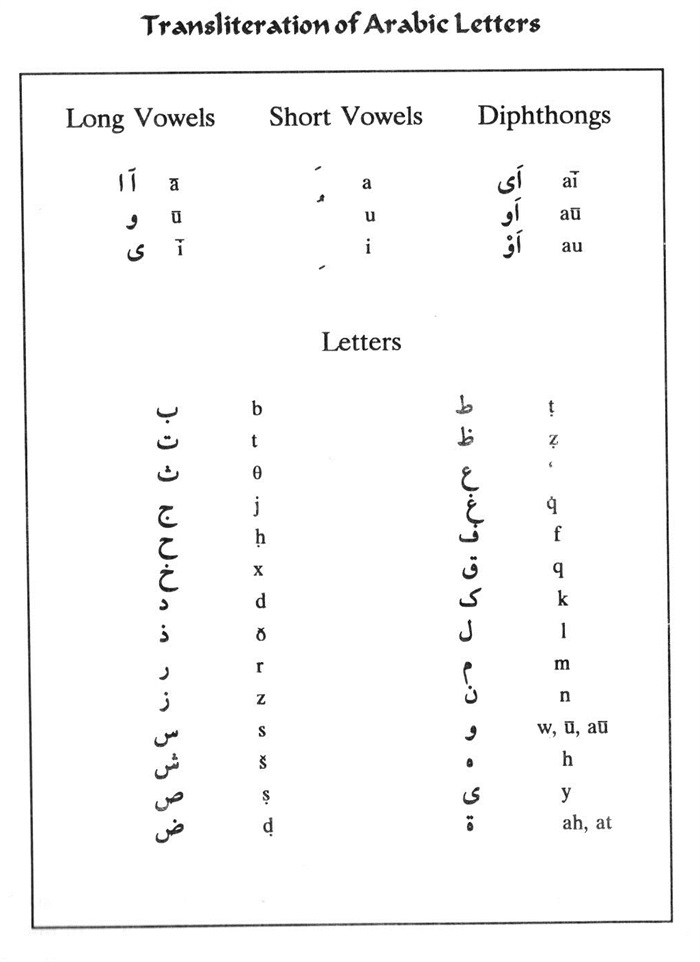
p: 16
24- وَالْمُحْصَناتُ مِنَ النِّساءِ اِلاّ مامَلَکَتْ أَیْمانُکُمْ
کِتابَ اللّهِ عَلَیْکُمْ
وَاُحِلَّ لَکُمْ ما وَراءَ ذلِکُمْ
اَنْ تَبْتَغُواْ بِاَمْوالِکُم مُّحْصِنینَ غَیْرَ مُسافِحینَ
فَمَا اسْتَمْتَعْتُمْ بِه مِنْهُنَّ فاتُوهُنَّ اُجُورَهُنَّ فَریضَةً
وَلاجُناحَ عَلَیْکُمْ فیما تَراضَیْتُم بِه
مِنْ بَعْدِ الْفَریضَةِ
اِنَّ اللّهَ کانَ عَلیمًا حَکیمًا
24. " And all married women (are forbidden unto you to marry) except those whom your right hands possess (by Allah's decree in the battle against infidels).
It is a written legislation of Allah unto you;
and lawful for you are (all women) besides those that you may seek (them) by means of your wealth (as dower) taking them into marriage and not committing fornication.
Then as to those of whom you seek content (by temporary marriage), give them their dowries as a duty;
and there is no blame on you in whatever you mutually agree after the duty.
Verily Allah is All-Knowing, All-Wise."
For non-Muslims, captivity is counted as divorce. It is like the Faith of a woman that when her husband continues his infidelity and the woman
p: 17
has embraced Islam, the very belief separates her from her husband.
To take in marriage a woman who has husband is unlawful from the point of Islam. The woman may be from any nation and with any religion.
But captivity is like divorce, and a captive woman should observe a waiting term for one month (one menstruation) from the time she is captured, and if she is in pregnancy period, she must wait until she is delivered of her child. Thus, during this period, no conjugal connection is admissible with her.
This matrimonial device, as a permanent or contemporary spouse, is better than the device of returning her to the infidels or leaving her alone with no guardian.
" And all married women (are forbidden unto you to marry) except those whom your right hands possess (by Allah's decree in the battle against infidels).
It is a written legislation of Allah unto you;
and lawful for you are (all women) besides those that you may seek (them) by means of your wealth (as dower) taking them into marriage and not committing fornication. ..."
According to several traditions narrated from the holy Imams of Ahlul-Bayt (a.s.), and also according to many commentary books recorded by the scholars of the Sunnis, this phrase of the verse refers to temporary marriage where the above-mentioned holy verse says:
" ... Then as to those of Whom you seek content (by marriage), give them their dowries as a duty.
and there is no blame on you in whatever you mutually agree after the duty.
Verily Allah is All-Knowing, All-Wise. "
****
p: 18
25- وَمَن لَّمْ یَسْتَطِعْ مِنْکُمْ طَوْلاً اَنْ یَنْکِحَ الْمُحْصَناتِ الْمُؤْمِناتِ
فَمِنْ ما مَلَکَتْ اَیْمانُکُمْ مِنْ فَتَیاتِکُمُ الْمُؤْمِناتِ
وَاللّهُ اَعْلَمُ بِایمانِکُم بَعْضُکُمْ مِنْ بَعْضٍ
فَانْکِحُوهُنَّ بِاِذْنِ اَهْلِهِنَّ وَاتُوهُنَّ اُجُورَهُنَّ بِالْمَعْرُوفِ
مُحْصَناتٍ غَیْرَ مُسافِحاتٍ وَلا مُتَّخِذاتِ اَخْدانٍ
فَاِذا اُحْصِنَّ فَاِنْ اَتَیْنَ بِفاحِشَةٍ فَعَلَیْهِنَّ نِصْفُ ما عَلَی الْمُحْصَناتِ
مِنَ الْعَذابِ
ذلِکَ لِمَنْ خَشِیَ الْعَنَتَ مِنْکُمْ
وَاَنْ تَصْبِرُوا خَیْرٌ لَکُمْ وَاللّهُ غَفُورٌ رَحیمٌ
25. " And whoever among you is not able to financially afford to marry free believing women, then (let him marry) of those (slaves or captives) whom your right hands possess from among your believing maidens;
and Allah better knows your faith; you are (sprung) one from the other,
so marry them with the permission of their masters and give them their dowries in fairness,
they being chaste, not committing lewdness, nor taking paramours.
And if when they are married they commit lewdness,
their punishment is half that for free women.
This (kind of marriage) is for those among you who fear falling into evil.
But to have patience would be better for you, and Allah is Forgiving, Merciful."
Following the statements about marriage, this verse expresses the conditions of marrying she slaves whose dowries and expenses are usually
p: 19
lighter and easier. At first it says:
" And whoever among you is not able to financially afford to marry free believing women, then (let him marry) of those (slaves or captives) whom your right hands possess from among your believing maidens;..."
Then it adds that for recognizing their Faith, you are commissioned to hear their apparent expressions, and as for their innate thoughts and hidden secrets, it is so that Allah knows well of your faith.
" ... and Allah better knows your faith, ... "
And, in view of the fact that some men were not so willing to marry the slave maidens, in this verse the Qur'ān remarks that all of you have come into being from only one couple, therefore, you must not dislike marrying them. It says:
" ... you are (sprung) one from the other, ... "
Then, the Qur'ān points to one of the conditions of this marriage. It is the permission of the concerning master, while without that permission the marriage is invalid. It says:
" ... so marry them with the permission of their masters, ... "
Next to this statement, it says:
" ... and give them their dowries in fairness, ... "
It is understood from this sentence that an appropriate and worthy dowry should be assigned for them, and it must be given to themselves. It is also understood that their slaves can possess some wealth when they have lawfully obtained it.
One of the other conditions that this marriage has, is that these maidens should be taken from among those who are chaste, not from among those who commit manifest lewdness.
" ... they being chaste, not committing lewdness, nor taking paramours. ... "
In agreement with the ordinances stated upon marriage with slave maidens and supporting their rights, the holy verse continues the words about their punishment when they divert from the path of piety and chastity, It says:
" ... And if when they are married they commit lewdness, their punishment is half that for free women. ... "
This part of the holy verse means that they must be beaten only fifty
p: 20
stripes.
Then, it adds that this kind of marriage with such slave maidens is for those who are severely involved in the pressure of the sexual instinct and are not capable to marry free women. Therefore, it is not admissible for men other than them.
" ... This (kind of marriage) is for those among you who fear falling into evil. ... "
But, next to that, it says that being patient and avoiding such sort of marriage, from the point of some ethical and social interests, is of your gain as far as you are able to restrain yourself and you do not fall into committing sin.
" ... But to have patience would be better for you, ... "
At the end of the verse, it remarks that upon what you have done before this, Allah is Forgiving, Merciful. It says:
" ... and Allah is Forgiving, Merciful. "
****
p: 21
Respect of rights of property and life Woman has as much right over her
property as man Similarly in the matter of inheritance.
26- یُریدُ اللّهُ لِیُبَیِّنَ لَکُمْ وَیَهْدِیَکُمْ سُنَنَ الَّذینَ مِن قَبْلِکُمْ
وَیَتُوبَ عَلَیْکُمْ وَاللّهُ عَلیمٌ حَکیمٌ
26. " Allah desires to make clear (the way of felicity) to you, and to guide you in the ways of those before you, and to turn to you (mercifully), and Allah is All-Knowing, All-Wise. "
Following the different ordinances in the field of marriage stated through previous verses, there may arise this question that what all these limitations and lawful restrictions are for. This verse and the two following ones answer this question.
The above-mentioned verse indicates that Allah wishes to open the way of happiness and felicity to you by these instructions. It says:
" Allah desires to make clear (the way of felicity) to you, ... "
Besides that, you are not alone in this path, and Allah desires to guide you towards the correct ways and practices of those who were before you. It says:
" ... and to guide you in the ways of those before you, ... "
In addition to that, He wants to accept your repentance.
" ... and to turn to you (mercifully), ... "
Allah desires to return back again to you His favours and blessings that have been ceased for you because of your corruptions and deviations.
This is in the case that you, too, return back from the deviated paths that were paved before Islam, in the Age of Ignorance.
p: 22
At the end of the verse, it says:
" ... and Allah is All-Knowing, All-Wise. "
This phrase means that Allah is cognizant to His ordinances, and He has legislated them through His Own Wisdom for you.
****
p: 23
27- وَاللّهُ یُریدُ اَنْ یَتُوبَ عَلَیْکُمْ وَیُریدُ الَّذینَ یَتَّبِعُونَ
الشَّهَواتِ اَنْ تَمیلُواْ مَیْلاً عَظیمًا
27. " And Allah desires that He should turn to you (mercifully), but those who follow their lusts desire that you should deviate (with) a great deviation. "
At the first glance, the sexual liberty is a kind of pleasure and seeking an enjoyment. But, regarding to its personal and social evil effects, it is the greatest fall and aberration. Libertinism and lewdness, diminishes the body, entangles the thought, wastes property, and decays confidence. It spoils the desire of family formation and delivers some illegal children to the society. It causes some venereal and psychological diseases to come forth. And, briefly speaking, sexual freedom results to the greatest captivities for human beings.
1- The limitations and instructions which are ordained upon marriage are the secrets for the grace of Allah unto humankind.
" And Allah desires that He should turn to you (mercifully), ... "
2- Those sensual ones who are indulged in libertinage do not satisfy by anything save sinking you in lusts. They want you to be their friend in their deviated path.
" ... that you should deviate (with) a great deviation. "
3- Do not follow the way of voluptuous ones, and do not imitate them, for they are your enemies.
"... but those who follow their lusts desire that you should deviate (with) a great deviation. "
****
p: 24
28- یُریدُ اللّهُ اَنْ یُخَفِّفَ عَنْکُمْ
وَخُلِقَ الاِْنْسانُ ضَعیفًا
28. " Allah desires that He should make light your burden, and man has been created weak. "
In these latter three verses, a small part of the favours of Allah are mentioned, one after another. They denote that Allah explains the ordinances for you, leads you to the way, returns His mercy to you, and takes the affairs easy for you.
All these facilities are for that man is feeble against the storm of instincts, and his ability and patience is little.
Islam is an easy religion. It stops nowhere.
" Allah desires that He should make light your burden, ... "
The basis of this religion is founded on lightness, easiness, and capability.
" ... and man has been created weak. "
****
p: 25
29- یااَیُّهَا الَّذینَ امَنُواْ لاتَأْکُلُوا اَمْوالَکُم بَیْنَکُم بِالْباطِلِ
اِلاّ اَنْ تَکُونَ تِجارَةً عَنْ تَراضٍ مِنْکُمْ
وَلاتَقْتُلُوا اَنْفُسَکُمْ
اِنَّ اللّهَ کانَ بِکُمْ رَحیمًا
29. " O' you who have Faith! do not devour each other's property among yourselves in vanity, except that it be a trade by your mutual consent, and do not kill your (own) selves (one another); verily Allah is Merciful to you. "
The secret of the occurrence of the prohibiting sense: " do not kill "
close to the meaning of " do not devour ", a prohibition of false devouring, maybe, is for that an unsound economical system is a premise for the appearance of murder or destruction in the society.
1- Personal possession is respected while domination in others' properties is unlawful, except for correct bargaining which are perfected on mutual consent.
" O' you who have Faith!
do not devour each other's property among yourselves in vanity, except that it be a trade by your mutual consent, ..."
2- A difinite society, or an Ummah, has one unit of soul and a common fate.
" ... each other's property among yourselves ... "
3- Any kind of domination which is not based on `divine truth' is forbidden. Some of its instances are; usurpation, theft, barring from inheritance, gambling, defraud, falsification, and purchasing the means of mischief and sin. It is so, because all of these instances are the examples of
p: 26
vanity.
"...do not devour each other's property among yourselves in vanity, ..."
4- Bargains should be performed on the basis of mutual consent, not compulsively or unwillingly.
" ... a trade by your mutual consent,... "
5- The life of a person is respectable. Therefore, suicide, and murdering others is `unlawful'.
" ... and do not kill your (own) selves (one another);... "
****
p: 27
30- وَمَنْ یَفْعَلْ ذلِکَ عُدْوانًا وَظُلْمًا
فَسَوْفَ نُصْلیهِ نارًا
وَکانَ ذلِکَ عَلَی اللّهِ یَسیرًا
30. " And whoever does this aggressively and unjustly, We will soon cast him into fire;
and this is easy for Allah."
The difference between the Arabic words /`udwān/ and /ẓulm/, mentioned in this verse, may be that the former is a transgression against others, while the latter encompasses the aggression towards one's own self, too.
The verse says:
" And whoever does this aggressively and unjustly, We will soon cast him into fire;
and this is easy for Allah."
****
p: 28
31- اِنْ تَجْتَنِبُوا کَبائِرَ ما تُنْهَوْنَ عَنْهُ نُکَفِّرْ عَنکُمْ سَیَِّئاتِکُمْ
وَنُدْخِلْکُمْ مُدْخَلاً کَریمًا
31. " If you avoid the great sins which you are forbidden,
We remit from you your small sins and We cause you to enter an honourable place of entering. "
It is understood from this verse that sins are divided into two groups:
the minor sins and the major sins. We also recite in Sura Al-Kahf, No. 18, Verse 49 that, on the Day of Judgement, when sinners see the record of their evil deeds, they say: " ... What a book this is! it does not omit a small one nor a great one,... ".
According to the Islamic literature, a great sin is a sin for which Allah has promised Fire to its performer.
The number of great sins are mentioned differently in the Islamic narrations. Some of the pioneers among the Muslim scholars, derived from the verses of the Qur'ān and traditions, have introduced 33 great sins.
There are, of course, degrees for the great sins when comparing them.
Therefore, some of the great sins are called `the most major sins'.
1- It is necessary for us to ignore the slight offences of those whose ideological and practical doctrine is proper.
2- The reward of those who abandon major sins is that Allah (s.w.t.) forgives their minor sins.
" If you avoid the great sins which you are forbidden, We remit from you your small sins and We cause you to enter an honourable place of entering. "
The total number of the major sins, as many traditions denote, is 33 sins which are listed in the following:
p: 29
1- To associate a partner for Allah
2- Homicide (the believers)
3- The curse of the parents
4- To escape from Holy Struggle
5- To devour the orphan's property
6- Usury
7- False accusation of unchastity to an immaculate woman
8- Fornication
9- Sodomy
10- Theft
11- Consuming the flesh of a corpse
12- To consume blood
13- To eat the flesh of swine, pig
14- To eat the flesh of an animal slaughtered without mentioning Allah's Name
15- To defraud whether by scale or by measure
16- Gambling
17- A false attestation
18- Despair from the grace of Allah
19- To feel secured from the punishment of Allah
20- To assist the evil-doers
21- To rely on the tyrants
22- To swear falsely
23- Rancour and deceit
24- To restrain from giving others' rights
25- To tell a lie
26- To behave arrogantly
27- Immoderation and extravagance.
28- Treachery
29- Making little of Hajj
30- To fight against Allah's saints
31- To be busy with diversion and play
32- Magic and whatever causes trouble for others
33- To drink wine
p: 30
32- وَلاتَتَمَنَّوْا ما فَضَّلَ اللّهُ
بِه بَعْضَکُمْ عَلی بَعْضٍ لِّلرِّجالِ نَصیبٌ مِمَّا اکْتَسَبُواْ
وَلِلنِّساءِ نَصیبٌ مِمَّا اکْتَسَبْنَ
وَسْئَلُواْ اللّهَ مِنْ فَضْلِه
اِنَّ اللّهَ کانَ بِکُلِّ شیْ ْءٍ عَلیمًا
32. " And do not covet that by which Allah has made some of you excel others. Men shall have a benefit of what they earn and women shall have a benefit of what they earn; and ask Allah of His Grace;
verily Allah knows all things."
Upon the occasion of revelation of this holy verse, it has been cited that: Once Ummus-Salamah, a wife of the holy Prophet (p.b.u.h.), asked him (p.b.u.h.): " Why do men go to Holy Struggle but women do not? Why has Islam legislated inheritance for us half of men's portion? We wish we were men and went to Holy Struggle like men and equally obtained their social position."
The above verse was revealed and responded to this kind of questions and the like of them.
For a group of Muslims, the difference of the portion of men and women in inheritance had become a question. It seemed that they did not notify that this difference was for the reason that generally the totality of the life expenditure is as a duty upon men, while women are free from it.
Besides that, the expenditure of women themselves is upon men, too. Thus, as it was mentioned before, the portion of women, can, practically, be twice as much as that of men. Therefore, the holy verse says:
p: 31
"And do not covet that by which Allah has made some of you excel others. ..."
It is such because, there are some secrects in each of these differences that are covered and concealed for you.
Of course, it should not be misunderstood that the verse points to some actual and natural differences, not those forged differences that have been produced as a result of transgression and exploitation performed by some social classes.
Then, immediately after that, it says:
" ... Men shall have a benefit of what they earn and women shall have a benefit of what they earn; ... "
This difference might be either a natural one (like the difference of the two genders: male and female with each other), or the difference resulted from the optional efforts and endeavours.
Then, it adds: in stead of desiring these kinds of difference, ask Allah of His Grace and Favour that He grants you different bounties, ranks and good rewards. It is in that case that you may become some happy and prosperous persons. It says:
" ... and ask Allah of His Grace;... "
So, at the end of the verse, it says:
" ... verily Allah knows all things. "
That is, He knows whatever sort of natural or financial differences are necessary for the social regularity. Allah also knows the innate secrets of people and, therefore, He knows who has unjust desires in the heart and, on the other side, which persons think of what is proper, positive, and constructive.
p: 32
33- وَلِکُلٍّ جَعَلْنا مَولِیَ
مِمّا تَرَکَ الْوالِدانِ وَالاَْقْرَبُونَ
وَالَّذینَ عَقَدَتْ اَیْمانُکُمْ فَ-اتُوهُمْ نَصیبَهُمْ
اِنَّ اللّهَ کانَ عَلی کُلِّ شیْ ْءٍ شَهیداً
33. " And for everyone We have placed heirs (to inherit) of what parents and near relatives leave, and as for those with whom your right hands have made a covenant, give them their portion;
verily Allah is ever witness over all things."
The phrase: " Your right hands have made a covenant " is a hint to the contract which used to be held between two persons before Islam. Then Islam, with a slight change in it, accepted it. In Islamic jurisprudent books, this action has been entitled /dāman-i-jarīrah/. The content of this contract was so that: two persons promised that they would help each other in the life affairs, assist in the payment of compensations of one another, and one could inherit from the other. It was something similar to the insurance contract of today which indicates: if a loss comes forth for a person, the promised party pays its compensation. Islam accepted this content, but inheriting from another one is conditioned to the lack of any hair for the diseased person.
1- Assigning the standard of the portion of inheritance for relatives by the command of Allah.
" And for everyone We have placed heirs (to inherit)... "
2- A person has the right of transferring his/her possession to another one under some conditions.
" ... and for those with whom your right hands have made a covenant, ..."
p: 33
3- Fulfilling a promise is obligatory.
" ... give them their portion;... "
4- The debtors should seek after the creditors.
" ... give them their portion;... "
5- The promises of a person is usually valid after that person's death.
6- Allah is always present and witnesses the deeds.
"... verily Allah is ever witness over all things."
****
p: 34
Superiority of men over women Wife's perverseness and desertion to effect
Duty to Allah inculcates all the other duties Niggardliness and hypocrisy condemned
34- اَلرِّجالُ قَوّامُونَ عَلَی النِّساءِ بِما فَضَّلَ اللّهُ بَعْضَهُمْ عَلی بَعْضٍ
وَبِمآ اَنْفَقُوا مِنْ اَمْوالِهِمْ
فَالصّالِحاتُ قانِتاتٌ حافِظاتٌ لِلْغَیْبِ بِما حَفِظَ اللّهُ
وَالّتی تَخافُونَ نُشُوزَهُنَّ فَعِظُوهُنَّ وَاهجُرُوهُنَّ فِی الْمَضاجِعِ
وَاضْرِبُوهُنَّ فَاِنْ اَطَعْنَکُمْ فَلاتَبْغُوا عَلَیْهِنَّ سَبیلاً
اِنَّ اللّهَ کانَ عَلِیًّا کَبیرًا
34. " Men have authority over women because Allah has made some of them to excel others and because they spend out of their property (for the support of women).
Therefore, the good women are obedient, guarding the unseen as Allah has guarded. And (as to) those (women) on whose part you fear desertion,
admonish them, and avoid them in beds and beat them;
then if they obey you, do not seek a way against them; verily Allah is Ever-High, Ever-Great. "
A family is a small unit of the society, similar to a large assembly of people, a family must have a single proper leader. The reason is that a
p: 35
leadership upon a family accomplished by several of men and women in common, is of no vail. In this form of leadership, either of husband or wife must be the chief of the family and the other should be his/her assistant and under his/her governance. Here, by this verse, the Qur'ān clearly announces that the guardianship of the family must be given to the man of the family. It says:
" Men have authority over women ... "
Of course, the purpose of this statement is not a sense of casting transgression, inequity and aggression; but the aim is producing a single, fairly regular leadership regarding to the necessary consultations and responsibilities.
The second section of the verse is divided into two parts. In the first part it denotes that this guardianship is for some superiorities that, (for the sake of regularity of the society), Allah has assigned for some people comparing some others. It says:
" ... because Allah has made some of them to excel others ... "
And, in the second part of the statement it implies that this guardianship is for the sake of the responsibilities that men undertake along the side of financial payments due to women and family members. It says:
" ... and because they spend out of their property (for the support of women), ..."
Then, it adds that: with respect to the duties women undertake at home, they are divided into two groups:
The first group are those pious women who, because of the rights Allah has set for them, are humble and protect the secrets and rights of their husband when the husband is absent:
" ... therefore, the good women are obedient, guarding the unseen as Allah has guarded, ... "
That is, always, and at the absense of their husbands in particular, they commit no treachery whether from the point of property, or honour, or protecting the family secrets, and the credit and personality of their husbands. They also truely follow their duties and responsibilities to fulfil them well.
The second group are the women who usually refuse to do their duties. Thus, the signs of disagreement and discord are seen in them.
p: 36
Confronting such women, men have some duties which they must follow step by step. At the first stage, it says:
" ... And (as to) those (women) on whose part you fear desertion, admonish them, ... "
For the second stage, it says:
" ... and avoid them in beds, ... "
And, in the third stage, when the discord, disobedience, and the state of heedlessness toward the duties and responsibilities, the limits are transgressed, and the wife severely continues stubbornness and law breaking, so that neither admonishment nor separation from bed, nor heedlessness of man unto her, has any effect and avail, there remains no way save harshness. So, it says:
" ... and beat them; ... "
It is certain, of course, that if one of these stages affects positively and the woman starts doing her duties, the man has no right to hurt her under any pretext. That is why, immediately after stating this phrase, the Qur'ān continues saying:
" ... then if they obey you, do not seek a way against them; ... "
At the end of the verse, it warns men again that they should not abuse their position of guardianship in the family. They ought to think of Allah Whose Power is above all powers. It says:
" ... verily Allah is Ever-High, Ever-Great. "
****
p: 37
35- وَاِنْ خِفْتُمْ شِقاقَ بَیْنِهِما
فَابْعَثُوا حَکَمًا مِنْ اَهْلِه وَحَکَمًا مِنْ اَهْلِها
اِنْ یُریدا اِصْلاحًا یُوَفِّقِ اللّهُ بَیْنَهُما
اِنَّ اللّهَ کانَ عَلیمًا خَبیرًا
35. " And if you fear a breach between the couple,
then appoint a judge from his people and a judge from her people.
If they both desire agreement, Allah will effect harmony between them;
Verily Allah is Knowing, All-Aware."
In this holy verse, the Qur'ān refers to the discord which happens between a couple, it says:
" And if you fear a breach between the couple, then appoint a judge from his people and a judge from her people. ..."
Then, it continues saying:
"... If they both desire agreement, Allah will effect harmony between them; ..."
And, in order to warn the concerning arbitrators to employ good intention in the course, it concludes the verse with this sense that Allah is aware of their intentions. It says:
" ... Verily Allah is Knowing, All-Aware."
The ` family peace court ', which has been referred to in this verse, is one of the distinguished works of Islam. This kind of peace-court, compared with ordinary courts, has some privileges that cannot be found in other courts. A few of these privileges are as follows:
1- In family environment the treatments cannot be dry and performed legally according to the spiritless court regulations. Hence, the Qur'ān instructs that the arbitrators of this court must be of those who have
p: 38
kinship with the couple and are able to move their sentiments along the path of reconciliation.
2- In ordinary courts the two sides of the conflict have to divulge the secrets they have in order to defend themselves. Here, it is certain that if either of woman or man manifest their conjugal secrets for some strangers, they may hurt the feelings of each other so violently that if they be returned home forcefully, there will not exist any sign of their previous sincerity and love between them.
3- In ordinary courts, judges are often inattentive in the course of dispute, while in the family peace-court, the arbitrators usually do their best to settle peace and sincerity between those two spouses and try to return them home.
4- Moreover, such a family court has none of the problems and heavy expenditures for the couple that the ordinary courts have.
****
p: 39
36- وَاعْبُدُواْ اللّهَ وَلاتُشْرِکُوا بِه شَیْئاً
وَبِالْوالِدَیْنِ اِحْسانًا وَبِذِی الْقُرْبی وَالْیَتامی
وَالْمَساکینِ وَالْجارِ ذِی الْقُرْبی وَالْجارِ الْجُنُبِ وَالصّاحِبِ
بِالْجَنْبِ وَابْنِ السَّبیلِ وَما مَلَکَتْ اَیْمانُکُمْ
اِنَّ اللّهَ لایُحِبُّ مَنْ کانَ مُخْتالاً فَخُوراً
36. " And worship Allah and do not associate anything with Him, and do good to the parents, and to the kindred, and the orphans and the needy, and the neighbour close to you, and the neighbour who is a stranger, and the companion in a journey, and the way farer, and (the slaves) whom your right hands possess.
Verily Allah does not love the one who is proud, boastful."
In this verse, some different rights are spoken about. They are irrespective of the rights of Allah, and the rights of people, and also some civilities of social life. On the whole, there are ten commandments mentioned in the verse.
1- The first theme therein is that it invites people to worship and servitude to Allah while they should abandon idolatry and infidelity. This godly manner is the root of all Islamic agenda. The act of following the notion of Unity and theism, purifies the soul, clarifies the intention, strengthens the will, and tightens the decision for performing any right and useful action in the cause of Allah.
Since the verse is to state a series of Islamic rights, before referring to anything else, it points to the right of Allah upon people.
" And worship Allah and do not associate anything with Him, ..."
2- Then, it adds:
"...and do good to the parents, ..."
The right of parents is one of the subjects which has been repeatedly
p: 40
emphasized in the holy Qur'ān. There is fewer matters that have been recommended so much in it. In four occurrences of the Qur'ān this idea has been mentioned after the subject of Unity.
3- Next to that, it continues saying:
"... and to the kindred, ..."
This subject is also one of the themes that has been emphasized abundantly in the Qur'ān. It has sometimes been referred to as `blood ties',
and sometimes has been enjoined under the commandment of ` doing good to the kindred '.
4- Then it pays to the rights of orphans, and encourages the believing people to doing good unto the `orphans'. The reason of this emphasis is that, as a result of different incidents, there always exist some orphan children in every society that forgetting them, not only spoils their condition but also puts the situation of the society in danger.
"... and the orphans,..."
5- Next to that, the Holy Qur'ān reminds us the `rights' of the needy ones.
"...and the needy, ..."
The reason of this remembrance is that: in every society there are usually some handicapped persons, some feeble ones, and the like of them that leaving them out is against all the principles of humanity.
6- After that, the verse recommends to doing good unto the neighbours who are near to us. It says:
"... and the neighbour close to you, ..."
7- The neighbours who are strangers to us are then recommended. It says:
"... and the neighbour who is a stranger, ..."
The `right of neighbourhood ' is so important in Islam that Imam Amir-ul-Mu'mineen Ali (a.s.) has stated about it thus: " The Messenger of Allah (p.b.u.h.) instructed about them so much that we thought he might enjoin that they would inherit from each other."
Another tradition denotes that one day it happened that the holy Prophet (p.b.u.h.) three times said: " By Allah, he does not believe."
p: 41
A person asked him (p.b.u.h.) whom he meant, and the Prophet (p.b.u.h.) said: " The person whose neighbour is not in security from his molestation."(1)
8- After that, the Qur'ān has recommended about those who are friends and companions. It says:
" ...and the companion in a journey, ..."
The Arabic phrase: /aṣ-ṣāḥib-il-janb/, of course, has a larger scope of meaning than `friend' and `companion'. Thus, the verse conveys a general and inclusive command regarding to having good manner due to those who somehow connect with us irrespective of real friends, fellow-workmen, fellow-travellers, those who ask us for something, students, counsellors, and waiters.
9- Another group, whom are recommended about here, are those who will be in need, because of some reasons, when they are in journey and are far from their own home, although they may be rich in their own city. So, it says:
"... and way farer, ..."
10- The final recommendation is about doing good unto the slaves. It says:
"...and (the slaves) whom your right hands possess. ..."
In fact, the above verse begins with the subject of the right of Allah and concludes with ` the rights of slaves '. Not only in this verse the slaves are recommended about, but also many other verses of the Qur'ān are upon this matter.
At the end, the verse warns us, saying:
"...Verily Allah does not love the one who is proud, boastful."
****
p: 42
37- اَلَّذینَ یَبْخَلُونَ وَیَأْمُرُونَ النّاسَ بِالْبُخْلِ
وَیَکْتُمُونَ ما اتاهُمُ اللّهُ مِنْ فَضْلِه وَاَعْتَدْنا لِلْکافِرینَ
عَذابًا مُهینًا
37. " Those who are niggardly and enjoin people to niggardliness and hide what Allah has given them out of His grace;
and We have prepared for the disbelievers a humiliating chastisement."
This verse, in fact, is the continuation of the subject of the former verses which refers to the arrogant persons and haughty ones. Such persons not only refrain from doing good to human beings themselves, but also invite people to niggardliness. It says:
" Those who are niggardly and enjoin people to niggardliness ..."
Moreover, they often try to conceal that which Allah has bestowed them out of His Grace lest people of their society expect something from them.
"... and hide what Allah has given them out of His grace; ..."
Then, the Qur'ān states about the fate and the end of these persons as this:
"... and We have prepared for the disbelievers a humiliating chastisement."
Perhaps the key to the secret of mentioning the word ` the disbelievers ' in this verse is that: `niggardliness' often originates from infidelity, because the niggardly persons, indeed, have not a complete faith upon the endless merits of Allah unto the good-doers. So, when it says that their punishment is " a humiliating chastisement ", it is for the reason that they may see the retribution of ` arrogance ' and ` self-admiration ' through this way.
****
p: 43
38- وَالَّذینَ یُنْفِقُونَ اَمْوالَهُمْ رِئاءَ النّاسِ
وَلایُؤْمِنُونَ بِاللّهِ وَلا بِالْیَوْمِ الاْخِرِ وَمَنْ یَکُنِ
الشَّیْطانُ لَهُ قَرینًا فَساءَ قَرینًا
38. " And (the arrogant ones are) those who spend their wealth to be seen by people and neither believe in Allah nor in the Last Day; and anyone whose companion be Satan, (what) an evil companion then he is! "
Sometimes Satan whispers and tempts something from a long distance into some persons, and sometimes it does it from a short distance.
The believers usually flee from the temptations of Satan, but sometimes Satan becomes as a constant friend and companion of some people. It may approach them very nigh, and in a manner that Sura Al-Zukhruf, No. 43, verse 36 refers to. It states: " And whoever turns himself away from the remembrance of the Beneficent God, We appoint for him a Satan, so he becomes his associate."
1- Both to abandon giving charity and to give charity hypocritically are bad. In the previous verse, niggardliness was blamed, and here in the above verse, hypocritical remittals are remonstrated.
2- Hypocrisy is the sign of the lack of true faith in Allah and the Hereafter. A hypocrite relies on people, then he is deprived from the full reward in the Hereafter.
3- The goal of giving charity is not only satiating the hungry, since this aim can be gained by hypocrisy either. So, the aim of giving charity, is also the spiritual growth of the giver of charity.
****
p: 44
39- وَماذا عَلَیْهِمْ لَوْ امَنُوا بِاللّهِ وَالْیَوْمِ الاَْخِرِ
وَاَنْفَقُوا مِمّا رَزَقَهُمُ اللّهُ
وَکانَ اللّهُ بِهِمْ عَلیمًا
39. " And what (harm) would it have done them if they had believed in Allah and the Last Day,
and spent in charity of what Allah had provided them with?
And Allah is ever aware of them."
In this verse, as an expression of sympathy and regret for the state of this group, it says that what would happen to them if they returned from this deviated-path and believed in Allah and the Last Day? They could also spend a part of the bounties that Allah had given them to the servants of Allah with a sincere intention and through a pure thought. By this way, they would earn the felicity and happiness of this world and the next world both.
" And what (harm) would it have done them if they had believed in Allah and the Last Day, and spent in charity of what Allah had provided them with? ..."
However, Allah is aware of their intentions and deeds, and He will give them an appropriate reward and retribution accordingly.
"...And Allah is ever aware of them."
****
p: 45
40- اِنَّ اللّهَ لایَظْلِمُ مِثْقالَ ذَرَّةٍ وَاِنْ تَکُ حَسَنَةً
یُضاعِفْها وَیُؤْتِ مِنْ لَدُنْهُ اَجْرًا عَظیمًا
40. " Verily Allah does not do injustice even of the weight of an atom,
and if there be a good deed He multiplies it and gives from Himself a great reward."
This verse, addressing the faithless and niggardly persons, whose status was introduced in the former verses, says:
" Verily Allah does not do injustice even of the weight of an atom, ..."
The Arabic term /arrah/ originally means very small ant which is not seen easily; but, gradually it has been applied for every small thing.
Accordingly, nowadays, ` atom ', which is any of the smallest particles of an element, is also called /arrah/. And, in view of the fact that the Arabic word /miqāl/ means `weight', the Qur'ānic phrase /miqāla arratin/ means`the weight of an extraordinary small thing'.
Then, the verse adds that: not only Allah does not do injustice, but also:
"... and if there be a good deed He multiplies it and gives from Himself a great reward."
The root of injustice is usually either ignorance, or fear, or need, or greed, etc, but Allah, Who is the Self-Sufficient, Omniscient, and Glorified, does not do injustice. Moreover, Allah has enjoined people to equity and goodness Himself, then how does He do injustice? Yet, His reward is manyfold: (ten-fold, hundred-fold, or more).
****
p: 46
41- فَکَیْفَ اِذا جِئْنا مِنْ کُلِّ اُمَّةٍ بِشَهیدٍ
وَجِئْنا بِکَ عَلی هؤُلاءِ
شَهیدًا
41. " How will it be, then, when We bring from every people a witness and We bring you a witness over those (witnesses) ?"
The content of this verse, which refers to the Messenger of Allah, as a witness over the Ummah, has also occurred in some other verses of the Qur'ān (such as: Sura Al-Baqarah, No. 2, verse 143, Sura An-Naḥl, No. 16, verse 89, and Sura Al-Hajj, No. 22, verse 78).
Whenever Ibn-Mas`ūd recited this verse to the Prophet (p.b.u.h.), the tears of the Messenger of Allah (p.b.u.h.) would shed. (Narrated from Ṣaḥīḥ-i-Bukhārī, Tarmathī, and Nisā'ī in Tafsīr-ul-Kabīr by Fakhr-i-Rāzī and Tafsīr-i-Marāqī).
Allah does not need, of course, to bring any witnesses, but human beings are in a condition that the more they feel the presence of witnesses, the more effective it is for strengthening their training and their piety.
As the verses of the Qur'ān indicate, there are many sorts of witnesses in the Hereafter; among them are: Allah: " Verily Allah is a witness over all things";(1) the prophets: the above verse, (2) the immaculate Imams: " And thus have We made you an Ummah of middling stand that you may be witnesses over mankind, ..." (3) ; the angels: " And every soul shall come, with it a driver and a witness." (4) ; the earth: " On that Day, she will recount (all) her news:"(5) ; the time: A tradition says that: every day the time addresses man by saying: " I am a new day and I am a witness over you " ;(6)
and the limbs of the body: " On the Day when their tongues and their hands
p: 47
and their feet shall bear witness against them as to what they did." (1) And, again, we should be aware that the day of Resurrection is the Day on which the witnesses will stand forth: " on the day when shall stand forth the witnesses." (2)
1- Prophets are some examples for people in the world and the witnesses over them in the Hereafter.
2- It is Allah's way of treatment that the prophet of every nation be a witness over that nation. After the departure of the Prophet (p.b.u.h.) there should be someone with the same qualities of the Prophet (p.b.u.h.) (the immaculate Imams) to be witness over people. Imam Ṣādiq (a.s.) in a tradition said: " In any Age an Imam from us, Ahlul-Bayt, is a witness over people, and the Messenger of Allah is a witness over us " (3)
****
p: 48
42- یَوْمَئِذٍ یَوَدُّ الَّذینَ کَفَرُوا
وَعَصَوُاْ الرَّسُولَ لَوْ تُسَوّی بِهِمُ الاَْرْضُ
وَلایَکْتُمُونَ اللّهَ حَدیثًا
42. " On that Day will those who disbelieve and disobey the Messenger wish that the earth were levelled with them, and they will not hide any word from Allah."
On the Day of Judgement, before standing these witnesses up, the disobedient infidels deny their committing sins and corruptions in the world and try to find a way to escape. They would say: "... By Allah, our Lord, we were not polytheists."(1) But, in Hereafter when the witnesses say the facts, there will exist no room for them to deny. So, they will desire that the earth were levelled with them.
" On that Day will those who disbelieve and disobey the Messenger wish that the earth were levelled with them, and they will not hide any word from Allah."
1- Disobedience to the governmental commands of the holy Prophet (p.b.u.h.) is considered in a row with disbelief in Allah.
"...those who disbelieve and disobey the Messenger..."
2- The Day of Resurrection is the day of regret and desire.
"... wish that the earth were levelled with them, ..."
3- On the Day of Judgement, there will remain nothing concealed.
"...and they will not hide any word from Allah."
In some verses of the Qur'ān, the regretful wishes of the sinners are pointed out, as follows:
p: 49
I wish I were soil. I wish I were covered inside the soil! I wish I would not have made friend with so and so! I wish I contemplated in the world! I wish I had been vanished by that very death. And some other phrases like that.
****
p: 50
Cleanliness and purity essential preliminary to prayer
Jews exhorted to obey - Polytheism the gravest the unpardonable sin.
43- یااَیُّهَا الَّذینَ امَنُوا لاتَقْرَبُوا الصَّلوةَ وَاَنْتُمْ سُکاری
حَتّی تَعْلَمُوا ما تَقُولُونَ
وَلاجُنُبًا اِلاّ عابِری سَبیلٍ حَتّی تَغْتَسِلُوا
وَاِنْ کُنْتُم مَرْضی اَوْ عَلی سَفَرٍ اَوْجاءَ اَحَدٌ مِنْکُمْ مِنَ الْغائِطِ اَوْ لمَسْتُمُ
النِّساءَ فَلَمْ تَجِدُوا ماءً
فَتَیَمَّمُوا صَعیدًا طَیِّبًا فَامْسَحُوا بِوُجُوهِکُمْ وَاَیْدیکُمْ
اِنَّ اللّهَ کانَ عَفُوًّا غَفُورًا
43. " O' you who have Faith! do not approach prayer when you are intoxicated, until you know what you say, nor when you are polluted unless you be passing through until you wash yourselves.
And if you are ill or on a journey, or one of you come from privy or you have touched the women and you cannot find water,
then betake yourselves to pure earth then wipe your faces and your hands;
Verily Allah is Pardoning, Forgiving."
****
p: 51
The following Islamic legal ordinances can be extracted from the above-mentioned verse:
1- Canonical prayers are invalid when the person is intoxicated. The holy verse says:
" O' you who have Faith! do not approach prayer when you are intoxicated, until you know what you say, ..."
The reason of it, of course, is clear, because `prayer' is the talk and invocation of the servant with Allah and the action must be performed in an utmost conscious state.
2- The prayer is invalid for the person who is in ritual impurity. So, the Qur'ān says that you should not approach prayer when you are polluted:
"... nor when you are polluted ..."
Next to that, it has stated an exception for this ordinance. It says:
"... unless you be passing through ..."
In this state establishing prayer is permissible on the condition of dry ablution, which will be dealt with in the following.
3- The words refer to the allowance of establishing prayer or passing through a mosque after performing a legal bathing, which has been stated by saying:
"...until you wash yourselves..."
Through the next phrase, all religious aspects of dry ablution are stated. At first, it points to the situation in which water is harmful for the health of the body.
"...And if you are ill or on a journey, ..."
Then, it continues saying:
"...or one of you come from privy or you have touched the women, ..."
And, when in this situation, there is not water for ablution:
p: 52
"...and you cannot find water, ..."
In this condition, you must have recourse to dust:
"... then betake yourselves to pure earth, ..."
In the next sentence, it has stated the style of having recourse to dust. It says:
"...then wipe your faces and your hands; ..."
At the end of the verse, the Qur'ān points to this fact that this ordinance is a kind of facilitation and discount for you, since:
"...verily Allah is Pardoning, Forgiving."
****
p: 53
44- اَلَمْ تَرَ اِلَی الَّذینَ اُوتُوا نَصیبًا مِنَ الْکِتابِ
یَشْتَرُونَ الضَّ-لالَةَ
وَیُریدُونَ اَنْ تَضِلُّوا السَّبیلَ
44. " Have you not seen those who were given a portion of the Book?
They buy error and desire that you should also go astray from the way."
In this verse, Allah addresses the holy Prophet (p.b.u.h.)and, in an astonishing tone, says: whether he has not seen that group of people who were given a portion of the Book in order to be guided and guide others.
But instead of obtaining guidance and felicity by it for themselves and others, they buy aberration not only for themselves but also they wish you went astray. It says:
" Have you not seen those who were given a portion of the Book?
they buy error and desire that you should also go astray from the way."
Thus, as a result of their bad intentions, they changed what they had as a means of guidance for themselves and for others into a means of misleading and being misled. The reason of that manner was that they never went after the truth, but they looked all the things with the dark glasses of hypocrisy, jealousy, and materiality.
****
p: 54
45- وَاللّهُ اَعْلَمُ بِاَعْدائِکُمْ
وَکَفی بِاللّهِ وَلِیًّا وَکَفی بِاللّهِ نَصیرًا
45. " And Allah knows well your enemies;
and Allah is sufficient as a Guardian, and Allah is sufficient as a Helper. "
In this verse, it says that they show themselves in the form of friends,
but they are your real enemies. It is in the case that Allah knows your enemies well. :
" And Allah knows well your enemies; ... "
What enmity is higher than that they are opposite your happiness and guidance. They always persue their own evil aims to be practised, every time in a shape. They sometimes come nigh with a tongue of benevolence, and sometimes by the way of ill-speaking.
Yet, you should never be afraid of their hostility, because you are not alone:
" ... and Allah is sufficient as a Guardian, and Allah is sufficient as a Helper."
****
p: 55
46- مِنَ الَّذینَ هادُوا
یُحَرِّفُونَ الْکَلِمَ عَنْ مَواضِعِه وَیَقُولُونَ سَمِعْنا وَعَصَیْنا وَاسْمَعْ غَیْرَ
مُسْمَعٍ وَراعِنا لَیاً بِاَلْسِنَتِهِمْ وَطَعْنًا فِی الدّینِ
وَلَوْ اَنَّهُمْ قالُوا سَمِعْنا وَاَطَعْنا وَاسْمَعْ وَانْظُرْنا لَکانَ خَیْرًا لَهُمْ وَاَقْوَمَ
وَلکِنْ لَعَنَهُمُ اللّهُ بِکُفْرِهِمْ
فَلایُؤْمِنُونَ اِلاّ قَلیلاً
46. " Some of those who are Jews change the words from their places and say: " We heard and disobeyed ", and (impolitely tell the Messenger) do hear, but as one that never hears, and ` Infatuate us! ' distorting (the word) with their tongues and taunting about religion, and if they had said: ` We heard and we obeyed, hear you and respite us ' it would have been better for them, and more upright,
but Allah cursed them for their disbelief,
so they do not believe; save a few. "
The application of the phrases / sami`nā wa `aṣaynā / in the Arabic language means something like Persian proverb which says: ` You may say but we do not follow '.
The Muslims of the time of the Prophet of Islam (p.b.u.h.) used to tell him the Arabic phrase /rā`inā/. By this word they meant to say that he would pay attention to them and protect them. But the Jews perverted this word to a disgrace meaning. When the word is taken from the Arabic root /ra`ā/, it means ` to consider, to observe ', but when it is taken from the root /ra`ūnat /, and pronounced /rā`innā/, it means: ` make of us foolish'. By twisting their tongues, the Jews used to both defame the Muslims and mock Islam.
In the previous verse, too, their hostility and that they intended to
p: 56
mislead the Muslims through their apostasy and infidelity, was pointed out.
It was because of these hostilities and missing the light of guidance that they were cursed by Allah.
" Some of those who are Jews change the words from their places and say: " We heard and disobeyed ", and (impolitely tell the Messenger) do hear,
but as one that never hears, and ` Infatuate us! ' distorting (the word) with their tongues and taunting about religion, and if they had said: ` We heard and we obeyed, hear you and respite us ' it would have been better for them,
and more upright,
but Allah cursed them for their disbelief, so they do not believe; save a few. "
****
p: 57
47- یااَیُّهَا الَّذینَ اُوتُوا الْکِتابَ امِنُوا بِما نَزَّلْنا مُصَدِّقًا
لِما مَعَکُمْ مِنْ قَبْلِ اَنْ نَطْمِسَ وُجُوهًا فَنَرُدَّها عَلی اَدْبارِها
اَوْ نَلْعَنَهُمْ کَما لَعَنّا اَصْحابَ السَّبْتِ
وَکانَ اَمْرُ اللّهِ مَفْعُولاً
47. " O' you who have been given the Scripture! believe in what We have revealed, confirming that which is (already) with you, before We destroy countenances and turn them towards their backs, or curse them as We cursed the people of Sabbath (the violating Jews), and the Command of Allah is ever-executed. "
The words saying " ... before We destroy countenances and turn them towards their backs, ... " may refer to the purpose of changing the feature of hearts and nature of safe and sound intellects from the path of felicity. This status may come forth as a result of their obstinacy and arrogance against the Divine verses. In stead of going one step forward, they retrogress some steps backward, and their spiritual human features and intellects will be abolished.
Perhaps, it refers to the outward change of faces to their backs and transformation of the features, or change of shapes in the Hereafter.
There were some disobedient Jews who violated the Command of Allah (s.w.t.) upon the prohibition of fishing on Saturdays and, by a legal trick, they did fishing. So, they incurred the wrath of Allah, and their faces transformed into the shape of monkeys.
p: 58
1- The general framework of the programs of all Divine prophets are alike. Therefore, in the style of invitation and propagation, others' opinions and their common rights should be respected.
" ... confirming that which is (already) with you, ... "
2- Islam invites the followers of other religions to the religion of Allah, too.
" O' you who have been given the Scripture! believe ... "
3- The scientifical figures and those who are cognizant are more responsible, and are especially addressed by the religion of Allah.
" O' you who have been given the Scripture! believe ..."
4- When confronting the obstinant ones, the means of threat must be used.
" ... before We destroy ... "
5- In order that the threat be affected, the kinds of its concrete and applicable examples should be mentioned.
" ... as We cursed the people of Sabbath (the violating Jews), ... "
6- The wrath of Allah upon all of the obstinate persons, during the history of the world, is an Allah's way of treatment.
" ... as We cursed the people of Sabbath (the violating Jews), ... "
7- The command of Allah is always certain.
" ... and the Command of Allah is ever-executed."
****
p: 59
48- اِنَّ اللّهَ لایَغْفِرُ اَنْ یُشْرَکَ بِه وَیَغْفِرُ ما دُونَ ذلِکَ
لِمَنْ یَشاءُ وَمَنْ یُشْرِکْ بِاللّهِ فَقَدِ افْتَری اِثْمًا عَظیمًا
48. " Verily Allah does not forgive that anything should be associated with Him, and forgives what is besides that to whom He Pleases; and whoever associate (aught) with Allah, has indeed devised a great sin. "
More than two hundred times the word ` polytheism ' has been mentioned in the Qur'ān where tending towards other than Allah (idolatry, hypocrisy, non-godly beliefs, materialism, and so on) has been criticized. The content of this verse has also been repeated in this very Sura, verse 116; and in fact repetition can be a cause of guidance.
However, polytheism will not be forgiven because it is an exodus from the process of right. It is also departing from the line of Allah and joining other than Him.
If, even a pagan leaves out paganism and sincerely repents, Allah will forgive him. It is cited in Sura Az-Zumar, No.39, verse 53 that surely Allah forgives the faults altogether, therefore do not despair of His Mercy. Then, it is appropriate for everyone to return to Him by repenting and asking forgiveness.
It is narrated from Imam Amirul-Mu'mineen Ali (a.s.) who said that the mentioned verse, to me, is the most (encouraging) beloved one among the verses of the Qur'ān.
Since no one knows to whom the wisely grace of Allah will be granted, there will remain no room for pride and boldness in anyone to commit sin. The following factors pave the way of forgiveness:
1) repentance, 2) to do goodness, 3) to avoid the great sins, 4) intercession, and, 5) the Divine pardon (which is pointed out in this verse)
1- Polytheism is the worst form of sins and it is a barrier against the Divine forgiveness.
2- Forgiveness of the faults relates to the Wisely Will of Allah.
p: 60
49- اَلَمْ تَرَ اِلَی الَّذینَ یُزَکُّونَ اَنْفُسَهُم
بَلِ اللّهُ یُزَکّی مَنْ یَشاءُ وَلایُظْ-لَمُونَ فَتیلاً
49. " Have you not seen those who consider themselves pure? Nay! Allah purifies whom He pleases, and they shall not be wronged even the hair of a date-stone. "
In some other verses of the Qur'ān, self-praise and considering oneself faultless, chosen, and excellent are also blamed. Sura An-Najm, No.53, Verse 32, for example, says: " ... therefore do not attribute purity to yourselves; He knows him best who keeps from evil. "
Imam Amir-ul-Mu'mineen Ali (a.s.) in one of his sermons, speaking about the signs of the pious ones, points out: " ... whenever they are praised, they awe ...". Therefore, that self-praise, which originates from pride, self-admiration and humiliating others, is forbidden, while praising Allah and worshipping Him is a great value. By the way, the divine retributions of people are the fruit of the evil deeds and they are not from the side of Allah.
" Have you not seen those who consider themselves pure? Nay! Allah purifies whom He pleases, and they shall not be wronged even the hair of a date-stone. "
****
p: 61
50- اُنظُرْ کَیْفَ یَفْتَرُونَ عَلَی اللّهِ الْکَذِبَ
وَکَفی بِه اِثْمًا مُبینًا
50. " See how they forge a lie against Allah! and it is sufficient as a manifest sin. "
The Jews considered themselves a superior race and also the children and the beloved of the Lord. This self-admiration is the greatest calumny unto Allah, because He has not appointed anyone as His child, and all human beings are equal before Him. It is in the case that, to Him, the only privilege is Faith and piety.
In belie, besides the existence of lie, there are also the sin of accusation, persecution, injustice, and desecration.
Belie upon Allah nullifies fasting, too. Imam Bāqir (a.s.) also said:
" ... Telling lie is worse than drinking wine." Yet, belie is graver than telling a lie, either.
" See how they forge a lie against Allah! and it is sufficient as a manifest sin. "
****
p: 62
Jews preferring the idolaters to Muslims Abraham's seed blessed
Recompense for disbelief and faith Obedience to Allah,
the Apostle Muhammad and those vested with the authority.
51- اَلَمْ تَرَ اِلَی الَّذینَ اُوتُوا نَصیباً مِنَ الْکِتابِ یُؤْمِنُونَ بِالْجِبْتِ
وَ الطّ-اغُوتِ وَ یَقُولُونَ لِلَّذینَ کَفَرُوا هؤُلاءِ اَهْدی
مِنَ الَّذینَ امَنُوا سَبیلاً
51. " Have you not seen those who were given a portion of the Book?
They believe in Jibt (idol) and Ṭāqūt (false deities) and they say about the infidels:
` These are better guided on the way than those who have believed (in Islam) '."
After that the fight of 'Uhud ended, a group of the Jews went to Mecca in order that they ally with the pagans there against the Muslims.
Having the aim to please and asure the pagans, the Jews prostrated before the pagans' idols. They said that their idolatry was better than the faith of Muslims in Islam and Muhammad (p.b.u.h.).
" Have you not seen those who were given a portion of the Book?
They believe in Jibt (idol) and Ṭāqūt (false deities) and they say about the infidels:
` These are better guided on the way than those who have believed (in Islam) '."
The Arabic term `Jibt', which is applied for the idol of magician, has occurred only once in the Qur'ān; while the term Ṭāqūt, which is derived from the sense of ` disobedience ', has occurred eight times therein.
Perhaps, the objective meaning of these two terms mentioned in the verse is the very two idols before which the Jews prostrated. Or, may be, the
p: 63
purpose of ` Jibt' is the idol, but the purpose of `Ṭāqūt' is the idol worshippers and the advocators of idolatry.
1- The enemies of Islam, in order to work against Muslims, sometimes ignore their own conviction. (The Jews prostrated before idols for the pleasure of the pagans against the Muslims.)
2- The mood of obstinacy and enmity changes the way of judgement, and causes the truth to be concealed.
"... they say about the infidels: ` These are better guided ..."
****
p: 64
52- اُولئِکَ الَّذینَ لَعَنَهُمُ اللّهُ وَ مَنْ یَلْعَنِ اللّهُ
فَلَنْ تَجِدَ لَهُ نَصیراً
52. " These are they whom Allah has cursed, and whomever Allah curses, then you will not find any helper for him."
The unauspicious alliances of the opponents of the truth will never gain their expected results. (As it was seen in the alliance of the parties of infidels, idolators, and the Jews due to the plotting against Islam when the Jews went into Mecca and prostrated before idols, and when they judged unjustly and allied against Islam. They gained, then, nothing through opposing the Will of Allah.)
"...then you will not find any helper for him."
However, whoever is cursed by Allah, will always be wretched.
" These are they whom Allah has cursed, and whomever Allah curses, then you will not find any helper for him."
****
p: 65
53- اَمْ لَهُمْ نَصیبٌ مِنَ الْمُلْکِ فَاِذًا لایُؤْتُونَ النّاسَ نَقیرًا
53. " Or have they a share in the kingdom? Then in that case, they do not give even a speck to anybody! "
By the commentaries of the previous couple of verses, it was said that the Jews, to attract the attention of the idol-worshippers of Mecca, testified that the idolatry of the Quraysh was better than the theistic practice of the Muslims. Even they themselves fell prostration before the idols. In this verse, as well as the next one, this fact has been pointed out that their judgement was worthless and invalid. Each of these two verses contains a considerable proof.
In this verse the Qur'ān inquires whether the Jews had any share in the government that they let themselves judge like that. And, yet, if they had such an authority, they would not give people any right when they might keep every thing for themselves exclusively.
" Or have they a share in the kingdom? Then in that case, they do not give even a speck to anybody! "
****
p: 66
54- اَمْ یَحْسُدُونَ النّاسَ عَلی ما اتاهُمُ اللّهُ مِنْ فَضْلِه
فَقَدْ اتَیْنا الَ اِبْرهیمَ الْکِتابَ وَالْحِکْمَةَ
وَاتَیْناهُمْ مُلْکًا عَظیمًا
54. " Or, do they (the Jews) envy people for that which Allah has given them of His grace? But indeed We have given to Abraham's children the Book and the Wisdom and We have given them a grand kingdom. "
In the former verses, the words were about the niggardliness of the Jews, and here, in this verse, their envy is dealt with. Envy, of course, is worse than niggardliness, because a miser simply does not remit his own property, but an envious person is inconvenient of the favour of another person, either.
The word /an-nās / `people', mentioned in this verse, as Tafsīr-us-Ṣāfī indicates, refers to the Prophet (p.b.u.h.) and his progeny.(1)
Thus, the verse says that the Jews envied them for that which Allah had given them out of His Grace. Then, through such judgements, they wished to quench the fire of their envy.
" Or, do they (the Jews) envy people for that which Allah has given them of His grace? ..."
Then the Qur'ān says: why do you wonder and envy that the Prophet of Islam (p.b.u.h.), chosen from the family of Banī-Hāshim, has been given such a rank? It is in the case that Allah has also given the progeny of Abraham (from whose family are the Jews) the Book and the wisdom and He has bestowed the prophets of the Children of Israel the authority of a great kingdom.
"... But indeed We have given to Abraham's children the Book and the Wisdom and We have given them a grand kingdom."
But, unfortunately you, the degenerate people, lost those worthy
p: 67
spiritual and physical capitals because of your own wickedness and hard-heartedness.
A tradition narrated from Imam Ṣādiq (a.s.) denotes that he (a.s.) was asked about this verse and he (a.s.) answered: " We are those whom have been jealous of by the enemies ... "
The physical and spiritual damages of envy, irrespective of personal and social ones, are extraordinarily abundant. They have been mentioned in the traditions of the leaders of Islam. Including them, it is narrated from Imam Ṣādiq (a.s.) who said: " Envy and malevolence are from the darkness of the heart and blind heartedness, which in turn originate from the denial of the bounties of Allah upon human beings. These two, (blind-heartedness and denial of the bounties of Allah) are two wings of disbelief which causes the annihilation of man."
****
p: 68
55- فَمِنْهُمْ مَنْ امَنَ بِه وَمِنْهُمْ مَنْ صَدَّ عَنْهُ
وَکَفی بِجَهَنَّمَ سَعیرًا
55. " So, of them were (some) who believed in it, and of them were (some) who barred from it, and sufficient (to punish them) is the Blazing Fire (of Hell)."
This verse is both a soothing for the Prophet (p.b.u.h.) and a solace for the Muslims, so that they would not be tired and despaired of the faithlessness of people. In the length of history, the circumstances have always been such, and all the prophets had been faced with the unfaithfulness of some groups of people.
" So, of them were (some) who believed in it, and of them were (some) who barred from it, and sufficient (to punish them) is the Blazing Fire (of Hell).
****
p: 69
56- اِنَّ الَّذینَ کَفَرُوا بِایاتِنا
سَوْفَ نُصْلیهِمْ نارًا کُلَّما نَضِجَتْ جُلُودُهُمْ بَدَّلْناهُمْ جُلُودًا غَیْرَها
لِیَذُوقُوا الْعَذابَ اِنَّ اللّهَ کانَ عَزیزًا حَکیمًا
56. " Verily those who disbelieved in Our Signs, soon We will cast them into Fire so oft as their skins shall be burnt We will change them for other skins, that they may taste the torment. Surely Allah is the Mighty, the Wise. "
Since the infidels were constantly obstinate, they should be retributed constantly with their new skins.
Once, Ibn-i-Abil-`Ujā', who was one of the opponents of the religion, asked Imam Ṣādiq (a.s.) what the fault of the new skin was.
Imam (a.s) said: " The new skin is from the remaining of the burnt of the very first skin. It is like a sun-dried brick which breaks into pieces and will be made of it mud and a new sun-dried brick again "
1- The punishment of the disbelievers is permanent.
" ... We will change them for other skins ... "
2- The punishment, because of its continuation, will never become ordinary for the disbelievers.
3- The new skin is for tasting a severe chastisement; (since, in burning, the utmost pain is felt in the skin, and when the fire reaches the bone its pain seems less than before).
4- The Resurrection will be bodily, because the punishment will be upon the skin and the change that it will have.
" Verily those who disbelieved in Our Signs, soon We will cast them into Fire so oft as their skins shall be burnt We will change them for other skins, that they may taste the torment. Surely Allah is the Mighty, the Wise. "
****
p: 70
57- وَالَّذینَ امَنُوا وَعَمِلُوا الصّالِحاتِ سَنُدْخِلُهُمْ جَنّاتٍ
تَجْری مِنْ تَحْتِهَا الاَْنْهارُ خالِدینَ فیها اَبَدًا لَهُمْ
فیها اَزْواجٌ مُطَهَّرَةٌ وَنُدْخِلُهُمْ
ظِلاًّ ظَلیلاً
57. " And (as for) those who believe and do good deeds, We will admit them into gardens beneath which rivers flow therein shall they abide forever;
for them are pure companions and We will make them enter a dense shade. "
In this verse, the holy Qur'ān promises those believers who have a good Faith and do good deeds that surely they will live soon in gardens of Heaven, where under its trees some rivers flow. Their life therein will be for ever.
Besides that, in Paradise, they will have the pure spouses who will be the source of calmness and tranquility for both their bodies and souls.
They will be pure from the point of menstruation blood, all meannesses, and pollutions. They will live under some eternal shades that, unlike to the inconstant shades of this world, are permanent, wherein no hot wind nor bitter cold enters.
" And (as for) those who believe and do good deeds, We will admit them into gardens beneath which rivers flow therein they will abide forever;
for them are pure companions and We will make them enter a dense shade."
****
p: 71
58- اِنَّ اللّهَ یَأْمُرُکُمْ اَنْ تُؤَدُّوا الاَْماناتِ اِلی اَهْلِها
وَاِذا حَکَمْتُمْ بَیْنَ النّاسِ اَنْ تَحْکُمُوا بِالْعَدْلِ
اِنَّ اللّهَ نِعِمّا یَعِظُکُمْ بِه
اِنَّ اللّهَ کانَ سَمیعًا بَصیرًا
58. " Verily Allah commands you that you restore deposits to their owners,
and when you judge between people, you judge with justice;
verily good is the admonition Allah gives you;
verily Allah is All-Hearing, All-Seeing."
This verse was revealed at the time when the holy Prophet (p.b.u.h.), being completely victorious, arrived in Mecca. The Messenger of Allah (p.b.u.h.) called for `Uthmān-ibn-Ṭalhah, the key holder of the Ka`bah, and took the key from him in order to clear out the Ka`bah from the existence of the idols. After the fulfilment of that aim, `Abbās, the Prophet's uncle, asked the Prophet (p.b.u.h.) to give the key of the Ka`bah to him.
The rank of key-holding of the Sacred-House, in fact, was a distinguished and honourable rank among Arabs. But, contrary to that, after clearing out the Ka`bah from the filth of the existence of the idols, the Prophet (p.b.u.h.) closed the door of the House and delivered the key to `Uthmān-ibn-Ṭalhah while he (p.b.u.h.) was reciting the verse under discussion.
Deposit and Justice in Islam
This holy verse, from which a general and common ordinance is understood, explicitly says:
" Verily Allah commands you that you restore deposits to their owners, ... "
In the second part of the verse, it points to another important subject. It is the proposition of observing justice in government. The
p: 72
verse, conveying the command of Allah, says:
"... and when you judge between people, you judge with justice; ..."
Then, to lay emphasis on these two commands, it says:
" ... verily good is the admonition Allah gives you; ... "
Again, the verse emphasizes and says that Allah is watching you in any state you are, and He both hears your words and sees what you do. It says:
"... verily Allah is All-Hearing, All-Seeing."
It is evident that the term ` deposit ' has a vast meaning. It includes any physical and spiritual capitals. Therefore, according to the clear meaning of this verse, every Muslim is enjoined not to be treacherous in any deposit and unto any person, whether the owner of the deposit is Muslim or non-Muslim. This ordinance is, in fact, one of the principles of ` the declaration of the rights of human kind in Islam '.
Even the scientists of a society are the depositaries. They are charged with a duty not to conceal the facts. Our children are also the deposits of Allah with us. We must not neglect training and educating them. Beyond than that, our existence and whatever power Allah (s.w.t.) has given us are the deposits of Allah, and we should try to protect them carefully.
A tradition narrated from Imam Ṣādiq (a.s.) about the importance of ` deposit ' indicates that once he (a.s.) told one of his companions: " If the murderer of Hazrat Ali (a.s.) trusted me a deposit, or wanted me to advise him, or consulted me, and I accepted that from him, certainly I would be honest in the deposition."(1)
In many Islamic traditions, the purpose of the term ` deposit ',
mentioned in the current verse, has been introduced the leadership of the society, the men of which are Ahlul-Bayt (a.s.). This is the clear extension of practising this verse.(2)
****
p: 73
59- یااَیُّهَا الَّذینَ امَنُوا اَطیعُوا اللّهَ وَاَطیعُوا الرَّسُولَ
وَاُوْلِی الاَْمْرِ مِنْکُمْ
فَاِنْ تَنازَعْتُمْ فی شیْ ْءٍ فَرُدُّوهُ اِلَی اللّهِ وَالرَّسُولِ
اِنْ کُنْتُمْ تُؤْمِنُونَ بِاللّهِ وَالْیَوْمِ الاْخِرِ
ذلِکَ خَیْرٌ وَأَحْسَنُ تَأْویلاً
59. " O' you who have Faith! obey Allah and obey the Messenger and those charged with authority among you. Then, if you quarrel about anything,
refer it to Allah and the Messenger, if you believe in Allah and the Last Day.
This is better and very good in the end."
This verse, together with a few verses next to it, discuss about one of the most important matters of Islam, that is, the subject of leadership. They determine the true source of imitation of Muslims for the different social and religious affairs that they may have.
At first, it commands those who have faith, saying:
" O' you who have Faith! obey Allah..."
It is obvious that, for a believing person, all obediences must be led to the obedience of Allah. Then, any form of leadership must originate from His pure Essence and be adopted to His command, because it is He Who is the Ruler and the genetic Owner of the world of existence, and every sovereignty and ownership should be under His command.
For the second stage it says:
"... and obey the Messenger ..."
Obey the Prophet who is immaculate and never speaks out of desire (1) , an Apostle appointed from the side of Allah amongst people, whose word is the word of Allah, and whose rank and position have been bestowed to him by Allah.
p: 74
And, for the third stage, it says:
"... and those charged with authority among you..."
Obey such ones who are from the inside of the Islamic society and protect both the divine religion and worldly affairs of people.
After that, it says:
"... Then, if you quarrel about anything, refer it to Allah and the Messenger, if you believe in Allah and the Last Day. This is better and very good in the end."
All the Shi`ite commentators have the same attitude on this matter that the purpose of the phrase /'ulil- 'amr /, mentioned in this verse, is the immaculate Imams to whom the physical and spiritual leadership of the Islamic society, consisting of all affairs of life, have been given from the side of Allah and His Apostle (p.b.u.h.), and it does not conclude any other than them. This meaning is said according to the contents of 33 authentic traditions cited in At-Tafsīr-ul-Burhān, vol.1, pp. 381-386 (second edition).
Of course, under some conditions, the obedience of those who are appointed to a rank and charge a position in the society, is necessary. This obedience is not for that they themselves are `those charged with authority', but for that they are agents of `those charged with authority'.
1. Absolute obedience from the Messenger of Allah and `those charged with authority' is a token for inerrancy of those magnanimous ones. Thus, any denotation expansion which is stated for `those charged with authority' is not valid, if the one is not infallible.
2. The repetition of the word /'atī`ū / `obey' is the secret of the kind of orders. The holy Prophet (p.b.u.h.) sometimes stated the ordinances of Allah, and sometimes gave the governmental commands, since he had both offices of `prophecy' and government. (1)
p: 75
3. The name of `those charged with authority' is mentioned nesct to the names of Allah and the Apostle, accompanied with an absolute obedience. This is a sign to show that the one in charge of Islamic government should be qualified with a high saintliness. Based on many traditions, as was mentioned in the commentary of the verse, the purpose of the phrase `those charged with authority' is Ahlul-Bayt (a.s.).
4. People ought to accept the Islamic system and support its godly leaders by their words and deeds.
"... obey Allah and obey the Messenger and those charged with
autority among you ..."
5. In obedience, hierarchical order should be observed, that is: Allah, the Messenger, and those charged with authority.
6. One of the ways of: acknowledgement is comparison with opposites and contraries.
7. When speaking of mischief-makers, the extravagant, the misguided, the ignorant, the tyrants and so on, the Qur'ān's command is:
" Do not yield..." and " Do not follow ...". The conclusion is that the aspects of the word /'atī`ū/ `obey' must be those whose obedience have not been prohibited of.
8. To obey false deities is forbidden.
9. If all groups assume the Qur'ān and the practice of the Prophet (p.b.u.h) as reliable testimonies, discords will be removed and unity will govern.
10. A complete religion must have a solution for discords. The Qur'ān says:
"... refer it to Allah and the Messenger, ..."
11. Those who are opponent to the orders of Allah, the Messenger, and `those charged with authority' should doubt in their own religion, if they want to believe in truth.
"... if you believe ..."
12. Farsightedness and being careful of the interests of long future, time is the standard of value.
"... This is better and very good in the end."
****
p: 76
Hypocrites' leaning to satan - the Messenger's judgement shall be accepted -
Reward for the obedience to Allah and the Messenger.
60- اَلَمْ تَرَ اِلَی الَّذینَ یَزْعُمُونَ
اَنَّهُمْ امَنُوا بِما اُنزِلَ اِلَیْکَ وَما اُنزِلَ مِنْ قَبْلِکَ یُریدُونَ اَنْ
یَتَحاکَمُوا اِلَی الطّاغُوتِ وَقَدْ اُمِرُوا اَنْ یَکْفُرُوا بِه وَیُریدُ الشَّیْطانُ
اَنْ یُضِلَّهُمْ ضَلالاً بَعیدًا
60. " Have you not seen those who think they believe in what has been revealed to you and what was revealed before you?
They intend to resort in the judgement of Tāghūt (false deities) while they have been ordered to reject him,
and Satan intends to mislead them far astray."
It happened that there arose a dispute between a hypocritical Mulsim and a Jew. They decided to refer to the arbitrator. The Jew elected the Prophet (p.b.u.h.) as the arbitrator for trustworthiness and justice he (p.b.u.h.) had, but the hypocrite agreed with Ka`b-ibn-'Ashraf (one of the distinguished Jews) as his arbitrator, because the hypocrite knew that he could tend the attitude of Ka`b towards his benefit by giving him some gifts. he verse is for the bleme of that manner.
" Have you not seen those who think they believe in what has been revealed to you and what was revealed before you?
They intend to resort in the judgement of Tāghūt (false deities) while they have been ordered to reject him, and Satan intends to mislead them far astray."
p: 77
As for the definition of `the false deities', Imam Ṣādiq (a.s.) says: "A false deity is he who does not judge rightfully, decides against the command of Allah, and his order is obeyed." (1)
In the previous verse, Allah and the Apostle were introduced as the place of resorts of discords, but in this verse, the blame is upon those who refer to false deities as the place of resorts of their own discords. Thus, in that verse the virtuous cite of resort has been introduced, while in this verse the impious one has been pointed out. So, true believers do not even think of going to false deities since agreement with /tāqūt/ `false deities' is prohibited.
"... they have been ordered to reject him..."
For removing the interior discords, going to non-Muslims is forbidden for Muslims.
"... They intend to resort to the judgement of Ṭāghūt (false deities)..."
Through a verse (No. 35) in the current Sura, formerly the Qur'ān pointed out that: for a family discord an arbitrator from the family of the wife and another one from the family of the husband should judge.
"... Then appoint a judge from his people and a judge from her people, ..."(2)
****
p: 78
61- وَاِذا قیلَ لَهُمْ تَعالَوْا
اِلی ما اَنْزَلَ اللّهُ وَاِلَی الرَّسُولِ رَاَیْتَ الْمُنافِقینَ یَصُدُّونَ
عَنْکَ صُدُودًا
61. " And when it is said to them: ` Come to what Allah has revealed and to the Messenger,' you will see the hypocrites barring (people) to you with utter aversion."
The reference of hypocrites to false deities and asking judgement from (non-Muslim) foreigners is not a casual happening. But, it is the quality and spiritual specification of hypocrites that they oppose the heavenly leaders and reject the path of truth.
" And when it is said: ` Come to what Allah has revealed and to the Messenger,'
you will see the hypocrites barring (people) to you with utter aversion."
1. The hypocrites do not surrender to the law of Allah and the command of the Prophet (p.b.u.h.). But, in the meanwhile, we must invite them to the truth.
2. The hypocrites are not sensitive to the heartly faith of people to Allah. Their main worriment is the crowd of people gathered around the heavenly Messenger.
"... you will see the hypocrites barring (people) to you with utter aversion."
3. The blameworthy plot of the hypocrites, is separating people from the Prophet (p.b.u.h.).
However, in another occurrence, the Qur'ān indicates that barring the path of the Prophet (p.b.u.h.) is, in fact, barring the path of Allah, and denying the Messenger of Allah (p.b.u.h.) is the denial of the signs of Allah. In another verse, it says: "... but surely they do not call you a liar, but the unjust deny the Signs of Allah." (1)
p: 79
62- فَکَیْفَ اِذا اَصابَتْهُم مُصیبَةٌ بِما قَدَّمَتْ اَیْدیهِمْ
ثُمَّ جاؤُکَ یَحْلِفُونَ بِاللّهِ
اِنْ أَرَدْنا اِلاّ اِحْسانًا وَتَوْفیقًا
62. " But how will it be, when some disaster befalls them on account of what their (own) hands have forwarded, then they come to you swearing by Allah (saying):
` We intended naught but kindness and concord '? "
The justification of the hypocrites for referring the judgement to the false deities, as they said, was that their final aim was to make peace. So, if they had gone to the Prophet (p.b.u.h.) for judgement and he judged for the benefit of one party, naturally the other party would have become displeased from the Messenger of Allah (p.b.u.h.) and would have raised a tumult noisily, which was not appropriate with the position of the holy Prophet (p.b.u.h.). Therefore, to avoid this matter and to protect the honour, rank, and amiability of the Prophet (p.b.u.h.), they did not take the conflict to him.
1. The hypocritical Muslims refer to the divine leaders only when they encounter a difficulty and feel danger.
"... they come to you ..."
2. The opponents usually justify their wrong actions.
"... ` We intended naught but kindness ..."
3. The hypocrites apply the swearing to Allah as a cover over their own goals.
"... swearing by Allah ..."
4. Among the deeds of the hypocrites is: showing a feature of benevolence, kindness and claiming the motto of peacefulness and exchanging agreements.
"... kindness and concord?"
p: 80
63- اُولئِکَ الَّذینَ یَعْلَمُ اللّهُ ما فی قُلُوبِهِمْ
فَاَعْرِضْ عَنْهُمْ وَعِظْهُمْ وَقُلْ لَهُمْ فی اَنْفُسِهِمْ قَوْلاً
بَلیغًا
63. " Those are they of whom Allah knows what is in their hearts,
therefore turn away from them,
and admonish them and speak to them concerning themselves effectual words."
The effort of the hypocrites is useless, because Allah knows both their interiors and their evil intentions, and manifests them at an appropriate time.
" Those are they of whom Allah knows what is in their hearts, ..."
Also, the apology of the hypocrites is not done truthfully, otherwise they would not issue the command of rejection.
"... Allah knows what is in their hearts, therefore turn away from them, ..."
****
p: 81
64- وَما اَرْسَلْنا مِنْ رَسُولٍ اِلاّ لِیُطاعَ بِاِذْنِ اللّهِ
وَلَوْ اَنَّهُمْ اِذْ ظَلَمُوا اَنْفُسَهُمْ
جاؤُکَ فَاسْتَغْفَرُوا اللّهَ وَاسْتَغْفَرَ لَهُمُ الرَّسُولُ
لَوَجَدُوا اللّهَ تَوّابًا رَحیمًا
64. " And We did not send any Messenger save that he should be obeyed, by Allah's leave, and had they, when they were unjust to themselves, come to you and sought forgiveness of Allah and the Messenger (also) had asked forgiveness for them, they would certainly have found Allah forgiving, Merciful."
Through the previous verses, the Qur'ān has seriously condemned referring to the tyranical arbitrators. Yet, as an emphasis in this verse, it says:
" And We did not send any Messenger save that he should be obeyed, by Allah's leave, ..."
The reason of it is that those Apostles have been both the Messenger of Allah and the chief in the divine government. Therefore, people have been enjoined to obey them from the point of stating the ordinances of Allah, and the manner of practicing them both. They should not suffice only to a mere claim of faith.
Then, in the continuation of the verse, it has opened the door of return to the sinners and those who have referred to the false deities, or in some way or other, have committed a fault or faults, where it says:
"... and had they, when they were unjust to themselves, come to you and sought forgiveness of Allah and the Messenger (also) had asked forgiveness for them, they would certainly have found Allah forgiving, Merciful."
The current discussed part of the verse points to this fact that the
p: 82
fruit of the obedience of Allah and His Apostle (p.b.u.h.) returns to yourselves, as well as the result of your disobedience, which is a kind of injustice, that returns to you, too, because it disturbs the material affairs of your life and, also from the spiritual point of view, it causes your retrogression.
By the way, this verse is an answer to those who imagine referring to the Prophet or Imam is a kind of polytheism, because this verse clearly denotes that coming to the Prophet (p.b.u.h.) and setting him as an intercessor before Allah, in order to seek forgiveness from Him for the sinners, is effective and causes their repentance to be accepted and the grace of Allah to be showered.
****
p: 83
65- فَلا وَرَبِّکَ لایُؤْمِنُونَ
حَتّی یُحَکِّمُوکَ فیما شَجَرَ بَیْنَهُمْ ثُمَّ لایَجِدُوا فی اَنْفُسِهِمْ
حَرَجًا مِمّا قَضَیْتَ وَیُسَلِّمُوا تَسْلیمًا
65. " But no, by your Lord!
they do not believe (in reality) until they make you the judge regarding the disagreement between them,
then they find within themselves no dislike of which you decide and submit with full submission. "
There was a dispute between Zubayr-ibn-`Awām (one of the Emigrants) and an other Muslim from the Helpers upon the irrigation of a palm-plantation. Since the Upper part of the garden belonged to Zubayr, the Prophet (p.b.u.h.) judged that he should irrigate it first. The other man, the Helper, became worried from the Prophet's judgement (p.b.u.h.) and told him: " As Zubayr is your cousin, you judged in his benefit. " As soon as he uttered that expression, the face of the Prophet (p.b.u.h.) paled, and the above verse was revealed.
Surprising! They themselves elected the Prophet (p.b.u.h.) as an arbitrator, but they refused his judgement.
Imam Ṣādiq (a.s.) in a tradition said: " If some people worship Allah by establishing prayer, performing Hajj pilgrimage, paying alms, and so on to adore Him, but they doubt about the deeds of the Messenger of Allah (p.b.u.h.), they are not, indeed, believers. " Then he (a.s.) recited this verse.
" But no, by your Lord!
they do not believe (in reality) until they make you the judge regarding the disagreement between them, then they find within themselves no dislike of which you decide
p: 84
and submit with full submission. "
However, the signs of a true believer are three:
A) Instead of referring to the false deities, he takes the judgement to the Prophet (p.b.u.h.).
B) He should not have any suspicion to the judgement of the Messenger of Allah (p.b.u.h.).
"... they find within themselves no dislike ..."
C) He ought to accept the command of the Prophet (p.b.u.h.) ordently and surrender to it.
By the way, judgement is from among the ranks of messengership and mastership. And, personal attitude against the sacred Qur'ānic text is forbidden, because this manner is the sign of faithlessness, (regarding to the occasion of revelation).
****
p: 85
66- وَلَوْ اَنّا کَتَبْنا عَلَیْهِمْ
اَنِ اقْتُلُوا اَنْفُسَکُمْ اَوِ اخْرُجُوا مِنْ دِیارِکُمْ
ما فَعَلُوهُ اِلاّ قَلیلٌ مِنْهُمْ وَلَوْ اَنَّهُمْ فَعَلُوا ما یُوعَظُونَ بِه
لَکانَ خَیْرًا لَهُمْ وَاَشَدَّ تَثْبیتًا
66. " And if We had decreed for them (saying): ` Kill yourselves or go forth from your dwellings ', they would not have done it except a few of them;
and if they had done what they were admonished, it would have certainly been better for them and more efficacious for strengthening (their faith).
Here, in order to complete the previous discussion about those who sometimes felt inconvenience for the just judgements of the Prophet (p.b.u.h.), the verse points to some laborious duties of the former nations, such as the Jews whom, after idol-worshipping and calf-worshipping, were ordained to kill each other as an atonement of that great sin, or to go out of their beloved homes. But, this group are not ordained a heavy and grave duty. If they were also enjoined to do hard duties, how could they to lerate?
These people who do not submit the judgement of the Prophet (p.b.u.h.) upon the irrigation of a palm-plantation, how can they fulfil other trials? So, it says:
" And if We had decreed for them (saying): ` Kill yourselves or go forth from your dwellings, they would not have done it except a few of them; ..."
Then, it points to two advantages that result from the fulfilment of the commands of Allah, saying:
"...and if they had done what they were admonished, it would have certainly been better for them and more efficacious for strengthening (their faith).
Here, the commands and ordinances of Allah have been rendered
p: 86
into admonishments and advices. This shows that these ordinances are not any things that benefit the Commander (Allah), but they are some advices that benefit us ourselves.
It is interesting that the verse implies that the further a person paves the path of obedience of Allah (s.w.t.), the more his perseverance and steadfastness promotes. In fact, the obedience of the command of Allah is a kind of spiritual practice for human beings.
****
p: 87
67- وَاِذًا لاَتَیْناهُمْ مِنْ لَدُنّا اَجْرًا عَظیمًا
67. " And then We would certainly have given them from Our Own accord a great reward."
68- وَلَهَدَیْناهُمْ صِراطًا مُسْتَقیمًا
68. " And We would certainly have guided them in the straight path."
In these two verses, two other advantages of obeying and submitting to Allah are stated. In addition to the advantages mentioned in the previous verses, the first verse points to the third gain of this obedience. It says:
" And then We would certainly have given them from Our Own accord a great reward."
****
And the second verse points to the fourth result of obeying and submitting to Allah when it says:
"And We would certainly have guided them in the straight path."
The objective meaning of the term ` guidance ', mentioned in this verse, is some additional graces which are bestowed upon these eligible persons from the side of Allah in the form of a secondary guidance and as a particular reward.
****
p: 88
69- وَمَنْ یُطِعِ اللّهَ وَالرَّسُولَ
فَاُولئِکَ مَعَ الَّذینَ اَنْعَمَ اللّهُ عَلَیْهِمْ مِنَ النَّبِیّینَ
وَالصِّدّیقینَ وَالشُّهَداءِ وَالصّالِحینَ
وَحَسُنَ اُوْلئِکَ رَفیقًا
69. " And whoever obeys Allah and the Messenger,
these are with those upon whom Allah has bestowed favours,
of the prophets, and the truthful, and the martyrs, and the righteous;
and excellent are these as companions."
70- ذلِکَ الْفَضْلُ مِنَ اللّهِ وَکَفی بِاللّهِ عَلیمًا
70. " This is the grace from Allah, and sufficient is Allah as the Knower."
Upon the revelation of this verse, it has been cited that: once one of the companions of the Prophet (p.b.u.h.), who was named Nubān, and who had a fairly intensive affection to the Messenger of Allah (p.b.u.h.), came to him while he was very distressed. The Messenger of Allah (p.b.u.h.) asked him about his disturbance and he answered that he reviewed the thought in his mind on that day that: if he would be admitted into Paradise on the Day of Judgement, he would surely not be in the position of the Prophet (p.b.u.h.) therein. And, if he would not be admitted into Paradise, his circumstances were evident. Therefore, in either of the cases he might be deprived from being at the presence of him (p.b.u.h.). That was why he was distressed.
Then, these two verses were revealed and gave glad tidings to such people implying that the obedient persons will be the companions of the prophets and the chosen ones in Heaven. Then the Prophet (p.b.u.h.) said:
" By Allah, the faith of a Muslim will not be completed except that the one loves me better than himself, his parents and all his relatives, and that he be submitted to my words."
p: 89
Companions in Heaven
In the previous holy verses, the privileges of the obedients to the command of Allah (s.w.t.) were enumerated. To complete them, this holy verse says:
" And whoever obeys Allah and the Messenger, these are with those upon whom Allah has bestowed favours, ..."
As it was mentioned in the commentary of Sura Al-Ḥamd, This bounty reaches to those who constantly pave the Straight Path and go astray naught.
Then, to explain this phrase, it points to the following four groups, and says:
"... of the prophets, and the truthful, and the martyrs, and the righteous; ..."
1. The prophets and the special messengers of Allah are those who take the first step for the guidance, leadership and invitation of people to the Straight Path.
2. The truthful are those who both tell the truth in their speech and prove it by their own true and sincere deeds. They practically show that they are not only some bare claimers of Faith, but they truly do believe in the commands of Allah.
In Islamic authentic literature, the whole immaculate Imams (a.s.) and Fātimat-uz-Zahrā (a.s.) are introduced as the best samples of ` the truthful'.
3. The martyrs are those slain in the path of divine goal and belief, or those distinguished persons who will be witnesses to the deeds of human beings on the Day of Judgement.
4. The Righteous are the distinguished eligible persons who have gained some prominent ranks by performing some positive, productive and useful deeds and also by obeying the commands of the prophets.
At the end of the verse, it remarks:
"... and excellent are these as companions."
It is clearly understood from the above verse that having good companions and valuable friends is so great and important that even in the
p: 90
Hereafter, to complete the Heavenly bounties, this great favour will be granted to ` the obedients ', too.
****
To express the importance of this great advantage (viz. the companionship of the Chosens), it says:
"This is the grace from Allah, and sufficient is Allah as the Knower."
However, being with prophets and the truthful is a grace from Allah to those who obey Him.
Allah is cognizant to the states of the obedient and disobedient people, as well as to the circumstances of the hypocrites and sincere believers. He knows those who are eligible for the friendship of the prophets, the truthful and so on, the same as the states of those who are not eligible, because He is aware of even the treachery of the eyes.
****
p: 91
Believers enjoined to be always on their guard Those who sell this world's life for the life
Hereafter Reward for those who endeavour in the way of the Lord.
71- یااَیُّهَا الَّذینَ امَنُوا خُذُوا حِذْرَکُمْ فَانْفِرُوا ثُباتٍ
اَوِ انْفِرُوا جَمیعًا
71. " O' you who have Faith!
Take your precautions (keep weapons with yourselves),
then either advance in parties or march off all together."
In the previous verse, the subject was upon the obedience of Allah, the leadership of the immaculate ones, and sovereignty of the Prophet (p.b.u.h.). In this verse, the words imply of being careful of the necessity of power, intelligence and a martial preparation for the Islamic community and for the divine leadership.
The Arabic word /ḥiðr/ means: `being alert', `being on the lookout', and `the means of defence'.
The Qur'ānic term /ubāt/ is the plural form of the term /ubat/ which means: ` separate parts of forces ', (including of groups of quick attacking fighters who cause the enemy to become confused so that they cannot think what to do).
1. Muslims should be always prepared and alert. They should be cognizant of the plans, number of forces, the sort of weapons, spirit, and internal and external co-operations of the enemy. Thus they should design their affairs and act accordingly.
p: 92
2. Muslims must be trained in military courses.
" O' you who have Faith! Take your precautions (keep weapons with yourselves), ..."
3. Muslims should be mobilized.
"... or march off all together."
4. Muslims have to utilize the different styles of challenging with enemy.
"... Then either advance in parties or march off all together."
5. Muslims must protect the bounds of their country.
Acting upon the involving message of this verse, is the secret of honour and glory, while neglecting it is the mystery of the fall and failure of Muslims.
****
p: 93
72- وَاِنَّ مِنْکُمْ لَمَنْ لَیُبَطِّئَنَّ فَاِنْ اَصابَتْکُمْ مُصیبَةٌ
قالَ قَدْ اَنْعَمَ اللّهُ عَلَیَّ
اِذْ لَمْ اَکُنْ مَعَهُمْ شَهیدًا
72. " And verily some of you there are that loiter;
if then a misfortune befalls you he says:
`Allah has blessed me in this that I was not present with them'."
Following to the general command of Holy Struggle and trial against enemy, which was stated in the previous verse, in this holy verse, the Qur'ān has pointed to some hypocrites and intends to say that these figures and such features, who are among you, vigorously try not to take part in the rows of strivers who struggle in the way of Allah. It says:
"And verily some of you there are that loiter; ..."
But when the strivers return from the battle-field, or when the news of war reaches them that they have suffered a failure or martyrdom, these hypocrites will happily say: what a great bounty Allah has given them that they (hypocrites) did not accompanied them (the strivers) to witness such heart-rending events! It says:
"... if them a misfortune befalls you, he says: `Allah has blessed me in this that I was not present with them'."
****
p: 94
73- وَلَئِنْ اَصابَکُمْ
فَضْلٌ مِنَ اللّهِ لَیَقُولَنَّ کَاَنْ لَمْ تَکُنْ بَیْنَکُمْ وَبَیْنَهُ
مَوَدَّةٌ یالَیْتَنی کُنْتُ مَعَهُمْ فَاَفُوزَ فَوْزًا عَظیمًا
73. " And if some grace from Allah befalls you, he would certainly say as if there had not been any friendship between you and him
`I wish I were with them, so that I had achieved a great achievement!' "
As soon as the hypocrites are informed that the believers have gained the victory, and naturally have obtained some booties, they regret and, like some strangers, as if there have been no connection between them and the believers, sorrowfully say:
"... `I wish I were with them, so that I had achieved a great achievement!' "
It is clear that the person who counts martyrdom in the way of Allah a kind of misfortune, and considers the lack of martyrdom a divine bounty, in his view, the victory and great felicity is not anything save physical triumph and the spoils of war.
" And if some grace from Allah befalls you, he would certainly say as if there had not been any friendship between you and him
`I wish I were with them, so that I had achieved a great achievement!' "
****
p: 95
74- فَلْیُقاتِلْ فی سَبیلِ اللّهِ
الَّذینَ یَشْرُونَ الْحَیوةَ الدُّنْیا بِالاْخِرَةِ
وَمَنْ یُقاتِلْ فی سَبیلِ اللّهِ فَیُقْتَلْ اَوْ یَغْلِبْ فَسَوْفَ نُؤْتیهِ
اَجْرًا عَظیمًا
74. " So let those fight in the way of Allah who sell the life of this world for the Hereafter,
and whoever fights in the way of Allah, then be he slain or be he victorious, We shall grant him a great reward."
Believers must be prepared for Holy Struggle. In this verse, as well as in a few following verses, the true Muslim believers have logically and excitingly been invited to struggle in the way of Allah. At first, it implies that only those fight in the way of Allah who are ready to sell the life of this material world for the eternal life in the Hereafter. That is, only those persons can be counted among the true strivers that are ready for such a bargain. It says:
" So let those fight in the way of Allah who sell the life of this world for the Hereafter, ..."
Then, at the end of the verse, it remarks that the fate of such strivers is quitely clear. They either become martyr, or they defeat the enemy for the sake of Allah and gain the victory. In both cases, they will be given a great reward by Allah. The verse says:
"... and whoever fights in the way of Allah, then be he slain or be he victorious, We shall grant him a great reward."
It is certain that such soldiers, with such a spiritual state, have no failure in their minds, because in both cases they know themselves victorious. Even the non-Muslim scholars, who have discussed about the quick triumphs of Muslims at the time of the Prophet (p.b.u.h.), and their victories after that, have considered this doctrine as one of the effective factors in the progression of Muslims.
p: 96
75- وَما لَکُمْ لاتُقاتِلُونَ فی سَبیلِ اللّهِ
وَالْمُسْتَضْعَفینَ مِنَ الرِّجالِ وَالنِّساءِ وَالْوِلْدانِ الَّذینَ یَقُولُونَ
رَبَّنا اَخْرِجْنا مِنْ هذِهِ الْقَرْیَةِ الظّالِمِ اَهْلُها
وَاجْعَلْ لَنا مِنْ لَدُنْکَ وَلِیًّا وَاجْعَلْ لَنا مِنْ لَدُنْکَ نَصیرًا
75. " And what has happened to you that you should not fight in the way of Allah and for the weak among men, women and children who say:
`Our Lord! Take us out of this town whose people are oppressors,
and appoint for us from You guardian,
and appoint for us from you helper!"
In the previous verse, the believers have been invited to Holy Struggle. The verse has emphasized on the faith in Allah and the Day of Resurrection, with the reasoning of gain and loss. But this verse invites them towards Holy Struggle basing on stimulating the humanities. It inquires: why do you not struggle in the way of Allah and for the oppressed and defendless men, women and children who are captured in the grips of tyrants? Do your humanities let you to be silent and watch these pathetic scenes? It says:
" And what has happened to you that you should not fight in the way of Allah and for the weak among men, women and children ..."
Then, to stir the affections of the believers, it points to the very oppressed ones and says:
"... who say: `Our Lord! Take us out of this town whose people are oppressors, ..."
They also ask their Lord to send a guardian from His side to support them; and again they ask Him to appoint a helper from Himself for them.
p: 97
The verse continues saying:
"... and appoint for us from You guardian, and appoint for us from You helper!"
The above-mentioned holy verse, indeed, is a hint to the fact that Allah (s.w.t.) has answered to their invocation and He has trusted ` you ' with this great human duty. Then, `you' are the `guardian' and the `helper' who have been appointed from the side of Allah (s.w.t.) for supporting and saving them.
It should be noted that according to some Islamic narrations, the immaculate Imams have said: "We are the same oppressed that people should raise for our government."(1)
****
p: 98
76- الَّذینَ امَنُوا یُقاتِلُونَ فی سَبیلِ اللّهِ
وَالَّذینَ کَفَرُوا یُقاتِلُونَ فی سَبیلِ الطّاغُوتِ فَقاتِلُوا اَوْلِیاءَ الشَّیْطانِ
اِنَّ کَیْدَ الشَّیْطانِ کانَ ضَعیفًا
76. " Those who believe fight in the way of Allah, and those who disbelieve fight in the way of Tāghūt (Satan).
Fight, therefore, (against) Satan's patrons.
Satan's plot is certainly weak."
In this holy verse, in order to encourage the strivers to struggle against the enemy, and also to specify the vows and goals of the strivers, it says such:
"Those who believe fight in the way of Allah, and those who disbelieve fight in the way of Tāghūt (Satan)..."
That is, in any case, the life is not free from struggling, but, some people struggle alongside the path of the truth and some others alongside the path of untruth and Satan.
Following to that, the verse continues saying:
"... Fight, therefore, (against) Satan's patrons..."
False deities, and the disobedient and unjust forces, though outwardly seem great and powerful, they are inwardly weak and feeble. So, do not fear of their arranged and qualified apparents, because they are hollow from inside, and:
"... Satan's plot is certainly weak."
It is so, because their plots are founded on the Satanic forces.
****
p: 99
The refusal of hypocrites to fight their secrel plans their propagating falsehood.
The Apostle enjoined to fight even single handed to depend upon Allah
To ponder over the teachings of the Holy Qur'ān.
77- اَلَمْ تَرَ اِلَی الَّذینَ قیلَ لَهُمْ
کُفُّوا اَیْدیَکُمْ وَاَقیمُواْ الصَّلوةَ وَ اتُوا الزَّکوةَ
فَلَمّا کُتِبَ عَلَیْهِمُ الْقِتالُ اِذا فَریقٌ مِنْهُمْ یَخْشَوْنَ النّاسَ کَخَشْیَةِ اللّهِ
اَوْ اَشَدَّ خَشْیَةً وَقالُوا رَبَّنا لِمَ کَتَبْتَ عَلَیْنَا الْقِتالَ
لَوْلا اَخَّرْتَنا اِلی اَجَلٍ قَریبٍ
قُلْ مَتاعُ الدُّنْیا قَلیلٌ وَالاْخِرَةُ خَیْرٌ لِمَنِ اتَّقی
وَلاتُظْ-لَمُونَ فَتیلاً
77. " Have you not seen those to whom it was said:
` Withhold your hand (from war), and establish prayer and pay the poor-rate,'
but when fighting was prescribed for them,
a group of them were so afraid of men as (it should be) the fear of Allah, or (even) with agreater fear,
and they said: `Our Lord! Why have You ordained fighting for us?
Wherefore did You not grant us a delay to a near end?' Say:
` The capital of this world is scant and the Hereafter will be better for anyone who keeps from evil; and you will not be wronged (even to the extent of) the husk of a date-stone '."
p: 100
It is narrated from Ibn-`Abbas that at the advent of Islam, when Muslims were living in Mecca and they were under the harsh pressure of the pagans there, some of them went to the Prophet (p.b.u.h.) and said that they had been dear and honoured before Islam but they lost that glory and honesty, besides the hurt and injury they bore from the enemies. They asked him to allow them to fight against the disbelievers to regain their glory and honour. That day, the Prophet (p.b.u.h.) answered them that he was not commissioned to fight then. But, later, when the command of fight was issued, some of those ardent figures knowingly tarried to participate in the battle-field. Then the verse was revealed in order to encourage the believers and also to blame those careless and neglectful persons.
Here, in this verse, the Qur'ān implies that: indeed it is wonderful that some people, in an unappropriate situation but with a surprising state once ardently asked permission to go to Holy struggle when they were commanded to restrain then and to pay to self-improvement establishing prayer, strengthening their forces, and paying alms. After that when the circumstances became fitting and the command of Holy struggle was revealed, horror and terrible fear filled their whole entity, and they began to protest against that command. It says:
" Have you not seen those to whom it was said:
` Withhold your hand (from war), and establish prayer and pay the poor -rate,' but when fighting was prescribed for them, a group of them were so afraid of men as (it should be) the fear of Allah, or (even) with a greater fear,..."
In their protest, they clearly said that why Allah revealed the command of Holy struggle so soon. It would be better He delayed it for a length of time, or that duty would be put upon the coming dynasties. It says:
"... and they said: `Our Lord! Why have You ordained fighting for us?
Wherefore did You not grant us a delay to a near end? '..."
The Qur'ān delievers two answers to these persons. The first answer
p: 101
lies in the content of the sentence saying: "... a group of them fear men as (it should be) the fear of Allah, or (even) with a greater fear, ..." That is, instead of being afraid of the Mighty and the Omnipotent Allah, they fear of the feeble and incapable human beings. They are in horror from such a creature more than that they fear from Allah!
For the second answer it denotes that such people should be told that supposing that without participating in the Holy struggle, they could live calmly for a few days but, at last, this worthless life will end while the eternal life in Hereafter is more valuable for the pious ones, in particular that they will be given their reward completely and they will be wronged naught. It says:
"... Say: ` The capital of this world is scant and the Hereafter will be better for anyone who keeps from evil; and you will not be wronged (even to the extent of) the husk of a date-stone '."
****
p: 102
78- اَیْنَما تَکُونُوا یُدْرِکْکُمُ الْمَوْتُ
وَلَوْ کُنْتُمْ فی بُرُوجٍ مُشَیَّدَةٍ
وَاِنْ تُصِبْهُمْ حَسَنَةٌ یَقُولُوا هذِه مِنْ عِندِ اللّهِ
وَاِنْ تُصِبْهُمْ سَیِّئَةٌ یَقُولُوا هذِه مِنْ عِنْدِکَ
قُلْ کُلٌّ مِنْ عِنْدِ اللّهِ
فَمالِ هؤُلاءِ الْقَوْمِ لایَکادُونَ یَفْقَهُونَ حَدیثًا
78. " Wherever you be, death will overtake you, even though you be in strong towers. Yet, if something fine befalls them, they say:
` This is from Allah', but if an ill befalls them, they say: `This is from you'.
Say: `Everything is from Allah'. But what is the matter with such people that it is nigh to perceive no word? "
This verse is an encouragement unto the Holy Struggle and not being afraid of death in the battle-field. It is also an answer to the ill omens of the hypocrites that, instead of considering and recognizing the matters well, they hold Allah responsible for the distresses and failures.
By the way, the manner of defaming the leader is the style of hypocrites. Therefore, it is not right that, by relieving themselves of responsibilities, they justify the faults and hold others responsible for their own sins.
It should be realized that victories and failures, death and life, pleasant and unpleasant affairs, all in all, are in the circle of the wise providence of Allah.
"...` Everything comes from Allah '..."
Thus, regarding the death being certain and decisive so that wherever we may be it will happen. Then why would we escape from Holy struggle?
" Wherever you be, death will overtake you, even though you be in strong
p: 103
towers. Yet, if something fine befalls them they say:
` This is from Allah', but if an ill befalls them, they say: `This is from you'.
Say: `Everything is from Allah'. But what is the matter with such people that it is nigh to perceive no word? "
****
p: 104
79- ما اَصابَکَ مِنْ حَسَنَةٍ فَمِنَ اللّهِ
وَما اَصابَکَ مِنْ سَیِّئَةٍ فَمِنْ نَفْسِکَ وَاَرْسَلْناکَ لِلنَّاسِ رَسُولاً
وَکَفی بِاللّهِ شَهیدًا
79. " Whatever of good befalls you, it is from Allah, and whatever of ill befalls you, it is from yourself;
and We have sent you as a Messenger unto mankind;
and Allah is sufficient (as) a witness (thereof).
From the point of the Divine theology, everything is the creature of Allah: " Allah is the Creator of every thing..." (1) And Allah has created every thing good and beautiful as the Qur'ān says: " Who made good everything that He has created,..."(2)
What relates to Allah, in this regard, is creation, which is not separate from goodness. Therefore, our distresses and inflictions are,
firstly, because of the lack of those virtues that are not created by Allah;
and, secondly, whatever causes our deprivation from the divine bounties, are the personal actions or the actions of the society.
However, all the virtues of a person are from Allah, while his defects and faults are from his own self.
" Whatever of good befalls you, it is from Allah, and whatever of ill befalls you, it is from yourself;
and We have sent you as a Messenger unto mankind;
and Allah is sufficient (as) a witness (thereof).
****
p: 105
80- مَنْ یُطِعِ الرَّسُولَ فَقَدْ اَطاعَ اللّهَ
وَمَنْ تَوَلّی فَما اَرْسَلْناکَ عَلَیْهِمْ حَفیظًا
80. " Whoever obeys the Messenger has obeyed Allah, and whoever turns away We have not sent you to be a watcher over them."
In this verse, the situation of the Prophet (p.b.u.h.) before people, and people's good deeds and evil deeds, has been stated. At first, it says that whoever obeys the Prophet (p.b.u.h.) has obeyed Allah. Thus, the obedience of Allah can not be separate from the command of the Prophet (p.b.u.h.), because he (p.b.u.h.) takes no step against the commands of Allah.
" Whoever obeys the Messenger has obeyed Allah,..."
Then, addressing the Prophet (p.b.u.h.), the verse adds that if some people disobey you and oppose your instructions, you are not responsible for their deeds, and, from this point of view, you have no duty to force them to stop any wrong doing. Your duty is to deliver propagation of the message of Islam, to enjoin right and forbid wrong, and to guide the misguided persons. It says:
"... and whoever turns away We have not sent you to be a watcher over them."
It should be noted that this verse is one of the most clear verses of the Qur'ān which is the proof upon the reasoning of the rightfulness of the practice of the Prophet (p.b.u.h.) and the acceptance of his traditions. Then when we see that, according to the famous tradition of Thaqalayn (two weighty things), the Prophet (p.b.u.h.) has explicitly counted the traditions of Ahlul-Bayt some true evidences and proofs, we result from it that the obedience of the command of Ahlul-Bayt, too, is not separate from the obedience of the command of Allah.
****
p: 106
81- وَیَقُولُونَ طاعَةٌ
فَاِذا بَرَزُوا مِنْ عِنْدِکَ بَیَّتَ طائِفَةٌ مِنْهُمْ غَیْرَ الَّذی تَقُولُ
وَاللّهُ یَکْتُبُ ما یُبَیِّتُونَ
فَاَعْرِضْ عَنْهُمْ وَتَوَکَّلْ عَلَی اللّهِ
وَکَفی بِاللّهِ وَکیلاً
81. " And they express: `Obedience', but when they go out from your presence,
a group of them spend the night in deciding other than what you say;
and Allah writes down what they decide by night.
Therefore, turn aside from them and trust in Allah;
and Allah is sufficient as a protector."
In this verse, the Qur'ān has pointed to the situation of some hypocrites, or a group of people whose faith is weak. It says that when they come beside the Prophet (p.b.u.h.) and are in the row of Muslims, they harmonize with others, and express that they obey the command of the holy Prophet (p.b.u.h.) and that they are most willingly ready to follow the Messenger of Allah.
"And they express: ` Obedience ',..."
But when people go out from the presence of the Prophet (p.b.u.h.), those hypocrites and the persons whose faith is weak neglect their promises and, in their night meetings, they make some decisions against the words of the holy Prophet (p.b.u.h.); but Allah (s.w.t.) records what they say in such meetings. It says:
"... but when they go out from your presence, a group of them spend the night in deciding other than what you say; and Allah writes down what they decide by night..."
Yet, Allah commands His Messenger to turn aside from them with no fear from their plots. He is ordered not to rely on them in his affairs
p: 107
but to trust only in Allah, the Lord, Who is the best assisting helper and the Protector.
"... Therefore, turn aside from them and trust in Allah;
and Allah is sufficient as a protector."
****
p: 108
82- اَفَلا یَتَدَبَّرُونَ الْقُرْانَ
وَلَوْ کانَ مِنْ عِنْدِ غَیْرِ اللّهِ لَوَجَدُوا فیهِ اخْتِلافًا کَثیرًا
82. " Do they not ponder on the Qur'ān? And if it were from other than Allah, they would surely find therein much discrepancy."
Among the accusations that they brought a charge against the Prophet (p.b.u.h.) was that they said someone else had taught the Holy Qur'ān to him, "... only a mortal teaches him..." (1) This verse is an answer to them.
The lack of contemplation in the Qur'ān results to the locking of the hearts. In another verse it says: " Do they not then reflect on the Qur'ān? Nay, on the hearts there are locks."(2)
It is customary that, during a long time, there happen some changes, improvements, and contradictions in the ordinary statements and written materials. But this Qur'ān was revealed during twenty three years, and was conveyed by the tongue of an illiterate person. It was stated in different conditions of peace and war, strangerhood and fame, strength and weakness, and in various circumstances of times, without any doctrinal differences or any contradiction. This proves that it is the Word of Allah, not taught by a mortal.
Therefore, the Qur'ān is the ever remaining miracle of the Prophet (p.b.u.h.) which itself is an evidence unto his prophethood.
" Do they not ponder on the Qur'ān?
And if it were from other than Allah,
they would surely find therein much discrepancy."
****
p: 109
38- وَاِذا جاءَهُمْ اَمْرٌ مِنَ الاَْمْنِ اَوِ الْخَوْفِ
اَذَاعُواْ بِه
ولَوْ رَدُّوهُ اِلَی الرَّسُولِ وَاِلی اُوْلِی الاَْمْرِ مِنْهُمْ
لَعَلِمَهُ الَّذینَ یَسْتَنْبِطُونَهُ مِنْهُمْ
وَلَوْلا فَضْلُ اللّهِ عَلَیْکُمْ وَرَحْمَتُهُ
لاَتَّبَعْتُمُ الشَّیْطانَ اِلاّ قَلیلاً
83. " And when there comes unto them a news of security or fear,
they spread it abroad;
whereas had they referred it to the Messenger and to those who hold command among them, those of them who investigate matters would have known it
(the truth);
and were it not for the grace of Allah upon you and His mercy,
you would certainly have followed Satan,
except a few."
Spreading private news and also rumors have always been injurious to Muslims. Diffusion of secret news usually originates from these motives:
simple-mindedness, vengeance, infliction, being subject to the will of others, greed in materials, gaudiness, expression of information, etc. For the comprehensiveness that Islam has, it has referred to this subject and, in this verse, it blames the divulgence of military secrets. It considers narrating the information of victory or failure before offering them to the leaders as the causes of `false pride' and `unappropriate fear from the fanciful enemy'. Had the warnings and the graces of Allah not existed, the Muslims would have fallen in this Satanic path (the divulgence of secrets).
Therefore, spreading gossips is one of the weapons of the hypocrites.
However, the news of the battle-field and military secrets must reach a
p: 110
central office and, after being recognized and evaluated, some convenient part of them may be spread.
Hence, spreading military news and refraining from referring to the divine leaders, is a kind of obedience from Satan.
Of course, the military and political affairs, together with leading the security news and social secrets, should be controlled under an administrationship that consists of an independent judgement and deduction. This matter is among the deities of the rank of leadership. That is why there is a close connection between mastership and Islamic jurisprudence.
" And when there comes unto them a news of security or fear, they spread it abroad;
whereas had they referred it to the Messenger and to those who hold command among them, those of them who investigate matters would have known it (the truth);
and were it not for the grace of Allah upon you and His mercy,
you would certainly have followed Satan,
except a few."
****
p: 111
84- فَقاتِلْ فی سَبیلِ اللّهِ لاتُکَلَّفُ اِلاّ نَفْسَکَ
وَحَرِّضِ الْمُؤْمِنینَ عَسَی اللّهُ اَنْ یَکُفَّ بَأْسَ الَّذینَ کَفَرُوا
وَاللّهُ اَشَدُّ بَأْسًا وَاَشَدُّ تَنْکیلاً
84. " So, fight in the way of Allah; you are charged only with yourself, and encourage the believers maybe Allah will restrain the might of those who disbelieve. Verily Allah is the strongest in might and the severest in punishment."
When the pagans won the Battle of 'Uḥud, Abū-Sufyān proudly said that he would encounter the Muslims again at Badr-i-Ṣuqrā (a market used to be held in the month Zilqa`dah at a land called Badr). Before the appointed time, the holy Prophet (p.b.u.h.) invited people for the Holy struggle. There came seventy strivers , but no conflict happened and Muslims returned to Medina safely.
Therefore, a leader should move in front of others when there is a danger. So, if it happens that the Muslims pay no attention to the call of the oppressed, the leader should act by himself.
" So, fight in the way of Allah; ..."
The command unto the Prophet (p.b.u.h.) enjoining that even when he is alone he should fight against the enemy, is `a single commandment '.
"... you are charged only with yourself, and encourage the believers maybe Allah will restrain the might of those who disbelieve. Verily Allah is the strongest in might and the severest in punishment."
p: 112
85- مَنْ یَشْفَعْ شَفاعَةً حَسَنَةً یَکُنْ لَهُ نَصیبٌ مِنْها
وَمَنْ یَشْفَعْ شَفاعَةً سَیِّئَةً یَکُنْ لَهُ کِفْلٌ مِنْها وَکانَ اللّهُ عَلی
کُلِّ شیْ ْءٍ مُقیتًا
85. " Whoever intercedes with a good intercession shall have a share therefrom and whoever intercedes with an evil intercession shall share in its burden;
and Allah keeps control over all things."
The Arabic term / muqīt / means the one who gives the sustenance of another person and who is the protector of that one's life. In general, the word is applied in the sense of `protector and accountant'.
In the previous verse the meaning was that everyone is responsible for his own deed. But, here, in this verse, it is stated that the function of invitation and acting as an intermediary in a good deed gains a portion of reward or retribution.
Therefore, advice, reconciliation, teaching, encouraging to the Holy struggle, and assisting in a good deed are the extentions of `a good intercession'. On the other side, backbiting, slander, hindering a good affair, accusation sedition, to frighten soneone from battle-field, temptation and plots are the extentions of an evil intercession.
" Whoever intercedes with a good intercession shall have a share therefrom and whoever intercedes with an evil intercession shall share in its burden;..."
Some Islamic literature indicates that supplications for the benefit of others, enjoining to good, leading someone or even hinting him to a good action totally are the extentions of `a good intercession'.(1)
In intercessions, we should be careful of Allah.
"... and Allah keeps control over all things."
****
p: 113
86- وَاِذا حُیّیتُمْ بِتَحِیَّةٍ فَحَیُّوا بِاَحْسَنَ مِنْها
اَوْ رُدُّوها
اِنَّ اللّهَ کانَ عَلی کُلِّ شیْ ْءٍ حَسیبًا
86. " And when you are greeted with a greeting, greet with a better one than it,
or (at least) return it.
Verily Allah takes account of all things."
The objective meaning of the Qur'ānic word / taḥiyyat/ is greeting or any other welcoming done by anyone who desires the life, health, and pleasure of other party, whether by speech or by action. And, the respond of a present should be given better than it, even if the present is a greeting and then responding to it.
"And when you are greeted with a greeting, greet with a better one than it, or (at least) return it..."
In the educational system of Islam, greenting is not only expected from a younger or lower person to an older or higher one. In this system, Allah, the Prophet, (p.b.u.h.) and the angels greet, too.
1. The example of the greeting of Allah is: " Peace and salutation to Nūh among the nations." (Sura Aṣ-Ṣāffāt, No. 37, verse 79).
2. The example of the greeting of the Prophet (p.b.u.h.) is: " And when those who believe in Our Signs come to you, say: `Peace be on you,'..." (Sura Al-'An`ām, No. 6, verse 54).
3. The example of the greeting of the angels is: " Those whom the angels cause to die in a good state, saying: `Peace be on you...'." (Sura An-Naḥl, No. 16, verse 32).
Once it happened that a maid offered Imam Hassan (a.s.) a bundle of flowers. In respond to it, Imam Hassan (a.s.) emancipated her. Then, when he was asked about it, he recited the above verse.
In Islam (Islamic custom), greeting to others has been encouraged,
p: 114
whether we know them or not. So, the person who restrains to greet is counted a miser. The Prophet (p.b.u.h.) used to greet everyone he met, even the children.
In order that people know that the manner of greetings and their answers, and the superiorities and equalities that they have and in whatever stage they may be, are not concealed to Allah, the holy verse says:
"... Verily Allah takes account of all things."
****
p: 115
87- اللّهُ لا اِلهَ اِلاّ هُوَ
لَیَجْمَعَنَّکُمْ اِلی یَوْمِ الْقِی-مَةِ لا رَیْبَ فیهِ
وَمَنْ اَصْدَقُ مِنَ اللّهِ حَدیثًا
87. " Allah, there is no god but He. He will certainly gather you all together on the Day of Resurrection. There is no doubt in it; and who is more true in word than Allah?
" Allah, there is no god but He. He will certainly gather you all together on the Day of Resurrection..."
The Day of Resurrection is a day of gathering for all to be taken account of. Therefore, we should try alongside His path, and we must worship Him alone.
There is no doubt in the Hereafter after those many evidences for Resurrection. (Such as: Divine Justice, Wisdom, the signs of resurrection in the nature and its new life in the spring after the concerning death in the winter.) In this regard, it says:
"... There is no doubt in it..."
Then, in the conclusion of the verse, to emphasize the subject, it says:
"... and who is more true in word than Allah?"
****
p: 116
To deal with hypocrites as enemies unless they amend their conduct.
88- فَما لَکُمْ فِی الْمُنافِقینَ فِئَتَیْنِ وَاللّهُ اَرْکَسَهُمْ بِما کَسَبُوا
اَتُریدُونَ اَنْ تَهْدُوا مَنْ اَضَلَّ اللّهُ
وَمَنْ یُضْلِلِ اللّهُ فَلَنْ تَجِدَ لَهُ سَبیلاً
88. " Why should you take both sides concerning hypocrites, while Allah has discarded them because of what they have earned?
Do you want to guide someone whom Allah has forsaken to astray?
For, whoever Allah has forsaken to astray, never shall you find a way for him."
According to what some commentators of the Qur'ān have narrated from Ibn-Abbas, a group of the citizens of Mecca had embraced Islam, but in fact, they were in the row of hypocrites and that was why that they did not emigrated to Medina. Yet, finally, they had to go out from Mecca finally. (And haply, because of the particular condition they had, they did so for the purpose of spying).
The Muslims recognized the matter, but, very soon, they differed among themselves that how to treat this group. Some believed that those hypocrites should be forsaken because they were, indeed, the adherents of the enemies of Islam. But some others, who were rather simple-minded and saw only the outward of the things, opposed that idea and surprisingly said how they should fight against some people who had testified to the Unity of Allah and the prophethood of the Messenger.
The verse was revealed and blamed the fault of the second group and then guided them.
p: 117
Regarding the above occasion of revelation, the relation of this verse and the verses next to it with the former verses about the hypocrites, is quitely clear.
At the beginning of the verse, it implies why have you separated into two groups about the hypocrites and each group of you judge in a different form? It says:
"Why should you take both sides concerning hypocrites,..."
Then the holy Qur'ān says that Allah has taken success and His support from this group of hypocrites because of their disgraceful indecent deeds they have done, and He has reversed their thoughts totally. It is like a person who, in stead of standing on his feet, stands on his head. It says:
"...while Allah has discarded them because of what they have earned?..."
Then, at the end of this holy verse, the Qur'ān addresses those shallow-minded Muslims who supported this group of hypocrites, and says:
"...Do you want to guide someone whom Allah has forsaken to astray?
For, whoever Allah has forsaken to astray, never shall you find a way for him."
It is an everlasting way of Allah's treatment that the effect of the deeds of no one separates from him. How can you expect that those whose thoughts are filthy, whose hearts are full of hypocrisy, and their treatment is supporting the enemies of Allah be guided? This is an illogical and improper expectation.
****
p: 118
89- وَدُّوا لَوْ تَکْفُرُونَ کَما کَفَرُوا فَتَکُونُونَ سَواءً
فَلا تَتَّخِذُوا مِنْهُمْ اَوْلِیاءَ حَتّی یُهاجِرُوا فی سَبیلِ اللّهِ
فَاِنْ تَوَلَّوْا فَخُذُوهُمْ وَاقْتُلُوهُمْ حَیْثُ وَجَدْتُمُوهُمْ وَلاَ تَتَّخِذُوا مِنْهُمْ
وَلِیًّا وَلا نَصیرًا
89. " They wish that you should disbelieve as they have disbelieved,
so that you might be (all) alike;
therefore do not take from among them friends until they migrate in Allah's way. But if they turn back (to infidelity),
then seize them and slay them wherever you find them, and do not take from among them a friend or a helper."
In the previous verse, the words were about those hypocrites whom some simple-minded Muslims raised to support and intercede, but the Qur'ān stated their separation from Islam. Now this holy verse, following that idea, indicates that the inner darkness of these hypocrites is so much so that, not only they themselves are disbelievers, but also they desire that you should disbelieve, too, as they do, and you would become equal to them. It says
"They wish that you should disbelieve as they have disbelieved, so that you might be (all) alike;..."
Therefore, they are worse than the ordinary pagans, because those pagans are not the thieves and robbers of others' Faith, while these hypocrites are, and they, as a habitual manner, ceaselessly try to spoil the creeds of others.
Now that they are like that, it says:
"...therefore do not take from among them friends..."
This is a frame, unless they reform their affairs and stop hypocrisy and destruction. The sign of this status is that you see they migrate from the center of infidelity and hypocrisy to the camp of Islam in the way of
p: 119
Allah. It says:
"...until they migrate in Allah's way..."
But if they do not try to migrate, you should know that they have not abandoned their infidelity and hypocrisy. So, their expression of Islam is only for the purpose of spying and destruction. In this case, wherever you find them, you can capture them, or, if necessary, slay them. It says:
"...But if they turn back (to infidelity), then seize them and slay them wherever you find them,..."
Then, at the end of the verse, it emphasizes again that you should never take friends from among them. It says:
"...and do not take from among them a friend or a helper."
Except this intensity of action, there is no other way to save an alive society, which is going forth alongside an improving revolutionary path, from the clutches of some seeming-friend enemies and dangerous spies.
****
p: 120
90- اِلاَّ الَّذینَ یَصِلُونَ اِلی قَوْمٍ بَیْنَکُمْ وَبَیْنَهُمْ میثاقٌ
اَوْ جَاؤُکُمْ حَصِرَتْ صُدُورُهُمْ اَنْ یُقاتِلُوکُمْ اَوْ یُقاتِلُوا قَوْمَهُمْ
وَلَوْ شاءَ اللّهُ لَسَلَّطَهُمْ عَلَیْکُمْ فَلَقاتَلُوکُمْ
فَاِنِ اعْتَزَلُوکُمْ فَلَمْ یُقاتِلُوکُمْ وَاَلْقَوْا اِلَیْکُمُ السَّلَمَ
فَما جَعَلَ اللّهُ لَکُمْ عَلَیْهِمْ سَبیلاً
90. " Except those (hypocrites) who join a people between whom and you is a covenant, or who come to you, their hearts shrinking from fighting you or fighting their own people;
and if Allah had pleased,
He would have given them power over you,
so that they should have certainly fought you.
Therefore if they withdraw from you and do not fight you and offer you peace,
then Allah allows you no way (to fight) against them."
In the previous verse, the intensive action and slaying the hypocrites who assist infidels were referred to. In this verse two groups are excepted from them.
Military treaties, even with hostile infidels, and also international agreements should be respected at the time of peace.
" Except those (hypocrites) who join a people between whom and you is a covenant,..."
And, in fightings, do not invade those who announce impartiality:
"... or who come to you, their hearts shrinking from fighting you or fighting their own people;..."
And respect the peaceful motives and offers of stopping fire that you receive, since, in Islam, the principle is based on peace, and fight is for an exceptional case.
"...Therefore if they withdraw from you and do not fight you and offer you
p: 121
peace, then Allah allows you no way (to fight) against them."
You should be attentive to the Power of Allah in order that you do not encounter with pride, and your sentiments be adjusted both.
"...and if Allah had pleased, He would have given them power over you, so that they should have certainly fought you. ..."
Muslims should be so powerful that their opponents even do not think of attacking them. That is why only the suggestion of peace is enough. To be certain, abandoning war and inspiring peace are necessary.
"... and do not fight you and offer you peace,
then Allah allows you no way (to fight) against them."
****
p: 122
91- سَتَجِدُونَ اخَرینَ یُریدُونَ اَنْ
یَأْمَنُوکُمْ وَیَأْمَنُوا قَوْمَهُمْ کُلَّ ما رُدُّوا اِلَی الْفِتْنَةِ أُرْکِسُوا فیها
فَاِنْ لَمْ یَعْتَزِلُوکُمْ وَیُلْقُوا اِلَیْکُمُ السَّلَمَ وَیَکُفُّوا اَیْدِیَهُمْ
فَخُذُوهُمْ وَاقْتُلُوهُمْ حَیْثُ ثَقِفْتُمُوهُمْ وَاُولئِکُمْ جَعَلْنا لَکُمْ عَلَیْهِمْ
سُلْطانًا مُبینًا
91. " You will find soon others who desire to be secure from you, and secure from their own people. So often as they are returned to mischief (of idolatry) they get thrown into it. Thereafter, if they do not withdraw from you, and do not offer you peace and restrain their hands,
then seize them and kill them wherever you find them and against these We have given you a clear authority."
In order to save their lives, a group of the citizens of Mecca came to the holy Prophet (p.b.u.h.) and hypocritically stated that they had become Muslims. But when they returned to their own city, they continued idol worshipping so that they would not encounter with the tortures of the disbelievers. By that way, they could enjoy both parties and would be safe from the danger of both sides. Their tendency, of course, was actually rather more towards infidelity.
Thus, Muslims should know their different kinds of enemies and treat each of them appropriately while they would not trust the statement of them.
An Islamic government has authority and mastership in suppressing the vicious hypocrites, and clearing the society of them.
"...and against these We have given you a clear authority."
Yet, the intensive and suppressive punishment is specific to those hypocrites who have activities to destroy the Islamic government.
"...and restrain their hands, then seize them and kill them wherever you find them..."
p: 123
Murder of a believer unintentional and intentional
treating one as an enemy Not to say anyone who offers
peace that he is not a believer.
92- وَما کانَ لِمُؤْمِنٍ اَنْ یَقْتُلَ مُؤْمِنًا اِلاّ خَطَئاً
وَمَنْ قَتَلَ مُؤْمِنًا خَطَئاً فَتَحْریرُ رَقَبَةٍ مُؤْمِنَةٍ وَدِیَةٌ مُسَلَّمَةٌ اِلی اَهْلِه
اِلاّ اَنْ یَصَّدَّقُوا
فَاِنْ کانَ مِنْ قَوْمٍ عَدُوٍّ لَکُمْ وَهُوَ مُؤْمِنٌ فَتَحْریرُ رَقَبَةٍ مُؤْمِنَةٍ
وَاِنْ کانَ مِنْ قَوْمٍ بَیْنَکُمْ وَ بَیْنَهُم میث-اقٌ
فَدِیَةٌ مُسَلَّمَةٌ اِلی اَهْلِه وَتَحْریرُ رَقَبَةٍ مُؤْمِنَةٍ
فَمَنْ لَمْ یَجِدْ فَصِیامُ شَهْرَیْنِ مُتَتابِعَیْنِ تَوْبَةً مِنَ اللّهِ
وَکانَ اللّهُ عَلیمًا حَکیمًا
92. " And it is not for a believer to kill a believer except by mistake,
and whoever kills a believer by mistake must set free a believing slave,
and pay the blood-money to the family of the slain unless they remit it as a freewill offering.
But if he (the slain) is from a tribe hostile unto you, and he is a believer,
then (the penance is) to set free a believing slave.
And if he is from a tribe between whom and you there is a covenant.
Then the blood-money must be paid to his family and (also) a believing slave must be set free.
But he who finds not (the means) should fast two months consecutively.
(This is) a penance from Allah, and Allah is All-Knowing, All-Wise."
p: 124
One of the idolators of Mecca called Hārith-ibn-Yazīd, assisted by 'Abūjahl, had seriously been torturing a Muslim believer named `Ayyāsh-ibn-'Abī-Rabī`ah for the guilt of believing in Islam for a length of time. After emigrating Muslims to Medina, `Ayyāsh emigrated to Medina, too.
It happened that one day he occasionally met his torturer in one of the quarters of the suburbs of Medina. Availing himself of the opportunity, he killed him. He thought he had slain an enemy of Islam while Hārith, who was going toward the Prophet (p.b.u.h.) at that moment, had repented and embraced Islam. The circumstance was reported to the holy Prophet (p.b.u.h.) when the verse was revealed and stated the ordinance of the slaughter which had been done by mistake.
Since the previous verses contained a kind of freedom given to the Muslims to destroy the hypocrites and the dangerous interior enemies, in this verse and the following one, the ordinances of manslaughter and intentional murder have been stated in order that lest some people misuse this law and, under the pretext of being hypocrite, take vengeance upon those with whom they have enmity. At first, it says:
" And it is not for a believer to kill a believer except by mistake,..."
Then, it has stated the forfeit and expiation of manslaughter in three processes:
The first status is that the person, who has been slain, belongs to a Muslim family. In this case, the man-slayer should do two duties: 1)He should set free a believing slave, 2) and pay the blood-money to the owners of the blood. The holy verse says:
"... and whoever kills a believer by mistake must set free a believing slave, and pay the blood-money to the family of the slain..."
It should be done unless the family members of the slain remit it. It
p: 125
says:
"...unless they remit it as a freewill offering..."
The second status is that the believing slain belongs to a family who are the enemies of the Muslims. In this case, the expiation of a manslaughter is only setting free a believing Muslim slave. It says:
"...But if he (the slain) is from a tribe hostile unto you, and he is a believer, then (the penance is) to set free a believing slave..."
It is not necessary to pay blood-money to a group that strengthening whose financial structure may be counted as a danger for the Muslims.
Besides, Islam has ceased the relation of this person with his family, who are totally enemies of Islam. Thus, there is no room for indemnification.
The third status is that the members of the family of the slain are among the pagans who have covenant with the Muslims. In this case, to respect the covenant, besides setting free a believing Muslim slave, the blood-money of the slain must be paid to his family members. The verse says:
"...And if he is from a tribe between whom and you there is a covenant, then the blood-money must be paid to his family and (also) a believing slave must be set free..."
It seems here that the objective meaning of `slain' is `a believing slain'.
And, at the end of the verse, the speech is about those who have not any chance to set a slave free. That is, either they are not financially able, or there is not any slave found to be set free. It says:
"...But he who finds not (the means) should fast two months consecutively..."
And, it adds that this change of setting free a slave into two months of fasting is a kind of discount and penance from Allah, and Allah is always aware of all things, and all His commands are based on Wisdom.
"...(This is) a penance from Allah, and Allah is All-Knowing, All-Wise."
****
p: 126
93- وَمَنْ یَقْتُلْ مُؤْمِنًا مُتَعَمِّدًا فَجَزاؤُهُ جَهَنَّمُ خالِدًا فیها
وَغَضِبَ اللّهُ عَلَیْهِ وَلَعَنَهُ وَاَعَدَّ لَهُ
عَذابًا عَظیمًا
93. " And whoever kills a believer intentionally, his recompense is Hell wherein shall he abide forever, and Allah's wrath shall be on him and He curses him and prepares for him a mighty punishment."
In hard circumstances of the Battle of 'Uhud, one of the Muslims killed another Muslim because of their personal hostilities from the Age of Ignorance. The holy Prophet (p.b.u.h.) was informed of it by the way of revelation. Then, when he was returning back from 'Uhud, at the region of Qubā, he commanded for the retaliation of a believer's murder. He (p.b.u.h.) said that the murderer should be killed and be paid no attention to his regret. (Maqāzī, Vol. 1, P. 304)
Islam has considered the life of a Muslim, and the protection of the security of the lives of people, very important. It has assigned an eternal retribution for it in order that slaying, and heavy crimes, be hindered. The expression which has been used for the wilful murder of a believer in this verse is not seen upon any other crimes.
In Islamic system, no authority is allowed to kill or hang others unreasonably.
Therefore, in Islam, in addition to the execution of retaliation which is a worldly punishment, there are cited four other worldly serious penalties upon the murderer of a wilful murder in the Hereafter.
1) Upon the recompense of such a murderer, the verse, says:
" And whoever kills a believer intentionally, his recompense is Hell wherein shall he abide forever,..."
p: 127
2) And such a person incurs Allah's wrath. It says:
"...and Allah's wrath shall be on him..."
3) And also, He repels him for His Grace.
"...and He curses him..."
4) And He has prepared a great chastisement for him.
"...and prepares for him a mighty punishment."
Deliberate murder is one of the greatest crimes and the most dangerous sins which destroys entirely the security of the society, the most important condition of a safe and sound society, if it might not be controlled. Therefore, the Qur'ān introduces the unreasonable murder of a person like slaying all the human-kind in the world. So, if a person kills another human being without that the slain be a murderer or a mischief monger on the earth, it seems he has killed all human-kind.
****
p: 128
94- ی-ااَیُّهَا الَّذینَ امَنُوا اِذا ضَرَبْتُمْ فی سَبیلِ اللّهِ
فَتَبَیَّنُوا وَلاتَقُولُوا لِمَنْ اَلْقی اِلَیْکُمُ السَّلامَ لَسْتَ مُؤْمِنًا
تَبْتَغُونَ عَرَضَ الْحَیوةِ الدُّنْیا فَعِنْدَ اللّهِ مَغانِمُ کَثیرَةٌ
کَذلِکَ کُنْتُمْ مِنْ قَبْلُ فَمَنَّ اللّهُ عَلَیْکُمْ فَتَبَیَّنُوا
اِنَّ اللّهَ کانَ بِما تَعْمَلُونَ خَبیرًا
94. " O you who have Faith! When you go forth (to fight) in the way of Allah,
make investigation, and do not say to the one who offers you peace:
` You are not a believer,' seeking the goods of this world's life!
But, with Allah are abundant spoils. You, too, were such before,
then Allah conferred (His) grace on you;
therefore make investigation.
Verily Allah is aware of what you do."
It has been recorded that, after returning from the Battle of Kheybar, the holy Prophet (p.b.u.h.) sent 'Asāmat-ibn-Ziyd, accompanied with some Muslims, toward the Jews who were living in a village in the region of Fadak in order to invite them either to Islam or to submitting to the conditions of protective covenant.
One of the Jews named "Murdas" who had been informed of the movement of the forces of Islam toward that place, hasted forth to receive the Muslims while he was shouting confessing the Unity of Allah and the prophethood of the Messenger (p.b.u.h.).
'Asāmat-ibn-Ziyd thought that the Jewish man was confessing Islam for the fear of his life and for the protection of his wealth, and he was not really a Muslim. Then he attacked him and killed him.
When the news of it reached the Prophet (p.b.u.h.), he became very inconvenient of it and told 'Asāmah that he had killed a Muslim. 'Asāmah felt sad and said that that mam confessed Islam for the fear of his life and
p: 129
for the protection of his wealth. The Prophet (p.b.u.h.) told him that he ('Asāmah) did not know his inside intention. He (the Jew) might become truely a Muslim. At that moment the verse was revealed.
There is a precautious instruction mentioned in this verse in order to protect the life of the sinless persons who may be only wrongly accused.
The verse says:
" O you who have Faith! When you go forth (to fight) in the way of Allah,
make investigation, and do not say to the one who offers you peace:
` You are not a believer,'..."
Then it adds that you should be aware not to accuse some persons who express Islam as the enemies of Muslims and not to kill them for the sake of some fleeting bounties of this world and taking their properties in the form of booties. It says:
"...seeking the goods of this world's life!..."
Avoid it when the eternal worthy spoils are with Allah. It says:
"... But, with Allah are abundant spoils..."
Yes, in the past, the situation was like that and at the Age of Ignorance, they had the motive of plunder.
"...You, too, were such before,..."
But, now, under the light of Islam and for that Allah has conferred His grace on you and relieved you from that status, you should be grateful for this bounty and it is to you to investigate in affairs. It says:
"...therefore make investigation..."
And do know that Allah is aware of your deeds and intentions.
"...Verily Allah is aware of what you do."
Struggle is a general rule in the world of creation. All creatures of the world, irrespective of plants and animals, remove their barriers from their way by struggle, so that they can reach the virtues of their own ideals.
It should be noted, of course, that in addition to the defensive, and sometimes attacking, wars, `Jihād' (Struggle) envelops the scientifical, economical, cultural and political struggles, too.
****
p: 130
95- لایَسْتَوِی الْقاعِدُونَ مِنَ الْمُؤْمِنینَ غَیْرُ اُولِی الضَّرَرِ
وَالْمُجاهِدُونَ فی سَبیلِ اللّهِ بِاَمْوالِهِمْ وَاَنْفُسِهِمْ
فَضَّلَ اللّهُ الْمُجاهِدینَ بِاَمْوالِهِمْ وَاَنْفُسِهِمْ عَلَی الْقاعِدینَ دَرَجَةً
وَکُلاًّ وَعَدَ اللّهُ الْحُسْنی
وَفَضَّلَ اللّهُ الْمُجاهِدینَ عَلَی الْقاعِدینَ
اَجْرًا عَظیمًا
95. " Such believers who sit still, not having any injury, are not equal with those who strive in the way of Allah with their wealth and their lives.
Allah has raised the strivers with their wealth and lives in rank above those sitting back;
and to each (class) Allah has promised good,
but He has bestowed a great reward on the strivers above those sitting back."
The words in the previous verses were upon struggle. So, in this verse, there is a comparison between the strivers and non-strivers. The holy verse says:
" Such believers who sit still, not having any injury, are not equal with those who strive in the way of Allah with their wealth and their lives...."
Then, it has expressed again the superiority of the strivers more clearly and more manifestly. It says:
"...Allah has raised the strivers with their wealth and lives in rank above those sitting back; ..."
But, comparing these strivers with those for whom struggle is not an individual duty, and that they are not able to take part in the battle because of illness or weakness or other acceptable causes which hinder them to participate in the holy struggle, this group are also promised good. This is for the reason that the reward of their righteous intention, faith, and other
p: 131
deeds would not be ignored. So, it says:
"...and to each (class) Allah has promised good,..."
Yet, in view of the fact that in the logic of Islam the importance of struggle is even more than this, it refers to the strivers again and emphasizes that:
"...but He has bestowed a great reward on the strivers above those sitting back."
p: 132
96- دَرَجاتٍ مِنْهُ وَمَغْفِرَةً وَرَحْمَةً وَکانَ اللّهُ غَفُورًا رَحیمًا
96. " (Strivers will have) degrees (of rank) from Him, and forgiveness and Mercy, and Allah is Forgiving, Merciful."
That great reward mentioned in the previous verse, has been rendered into these merits announced in this verse. They are: magnificent degrees of rank from Allah and His Forgivness and Mercy. It says:
" (Strivers will have) degrees (of rank) from Him, and forgiveness and Mercy,..."
And, at the end of the verse, it implies that, in the midtime, if there are some persons who have committed some faults, when doing their own duties, and they have felt sorry about what wrong they have done, Allah has promised them forgiveness, too, since the verse says:
"...and Allah is Forgiving, Merciful."
p: 133
Too weak to fly to their homes those who fly to their homes
not to fear straitness.
97- اِنَّ الَّذینَ تَوَفّاهُمُ الْمَلئِکَةُ
ظالِمی اَنفُسِهِمْ قالُوا فیمَ کُنْتُمْ قالُوا کُنّا مُسْتَضْعَفینَ فِی الاَْرْضِ
قالُوا اَلَمْ تَکُنْ اَرْضُ اللّهِ واسِعَةً فَتُهاجِرُوا فیها
فَاُولئِکَ مَأْوَاهُمْ جَهَنَّمُ وَساءَتْ مَصیرًا
97. " Verily (as for) those whom the angels cause to die while they are unjust to their own selves, they (the angels) will ask: `In what state were you?'
They will reply:
` We were oppressed in the land'. (The angels) will say:
` Was not Allah's land vast so that you could have migrated therein?' So these (are those) whose abide is Hell, and an evil destination it is! "
Before the occurrance of the Battle of Badr, the pagans of Mecca called the citizens of Mecca to fight against the Muslims. They ordered that all men should participate in the war. They threatened people that the houses of those who might offend the issue would be ruined and their property could be confiscated. Some of the Muslims, who were still living in Mecca and had not emigrated to Medina, for the fear of their lives, accompanied the pagans in the war against the Muslims in the Battle of Badr, where they were killed. The verse was revealed and counted guilty those who did not migrate and stayed in the environment of infidelity. The verse blamed them because they had wronged against themselves. Thus, it is obligatory to migrate from the center of infidelity, and staying there to be
p: 134
a multitude of the soldiers of disbelievers, is unlawful. If you can change the circumstances of the environment, do it, else you should migrate from there in order not to be called to account, because justification of faults will not be accepted.
"...`We were oppressed..."
We should know that the principle is the goal and belief, not the life and the house. Or, in other words, we must be careful that theism is the principle, not patriotism.
By the way, according to the Islamic literature, an oppressed person is he who cannot recognize the path of responsibility and the difference between right and wrong.(1)
Some Islamic traditions denote that he who migrates a distance, even as long as a span, in order to protect the religion, will be admitted to Heaven and will be companion of the holy Prophet (p.b.u.h.) and Abraham (a.s.).(2)
" Verily (as for) those whom the angels cause to die while they are unjust to their own selves, they (the angels) will ask: `In what state were you?'
They will reply:
` We were oppressed in the land'. (The angels) will say:
` Was not Allah's land vast so that you could have migrated therein?' So these (are those) whose abide is Hell, and an evil destination it is! "
****
p: 135
98- اِلاَّ الْمُسْتَضْعَفینَ مِنَ الرِّجالِ وَالنِّساءِ وَالْوِلْدانِ
لایَسْتَطیعُونَ حیلَةً وَلایَهْتَدُونَ سَبیلاً
98. " Except the feeble among the men, women, and children, who neither have in their power the means nor do they know any way. "
Those who know the truth and are able to move around and change the environment are not among the oppressed. These persons have not any excuse for the abandonment of emigration.
Then, those who have neither any device to ward off infidelity nor any way toward the right, are the oppressed and such people have no religious obligation. (A tradition narrated from Imam Bāqir (a.s.), cited in Tafsīr-uṣ-Ṣāfī, vol.1, p.454.)
However, the real apologies are accepted, but seeking excuses are not.
" Except the feeble among the men, women, and children, who neither have in their power the means nor do they know any way. "
****
p: 136
99- فَاُولئِکَ عَسَی اللّهُ اَنْ یَعْفُوَعَنْهُمْ
وَکانَ اللّهُ عَفُوًّا غَفُورًا
99. " So, perhaps, Allah will pardon them and Allah is Pardoning, Forgiving."
In this verse, the Qur'ān implies that these people may receive the forgiveness of Allah, because He (s.w.t.) has always been pardoning and forgiving the servants.
" So, perhaps, Allah will pardon them and Allah is Pardoning, Forgiving."
****
p: 137
100- وَمَنْ یُهاجِرْ فی سَبیلِ اللّهِ
یَجِدْ فِی الاَْرْضِ مُراغَمًا کَثیرًا وَسَعَةً
وَمَنْ یَخْرُجْ مِنْ بَیْتِه مُهاجِرًا اِلَی اللّهِ وَرَسُولِه ثُمَّ یُدْرِکْهُ الْمَوْتُ
فَقَدْ وَقَعَ اَجْرُهُ عَلَی اللّهِ
وَکانَ اللّهُ غَفُورًا رَحیمًا
100. " And whoever migrates in Allah's way, finds much refuge and abundance in the earth, and whoever goes forth from his house migrating unto Allah and His Messenger and death overtakes him, his reward is indeed with Allah and Allah is Forgiving, Merciful. "
It Happened that one of the Muslims, who was living in Mecca, became sick. He asked to be taken out of Mecca in order to be counted as emigrants. As soon as he was taken out of the city, he died in the way.
Then, this verse was revealed.
Following the discussion about emigration and those who, as a result of some shortcoming in doing the duty of emigration, yield to any kind of a basement and humiliation, in this verse, the words are earnestly stated upon the quality of emigration.
The subject of emigration has been discussed from two points of view. At first, it has pointed to the good results and effects of emigration in the life of godly people in this world. It says that those who emigrate in the vast land of Allah (s.w.t.), in the way of Allah (s.w.t.), and for the sake of Allah (s.w.t.), will find many secure and bountiful sites. The verse says:
p: 138
" And whoever migrates in Allah's way, finds much refuge and abundance in the earth, ..."
Then, it pays to the spiritual aspect of emigration; and points to this fact that if some ones get out of their houses and leave their home with the intention of emigration towards Allah (s.w.t.), and His Apostle, and die before reaching their destination, their reward is with Allah (s.w.t.), and He, the Forgiving, the Merciful, will forgive their faults.
"... and whoever goes forth from his house migrating unto Allah and His Messenger and death overtakes him, his reward is indeed with Allah and Allah is Forgiving, Merciful. "
Thus, the emigrants are victorious in both cases.
It is interesting that emigration, not for self protection but for preserving Islam, is an origin of date for Muslims. It forms the foundation of our political, social and propagative events totally. And, in any time and any place, if the same conditions come forth, Muslims are ordained to emigrate.
****
p: 139
Shortening of the Daily prayers while in travel Prayer while in the battle.
101- وَاِذا ضَرَبْتُمْ فِی الاَْرْضِ فَلَیْسَ عَلَیْکُمْ جُناحٌ
اَنْ تَقْصُرُوا مِنَ الصَّلوةِ اِنْ خِفْتُمْ اَنْ یَفْتِنَکُمُ الَّذینَ کَفَرُوا
اِنَّ الْک-افِرینَ کانُوا لَکُمْ عَدُوًّا مُبینًا
101. " And when you are journeying in the land, it is not sin for you that you shorten the prayer, if you fear that those who disbelieve afflict you. Verily,
the infidels are your manifest enemy. "
Next to the former discussion upon Holy struggle and Emigration, the holy Qur'ān refers to the subject of a Muslim's prayer when the one is in journey.
The Qur'ānic phrase / darabtum-fil-'ard / ` you go from one place to another ', is an implicit declaration of travelling, because a traveller pounds the land under his feet. (This meaning is narrated from Mufradāt Rāqib An Arabic dictionary)
The Qur'ān sometimes applies the sense of ` it is not sin for you ' in stead of ` obligation '. This verse contains this sense, too.
Curtail worship has not been specified to the aspects of fear alone, but since there is usually fear when a person travels, the phrase `if you fear' has been mentioned in the verse. Or, since at first the law of curtail worship had been ordained for the circumstances of fear and, afterward, it has been generalized upon every journey, this phrase (if you fear) has been applied here.
p: 140
1. Establishing prayers can never be stopped, but it can have alleviation.
2. Seeing the truth and flexibility is a principle in the Divine law.
3. We should not be inattentive of the enemy even while we are establishing prayers. Policy and religiosity, worship and intelligence are not separate from each other. Our hands should be busy both for prayers and for weapon.
4. Infidelity and faith are in contrast with each other.
" ... Verily the infidels are your manifest enemy. "
5. It seems that all disbelievers are considered as one force in hostility against you. That is why the Arabic word / `aduww / ` enemy ',
mentioned in the verse, is used in the singular form, not in the plural form.
****
p: 141
102- وَاِذا کُنْتَ فیهِمْ فَاَقَمْتَ لَهُمُ الصَّلوةَ
فَلْتَقُمْ طائِفَةٌ مِنْهُم مَعَکَ وَلْیَأْخُذُوا اَسْلِحَتَهُمْ
فَاِذا سَجَدُوا فَلْیَکُونُوا مِنْ وَرائِکُمْ وَلْتَأْتِ طائِفَةٌ اُخْری لَمْ یُصَلُّوا
فَلْیُصَلُّوا مَعَکَ وَلْیَأْخُذُوا حِذْرَهُمْ وَاَسْلِحَتَهُمْ
وَدَّ الَّذینَ کَفَرُوا لَوْ تَغْفُلُونَ عَنْ اَسْلِحَتِکُمْ وَاَمْتِعَتِکُمْ
فَیَمیلُونَ عَلَیْکُم مَیْلَةً واحِدَةً
وَلا جُناحَ عَلَیْکُمْ اِنْ کانَ بِکُمْ اَذیً مِنْ مَطَرٍ اَوْ کُنْتُمْ مَرْضی
اَنْ تَضَعُوا اَسْلِحَتَکُمْ وَخُذُوا حِذْرَکُمْ
اِنَّ اللّهَ اَعَدَّ لِلْکافِرینَ عَذابًا مُه-ینًا
102. " And when you are among them (Muslim forces) and keep up the prayer for them, then let a party of them stand up (in prayer) with you, carrying their arms. Then when they have performed (their) prostrations, let them (continue the second unit solitarily and) take their precaution in your rear, and let another party who have not prayed come and pray with you (from the second unit), and let them take their precautions and their arms; (for) those who disbelieve desire that you should be heedless of your weapons and your baggages, then they would attack you all at once. And it is no sin for you to lay down your arms if you are annoyed with rain or if you are sick, but take your precautions. Verily Allah has prepared a disgraceful chastisement for the infidels. "
In the sixth year A.H., the holy Prophet (p.b.u.h.), accompanied some believers, set out towards Mecca. On the way, when they reached the region of Hudaybiyyah, they encountered with Khālid-ibn-Walīd supported
p: 142
by two hundred men who had sheltered thereabout and were waiting for hindering the Prophet (p.b.u.h.) from arriving in Mecca. When Bilāl said the prayer call and the prayer was established, Khālid-ibn-Walīd devised to profit by the time when all Muslims were busy establishing the evening prayer and to attack them at a single instance.
The verse was revealed and informed the Prophet (p.b.u.h.) of the plot. So, seeing that miracle appeared through divine revelation, Khālid embraced Islam.
In this prayer, after performing the first unit of prayer, the first group stand up and complete the rest of the prayer, but the prayer leader waits a little so that the other group may come and join the second unit of the prayer carrying their weapons.
" And when you are among them (Muslim forces) and keep up the prayer for them, then let a party of them stand up (in prayer) with you, carrying their arms. Then when they have performed (their) prostrations, let them (continue the second unit solitarily and) take their precaution in your rear, and let another party who have not prayed come and pray with you (from the second unit), and let them take their precautions and their arms; (for) those who disbelieve desire that you should be heedless of your weapons and your baggages, then they would attack you all at once. ..."
Thus, in no condition prayer can be dropped and never a striver is without establishing prayer. There must be weapon in one hand and spirituality in the other.
For the importance of the congregation prayer mentioning only this fact is enough that, when facing the enemy in the battle-field, even one unit of the prayer is to be established either.
It should also be noticed that when two duties come forth with together (i.e. holy struggle and prayer) one must not be sacrificed for the other.
By the way, self-consciousness is always necessary. Even at the time of establishing prayer, Muslims should not be neglectful of the danger of the enemy. So, in no circumstances a striver must be in distance with the protective means. (If he has not any weapon, he should wear armour). It is for the caution that if the enemy attacks he can protect himself until the help comes.
p: 143
" ... but take your precautions ... "
Yet, since there may necessarily come forth some occasions that it is difficult to carry both the weapons and the protective means with together when keeping up the prayers, at the end of the above mentioned verse it ordains such:
"... And it is no sin for you to lay down your arms if you are annoyed with rain or if you are sick, ..."
You should follow acting these instructions and be assured that victory is with you, because:
" ... Verily Allah has prepared a disgraceful chastisement for the infidels."
****
p: 144
103- فَاِذا قَضَیْتُمُ الصَّلوةَ فَاذْکُرُوا اللّهَ قِیامًا
وَقُعُودًا وَعَلی جُنُوبِکُمْ فَاِذَا اطْمَأْنَنْتُمْ فَاَقیمُوا الصَّلوةَ
اِنَّ الصَّلوةَ کانَتْ عَلَی الْمُؤْمِنینَ کِتابًا مَوْقُوتًا
103. " Then when you have finished the prayer, remember Allah standing and sitting and reclining. Then, when you are secure (from danger) establish the prayer (as usual). Verily the prayer at fixed times has been enjoined upon the believers. "
Following the instruction of `prayer of fear' mentioned in the previous verse, and the necessity of establishing prayer even while you are fighting,
it continues saying in this verse:
" Then when you have finished the prayer, remember Allah standing and sitting and reclining. ..."
The purpose of the phrase: ` remember Allah standing and sitting and reclining may have been the same different warfare positions in which soldiers sometimes use the various weapons designed for wars including the means of shooting.
Another attitude indicates that the purpose of this phrase is that in all conditions including: standing, sitting and reclining, whether you are healthy or sick, and even when you are struggling against the enemy, remember Allah. (1)
In fact, the above-mntioned verse is a hint to an Islamic important instruction which denotes that: establishing prayers at the appointed times does not mean that a person neglects the remembrance of Allah in other times.
Then the Qur'ān informs us that the instruction for the `prayer of fear' is an exceptional commandment, and as soon as the condition of fear removes the circumstance will be as follows:
p: 145
"... Then, when you are secure (from danger) establish the prayer (as usual)..."
The secret of all these instructions and recommendations is for the fact that prayer is one of the Divine certain obligations which is enjoined for all dynasties and in all times, because it is not separated from Faith.
However, according to some Islamic traditions, the Arabic word /mauqūt/, mentioned in the holy verse, has been rendered into `a fixed obligatory at an appointed time'.(1)
"... Verily the prayer at fixed times has been enjoined upon the believers. "
****
p: 146
104- وَلاتَهِنُوا فِی ابْتِغاءِ الْقَوْمِ اِنْ تَکُونُوا تَأْلَمُونَ
فَاِنَّهُمْ یَأْلَمُونَ کَما تَأْلَمُونَ وَتَرْجُونَ مِنَ اللّهِ ما لایَرْجُونَ
وَکانَ اللّهُ عَلیمًا حَکیمًا
104. " And do not flag in pursuit of the enemy. If you suffer pain, then they also suffer pain as you suffer. But you hope from Allah what they do not hope. And Allah is All-Knowing, All-Wise. "
It is narrated from Ibn Abbas that after the painful events of the Battle of 'Uhud, the holy Prophet (p.b.u.h.) stood upon Mount Uhud when Abūsufyān shouted with a victorious tone; " O' Muhammad! One day we won, but another day! " That is, this very victory that we have is instead of that defeat we suffered in the Battle of Badr." The Prophet (p.b.u.h.) told the Muslims to answer him immediately, and they said:
" Never is our situation like yours. Our martyrs are in heaven while your slains are in Hell."
Abūsufyān shouted: " We have Al-`Uzzā, but you have not it."
The Prophet (p.b.u.h.) told Muslims to reply that slogan by saying:
" Allah is our gaurdian but you have no gaurdian."
Abūsufyān, who felt himself weak before that lively Islamic motto,
left out the idol 'Uzzā and attached the idol called Hubal. He cried: "High be Hubal!"
The Prophet (p.b.u.h.) commanded Muslims to condemn the motto of the Age of Ignorance with a stronger and better motto. They would say:
" Allah is the Higher and the Exalted."
Abūsufyān, who made no gain from his own different mottoes, cried:
"Our trysting-place is the region of Badr-i-Suqrā. "
Muslims returned from the battle-field while they were seriously annoyed of the painful events in 'Uhud. At that time the verse was revealed and warned them not to flag in pursuit of the pagans, and not to be annoyed of those painful events.
p: 147
This ocassion of revelation teaches us that Muslims should not be neglectful of none of the enemy's styles. They should apply some stronger logics before the logic of the enemies, and some better weapons against their weapons, else, the circumstances may change for the benefit of the enemy.
Therefore, in any time, like our time, instead of regret for the painful events and terrible corruptions that have surrounded Muslims from everyside, they should actively set forth and produce some sound and useful books and publications in front of the enemies' evil books and publications. They should utilize the best and modern propaganda means of the time against the enemy's equipped means of propaganda. To stand against the designs, phylosophies, and doctrines that different political, economical and social schools introduce, Muslims must offer the inclusive Islamic designs to all human kind. It is only by this method that they can protect their being and live as a progressive group in the world.
Following the verses concerning the Holy struggle and migration, to stir the spirit of self-sacrifice in Muslims, this verse says:
" And do not flag in pursuit of the enemy..."
This statement is a hint to the fact that to stand against the arrogant enemy, you should preserve the spirit of attack in yourselves, because, psychologically it has an extraordinary effect in knocking down the spirit of the enemy.
Then, it states a clear and living reasoning for this commandment, and says why you may linger while:
"... If you suffer pain, then they also suffer pain as you suffer.
But you hope from Allah what they do not hope..."
And, at the end of the verse, the Qur'ān emphasizes more and implies that all these annoyances, injuries, efforts and endeavours, and, perhaps, indulgences and negligences are not hidden from the knowledge of Allah. It says:
"... And Allah is All-Knowing, All-Wise. "
Thus, you will see the result of all of them.
****
p: 148
Not to take up the cause of the dishonest - the Apostle may pray for his followers -
Forgiveness of Allah always there is for those who seek it after doing any
evil with the necessary amendment.
105- اِنّا اَنْزَلْنا اِلَیْکَ الْکِتابَ بِالْحَقِّ لِتَحْکُمَ بَیْنَ النّاسِ
بِما اَراکَ اللّهُ
وَلاتَکُنْ لِلْخائِنینَ خَصیمًا
105. " Verily We have sent down the Book to you with the Truth that you may judge between people by what Allah has shown (taught) you.
And be not an advocate for the treacherous."
Basing on what is recorded in some authentic commentary books, once it happened that, in one of the battles, a Muslim stole a chain mail.
When he was going to be marked by ignomimy, he threw the chain mail into the house of a Jew, and then gathered some men saying that the Jewish person was a thief, not that Muslim. The subject was brought to the Prophet (p.b.u.h.) and the verse was revealed, announcing such:
" Verily We have sent down the Book to you with the Truth that you may judge between people by what Allah has shown (taught) you..."
In this verse, at first Allah recommends the Prophet (p.b.u.h.) that the purpose of sending down this heavenly Book is that these rules of the truth and equity should be practiced among people. It says:
" Verily We have sent down the Book to you with the Truth that you may judge between people by what Allah has shown (taught) you. ..."
Then, it awares the Prophet (p.b.u.h.) by saying that:
"... And be not an advocate for the treacherous."
p: 149
It is cited in Majma`-ul-Bayān (vol. 6, p. 32 Persian translation) that although this verse addresses the Prophet (p.b.u.h.), the target is the Ummat of the Prophet (p.b.u.h.) not the Prophet himself, because, upon the consensus of Ummat, the Prophet (p.b.u.h.) is immaculate from all sins and disgraces.
Therefore, since the revelation of the Qur'ān is based on the truth, the judgements should be performed upon the basis of the truth, too, not upon the relations. Thus, in Islam, treating on justice is also necessary even towards a non-Mulsim person, (regarding to the occasion of revelation of the verse).
****
p: 150
106- وَاسْتَغْفِرِ اللّهَ اِنَّ اللّهَ کانَ غَفُورًا رَحیمًا
106. " And seek forgiveness of Allah. Verily Allah is Forgiving, Merciful. "
In this holy verse, the Prophet (p.b.u.h.) is commanded that he seeks the forgiveness of Allah, for certainly Allah (s.w.t.) is forgiving and merciful.
Yet, as it was mentioned in the commentary of the previous verse, cited by the author of Majma`-ul-Bayān, that the verse was addressing the Prophet's Ummat, here, too, it means to seek forgiveness for the Ummat, and we know that the Prophet (p.b.u.h.) is free from any fault. The verse says:
" And seek forgiveness of Allah. Verily Allah is Forgiving, Merciful. "
****
p: 151
107- وَلاتُجادِلْ عَنِ الَّذینَ یَخْتانُونَ اَنْفُسَهُمْ
اِنَّ اللّهَ لایُحِبُّ مَنْ کانَ خَوّانًا اَثیمًا
107. " And do not plead on behalf of those who deceive themselves.
Verily Allah does not love any who is treacherous, sinful. "
The leaders of Islam and Muslims ought to find the treacherous ones and know their plans, so that they can decide on a suitable situation for themselves.
However, injustice and treachery unto people is doing wrong to oneself. Treachery pollutes the society and this social pollution reaches ourselves. Then, pleading a treacherous person is unlawful, and it is considered as participating in the crime and being content with the treachery.
" And do not plead on behalf of those who deceive themselves..."
We should know, of course, that the state of the slight treacheries, which are done unknownly and gullibly, is different from the state of the treachery of the mischievous conspirators. (The Arabic words / yaxtānūn/ (those who deceive), /xawwān/ (treacherous), and /'aīm/ (sinful) indicate to a state of permanent treachery.)
Then in this verse, it says:
"... Verily Allah does not love any who is treacherous, sinful. "
****
p: 152
108- یَسْتَخْفُونَ مِنَ النّاسِ
وَلایَسْتَخْفُونَ مِنَ اللّهِ وَهُوَ مَعَهُمْ اِذْ یُبَیِّتُونَ ما لایَرْضی مِنَ الْقَوْلِ
وَکانَ اللّهُ بِما یَعْمَلُونَ مُحیطًا
108. " They (the treacherous) hide from people but they hide not from Allah;
while He is with them when they hold nightly discourses that do not please Him.
And Allah encompasses what they do."
Allah (s.w.t.) blames the treacherous ones in this verse. The verse says they shrink from people that the inward of their deeds be manifested, but they are not ashamed of Allah!
" They (the treacherous) hide from people but they hide not from Allah;..."
Allah, the One Who is Omnipresent, is always with them. So, at that time of night, when they are designing some treacherous plans and saying some words that are displeasing unto Him, He is with them and is aware of whatever they do. It says:
"...while He is with them when they hold nightly discourses that do not please Him. And Allah encompasses what they do. "
****
p: 153
109- هااَنتُمْ هؤُلاءِ
جادَلْتُمْ عَنْهُمْ فِی الْحَیوةِ الدُّنْیا فَمَنْ یُجادِلُ اللّهَ عَنْهُمْ یَوْمَ الْقِیامَةِ
اَمْ مَنْ یَکُونُ عَلَیْهِمْ وَکیلاً
109. " (Suppose that) you pleaded for them in this worldly life,
but who will plead for them with Allah on the Day of Resurrection,
or who shall be their protector? "
In these three holy verses, the Qur'ān gives three warnings to three groups:
It tells the judge not to transgress the bounds of right:
"... That you may judge between people by what Allah has shown (taught) you ..."(1)
It tells the treacherous one that Allah observes his deeds:
" ... He is with them ... "(2)
In the above verse, it tells the defenders of the treacherous that their efforts will be useless for the Day of Judgement.
" (Suppose that) you pleaded for them in this worldly life,
but who will plead for them with Allah on the Day of Resurrection;...?"
****
p: 154
110- وَمَنْ یَعْمَلْ سُوءًا أَوْ
یَظْلِمْ نَفْسَهُ ثُمَّ یَسْتَغْفِرِ اللّهَ یَجِدِ اللّهَ غَفُورًا رَحیمًا
110. " And whoever does evil or acts unjustly to his own self,
then seeks forgiveness of Allah, shall find Allah Forgiving, Merciful."
The Qur'ānic word /sū'/, in philology, means `to harm others', too.
Thus, the verse refers to both being unjust to people and being cruel to oneself.
" And whoever does evil or acts unjustly to his own self,..."
The previous verse, criticized the treacherous and protection of the treacherous. Here, in this verse, it states the way of rescue from it. The Qur'ān says that gate of the path of return is open to the wrong doers.
Now, it is they who should decide and return from doing sin and repent. It says:
" ... then seeks forgiveness of Allah, shall find Allah Forgiving, Merciful. "
****
p: 155
111- وَمَنْ یَکْسِبْ اِثْمًا فَاِنَّما یَکْسِبُهُ عَلی نَفْسِه
وَکانَ اللّهُ عَلیمًا حَکیمًا
111. " And whoever commits a sin, indeed he commits it only against his own self and Allah is All-Knowing, All-Wise. "
Sin, which is a transgression against the bound of Divine law, destroys the inner purity, virtue of the spirit, and justice; and this very effect is the greatest damage. In the system of existence and also in Allah's way of treatment, the result of injustice toward people, soon or late, reaches to our own selves.
" And whoever commits a sin, indeed he commits it only against his own self..."
And, at the end of the verse, it implies that the Lord is both All-Knowing, and is aware of all the deeds of the servants, and is All-Wise, and punishes every wrong doer fitting with whatever the one deserves. It says:
"... and Allah is All-Knowing, All-Wise. "
****
p: 156
112- وَمَنْ یَکْسِبْ خَطیئةً اَوْ اِثْمًا ثُمَّ یَرْمِ بِه بَریئاً فَقَدِ
احْتَمَلَ بُهْتانًا وَاِثْمًا مُبینًا
112. " And whoever commits a fault or a sin, then accuses of it an innocent, he indeed burdens (himself) with the calumny and a manifest sin."
This verse has pointed to the importance of committing the sin of calumny upon some innocent people. It says:
" And whoever commits a fault or a sin, then accuses of it an innocent, he indeed burdens (himself) with the calumny and a manifest sin."
To denigrate an innocent is one of the most disgraceful actions that Islam has seriously condemned.
It has been narrated from the Prophet of Islam (p.b.u.h.) who said:
" The one who slander a believing man or woman, or says something about them which is not in him (her), on the Day of Resurrection Allah sets the one on a heap of fire until he (she) comes out (of the responsibility) of what the one has said."(1)
In deed, making current this unjust manner as a custom in a society causes to disturb the order and probity of that society, to pollute the truth unto untruth, the innocent be involved into difficulty and the sinner be saved, and the common confidence be vanished.
****
p: 157
Endeavours of the Hypocrites to destroy the Muslims Secret plots of the
Hypocrites Plots against the Apostle doomed to failure.
113- وَلَوْلا فَضْلُ اللّهِ عَلَیْکَ وَرَحْمَتُهُ لَهَمَّتْ طائِفَةٌ مِنْهُمْ
اَنْ یُضِلُّوکَ وَما یُضِلُّونَ اِلاّ اَنْفُسَهُمْ
وَما یَضُرُّونَکَ مِنْ شیْ ْءٍ
وَاَنْزَلَ اللّهُ عَلَیْکَ الْکِتابَ وَالْحِکْمَةَ وَعَلَّمَکَ ما لَمْ تَکُنْ تَعْلَمُ
وَکانَ فَضْلُ اللّهِ عَلَیْکَ عَظیمًا
113. " And had it not been Allah's grace on you and His Mercy,
a party of them had certainly resolved to lead you astray,
but they do not lead astray but their own selves,
and they shall not harm you at all. And Allah has revealed to you the Book and the Wisdom, and He has taught you what you did not know,
and great is Allah's grace on you."
In some preceding verses, (verse 105), a part of the event of the tribe called Banī-Abīraq was explained. Now, in this verse, another part of that event is referred to. The verse says:
" And had it not been Allah's grace on you and His Mercy,
a party of them had certainly resolved to lead you astray,..."
By accusing an innocent person and then involving the Prophet (p.b.u.h.) in this event, they wanted both to defame the social and spiritual personality of the Prophet (p.b.u.h.), and to fulfil their own evil intentions
p: 158
upon an innocent Muslim. But, the Lord, who is the protector of His Messenger, obliterated their plans totally.
Then, the Qur'ān says:
"... but they do not lead astray but their own selves, and they shall not harm you at all..."
Finally, the Qur'ān states the reason of immunity of the Prophet (p.b.u.h.) from fault, such:
"... And Allah has revealed to you the Book and the Wisdom, and He has taught you what you did not know,..."
And, it concludes the verse by saying:
"...and great is Allah's grace on you."
In the above-mentioned sentence, one of the basic reasons of the subject of inerrancy is shortly pointed out. It implies that Allah has taught the Prophet (p.b.u.h.) some knowledge and science that he is saved from any fault and mistake, because knowledge and sciences, especially the knowledge of hidden things and unknown secrets, (in final stage) are the causes of light and inerrancy.
****
p: 159
114- لا خَیْرَ فی کَثیرٍ مِنْ نَجْواهُمْ اِلاّ مَنْ اَمَرَ بِصَدَقَةٍ اَوْ مَعْرُوفٍ
اَوْ اِصْلاحٍ بَیْنَ النّاسِ
وَمَنْ یَفْعَلْ ذلِکَ ابْتِغاءَ مَرْضاتِ اللّهِ
فَسَوْفَ نُؤْتیهِ اَجْرًا عَظیمًا
114. " There is no good in most of their secret conferences,
except for him who enjoins charity or goodness or reconciliation between people; and whoever does this, seeking Allah's pleasure,
We will give him a great reward."
In the former verses, there was a hint to the mischievous hidden nightly meetings of some hypocrites or the like of them. In this holy verse, the subject is discussed more detailed under the title of `secret conference'.
The Arabic term /najwā/ ` conspiring whisper ', does not mean only:
`the secret whispered words'. It includes any secret and hidden meetings, too.
The holy verse denotes that: there is no goodness in their most private meetings which such people hold secretly, and they are based on some evil plans. It says:
" There is no good in most of their secret conferences,..."
Then, in order that it might not be thought that any conspiring and whisper, or secret meeting, is blameworthy and prohibited, a few instances are mentioned at the end of this very verse in the form of exceptions. It says:
"... except for him who enjoins charity or goodness or reconciliation between people;..."
If such conspirings may not be for pretence or dealing hypocrisy but for the purpose of obtaining the pleasure of Allah, the Lord will assign a great recompense for them. The verse says:
"...and whoever does this, seeking Allah's pleasure, We will give him a great reward."
p: 160
In principle, conspiring and secret whispering, or holding hidden meetings have been introduced in the Qur'ān as ` Satanic work '. Sura Mujādelah, No. 58, verse 10 says: " Secret counsels are only (the work) of Satan..."
Essentially, if secret conspiring is performed at the presence of a crowd, it may raise the suspicion of men. It can even sometimes create mistrust between friends. That is why it is better not to apply this manner except for the necessary aspects. The philosophy of this ordinance in the Qur'ān may also be the very fact.
****
p: 161
115- وَمَن یُشاقِقِ الرَّسُولَ
مِنْ بَعْدِ ما تَبَیَّنَ لَهُ الْهُدی وَیَتَّبِعْ غَیْرَ سَبیلِ الْمُؤْمِنینَ
نُوَلِّه ما تَوَلّی وَنُصْلِه جَهَنَّمَ
وَساءَتْ مَصیرًا
115. " And whoever opposes the Messenger after the guidance has become manifest to him, and follows other than the way of the believers, him We shall turn over to what he has turned to,
and We shall expose him to Hell,
and an evil destination it is! "
The Arabic term /mašāqqah/ means that you put yourself one side and the holy Prophet (p.b.u.h.) another side and begin hindering the affairs, and showing hostility by intentional opposition.
Therefore, after the truth being manifest to a person, it is obligatory for the one to obey the Messenger of Allah, and, evidently, opposing him (p.b.u.h.) is unlawful.
" And whoever opposes the Messenger after the guidance has become manifest to him,... "
However, the Lord does not punish anyone by taking him into Hell without completing the arguement.
"... after the guidance has become manifest to him,..."
Thus, the result of opposing the Messenger of Allah (p.b.u.h.) and the Islamic Ummah is to assume the mastership of other than Allah and falling down into Hell. It says:
"... and follows other than the way of the believers, him We shall turn over to what he has turned to, ..."
That is, the person follows a way other than the religion of the believing people. In such a case, Allah (s.w.t.) will leave that person to the idols which he relies on and imagines as his shelter and his support in all circumstances.
p: 162
And, as a recompense of choosing aberration and leaving off the way of guidance, he will be put in Hell to taste his retribution, and it is an evil destination. It says:
"... and We shall expose him to Hell, and an evil destination it is!"
****
p: 163
Polytheism unpardonable Satan always misleads Faith and virtue shall be rewarded
116- اِنَّ اللّهَ لایَغْفِرُ اَنْ یُشْرَکَ بِه وَیَغْفِرُ ما دُونَ ذلِکَ
لِمَنْ یَشاءُ
وَمَنْ یُشْرِکْ بِاللّهِ فَقَدْ ضَلَّ ضَلالاً بَعیدًا
116. " Verily Allah does not forgive that (anything) be associated with Him, but He forgives less than that to whom He pleases; and whoever associates anything with Allah, has gone astray into far error."
Polytheism is an earnest deep disease. Therefore as long as it has not been rooted out in a person, morals and righteous deeds are not spiritually of avail. Repentance is the remedy of polytheism. So, a polytheist should come out of the circle of paganism in order to be involved in the forgiveness and Mercy of Allah. The ways toward the forgiveness of Allah are: repentance, pardon, good deed, and avoidance of committing great sins.
" Verily Allah does not forgive that (anything) be associated with Him, but He forgives less than that to whom He pleases; and whoever associates anything with Allah, has gone astray into far error."
****
p: 164
117- اِنْ یَدْعُونَ مِنْ دُونِه اِلاّ اِناثًا وَاِنْ یَدْعُونَ
اِلاّ شَیْطانًا مَریدًا
117. " They (the pagans) invoke in His stead but female things (the Idols), and they invoke none but Satan, the persistent rebel. "
The previous verse considered the polytheists being in aberration. The reason of it is referred to in the above verse.
The pagans of Mecca used to worship some angels whom they called the daughters of God. That idea was a wrong and deluded thought. The verse says:
" They (the pagans) invoke in His stead but female things (the Idols), and they invoke none but Satan, the persistent rebel. "
****
p: 165
118-لَعَنَهُ اللّهُ وَقالَ لاََتَّخِذَنَّ مِنْ عِبادِکَ نَصیبًا مَفْرُوضًا
118. " Allah has cursed him (Satan) and he said, most certainly I will take of Your servants an appointed share."
The origin of all adversities and destructivenesses of Satan is his being cursed.
" Allah has cursed him (Satan)..."
Satan is the early enemy of man, and it is for this reason that Satan does his utmost possible effort to mislead him. Then, we must be completely aware not to fall into his trap.
"... and he said, most certainly I will take of Your servants an appointed share."
****
p: 166
119- وَلاَُضِلَّنَّهُمْ وَلاَُمَنِّیَنَّهُمْ وَلاَمُرَنَّهُمْ فَلَیُبَتِّکُنَّ اذانَ الاَْنْعامِ
وَلاَمُرَنَّهُمْ فَلَیُغَیِّرُنَّ خَلْقَ اللّهِ
وَمَنْ یَتَّخِذِ الشَّیْطانَ وَلِیًّا مِنْ دُونِ اللّهِ
فَقَدْ خَسِرَ خُسْرانًا مُبینًا
119. "And most certainly I will lead them astray and certainly I will arouse desires in them, and certainly I will bid them that they slit the ears of the cattle, and I will certainly command them that they alter the creation of Allah;
and whoever takes Satan for a guardian rather than Allah, has indeed suffered a manifest loss."
Satan has sworn to persuade some programs:
1. He has said that he would take an appointed share from Allah's servants:
"... and he said, most certainly I will take of Your servants an appointed share..."
Satan knows that he has not the authority of leading all the servants of Allah astray. There are only the persons who indulge in their desires, and the people of weak faith and weak will who submit to Satan.
2. Therefore, the second thing that he has promised to do upon human beings is that he says:
"And most certainly I will lead them astray ..."
3. Then, he says:
"... and certainly I will arouse desires in them,..."
4. Satan says that he will invite the servants of Allah to superstitious acts, including the following action:
"... and certainly I will bid them that they slit the ears of the cattle,..."
This action refers to one of the disgraceful deeds of the Age of Ignorance. It was customary among the idol worshippers that they would split the ears of some certain cattles, or they cut their ears utterly. They
p: 167
believed that it was forbidden to ride on them and, thus, they took no benefit of them.
5. What Satan says in this stage is an irreparable damage that he causes against the basis of the prosperity of man. Satan says:
"...and I will certainly command them that they alter the creation of Allah..."
This sentence shows that Allah has settled monotheism and any other admirable attributes in the first nature of man, but some Satanic temptations and low desires deviate man from the straight path and lead him astray.
And, at the end of the verse, it refers to a general principle when it says:
"... and whoever takes Satan for a guardian rather than Allah, has indeed suffered a manifest loss."
****
p: 168
120- یَعِدُهُمْ وَیُمَنّیهِمْ وَما یَعِدُهُمُ الشَّیْطانُ اِلاّ غُرُورًا
120. " He promises them and fills them with (vain) desires, and Satan does not promise them except delusion. "
When the verse of forgiveness of sins was revealed from the origin of Allah (Sura 'Āl-i-`Imrān, No. 3, verse 135), 'Iblis gathered his supporters by a cry and told them that all their efforts would result no vail when a person repented. Each of them said something about it, and one of the Satans said: "Whenever a person decides to repent, I will entangle him with vain desires and promises, so that he delays his repentance. Then, `Iblīs was contented. (1)
" He promises them and fills them with (vain) desires, and Satan does not promise them except delusion. "
****
p: 169
121- اُولئِکَ مَأْواهُمْ جَهَنَّمُ وَلایَجِدُونَ عَنْها مَحیصًا
121. " These are they whose abode is Hell, and they will find no refuge therefrom."
Hell will be an eternal place for some people and they will remain there forever.
" These are they whose abode is Hell, ..."
Being attentive to the fact that all misfortunes can, more or less, be avoided of but the punishment of the Hearafter which will be unavoidable, and also that there will be no return in Hereafter. Then, it is better to return from evil actions before passing away.
"... and they will find no refuge therefrom. "
****
p: 170
122- وَالَّذینَ امَنُوا وَعَمِلُوا الصّالِحاتِ
سَنُدْخِلُهُمْ جَنّاتٍ تَجْری مِنْ تَحْتِهَا الاَْنْهارُ
خالِدینَ فیها اَبَدًا
وَعْدَ اللّهِ حَقًّا وَمَنْ اَصْدَقُ مِنَ اللّهِ قیلاً
122. " But (as for) those who believe and do righteous deeds,
shortly we will admit them into gardens beneath which rivers flow.
Therein they will abide forever.
Allah's promise is the truth, and who is truer of word than Allah? "
We recited in the previous verses that: whoever takes Satan for a guardian rather than Allah has indeed suffered a manifest loss; and, Satan promises them and fills them with desires, and Satan does not promise them except delusion. Here, comparing them, the Qur'ān states the fate of the believing persons. It says:
" But (as for) those who believe and do righteous deeds,
shortly we will admit them into gardens beneath which rivers flow. ..."
This bounty is not like the fleeting and transitory bounties of this world, but:
"... Therein they will abide forever..."
This promise is not alike with the false promises of Satan, but it is a true promise from the side of Allah:
"... Allah's promise is the truth,..."
It is evident that none can be truer in speech than Allah, because breach of promise is either for inability or ignorance or need, all of which are far from His Holy presence. It says:
"... and who is truer of word than Allah?"
****
p: 171
123- لَیْسَ بِاَمانِیِّکُمْ وَلا اَمانِیِّ اَهْلِ الْکِتابِ
مَنْ یَعْمَلْ سُوءًا یُجْزَ بِه
وَلایَجِدْ لَهُ مِنْ دُونِ اللّهِ وَلِیًّا وَلا نَصیرًا
123. " It is not your vain desires, nor the vain desires of the people of the Book. Whoever does evil shall be recompensed for it,
and, besides Allah, he will find for himself neither a guardian nor a helper."
Muslims were proud of the holy Prophet (p.b.u.h.) as the seal of the prophets, and that they are the best Ummah (community). The People of the Book boasted of their background, too. They said that they would not remain in Hell Fire but a few days. This verse was revealed to correct the imagination of both groups, and assigned ` the action of a person ' as a document.
Therefore, vain imaginations and baseless hopes must be avoided of.
It says:
" It is not your vain desires, nor the vain desires of the people of the Book.
Islam is founded on realities, not on untruth, delusions or desires of individuals. (Untruth, originated from anyone and from any school, is condemned to destruction.)
However, Allah is just and His reward or retribution is based upon the `action' that individuals perform.
"... whoever does evil shall be recompensed for it,
and, besides Allah, he will find for himself neither a guardian nor a helper."
****
p: 172
124- وَمَنْ یَعْمَلْ مِنَ الصّالِحاتِ مِنْ ذَکَرٍ اَوْ اُنْثی
وَهُوَ مُؤْمِنٌ فَاُولئِکَ
یَدْخُلُونَ الْجَنَّةَ وَلایُظْلَمُونَ نَقیرًا
124. " And whoever does deeds of righteousness, whether male or female,
and is a believer, then these shall enter Heaven and they shall not be dealt with a jot unjustly. "
It seems that the Arabic word /naqīr/ is taken from the sense of `pecking', and it is applied for the hole of a date-stone, as if it has been pecked.
In the previous verse the meaning was about `whoever does evil', and here, in this verse, it is about whoever does deeds of righteousness, the reward or retribution of both is based upon `deed'.
Thus, the factor of entering into Heaven is `faith and good deed' not the race or claims or desires (which were mentioned in the previous verse).
All races, colours, nations and classes are equal for enjoying the grace of Allah.
" And whoever does deeds of righteousness ..."
Males and females are equal in reaching the spiritual virtues:
" ...whether male or female, and is a believer,..."
The reward of a believing good-doer is Heaven; and the righteous deeds are valuable even though they are small.
"... then these shall enter Heaven
and they shall not be dealt with a jot unjustly. "
****
p: 173
125- وَمَنْ اَحْسَنُ دینًا مِمَّنْ
اَسْلَمَ وَجْهَهُ لِلّهِ وَهُوَ مُحْسِنٌ وَاتَّبَعَ مِلَّةَ اِبْرهیمَ حَنیفًا
وَاتَّخَذَ اللّهُ اِبْرهیمَ خَلیلاً
125. " And who is better in religion than the one who surrenders himself entirely to Allah while he is righteous and follows the creed of Abraham.
the upright one?
And Allah took Abraham as a Friend."
In the verse before this verse, the word was upon the fruit of Faith and deed and it implied that merely belonging to a doctrine or a school of thought has no effect. Yet, in order that no misunderstanding arises from the former discussion, in this verse, the preference of the religion of Islam over all religions has been stated by the following sense:
" And who is better in religion than the one who surrenders himself entirely to Allah while he is righteous and follows the creed of Abraham, the upright one? ..."
In this verse, three things have been considered as the criterion of the best creed:
The first thing is the absolute submission before Allah (s.w.t.). The verse says:
"... the one who surrenders himself entirely to Allah..."
The second thing is righteousness. The purpouse of that, here, is doing any righteousness by the heart, the tongue, and action.
"... while he is righteous ..."
The third thing is to follow the creed of Abraham, the upright. The verse continues saying:
"... and follows the creed of Abraham, the upright one? ... "
Then, at the end of the verse, it reasons its emphasis on the creed of
p: 174
Abraham as follows:
"... And Allah took Abraham as a Friend. "
According to the Islamic literature, this rank of Abraham, being chosen as a friend by Allah, was because of his abundant prostrations, feeding the indigent, his midnight prayers, accepting the problems, and his hospitality.(1)
****
p: 175
126- وَلِلّهِ ما فِی السَّماواتِ وَما فِی الاَْرْضِ
وَکانَ اللّهُ بِکُلِّ شیْ ْءٍ مُحیطًا
126. " And to Allah belongs whatever is in the heavens and whatever is in the earth,
and Allah encompasses all things. "
This verse points to the absolute sovereignty of Allah and His domination over all things. It says:
" And to Allah belongs whatever is in the heavens and whatever is in the earth, and Allah encompasses all things. "
It refers to the fact that Allah elected Abraham (a.s.) as His friend, never for the reason of His need to him, because Allah (s.w.t.) is free from any want, but for the virtues and the extraordinary conspicuous attributes that Abraham had.
****
p: 176
Equity to the interest of the orphans and women ordained Reconciliation between husband and
wife Equity among wives, separation of man and wife
Carefulness about the duties enjoined
127- وَیَسْتَفْتُونَکَ فِی النِّساءِ
قُلِ اللّهُ یُفْتیکُمْ فیهِنَّ وَما یُتْلی عَلَیْکُمْ فِی الْکِتابِ
فی یَتامَی النِّساءِ الّتی لاتُؤْتُونَهُنَّ ما کُتِبَ لَهُنَّ وَتَرْغَبُونَ
اَنْ تَنکِحُوهُنَّ وَالْمُسْتَضْعَفینَ مِنَ الْوِلْدانِ
وَاَنْ تَقُومُوا لِلْیَتامی بِالْقِسْطِ وَما تَفْعَلُوا مِنْ خَیْرٍ
فَاِنَّ اللّهَ کانَ بِه عَلیمًا
127. " And they ask you for a pronouncement concerning women. Say:
`Allah pronounces to you concerning them, and what is recited to you in the Book concerning the orphan women to whom you do not give what is appointed for them, while you desire to marry them, and also (concerning) the oppressed children, and that you should deal towards orphans with equity,
and whatever of good you do, verily Allah knows it'."
In order to defend the rights of women and saving them, we should always follow the instructions of the heavenly leader.
" And they ask you for a pronouncement ..."
Mentioning the defence of women, children, and orphans beside
p: 177
each other in the Qur'ān, is a sign of the existence of transgression against them through the length of the history. The support of Allah from the rights of women is an unchangeable pronouncement of Allah.
And, the responses of the Messenger of Allah are the same as the pronouncement of Allah.
"... Say: `Allah pronounces to you concerning them, ..."
Justly treating the orphans is the best sample of the righteous work.
"... and whatever of good you do,..."
The Islamic community should raise for establishing justice among orphans.
"... and that you should deal towards orphans with equity, ..."
However, you should know that your services for, and your helps upon, the deprived in the society will not be neglected.
"... verily Allah knows it '."
****
p: 178
128- وَاِنِ امْرَاَةٌ خافَتْ مِنْ بَعْلِها نُشُوزًا اَوْ اِعْراضًا
فَلا جُناحَ عَلَیْهِما اَنْ یُصْلِحا بَیْنَهُما صُلْحًا
وَالصُّلْحُ خَیْرٌ وَاُحْضِرَتِ الاَْنفُسُ الشُّحَّ
وَاِنْ تُحْسِنُوا وَتَتَّقُوا
فَاِنَّ اللّهَ کانَ بِما تَعْمَلُونَ خَبیرًا
128. " And if a woman fears ill treatment from her husband, or desertion,
there is no sin on the couple if they effect a reconciliation between them,
and reconciliation is better but avarice has been made to be present in the (people's) minds, and if you do good and keep from evil,
then verily Allah is aware of what you do."
It happened that at the beginning of Islam, a Muslim believer by the name of Rāfi'-ibn-Khadīj had got two wives. One of them was old and the other was young. He had to divorce the old wife because of some discords that they had. But before ending the waiting period, he told her that if she desired he could revoke upon condition that she would be patient when he might prefer his young wife, else they should separate after finishing the waiting period. The woman accepted the reconciliation: and then this verse was revealed.
The Arabic term /nusūz/ is derived from the root /nasz/ in the sense of: `an elevated place', which, here, means: `disobedience'. In verse No. 34 from the current Sura, the speech was about the disobedience of the wife, and here the statement is also upon ill treatment.
The Arabic word /suḥḥ/, when concerning a wife, means: `avoiding of wearing appropriate clothing and lack of ornamentation'; and when concerning a man, it refers to: his avoidance of paying dower sum, necessaries, and the absence of showing affeciton.
In any case, for the family affairs, the first stage is reconciliation
p: 179
between the couple without the interference of others. If it does not end to peace, others may interfere:
"... if they effect a reconciliation between them,..."
And it does not matter for a person to remit a right in order to obtain a higher general interest and to make safe the atmosphere in the family.
"... there is no sin ..."
The origin of instability in many families is the insularities, envy and avarice that has surrounded human-kind.
"... but avarice has been made to be present in the (people's) minds,..."
Renunciation of man from his venereal desires and being careful of justice between his two wives, are among the examples of piety and kindness. If a man remits his own right, and does good and kindness unto his wife, all of these actions are at the presence of Allah.
"...then verily Allah is aware of what you do."
****
p: 180
129- وَلَنْ تَسْتَطیعُوا اَنْ تَعْدِلُوا بَیْنَ النِّساءِ
وَلَوْ حَرَصْتُمْ فَلا تَمیلُوا کُلَّ الْمَیْلِ فَتَذَرُوها کَالْمُعَلَّقَةِ
وَاِنْ تُصْلِحُوا وَتَتَّقُوا
فَاِنَّ اللّهَ کانَ غَفُورًا رَحیمًا
129. " You will never be able to deal equitably between (your) wives,
however much you be eager (to do so); then do not incline with a total inclination (to one) so that you leave her as it were in suspense;
and if you effect reconciliation and keep from evil,
then verily Allah is Forgiving, Merciful."
It is natural that a man shows more affection to his young wife than his aged wife. That is why the commandment of Justice is only due to the treatment of man unto his wives, not due to his heartily love.
" You will never be able to deal equitably between (your) wives,..."
Now that heartily justice is not possible, then, there should be equity in action.
In Islam, there is no duty beyond the ability of a person. A human being is not usually able to adjust affection, but he is able to apply justice in dealing the affairs.
It is unlawful for a man to leave his wife undecided.
"... then do not incline with a total inclination (to one) so that you leave her as it were in suspense;
Through reconciliation and piety, both the former shortcomings and the unconscious negligences will be forgiven.
"... and if you effect reconciliation and keep from evil, then verily Allah is Forgiving, Merciful."
****
p: 181
130- وَاِنْ یَتَفَرَّقا یُغْنِ اللّهُ کُلاًّ مِنْ سَعَتِه
وَکانَ اللّهُ واسِعًا حَکیمًا
130. " Yet if they (should) separate, Allah will enrich each out of His abundance, and Allah is All-Embracing, the Wise. "
Next to the former discussion, in this verse it points to this fact that if the continuation of conjugal life is tiresome for the couple and there have come forth some things that the circumstance can never be remediable, they do not have to continue such a marriage and to be prisoner of a bitter family life like that. They can separate from each other and, without having any fear from their future, they should decide bravely, because in this condition, if they separate, Allah will enrich both of them out of His abundance and Mercy. They can be hopeful to have better spouses and more delightful lives in future.
" Yet if they (should) separate, Allah will enrich each out of His abundance,..."
This situation exists, because Allah has a vast inclusive Mercy and abundance, together with Wisdom. It says:
"... and Allah is All-Embracing, the Wise. "
****
p: 182
131- وَلِلّهِ ما فِی السَّمواتِ وَما فِی الاَْرْضِ
وَلَقَدْ وَصَّیْنَا الَّذینَ اُوتُوا الْکِتابَ مِنْ قَبْلِکُمْ وَاِیّاکُمْ اَنِ اتَّقُوا اللّهَ
وَ اِنْ تَکْفُرُوا
فَاِنَّ لِلّهِ ما فِی السَّمواتِ وَما فِی الاَْرْضِ
وَکانَ اللّهُ غَنیًّا حَمیدًا
131. " And to Allah belongs whatever is in the heavens and whatever is in the earth,
and certainly We enjoined those who were given the Book before you, and you (too), that you should be in awe of Allah; and if you disbelieve,
then, verily, to Allah belongs whatever is in the heavens and whatever is in the earth,
and Allah is Self-Sufficient, Praiseworthy."
The Holy Qur'ānic phrase: " And to Allah belongs whatever is in the heavens and whatever is in the earth, ..." has occurred two times in this verse and one time in the next verse. This repetition is because of its belief function, in order that we know Allah, the Almighty, is capable in performing His promises in all affairs, and that He enriches the servants (including enriching them in both marriage and divorce).
However, the Power and Sovereignty of Allah is the guarantee of execution for His promises.
" And to Allah belongs whatever is in the heavens and whatever is in the earth, ..."
Allah is Self-Sufficient, and having the possession of what is in the heavens and what is in the earth, He is in need of neither our worship nor our faith.
"... and Allah is Self-Sufficient, Praiseworthy."
Also, the One Who has Wisdom, Power, and Possession is rightful to
p: 183
have the authority of legislation and recommendation, too.
" And to Allah belongs whatever is in the heavens and whatever is in the earth, and certainly We enjoined those who were given the Book before you, and you (too), that you should be in awe of Allah; and if you disbelieve,
then, verily, to Allah belongs whatever is in the heavens and whatever is in the earth, and Allah is Self-Sufficient, Praiseworthy."
****
p: 184
132- وَلِلّهِ ما فِی السَّمواتِ وَما فِی الاَْرْضِ
وَکَفی بِاللّهِ وَکیلاً
132. " And to Allah belongs whatever is in the heavens and whatever is in the earth, and Allah is sufficient as a Protector. "
For the third time, it emphasizes in this verse that:
" And to Allah belongs whatever is in the heaven and whatever is in the earth, ..."
Then, it continues the statement denoting that He himself protects and runs them all. It says:
" And to Allah belongs whatever is in the heavens and whatever is in the earth, and Allah is sufficient as a Protector. "
****
p: 185
133- اِنْ یَشَأْ یُذْهِبْکُمْ اَیُّهَا النّاسُ
وَیَأْتِ بِاخَرینَ
وَکانَ اللّهُ عَلی ذلِکَ قَدیرًا
133. " If He pleases, He can remove you, O' people! and bring others;
and Allah is powerful over that. "
Next to the meaning in the previous verse, it continues to imply that it is no problem for Allah (s.w.t.) that He vanishes you and substitutes you some other people who will be more receptive and more decided in the path of His obedience. And Allah (s.w.t.) is powerful to accomplish this action. The holy verse says:
" If He pleases, He can remove you, O' people! and bring others; and Allah is powerful over that. "
When this verse was revealed, the Messenger of Allah (p.b.u.h.) struck his hand over the back of Salmān Fārsī and said: " These people are Iranians (non-Arabs from Persia)."(1)
****
p: 186
134- مَنْ کانَ یُریدُ ثَوابَ الدُّنْیا فَعِنْدَ اللّهِ
ثَوابُ الدُّنْیا وَالاخِرَةِ
وَکانَ اللّهُ سَمیعاً بَصیرًا
134. " Whoever desires the reward of this world, then with Allah is the reward of this world and the Hereafter and Allah is All-Hearing, All-Seeing."
There are some believers who can ask Allah the reward of this world and the reward of the coming world, and enjoy of the bounties of both lives. If they suffice only to this world, and pursue the material interests when accomplishing the Holy Struggle and righteous deeds, they are in a serious error. The Qur'ān says:
" Whoever desires the reward of this world,
then with Allah is the reward of this world and the Hereafter and Allah is All-Hearing, All-Seeing."
****
p: 187
Firmness in equity, fairplay and faith enjoined, coveting for worldly goods;
forsaking truth is due to weakness in faith.
135- یااَیُّهَا الَّذینَ امَنُوا کُونُوا قَوّامینَ بِالْقِسْطِ شُهَداءَ لِلّهِ
وَلَوْ عَلی اَنفُسِکُمْ اَوِ الْولِدَیْنِ وَالاَْقْرَبینَ
اِنْ یَکُنْ غَنیًّا اَوْ فَقیرًا فَاللّهُ اَوْلی بِهِما
فَلا تَتَّبِعُوا الْهَوَی اَنْ تَعْدِلُوا
وَاِنْ تَلْوُا اَوْ تُعْرِضُوا
فَاِنَّ اللّهَ کانَ بِما تَعْمَلُونَ خَبیرًا
135. " O' you who have Faith! be maintainers of justice (and) witnesses for Allah's sake,
though it be against your own selves or (your) parents or near relatives;
whether the one be rich or poor, Allah is closer to them both.
Therefore do not follow any passion so that you can deal jsustly;
and if you swerve or decline (the right),
then verily Allah is aware of what you do."
Following the instructions that were pointed out through previous verses about the execution of justice upon orphans and wives, here in this verse, the statement is upon a basic principle and a general law. It is about the execution of justice in all aspects and without any exception. It says:
" O' you who have Faith! be maintainers of justice ..."
p: 188
That is, you should accomplish justice so that you might not have the least inclination toward any side.
Then, to emphasize the matter, the verse refers to the subject of bearing witness. It recommends upon affairs concerning the witnesses, in particular, and that you should put aside all circumspections and bear witness rightfully for the sake of Allah, even if it is against you or your parents or your near relatives. It says:
"... (and) witnesses for Allah's sake, though it be against your own selves or (your) parents or near relatives;
It can be understood from this holy phrase that it is possible for relatives to bear witness for or against each other when they observe the principles of justice.
Then, it points to other factors of perversion from the principle of justice. It implies that neither the wealth of the rich nor the emotions arisen from the poverty of the poor should hinder to bear witness rightfully.
It is because Allah is more aware of the condition of the person against whom the rightful attestation is performed whether the one is rich or poor.
Therefore, neither the possessors of wealth and force can damage the rightful witnesses when there is the support of Allah, nor the poor remain hungry when justice is executed. The verse says:
"... whether the one be rich or poor, Allah is closer to them both..."
Again, to emphasize on the matter, it instructs us not to follow our desires, because, in that case, there come forth some barriers for executing justice.
"... Therefore do not follow any passion so that you can deal justly; ..."
This sentence clearly leads us to the fact that the origin of transgressions and cruelties is carnal desires. Thus, if a group of people be not the followers of carnal desires, injustice and cruelty may not be found among them.
For the importance that there lies in the execution of justice, it emphasizes again on this commandment. It indicates that if you hinder the right from reaching the rightful person, or pervert the right, or turn aside from the right when it becomes clear to you, Allah is well aware of what you do. It says:
"... and if you swerve or decline (the right), then verily Allah is
p: 189
aware of what you do."
The above verse makes completely manifest the extraordinary attention of Islam to the subject of social justice in whatever form and in whatever case it may be. The application of different emphasis mentioned in these sentences shows how much Islam is sensitive for this important social subject among humankind.
But, unfortunately, there is a long distance between the action of Muslims and this excellent Islamic commandment! This very fact, of course, is one of the secrets of their retardation.
****
p: 190
136- یااَیُّهَا الَّذینَ امَنُوا امِنُوا بِاللّهِ وَرَسُولِه
وَالْکِتابِ الَّذی نَزَّلَ عَلی رَسُولِه وَالْکِتابِ الَّذی اَنْزَلَ مِنْ قَبْلُ
وَمَنْ یَکْفُرْ بِاللّهِ وَمَلئِکَتِه وَکُتُبِه وَرُسُلِه وَالْیَوْمِ الاَْخِرِ
فَقَدْ ضَلَّ ضَلالاً بَعیدًا
136. " O' you who have Faith! Believe in Allah and His Messenger and the Book which He has sent down unto His Messenger,
and the Book(s) which He has sent down aforetime; and whoever disbelieves in Allah and His angels and His Messengers and the Last Day,
has indeed gone astray into far error. "
The meaning of the verse may be such: O' you who have faith! go a step further; or, be firm in your faith forever.
A believer should elevate himself to a higher degree of faith every day, since there are degrees in faith.
" O' you who have Faith! Believe..."
In this regard, Sura Muhammad, No. 47, verse 17 says: " And those who avail of the guidance, He adds unto them guidance..." And, Sura Al-Fath, No. 48, verse 4 says: "... that they might add further faith to their faith; ..."
However, disbelief in some heavenly Books and some prophets is the same as disbelief in all.
"... Believe in Allah and His Messenger
and the Book which He has sent down unto His Messenger,
and the Book(s) which He has sent down aforetime; and whoever disbelieves in Allah and His angels and His Messengers and the Last Day,
has indeed gone astray into far error. "
p: 191
137- اِنَّ الَّذینَ امَنُوا ثُمَّ کَفَرُوا
ثُمَّ امَنُوا ثُمَّ کَفَرُوا ثُمَّ ازْدادُوا کُفْرًا لَمْ یَکُنِ اللّهُ لِیَغْفِرَ لَهُمْ
وَلا لِیَهْدیَهُمْ سَبیلاً
137. " Verily those who believed, then disbelieved, again believed, and again disbelieved, then increased in (their) disbelief, Allah will not forgive them,
nor will He guide them to the (right) way. "
Formerly a verse similar in meaning to this holy verse was detailed, saying that the repentance of such persons is not accepted and they are the real misguided ones. Also, Sura 'Āl-i-`Imrān, No.3, verse 90 in this field says: " Verily those who disbelieve after their belief, then increase in infidelity; their repentance will never be accepted; and these are they who are astray. "
There are some people who change their features every day. This is either for the lack of research in Truth and religion, or it is a plot in order to weaken the belief of the believers. Sura 'Āl-i-`Imrān, No.3, verse 72 also manifests this plan by stating that they believed at the opening of the day, and disbelieved at the end of it, with the purpose that they might weaken the Muslims in their Faith. The clear example of the content of this verse is the persons such as Shabth-ibn-Rib`ī whose instability can be illustrated as follows:
He became Muslim but, after the death of the Prophet (p.b.u.h.), he disbelieved. After that, he repented and joined to the adherents of Ali (a.s.). Later, he changed to be the commander of Kharijites. Again he repented and went on to be as an adherent of Imam Hassan (a.s.) and Imam Husayn (a.s.). He wrote an invitation letter to Imam Husayn (a.s.) but he showed his disloyalty to Muslim-ibn-`Aghīl in Kūfa (an ancient city in Mesopotamia). He accepted to be the commander of Yazīd's troop in Karbalā, and built a mosque in Kūfa as a sign of gratitude for the slain of Imam Husayn (a.s.). The verse says:
p: 192
" Verily those who believed, then disbelieved, again believed, and again disbelieved, then increased in (their) disbelief, Allah will not forgive them, nor will He guide them to the (right) way. "
****
p: 193
138- بَشِّرِ الْمُنافِقینَ بِاَنَّ لَهُمْ عَذابًا اَلیمًا
138. " Announce to the hypocrites that they shall have a painful chastisement. "
When the Qur'ānic word / bišārat / ` glad tidings ' is used for punishment, it is either as a mockery due to their baseless vain thoughts, or for the sake that the Arabic term / bišārat /, which is originally derived from the Arabic word /bušr/ in the sense of ` face ', has a vast meaning. It concludes any news that affects on the face and usually makes it happy or sad. The verse says:
" Announce to the hypocrites that they shall have a painful chastisement. "
****
p: 194
139- الَّذینَ یَتَّخِذُونَ الْکافِرینَ اَوْلِیاءَ مِنْ دُونِ الْمُؤْمِنینَ
اَیَبْتَغُونَ عِنْدَهُمُ الْعِزَّةَ فَاِنَّ الْعِزَّةَ لِلّهِ جَمیعًا
139. " (Hypocrites are) those who take the disbelievers for (their) friends instead of the believers do they seek glory in them ?
Then, verily, all glory belongs to Allah. "
In this holy verse, the hypocrites are characterized as follows:
" (Hypocrites are) those who take the disbelievers for (their) friends instead of the believers ..."
Then the Qur'ān inquires what their purpose is from this choice. Do they realy want to obtain a credit and honour for themselves by making friends with them? They should know that honour and glory totally belongs to Allah, because glory always originates from ` knowledge ' and ` power '.
Therefore, those whose knowledge and power is little are not in a position that they can be the origin of glory.
"...do they seek glory in them ? Then, verily, all glory belongs to Allah. "
This verse warns all the Muslims not to seek for the disbelievers' glory in all aspects of life, irrespective of: economical glory, cultural glory, political glory, and the like of them, in making friends with the enemies of Islam. Whenever their interest requires, they immediately leave out their own most intimate allies and refer to their own affairs, so that as if they have never been acquainted with each other. The present era is a clear witness to this fact.
(So, in the foreign policy, we must not seek our glory in attachment with pagans.) We recite in Munājāt-Sha`bāniyyah: " O' Lord! my abundance and my deficiency is in Your hand, not in the hand of other than You ".
****
p: 195
140- وَقَدْ نَزَّلَ عَلَیْکُمْ فِی الْکِتابِ اَنْ اِذَا سَمِعْتُمْ ایاتِ اللّهِ
یُکْفَرُ بِها وَیُسْتَهْزَأُ بِها فَلا تَقْعُدُوا مَعَهُمْ
حَتَّی یَخُوضُوا فی حَدیثٍ غَیْرِه اِنَّکُمْ اِذًا مِثْلُهُمْ
اِنَّ اللّهَ جامِعُ الْمُنافِقینَ وَالْکافِرینَ فی جَهَنَّمَ جَمیعًا
140. " And He has already revealed to you in the Book that when you hear the revelations of Allah being disbelieved and made mock of, do not sit with them until they engage in some other discourse,
otherwise you would be like them.
Verily Allah will gather the hypocrites and the disbelievers all together in Hell. "
Sura Al-'An` ām, No. 6, verse 68 contains a similar meaning to that of this holy verse. It addresses the Messenger of Allah (p.b.u.h.) and says:
" And when you see those who enter into false discourses about Our Signs, withdraw from them until they enter into a discourse other than that... "
In that verse, the addressee is the Prophet (p.b.u.h.), while in the above-mentioned verse, the Qur'ān addresses people in general.
1. A person should not usually be inattentive when confronting the false discourses of others, (since, being silent or inattentive where a sin is being committed, is sinful.)
" ... do not sit with them until they engage in some other discourse ... "
2. " You may either alter the evil environment, or come out of it.
" ... do not sit with them ..."
3. It is not enough to abandon committing sin only, but we should cause the performance of sin to be stopped totally. Mere being straight is not enough; the perversion of others should be hindered of, too.
p: 196
4. It is not allowed to be silent in front of sin under the pretext of freedom of speech, negligence, good morals, easy circumstances, courtesy, civility; shame, and so on.
5. The person who is content with the sin of others, has a share of that sin.
" ... otherwise you would be like them ... "
6. To be silent in front of the idle talks of the infidels, is a kind of hypocrisy.
7. Companionships of this world result the companionship of the next world.
"... Verily Allah will gather the hypocrites and the disbelievers all together in Hell. "
****
p: 197
141- الَّذینَ یَتَرَبَّصُونَ بِکُمْ فَاِنْ کانَ لَکُمْ فَتْحٌ مِنَ اللّهِ
قالُوا اَلَمْ نَکُنْ مَعَکُمْ وَاِنْ کانَ لِلْکافِرینَ نَصیبٌ
قالُوا اَلَمْ نَسْتَحْوِذْ عَلَیْکُمْ وَنَمْنَعْکُم مِنَ الْمُؤْمِنینَ
فَاللّهُ یَحْکُمُ بَیْنَکُمْ یَوْمَ الْقِیامَةِ
وَلَنْ یَجْعَلَ اللّهُ لِلْکافِرینَ عَلَی الْمُؤْمِنینَ سَبیلاً
141. " (The hypocrites are) those who wait and watch about you;
then if there be a victory for you from Allah, they say:
` Were we not with you ? ' But if the disbelievers get a share, they tell (them):
` Did we not help you win, and held off the believers from you ? '
Therefore, Allah shall judge between you on the Day of Judgement,
and Allah will by no means give the disbelievers a way (of success) against the believers. "
This verse and some verses after that point to some other qualities of the hypocrites and their incoherent thoughts. The verse describes the hypocrites as those who always want to make profit from any incident. If you gain the victory, they quickly show themselves in the row of the believers and say whether they were not with you, and their worthy aids were not helpful in your victory. Therefore, they claim to have a share in its all spiritual and material incomes. The verse says:
" (The hypocrites are) those who wait and watch about you; then if there be a victory for you from Allah, they say:
` Were we not with you ? ..."
But, if the enemies of Islam obtain a part of this victory, the hypocrites immediately approach them and express their consent to them about that victory. They say that it was they who encouraged them to combat with Muslims without showing any sign of resignation, therefore they have a share in that victory. The verse says:
p: 198
"... But if the
disbelievers get a share, they tell (them): ` Did we not help you win, and held off the believers from you ? '..."
Thus, this group of hypocrites, by their own particular misusing opportunities, sometimes come toward the believers and sometimes approach the disbelievers, and spend their lives double-dealingly.
Yet, the Qur'ān manifests their fate with stating a short phrase. It implies that finally there will come a day that the curtains will be removed, the masks will be taken off and their real ugly faces will be seen. Yet, it is true when it says:
" ... Therefore, Allah shall judge between you on the Day of Judgement, ... "
And, in order that the true believers should not be afraid of them, at the end of the verse it adds:
"...and Allah will by no means give the disbelievers a way (of success) against the believers. "
This part of the verse means that the disbelievers not only from the point of logic but also from the point of political, martial, cultural, and economical aspects will not really overcome the believers.
So, if we see their victory with our own eyes in different fields against Muslims, it is for the reason that many of Muslims are not true believers.
They have neither the unity and Islamic brotherhood among them, nor the knowledge and necessary awareness which Islam has counted necessary for all from birthday until the moment of death. Then, when they are like that,
consequently, they have remained like this.
****
p: 199
Deceitfulness of the hypocrites Friendship with the enemies
Fate of the hypocrites.
142- اِنَّ الْمُنافِقینَ یُخادِعُونَ اللّهَ وَهُوَ خادِعُهُمْ
وَاِذا قامُوا اِلَی الصَّلوةِ قامُوا کُسالی
یُراؤُنَ النّاسَ وَلایَذْکُرُونَ اللّهَ
اِلاّ قَلیلاً
142. " Verily the hypocrites seek to trick Allah, but He is tricking them.
And, when they stand up for prayer they stand up lazily; showing off to the people, and they do not remember Allah save a little. "
The purpose of ` the hypocrites seek to trick Allah ', perhaps, is the same expression of Faith by them and playing with the commandments of Allah. And, as Imam Ridā (a.s.) says: since Allah gives the retribution of their trick, this divine retribution is called ` trick '.
" Verily the hypocrites seek to trick Allah, but He is tricking them. ..."
However, they are far from Allah and, consequently, they do not enjoy telling Allah their secrets and praying for their needs. That is why when they stand for prayer they are thoroughly full of listlessness and laziness. It says:
" ... And, when they stand up for prayer they stand up lazily; ... "
The hypocrites, in fact, do not believe in Allah and His magnificent promises. Then, if they worship or do a righteous deed, it is also for showing off to people, not for the sake of Allah.
" ... showing off to people, ... "
p: 200
So, if they sometimes recite the name of Allah or remember Him, it is not done sincerely and knowingly. Supposing that it is, might be, it is very little. It says:
" ... and they do not remember Allah save a little. "
****
p: 201
143- مُذَبْذَبینَ بَیْنَ ذلِکَ لا اِلی هؤُلاءِ وَلا اِلی هؤُلاءِ
وَمَنْ یُضْلِلِ اللّهُ فَلَنْ تَجِدَ لَهُ سَبیلاً
143. " (The hypocrites are) swaying between this (infidelity and Faith) neither towards these (believers) nor towards those (infidels); and whoever Allah leaves to go astray, never then shall you find for him a way. "
The Arabic word /taabub/ phylologically means: ` to be moved to and fro, as anything suspended in the air '. (1)
Therefore, the hypocrites do not have a firm thing to rely on, and they sway between this and that, like a thing which is suspended in the air and moves by the movement of a wind. They depend on others, so they wander without having any proper aim.
" (The hypocrites are) swaying between this (infidelity and Faith) neither towards these (believers) nor towards those (infidels); ..."
Also, they have not tranquility and peace, because they must always change their own position to a new one and hurriedly make immediate decisions.
And, to conclude, the hypocrites are stray, and have incurred the wrath of Allah. The verse continues saying:
"... and whoever Allah leaves to go astray, never then shall you find for him a way. "
****
p: 202
144- یااَیُّهَا الَّذینَ امَنُوا
لاتَتَّخِذُوا الْکافِرینَ اَوْلِیاءَ مِنْ دُونِ الْمُؤْمِنینَ
اَتُریدُونَ اَنْ تَجْعَلُوا لِلّهِ عَلَیْکُمْ
سُلْطانًا مُبینًا
144. " O' you who have Faith !
Do not take the disbelievers for friends instead of the believers.
Do you desire that you should give Allah a manifest proof against yourselves ? "
The believers have not the right of accepting the mastership of the disbelievers. But it is in the case that the hypocrites have a close tie with the disbelievers. The Qur'ān introduces the disbelievers as Satans of the hypocrites:
" ... when they are alone with their evil ones, ... " (1)
And they are as brethren of the hypocrites:
" ... those who have become hypocrites? They say to those of their
brethren who disbelieve ... "(2)
The senses mentioned in Sura Nisā', No.4, Verse 139 and 141 are also indications to the quality of the connection between the hypocrites and the disbelievers.
1. ` Tawallā ' (take for friends) and ` Tabarrā ' (dissociate) are parts of the religion.
2. Any communication, friendship, and agreement contraction that results to the loss of Muslims, should be avoided of.
p: 203
3. In current foreign policy, political and economical ties, choices, appointments and disposals or any action which ends to the domination of disbelievers over Muslims is unlawful (Harām) from the point of Islam, and it is rejected.
4. Any Muslim believer who accepts suffer abjectness, has no proof to give Allah for his action.
" ... Do you desire that you should give Allah a manifest proof against yourselves? "
5. Accepting the mastership of disbelievers does not adapt to Faith.
There is no room in a heart for two opposite affections
" O' you who have Faith! ... "
****
p: 204
145- اِنَّ الْمُنافِقینَ فِی الدَّرْکِ الاَْسْفَلِ مِنَ النّارِ
وَلَنْ تَجِدَ لَهُمْ نَصیرًا
145. " Verily the hypocrites are in the lowest stage of the Fire, and never you shall find a helper for them. "
There are some unaware Muslims who accept the friendship of the hypocrites. To make clear the situation of the hypocrites, the Qur'ān in this verse says:
" Verily the hypocrites are in the lowest stage of the Fire, and never you shall find a helper for them. "
It is well understood from this verse that hypocrisy is the worst kind of infidelity from the point of view of Islam, and the hypocrites are the furthest distant people from Allah. So, it is for this reason that their abode is in the worst place and the lowest stage of Hell.
****
p: 205
146- اِلاَّ الَّذینَ تابُوا وَاَصْلَحُوا
وَاعْتَصَمُوا بِاللّهِ وَاَخْلَصُوا دینَهُمْ لِلّهِ
فَاُول-ئِکَ مَعَ الْمُؤْمِنینَ وَسَوْفَ یُؤْتِ اللّهُ الْمُؤْمِنینَ
اَجْرًا عَظیمًا
146. " Except those who repent, and amend and hold fast to (the grace of) Allah and make their religion pure for Allah. These, then, are with the believers; and Allah will grant the believers a great reward. "
The way of repentance is open to all, even to the worst ones.
Repentance can take a person from the position of ` the lowest stage of the Fire ' to ` the Exalted Heaven '. The Qur'ān says:
" Except those who repent, ... "
Human beings are free and can change the way, i.e. they can repent:
" ... those who repent, ... "
Repentance is not only an expression of regret, but it is an inclusive improvability. The verse continues saying:
" ... and amend and hold fast (the grace of) Allah and make their religion pure for Allah ... "
Those hypocrites who repent should not feel loneliness for the absence of their fellow-mindeds, because they find some better colleagues instead of them.
" ... these, then, are with the believers; "
Eclecticism in creed and thoughts is forbidden:
" ... and make their religion pure for Allah ... "
Then, it is to the believers to receive the true repentant ones and consider them as themselves.
"... these, then, are with the believers;
and Allah will grant the believers a great reward. "
****
p: 206
147- ما یَفْعَلُ اللّهُ بِعَذابِکُمْ اِنْ شَکَرْتُمْ وَامَنْتُمْ
وَکانَ اللّهُ شاکِرًا عَلیمًا
147. " What can Allah gain by your punishment, if you are grateful and you believe?
And Allah is All-Thankful, All-Knowing. "
If you believe and do righteous deeds and, in the meantime, you do not abuse the bounties of Allah, and be grateful for the bounties of Allah, without doubt, there will not be any divine punishment upon you.
The verse says:
" What can Allah gain by your punishment if you are grateful ... "
Then, in order to emphasize this matter, it adds that the Lord is both aware of your deeds and your thoughts, and is thankful and giver of reward for your righteous deeds. It says:
" ... And Allah is All-Thankful, All-Knowing. "
In the above-mentioned verse, the subject of ` thankfulness ' has occurred before the sense of ` belief '. This precedence is for the fact that as long as a person does not know the bounties and graces of Allah and does not reach the position of gratitude, cannot know Him, Himself (s.w.t.).
(Be careful.)
****
The End of Part Five
p: 207
148- لا یُحِبُّ اللّهُ الْجَهْرَ بِالسُّوءِ مِنَ الْقَوْلِ اِلاّ مَنْ ظُلِمَ
وَکانَ اللّهُ سَمیعًا عَلیمًا
148. " Allah does not love open utterance of evil in speech except by one to whom injustice has been done,
and Allah is All-Hearing, All-Knowing. "
In this verse and the verse next to it, a part of the ethical instructions of Islam are pointed out. At first, the verse indicates that Allah does not like that ill-speaking be performed or the vice and disgraceful actions of people be manifested by the speech of others. It says:
" Allah does not love open utterance of evil in speech ... "
As Allah Himself is the Concealer of Faults, He does not love that individuals betray secrets and make manifest the vices of people so that they disgrace them.
Then, the Qur'ān refers to some affairs that can be counted as the authority for such betraying secrets and ill-speaking. It says:
" ... except by one to whom injustice has been done, ... "
Such persons are right to defend themselves against the cruelty of transgressors. They can complain of them, criticize them, blame them, and backbite them. They are also right to continue doing that until they get their right and ward off the transgression.
And, as the style of the Qur'ān is, in order that some persons do not misuse this exception and do not make manifest the vices of people under the pretext that they have been transgressed, at the end of the verse, it says:
" ... And Allah is All-Hearing, All-Knowing. "
****
p: 208
149- اِنْ تُبْدُوا خَیْرًا اَوْ تُخْفُوهُ اَوْ تَعْفُوا عَنْ سُوءٍ
فَاِنَّ اللّهَ کانَ عَفُوًّا قَدیرًا
149. " If you do good openly or conceal it or pardon (others') evil, then verily Allah is All-Pardoning, All-Powerful. "
Whenever you are in the position of power, and forgiveness has a training effect, do forgive; and wherever silence is abasement, and it strengthens injustice, do shout.
Therefore, vengeance and retaliation is ` legitimate ', when remital and forgiveness is ` virtue '. So, it is worthy to pardon when you are powerful. It says:
" ... then verily Allah is All-Pardoning, All-Powerful. "
Imam Amīr-ul-Mu'mineen Ali (a.s.) says: " When you gain power over your adversary, pardon him as gratitude for being able to overpower him."
****
p: 209
150- اِنَّ الَّذینَ یَکْفُرُونَ بِاللّهِ وَرُسُلِه
وَیُریدُونَ اَنْ یُفَرِّقُوا بَیْنَ اللّهِ وَرُسُلِه
وَیَقُولُونَ نُؤْمِنُ بِبَعْضٍ وَنَکْفُرُ بِبَعْضٍ وَیریدُونَ
اَنْ یَتَّخِذُوا بَیْنَ ذلِکَ سَبیلاً
151- اُولئِکَ هُمُ الْکافِرُونَ حَقًّا وَاَعْتَدْنا لِلْکافِرینَ عَذابًا مُهینًا
150. " Verily those who disbelieve in Allah and His Messengers, and desire to make division between Allah and His Messengers, and say: ` We believe in some and disbelieve in others ', and seek to choose a way in between; "
151. " These are, in truth, infidels, and We have prepared for the infidels a disgraceful chastisement. "
The Jews and the Christians believed in some prophets and disbelied in some other ones. This kind of behaviour was because of their foolishly desires and bigotries, and also because of some unreasonable insularities.
The verse says:
" Verily those who disbelieve in Allah and His Messengers, and desire to make division between Allah and His Messengers, and say:
` We believe in some and disbelieve in others ', ..."
It should also be attended that the process of messengership is the permanent Allah's way of treatment which are linked together like a chain, and we must believe in this process totally.(1)
Therefore, Allah and His messengers are in the same row and there is no separation in between at all. Then, it is forbidden to disbelieve in Allah and the messengers, or to believe in Allah and disbelieve in some Prophets.
****
p: 210
Eclecticism and paving a way other than the way of prophets is infidelity.
" ... and seek to choose a way in between; ..."
" These are, in truth, infidels, and We have prepared for the infidels a disgraceful chastisement. "
****
p: 211
152- وَالَّذینَ امَنُوا بِاللّهِ وَرُسُلِه
وَلَمْ یُفَرِّقُوا بَیْنَ اَحَدٍ مِنْهُمْ اُولئِکَ سَوْفَ یُؤْتیهِمْ اُجُورَهُمْ
وَکانَ اللّهُ غَفُورًا رَّحیمًا
152. " And those who believe in Allah and His Messengers and make no division between any of them, He will grant them their rewards, and Allah is Forgiving, Merciful. "
In this verse, the Qur'ān points to the position and the fate of the believers. It implies that those who believed in Allah and all His prophets and did not make any separation between them, have proved their own submission and sincerity unto the Truth and also proved to struggle against any bigotry. As for these Allah will bestow their rewards soon. The verse says:
" And those who believe in Allah and His Messengers and make no division between any of them, He will grant them their rewards, ..."
And, at the end of the verse, another fact is referred to. It indicates that if this group of the believers had formerly committed such bigotries, divisions, and some other sins, and now have purified their Faith and returned to Allah, He will forgive them.
" ... and Allah is Forgiving, Merciful. "
****
p: 212
Jews' violating the Covenant Their accusing Jesus and his mother Mary
The Truth concerning the Crucifixion of Jesus.
153- یَسْئَلُکَ اَهْلُ الْکِتابِ اَنْ
تُنَزِّلَ عَلَیْهِمْ کِتابًا مِنَ السَّماءِ فَقَدْ سَاَلُوا مُوسی اَکْبَرَ مِنْ ذلِکَ
فَقالُوا اَرِنَا اللّهَ جَهْرَةً فَاَخَذَتْهُمُ الصّاعِقَةُ بِظُ-لْمِهِمْ
ثُمَّ اتَّخَذُوا الْعِجْلَ مِنْ بَعْدِ ما جَاءَتْهُمُ الْبَیِّناتُ فَعَفَوْنا عَنْ ذلِکَ
وَاتَیْنا مُوسی سُلْطانًا مُبینًا
153. " The People of the Book will ask you to bring down for them a Book from heaven; and indeed they asked Moses for greater than that,
for they said: ` Show us Allah vividly '.
So the lightning seized them on account of their injustice.
Then they took the Calf (for a god) after the clear signs had come to them;
yet We pardoned that;
and We gave Moses a clear authority. "
The demand of the Jews from the Prophet of Islam (p.b.u.h.) was that the Qur'ān, like the Turah, should be sent down together, too. But, that demand was nothing save a mere pretext. In Sura Al-'An`ām, concerning the matter, Allah says: " And if We had sent to you a writing on a paper, then they had touched it with their hands, certainly those who disbelieve would have said : ` This is nothing but clear enchantment '. "(1) The
p: 213
Qur'ān, in the above verse, says:
" The People of the Book will ask you to bring down for them a Book from heaven; ..."
The Children of Israel were not seeking for the Truth, otherwise, why did they become the worshippers of the Calf after they had got those abundant miracles ?
" ... Then they took the Calf (for a god) after the clear signs had come to them; ... "
Therefore, the continuation of this very verse, in order to console the Prophet, tells him (p.b.u.h.) not to be worried about the disbelievers when they do not believe, since there had also been some obstinate persons against all former prophets.
"...and indeed they asked Moses for greater than that, for they said:
` Show us Allah vividly '. ..."
When we become acquainted with the difficulties that other people are involed in, it can sometimes be a remedy over our own pains.
However, it should be noted that rejection of the Truth and aberration in thought brings forth the Wrath of Allah even in this very world.
"... So the lightning seized them on account of their injustice. ..."
Yet, the prophets had always been supported by Allah.
"...and We gave Moses a clear authority. "
****
p: 214
154- وَرَفَعْنا فَوْقَهُمُ الطُّورَ بِمیثاقِهِمْ
وَقُلْنا لَهُمُ ادْخُلُواْ الْبابَ سُجَّدًا وَقُلْنا لَهُمْ لا تَعْدُوا فِی السَّبْتِ
وَاَخَذْنا مِنْهُم میثاقًا غَلیظًا
154. " And We raised the (Sinai) Mount above them at (the taking of) their covenant and We said to them: ` Enter the door prostrating ',
and We said to them: ` Do not transgress the Sabbath! '
and We took from them a firm covenant."
The verse implies that the Children of Israel, the Jews, did not awaken from the sleep of negligence and did not come down from the mount of pride and obstinacy. It was for that reason that Allah raised the Sinai Mount above them, and in the meanwhile, He took covenant from them.
" And We raised the (Sinai) Mount above them at (the taking of) their covenant
The holy verse implies that Allah (s.w.t.) told them to enter the door of Jerusalem in the state of prostration and humility as a sign of repentance from their sins. Allah also decreed emphatically for them not to work on Saturday and not to transgress, (and not to use the sea-fish that the hunting of which was prohibited for them). Allah (s.w.t.) took serious covenant for all of these things from them. But they fulfilled none of those confirmed promises.
"...and We said to them: ` Enter the door prostrating ',
and We said to them: ` Do not transgress the Sabbath!
' and We took from them a firm covenant."
****
p: 215
155- فَبِما نَقْضِهِم میثاقَهُمْ
وَکُفْرِهِم بِایاتِ اللّهِ وَقَتْلِهِمُ الاَْنبِیاءَ بِغَیْرِ حَقٍّ وَقَوْلِهِمْ
قُلُوبُنا غُلْفٌ بَلْ طَبَعَ اللّهُ عَلَیْها بِکُفْرِهِمْ
فَلا یُؤْمِنُونَ اِلاّ قَلیلاً
155. " So, for their breaking their covenant and their disbelief in the Signs of Allah and their slaying the prophets wrongfully and their saying: ` Our hearts are covered ', nay! but Allah sealed them for their disbelief,
so they do not believe save a few. "
In this verse, the Qur'ān points to some other parts of the wrong doings of the Children of Israel, and also those committing offenses and hostilities that the Jews performed against the prophets of Allah.
At first, it refers to the breach of promise and disbelief of a group of them, by whom the slaughter of many prophets occurred. It says:
" So, for their breaking their covenant ... "
Following to this breach of promise, they rejected the Signs of Allah and paved the way of opposition.
" ... and their disbelief in the Signs of Allah ... "
They did not suffice only to this wrong-doing, but also they set their hands to another great crime. They killed the leaders and the guides of the way of Truth, viz. the prophets. They slew the prophets without having any reason for their action.
" ... and their slaying the prophets wrongfully ... "
They were so insolent in committing offenses that they mocked the statements of the prophets and they used to explicitly say to them that their hearts were locked so that they hindered them to hear and accept the invitation of the prophets.
" ... and their saying ` Our hearts are covered '; ... "
Here, the Qur'ān adds a sense that their hearts are sealed totally and
p: 216
no truth penetrates into them, but the reason of that situation is their own infidelity and disbelief. That is why they do not believe in truth, except a small group of them who avoid these kinds of obstinacies and that they pave the path of truth. It says:
"... nay! but Allah sealed them for their disbelief,
so they do not believe save a few. "
****
p: 217
156- وَبِکُفْرِهِمْ وَقَوْلِهِمْ عَلی مَرْیَمَ بُهْتانًا عَظیمًا
156. " And because of their disbelief and their speaking against Mary a grievous calumny. "
The question of calumny against Mary is also referred to in Sura Maryam No.19, verse 27.
The calumny of fornication unto Mary was not only a sin but it was also a calumny of bastardy to Jesus (a.s.) and his incompetency for guidance and leadership. This very sin was the reason of their disbelief unto Jesus (a.s.).
Therefore, calumny is counted in the same row with infidelity, and, consequently, a grievous calumny deserves a grievous chastisement.
" And because of their disbelief and their speaking against Mary a grievous calumny. "
However, in an immoral society, there may sometimes happen that the most disgraceful calumnies be attributed to the most immaculate persons.
****
p: 218
157- وَقَوْلِهِمْ اِنّا قَتَلْنَا الْمَسیحَ عیسَی ابْنَ مَرْیَمَ رَسُولَ اللّهِ
وَما قَتَلُوهُ وَما صَلَبُوهُ وَلکِنْ شُبِّهَ لَهُمْ
وَاِنَّ الَّذینَ اخْتَلَفُوا فیهِ لَفی شَکٍّ مِنْهُ
ما لَهُمْ بِه مِنْ عِلْمٍ اِلاَّ اتِّباعَ الظَّنِّ
وَما قَتَلُوهُ یَقیناً
158- بَلْ رَفَعَهُ اللّهُ اِلَیْهِ وَکانَ اللّهُ عَزیزًا حَکیمًا
157. " And because of their saying (in boast):
` Verily we slew Messiah, Jesus, son of Mary, Allah's Messenger; '
but they did not slay him nor did they crucify him, but it appeared to them (a likeness of that);
and indeed those who differ therein are only in doubt about it, they have no knowledge respecting it, but only follow a conjecture, and, certainly, they did not slay him."
158. " But Allah took him up unto Himself; and Allah is the Mighty, the Wise. "
They (the Children of Israel) were even proud of slaying Jesus, and they said that they themselves slew Jesus, son of Mary, the Messenger of Allah. The verse says:
" And because of their saying (in boast): ` Verily we slew Messiah, Jesus, son of Mary, Allah's Messenger; '..."
Perhaps, the sense of ` Allah's Messenger ' that they said about Jesus (a.s.) was said mockingly in order to scorn him, while they were not true in their claim. The verse continues saying:
"... but they did not slay him nor did they crucify him, but it appeared to them (a likeness of that); ..."
Then, the Qur'ān, as an emphasis on the matter, says:
p: 219
" ... and, certainly, they did not slay him. "
Then, the Qur'ān, as a separate verse, continues saying:
" But Allah took him up unto Himself ... "
The reason that the Qur'ān has emphasized particularly on the subject that Jesus (a.s.) has not been crucified, is for the purpose of perfectly nullifying the superstitious belief of ransom and making ummah (community) free from sin by payment, so that the Christians find rescue in the pledge of their own good deeds not in seeking refuge to the Cross.
We are absolutely certain that both the birth and departure of Jesus from this world occurred abnormally. He (a.s.) was taken up to be a provision for future.
"... and Allah is the Mighty, the Wise. "
****
p: 220
159- وَاِنْ مِنْ اَهْلِ الْکِتابِ اِلاّ لَیُؤْمِنَنَّ بِه قَبْلَ مَوْتِه
وَیَوْمَ الْقِیامَةِ یَکُونُ عَلَیْهِمْ شَهیدًا
159. " And there is not anyone of the People of the Book but surely believes in him (Jesus) before his death, and on the Day of Resurrection, he will be a witness over them.
There are two probabilities in commenting on this verse, each of which is considerable for some views.
1- The verse says:
" And there is not anyone of the People of the Book but surely believes in him (Jesus) before his death, ..."
The above-mentioned time is when a person is going to die and his connection with the world becomes weak while it becomes more serious with the world after death. The curtains will be removed from before his eyes and he will see many things of the reality. It is at this time that his inward eye of seeing the truth will see Jesus (a.s.) and he will surrender before him (a.s.). Those who denied him will believe in him, and those who considered him God, will recognize their error. But it is too late and this belief is of no vail for them. Then, it is better for them to believe just now, when belief is useful for them.
2- The purpose of the verse is that all the People of the Book will believe in Jesus (a.s.) before death. The Jews will accept him for his messengership, and the Christians will leave out the godship of Jesus. This circumstance will happen, according to the Islamic literature, when Jesus (a.s.) comes down from heaven at the time of the reappearance of Hadrat Mahdī (may Allah hasten his glad advent) and establishes prayer at the back of him. The Jews and Christians will see him and will believe both in him (a.s.) and Imam Mahdī (May Allah hasten his glad advent). So, it is clear that, at this time, Jesus, whose religion relates to the former times, has to follow the present creed, i.e. Islam, the excecutor of which is Mahdī (May Allah hasten his glad advent).
p: 221
Basing on the recorded Islamic traditions, at the time of Mahdī's rightful government, the security will be so much so that wolf and sheep, lion and cow, and other savage animals will graze in the same pasture. The security of life, wealth and honour will be found in the world thoroughly.
There will be no cruelty and transgression anywhere, and justice will cover the whole world of existence.
However, at the end of the verse, it says:
"... and on the Day of Resurrection, he will be a witness over them."
The objective meaning of the `witness of Jesus against them ' is that he (a.s.) will bear witness that he has preached the messengership but he has never invited them to his own divinity and godship. On the contrary, he has invited them to the Divinity of Allah.(1)
****
p: 222
160- فَبِظُ-لْمٍ مِنَ الَّذینَ هادُوا حَرَّمْنا عَلَیْهِمْ
طَیِّباتٍ اُحِلَّتْ لَهُمْ وَبِصَدِّهِمْ عَن سَبیلِ اللّهِ کَثیرًا
160. " And for the injustice from those of the Jews We did forbid them those good things which had been made lawful for them (before), and for their much hindering (people) from the path of Allah."
Perhaps, the objective meaning of the good things that became forbidden for them is the same things which are mentioned in Sura Al-'An`ām, No. 5, verse 146. It says: " And to those who were Jews We made unlawful every animal having claws, and of oxen and sheep ..." This very prohibition is also found in the present Turah. (Leviticus, Chapter 11)
Injustice is the preparation for deprivation from bounties.
Sometimes, some economical deprivations and material straitened circumstances are signs for the wrath and retribution of Allah.
" And for the injustice from those of the Jews We did forbid them those good things which had been made lawful for them (before), ..."
Hindering people from the path of Allah, in any form it may be, (including: distortion, concealment, innovation, corruption, and deviation), is the cause of deprivation.
"... and for their much hindering (people) from the path of Allah."
In fact, the main punishments will be given in Hereafter, yet the worldly retributions are for awareness. They are as penalty for the evil doers and as trial for the good doers.
****
p: 223
161- وَاَخْذِهِمُ الرِّبوا وَقَدْ نُهُوا عَنْهُ وَاَکْلِهِمْ اَمْولَ النّاسِ
بِالْباطِلِ وَاَعْتَدْنا لِلْکافِرینَ مِنْهُمْ
عَذابًا اَلیمًا
161. " And (for) their taking usury when indeed they were forbidden from it,
and (for) their devouring the property of people unrightfully,
and We prepared for the disbelievers from among them a painful chastisement."
The prohibition of usury is also mentioned in the present Turah (Deuteronomy, Chapter 23, No 19 20):
19. Thou shalt not lend upon usury to thy brother; usury of money, usury of victuals, usury of anything that is lent upon usury:
20. Unto a stranger thou mayest lend upon usury; but unto thy brother thou shalt not lend upon usury: that the Lord thy God may bless thee in all that thou settest thine hand to in the land whither thou goest to possess it.
Usury seems to be the source of profit and the factor of happiness, but it is the cause of deprivations and punishments.
All heavenly religions are sensitive, and have words, due to the material and financial connections between human-beings and also due to their gains and expenditures.
As long as injustice, usury, and living on unlawful money have not set a person in the course of infidelity, it is easy for him to return to the right path, otherwise the sins may become the cause of infidelity, and infidels are involved in punishment.
" And (for) their taking usury when indeed they were forbidden from it, and (for) their devouring the property of people unrightfully, and We prepared for the disbelievers from among them a painful chastisement."
****
p: 224
162- لکِنِ الرّاسِخُونَ فِی الْعِلْمِ مِنْهُمْ وَالْمُؤْمِنُونَ
یُؤْمِنُونَ بِما اُنْزِلَ اِلَیْکَ وَما اُنْزِلَ مِنْ قَبْلِکَ
وَالْمُقیمینَ الصَّلوةَ وَالْمُؤْتُونَ الزّکَوةَ وَالْمُؤْمِنُونَ بِاللَّهِ وَالْیَوْمِ الاْخِرِ
اُوْلئِکَ سَنُؤْتیهِمْ اَجْرًا عَظیمًا
162. " But those firmly rooted in knowledge among them and the believers believe in what has been revealed to you and what has been revealed (to the messengers) before you, and the establishers of prayer and the givers of poor-rate, and the believers in Allah and the Last Day.
Upon these We shall give a great reward."
In this verse, a great fact is referred to, on which the Holy Qur'ān has repeatedly emphasized. This fact is that the reproach and reprimanding of the Qur'ān upon the Jews has never had an aspect of racial or tribal combat. Islam reproaches no race as a `race', but it blames and reprimands the filthy and deluded persons. That is why this verse separates the believers and virtuous ones from among the Jews as an exception and admires them when it gives them the glad tidings of a great reward. The Qur'ān says:
" But those firmly rooted in knowledge among them and the believers believe in what has been revealed to you and what has been revealed (to the messengers) before you, and the establishers of prayer and the givers of poor-rate, and the believers in Allah and the Last Day. Upon these We shall give a great reward."
The proof for this meaning is the fact that at the time of the advent of the Prophet of Islam (p.b.u.h.), when some of the prominent people of the Jews saw the reasons of his rightfulness, embraced Islam and defended it heartily. These persons were respected by the Prophet of Islam (p.b.u.h.) and other Muslim members.
****
p: 225
Heavenly Books were revealed to the previous messengers
The disbelievers The truth about the personality of Jesus
163- اِنّا اَوْحَیْنا اِلَیْکَ کَما اَوْحَیْنا اِلی نُوحٍ
وَالنَّبِیّینَ مِنْ بَعْدِه وَاَوْحَیْنا اِلی اِبْرهیمَ وَاِسْمعیلَ
وَاِسْحقَ وَیَعْقُوبَ وَالاَْسْباطِ وَعیسی
وَاَیُّوبَ وَیُونُسَ وَهرُونَ وَسُلَیْمنَ وَاتَیْنا داوُدَ زَبُورًا
163. " Verily We revealed to you as We revealed to Noah and the prophets after him, and We (also) revealed to Abraham and Ishmael and Isac and Jacob and the Tribes, and Jesus and Job and Jonoh and Aaron, and Solomon, and We gave David the Psalms."
The names of twenty-five prophets of Allah have been mentioned in the Qur'ān. Eleven names of these prophets are referred to in the verse under discussion, and the rest of them are: 'Adam, Andreas, Hūd, Ṣāliḥ, Lot, Yūsuf (Joseph), Shu`aib (Jethro), Thilkafl, Moses, Elyās (Elija), Yasa` (Elisha), Zakaria (Zachariah), Yaḥyā (John), and `Uzair (Ezra).
Some Islamic recorded traditions denote that whatever had been revealed to the former prophets (a.s.) were revealed to Prophet Muhammad (p.b.u.h.), too.
The Qur'ānic term /'asbāt/ is a title for those prophets who are the children of Ya`qūb (Jacob).
The word /zabūr/ in philology means ` book ', but, as a technical term,
p: 226
it is used for David's Book. Psalms of David can be found in the Books of the Old Testament. This book contains 150 Chapters, each of which is a Psalm. (p.p. 606 to 681 of the Holy Bible). Here is the verse:
" Verily We revealed to you as We revealed to Noah and the prophets after him, and We (also) revealed to Abraham and Ishmael and Isac and Jacob and the Tribes, and Jesus and Job and Jonoh and Aaron, and Solomon, and We gave David the Psalms."
Allah sent down revelations to all prophets one after another. But here, in this regard, before mentioning the names of some other prophets, Allah says: " We revealed to you ". This precedence may be for the superiority of the holy Prophet's rank.
1- In the history of man, revelation and Messengership has been an unalterable process and rule.
2- In revelation both aim, and style, and the generality of the content, and the origin of them, wholly is the same; and that origin is Allah.
" Verily We revealed ..."
3- The divine revelations unto the prophets have repeatedly occurred in the history. Yet, why do the opponents of prophethood not accept the Prophet of Islam (p.b.u.h.) and do differ between him and other prophets?
Such people are certainly astray.
****
p: 227
164- وَرُسُلاً قَدْ قَصَصْناهُمْ عَلَیْکَ مِنْ قَبْلُ
وَرُسُلاً لَمْ نَقْصُصْهُمْ عَلَیْکَ وَکَلَّمَ اللّهُ مُوسی تَکْلیمًا
164. " And earlier (there were) messengers We have already told you of,
and messengers We have not told you of;
and Allah spoke directly unto Moses a (peculiar) speech."
Suras Hūd (No. 11) and Al-'Anbiyā (No. 21), comparing other Suras of the Qur'ān, are more inclusive in stating the stories of the prophets. In regard to learning good qualities, acquainting oneself with the history of the lives of prophets is so useful for men that Allah (s.w.t.) has paid to it, too. It says:
" ... messengers We have already told you of, ..."
The history of prophets, of course, is more abundant than what has been mentioned in the Qur'ān. Neither the length of the life of a person is enough to listen to the whole history, nor listening to the whole history is necessary. But listening to it should be as much as to take example and to take lesson from it. This very thing shows that the Qur'ān is a Book of guidance and teaching, not a Book for telling stories.
"... and messengers We have not told you of; ..."
However, the styles of receiving revelations are different, inspiration in heart, or sending down the angel, or revealing from behind the (curtain), and all prophets had been the addressee of Allah (s.w.t.), but among them only Moses (a.s.), as his epithet, was entitled /kalīm-ul-lah/ ` The Interlocutor of Allah '.
"... and Allah spoke directly unto Moses a (peculiar) speech."
This title was given to Moses (a.s.) maybe for the reason that it was necessary for him to communicate repeatedly with Allah in order to struggle and work hard against Pharaoh, or against obstinacy and stubbornness of the Children of Israel.
****
p: 228
165- رُسُلاً مُبَشِّرینَ وَمُنْذِرینَ لِئَلاّ یَکُونَ لِلنّاسِ عَلَی اللّهِ
حُجَّةٌ بَعْدَ الرُّسُلِ
وَکانَ اللّهُ عَزیزًا حَکیمًا
165. " (We sent) messengers as givers of glad tidings and as warners,
so that people might have no argument against Allah after the (invitations of) the messengers,
and Allah is the Mighty, the Wise."
This verse expresses the words of prophets' invitation and the method of their effort, together with the purpose of the mission of prophets to prophethood.
The method of the work of prophets is based on two pivots:
` glad tidings ' and ` warning '.
" (We sent) messengers as givers of glad tidings and as warners,
so that people might have no argument against Allah after the (invitations of) the messengers, and Allah is the Mighty, the Wise."
The philosophy of the mission of prophets is Allah's ` completing the argument ' for humankind so that they cannot say that they had not any leader or guide.
It is necessary to mention that from the point of personal epithets, background of life, social, political, genealogical, and physical situation, and also from the point of having miracles, clear statements, and being aided by hidden helps, prophets should be in a state that no one be able to object anythings of theirs. And, since ` Allah is the Mighty, the Wise ', none has any proof against Him, as the Qur'ān states: " Say: ` Then Allah's is the conclusive argument;'..." (1)
****
p: 229
166- لکِنِ اللّهُ یَشْهَدُ بِما اَنْزَلَ اِلَیْکَ اَنْزَلَهُ بِعِلْمِه
وَالْمَلئِکَةُ یَشْهَدُونَ وَکَفی بِاللّهِ شَهیدًا
166. " But Allah bears witness to what He has sent down to you that He has sent it down with His knowledge, and the angels (also) bear witness;
and Allah is sufficient as witness."
This very fact that the high standard of knowledge of the Qur'ān has been delivered by an illiterate person in an environment full of ignorance and enmity, and that it changed the state of people from dispersion to unity, from avarice to donation, from paganism to theism, from ignorance to knowledge, and from descent to spiritual ascent so that they reached to the condition of formation of ` the Islamic Ummah ', is an evidence for Allah's grace (s.w.t.) toward the holy Prophet (p.b.u.h.) and for His favour to his religion.
That is why the best shelter and the source of hope in all prophets has been the support and aid of Allah.
" But Allah bears witness to what He has sent down to you ..."
By the way, the origin of revelation is the infinite knowledge of Allah. So, with the advance of science, every day some parts of the Qur'ānic wisdom will be manifested.
"...that He has sent it down with His knowledge, ..."
It should be regarded that if there are some obstinate sinful persons in some corners of the world who seek pretexts, inspite of that, there are all the pure knowledgeable angels in the world of existence who bear witness alongside the Holiness of Allah. It says:
"... and the angels (also) bear witness; and Allah is sufficient as witness."
****
p: 230
167- اِنَّ الَّذینَ کَفَرُوا وَصَدُّوا عَنْ سَبیلِ اللّهِ قَدْ ضَلُّوا
ضَلالاً بَعیدًا
168- اِنَّ الَّذینَ کَفَرُوا وَظَلَمُوا لَمْ یَکُنِ اللّهُ لِیَغْفِرَ لَهُمْ
وَلالِیَهْدِیَهُمْ طَریقًا
169- اِلاّ طَریقَ جَهَنَّمَ خالِدینَ فِیها اَبَدًا
وَکانَ ذلِکَ عَلَی اللّهِ یَسیرًا
167. " Verily, those who disbelieve and hinder (people) from the way of Allah,
have gone astray far away (from felicity)."
168. " Verily, those who disbelieve and act unjustly,
it is not for Allah to forgive them, nor will He guide them to a way."
169. " Except the way to Hell, to abide therein for ever and that (retribution) is easy for Allah."
In the first verse of the above verses, the phrase ` have gone astray far away (from felicity) ' denotes to the intensive stray of the disbelievers.
Infidelity is an aberration, and hindering others from Faith is another one.
Disbelief is a deviation, while a disbeliever considering oneself rightful, is a deviation greater than that. Disbelief in a person is injustice to his own self, while hindering others from the right path is injustice unto generation, in the history.
" Verily, those who disbelieve and hinder (people) from the way of Allah, have gone astray far away (from felicity)."
The objective meaning of the phrase ` act unjustly ', mentioned in verse No. 168, may be in the same sense of hindering others to be guided.
Which injustice, in comparison, can be higher than the mental, cultural, and creedal injustice?
" Verily, those who disbelieve and act unjustly,
p: 231
it is not for Allah to forgive them, nor will He guide them to a way."
The most painful chastisement and the most disgraceful senses have been appointed against those pagans who hinder the message of truth to reach the ears of the truth-seekers by different kinds of propagations, accusations and intimidations. The lack of forgiveness, the lack of guidance, to be counted among those who abide in Hell forever, and the like of them is the fruit of the indecency of their deeds.
" Except the way to Hell, to abide therein for ever and that (retribution) is easy for Allah."
****
p: 232
170- یااَیُّهَا النّاسُ قَدْ جاءَکُمُ الرَّسُولُ بِالْحَقِّ مِنْ رَبِّکُمْ
فَامِنُوا خَیْرًا لَکُمْ
وَاِنْ تَکْفُرُوا فَاِنَّ لِلّهِ ما فِی السَّمواتِ وَالاَْرْضِ
وَکانَ اللّهُ عَلیمًا حَکیمًا
170. " O' mankind! the Messenger has come to you with the truth from your Lord; then believe (in him), it is good for you. And if you disbelieve, still,
to Allah belongs whatever is in the heavens and the earth,
and Allah is All-Knowing, All-Wise."
The invitation of Islam is an invitation to all humankind throughout the world. The verse says:
" O' mankind! ..."
The means of the spread of this invitation, and the weapon of the prophets for the aim, has been its rightfulness.
"... with the truth from your Lord; ..."
Before the advent of the holy Prophet (p.b.u.h.), the People of the Book, and even the pagans, were waiting for a prophet to come. When the same prophet came, they should believe in him and they would know that believing in him is beneficial for the people themselves. So, they might not hold Islam under obligation for their belief in it, but Allah has conferred a favour upon them for that He has guided them.
"...then believe (in him), it is good for you. ..."
Neither the disbelief of people incurs a loss to Allah, nor their belief brings a gain for Him.
"... And if you disbelieve, still, to Allah belongs whatever is in the heavens and the earth, ..."
Allah knows that the felicity of people lies in following the path of prophets, and His Wisdom requires to send prophets.
"... and Allah is All-Knowing, All-Wise."
****
p: 233
171- یا اَهْلَ الْکِتابِ لاتَغْلُوا فی دینِکُمْ وَلا تَقُولُوا
عَلَی اللّهِ اِلاَّ الْحَقَّ
اِنَّمَا الْمَسیحُ عیسَی ابْنُ مَرْیَمَ رَسُولُ اللّهِ
وَکَلِمَتُهُ اَلْقبها اِلی مَرْیَمَ وَرُوحٌ مِنْهُ فَامِنُوا بِاللّهِ وَرُسُلِه
وَلا تَقُولُوا ثَلاثَةٌ
اِنْتَهُوا خَیْرًا لَکُمْ اِنَّمَا اللّهُ اِلهٌ واحِدٌ سُبْحانَهُ اَنْ یَکُونَ لَهُ وَلَدٌ
لَهُ ما فِی السَّمواتِ وَما فِی الاَْرْضِ
وَکَفی بِاللّهِ وَکیلاً
171. " O' People of the Book! do not exagerate in your religion, and do not say upon Allah save the truth. The Messiah, Jesus son of Mary, was only a messenger of Allah, and His Word that He cast unto Mary and a Spirit from Him. So believe in Allah and His messengers, and do not say (Allah is) a Trinity. Desist! it is good for you;
verily Allah is only One God. Far be it from His Glory that there be for Him a son; to Him belongs whatever is in heavens and whatever is in the earth; and Allah is sufficient as a Protector."
Adapting to the contents of the previous verses which were about the People of the Book and pagans, in this verse the Qur'ān has pointed to one of the most important deviations of the society of the Christians, i.e. trinity or believing in three foldness (the father, the son, and the Holy Gost). In a short and reasonable sentence, it tells them to avoid this great aberration.
At first, it warns them that:
" O' People of the Book! do not exagerate in your religion,
p: 234
and do not say upon Allah save the truth. ..."
The subject of exageration about the religious leaders has been one of the most important origins of deviation in heavenly religions. For this reason, Islam has treated with a severe strictness against Extremists, `Qalāt'.
So, in Islamic jurisprudence, Qalāt have been introduced as the worst infidels.
Then the verse hints to some points where each of which is as a reason for the nullification of trinity, and divinity of Jesus (a.s.). They are as follows:
1- Jesus (a.s.) was but a son of Mary:
"... The Messiah, Jesus son of Mary, ..."
This phrase indicates that Jesus, similar to every other human being, was in the womb of his mother, and passed the foetal course. Like any other members of men, he was born, sucked milk and grew up in the bosom of his mother. In other words, all the human qualities existed in him (a.s.). How can such a person, who is object to the laws of nature and the changes of the world of matter, be a God without beginning and without end.
2- Jesus was the messenger of Allah and he was sent by Him. This rank does not fit with his divinity:
"...was only a messenger of Allah, ..."
3- Jesus was the ` word ' of Allah that He cast unto Mary. This meaning is for hinting to the fact that Jesus was a creature of Allah. In the same manner that ` words ' are His creatures, all the things of the world of creation are creatures of Allah, too.
4- Jesus is a ` spirit ' that has been created by Allah (s.w.t.). This expression that has been mentioned in the Qur'ān for the creation of ` Adam ', or, in another sense for the creation of humankind, points to that spirit which Allah created and set in the selves of human beings, in general, and in Jesus and prophets, in particular.
"...and a spirit from Him. ..."
Next to stating this meaning, the Qur'ān says:
"... So believe in Allah and His messengers, and do not say (Allah is) a Trinity. Desist! it is good for you; ..."
Here, the Qur'ān emphasizes on the unity of Allah once more and
p: 235
says:
"... verily Allah is only One God. ..."
This phrase means that you believe in oneness of God, and yet in the meantime, you accept trinity. But if Allah had a child, the child would be like Him, and, in this case, oneness of God is meaningless.
How can Allah have a child while He is far from being in need of the deficiency of wife and child, and from the deficiency of body and of being a body.
"... Far be it from His Glory that there be for Him a son; ..."
Besides that, He is the possessor of what is in the heavens and the earth. They are all His creatures and He is the Creator of them all. And, Muses (a.s.) is one of these creatures.
"...to Him belongs whatever is in heavens and whatever is in the earth; ..."
How can an exceptional case be assumed for Him? Can a slave and a creature be both the child and the creator of his possessor! Allah not only is the Creator and the Possessor of them but also is a controller, protector,sustainer, and gaurdian of them. And, He is sufficient to direct and guard them.
"...and Allah is sufficient as a protector."
Basically, how is the Lord in need of a child, the One Who is without beginning and without end, and Who is in charge of the guardianship of all creatures from beginning to the end ? Is He like us, the mortals, to demand a child in order to substitude that child after His death?
****
p: 236
Jesus only a servant of Allah and His Messenger The manifest proof from Allah and
the Divine Light The Law of Inheritance further detailed.
172- لَنْ یَسْتَنکِفَ الْمَسیحُ اَنْ یَکُونَ عَبْدًا لِلّهِ
وَلاَ الْمَلئِکَةُ الْمُقَرَّبُونَ
وَمَنْ یَسْتَنْکِفْ عَنْ عِبادَتِه وَیَسْتَکْبِرْ
فَسَیَحْشُرُهُمْ اِلَیْهِ جَمیعًا
172. " Never would Messiah disdain to be a servant of Allah, nor would the near-stationed angels; and whoever disdains His service, and prides,
He will gather them all soon to Him."
Jesus himself declares that he is the servant of Allah. Why do you know him the Allah's child? Be not more royalistic than the king. The holy verse says:
" Never would Messiah disdain to be a servant of Allah, ..."
The one who is a worshipper cannot he an object of worship.
Concerning this matter, Imam Ridā (a.s.) told Jāthliq, the leader of the Christians: " All the qualities of Jesus were good save that he was not a good worshipper." Jāthliq became inconvenient and said that Jesus did the best worship. Imam (a.s.) enquired: " Whom did he worship? " Jāthliq said nothing, since he understood that the purpose of Imam (a.s.) was to teach that a `worshipper' could not be an `object of worship ', and ` God '.
Near-stationed angels (including ` Rūḥ-ul-Ghudus ', Holy spirit) also
p: 237
do worship Allah, why do you count Holy spirit one of the three gods?
"... nor would the near-stationed angels; ..."
The main cause of leaving worship is usually pride. Then, when the spirit of haughtiness comes, it brings forth all kinds of danger at its back.
"... and whoever disdains His service, and prides, ..."
If Jesus and the nearstationed angels worship Allah, why do we not worship Him?
However, the return of all human beings is unto Allah. So, we should be in awe of the Hereafter and be not haughty.
"...He will gather them all soon to Him."
****
p: 238
173- فَاَمَّا الَّذینَ امَنُوا وَعَمِلُوا الصّالِحاتِ
فَیُوَفّیهِمْ اُجُورَهُمْ وَیَزیدُهُم مِنْ فَضْلِه
وَاَمَّا الَّذینَ اسْتَنْکَفُوا وَاسْتَکْبَرُوا فَیُعَذِّبُهُمْ عَذابًا اَلیمًا
وَلایَجِدُونَ لَهُمْ مِنْ دُونِ اللّهِ وَلِیًّا وَلا نَصیرًا
173. " Then, as for those who believe and do righteous deeds, He will pay them their rewards fully and will bestow them more out of His Grace,
and as for those who disdain and pride, He will punish them with a painful chastisement. And they will not find for themselves,
besides Allah, any guardian or helper."
The Way to Felicity Is both Faith and Good Deed:
Faith stands first and then there comes forth good deed. Yet they are both together. Deeds without faith and faith without deeds do not cause felicity and Heaven for you. The verse says:
" Then, as for those who believe and do righteous deeds, ..."
If you wish to be godly, pay the complete wage to the workers who work for you and even with a little more.
"...He will pay them their rewards fully and will bestow them more out of His Grace, ..."
Without having true faith and righteous deeds, you must not expect any intercession from the prophets.
"...and as for those who disdain and pride, He will punish them with a painful chastisement. And they will not find for themselves, besides Allah, any guardian or helper."
****
p: 239
174- یااَیُّهَا النّاسُ قَدْ جَاءَکُمْ بُرْهانٌ مِنْ رَبِّکُمْ
وَاَنْزَلْنا اِلَیْکُمْ نُورًا مُبینًا
174. " O' mankind! there has come for you a (firm) proof from your Lord and
We have sent down to you a manifest light."
Basing on the Islamic literature, the purpose of the Qur'ānic phrase ` a (firm) proof ', in this verse, is the Prophet himself (p.b.u.h.) , and the purpose of ` a manifest light ' is the Qur'ān.(1)
The Prophet of Allah, indeed, is the proof of his religion, because such a book and knowledge has been introduced by an illiterate person that the more the time progresses and sciences develop, the rightfulness of the religion and the depth of its teachings will become more clear.
1- Islam talks to all peoples, all generations, and all periods. Its message is worldly.
" O' mankind! ..."
2- The Qur'ān is a book of reasoning, guidance and light.
"... and We have sent down to you a manifest light."
3- Sending light and proof is from among the signs of Allah's Lordship.
"... there has come for you a (firm) proof from your Lord ..."
****
p: 240
175- فَاَمَّا الَّذینَ امَنُوا بِاللّهِ وَاعْتَصَمُوا بِه
فَسَیُدْخِلُهُمْ فی رَحْمَةٍ مِنْهُ وَفَضْلٍ وَیَهْدیهِمْ اِلَیْهِ صِراطًا مُسْتَقیمًا
175. " Then as for those who believe in Allah, and hold fast to Him,
shortly He will admit them to Mercy from Him and Grace;
and will guide them toward Himself through a straight way."
The objective meaning of the above-mentioned holy phrase: ` and hold fast to Him ' may be holding fast to the godly saints and leaders which works as a barrier against dispersion and division. It is cited in ` Jāmi`ah Supplication ' thus:
"...the person who holds fast to you, he has verily held to Allah. ..."
It was pointed out in the two previous verses that the means of receiving the grace and favour of Allah should be faith and good deeds, while, in this verse, the means is faith and holding fast to Allah. This shows that ` faith and holding fast to Allah ' is the same as faith and good deeds. These two meanings have frequently been mentioned beside each other in the Qur'ān.
" Then as for those who believe in Allah, and hold fast to Him, shortly He will admit them to Mercy from Him and Grace; ..."
Therefore, the straight way, or the way of guidance, is the way which leads man to Allah. It says:
"...and will guide them toward Himself through a straight way."
This fact should also be noted that according to the Islamic authentic narrations, the Qur'ānic phrase ` straight way ' has been rendered into Amir-ul-Mu'mineen Ali (a.s.) and Ahlul-Bayt (a.s.). (1)
****
p: 241
176- یَسْتَفْتُونَکَ قُلِ اللّهُ یُفْتیکُمْ فِی الْکَلالَةِ
اِنِ امْرُؤٌا هَلَکَ لَیْسَ لَهُ وَلَدٌ وَلَهُ اُخْتٌ فَلَها نِصْفُ ما تَرَکَ
وَهُوَ یَرِثُها اِنْ لَمْ یَکُنْ لَها وَلَدٌ
فَاِنْ کانَتَا اثْنَتَیْنِ فَلَهُمَا الثُّلُثانِ مِمّا تَرَکَ
وَاِنْ کانُوا اِخْوَةً رِجالاً وَنِساءً فَلِلذَّکَرِ مِثْلُ حَظِّ الاُْنْثَیَیْنِ
یُبَیِّنُ اللّهُ لَکُمْ اَنْ تَضِلُّوا
وَاللّهُ بِکُلِّ شیْ ْءٍ عَلیمٌ
176. " They ask you for a pronouncement. Say: Allah pronounces to you concerning the Kalālah (paternal, or paternal and maternal,
brother and sister). If a man dies and he has no offspring, but he has a sister, for her shall be half of what he leaves;
and he shall inherit from her (wholly) if she has no offspring;
but if there be two (sisters), then they shall have two-thirds of what he leaves;
and if there be (some) brothers and sisters, then for the male shall be the like of the shares of two females.
Allah, makes clear (the laws) to you, lest you should go astray,
and Allah is All-Knowing of all things."
It is narrated from Jābir-ibn-`Abdillāh Anṣāry who said that once he was seriously ill. The holy Prophet (p.b.u.h.) went to visit him in his house where he (p.b.u.h.) made ablution and besprinkled Jābir with some drops from the water of his ablution (as a remedy). Abdillāh, who was thinking of his death, told the holy Prophet (p.b.u.h.): " My heirs are my sisters. How is their heritage? "
Then, this verse, which is called ` the verse of duties ', was revealed and made the standard of their inheritance clear.
p: 242
Some commentators of the Qur'ān believe that this holy verse is the last verse that was revealed to the holy Prophet (p.b.u.h.) about the commandments of Islam.
This verse states the amounts of the inheritance of brothers and sisters. As it was mentioned in the commentary upon the beginning verses of this Sura, verse 12, there are two verses in the Qur'ān revealed upon the inheritance of brothers and sisters.
One of them is the very verse 12 which speaks about the maternal brothers and sisters, and the second one is the verse under discussion which is about the parental sisters and brothers or about only paternal brothers and sisters. It says:
" They ask you for a pronouncement. Say: Allah pronounces to you concerning the Kalālah (paternal, or paternal and maternal, brother and sister). ..."
Then, the Qur'ān points to a few commandments as follows:
1- The verse says:
"... If a man dies and he has no offspring, but he has a sister, for her shall be half of what he leaves; ..."
2- It continues the statement that: if a woman dies and she has no child but she has one brother (a parental brother or a mere paternal brother) all his heritage belongs to that one brother. It says:
"...and he shall inherit from her (wholly) if she has no offspring; ..."
3- If a person dies and there remains two sisters after his death, they shall have two-thirds of what he leaves; ..."
"...but if there be two (sisters), then they shall have two-thirds of what he leaves; ..."
4- If the heirs of the dead are several brothers and sisters (more than two), they divide the whole inheritance among themselves so that the share of a brother is the like of the shares of two sisters.
"... and if there be (some) brothers and sisters, then for the male shall be the like of the shares of two females. ..."
At the end of the verse, the Qur'ān remarks that Allah states these
p: 243
facts for you so that you should not go astray and pave the path of felicity.
(Surely the way that Allah shows is a true and correct way), because He is All-Knowing of all things. It says:
"...Allah, makes clear (the laws) to you, lest you should go astray, and Allah is All-Knowing of all things."
However, Sura An-Nisā' has begun with the family discussions, and has ended with the family affairs, too.
****
The End of Sura An-Nisā'
p: 244
Sura Al-Mā'idah (The Food) No. 5 (120 Verses)
In The Name of Allah, The Beneficent, The Merciful
This Sura has been called Al-Mā'idah (the food), because of the invocation of Jesus (a.s.) that he asked for the descent of heavenly food, mentioned in this Sura, verse 114.
The Arabic term /Mā'idah/ originally is used for a tray with food inside.
Sura Al-Mā'idah contains 120 verses, and, comparing all Suras of the Qur'ān, the most frequence of the phrase ` O' you who have Faith! ' has occurred in this Sura. For example, in Sura Al-Baqarah, No. 2, this phrase has been repeated eleven times, but in this Sura it has been recited 16 times.
The subject matters referred to in this Sura are questions such as:
mastership and leadership, rejecting the belief of trinity in Christians, fulfilling the promise, testifying with justice, prohibition of murder, some commandments upon edibles, ablution, dry ablution, social justice, and so on.
Since it is the last Sura which was revealed, at the beginning of the Sura it enjoins to fulfilling all the promises and pledges by the phrase:
` fulfil the promises '.
****
p: 245
Fulfilment of covenants Obligations relating to Pilgrimage Regulations regarding
food Perfection of the Faith Islam chosen to be the Religion
Dealings with the non-Muslims.
بِسْمِ اللّهِ الرَّحْمنِ الرَّحیْم
In The Name of Allah, The Beneficent, The Merciful
1- یااَیُّهَا الَّذینَ امَنُوا اَوْفُوا بِالْعُقُودِ اُحِلَّتْ لَکُمْ بَهیمَةُ الاَْنْعامِ
اِلاّ ما یُتْلی عَلَیْکُمْ غَیْرَ مُحِلِّی الصَّیْدِ وَاَنتُمْ حُرُمٌ
اِنَّ اللّهَ یَحْکُمُ ما یُریدُ
1. " O' you who have Faith! fulfil the contracts (made by you or people).
The four-footed animals are lawful to you (for food) except those which will be recited unto you, pilgrim garb, and while you are in deem not game permitted to be hunted.
Verily, Allah decrees whatever He intends."
Muslims should earnestly fulfil any covenant and every kind of contract that they have made. These covenants are irrespective of the recorded contracts and the oral contracts, whether they are political, economical, social, and both with authorative and weak people, friend or
p: 246
enemy.
The Holy Qur'ān enjoins Muslims that the contracts with pagans should be fulfilled, too. Sura At-Taubah, No. 9, verse 4 says: "... so fulfil their contract ...". According to a tradition from Imam Sādiq (a.s.), recorded in Al-Kāfī, vol. 1, p. 162 even the fulfilment of agreements with the sinners is necessary.
These covenants may be with Allah (s.w.t.) (like vows and promises), or with people who can be an individual or a group, young or old. The contracts may be with the countries in neighbourhood, or those of international formation. However, as in the same manner that breach of promise and iniquity is the secret of deprivations, (1) fulfilling the promises is the cause of gains and enjoyments.
And it ought to be noted that the heavenly Books are also Allah's covenants to which should we be loyal and fulfil them entirely. The Old Testament (the Turah), the New Testament (the Evangel) and the Present Testament (the Qur'ān) all are referred to in the Islamic literature. In a tradition, Imam Sādiq (a.s.) said: " Al-Qur'ān is the covenant of Allah unto His people...".(2)
However, faith is the basis of fulfilling the promises and vows. The holy Prophet Muhammad (p.b.u.h.) said: " There is no religion for the person who does not fulfil his promise." If the agreements and promises be not kept, the basis of the society and common confidence will fail, and, at that line, disorder comes forth.
" O' you who have Faith! fulfil the contracts (made by you or people). ..."
Then, following the ordinance of fulfilling the promises, which involves the entire ordinances and divine covenants, the Qur'ān states a number of Islamic ordinances. At first, it refers to the meat of some animals that can be lawful. It says:
"...The four-footed animals are lawful to you (for food) ..."
But, in this ordinance, it has excepted the meat of two animals to be lawful. It says:
"...except those which will be recited unto you, and while you are in
p: 247
pilgrim garb, deem not game permitted to be hunted. ..."
And Allah is willful to decree whatever ordinance He pleases, since He is Omniscient and Omnicompetent. This means that He decrees whatever ordinance which is good for the servants, and His Wisdom requires it.
****
p: 248
2- یااَیُّهَا الَّذینَ امَنُوا لاتُحِلُّوا شَعائِرَ اللّهِ
وَلاَالشَّهْرَ الْحَرامَ وَلاَ الْهَدْیَ وَلاَ الْقَلائِدَ وَلا امّینَ الْبَیْتَ
الْحَرامَ یَبْتَغُونَ فَضْلاً مِنْ رَّبِّهِمْ وَرِضْو نًا
وَاِذا حَلَلْتُمْ فَاصْطادُوا
وَلا یَجْرِمَنَّکُمْ شَنئانُ قَوْمٍ اَنْ صَدُّوکُمْ عَنِ الْمَسْجِدِ الْحَرامِ
اَنْ تَعْتَدُوا وَتَعاوَنُوا عَلَی الْبِرِّ وَالتَّقْوی
وَلاتَعاوَنُوا عَلَی الاِْثْمِ وَالْعُدْو انِ وَاتَّقُوا اللّهَ اِنَّ اللّهَ شَدیدُ
الْعِقابِ
2. " O' you who have Faith! do not profane Allah's Monuments,
nor the sacred month, nor the offering, nor the sacrificial animals with garlands, nor those going to the Sacred House seeking the grace and pleasure of their Lord. And when you are free from the pilgrim garb (and acts of Umrah), then (you can) hunt. And let not hatred of a people (once) hindered you from the sacred Mosque move you to commit aggression.
And cooperate in righteousness and piety, but do not cooperate in sin and transgression; and be in awe of Allah (for), verily, Allah is severe in penalty."
In this verse, several Islamic magnificent ordinances, among the latest ordinances that were revealed to the Prophet (p.b.u.h.), are referred to.
All of these ordinances, or most of them, are related to Hajj pilgrimage and visiting the Sacred House:
1- At first it addresses the believers and enjoins them not to violate
p: 249
the sanctity of the symbols of Allah and not to consider their prohibition as lawful. It says:
" O' you who have Faith! do not profane Allah's Monuments, ..."
2- Keep the sanctity of the sacred months and refrain from fighting in these sacred months.
"...nor the sacred month, ..."
3- Do not consider lawful the offering and the sacrificial animals which you bring for Hajj, whether they are with garlands or without garlands, and let them reach the place of sacrifice and then they can be sacrificed there.
4- All the pilgrims to the Sacred House should be enjoyed a complete freedom in the rites of this Islamic great duty. In this work, there is not any privilege between nations, individuals, races, and languages.
Therefore, you must not bring into trouble those who set out for visiting the Sacred House and seeking the grace and pleasure of Allah, or even for obtaining some comercial gains, whether they are friends or enemies of yours. When they are simply Muslims and are called as pilgrims of the Sacred House, they are in immunity.
5- The prohibition of hunting, in Hajj performances, is limited to the time of wearing pilgrim garment. Thus, when you come out of pilgrim garment while performing the rites of Hajj or Umrah, hunting is allowed for you.
"... And when you are free from the pilgrim garb (and acts of Umrah), then (you can) hunt. ..."
6- If in the course of Hudaybiyyah pagans hindered you from going into the Sacred House and did not allow you to perform the concerning sacred rites of the Pilgrimage, this happening should not cause you to renew the old hostilites after they becoming Muslims, and hinder them from going into the Sacred House.
"... And let not hatred of a people (once) hindered you from the sacred Mosque move you to commit aggression. ..."
A general law can be extracted from this statement. This law is that never should Muslims be malicious and revenge the incidents that happened in old times.
Then, in order to complete the former discussion, the holy verse
p: 250
continues saying:
"...And cooperate in righteousness and piety, but do not cooperate in sin and transgression; ..."
The Arabic term /birr/ has a vast meaning, including: having faith in:
Allah, Resurrection, prophets, heavenly Books, and angels. The word also means: helping the deprive in the society, fulfilling the contracts properly, being patient in affairs, and helping in righteousness. For example, if the act of studying and learning is a work of righteousness, its facilities, such as: building schools, libraries, laboratories, providing books, vehicles, training teachers, encouraging both teachers and students, etc, all are the examples of ` helping in righteousness '. There are many traditions in Islamic literature in which we have been instructed to helping in goodness and assisting the oppressed and the deprived, and we have also been prohibited from assisting the oppressors. Here, we mention only a few of them as a blessing:
Helping a Muslim believer, in comparison, is better than performing one month recommendable fast and spiritual retreat. (Wasā'il-ush- Shī`ah, vol. 11, p. 345)
Imam Sādiq (a.s.) said: " Whoever steps forth for helping others, has the reward equal to a striver in the Holy War." (Wasā'il-ush-Shī`ah, vol. 8, p. 586)
He (a.s.) also said: " And whoever assists a transgressor, he himself is as a transgressor." (Wasā'il-ush-Shī`ah, vol. 11, p. 345)
We have also been enjoined even not to help a transgressor in building a mosque. (Wasā'il-ush-Shī`ah, vol. 12, p. 130)
We ought not to sell grapes to the maker of wine, not to give weapon to a tyrant, not to allow a plotter to act, not to give vehicles to
Taqūts (tyrants) to go to Mecca, not to tell the secrets to the persons with little capacity, and not to smile to a sinner.
****
p: 251
3- حُرِّمَتْ عَلَیْکُمُ الْمَیْتَةُ وَالدَّمُ وَلَحْمُ الْخِنزیرِ
وَما اُهِلَّ لِغَیْرِ اللّهِ بِه وَالْمُنْخَنِقَةُ وَالْمَوْقُوذَةُ وَالْمُتَرَدِّیَةُ وَالنَّطیحَةُ
وَما اَکَلَ السَّبُعُ اِلاّ ما ذَکَّیْتُمْ وَما ذُبِحَ عَلَی النُّصُبِ
وَاَنْ تَسْتَقْسِمُواْ بِالاَْزْلامِ ذ لِکُمْ فِسْقُ
الْیَوْمَ یَئِسَ الَّذینَ کَفَرُوا مِن دینِکُمْ
فَلا تَخْشَوْهُمْ وَاخْشَوْنِ
الْیَوْمَ اَکْمَلْتُ لَکُمْ دینَکُمْ وَاَتْمَمْتُ عَلَیْکُمْ نِعْمَتی
وَرَضیتُ لَکُمُ الاِْسْلامَ دینًا
فَمَنِ اضْطُرَّ فی مَخْمَصَةٍ غَیْرَ مُتَجَانِفٍ لاِِثْمٍ
فَاِنَّ اللّهَ غَفُورٌ رَحیمٌ
3. " Forbidden to you (for food) are carrion, blood, the flesh of swine,
what has been (slaughtered) in the name of any other than that of Allah, and the beast strangled, beaten to death, killed by a fall,
the gored to death by a horn, and that which a wild beast has begun to eat,
(all are unlawful), except what you slaughter (in accordance with the prescribed law).
And (also forbidden is to you) what has been slaughtered before idols, or that you divide by the arrows; (all) that is ungodliness.
Today those who disbelieve have despaired of your religion, so do not dread them but dread Me.
Today have I perfected your religion for you, and completed My favour on you, and I have chosen for you Islam as a religion. But, whoever is helplessly forced by hunger,
without inclining to sin, (can enjoy the forbidden food), then verily Allah is forgiving, Merciful."
p: 252
At the beginning of this Sura, there was a statement which pointed out to the meat of the beast being lawful for eating, except what would be said thereafter. This verse, in fact, is the explanation upon the same exceptions. Here, there are eleven things which have been ordained to be prohibited.
At first, it says:
" Forbidden to you (for food) are carrion, blood, the flesh of swine, what has been (slaughtered) in the name of any other than that of Allah, the beast strangled, ..."
The meat of this kind of beast is forbidden to be eaten, whether the action is done spontaneously, or by the beast, or by a person. It had been customary at the Age of Ignorance that sometimes the animal was put between two sticks or two branches of a tree, and then it was pressed thereby so much so that it died. After that, the meat of such animal was consumed by them. It is also forbidden in Islam to eat the meat of the animals which are tortured, or beaten to death, or die because of a disease.
"... beaten to death, killed by a fall, the gored to death by a horn ..."
It is cited in At-Tafsir-ul-Qurtubī that it was a custom among some Arabs that, for the sake of idols, they would beat a few sorts of animals until they died. They considered that action a kind of worship.
The verse also continues saying:
"...and that which a wild beast has begun to eat, (all are unlawful), ..."
Then, following the prohibition of the aforementioned items, the Qur'ān implies: if, before that those animals die, they can be taken and slaughtered in accordance with the Islamic laws, and sufficient blood comes out of their bodies, they will be lawful. The verse says:
"...except what you slaughter (in accordance with the prescribed law). ..."
At the Age of Ignorance, some idol worshippers had settled some pieces of stone around Ka`bah which had had no special form or shape.
They called them /nuṣub/ and they sacrificed animals before them and poured some blood of the sacrificial animal over the idols. The only distinguished difference between these stones and idols was that idols had a special shape and face, but /nuṣub/ had not. In the verse under discussion,
p: 253
Islam has forbidden eating the meat of such animals, and says the animals which are slaughtered on the idols or before them are all forbidden for you to eat.
"...And (also forbidden is to you) what has been slaughtered before idols, ..."
It is clear, of course, that the prohibition of this kind of meal has a moral and spiritual aspect, not a bodily and material one.
Another kind of animal which the verse points out as unlawful, are those which are killed and divided in the form of lottery. The action was in this manner that: ten persons among themselves laid a bet and bought an animal to kill . Then they put ten arrow shafts in a bag, on seven of them was written `gainer', while on the rest was written ` loser '. They took those shafts out of the bag as the manner of lottery one after another by the name of the ten persons. Those for whose names the seven ` gainers 'came out, had a share of meat without paying anything; but those three persons, for whose names the three `losers' were given, had to pay one-third of the price of the animal without having a share of its meat. These arrow shafts were called /'azlām/. Islam prohibited eating such meat. It was not for the reason that the meat itself was unlawful, but for the reason that it had a form of gambling and lottery. So, it says:
"... or that you divide by the arrows; ..."
It is evident that the prohibition of gambling, and the like of it, is not allocated to the meat of animals, but when it is done on a thing, it is forbidden, because it is a place where all unexpected social harms and superstitions can be assembled.
Then, finally, in order to emphasize more on the prohibition of all these deeds, it says:
"... (all) that is ungodliness. ..."
From the totality of the above discussions, as well as other Islamic literature, it is understood that the style of Islam in consuming kinds of meat, like its other commandments, is a perfectly moderate style. That is, neither it is like the people of the Age of Ignorance, who consumed the meat of lizard, carrion, blood, and the like of them or like many people of
p: 254
the West who, today, do not remanciate eating even the meat of crabs and some worms, nor it is like some Hindus, who believe that eating meat is absolutely forbidden. Thus, Islam ordains that the meat of those animals which contains pure nutriment and is not hatred, to be lawful (halāl), and, by giving some conditions for the usage of some kinds of meat, has rejected the styles of excess and defect.
****
Next to the statement of the above-mentioned ordinances, there are also two expressive phrases mentioned in the verse under discussion. At first, it says:
"... Today those who disbelieve have despaired of your religion, so do not dread them but dread Me. ..."
Then, it continues saying:
"... Today have I perfected your religion for you, and completed My favour on you, and I have chosen for you Islam as a religion. ..."
Which day is the day of the perfection of religion? What is the purpose of the word ` today ' which has been repeated in the couple of above sentences?
The answer to the first question is: " The Day of Qadir-i-Khum".
This fact has been cited by Shi`ite commentators in their books, in the case that many traditions referred to by the scholars of both great sects of Islam.
Sunnites and Shi`ites confirm it, and it completely fits with the contents of the verse. That day was the day when the Prophet of Islam (p.b.u.h.) formally assigned Amir-ul-Mu'mineen Ali (a.s.) as his successor. It was on that day that Islam reached its final perfection and pagans sank deep inside the waves of their despair. They expected Islam to be subsistent in person and, by diminishing the Prophet (p.b.u.h.), the circumstances would change to the former state, so that Islam could gradually vanish. But when they observed that a man was elected as the successor of the Prophet and people paid allegiance to him who, next to the Prophet (p.b.u.h.), was peerless among Muslims from the point of knowledge, virtue, power, and justice, despair and hopelessness, due to the future of Islam, surrounded them, and they found that it was a fixed and permanent religion.
p: 255
An interesting point, which must be paid attention to here, is that the Qur'ān in Sura An-Nūr, No. 24, verse 55 says:
" Allah has promised to those of you who believe and do good that He will most certainly make them rulers in the earth as He made rulers those before them, and that He will most certainly establish for them their religion which He has chosen for them and that He will certainly, after their fear, give them security in exchange; ..."
In this verse, Allah says that He will establish for them on the earth the religion which He has chosen for them. Regarding the fact that Sura An-Nūr has been revealed before Sura Al-Mā'idah, and noting that the sentence " and chosen for you Islam as a religion," which has been revealed in the verse under discussion upon the mastership of Ali (a.s.), we deduce that Islam will be firmly established and grounded on the earth when it be combined with ` mastership ', because this is the very Islam that Allah has chosen and has promised those who believe to establish it firmly on the earth. In other more clear words, Islam will be a world-wide religion in the case that it be not separated from the subject of love of Ahlul-Bayt /wilāyah/ (the loyalty or allegiance to the Imams).
Another matter that can be deduced from the combination of Sura An-Nūr, verse 55 with the verse under discussion is that: in the former verse three promises have been given to the believers. The first is that they be made rulers in the earth. The second is security and peace for the worshippers of the Lord; and the third is the establishment of a religion that Allah has chosen.
Those three promises were actually done on the day of Qadīr-i-Khum (18th Zul-Hijjah) when the verse: "... Today have I perfected your religion for you ..." was revealed, because the perfect complete example of a believing person with good deed meant Ali (a.s.), the one who was assigned as the successor of the Prophet (p.b.u.h.). It was then that with the meaning of:
` Today those who disbelieve have dispaired of your religion ..." Muslims were set in a relative security and peace; and also with the meaning of `...and chosen for you Islam as religion " the chosen religion of the Lord was established among Muslims." (1)
p: 256
At the end of the verse, it has returned again to the discussion of the sorts of prohibited meat and expresses the ordinance of the case of exigency. It says:
"... But, whoever is helplessly forced by hunger, without inclining to sin, (can enjoy the forbidden food), then verily Allah is forgiving, Merciful."
1- The firmness of the religious school depends on a correct leadership. So, with its existence, all the infidels became hopeless at that time.
2- If the leader of the day of Qadīr (and wilāyah) exists in the society, Muslims must not have any fear.
3- The most important window of the hope of infidels was the departure of the Muslims' leader (p.b.u.h.). By the assignment of Amir-ul-Mu'mineen Ali (a.s.) for the leadership, that window was closed.
However, the religion without having a leader is not complete.
4- The infidels, without the leader of Qadīr, have many hopes and with that leader being appointed, they become hopeless. Then all infidels are on one side and `Ali-ibn-'Abī-Tālib is on another side.
****
p: 257
4- یَسئَلُونَکَ ماذا اُحِلَّ لَهُمْ قُلْ اُحِلَّ لَکُمُ الطَّیِّباتُ
وَما عَلَّمْتُمْ مِنَ الْجَوَارِحِ مُکَلِّبینَ تُعَلِّمُونَهُنَّ مِمّا عَلَّمَکُمُ اللّهُ
فَکُلُوا مِمّا اَمْسَکْنَ عَلَیْکُمْ وَاذْکُرُوا اسْمَ اللّهِ عَلَیْهِ
وَاتَّقُوا اللّهَ اِنَّ اللّهَ سَریعُ الْحِسابِ
4. " (O' Muhammad!) they ask you what has been made lawful for them.
Say: ` Good things have been made lawful for you;
and such hunting creatures as you teach, training them as hounds,
and teaching them of what Allah has taught you, then eat what they seize for you and mention Allah's Name over it. And be in awe of Allah;
verily Allah is swift in reckoning."
There are several occasions of revelation mentioned upon this verse, the most appropriate of which is as follows:
Two companions of the holy Prophet (p.b.u.h.) by the names of Zayd-ul-Khayr and `Uday-ibn-Hātam once went to him (p.b.u.h.) and said that they were among a group who used to hunt with falcons and hunting-dogs. Those hunting-dogs would take the animals whose meat were lawful (for eating). Some of the animals would be fetched alive and killed by them, but some others would be killed by the hunting-dogs, before they had opportunities to kill them according to the Islamic law. They asked that while they knew that the meat of carrion was unlawful for them to eat, what their duty was to do. Then, the verse was revealed and answered them.
Following the commandments stated in the previous couple of verses upon the lawful and unlawful sorts of meat, another part of that subject is referred to in this verse, and, as an answer to their question, the Divine
p: 258
revelation says:
" (O' Muhammad!) they ask you what has been made lawful for them.
Say: ` Good things have been made lawful for you; ..."
This means that what Islam has ordained as unlawful are among malignant and impure things. Thus, never the Divine law prohibits a pure animal which has naturally been created for the usage and utility of human beings.
Then, the verse refers to the huntings when it says:
"...and such hunting creatures as you teach, training them as hounds, and teaching them of what Allah has taught you, ..."
Therefore, the animals that hunting-dogs bring for you should be killed according to the law of Islam when they are alive. But, if the hunts die before the dogs can reach them, they are lawful (ḥalāl), although they are not slaughtered.
At the end of the verse, it points to two other circumstances of the conditions of such hunt being lawful, saying:
"...then eat what they seize for you..."
Thus, if the hunting-dogs have accustomed themselves to eat a portion of their own hunt and leave another portion, such hunt is not lawful. In fact, such a dog has neither been trained, nor what it leaves can be as an aspect of the Qur'ānic word /`alaykum/ (for you), for the dog has hunted the animal for itself.
The second condition is:
"...and mention Allah's Name over it. ..."
Then, in conclusion, in order that all these godly commandments be observed, it says:
"... And be in awe of Allah; verily Allah is swift in reckoning."
****
p: 259
5- اَلْیَوْمَ اُحِلَّ لَکُمُ الطَّیِّباتُ
وَطَعامُ الَّذینَ اُوتُوا الْکِتابَ حِلٌّ لَّکُمْ وَطَعامُکُمْ حِلٌّ لَّهُمْ
وَالْمُحْصَناتُ مِنَ الْمُؤْمِناتِ وَالْمُحْصَناتُ مِنَ الَّذینَ اُوتُوا الْکِتابَ
مِنْ قَبْلِکُمْ اِذا اتَیْتُمُوهُنَّ اُجُورَهُنَّ مُحْصِنینَ غَیْرَ مُسافِحینَ
وَلا مُتَّخِذی اَخْدانٍ
وَمَنْ یَکْفُرْ بِالاْیمانِ فَقَدْ حَبِطَ عَمَلُهُ
وَهُوَ فِی الاْخِرَةِ مِنَ الْخاسِرینَ
5. " Today (all) good things have been made lawful for you, and (also) the food of those who have been given the Book is lawful for you, and your food is lawful for them.
And (so are) the chaste women from the believers and the chaste women from those who have been given the Book before you (are lawful for you) when you give them their dowries taking them in marriage,
not fornicating, nor taking them for paramours in secret.
And whoever denies the faith, his work indeed is vain, and he will be of the losers in the Hereafter."
In this verse, which is the supplementary of the former verses, the Qur'ān says:
" Today (all) good things have been made lawful for you, and (also) the food of those who have been given the Book is lawful for you, and your food is lawful for them. ..."
The objective meaning of the phrase: "...the food of those who have been given the Book..." is something other than the meat of animals slaughtered by them.
p: 260
It is narrated in a tradition from Imam Sādiq (a.s.) who, on commenting this verse, said: " The purpose of ` the food of those who have been given the Book ' is cereals and fruits, not their slaughtered (animals), since they do not recite the Name of Allah when they slaughter (them)."
After referring the lawfulness of the food of the People of the Book, this verse speaks about the marriage of the immaculate women from among Muslims and the People of the Book. It says:
"... And (so are) the chaste women from the believers and the chaste women from those who have been given the Book before you (are lawful for you) when you give them their dowries taking them in marriage, ..."
Then the verse adds the statement:
"...taking (them) in marriage, not fornicating, nor taking them for paramours in secret. ..."
In fact, this part of the verse decreases also some restrictions which had existed before upon the marriage of Muslims with non-Muslims, and, thereby, it authorizes their marriage with the women of the People of the Book under some conditions. More details about this subject should be studied in the Islamic jurisprudent books.
This fact should also be said that in this world of today that many of customs of the Age of Ignorance have been revived in different forms, this sort of thought has also come into being that: there is no objection for single men or women to take paramours. It has appeared not only in a hidden form, similar to that manner that existed in pre-Islamic era of Ignorance, but also manifestly.
The world of today, from the point of sexual libertinism, indeed, has gone beyond what had existed in the Age of Ignorance. At that time, they considered only taking paramours in secret permissible, while these recent people know its manifest form unobjective, too, so that, with ultimate impudence, they are even proud of it. This shameful custom, which can be counted a manifest obscene act, is one of the inauspicious presents which has been brought from West to East and has proved to be the origin of
p: 261
many misfortunes and crimes.
In view of the fact that the above-mentioned facilities upon association with the People of the Book and marrying their women may be misused by some persons and, they, knowingly or unknowingly, may be driven towards them, at the end, the verse warns the Muslims, saying:
"... And whoever dinies the faith, his work indeed is vain, and he will be of the losers in the Hereafter."
This statement implies that these facilities, besides bringing some relief into your life, should work as a cause of influence and development of Islam among foreigners. It should not cause, of course, that you may be influenced by it and leave your own religion. If it happens, your chastisement will be very hard and heavy.
****
p: 262
Prescribed cleanliness for prayer Equity and piety enjoined To fear Allah alone and not the enemies.
6- یااَیُّهَا الَّذینَ امَنُوا
اِذا قُمْتُمْ اِلَی الصَّلَوةِ فَاغْسِلُوا وُجُوهَکُمْ وَاَیْدیَکُمْ اِلَی الْمَرافِقِ
وَامْسَحُوا بِرُؤسِکُمْ وَاَرْجُلَکُمْ اِلَی الْکَعْبَیْنِ
وَاِنْ کُنْتُمْ جُنُبًا فَاطَّهَّرُوا
وَاِنْ ُنْتُم مَرْضی اَوْ عَلی سَفَرٍ اَوْجاءَ اَحَدٌ مِنْکُمْ مِنَ الْغائِطِ
اَوْ ل-مَسْتُمُ النِّساءَ فَلَمْ تَجِدُوا ماءً فَتَیَمَّمُوا صَعیدًا طَیِّبًا
فَامْسَحُوا بِوُجُوهِکُمْ وَاَیْدیکُمْ مِنْهُ
ما یُریدُ اللّهُ لِیَجْعَلَ عَلَیْکُم مِنْ حَرَجٍ وَلکِن یُریدُ لِیُطَهِّرَکُمْ
وَلِیُتِمَّ نِعْمَتَهُ عَلَیْکُمْ لَعَلَّکُمْ تَشْکُرُونَ
6. " O' you who have Faith! when you stand up for prayer, wash your faces, and your hands up to the elbows, and wipe a part of your heads and your feet up to the ankles; and if you are polluted,
then perform a total ablution; and if you are sick or on a journey,
or one of you comes from the privy, or you have touched the women and you can find no water (for ablution or major ritual ablution), then betake yourselves to clean soil and wipe a part of your faces and your hands with some of it. Allah does not intend to put on you any difficulty, but He intends to purify you, and to complete His favour upon you in order that you might be thankful."
p: 263
In the former verses there were different statements mentioned about ` bodily purification and some material bounties '. This verse has pointed to the ` soul purification ' and what causes the purification of the self of Man. Here, a notable amount of the ordinances upon ablution, major ritual ablution, and dry ablution have been referred to, which are effective in soul purification. At first, it addresses the believing people and states the ordinances of ablution as follows:
" O' you who have Faith! when you stand up for prayer, wash your faces, and your hands up to the elbows, and wipe a part of your heads and your feet up to the ankles; ..."
Thus, only that part of the hand that has been mentioned in the verse must be washed. But its manner in the practice of the Prophet (p.b.u.h.) that has been conveyed to us by Ahlul-Bayt (a.s.), denotes that the elbows must be washed down to the fingers.
Then, the verse pays to the ordinance of the major ritual ablution when it says:
"...and if you are polluted, then perform a total ablution; ..."
It is clear that the objective meaning of the phrase: ` then perform a total ablution ' is to wash the whole body thoroughly.
The Arabic term /junub/ philologically means ` something goes away'.
So, a person in a state of ritual impurity is called /junub/ for the reason that the one must avoid doing actions such as: establishing prayers, staying in a mosque and the like of them while the person is in that state.
By the way, when the Holy Qur'ān in this verse enjoins the persons in the state of ritual impurity to perform a major ritual ablution for establishing prayers, it is understood that the major ritual ablution substitutes ablution.
Then, the verse continues its words referring to the statement of the ordinance of ` dry ablution ', for the person who gets up and intends to keep prayers. It says:
"...and if you are sick or on a journey, or one of you comes from the privy, or you have touched the women and you can find no water (for ablution or major ritual ablution),
p: 264
then betake yourselves to clean soil ..."
Next to this statement, the style of performing dry ablution is shortly stated. It says:
"...and wipe a part of your faces and your hands with some of it. ..."
And, to make it clear that there has been no restriction in the previous commandments when all of them have been legitimated for the sake of some considerable expediences, at the end of the verse, it says:
"... Allah does not intend to put on you any difficulty,
but He intends to purify you,
and to complete His favour upon you in order that you might be thankful."
In deed, the statements mentioned in the above holy verse once more emphasizes on this fact that all divine commandments and Islamic enjoinments are assigned for the sake of people and for the protection of their rights. There has been no aim other than that. By these instructions, Allah intends people provide both spiritual and bodily purification for themselves.
However, the final sentence of the holy verse conveys a general law.
It denotes that the divine ordinances, in no aspect, are in the form of difficult proposals, or onerous duties.
****
p: 265
7- وَاذْکُرُوا نِعْمَةَ اللّهِ عَلَیْکُمْ
وَمِیثاقَهُ الَّذی وَاثَقَکُمْ بِه اِذْ قُلْتُمْ سَمِعْنا وَاَطَعْنا وَاتَّقُوا اللّهَ
اِنَّ اللّهَ عَلیمٌ بِذاتِ الصُّدُورِ
7. " And remember Allah's favour on you and His covenant with which He has bound you, when you said: ` We heard and we obeyed '.
And be in awe of Allah,
surely Allah is aware of what is in the breasts."
In this verse, the Qur'ān attracts the attention of the Muslims to the importance of the endless bounties of Allah, the most magnificent of which is faith and guidance. It says:
" And remember Allah's favour on you ..."
What favour is greater than that Muslims obtained all kinds of merits, honours and effective possibilities owing to Islam? Islam caused a group of people who had been before dispersed, ignorant, blood-thirsty immoral, and corrupter to change into a society who became organized, united, and intelligent, with abundant material and spiritual privileges and possibilities.
Then, the holy verse reminds them the covenant that they have compacted with Allah, and says:
"...and His covenant with which He has bound you, when you said: ` We heard and we obeyed '. ..."
This verse can be a hint to all the genetic and divine covenants, (the covenants that Allah has bound Man through primordial nature, or those that the holy Prophet (p.b.u.h.) has bound Muslims with in different circumstances.
Basing on many Islamic authentic traditions, the objective meaning of ` covenant ', mentioned in the verse under discussion, is the mastership of Amir-ul-Mu'mineen Ali (a.s.). It is the covenant that the Prophet (p.b.u.h.) took from them in Qadīr-i-Kḥum, on the day of Farewell Pilgrimage, and
p: 266
they accepted it, too. (1)
To emphasize on this meaning, at the end of the verse, the Holy Qur'ān says:
"...and be in awe of Allah, surely Allah is aware of what is in the breasts."
It is also narrated from Imam Bāqir (a.s.) who said that the holy Prophet (p.b.u.h.) stated both the prohibited things and the essentiality of mastership of Ali (a.s.) during Farewell Pilgrimage.(2)
****
p: 267
8- یااَیُّهَا الَّذینَ امَنُوا
کُونُوا قَوَّ امینَ لِلّهِ شُهَداءَ بِالْقِسْطِ وَلایَجْرِمَنَّکُمْ شَنئان قَوْمٍ عَلی
اَلاّ تَعْدِلُوا اِعْدِلُوا هُوَ أَقْرَبُ لِلتَّقْوَی وَ اتَّقُوا اللّهَ
اِنَّ اللّهَ خَبیرُ بِما تَعْمَلُونَ
8. " O' you who have Faith! be always uprite for Allah, bearers of witness with justice, and let not hatred of a people incite you not to act equitably.
Act equitably, that is nearer to piety, and be in awe of Allah;
verily Allah is well aware of what you do."
This verse invites to establishment of justice. At first, it addresses the believers and says:
" O' you who have Faith! be always uprite for Allah, bearers of witness with justice, ..."
After that, the verse points to one of the factors of deviation from justice, and warns Muslims as such that tribal hatreds and hostilities, or personal accounts, should not stand as a barrier in the way of the execution of justice and should not cause transgression over the rights of others, because justice is something beyond all of them. It says:
"...and let not hatred of a people incite you not to act equitably. ..."
For the importance of the matter, it emphasizes on the subject of justice once more, and says:
"...Act equitably, that is nearer to piety, ..."
And, since justice is the most important element of piety and righteousness, for the third time, it adds as an emphasis that:
"... verily Allah is well aware of what you do."
****
p: 268
9- وَعَدَ اللّهَ الَّذینَ امَنُوا وَعَمِلُوا الصّالِحاتِ
لَهُم مَّغْفِرَةٌ وَاَجْرٌ عَظیمٌ
10- وَالَّذینَ کَفَرُوا وَکَذَّبُوا بِایاتِنا
اُوْلئِکَ اَصْحابُ الْجَحیمِ
9. " Allah has promised those who believe and do good deeds that they will have forgiveness and a great reward."
10. " And (as for) those who disbelieve and deny Our Signs (revelations), these are the companions of Hell."
Allah's way of treatment is such that, in the Qur'ān, next to the statement of some particular commandments, in order to emphasize and complete them, He points to some general laws and principals. So, here, in verse 9, to emphasize on the subject of the excecution of justice and rightfully bearing witness, it says:
" Allah has promised those who believe and do good deeds that they will have forgiveness and a great reward."
In contrast with the above-mentioned group, there are those who reject Allah and deny His Signs, i.e. the verses of the Qur'ān. Such people will be in Hell. It says:
" And (as for) those who disbelieve and deny Our Signs (revelations), these are the companions of Hell."
It is worthy of attention that the phrases: ` forgiveness ' and ` a great reward ' are referred to in the verse as a promise of Allah (s.w.t.) where it says: " Allah has promised ...", while the ` retribution of Hell ' has been mentioned as a result of ` deeds '.
The verse implies that those who have deeds such as so and so, will
p: 269
have a fate so and so. In fact, this meaning is a hint to the grace and favour of Allah (s.w.t.) regarding the rewards in the Hereafter which will never be paralleled with the insignificant deeds of the mortals in this world.
Also, the chastisements in the coming world have no aspect of vengeance, but they are the fruit of the evil deeds of human beings in the present world.
****
p: 270
11- یااَیُّهَا الَّذینَ امَنُوا
اذْکُرُوا نِعْمَتَ اللّهَ عَلَیْکُمْ اِذْ هَمَّ قَوْمٌ اَنْ یَبْسُطُوا اِلَیْکُمْ اَیْدِیَهُمْ
فَکَفَّ أَیْدِیَهُمْ عَنکُمْ وَاتَّقُوا اللّهَ وَعَلَی اللّهَ
فَلْیَتَوَکَّلِ الْمُؤْمِنُونَ
11. " O' you who have Faith! remember Allah's favour on you when a (hostile) people were minded to stretch against you their hands, but He withheld their hands from you; and be in awe of Allah, and on Allah let the believers rely."
The opinions are divided on that which happening this verse was revealed for. Yet, it can be considered for all the instances that Muslims have relied on Allah and have victoriously rescued when confronting the evil attempt or attack of the enemy.
Still, the remembrance of the bounties of Allah (s.w.t.) is a kind of thanksgiving. It takes away pride and negligence from man and increases his love to the Lord.
" O' you who have Faith! remember Allah's favour on you when a (hostile) people were minded to stretch against you their hands, but He withheld their hands from you; and be in awe of Allah, and on Allah let the believers rely."
1- Repelling the harms of the enemy is among the most important favours of Allah.
2- Absorb the grace of Allah to yourself and repel the harm of the enemy through piety, Faith and relying on Him. (Similar to the condition that Allah leaves the enemy to predominate over persons, because of their committing sins, the same is to attentive to Him that causes the harms of enemies to be removed.)
****
p: 271
The covenants with the Jews The covenants with the Christians
The actual position of Jesus.
12- وَلَقَدْ أَخَذَ اللَّهُ مِیثَاقَ بَنِی إءِسْرَاءِیلَ وَبَعَثْنَا مِنْهُمُ
اثْنَیْ عَشَرَ نَقِیبًا وَقَالَ اللَّهُ إءِنِّی مَعَکُمْ
لَئِنْ أَقَمْتُمُ الصَّلَوةَ وَءَاتَیْتُمُ الزَّکَوةَ وَءَامَنتُم بِرُسُلِی
وَعَزَّرْتُمُوهُمْ وَأَقْرَضْتُمُ اللَّهَ قَرْضًا حَسَنًا
لَأکَفِّرَنَّ عَنکُمْ سَیئاتِکُمْ
وَلاَُدْخِلَنَّکُمْ جَنَّاتٍ تَجْرِی مِن تَحْتِهَا الاْنْهَارُ
فَمَن کَفَرَ بَعْدَ ذَ لِکَ مِنکُمْ
فَقَدْ ضَلَّ سَوَاءَ السَّبِیلِ
12. " And certainly Allah made a covenant with the Children of Israel, and We raised among them twelve chiftains, and Allah said:
` Verily I am with you, if you keep up prayer and pay the poor-rate and believe in My messengers and assist them and lend Allah a kindly loan, I will most certainly cover your evil deeds and I will certainly cause you to enter Gardens beneath which rivers flow; but whoever among you disbelieves after that, has indeed strayed from the right path.
The chiefs of the Israelites were twelve persons. The ministers of Moses (a.s.) and the custodians of the tuelve tribes were from among them.
It is narrated from the Messenger of Allah (p.b.u.h.) who, in a tradition,
p: 272
said: " The vicegerents after me are twelve. They are as many as the chiefs of the Israelites " (1) The attempt of the opponents of Ahlul-Bayt (a.s.) is in vain when they try to adapt this figure to Orthodox Caliphs, Umayyid Caliphs, and the Caliphs of Abbasids, though it adapts to neither of them. There are, of course, many traditions recorded which denote that the Prophet himself (p.b.u.h.) mentioned the names of these twelve persons. According to his statement recorded in a tradition (2) the first of them is Ali-ibn-Abītālib and their last one is Hadrat Mahdī (May Allah hasten his auspicious advent).
The Arabic phrase: /`azzartumūhum/ is derived from the word /`azzara/ which means: to assist with honour '. Therefore, the Arabic term /ta`zīr/ refers to a kind of assistance to the sinner in abandoning the crime.
That is why that Islamic punishments have the function of education rather than vengeance.
The Qur'ānic phrase /sawā'-us-sabīl/ means the middle way that swerving from which is going towards aberration and fall.
1- Allah is with us when we observe some conditions including: prayers, poor-rate, belief in Trugh, assisting prophets, and giving charity.
So, if we leave them, the Grace of Allah will be ceased.
2- Prayer, poor-rate, and charity have existed in all the Divine religions. However, performing obligations alone is not enough, but following the totality of obligatory and recommended deeds, without approaching the prohibited things, is effective.
3- Prayer, poor-rate, and charity are meaningful when they are accompanied with leadership and mastership with the acceptance of mastership of the whole prophets, not a part of them.
4- There is no room for the sinners in Heaven. Purification is first, and then being admitted to enter into it.
5- The only way to the forgiveness of Allah, is Faith and righteous deeds.
****
p: 273
13- فَبِما نَقْضِهِمْ میثاقَهُمْ لَعَنّاهُمْ وَجَعَلْنا قُلُوبَهُمْ قاسِیَةً
یُحَرِّفُونَ الْکَلِمَ عَنْ مَو اضِعِه وَنَسُواْ حَظًّا
مِمّا ذُکِّرُواْ بِه وَلا تَزالُ تَطَّلِعُ عَلی خائِنَةٍ مِنْهُمْ اِلاّ قَلیلاً مِنْهُمْ
فاعْفُ عَنْهُمْ وَاصْفَحْ اِنَّ اللّهَ یُحِبُّ الْمُحْسِنینَ
13. " So, for their breaking their covenant, We cursed them and made their hearts hard. They alter the words (of Allah) from their places and they have neglected a part of what they were admonished with, and you shall always discover treachery in them save a few of them. Yet forgive them and overlook (their misdeeds); verily Allah loves the good-doers."
In the first verse of this Sura, the fulfilment of contracts was referred to. In the previous verse, the covenant of Allah (s.w.t.) with the Israelites, and the heedlessness of those people unto the Divine covenant, was pointed out. In the current verse, the effects of breaching promise are stated. Therefore, this Sura has been entitled ` the covenant ' too.
However, the contents of the verses, as a whole, also warn about a great breach of promise.
Breach of promise causes deprivation from Allah's grace. (1) It is also an origin of the appearance of hard-heartedness in persons.
The Israelites have always been treacherous. They used to pervert the religion of Allah, therefore, they encountered with punishment. The verse says:
" So, for their breaking their covenant, We cursed them and made their hearts hard. They alter the words (of Allah) from their places and they have neglected a part of what they were admonished with, and you shall always discover treachery in them save a few of them. Yet forgive them and overlook (their misdeeds); verily Allah loves the good-doers."
****
p: 274
14- وَمِنَ الَّذینَ قالُوا اِنّا نَصاری
اَخَذْنا میثاقَهُمْ فَنَسُوا حَظًّا مِمّا ذُکِّرُوا بِه
فَاَغْرَیْنا بَیْنَهُمُ الْعَداوَةَ وَالْبَغْضاءَ اِلی یَوْمِ الْقِیامَةِ
وَسَوْفَ یُنَبِّئُهُمُ اللّهُ بِما کانُواْ یَصْنَعُونَ
14. " And of those who say: ` We are Christians ' We did take their covenant, but they (also like Israelites) have neglected a part of what they were admonished with.
Therefore We have stirred up among them enmity and hatred till the Day of Resurrection; and soon Allah will inform them of what they have been doing."
In the previous verse, the words were about the breach of promise among the Children of Israel. Now, in this verse, the statement is upon the breach of promise among the Christians. That verse introduced almost all the Israelites as breachers of promise, (except a few of them). But, in this verse, from the beginning, it separates a part of the Christians as breachers of promise when it says:
" ... of those who say: ` We are Christians' ..."
This shows that the number of the deluded people among the Jews is larger than those among the Christians.
" And of those who say: ` We are Christians ' We did take their covenant, but they (also like Israelites) have neglected a part of what they were admonished with.
Therefore We have stirred up among them enmity and hatred till the Day of Resurrection; and soon Allah will inform them of what they have been doing."
p: 275
The Qur'ānic term /naṣārā/ (Christians), mentioned in this holy verse, is the plural form of the word /naṣrānī/, and, therein, the Christians are entitled /nasārā/ since the helpers and companions of Jesus (a.s.) used to say:
"...We are helpers (in the cause) of Allah. ..." (1)
Therefore, we must take an example by the bitter results emerged from breach of promise that other people had suffered. The verse indicates that Allah took covenant from the Christians, but since they neglected it they encountered the infliction of Aḥzāb.
****
p: 276
15- یااَهْلَ الْکِتابِ قَدْ جاءَکُمْ رَسُولُنا یُبَیِّنُ لَکُمْ کَثیرًا
مِمّا کُنْتُمْ تُخْفُونَ مِنَ الْکِتابِ وَیَعْفُوا عَنْ کَثیرٍ
قَدْ جاءَکُمْ مِنَ اللّهِ نُورٌ
وَ کِتابٌ مُبینٌ
15. " O' People of the Book! Indeed Our Messenger has come to you expounding to you much of what you have been hiding of the Book, and overlooking much. Indeed there has come to you, from Allah, a Light and a clear Book."
Islam is a world-wide religion which invites the followers of all religions to the Truth and to itself.
Islam is the simplest and the most conciliable religion among all religions.
Hence, do take care not to be despair of guiding and inviting people towards the Truth, and do invite the People of the Book too, though they are breachers of promise.
The manifestation of the concealed matters is a sign of knowledge of hidden things, and it is also one of the ways of knowing the holy Prophet (p.b.u.h.)
" O' People of the Book! Indeed Our Messenger has come to you expounding to you much of what you have been hiding of the Book, and overlooking much. ..."
However, the world of humanity with the absence of the Qur'ān is surely dark.
"...Indeed there has come to you, from Allah, a Light and a clear Book."
****
p: 277
16- یَهْدی بِهِ اللّهُ مَنِ اتَّبَعَ رِضْو انَهُ سُبُلَ السَّلامِ
وَیُخْرِجُهُمْ مِنَ الظُّلُماتِ اِلَی النُّورِ بِاِذْنِه وَیَهْدیهِمْ اِلی
صِراطٍ مُسْتَقیمٍ
16. " With it Allah guides whoever follows His pleasure into the ways of safety,
and He brings them out of darkness towards the Light by His Will and guides them to a right path."
The Arabic term /salām/ (peace) is one of the Names of God (His Attributes). In this regard, the Holy Qur'ān says: " He is Allah, there is no god save He; the king, the Holy, the Peace, ..." Paradise has also been called ` Dār-us-Salām ' (the house of peace). So, guiding towards the ways of peace and safety can be rendered into ` the way of Allah (s.w.t.) and Paradise '. The person who wants to reach these two, should go via /subul-as-salām/, ` the ways of safety ', the which is specific to the followers of ` Truth '.
The concept of /salām/ (peace, safety) includes the peace of individuals and society, family members and offsprings, thought and soul, and, even, the peace of honour.
Only those people are guidable who try to obtain the pleasure of Allah (s.w.t.). Then, those who try to gain the ranks and the wealth of this fleeting world, and also follow their low desires and do revenge, are not guidable.
Certainly, all the ways toward safety and prosperity are found in gaining the pleasure of Allah. So, whoever tries to please other than Him, is in aberration.
However, all the various secondary ways towards the Truth, lead to the main unity. ` The ways of safety ' end to the Straight Way. Hence, all those who, by performing different good accomplishments, in variety of
p: 278
conditions, try to gain the pleasure of Allah (s.w.t.), reach to one single proper way.
" With it Allah guides whoever follows His pleasure into the ways of safety, and He brings them out of darkness towards the Light by His Will and guides them to a right path."
However, the Qur'ān is the best remedy and it can save its followers from any darkness the darknesses of dubious things, lusts, superstitions, crimes, agitations, and so on.
****
p: 279
17- لَقَدْ کَفَرَ الَّذینَ
قالُوا اِنَّ اللّهَ هُوَ الْمَسیحُ ابْنُ مَرْیَمَ
قُلْ فَمَنْ یَمْلِکُ مِنَ اللّهِ شَیئا اِنْ اَر ادَ اَنْ یُهْلِکَ الْمَسیحَ ابْنَ مَرْیَمَ
وَاُمَّهُ وَمَنْ فِی الاَْرْضِ جَمیعًا
وَلِلّهِ مُلْکُ السَّمو اتِ وَالاَْرْضِ وَما بَیْنَهُما یَخْلُقُ ما یَشاءُ
وَاللّهُ عَلی کُلِّ شیْ ْءٍ قَدیرٌ
17. " Indeed, they have disbelieved who said: ` Verily Allah is the Messiah,
son of Mary '. Say: ` Who can hold anything against Allah,
if He intends to destroy the Messiah, son of Mary, and his mother, and everyone on the earth?
And to Allah belongs the dominion of the heavens and the earth and whatever is between them two.
He creates what He pleases; and Allah is All-Powerful over all things."
Christians have some groundless claims about Allah to which the Qur'ān hints:
1- Trinity (the Father, the Son, and the Holy Ghost). The Qur'ān says: "... do not say (Allah is) a Trinity ..."(1)
2- The Lord of creation, one of the three gods (the Father) whom the Qur'ān rejects: "...who say: " Verily Allah is the third of the three,'..."(2)
3- Saying that God, Jesus and the Ghost are the same, upon which this verse is a rejection.
The Qur'ānic phrase: "...He creates what He pleases; ...", mentioned in the above verse, refers to the creation of Jesus (a.s.) without a father, and
p: 280
the creation of Adam without parents.
Islam disagrees infidelity, idolatry, and superstition in whatever ideology they may be.
If Jesus is God, then how was he slain (as you believe), and did the cross become the sign of oppression? God is an Essence that cannot be attempted against.
" Indeed, they have disbelieved who said: ` Verily Allah is the Messiah,
son of Mary '. Say: ` Who can hold anything against Allah,
if He intends to destroy the Messiah, son of Mary, and his mother, and everyone on the earth? And to Allah belongs the dominion of the heavens and the earth and whatever is between them two. He creates what He pleases; and Allah is All-Powerful over all things."
****
p: 281
18- وَقالَتِ الْیَهُودُ وَالنَّصاری نَحْنُ اَبْناؤُا اللّهِ وَاَحِبّاؤُهُ
قُلْ فَلِمَ یُعَذِّبُکُمْ بِذُنُوبِکُمْ بَلْ أَنْتُمْ بَشَرٌ مِمَّنْ خَلَقَ
یَغْفِرُ لِمَنْ یَشاءُ وَیُعَذِّبُ مَنْ یَشاءُ
وَلِلّهِ مُلْکُ السَّمو اتِ وَالاَْرْضِ وَما بَیْنَهُما وَاِلَیْهِ الْمَصیرُ
18. " And the Jews and the Christians say:
` We are the sons of Allah and His beloved ones.'
Say: ` Why does He then punish you for your sins ?'
Nay, you are mortals of those He has created.
He forgives whom He pleases, and punishes whom He pleases.
And to Allah belongs the dominion of the heavens and the earth and whatever is between them two, and unto Him is the ultimate return (of all)."
It is cited in the commentary of the Qur'ān by Fakhr-i-Rāzī that some of the Jews said: " We are the sons of Allah and his beloved " when the Messenger of Allah invited them to embrace Islam. (1)
The Jews and the Christians did not consider themselves the real sons of God, but they imagined a kind of formal adoption for themselves.
The Arabic phrase /abnā'-ul-lah/ (the sons of Allah) is an implicit declaration of their undue expectation and extravagance in ambitions.
This fact should also be mentioned that in Islam racial superiority, privilege demanding, knowing right only themselves and their own party, and applying ` relationship instead of regulations ' totally are forbidden.
Another fact is that neither any person nor a nation nor a race should absolutely be assured of the forgiveness of Allah, nor despaired of His favour. But, the bold Jews, with those crimes they committed, inspite
p: 282
of having those abundant Divine signs, still knew themselves the specific friends of Allah.
Slaying prophets, concealing the glad tidings upon the advent of the Prophet of Islam (p.b.u.h.), breach of promises, perverting the heavenly Books, being afraid of entering the city, worshipping the Calf, seeking for excuses, gluttonies, and being impatient regarding the uniformity of their food (Manna and Salwa) are some examples of their crimes.
Also, for the wrath of Allah upon them, there are some examples of divine retribution such as moving the mount from its place, being wandered for forty years, transformation and humiliation.
The verse says:
" And the Jews and the Christians say:
` We are the sons of Allah and His beloved ones.'
Say: ` Why does He then punish you for your sins ?'
Nay, you are mortals of those He has created.
He forgives whom He pleases, and punishes whom He pleases.
And to Allah belongs the dominion of the heavens and the earth and whatever is between them two,and unto Him is the ultimate return (of all)."
****
p: 283
19- یااَهْلَ الْکِتابِ
قَدْ جاءَکُمْ رَسُولُنا یُبَیِّنُ لَکُمْ عَلی فَتْرَةٍ مِنَ الرُّسُلِ
اَنْ تَقُولُوا ما جاءَنا مِنْ بَشیرٍ وَ لا نَذیرٍ فَقَدْ جاءَکُمْ بَشیرٌ وَنَذیرٌ
وَاللّهُ عَلی کُلِّ شیْ ْءٍ قَدیرٌ
19. " O' People of the Book! Indeed Our Messenger has come to you to explain (things) to you after a cessation of the (mission of the) messengers,
lest you say: ` There did not come unto us any giver of gladtidings nor any warner '; but, indeed,
there has come to you a giver of gladtidings and a warner;
and Allah is All-Powerful over all things."
The intermission between the time of Hadrat Messiah (Jesus Christ) (a.s.) and the advent of Prophet Muhammad (p.b.u.h.) lasted about six hundred years.
During the time when there exists not an appointed Divine prophet,
the globe is not empty of Allah's Authority, because the prophets' successors have always existed. As the words of Amir-ul-Mu'mineen Ali (a.s.) indicates, the earth never lacks godly authority whether he has power or not, because the way of Allah should not be concealed for those who want to pave it .(1)
Hence, the existence of the time of intermission between coming one prophet after the former does not mean that people are left alone to themselves.
" O' People of the Book! Indeed Our Messenger has come to you to explain (things) to you after a cessation of the (mission of the) messengers, lest you say: ` there did not come unto us any giver of gladtidings nor any warner '; but, indeed,
p: 284
there has come to you a giver of gladtidings and a warner; and Allah is All-Powerful over all things."
By the way, the intermissions, whether they are long or short, are certainly useful in the system of divine educational arrangements. There are several examples of this meaning in the length of the history of prophets. For instance: the separation of Moses (a.s.) from people, the spiritual retirement of prophets, the cease of revelation unto the Prophet Muhammad (p.b.u.h.), and minor occultation and major occultation are some distinguished references for the idea.
****
p: 285
People of Moses commanded to march into the Holy Land
the people's refusal to act the punishment
20- وَاِذْ قالَ مُوسی لِقَوْمِه یاقَوْمِ
اذْکُرُوا نِعْمَةَ اللّهِ عَلَیْکُمْ اِذْ جَعَلَ فیکُمْ اَنْبِیاءَ وَجَعَلَکُمْ مُلُوکًا
وَ اتاکُمْ ما لَمْ یُؤْتِ اَحَدًا مِنَ الْعالَمینَ
20. " And (remember) when Moses said to his people: ` O' my people! remember the favour of Allah upon you when He raised prophets among you and made you kings,
and gave you what He had not given to anyone else in the world."
The remembrance of divine bounties is the motive of love, gratitude,
and worship. Now, the greatest bounties given by Allah (s.w.t.) are: the bounty of prophecy, the bounty of government and power, and the bounty of freedom.
For the invitation of people, the factor of emotion in populations should be utilized. That is why we ought to make them prepared through reminding them the favours of Allah (s.w.t.) before inviting them to action and assitance.
One of the responsibilities of prophets (a.s.) is reminding people of Allah's favours.(1)
"...remember the favour of Allah ..."
However, we must take an example from the history of the past.
p: 286
After enjoying the peculiar favour of Allah and reaching authority, the people of Moses inflicted with humiliation and wretchedness because of opposing the command of Allah.
The verse is recited as follows:
" And (remember) when Moses said to his people: ` O' my people! remember the favour of Allah upon you when He raised prophets among you and made you kings, and gave you what He had not given to anyone else in the world."
****
p: 287
21- یاقَوْمِ ادْخُلُوا الاَْرْضَ الْمُقَدَّسَةَ الَّتی کَتَبَ اللّهُ لَکُمْ
وَلاتَرْتَدُّوا عَلی اَدْبارِکُمْ
فَتَنْقَلِبُوا خاسِرینَ
21. " O' my people! enter the holy land which Allah has ordained for you and do not turn your backs,
for then you will return (Us) losers."
In this verse, the Qur'ān states the process of the arrival of the Children of Israel into the holy land as follows:
Moses (a.s.) told his people to arrive the holy land which Allah (s.w.t.) had assigned for them, and as for that arrival, they should not afraid of its difficulties. They were enjoined not to refrain from any self-sacrifice, because had they turned on their backs, they would have been of the losers. The Qur'ān from the tongue of Moses says:
" O' my people! enter the holy land which Allah has ordained for you and do not turn your backs, for then you will return (Us) losers."
The objective meaning of the Qur'ānic phrase /'ard-al-muqaddas/ (the holy land) is either the whole region of ancient Shāmāt (Syria, Jordan, Palestine, etc.), or Jerusalem.
****
p: 288
22- قالُوا یامُوسی اِنَّ فیها قَوْمًا جَبّارینَ
وَاِنّا لَنْ نَدْخُلَها حَتّی یَخْرُجُوا مِنْها فَاِنْ یَخْرُجُوا مِنْها
فَاِنّا د اخِلُونَ
22. " They (Israelites) said: ` O' Moses! verily there is a very arrogant race in it, and verily, we will never enter it until they get out from it. So if they get out from it, then certainly, we will enter."
The Arabic term /jabbār/ is derived from /jabr/ with the meaning of ` improving something accompanied with force and pressure '.
Yet, the term has been applied with both of these meanings: 1) to compensate, 2) power, might, overcome. The Qur'ānic word /jabbār/ has been used as a title or an appelation for Allah (s.w.t.) with both of the above two meanings.
The phrase /qaum-an-jabbārīn/ (a very arrogant race), mentioned in the above verse, refers to the people of the very tribe of `Amāliqah from the Semitic race who were living in Sinaie desert located in the north of old Arabia. They ('Amāliqah tribe) invaded Egypt and ruled there for five hundred years.(1)
However, the existence of some corrupted people somewhere can not be a reason for eligible persons that they retire. Enemy should be sent out. We ought not to wait until the enemy himself goes out.
" They (Israelites) said: ` O' Moses! verily there is a very arrogant race in it, and verily, we will never enter it until they get out from it. So if they get out from it, then certainly, we will enter."
Mere pleasure-seeking is prohibited in Islam. We must act and ask Allah to help us to send out the enemy.
****
p: 289
23- قالَ رَجُلانِ مِنَ الَّذینَ یَخافُونَ اَنْعَمَ اللّهُ
عَلَیْهِمَا ادْخُلُوا عَلَیْهِمُ الْبابَ فَاِذا دَخَلْتُمُوهُ فَاِنَّکُمْ غالِبُونَ
وَعَلَی اللّهِ فَتَوَکَّلُوا اِنْ کُنْتُمْ مُّؤْمِنینَ
23. " Two men of those that feared (Allah) whom Allah had blessed, said:
` Enter against them by the gate! for when you have entered it, you will certainly be victorious. So, upon Allah should you rely if you are believers."
As the Qur'ānic commentary books indicate, those two men, who are mentioned in the verse, were from among those twelve chiefs of the Israelites. They were called Yūsha`-ibn-Nūn (Joshua, the son of Nūn), and Caleb, the son of Jephunneh, whose names are mentioned in the Turah, Numbers. (1) The verse says:
" Two men of those that feared (Allah) whom Allah had blessed, said:
` Enter against them by the gate! for when you have entered it, you will certainly be victorious. ..."
By the way, fearing God is a cause for absorbing the favours of Allah (s.w.t.) and His bounties. So, the one who is in awe of Allah (s.w.t.), does not fear any other might, and therefore, he must rely only on Allah.
"... So, upon Allah should you rely if you are believers."
****
p: 290
24- قالُوا یامُوسی
اِنّا لَنْ نَدْخُلَها اَبَدًا ما د امُوا فیها فَاذْهَبْ اَنْتَ وَرَبُّکَ
فَقاتِلا اِنّا ههُنا قاعِدُونَ
24. " They said: ` O' Moses! we shall never enter it at all, so long as they (the arrogant) are in it. Go, therefore, you and your Lord, and fight you both! verily we will stay here sitting."
Mecca and Jerusalem are both holy lands. When Moses (a.s.) told his people to enter it and struggle against enemy, they made a pretext and offended against his command. But, in the sixth year A.H., when the Muslims, accompanied with the holy Prophet (p.b.u.h.), went toward Mecca in order to perform the rites of Umrah (lesser Pilgrimage), they would invade the city vigorously if there were not the hinderance of the Messenger of Allah (p.b.u.h.).
It was in this journey that the agreement of ` Hudaybiyyah peace ' was made. Yes, both those two peoples reached to the gates of two sacred cites while one of them were so coward that refused the command of their prophet, and the others were so brave that were eager to participate in the holy struggle.
" They said: ` O' Moses! we shall never enter it at all, so long as they (the arrogant) are in it. Go, therefore, you and your Lord, and fight you both! verily we will stay here sitting."
The Children of Israel have been the example of the groups who are known for their impoliteness, seeking for excuses, feebleness, and loving comfort.
****
p: 291
25- قالَ رَبِّ اِنّی لا اَمْلِکُ اِلاّ نَفْسی وَاَخی
فَافْرُقْ بَیْنَنا وَبَیْنَ الْقَوْمِ الْفاسِقینَ
25. " He (Moses) said: ` O' my Lord!
I have power over none but myself and my brother, therefore make a separation between us and these rebellious people."
This verse denotes that Moses (a.s.) became completely disappointed from that crowd of people. He (a.s.) supplicated and asked Allah his separation from them, so that they would see the fruit of their deeds and try to improve themselves. He said:
"...` O' my Lord! I have power over none but myself and my brother, therefore make a separation between us and these rebellious people."
Of course, the action that the Children of Israel did was almost a kind of disbelief. They manifestly rejected the command of their prophet.
If we recite that the Qur'ān has qualified them as ` rebellious people ', it is because the Arabic word /fāsiq/ has a vast scoup of meaning which envelops any departure from the institution of worship and servitude.
****
p: 292
26- قالَ فَاِنَّها
مُحَرَّمَةٌ عَلَیْهِمْ اَرْبَعینَ سَنَةً یَتیهُونَ فِی الاَْرْضِ
فَلا تَأْسَ عَلَی الْقَوْمِ الْفاسِقینَ
26. " He (The Lord) said: ` So it (the Holy Land) will surely be forbidden to them for forty years that they will wander about in the earth, therefore do not grieve for the rebellious people."
The Arabic term /yatihūn/ is derived from the word /tayaha/ with the sense of ` wander '. But, in the lapse of time, the word /tiyah/ was applied for the plain of Sinai. It has also been called to the place where that group of people (the Israelites) lived for forty years without having the material and spiritual merits of the ground.
" He (The Lord) said: ` So it (the Holy Land) will surely be forbidden to them for forty years that they will wander about in the earth, therefore do not grieve for the rebellious people."
The story of the disobedience of the Children of Israel and the Divine Wrath, and their wandering state in Tiyah is mentioned in the Old Testament, Numbers, Chapter four.
According to a tradition stated by Imam Bāqir (a.s.), after wandering for forty years and losing Moses and Aaron (a.s.), the Israelites entered the zone by a martial attack, and their seeking comfort had no result for them but retardation and wandering.
Imam Bāqir (a.s.) has said that there will occur a similar situation for Muslims, like what happened for the Children of Israel.
1- The recompense of showing shortcoming and despicableness, and also that of disobedience from the commandment of Allah, and escaping from the Holy Struggle, is such deprivations and vagrancies.
p: 293
2- Wandering state is a kind of punishment for the evildoers, while having the merit of light and discrimination is a kind of present for the righteous ones.
****
p: 294
Cain's aggression The Israelites warned Punishment for those
who war on the Apostle (Muhammad).
27- وَاتْلُ عَلَیْهِمْ نَبَاَ ابْنَیْ ادَمَ بِالْحَقِّ
اِذْ قَرَّبا قُرْبانًا فَتُقُبِّلَ مِنْ اَحَدِهِما وَلَمْ یُتَقَبَّلْ مِنَ الاخَرِ
قالَ لاََقْتُلَنَّکَ
قالَ اِنَّما یَتَقَبَّلُ اللّهُ مِنَ الْمُتَّقینَ
27. " (O' Prophet!) Recite to them the truth of the story of the two sons of Adam when they offered each a sacrifice, but it was accepted from one of them and was not accepted from the other.
(The one) said: ` I shall certainly slay you.' (The other) said:
` verily Allah accepts only from the pious ones '."
The objective meaning of ` reciting the truth ', maybe, is an indication to the idea that the explanation of this event has been distorted in the Turah and it has been combined with superstitions; hence, what is stated in the Qur'ān is ` the truth '.
" (O' Prophet!) Recite to them the truth of the story of the two sons of Adam when they offered each a sacrifice, but it was accepted from one of them and was not accepted from the other.
(The one) said: ` I shall certainly slay you.'..."
In Islamic literature and in the Turah, (Genesis, Chapter 4, No. 3 to
p: 295
12),(1) it is recorded that Abel was a shepherd and he offered his best lamb as the sacrificial animal. But, Cain who was a farmer, brought the worst part of his agricultural product to sacrifice. The Qur'ān also says: " You will never attain righteousness unless you spend out of what you love..."(2)
Therefore, the main principle is striving to draw near to Allah, not to simply sacrifice. Whatever the sacrificial thing may be, the criterion of the acceptance of deeds is piety.
"...` verily Allah accepts only from the pious ones '."
Also, we must know that the expansion of envy stretches forth up to slaying one's brother; so, we must avoid this quality.
"... (The one) said: ` I shall certainly slay you.'..."
****
p: 296
28- لَئِنْ بَسَطْتَ اِلَیَّ یَدَکَ لِتَقْتُلَنی
ما اَنَا بِباسِطٍ یَدِیَ اِلَیْکَ لاَِقْتُلَکَ اِنّی اَخافُ اللّهَ
رَبَّ الْعالَمینَ
28. " If you stretch out your hand toward me to slay me, I am not one to stretch out my hand toward you to slay you. Verily, I fear Allah, the Lord of the Worlds."
When confronting a jealous person, you ought to speak with him in a calmly manner, so that you can extinguish the fire of jealousy in him with the calmness of your speech. Thus, one of the ways of ` forbidding from doing evil ' is that you assure the evil-doer that you will not transgress him in any way.
Abel did not intend to commit homicide. This does not mean that he might not defend himself either, (since submitting to a murderer's will does not adapt to piety).
" If you stretch out your hand toward me to slay me, I am not one to stretch out my hand toward you to slay you. ..."
By the way, refraining from murder because of the awe of Allah (s.w.t.) is a value, not because of disability and weakness. Hewever, piety and God-fearing is the restraining factor from committing sin and transgression in the most sensitive circumstances.
"... Verily, I fear Allah, the Lord of the Worlds."
****
p: 297
29- اِنّی اُریدُ اَنْ تَبُوأَ بِاِثْمی وَاِثْمِکَ
فَتَکُونَ مِنْ اَصْحابِ النّارِ وَذ الِکَ جَز اؤُا الظّالِمینَ
30- فَطَوَّعَتْ لَهُ نَفْسُهُ
قَتْلَ اَخیهِ فَقَتَلَهُ فَاَصْبَحَ مِنَ الْخاسِرینَ
29. " Verily I desire that you should bear my sin and your (own) sin, and so you would be of the inmates of the (Hell) Fire, and this is the recompense of the unjust."
30. " Then his soul (through temptation of envy) faciliated to him the murder of his brother.
So he murdered him, and thus became one of the losers."
Abel did not want to carry the burden of another person's sins, hence he did not take action on slaying his brother and shedding blood. Besides, he put the burden of his own sins on the killer's shoulder.
Imam Bāqir (a.s.) in a tradition said: " Whoever kills a believer intentionally, Allah records all the sins upon the killer and make the slain free from them; and this is Allah's word:
" Verily I desire that you should bear my sin and your (own) sin, and so you would be of the inmates of the (Hell) Fire, and this is the recompense of the unjust."
This verse does not mean, of course, that silence before a tyrant with the hope that he carries the responsibility of our sins is proper.
****
One of the styles of ` forbidding from doing evil ' is attracting the attention of a transgressor to the fact that besides the retribution of his own cruelties, he should suffer the burden of the sins of the oppressed, too, and his punishment will be added.
p: 298
However, the pure nature of man dislikes homicide, but the despotic soul makes a parade of this action and persuades him to murder.
" Then his soul (through temptation of envy) faciliated to him the murder of his brother. So he murdered him, and thus became one of the losers."
Thus, we ought to know that the faith in Resurrection has been a part of the fundamental creed of human beings on the earth, and the very faith keeps a person from homicide and other crimes.
****
p: 299
31- فَبَعَثَ اللّهُ غُرابًا
یَبْحَثُ فِی الاَْرْضِ لِیُرِیَهُ کَیْفَ یُو اری سَوْاَةَ اَخیهِ
قالَ یاوَیْلَتی اَعَجَزْتُ اَنْ اَکُونَ مِثْلَ هذَا الْغُرابِ فَاُو ارِیَ سَوْاَةَ اَخی
فَاَصْبَحَ مِنَ النّادِمینَ
31. " Then Allah sent a raven digging up the ground to show him (the murderer) how he should cover the dead body of his brother.
He said: ` Woe unto me! Am I unable to be like this raven and cover the corpse of my brother? ' So he became one of the remorseful."
It is narrated in a tradition that Imam Sādiq (a.s.) said that when Cain killed his brother, he left him in the desert, because he did not know what to do. Soon after that the sawage rushed toward the corpse of Abel.
At that time, as the Qur'ān says, Allah sent a raven to dig up the land and, by hiding the dead body of another raven, or by concealing a part of its own prey, (as it is the habit of a raven) showed Cain how to hide the corpse of his brother in the ground. The verse says:
" Then Allah sent a raven digging up the ground to show him (the murderer) how he should cover the dead body of his brother. ..."
Next to that statement, the Qur'ān adds that at that moment Cain became worried of his own negligence and cried:
"...` Woe unto me! Am I unable to be like this raven and cover the corpse of my brother? ' ..."
Yet, finally he felt sorry about what he had done, but that regret was not a reference for his repentance from the sin.
"...So he became one of the remorseful."
The Prophet of Islam (p.b.u.h.) is narrated that he has said: " No blood of a person is shed unjustly unless there is a portion of its resposibility upon (Cain) the son of Adam who was the first homicide as a custom."(1)
p: 300
32- مِنْ اَجْلِ ذ لِکَ کَتَبْنا عَلی بَنی اِسْر ائیلَ
اَنَّهُ مَنْ قَتَلَ نَفْساً بِغَیْرِ نَفْسٍ اَوْ فَسادٍ فِی الاَْرْضِ
فَکَاَنَّما قَتَلَ النّاسَ جَمیعًا وَمَنْ اَحْیاها فَکَاَنَّما اَحْیَا النّاسَ جَمیعًا
وَلَقَدْ جاءَتْهُمْ رُسُلُنا بِالْبَیِّناتِ ثُمَّ اِنَّ کَثیرًا مِنْهُم بَعْدَ ذ لِکَ
فِی الاَْرْضِ لَمُسْرِفُونَ
32. " For this reason We decreed upon the Children of Israel that whoever slays a human being for other than manslaughter or mischief in the earth,
it is as he had slain mankind as a whole;
and whoever saves a life (from death), it is as if he had saved mankind as a whole.
And certainly Our messengers came to them with clear evidences;
then verily, even after that, many of them became prodigals in the earth."
Next to the statement of the story of the Children of Adam, there has been mentioned a general conclusion in this holy verse which fits with humanities. At first, it says:
" For this reason We decreed upon the Children of Israel that whoever slays a human being for other than manslaughter or mischief in the earth, it is as he had slain mankind as a whole; ..."
How is it that slaying a human being is euqal to slaying all human beings, and saving a person is equal to saving all human beings?
To answer this question, it is only possible to say that in this verse, the Qur'ān has referred to a social and training fact. The person who slays an innocent human being, has such a preparation, in fact, to kill some other innocent persons, too. This person is, indeed, a homicide whose prey is
p: 301
innocent human beings. And, we know that there is no difference between the innocent persons from this point of view. On the other hand, the person who, because of having the quality of philanthropy and human emotions, saves another person from death, has such a preparation to perform this sympathetic action unto any other human beings. So, regarding the fact that the Qur'ān has applied the phrase: /fa-ka-'anna-mā/ (it is as if), it seems that although the life and death of a person is not equal to the life and death of a society, it has a likeness to it.
Again, it can be said that in potency, there is a capability in any person to bring a great society, or a new generation, into existence. Hence,
annihiliating a human being sometimes results to the effacement and murder of a generation.
It is worthy to note that once someone asked Imam Sādiq (a.s.) about the commentary of this verse when he (a.s.) answered: " The purpose of the words: ` to slay ' and ` to save from death ', which have been referred to in the verse, is saving from a fire accident, a whirlpool, and the like.
Then he (a.s.) kept silent and after that he added: " A greater interpretation of this verse is that a person invites another one to the path of right or wrong and the one accepts that invitation."
At the end of the verse, the Qur'ān hints to the manner of breaking law among the Children of Israel. It says:
"... And certainly our messengers came to them with clear evidences; then verily, even after that, many of them became prodigals in the earth."
The Arabic term /'isrāf/ has a vast scope of meaning in lexicon which envelops any transgression and exceeding the limits. Yet, it is often used for remittals, expenditures and expenses.
1- The members of human beings originate from a common truth and have a single soul, so that they are similar to the limbs of a body.
Therefore, slaying a person is the same as killing all humankind.
2- The act of evaluating deeds relates to the motives and aims.
Slaying a person with the intention of transgression, is putting a society into
p: 302
death; while killing under the title of retaliation is counted as the life of the society.
3- The death and life of a person is sometimes effective in the death and life of a society. Similarly, sometimes the individual murders prepare the ground for some massacres.
4- The sign of a living society is helping the needy and saving the souls or lives.
5- Suicide, and even abortion, is one of the examples of ` homicide ', which is unlawful.
6- Transgressing against the rights of an individual is a threat to the security of the society.
7- The managers of the professions like physicians, nurses, fire-extinguishers, reinforcers, makers of medicine, etc, whose job is securing the lives of human beings, should know the position and value of their own profession.
****
p: 303
33- اِنَّما جَز اؤُا الَّذینَ یُحارِبُونَ اللَّهَ وَرَسُولَهُ
وَیَسْعَوْنَ فِی الاَْرْضِ فَسادًا اَنْ یُقَتَّلُوا اَوْ یُصَلَّبُوا
اَوْ تُقَطَّعَ اَیْدیهِمْ وَاَرْجُلُهُمْ مِنْ خِلافٍ اَوْ یُنْفَوْا مِنَ الاَْرْضِ
ذ لِکَ لَهُمْ خِزْیٌ فِی الدُّنْیا وَلَهُمْ فِی الاَْخِرَةِ
عَذ ابٌ عَظیمٌ
33. " The only recompense of those who make war against Allah and His messenger, and strive to make mischief in the land,
is that they should be killed or crucified, or their hands and their feet be cut off from opposite side or they be banished from (their) land.
This is a degradation for them in the world,
and in the Hereafter, they will have a grievous chastisement."
Upon the occasion of revelation of this verse, it is cited that a group of pagans came into Medina and then they became Muslim. They were tired and sick, therefore, the Prophet (p.b.u.h.) ordered that they would be taken in a good climate region outside Medina where they were permitted to enjoy the milk of the alms-tax camels therein. When they gained their health, they took the Muslim shepherds, who were living thereabout, and cut off their hands and feet, blinded their eyes, and plundered the camels.
They left out Islam, too. The Messenger of Allah (p.b.u.h.) ordered that they would be captured and be treated with the same manner as they had done upon the shepherds. Then, in this circumstance the above-mentioned verse was revealed.
These retributions, which are mentioned in the verse under discussion, are counted ` rights of Allah ' and they are not forgivable and
p: 304
changeable. (Atyab-ul-Bayān).(1)
However, in order to improve the society, not only admonishment and guidance are necessary, but weapon and severe revolutionary treatment are needed. (The words in the previous verse were some educational messages and warnings unto the murderer. Now, in this verse, the statement is upon the punishment of the one who fights against Allah and makes mischief.)
The notable point here is that fighting against the servants of Allah is the same as fighting against Allah. So, the one who stands against people, is like that he has stood against Allah.
Therefore, there have been decreed several kinds of punishment for those who disturb the security of the society. These punishments are:
execution, banishment, cutting off the hand and the foot, and to hang such wicked persons.
In the meantime, Islamic punishments are accompanied with justice.
Since corruptions and the qualifications of the mischief-makers are different, the retributions are not the same, either. If the mischief has been committed tragically, its punishment is slaughter. But, if it is superficial, its retribution is banishment. Concerning such punishments, this fact is understood from the Islamic traditions that the retribution of homicide is execution; the retribution of terrorizing is banishment, the retribution of larceny is cutting off the hand and the foot; the retribution of murder and robbery (with arm) is cutting off the hand and the foot and being hanged. (At-Tafsīr-uṣ-Sāfī)
Also, it is cited in Usūl-i-Kāfī that one of the meanings of the phrase ` be banished from their land ' (mentioned in the verse) is throwing such a person in the sea. (Al-Kāfī, vol. 7, p. 267)
1- The responsibility of the government and rulers is to protect the
p: 305
security of the society in cities, villages, roads, and so on.
2- Those opponents of the mastership of the Messenger of Allah (p.b.u.h.) whose intention is destruction and who fight against the godly system, should be dispersed.
3- Those who rise against the Muslims leader, or against the Islamic government, are among ` those who make war against Allah '. (At-Tafsīr fi-Ẓilāl-il-Qur'ān)
4- Imam Rida (a.s.) said: " The length of the time of banishment for the mischief-maker is one year. The place of banishment should be announced to people in order that they break their communication with the banished person, and stop bargaining, holding familiar intercourse, and marriage with him." (Tafsīr-i-Nūr-uth-Thaqalayn)
5- According to a verse of the Qur'ān,(1) a usurer is also counted among ` those who make war against Allah ', since such a person disturbs the economical security in the society.
Also, as some Islamic traditions indicate, disgracing a Muslim believer is considered as fighting against Allah.(2)
****
p: 306
34- اِلاَّ الَّذینَ تابُوا مِنْ قَبْلِ اَنْ تَقْدِرُوا عَلَیْهِمْ فَاعْلَمُوا
اَنَّ اللّهَ غَفُورٌ رَحیمٌ
34. " Except those who repent before you have power over them.
So know you that Allah is Forgiving, Merciful."
The repentance of a mischief-maker and a person who fights against the command of Allah (s.w.t.) deserves only the retribution of threat and terrorizing, not the retribution of murder and theft. That is, repentance is effective in ` the right of Allah ' not in ` the right of people ', because the right of people depends on the content of the possessor(s) of the right.
Thus, the account of the person who fights against the command of Allah (muḥārib) is different from that of a murderer and thief.
In the meantime, the gate of repentance is open to everyone. Yet, that repentance is worthy when it is done before capturing the criminal and confronting the court. It should also be done consciously and willfully, without any compulsion. (Also, repentance for other sins is accepted before death). (1)
However, the Divine punishment has the aspect of training and improving upon the individuals and the society, not as a revenge.
Therefore, the repentance of a sinner is efficacious. The verse says:
" Except those who repent before you have power over them.
So know you that Allah is Forgiving, Merciful."
****
p: 307
To seek means to approach Allah To strive in the way of Allah
Hypocrisy of the Jews.
35- یااَیُّهَا الَّذینَ امَنُوا اتَّقُوا اللّهَ
وَابْتَغُوا اِلَیْهِ الْوَسیلَةَ وَجاهِدُوا فی سَبیلِه
لَعَلَّکُمْ تُفْلِحُونَ
35. " O' you who have Faith! Be in awe of Allah, and seek the means (of nearness) to Him; and strive hard in His way, that you may be prosperous."
Imam Amir-ul-mu'mineen Ali (a.s.) has said that the best means by which seekers of nearness to Allah, seek nearness, is the faith in Allah and His Messenger, striving in His way, (to believe) in the expression of Divine purification, the establishment of performance of Hajj (pilgrimage) of the House (i.e. Ka`bah) and ` Umrah ' (lesser pilgrimage), regard for kinsfolk, almsgiving secretly and openly, and extending benefits (to people).(1)
Therefore, in order to reach felicity, we must both stop committing sins and perform kinds of worship.
In the meantime, doing goodnesses are wholly the means toward felicity, if we ourselves do not waste them through our own sins.
However, Ahlul-Bayt (a.s.) are the very firm cord and means of nearness to Allah (s.w.t.).
In Islamic literature, narrated from the Immaculate ones (a.s.), the
p: 308
term /wasīlah/ (means), mentioned in this verse, has been rendered into Imam (a.s.) (At-Tafsir-uṣ-Sāfī). In this regard, it is also cited in some traditions: " They are the firm cord and the means to Allah (s.w.t)."
(At-Tafsir-uṣ-Sāfī)
Supplication is a subject about which there has been cited in the books of many Sunnite scholars, such as: Sawā`iq, by Ibn-Hajar;
Sunan-i-Bīhaqī; Saḥiḥ-i-Dāramī; and also in Wafā'-ul-Wafā, vol. 3, p. 1371. Sura An-Nisā', No. 4, verse 64, Sura Yūsuf, No. 12, verse 97, and Sura At-Taubah, No. 9, verse 114 can be taken as some authentic references for supplication, too.
****
p: 309
36- اِنَّ الَّذینَ کَفَرُوا لَوْ اَنَّ لَهُمْ ما فِی الاَْرْضِ جَمیعًا
وَمِثْلَهُ مَعَهُ لِیَفْتَدُوا بِه مِنْ عَذ ابِ یَوْمِ الْقِیامَةِ ما تُقُبِّلَ مِنْهُمْ
وَلَهُمْ عَذ ابٌ اَلیمٌ
37- یُریدُونَ اَنْ یَخْرُجُوا مِنَ النّارِ
وَما هُمْ بِخارِجینَ مِنْها وَلَهُمْ
عَذ ابٌ مُقیمٌ
36. " Certainly those who disbelieve, if they had what is in the earth all together and the like of it with it, to ransom themselves with it from the punishment of the Day of Resurrection, it shall not be accepted from them,
and for them there will be a painful chastisement.
37. " They would desire to get out from the Fire but they shall not get out of it, and for them there is a permanent chastisement."
To pursue the subject matter of the previous verse in which the believers are enjoined upon piety, holy struggle, and preparing the means, this verse, as the statement of reason for that commandment, points to the fate of unbelieving and filthy persons when it says:
" Certainly those who disbelieve, if they had what is in the earth all together and the like of it with it, to ransom themselves with it from the punishment of the Day of Resurrection, it shall not be accepted from them, and for them there will be a painful chastisement.
The only possible way to delivery is through Faith, piety, struggle, and good deeds.
Then, in the second verse (verse 37), the perpetuity of this retribution is referred to. It says:
" They would desire to get out from the Fire but they shall not get out of it, and for them there is a permanent chastisement."
p: 310
However, in the Hereafter, all the ways of deliverance are shut to the unbelievers. They enjoy neither the grace of Allah, since it is specific to the pious ones, nor the intercession, because it relates only to those with whom Allah is pleased. There is no death therein for the disbelievers.
They are permanently alive in the Fire of Hell, and their request for death is not accepted.
The person who does not come out from darkness of ignorance and infidelity in this world, where he has so many clear reasonings and guidance, will not come out of Hell in the Hereafter.
****
p: 311
38- وَالسّارِقُ وَ السّارِقَةُ فَاقْطَعُوا اَیْدِیَهُما
جَز اءَ بِما کَسَبا نَکالاً مِنَ اللّهِ وَاللّهُ عَزیزٌ حَکیمٌ
38. " As for the thief, both male and female, cut off their hands as a recompense for what they have earned. It is an exemplary punishment from Allah;
and Allah is the Mighty, the Wise."
In this verse, at first, the Qur'ān refers to the male thief and then to the female thief. But in Sura An-Nūr, verse 2, where the ordinance of fornication has been stated, at first, the Qur'ān refers to the ` adulteress ' and then to the ` adulterer '. The reason of it may be the fact that the function of man in theft is more effective than that of a woman, and in fornication the function of the woman is more effective.
" As for the thief, both male and female, cut off their hands as a recompense for what they have earned. It is an exemplary punishment from Allah; and Allah is the Mighty, the Wise."
About one thousand years ago, it happened that the Late Sayyid Murtādā `Alam-ul-Hudā, a well known Muslim scholar, once was asked why the hand, which deserves five hundred ` mithghāl ' (a weight equivalent to 5 grams) gold as ` compensation for an injury ', should be cut off because of the theft of one fourth ` mithghāl ' gold. He answered: " Trustworthiness promotes the value of the hand, and treachery decreases its value."
According to some Islamic traditions, the standard of cutting off the hand, for this compensation, is four fingers, so that the thumb and palm should be left safe. The amount of finance for which the hand of a thief must be cut off is at least equivalent to the price of one fourth mithghāl gold. That wealth should have been kept in a protected place, not in a common place like an inn, a public bath, a mosque and the like. The wealth ought to be given back to its owner, too, after the execution of the legal decision. Also, the thief should be aware of the law of cutting off the hand. Otherwise, his/her hand will not be cut off. Again, the hand of a thief will not be cut off if the thief steals the wealth of his/her partner, or
p: 312
steals some food stuff under necessity in the years of scarcity, and the like.
Similarly, the hand of a thief will not be cut off when the theft is done by a father from his child's property, a slave from his master's wealth, a mad and a person not arrived at puberty, or the one who had thought he had the right of taking the property. There are, of course, some other retributions in all these conditions wherein the hand will not be cut off.
The holy Prophet (p.b.u.h.) in a tradition said that the worst kind of larceny is stealing from prayer and performing its bowing and prostration imperfect. (1) In the statements of some Islamic saints, it has also been protested why it happens that some Muslims commit larceny in the holy phrase: /bismillah-ir-rahmān-ir-rahīm/ when they recite Sura Al-Ḥamd.
Cutting off the hand is for the first stage of theft. For the second time, the left leg will be cut off. For the third time, the retribution is life imprisonment, and annihilation is for the fourth time.(2)
1- To cut off the hand is the only heavy withholding compensation and retribution of theft.
2- In executing Allah's bounds, we must not be affected by sympathy and kind feelings.
3- Besides cutting off the hand, the thief is responsible for the property, too.
4- The execution of these ordinances needs: rule, force, system, and organizations. Thus, Islam is a religion of government and policy.
5- Poverty is not an excuse or a permission for larceny. Islam, before cutting off the hand, emphasizes on the importance and necessity of job and running the lives of the poor by the way of Muslim public treasury, near relatives, loan without interest, cooperation, and the like. (3)
6- The Divine retributions are not counted as revenge, but they are to be as withholding.
****
p: 313
39- فَمَنْ تابَ مِنْ بَعْدِ ظُلْمِه وَاَصْلَحَ فَاِنَّ اللَّّهَ یَتُوبُ عَلَیْهِ
اِنَّ اللّهَ غَفُورٌ رَحیمٌ
39. " But whoever repents after his inequity and makes amend (his evil deeds), then surely Allah turns to him (mercifully), verily Allah is Forgiving, Merciful."
In Islam, punishments are set beside guidance, godly training, and invitation. Through previous verse, the retribution of a thief was stated.
Here, in this verse, there exists the invitation to repentance unto Allah, forgiving, and the improvement of one's own vices, which causes that Allah returns His grace and mercy to the servant.
For the wrong-doers the gate of returning and improvement is always open. This gate is the very repentance. It should also be regarded that repentance is not only an inner regret, but it must be accompanied with the amends of the past corruptions.
If a thief repents (before being captured and being sent to the court) and gives back the property, he will be forgiven both in the world and the Hereafter. But, when it is after that he is captured, the religious punishment will be fulfilled and the function of repentance is only for the Hereafter.
The verse says:
" But whoever repents after his inequity and makes amend (his evil deeds), then surely Allah turns to him (mercifully), verily Allah is Forgiving, Merciful."
****
p: 314
40- اَلَمْ تَعْلَمْ اَنَّ اللّهَ لَهُ مُلْکُ
السَّمو اتِ وَالاَْرْضِ یُعَذِّبُ مَنْ یَشاءُ وَیَغْفِرُ لِمَنْ یَشاءُ
وَاللّهُ عَلی کُلِّ شیْ ْءٍ قَدیرٌ
40. " Do you not know that to Allah belongs the Dominion of the heavens and the earth? He punishes whom He pleases and forgives whom He pleases, and verily Allah is All-Powerful over all things."
Allah is not in need of the repentance of servants, because all the existence belongs to Him.
So, the sinners and the corrupters should know that there is no way for them to flee, and they ought to return to Allah.
" Do you not know that to Allah belongs the Dominion of the heavens and the earth? He punishes whom He pleases and forgives whom He pleases, and verily Allah is All-Powerful over all things."
****
p: 315
41- یااَیُّهَا الرَّسُولُ لا یَحْزُنْکَ
الَّذینَ یُسارِعُونَ فِی الْکُفْرِ مِنَ الَّذینَ قالُوا امَنّا بِاَفْو اهِهِمْ
وَلَمْ تُؤْمِنْ قُلُوبُهُمْ وَمِنَ الَّذینَ هادُوا سَمّاعُونَ لِلْکَذِبِ
سَمّاعُونَ لِقَوْمٍ اخَرینَ لَمْ یَاْتُوکَ یُحَرِّفُونَ الْکَلِمَ مِنْ بَعْدِ مَو اضِعِه
یَقُولُونَ اِنْ اُوتیتُمْ هذ ا فَخُذُوهُ وَاِنْ لَمْ تُؤْتَوْهُ فَاحْذَرُوا
وَمَنْ یُرِدِ اللّهُ فِتْنَتَهُ فَلَنْ تَمْلِکَ لَهُ مِنَ اللّهِ شَیْئاً اُوْلئکَ الَّذینَ
لَمْ یُرِدِ اللّهُ اَنْ یُطَهِّرَ قُلُوبَهُمْ
لَهُمْ فِی الدُّنْیا خِزْیٌ وَلَهُمْ فِی الاْخِرَةِ عَذ ابٌ عَظیمٌ
41. " O' Messenger! Let not those who hasten in infidelity grieve you, from among those who (hypocritically) say with their mouths: ` We believe ', but their hearts do not believe, and from among those of the Jews who listen for (the sake of) lying, listen (with a spy manner) for other people who have not come to you.
They distort the (heavenly) words from their places, saying:
` If you are given this, take it, and if you are not given this, beware! (be aloof) ';
and whomever Allah desires to punish, you cannot avail him anything with Allah. Those are they whose hearts Allah does not desire to purify; there is a degradation for them in the world, and in the Hereafter, they will have a grievous chastisement."
The hypocrites and the Jews pursue the same goal. Their goal is the perversion of religion (Islam). Disbelievers have always some secret agents of influence and spies amongst Muslims. Therefore, religious preachers
p: 316
ought not to consider all their audience as well-intentioned listeners.
In the meantime, the hypocrites not only have the worldly misfortunes (including: to hear lies, to spy, to pervert the facts, to claim faith for benefits), but also the great punishment of the Hereafter waits for them.
However, we must submit to the Truth and commandments of Allah entirely; and do not accept only the religious legislations that correspond to our desires.
The verse says:
" O' Messenger! Let not those who hasten in infidelity grieve you, from among those who (hypocritically) say with their mouths: ` We believe ', but their hearts do not believe, and from among those of the Jews who listen for (the sake of) lying, listen for other people who have not come to you. They distort the (heavenly) words from their places, saying: ` If you are given this, take it, and if you are not given this, beware! (be aloof) '; and whomever Allah desires to punish, you cannot avail him anything with Allah. Those are they whose hearts Allah does not desire to purify; there is a degradation for them in the world, and in the Hereafter, they will have a grievous chastisement."
****
p: 317
42- سَمّاعُونَ لِلْکَذِبِ اَکّالُونَ لِلسُّحْتِ
فَاِنْ جاءُوکَ فَاحْکُمْ بَیْنَهُمْ اَوْ اَعْرِضْ عَنْهُمْ وَاِنْ تُعْرِضْ
عَنْهُمْ فَلَنْ یَضُرُّوکَ شَیْئاً وَاِنْ حَکَمْتَ فَاحْکُمْ بَیْنَهُمْ بِالْقِسْطِ
اِنَّ اللّهَ یُحِبُّ الْمُقْسِطینَ
42. " (They are) listeners to (any) lie, and devour the unlawful; therefore,
if they come to you, judge between them or turn away from them;
and if you turn away from them, they will harm you nothing; and if you judge,
judge between them with equity;
verily Allah loves the just."
Some of the Jews, who had committed adultery, came to the Prophet (p.b.u.h.) to judge. They hoped to escape from the retribution of stoning, which exists in the religion of the Jews, (1) while the Islamic law for the adulterer is stoning, too. When they saw that the ordinance of Islam was the same as it was in their own religion, they did not accept it.
The Arabic term /suḥt/, used in this verse, according to the Islamic traditions, means: ` bribery ' and the gifts given for the fulfilment of an affair. It also means: ` destruction ' or ` the thing which causes destruction'.
The verse says:
" (They are) listeners to (any) lie, and devour the unlawful; therefore,
if they come to you, judge between them or turn away from them;
and if you turn away from them, they will harm you nothing; and if you judge, judge between them with equity;
verily Allah loves the just."
****
p: 318
43- وَکَیْفَ یُحَکِّمُونَکَ وَعِندَهُمُ التَّوْراةُ فیها حُکْمُ اللّهِ
ثُمَّ یَتَوَلَّوْنَ مِنْ بَعْدِ ذ لِکَ
وَما اُوْلئِکَ بِالْمُؤْمِنینَ
43. " And how do they (the Jews) make you a judge, while with them is the Turah, wherein is Allah's judgement? Yet they turn away after that, and those are not believers."
Again, this verse follows the subject of the Jews seeking judgement from the Prophet (p.b.u.h.), which was referred to in the previous verse. It surprisingly says:
" And how do they (the Jews) make you a judge, while with them is the Turah, wherein is Allah's judgement? ..."
It should be noted that the aforementioned decree (i.e. the decree of stoning the man and the woman who have committed adultery) is found in the present Turah, Deuteronoms, Chapter 22, No. 21-26.
The verse continues saying:
"...Yet they turn away after that, and those are not believers."
****
p: 319
Evidence from Turah The Evangel and its evidence The Qura'n's confirming the previous
heavenly Books Now the Qur'an to be followed.
44- اِنّا اَنزَلْنَا التَّوْراةَ فیها هُدیً وَنُورٌ
یَحْکُمُ بِهَا النَّبِیُّونَ الَّذینَ اَسْلَمُوا لِلَّذینَ هادُوا وَالرَّبّانِیُّونَ وَالاَْحْبارُ
بِمَا اسْتُحْفِظُوا مِنْ کِتابِ اللّهِ وَکانُوا عَلَیْهِ شُهَد اءَ
فَلا تَخْشَوُا النّاسَ وَاخْشَوْنِ
وَلا تَشْتَرُوا بِایاتی ثَمَنًا قَلیلاً وَمَنْ لَمْ یَحْکُمْ بِما اَنْزَلَ اللّهُ
فَاُوْلئِکَ هُمُ الْکافِرُونَ
44. " Verily We have sent down the Turah, wherein is guidance and light, by which the prophets, who submitted themselves (to Us), judged for those who were Jews, and (so did) the rabbis and the scholars (of divinity of the Jews) in accordance with what they were entrusted with the Book of Allah, and they were witnesses thereof. Therefore, do not dread the people, and dread (opposing) Me; and do not sell My Signs for a little price.
And whoever does not judge by what Allah has sent down, those are they that are the infidels."
Separate from confessing upon the falsification of the Turah and the Bible, the originality of the heavenly Books should be admired and glorified.
It is true that the Turah was revealed to Moses (a.s.) and the Evangel was revealed to Jesus (a.s.), yet they have been accepted by all the
p: 320
prophets and the saints after them. They wholly practiced according to the ordinances of those Books.
Thus, prophets have no commandment from their ownselves, save that they are surrended to the commandment of Allah. Then, when the prophets are surrended to the commandment of Allah, why should we not?
Islam is the religion of all. The prophets of the Israelites have been qualified with ` submission ', not with Judaism and Christianity.
And, in general, the scholars of every nation are responsible for the execution of the commandments of the Lord among people. Therefore, guardianship of the jurisconsult has evidences in all religions.
"... by which the prophets who submitted themselves (to Us) judged ..."
The Qur'ānic word /rabbānī/ is derived from /rabbān/ which means:
` trainer '. As some other philologists have rendered, the person qualified with /rabbānī/ is someone who has adjoined ` the Lord of the worlds ' and does not rest with other than Him. Such a person has become godly and has assumed the responsibility of people.
The Arabic term /ḥibr/ means: ` the effect of a good action ', since scholars are the source of benevolence in the society, they are called /ḥibr/ the plural of which is /aḥbār/.
" Verily We have sent down the Turah, wherein is guidance and light, by which the prophets, who submitted themselves (to Us), judged for those who were Jews, and (so did) the rabbis and the scholars (of divinity of the Jews) in accordance with what they were entrusted with the Book of Allah, and they were witnesses thereof. Therefore, do not dread the people, and dread (opposing) Me; and do not sell My Signs for a little price.
And whoever does not judge by what Allah has sent down, those are they that are the infidels."
It is narrated from Imam Ali (a.s.) who has said: " I am the trainer of this community ". Imam Sādiq (a.s.) also said: " Rabbānīūn are the very Imams from Ahlul-Bayt."
****
p: 321
45- وَکَتَبْنا عَلَیْهِمْ فیها
اَنَّ النَّفْسَ بِالنَّفْسِ وَالْعَیْنَ بِالْعَیْنِ وَالاَْنْفَ بِالاَْنْفِ
وَالاُْذُنَ بِالاُْذُنِ وَالسِّنَّ بِالسِّنِّ وَالْجُرُوحَ قِصاصٌ
فَمَنْ تَصَدَّقَ بِه فَهُوَ کَفّارَةٌ لَهُ وَمَنْ لَمْ یَحْکُمْ بِما اَنْزَلَ اللّهُ
فَاُوْلئِکَ هُمُ الظّالِمُونَ
45. " And We prescribed for them in it that: a life is for a life, an eye for an eye, a nose for a nose, an ear for an ear, a tooth for a tooth, and for wounds (there shall be) retaliation. But whoever remits it, it shall be an expiation (of his sins) for him; and whoever does not judge by what Allah has sent down,
those are they that are the unjust."
This verse explains another part of the ordinances concerning crimes and the bounds of Allah in the Turah. It denotes that Allah has assigned the law of retaliation in the Turah so that if a person intentionally murders an innocent one, the owners of blood can retaliate instead and execute the murderer.
" And We prescribed for them in it that: a life is for a life, ..."
If a person injures another one's eye and destroys it, the injured can
also destory the person's eye:
"...an eye for an eye, ..."
He is also permitted to cut his nose instead of his own nose:
"...a nose for a nose, ..."
Instead of cutting an ear, the one can cut one ear of his: "...an ear for an ear, ..."
And, if a person breaks the tooth of another person, he can break the criminal's tooth, too. It says:
p: 322
"...a tooth for a tooth, ..."
In general, every person who injures or wounds another person, it can be retaliated:
"...and for wounds (there shall be) retaliation. ..."
Therefore, the ordinance of retaliation should be done justly and without considering any difference from the point of race, social level, tribe, and personality.
But, in order that no body imagines that Allah has decreed the law of retaliation as a compulsory rigid duty, immediately next to this ordinance, it adds:
"... But whoever remits it, it shall be an expiation (of his sins) for him; ..."
That is, as much as he has remitted in that regard, Allah will remit out of his sins for him.
And, at the end of the verse, it says:
"... and whoever does not judge by what Allah has sent down, those are they that are the unjust."
What an unjust is greater than that we be entangled with some false affections and feelings, and dispense with the murderer absolutely by the excuse that a blood should not be washed out by a blood!
****
p: 323
46- وَقَفَّیْنا عَلی اثارِهِمْ بِعیسَی ابْنِ مَرْیَمَ
مُصَدِّقًا لِما بَیْنَ یَدَیْهِ مِنَ التَّوْراةِ
وَاتَیْناهُ الاِْنْجیلَ فیهِ هُدیً وَنُورٌ وَمُصَدِّقًا لِما بَیْنَ یَدَیْهِ مِنَ التَّوْراةِ
وَهُدیً وَمَوْعِظَةً لِلْمُتَّقینَ
46. " And following them We sent Jesus, son of Mary, confirming that which was before him of the Turah, and We gave him the Evangel in which was guidance and light, and confirming what was before it of the Turah, and a guidance and an admonition for the pious ones."
Following the verses concerning the Turah, this verse refers to the condition of the Evangel. It denotes that next to the former prophets, Allah sent Jesus. He (a.s.) confessed the rightfulness and legitimacy of the Turah. The signs of Jesus (a.s.) were completely adapted to those which were given in the Turah. It says
" And following them We sent Jesus, son of Mary, confirming that which was before him of the Turah, ..."
Then, it adds:
"... and We gave him the Evangel in which was guidance and light, ..."
The acceptance of these two Books as ` light ' by the Qur'ān, is an indication to the original Turah and the original Evangel.
The verse emphasizes once more on this fact that not only Jesus, the son of Mary, confirmed the Turah, but also the Evangel, the heavenly Books, is a confirmation to the Turah. It says:
"...and confirming what was before it of the Turah ..."
Then, the holy Qur'ān concludes the verse thus:
"...and a guidance and an admonition for the pious ones."
****
p: 324
47- وَلْیَحْکُمْ اَهْلُ الاِْنْجیلِ بِما اَنْزَلَ اللّهُ فیهِ
وَمَنْ لَمْ یَحْکُمْ بِما اَنْزَلَ اللّهُ فَاُوْلئِکَ هُمُ الْفاسِقُونَ
47. " So the people of the Evangel should judge by what Allah has sent down in it, and those who do not judge by what Allah has sent down, those are they that are the evil-doers."
After referring to the revelation of Evangel in the former verses, in this verse the Qur'ān says:
" So the people of the Evangel should judge by what Allah has sent down in it, ..."
The objective meaning of this statement is that: after the revelation of Evangel to Jesus (a.s.), Allah ordered the followers of it to act accordingly and judge by what He had sent down in it.
Then, at the end of the verse, it emphasizes again and says:
"... and those who do not judge by what Allah has sent down, those are they that are the evil-doers."
****
p: 325
48- وَاَنزَلْنا اِلَیْکَ الْکِتابَ بِالْحَقِّ
مُصَدِّقًا لِما بَیْنَ یَدَیْهِ مِنَ الْکِتابِ وَمُهَیْمِنًا عَلَیْهِ
فَاحْکُمْ بَیْنَهُم بِما اَنْزَلَ اللّهُ وَلاَ تَتَّبِعْ اَهْواءَهُمْ عَمّا جاءَکَ مِنَ الْحَقِّ
لِکُلٍّ جَعَلْنا مِنْکُمْ شِرْعَةً وَمِنْهاجًا وَلَوْ شَاءَ اللّهُ لَجَعَلَکُمْ اُمَّةً
وَ احِدَةً وَلکِنْ لِیَبْلُوَکُمْ فی ما اتاکُمْ
فَاسْتَبِقُوا الْخَیْراتِ
اِلَی اللّهِ مَرْجِعُکُمْ جَمیعًا فَیُنَبِّئُکُم بِما کُنْتُمْ فیهِ تَخْتَلِفُونَ
48. " And We have sent down unto you the Book with the truth,
confirming that which was before it of the Book and as a guardian over it.
Therefore judge between them by what Allah has sent down and do not follow their vain desires against the truth that has come to you;
for every one of you We appointed a law and a (clear) way. And if Allah had pleased, He would have made you (all) a single community, but He might try you in what He has given you.
Therefore strive you excelling one another in virtuous deeds;
unto Allah is the return of you all, and then He shall inform you of that in which you used to differ."
After pointing to the Books of the former prophets, there is an indication in this verse to the situation of the Qur'ān, the signs of which adapt to what has been recorded in the former heavenly Books. At first, it says:
" And We have sent down unto you the Book with the truth, confirming that which was before it of the Book and as a guardian over it. ..."
Fundamentally, all the heavenly Books are paralleled in principles, and their pursue is the same goal, i.e. training and improving the human
p: 326
race.
Then it commands that since it is such,
"...Therefore judge between them by what Allah has sent down, ..."
Next to that, it adds not to follow those who intend to adapt the Divine ordinances to their own desires. It says:
"...and do not follow their vain desires against the truth that has come to you;..."
To complete this discussion, it says:
"... for every one of you We appointed a law and a (clear) way. ..."
Then, it continues saying about the power of Allah (s.w.t.) and that He might try you in order that your different talents be trained. The holy verse says:
"... And if Allah had pleased, He would have made you (all) a single
community, but He might try you in what He has given you. ..."
Finally, the Qur'ān addresses all the nations and races and invites them all that instead of spending their powers and capacities in conflicts and discords, they should pay to doing good. It says:
"...Therefore strive you excelling one another in virtuous deeds; ..."
Then, it points to the reason of that righteous work, and says:
"... unto Allah is the return of you all,
and then He shall inform you of that in which you used to differ."
The Arabic term /šir`ah/ means: ` law, a way which leads to water ';
and the meaning of the term /minhāj/ is: ` a clear way '. Ibn-Abbās has said that : /šir`ah/ means: ` the ordinances that have come in the Qur'ān, but /minhāj/ is that which has come in the practice of the Prophet (p.b.u.h.). (Mufradāt Rāqib)
****
p: 327
49- وَاَنِ احْکُمْ بَیْنَهُم بِما اَنْزَلَ اللّهُ وَلا تَتَّبِعْ اَهْو اءَهُمْ
وَاحْذَرْهُمْ اَنْ یَفْتِنُوکَ عَنْ بَعْضِ ما اَنْزَلَ اللّهُ اِلَیْکَ
فَاِنْ تَوَلَّوْا فَاعْلَمْ اَنَّما یُریدُ اللّهُ اَنْ یُصیبَهُمْ بِبَعْضِ ذُنُوبِهِمْ
وَاِنَّ کَثیرًا مِنَ النّاسِ لَفاسِقُونَ
49. " So judge between them by what Allah has sent down, and do not follow their vain desires, and beware of them lest they beguile you from part of what Allah has sent down to you. But if they turn back, then know that Allah desires to afflict them for some of their sins, and surely, many of the people are evil-doers."
It has been narrated from Ibn-Abbas that a group of the great men of the Jews once plotted and decided to go to the Prophet Muhammad (p.b.u.h.) with the hope that they might be able to change him from his creed. With this planning they came to the Prophet (p.b.u.h.) and said:
" We are the wealthy and the learned men of the Jews. If we follow you, other Jewish people also will imitate us. But, there is a conflict between us and another group (about a murder or something else). If you judge in this conflict for our benefit, we will believe in you." The Prophet (p.b.u.h.) refrained from such a judgement (which was not just), and the above verse was revealed.
In this verse, Allah emphasizes again on the judgement of His Messenger and says:
" So judge between them by what Allah has sent down, and do not follow their vain desires, ..."
Then, He warns the Prophet (p.b.u.h.) about their plot by saying:
p: 328
"...and beware of them lest they beguile you from part of what Allah has sent down to you. ..."
Then, the statement continues saying:
"... But if they turn back, then know that Allah desires
to afflict them for some of their sins, ..."
Finally, at the end of the verse, it implies that if they persist so much on the falsehood, he must not be worried, because:
"...and surely, many of the people are evil-doers."
****
p: 329
50- اَفَحُکْمَ الْجاهِلِیَّةِ یَبْغُونَ
وَمَنْ اَحْسَنُ مِنَ اللّهِ حُکْمًا لِقَوْمٍ یُوقِنُونَ
50. " Is it then the judgement of (the era of) ignorance that they are seeking?
And who is better than Allah in judgement for a people of assured faith? "
The best law is the one whose legislator is qualified with the following conditions:
1- To be aware of all the secrets of the world of existence and those of man, both for the present and future.
2- The legislator should have no aim of gaining profits.
3- He should not have any fault of any kind, whether intentional or unintentional.
4- He might not be afraid of any power.
These conditions are gathered in Allah. And, who is better than Allah to judge?
That is why those who, having the Divine laws available for them, refer to the laws made by human beings, pave the path of paganism and infidelity.
Therefore, any law of man, which contrasts the law of Allah, is considered as the law of pagans. The reason is that these laws of man have been legislated on the basis of vain desires, fears, avarices, ignorances, mistakes, and imaginations. We must also know that ignorance does not belong to only a period. Whenever people separate from the law of Allah, that time is the period of ignorance.
May Allah protect us all from aberration.
" Is it then the judgement of (the era of) ignorance that they are seeking?
And who is better than Allah in judgement for a people of assured faith? "
****
p: 330
To treat the Jews and Christians as enemies Only Allah and His
Messenger and those who believe, establish prayer and give the poor-rate
are the Guardians of the Muslims
51- یااَیُّهَا الَّذینَ امَنُوا
لا تَتَّخِذُوا الْیَهُودَ وَالنَّصاری اَوْلِیاءَ بَعْضُهُمْ اَوْلِیاءُ بَعْضٍ
وَمَنْ یَتَوَلَّهُمْ مِنکُمْ فَاِنَّهُ مِنْهُمْ
اِنَّ اللّهَ لا یَهْدِی الْقَوْمَ الظّالِمینَ
51. " O' you who have Faith! do not take the Jews and the Christians for friends. They are friends of each other. And whoever among you takes them for friends, then surely he is one of them. Verily Allah does not guide the unjust people."
Those Islamic governments who have the relation of friendship and accepting the sovereignty of the infidels are counted among them:
"... And whoever among you takes them for friends, then surely he is one of them. ..."
In foreign relations and policy, mastership and domination of infidels over Muslims is forbidden, because the Holy Qur'ān explicitly has absolutely prohibited any domination, of any kind, over Muslims, although it may be under the name of experienced, specialist, expert, attache and tourist. The verse says:
" O' you who have Faith! do not take the Jews and the Christians for
p: 331
friends. They are friends of each other. And whoever among you takes them for friends, then surely he is one of them. Verily Allah does not guide the unjust people."
In the meantime, mentioning the Jews and the Christians in the verse is for giving examples of this meaning, and no mastership of any infidel should be accepted.
It is understood, of course, from some other verses of the Qur'ān that enjoying the food staff produced by infidels, which are not from the animal flesh, and bargaining with them are allowed, because none of them is rendered into the sense of accepting the sovereignty of infidels.
****
p: 332
25- فَتَرَی الَّذینَ
فی قُلُوبِهِمْ مَرَضٌ یُسارِعُونَ فیهِمْ یَقُولُونَ نَخْشی
اَنْ تُصیبَنا دائِرَةٌ فَعَسَی اللّهُ اَنْ یَأْتِیَ بِالْفَتْحِ اَوْ اَمْرٍ مِنْ عِندِه
فَیُصْبِحُوا عَلی ما اَسَرُّوا فی اَنْفُسِهِمْ نادِمینَ
52. " But you will see those in whose hearts is disease hastening towards them,
saying: We fear lest a calamity should befall us.'
And it may be that Allah brings about a victory or (some) thing from Himself (for the benefit of Muslims), then they will be regretting for what they hid in their selves."
In this verse, the Holy Qur'ān points to the pretexts that some sickly people chose for justification of their unlawful relations with the non-Muslim foreigners. The verse implies that those in whose hearts there is sickness persist to take them as their own refuge and their confederate.
Their pretext is that they say they fear that the authority and power be in the foreigners' hand and they be fallen in calamity. Here is the verse:
" But you will see those in whose hearts is disease hastening towards them, saying: We fear lest a calamity should befall us.' ..."
In answer to them, the Qur'ān says that just as they think that some day the authority and power may be in the hand of the Jews and the Christians, they should also consider that Allah may bring a victory for the Muslims and they take the authority and power in their own hand, so that these hypocrites be regretful for what they hid in their hearts. The verse says:
"... And it may be that Allah brings about a victory or (some) thing from Himself (for the benefit of Muslims), then they will be regretting for what they hid in their selves."
****
p: 333
53- وَیَقُولُ الَّذینَ امَنُوا اَهؤُلاءِ الَّذینَ اَقْسَمُوا بِاللّهِ
جَهْدَ اَیْمانِهِمْ اِنَّهُمْ لَمَعَکُمْ
حَبِطَتْ اَعْمالُهُمْ فَاَصْبَحُوا خاسِرینَ
53. " And those who believe will say: ` Are these they who swore by Allah with the most forcible of their oath that they were most surely with you? '
Their (good) deeds failed and they themselves became losers."
The final fate of the disbelievers is pointed out in this verse. It points to the time when the true believers gain the victory and the act of the hypocrites is made manifest. Then the believers will surprisingly say whether these hypocrites are the same people who had so many claims and intensively swore that they were with the believers. Why did their final fate become like that? The verse says:
" And those who believe will say: ` Are these they who swore by Allah with the most forcible of their oath that they were most surely with you? '..."
Then, as a result of the same hypocricy, all their good deeds became invalid, because they had not originated from a pure intention and a sincere source. That was why they became of the losers both in this world and in other world. It says:
"... Their (good) deeds failed and they themselves became losers."
****
p: 334
54- یااَیُّهَا الَّذینَ امَنُوا
مَنْ یَرْتَدَّ مِنْکُمْ عَنْ دینِه فَسَوْفَ یَاْتِی اللّهُ
بِقَوْمٍ یُحِبُّهُمْ وَیُحِبُّونَهُ اَذِلَّةٍ عَلَی الْمُؤْمِنینَ اَعِزَّةٍ عَلَی الْکافِرینَ
یُجاهِدُونَ فی سَبیلِ اللّهِ وَلا یَخافُونَ لَوْمَةَ لائِمٍ
ذلِکَ فَضْلُ اللّهِ یُؤْتیهِ مَنْ یَشاءُ
وَاللّهُ و اسِعٌ عَلیمٌ
54. " O' you who have Faith! whoever of you turns away from his religion (he does not harm Allah, since) soon Allah will bring (forward) a people whom He loves and who love Him, humble towards the believers,
stern against infidels, they strive in the way of Allah, and do not fear the scorn of any blamer. This is the grace of Allah. He gives it to whom He desires;
and Allah is All-Embracing, All-Knowing."
After the statement upon the hypocrites, the words are about some apostates who, according to the prediction of the Qur'ān, turn away from this sacred religion. As a general rule, it warns all the Muslims that if any one of them turns away from his religion he does not harm Allah, His religion, Muslim society, and their rapid process of progression, because He will soon bring forward a group of people to support this religion. The verse itself says:
" O' you who have Faith! whoever of you turns away from his religion (he does not harm Allah, since) soon Allah will bring (forward) a people ..."
Then the Qur'ān explains the qualities of those who must undertake this great mission, as the followings:
1- They love Allah and think of nothing but His pleasure.
"...whom He loves and who love Him, ..."
2-3 They are humble and kind unto the believers while they are
p: 335
mighty, stern, and forceful against the enemies and tyrants.
"... stern against infidels, ..."
4- Striving in the way of Allah is their constant program.
5- The last privilege that the Qur'ān enumerates for them is that, in the path of performing the command of Allah and defending the right, they do not fear any reproach of any reproacher.
"... and do not fear the scorn of any blamer. ..."
And, at the end of the verse, it remarks that gaining these privileges, besides their own effort, needs the grace of Allah. He bestows it on whomever He desires and finds eligible. For, the extension of His grace and graciousness is very vast, and He (s.w.t.) is aware of those who have competency.
"...This is the grace of Allah. He gives it to whom He desires;
and Allah is All-Embracing, All-Knowing."
****
p: 336
55- اِنَّما وَلِیُّکُمُ اللّهُ وَرَسُولُهُ وَالَّذینَ امَنُوا
الَّذینَ یُقیمُونَ الصَّلوةَ وَیُؤْتُونَ الزَّکوةَ
وَهُمْ ر اکِعُونَ
55. " Verily, verily your guardian ( waliyy) is only Allah and His Messenger and those who believe,
those who establish prayer and pay the poor-rate while bowing down (in prayer). "
It has been cited in the occasion of revelation of the above verse that a beggar entered the Mosque of the Messenger of Allah (p.b.u.h.) and asked people for a charity. Nobody gave him anything. Ali-Ibn-Abi-Tālib (a.s.) pointed his finger to him while he was bowing in the prayer, and he (a.s.) remitted his ring to that beggar. In honouring of this remital, the above verse was revealed.
The explanation of the above event has been narrated by ten people among the companions of the Prophet (p.b.u.h.), like: Ibn-Abbās, `Ammār, Jābir-ibn-`Abdillah, 'Abūthar, 'Anas-ibn-Mālik, Bilāl, and so on. The scholars of both schools of Sunni and Shī`ah have confirmed this occasion of revelation.
`Ammār-Yāsir says that it was after the remital of the ring and the revelation of the holy verse that the Messenger of Allah (p.b.u.h.) once said:
" The one upon whom I am master, then this Ali is his master. " (Al-Mīzān)
The holy Prophet (p.b.u.h.) recited this verse in Qadīr-i-Khum in order to state the position of Hadrat Ali (a.s.). (Aṣ-Ṣāfī)
Ali-ibn-Abī-Ṭālib (a.s.) himself repeatedly recited this verse for his own rightfulness. (Aṣ-Ṣāfī).
`Abūthar, who himself witnessed the event, explained what occurred for the people in details in the Sacred Mosque. (Majma`-ul-Bayān). Almost all the authentic commentary books, compiled by both Sunni and
p: 337
Shī`ah commentators, have recorded the event.
The term /waliyy/, mentioned in this verse, does not mean ` friend ' and ` helper ' here, since friendship and helping refers to all the Muslims, not to those who give charity while bowing down in prayer. According to the Islamic traditions, the purpose of it is only Ali-ibn-Abī-Ṭālib (a.s.), and the application of the plural form of the verb / 'āmanū / for a singular subject is for the importance of the one. A similar case is found in the verse of ` mutual cursing ' where it says / 'anfusanā wa 'anfusakum / (our selves and your selves)
In the meantime, many Islamic scholars and the commentators of the Qur'ān have said that the objective meaning of the word / waliyy /, mentioned in the above verse, is / wilāyah / in the sense of: ` guardianship '
and ` material and spiritual personal initiative ' and ` leadership '. In particular, this guardianship has been ordered in the same row of the guardianship of the Prophet (p.b.u.h.) and the guardianship of Allah, and these three are stated in one sentence.
Thus, this verse is one of the verses that, as a Qur'ānic text, indicate to mastership and Imamate of Ali-ibn-Abītālib (a.s.).
1. Islam is the religion of both association and disassociation, i.e. attraction and repulsion (polarization).
In the previous verses, the Jews and the Christians were prohibited to be chosen as masters. Here, in this verse, the commandment is that we take and follow Allah (s.w.t.), the Messenger (p.b.u.h.), and Ali (a.s.) as our masters.
2. The essence of mastership of Allah, the Messenger, and Hadrat Ali (a.s.) is the same, and it is essentially one in nature as well as in effect.
That is why the verse says : / waliyyukum / (your guardian) in a singular form, not / 'auliā'ukum / (your guardians) in plural form.
3. The terms of prayer and alms-tax (charity) are usually mentioned in the Qur'ān beside each other, but, in this verse, they are mixed with together, (giving alms-tax while bowing down in prayer).
4. Those who are not among the performers of prayer and alms-tax
p: 338
have not the right of guardianship and leadership over people.
5. In order to help the deprive, they do not consider even their prayer as a barrier. The mass of Muslims should not be inattentive to a poor so that he leaves them dejected and disappointed.
6. Heeding the created beings, in the cause of Allah, does not harm the sincerity. (Alms-tax while bowing down)
(People minus Allah is Marksism, and Allah minus people is monasticism, but people alongside the path of Allah is the method of Islam.)
7. The person who is inattentive to the sigh of the poor should not be your leader and your guardian.
8. Some particular insignificant things (like charity) do not invalidate prayer.
9. The Qur'ān has counted the freewill offering (recommendable charity) and the ring even as poor-rate.
" ... and pay the poor-rate ..."
10. Guardianship over Muslims belongs firstly to Allah (s.w.t.), secondly to the Prophet (p.b.u.h.), and then to the Immaculate Imam and after that to jurisconsult.
11. The best kind of introduction is that in which the qualities and characteristics of a particular person be mentioned and the audience adapt them to its aspect and they themselves find its extention. (the verse, without mentioning the name of Ali (a.s.), has enumerated his qualities and actions.)
" Verily, verily your guardian ( waliyy) is only Allah and His Messenger and those who believe, those who establish prayer and pay the poor-rate while bowing down (in prayer). "
****
p: 339
56- وَمَنْ یَتَوَلَّ اللّهَ وَرَسُولَهُ وَالَّذینَ امَنُوا
فَاِنَّ حِزْبَ اللّهِ هُمُ الْغالِبُونَ
56. " And whoever takes for (his) guardian Allah and His Messenger and those who believe (should know that he is victorious, because) surely the party of Allah are Triumphant. "
This verse is a complement for the content of the previous verse. It emphasizes and pursues its meaning. It informs the Muslims that those who accept the guardianship of Allah (s.w.t.) and the Messenger (p.b.u.h.) and the believing persons whom were referred to in the previous verse, will become victorious, because they will be involved in the party of Allah, and the party of Allah are indeed the victors.
The verse says:
" And whoever takes for (his) guardian Allah and His Messenger and those who believe (should know that he is victorious, because) surely the party of Allah are Triumphant. "
In this verse, there is another frame of reference upon guardianship, to which was referred in the previous verse. The application of the phrase /ḥizbullah / (the party of Allah) and its ` triumph ' relates to the Islamic government, not to a simple and ordinary friendship. This itself indicates that the term / wilāyah / in the verse leads to the sense of guardianship, government, and governorship of Islam and the Muslims. The evidence is that in the meaning of ` the party of Allah ' there lies a kind of formation, organization and society for securing the common goals.
****
p: 340
The Mockers and their fault-finding Hypocrisy and the mischief of the Jews
The Jews and the Christians enjoined to act up to their own Holy Books.
57- یااَیُّهَا الَّذینَ امَنُوا
لا تَتَّخِذُوا الَّذینَ اتَّخَذُوا دینَکُمْ هُزُوًا وَلَعِبًا
مِنَ الَّذینَ اُوتُوا الْکِتابَ مِنْ قَبْلِکُمْ
وَالْکُفّارَ اَوْلِیاءَ
وَاتَّقُوا اللّهَ اِنْ کُنْتُمْ مُؤْمِنینَ
57. " O` you who have Faith! do not take those who take your religion in mockery and play, from among those who were given the Book before you and the infidels as guardians; and be in awe of Allah if you are believers."
The worldly retribution of the act of mockery and sacrilege unto the religion of Allah and profanity, is rupture of relations. Mocking the religion is a job of disbelievers. So, the condition of having Faith is having the religious zeal and dissociating from the vicious.
Never be afraid of the rupture of relation with pagans, the profaners of the religion. If you have Faith, be in awe of Allah.
" O` you who have Faith! do not take those who take your religion in mockery and play, from among those who were given the Book before you and the infidels as guardians;
and be in awe of Allah if you are believers."
****
p: 341
58- وَاِذا نادَیْتُمْ اِلَی الصَّلوةِ اتَّخَذُوها هُزُوًا وَلَعِبًا
ذ لِکَ بِاَنَّهُمْ قَوْمٌ لا یَعْقِلُونَ
58. " And when you call to prayer they take it in mockery and play.
That is because they are a people who do not apply reason. "
Following the previous discussion upon the prohibition of friendship with the hypocrites and a party of the People of the Book who mock the commandments of Islam, this verse points to one of their deeds as an evidence. It implies that when the prayer call is recited and the Muslims are called to prayer, the hypocrites and some of the People of the Book mock it. Here is the verse:
" And when you call to prayer they take it in mockery and play. ... "
This Fact should be noted that ` prayer ' is the feature and the sample of the religion. Thus, here, taking prayer in mockery means taking the feature of the religion in mockery. Hence, the prayer call should be recited so that the crowd of Muslims gather, and prayer be established quitely open.
In Islamic society, prayer call must be recited loudly and be preached, but it should not be troublesome; of course.
In conclusion, this point is clear that the style of the wise is that they face the affairs logically while the imprudent, those who have not reason, are the makers of mockery. The verse says:
" ... That is because they are a people who do not apply reason."
****
p: 342
59- قُلْ یااَهْلَ الْکِتابِ هَلْ تَنْقِمُونَ مِنّا
اِلاّ أَنْ امَنّا بِاللّهِ وَما اُنْزِلَ اِلَیْنا وَما اُنْزِلَ مِنْ قَبْلُ
وَاَنَّ اَکْثَرَکُمْ فاسِقُونَ
59. " Say: ` O' People of the Book! Do you find faults with us (for any reason) except that we have believed in Allah and in what has been sent down to us, and in what was sent down before (the Qurān), and that, certainly, most of you are evil-doers'."
Upon the Occasion of Revelation of the above verse and the verse after that, it has been narrated from Ibn-Abbas that a group of the Jewish people came to the Prophet (p.b.u.h.) and asked him to describe his creeds for them. Then, the holy Prophet (p.b.u.h.) said: " I believe in Allah and in what have been revealed to Abraham, Ismael, Issac, Jacob, Moses, Jesus, and all Divine Prophets, and I separate none of them from the others."
They said: " We do not know Jesus and do not accept him as a prophet."
Then they added that they knew no religion worse than their religion (the Prophet's religion). It was at that time that this holy verse was revealed and answered them.
In this verse, Allah (s.w.t.) orders Prophet Muhammad (p.b.u.h.) to ask the People of the Book why they found faults with them and criticized them for any reason, save that they had believed in Allah (s.w.t.) and submitted to what was sent down to them and to the prophets before them.
The verse says:
" Say: ` O' People of the Book! Do you find faults with us (for any reason) except that we have believed in Allah and in what has been sent down to us, and in what was sent down before (the Qurān), ... "
At the end of the verse, there finds a sentence which in fact, is the
p: 343
clarification of the previous sentence. It, from the tongue of Muslims and addressing the People of the Book, denotes that if you object us upon the pure theism and sincere submission we have unto all the heavenly Books, it is because most of you are evil-doers and have polluted with sins. Thus, since you yourselves are polluted and deluded, then whoever are purified and pave the right path, in your point of view, their manner is blemish.
" ... and that, certainly, most of you are evil-doers. "
Note:
1- Denial of the right and annoying the followers of the right is ungodliness.
2- When encountering the severities of the enemies do not forfeit justice and fairness. Yet, do not consider all of those hostile enemies as equally evil-doers.
****
p: 344
60- قُلْ هَلْ اُنَبِّئُکُمْ بِشَرٍّ مِنْ ذ لِکَ مَثُوبَةً عِنْدَ اللّهِ
مَنْ لَعَنَهُ اللّهُ وَغَضِبَ عَلَیْهِ وَجَعَلَ مِنْهُمُ الْقِرَدَةَ وَالْخَنازیرَ وَعَبَدَ الطّاغُوتَ
اُوْلئِکَ شَرٌّ مَکانًا وَاَضَلُّ عَنْ
سَو اءِ السَّبیلِ
60. " Say: ` Shall I inform you of (him who is) worse than that in retribution with Allah?
(Worse are those) whom Allah has cursed and brought His wrath upon,
and He turned some of whom into apes and swine, and worshippers of Tāghūt (false deity). They are worse in place (with Allah) and far more astray from the (right) path. "
In this holy verse, some perverted creeds and some wrong deeds of the People of the Book, resulted to the inflictions they were faced with, are compared with the situation of the true Muslim believers, in order to make clear which of these two groups deserve to be blamed and criticized. This is, indeed, a logical answer which is used for the stubborn and fanatic persons to become mindful. In this comparison, it addresses the Prophet (p.b.u.h.) to tell them whether the person who believes in Allah and the heavenly Books deserves to be criticized and blamed, or the wrong actions of those whose retribution of their deed is worse than that with Allah.
The verse says:
" Say: ` Shall I inform you of (him who is) worse than that in retribution, with Allah?... "
Then, it explains this subject when it says:
"...(Worse are those) whom Allah has cursed and brought His wrath upon, and He turned some of whom into apes and swine, and worshippers of Tāghūt (false deity). They are worse in place (with Allah) and far more astray from the (right) path. "
****
p: 345
61- وَاِذ ا جاءُوکُمْ قالُوا امَنّا
وَقَدْ دَخَلُوا بِالْکُفْرِ وَهُمْ قَدْ خَرَجُوا بِه
وَاللّهُ اَعْلَمُ بِما کانُوا یَکْتُمُونَ
61. " And when they come to you, they say: ` We believe '; while certainly they have entered in with infidelity, and certainly they have gone out with it;
and Allah knows best what they were hiding. "
In order to complete the discussion about the hypocrites among the People of the Book, in this verse it makes their inner hypocrisy manifest and announces it to the Muslims as such:
" And when they come to you, they say: ` We believe '; while certainly they have entered in with infidelity, and certainly they have gone out with it;..."
And, at the end of the verse, it warns them that in spite of all these concealments, Allah is aware of what they hide. It says:
" ... and Allah knows best what they were hiding. "
****
p: 346
62- وَتَری کَثیرًا مِنْهُمْ یُسارِعُونَ فِی الاِْثْمِ وَالْعُدْو انِ
وَاَکْلِهِمُ السُّحْتَ لَبِئْسَ ما کانُوا یَعْمَلُونَ
62. " And you will see many of them striving with one another to hasten in sin and transgression and their devouring the unlawful.
Verily, evil is what they have been doing. "
In the previous verse, the words were about their infidel spirit; and, here, the statement is about their ethical, social, and economical corruptions.
In this verse, the Qur'ān refers to some other signs of their hypocrisy. As a part of the signs, it says:
" And you will see many of them striving with one another to hasten in sin and transgression and their devouring the unlawful. ... "
That is, they so act in the way of sin and cruelty that as if they go forward unto some honourable goals, and without any shame or modesty, they try to precede one another.
Therefore, preceding in corruption is found in the feature of the society of infidelity and hypocrisy. But, the feature of the Islamic society is precedence in good deeds.
Similarly, the main goals and ideal of the hypocrites is: lust, wealth, might, usury, bribery, enmity, and sinfulness.
Worse than that manner is that they openly show their committing sin and being involved in it.
And, at the end of the verse, in order to emphasize on the indecence condition of their deeds and that they continue to perform them, the holy Qur'ān says:
" ... Verily, evil is what they have been doing. "
****
p: 347
63- لَوْلا یَنْهاهُمُ الرَّبّانِیُّونَ وَالاَْحْبارُ عَنْ قَوْلِهِمُ الاِْثْمَ
وَاَکْلِهِمُ السُّحْتَ لَبِئْسَ ما کانُوا یَصْنَعُونَ
63. " Why do not the learned men and the doctors of law prohibit them (the people) from uttering sinful words and devouring the unlawful?
Verily evil is what they have been working. "
Then, in this holy verse, the attack is targeted at the learned men of such societies who, by their own silence, encourage them to committing sin.
It says:
" Why do not the learned men and the doctors of law prohibit them (the people) from uttering sinful words and devouring the unlawful? ... "
That is, in order to improve an immoral society, the knowledgeable men among them must change their incorrect thoughts and creeds. Thus, the verse shows the style of improving an immoral society to the learned people that they must begin with mental revolution.
And, at the end of the verse, the Qur'ān has blamed the indifferent scholars who remain silent and those who abandon ` enjoining right and forbidding wrong ' in the same level that it has blamed the evil-doers, where it says:
" ... Verily evil is what they have been working. "
Thus, it becomes clear that the fate of those who do not perform the great duty of ` enjoining right and forbidding wrong ', specially when they are among scholars and learned ones, is equivalent with the fate of the sinners. They have, indeed, a share of their crime.
Ibn-Abbās, the famous commentator, has been narrated from that he used to say: " This verse is the most intensive verse which scorns and blames the undutiful and indifferent scholars. "
It is evident that this command does not pertain exclusively to the silent scholars of the Jews and the Christians. It encompasses all the mental leaders and scholars who sit silent at the time that people become polluted with committing sin and go forward in the path of injustice and
p: 348
corruption, because the law of Allah is the same for all human beings.
In a tradition from Imam Ali (a.s.), mentioned in Sermon No.192, we recite that he has said:
" ... because Allah, the Glorified, did not curse the past age except for that they had left off enjoining the right and forbidding the wrong.
In fact, Allah cursed the foolish for committing sins and the wise because they gave up refraining others from evils. ... "
In other words, this part of the sermon means that former nations were destroyed for their committing sins and that their wise men did not forbid people from evils. At this time the misfortunes and divine retributions came down over them.
Then, o' people! beware to do ` enjoining right and forbidding wrong' so that you may not have a similar fate of theirs, either.
****
p: 349
64- وَقالَتِ الْیَهُودُ یَدُ اللّهِ مَغْلُولَةٌ
غُلَّتْ َیْدیهِمْ وَلُعِنُوا بِما قالُوا بَلْ یَد اهُ مَبْسُوطَتانِ یُنْفِقُ کَیْفَ یَشاءُ
وَلَیَزیدَنَّ کَثیرًا مِنْهُمْ ما اُنْزِلَ اِلَیْکَ مِنْ رَبِّکَ طُغْیانًا وَکُفْرًا
وَاَلْقَیْنا بَیْنَهُمُ الْعَد اوَةَ وَالْبَغْضاءَ اِلی یَوْمِ الْقِیامَةِ
کُلَّما اَوْقَدُواْ نارًا لِلْحَرْبِ اَطْفَاَهَا اللّهُ وَیَسْعَوْنَ فِی الاَْرْضِ فَسادًا
وَاللّهُ لا یُحِبُّ الْمُفْسِدینَ
64. " And the Jews have said: ` The hand of Allah is tied up! ' Be their hands
tied up! and cursed be they for what they have said.
Nay, both His hands (of Power) are (always) spread out.
He bestows as He pleases.
And what has been sent down to you from your Lord will certainly increase many of them in insolence and infidelity; and We have cast enmity and hatred between them till the Day of Resurrection. Everytime they kindle a fire for war,
Allah extinguishes it. They strive to make mischief in the land; and Allah does not love the mischief makers.
One of the clear examples of the vain statements and sinful words of the Jews, which were generally referred to in the previous verse, has been pointed out in this verse.
Its explanation is that history shows that once the Jews were living in a very powerful state. They were ruling over a vast part of the inhabited world of that era, of which the time of David and Solomon, son of David, can be mentioned as an example. In the time after that, too, their authority continued to be exposed with some changes, of course.
But, with the advent of Islam, the light of the star of their power declined especially in Mecca and Medina.
The Prophet's fights against the Jewish tribes known as Banī-Nadīr,
p: 350
Banī-Ghurayẓah, and the Jews of Kheybar caused them to become very weak. At this time, considering their past glory, authority and power, some of them mockingly said that Allah's hand was tied up with chains and would not give them anything.
Since the rest of them (those Jewish people) were content with them, too; the Qur'ān has attributed this qualification to all of them, by saying:
" And the Jews have said: ` The hand of Allah is tied up! ... "
In answer to them, and in order to blame and reproach such a wrong belief, at first, Allah says:
" ... Be their hands tied up! and cursed be they for what they have said. ... "
Then, to nullify this unjust opinion, the Qur'ān says:
" ... Nay, both His hands (of Power) are (always) spread out. He bestows as He pleases. ... "
Allah is neither forced in His affairs, nor is He obliged to the natural phenomena or the momentum of time; but His Will is above every thing and effective in all affairs.
Then, it implies that even these verses, that make the secret of their statements and opinions manifest, in stead of having a positive effect on them and turning them back from the wrong path, cause many of them to become rather stubborn and also to increase their rebelliousness and faithlessness. The verse says:
" ... And what has been sent down to you from your Lord will certainly increase many of them in insolence and infidelity; ... "
But, for these unjust statements and opinions that they utter, and the obstinacy that they have in the way of disobedience and disbelief, Allah has assigned a heavy chastisement for them in this world. He (s.w.t.) in this verse says:
" ... and We have cast enmity and hatred between them till the Day of Resurrection. ... "
And, by the last part of the verse, the Qur'ān points to the struggles and efforts of the Jews for kindling the flames of war. It also points to the grace of Allah in protecting and rescuing the Muslims from these annihilating flames, where it says:
" ... Everytime they kindle a fire for war, Allah extinguishes it. ... "
p: 351
And, in fact, this divine incident is one of miraculous aspects of the life of the Prophet (p.b.u.h.). Then, the Qur'ān continues saying:
" ... They strive to make mischief in the land; and Allah does not love the mischief makers. "
****
p: 352
65- وَلَوْ اَنَّ اَهْلَ الْکِتابِ امَنُوا وَاتَّقَوا
لَکَفَّرْنا عَنْهُمْ سَیئاتِهِمْ وَلاََدْخَلْناهُمْ جَنّاتِ النَّعیمِ
65. " And if the People of the Book had believed and kept from evil, We would certainly have remitted their sins and We would certainly have made them enter Gardens of Bless. "
The Qur'ān follows, here, the former criticisms upon the manner and style of the People of the Book. In this verse and the verse next to it, as the training principles require, and in order to bring back the mischievous People of the Book to the straight path and admiring that minority of them who did not cooperate with them in their evil deeds, the Qur'ān, at first, says:
" And if the People of the Book had believed and kept from evil, We would certainly have remitted their sins ... "
They not only will be forgiven of their sins but also will be admitted into gardens of Paradise which are the center of kinds of blessings. The Holy Qur'ān says:
" ... and We would certainly have made them enter Gardens of Bless. "
This meaning refers to the spiritual bounties found in the Hereafter.
****
p: 353
66- وَلَوْ اَنَّهُمْ اَقامُوا التَّوْراةَ وَالاِْنْجیلَ
وَما اُنْزِلَ اِلَیْهِمْ مِنْ رَبِّهِمْ
لاََکَلُوا مِنْ فَوْقِهِمْ وَمِنْ تَحْتِ اَرْجُلِهِمْ مِنْهُمْ اُمَّةٌ مُقْتَصِدَةٌ
وَکَثیرٌ مِنْهُمْ ساءَ ما یَعْمَلُونَ
66. " And if they had kept up the Turah and the Evangel and what was sent down to them from their Lord, they would certainly have had (of the bounties) from above them and from beneath their feet.
Among them there are people who are moderate, but (as for) many of them, evil is what they do. "
If the followers of heavenly Books other than the Holy Qur'ān had submitted to the Qur'ān, and had not imagined that surrendering to the Qur'ān is the submission of the Children of Israel to Arabs, and had realized that the prophets' principles of teachings are all alike, and that having faith in what was revealed after the Turah and Evangel is a promotion to the higher class of belief not negating the former instructions, then, besides enjoying of the concerning merits in Hereafter, they would have received varieties of bounties in this very world, too.
In the preceding holy verse, the function of Faith in the spiritual felicity of the other life was referred to, but here, in the verse under discussion, its function in the worldly prosperity and economic welfare has been stated. The verse says:
" And if they had kept up the Turah and the Evangel and what was sent down to them from their Lord, they would certainly have had (of the bounties) from above them and from beneath their feet. ... "
In the previous verse, the words were about the belief of the Jews saying that: " The hand of Allah is tied up ", while, here, the verse points out that they should refer to the heavenly Books and then judge whether the hand of Allah is tied up or not. The reason that their glory and might
p: 354
changed into disgrace and degradation as a retribution, was for that they turned their backs to the heavenly instructions, not for the restraint of Allah (s.w.t.).
" ... Among them there are people who are moderate, but (as for) many of them, evil is what they do. "
****
p: 355
Truth to be proclaimed at all cost The people of the Gospel do not act up to it
The errors which the Christians commit.
67- یَأَیُّهَا الرَّسُولُ بَلِّغْ مَآ أُنزِلَ إءِلَیْکَ مِن رَّبِّکَ
وإءِن لَّمْ تَفْعَلْ فَمَا بَلَّغْتَ رِسَالَتهُ ُو وَاللَّهُ یَعْصِمُکَ مِنَ النَّاسِ
إءِنَّ اللَّهَ لاَ یَهْدِی الْقَوْمَ الْکَافِرِینَ
67. " O' Messenger! convey what has been sent down to you from your Lord;
and if you do not, then you have not conveyed His message (at all);
and Allah will protect you from the (vice of) people, verily Allah does not guide the unbelieving ones. "
In this verse, only the Prophet (p.b.u.h.) is addressed. It states but his duty. The text of the verse begins with " O' Messenger! " and continues explicitly and emphatically commending him such:
" ... convey what has been sent down to you from your Lord; ... "
Then, for a further emphasis it warns him that if he refrains doing that, (that never might he refrain), he has not conveyed His message to people at all. The verse says:
" ... and if you do not, then you have not conveyed His message (at all); ... "
After that, the revelation consoles the Prophet (p.b.u.h.), as if he was anxious and worried about a particular incident, and tells him not to be afraid of people for performing this duty. It says:
" ... and Allah will protect you from the (vice of) people, ... "
And, at the end of the verse, as a threat and punishment unto those
p: 356
who reject or deny this peculiar message and pertinaciously blaspheme it, the verse says:
" ... Verily Allah does not guide the unbelieving ones. "
Truely, what an important subject there existed in the latest months of the Prophet's life that in the above-mentioned verse the lack of its conveyance has been counted equivalent with the lack of messengership wholly.
In different books of the scholars of both Sunnite and Shi`ah schools of thought, there are many authentic traditions recorded to say that the above-mentioned verse has been revealed at Qadīr-i-Khum about the appointment of the successor for the Prophet (p.b.u.h.) and the future fate of Islam and Muslims. (1)
p: 357
In the last year of the Prophet's life the rites of Hajjat-ul-Widā` were very gloriously performed at the presence of the Prophet (p.b.u.h.).
In this journey, not only the inhabitants of Medina accompanied the holy Prophet (p.b.u.h.), but also Muslims of different parts of Arabia took part in the pilgrimage with the Prophet (p.b.u.h.) to gain a great historical honour and credit.
The sun of Arabia was showering heat as fire over mounts and valleys. But the sweetness of this spiritual journey made everything easy for the pilgrims of Mecca. It was nearly noon. The land of Juhfeh and, behind it, the hot dry deserts of Qadīr-i-Khum were showing themselves from a distance.
It was on Thursday in the tenth A.H. (anno Hijira), just eight days after the Day of Sacrifice. Suddenly the Prophet (p.b.u.h.) ordered halt to the marching caravan.
The Prophet's Mu'azzin invited people to noon prayer with a loud voice of ` Allahu-Akbar '. People became ready for prayer while the weather was so hot that men had to put one side of their shoulder-mantles on the groumd under their feet and another side of it over their heads when establishing prayer.
When the noon prayer was established, people were going to go immediately into their small tents which they were carrying with them to shelter therein. But the Prophet (p.b.u.h.) informed them that everybody should attend to hearken a new Divine message. Then he announced that message through a full described sermon.
Those people who were standing in a distance from the Prophet
p: 358
(p.b.u.h.) to listen to his lecture could not see him from behind the crowd.
Therefore, a pulpit was prepared from the seats used at the back of the camels. The holy Prophet (p.b.u.h.) mounting the pulpit praised Allah and sought protection from Him. Then he addressed the huge crowd of people and said:
" Soon I am going to depart from among you by accepting the invitation of Allah. I am responsible, and you are responsible, too.
How do you bear witness about me? "
The audience shouted saying:
" We bear witness that certainly you have conveyed (the mission of messengership), advised (the circumstance of benevolence) and strived (to guide us). May, then, Allah reward you goodness. "
Then he (p.b.u.h.) questioned:
" Do you not bear witness to Unity of Allah, my messengership, the rightfulness of the Day of Resurrection, and raising the dead on that Day? "
The crowd answered: " Yes, We confess." The Prophet (p.b.u.h.) said: " O' Lord! Be witness."
Again, he (p.b.u.h.) said: " O' people! Do you hear me? ... " The audience answered positively, and then a silence dominated throughout the desert, so that there was heard nothing but the sound of the wind.
The Prophet (p.b.u.h.) said: " Now, look how do you treat with these two weighty and worthy things that I leave among you? "
A voice from among the crowd asked the Prophet (p.b.u.h.) what those two worthy things were.
The Prophet (p.b.u.h.) immediately said: " The first is the Greater Weight ', the Qur'aËn, whose one end is in Allah's hand and another end is in your hand. Never abandon it lest you might get astray! The second worthy thing is my progeny, my Ahlul-Bayt. And verily Allah, the Subtle, the Aware,informed me that never, never, will these too get separated from each other until they meet me at Heaven. Do not anticipate them both, because you will be perished; and be not behind-hand of those two, for you will beperished, too."
At that time, people saw that the Prophet (p.b.u.h.) was looking round as if he was looking for someone. As soon as he saw Ali (a.s.), he
p: 359
leaned over and took his hand and raised it up so high that the whiteness of their arm-pits appeared. All the crowd saw him (a.s.) and recognized him that he is the very ever-victorious officer of Islam. Here, the Prophet's voice became louder and more audible when he said:
" O' people! who is superior (or the Master) among the people to the believers more than their own selves? "
They said: " Allah and the Prophet (p.b.u.h.) know better."
The Prophet (p.b.u.h.) said: " Allah is my master, and I am the master over the believers, and I am superior to them more than their own selves (my decision is superior to their decision)."
Then he (p.b.u.h.) added:
" To whomever I am the Maulā (the master) this Ali is his Maula (the master)." And he repeated this statememnt three times, or, as some narrators of the traditions have cited, he repeated it four times.
After stating this commandment, he looked up towards heaven and prayed, saying:
" O' Allah! Be You a friend to him who is a friend to him (Ali) and (Be You) as enemy to him who is enemy to him (i.e. Ali).
Then he (p.b.u.h.) said to the audience: " Beware that all of you who are present should communicate this news to those who are absent."
The Prophet's sermon was completed while sweat was showering from the faces of the Prophet (p.b.u.h), Ali (a.s.) and all people there because of the heat. Before separating the rows of the pilgrims, Rūh-ul-'Amīn (Gobriel) came down and revealed this holy verse to the Prophet (p.b.u.h.):
"...This day have I perfected your religion for you and have I completed My bounties on you and am pleased your religion to be Islam. ..."(1)
The Prophet (p.b.u.h.) said: " Allah is the Greatest! Allah is the Greatest upon the perfection of religion and completion of favour, and the Lord became pleased with my messengership and Ali's mastership after me."
At this time there arose a sound of pleasure and uproar amongst people, and they congratulated this position to Ali (a.s.). Two people, out
p: 360
of those famous ones in the gathering who felicitated Ali (a.s.), were Abu-Bakr and `Umar. It was at the presence of the crowd when they one after another uttered in their Arabic tongue: " Bakhkhin bakhkhin laka yabna Abī-Tālib. Aṣbaḥta wa amsayta Moulāee wa Maulā kulle Mu'minin wa Mu'minah " (Hurrah, Hurrah, O' son of Abū-Tālib! You have now become my Maula (master) and the Maula (master) of every believing man and believing woman.)
This report is a brief explanation of the Qadīr-i-Khum which has been recorded in the scholars' books of both Sunnie and Shi`ites.
All of the Shi`ite commentators basing on Ahlul-Bayt's traditions, and also as some Sunnite commentators, like Fakhr-i-Rāzī and the author of Almanār have cited that this verse is related to the mastership (wilāyah) of Ali-ibn Abī-Ṭālib and the event in Qadiīr-i-Khum.
The style of the tone and address of the verse distinguishes this holy verse from the verses before and after it. It is only in this verse throughout the Qur'ān that the holy Prophet (p.b.u.h.) has been threatened due to the concealment of message. It announces that if he does not convey that message, it is as if what he has conveyed during all the years of his messengership will be reduced to nothing. Therefore, it must be noted what an important message it is which has been stated there and in that manner.
It is a message that , from the point of significance, is equivalent with all the Divine messages of the whole period of his prophethood and messengership. That message is the mastership, Imamate, and leadership of Ali-ibn-Abī-Talīb (a.s.) from the side of Allah.
****
O' Lord! accept us and our children among the true followers of Imam Ali (a.s.) and his progeny (a.s.), and cause us all to be mustered with them on the Day of Resurrection.
****
p: 361
68- قُلْ یااَهْلَ الْکِتابِ
لَسْتُمْ عَلی شیْ ْءٍ حَتّی تُقیمُوا التَّوْراةَ وَالاِْنْجیلَ
وَما اُنْزِلَ اِلَیْکُم مِنْ رَبِّکُمْ
وَلَیَزیدَنَّ کَثیرًا مِنْهُمْ ما اُنْزِلَ اِلَیْکَ مِنْ رَبِّکَ طُغْیانًا وَکُفْرًا
فَلا تَأْسَ عَلَی الْقَوْمِ الْکافِرینَ
68. " Say: ` O' People of the Book you follow naught (no true religion) till you keep up the Turah and the Evangel and what has been sent down unto you from your Lord;
and surely that which has been sent down to you from your Lord (the Qur'ān) shall increase many of them in insolence and infidelity.
So do not grieve for the unbelieving ones."
It is necessary to believe in all the heavenly Books, and a mere claim of belief is not sufficient. Practice and establishment of action for Faith is indispensable. Thus, the person who does not practise his Faith has no religion.
The personality and value of individuals is estimated by the level of their action on the religious duties.
Infidelity and obstinacy of persons do not harm the Islamic system and ideology, but they themselves incur its harm. Allah is the protector of the religion.
" Say: ` O' People of the Book you follow naught (no true religion) till you keep up the Turah and the Evangel and what has been sent down unto you from your Lord;
and surely that which has been sent down to you from your Lord (the Qur'ān) shall increase many of them in insolence and infidelity.
So do not grieve for the unbelieving ones."
It is evident, of course, that the content meaning of this verse is not
p: 362
allocated to the Jews. If the Muslims suffice only to the claim of Islam, too, and do not establish the prophets' principles of training, and their own heavenly Book in particular, they will have neither any rank and value with Allah nor in their own personal and social life. So, they will always be helpless, inferior and defeated.
****
p: 363
69- اِنَّ الَّذینَ امَنُوا وَالَّذینَ هادُوا وَالصّابِئونَ وَالنّصاری
مَنْ امَنَ بِاللّهِ وَالْیَوْمِ الاْخِرِ وَعَمِلَ صالِحًا
فَلا خَوْفٌ عَلَیْهِمْ وَلا هُمْ یَحْزَنُونَ
69. " Verily those who believed, and those of the Jews and the Sabians and the Christians, whoever believed in Allah and the Last Day,
and worked righteousness no fear shall be upon them, nor shall they grieve."
The verse relates to the Faith and the deeds of the followers of those religions mentioned in the verse at their own concerning times. Then, with the advent of a new religion, they should believe in the new Divine law, else the appointment of the successive prophets seems useless. Then, either of the Jews, the Christians, and others should believe in Islam like Muslims and act righteously. It is in that case that they will have no fear nor any grief.
" Verily those who believed, and those of the Jews and the Sabians and the Christians, whoever believed in Allah and the Last Day, and worked righteousness no fear shall be upon them, nor shall they grieve."
All the heavenly religions prove that the criterion of felicity is both ` Faith and righteous deed ', not the bare claims and names or slogans.
Thus, Faith is not separate from action; and tranquility and security are found due to them both.
Explanation:
Some commentators have said that they are a group of people whose religion has been taken from those of the Jews and Christians. Some others have said that they believe in Noah (a.s.) and do not believe in all prophets after him. But, as Imam Ridā (a.s.) has said, the Sabians are
p: 364
some formerly worshippers who repented and believed in both `The Origin
and the End ', and did righteous deeds, too. (1)
****
p: 365
70- لَقَدْ اَخَذْنا میثاقَ بَنی اِسْر ائیلَ
وَاَرْسَلْنا اِلَیْهِمْ رُسُلاً کُلَّما جاءَهُمْ رَسُولٌ بِما لاتَهْوی اَنفُسُهُمْ
فَریقًا کَذَّبُوا وَفَریقًا یَقْتُلُونَ
70. " Certainly We took a covenant from the Children of Israel and We sent messengers to them. Whenever there came to them a messenger with what their souls did not desire, some of them they would deny and some (of them) they would slay."
In Sura Al-Baqarah No. 2 and at the beginning of this current Sura, Al-Mā'idah, there is a hint to the firm covenant that Allah has taken from the Children of Israel. In the above verse, too, this covenant is referred to again. It implies that Allah took covenant from the Children of Israel to do according to what He sent down. And, He appointed some messengers for them to guide them and to demand the fulfilment of this covenant from them. It says:
" Certainly We took a covenant from the Children of Israel and We sent messengers to them. ..."
Then the verse continues implying that they not only did not do upon this covenant but also whenever a messenger brought a Divine commandment to them which contrasted their wishes and low desires, they committed the worst and the strongest struggle against him. They denied some of these prophets, while they killed those prophets whose influence they could not hinder. It says:
"... Whenever there came to them a messenger with what their souls did not desire, some of them they would deny and some (of them) they would slay."
****
p: 366
71- وَحَسِبُوا اَلاّ تَکُونَ فِتْنَةٌ فَعَمُوا وَصَمُّوا
ثُمَّ تابَ اللّهُ عَلَیْهِمْ ثُمَّ عَمُوا وَصَمُّوا کَثیرٌ مِنْهُمْ
وَاللّهُ بَصیرٌ بِما یَعْمَلُونَ
71. " And they (the Jews) imagined that there would be no affliction, so they became blind and deaf (unto the Truth); then Allah turned to them mercifully; but again many of them became blind and deaf; and Allah sees what they do."
In this verse, the vain pride of the Jews is referred to, with those plenty treacheries and violences that they had. The verse says:
" And they (the Jews) imagined that there would be no affliction, ..."
As this meaning has been pointed out in other verses, the Jews considered themselves a superior race, and they remarked that they were the Children of Allah. Finally, this dangerous pride and self-admiration, like a curtain, covered them over their eyes and ears. So, as a result of it, they became blind for seeing the signs of Allah and, as a deaf, they did not hear the words of right. The verse says:
"... so they became blind and deaf (unto the Truth); ..."
But, when they saw some samples of the punishments of Allah, and felt the evil fate of their own deeds, they regreted. They, then, repented, because they realized that the divine threats were serious and that they were not a superior race. It was at that circumstance that Allah accepted their repentance. It says:
"...then Allah turned to them mercifully; ..."
But this recognition and regretfulness did not last long. They again began to be disobedient, violent, obstinate and heedless to the right and justice. Therefore, the curtains of negligence, which is the result of committing sins, were put over their eyes and ears, so that they became blind again for seeing the signs of truth and deaf again for hearing the words of truth. This status enveloped many of them.
p: 367
"...but again many of them became blind and deaf; ..."
And, at the end of the verse, the Qur'ān, in a short but expressive phrase, implies that never Allah is heedless of their deeds and He sees all the things that they do. It says:
"... and Allah sees what they do."
****
p: 368
72- لَقَدْ کَفَرَ الَّذینَ قالُوا اِنَّ اللّهَ هُوَ
الْمَسیحُ ابْنُ مَرْیَمَ وَقالَ الْمَسیحُ یابَنی اِسْر ائیلَ اعْبُدُوا اللّهَ رَبّی وَرَبَّکُمْ
اِنَّهُ مَنْ یُشْرِکْ بِاللّهِ فَقَدْ حَرَّمَ اللّهُ عَلَیْهِ الْجَنَّةَ
وَمَأْواهُ النّارُ
وَما لِلظّالِمینَ مِنْ اَنْصارٍ
72. " Certainly they are infidels who say: ` Verily Allah, He is the Messiah,
son of Mary;' and the Messiah (himself) said: ` O' Children of Israel!
worship Allah, my Lord and your Lord. Verily whoever associates anything with Allah, then Allah has forbidden to him the Paradise and his abode is the Fire,
and there shall be no helpers for the unjust '."
Following the discussions upon the aberrations of the Jews, which were delivered in the former verses, in this verse and the verses next to it, the words are about the deviations of the Christians. At first, it begins with the greatest swerve of Christianity, i.e. Godship of the Messiah, Jesus Christ. It says:
" Certainly they are infidels who say: ` Verily Allah, He is the Messiah, son of Mary;'..."
They say so while Jesus (a.s.) himself vividly told the Children of Israel to worship Allah, their Lord. The verse says:
"... and the Messiah (himself) said: ` O' Children of Israel!
worship Allah, my Lord and your Lord, ..."
Also, for an emphasis on this subject, and in order to prevent any ambiguity and fault, the words of Jesus continue adding:
"...Verily whoever associates anything with Allah, then Allah has forbidden to him the Paradise and
p: 369
his abode is the Fire, ..."
And again, for a further emphasis and confirming this fact that polytheism and extremism is a kind of manifest wrongdoing, they were told such:
"...and there shall be no helpers for the unjust '."
What is found in the above-mentioned verse regarding the Messiah (a.s.) persisting on the theme of theism,(1) is a subject matter which also adapts to the existing sources of Christianity.(2) This very matter is counted among the evidences for the significance of the Qur'ān.
****
p: 370
73- لَقَدْ کَفَرَ الَّذینَ قالُوا
اِنَّ اللّهَ ثالِثُ ثَلاثَةٍ وَما مِنْ اِلهٍ اِلاّ اِلهٌ و احِدٌ وَاِنْ لَمْ یَنْتَهُوا
عَمّا یَقُولُونَ لَیَمَسَّنَّ الَّذینَ کَفَرُوا
مِنْهُمْ عَذ ابٌ اَلیمٌ
73. " Certainly they disbelieve who say: ` Verily Allah is the third of the three,'
while there is no god save the One God; and if they desist not from what they say, a painful chastisement shall befall those among them who disbelieve."
This fact should be noted that what was referred to in the previous verse was the subject of extremism and unity with Allah. But, in this verse, the Qur'ān points to the plurality of gods from the view point of the Christians, viz. threefoldness in Divine Unity. It says:
" Certainly they disbelieve who say: ` Verily Allah is the third of the three,'..."
In answer to them the Qur'ān decisively says:
"... while there is no god save the One God; ..."
Then, the Qur'ān, with a strong and severe tone, emphatically warns them:
"... and if they desist not from what they say, a painful chastisement shall befall those among them who disbelieve."
****
p: 371
74- اَفَلا یَتُوبُونَ اِلَی اللّهِ وَیَسْتَغْفِرُونَهُ
وَاللّهُ غَفُورٌ رَحیمٌ
74. " Will they not then turn to Allah and ask forgiveness of Him?
And Allah is Forgiving, Merciful."
This holy verse contains significance to the fact that perverted beliefs should be repented of.
The deviated persons from the straight path should be invited to the right path through the statement of the divine forgiveness and mercy. It can be done by saying that Allah both forgives and bestows His mercy on the servants.
The verse says:
" Will they not then turn to Allah and ask forgiveness of Him?
And Allah is Forgiving, Merciful."
****
p: 372
75- مَا الْمَسیحُ ابْنُ مَرْیَمَ اِلاّ رَسُولٌ قَدْ خَلَتْ مِنْ قَبْلِهِ الرُّسُلُ
وَاُمُّهُ صِدّیقَةٌ کانا یَأْکُلانِ الطَّعامَ انْظُرْ کَیْفَ نُبَیِّنُ
لَهُمُ الاْیاتِ ثُمَّ انْظُرْ اَنّی یُؤْفَکُونَ
75. " The Messiah, son of Mary, is but a messenger (that) messengers (the like of whom) have passed away before him, and his mother was a truthful woman; they both used to eat food. See how We make the Signs clear for them (people), and see how they are turned away (from the truth)."
Allah introduces three reasons in this verse which prove that Messiah (a.s.) is not God.
1- He (a.s.) has been born and he (a.s.) is son of Mary.
2- There have been some prophets like him, too, and he is not matchless.
" The Messiah, son of Mary, is but a messenger (that) messengers (the like of whom) have passed away before him, ..."
3- Like anybody else, he is in need of food and other necessities, and he gains his strength from food. Therefore he does not possess an absolute power to be God. Whoever needs food cannot be the creator of the food.
These are clear statements of the holy Qur'ān that people understand.
However, having some privileges, such as miracles and exceptions, do not prove divinity for a person. Other prophets worked miracles, too. Or, Adam had not parents, either.
"... and his mother was a truthful woman; they both used to eat food. ..."
Allah (s.w.t.) is neither material, nor born, nor necessitous, and He has no place.
"... See how We make the Signs clear for them (people), and see how they are turned away (from the truth)."
By the way, Mary is one of God's saints. The Qur'ān honours women and counts Mary ` a truthful woman '. In another verse of the Qur'ān, it is said that Mary testified Allah's word and she was of the
p: 373
obedient ones: " ...and she testified the truth of the words of her Lord, and His Scriptures and she was of the obedient ones."(1)
****
p: 374
76- قُلْ اَتَعْبُدُونَ مِنْ دُونِ اللّهِ
ما لا یَمْلِکُ لَکُمْ ضَرًّا وَلا نَفْعًا وَاللّهُ
هُوَ السَّمیعُ الْعَلیمُ
76. " Say: ` Do you worship besides Allah that which possesses for you neither harm nor profit? And Allah He is the All-Hearing, the All-Knowing."
To complete the former reasonings about Jesus, the Qur'ān in this verse remarks to the Christians that they knew that the Messiah was fully in need of what a human being needs. He was not even the possessor of his own harm and his own profit, then how could he be the possessor of their harm and profit? It says:
" Say: ` Do you worship besides Allah that which possesses for you neither harm nor profit? ..."
That was why Jesus was captured many times by his enemies, or that his friends were involved in some inflictions. So, had not been the Grace of Allah, he (a.s.) could have done nothing.
And, at the end of the verse, the Qur'ān warns them not to imagine that Allah does not hear their vain words, or He is not aware of their inside, because He is both Hearing and Knowing. The verse says:
"... And Allah He is the All-Hearing, the All-Knowing."
1- For realizing that the path of polytheism is invalid, refer to your own human intellect and sensibility.
2- Except Allah, other gods are incapable even of hearing and knowing your necessities; much less of supplying them.
****
p: 375
77- قُلْ یااَهْلَ الْکِتابِ لا تَغْلُوا فی دینِکُمْ غَیْرَ الْحَقِّ
وَلا تَتَّبِعُوا اَهْواءَ قَوْمٍ قَدْ ضَلُّوا مِنْ قَبْلُ وَاَضَلُّوا کَثیرًا
وَضَلُّوا عَنْ سَواءِ السَّبیلِ
77. " Say: ` O' People of the Book! do not exaggerate in your religion other than the truth, and do not follow the vain desires of the people who had gone astray aforetime, and led many astray, and went astray from the right path."
In this verse following the manifestation of the fault of the people of the Book in the field of exaggeration about Divine prophets, the holy Prophet (p.b.u.h.) is commanded to invite them, with clear reasonings that they formally return from this way. The verse says:
" Say: ` O' People of the Book! do not exaggerate in your religion other than the truth, ..."
The exaggeration of the Christians is clear, of course, but the exaggeration of the Jews, who are also involved in those whom the Qur'ān addresses to by the phrase: " O' People of the Book! ", is probably a hint to the statement they said about prophet Ezra (a.s.) and considered him the son of Allah.
And, since the origin of exaggeration is often following the vain desires of the misguided ones, to complete this meaning, the verse continues saying:
"...and do not follow the vain desires of the people who had gone astray aforetime, and led many astray, and went astray from the right path."
This phrase points to the fact that this meaning is recorded in the history of the Christianity, too. The idea of trinity and exaggeration about Jesus (a.s.) was not mainly found among them in the early centuries of the Christianity. When the Indian Idolaters, and the like, joined the religion of Christ, they added something from the remaining belief of the former creed, viz. trinity and polytheism, to the Christianity.
****
p: 376
The Israelites cursed by David and Jesus for their disobedience and exceeding the limits
Jews' enmity and the Christian friendship of the Muslims The pious ones among
the Christian priests and monks.
78- لُعِنَ الَّذینَ کَفَرُوا مِنْ بَنی اِسْر ائیلَ عَلی لِسانِ
د اوُودَ وَعیسَی ابْنِ مَرْیَمَ ذ لِکَ بِما عَصَواْ
وَکانُوا یَعْتَدُونَ
78. " Those who disbelieved from among the Children of Israel were cursed by the tongue of David, and of Jesus, son of Mary, that was because they disobeyed and used to transgress."
Hadrat David (a.s.) cursed the Israelites for their offence and violation regarding to holiday on Saturday. And Hadrat Jesus (a.s.) cursed them, too, for the reason that the Children of Israel, in order to assure their hearts, asked for heavenly food, which was descended by Allah as a result of Jesus's supplication. They ate it but they disbelieved again.
Therefore, they incurred the wrath and punishment of Allah. The holy verse says:
" Those who disbelieved from among the Children of Israel were cursed by the tongue of David, and of Jesus, son of Mary, that was because they disobeyed and used to transgress."
****
p: 377
79- کانُوا لا یَتَناهَوْنَ عَنْ مُنْکَرٍ فَعَلُوهُ لَبِئْسَ ما کانُوا
یَفْعَلُونَ
79. " They used not to restrain each other from any dishonour they committed.
Certainly evil was that which they were doing! "
The curses of David (a.s.) and Jesus (a.s.) unto the Children of Israel was for the reason that they disobeyed and transgressed. It was also because:
" They used not to restrain each other from any dishonour they committed.
Certainly evil was that which they were doing! "
It is narrated from Imam Sādiq (a.s.) who said: " They (the good people of the Children of Israel) did not take part in the (sinful) activities and meetings, but when they saw them (the sinners) they met them with smile to their faces, and association."(1)
So, the person who is careless toward corruption is cursed by the prophets.
The deed of ` forbidding from doing evil ' is not allocated to the religion of Islam, but it had existed in all divine religions.
In the community of the Israelites, mischief had commonly been committed. Then, they were cursed by Allah (s.w.t.) and the Messenger of Allah (p.b.u.h.).
****
p: 378
80- تَری کَثیرًا مِنْهُمْ یَتَوَلَّوْنَ الَّذینَ کَفَرُوا
لَبِئْسَ ما قَدَّمَتْ لَهُمْ اَنفُسُهُمْ اَنْ سَخِطَ اللّهُ عَلَیْهِمْ
وَفِی الْعَذ ابِ هُمْ خالِدُونَ
80. " You see many of them making friends with those who disbelieve.
Surely evil is that which their selves send before for them (as their storage in the Hereafter), and Allah's wrath is on them, and in the chastisement shall they abide."
In this verse, another evidence upon the behaviour of the Israelites is suggested as a cause that they were cursed for. The Children of Israel make friends and mastership with the disbelievers.
So, the acceptance of the mastership of infidels is a cause for bringing forth the wrath of Allah (s.w.t.).
The verse says:
" You see many of them making friends with those who disbelieve.
Surely evil is that which their selves send before for them (as their storage in the Hereafter), and Allah's wrath is on them, and in the chastisement shall they abide."
****
p: 379
81- وَلَوْ کانُوا یُؤْمِنُونَ بِاللّهِ وَالنَّبِیِّ وَما اُنْزِلَ اِلَیْهِ
مَا اتَّخَذُوهُمْ اَوْلِیاءَ وَلکِنَّ
کَثیرًا مِنْهُمْ فاسِقُونَ
81. " And if they had believed in Allah and the Prophet and what was sent down to him, they would not have taken them for friends, but most of them are evil-doers."
There may be several extentions for the content of this verse. Among them are the followings:
A. If the Jews had really believed in Moses (a.s.) and his Turah, they would never have appointed pagans as their masters. (Tafsīr 'Ālūsī)
B. If infidels and polytheists became Muslims, the Jews would not cooperate with them. (Tafsīr-i-Al-Mīzān)
C. If the People of the Book, or the hypocrites, or the Muslims believed truely in Allah and the Messenger, they would not appoint pagans as their masters. The reason of it is that Faith does not adapt to infidelity. It is corruption and disbelief that cause them to accept the domination of pagans.
And, generally, whoever violates the bounds of Allah will be a prey of Tāqūts (deities) and disbelievers.
The verse says:
" And if they had believed in Allah and the Prophet and what was sent down to him, they would not have taken them for friends, but most of them are evil-doers."
****
p: 380
82- لَتَجِدَنَّ اَشَدَّ النّاسِ عَد اوَةً
لِلَّذینَ امَنُوا الْیَهُودَ وَالَّذینَ اَشْرَکُوا
وَلَتَجِدَنَّ اَقْرَبَهُمْ مَوَدَّةً لِلَّذینَ امَنُوا الَّذینَ قالُوا اِنّا نَصاری
ذ لِکَ بِاَنَّ مِنْهُمْ قِسّیسینَ وَرُهْبانًا
وَاَنَّهُمْ لا یَسْتَکْبِرُونَ
82. " Certainly you will find the most hostile of people to those who believe are the Jews and pagans;
and you will certainly find the nearest of them in affection to those who believe are those who say: ` We are Christians.'
That is because there are among them priests and monks and because they do not behave proudly."
The good treatment of Najāshī, the king of Abyssinia, and the Christians of that country unto the emigrated Muslims has been cited upon the occasion of revelation of this verse.
In the fifth year after the appointment of the Prophet (p.b.u.h.) to his mission, a group of Muslims under the management of Ja`far-ibn-'Abī-Ṭālib emigrated from Mecca to Abyssinia and became secured from the harm and hurt of the pagans of Mecca with the support of Najāshī. They were secured from the harm of the agents of the pagans there, too. The Jews, even with seeing those abundant miracles and also the good temper of the Prophet (p.b.u.h.), did not believe in Islam. They participated in plots against Muslims. They did breach promises and made mischief, while some Christian bishops in Abyssinia shed tears when they heard the verses of Sura Maryam and adhered those Muslims who were there.
Thus, the Jews are the most obstinate enemies of Islam, and their hostility against Muslims has an ancient and deep root.
But, the Christians, although wrongly believe in trinity, a deviated
p: 381
creed, are more receptive to accept the truth because of the sounder mind they have. They are not of the people of plotting, especially the intellectuallities and the preachers among them.
The verse says:
" Certainly you will find the most hostile of people to those who believe are the Jews and pagans; and you will certainly find the nearest of them in affection to those who believe are those who say: ` We are Christians.'
That is because there are among them priests and monks and because they do not behave proudly."
****
The end of part six
p: 382
83- وَاِذ ا سَمِعُوا ما اُنْزِلَ اِلَی الرَّسُولِ
تَری اَعْیُنَهُمْ تَفیضُ مِنَ الدَّمْعِ مِمّا عَرَفُوا مِنَ الْحَقِّ
یَقُولُونَ رَبَّنا امَنّا فَاکْتُبْنا مَعَ الشّاهِدینَ
83. " And when they hear what has been sent down to the Messenger,
you see their eyes overflowing with tears because of what they recognize of the Truth. They say: ` Our Lord! we believe,
so write us down with the witnesses (of Truth)."
One of the examples of the Christians' shedding tears is when Ja`far-ibn-'Abī-Ṭālib recited the verses of Sura Maryam for Najashī in Abyssinia. Another example is also when a group of the Christians, accompanying with Ja`far, came into Medina and heard the holy verses of Sura Yāsīn.
" And when they hear what has been sent down to the Messenger, you see their eyes overflowing with tears because of what they recognize of the Truth. They say: ` Our Lord! we believe, so write us down with the witnesses (of Truth)."
Therefore, as soon as the heartily receptive persons hear the Truth, they will be touched at heart, but the blockhead ones do not move even by seeing it.
The spirit and nature of man is charmed by the Truth. Then, when he reaches his beloved, he sheds the tears of joy.
However, believers should offer a petition for the continuation of their belief and having a good end.
****
p: 383
84- وَما لَنا لا نُؤْمِنُ بِاللّهِ وَما جاءَنا مِنَ الْحَقِّ
وَنَطْمَعُ اَنْ یُدْخِلَنا رَبُّنا مَعَ الْقَوْمِ الصّالِحینَ
85- فَأَثابَهُمُ اللّهُ
بِما قالُوا جَنّاتٍ تَجْری مِنْ تَحْتِهَا الاَْنْهارُ خالِدینَ فیها
وَذ لِکَ جَز اءُ الْمُحْسِنینَ
86- وَالَّذینَ کَفَرُوا وَکَذَّبُوا بِایاتِنا
اُوْلئِکَ اَصْحابُ الْجَحیمِ
84. " And what (reason) have we that we should not believe in Allah and in the Truth that has come to us, while we long for our Lord should cause us to enter (the Heaven) with the righteous ones."
85. " Therefore Allah has rewarded them for what they said Gardens beneath which rivers flow, wherein shall they abide forever, and that is the reward of the doers of good."
86. " And (as for) those who disbelieve and deny Our Signs, these are the inhabitants of the Hell."
Those who, after recognizing the right, bravely and explicitly confess it with truthfulness in action, and do not fear of the atmosphere and co-religionists, are among the best righteous ones. The reason of it is that they have done good to themselves and have saved themselves from the chastisement of Hell Fire, and, by their confession, they have paved the path for others both.
Thus, the reward of Faith is Heaven, and the retribution of disbelief and rejection is Hell.
In the meantime, the objective meaning of the Arabic word /al-ḥaqq/ (the Truth), mentioned in the verse, is: the Qur'ān, Islam, and the holy peronality of the Prophet (p.b.u.h.).
p: 384
Arabic, Persian Commentaries
1. Tafsīr-i-Nemūneh, by A Group of Shi'ah Scholars with Ayatollah Makarim Shīrazī, Dār-ul-Kutub-il-Islāmiyyah, Qum, Iran, 1990/1410. - F
2. Majma`-ul-BayānfīTafsīr-il-Qur'ān, by Shaykh Abū Ali al-Fadl-ibn-il-Ḥusayn Al-Ṭabarsī, Dār-u-Ihyā'-it-Turath-il`Arabī, Beirut, Lebanon, 1960/1380 A.H.-A
3. Al-Mīzān fī Tafsīr-il-Qur'ān by `Allamah as-Saiyed Mohammad Ḥusayn at-Ṭabātabā'ī, al-A`lamī lil-Matbu`āt, Beirut, Lebanon, 1972/1392 A.H. - A
4. Atyab-ul-Bayān fī Tafsīr-il-Qur'ān by Saiyed `Abdul-Ḥusayn Ṭayyib, Moḥammadi Publishing House, Isfahan, Iran, 1962/1382 A.H. - F
5. Ad-Durr-ul-Manthūr fī-Tafsīr-il-Ma'thūr by Imam `Abd-ur-Raḥmān al-Suyūtī, Dār-ul-Fikr, Beirut, Lebanon, 1983/1403 A.H. - F
6. Al-Tafsīr-ul-Kabīr by Imam Fakh-ir-Rāzī, Dār-ul-Kutub-il-`islmiyyah,Tehran, 1973/1353. - A
7. Al-Jāmi` li-Aḥkām-il-Qur'ān (Tafsīr-ul-Qartabī) by Moḥammad-ibn-Aḥmad al-Qartabī, Dār-ul-Kutub-il Miṣriyyah, 1967/1387. - A
8. Tafsīr-i-Nūr-uth-Thaqalayn by `Abd-i-`Ali-ibn Jum`at-ul-`Arūsī al-Huweyzī, al-Matba`atul-`ilmiyyah, Qum, Iran, 1963/1383 A.H. - A
9. Tafsīr-i-Rūḥ-ul-Janān by Jamāl-ud-Diīn Abul-Futūḥ Rāzī, Dār-ul-Kutub Al-Islāmiyyah, Tehran, 1973/1393 A.H. -
10. Tafsīr-i-Rūh-ul-Bayān by Ismā`īl Haqqī al-Burūsawī Dār-u-Iḥyā'-ut-Turāth Al-`Arabī, Beirut. - A
English Translations of the Qur'an
1. The Holy Qur'ān, Text, Translation and Commentary by Abdullah Yusuf Ali, Publication of the Presidency of Islamic Courts Affairs, State of Qatar,1946.
2. The Holy Qur'ān, Arabic Text by a Group of Muslim Brothers, English Translation and footnotes by M. H. Shākir, Tehran, Iran.
3. The Glorious Koran, Bi-lingual Edition with English Translation by Marmaduke Pickthall, printed in Great Britain by W. J. MacKay Ltd.,
p: 385
Chatham, Kent, London.
4. Al-Mīzān, An Exegesis of the Qur'ān by al-Allamah as-Sayyid Muḥammad Ḥusayn-at-Tabātabā'ī, Translated by Sa`yyid Saeed Akhtar Rizvi, Vol. 1,Tehran, WOFIS, 1983.
5. The Koran Translated with notes by N. J. Dawood, Penguin Books Ltd., New York, U.S.A, 1978.
6. The Koran Interpreted, Translated by Arthur J. Arberry, London, Oxford University Press, 1964.
7. The Glorious Koran, Translated with Commentary of Divine Lights by Ali Muhammad Fazil Chinoy, Printed at the Hyderabad Bulletin Press, Secanderabad-India, 1954.
8. Holy Qur'ān, Shakir, M. H., Ansariyan Publications, Qum, Islamic Republic of Iran, 1993.
9. The Holy Qur'ān with English Translation of the Arabic Text and Commentary According to the Version of the Holy Ahlul-Bait by S. V. Mir Ahmad Ali, published by Tarike-Tarsile Qur'ān, Inc., New York, 1988.
10. A Collection of Translation of the Holy Qur'ān, supplied, corrected and compiled by Al-Balāq Foundation, Tehran, Iran, (unpublished).
Supporting Technical References
1. Nahjul - Balāqa by as - Saiyed ar - Radī Dār - ul - Kitab al - Lubnānī,Beirut, Lebanon, 1982.
2. Sharḥ - i - Nahjul - Balāqa by Ibn - i - Abil - Ḥadīd, Dar - u - Ihya' -il -Kutub - il- `Arabiyyah, Egypt, 1959/1378 A.H.
3. Nahj-al-Balāqa of Amir al-Mu'mineen `Ali ibn Abī Tālib, selected and compiled by as-Saiyed Abul-Hassan `Ali ibn al-Ḥusayn ar-Radī al-Musawī, Translated by Saiyed Ali Raza, World Organization For Islamic Services (WOFIS), Tehran, Iran, 1980.
4. Nahjul Balāgha - Ḥazrat Ali, Translated by Sheikh Hassan Saeed, Chehel Sotoon Library Theological School, Tehran, Iran, 1977.
5. Al-Kāfī by ash-Shaykh Abu Ja`far Muhammad ibn Ya`qūb ibn Ishāq al-Kulaynī ar-Rāzi, Translated and published by WOFIS, Tehran, Iran, 1982.
6. Shī`a, by Allamah Sayyid Muḥammad Ḥusayn Tabātabā'ī, translated by Sayyid Hosein Nasr, Qum, Ansariyan Publications, 1981.
p: 386
7. Williams Obstetrics, Pritchard, Jack A., 1921; MacDonald, Paul C., 1930,Appleton-Century-Crofts, New York, U.S.A., 1976.
8. The Encyclopedia Americana, Americana Corporation, New York, Chicago,Washington, D.C., U.S.A., 1962.
9. Compton's Encyclopedia and Fact-Index, F.E. Compton Company, printed in U.S.A., 1978.
10. Webster's New Twentieth Century Dictionary of the English Language Unabridged, Second Edition, by Noah Webster, Published by the World Publishing Company, Cleveland and New York, U.S.A., 1953.
Phraseological and Philological Sources
1. A Glossary of Islamic Technical Terms Persian-English, by M.T. Akbari and others, Edited by B. Khorramshahi, Islamic Research Foundation, Astan,Quds, Razavi, Mashhad, Iran, 1991.
2. Al-Mawrid, a Modern Arabic-English Dictionary, Third Edition, by Dr. Rohi Baalbaki, Dar el-Ilm Lilmalayin, Beirut, Lebanon, 1991.
3. Elias' Modern Dictionary, Arabic-English, by Elias A. Elias Ed. E. Elias,Beirut, Lebanon, 1980.
4. An Introduction to Arabic Phonetics and the Orthoepy of the Qur'ān, by Bahman Zandi, Islamic Research Foundation, Astan, Quds, Razavi, Mashhad,Iran, 1992.
5. A Concise Dictionary of Religious Terms Expressions (English-Persian Persian-English), by Ḥussein Vahid Dastjerdi, Vahid Publications, Tehran,Iran, 1988.
6. Arabic-English Lexicon, by Edward William Lane, Librarie Du Liban,Beirut, Lebanon, 1980.
7. A Dictionary and Glossary, by Penrice B.A. Curzon Press Ltd., London,Dublin, Reprinted, 1979.
8. Webster's New World Dictionary, Third College Edition, by David B. Guralnik, Simon Schuster, New York, U.S.A., 1984.
9. The New Unabridged English-Persian Dictionary, by Abbas Aryanpur (Kashani), Amir Kabir Publication Organization, 1963.
10. The Larger Persian English Dictionary, by S. Haim, published in Farhang Mo`aser, Tehran, Iran, 1985.
p: 387
A
`Abbās, the Prophet's uncle - 72
Abel - 295
Ablution - 264
Abraham - 135 , 175 , 176 , 343
Abūjahl - 125
Abū-Sufyān - 112
Abūthar - 337
Abyssinia - 381, 383
Adam - 226 , 233
Adultery - 318
Age of Ignorance - 253 , 254 , 261
Ahlul-Bayt (a.s.): 264 , 308 , 321 , 361
- are the straightway - 239
- the men of leadership - 73
Ali-ibn-Abī-Ṭālib - 257 , 266 , 273 , 333 , 337 , 338 , 361
Allah:
- desires to open the way of happiness and felicity to you - 22
- Divinity of - 222
- does not do injustice - 47
- Favours of - 25
- the grace of - 60
- has created every thing good and beautiful
- His Will is above everything and effective in all affairs - 351
- nearness to - 308
- the omnipotent - 102
- the ruler and genetic owner of the world of existence - 74
- ten Commandments - 40
- the word of - 109
Al-Mā'idah : food - 245
Al-Uzzā - 147
p: 388
Amir-ul-Mu'mineen Ali (a.s.) :
- gave charity to the beggar - 337
- the mastership of - 266
- the most beloved verse - 60
- nearness to Allah - 308
- the signs of the pious - 61
`Ammār-i-Yāsir - 337
'Anas-ibn Mālik - 337
Andreas - 226
Arabia - 358
Arbitrators in reconcealiation - 38,39
Asāmat-ibn-Ziyd - 129
Athurity of men over women - 35
Ayyāsh-ibn-'Abī-Rabī`ah - 125
B
Badr : 112 , 147
- battle of - 134 , 147
Banī-Abīrag, a tribe - 158
Banī-Ghurayzah - 351
Banī-Hāshim -
- The family of , and the Prophet of Islam from - 67
Battle of Kheybar - 129
Battle of `Uhud :
- hard circumstances of - 127
- The pagans wom - 112
- a painful event - 147
The Bible - 227
Bilāl - 337
Blood-money - 126
Booties - 95
p: 389
C
Cain - 300
Caliphs of Abbasids - 273
Columny :
- is a crime - 157
- is counted of infidelity - 218
Captivity : for non-Muslims is counted as divorce - 17
Charity :
- contains a spiritual growth of the giver - 44
- Hypocritical and Godly - 43
Children of Adam - 301
Children of Israel : 302 , 354 , 366 , 369 , 377 , 378 , 379
- Allah decreed upon for homicide - 301
- did not awaken from the sleep of negligence - 215
- their prophets were bestowed the authority of a great kingdom - 67
- were proud of slaying Jesus - 219
- wrong doings of - 216
Christians - 210 , 220 , 221 , 232 , 235 , 245 , 321 , 332 , 333 , 338 , 348 , 364 , 369 , 371
375 , 381 ,382 , 383
Christianity - 370 , 376
Companions in Heaven - 93
Companionship of this world results the companionship of the next world -
197
Conditions of marrying she-slaves - 19
Congragation prayer - 143
Convictions - 266
Covenants : should be fulfilled by Muslims - 246
Cross - 220
D
Daughter : of God - 166
p: 390
Day of Judgements :
- being admitted into Paradise - 89
- nothing is concealed - 49
- infidels deny their vices and try to escape - 49
- The treacherous effort will be uselessfor - 154
- When the slunderers will be set in Fire - 157
Day of Qadīr-i-Khum - 255 , 256
David : 227 , 377
Day of Resurrection - 48
Deliberate murder - 128
Deposit and justice in Islam - 72, 73
Disobedience to the Prophet (p.b.u.h.) is disbelief in Allah - 49
Divine Theology - 105
Double-dealing life of the hypocrites - 199
Dowry : should be assigned and given - 20
Dry ablution - 52 , 245 , 264
E
Electicism - 211
Elishā (Yasa`) - 226
Elyās - 226
Emigration :
- to Medina - 134
- an Islamic constructive instruction - 138
- an origin of date for Muslims - 139
Envy and its damages - 68
Evangel - 247 , 324 , 325 , 354
Equality of men and women in reaching the spiritual virtues - 173
Expiation of a manslaughter - 126
Extrimists - 233
Faith - 237
p: 391
F
Fakhr-i-Rāzī - 361
false diety , the definition - 79
Family peace-court - 38
Farewell Pilgrimage - 266 , 267 , 358
Felicity , the wey of - 237
Food of the People of the Book can be consumed - 260 , 261
Friends or endemies - 55
G
Gobriel, Rūh-ul-Amīn - 360
Graciousness of Allah is very vast - 336
Great sins are 33 in number - 30
Greeting :
- Allah, the Prophet (p.b.u.h.) and angels perform, too - 114
- The person who restrains to greet is a miser - 115
Guardianship :
- in the system of family - 35 , 37
- in the sense of / wilāyah / - 338
- of Allah and of the Prophet (p.b.u.h.) - 338 , 340
H
Hajj pilgrimage - 249 , 250
Hajj at-ul-wida` - 358
Hārith-ibn-Yazīd - 125
Heavenly Books - 326
Hell - 384
Hereafter - 47 , 94 , 102 , 116 , 127 , 170 , 223 , 236 , 311 , 317 , 353 , 354
Hindas - 255
Holy Gost - 232
p: 392
Holy Spirit - 235
Holy Struggle :
- accomplishing of - 187
- and bypocrites - 94
- and prayer - 143
- and women - 31
- believers must be prepared for - 96
- not being afraid of for death - 103
- participating in - 131
- was invited to by the holy Prophet (p.b.u.h.) - 112
- will be rewarded - 102
Hubal , an idol - 147
Hūd, the prophet - 226 , 228
Hudybiyyah - 142 , 143 , 250
Huting-dogs - 258 , 259
Hypocrisy - 347
Hypocrites : 117 , 119 , 203 , 334 , 347
- do not believe in Allah and His magnificent promises - 200
- friendship of - 205
- spreading gossips is a weapon of - 110
- sway between this and that - 202
- will have a painful chastisement - 194
- their abode is in the lowest stage of Hell - 205
- their apology is not done truthfully - 84
- their effort is useless - 84
I
Iblīs - 169
Ibn-Abbās - 101 , 147 , 337 , 347 , 348
Ibn-Abil-`ujā - 70
Ibn-Mas`ūd - 47
Imam Ali (a.s.) - 349 , 360
p: 393
Imam Bāgir - 136
Imam Hassan - 114 , 192
Imam Husayn - 192
Imam Ridā - 235
Infidelity - 123 , 134 , 136 , 141 , 211 , 217 , 218 , 224 , 262
Inheritance :
- for relatives - 33
- the amount of - 241
Injustice toward people returns to our own selves - 156
Intercession - the extention of - 113
Intercessors before Allah are effective - 86
Invocations have been answered by Allah - 98
Iranians are the other people - 186
Ismael - 343
Issac - 343
J
Jābir-ibn-`Abdillah - 337
Jābir-ibn-`Abdillah - Ansārī - 240
Jacob - 226
Ja`far-ibn-Abī-Tālib - 381 , 383
Jāmi`ah , Supplication - 239
Jathlīq - 235
Jesus (a.s.) - 219 , 220 , 221 , 233 , 235 , 324 , 369 , 375 , 377
The Jews : 210 , 215 , 216 , 220 , 221 , 225 , 332, 333 , 338 , 348 , 351 , 363 , 364
- claimed as the progeny of Abraham - 67
- considered themselves a superior race and the children of the Lord - 62
- The learned men of - 228
- perverted the word of the revelation into a disgrace meaning - 56
- prostrated before idols - 63 , 64 , 65
Jihād - 130
Joseph - 226
p: 394
Judaism - 321
Juhfah - 358
Justice :
- in Islam - 72
- Social - 188
K
Ka`bah - 72 , 253 , 308
Ka`b-ibn-`Ashraf - 78
Karbalā - 192
Khālid-ibn-walīd - 143
Kharijites - 192
Kūfa - 192
L
Lawful hunting - 258 , 299
Learned men of the Jews - 328
List of great sins - 30
Lot, an idol - 226
M
Mahdī (a.s.) - 221 , 222 , 273
Manslaughter - 126
Maqāzī - 127
Mastership : 123
- has a close connection with Islamic jurisprudence - 111
- of infidels, as well as friendship , is forbidden for Muslims - 331
- of other than Allah - 162
Marriage with the People of the Book - 260 , 261 , 262
p: 395
Marrying she-slaves and its conditions - 19
Mary - 218 , 233 , 373
Meat should be consumed moderately
Mecca - 101 , 117 , 123 , 125 , 134 , 142 , 165 , 381
Medina - 112 , 117 , 125 , 134 , 358
Mesopotamia - 192
Messenger of Allah - 107 , 304 , 305 , 337
Messiah - 369 , 373 , 375
Moses - 226
- The interlocator of Allah - 228
Mount `Uhud - 147
Mufradāt Rāqib - 140 , 327
Munājāt-sha`bāniyyah - 195
Murdas, the Jew - 129
Murder of a believer - 125
Muslim-ibn-`Aghīl - 192
N
Najāshī , the good treatment of - 381
New-Testament - 247
Non-Muslims :
- in captivity are counted divorced - 17
- marrying them - 261
- referring to , for interior discord, is forbidden for Muslims - 79
- refuging to is the sign of sickness of the heart - 333
- scholars of - 96
- treating toward is necessary to be on justice - 150
Nubān - 92
O
Obedience :
- advantages of - 88
- of Ahlul-Bayt (a.s.) is not separate from that of Allah - 106
p: 396
Old testament - 227 , 247
Oppressed , the definition - 136
Orthodox Caliphs - 273
P
Paradise : 32 , 353
- Wherein are pure spouses for the believers - 71
The People of the Book - 172 , 221 , 231 , 323 , 260 , 261 , 262 , 342 , 343 , 344, 345,
346, 353
The People of Sabbath - 58
Persia - 186
Plurality of gods - 371
Polytheism is an earnest disease - 164
Prayer :
- a commandment - 145
- a few legal ordinances - 52
- of fear 145
- Is the feature and the sample of the religion - 342
Prayers :
- can incver be stopped of establishing - 141
- in the form of congragation 143
- the importance of - 145
Promise should be fulfilled even after one's death - 34
Prophets are sympathetic - 316
Psalms of Divid, contains 150 chapters - 227
Q
Qadir-i-Khum : - 266 , 337 , 357 , 358 , 361
- in brief - 358
- and books of Sunni and Shī`ah - 357 , 358
Qalāt - 233
p: 397
Qualities of hypocrites - 198
Qubā - 127
The Qurān :
ever remaining miracle of the Prophet (p.b.u.h.) - 109
- is the word of Allah , not taught by a mortal - 109
Quraysh and idolatry - 66
R
Reconciliation :
- causes the unconscious negligence be forgiven - 181
- the verse of - 179
Repentence : 352
- can take a person to the exalted Heaven - 206
- is accepted by Allah especially when setting an intercessor - 86
Resurrection : 116
- will be bodily - 70
Retaliation - 127 , 209 , 321 , 323
Rights of :
- Allah - 42
- parents - 40
- slaves - 20 , 42
Rūh-ul-Amīn - 360
Rūh-ul-Ghudus, Holy Spirit - 235
S
Sabbath - 215
Sabians - 364
Sacred-House (Mosque) - 249 , 250 , 377
- its key holding - 72
Sāliḥ - 226
Salmān Farsī was told that Iranians are the other people - 186
p: 398
Satan:
- has sworn - 167
- promises delusion - 171
Saving a life is equal to saving all - 303
Seeking assistance through Human affections - 97
Sexual liberty - 24
Shabth-ibn-Rib`ī - 192
Shu`ayb - 226
Signs of a true believer - 88
A single commandment - 112
Slaves :
- their dowry - 20
- their rights - 20 , 142
- when impiety, their punishment is half - 20
Slaying a human being is equal to slaying all - 301
Spies - 120
Sunan-i-Bīhaqī - 309
Sunan-i-Dāramī - 309
T
Taqūt, (tyrants) - 251
Temporary marriage - 18
Theism - 370
Thilkafl - 226
Those charged with authority - 75
Those firmly rooted in knowledge - 225
Traditions:
The holy Prophet of Islam (p.b.u.h.):
- Appointed Hadrat Ali (a.s.) - 359
- believed in all Divine prophets - 343
- besprinkled Jābir as a remedy - 240
- Cain is responsible of any blood shed unjustly - 300
p: 399
- Iranians are the other people - 186
- there are 12 vicegerents after him (p.b.u.h.), the first of whom is
Ali-ibn-Abī-Ṭālib
- to slander a believer causes the committer to be set in Fire on the Day of
Resurrection - 157
- the worst kind of larceny - 313
Imam Ali (a.s.):
- the most beloved verses to him - 60
- the pious are those who whenever are praised, they awe - 61
- the trainer of this community - 321
Imam Bāqir (a.s.) :
- cited about the oppressed who have no religious obligation - 136
Imam Sādiq (a.s.) :
- a commentary upon verse 54 from Sura An-Nisā' - 68
- a commentary upon verse 56 from Sura An-Nisā' - 70
- an explanation upon Cain and his brother's corpse - 300
- the definition of a false diely - 79
- doubt about the deeds of the Prophet (p.b.u.h.) causes disbelief - 87
- fulfilment of agreements with the sinners is necessary - 247
- good people of the Children of Israel did not take part in sinful activities -
278
- An Imam from Ahlul-Bayt is a witness over people - 48
- the importance of deposit - 73
- upon Rabbānīyūn - 321
- Al-Qur'ān is the covenant of Allah unto His people - 247
Imam Ridā :
- An explanation about Sābians - 364
- the qualities of Jesus - 235
Transformation into the shape of monkeys - 58
Treaties should be respected - 121
Trinity - 235 , 245 , 371
Turah - 213 , 223 , 224 , 247 , 320 , 324 , 354
p: 400
U
`Uday-ibn-Hātam - 258
`Uhud, Mount - 147
Umayid Caliphs - 273
Ummah of the Prophet (p.b.u.h.) - 150 , 151
Umm-us-Salamah - 31
Umrah - 308
Unity of Allah - 117
'Usūl-i-Kāfī - 305
Uthmān-ibn-Talhah, the key holder of Ka`bah - 72
Usury is prohibited in the Turah - 224
`Uzayr - 226
V
Veneral desires of man and renunciation - 180
W
Wafā'-ul-Wafā - 309
Walliy - 337 , 388
Witness in Hereafter and their sorts - 47 , 48
Women and Holy struggle - 31
Wrong-doers and the gate of returning - 314
Y
Yahyā (John) - 226
Ya`qūb (Jacob) - 226
Yasa` - 226
Yāsir (`Ammār) - 337
p: 401
Yazīd's troop - 192
Yūsuf - 226
Z
Zabūr - 226 , 227
Zakaria (Zachariah) - 226
Zayd-ul-Khayr - 258
Zilqa`dah - 112
Zubayr-ibn-`Awān
Zul-Hijjah - 256
p: 402
بِسْمِ اللّهِ الرَّحْمنِ الرَّحیم
یا اَیُّهَا النّاسُ قَدْ جاءَکُمْ بُرْهانٌ مِنْ رَبِّکُمْ وَ اَنْزَلْنا اِلَیْکُمْ نُوراً
مُبیناً (سوره نساء 4 آیه 174)
" O' mankind! Verily there has come to you a convincing proof (the Messenger and the Qur'ān) from your Lord: for We have sent unto you a light (that is) manifest." (Holy Qur'ān 4: 174)
اِنّا نَحْنُ نَزَّلْنَا الذِّکْرَ وَ اِنّا لَهُ لَحافِظُونَ (سوره الحجر 15 آیه 9)
" We have, without doubt, sent down the Message and We will assuredly Guard it (from corruption)." (Holy Qur'ān 15: 9)
وَ مَنْ اَعْرَضَ عَنْ ذِکْری فَاِنَّ لَهُ مَعیشَةً ضَنْکا وَ نَحْشُرُهُ یَوْمَ
الْقِیمَةِ اَعْمی (سوره طه 02 آیه 124)
" But whosoever turns away from My Message (the Qur'ān), verily for him is a straitened toilsome life, and We shall raise him up blind on the Day of Judgement." (Holy Qur'ān 20: 124)
وَ نُنَزِّلُ مِنَ الْقُرانِ ما هُوَ شِفاءٌ وَ رَحْمَةٌ لِلْمُؤْمِنینَ (سوره اسراء 17 آیه 82)
" And We send down (stage by stage) of the Qur'ān that which is a healing and a mercy to those who believe...", (Holy Qur'ān 17: 82)
p: 403
A Presentation to Muslims
بسم الله الرحمن الرحیم
" یا اَیُّهَا الَّذینَ آمَنُوا اَطیعُوا اللّه وَ اَطیعُوا الرَّسُول وَ اُولِی الاَْمْرِ مِنْکُمْ "قالَ اللّه تَعالی:
سوره النساء 4-لآیه 59
In The Name of Allah, The Beneficent, The Merciful
" O you who have faith! Obey Allah, and obey the Apostle, and
those charged with authority among you..." (Sura Nisa, No. 4, Verse 59)
(`Those charged with authority' are only the twelve sinless Imams (a.s.)
and, at the time of occultation, Sources of Imitation, who are learned,
pious, and just, should be referred to.)
فِی اِکْملِ ِالدّینِ فی حَدیثٍ عَنْ جابِرِ الْجُعْفی عَنْ جابِرِبْنِ عَبْدِاللّهِ الاَْنْص-اریّ قالَ: قُلْتُ: یا رَسُولَ اللّهِ
عَرَفْنَا اللّهَ وَ رَسُولَهُ، فَمَنْ اُولُوالاَْمْرِ الَّذیِنَ قَرَنَ اللّهُ طاعَتَهُمْ بِطاعَتِکَ؟ فَقالَ (ص) هُمْ خُلَفائی یا جابِرُ، وَ
اَئِمَةُ الْمُسْلِمینَ مِنْ بَعْدی أوَّلُهُمْ عَلیُ ُّبنُ ُاَبیطالِبٍ، ثُمَّ الْحَسَنُ وَ الْحُسَینُ، ثُمَّ عَلِیُّ بْنُ الْحُسَیْنِ، ثُمَّ مُحَمِّدُ بْنُ
عَلیٍّ الْمَعْرُوفُ فِی التَّوْراةِ بِالْباقِرِ، وسَتُدْرِکُهُ یا جَابِرُ، فَاِذا لَقَیْتَهُ فَأَقْرِئْهُ مِنّیِ السَّلاَمَ، ثُمَّ الصَّادِقُ جَعْفَرُ بْنُ
مُحَمَدٍ، ثُمَّ مُوسَی بْنُ جَعْفَرٍ، ثُمَّ عَلِیُّ بْنُ مُوسی، ثُمَّ مُحَمَّدُ بْنُ عَلِیٍّ، ثُمَّ عَلیُّ بْنُ مُحَمَّدٍ، ثُمَّ الْحَسَنُ بْنُ عَلِیٍّ،
ثُمَّ سَمِیّی وَ کَنِیّی حُجَّةُ اللّهِ فی أَرْضِهِ، وَ بَقِیَّتُهُ فی عِبادِهِ ابْنُ الْحَسنِ ِبْنِ عَلِیٍّ، ذَاکَ الَّذِی یَفْتَحُ اللّهُ تَعالی ذِکْرُهُ
عَلَی یَدَیْهِ مَشَارِقَ الاَْرْضِ وَ مَغارِبَها، ذاکَ الَّذی یَغیبُ عَنْ شیعَتِهِ وَ اَولِیآئِهِ غَیْبَةً لا یَثْبُتُ فِیها عَلَی
اللّهِ فَهَ-لْ مَنِ امْتَحَنَ اللّهُ قَلْبَهُ لِلاْیمانِ. قالَ جابِرٌ: فَقُلْتُ لَهُ: یا رَسُولَ اللّهِ، فَهَلْ یَقَعُ لِشیعَتِهِ اَلاِْنْتِفاعُ بِهِ فی
غَیْبَتِهِ، فَق-الَ ای¨ وَالَّذی¨ بَعَثَنی¨ بِالنُّبُوَّةِ اِنَّهُمْ یَسْتَضیَؤُونَ بِنُورِهِ وَ یَنْتَفِعُونَ بِوِلایَتِهِ فی غَیْبَتِهِ کَاِنْتِفاعِ
النّاسِ بِالشَّمْسِ وَ اِنْ تَجَلَّلَها سَحابٌ...
اکمال الدین جلد 1، صفحه 253
p: 404
In ` Ikmāl-ud-Din ' a tradition, through ` Jābir-il-Ju`fī ', is narrated
from ` Jābir-ibn-`Abdillāh ' thus: " I said: ` O Messenger of Allah, we have
known Allah and His Apostle; then who is ` Ulul-Amr ', those that Allah
has made their obedience the same as your obedience? ' Then, the Prophet
(p.b.u.h.) said: ` O Jābir! they are, after me, my successors and the Guides
of Muslims; the first of them is Ali-ibn-Abitalib; then (Imam) Hassan, and
(Imam) Husain; then Ali-ibn-il-Husain; then Mohammad-ibn- Ali; known
in the Turah as Bāqir, whom you will see. O Jābir! When you visit him, give
my regards to him. After him, there is Sādiq, Ja`far-ibn-Muhammad; and
after him Mūsa-ibn-Ja`far; then Ali-ibn-Mūsā; then Muḥammad-ibn-Ali;
then Ali-ibn-Muhammad, then Hassan-ibn-Ali; and after him (there comes)
Al-Ghā'im whose name and sir-name is the same as mine. He is Allah's
Authority on the Earth and His Remainder amongst His servants. He is
the son of (Imam) Hassan-ibn-Ali (al-`Askarī). This is the very personality
by whose hands Allah will open the Easts and Wests of the worlds and this
is the very personality who will be absent from his followers and his lovers
in which his mastership can not be proved by a statement of anyone except
for the one whose heart Allah tests for Faith."
Jābir said: " I asked him: ` O' Messenger of Allah! will his followers
avail of him during his occultation? ' He answered: ` Yes. By the One Who
appointed me to prophethood, they will seek brightness from his light and
will avail by devotion in his absence the same as the availing of people from
the (glow of) sun when clouds cover it '..."
(Ikmal-ud-Dīn, Vol. 1, p. 253' with nearly similar meaning, in Yanābī-`ul-Mawaddah, p. 117)
" اِنْ هُوَ اِلاّ وَحْیٌ یُوحی وَ ما یَنْطِقُ عَنِ الْهَوی "قالَ اللّهُ تَعالی:
سوره النجم (53) - لآیة 3 و 4
" Nor does the Apostle speak out of desire. It is naught but revelation
that is revealed "
(Sura Najm, No. 53, verses 3,4)
p: 405
قالَ رَسولُ اللّه (ص):
اِنّی ت-ارِکٌ فِیکُمْ الثَّقَلَیْنِ کِتابَ اللّهِ وَ عِتْرَتی، کِتابُ اللّهِ حَبْلٌ مَمْدُودٌ مِنَ السَّماءِ اِلَی الاَْرْضِ وَ عِتْرَتی"
أَهْلُ بَیْتی وَ اِنَّ الّلطیفَ الْخَبیرَ اَخْبَرَنی اَنَّهُما لَنْ یَفْتَرِقا حَتّی یَرِدا عَلَیَّ الْحَوْضَ فَانْظُرُوا بِماذا تَخْلُفُونی
تَضِلُّوا ما اِنْ تَمَسَّکْتُمْ بِهِما" وَ فی حَدیثٍ اخَر:"قالَ النَّبی (ص):
معانی الاخبار، صفحه 90 و مُسند احمدبن حنبل، جلد 3 صفحه 17
The Prophet (p.b.u.h.) said: " I leave behind me two weighty (very
worthy and important) things: The Book of Allah (i.e. the Qur'ān), which is
a stretched string from the heaven to the earth, and my progeny, my
Ahlul-Bait; for verily Allah, The Merciful, The Aware, informed me that
never, never, will these two get separated from each other until they meet
me at the Houd of Kauthar (the Pond of Abundance). Therefore, be
careful and contemplate on how you will treat them (after me) ". And, in
another tradition it is added: " Never, never, shall you get astray if you
attach yourselves to these TWO."
(Ma`ānī-ul-Akhbār, p. 90, tradition 2, Musnad Aḥmad-ibn-Ḥanbal, Vol. 3, p. 17, and other
books from the Sunnite School and Shi`ah School mentioned in Iḥqāq-ul-Haqq, Vol. 9, p. 309
to 375)
قال الامام الرضا علیه السلام:
رحم اللّه عبداً احیا امرنا فقلت له و کیف یحیی امرکم قال یتعلم علومنا و یعلمها الناس
فانهم لو علموا محاسن کلامنا لا تبعونا
معانی الاخبار صفحه 80 - عیون اخبار الرضا جلد 1 صفحه 207
Abul-Hassan-ir-Ridā (a.s.) said:
" May the Mercy of Allah be upon the servant who Keeps alive our
commandment." I asked him (a.s.) how the one could keep your
commandment alive. He (a.s.) said: " He (can) learn our sciences and
teach them to people. In fact, if people knew (the merits) and goodnesses
of our speech, surely they would follow us."
(Ma`ānī-ul-Akhbār, p. 180 `Uyūn-i-Akhbār-ur-Ridā, V. 1, p. 207)
p: 406
There are 260 Arabic/Farsi Commentaries (Tafsir) Available at the
Imam Ali (a.s.) Public Library as Sources for This Commentary
and Among Them are the Following:
1. Tafsīr - ul - Qur'ān - il - Karīm by `Allāmah as - Sayyid `Abdullāh Shubbar, Dār-u-
Iḥyā'-it-Turāth-il-`Arabī, Beirut, Lebanon - A
2. Tafsīr-ul-Qummī by Abil-Hasan `Alī ibn Ibrāhīm-il-Qummī, Dār-ul-Kitāb, Qum, Iran,
1968/1387 A.H. - A
3. Fi-Zilāl, Sayyid-i-Qutb; Dār-u-Iḥyā'-it-Turāth-il-`Arabī, Beirut,Lebanon,1967/1386 -A
4. At-Tafsīr-ul-Kāshif by Muhammad Jawād Muqniyah, Dār-ul `ilm lil-Malāyīn, Beirut,
Lebanon, 1970 - A
5. Tafsīr-iṣ-Ṣāfī by al-Fayd-il-Kāshānī, al-A`lamī lil-Matbu`āt, Beirut,Lebanon, 1979/1399
A
6. Manhaj-uṣ-Ṣādiqīn by Fatḥullāh Kāshānī, `Ilmiyyah Islāmiyyah Bookshop,
Tehran, Iran - F
7. Tafsīr-i-Abulfutūh Rāzī by ash-Shaykh Abulfutūh Rāzī, Islamiyyah Bookshop, Tehran,
Iran, 1973/1393 A.H. - F
8. Tafsīr-i-Rūḥ-ul-Ma`ānī by al-Ālūsī al-Baqdādī, Dār-u-Ihyā'it-Turāth-il-`Arabī, Beirut,
Lebanon 1985/1405 - A
9. Tafsīr - i - al - Manār (Tafsīr - ul - Qur'ān - il - Ḥakīm), by Mohammad Rashīd Ridā,
Dār-ul-Ma`rifat, Beirut, Lebanon, - A
10. Tafsīr-ut-Ṭabarī (Jāmi`-ul-Bayān fī Tafsīr-il-Qur'ān) by
Mohammad-ibn-Jarīr at-Tabarī, Dār-ul-Fikr, Al-Qāhirah, Egypt, 1988/1408 - A
11. Nafaḥāt-ur-Raḥmān fī Tafsīr-il-Qur'ān by ash-Shaykh Muhammad an-Nahāwandī,
Iran, 1937/1357 - A
12. Al-Tafsīr-ul-Ḥadīth by Muḥammad `Izzat Darūzat; Dār-u-Ihyā'-il-Kutub
Al-`Arabbiyyah, al-Qāhirah, Egypt, 1962/1381 - A
13. Al-Tebyān fī Tafsīr-il-Qur'ān by Moḥammad-ibn-il-Ḥassan Ṭūsī,
Dār-u-Ihyā'-it- Turāth Al-`Arabī, Beirut, Lebanon - A
14. Ālā'-ur-Raḥmān fī Tafsīr-il-Qur'ān by Muḥammad Jawād Albalāqī,
Wijdānī Bookshop, Qum, Iran - A
15. Al-Isra'īliyāt fī-Tafsīr wal Ḥadīth by Dr. Muḥammad Husain
Al-Thahabī, Dār-ul-Īmān, Damascus, 1985/1405 - A
16. Al-Bayān fī Tafsīr-il-Qur'ān by Sayyid Abulqāsim Khu'ī,
al-Matba`at-ul-`ilmiyyah, Qum Iran, 1966/1385 - A
17. At-Tafsīr wal-Mufassirūn by Muḥammad Ḥusain Al-Thahabī, Dār-ul-Maktab
Al-Ḥadīthah, al Qāhirah, Egypt, 1976/1396 A.H. - A
18. Al-Jawāhir fī Tafsīr-il-Qur'ān-il-Karīm, by Ṭantāwī Juharī, Mustafā
Bāb-il-Halabī Printing Office, Egypt, 1930/1350 - A
19. Fathul-Qadīr by Muḥammad-ibn-`Ali al-Shoukānī; `Ilmul Kutub; Beirut, Lebanon,
1981/1401 - A
20. Al-Mabādi'-ul-`Āmmah li Tafsīr-il-Qur'ān by Dr. Muḥammad Ḥusain-`Ali-al-Saqīr;
Maktab-ul-A`lām-il-Islāmiyyah, Qum, Iran, 1993/1413 - A
21. Tafsīr-ul-Baqawī (Ma`alim-ut-Tanzīl fī Tafsīr wat-Ta'wīl) by Husain -ibn
Mas`ūd al-Baqwī ash-Shāfi`ī; Dār-ul-Fikr, al-Qāhirah, Egypt 1985/1405 A.H. - A
p: 407
Publications of the Scientific and Religious Research Center
Imam Ali (a.s.) Public Library
Language Which Each Title Is In: A = Arabic ; F = Farsi
1. Tafsīr-i-Shubbar (A Commentary of the Holy Qur'ān) - A
2. Ma`ālim-ut-Touhīd fī Qur'ān-il-Karīm (The Unity of Allah in the Holy Qur'ān) - A
3. Kholāṣ-iye-`Abaqāt-ul-Anwār (A Summary of a Tradition on Imamate) - A
4. Khutūt-i-Kullī-yi-Eqtiṣād-dar Qur'ān wa Riwāyat (Main Points of Economy in Qur'ān and Traditions) - F
5. Al-Imam Mahdī `inda Ahl-us-Sunnah, Vol. 1-2 (Imam Mahdī (a.s.) According to Tradition) - A
6. Ma`ālim-ul-Ḥukūmah-fī-Qur'ān-il-Karīm (Lessons on Government in the Holy Qur'ān - A
7. Al-Imam-iṣ-Ṣādiq wal Mathāhib-il-Araba`ah (Imam Sādiq and Muslims' Issues) - A
8. Ma`ālim-un-Nabuwwah fī Qur'ān-il-Karīm, Vol. 1-3 (Prophethood in the Holy Qur'ān) - A
9. Ash-Shu'ūn-il-Eqtiṣād fī-Qur'ān was Sunnah (Ways of Economy in Qur'ān and Tradition) - A
10. Al-Kāfī fī Fiqh by Abiṣ-Ṣalāḥ al-Ḥalabī (Subjects on Jurisprudence and Ordinances) - A
11. Asn-al-Matālib fī Manāqib-i-`Ali-ibn-Abī-Ṭālib by Shams-ud-Dīn al Juzarī ash-Shāfi`ī (The Merits of Imam
`Ali (a.s.): the Successor of the Prophet (p.b.u.h.) of Islam - A
12. Nuzul-ul-Abrār bimā Sahḥa min Manāqib-i-Ahlul-Bait-il-Athār by Ḥafiẓ Mohammad
al-Badakhshanī (Subjects on the Successors of the Prophet of Islam (p.b.u.h.)) - A
13. Ba`z-i-Mu'allifāt by Shahīd-ash-Shaykh Murtadā Mutahharī (Some works on Islamic Education) - F
14. Al-Qaybat-il-Kubrā (The Greater Occultation of Hazrat Mahdī) - A
15. Yaum-ul Mau`ūd (The Promised Rise of Hazrat Mahdī (a.s.)) - A
16. A-Qaybat-iṣ-Ṣuqrā (The Lesser Occultation and the Deputies of Hazrat Mahdi (a.s.)) - A
17. Mukhtalaf-al-Shī`ah by `Allāmah al-Ḥillī (Judgement through Jurisprudence in Islam) - A
18. Ar-Rasa'il-il-Mukhtārah by`Allāmah ad-Dawānī wal-Muhạqiq Mīrdāmād (A Book on the Theoloty and
Philosophy of Islam) - A
19. Aṣ-Ṣahīfat-ul-Khāmisat-us-Sajjādiyah (The Psalms of Islam as Stated by the Fourth Imam (a.s.)) - A
20. Nimūdārī az Ḥukūmat-i-`Ali (a.s.) (An Outline on the Government of Hazrat `Ali (a.s.)) - A
21. Manshūrhā-yi Jāvīd-i-Qur'aān (The Eternal Lights of the Qur'ān; An Objective Commentary) - F
22. Mahdī-yi-Muntaẓar dar Nahjul-Balāqa (The Awaited Mahdi (Guide) in Peaks of Eloquence) - F
23. Sharh-il-Lum`at-id-Damishqiyyah, 10 Vols. (Some Subjects on Islamic Jurisprudence and Ordinances) -A
24. Tarjamah wa Sharḥ-i-Nahjul-Balāqa, 4 Vols. (Translation and Explanation of the Statements of Imam
`Ali (a.s.)) - F
25. Fī Sabīl-il-Wahdat-il-Eslāmīyyah (The Need of Islamic Unity) - A
26. Naẓarāt-un-fī-Kutub-il-Khālidah (Opinions on Islamic Matters) - A
27. Kitāb-al-Wāfī, 30 Vols. (Traditions on Different Subjects) - A
28. Dah Risālah by Feyd-i-Kāshānī (Ten Articles on Islamic Education) - F
29. Majmoo`i Testhāy-i-Bīnesh wa M`āref Islamī (A Collection of Test Questions on Islamic Knowledge and
Culture) - F
30. Darīcheh-'ī bar Ahkām (Elementary Religious Questions for the Coming Generation) - F
31. An Enlightening Commentary into the Light of the Holy Qur'ān - English
32. A Bundle of Flowers from the Garden of Traditions of the Prophet Ahlul-Bayt (a.s.)
p: 408
All rights reserved by the Amir-ul-Mu'mineen Ali (a.s.) Library
Title: An Enlightening Commentary into the Light of the Holy Quran Compiler. A Group of Muslin Scholars and Copyright 1998 Kamal Faghih Imani"
ISBN: 964-5691-45-1
Translator: Mr. Sayyid Abbas Şadr-Sameli Editor: Ms. Celeste Smith Published by: The Scientific and Religious Research Center
Amir-ul-Mu'mineen Ali (as) Public Library, under the direction of
Ayatullah Allamah Mujahid Al-Haj Sayyid Kamal Faghih Imāni. Address: Shekar Shekan Crossroads, Ahmadabad Street, Post Office Box 81465/5151
Esfahan, Islamic Republic of Iran, Telephone: 2281000 , 2282000, 2296478 Far 98 - 311 - 2297028
Number of copies in this Print: 6,000
First Edition: 1997 A.D., 1375 / 1417 A.H.
Second Edition: 1998 A.D. , 1376 / 1418 A.H.
Third Edition: 1998 A.D., 1377 / 1419 A.H.
Fourth Edition: 1999 A.D. , 1378 / 1420 A.H.
Fifth Edition : 2003 A.D. , 1381 / 1423 A.H.
Sixth Edition : 2005 A.D. , 1384 | 1426 A.H.
p: 1
Please note the Internet Site Address
For the English Commentary of the Light of Holy Qur'ān
www.nidanet.com
All rights reserved by the Amir-ul-Mu'mineen Ali (a.s.) Library
Isbn 964-5691-02-8 شابک 8-20-1965-469
Book Specifications :
Title: An Enlightening Commentary into the Light of the Holy Qur'ān
Compiler: A Group of Muslim Scholars and " Copyright 1998 Kamal Faghih Imani "
ISBN:
Translator: Mr. Sayyid `Abbās Ṣadr-`āmelī
Published by: The Scientific and Religious Research Center
Amir-ul-Mu'mineen Ali (a.s.) Public Library, under the direction of
Ayatullah Allamah Mujāhid Al-Haj Sayyid Kamāl Faghīh Imānī.
Address: Shekar Shekan Crossroads, Ahmadabad Street, Post Office Box 81465/5151
Esfahan, Islamic Republic of Iran, Telephone: 281000, 282000, 296478
Fax: 98-31-297028
Number of copies in this Print: 6,000
First Edition: 2001 A.D. , 1380 / 1422 A.H.
Second Edition: 2003 A.D, 1382/1424 A.H.
p: 2
Page
Introduction . . . . . . . . . . . . . . . . . . . . . . . . . . . . . . . . . . . . . . . . . . . . 15
Transliteration . . . . . . . . . . . . . . . . . . . . . . . . . . . . . . . . . . . . . . . . . 16
Sura Al-Mā'idah (No. 5) Part Seven
Section 12: Intoxications and games of chance prohibited
Commentary, verse 87 . . . . . . . . . . . . . . . . . . . . . . . . . . . . . . . . . . . . . . 17
Explanations . . . . . . . . . . . . . . . . . . . . . . . . . . . . . . . . . . . . . . . . . . . 18
Commentary, verse 88 . . . . . . . . . . . . . . . . . . . . . . . . . . . . . . . . . . . . . . 19
Gaining lawful things are enjoined . . . . . . . . . . . . . . . . . . . . . . . . . . 19
Commentary, verse 89 . . . . . . . . . . . . . . . . . . . . . . . . . . . . . . . . . . . . . . 20
The atonment of oaths . . . . . . . . . . . . . . . . . . . . . . . . . . . . . . . . 20-22
Commentary, verse 90 . . . . . . . . . . . . . . . . . . . . . . . . . . . . . . . . . . . . . . 23
Wine, gambling, idols and dividing by arrows should be avoided . . 23
Explanations . . . . . . . . . . . . . . . . . . . . . . . . . . . . . . . . . . . . . . . . . . . 24
Commentary, verse 91 . . . . . . . . . . . . . . . . . . . . . . . . . . . . . . . . . . . . . . 25
Explanations . . . . . . . . . . . . . . . . . . . . . . . . . . . . . . . . . . . . . . . . . 25-26
Commentary, verse 92 . . . . . . . . . . . . . . . . . . . . . . . . . . . . . . . . . . . . . . 27
Commentary, verse 93 . . . . . . . . . . . . . . . . . . . . . . . . . . . . . . . . . . . 28-29
Some Commentary books for the meaning of the verse . . . . . . . . . 29
Section 13: Security of Ka`bah inviolable
Commentary, verse 94 . . . . . . . . . . . . . . . . . . . . . . . . . . . . . . . . . . . . . . 30
Commentary, verse 95 . . . . . . . . . . . . . . . . . . . . . . . . . . . . . . . . . . . 31-32
Commentary, verse 96 . . . . . . . . . . . . . . . . . . . . . . . . . . . . . . . . . . . . . . 33
The philosophy of hunting . . . . . . . . . . . . . . . . . . . . . . . . . . . . . . . . 34
Commentary, verse 97 . . . . . . . . . . . . . . . . . . . . . . . . . . . . . . . . . . . . . . 35
The divine graces in Hajj . . . . . . . . . . . . . . . . . . . . . . . . . . . . . . . . . 36
Commentary, verses 98 and 99 . . . . . . . . . . . . . . . . . . . . . . . . . . . . . . . 37
Commentary, verse 100 . . . . . . . . . . . . . . . . . . . . . . . . . . . . . . . . . . . . . 38
Section 14: All polytheistic traditions denounced
Occasion of revelation verses 101 and 102 . . . . . . . . . . . . . . . . . . . . . . . . 39
Commentary, verses 101 and 102 . . . . . . . . . . . . . . . . . . . . . . . . . . . . . 40
Improper questions . . . . . . . . . . . . . . . . . . . . . . . . . . . . . . . . . . . 40-41
p: 3
Commentary, verse 103 . . . . . . . . . . . . . . . . . . . . . . . . . . . . . . . . . . 42-43
The explanation of four animals . . . . . . . . . . . . . . . . . . . . . . . . . . . . 43
Commentary, verse 104 . . . . . . . . . . . . . . . . . . . . . . . . . . . . . . . . . . . . . 44
Commentary, verse 105 . . . . . . . . . . . . . . . . . . . . . . . . . . . . . . . . . . . . . 45
Every body is responsible of one's own deeds . . . . . . . . . . . . . . . . . 45
Occasion of revelation verse 106 . . . . . . . . . . . . . . . . . . . . . . . . . . . . . . . . 46
Commentary, verse 106 . . . . . . . . . . . . . . . . . . . . . . . . . . . . . . . . . . 47-48
Commentary, verse 107 . . . . . . . . . . . . . . . . . . . . . . . . . . . . . . . . . . . . . 49
Commentary, verse 108 . . . . . . . . . . . . . . . . . . . . . . . . . . . . . . . . . . . . . 50
Section 15: Covetousness of this worldly life
Commentary, verse 109 . . . . . . . . . . . . . . . . . . . . . . . . . . . . . . . . . . 51-52
Commentary, verse 110 . . . . . . . . . . . . . . . . . . . . . . . . . . . . . . . . . . . . . 53
The matters stated in the verse . . . . . . . . . . . . . . . . . . . . . . . . . . 54-55
Commentary, verse 111 . . . . . . . . . . . . . . . . . . . . . . . . . . . . . . . . . . . . . 56
Commentary, verses 112 and 113 . . . . . . . . . . . . . . . . . . . . . . . . . . . . . 57
Explanations . . . . . . . . . . . . . . . . . . . . . . . . . . . . . . . . . . . . . . . . . . . 58
Commentary, verse 114 . . . . . . . . . . . . . . . . . . . . . . . . . . . . . . . . . . . . . 59
Commentary, verse 115 . . . . . . . . . . . . . . . . . . . . . . . . . . . . . . . . . . . . . 60
Section 16: Teaching of Jesus corrupted after his departure
Commentary, verse 116 . . . . . . . . . . . . . . . . . . . . . . . . . . . . . . . . . . . . . 61
Disgust of Jesus from idolatry . . . . . . . . . . . . . . . . . . . . . . . . . . . . . 62
Commentary, verses 117 and 118 . . . . . . . . . . . . . . . . . . . . . . . . . . . 63-64
Commentary, verses 119 and 120 . . . . . . . . . . . . . . . . . . . . . . . . . . . 65-66
End of Sura Al-Mā'idah . .
Sura Al-'An`Mām (No. 6)
Introduction to the Sura . . . . . . . . . . . . . . . . . . . . . . . . . . . . . 67-68
Section 1: The Ultimate triumph of the truth
Commentary, verse 1 . . . . . . . . . . . . . . . . . . . . . . . . . . . . . . . . . . . . 69-70
Commentary, verse 2 . . . . . . . . . . . . . . . . . . . . . . . . . . . . . . . . . . . . 71-72
Adam was created from clay . . . . . . . . . . . . . . . . . . . . . . . . . . . . . . . 72
Commentary, verse 3 . . . . . . . . . . . . . . . . . . . . . . . . . . . . . . . . . . . . . . . 73
Commentary, verses 4 and 5 . . . . . . . . . . . . . . . . . . . . . . . . . . . . . . . . . 74
p: 4
The stages of infidelity . . . . . . . . . . . . . . . . . . . . . . . . . . . . . . . . . . . 75
Commentary, verse 6 . . . . . . . . . . . . . . . . . . . . . . . . . . . . . . . . . . . . 76-77
Commentary, verse 7 . . . . . . . . . . . . . . . . . . . . . . . . . . . . . . . . . . . . . . . 78
Commentary, verse 8 . . . . . . . . . . . . . . . . . . . . . . . . . . . . . . . . . . . . . . . 79
Commentary, verse 9 . . . . . . . . . . . . . . . . . . . . . . . . . . . . . . . . . . . . . . . 80
Commentary, verse 10 . . . . . . . . . . . . . . . . . . . . . . . . . . . . . . . . . . . . . . 81
Section 2: Allah has ordained Mercy on Himself
Commentary, verse 11 . . . . . . . . . . . . . . . . . . . . . . . . . . . . . . . . . . . 82-83
Commentary, verse 12 . . . . . . . . . . . . . . . . . . . . . . . . . . . . . . . . . . . 84-85
The kinds of Allah's Mercy . . . . . . . . . . . . . . . . . . . . . . . . . . . . . . . . 85
Commentary, verse 13 . . . . . . . . . . . . . . . . . . . . . . . . . . . . . . . . . . . . . . 86
Commentary, verse 14 . . . . . . . . . . . . . . . . . . . . . . . . . . . . . . . . . . . 87-88
Commentary, verse 15 . . . . . . . . . . . . . . . . . . . . . . . . . . . . . . . . . . . . . . 89
Commentary, verse 16 . . . . . . . . . . . . . . . . . . . . . . . . . . . . . . . . . . . . . . 90
Commentary, verse 17 . . . . . . . . . . . . . . . . . . . . . . . . . . . . . . . . . . . . . . 91
Commentary, verse 18 . . . . . . . . . . . . . . . . . . . . . . . . . . . . . . . . . . . . . . 92
Commentary, verse 19 . . . . . . . . . . . . . . . . . . . . . . . . . . . . . . . . . . . 93-94
Commentary, verse 20 . . . . . . . . . . . . . . . . . . . . . . . . . . . . . . . . . . . . . . 95
Section 3: Polytheists themselves confess their guilt
Commentary, verse 21 . . . . . . . . . . . . . . . . . . . . . . . . . . . . . . . . . . . 96-97
Commentary, verse 22 . . . . . . . . . . . . . . . . . . . . . . . . . . . . . . . . . . . . . . 98
Commentary, verses 23 and 24 . . . . . . . . . . . . . . . . . . . . . . . . . . . . . . . 99
Commentary, verse 25 . . . . . . . . . . . . . . . . . . . . . . . . . . . . . . . . . 100-101
Commentary, verse 26 . . . . . . . . . . . . . . . . . . . . . . . . . . . . . . . . . . . . . 102
Commentary, verse 27 . . . . . . . . . . . . . . . . . . . . . . . . . . . . . . . . . . . . . 103
Commentary, verse 28 . . . . . . . . . . . . . . . . . . . . . . . . . . . . . . . . . . . . . 104
Commentary, verses 29 and 30 . . . . . . . . . . . . . . . . . . . . . . . . . . . 105-106
Section 4: Those who disbelieve the meeting of Allah are certainly
losers
Commentary, verse 31 . . . . . . . . . . . . . . . . . . . . . . . . . . . . . . . . . . . . . 107
The real loser . . . . . . . . . . . . . . . . . . . . . . . . . . . . . . . . . . . . . . . . . 108
Commentary, verse 32 . . . . . . . . . . . . . . . . . . . . . . . . . . . . . . . . . . . . . 109
Wisdom is Allah's gift . . . . . . . . . . . . . . . . . . . . . . . . . . . . . . . . . . . 110
p: 5
Commentary, verse 33 . . . . . . . . . . . . . . . . . . . . . . . . . . . . . . . . . . . . . 111
Commentary, verse 34 . . . . . . . . . . . . . . . . . . . . . . . . . . . . . . . . . . . . . 112
The meaning of `kalimat' . . . . . . . . . . . . . . . . . . . . . . . . . . . . . . . . 113
Commentary, verse 35 . . . . . . . . . . . . . . . . . . . . . . . . . . . . . . . . . . . . . 114
The value of free-will . . . . . . . . . . . . . . . . . . . . . . . . . . . . . . . . . . . 115
Commentary, verse 36 . . . . . . . . . . . . . . . . . . . . . . . . . . . . . . . . . . . . . 116
Commentary, verse 37 . . . . . . . . . . . . . . . . . . . . . . . . . . . . . . . . . 117-118
Commentary, verse 38 . . . . . . . . . . . . . . . . . . . . . . . . . . . . . . . . . . . . . 119
The Resurrection of animals . . . . . . . . . . . . . . . . . . . . . . . . . . . . . 120
Commentary, verse 39 . . . . . . . . . . . . . . . . . . . . . . . . . . . . . . . . . . . . . 121
Commentary, verse 40 . . . . . . . . . . . . . . . . . . . . . . . . . . . . . . . . . . . . . 122
Commentary, verse 41 . . . . . . . . . . . . . . . . . . . . . . . . . . . . . . . . . . . . . 123
Section 5: Warning against the approach of the punishment
Commentary, verse 42 . . . . . . . . . . . . . . . . . . . . . . . . . . . . . . . . . . . . . 124
Commentary, verse 43 . . . . . . . . . . . . . . . . . . . . . . . . . . . . . . . . . . . . . 125
Commentary, verse 44 . . . . . . . . . . . . . . . . . . . . . . . . . . . . . . . . . . . . . 126
Commentary, verse 45 . . . . . . . . . . . . . . . . . . . . . . . . . . . . . . . . . . . . . 127
Commentary, verse 46 . . . . . . . . . . . . . . . . . . . . . . . . . . . . . . . . . . . . . 128
Commentary, verse 47 . . . . . . . . . . . . . . . . . . . . . . . . . . . . . . . . . . . . . 129
Commentary, verses 48 and 49 . . . . . . . . . . . . . . . . . . . . . . . . . . . . . . 130
Some traditions . . . . . . . . . . . . . . . . . . . . . . . . . . . . . . . . . . . . . . . . 131
Commentary, verse 50 . . . . . . . . . . . . . . . . . . . . . . . . . . . . . . . . . 132-133
knowing the unseen . . . . . . . . . . . . . . . . . . . . . . . . . . . . . . . . . . . . 133
Section 6: Believers will be rewarded
Commentary, verse 51 . . . . . . . . . . . . . . . . . . . . . . . . . . . . . . . . . 134-135
Occasion of revelation of verses 52 . . . . . . . . . . . . . . . . . . . . . . . . . . . . . 136
Commentary, verse 52 . . . . . . . . . . . . . . . . . . . . . . . . . . . . . . . . . 136-137
Commentary, verse 53 . . . . . . . . . . . . . . . . . . . . . . . . . . . . . . . . . . . . . 138
Commentary, verses 54 and 55 . . . . . . . . . . . . . . . . . . . . . . . . . . . 139-140
Section 7: The Judgment
Commentary, verse 56 . . . . . . . . . . . . . . . . . . . . . . . . . . . . . . . . . . . . . 141
Commentary, verse 57 . . . . . . . . . . . . . . . . . . . . . . . . . . . . . . . . . . . . . 142
Prophets should have proofs . . . . . . . . . . . . . . . . . . . . . . . . . . . . . 143
p: 6
Commentary, verse 58 . . . . . . . . . . . . . . . . . . . . . . . . . . . . . . . . . . . . . 144
Commentary, verse 59 . . . . . . . . . . . . . . . . . . . . . . . . . . . . . . . . . . . . . 145
Secrets of the Unseen . . . . . . . . . . . . . . . . . . . . . . . . . . . . . . . 145-146
Commentary, verse 60 . . . . . . . . . . . . . . . . . . . . . . . . . . . . . . . . . . . . . 147
Section 8: The Judgment
Commentary, verse 61 . . . . . . . . . . . . . . . . . . . . . . . . . . . . . . . . . . . . . 148
Commentary, verse 62 . . . . . . . . . . . . . . . . . . . . . . . . . . . . . . . . . . . . . 149
Allah, the real Master . . . . . . . . . . . . . . . . . . . . . . . . . . . . . . 149-150
Commentary, verses 63 and 64 . . . . . . . . . . . . . . . . . . . . . . . . . . . 151-152
Commentary, verses 65 and 66 . . . . . . . . . . . . . . . . . . . . . . . . . . . 153-155
Various chastisements . . . . . . . . . . . . . . . . . . . . . . . . . . . . . . . 153-154
Commentary, verse 67 . . . . . . . . . . . . . . . . . . . . . . . . . . . . . . . . . . . . . 156
Commentary, verse 68 . . . . . . . . . . . . . . . . . . . . . . . . . . . . . . . . . 157-158
Commentary, verse 69 . . . . . . . . . . . . . . . . . . . . . . . . . . . . . . . . . 159-160
Commentary, verse 70 . . . . . . . . . . . . . . . . . . . . . . . . . . . . . . . . . 161-162
Section 9: Submission to Allah; Abraham's arguments
Commentary, verses 71 and 72 . . . . . . . . . . . . . . . . . . . . . . . . . . . 163-164
Commentary, verse 73 . . . . . . . . . . . . . . . . . . . . . . . . . . . . . . . . . 165-166
Commentary, verse 74 . . . . . . . . . . . . . . . . . . . . . . . . . . . . . . . . . . . . . 167
Some points to be noted . . . . . . . . . . . . . . . . . . . . . . . . . . . . . . . . . 168
Commentary, verse 75 . . . . . . . . . . . . . . . . . . . . . . . . . . . . . . . . . . . . . 169
Commentary, verse 76 . . . . . . . . . . . . . . . . . . . . . . . . . . . . . . . . . . . . . 170
Commentary, verses 77 to 79 . . . . . . . . . . . . . . . . . . . . . . . . . . . . 171-173
Commentary, verse 80 . . . . . . . . . . . . . . . . . . . . . . . . . . . . . . . . . 174-175
Commentary, verse 81 . . . . . . . . . . . . . . . . . . . . . . . . . . . . . . . . . . . . . 176
Commentary, verse 82 . . . . . . . . . . . . . . . . . . . . . . . . . . . . . . . . . . . . . 177
Section 10: The other Apoltles followed Abraham's footsteps
Commentary, verse 83 . . . . . . . . . . . . . . . . . . . . . . . . . . . . . . . . . 178-179
Commentary, verse 84 . . . . . . . . . . . . . . . . . . . . . . . . . . . . . . . . . 180-181
Commentary, verses 85 to 87 . . . . . . . . . . . . . . . . . . . . . . . . . . . . 182-183
Commentary, verse 88 . . . . . . . . . . . . . . . . . . . . . . . . . . . . . . . . . . . . . 184
Three great previleges . . . . . . . . . . . . . . . . . . . . . . . . . . . . . . . . . . 184
Commentary, verse 89 . . . . . . . . . . . . . . . . . . . . . . . . . . . . . . . . . . . . . 185
p: 7
Commentary, verse 90 . . . . . . . . . . . . . . . . . . . . . . . . . . . . . . . . . . . . . 186
Section 11: The Divine Revelation
Commentary, verse 91 . . . . . . . . . . . . . . . . . . . . . . . . . . . . . . . . . 187-188
Commentary, verse 92 . . . . . . . . . . . . . . . . . . . . . . . . . . . . . . . . . 189-190
The importance of prayer . . . . . . . . . . . . . . . . . . . . . . . . . . . . . . . . 190
Commentary, verse 93 . . . . . . . . . . . . . . . . . . . . . . . . . . . . . . . . . 191-193
Explanations . . . . . . . . . . . . . . . . . . . . . . . . . . . . . . . . . . . . . . . . . . 193
Commentary, verse 94 . . . . . . . . . . . . . . . . . . . . . . . . . . . . . . . . . 194-195
Section 12: The triumph of the Truth
Commentary, verses 95 and 96 . . . . . . . . . . . . . . . . . . . . . . . . . . . 196-198
Commentary, verses 97 and 98 . . . . . . . . . . . . . . . . . . . . . . . . . . . 199-201
Commentary, verse 99 . . . . . . . . . . . . . . . . . . . . . . . . . . . . . . . . . 202-205
Commentary, verse 100 . . . . . . . . . . . . . . . . . . . . . . . . . . . . . . . . . 206-207
Section 13: Allah the Creator and Knower of everything
Commentary, verses 101 and 102 . . . . . . . . . . . . . . . . . . . . . . . . . 208-209
Commentary, verse 103 . . . . . . . . . . . . . . . . . . . . . . . . . . . . . . . . . . . . 210
Commentary, verse 104 . . . . . . . . . . . . . . . . . . . . . . . . . . . . . . . . . . . . 211
Commentary, verse 105 . . . . . . . . . . . . . . . . . . . . . . . . . . . . . . . . . . . . 212
Commentary, verse 106 . . . . . . . . . . . . . . . . . . . . . . . . . . . . . . . . . . . . 213
Commentary, verse 107 . . . . . . . . . . . . . . . . . . . . . . . . . . . . . . . . . . . . 214
Commentary, verse 108 . . . . . . . . . . . . . . . . . . . . . . . . . . . . . . . . . . . . 215
Commentary, verse 109 . . . . . . . . . . . . . . . . . . . . . . . . . . . . . . . . . 216-217
Commentary, verse 110 . . . . . . . . . . . . . . . . . . . . . . . . . . . . . . . . . . . . 218
Part 8
Section 14: Every Apostle had an enemy
Commentary, verse 111 . . . . . . . . . . . . . . . . . . . . . . . . . . . . . . . . . 219-220
Commentary, verse 112 . . . . . . . . . . . . . . . . . . . . . . . . . . . . . . . . . . . . 221
Commentary, verse 113 . . . . . . . . . . . . . . . . . . . . . . . . . . . . . . . . . . . . 222
Commentary, verse 114 . . . . . . . . . . . . . . . . . . . . . . . . . . . . . . . . . . . . 223
Commentary, verse 115 . . . . . . . . . . . . . . . . . . . . . . . . . . . . . . . . . . . . 224
p: 8
Commentary, verse 116 . . . . . . . . . . . . . . . . . . . . . . . . . . . . . . . . . . . . 225
Commentary, verse 117 . . . . . . . . . . . . . . . . . . . . . . . . . . . . . . . . . . . . 226
Commentary, verse 118 . . . . . . . . . . . . . . . . . . . . . . . . . . . . . . . . . . . . 227
The effects of paganism . . . . . . . . . . . . . . . . . . . . . . . . . . . . . . . . . 227
Commentary, verse 119 . . . . . . . . . . . . . . . . . . . . . . . . . . . . . . . . . . . . 228
Commentary, verse 120 . . . . . . . . . . . . . . . . . . . . . . . . . . . . . . . . . . . . 229
Commentary, verse 121 . . . . . . . . . . . . . . . . . . . . . . . . . . . . . . . . . . . . 230
Section 15: The Arch Enemies
Commentary, verse 122 . . . . . . . . . . . . . . . . . . . . . . . . . . . . . . . . . 231-232
Commentary, verse 123 . . . . . . . . . . . . . . . . . . . . . . . . . . . . . . . . . . . . 233
Occasion of revelation of verse 124 . . . . . . . . . . . . . . . . . . . . . . . . . . . . . 234
Commentary, verse 124 . . . . . . . . . . . . . . . . . . . . . . . . . . . . . . . . . 234-235
Allah appoints His Prophets . . . . . . . . . . . . . . . . . . . . . . . . . . . . . 234
Commentary, verse 125 . . . . . . . . . . . . . . . . . . . . . . . . . . . . . . . . . 236-237
Commentary, verse 126 . . . . . . . . . . . . . . . . . . . . . . . . . . . . . . . . . . . . 238
Commentary, verse 127 . . . . . . . . . . . . . . . . . . . . . . . . . . . . . . . . . . . . 239
Commentary, verse 128 . . . . . . . . . . . . . . . . . . . . . . . . . . . . . . . . . 240-241
Commentary, verse 129 . . . . . . . . . . . . . . . . . . . . . . . . . . . . . . . . . . . . 242
Section 16: The decreed punishment shall be unavoidable
Commentary, verse 130 . . . . . . . . . . . . . . . . . . . . . . . . . . . . . . . . . 243-244
Commentary, verse 131 . . . . . . . . . . . . . . . . . . . . . . . . . . . . . . . . . . . . 245
Commentary, verse 132 . . . . . . . . . . . . . . . . . . . . . . . . . . . . . . . . . . . . 246
Commentary, verses 133 and 134 . . . . . . . . . . . . . . . . . . . . . . . . . 247-248
Commentary, verse 135 . . . . . . . . . . . . . . . . . . . . . . . . . . . . . . . . . . . . 249
Commentary, verse 136 . . . . . . . . . . . . . . . . . . . . . . . . . . . . . . . . . 250-251
Commentary, verse 137 . . . . . . . . . . . . . . . . . . . . . . . . . . . . . . . . . 252-253
Commentary, verse 138 . . . . . . . . . . . . . . . . . . . . . . . . . . . . . . . . . 254-255
Commentary, verse 139 . . . . . . . . . . . . . . . . . . . . . . . . . . . . . . . . . 256-257
Four vices relating to belief . . . . . . . . . . . . . . . . . . . . . . . . . . . . . . 257
Commentary, verse 140 . . . . . . . . . . . . . . . . . . . . . . . . . . . . . . . . . . . . 258
Explanations . . . . . . . . . . . . . . . . . . . . . . . . . . . . . . . . . . . . . . . 258-259
Section 17: The Divine gifts the self-Imposed prohibitions
Commentary, verse 141 . . . . . . . . . . . . . . . . . . . . . . . . . . . . . . . . . 260-261
p: 9
Commentary, verse 142 . . . . . . . . . . . . . . . . . . . . . . . . . . . . . . . . . . . . 262
Commentary, verse 143 . . . . . . . . . . . . . . . . . . . . . . . . . . . . . . . . . . . . 263
Commentary, verse 144 . . . . . . . . . . . . . . . . . . . . . . . . . . . . . . . . . 264-265
Section 18: The Forbidden food The vain excuses
Commentary, verse 145 . . . . . . . . . . . . . . . . . . . . . . . . . . . . . . . . . 266-267
Commentary, verse 146 . . . . . . . . . . . . . . . . . . . . . . . . . . . . . . . . . 268-269
The Jews and Prohibitions . . . . . . . . . . . . . . . . . . . . . . . . . . . . . . . 268
Commentary, verse 147 . . . . . . . . . . . . . . . . . . . . . . . . . . . . . . . . . . . . 270
Commentary, verse 148 . . . . . . . . . . . . . . . . . . . . . . . . . . . . . . . . . 271-272
Commentary, verse 149 . . . . . . . . . . . . . . . . . . . . . . . . . . . . . . . . . . . . 273
Commentary, verse 150 . . . . . . . . . . . . . . . . . . . . . . . . . . . . . . . . . 274-275
Section 19: Guiding regulations of life
Commentary, verse 151 . . . . . . . . . . . . . . . . . . . . . . . . . . . . . . . . . 276-277
Ten commandments . . . . . . . . . . . . . . . . . . . . . . . . . . . . . . . . . . . . 277
Commentary, verse 152 . . . . . . . . . . . . . . . . . . . . . . . . . . . . . . . . . . . . 278
Commentary, verse 153 . . . . . . . . . . . . . . . . . . . . . . . . . . . . . . . . . . . . 279
Explanations . . . . . . . . . . . . . . . . . . . . . . . . . . . . . . . . . . . . . . . . . . 279
The Impartance of showing kindness to parents . . . . . . . . . . . . 280
Slaying children for hunger . . . . . . . . . . . . . . . . . . . . . . . . . . . . 280
Commentary, verse 154 . . . . . . . . . . . . . . . . . . . . . . . . . . . . . . . . . . . . 281
Section 20: Prayer, sacrifice, life and death to be only for Allah
Commentary, verses 155 and 156 . . . . . . . . . . . . . . . . . . . . . . . . . 282-283
Commentary, verse 157 . . . . . . . . . . . . . . . . . . . . . . . . . . . . . . . . . 284-285
Commentary, verse 158 . . . . . . . . . . . . . . . . . . . . . . . . . . . . . . . . . 286-287
Commentary, verse 159 . . . . . . . . . . . . . . . . . . . . . . . . . . . . . . . . . . . . 288
Commentary, verse 160 . . . . . . . . . . . . . . . . . . . . . . . . . . . . . . . . . 289-290
Commentary, verse 161 . . . . . . . . . . . . . . . . . . . . . . . . . . . . . . . . . 291-292
Commentary, verses 162 and 163 . . . . . . . . . . . . . . . . . . . . . . . . . . . . 293
Commentary, verse 164 . . . . . . . . . . . . . . . . . . . . . . . . . . . . . . . . . . . . 294
Commentary, verse 165 . . . . . . . . . . . . . . . . . . . . . . . . . . . . . . . . . 295-297
The differences of Men and the principal of Justice . . . . . . . . . . . 296
Man's vicegerency on the earth . . . . . . . . . . . . . . . . . . . . . . . . 296-297
The End of Sura Al-'An`ām
p: 10
Sura Al-'A`rāf (No. 7)
Introduction to the Sura . . . . . . . . . . . . . . . . . . . . . . . . . . . . . . . 298
Section 1: The object of the revelation of the Qur'ān
Commentary, verses 1 to 3 . . . . . . . . . . . . . . . . . . . . . . . . . . . . . . 299-301
Commentary, verses 4 and 5 . . . . . . . . . . . . . . . . . . . . . . . . . . . . . . . . 302
Commentary, verses 6 and 7 . . . . . . . . . . . . . . . . . . . . . . . . . . . . . 303-304
Explanations . . . . . . . . . . . . . . . . . . . . . . . . . . . . . . . . . . . . . . . . . . 304
Note . . . . . . . . . . . . . . . . . . . . . . . . . . . . . . . . . . . . . . . . . . . . . . . . . . . . . 304
Commentary, verse 8 . . . . . . . . . . . . . . . . . . . . . . . . . . . . . . . . . . . . . . 305
Explanations . . . . . . . . . . . . . . . . . . . . . . . . . . . . . . . . . . . . . . . . . . 306
Commentary, verse 9 . . . . . . . . . . . . . . . . . . . . . . . . . . . . . . . . . . . . . . 307
Commentary, verse 10 . . . . . . . . . . . . . . . . . . . . . . . . . . . . . . . . . . . . . 308
Section 2: Creation of Adam and the defiance of Satan
Commentary, verse 11 . . . . . . . . . . . . . . . . . . . . . . . . . . . . . . . . . . . . . 309
The explanation of Satan's disobedience . . . . . . . . . . . . . . . . . . . . 309
Commentary, verse 12 . . . . . . . . . . . . . . . . . . . . . . . . . . . . . . . . . . . . . 310
Commentary, verse 13 . . . . . . . . . . . . . . . . . . . . . . . . . . . . . . . . . . . . . 311
Commentary, verses 14 and 15 . . . . . . . . . . . . . . . . . . . . . . . . . . . . . . 312
Commentary, verse 16 . . . . . . . . . . . . . . . . . . . . . . . . . . . . . . . . . . . . . 313
Commentary, verse 17 . . . . . . . . . . . . . . . . . . . . . . . . . . . . . . . . . . . . . 314
The oath of Satan . . . . . . . . . . . . . . . . . . . . . . . . . . . . . . . . . . . . . . 315
Commentary, verse 18 . . . . . . . . . . . . . . . . . . . . . . . . . . . . . . . . . . . . . 316
Explanations . . . . . . . . . . . . . . . . . . . . . . . . . . . . . . . . . . . . . . . . . . 316
Commentary, verse 19 . . . . . . . . . . . . . . . . . . . . . . . . . . . . . . . . . . . . . 317
Commentary, verse 20 . . . . . . . . . . . . . . . . . . . . . . . . . . . . . . . . . . . . . 318
Commentary, verse 21 . . . . . . . . . . . . . . . . . . . . . . . . . . . . . . . . . . . . . 319
Commentary, verse 22 . . . . . . . . . . . . . . . . . . . . . . . . . . . . . . . . . . . . . 320
Commentary, verse 23 . . . . . . . . . . . . . . . . . . . . . . . . . . . . . . . . . . . . . 322
Commentary, verses 24 and 25 . . . . . . . . . . . . . . . . . . . . . . . . . . . . . . 323
Section 3: Mankind warned against its enemy, Satan
Commentary, verse 26 . . . . . . . . . . . . . . . . . . . . . . . . . . . . . . . . . . . . . 324
p: 11
A warning unto all the children of Adam . . . . . . . . . . . . . . . . . . . . 324
Rainments in the past and present . . . . . . . . . . . . . . . . . . . . . . . . . 325
Commentary, verse 27 . . . . . . . . . . . . . . . . . . . . . . . . . . . . . . . . . . . . . 326
Explanations . . . . . . . . . . . . . . . . . . . . . . . . . . . . . . . . . . . . . . . . . . 327
Commentary, verse 28 . . . . . . . . . . . . . . . . . . . . . . . . . . . . . . . . . . . . . 328
Commentary, verse 29 . . . . . . . . . . . . . . . . . . . . . . . . . . . . . . . . . 329-330
Commentary, verse 30 . . . . . . . . . . . . . . . . . . . . . . . . . . . . . . . . . . . . . 331
Commentary, verse 31 . . . . . . . . . . . . . . . . . . . . . . . . . . . . . . . . . . . . . 332
Section 4: The guidance through messengers and their rejections
Commentary, verse 32 . . . . . . . . . . . . . . . . . . . . . . . . . . . . . . . . . . . . . 333
Commentary, verse 33 . . . . . . . . . . . . . . . . . . . . . . . . . . . . . . . . . . . . . 335
Commentary, verse 34 . . . . . . . . . . . . . . . . . . . . . . . . . . . . . . . . . . . . . 336
Explanations . . . . . . . . . . . . . . . . . . . . . . . . . . . . . . . . . . . . . . . . . . 337
Commentary, verses 35 and 36 . . . . . . . . . . . . . . . . . . . . . . . . . . . . . . 338
Explanations . . . . . . . . . . . . . . . . . . . . . . . . . . . . . . . . . . . . . . . . . . 339
Commentary, verse 37 . . . . . . . . . . . . . . . . . . . . . . . . . . . . . . . . . 340-341
Commentary, verse 38 . . . . . . . . . . . . . . . . . . . . . . . . . . . . . . . . . 342-343
Commentary, verse 39 . . . . . . . . . . . . . . . . . . . . . . . . . . . . . . . . . . . . . 344
Section 5: Disbelievers shall not enter Paradise
Commentary, verse 40 . . . . . . . . . . . . . . . . . . . . . . . . . . . . . . . . . . . . . 345
Explanations . . . . . . . . . . . . . . . . . . . . . . . . . . . . . . . . . . . . . . . . . . 346
Commentary, verse 41 . . . . . . . . . . . . . . . . . . . . . . . . . . . . . . . . . . . . . 347
Commentary, verse 42 . . . . . . . . . . . . . . . . . . . . . . . . . . . . . . . . . . . . . 348
Commentary, verse 43 . . . . . . . . . . . . . . . . . . . . . . . . . . . . . . . . . . . . . 349
Explanations . . . . . . . . . . . . . . . . . . . . . . . . . . . . . . . . . . . . . . . . . . 350
Commentary, verse 44 . . . . . . . . . . . . . . . . . . . . . . . . . . . . . . . . . . . . . 351
Explanations . . . . . . . . . . . . . . . . . . . . . . . . . . . . . . . . . . . . . . . . . . 352
Commentary, verse 45 . . . . . . . . . . . . . . . . . . . . . . . . . . . . . . . . . . . . . 353
Commentary, verse 46 . . . . . . . . . . . . . . . . . . . . . . . . . . . . . . . . . . . . . 354
Who are the people of 'A`rāf ? . . . . . . . . . . . . . . . . . . . . . . . . 354-355
Commentary, verse 47 . . . . . . . . . . . . . . . . . . . . . . . . . . . . . . . . . . . . . 356
Section 6: The disappointment of the wicked in Hell
Commentary, verses 48 and 49 . . . . . . . . . . . . . . . . . . . . . . . . . . . 357-358
p: 12
Commentary, verses 50 and 51 . . . . . . . . . . . . . . . . . . . . . . . . . . . 359-360
Commentary, verse 52 . . . . . . . . . . . . . . . . . . . . . . . . . . . . . . . . . . . . . 361
Commentary, verse 53 . . . . . . . . . . . . . . . . . . . . . . . . . . . . . . . . . . . . . 362
A vain wish . . . . . . . . . . . . . . . . . . . . . . . . . . . . . . . . . . . . . . . . . . . 363
Section 7: Allah's only is the Creation and the command
Commentary, verse 54 . . . . . . . . . . . . . . . . . . . . . . . . . . . . . . . . . 364-365
Commentary, verse 55 . . . . . . . . . . . . . . . . . . . . . . . . . . . . . . . . . . . . . 366
The conditions of supplication . . . . . . . . . . . . . . . . . . . . . . . . . . . . 366
Commentary, verse 56 . . . . . . . . . . . . . . . . . . . . . . . . . . . . . . . . . . . . . 367
Explanations . . . . . . . . . . . . . . . . . . . . . . . . . . . . . . . . . . . . . . . 367-368
Commentary, verse 57 . . . . . . . . . . . . . . . . . . . . . . . . . . . . . . . . . 369-370
Commentary, verse 58 . . . . . . . . . . . . . . . . . . . . . . . . . . . . . . . . . . . . . 371
Section 8: The Ministry of Noah
Commentary, verses 59 and 60 . . . . . . . . . . . . . . . . . . . . . . . . . . . 372-373
Commentary, verses 61 and 62 . . . . . . . . . . . . . . . . . . . . . . . . . . . 374-375
Commentary, verse 63 . . . . . . . . . . . . . . . . . . . . . . . . . . . . . . . . . . . . . 376
Commentary, verse 64 . . . . . . . . . . . . . . . . . . . . . . . . . . . . . . . . . . . . . 377
Section 9: The Ministry of Messenger Hūd
Commentary, verse 65 . . . . . . . . . . . . . . . . . . . . . . . . . . . . . . . . . . . . . 378
Explanations . . . . . . . . . . . . . . . . . . . . . . . . . . . . . . . . . . . . . . . 378-379
Commentary, verse 66 to 68 . . . . . . . . . . . . . . . . . . . . . . . . . . . . . 380-381
Commentary, verse 69 . . . . . . . . . . . . . . . . . . . . . . . . . . . . . . . . . . . . . 382
Commentary, verse 70 . . . . . . . . . . . . . . . . . . . . . . . . . . . . . . . . . . . . . 383
Commentary, verse 71 . . . . . . . . . . . . . . . . . . . . . . . . . . . . . . . . . 384-385
Commentary, verse 72 . . . . . . . . . . . . . . . . . . . . . . . . . . . . . . . . . . . . . 386
Section 10: The Ministries of Ṣāliḥ and Lūt
Commentary, verse 73 . . . . . . . . . . . . . . . . . . . . . . . . . . . . . . . . . . . . . 387
Explanations . . . . . . . . . . . . . . . . . . . . . . . . . . . . . . . . . . . . . . . . . . 388
Commentary, verse 74 . . . . . . . . . . . . . . . . . . . . . . . . . . . . . . . . . . . . . 389
Commentary, verses 75 and 76 . . . . . . . . . . . . . . . . . . . . . . . . . . . 390-391
Commentary, verse 77 . . . . . . . . . . . . . . . . . . . . . . . . . . . . . . . . . . . . . 392
Commentary, verse 78 . . . . . . . . . . . . . . . . . . . . . . . . . . . . . . . . . . . . . 393
Commentary, verse 79 . . . . . . . . . . . . . . . . . . . . . . . . . . . . . . . . . . . . . 394
p: 13
Commentary, verses 80 and 81 . . . . . . . . . . . . . . . . . . . . . . . . . . . . . . 395
Explanations . . . . . . . . . . . . . . . . . . . . . . . . . . . . . . . . . . . . . . . . . . 396
Commentary, verse 82 . . . . . . . . . . . . . . . . . . . . . . . . . . . . . . . . . . . . . 397
Explanations . . . . . . . . . . . . . . . . . . . . . . . . . . . . . . . . . . . . . . . . . . 397
Commentary, verse 83 . . . . . . . . . . . . . . . . . . . . . . . . . . . . . . . . . . . . . 398
Commentary, verse 84 . . . . . . . . . . . . . . . . . . . . . . . . . . . . . . . . . . . . . 399
Explanations . . . . . . . . . . . . . . . . . . . . . . . . . . . . . . . . . . . . . . . . . . 400
Section 11: The Ministry of Shu`ayb
Commentary, verse 85 . . . . . . . . . . . . . . . . . . . . . . . . . . . . . . . . . . . . . 401
Jethro's Messengership in Madyan . . . . . . . . . . . . . . . . . . . . . 401-402
Commentary, verse 86 . . . . . . . . . . . . . . . . . . . . . . . . . . . . . . . . . . . . . 403
Commentary, verse 87 . . . . . . . . . . . . . . . . . . . . . . . . . . . . . . . . . . . . . 404
The End of Part 8
References . . . . . . . . . . . . . . . . . . . . . . . . . . . . . . . . . . . . . . . . . . .
Index . . . . . . . . . . . . . . . . . . . . . . . . . . . . . . . . . . . . . . . . . . . . . . . .
Verses of the Qur'ān and Traditions . . . . . . . . . . . . . . . . .
The List of Publications of the Library . . . . . . . . . . . . . . .
p: 14
In The Name of Allah, The Beneficent, The Merciful
Part one of this very commentary of the Qur'ān begins with the main introductory preface of this endeavour in details. A glance over it makes you familiar with some essential data towards the aim which can surely be helpful along the way of studying this book.
In that introduction, it was mentioned that the demand of those who have read the former volumes of this commentary, and are anxiously waiting for the rest parts of the translation of the Qur'ān to receive as soon as possible, caused the original explanatory in the substitutive volumes to be arranged rather concisely by the compilers.
Therefore, in this series, from part three of the Qur'ān on, every volume consists of the exegeses of the verses of two parts of the Qur'ān.
This current volume, for example, contains part seven and part eight, the decision was made in order that the English translation of the commentary of the whole Qur'ān be completed in a shorter period and delivered in about twenty volumes, and comparing with its earlier volumes, they become available for the readers sooner than the expected time, Allah willing.
Humbly we ask Allah, the Exalted, that He helps us, as ever before, to complete this holy endeavour successfully so that we can offer the whole of it to the truth-seekers throughout the world.
May He (s.w.t.) guide and assist all of us by the light of the Qur'ān to pave the straight path further and further, for we are always in need of it.
The Scientific and Religious Research Center
Amir-ul-Mu'mineen Ali (a.s.) Public Library
Sayyid `Abbās Ṣadr-`Āmelī The Translator
****
p: 15
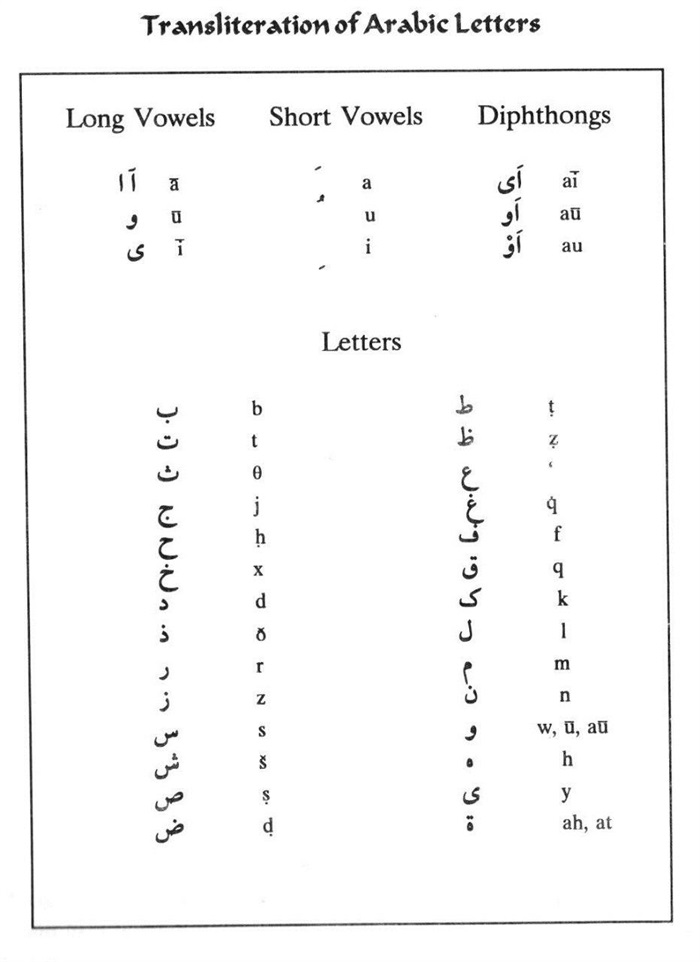
p: 16
87- یااَیُّهَا الَّذینَ امَنُوا لا تُحَرِّمُوا طَیِّباتِ ما اَحَلَّ اللّهُ لَکُمْ
وَلاتَعْتَدُوا
اِنَّ اللّهَ لایُحِبُّ الْمُعْتَدینَ
87. " O' you who have Faith ! Do not prohibit the good things that Allah has made lawful to you, and do not transgress. Verily Allah does not like the transgressors."
It happened that one day the Messenger of Allah (p.b.u.h.) was speaking for people about the Hereafter and the scenes of the gatheringplace of Resurrection. The audience were so touched at heart and wept that some of them decided, from then on, not to consume any good food, to prohibit comfort unto themselves, to observe a fast, to abandon their wives, and to sleep at nights less than before. They swore over that decision to be loyal to it. When the Prophet (p.b.u.h.) was informed of it, he mustered people in the mosque and told them : " I eat food, I sleep at nights and do not abandon my wives. Our religion is not the creed of retreat and monasticism. The monasticism of my ummah is the holy struggle. Whoever goes a direction other than my style is not a Muslim."
Some of them asked what they would do for the oaths they had taken. The subsequent verses were revealed saying that Allah does not call them to account for their vain (unintentional) oaths.
Imam Sādiq (a.s.) said: " Whoever makes a lawful thing unlawful for himself (through a vow), the one must accomplish it, and there is nothing upon him. ..." (Mustadrak-ul-Wasā'il, vol. 3, p. 52)
p: 17
1. Islam is the religion of `Fitrah' (nature), wherein retreat and monasticism, or excess and defect is forbidden.
2. A Muslim submits to the command of Allah. He neither turns a lawful thing into an unlawful one, nor vice versa.
The holy Prophet (p.b.u.h) said : " O' people! what I have made lawful is lawful until the day of Judgement, and what I have forbidden is forbidden until the day of Judgement." (1)
3. Edible things, clothings, and the whole lawful pleasures have been created for the usage of humankind.
4. When using the lawful things, be careful of avoiding extravagance.
"... do not transgress ..."
5. The vows, covenants and oaths which are against the explicit prohibitions of the text of the Qur'ān, are worthless and invalid.
****
p: 18
88- وَکُلُوا مِمّا رَزَقَکُمُ اللّهُ حَلالاً طَیِّبًا وَاتَّقُوا اللّهَ الَّذی
اَنْتُمْ بِه مُؤْمِنُونَ
88. " And eat from the lawful and good things which Allah has provided for you; and be in awe of Allah Whom you have Faith in."
In the previous verse, the words were about the prohibition of unlawful things, while in this verse it has enjoined people to lawfully enjoying the merits of Allah. It says :
" And eat from the lawful and good things which Allah has provided for you;
The only condition in this course is that you should avoid opposing the command of Allah in Whom you believe.
"... and be in awe of Allah whom you have Faith in."
That is, your faith to Allah requires that you respect all his commandments both in enjoying the merits of Allah and observing moderation and piety.
The holy Prophet (p.b.u.h.) said : " It is obligatory for every Muslim believer, man or woman, to gain lawful things."(1)
Again, the holy Prophet (p.b.u.h.) said : " Worship consists of seventy parts, the best of which is seeking the lawful material."(2)
Also, the holy Prophet (p.b.u.h.) said: " Seeking for lawful sustenance is the same as holy struggle in the way of Allah". (3)
The holy Prophet (p.b.u.h.) said : " Next to the obligatory prayers, seeking for lawful (sustenance) is necessary and compulsory." (4)
The holy Prophet said : " gaining income through a lawful way, is the most exalted deed." (5)
****
p: 19
89- لا یُؤاخِذُکُ-مُ اللّهُ بِاللَّغْ-وِ فِی اَیْمانِکُ-مْ
وَل-کِنْ یُؤاخِذُکُمْ بِم-ا عَقَّدْتُمُ الاَْیْم-انَ
فَکَفّ-ارَتُهُ اِطْعامُ عَشَرَةِ مَس-اکینَ مِنْ اَوْسَطِ ما تُطْعِمُونَ اَهْلیکُمْ
اَوْ کِسْوَتُهُمْ اَوْ تَحْریرُ رَقَبَةٍ
فَمَ-نْ لَمْ یَجِ-دْ فَصِی-امُ ثَل-ثَ-ةِ اَیّ-امٍ
ذ لِکَ کَفّ-ارَةُ اَیْم-انِکُمْ اِذا حَلَفْتُمْ وَاحْفَظُوا اَیْم-انَکُمْ
کَذ لِکَ یُبَیِّنُ اللّهُ لَکُمْ ای-اتِه
لَعَلَّکُمْ تَشْکُرُونَ
89. " Allah does not call you to account for your vain (unintentional) oaths, but he calls you to account for what you have pledged solemnly.
So its atonement is feeding ten paupers with the average of what you feed your own families, or clothing them, or freeing a slave.
But whoever does not find (the means to do so),
should fast for three days. That is the atonement of your oaths when you pledge. But guard your oaths. Thus Allah makes His Signs clear for you in order that you might be thankful."
In this verse, the general discussion is about the oaths which are taken upon the fields of making the lawful things into unlawful ones, and the like of them. These oaths, from this point of view, are divided into two sorts. At first, it says :
" Allah does not call you to account for your vain (unintentional) oaths, ..."
The objective meaning of `vain oaths', as the commentators and
p: 20
jurisprudents have said, is the oaths that do not aim a definite goal, and those that have not been taken intentionally and decidedly. Besides, the contents of such oaths are against the laws of religion, viz. they are estimated as opposite to the commands of Allah.
The second sort is the oaths which are taken wilfully, intentionally, decidedly, and earnestly. Referring to these kinds of oaths, in the continution of the verse, the Qur'ān says :
"... but he calls you to account for what you have pledged solemnly. ..."
And Allah charges you with a duty to fulfill these oaths.
For the validity of an oath, of course, only its being earnest is not enough, but the content of the oath should be a lawful matter, at least. It should also be noted that an oath is not reputable except by the Name of Allah.
Therefore, if someone takes an oath by Allah, it is obligatory to perform it according to his oath. So, if he breaches his pledge, one of the following three atonements is necessary to be performed by the one. At first, it says:
"... So its atonement is feeding ten paupers ..."
Yet, in order that some people do not take this general ordinance so that they think they can give any low and worthless material of food as atonement, the Qur'ān clearly explains the quality of this food, saying that it must be :
"... with the average of what you feed your own families, ..."
The second is : to cloth ten needy persons with proper clothing.
"... or clothing them, ..."
The appearance of this verse, of course, indicates that the clothing should be of a sort which normally covers the body.
Yet it can be of various kinds according to the seasons and places in different periods.
To answer to the question that whether, from the point of quality, the minimum material is enough or the average should be observed here, too, as the absoluteness of the verse implies, any sort of clothing can be enough.
The third is:
"... freeing a slave ..."
p: 21
Sometimes it happens that there may be some persons who are able to fulfil neither of the above two atonements. Therefore, next to stating these ordinances, it says :
"... But whoever does not find (the means to do so), should fast for three days. ..."
After that, as an emphasis, the Qur'ān says :
"... That is the atonement of your oaths when you pledge ..."
But, in order that no one might consider that by giving atonement, breaching the proper oaths is not unlawful, it says :
"... But guard your oaths ..."
The purpose or this phrase is that you should be careful not to commit sins by breaching your oaths.
And, finally, at the end of the verse, in order that you might be grateful for these ordinances and commandments, which guarantee the happiness and felicity of both an individual and society, the Qur'ān says:
"... Thus Allah makes His Signs clear for you in order that you might be thankful."
****
p: 22
90 یااَیُّهَا الَّذینَ امَنُوا
اِنَّمَا الْخَمْرُ وَالْمَیْسِرُ وَالاَْنْصابُ وَالاَْزْلامُ رِجْسٌ مِنْ عَمَلِ الشَّیْطانِ
فَاجْتَنِبُوهُ لَعَلَّکُمْ تُفْلِحُونَ
90. " O' you who have Faith ! Verily wine, gambling, idols, and (dividing by) arrows are an abomination of the Satan's work, so avoid it, that you may be prosperous."
At the time of the advent of Islam, the Arabs customarily were intensively interested in poetry, wine, and fighting. The Divine revelations concerning the prohibition of wine were gradually conveyed.
At first, there revealed a verse stating that provision is supplied from date and grapes either, from which you can obtain intoxication, too, (Sure An-Naḥl, No. 16, verse 67). This indication of intoxication implies the statement of its badness.
The Qur'an, then, has referred to the benefits of gambling and wine and also that their containing sin is greater than their benefits, (Sura Al-Baqarah, No. 2, verse 219). After that the Divine verse was revealed enjoining not to establish prayer at the state of being intoxicated, (Sura An-Nisā', No. 4, verse 43). And, finally, the above verse was revealed which considered wine as an abomination, a Satanic action, and ordained that it is unlawful.(1)
The Arabic term /xamr/ (wine) is derived from the same root as the Arabic word /xumur/ (cover) is. In Arabic, the veil of a woman is called /ximār/; since it covers the hairs. Similarly, wine covers the wisdom.
The Arabic term /maysir/ is derived from /yusr/ with the meaning of easiness, since, in gambling, players sometimes earn money by that play without tolerating any trouble.
p: 23
The Qur'ānic term /'azlām/ means a kind of lottery done with some sticks of arrows. It used to be performed before Islam, at the Age of Ignorance.
1. In Islam, having Faith and drinking wine do not agree with each other.
2. Drinking wine and gambling are in the same row with idolatry.
"... verily wine, gambling, idols and ..."(1)
3. The Islamic commandments and prohibitions have been ordained reasonably and wisely.
"... and (dividing by) arrows are an abomination of the Satan's work, so avoid it ..."
4. The verse enjoins to avoid not only drinking wine, but also approaching it. The reason of this ordinance is that a sound nutrition is effective in the prosperity of human beings. Therefore, it enjoins to avoid intoxication, so that you may be prosperous. The verse says :
"... So avoid it, that you may be prosperous."
Any kind of cooperation concerning wine, including its production, distribution and consumption, is prohibited.
Imam Baqir (a.s.) has narrated from the holy Prophet (p.b.u.h.) that he cursed ten groups of people who are concerned somehow with drinking wine. They are as follows :
" Its planter, its guardian, its maker, its drinker, its cupbearer, its bearer, its receiver, its seller, its purchaser, and anyone who, in a way, devours from its income."(2)
****
p: 24
91- اِنَّما یُریدُ الشَّیْطانُ
اَنْ یُوقِعَ بَیْنَکُمُ الْعَد اوَةَ وَالْبَغْضاءَ فِی الْخَمْرِ وَالْمَیْسِرِ
وَیَصُدَّکُمْ عَن ذِکْرِ اللّهِ وَعَنِ الصَّلوةِ
فَهَلْ اَنْتُمْ مُنْتَهُونَ
91. " Certainly Satan desires to cast enmity and hatred among you by wine and gambling, and to hinder you from the remembrance of Allah, and from prayer. So will you stop ? "
Considering the concerning statistics, a great number of murders, crimes, accidents, divorces, psychic sicknesses, renal diseases and so on, are caused by wine, liquor. Here, in stating the philosophy of its prohibition, the Qur'ān emphasizes on two points : social harms and spiritual losses, (including enmity, and neglecting both prayers and the remembrance of Allah).
1. Stating the philosophy of ordinances is one of the factors of the effectiveness of speech.
2. All the factors which may create grudge and rancour should be challenged against.
3. Any action or any person that causes enmity and hatred amongst people is Satanic.
4. Anything, like wine or gambling, which causes the negligence of a person from the remembrance of Allah and establishment of prayers is obscene.
5. Wherever enmity and hatred come forth, it is appropriate to divote material gains, whatever they may be. (There is some profit in wine and gambling, too, but, because of their evil effects, they are prohibited).
p: 25
6. The mental harms and spiritual losses are the most important damages, both bodily and financially. Wine has also bodily harm, yet, here, hatred and negligence have been emphasized on.
Thus, the prohibition of drinking liquor and gambling, enjoined by Allah, is for the goodness and improvement of people's affairs both in this world and the Hereafter.
Ibn-Abbas, a leading commentator, says that the target of the verse is Sa`d-ibn-'Abī-Waghghās and a man from the Helpers who had compacted the agreement of brotherhood with each other. A man from among the Helpers invited sa'd to a party. They prepared a table of food and wine and drank so much so that they became intoxicated.
At that time they boasted to each other so violately that their dispute ended to a conflict. The Helper took a piece of bone and struck on the nose of Sa`d so vigorously that his nose was smashed. Then Allah sent down this verse about them.
The verse means that Satan wishes to seduce you and attract you toward drinking wine in order to take your wisdom from you, and persuade you to do some evil things that you do not do them in an ordinary state.
Ghattādah says that some people played gambling upon their own property and wives. At last, those who had lost their property and their wives, sat in grief, planning to take vengeance from their rivals. Therefore, gambling has no consequence but grudge and enmity.
By this way, Satan desires to hinder you from the remembrance of Allah, so that you do not offer your thanks for His bounties.
Satan also desires to make you neglectful of prayer, which is the firm base of the religion. So, obey Allah (s.w.t.) and be not heedless of His prohibition. The verse says:
" Certainly Satan desires to cast enmity and hatred among you by wine and gambling, and to hinder you from the remembrance of Allah, and from prayer. So will you stop ? "
****
p: 26
92- وَاَطیعُوا اللّهَ وَاَطِیعُوا الرَّسُولَ
وَاحْذَرُوا
فَاِنْ تَوَلَّیْتُمْ فَاعْلَمُوا اَنَّما عَلی رَسُولِنَا الْبَلاغُ الْمُبینُ
92. " And obey Allah and obey the Messenger, and beware, but if you turn away, then know that Our Messenger's duty is only conveyance (of the Message) Manifest."
The governmental and political commandments of the Messenger of Allah (p.b.u.h.) are similar to, and the same as, the commandments of Allah, and it is obligatory to obey them.
Those who refrain to obey the command of Allah deserve to be punished. So, there is no responsibility upon the Messenger of Allah save conveying the message of Allah and stating it manifestly.
The verse says:
" And obey Allah and obey the Messenger, and beware, but if you turn away, then know that Our Messenger's duty is only conveyance (of the Message) Manifest."
****
p: 27
93- لَیْسَ عَلَی الَّذینَ امَنُوا وَعَمِلُوا الصّ-الِح-اتِ جُنَاحٌ فیما طَعِمُوا
اِذا مَا اتَّقَوا وَ امَنُوا وَعَمِلُوا الصّالِح-ات
ثُمَّ اتَّقَوْا وَ امَنُوا ثُمَّ اتَّقَوْا وَ اَحْسَنُوا
وَ اللّهُ یُحِبُّ الْمُحْسِنینَ
93. " On those who have Faith and do good deeds, there is no sin in regard to what they ate (before prohibition) so long as they are virtuous and faithful and do good deeds, then still they be virtuous (upon prohibited things) and believe (in their prohibition),
then they are virtuous (due to prohibited things) and do good;
and Allah loves the doers of good."
When the verse of prohibitions of gambling and drinking wine was revealed, there were some people who asked about their condition regarding to the time before that revelation or the condition of those who had not heard of that ordinance yet and were living in some far distances.
The verse answers them implying that those who have believed and have done good deeds but have not received this ordinance, if they have drunk wine or have devoured from the income of gambling, there is no sin on them. The verse says :
" On those who have Faith and do good deeds, there is no sin in regard to what they ate (before prohibition) ..."
Yet, this ordinance has conditioned that such people should be virtuous, have Faith, and do good actions. Here is the continuation of the verse :
"... so long as they are virtuous and faithful and do good deeds,..."
This subject is repeated once more in the verse, when it says :
"... then still they be virtuous (upon prohibited things) and believe (in their prohibition), ..."
And, for the third time this meaning is repeated, with a little
p: 28
difference, of course. It says :
"... then they are virtuous (due to prohibited things) and do good; ..."
So, at the end of the verse, it says :
"... and Allah loves the doers of good."
Each of these three senses of virtuousness refers to a stage of feeling responsibility and piety.
However, the great commentators of both outstanding sects of Islam:
Sunnites and Shi`ites, have vastly explained upon the commentary of this verse, especially about the phrase /fī mā ta`imū/ (in regard to what they ate), and mentioning the subject of `virtue' for three times in their commentary books.
In order to observe conciseness here, we have not narrated those detailed explanations, but you can refer to their commentary books, some of which are as follows:
Tafsīr-i-Al-Mīzān, Ali-ibn-'Ibrāhīm, Al-Kashīf, Majma`-ul-Bayān, At-Tibyān, 'Atyab-ul-Bayān, Nūr-uth-Thaqalayn, Abul-Futūḥ-i-Rāzī, Manhaj-uṣ-Ṣādiqīn, Aṣ-Sāfī, Mullā-Ṣadrā, Shubbar, `Ayyāshī, Ibn-i-`Abbās, Furāt-ul-Kūfī, At-Tafsīr by Imam Hasan-`Askarī, Jawāmi`-uj-Jāmi`, Jāmi`-ul-Bayān by Muhammad-ibn-Jarīr-i-Ṭabarī, Vol. 5 PP. 36 37, Zād-ul-Masīr-Fī-`Ilm-ut-Tafsīr by Ibn-ul-JauZī, Vol. 2, P. 419, Tafsīr-i-Ibn-i-Kathīr, Vol. 2, PP. 91 92, Tafsīr-ul-kabīr by Fakhr-i-Rāzī, Parts 11 12, P. 83.
****
p: 29
Hunting during pilgrimage period, prohibited the Inviolable Security of Ka`bah declared.
94- یااَیُّهَا الَّذینَ امَنُوا لَیَبْلُوَنَّکُمُ اللّهُ بِشیْ ْءٍ
مِنَ الصَّیْدِ تَنالُه اَیْدیکُمْ وَرِماحُکُمْ لِیَعْلَمَ اللّهُ مَنْ یَخافُهُ بِالْغَیْبِ
فَمَنِ اعْتَدی بَعْدَ ذ لِکَ فَلَهُ عَذابٌ اَلیمٌ
94. " O' you who have Faith! Allah will surely try you with something of the game which your hands and your spears can reach, so that Allah may ascertain who fears Him in secret. So whoever transgresses after that for him there is a painful punishment."
During the time when a pilgrim to Mecca is in pilgrim garment and is performing the pilgrimage rites, the one has not the right of hunting.
During the same time, occasionally it happens that a hunt approaches a person so nigh that he can catch it by a simple jump, but the trial of Allah is in this fact that we should not touch the hunt. So, if we hunt it, the punishment of Allah includes us.
Hunting itself brings forth no painful chastisement, but chastisement is for the breaking law. In the land where Abraham overlooked Ishmael, you would overlook the hunts either.
The verse says:
" O' you who have Faith! Allah will surely try you with something of the game which your hands and your spears can reach, so that Allah may ascertain who fears Him in secret. So whoever transgresses after that for him there is a painful punishment."
****
p: 30
95- ی-ااَیُّهَا الَّذینَ امَنُوا لا تَقْتُلُوا الصَّیْدَ وَاَنْتُمْ حُرُمٌ
وَمَنْ قَتَلَهُ مِنْکُمْ مُتَعَمِّدًا فَجَزاءٌ مِثْلُ ما قَتَلَ مِنَ النَّعَمِ
یَحْکُمُ بِه ذَوا عَدْلٍ مِنْکُمْ هَدْیًا ب-الِغَ الْکَعْبَةِ
اَوْکَفّارَةٌ طَعامُ مَس-اکینَ اَوْ عَدْلُ ذ لِکَ صِیامًا لِیَذُوقَ وَبالَ اَمْرِه
عَفَا اللّهُ عَمّا سَلَفَ وَمَنْ عادَ فَیَنْتَقِمُ اللّهُ مِنْهُ
وَاللّهُ عَزیزٌ ذُو انتِقامٍ
95. " O' you who have Faith! kill no game while you are in pilgrim garb: and anyone of you who kills it intentionally, its atonement is the like in cattle of what he has killed, as (to this likeness) two just persons among you judge, (and the animal) will be an offering reached to the Ka`bah, or the atonement (of it)is feeding the poor, or the equivalent of that in fasting, that he may taste the effect of his action. Allah has pardoned whatever is a thing of the past; and whoever returns (to it), Allah will take vengeance on him,
and Allah is Mighty, the Lord of Retribution."
In this verse, the command of the prohibition of hunting at the time of being in pilgrim garment, with a general condition, has been issued more clearly and precisely.
It says :
" O' you who have Faith! kill no game while you are in pilgrim garb; ..."
Then, it points to the atonement of hunting in the condition of being in pilgrim garb, and says :
"... and anyone of you who kills it intentionally, its atonement is the like in cattle of what he has killed, ..."
That is, such a person should sacrifice that animal and give its meat to some needy ones.
Here, the purpose of ` the like ' is the likeness of the size and the
p: 31
shape of the animal. It is in this sense that, for example, if a person hunts a wild big animal, such as the ostrich, he should choose an ostrich as an atonement; or if he hunts a deer, he should sacrifice a lamb with nearly the same size.
And, since some people may fall into suspicion upon the subject of likeness, in this regard, the Qur'ān ordains that this matter should be fulfilled under the judgement of two just persons, possessed of some knowledge among you. It says :
"... as (to this likeness) two just persons among you judge, ..."
And, for the place where this animal should be sacrificed, the Qur'ān commands that it must be killed as a sacrifice dedicated to the Ka`bah and in the land of Ka`bah. It says :
"... (and the animal) will be an offering reached to the ka`bah, ..."
Then, the Qur'ān adds that it is not necessary that the atonement should certainly be in the form of sacrifice, but each of the two other things can substitute it. The first is that some money equivalent to it can be spent in the way of feeding the poor.
It says :
"... or the atonement (of it) is feeding the poor, ..."
And the second thing of substitution is as follows :
"... or the equivalent of that in fasting, ..."
These atonements are for that the person sees the retribution of his committing offence. It says :
"... that he may taste the effect of his action ..."
But, in view of the fact that usually no ordinance includes the past, the Qur'ān stipulates that Allah has forgiven the offences that have been done in this field, saying thus :
"... Allah has pardoned whatever is a thing of the past; ..."
So, if a person does not pay attention to these frequent warnings and the ordinance of atonement and hunts at the time of being in the pilgrim garb, Allah will take vengeance of such a person and Allah is Mighty to take vengeance in the appropriate time. It says :
"... and whoever returns (to it), Allah will take vengeance on him, and Allah is Mighty, the Lord of Retribution."
****
p: 32
96- اُحِلَّ لَکُمْ صَیْدُ الْبَحْرِ وَطَعامُهُ مَت-اعًا لَکُمْ وَلِلسَّیّارَةِ
وَحُرِّمَ عَلَیْکُمْ صَیْدُ الْبَرِّ مادُمْتُمْ حُرُمًا
وَاتَّقُوا اللّهَ الَّذی اِلَیْهِ تُحْشَرُونَ
96. " The game of the sea and its food is lawful for you, a provision for you and for the caravans, but the game of the land is forbidden to you so long as you are in pilgrim garb; and be in awe of Allah toward Whom you will be gathered."
The words in this holy verse are about the hunts of the sea. It says:
" The games of the sea and its food is lawful for you, ..."
The objective meaning of `food', mentioned in this verse, is the food which can be prepared from the hunted fish. The verse intends to make two things admissible. One of them is `hunting', and the other is `consuming the food made from the hunted things.'
Then, the Qur'ān points to the philosophy of this ordinance, implying that this permission is for the sake that you and the travellers can enjoy it. It says:
"... a provision for you and for the caravans, ..."
In other words, the verse means : for the sake that you do not fall in trouble for nutrition when you are in pilgrim garb, and that you can be able to enjoy one kind of hunting, this permission has been given due to the hunts of the sea.
As an emphasis, the Qur'ān returns to the former ordinance once more, and says :
"... but the game of the land is forbidden to you so long as you are in pilgrim garb; ..."
And, at the end of the verse, in order to emphasize upon all the ordinances which were mentioned, it says :
"... and be in awe of Allah toward Whom you will be gathered."
p: 33
We know that the performance of Hajj and `Umrah is one of the worships that makes man aloof from the world of matter and brings him into an environment full of spiritualities.
In performing the rite of Hajj and `Umrah, the ceremonies of the material life, fights and conflicts, hatreds, sexual desires, and material pleasures, will totally be put aside and the person reaches a kind of godly legitimated asceticism. So, it seems that the prohibition of hunting, while being in pilgrim garb, is also for the same purpose.
Besides, if hunting were an allowed action in Allah's center of pilgrimage, regarding to the large crowd of pilgrims that every year come into this holy land, the existence of many animals of the zone would be destroyed, in particular that, because of dryness and scarcity of water, its animals are not so abundant.
Paying attention to the fact that hunting animals and picking plants of that sacred land is also prohibited, even when the pilgrims to Mecca are not in their pilgrim garb, it makes clear that this commandment has a close connection with the subject of protection of environment and maintaining the plants and animals of the locality.
Therefore, the philosophy of prohibition or making something admissible is not always substantial, but it sometimes depends on the conditions of time and place. Then, geography and history are effective on the ordinance of Allah.
Thus, the abundance of people, and the performance of the worshipping rite, should not be a means of annihilation and destruction for animals and plants.
****
p: 34
97 جَعَلَ اللّهُ الْکَعْبَةَ الْبَیْتَ الْحَرامَ قِی-امًا لِلنّاسِ
وَالشَّهْرَ الْحَرامَ وَالْهَدْیَ وَالْقَلائِدَ
ذ لِکَ لِتَعْلَمُوا اَنَّ اللّهَ یَعْلَمُ ما فِی السَّم-و تِ وَما فِی الاَْرْضِ
وَاَنَّ اللّهَ بِکُلِّ شیْ ْءٍ عَلیمٌ
97. " Allah has made the Ka`bah, the sacred House, a (means of) staying (in peace) for mankind, and (also) the Sacred Month and the offerings and the (animals with the) garlands. This is so that you may know that Allah knows whatever is in the heavens and whatever is in the earth, and that Allah is All-Knowing of all things.
As it is cited in Mufradāt-i-Rāqib, the Arabic word /qiyām/ is a means of staying firm, like the pillar of a tent.
Imam Sādiq (a.s.) said about the Sacred House that it has been called Baytillah-il-Harām because it is `haram' (forbidden) for the disbelievers to enter it.(1)
When the affairs of people are to be arranged and strengthened, a few things are needed : 1) centrality, 2) security, and 3) sustenance. Allah has set these three things in the Ka`bah and the Sacred House. It is both a center, and no one has a right of quarel there, and the sacrifices are used as a means of nutrition and a means of livelihood for Muslims.
The Qur'ānic word /hady/ means `a signless sacrifice', while the term /qalā'id/ refers to the sacrifices with signs.
By Islamic culture, the sacred (forbidden) months, in which fighting is prohibited, are: Rajab, Zil-Gha`dah, Zil-Hajjah, and Muḥarram.
The plain assembly of millions of Muslims in a sacred place without showing any privileges to each other, and without any dispute or practical quarrel, is peculiar to the advantages of Islam.
p: 35
There are some divine graces in Hajj, like : asking forgiveness from others at the time of leaving for Hajj and visiting each other when they return from Mecca, commercial splendor, the payment of onefifth levy (khums) and alms, to be acquainted with religious disciplines and nations, being inside the most ancient center of Unity ornamented with no ceremonies, treating the same or tracing the footsteps of prophets, repenting in the lands of `Arafāt and Mash`ar, remembering and illustrating the scene of Hereafter, political parade against infidels, etc.
If we consider them all in mind, we may understand that these programs in Hajj are sourced from the infinite knowledge of Allah, Who is Well-Aware of all things of the world of existence.
Thus, a limited knowledge can never deliver such an interesting instruction.
The verse says :
" Allah has made the Ka`bah, the Sacred House, a (means of) staying (in peace) for mankind, and (also) the Sacred Month and the offerings and the (animals with the) garlands. This is so that you may know that Allah knows whatever is in the heavens and whatever is in the earth, and that Allah is All-Knowing of all things.
****
p: 36
98- اِعْلَمُوا اَنَّ اللّهَ شَدیدُ الْعِقابِ
وَاَنَّ اللّهَ غَفُورٌ رَحیمٌ
99- ما عَلَی الرَّسُولِ اِلاَّ الْبَلاغُ وَاللّهُ یَعْلَمُ
ما تُبْدُونَ وَما تَکْتُمُونَ
98. " Know that Allah is severe in retribution, and that Allah is forgiving, Merciful."
99. " Nothing is (incombent) upon the Messenger but to convey (The message of Allah), and Allah knows what you reveal and what you conceal."
Encouragement and threat should be arranged with together. The verse also implies this fact. It says:
" Know that Allah is severe in retribution, and that Allah is forgiving, Merciful."
****
You are responsible of your own deeds and the Prophet (p.b.u.h.) is not someone who compels you or imposes any domain over you. His duty is only to convey the Message.
So, since the knowlege of Allah encompasses everything, then it is indifferent with Him that you conceal or manifest the things, and your receiving or rejecting the truth does not create any deficiency in the prophet (p.b.u.h.).
" Nothing is (incombent) upon the Messenger but to convey (The message of Allah), and Allah knows what you reveal and what you conceal."
****
p: 37
100- قُلْ لا یَسْتَوِی الْخَبیثُ وَالطَّیِّبُ وَلَوْ اَعْجَبَکَ کَثْرَةُ الْخَبیثِ
فَاتَّقُواْ اللّهَ یا اُوْلِی الاَْلْب-ابِ
لَعَلَّکُمْ تُفْلِحُونَ
100. " Say: ` The evil and the good are not equal, though the abundance of evil may dazzle you.' So be in awe of Allah, O' possessors of intellects, that you may be prosperous."
The senses of `evil' and `good' refer to all men, styles, properties, incomes, foods, and materials.
The standard of worth is `right' and `wrong', not the majority and minority.
Therefore, beware that the majority and abundance may be fascinating. So, be careful that they should not attract you toward the path of sin and evil.
The possessors of intellects, i.e. the wise, advocate the Truth, not the crowd. The idea which says: `when you are in Rome, do as the Romans do' is not a Qur'ānic epithet.
In view point of this school, impiety is a sign of ignorance.
The verse says:
" Say: ` The evil and the good are not equal, though the abundance of evil may dazzle you.' So be in awe of Allah, O' possessors of intellects, that you may be prosperous."
****
p: 38
Quest for the details of the unseen things discouraged
All polytheistic practices denounced To call witness when any one
bequeaths at the time of his death.
101- یااَیُّهَا الَّذینَ امَنُواْ
لا تَسْئَلُواْ عَنْ اَشْیاءَ اِنْ تُبْدَ لَکُمْ تَسُؤْکُمْ
وَاِنْ تَسْئَلُواْ عَنْها حینَ یُنَزَّلُ الْقُرْانُ تُبْدَ لَکُمْ عَفَا اللّهُ عَنْها
وَاللّهُ غَفُورٌ حَلیمٌ
102 قَدْ سَأَلَها قَوْمٌ مِنْ قَبْلِکُمْ ثُمَّ اَصْبَحُواْ بِها ک-افِرینَ
101. " O' you who have Faith! Do not ask about things (and secrets)
which, if they are disclosed to you, may upset you.
Yet, if you ask about them while the Qur'ān is being sent down,
they will be disclosed to you.
Allah pardoned as to these matters and Allah is Forgiving, Forbearing."
102. " Surely some people before you asked for such (disclosures). Then they came to disbelieve in them."
Upon the occasion of revelation of these two verses, it has been narrated from Ali-ibn-AbīṬālib (a.s.) as follows :
" It happened that one day the Prophet of Islam (p.b.u.h.) preached a sermon in which he stated the command of Allah about Hajj. Then, a person by the name of `Akkashah (and according to another narration Surāqah) asked whether that commandment was ordained for only that year or they should perform Hajj every year.
p: 39
The holy Prophet (p.b.u.h.) delayed to answer him, but the man obstinately repeated his question two or three times. The Prophet (p.b.u.h.) said : " Woe to you ! Why do you persist so much ? If I answer you positively, performing Hijj will become obligatory for all of you every year. So, if it becomes obligatory every year, you will not be able to perform it and the offender of it will be a sinner. Hence, as long as I have not said a thing to you, do not urge on it. Then, the verse was revealed and dissuaded them from that action.
No doubt asking question is the key to the recognition of facts. The verses of the Qur'ān and Islamic traditions have earnestly enjoined Muslims that they ask whatever they do not know. But, in view of the fact that every rule usually has an exception, this basic educational principal has an exception, too. It is so that sometimes some affairs had better to be concealed in order that the system of the society be protected and the individuals' interests be safeguarded. In such respects, researches and frequent questions, with the purpose of unveiling some facts, not only is not a virtue, but also is blameworthy and reprobated.
In this verse, the Qur'ān has referred to this subject and explicitly says :
" O' you who have Faith! Do not ask about thing (and secrets) which, if they are disclosed to you, may upset you. ..."
But, since giving no answer to the questions that some persons sometimes urge on asking them repeatedly may cause some doubts for others which can bring forth greater evils, the Qur'ān adds :
"... Yet, if you ask about them while the Qur'ān is being sent down, they will be disclosed to you. ..."
In this case, you will fall into trouble.
Next to that meaning, the Qur'ān implies that you should not imagine that when Allah is silent about some matters, He is neglectful of them. Nay ! He desires to set you in some facilities. It says :
p: 40
"...Allah pardoned as to these matters and Allah is Forgiving, Forbearing."
We recite in a tradition narrated from Imam Ali (a.s.) who has said:
" Verily Allah has enjoined you some obligations, do not waste them; and He has assigned some limits for you, do not violate them; and He has prohibited you from some things, do not betray (secrets of) them; and He has kept silent for you about some things which He has never been concealed because of forgetfulness. Then, do not urge to disclose these things." (1)
****
In order to emphasize on the subject, this verse says :
" Surely some people before you asked for such (disclosures). Then they came to disbelieve in them."
In the conclusion of this discussion, it is necessary to hint to this point that the above-mentioned verses never close the path of asking logical, training, and constructive questions for human beings. The discussed condition is only due to improper questions and seeking the affairs that not only they are not needed, but their concealment is also better and even, sometimes, necessary.
****
p: 41
103- ما جَعَلَ اللّهُ مِنْ بَحیرَةٍ وَلا سَائِبَةٍ وَلا وَصیلَةٍ وَلا حامٍ
وَ ل-کِنَّ الَّذینَ کَفَرُوا یَفْتَرُونَ عَلَی اللّهِ الْکَذِبَ
وَاَکْثَرُهُمْ لا یَعْقِلُونَ
103. " Allah has not appointed any Bahīrah, Sā'ibah, Waṣīlah, and Ḥām,
but those who disbelieve make up a lie against Allah, and most of them do not understand."
In this verse the Qur'ān points to four improper innovations which were customary current among the pagan Arabs at the Age of Ignorance.
For some reasons those people used to mark or nominate part of their animals, and prohibited eating their meat. They did not count permitted to drink the milk of those animals, or to cut their wool, or to ride on them. In other word, they used to actually leave such animals useless.
The Holy Qur'ān says :
" Allah has not appointed any Bahīrah, Sā'ibah, Waṣīlah, and Ḥām, ..."
The Qur'ān implies that Allah has not ordained anything in the nature of a Bahīrah, or a Sā'ibah, or, Waṣīlah, or a Hām.
The explanation of these four animals are as follows :
1. The Arabic term / bahirah / was applied for the animal which had given birth to offsprings for five times and the fifth of them was a female animal (and according to another tradition a male one). They used to split the ears of such an animal and let it go for itself. They would not kill it after that.
2. The Pagan Arabs used the term /sā'ibah/ for a camel which had brought forth twelve (or ten) offsprings. They left that camel free so that even no one would ride on it. They might only milk it occasionally in order to give that milk to their guests.
3. The term /waṣīlah/ used to be applied for the lamb which could bring forth a child for seven times. (Or, according to another tradition it was used for the lamb which could bring forth twins.) Killing such a lamb
p: 42
was also considered unlawful (ḥarām) by them.
4. The Arabic word /hām/ was applied for the male animal which had been used for fecundating female animals of the same kind for ten times and each time a new progeny was brought forth from its seed.
Shortly speaking, the objective meaning of mentioning these animals has been the beasts which could serve their owners considerably and frequently through the way of being beneficial for them, and their owners, in turn, offered a kind of honour and freedom to such animals, too.
Then, the verse continues saying :
"... but those who disbelieve make up a lie against Allah, ..."
These pagans and idol worshippers used to say that those false ideas were from the laws of Allah while most of them did not apply the least contemplation about their speech. They did not utilize their intellects when they blindly imitated others' manner. The verse says:
"... and most of them do not understand."
****
p: 43
104- وَاِذا قیلَ لَهُمْ تَعالَوْا اِلی ما اَنْزَلَ اللّهُ وَاِلَی الرَّسُولِ
قالُوا حَسْبُنا ما وَجَدْنا عَلَیْهِ اباءَنا
اَوَ لَوْ کانَ اباؤُهُمْ لا یَعْلَمُونَ شَیْئا وَلا یَهْتَدُونَ
104. " And when it is said to them: ` Come to what Allah has sent down and to the Messenger,' they say: ` That which we found our fathers upon is enough for us.' What! even though their fathers did not know anything and did not follow the right way, (should they pave their way ?) "
The fundamental principle is the Islamic culture, not the culture of the predecessors. Therefore, neither absolutely tending to the traditions is the principle nor the new things.
To have honour towards the predecessors and respecting them is acceptable, but following their ignorantly thoughts and manner is rejected.
Blindly imitation is a sign of foolishness.
The verse says :
" And when it is said to them: ` Come to what Allah has sent down and to the Messenger,' they say: ` That which we found our fathers upon is enough for us.' What! even though their fathers did not know anything and did not follow the right way, (should they pave their way ?) "
****
p: 44
105- ی-ااَیُّهَا الَّذینَ امَنُوا
عَلَیْکُمْ اَنْفُسَکُمْ لا یَضُرُّکُم مَنْ ضَلَّ اِذَا اهْتَدَیْتُمْ
اِلَی اللّهِ مَرْجِعُکُمْ جَمیعًا فَیُنَبِّئُکُمْ
بِما کُنْتُمْ تَعْمَلُونَ
105. " O' you who have Faith! take care of your own selves.
He who strays cannot harm you when you are on the right way. To Allah is your return totally; then He will inform you of what you had been doing."
In the previous verse, the words were about the blindly imitation of the people of the Age of Ignorance from their misguided ancestors; and the Qur'ān warned them that such an imitation did not adapt to wisdom and logic. Having this meaning in mind, they might question that if they separated their account in such affairs with their ancestors, then what about the fate of their ancestors. Besides, suppose they left that imitation, what would be the fate of many people who acted under the influence of such an imitation ?
In answer to these questions, the holy verse addresses the believers and implies that they are responsible of their own selves. These misguided persons from among their ancestors, friends, and relatives, contemporary with them, could not harm them if they were on the right path.
It says:
" O' you who have Faith! take care of your own selves.
He who strays cannot harm you when you are on the right way. ..."
Then, the Qur'ān refers to the subject of Resurrection and the reckoning of everyone's deeds, and says:
"... To Allah is your return totally; then He will inform you of what you had been doing."
p: 45
106- ی-ااَیُّهَا الَّذینَ امَنُوا
شَه-ادَةُ بَیْنِکُمْ اِذا حَضَرَ اَحَدَکُمُ الْمَوْتُ حینَ الْوَصِیَّةِ
اثْنانِ ذَوا عَدْلٍ مِنْکُمْ اَوْ اخَرانِ مِنْ غَیْرِکُمْ
اِنْ اَنتُمْ ضَرَبْتُمْ فِی الاَْرْضِ فَاَص-ابَتْکُمْ مُصیبَةُ الْمَوْتِ
تَحْبِسُونَهُما مِنْ بَعْدِ الصَّلوةِ فَیُقْسِمانِ بِاللّهِ اِنِ ارْتَبْتُمْ
لا نَشْتَری بِه ثَمَنًا وَلَوْ کانَ ذاقُرْبی وَلا نَکْتُمُ شَه-ادَةَ اللّهِ
اِنّ-ا اِذًا لَمِنَ الاْثِمینَ
106. " O' you who have Faith! call to witness between you when death approaches any of you, while making a bequest, two just persons from among you, or two others from other than you, if you are travelling in the land and the affliction of death befalls you, detain the two after the prayer, then if you doubt them, they shall swear by Allah (saying): ` We will not sell it for any gain, even if it were a relative, and we will not conceal the testimony of Allah; for then we would indeed be among the sinners'."
Upon the revelation of the above holy verse, as well as its two successive ones, it has been narrated that: a Muslim believer, called Ibn-i-'Abī-Māriyah, accompanied with two Christian Arabs, by the names of Tamīm and `Uday, came out of Medina with the intention of trade. During the time they were travelling, Ibn-i-'Abi-Māriyah, who was a Muslim, became sick. He wrote his testament and hid it inside his properties. Then he trusted those properties with his Christian fellow-travelers.
Before his death, he bequeathed that those two Christians would deliver them to his family. After his death, those two fellow-travelers untied his furniture and took its worthy and interesting parts, and then they returned the rest to the inheritors of the man.
p: 46
When the inheritors opened the parcel of the properties, they did not find some parts of what Ibn-i-'Abi-Māriyah had brought with him. But suddenly they saw the testament he had left. They found that the list of all the stolen things were recorded in that testament. They detailed the matter for those two Christian fellow-travellers, but they denied and said that they delivered them what he had given them. Then, they could not help complaining the Prophet (p.b.u.h.). So, the verse was revealed and stated its ordinance.
One of the most important matters which Islam emphasizes on is the subject of observing and protecting the rights and properties of people, and, in general, the execution of social justice.
At first, in order that the inheritors' rights in the properties of the diseased not to be spoilt, and that the rights of those members remained behind, including orphans and minors, not to be violated, the Qur'ān instructs the believers, saying :
" O' you who have Faith ! call to witness between you when death approaches any of you, while making a bequest, two just persons from among you, ..."
Here, the expression of bearing witness, of course, is accompanied with the accomplishment of testament. In other words, these two persons are witnesses to both the testament and the executors of the testament.
Thus, the verse indicates that if you are on a journey and one of you is going to die and you cannot find any executors of testament and witnesses,
then you may take two persons from non-Muslims for the purpose. The verse continues saying:
"... or two others from other than you, if you are travelling in the land and the affliction of death befalls you, ..."
The objective meaning of `other than you' (non-Muslims) is only the people of the Book, viz. the Jews and the Christians, because nowhere Islam has attached importance to pagans and idolators.
Then the verse says:
"... detain the two after the prayer, then if you doubt them,
p: 47
they shall swear by Allah (saying) : ` We will not sell it for any gain, even if it were a relative, ..."
And also they should add:
"... and we will not conceal the testimony of Allah; for then we would indeed be among the sinners'."
It is cited in Qurar-ul-Hikam, vol. 1, p. 185 that Hadrat Imam Amir-ul-Mu'mineen Ali (a.s.) said: " The quickest retribution is the retribution of a false oath."
****
p: 48
107- فَاِنْ عُثِرَ عَلی اَنَّهُمَا اسْتَحَقّا اِثْمًا
فَ-اخَرانِ یَقُومانِ مَقامَهُما مِنَ الَّذینَ اسْتَحَقَّ عَلَیْهِمُ الاَْوْلَی-انِ
فَیُقْسِمانِ بِاللّهِ لَشَه-ادَتُنا اَحَقُّ مِنْ شَه-ادَتِهِما
وَمَا اعْتَدَیْنا اِنّ-ا اِذًا لَمِنَ الظَّ-الِمینَ
107. " Then if it becomes known that both of them have been guilty of a sin (of perjury), then two others (of Muslims) shall stand up in their place from among those nearest (to the diseased) who have a claim against them, and swear by Allah: ` Certainly our testimony is truer than the testimony of those two, and we have not transgressed (the limits), for then we would indeed be of the unjust'."
It should be unconcealed that when those persons, who are next of kin to the dead, bear witness or make an oath, their action is based on the information that they have had from before about the dead person's properties at the time of journey or other than that.
Therefore, you are not rightful to search or to be inquisitive, but when there comes forth a new information, the situation changes. As the explanation of Mufradāt-i-Rāqib, an Arabic-Persian dictionary, indicates, an acknowledgment without any research, in Arabic language, is called /`ur/
The verse says :
" Then if it becomes known that both of them have been guilty of a sin (of perjury), then two others (of Muslims) shall stand up in their place from among those nearest (to the diseased) who have a claim against them, and swear by Allah: ` Certainly our testimony is truer than the testimony of those two, and we have not transgressed (the limits), for then we would indeed be of the unjust'."
****
p: 49
108- ذ لِکَ اَدْنی اَنْ یَأْتُوا بِالشَّه-ادَةِ عَلی وَجْهِها
اَوْ یَخافُوا اَنْ تُرَدَّ اَیْم-انٌ بَعْدَ اَیْم-انِهِمْ
وَاتَّقُواْ اللّهَ وَاسْمَعُواْ
وَاللّهُ لا یَهْدِی الْقَوْمَ الْف-اسِقینَ
108. " This (style) is more proper that they give testimony truely, or fear that other oaths be given after their oaths. And be in awe of Allah and hearken (His commandments), and Allah does not guide the transgressing people."
The statement of this verse is about the philosophy of severity and accuracy of the case which was referred to in the previous verses upon bearing witness and taking witnesses.
Taking oath after the establishment of prayer at the presence of people, causes that witnesses to be certainly true (not false), because if their witness is not accepted, that invalidity of their oath and witness may disgrace them in the society.
The verse says:
" This (style) is more proper that they give testimony truely, or fear that other oaths be given after their oaths. And be in awe of Allah and hearken (His commandments), and Allah does not guide the transgressing people."
****
p: 50
Jesus only an apostle of Allah The disciples of Jesus demanding Jesus to get food for them
descended from heaven Their coveting of this worldly provision.
109- یَوْمَ یَجْمَعُ اللّهُ الرُّسُلَ فَیَقُولُ ماذا اُجِبْتُمْ
قالُواْ لا عِلْمَ لَنا اِنَّکَ اَنْتَ عَلاّمُ الْغُیُوبِ
109. " (Remember) the Day Allah will gather the messengers, and say: ` What response were you given ?' They will say : We have no knowledge, verily You are the All-Knowing of the Unseen'."
This verse, in fact, is a complement for the previous verses. At the end of those verses, where the words were about bearing witness upon right or wrong, the Qur'ān enjoins people to piety and being afraid of offending the command of Allah. In this verse, it warns people of the Day Allah gathers the prophets and asks them about their messengership and responsibility, and tells them what the people responded when they invited those people to the Truth. The verse says :
"(Remember) the Day Allah will gather the messengers, and say: ` What response were you given ? ' ..."
The messengers will negate of having any knowledge from their own selves, and they will depend the whole facts to the knowledge of Allah (s.w.t.) Who knows all the Unseen and the concealed affairs of the world of existence.
Here is the rest of the verse :
"... They will say : ` We have no knowledge, verily You are the All-Knowing of the Unseen'."
Thus, the verse, addressing the concerning people, implies that they are confronted with such a Lord Who is All-Knowing and Who is the
p: 51
Judge of such a court. Therefore, they must be careful of right and justice in their bearing witnesses, too.
In the concluding phrase of the verse, the Qur'ān remarks that the real knowledge belongs to Allah, and whatever knowledge is found in any person bas been obtained from Him. It is simlar to the fact that only He knows the Unseen, and He gives a part of its knowledge to whomever He desires.
****
p: 52
110- اِذْ قالَ اللّهُ ی-اعیسَی ابْنَ مَرْیَمَ اذْکُرْ نِعْمَتی عَلَیْکَ
وَعَلی وَ لِدَتِکَ اِذْ اَیَّدتُکَ بِرُوحِ الْقُدُسِ تُکَلِّمُ النّاسَ فِی الْمَهْدِ وَکَهْلاً
وَاِذْ عَلَّمْتُکَ الْکِت-ابَ وَالْحِکْمَةَ وَالتَّوْرَل-ةَ وَالاِْنجیلَ
وَاِذْ تَخْلُقُ مِنَ الطّینِ کَهَیْئَةِ الطَّیْرِ بِاِذْنی فَتَنْفُخُ فیها فَتَکُونُ طَیْرًا بِاِذْنی
وَتُبْرِئُ الاَْکْمَهَ وَالاَْبْرَصَ بِاِذْنی وَاِذْ تُخْرِجُ الْمَوْتی بِاِذْنی
وَاِذْ کَفَفْتُ بَنی اِسْر ائِیلَ عَنْکَ اِذْ جِئْتَهُمْ بِالْبَیِّن-اتِ
فَقالَ الَّذینَ کَفَرُوا مِنْهُمْ
اِنْ ه-ذا اِلاّ سِحْرٌ مُبینٌ
110. " (Remember) when Allah said : ` O' Jesus, son of Mary! Remember My blessing on you and on your mother, when I strengthened you with the Holy Spirit, you spoke to the people (both) in the cradle (through miracle) and in adulthood (through revelation), and when I taught you the Book and the Wisdom and the Turah and the Evangel, and when you did make of clay a thing like the shape of a bird, by My leave, and then did breathe into it and it became a bird, by My leave; and you did heal the blind and the leprous, by My leave, and you did raise the dead (from their graves), by My leave; and (remember) when I withheld the Children of Israel from you when you brought them manifest proofs, but those who disbelieved among them said :
`This is nothing but clear magic'."
From the above verse on, up to the end of Sura Al-Mā'idah, the contents of the verses are about Jesus (a.s.).
In this verse, speaking about Messiah (a.s.), sorts of Divine favours, and at the top of all, strengthening him with the Holy Spirit, have been stated.
p: 53
The purpose of blessing on Messiah's mother may be the gladtidings about Jesus to her and the talk between Mary and the angels, referred to in verses 45 to 50 from Sura 'Āl-i-`Imrān, No 3, where it says: "(Remember) when the angels said : ` O' Mary ! ..."
Thus, even prophets should not neglect the remembrance of the blessings of Allah. Allah's graces and blessings of Allah. Allah's graces and blessings bestowed to His saints, cause encouragement in the followers of Truth.
There are some matters stated in this verse which will be referred to as follows:
1. A woman can be promoted so high in the rank that she may be spoken about together with a prophet.
" (Remember) when Allah said : ` O' Jesus, son of Mary! Remember My blessing on you and on your mother, when I strengthened you with the Holy Spirit, ..."
2. By a single statement in the cradle, Jesus confirmed both his own prophethood and his mother's chastity and inerrancy.
"... you spoke to the people (both) in the cradle (through miracle) and in adulthood (through revelation), ..."
3. Prophets should have both knowledge and awareness; and also they should know the words of the former prophets and have a new message both.
"... and when I taught you the Book and the Wisdom and the Turah and the Evangel, ..."
4. The miraculous breath of Christ caused an inanimate thing to fly.
But the hearts of the Children of Israel were not moved by it.
"... and when you did make of clay a thing like the shape of a bird, by My leave, ..."
5. When Allah gives prophets the ability of restoring to life and healing the sick, people's supplicating and imploring for help must also be permissible. (We question the opponents of this idea whether it can be considered that Allah gives an ability to a person but prohibits people from paying attention to it.)
"... and then did breathe into it and it became a bird, by My leave; and you did heal the blind and the leprous, by My
p: 54
leave, and you did raise the dead (from their graves), by My leave; ..."
6. The Children of Isreal attempted the life of Jesus (a.s.), but that malice was warded off by Allah.
"...and (remember) when I withheld the Children of Israel from you when you brought them manifest proofs, but those who disbelieved among them said :
`This is nothing but clear magic'."
Imam Ridā (a.s.) said: " there were two phrases carved on the ring of Jesus (a.s.) which were recited: " Happy is the servant by whom Allah is remembered; and woe on the servant because of whom Allah be forgotten." (Biḥār-ul-'Anwār, vol. 14, p. 247).
Jesus (a.s.) said: " Whatever bad word that you utter, you will receive its respose in Hereafter." (Biḥār-ul-'Anwār, vol. 14, p. 314)
Imam Sajjād (a.s.) said that Jesus (a.s.) told the disciples: " Verily the world is a bridge to pass through, so do not try to furnish and maintain it." (Biḥār-ul-'Anwār, vol. 14, p. 319)
****
p: 55
111- وَاِذْ اَوْحَیْتُ اِلَی الْحَوارِیّنَ اَنْ امِنُوا بی وَبِرَسُولی
قالُوا امَنّا وَاشْهَدْ بِاَنَّنا مُسْلِمُونَ
111. " And (remember) when I revealed unto the disciples: ` Believe in Me and in My Messenger,' they said: ` We believe, and bear You witness that we are Muslims (who submit ourselves) '."
The objective meaning of ` revealing unto the disciples', mentioned in the verse, is either inspiring unto their own hearts, or conveying the Message by the way of revealing it unto Jesus (a.s.).
Thus, sometimes Allah may inspire some inspiration unto the receptive hearts.
The Divine inspirations unto people are alongside the path of confirming the Divine Prophets, inspirations, not against them. Therefore believing in Allah is not aloof from believing in His Messenger.
The verse says :
" And (remember) when I revealed unto the disciples: ` Believe in Me and in My Messenger,' they said: ` We believe, and bear You witness that we are Muslims (who submit ourselves) '."
****
p: 56
211- اِذْ قالَ الْحَوارِیُّونَ ی-اعیسَی ابْنَ مَرْیَمَ
هَلْ یَسْتَطیعُ رَبُّکَ اَنْ یُنَزِّلَ عَلَیْنا مائِدَةً مِنَ السَّماءِ
قالَ اتَّقُوا اللّهَ اِنْ کُنْتُمْ مُؤْمِنینَ
113- قالُواْ نُریدُ اَنْ نَأْکُلَ مِنْها وَتَطْمَئِنَّ قُلُوبُنا وَنَعْلَمَ اَنْ قَدْ صَدَقْتَنا
وَنَکُونَ عَلَیْها مِنَ الشّ-اهِدینَ
112. " (Remember) when the disciples said : ` O' Jesus son of Mary! is your Lord able to send down to us a table from the sky ? ' (Jesus) said:
` Be in awe of Allah if you are believers '. "
113. " They said: ` We desire to eat from it, and our hearts would be at rest, and we would know that you have told us the truth, and that we may be of the witnesses upon it'."
This holy verse points the well-known process of ` The table of Food ' sent from the sky. It says :
" (Remember) when the disciples said : ` O' Jesus son of Mary! is your Lord able to send down to us a table from the sky ? ..."
Messiah became uneasy of this question of theirs, their statement containted the smell of doubt, because he had brought plenty of verses and signs for them. So, as a warning, he admonished them:
"... (Jesus) said: ` Be in awe of Allah if you are believers '. "
But, soon after that, they informed Jesus that they had not an evil aim by that suggestion. They said that they did not intend obstinacy, but they wanted to eat from that ` Table of Food ' in order to obtain not only the luminosity created by that nutrition in their souls (because nutrition certainly affects in man's soul), but also their hearts would be at rest. So,
p: 57
by observing that great miracle, they might reach the bound of certainty of sight and knew that whatever he had told them was true, and that they could bear witness over it.
The verse says :
" They said: ` We desire to eat from it, and our hearts would be at rest, and we would know that you have told us the truth, and that we may be of the witnesses upon it'."
1. The reason that the Sura has been nominated by the appellation of `Al-Mā'idah' is because of the very desire of `Table of Food' that they demanded to come from the sky.
2. The Arabic word ` Al-Mā'idah ' means both `food' and `the table wherein there is food'.
****
p: 58
114- قالَ عیسَی ابْنُ مَرْیَمَ اللّهُمَّ رَبَّنا اَنزِلْ عَلَیْنا مائِدَةً مِنَ السَّماءِ
تَکُونُ لَنا عیدًا لاَِوَّلِنا وَاخِرِنا وَایَةً مِنْکَ وَارْزُقْنا
وَاَنْتَ خَیْرُ الرّ ازِقینَ
114. " Jesus, son of Mary, said : ` O' Allah, our Lord ! send down to us a table from the sky, to be a festival for us, for the first of us and for the last of us and a sign from You; and provide us (with our) sustenance, for You are the best of sustainers."
All supplications mentioned in the Qur'ān begin with /rabbanā/ ` O' Our Lord ' ! , but in this verse it has begun with two words ` O' Allah, our Lord !'. This difference may be for the importance of this miraculous happening and the concerning consequences.
Supplication, imploring for help and asking a boon from the side of the friends of Allah, is permissible. The supplication of Jesus in this verse is as follows:
" Jesus, son of Mary, said : `O'Allah, our Lord ! send down to us a table from the sky, to be a festival for us, for the first of us and for the last of us and a sign from You; and provide us (with our) sustenance, for You are the best of sustainers."
There have been prophets sent for all human beings and generations in the history of man.
To celebrate a festival is a proper action from the point of the Qur'ān. The birth of the friends of Allah and the mission of the Messenger of Allah (p.b.u.h.) is not less than the descent of the table of food from the sky. So, we must always learn things from the Signs of Allah and His Power.
****
p: 59
115- قالَ اللّهُ اِنّی مُنَزِّلُها عَلَیْکُمْ
فَمَنْ یَکْفُرْ بَعْدُ مِنکُمْ فَاِنّی اُعَذِّبُهُ عَذابًا لا اُعَذِّبُهُ اَحَدًا
مِنَ الْع-الَمینَ
115. " Allah said: ` Verily I will send it unto you, but whoever shall disbelieve thereafter among you, surely will I punish him with a punishment such as I do not punish anyone in the worlds (with the like of it)'. "
From the point of threat, this verse is at the top in the Qur'ān for warning people.
" Allah said: ` Verily I will send it unto you, but whoever shall disbelieve thereafter among you, surely will I punish him with a punishment such as I do not punish anyone in the worlds (with the like of it)'. "
It is evident that the more a person expects (ie. the Table of Food from the sky) the more he should undertake. A high summit has a dangerous deep valley.
However, it should be noted that although the table of food was discended from the sky for the companions of Jesus (a.s.), according to some traditions, there discended fruits from Heaven for the holy Prophet (p.b.u.h.), too, and the essence of Fātimah (a.s.) was formed from those heavenly fruits.
****
p: 60
Teachings of Jesus Jesus was deified after his departure Reward for the Faithful
116- وَاِذْ قالَ اللّهُ ی-اعیسَی ابْنَ مَرْیَمَ
ءَاَنْتَ قُلْتَ لِلنّاسِ اتَّخِذُونی وَاُمِّیَ اِل-هَیْنِ مِنْ دُونِ اللّهِ
قالَ سُبْح-انَکَ
ما یَکُونُ لی اَنْ اَقُولَ ما لَیْسَ لی بِحَقٍّ
اِنْ کُنْتُ قُلْتُهُ فَقَدْ عَلِمْتَهُ
تَعْلَمُ ما فی نَفْسی وَلا اَعْلَمُ ما فی نَفْسِکَ
اِنَّکَ اَنْتَ عَلاّمُ الْغُیُوبِ
116. " And when Allah says: ` O' Jesus son of Mary! did you say to the people :
` Take me and my mother for two gods besides Allah ?' He (Jesus) says:
`Glory be to You ! It was not mine to utter what I had no right to (say). Had I said it, then You would have known it. You know whatever is in my self, and I do not know what is in Your Self.
Verily You are the Knower of all the unseen'."
This verse and a couple of verses next to it discuss about the word of Allah with Jesus (a.s.) on the Day of Judgement. It says :
" And when Allah says: ` O' Jesus son of Mary! did you say to the people:
` Take me and my mother for two gods besides Allah ?' ..."
p: 61
With a high respect, Jesus replies a few sentences in answer to this question.
1. At first he begins his expression with glorification of Allah from any partner and compeer, and says :
He (Jesus) says : ` Glory be to You! ..."
2. Then he continues saying that how he could say what was not appropriate to him.
"... It was not mine to utter what I had no right to say ..."
In fact, not only he negates this meaning from himself, but also he says that basically he has not such a right, and a statement like that does not apt to his rank and his situation at all.
3. Then he refers to the infinite knowledge of Allah, and, as his evidence, he says :
Had I said it, You wold have known it. You know whatever is in my self, and I do not know what is in Your Self.
Verily You are the Knower of all the unseen'."
****
p: 62
117- ما قُلْتُ لَهُمْ اِلاّ ما اَمَرْتَنی بِه
اَنِ اعْبُدُوا اللّهَ رَبّی وَرَبَّکُمْ وَکُنْتُ عَلَیْهِمْ شَهیدًا مادُمْتُ فیهِمْ
فَلَمّا تَوَفَّیْتَنی کُنْتَ اَنْتَ الرَّقیبَ عَلَیْهِمْ
وَاَنْتَ عَلی کُلِّ شیْ ْءٍ شَهیدٌ
118- اِنْ تُعَذِّبْهُمْ فَاِنَّهُمْ عِبادُکَ
وَاِنْ تَغْفِرْ لَهُمْ فَاِنَّکَ اَنْتَ الْعَزیزُ الْحَکیمُ
117. " I did not say to them (anything) except what you commanded me with; (saying) : ` That worship Allah, my Lord and your Lord.' And I was a witness
to them so long as I was among them. But when You took me up, You were the Watcher over them, and You are witness to all things."
118. " If You punish them, then surely they are Your servants; and if You forgive them, then You are indeed the Mightly, the Wise."
Prophets are infallible and do not do anything but the command of Allah. They cause no change in the Divine revelation.
Prophet Jesus (a.s.) considered himself as other people and trained by Allah. However, prophets are witnesses to the deeds of people. The verse says :
" I did not say to them (anything) except what you commanded me with;
(saying) : ` That worship Allah, my Lord and your Lord.' And I was a witness to them so long as I was among them. But when You took me up, You were the Watcher over them, and You are witness to all things."
****
In the above-mentioned second holy verse, Jesus (a.s.) introduces himself as a good-for-nothing one, and, depending the acts of punishment
p: 63
and forgiveness on Allah, he confesses that he has no ability nor effectiveness in this regard. It is only He (s.w.t.) Who has authority over His Own servants. He may punish them or forgive them as He pleases.
Neither His forgiveness is a sign of weakness, nor His punishment is undue and unwise.
The verse says :
" If You punish them, then surely they are Your servants; and if You forgive them, then You are indeed the Mightly, the Wise."
As Abuthar has narrated, one night the holy Prophet (p.b.u.h.) repeated this verse again and again until morning. He (p.b.u.h.) recited it in his prayers when he bowed down and prostrated. He asked for forgiveness so much so that it was bestowed to him. (1)
****
p: 64
119- قالَ اللّهُ ه-ذا یَوْمُ یَنْفَعُ الصّ-ادِقینَ صِدْقُهُمْ
لَهُمْ جَنّ-اتٌ تَجْری مِنْ تَحْتِهَا الاَْنْه-ارُ خ-الِدینَ فیها اَبَدًا
رَضِیَ اللّهُ عَنْهُمْ وَرَضُوا عَنْهُ
ذ لِکَ الْفَوْزُ الْعَظیمُ
120- لِلّهِ مُلْکُ السَّم-و اتِ وَالاَْرْضِ وَما فیهِنَّ
وَهُوَ عَلی کُلِّ شیْ ْءٍ قَدیرٌ
119. " Allah said: ` This is the day when shall benefit the truthful ones their truth. For them there are gardens beneath which rivers flow wherein shall they abide forever. Allah is well-pleased with them and they are well-pleased with Him. This is the great success."
120. " To Allah belongs the sovereignty of the heavens and the earth and whatever is in them, and He is All-Powerful over all things."
Following the explanation mentioned about the talk of Allah with Jesus, the content of this verse refers to the words of Allah after that talk and it says :
" Allah said: ` This is the day when shall benefit the truthful ones their truth. ..."
Then, concerning the reward of the truthful ones, the Qur'ān says as follows :
"... For them there are gardens beneath which rivers flow wherein shall they abide forever. ..."
More significant than that blessing, which is of the material examples, there is this blessing that :
"... Allah is well-pleased with them and they are well-pleased with Him. ..."
And, there is no doubt that this great merit, which is inclusive of
p: 65
material and spiritual merits, is counted the great salvation. The verse continues saying :
"... This is the great success."
In the second verse, it points to the possession and sovereignty of Allah, when it says :
" To Allah belongs the sovereignty of the heavens and the earth and whatever is in them, and He is All-Powerful over all things."
****
p: 66
In The Name of Allah, The Beneficent, The Merciful
Introduction to the Sura:
This Sura is the sixty ninth Sura which was revealed to the Prophet (p.b.u.h.) in Mecca. As the Traditions of Ahlul-Bayt (a.s.) indicate, all the verses of this Sura were revealed at the same time. Similar to other Meccan Suras, the basic aim of this Sura is inviting people to the triple principals of unity of Allah, Prophecy, and Resurrection, but most of all, it emphasizes on monotheism and opposing paganism and idolatry.
Paying attention carefully to the contents of the verses of this Sura can remove the soul of hypocrisy and disperse from among Muslims, and cause the ears to be hearing, the eyes to be clear-sighted, and the hearts (minds) to be knowledgeable.
About the virtue of this Sura, in the Islamic traditions, it is cited that when this Sura was revealed, seventy thousand angels were taking after it.
And that every believer who recites it, (because of its light, his soul and self may be satiated from the spring of monotheism and) all those angels will ask forgiveness for that person.
Also, `Ayyāshī himself has narrated from 'Abī-Baṣīr that Imam Sādiq (a.s.) said : " Sura Al-'An`ām was revealed at the same time while seventy thousand angels were respectfully accompanying it, because there has mentioned the name of Allah in seventy occurrences of it. If people knew how much virtue there lies in its recitation, they would never leave it out."
Then Imam (a.s.) continued saying: " Whoever is in want of a requirement from Allah and he desires it to be granted, he should establish four units (rac`at) of prayer consisting of Al-Fātihat-ul-Kitāb and Sura Al-'An`ām. Then when he finishes the recitation of the Sura, he
p: 67
should recite the following supplication :
O' The Generous ! O' The Generous ! O' The Generous !
O' The Great ! O' The Great ! O' The Great !
O' Greater than any great !
O' The Hearer of supplications !
O' He Whom nights and days do not change !
Blessing and peace be upon Muhammad and his descendents !
May You have mercy upon my weakness, my poverty, my needinlss, and my wretchedness !
O' He Who had mercy upon Jacob, the elder, while He returned Yusef, his dear one, to him !
O' He Who had mercy on Job after his long trial (of afliction) !
O' He Who had mercy upon Muhammad and Who sheltered him, the orphan !
And Who assisted him against tyrants of Quraysh and their false deities, and gave him authority upon them!
O' Helper ! O' Helper ! O' Helper !
"By Allah ! If you recite this supplication and ask Allah for your whole needs, He will bestow (them to) you."(1)
Ali-ibn-`Ibrāhīm has narrated from Hadrat Ridā (a.s.), the eighth Imam, who said " Sura Al-`An`ām was sent down at the same time and seventy thousand angels accompanied it with the sound of glorification, exaltation and proclamation of His greatness. Whoever recites this Sura, angels will give glory (unto Allah) for him until the Resurrection Day." (2)
****
p: 68
The Divine Unity The curse fallen upon the previous disbelieving nations
the previous apostles also were mocked.
By The Name of Allah, The Beneficent, The Merciful
سُورَةُ الاَْنْعَ-امِ
بِسْمِ اللّهِ الرَّحْم-نِ الرَّحیمِ
1- اَلْحَمْدُ لِلّهِ الَّذی خَلَقَ السَّم-و اتِ وَالاَْرْضَ
وَجَعَلَ الظُّ-لُم-اتِ وَالنُّورَ
ثُمَّ الَّذینَ کَفَرُوا بِرَبِّهِمْ یَعْدِلُونَ
1. " (All) praise belongs to Allah, Who created the heavens and the earth and appointed darkness and light; yet those who disbelieve hold (others) as equal with their Lord."
In the whole text of the Qur'ān, the Arabic word /nūr/ (light) has been mentioned in the singular form while its opposite term, /zulumāt/ (darkness), has occurred in its plural form. The concerning reason is that the `Truth' is only one, but the false ways are many. `Light' is the secret of unity but `darkness' is the cause of dispersion.
Therefore, the first verse of this Sura points to the system of existence, the second verse hints to the creation of man; and the third verse refers to the deeds and behaviour of human beings.
" (All) praise belongs to Allah, Who created the heavens and the earth and appointed darkness and light; yet those who disbelieve hold (others) as equal
p: 69
with their Lord."
And, as Hadrat Ali (a.s.) has said, this verse is an answer to three groups of the deluded people :
A) The materialists, who deny the creation and temporal contingency (phenomenality).
"... created the heavens ..."
B) Dualists, who believe that `light' and `darkness' have two separate origins.(1)
"... and appointed darkness and light; ..."
C) Disbelievers, who associate others as partners and equal with Allah.(2)
"... yet, those who disbelieve hold (others) as equal with their Lord."
****
p: 70
2- هُوَ الَّذی خَلَقَکُمْ مِنْ طینٍ
ثُمَّ قَضی اَجَلاً وَاَجَلٌ مُّسَمًّی عِنْدَهُ ثُمَّ اَنْتُمْ تَمْتَرُونَ
2. " He it is Who created you from clay, then decreed a term (for your life) and the term is fixed with Him, yet still you doubt."
In the previous verse, extrovertive phenomena and the creation of the heavens and the earth were mentioned. Here, in this verse, the creation of Man and the innate affairs are referred to.
More than twenty times the term of /ajalin musammā/ (the appointed end) has been stated in the Qur'ān.
Concerning the life's final term, Allah has appointed two kinds of time for humankind. One of them is so certain that if all protections be fulfilled, too, the course of lifetime will be consumed and, like the oil of a torch, it will be finished.
The second divine appointed time is concerned to our own conduct.
It is like an oil lamp which contains enough oil but we put it in the current of a storm.
In the Islamic literature, deeds such as visiting ones kin, free will offering, alms, and supplications are recorded as the factors that cause the lifetime to be prolonged; while some actions like break off connection with one's kindred and injustice have been introduced as the cause of shortening the lifetime of the one.
It is narrated from Ibn-`Abbās that Allah has set two kinds of `appointed end' for humankind. One of them is from birthday until death, and the other is from death until the day of Resurrection. By his deeds, a person may sometimes decrease from one and increase the time of the other. Therefore, the conclusion of the life's final term of no person is changeable.
The verse, addressing the infidels, implies that such people, who are polytheists, are doubtful about the Creator Who has created man from this worthless origin, viz. clay, and Who has passed him from these amazing
p: 71
and wonderful stages !
" He it is Who created you from clay, then decreed a term (for your life) and the term is fixed with Him, yet still you doubt."
Imam Sādiq (a.s.) said: " Allah has created Adam from clay, and He has prohibited clay for his progeny to eat."
In another tradition the Imam (a.s.) has said: " The one who is greedy in eating clay, he has surely taken part in shedding his own blood."
(Safīnat-ul-Biḥār, vol. 2, p. 103)
****
p: 72
3- وَهُوَ اللّهُ فِی السَّم-و اتِ وَفِی الاَْرْضِ
یَعْلَمُ سِرَّکُمْ وَجَهْرَکُمْ
وَیَعْلَمُ ما تَکْسِبُونَ
3. " And He is Allah in the heavens and in the earth ! He knows your secret and your open, and He knows what you earn."
In answer to those who consider a separate god for every type of thing, such as god of rain, god of war, god of peace, god of sky, and the like of them (1) , the verse says :
" And He is Allah in the heavens and in the earth ! ..."
It is obvious that the One Who dominates everywhere and in whose authority is the divise of everything, the Omnipresent, knows all the secret and concealed things. So, it is such that in the next sentence, the verse says:
"... He knows your secret and your open, and He knows what you earn."
The holy Prophet (p.b.u.h.) said: " Allah revealed Abraham (a.s.), saying: ` O' Ibrāhīm ! I am Aware and I like the aware ones'."
(Al-Muhajjat-ul-Baydā', vol. 1, p. 15)
****
p: 73
4- وَما تَأْتیهِمْ مِنْ ایَةٍ
مِنْ ای-اتِ رَبِّهِمْ اِلاّ کانُواْ عَنْه-ا مُعْرِضینَ
5- فَقَدْ کَذَّبُوا بِالْحَقِّ لَمّا جاءَهُمْ فَسَوْفَ یَأْتیهِمْ اَنْب-ؤُا
ما کانُوا بِه یَسْتَهْزِؤُنَ
4. " There never came unto them any Sign from the Signs of their Lord but they turned away from it."
5. " So they indeed belied the truth when it came unto them, therefore very soon the (bitter) tidings will come to them of what they used to mock at."
As it was mentioned before, the words stated in Sura Al-'An`ām mostly address polytheists. The fact is that the Qur'ān applies kinds of different means to inform them might be they become aware. This verse points to the pagans' mood of obstinacy, heedlessness, and arrogance against the truth and the sings of Allah. It implies that they are so obstinate and disrespectful that whatever sign out of Allah's signs they see they immediately turn aside from it. The verse says :
" There never came unto them any Sign from the Signs of their Lord but they turned away from it."
This quality was not confined to the Age of Ignorance and the pagans of Arab. At the present time, even, there are many persons who do not suffer the trouble of only one hour research and investigation about their Lord and the divine religion. So, it is evident that when they come across a book or a passage in this field, they do not study it.
Moreover, if a person speaks with them upon the matter, they usually do not listen to him. These people are some ignorant and unaware arrogant ones who may sometimes appear in society in the form of scientists.
****
p: 74
Then, the next verse points to the consequence of this very action of theirs, and says :
" So they indeed belied the truth when it came unto them, ..."
It is in a case that if they contemplated carefully over the Divine verses, they would see the truth very well, and recognize it and believe in it.
The verse continues saying :
"... therefore very soon the (bitter) tidings will come to them of what they used to mock at."
In fact, the two above-mentioned verses refer to three stages of infidelity where, stage by stage, they are intensified.
At first, it is the stage of turning away. Then there comes the stage of belying the Divine verses. And, after that, there is the stage of mocking the facts and Signs of Allah.
****
p: 75
6- اَلَمْ یَرَوْا کَمْ اَهْلَکْنا مِن قَبْلِهِمْ مِنْ قَرْنٍ
مَکَّنّ-اهُمْ فِی الاَْرْضِ ما لَمْ نُمَکِّنْ لَکُمْ وَاَرْسَلْنَا السَّماءَ عَلَیْهِمْ مِدْرارًا
وَجَعَلْنَا الاَْنْه-ارَ تَجْری مِنْ تَحْتِهِمْ فَاَهْلَکْن-اهُمْ بِذُنُوبِهِمْ
وَاَنْشَأْنا مِنْ بَعْدِهِمْ قَرْنًا اخَرینَ
6. " Have they not considered how many a generation We destroyed before them, whom We had established in the earth (to the extent) that We have not established you, and We sent abundant (water down from) the sky upon them and made the rivers flow beneath them ? Yet We destroyed them for their sins, and raised up after them another generation."
We must take an example from the history and fate of others.
" Have they not considered ..."
This style is one of the training methods of the Qur'ān by which it states some factual and teaching stories.
The retribution of those who abuse the divine facilities given to them in this world, is destruction.
"... how many a generation We destroyed before them, ..."
Besides the chastisement in the Hereafter, Allah punishes the sinners in the present world, too.
"... Yet We destroyed them for their sins, ..."
The powerful people should not think that they are always in comfort in the world. The Lord punishes them and substitudes some others in their place.
"... whom We had established in the earth (to the extent) that We have not established you, and We sent abundant (water down from) the sky upon them and made the rivers flow beneath them? ..."
Thus, the cause of all inflictions are people's own deeds.
"... Yet We destroyed them for their sins, and raised up after them another generation."
p: 76
The Qur'ānic term /qarn/ is used for calling a community who had been utterly destroyed so that none of them remained after them, (cited in Aqrab-ul-Mawārid).
All people who live comtemporarily are also called in Arabic /qarn/.
They are usually a generation living a length of time about 60 years or 80 years or 100 years. (cited in commentary books entitled Almīzān, and Tafsīr-ul-Kabīr, by Fakhr-i-Rāzī)
****
p: 77
7- وَلَوْ نَزَّلْنا عَلَیْکَ
کِت-ابًا فی قِرْطاسٍ فَلَمَسُوهُ بِاَیْدیهِمْ لَقالَ الَّذینَ کَفَرُوا
اِنْ ه-ذا اِلاّ سِحْرٌ مُبینٌ
7. " And had We sent down unto you a book written on a paper, so that they touched it with their hands, certainly (still) the disbelievers would have said:
` This is nought but manifest sorcery.' "
Some of pagans used to say that they might believe when a written paper accompanied with an angel was sent down to them. But they told a lie, and they were seeking an excuse.
This idea means that the circle of obstinacy of such people have become so vastly expanded that they reject the most clear perceptible things, and refrain from submitting to them under the pretext of manifest sorcery.
The verse says:
" And had We sent down unto you a book written on a paper, so that they touched it with their hands, certainly (still) the disbelievers would have said:
` This is nought but manifest sorcery.' "
****
p: 78
8- وَقالُوا لَوْلا اُنْزِلَ عَلَیْهِ مَلَکٌ
وَلَوْ اَنْزَلْنا مَلَکًا لَقُضِیَ الاَْمْرُ ثُمَّ لا یُنْظَرُونَ
8. " And they said: ` Why has not an angel been sent down to him ? And if We had sent down an angel, the matter would have certainly been determined,
and then they would not be granted any respite."
The disbelievers protested why there was not sent down an angel to the Prophet (p.b.u.h.) so openly that they could see him with their own eyes and, consequently, they might attest his prophethood.
" And they said: ` Why has not an angel been sent down to him ? ..."
Then, in order to show that their disobedience has reached to its climax, the verse implies that had Allah sent down an angel as they wished, they would not have believed. So, the divine wisdom and common good rquired that Allah should not respite them any more, and would immediately involve them in a punishment to destroy them. The verse itself says :
"... And if we had sent down an angel, the matter would have certainly been determined, and then they would not be granted any respite."
****
p: 79
9- وَلَوْ جَعَلْن-اهُ مَلَکًا
لَجَعَلْن-اهُ رَجُلاً وَلَلَبَسْنا عَلَیْهِم ما یَلْبِسُونَ
9. " And had We appointed him (Our Messenger) an angel, We would certainly have made him as a man, and We would certainly have made confused to them what they (now) make confused."
If an angel were to become an example of human beings, how could it be the symbol of those persons who are in the storm of their low instincts, food and lusts ?
Therefore, the verse may mean that if the Prophet were an angel, he would appear in the guise of a man so that they could see him. This matter would cause people to be led into an error whether he is a human being or an angel.
" And had We appointed him (Our Messenger) an angel, We would certainly have made him as a man, and We would certainly have made confused to them what they (now) make confused."
However, for the purpose of training and invitation, people should be given some symbols from among themselves, so that those symbols take the lead in invitations and actions. Besides, people and angels have not a general resemblance with each other.
Again, according to the words of the Qur'ān, the prophet of Allah should be a `male'.
Thus, Allah's ways of treatment have been arranged wisely, and they do not change with the desires of this one or that one.
****
p: 80
10- وَلَقَدِ اسْتُهْزِئَ بِرُسُلٍ مِنْ قَبْلِکَ
فَح-اقَ بِالَّ-ذینَ سَخِ-رُوا مِنْهُ-مْ م-ا ک-انُوا بِ-ه
یَسْتَهْزِؤُنَ
10. " And certainly some Messengers were mocked at, before you, then the retribution which they used to ridicule fell on them.
This verse can be counted as a soothing for the Messenger of Allah (p.b.u.h.). The evidence is that, firstly, the former messengers of Allah were mocked, too; secondly, the mockers will be confronted with not only the chastisement of the Hereafter but also the Divine wrath in the present world. Their own dangerous plots will surround the plotters themselves.
The verse says :
10. " And certainly some Messengers were mocked at before you, then the retribution which they used to ridicule fell on them.
However, mockery is one of the great sins which has been promised punishment for.
Imam Amir-ul-Mu'mineen Ali (a.s.) said: " The most loser of people is the one who is able to tell the truth but he does not."(1)
****
p: 81
The greatness of the Divine Mercy None can help when the
wrath of Allah afflicts any one.
11- قُلْ سیرُواْ فِی الاَْرْضِ ثُمَّ انْظُرُوا کَیْفَ کانَ
ع-اقِبَةُ الْمُکَذِّبینَ
11. " Say: ` Travel in the earth, then see what has been the end of the rejecters '."
Here, the Qur'ān has taken another method of awakening these arrogant conceited persons. It tells the Prophet (p.b.u.h.) to admonish them by such a statement :
"Say : Travel in the earth ..."
No doubt that seeing the remaining traces of the former people by one's eyes and those nations who pave the way of distruction as a result of neglecting the facts, is more effective than studying their history in their concerning books. The reason is that these traces make the truth more sensible and perceptible.
By the way, it should be noted that such a fleeting beauty or splendour is not important, but the final consequence is important.
"... the end of the rejecters ..."
Thus, the failure of the opponents of the truth is certain. If you doubt, you can study their history, or by travelling, you can see their traces and take an example from them.
It is noteworthy to know that the divine commandment mentioned by the holy phrase : " Travel in the earth ", which is recited in this verse, has occurred six times in the Qur'ān.
Unfortunately, the infidels observed this expressive commandment
p: 82
more practically than the Muslims. They travelled into Islamic countries and explored all parts of their lands and became aware of their mines, stores, the points of their strength and weakness, their cultural works, manuscripts and arts, and spoilt them while Muslims were in the sleep of negligence.
Imam Amir-ul-Mu'mineen Ali (a.s.) said: " By his lie, a liar obtains the Wrath of Allah, the Glorified, the affront of people, and the enmity of angels." (Qurar-ul-Ḥikam, vol. 2, p. 876)
Again, this Imam (a.s.) said: " The end of telling a lie is reproach and regret." (Qurar-ul-Ḥikam, vol. 2, p. 502)
****
p: 83
12- قُلْ لِمَنْ ما فِی السَّم-و اتِ وَالاَْرْضِ قُلْ لِلّهِ
کَتَبَ عَلی نَفْسِهِ الرَّحْمَةَ لَیَجْمَعَنَّکُمْ اِلی یَوْمِ الْقِی-مَةِ لا رَیْبَ فیهِ
اَلَّذینَ خَسِرُوا اَنْفُسَهُمْ فَهُمْ لا یُؤْمِنُونَ
12. " Say: ` To whom belongs what is in the heavens and the earth ?" Say: ` To Allah, He has prescribed mercy on Himself. He will surely gather you on the Resurrection Day, of which there is no doubt. Those who have lost their own selves, they will not believe.' "
The phrase: " He has prescribed mercy on Himself " has occurred two times in the Qur'ān, both of which are recited in this Holy Sura, verses 12 and 54.
The phrase "... of which there is no doubt ..." has been mentioned about both the Qur'ān and the Hereafter.
As Allah has ordained and assigned some duties for us, He has prescribed some duties for Himself, too. Among them are those which are mentioned in the Qur'ān such as `guidance': " Surely Ours is it to show the way." (Sura-Al-Layl, No. 92, verse 12), and Giving sustenance: " And there is no animal in the earth but on Allah is the sustenance of it..." (Sura Hūd, No. 11, Verse 6).
Bestowing mercy upon the servants:
" He has prescribed mercy on Himself."
But the condition of receiving the Divine mercy is that the servants themselves should have mercy upon others.
A tradition says: " Whoever does not have mercy (upon others) will not be shown mercy on." (Fī-Zalāl, a commentary book).
The mercy of Allah is abundant. Salman has narrated a tradition from the Prophet (p.b.u.h.) who said : " The mercy of Allah is one hundred degrees, one of which is the origin of all graces of Allah in this world. On the Day of Judgement, Allah will deal with people by the whole one hundred degrees of His mercy. (Fī-Zalāl, 'Ālūsī).
p: 84
This fact should be noted that the great loss of the disbelievers lies in this that instead of reasoning they go after their delusions; and instead of taking the godly saints, they seek for false deities; and instead of Faith and observing the Hereafter, they disbelieve; and instead of submitting to the Light, they submit to Hell Fire.
But whatever comes forth from Allah upon the world of existence, is based on Mercy, and Allah's Mercy is spread over all things everywhere.
1. The Qur'ān indicates that the Divine Mercy involves everything. In this regard, Sura Al-'A`rāf, No. 7, verse 56 says :
"... My mercy encompasses all things ; ..."
This mercy has many examples, including:
Rain: " And He it is Who sends down the rain after they have despaired, and He unfolds His mercy ; ..." (Sura Ash-Shourā, No. 42, Verse 28).
Wind : " And He it is Who sends the winds as good news heralding His mercy, ..." (Sura Al-`A`rāf, No. 7, verse 57).
Night and day : " And out of his mercy He has made for you the night and the day, ..." (Sura Al-Qaṣeṣ No. 28, verse 73).
The Prophet : " And we have not sent you but as a mercy to the worlds. " (Sura Al- 'Anbiyā, No. 21, verse 107).
The Qur'ān : "... These are clear proofs from your Lord and a guidance and a mercy ..." (Sura Al- 'A`rāf, No. 7, verse 203).
The Turah : "... The Book of Muses was a guide and a mercy ..." (Sura Al-Ahqāf, No. 46, verse 12).
Delivery: " So We delivered him and those with him by a mercy from Us, ... " (Sura Al- 'A`rāf, No. 7, verse 72).
Love of spouse : "... and He put between you love and mercy; ..." (Sura Ar - Rūm, NO. 30, verse 21).
Plants and fruits : " Look then at the signs of Allah's mercy, how He gives life to the earth after its death, ..." (Sura Ar-Rūm, No. 30, verse 50).
Acceptance of Repentance : "... do not despair of the mercy of Allah ..." (Sura Az-Zumur, No. 39, verse 53).
****
p: 85
13- وَلَهُ ما سَکَنَ فِی الَّیْلِ وَالنَّهارِ
وَهُوَ السَّمیعُ الْعَلیمُ
13. " And to Him belongs whatever dwells in the night and the day; and He is All-hearing, All-Knowing '."
As a cradle, the night and the day give human beings, and all creatures, peace and tranquillity in their laps. Some of the living creatures rest at night while some others rest during the day.
Whatever exists in the universe, whether they are manifested or concealed, belongs to Him. Therefore, not only the whole system of existence belongs to Allah, but also its governance and its control is His.
The verse says :
" And to Him belongs whatever dwells in the night and the day; and He is All-hearing, All-Knowing '."
****
p: 86
14- قُلْ اَغَیْرَ اللّهِ اَتَّخِذُ وَلِیًّا
فاطِرِ السَّم-و اتِ وَالاَْرْضِ وَهُوَ یُطْعِمُ وَلا یُطْعَمُ
قُلْ اِنّی اُمِرْتُ اَنْ اَکُونَ اَوَّلَ مَنْ اَسْلَمَ
وَلا تَکُونَنَّ مِنَ الْمُشْرِکینَ
14. " Say: ` Shall I take a guardian besides Allah, the Originator of the heavens and the earth, and He feeds (others) and is not (Himself) fed ? ' Say :
` I have been commanded to be the first who submits himself '. And be not you (O' Muhammad) of the polytheists."
Again, in this verse the words are upon the unity of Allah and rejecting paganism and idolatry.
In the same time that pagans accepted that the creation of the world specified to Divine Essence, they had taken idols as their support and refuge.
For the purpose of destroying the false imagination, The Qur'ān instructs the Prophet (p.b.u.h.) such :
" Say: ` Shall I take a guardian besides Allah, the Originator of the heavens and the earth, and He feeds (others) and is not (Himself) fed ? '..."
It is worthy to note that among all the attributes of Allah, here; the Qur'ān has emphasized but on feeding the creatures and giving them their sustenance. Using this sense, maybe, is for the sake that most of the connections in the material life of man relate to this very material need, viz, the need in eating a piece of bread, which makes persons to humiliate themselves before the masters of wealth and power. The case may be so that sometimes they bow before them as if they worship them.
In the above-mentioned verse, the Qur'ān denotes that your sustenance is in the authority of Allah, not in that of them.
Then, in answer to the suggestion of those who invited the Prophet (p.b.u.h.) to join the camp of polytheists, the Qur'ān instructs him to say
p: 87
that besides the command of wisdom which leads him to rely on the One Who is the Creator of the heavens and the earth, he also says that the revelation of Allah has instructed him to be the first Muslim who submits himself, and never he joins the row of polytheists.
The verse says :
"...Say: ` I have been commanded to be the first who submits himself '.
And be not you (O' Muhammad) of the polytheists."
****
p: 88
15- قُلْ اِنّی اَخافُ اِنْ عَصَیْتُ رَبّی عَذابَ یَوْمٍ عَظیمٍ
15. " Say: ` Verily I fear, if I disobey my Lord, the retribution of a grievous Day '."
There are two kinds of fear. The first kind is that sort of awe which is indecent, such as fearing from Holy Struggle. The second kind is that fear which is agreeable and praiseworthy, like fearing from Allah's punishment.
The Divine Law has been decreed equally for all. Even the Messenger of Allah should fear from its evil, if he sinned.
The fear of the saints of Allah, of course, is for the sake of Allah's wrath, not from the deities or from people. And, indeed, fear is one of the impedimental factors from deviation and committing wrong.
Regarding to the existence of the Divine completing the argument denoting that the Lord is both the Creator and the Sustainer, and has commanded to submission and prohibited from polytheism, disobedience from the command of Allah deserves punishment.
The verse, addressing the Prophet (p.b.u.h.), commands :
" Say: ` Verily I fear, if I disobey my Lord, the retribution of a grievous Day '."
****
p: 89
16- مَنْ یُصْرَفْ عَنْهُ یَوْمَئِذٍ فَقَدْ رَحِمَهُ
وَذ لِکَ الْفَوْزُ الْمُبینُ
16. " Whoever is spared of it (the Divine retribution) on that Day, He has certainly been merciful to him, and that is the manifest triumph."
The Messenger of Allah (p.b.u.h.) once said: " By Allah in Whose hand is my soul, no one of people may enter into Paradise (merely) by his own deed." They asked him : " Even you, O' Messenger of Allah ? " The Prophet (p.b.u.h.) answered: " Even I, unless Allah shelters me with His mercy and grace."
Then, the holy Prophet (p.b.u.h.) put his hands on his head and recited the above-mentioned verse. (Tafsir Nūr-uth-Thaqalayn, vol. 1, P. 706; and Majma`-ul-Bayān)
" Whoever is spared of it (the Divine retribution) on that Day, He has certainly been merciful to him, and that is the manifest triumph."
Everybody is threatened to fall in danger. Saving from the Divine punishment demands a particular grace from the side of Allah.
However, prosperity can be gained only in the light of security from His Wrath.
****
p: 90
17- وَاِنْ یَمْسَسْکَ اللّهُ بِضُرٍّ فَلا کاشِفَ لَهُ اِلاّ هُوَ
وَاِنْ یَمْسَسْکَ بِخَیْرٍ فَهُوَ عَلی کُلِّ شیْ ْءٍ قَدیرٌ
17. " And if Allah touches you with affliction, none can remove it but He;
and if He touches you with good, then He is All-Powerful over all things."
Hopes should be to Allah, and feares should also be from Allah, since the origin of all affairs is the same. It is not such that the goodnesses come from one source and the cause of removing vices originates from another source.
The Laws of Allah are legitimated for all and they let no exception.
The holy Prophet (p.b.u.h.) should betake to Allah when confronting the bitter and sweet incidents, too. The verse says :
" And if Allah touches you with affliction, none can remove it but He;
and if He touches you with good, then He is All-Powerful over all things."
****
p: 91
18- وَهُوَ الْقاهِرُ فَوْقَ عِبادِه وَهُوَ الْحَکیمُ الْخَبیرُ
18. " And He is the Omnipotent over His servants, and He is the All-Wise, the All-Aware."
In the current Sura, verse No. 14, the discussion was about creative power and sustenance of Allah. In verse 15, it was about the Wrath of Allah and Hereafter. In verse 16, the words were upon the Divine rescue and mercy. Verse 17 is about solving the difficulties and reaching the goodnesses. So, in this verse, His absolute Power (Omnipotence) is stated about.
If it happens that some tyrant persons dominate others for some days `because of ignorance, weakness and disunity of people, it is sure that His Omnipotence ruins all these arrangements and, in the frame of wisdom and knowledge, He utilizes His Power and Dominance. That is why the Qur'ān says:
" And He is the Omnipotent over His servants, and He is the All-Wise, the All-Aware."
****
p: 92
19- قُلْ اَیُّ شیْ ْءٍ اَکْبَرُ شَه-ادَةً
قُلِ اللّهُ شَهیدٌ بَیْنی وَبَیْنَکُمْ وَاُوحِیَ اِلَیَّ ه-ذَا الْقُرْانُ لاُِنذِرَکُمْ بِه
وَمَنْ بَلَغَ اَئِنَّکُمْ لَتَشْهَدُونَ اَنَّ مَعَ اللّهِ الِهَةً اُخْری
قُل لا اَشْهَدُ قُلْ اِنَّما هُوَ اِل-هٌ و احِدٌ
وَاِنَّنی بَریءٌ مِمّا تُشْرِکُونَ
19. " Say: ` What thing is the greatest in testimony ? ' Say: ` Allah ! He is witness between me and you, and this Qur'ān has been revealed to me that I may warn you thereby, and whomever it reaches. Do you indeed testify that there are other gods with Allah ? ' Say: ` I do not testify '. Say :
` He is only One God, and verily I am quit of that which you associate (with Him) '."
The pagans of Mecca demanded witness from the Prophet (p.b.u.h.) for his prophethood. They did not accept the prophecy of the Messenger of Allah (p.b.u.h.) and told him that even the Jews and the Christians did not know him a divine prophet. This holy verse, with an atmosphere of Allah's inspiration and help, and at the time of loneliness of Islam, foretells a bright and promising future for Muslims, when it hates polytheism.
For three times, and in a short phrase, the Qur'ān refers to Unity of Allah while quitting polytheism. The verse says:
" Say: ` What thing is the greatest in testimony ? ' Say: ` Allah ! He is witness between me and you, and this Qur'ān has been revealed to me that I may warn you thereby, and whomever it reaches. Do you indeed testify that there are other gods with Allah ? ' Say: ` I do not testify '. Say :
` He is only One God, and verily I am quit of that which you associate (with Him) '."
Besides all other prophetic miracles, Unseen aids, and frustrating the
p: 93
hostile plots, the Qur'ān itself is the greatest evidence to the Prophet's Messengership.
The messengership of Muhammad (p.b.u.h.) is both worldly and eternal, for all humankind and in all ages.
However, a permanent warning indeed, should be accompanied with an everlasting warner. Therefore, the divine Imamate and leadership should also be together with the Qur'ān forever.
This meaning is cited in Tafsir-uṣ-Ṣāfī and Usūl-i-Kāfī, narrated from Iman Sādiq (a.s.).)
****
p: 94
20- اَلَّذینَ اتَیْن-اهُمُ الْکِت-ابَ یَعْرِفُونَهُ کَما یَعْرِفُونَ اَبْناءَهُمُ
الَّذینَ خَسِرُوا اَنْفُسَهُمْ فَهُمْ لا یُؤْمِنُونَ
20. " Those whom We have given The Book (the Jews and Christians) recognize him (Muhammad) as they recognize their sons. Yet those who have lost their own selves, they will not believe."
The content of this verse is similar to that of Sura Al-Baqarah, No. 2, verse 146.
Not only the name and qualities of the Prophet of Islam were mentioned in the Turah and the Evangel and the scholars of the People of the Book had informed their people of him under the title of ` the promised prophet', but also the characteristics of this holy Prophet (p.b.u.h.) and his companions were recorded in their Books. The Qur'ān says: " Muhammad is the Messenger of Allah, and those with him are the firm (of heart) against the unbelievers, compassionate among themselves, ... that is their description in the Turah and their description in the Evangel (1); ..."
In this verse, the Qur'ān clearly answers to those who claimed that the People of the Book had no evidence upon the prophethood of the Prophet of Islam (p.b.u.h.), when it says :
" Those whom We have given The Book (the Jews and Christians) recognize him (Muhammad) as they recognize their sons. ..."
And, at the end of the verse, as a final conclusion, the Qur'ān announces that, with all these clear signs, only those people do not believe in this Prophet who have lost all their things and the capital of their own selves in the bargaining market of commercial transactions of lives. It says :
"... Yet those who have lost their own selves, they will not believe."
****
p: 95
The greatness of the guilt of being polytheist The polytheists shall themselves deny polytheism which they had themselves held as their conviction
They shall desire to be returned to this life.
21- وَمَنْ اَظْ-لَمُ مِمَّنِ افْتَری عَلَی اللّهِ کَذِبًا
اَوْ کَذَّبَ بِ-ای-اتِه
اِنَّهُ لا یُفْلِحُ الظّالِمُونَ
21. " And who is more unjust than him who forges a lie against Allah or denies His Signs;
verily the unjust will not succeed."
The Qur'ānic expression /wa man aẓlamu/ (and who is more unjust) has occurred in the Qur'ān about fifteen times. This phrase has been used with the senses of calumny against Allah, barring people from going intothe mosques, and concealing the testimony of the Truth. This denotes that cultural injustice and barring people from rectitude and comprehension, is the worst injustice upon the society.
Setting a stone and a piece of wood equal to the Lord is an injustice toward Him, and worshipping them is an injustice toward humanity.
Therefore, the unjust people will never meet the true salvation. The above-mentioned verse says :
" And who is more unjust than him who forges a lie against Allah or denies His Signs; verily the unjust will not succeed."
The more an oppressed person is dear and holy, the more intense is the danger of transgression against him. That is why being unjust toward the Lord and the Sacred House, and belying against Divine Holy Essence,
p: 96
are the worst injustice :
" And who is more unjust ..."
Transgression upon the thought and culture of nations is one of the worst transgressions. Polytheism, forging a lie against Allah, a false claim of being the divine prophet, innovation, interpretation of the Qur'ān by personal opinion, concealing the Truth, and the like, are all kinds of this sort of injustice.
The following couple of traditions are recorded in Qurar-ul-Ḥikam, vol. 1, p. 149.
Imam Amir-ul-Mu'mineen Ali (a.s.) said: " Avoid transgression. It is the greatest sin. Verily every transgressor will be punished for his transgression."
Again, he (a.s.) said: " Avoid cruelty. Whoever commits it, his life will become dark."
****
p: 97
22- وَیَوْمَ نَحْشُرُهُمْ جَمیعًا ثُمَّ نَقُولُ لِلَّذینَ اَشْرَکُوا
اَیْنَ شُرَکاؤُکُمُ الَّذینَ کُنتُمْ تَزْعُمُونَ
22. " And on the Day We will muster them all together, then We will say to those who associated partners (to Allah): ` Where are your associate-gods whom you were asserting ? ' "
In the previous verse, it was said that the oppressors, who apparently gain some social ranks by calumny, rejection and concealing the Truth, will not meet salvation, A prosperous person is one who has some positive matters for answering the questions in the Hereafter, because all the polytheistic imaginations will be effaced therein.
" And on the Day We will muster them all together, then We will say to those who associated partners (to Allah) : ` Where are your associate-gods whom you were asserting ? ' "
The objective meaning of the Arabic word /jamī`an/ mentioned in the verse, is either `all human beings', or the polytheists and the idols. The evidence for this idea is the content of another verse that targets men end their wives, and what they were worshipping. That verse says: " Gather together those who were unjust and their mates, and what they used to worship."(1)
It is true that the verse under discussion refers to polytheists, but those who accept the leadership of other than Allah's saints, and oppose the friends of Allah, are rather a kind of polytheists.
In Jāmi`ah Supplication, we recite : "And he who opposes you is a disbeliever."
An Islamic tradition, narrated from the immaculate ones, says: " The person who refuses us (our way) is similar to the person who refuses (the word of) Allah, and such a person is as a disbeliever."
****
p: 98
23- ثُمَّ لَمْ تَکُنْ فِتْنَتُهُمْ
اِلاّ اَنْ قالُوا وَاللّهِ رَبِّنا ما کُنّا مُشْرِکینَ
24- اُنْظُرْ کَیْفَ کَذَبُوا عَلی اَنْفُسِهِمْ وَضَلَّ عَنْهُمْ ما کانُوا یَفْتَرُونَ
23. " Then their excuse would be nothing but that they would say : `By Allah, our Lord ! we were not polytheists '."
24. " See how they (the polytheists) lie against their own selves, and that which they were forging has passed away from them."
The Arabic term /fitnah/, here, has been rendered into `intimidated to idols and paganism'; or, it means `excuse'.
" Then their excuse would be nothing but that they would say : `By Allah, our Lord ! we were not polytheists '."
As their quality requires, liars tell lies on the Day of Judgement, too.
In this regard the Qur'ān says: " On the day that Allah will raise them up all, then they will swear to Him as they swear to you, and they think that they have something; now surely they are the liars ." Regarding this holy verse, Imam Amir-ul-Mu'mineen Ali (a.s.) in a tradition has said that after this lie, their lips will be sealed and their other limbs will tell the truth.
Thus, in the court of Allah, neither telling a lie is helpful, nor an oath.
" See how they (the polytheists) lie against their own selves, and that which they were forging has passed away from them."
Hence, the polytheists will dislike their own thoughts and creeds on the Hereafter Day, when they will say :
"... we were not polytheists'.''
However, on the Hereafter Day, surely hating polytheism will not be helpful.
p: 99
25- وَمِنْهُمْ مَنْ یَسْتَمِعُ اِلَیْکَ
وَجَعَلْنا عَلی قُلُوبِهِمْ اَکِنَّةً اَنْ یَفْقَهُوهُ وَفی اذانِهِمْ وَقْرًا
وَاِنْ یَرَوْا کُلَّ ایَةٍ لا یُؤْمِنُوا بِها
حَتّی اِذا جاؤُکَ یُج-ادِلُونَکَ یَقُولُ الَّذینَ کَفَرُوا
اِنْ ه-ذا اِلاّ اَس-اطیرُ الاَْوَّلینَ
25. " And of them there are some who hearken to you, and We have laid veils upon their hearts lest they understand it, and in their ears a heaviness;
and (even) if they see every sign they will not believe in it, so that when they come to you they dispute with you, those who disbelieve say :
` This is naught but the legends of the ancients '."
In this verse, the psychological conditions of some of the pagans are hinted to. They do not usually show the least inclination from themselves when they are told the facts. They not only do not show inclination, but also oppose these facts hostilely, and, by means of calumny, they keep themselves and others aloof from them. Concerning these people, the Qur'ān says :
" And of them there are some who hearken to you, and We have laid veils upon their hearts lest they understand it, and in their ears a heaviness;..."
Indeed, attributing such matters to Allah relates to `the law of causation' and the property of `action'. That is, the result of continuation in doing wrong and insisting on obstinacy is that it turns the soul and self of the person into its own nature.
Experience has proved this fact that, at first, evil-doers feel inconvenience with their own evil action. But little by little, they will be accustomed to it, so that there may come some day that they count doing their evil actions obligatory. So, the verse indicates that their circumstance has changed to a state that if they see all the signs and revelations of
p: 100
Allah they will not believe in them.
The verse says :
"... and (even) if they see every sign they will not believe in it, ..."
The verse informs the Prophet (p.b.u.h.) implying that beyond their disbelief, when they come to you they have no aim but disputing and quarrelling with you. The verse says :
"... so that when they come to you they dispute with you, ..."
Instead of hearkening to you heartily and, at least, in the form of a seeker of the truth that they should comtemplate upon it to probably find it, they stand against it with a negative soul and thought. When they hear your statements, which have originated from the source of revelation, they cannot afford it but using the strike of calumny. The verse continues saying:
"...those who disbelieve say : ` This is naught but the legends of the ancients '."
****
p: 101
26- وَهُمْ یَنْهَوْنَ عَنْهُ وَیَنْؤَْنَ عَنْهُ وَاِنْ یُهْلِکُونَ اِلاّ اَنْفُسَهُمْ
وَما یَشْعُرُونَ
26. " And they prohibit people from it, and themselves they keep afar from it, and they destroy none save themselves, while they are not aware."
The Arabic term /yan'aun/, mentioned in the verse, is derived from /na'ya/ with the sense of `to avoid'.
Some of the commentators of the Sunnite schooled have considered this verse about Abūtālib. They have said that he prohibited people from hurting Muhammad while he himself did not believe in Islam and avoided becoming Muslim. They similarly have considered some other verses of the Qur'ān concerning this matter, such as Sura At-Taubah, No. 9, verse 115, and Sura Al-Qaṣaṣ, No. 28, Verse 57.
But, from the view point of Shi`ah school, Abūtalib was one of the best Muslims whose belief has been reflected in his poems.
Moreover, a Muslim believing woman like Fatimah Bent-i-Asad lived as a wife with him until the end of his life. This is also another evidence for this idea. (refer to al-Qadīr, vols. 7 and 8)
However, pagans and polytheists always try to hinder people and keep them afar from the path of benevolence and good deeds.
" And they prohibit people from it, and themselves they keep afar from it, and they destroy none save themselves, while they are not aware."
Keeping afar from the acceptance of truth by a person is paving the way of annihilation upon his own self.
The real awareness is finding the path of truth, while losing the path of truth and leader of truth, from whoever it maybe, is foolishness.
****
p: 102
27- وَلَوْ تَری اِذْ وُقِفُواْ عَلَی النّارِ
فَقالُوا یالَیْتَنا نُرَدُّ وَلا نُکَذِّبَ بِ-ای-اتِ رَبِّنا وَنَکُونَ مِنَ الْمُؤْمِنینَ
27. " And if you could see when they are stationed before the (Hell) Fire,
then they say : `Would that we might be returned,
and we would not belie the Signs of our Lord, and we would be of the believers'."
According to the verses of the Qur'ān, the desire of returning to this world in human beings is found both at the moment of death, and in the grave, and in Hereafter. Sura Al-Mu'minūn, No. 23, verses 99 and 100 say: " Until when death overtakes one of them, he says: ` My Lord ! send me back again (into the world) '." " That I may do good ...". And, again, the same Sura, verse 107 says : " O' our Lord ! Take us out of it; then if we return (to evil) we shall be unjust."
We must believe in the truth as long as we have been respited in this world, because it will be too late in the Hereafter.
" And if you could see when they are stationed before the (Hell) Fire, then they say : `Would that we might be returned, and we would not belie the Signs of our Lord, and we would be of the believers'."
As the philosophers and wisermen have said, this world is the place of movement and the coming world is the world of actuality. As far as an apple is with the tree, it has some movement towards development. But, when it separates from the tree, that movement will end and no more growth is expected from it.
Therefore, if a person wishes to be among the dwellers of Paradise, he must prepare the concerning means of development in this life, which is the world of movement.
Otherwise, he will be involved with punishment.
By the way, the consequence of rejecting the Signs of Allah will be remorse in the Hereafter, and being entangled with the Hell-Fire.
p: 103
28- بَلْ بَدا لَهُمْ ما کانُوا یُخْفُونَ مِنْ قَبْلُ وَلَوْ رُدُّوا
لَعادُوا لِما نُهُوا عَنْهُ وَاِنَّهُمْ لَک-اذِبُونَ
28. " Rather, what they used to hide before has (now) appeared to them;
and even if they were returned, they would revert to what they were prohibited, and most certainly they are liars."
The Resurrection Day is the day of manifestation of people's hidden secrets. The Qur'ān has frequently pointed out this fact. A few of these Qur'ānic occurrences are as follows :
" And the evil (consequences) of what they did shall become manifest to them ..." (Sura Al-Jāthiyah, No. 45, verse 33).
" And the evil (consequences) of what they wrought shall become manifest to them, ..." (Sura Az-Zumar, No. 39, verse 48).
On the Day of Judgement, all the secrets will be uncovered.
" Rather, what they used to hide before has (now) appeared to them; ..."
It is impossible for the mortals to return from the coming world back to this world. The verse continues saying :
"... and even if they were returned, ..."
There are some vicious persons that we cannot expect them to become well again. They will not change even with the respite they will ask for. Sometimes it happens that a person is confronted with difficulties, calamities and bitter circumstances. When such a person is in that condition, the one may make some good decisions, but later, when he reaches to ease and welfare, he forgets all of them.
"... and even if they were returned, they would revert to what they were prohibited, ..."
So, when telling lies becomes a quality in a person, he will tell a lie in the Hereafter, too, and will bring some false claims there.
"... and most certainly they are liars."
****
p: 104
29- وَقالُوا اِنْ هِیَ اِلاّ حَیاتُنَا الدُّنْیا
وَما نَحْنُ بِمَبْعُوثینَ
30- وَلَوْ تَری اِذْ وُقِفُوا عَلی رَبِّهِمْ
قالَ اَلَیْسَ ه-ذا بِالْحَقِّ قالُوا بَلی وَرَبِّنا قالَ فَذُوقُوا الْعَذابَ
بِما کُنْتُمْ تَکْفُرُونَ
29. " And they say : ` There is nothing save our life of the world and we shall not be resurrected '."
30. And if you could see when they are stationed before their Lord ! He will say:
`Is this not the truth ? ' They will say : `Yes, by our Lord !' He will say : `Taste you then the chastisement for what you used to disbelieve'."
This verse is the continuation of the statements of the arrogant and stubborn pagans who, by seeing the scenes of Resurrection, desire to return back to this world once more in order to compensate. But the Qur'ān implies that if these people return to the world, they not only will not compensate their evils, but also will continue committing their vicious deeds, and, basically, they deny the Resurrection and Hereafter, too.
Surprisingly, they will say that the life is only the life of this world and they will not be raised again. The verse says :
" And they say : ` There is nothing save our life of the world and we shall not be resurrected '."
In this holy verse, the Qur'ān hints to these people's fate on the Resurrection Day, and says :
" And if you could see when they are stationed before their Lord ! He will say:
`Is this not the truth ? ' They will say : `Yes, by our Lord !' ..."
****
In this holy verse, the Qur'ān hints to these people's fate on the Resurrection Day, and says :
" And if you could see when they are stationed before their Lord ! He will say:
`Is this not the truth ? ' They will say : `Yes, by our Lord !' ..."
p: 105
They are told once more that they should taste the punishment for that they used to reject that punishment, and they disbelieved. The Qur'ān says:
"... He will say : `Taste you then the chastisement for what you used to disbelieve'."
It is sure that the purpose of `standing before the Lord' is not that Allah (s.w.t.) has a place. It means to stand before the scenes of His punishments. This status is the same as the state of establishing the canonical prayer for which a servant says he is standing before Allah.
****
p: 106
Rejection of Truth is a sure loss. Life of this world is nothing but play and
pastime The abode of the Hereafter is the best for the pious.
31- قَدْ خَسِرَ الَّذینَ کَذَّبُوا بِلِقاءِ اللّهِ
حَتّی اِذا جاءَتْهُمُ السّاعَةُ بَغْتَةً قالُوا ی-احَسْرَتَنا عَلی ما فَرَّطْنا فیها
وَهُمْ یَحْمِلُونَ اَوْزارَهُمْ عَلی ظُهُورِهِمْ
اَلا ساءَ ما یَزِرُونَ
31. " They indeed are losers who deny the meeting with Allah until, when the hour comes on them all of a sudden, they will say : ` Alas for us, for what we neglected in it ! ' And they shall bear their burdens on their backs;
now beware, evil is that which they bear ! "
The purpose of "meeting of Allah" is the spiritual meeting and inner intuition in the Hereafter. The reason of it is that all of the dependances of man unto wealth, position, and relatives will be ceased from him there, and, by facing with the divine reward and retribution, he will perceive the absolute Sovereignty of Allah.
Regret is for losing merits and interests, while remorse is for damages coming forth. (1) However, in the Hereafter regret is useless. That is why sins will be burdens on the shoulder of the sinners. They feel their evil consequence like a heavy load on their back, specially when they see the scene of the Divine punishment.
p: 107
Therefore, evil is the burden that will be stored for the evil doers !
The verse says :
" They indeed are losers who deny the meeting with Allah until, when the hour comes on them all of a sudden, they will say : ` Alas for us, for what we neglected in it ! ' And they shall bear their burdens on their backs; now beware, evil is that which they bear ! "
The holy Prophet (p.b.u.h.) said: " A loser is the one who is neglectful of improving his Hereafter's affair." (Madinat-ul-Balāqah, vol. 2, p. 492)
Imam Amir-ul-Mu'mineen Ali (a.s.) said: " How much loser the one is who possesses no merit in Hereafter." (Qurar-ul-Hikam, vol. 1, p. 746)
****
p: 108
32- وَمَا الْحَیوةُ الدُّنْیا اِلاّ لَعِبٌ وَلَهْوٌ وَلَلدّارُ الاْخِرَةُ خَیْرٌ لِلَّذینَ یَتَّقُونَ
اَفَلا تَعْقِلُونَ
32. " And the life of the world is naught but play and pastime, and certainly the abode of the Hereafter is better for those who keep from evil; have you then no sense ? "
If the life of this world does not be considered as a field for the coming world, it becomes a toy, and human beings will be busy, as children, with playthings such as property, position and so on. Their status can be resembled to the scene of a theater where a person appears in the guise of a king, another one plays in the function of a servant, and the third one becomes a minister therein. After somewhile, all the clothings and functions will be set aside and these persons actually find out that it has been only a play or a film wherein they had a role of playing.
The resemblance of the world to `play and pastime' is found in the following aspects:
A) The lifetime in this world is short as the length of the time of a game.
B) Similar to a game, which contains of pleasure and tiredness, the world is also a combination of sweetness and bitterness.
C) Some neglectful aimless persons take playing games as their businesses.
Anyhow, when the Creator of the world knows the negligence of man from the coming world and being busy with the present world as ` play and pastime ', why do we not believe in it ?
This world, without observing the next world, is dangerous; but if this world be used as a passway, towards the next world, and also a preliminary field of planting the plants of goodnesses for the coming world, it can be a place of development.
It should be noted, of course, that the cause of development, and reaching the blesses in the Hereafter, is virtue.
p: 109
The verse says :
" And the life of the world is naught but play and pastime, and certainly the abode of the Hereafter is better for those who keep from evil; have you then no sense ? "
Imam Amir-ul-Mu'mineen Ali (a.s.) said: " Allah, the Glorified, has distributed among people nothing better than wisdom." (Qurar-ul-Ḥikam, vol. 6, p. 90)
Again, he (a.s.) said: " The best bounty is the bounty of intellect." (Qurar-ul-Ḥikam, vol. 1, p. 176)
Also, the Imam (a.s.) said: " Avoid (vain) pastime and play, chaffy words, too much laugh and joke, and fatile statements." (Nāsikh-ut-Tawārīkh, vol. 6, p. 4)
****
p: 110
33- قَدْ نَعْلَمُ اِنَّهُ لَیَحْزُنُکَ الَّذی یَقُولُونَ
فَاِنَّهُمْ لا یُکَذِّبُونَکَ وَل-کِنَّ الظّ-الِمینَ بِای-اتِ اللّهِ
یَجْحَدُونَ
33. " Indeed We know that what they say surely grieves you. Yet verily it is not you (that) they belie, but the unjust deny the Signs of Allah."
It is cited in the occasion of revelation of this verse that the enemies of the Prophet (p.b.u.h.) knew him as a truthful and trustworthy person.
But they said if they confirmed him, their tribe and their rank would be despised. Or, they said that Muhammad (p.b.u.h.) was truthful, but he imagined that he was revealed to. They rejected the divine verses in such manner.
Rejecting the Prophet (p.b.u.h.) is the same as rejecting Allah (s.w.t.). It is similar to the allegiance with the Prophet (p.b.u.h.) that is allegiance with Allah.
The opponents of the Prophet (p.b.u.h.) are adversaries of Allah.
Thus, we should not be sorry.
The fruit of rejecting the Divine verses and the saints of Allah is being unjust both to themselves that they do not believe in the truth, and to the Messenger of Allah that they grieve him (p.b.u.h.), and to Islam, and to generations.
The verse says :
" Indeed We know that what they say surely grieves you. Yet verily it is not you (that) they belie, but the unjust deny the Signs of Allah."
****
p: 111
34- وَلَقَدْ کُذِّبَتْ رُسُلٌ مِنْ قَبْلِکَ
فَصَبَرُوا عَلی ما کُذِّبُوا وَاُوذُوا
حَتّی اَت-ا هُمْ نَصْرُنا وَلا مُبَدِّلَ لِکَلِم-اتِ اللّهِ
وَلَقَدْ جاءَکَ مِنْ نَبإءِیْ الْمُرْسَلینَ
34. " Messengers indeed have been denied before you, but they were patient on being denied and hurt, until Our help came unto them; and there is none to change the words of Allah, and certainly there has come to you some information about the messengers."
The former prophets and their patience should be our models. The destruction of old nations such as: the people of Hūd, the people of Ṣāliḥ, the people of Lūt and some others, who belied the truth, should be taken an example of. Allah's way of treatment is to send messengers, and people are free to accept them or not.
Then, He punishes the disbelievers and assists the messengers in their way of invitation.
" Messengers indeed have been denied before you, but they were patient on being denied and hurt, until Our help came unto them; ..."
It is certain that the opponents neglect no effort against the Truth.
They belie it and hurt, but Truth is always victorious.(1) Moreover, Allah's way of treatment is not changeable.
"... and there is none to change the words of Allah, and certainly there has come to you some information about the messengers."
p: 112
The Qur'ānic term /kalimāt), mentioned in the holy verse, means ` Allah's way of treatment '. The evidences for this meaning are the following holy verses: " And certainly Our word has already gone forth in respect of Our servants, the apostles." (Sura ̣s-Ṣāffāt, No. 37, verse 171).
" Most surely they shall be the assisted ones." (Sura ̣s-Ṣāffāt No. 37, verse 172). " And most surely Our host alone shall be the victorious ones."
(Sura ̣s-Ṣāffāt, No. 37, verse 173).
****
p: 113
35- وَاِنْ کانَ کَبُرَ عَلَیْکَ اِعْرَاضُهُمْ
فَاِنِ اسْتَطَعْتَ اَنْ تَبْتَغِیَ نَفَقًا فِی الاَْرْضِ اَوْ سُلَّمًا فِی السَّماءِ
فَتَأْتِیَهُم بِ-ایَةٍ وَلَوْ شاءَ اللّهُ لَجَمَعَهُمْ عَلَی الْهُدی
فَلا تَکُونَنَّ مِنَ الْج-اهِلینَ
35. " And if their turning away is hard upon you, then if you can seek a hole into the earth, or a ladder to heaven, so that you bring them a sign (they will not believe); and had Allah willed, He would have gathered them all to the guidance; so be not you of the ignorants."
The occasion of revelation of this verse indicates that pagans told the Messenger of Allah (p.b.u.h.) that they would not believe in him unless he could make an opening in the earth so that a spring should gush for them, or he could climb up the sky : "And they say : " We will by no means believe in you until you cause a fountain to gush forth from the earth for us." (Sura Al-Isrā', No. 17, verse 90).
Haply, the verse points to the kind of their unappropriate requests that even if he seeks a hole in the earth or climbs up a ladder unto the sky, confronting himself with difficulties, it will be useless in this regard. There is no deficiency in the Prophet's invitation, but these people are arrogant and obstinate. So, he ought not sympathize with them so much for guiding them.
" And if their turning away is hard upon you, then if you can seek a hole into the earth, or a ladder to heaven, so that you bring them a sign (they will not believe); ..."
Yet, in order that no one imagines that Allah is not able to make them surrendered, the Qur'ān immediately continues saying :
"... and had Allah willed, He would have gathered them all to the guidance; ..."
But it is clear that such a forceful faith is vain.
The creation of humankind is for the purpose of a development which is based on authority
p: 114
and free-will. It is only in the situation of free-will that the value of `believers' comparing with `disbelievers', and `good doers' compared with `evil-doers' is recognized.
Then, the verse says :
"... so be not you of the ignorants."
This holy concluding phrase means that the Prophet (p.b.u.h.) should not be restless so that he might lose patience and perseverance. He ought not to be worried about them more than the required measure because of their infidelity and polytheism, but he ought to know that the right way is the same one that he paves.
No doubt the Prophet (p.b.u.h.) was aware of these facts, but the Lord, as a remembrance and in order to comfort His Prophet (p.b.u.h.), tells him these matters.
****
p: 115
36- اِنَّما یَسْتَجیبُ الَّذینَ یَسْمَعُونَ وَالْمَوْتی یَبْعَثُهُمُ اللّهُ
ثُمَّ اِلَیْهِ یُرْجَعُونَ
36. " Only those accept who hearken, and (as for) the dead, Allah will raise them up; then unto Him they will be returned."
The Qur'ān has repeatedly resembled the rejectors of Truth as the dead and the deaf. For example, Sura An-Naml, No. 27, verse 80 as well as Sura Ar-Rūm, No. 30, verse 52, are cited as this: " Surely you do not make the dead to hear, and you do not make the deaf to hear the call when they go back retreating."
Human beings are free to choose their own path, whether it is right or wrong.
Hearing the truth and accepting it, is a sign of the existence of the spiritual life and alertness in a person. The person who is in lack of spiritual life and does not accept the truth, is dead, because the animal life, which is usually rendered into eating and drinking to survive, is something that all living creatures possess, too.
The verse addresses the holy Prophet (p.b.u.h.) implying that heshould take care of the truth-seekers, and dealing with disbelievers is referred to Allah Who will call them to account on the Day of Resurrection.
It says :
" Only those accept who hearken, and (as for) the dead, Allah will raise them up; then unto Him they will be returned."
****
p: 116
37- وَقالُوا لَوْلا نُزِّلَ عَلَیْهِ ایَةٌ مِنْ رَبِّه
قُلْ اِنَّ اللّهَ قادِرٌ عَلی اَنْ یُنَزِّلَ ایَةً
وَل-کِنَّ اَکْثَرَهُمْ لا یَعْلَمُونَ
37. " And they say: ` Why has not a Sign been sent down to him (Muhammad) from his Lord ? ' Say: ` Verily Allah is able to send down a Sign, but most of them do not know '."
Upon the occasion of revelation of the verse, it has been cited that some of the chiefs of the Quraysh, seeking for excuses, told the Prophet (p.b.u.h.) that merely the Qur'ān was not enough to work as his miracle.
They wanted him to bring some miracles similar to what Jesus, Moses, Sāliḥ and Prophets like them had brought.(1)
The Prophet (p.b.u.h.) who reminds people of the miracles of the former prophets, of course, can surely bring the like of those miracles himself, otherwise he might not remind people of them so that they ask him for something similar to them. Moreover, as the Islamic literature, recorded by both Shi`ites and Sunnites scholars denote, the Messenger of Allah had some other miracles besides the Qur'ān, too.
The main purpose of bringing miracles is showing the sign of Allah's infinite Power and the particular relation between Allah and His Messenger, not necessarily responding to the endless wishes of the obstinate people. Of course, sometimes miracles come forth to answer to people's request, too. The verse says :
" And they say: ` Why has not a Sign been sent down to him (Muhammad) from his Lord ? ' Say: ` Verily Allah is able to send down a Sign,'..."
However, a great deal of pretexts should not be listened to. The Qur'ān says: " And even if We had sent down to them the angels and the dead had spoken to them and We had brought together all things before them, they
p: 117
would not have believed ..." (Sura Al-'An`ām, No. 6, verse 111).
By the way, it should be noted that if these sorts of demands, which are produced obstinately, be replied fully and then they do not believe, all of them will be faced with the Divine punishment and will be destroyed.
The reason is that this manner is the utmost dishonour unto the Holy Presence of Allah, His Messenger, His revelations, and His miracles. So, at the end of the verse, it says :
"... but most of them do not know '."
****
p: 118
38- وَما مِنْ دابَّةٍ فِی الاَْرْضِ وَلا ط-ائِرٍ
یَطیرُ بِجَناحَیْهِ اِلاّ اُمَمٌ اَمْثالُکُمْ ما فَرَّطْنا فِی الْکِت-ابِ مِنْ شیْ ْءٍ
ثُمَّ اِلی رَبِّهِمْ یُحْشَرُونَ
38. " And there is no creature (that walks) on the earth nor a bird that flies with its two wings, but they are communities the like of you. We have not neglected anything in the Book, then unto their Lord shall they (all) be mustered."
This verse speaks about Resurrection and the general assemblage of all living creatures, ie. all kinds of animals, in Hereafter. At first, the verse says :
" And there is no creature (that walks) on the earth nor a bird that flies with its two wings, but they are communities the like of you. ..."
Thus, similar to human beings, each kind of animals and birds are a community by themselves. That is, they also have knowledge, awareness, and perception in their own conditions, and they know the Lord Whom they glorify and sanctify as much as they are able to, although the standard of their perception is lower than that of human beings.
Then, in the next phrase of the verse, the Lord says :
"... We have not neglected anything in the Book, ..."
And at the end of the verse, the statement is :
"... then unto their Lord shall they (all) be mustered."
Hence, the verse warns the polytheists that the Lord, Who has created all groups of animals and supplies their necessities and Who watches whatever they do, has appointed a resurrection for them entirely.
How is it possible that He does not appoint a resurrection and a gathering for you ? And, as some pagans say, there would not exist anything beyond this life and death ?
p: 119
Is there a Resurrection for Animals ?
No doubt that the first condition of reckoning and rewards is the existence of intellect and awareness and, thereafter, duty and responsibility come forth.
The adherents of this idea believe that the life of many animals continues with an interesting and surprising regularity which denotes to their high level of perception and awareness. There are a few persons who have heard no words about ants, bees, their formicaries, their beehives and their wonderful order and their surprizing system.
It is certain that we cannot simply count it as a phenomenon resulted from instinct. Natural disposition is usually the source of monotonous and constant activities. But the deeds which are not predictable in some specific conditions, done as reactions, are more similar to perception and awareness than instinct.
For example, when a lamb, which has never seen a wolf in its life, sees that savage animal for the first time, it recognizes well that this enemy is dangerous. So, the lamb tries to defend and to save itself from the danger by any means that it can find.
Apart from all of these, there are recited some meanings in a lot of verses of the Qur'ān which can be counted as a considerable reason for the existence of perception and awareness in some animals. For instance, the story of ants and their escape from the army of Solomon; the story of the hoopoe when it came into the zone of Sheba and brought some exciting news for Solomon, are a few evidences to this claim.
In Islamic literature, there are also many traditions upon the resurrection of animals, including as follows :
It is narrated from Abūthar who says : " We were at the presence of the Prophet (p.b.u.h.) where, in front of us, two goats bunted each other.
The Prophet (p.b.u.h.) said ` Do you know why they bunted each other ? ' The audience answered : ` No, we do not know '. The Prophet (p.b.u.h.) said:
` But Allah knows why, and He will judge between them soon '."
****
p: 120
39- وَالَّذینَ کَذَّبُوا بِ-ای-اتِنا صُمٌّ وَبُکْمٌ فِی الظُّ-لُم-اتِ
مَنْ یَشَاِ اللّهُ یُضْلِلْهُ وَمَنْ یَشَأْ یَجْعَلْهُ
عَلی صِر اطٍ مُسْتَقیمٍ
39. " And those who belied Our Signs are deaf and dumb, in darkness;
whomever Allah pleases He leads astray, and whomever He pleases, He sets him on a straight path."
It is true that both guidance and misguidance are in knowledge and power of Allah, but the will of man and the abilities existed in him are effective, too. Besides, the Will of Allah is also based on Wisdom. Holy struggle on the way of Allah is a cause for the Divine guidance, while being unjust toward people is a cause for misguidance.
Therefore, infidelity and hostility are some darknesses which cause separation from salvation.
Concealing the Truth is counted dumbness and not hearkening it is deafness, and the fruit of people's rejection is misguidance and Allah's wrath. The verse says :
" And those who belied Our Signs are deaf and dumb, in darkness; whomever Allah pleases He leads astray, and whomever He pleases, He sets him on a straight path."
However, paving the straight path needs a hearing ear, an impartial tongue and a transparent inward.
****
p: 121
40- قُلْ اَرَءَیْتَکُمْ اِنْ اَتَ-ل-کُمْ عَذابُ اللّهِ اَوْ اَتَتْکُمُ السّاعَةُ
اَغَیْرَ اللّهِ تَدْعُونَ اِنْ کُنْتُمْ ص-ادِقینَ
40. " Say: " Have you considered if Allah's torment comes to you (in the world) or the Hour (of Resurrection) comes to you, will you supplicate any one other than Allah, if you are truthful ? "
Once more, the Qur'ān addresses the polytheists and, in front of them, reasons Divine Unity and monotheism in another way. It reminds them the extraordinary difficult and grievous moments of life, and seeks assistance from their conscience. It asks them whether they consider any shelter save Allah when they forget everything during these moments.
Concerning such people, the verse commands the Prophet (p.b.u.h.) to tell them to answer truely that if the punishment of Allah befalls them, or the Hereafter be set up with all its horrors, excitements and terrible events, do they have any one except Allah to remove their calamities ?
" Say: " Have you considered if Allah's torment comes to you (in the world) or the Hour (of Resurrection) comes to you, will you supplicate any one other than Allah, if you are truthful ? "
The essence of the meaning of this verse is perceivable not only for pagans but also for every one when calamities and painful events come forth unto them.
In ordinary cases, and in minor events, men may seek protection from others than Allah. But, when the event is extraordinarily violent, men neglect everything. At the very circumstance they feel a kind of hope for rescue in the depth of their heart, which originates from a mysterious unknown source of power. This is the very attention to Allah and the reality of Unity.
****
p: 122
41- بَلْ اِیّاهُ تَدْعُونَ فَیَکْشِفُ ما تَدْعُونَ اِلَیْهِ اِنْ شاءَ
وَتَنْسَوْنَ ما تُشْرِکُونَ
41. " Rather upon Him you will call, and He removes that for which you supplicated Him, if He pleases, and you forget what you have associated (with Him)."
Natural Disposition, an Even Path toward Theology.
A sincere supplication is the gateway toward security from dangers in this life. (Pagan's invocation has no answer in Hereafter.)
Thus, why do you refer to Allah only at the times of danger when you neglect your imaginary gods, and in ordinary circumstances you do not refere to Allah(1) ? The verse says :
" Rather upon Him you will call, and He removes that for which you supplicated Him, if He pleases, and you forget what you have associated (with Him)."
****
p: 123
How the former disbelievers were seized with distress and affliction
42- وَلَقَدْ اَرْسَلْنا اِلی اُمَمٍ مِنْ قَبْلِکَ فَاَخَذْن-اهُمْ بِالْبَأْساءِ وَالضَّرّاءِ
لَعَلَّهُمْ یَتَضَرَّعُونَ
42. " Indeed We sent (messengers) to nations before you, then We seized them with distress and affliction in order that they might humble themselves."
The Qur'ānic word /ba'sā'/ has been applied in the senses of :
difficulties, fight, poverty, famine, flood, earthquake, and infectious diseases; and the Arabic term /darrā'/ has been used in the Arabic language with the meanings of: ` sorrow, grief, disgrace, ignorance, and failure '.
The appointment of Divine prophets, of course, and completing the argument has been a process and a Divine way of treatment in the length of history. So, the history of the past is an example for the coming generations.
Meantime, difficulties are some means for regarding Allah and managing transgressors.
Therefore, neither any welfare is a grace nor any difficulty is a wrath.
At the time of calamities, the hands are raised up for supplication and asking help.
The verse says :
" Indeed We sent (messengers) to nations before you, then We seized them with distress and affliction in order that they might humble themselves."
It is cited in Nūr-uth-Thaqalayn, vol. 1, p. 717 that Imam Ali-ibn-Abī-Ṭālib (a.s.) said: " If people invocate truthfully to Allah when calamities fall down upon them, they will be removed from all their difficulties, ..."
p: 124
43- فَلَوْلا اِذْ جاءَهُمْ بَأْسُنا تَضَرَّعُوا
وَل-کِنْ قَسَتْ قُلُوبُهُمْ وَزَیَّنَ لَهُمُ الشَّیْط-انُ ما کانُوا یَعْمَلُونَ
43. " Why then did they not entreat when Our distress came to them ?
But their hearts were hard, and Satan made all that they used to do seem fair unto them."
To be heedless unto divine warnings and not to be regardful, is a sign of hard-heartedness.
It is for this reason that the verse implies why they did not take counsel from these painful and awakening factors, and they did not awaken from the sleep of negligence, and did not return toward Allah. The Qur'ān says:
" Why then did they not entreat when Our distress came to them ?..."
In fact, the reason of their unawareness was two things. The first was that, as a result of extra amount of sin and persisting in disbelief, their hearts became dark and hardened, and their souls changed to be inflexible.
"... But their hearts were hard, ..."
The second factor was that (applying their mood of sensuality) Satan made their deeds seem decorous to them. So, they considered right whatever wrong they did, and counted aright and correct every offence they committed. The verse says :
"... and Satan made all that they used to do seem fair unto them."
****
p: 125
44- فَلَمّا نَسُوا ما ذُکِّرُوا بِه فَتَحْنا عَلَیْهِمْ اَبْو ابَ کُلِّ شیْ ْءٍ
حَتّی اِذا فَرِحُوا بِما اُوتُوا اَخَذْن-اهُمْ بَغْتَةً فَاِذا هُمْ مُبْلِسُونَ
44. " Then, when they forgot that which they had been admonished to, We opened for them the doors of all things (of enjoyments), until when they rejoiced in what they were given, We seized them suddenly when, behold, they were in utter dispair."
The Arabic term /'īlās/ means a grief accompanied with despair. It is a status that criminals may have in the court when they cannot find an answer to offer.
It is not such that always the welfare of life to be a sign of mercy. On the contrary, it is sometime the cause of chastisement.
Giving respite to evildoers and preparing welfare and comfortable life for offenders is one of Allah's way of treatment. The world and its bounties can be both a favor and an indignation. It depends to whom they are given. In Sura 'A`rāf, No. 7, verse 94 faith and piety have been counted as the cause of blessings of Allah. It says : " And if the people of the towns had believed and guarded (against evil) We would certainly have opened up for them blessings from heavens and the earth ..."
In the verse under discussion, the world has been counted as a divine blessing.(1) The verse says :
" Then, when they forgot that which they had been admonished to, We opened for them the doors of all things (of enjoyments),
until when they rejoiced in what they were given, We seized them suddenly when, behold, they were in utter dispair."
This fact should also be noted that the wrath of Allah and death both happen suddenly. So, we should be always prepared. Verily, it happens that the happy shout of men of pleasure usually changes into a despondent groan all of a sudden.
p: 126
45- فَقُطِعَ دابِرُ الْقَوْمِ الَّذینَ ظَ-لَمُوا وَالْحَمْدُ لِلّهِ
رَبِّ الْع-الَمینَ
+
45. " So the people who were unjust were rooted out, and praise belongs to Allah, the Lord of the worlds."
The annihilation of unjust people is conclusive and certain. Cruelty cannot resist long.
Transgression is also effective in generation. The verse says :
" So the people who were unjust were rooted out, ..."
Therefore, as it is mentioned in the current holy verse, when the transgressors are destroyed, Allah should be thanked and praised. So, the verse continues saying :
"... and praise belongs to Allah, the Lord of the worlds."
This phrase, mentioned in this verse, hints to this fact that cutting off the roots of mischief and transgression, which ends to the destruction of a people who can continue committing it, is so important that requires to thank Allah and to be gratitude of Him.
A tradition narrated from Imam Sādiq (a.s.) says :
" He who loves the imperishability of the unjust, its meaning is that Allah to be disobeyed (by means of sins), and (the phenomenon of transgression is so important that) Allah (the Blessed and Exalted) has praised His Essence for the destruction of the unjust and He has said: " So the people who were unjust were rooted out, and praise belongs to Allah, the Lord of the worlds '."(1)
****
p: 127
46- قُلْ اَرَءَیْتُمْ اِنْ اَخَذَ اللّهُ سَمْعَکُمْ وَاَبْص-ارَکُمْ وَخَتَمَ عَلی قُلُوبِکُمْ
مَنْ اِل-هٌ غَیْرُ اللّهِ یَأتیکُمْ بِهِ
انْظُرْ کَیْفَ نُصَرِّفُ الاْی-اتِ ثُمَّ هُمْ یَصْدِفُونَ
46. " Say: ` Have you considered if Allah takes away your hearing and your eyesight and seals on your hearts, which god other than Allah can give it back to you ? ' See you, how We repeat the Signs, yet they turn away."
Do know the Bestower of Bounties:
In this verse, the Qur'ān addresses the pagans and, at first, it implies if Allah takes away His worthy blessings, such as your ears and your eyes, from you and sets a seal on your hearts so that you cannot realize between right and wrong and good and evil, which god, save Allah, is able to return these blessings to you ? The verse says :
" Say: ` Have you considered if Allah takes away your hearing and your eyesight and seals on your hearts, which god other than Allah can give it back to you ? '..."
In fact, pagans believed this fact that the creator and the giver of sustenance is Allah, but they worshipped idols as the intercessors with Allah.
Then, the Qur'ān continues the statement and commands them to see how Allah stated the verses and reasons in different forms for them, but they still turn away from the Truth. It says :
"... See you, how We repeat the Signs, yet they turn away."
****
p: 128
47- قُلْ اَرَءَیْتَکُمْ اِنْ اَت-ل-کُمْ عَذابُ اللّهِ بَغْتَةً اَوْ جَهْرَةً
هَلْ یُهْلَکُ اِلاَّ الْقَوْمُ الظّ-الِمُونَ
47. " Say: ` Have you considered if the punishment of Allah comes to you suddenly or openly, will anyone be destroyed but the unjust people '."
Next to mentioning these three great blessings of Allah, (i.e. eyes, ears, and comprehension), which can be the origin of all blessings in this world and the next, this verse hints to the possible removal of all these blessings in general. It says :
" Say: ` Have you considered if the punishment of Allah comes to you suddenly or openly, will anyone be destroyed but the unjust people '."
The purpose of this statement is that the only one who is able to punish through different chastisements and to take up the existing blessings, is Allah. Thus, idols have no function in this process.
Therefore, there is no reason that you refuge to them.
****
p: 129
48- وَما نُرْسِلُ الْمُرْسَلینَ اِلاّ مُبَشِّرینَ وَمُنْذِرینَ
فَمَنْ امَنَ وَاَصْلَحَ
فَلا خَوْفٌ عَلَیْهِمْ وَلا هُمْ یَحْزَنُونَ
49- وَالَّذینَ کَذَّبُوا بِ-ای-اتِنا یَمَسُّهُمُ الْعَذابُ
بِما کانُوا یَفْسُقُونَ
48. " And We do not send the messengers but (as) announcers of good news and warners, then whoever believes and amends (himself) no fear shall be upon them, nor shall they grieve."
49. " And as for those who belie Our Signs, chastisement shall afflict them for what they were transgressing."
In this verse, the Qur'ān points to the situation of messengers of Allah and indicates that not only the lifeless idols are not able to do anything, but the great prophets and divine leaders also have not anything to do except communicating messengership, glad tidings, warning, encouragement, and threat. So, all blessings that exist are from the source of Allah (s.w.t.) and they wholly have come into being merely under His command.
Therefore, whatever even the prophets desire, they may ask Him.
The verse says :
" And We do not send the messengers but (as) announcers of good news and warners, ..."
Then, The Qur'ān adds that the way to felicity is found in two things.
Firstly people should believe, and secondly they amend themselves (by doing good deeds). For such people, there will be no fear because of Divine punishments, nor shall they grieve for their former actions. The verse says :
"... then whoever believes and amends (himself) no fear shall be upon
p: 130
them, nor shall they grieve."
Imam Amir-ul-Mu'mineen Ali (a.s.) said: " Whoever is in awe of Allah,
He, the Purified, will secure him from every thing." (Qurar-ul-Ḥikam, vol. 5, p. 421)
Imam Zayn-ul-`Ābidīn (a.s.) said: " The origin and the commencement of every knowledge is the awe of Allah." (Bihār-ul-'Anwār, vol. 74, p. 180) Imam Amir-ul-Mu'mineen Ali (a.s.) said: " Whoever is in awe of his Lord stops transgressing." (Qurar-ul-Ḥikam, vol. 5, p. 275)
The contrary status is for those who reject the Divine revelations.
They will be confronted with the punishment of Allah for the very mischief and disobedience. The verse says :
" And as for those who belie Our Signs, chastisement shall afflict them for what they were transgressing."
Imam Sajjād, the fourth Imam, (a.s.) said: " Avoid being a companion of sinners, helping transgressors, and neighbouring with evil-doers; and beware of their sedition, and go away from their surroundings." (Bihār-ul- 'Anwār, vol. 75, p. 151)
****
p: 131
50- قُل لا اَقُولُ لَکُمْ عِندی خَزائِنُ اللّهِ
وَلا اَعْلَمُ الْغَیْبَ
وَلا اَقُولُ لَکُمْ اِنّی مَلَکٌ اِنْ اَتَّبِعُ اِلاّ ما یُوحی اِلَیَّ
قُلْ هَلْ یَسْتَوِی الاَْعْمی وَالْبَصیرُ
اَفَلا تَتَفَکَّرُونَ
50. " Say: (O' Our prophet !) ` I do not say to you that the treasures of Allah, are with me, nor do I know the Unseen, nor do I say to you that I am an angel.
I do not follow but what is revealed to me.' Say: ` Are the blind and the seeing one equal ? Do you not then ponder ? ' "
This verse is a complementary statement to answering the different protests of pagans and polytheists. Here, three divisions of their protests are responded in some short sentences.
The first one is that they suggested the Prophet (p.b.u.h.) to bring some surprising and wonderful miracles. Secondly each of them suggested a separate thing as the one wished. Thirdly they were not contented with observing the miracles that some others asked for. Their desires were sometimes some houses made of gold, sometimes the descent of angels, and another time they wished the dry hot land of Mecca to be changed into a vast garden full of water and fruits.
By demanding these amazing things from the Prophet (p.b.u.h.), as if, they expected the rank of a kind of divinity and ownership of the earth and the heaven for him.
That is why, in answer to these people, Allah commands the Prophet (p.b.u.h.) :
" Say: (O' Our prophet !) ` I do not say to you that the treasures of Allah,
p: 132
are with me, ..."
The Arabic term /xazā'in/ is the plural form of /xazīnah/ with the meaning of `source and treasure of everything '. Thus, the Qur'ānic phrase /xazā'inullah/ (the treasures of Allah) encompasses the treasures of the whole things. This originates from His Infinite Essence, Who is the source of all virtues and powers.
Some of those people expected that the Prophet (p.b.u.h.) would imform them of the entire secrets concerning the future and the past. They expected him to tell them what happenings would occur in their lives, so that they could try to repel their harms and attract their profits. Then, in answer to such people, through the continuation of the verse, the Prophet (p.b.u.h.) was told to say:
"... nor do I know the Unseen, ..."
Some of them expected that the Prophet (p.b.u.h.) himself to be an angel, or an angel could accompany him. They desired that there would be no quality of human beings in him, such as eating food, walking in the roads and markets, and so on. To answer the rejection of these people, in the third sentence of the verse, the Qur'ān says:
..." nor do I say to you that I am an angel. ..."
Then, in the continuation of this statement, he adds that he follows only the commandments and instructions that are communicated to him through revelation from the Lord.
"... I do not follow but what is revealed to me.'..."
At the end of the verse, the Prophet (p.b.u.h.) is ordered to ask them whether the blind and those who can see are equal. Are those whose eyes, minds and intellects are shut equal with those whose eyes see the facts well and recognize them ?
"... Say: ` Are the blind and the seeing one equal ? Do you not then ponder ? ' "
****
p: 133
To offer salutation `Salām-un-`alaykum' to the believers whom they meet.
51- وَاَنْذِرْ بِهِ الَّذینَ یَخافُونَ اَنْ یُحْشَرُوا اِلی رَبِّهِمْ
لَیْسَ لَهُم مِنْ دُونِه وَلِیٌّ وَلا شَفیعٌ
لَعَلَّهُمْ یَتَّقُونَ
51. " And warn with it (the Qur'ān) those who fear that they will be mustered unto their Lord;
(for) there is not any guardian nor intercessor for them besides Him, so that they may guard themselves (against evil)."
At the end of the previous verse, the words meant that the blind and the seeing one are not equal. Now, in this verse, the Prophet (p.b.u.h.) is commanded to warn those who are in awe of the Day of Resurrection. It says :
" And warn with it (the Qur'ān) those who fear that they will be mustered unto their Lord; ..."
This phrase means that those whose eyes of understanding is vigilant, as much as they probable there will be a Reckoning Day, have been prepared to accept the Truth under the light of this probability and with the fright of responsibility.
Then, the verse continues saying that such vigilant persons are in awe of a day when :
"... there is not any guardian nor intercessor for them besides Him, ..."
Yes, the Prophet (p.b.u.h.) is commanded to warn such people and to invite them unto the Truth, because there is a hope that they may become pious and virtuous. The verse says :
p: 134
"... so that they may guard (themselves against evil)."
Upon the commentary of this verse, Imam Sādiq (a.s.) says : " The Qur'ān warns those who have the hope of reaching their Lord, and encourages them by what is with Him, because the Qur'ān, whose intercession is acceptable, will be an intercessor for them."(1)
The Prophet (p.b.u.h.) said: " Learn the Qur'ān, because on the Day of Judgement that Book will intercede its reciters." (Musnad-i-Hanbal, vol. 5, p. 251)
****
p: 135
52- وَلا تَطْرُدِ الَّذینَ یَدْعُونَ رَبَّهُمْ بِالْغَداةِ وَالْعَشِیِّ یُریدُونَ وَجْهَهُ
ما عَلَیْکَ مِنْ حِسابِهِمْ مِنْ شیْ ْءٍ وَما مِنْ حِسابِکَ عَلَیْهِم
مِنْ شیْ ْءٍ فَتَطْرُدَهُمْ فَتَکُونَ مِنَ الظّ-الِمینَ
52. " And do not repel those who call upon their Lord in the morning and the evening, seeking His countenance. Nothing of their account falls upon you nor anything of your account falls upon them, that you should repel them and thus become of the unjust."
Upon the occasion of revelation of this verse, it is cited that when a group of rich pagans saw that there had gathered some poor persons such as : 'Ammār, Bilāl, Khabbeh and the like of them around the Prophet (p.b.u.h.), they suggested to the Prophet (p.b.u.h.) that he would leave them in order that they themselves could gather around him. As Al-Minar, the commentary book, narrates, the second kalif said that they would accept that suggestion to try it, and the above verse was revealed.
There is a similar verse to this one in the Qur'ān. It is in Sura Al-Kahf, No. 18, verse 28.
Qurtubī cites in his commentary book that from the time this verse was revealed on, the Prophet (p.b.u.h.) did not leave the gathering of the poor unless the poor left (the place) first.
The objective meaning of `call upon their Lord in the morning and the evening' may be the daily prayers. (Al-Mīzān, the commentary)
Regarding the occasion of revelation, Islam is a school of struggle against unjust discrimination, racialism, demanding privilege, and asking for blackmail.
Thus, protecting the sincere, poor, and striving believers is more important than the probable attraction of some rich pagans. The holy
p: 136
verse says :
" And do not repel those who call upon their Lord in the morning and the evening, ..."
Then, no privilege can match the Faith. Most of the followers of the divine prophets were the poor persons who believed in the Truth.
"... seeking His countenance. ..."
Never should the existing believers be scorned for the attraction of the chiefs of pagans.
If the seekers of pretexts cannot find faults with the leader of the school of thought or the school itself, they try to find faults with the followers of the school of thought and their economic circumstances.
(Regarding to the occasion of revelation.)
However, repelling the sincere poor and the deprived, is an injustice and, in the meanwhile, the reckoning of everybody is up to Allah (s.w.t.).
(In spite of the current manner in Christianity, (where priests forgive the faults), even the Prophet (p.b.u.h.) is not responsible for the forgiveness or retribution of sins in Islam :
"... Nothing of their account falls upon you nor anything of your account falls upon them, ..."
****
p: 137
53- وَکَذ لِکَ فَتَنّا بَعْضَهُمْ بِبَعْضٍ لِیَقُولُوا اَه-ؤُلاءِ مَنَّ اللّهُ عَلَیْهِمْ مِنْ بَیْنِنا
اَلَیْسَ اللّهُ بِاَعْلَمَ بِالشّ-اکِرینَ
53. " And thus did We try some of them by others so that they (mockingly) say:
` Are these they upon whom Allah has favoured from among us ? '
Does not Allah know best the grateful ? "
In this verse, the Qur'ān warns the rich disbelievers that these processes are as some trials upon them. When they fail in these tests, they should tolerate the painful results of their deeds. The verse says :
" And thus did We try some of them by others ..."
The Arabic term /fitnah/, here, means `trial'.
Then the verse continues stating the meaning that these rich people reach a state that they look at the true believers despisingly and, as the verse adds :
"... they (mockingly) say:
' Are these they upon whom Allah has favoured from among us ? '..."
They ask whether these believers, upon whom Allah has bestowed Islam, are worthy that these words to be spoken about. Then, the Qur'ān answers them implying that these believers are some people who have thanked for the blessing of knowledge and recognition when they applied it. They also have thanked the invitation of the Prophet (p.b.u.h.) by accepting him. What blessing and thanksgiving is greater than that Allah has set the Faith firm in their hearts !
"... Does not Allah know best the grateful ? "
It is cited in Atyab-ul-Bayān that once, someone came to Imam Kāzim (a.s.) and complained about his poverty. Imam (a.s.) asked him whom he thought as the richest person. The man answered that Hārūn-ur-Rashīd was. Imam (a.s.) asked him whether he agreed to exchange his own Faith for his (Hārūn's) wealth. The man said : `No'.
Imam (a.s.) said: `Then, you are richer than him, since you have something that you are not ready to change for his wealth.' "
****
p: 138
54- وَاِذا جاءَکَ الَّذینَ یُؤْمِنُونَ بِ-ای-اتِنا فَقُلْ سَلامٌ عَلَیْکُمْ
کَتَبَ رَبُّکُمْ عَلی نَفْسِهِ الرَّحْمَةَ
اَنَّهُ مَنْ عَمِلَ مِنْکُمْ سُوءًا بِجَه-الَةٍ ثُمَّ تابَ مِنْ بَعْدِه وَاَصْلَحَ
فَاَنَّهُ غَفُورٌ رَحیمٌ
55- وَکَذ لِکَ نُفَصِّلُ الاْی-اتِ وَلِتَسْتَبینَ سَبیلُ الْمُجْرِمینَ
54. " And when those who believe in Our Signs come to you, say: ` Peace be on you. Your Lord has prescribed mercy on Himself that whoever of you does evil in ignorance, and thereafter repents and amends (himself), then verily He is forgiving, Merciful '."
55. " And thus do We explain the Signs so that (the Truth be distinguished) and the way of the sinners be manifest."
It is cited in the occasion of revelation of this verse that a group of the sinners went to the Prophet (p.b.u.h.) and said that they had committed many faults. The holy Prophet (p.b.u.h.) kept silence; and this verse was revealed.
" And when those who believe in Our Signs come to you, say: ` Peace be on you. Your Lord has prescribed mercy on Himself that whoever of you does evil in ignorance, and thereafter repents and amends (himself), then verily He is forgiving, Merciful '."
In this Sura, Allah has repeated twice the phrase : " He has prescribed for Himself mercy ". Once in the verse under discussion for the encouragement of people in this world, and the second upon the Resurrection, when the concerning verse says : "... He has prescribed mercy on Himself. He will surely gather you to the Resurrection Day, ..." (Verse 12).
The holy verse leads us to this understanding that if sin is not committed arrogantly and pertinaciously, it is forgivable.
"... in ignorance, ..."
p: 139
When it is said that the relation of the Islamic leaders is with people, it is a relation of intimacy and affection.
"... say ` Peace be on you ..."
Allah has prescribed mercy on Himself, but those whom this mercy is bestowed on are the repentant.
"... and thereafter repents and amends (himself), ..."
However, in the next verse (No. 55), it implies it is thus that Allah explains His Signs and his commandments so clear that both the way of truth-seekers and the obedient believers be distinguished and the way of obstinate sinners and that of the enemies of Truth be made manifest. The verse says:
" And thus do We explain the Signs so that (the Truth be distinguished) and the way of the sinners be manifest."
The purpose of the Arabic term /mujrim/, here, is the very obstinate sinners who, by no means, will surrender to the Truth.
That is, after this general invitation unto the Truth, including even the invitation unto those sinners who are remorseful from their deeds, the way and tradition of the obstinate and inflexible sinners, will be recognized fully.
****
p: 140
Kingdom is only Allah's Allah's knowledge comprehends every thing.
56- قُلْ اِنّی نُهیتُ اَنْ اَعْبُدَ الَّذینَ تَدْعُونَ مِنْ دُونِ اللّهِ
قُل لا اَتَّبِعُ اَهْواءَکُمْ قَدْ ضَلَلْتُ اِذًا
وَما اَنَا مِنَ الْمُهْتَدینَ
56. " Say: ` I am forbidden to worship those whom you call besides Allah', Say:
` I do not follow your low desires, for then indeed I should have gone astray and
I will not be of the (rightly) guided."
The undue desires, from anybody they are issued, should be explicitly responded with a negative answer.
The source of the Prophet's determinations (p.b.u.h.) is Divine revelation.
Acquittance from infidelity is a part of Islam. Polytheistic belief is the root of sensual desires.
Thus, a preacher of the Faith ought not follow to quench the people's desires, but he should act for the sake and pleasure of Allah. The verse says :
" Say: ` I am forbidden to worship those whom you call besides Allah', Say:
` I do not follow your low desires, for then indeed I should have gone astray and I will not be of the (rightly) guided."
****
p: 141
57- قُلْ اِنّی عَلی بَیِّنَةٍ مِنْ رَبّی وَکَذَّبْتُمْ بِه ما عِندی
ما تَسْتَعْجِلُونَ بِه
اِنِ الْحُکْمُ اِلاّ لِلّهِ یَقُصُّ الْحَقَّ
وَهُوَ خَیْرُ الْف-اصِلینَ
57. " Say: " Verily I am (relying) on clear proof from my Lord, while you belied it; I have not with me that (chastisement) which you hasten for, the judgment is only Allah's; Who declares the truth and He is the best of deciders '."
The Arabic term /bayyinah/ (clear proof), mentioned in the verse, is derived from /baynūnah/ (separation). It is so called for the reason that it clearly and completely separates between right and wrong.
Pagans said that if it was true, why the divine chastisement was not sent down upon them. This expression is a similar meaning to the content of another verse where they said if He was right, He should send down stones upon them. Here is the verse: "... if this is the truth from You, then rain upon us stones from heaven or inflict on us a painful punishment." (Sura Al-'Anfāl, No. 8, Verse 32)
The proofs and miracles of prophets had neither heaviness nor ambiguity. Everybody could understand them, and, if those people were not stubborn they would heartily accept them. That was why the divine prophets used to introduce themselves as messengers of Allah with some proofs.
Seeking for chastisement and hastening for the punishment of Allah were found in other communities, too.
The peoples of Sālih, Huūd, and Noah also said that if the prophet of their time was true, he would bring the promised punishment upon them.
They said " Then bring to us what you threaten us with, if you are of the truthful ones " (Sura Al-A`rāf, No. 7, verse 70 , 77), (sura Hūd, No. 11 verse 32).
p: 142
The invitation of prophets is done on proofs. It is not based on imagination and blindly imitation. "... on clear proof ..."
Prophets should have proofs from the origin of Allah. They might not work according to what people demand every day.
" Say: " Verily I am (relying) on clear proof from my Lord, while you belied it; I have not with me that (chastisement) which you hasten for, the judgment is only Allah's; Who declares the truth and He is the best of deciders '."
For what reason or which evidence it can be that pagans belie the proof of the Prophet (p.b.u.h.) while they expect him to follow their low desires. Can this cause be anything save rudeness, stubbornness, and enmity?
A prophet is a divine messenger supported with logic and proofs, while the order of the world of existence is with Allah.
****
p: 143
58- قُل لَوْ اَنَّ عِندی ما تَسْتَعْجِلُونَ بِه لَقُضِیَ الاَْمْرُ بَیْنی وَبَیْنَکُمْ
وَاللّهُ اَعْلَمُ بِالظّ-الِمینَ
58. " Say: ` If that which you hasten for were with me, certainly the matter would be decided between you and me, and Allah knows best the unjust '."
Retributions are with Allah, but he respites the unjust as His Knowledge and Wisdom requires.
" Say: ` If that which you hasten for were with me, certainly the matter would be decided between you and me, ..."
People's haste does not change Allah's Widsom. Yet, the respite in receiving Allah's punishment should not cause that pagans think that their infidelity has been neglected.
"... and Allah knows best the unjust '."
Allah better knows the status of the transgressors and that in what thing there lies their interest; and that whether their punishment should be sent down now or later.
****
p: 144
59- وَعِندَهُ مَفاتِحُ الْغَیْبِ لا یَعْلَمُها اِلاّ هُوَ
وَیَعْلَمُ ما فِی الْبَرِّ وَالْبَحْرِ
وَما تَسْقُطُ مِنْ وَرَقَةٍ اِلاّ یَعْلَمُها وَلا حَبَّةٍ فی ظُ-لُم-اتِ الاَْرْضِ
وَلا رَطْبٍ وَلا یابِسٍ اِلاّ فی کِت-ابٍ مُبینٍ
59. " And with Him are the keys of the Unseen. None but He knows them.
And He knows whatever is in the land and the sea;
and no leaf (of a tree) drops down but He knows it, nor is there a grain in the darkness of the earth nor anything wet or dry but it is (noted) in a clear Book."
In the former verses, the words were about Allah's Knowledge, Power, and the expansion of the circle of His commandment. From this verse on, the meaning stated in those verses concisely has been mentioned with some explanation. At first, the subject of Allah's knowledge is pointed out. The verse says "
" And with Him are the keys of the Unseen. None but He knows them. ..."
Then, for a more emphasis and explanation, it adds :
"... And He knows whatever is in the land and the sea; ..."
The Arabic term /barr/ means `a vast place', which is usually used for a (dry) land. The term /baḥr/ originally also means `a vast place' where a plenty of water is found. It is often applied for the seas and, sometimes, for the great streams.
However, Allah's knowledge upon whatever exists in the lands and the seas is something which hints to Allah's omniscience, and that His knowledge encompasses all things.
That is, He knows the movements of millions of million living creatures, small and big, in the depths of the seas. He knows the true number of the cells of every human being as well as his blood cells. He
p: 145
knows the mystic circulations of all electrons inside atoms. And, finally, He knows all thoughts and contemplations pass through different parts and levels of our minds and those which penetrate into the depths of our soul.
Yes, He knows equally all of these things ! Again, in the second phrase, in order to emphasize on Allah's Omniscience, it has particularly pointed to this aspect, and says :
"... and no leaf (of a tree) drops down but He knows it, nor a grain in the darkness of the earth ..."
In fact, it has taken two sensitive subjects with which no human being can be thoroughly acquainted even if he lives millions of years and that the technical sets be surprisingly completed.
Who knows that, in each day, which seeds the winds separate from the plants throughout the earth, and on which spots of the ground they scatter them ? Which electronic mind can count exactly the number of the leaves which separate from the branches of trees of the forests only during a day ?
A glance upon the trees of a forest, specially in fall, when the leaves drop ceaselessly and make up a beautiful scenery, proves this fact well that such sciences will never be within the reach of human beings.
The fall of the leaves of trees, in fact, is the moment of their death, and the fall of seeds into the concealed holes of the land is the first step of their lives. It is only He Who is aware of the system of death and life.
The statement of this subject has two effects : a philosophical effect and a training effect. Its philosophical effect is that it nullifies the imagination of those who restrict Allah's knowledge to general princples and believe that He is not aware of the details of this world. It clearly specifies that Allah is aware of both all general principles and the details.
Its training effect is also clear, because having belief in the vast knowledge of Allah, that He is Omniscience, tells us that the whole secrets of our entity, our deeds and speeches, our intentions and our thoughts are utterly clear for His Pure Essence. With such a belief, how is it possible that a person be careless of his own condition and does not control his own deeds, speeches, and intentions ?
So, at the end of the verse, it says :
"... nor anything wet or dry but it is (noted) in a clear Book."
****
p: 146
60- وَهُوَ الَّذی یَتَوَفّ-ل-کُمْ بِالَّیْلِ
وَیَعْلَمُ ما جَرَحْتُمْ بِالنَّهارِ ثُمَّ یَبْعَثُکُمْ فیهِ لِیُقْضی اَجَلٌ مُسَمًّی
ثُمَّ اِلَیْهِ مَرْجِعُکُمْ ثُمَّ یُنَبِّئُکُمْ بِما کُنْتُمْ تَعْمَلُونَ
60. " And He it is Who takes your souls at night (in sleep), and He knows what you commit in the day, then He raises you up therein that an appointed term may be accomplished, then unto Him is your return, then He will inform you of what you were doing."
By night, Allah takes activity out of your soul the same as He takes it by death.
He is also aware of what you do during the day.
During the night you sleep, and during the day you perform some activities. Then, Allah will raise you up from your graves so that He reckons you for what you spend your lives upon.
It is so until the appointed time comes forth, when Allah has assigned for raising the dead from their graves and giving them the fruit of their deeds. This is the Hereafter.
Thus, your return is unto Him. That is, you will attend where you will be reckoned.
On that Day, the Lord will inform you of the deeds you used to accomplish in the world, day and night.
Some commentators have rendered this part of the verse into the sense that He awakens you from sleep during the day in order that you gain sufficient interest from your life. In this verse, Allah has resembled awakening people from sleep to raising them up. The verse says :
" And He it is Who takes your souls at night (in sleep), and He knows what you commit in the day, then He raises you up therein that an appointed term may be accomplished, then unto Him is your return, then He will inform you of what you were doing."
****
p: 147
Allah is supreme over everything Allah's chastisement may come from above or
from bellow the feet of men Mockers of religion to avoided.
61- وَهُوَ الْقاهِرُ فَوْقَ عِبادِه
وَیُرْسِلُ عَلَیْکُمْ حَفَظَةً حَتّی اِذا جَاءَ اَحَدَکُمُ الْمَوْتُ
تَوَفَّتْهُ رُسُلُنا وَهُمْ لا یُفَرِّطُونَ
61. " And He is the Omnipotent over His servants, and He sends guardians (to watch) over you until when death comes to one of you, Our messengers take his soul and they never neglect."
Again, in this verse, in order to emphasize on Allah's scientific conversance with the deeds of the servants and that He keeps their account minutely to be dealt with on the Resurrection Day, it says :
" And He is the Omnipotent over His servants, and He sends guardians (to watch) over you ..."
Then the Qur'ān goes on stating that keeping this account continues until the ending moments of life, when death approaches you. At this time, the messengers of Allah (the angels), who are missioned to take the souls, take the mortal away.
"... until when death comes to one of you, Our messengers take his soul..."
And, at the end of the verse, it adds that these angels never neglect their duty and no shortcoming nor any defect they perform. They take the soul of a person neither a moment sooner nor a moment later. The holy verse says :
"... and they never neglect. "
****
p: 148
62- ثُمَّ رُدُّوا اِلَی اللّهِ مَوْلاهُمُ الْحَقِّ
اَلا لَهُ الْحُکْمُ
وَهُوَ اَسْرَعُ الْح-اسِبینَ
62. " Then they are returned unto Allah, their Maula (Master), the Real One. Beware ! His (alone) is the Judgment (on that Day), and He is the swiftest of reckoners."
After that (death), people are taken toward the divine Judgement and Allah's reward. The Lord is their owner, their master and the guardian of their affairs. He (s.w.t.) is the Judge, Who does not judge but in truth.
On That Day, the command is only His command, not that of other than His.
Allah will reckon all human-kind in a short time and neither of the accounts hinders Him to reckon those of others.
Imam Amir-ul-Mu'mineen Ali (a.s.) once was asked when Allah is not seen, then how He reckons people. He (a.s.) answered them: " In the same way that He gives them sustenance and they do not see Him."(1)
This very subject is an evidence to the fact that reckoning one person does not detain Him from reckoning others.
Again, it is an evidence to prove that He communicates without talking a word, otherwise it is impossible that all people be reckoned at the same time.
However, the return of all is unto Him, and He is the only Judge in the Hereafter.
And the real master is the One in Whose authority is creation, guardianship, sleep and wakefulness, death and raising up, judgement and reckoning, and He is the Lord.
p: 149
The verse says
" Then they are returned unto Allah, their Maula (Master), the Real One. Beware ! His (alone) is the Judgment (on that Day), and He is the swiftest of reckoners."
By the way, the fright from Hereafter is the fear from our own offences and Allah is both the guardian, the rightful, and the bestower of mercy and virtue.
Concerning reckoning and judgement on that Day, there is a tradition from the Prophet (p.b.u.h.) who has said: " The more a person tortures people in this world, the heavier than everybody's chastisement his punishment will be on the Day Judgement." (1)
****
p: 150
63- قُلْ مَنْ یُنَجّیکُمْ مِنْ ظُ-لُم-اتِ الْبَرِّ وَالْبَحْرِ
تَدْعُونَهُ تَضَرُّعًا وَخُفْیَةً
لَ-ئِنْ اَنْج-ل-نا مِنْ ه-ذِه لَنَکُونَنَّ مِنَ الشّ-اکِرینَ
64- قُلِ اللّهُ یُنَجّیکُمْ مِنْها وَمِنْ کُلِّ کَرْبٍ
ثُمَّ اَنْتُمْ تُشْرِکُونَ
63. " Say : ` Who delivers you from the darkness of the land and the sea ? You call upon Him humbly and secretly, (saying): If He delivers us from this (darkness), certainly we shall be of the grateful ones '."
64. " Say : ` Allah delivers you from them and from every affliction, then again you assign (Him) associates'."
The Light Which Gliters in Darkness
Once more the Qur'ān takes the hand of pagans and leads them into inside their innate disposition, and in that mysterious place it shows them the light of Unity and monotheism. So, it commands the Prophet (p.b.u.h.) to question them who delivers them from the darknesses of the land and the sea. The verse says :
" Say : ` Who delivers you from the darkness of the land and the sea ?..."
Darkness has sometimes a substantial aspect and sometimes a spiritual aspect. The substantial aspect of darkness is when the light ceases utterly, or it becomes so weak that one cannot see anywhere or he sees with difficulty. The spiritual aspect of darkness is the same hardships, entanglements, disturbances and pollutions whose end is both dark and ambiguous.
If this darkness combines with some terrible incidents and, for example, in a voyage by night, a person be surrounded with some aweful waves in a whirlpool, its horror is of a higher degree than that of difficulties
p: 151
that come forth in daytime. It is in these moments that one delivers everything to forgetfulness and does not care of anything except himself and the light, which gliters the depth of his soul, invites him to a source wherein only He can solve such problems.
These kinds of cases, which happen for everybody, are some windows to Unity and monotheism.
That is why, in the next phrase of the verses, the Qur'ān says that it is in this status that :
"... You call upon Him humbly and secretly, ..."
And, it is in this condition that immediately you make covenant with that great source, promising that if He delivers you from danger you will certainly be grateful of His blesses and rely on none but Him.
"... (saying): If He delivers us from this (darkness), certainly we shall be of the grateful ones '."
Then, The Qur'ān commands the Prophet (p.b.u.h.) to tell them that Allah will deliver them from these darknesses and from any other sorrow, (as He has delivered them frequently), but, after deliverance, they pave again the path of polytheism and paganism.
The verse says :
" Say : ` Allah delivers you from them and from every affliction, then again you assign (Him) associates'."
****
p: 152
65- قُلْ هُوَ الْقادِرُ عَلی
اَنْ یَبْعَثَ عَلَیْکُمْ عَذابًا مِنْ فَوْقِکُمْ
اَوْمِنْ تَحْتِ اَرْجُلِکُمْ
اَوْ یَلْبِسَکُمْ شِیَعًا وَیُذیقَ بَعْضَکُمْ بَأْسَ بَعْضٍ
اُنْظُرْ کَیْفَ نُصَرِّفُ الاْی-اتِ لَعَلَّهُمْ یَفْقَهُونَ
66- وَکَذَّبَ بِه قَوْمُکَ
وَهُوَ الْحَقُّ
قُل لَسْتُ عَلَیْکُمْ بِوَکیلٍ
65. " Say: ` He is able to send forth upon you a chastisement, from above you or from beneath your feet, or to confuse you of different parties, and to make you taste the violence of (fighting) one another.'
See how We repeat the Signs that they may understand."
66. " And your people have belied it (the Qur'ān) though it is the truth. Say:
` I am not a guard upon you '."
In order to state the different ways of training, this verse has laid emphasis on the subject of threatening to the divine punishment. Clearly speaking, as Allah is the most Merciful of all merciful ones, and the protector of those who are without support, He is also the Supreme and the Avenger against tyrants and rebellious ones.
In this verse, the Prophet (p.b.u.h.) has been ordered to threaten the sinners with three sorts of punishment. The chastisements which come from above and from beneath, the chastisement of dispute and the chastisement of fight and blood shedding.
Thus, it commands the Prophet (p.b.u.h.) to say that Allah is able to
p: 153
send retributions from above them, like the punishment upon the people of Lūt, stones over the People of the Elephant, Flood of Noah, the Cry upon the People of Thamūd, and the Wind against the People of `Ād. And, today, there are some other retributions like atomic bombs, chemical bombs, and far-range-striking-rockets of various kinds.
And, from the downwards, there are earthquake, splitting or depressing the land, the Pharaoh being drowned, Korah (Croesus) sank into the ground, cholera, plague, famine, hunger, which are brought for you. Or, that He makes you scattered in some separate groups to dispute with each other, and that you taste the bitterness of fighting one another. It says :
" Say: ` He is able to send forth upon you a chastisement, from above you or from beneath your feet, or to confuse you of different parties ' and to make you taste the violence of (fighting) one another.'..."
The phenomenon of dispute and contradiction in speech among a society is so dangerous that it has been counted in the row of heavenly punishments, thunders, and earthquakes. Yes, it is truely so. Moreover, sometimes the destructions which are resulted from disperse and dispute are heavier than those resulted from thunders and earthquakes. It has repeatedly happened that some developed countries have completely been ruined under the inauspicious shade of hypocrisy and disunity. This phrase is counted a warning unto the whole Muslims in the world.
Then, at the end of the verse, in order that they may realize the Truth and return to it, it is added "
"... See how We repeat the Signs that they may understand."
****
The second verse of the verses mentioned above, as well as its following verse, are, in fact, to complete the discussion stated in the former verses abut the invitation to Monotheism, Resurrection, and the facts upon Islam and being afraid of the Divine punishment.
At first, addressing the Prophet (p.b.u.h.), it indicates that his people, viz. Quraysh and the pagans of Mecca, belied his teachings while all of these teachings are right and godly, so that different evidences, accepted
p: 154
through intellect and innate disposition comfirm them. The holy verse says:
" And your people have belied it (the Qur'ān) though it is the truth...."
Therefore, their rejection and denial does not decrease anything from the importance of these facts, although the number of opponents and deniers may be large.
Then, the verse continues the statement implying that it is the duty of the Prophet (p.b.u.h.) to communicate the prophecy and he is not responsible that they accept it.
"... Say: ` I am not guard upon you '."
The objective meaning of the Arabic term / wakīl/ is `a person who is responsible to lead an action and who is liable due to others."(1)
****
p: 155
67- لِّکُلِّ نَبإءٍ مُسْتَقَرٌّ وَسَوْفَ تَعْلَمُونَ
67. " For every announcement there is a term and you will come to know soon."
In this verse, through a short but expressive phrase, the Qur'ān warns people and invites them to choose the right path. It announces that whatever news that Allah or the Prophet (p.b.u.h.) informs people, there is finally a term for it, and it will be accomplished in its appointed time, which they will know soon. The verse says :
" For every announcement there is a term and you will come to know soon."
By giving people the proper news, Allah and the Messenger of Allah (p.b.u.h.) introduce the right path to them. Therefore, Imam Amir-ul-Mu'mineen Ali (a.s.) in a tradition says: " He who has an intelligent mind looks to his goal. He knows his low road as well as his high road. The caller (of the right, i.e., the Prophet (p.b.u.h.)) has called, and the leader (of Ummah, i.e., Amir-ul-Mu'mineen Ali (a.s.)) has tended (his leadership). So, respond to the caller (of the right) and follow (your) leader."(1)
****
p: 156
68- وَاِذا رَاَیْتَ الَّ-ذینَ یَخُوضُونَ فی ای-اتِن-ا ف-َاَعْرِضْ عَنْهُمْ
حَتّی یَخُوضُوا فی حَدیثٍ غَیْرِه وَاِمّا یُنسِیَنَّکَ الشَّیْط-انُ
فَلا تَقْعُدْ بَعْدَ الذِّکْری مَعَ الْقَوْمِ الظّ-الِمینَ
68. " And when you see those who cavil about Our Signs, turn away from them until they enter into (some) other topic. And if Satan causes you to forget, then, after recollection, do not sit with the unjust people."
It has been narrated by Imam Bāqir (a.s.) who said : When this verse was revealed and Muslims were prohibited from associating with the pagans and those who mocked the verses of the Qur'ān, (a group of) Muslims said that if they wanted to treat according to that commandment everywhere, they had to neither enter the Sacred Mosque, nor circumambulate the Ka`bah, because those people were often about inside the Sacred Mosque busy mocking the Divine verses which they heard easily by a short pause.
Then the next verse was revealed and ordered Muslims to advise them and guide them as much as they could.(1)
However, since the statements of this Sura are mostly about the circumstances of pagans and idol-worshippers, both in the current verse and in the verse next to it, the Qur'ān hints to the affairs concerning them.
At first, it tells the Prophet (p.b.u.h.) that when he sees the arrogant, illogical opponents are mocking the signs of Allah, he should turn away from them so that they give up the subject and be busy with another topic.
" And when you see those who cavil about Our Signs, turn away from them until they enter into (some) other topic. ..."
Then the Qur'ān adds that this matter is so important that if Satan causes you to forget and you sit with such persons unintentionally, as soon as you remember it, you should leave that meeting and do not sit with these unjust people. The verse says :
p: 157
"... And if Satan causes you to forget, then, after recollection, do not sit with the unjust people."
There arises a question here: Is it possible that Satan dominates the Prophet (p.b.u.h.) and causes him to forget his duty ?
In answer to this question, it can be said that although the addressee in this verse is the Prophet (p.b.u.h.), the main purpose, in fact, is the followers of the Prophet (p.b.u.h.). It means that if they are entangled with forgetfulness and they take part in pagans' sinful meetings, they should come out of that meeting and leave the place as soon as they remember it.
The like of this status happens in our daily conversations and in the literature of different languages, that, in speech, one person is addressed but the aim is that others hear that statement.
****
p: 158
69- وَما عَلَی الَّذینَ یَتَّقُونَ مِنْ حِسابِهِمْ مِنْ شیْ ْءٍ
وَل-کِنْ ذِکْری لَعَلَّهُمْ یَتَّقُونَ
69. " And nothing of the reckoning of their (deed) shall be upon those who keep from evil, but a reminding (must be given) so that they, too, may keep from evil."
When the verse of prohibition upon the vain speakers and mockers of the Divine revelations was revealed, some believers said that they should not go to the Sacred Mosque and would not circumambulate the Ka`bah, since the range of their mockery had stretched as far as there.
Participation in the meeting of sinners is allowed if it is with the intention of refraining them from wrong and guiding them to the right. Of course, this exception is only for those believers who are pious and firm in belief, since there are some Muslims who go to save others but they themselves drown.
Thinking and realizing the situation, in fact, is one of the principles of intellect and of Islam. Hearing the absurd sayings temporarily with the purpose of answering them or saving the deviated people permanently, is allowed.
" And nothing of the reckoning of their (deed) shall be upon those who keep from evil, but a reminding (must be given) ..."
Piety is a means of protection for man against committing sins. It is like saving-clothes for fire-extinguishers.
Besides being pious himself, such a person must try to make others virtuous, too.
"... so that they, too, may keep from evil."
By the way, there are abundant traditions narrated by the Prophet (p.b.u.h.) and the Immaculate Imams (a.s.) which prohibit Muslims from companionship with sinners or participation in a gathering where faults or a single fault is being committed and they cannot bar it even if the people of the gathering are from relatives.
p: 159
Imam Amir-ul-Mu'mineen Ali (a.s.) recommended his son: " Allah has prescribed for the ear not to listen to any sin and any backbite."(1)
Imam Ali (a.s.) also said : " Association with the wicked causes suspicion upon the righteous." (2)
This verse may be attached as an evidence for the prohibition of some wicked books, too.
****
p: 160
70- وَذَرِ الَّذینَ اتَّخَذُوا دینَهُمْ لَعِبًا وَلَهْوًا وَغَرَّتْهُمُ الْحَیوةُ الدُّنْیا
وَذَکِّرْ بِه اَنْ تُبْسَلَ نَفْسٌ بِما کَسَبَتْ
لَیْ-سَ لَه-ا مِ-نْ دُونِ اللّهِ وَلِ-یٌّ وَلا شَفی-عٌ
وَاِنْ تَعْدِلْ کُلَّ عَدْلٍ لا یُؤْخَذْ مِنْها
اُوْل-ئِکَ الَّذینَ اُبْسِلُوا بِما کَسَبُوا
لَهُمْ شَرابٌ مِنْ حَمیمٍ وَعَذابٌ اَلیمٌ بِما کانُوا یَکْفُرُونَ
70. " And leave those who have taken their religion for a play and pastime, and whom the life of this world has deluded, and admonish (them) by it (the Qur'ān) lest a soul be destroyed for what it has earned. It shall not have besides Allah any guardian nor any intercessor, and though it offers every compensation it will not be accepted from it. Those are they who are given up to destruction for what they have earned. They will have a drink of boiling water and a painful chastisement for what they used to disbelieve."
The purpose of the phrase ` leave those who ...' is ` hating them, and not having any communication with them', which sometimes ends with fighting against them. Thus, the phrase does not mean abandoning Holy Struggle against them.
The manner of taking religion for a play has different forms in different circumstances. Sometimes it is in the form of superstitious beliefs, or religious laws are considered impracticable, or sins are justified, or innovation, interpretation of the Qur'ān by personal opinion, and following the allegorical verses, come forth.
However, Faith has no consistency with laziness, flattery, and playing with ideology.
" And leave those who have taken their religion for a play and pastime, ..."
Admonishment is a means to being saved from the wrath and
p: 161
punishment of Allah
"... and admonish (them) by it (the Qur'ān) ..."
Be not proud of the world since there will come to help you none, in the Hereafter, except Allah.
Everybody should know that the cause of all his misfortunes is his self and his own deeds.
"... for what it has earned ..."
Therefore, the holy verse, pointing to a part of their painful chastisements, says :
"... They will have a drink of boiling water and painful chastisement for what they used to disbelieve."
They will be burnt from inside by boiling water and from outside by Hell Fire.
****
p: 162
Submission to Allah brings peace - Abraham's reasoning for the Unity of Allah.
71- قُلْ اَنَدْعُوا مِنْ دُونِ اللّهِ ما لا یَنفَعُنا وَلا یَضُرُّنا
وَنُرَدُّ عَلی اَعْقابِنا بَعْدَ اِذْ هَدل-نَا اللّهُ
کَالَّذِی اسْتَهْوَتْهُ الشَّی-اطینُ فِی الاَْرْضِ حَیْرانَ
لَهُ اَصْح-ابٌ یَدْعُونَهُ اِلَی الْهُدی ائْتِنا
قُلْ اِنَّ هُدَی اللّهِ هُوَ الْهُدی
وَ اُمِرْن-ا لِنُسْلِ-مَ لِ-رَبِّ الْع-الَمی-نَ
72- وَاَنْ اَقیمُواْ الصَّلوةَ وَاتَّقُوهُ وَهُوَ الَّذی اِلَیْهِ تُحْشَرُونَ
71. " Say: ` Shall we call, besides Allah, on that which neither profits nor
harms us, and shall we be returned back on our heels after that Allah has
guided us ? Like someone whom Satans have lured (and) bewildered in the
earth, (while) he has companions who invite him to the guidance (saying) :
` Come unto us '. Say: ` Verily (it is) the guidance of Allah which is the (true) guidance, and we are commanded to submit to the Lord of the worlds '."
72. " And that `Establish prayer and be in awe of Him, and it is He unto Whom you shall be mustered '."
The verse addresses the Prophet (p.b.u.h.) to tell the disbelievers who invite people to idolatry whether they should worship the things that neither benefit them nor harm them, and, by abandoning the best religion, turn back on their heels after that Allah has guided them and has shown
p: 163
them the straight path. The verse says :
" Say: ` shall we call, besides Allah, on that which neither profits nor harms us, and shall we be returned back on our heels after that Allah has guided us ? ..."
The continuation of the statement of the verse implies that if they return to idolatry they will be like a person whom Satans have seduced and bewildered on the earth; although he has companions who, inviting him to the guidance, tell him to go toward those friends. But he does not accept their invitation and does not go toward them. He has been so influenced by Satan that he is deprived of recognizing his own interests.
The verse says :
"... Like someone whom Satans have lured (and) bewildered in the earth, (while) he has companions who invite him to the guidance (saying):
` Come unto us '. Say: ` Verily (it is) the guidance of Allah which is the (true) guidance,
The only guidance which causes prosperity and comfort is Allah's guidance which calls human beings to monotheism. We are dependants to that very guidance and do not avoid obeying it. We do not follow your invitation. We accept and follow that invitation which calls us toward Islam (submission) and guides us to trust our affairs to the One Who is `The Lord of the worlds'.
"... and we are commanded to submit to the Lord of the worlds '."
****
The meaning of the second verse of the above verses is linked to the meaning of the previous verse. It enjoins us to maintain the prayer and avoid committing sins of Allah so that we do not confront His punishment. He is the Lord unto Whom all human-kind will be mustered on the Day of Judgement when everybody will receive the reward or the retribution of one's own deeds. The verse says :
" And that `Establish prayer and be in awe of Him, and it is He unto Whom you shall be mustered '."
****
p: 164
73- وَهُوَ الَّذی
خَلَقَ السَّم-و اتِ وَالاَْرْضَ بِالْحَقِّ وَیَوْمَ یَقُولُ کُنْ فَیَکُونُ
قَوْلُهُ الْحَقُّ
وَلَهُ الْمُلْکُ یَوْمَ یُنْفَخُ فِی الصُّورِ
ع-الِمُ الْغَیْبِ وَالشَّه-ادَةِ وَهُوَ الْحَکیمُ الْخَبیرُ
73. " And He it is Who created the heavens and the earth with the Truth; and the day He says ` Be! ' and, it is. His word is the Truth, and to Him belongs all sovereignty on the day, when the trumpet will be blown; knower of the Unseen and the visible, and He is the All-Wise, the All-Aware."
In this verse, the idea saying that ` the Trumpet will be blown only once ' is pointed out, while in Sura Az-Zumar, No. 39, verse 68 it is said that the Trumpet will be blown twice. The first blow will be the destroyer of everything, and the second one will be the raiser of people for the Resurrection.
In the previous verses, the words were about submission before Allah and establishing prayer. Now, in this verse, the reason of that meaning is mentioned. It implies that the creation entirely is with Him, and He is All-Wise, All-Aware, and He is cognizant of all things.
" And He it is Who created the heavens and the earth with the Truth; and the day He says ` Be! ' and, it is. His word is the Truth, and to Him belongs all sovereignty on the day, when the trumpet will be blown;..."
Creation has been done wisely and purposefully. This idea has been mentioned in several verses of the Qur'ān, including Sura Ṣād, No. 38 verse 27 where it says : " And we did not create the heaven and the earth and what is between them in vain; ..."
p: 165
Therefore, there is no hinderance for Allah's Will.
"... He says ` Be !' and it is ..."
Unseen and visible, or concealed and manifested, are the same for Allah. The verse, as His Atributes, says :
"... Knower of the Unseen and the visible, ..."
The basis of the sovereignty of Allah is on His Wisdom and Knowledge.
On the Day of Resurrection, the splendour and appearance of Allah's Power will be manifested to everybody, since ordinary means are not effective there. For this very reason, His Power will be manifested more.
Thus, since the Creator and Administrator of the world of existence is both wise and Aware, then do obey Him. The verse says : He is the All-Wise, the All-Aware."
However, by the blown of the Trumpet, the order of the universe will be ruined, but the reckoning and the exact records will remain fixed and proper.
****
p: 166
74- وَاِذْ قالَ اِبْر هیمُ لاَِبیهِ ازَرَ اَتَتَّخِذُ اَصْنامًا الِهَةً
اِنّی اَرل-کَ وَقَوْمَکَ فی ضَلالٍ مُبینٍ
74. " And (remember) when Abraham said to his father 'Āzar: ` Do you take idols for gods ? Verily I see you and your people in manifest error '."
The Arabic word /'ab/ ordinarily means `father', but it is also applied with the sense of mother's grandfather, uncle, and educator.
According to the statement of the Messenger of Allah (p.b.u.h.) who said : " Ali and I both are the fathers of this community ", it is understood that 'Āzar was Abraham's uncle, not his father. Abraham's ancestors were totally monotheists. This meaning has also been cited by Ṭabarsy, 'Ālūsī and Suyūty, the sunnite scholars, saying that 'Āzar was not Abraham's father. Moreover, Abraham supplicated for his father and mother: " O our Lord ! grant me and my parents protection ..."(1) This is in the case that no Muslim is rightful to supplicate for a pagan, even if the disbeliever is his family member. Abraham's seeking forgiveness for his uncle, 'Āzar, had also been before the time that his belief in polytheism became manifest. So, when Abrahan (a.s.) realized that 'Āzar was not a person to accept the truth, he (a.s.) denounced from him and departed.
The Qur'ān in this regard says: " And 'Ibrāhīm asking forgiveness for his sir was only owing to a promise which he had made to him; but when it became clear to him that he was an enemy of Allah, he declared himself to be clear of him ..." (2)
From what was said above, it is understood that the word /'ab/, mentioned in this verse, does not mean father. Besides, the name of Abraham's father, as recorded in history books, has been `Tārukh', not 'Āzar. (Al-Mīzān, Majma`-ul-Bayān, and Jawāmi`-ul-Jāmi`)
In the meantime, some Islamic traditions denote that father and the ancestors of the Prophet of Islam (p.b.u.h.) up to Hadrat 'Ādam wholly
p: 167
were monotheists. It has been narrated from the Prophet himself (p.b.u.h.) who said: " Ceaselessly Allah, the Sublime, transported me from the purified loins of men into the purified wombs (of mothers), and never He polluted me with the filth of paganism ". (cited in Jawāmi`-ul-Jāmi`, the commentary book)
A large number of Sunnite and Shi`ite commentators have pointed out this tradition in their books. A few of them are : Tabarsī, in Majama`-ul-Bayān; Neyshābūrī, in Qarā'ib-ul-Qur'ān; Fakhr-i-Rāzī, in Tafsīr-ul-kabīr; and 'Ālūsī, in Rūh-ul-Bayān.
There are some points which should be noted here carefully :
1. In the style of invitation to the Truth, close relatives should be invited first.
" And (remember) when Abraham said to his father 'Āzar : ..."
2. In facing and treating others, the scale is the Truth, not the age, nor being experimented, nor abundance of people. Therefore, Abraham has clearly explained the Truth for his uncle, who was older than him, and has warned him, too.
3. Idolatry is a deviation that both alert consciences and intellect criticize it.
... ` Do you take idols for gods ? ..."
"... Verily I see you and your people in manifest error '."
****
p: 168
75- وَکَذ لِکَ نُری اِبْر هیمَ مَلَکُوتَ السَّم-و اتِ وَالاَْرْضِ
وَلِیَکُونَ مِنَ الْمُوقِنینَ
75. " And thus did we show Abraham the dominions of the heavens and the earth and that he might be of those who are sure."
The Qur'ānic word /malakūt/ is derived from /mulk/ to which two particles of emphasis and exaggeration are added. The holy phrase: ` The dominions of the heavens and the earth ', mentioned in the verse, means the true and absolute ownership of the heavens and the earth.
It is cited in Atyab-ul-Bayān upon the commentary of the Qur'ān that the worlds are divided into four categories : ` Lāhūt' (the world of Divine Essence of which none knows save Allah), Jabarūt, (the world of incorporeal beings), `Malakūt' (the world of bodies), and `Nāsūt' (the world of generation and corruption with changes and transformations).
Mu`jam-ul-Wasīt, an Arabic Dictionary, announces that /Malakūt/ is `the world of secrets, orders, wonders, and the world of Unseen'.
'Ālūsī says that `the dominions of the heavens' means `their wonders'.
By seeing the dominions of the heavens and the earth, Abraham was fairly acquainted with the way of treatment, creation, wisdom, and Lordship of Allah.
" And thus did we show Abraham the dominions of the heavens and the earth and that he might be of those who are sure."
According to the statement of Imam Bāqir (a.s.); Allah bestwed such a light and ability upon the eyes of Abraham that he could see what was inside the depth of the heavens and the earth.(1)
Of course, whoever recognizes the Truth and invites others to it, without being afraid of anything, Allah bestows upon him ` a heavenly sight', (like Abraham (a.s.) whom the holy verse referred to).
p: 169
76- فَلَمّا جَنَّ عَلَیْهِ الَّیْلُ رَا کَوْکَبًا قالَ ه-ذا رَبّی
فَلَمّا اَفَلَ قالَ لا اُحِبُّ الاْفِلینَ
76. " So when the night outspread over him, he saw a star. He said :
` This is my Lord.' But when it set, he said: ` I do not like the setting ones."
Abraham's Dispute with Pagans:
When Abraham was disputing with the polytheists, he wanted to show condescension and softness in discussion, in order to reject the belief of the opposite party. He did not believe, of course, in what he told them because it was against his infallibility. Stating `O my people !' in the second verse after the abovementioned one, is a sign of condescension in saying `This is my Lord'. It was also for this reason that when he saw the setting of the moon and the sun, he said : "... Surely I am quit of that you associate (with Allah)' ..." (verse 78), and he did not say `that I associate'.
A thing that has rising and setting, is objective to some regularities, not in a position of subjugating them. A thing which has movement is `creatable' and a creatable thing cannot be God. At first, Abraham temporarily expresses its acceptance in order that he can reasonably reject it later.
Such a reasoning, in deed, is one of the best methods of preaching and awakening the innate dispositions, actuating the minds and thoughts, and paying attention to sentiments.
Again, it causes us to understand that the true beloved is the one who is not captive to place, time and varieties, and also is not temporary, limited, and numerous.
" So when the night outspread over him, he saw a star. He said :
` This is my Lord.' But when it set, he said: ` I do not love the setting ones."
****
p: 170
77- فَلَمّا رَءَا الْقَمَرَ بازِغًا قالَ ه-ذا رَبّی
فَلَمّا اَفَلَ قالَ لَئِن لَمْ یَهْدِنی رَبّی لاََکُونَنَّ مِنَ الْقَوْمِ الضّالّینَ
78- فَلَمّا رَءَا الشَّمْسَ بازِغَةً قالَ ه-ذا رَبّی ه-ذا اَکْبَرُ
فَلَمّا اَفَلَتْ قالَ ی-اقَوْمِ اِنّی بَریءٌ مِمّا تُشْرِکُونَ
79- اِنّی وَجَّهْتُ وَجْهِیَ لِلَّذی فَطَرَ السَّم-و اتِ وَالاَْرْضَ
حَنیفًا
وَما اَنَا مِنَ الْمُشْرِکینَ
77. " Then when he saw the moon uprising, he said: `This is my Lord !' But when it set, he said : `If my Lord does not guide me I shall surely be of the people gone astray.' "
78. " And when he saw the sun uprising, he said : `This is my Lord; this is greater !' But when it set, he said : `O my people ! surely I am quit of that you associate. (with Allah) '."
79. " Verily I have turned my face (myself wholly) toward Him Who created the heavens and the earth, being upright, and I am not of the idolaters."(1)
When Abraham saw that people used to worship idols and adored the sun, the moon and stars, he decided to aware them of their fault and to open the window of their insight. He tried to show them the way of thinking and reasoning, so that they could realize that none of the things
p: 171
they were worshipping had eligibility of being worshipped, since all of them were creatable.
Abraham (a.s.) said: " This is my Lord ! " This phrase is the statement of a person who intends to show condescension to his opponent. He (a.s.) knows that the opposite party's belief is wrong, but, without showing any religious prejudice about his own creed, he narrates that peron's wrong idea in order to encourage him towards the truth and to clear out his heart from falsehood. Thus, by reasoning in the next sentence, Abraham (a.s.) has proved the invalidity of the belief of the opposite party.
Abraham (a.s.) told those people: " I do not love the setting ones ". He meant he did not like worshipping those gods which were covered with such curtains, because those qualities belonged to the corporeal substances.
They were some evidences to their being creatable.
"... he said: ` If my Lord does not guide me, I shall surely be of the people gone astray '."
Abraham stated this sentence as a warning to his people. He (a.s.) annouced that whoever takes the moon, which, like other stars, is a setting one, as his god, is among the astray ones. And, there is no guide to the truth save the Grace and Mercy of Allah.
****
" And when he saw the sun uprising, he said : `This is my Lord; this is greater !' ..."
Abraham, seeing the sun, said that it was greater (than the others).
He has also stated this phrase to show condescension and softness from himself to his opposite party, but after that he said :
"... `O my people ! surely I am quit of that you associate (with Allah)'."
He implied that he disliked those corporeal substances which they had taken as partners of their Creator.
****
Then, Abraham (a.s.) continued saying :
" Verily I have turned my face (myself wholly) toward Him Who created the
p: 172
heavens and the earth, ..."
That is, I have believed in the One Who has created the heavens and the earth. These phenomena themselves indicate that Allah, the Creator, has brought them forth and runs their different circumstances and regularities Himself. He (s.w.t.) specifies their way and appoints the times of their risings and settings. Hense, I have turned my self wholly to His Lordship sincerely, and I am not one of the polytheists.
"... being upright, and I am not of the idolaters."
The Qur'ānic term /ḥanīf/ (upright) is derived from /ḥanafa/ with the sense of `sincere' and `without any deviation'.
Also, the Arabic word /fatara/ (created) originally means : `cleared'.
It may refer to some meaning which is found in the modern science. It suggests that, at first, the universe had been in the form of a single mass.
After that, the mass cleft into some separate parts and the celestial bodies came into existence one after another.
****
p: 173
80- وَحاجَّهُ قَوْمُهُ
قالَ اَتُح-اجُّونّی فِی اللّهِ وَقَدْ هَدَل-نِ وَلا اَخافُ ما تُشْرِکُونَ بِه
اِلاّ اَنْ یَشاءَ رَبّی شَیْئًا
وَسِ-عَ رَب-ّی کُ-لَّ شیْ ْءٍ عِلْم-ًا
اَفَلاَ تَتَذَکَّرُونَ
80. " And his people disputed with him. He (Abraham) said: ` Do you dispute with me about Allah while He has guided me ? And I do not fear of what you associate with Him; unless my Lord wishes for something. My Lord includes everything in His knowledge. Will you not then remember? ' "
Abraham (a.s.) continued his dispute with his people, the idolaters. Pointing to that circumstance, the Qur'ān says :
" And his people disputed with him. ..."
Then, in answer to them, Abraham told them why they argued with him and opposed him about Allah while He had guided him unto the path of monotheism under the light of some logical and clear evidences. The verse says :
"... He (Abraham) said: ` Do you dispute with me about Allah while He has guided me ? ..."
It is clearly understood from this verse that Abraham's people, who were idol worshippers, tried hard and did their best to pervert him from his belief as much as it was possible for them.
That was why they threatened him to the retribution and wrath of their gods and idols. They frightened him (a.s.) of them because of his opposition with them. This meaning is understood from the rest of the verse. The Qur'ān, from the tongue of Abraham, says that he does not fear of the idols that they worshipped, because idols have no power to harm anyone unless Allah wishes something.
p: 174
The verse says :
"... And I do not fear of what you associate with Him; unless my Lord wishes for something. ..."
By saying this phrase, it seems that Abraham wants to prevent some probable happenings and to say that supposing some harms and adventures come to him when he is busy with those struggles, they do not concern the idols, but they concern the Will of Allah.
Then, Abraham continues saying that the knowledge of Allah, his Lord, is so vast and inclusive that it envelops everything.
And, finally, in order to move their thought and contemplation, the statement addresses them, saying :
"... Will you not then remember ? ' "
****
p: 175
81- وَکَیْفَ اَخافُ ما اَشْرَکْتُمْ
وَلا تَخافُونَ اَنَّکُمْ اَشْرَکْتُمْ بِاللّهِ ما لَمْ یُنَزِّلْ بِه عَلَیْکُمْ سُلْط-انًا
فَاَیُّ الْفَریقَیْنِ اَحَقُّ بِالاَْمْنِ اِنْ کُنْتُمْ تَعْلَمُونَ
81. " And how should I fear what you have associated, while you do not fear that you have associated with Allah that for which He has not sent down any authority to you ? Which of the two parties has more right to security if you have any knowledge ? "
Again, the Qur'ān begins reproaching their manner and belief, where it says :
" And how should I fear what you have associated, ..."
Why do you force me to fear from these hand made idols of yours, while it is entirely clear that they have neither gaining nor harm ?
But you have not been afraid of the Lord Who is able to give human beings benefit and harm. You dare His Essence and associate some mean beings with Him, and you do worship them.
That is, how could I fear your infidelity ? I hate your disbelief, therefore, I have no scare, and Allah does not take me to task for your indecent behaviour. It is you who are entangled with polytheism, and therefore, it is you who should fear.
"... while you do not fear that you have associated with Allah that for which He has not sent down any authority to you ? ..."
There have been sent down no evidence from the side of Allah to confirm what you have associated with Him. This fact is understood from this verse that whoever says a statement or follows a religion but he has no reason for it, he is in falsehood. We have reasonably known Allah and stand for worshipping towards Him. Are we more worthy of security or idol-worshippers who prostrate before idols and persist on this wrong belief zealously ? If they apply their intellect, this fact will be manifested to them and they will distinguish between right and wrong. The verse says :
"... Which of the two parties has more right to security if you have any knowledge ? "
p: 176
82- اَلَّذینَ امَنُوا وَلَمْ یَلْبِسُوا ایم-انَهُمْ بِظُ-لْمٍ
اُول-ئِکَ لَهُمُ الاَْمْنُ وَهُمْ مُهْتَدُونَ
82. " Those who believe and do not cloack their Faith with iniquity, those are they for whom is security, and they are guided aright."
In the previous verse, this question was referred to indicating whether the monotheists are secured from the punishment of Allah, or polytheists.
Now, in this verse, in answer to that question, the Qur'ān announces that those are more secured from the punishment of Allah who have known Him and testified Him. Such people have recognized their duty and have not mixed their belief with polytheism.
" Those who believe and do not cloack their Faith with iniquity, those are they for whom is security, ..."
This group, who are secured from the side of Allah, have been issued the decree of being found salvation.
"... and they are guided aright."
However, according to the opinions of many commentators, and basing on some Islamic traditions and narrations, the objective meaning of the term /ẓulm/, mentioned in this verse, is iniquity. Their evidence is Sura Luqmān, No. 31, Verse 13, which says : "... Verily polytheism is a grievous iniquity."
Also, some Islamic literature denotes that, next to the Faith, putting the divine leaders aside and referring to other than them is an aspect of injustice. (Tafsīr Nūr.uth-Thaqalayn).
****
p: 177
Apostles followed Abraham's footsteps - The other Apostles.
83- وَتِلْکَ حُجَّتُنا اتَیْن-اها اِبْر هیمَ عَلی قَوْمِه
نَرْفَعُ دَرَج-اتٍ مَنْ نَشاءُ
اِنَّ رَبَّکَ حَکیمٌ عَلیمٌ
83. " And such was Our argument which We gave to Abraham against his people. We raise up in degrees whom We please;
verily your Lord is All-Wise, All-Knowing."
This verse points to the entire former discussions which have been stated by Abraham upon the subject of Unity and the act of opposition against polytheism. It says :
" And such was Our argument which We gave to Abraham against his people. We raise up in degrees whom We please; ..."
Then, to complete this meaning, it says :
"... We raise up in degrees whom We please; ..."
But, in order that there comes forth no mistake and some persons do not think that Allah discriminates unjustly in this raising up in degrees, it says :
"... verily your Lord is All-Wise, All-Knowing."
Therefore, He is aware of the degrees that He gives. They are given due to eligibility and according to the standards of wisdom. No one may enjoy them unless the one is eligible.
****
p: 178
A Few Explanations :
1. The Arabic term /labasa/, mentioned in the previous verse, No. 82, means : `to cover'. This meaning denotes to the fact that since `Faith' is something innate in human beings, it is not vanishable, but some mists may cover it.
2. Iniquity is the calamity of Faith, and it has a negative effect.
3. Forsaking injustice is the secret of guidance, while cruelty causes that guidance to be hindered.
4. Protecting the Faith is more important than the Faith itself, because the real security is possible to exist only under the light of Faith and justice.
5. Neither the cruel believers have been guided, nor the faithless advocators of Justice.
6. A monotheist, who stands against the perversions of the society by proofs and reasonings, deserves some elevations.
Now, it is necessary to know that the Divine degrees are given wisely.
The verse says:
"... We raise up in degrees whom we please; ..."
****
p: 179
84- وَوَهَبْنا لَهُ اِسْح-قَ وَیَعْقُوبَ
کُلاًّ هَدَیْنا وَنُوحًا هَدَیْنا مِنْ قَبْلُ وَمِنْ ذُرِّیَّتِه داوُودَ
وَسُلَیْم-نَ وَاَیُّوبَ وَیُوسُفَ وَمُوسی وَ ه-رُونَ
وَکَذ لِکَ نَجْزِی الْمُحْسِنینَ
84. " And We bestowed upon him (Abraham) (issues like) Isac and Jacob,
each one We guided; and Noah We guided before;
and of his seed David and Solomon, Job and Joseph, Moses and Aron (We appointed prophets),
and thus do We reward the doers of good."
From this verse on, a part of favours that Allah had bestowed upon Abraham are referred to. Those favours are righteous offsprings, and an eligible and fruitful family which is one of the greatest Divine merits.
At first, it says :
" And We bestowed upon him (Abraham) (issues like) Isac and Jacob, ..."
Then, in order to show that the honour of these two Prophets does not lie only in the matter that they were the progenies of the Prophet, but they themselve had fixed the light of guidance in their hearts by their own correct thoughts and righteous deeds, it says :
"... each one We guided ..."
Next to this meaning, in order that nobody imagines that there had not been any advocator for monotheism during the periods before Abraham, and that this matter has begun from the time of Abraham, the verse continues saying :
"... and Noah We guided before; ..."
In fact, by pointing to the situation of Noah (a.s.), who is one of Abraham's ancestors, and the situation of a group of the prophets, who are from among his descendents and his offsprings, the Qur'ān defines the high position of Abraham from the view point of `heritage and nobility', and `the
p: 180
fruit' of personality.
Following that, it mentions the names of several prophets who are from the seed of Abraham. At first, it says :
"... and of his seed David and Solomon, Job and Joseph, Moses and Aron (We appointed prophets) ..."
So, at the end of the verse, the statement of the holy verse continues as follows :
"... and thus do We reward the doers of good."
Thus, the Qur'ān makes it clear that their rank and position existed as a result of their own good deeds.
****
p: 181
85- وَزَکَرِیّا وَیَحْیی وَعیسی وَاِلْیاسَ
کُلٌّ مِنَ الصّ-الِحینَ
86- وَاِسْم-عیلَ وَالْیَسَعَ وَیُونُسَ وَلُوطًا
وَکُلاًّ فَضَّلْنا عَلَی الْع-الَمینَ
87- وَمِنْ ابائِهِمْ وَذُرِّیّ-اتِهِمْ
وَاِخْو انِهِمْ وَاجْتَبَیْن-اهُمْ وَهَدَیْن-اهُمْ اِلی صِر اطٍ مُسْتَقیمٍ
85. " And Zakariya and John and Jesus and Elias; each one (of them) was of the righteous."
86. " And Ishmael and Elisha and Jonah and Lot, and everyone (of them) did We prefer above all beings."
87. " And from among their fathers and their descendants and their brethren,
and We chose them and guided them into the straight way."
Following the previous names of prophets, through the first verse of the verses mentioned above, the Qur'ān refers to the names of some other prophets. It says :
" And Zakariya and John and Jesus and Elias; each one (of them) was of the righteous."
The purpose of the verse is that the ranks of these prophets were not given obligatory or ceremonial, but they obtained personality and greatness with Allah because of their own righteous deeds.
In the second verse, there have been mentioned four more names of the divine prophets. It says :
" And Ishmael and Elisha and Jonah and Lot, and everyone (of them) did
p: 182
We prefer above all beings."
****
The third verse contains a general hint to the fathers, children and brothers of the above-mentioned prophets, whose names have not been referred to in details here. It says :
" And from among their fathers and their descendants and their brethren, and We chose them and guided them into the straight way."
****
p: 183
88- ذ لِکَ هُدَی اللّهِ یَهْدی بِه مَنْ یَشاءُ مِنْ عِبادِه
وَلَوْ اَشْرَکُوا
لَحَبِطَ عَنْهُمْ ما کانُوا یَعْمَلُونَ
88. " Such is the guidance of Allah; He guides by it whom He pleases of His servants; and if they were to associate others (with Him), certainly what they were doing would be vain for them."
After mentioning the names of some groups of divine prophets through previous verses, here, in this verse, a main and general outline of their lives are pointed out. At first, it says :
" Such is the guidance of Allah; He guides by it whom He pleases of His servants; ..."
Then, in order that nobody thinks that they have chosen this path obligatorily, and also nobody considers that Allah (s.w.t.) has had a particular, exceptional and undue regard towards them, the holy verse continues saying :
"... and if they were to associate others (with Him), certainly what they were doing would be vain for them."
The last part of the verse means that these prophets are encountered the same divine laws that other people are, and there is no unjust discrimination between them.
****
p: 184
89- اُول-ئِکَ الَّذینَ اتَیْن-اهُمُ الْکِت-ابَ وَالْحُکْمَ وَالنُّبُوَّةَ
فَاِنْ یَکْفُرْ بِها ه-ؤُلاءِ
فَقَدْ وَکَّلْنا بِها قَوْمًا لَیْسُوا بِها بِک-افِرینَ
89. " These are they to whom We gave the Book, the authority and the prophethood; so if these (infidels) disbelieve in it, We have (already) entrusted with it a people who are not disbelievers in it."
In this verse, three magnificent privileges, which have been the base of all privileges of the prophets, are referred to. It says :
" These are they to whom We gave the Book, the authority and the prophethood; ..."
The Arabic term /ḥukm/ originally means : `prevention, and restrain'.
Then, since wisdom prevents faults and offences; also, correct judgement hinders injustice and oppression, and a just government may restrain some other unjust governments, the term is applied in everyone of these three senses.
Next to that statement, the verse continues saying that if these people, viz. pagans, the citizens of Mecca, and the like of them, do not believe in these facts, the invitation of the Prophet (p.b.u.h.) will not remain without response. Allah has commissioned a group of people who not only accept it, but also protect it and guard it. They are such a group that never pave the path of infidelity and are surrendered to the Truth.(1)
The verse announces :
"... so if these (infidels) disbelieve in it, We have (already) entrusted with it a people who are not disbelievers in it."
****
p: 185
90- اُول-ئِکَ الَّذینَ هَدَی اللّهُ فَبِهُداهُمُ اقْتَدِهْ قُلْ لا اَسْئَلُکُمْ عَلَیْهِ اَجْرًا
اِنْ هُوَ اِلاّ ذِکْری لِلْع-الَمینَ
90. " These are they whom Allah has guided, therefore follow their guidance.
Say (to people): ` I ask you no wage for it (the prophecy);
it is naught but a Reminder to the worlds "
This holy verse introduces the program of these outstanding prophets to the Prophet of Islam (p.b.u.h.) as an exalted example of guidance. The verse says :
" These are they whom Allah has guided, therefore follow their guidance. ..."
Once more, this verse emphasizes that the principles of the invitation of all divine prophets are the same, although the latter religions are more complete than the former religions.
The Arabic term /hidāyh/ conveys a vast meaning which encompasses both unity with other theological principles, and patience and perseverence, and all principles of morals and education.
Then the Messenger of Islam (p.b.u.h.) is ordered to tell people that he asks them no wage for his messengership. As former messengers did not ask such a thing, the Prophet of Islam (p.b.u.h.) follows that usual way of treatment of those prophets, too.
The verse says :
"... Say (to people): ` I ask you no wage for it (the prophecy); ..."
Moreover, this Qur'ān and this prophecy together with guidance, is a warning and a reminder to all people throughout the world.
The verse says :
"... it is naught but a Reminder to the worlds"
Such a common and general blessing is like the light of the sun or like the waves in the atmosphere, or like the fall of rain, that all are common and worldwide. They are found in no bargain, and no one takes any wages for them.
****
p: 186
Disbelievers in the revelation to Apostle - the Qur'ān revealed for all ages.
91- وَما قَدَرُوا اللّهَ حَقَّ قَدْرِه اِذْ قالُوا ما اَنْزَلَ اللّهُ عَلی بَشَرٍ مِنْ شیْ ْءٍ
قُلْ مَنْ اَنْزَلَ الْکِت-ابَ الَّذی جاءَ بِه مُوسی نُورًا وَهُدیً لِلنّاسِ
تَجْعَلُونَهُ قَراطیسَ تُبْدُونَها وَتُخْفُونَ کَثیرًا
وَعُلِّمْتُمْ ما لَمْ تَعْلَمُوا اَنْتُمْ وَلا اباؤُکُمْ قُلِ اللّهُ
ثُمَّ ذَرْهُمْ فی خَوْضِهِمْ یَلْعَبُونَ
91. " And they did not recognize Allah with the recognition due to Him when they said: ` Allah has not sent down anything to any human being.' Say :
` Who sent down the Book that was brought by Moses as a light and a guidance to men, which you put into papers, revealing (a part of) it and concealing much (of it); and (by means of which) you were taught what you did not know,
(neither) you nor your fathers ? ' Say: ` Allah (has sent it down);' then leave them sporting in their vain discourses."
In fact, they did not recognize Allah (s.w.t.) the way He should be recognized, and they did not regard His Glory as it is due to Him.
" And they did not recognize Allah with the recognition due to Him when they said: ..."
They could not qualify Allah as that His infinite graces and favours unto His servants should be described. Therefore, they denied all His merits, and they said :
"...` Allah has not sent down anything to any human being. ..."
p: 187
By this statement, they denied the mission of prophets and the revelation unto them, which is one of the greatest blessings and the highest favour of Allah.
When, with the purpose of exaggeration in rejecting the descent of the Qur'ān unto the Prophet of Islam (p.b.u.h.) the Jews denied all things, Allah reminded them a matter that they could not help but confessing it.
The matter was the descent of the Turah unto Moses (a.s.), which was known to them all. By means of this affirmation of theirs, the Qur'ān blamed them that they distorted the Turah, and they revealed a part of it and concealed a great deal of it. These phrases are upon this meaning:
"... ` Say: ` Who sent down the Book that was brought by Moses as a light and a guidance to men, which you put into papers, revealing (a part of) it and concealing much (of it); ..."
Moses (a.s.) brought the Turah which was an enlightening light upon religion and a source of guidance for people.
"... That was brought by Moses as a light and a guidance to men, ..."
It was the very Book, the Turah, which they turned into the form of some scattered pieces of paper so that they could fulfil their aim. They wanted to manifest a part of it and hide some other parts.
"... which you put into papers, ..."
The phrase : ` you were taught ...' addresses the Jews. It denotes that by means of what was revealed to the Prophet (p.b.u.h.) and he stated the revelation for them, they learnt some things, of which neither were they aware, nor their fathers. It was in that case that they had the Turah with them, and before them, their fathers were more acknowledged than them.
The following holy verse also contains the same meaning as the above-mentioned one : " Surely this Qur'ān declares to the Children of Israel most of what they differ in."(1)
The concluding phrase of the verse, addressing the Prophet (p.b.u.h.), implies that Allah has sent it (the Qur'ān) down; so, he should leave them in that very falsehood that they have sunk into. The verse says :
"... Say: ` Allah (has sent it down); '
Then leave them sporting in their vain discourses."
p: 188
92- وَه-ذا کِت-ابٌ اَنْزَلْن-اهُ مُبارَکٌ مُصَدِّقُ الَّذی بَیْنَ یَدَیْهِ
وَلِتُنْذِرَ اُمَّ الْقُری وَمَنْ حَوْلَها
وَالَّذینَ یُؤْمِنُونَ بِالاخِرَةِ یُؤْمِنُونَ بِه
وَهُمْ عَلی صَلاتِهِمْ یُحافِظُونَ
92. " And this is a blessed Book, We have sent it down confirming that which has been before it, and that you may warn (the people of) the Mother City (Mecca) and those around her; and those who believe in the Hereafter believe in it, and they are careful of their prayers."
The objective meaning of the phrase `a blessed Book', mentioned in the verse, is `the Qur'ān' which is the source of many benefits and interests.
Among them is that its recitation is good, practising its content causes good things to come forth; it contains the first and the last sciences; the ordinances of lawful and unlawful things are found in it. As long as the world exists and religious obligations are enjoined, the Qur'ān will exist and will never be abrogated. The verse says :
" And this is a blessed Book, We have sent it down ..."
Not only this Book is the source of all kinds of goodnesses, blessings, and triumphs, but also it confirms all the Books which were sent down before it.
"... confirming that which has been before it, ..."
The purpose of the statement saying that the Qur'ān confirms the sacred Books before it is that all the divine signs that have been referred to in those Books adopt to it.
Therefore, both from the point of content, and from the point of evidences and historical documents, the signs of rightfulness are seen in the Qur'ān.
Then, the verse explains the purpose of sending the Qur'ān down as follows :
p: 189
"... and that you may warn (the people of) the Mother City (Mecca) and those around her; ..."
Mecca has been called ` 'Umm-ul-Qurā ' because, as it is said, she is the origin of the beginning genesis of the whole lands all over the earth.
There are many Islamic traditions which denote that the existing dry lands throughout the world expanded from the ground beneath the Ka`bah which in Islamic literature have been recorded by the name of /dahw-ul-'ard/ (Expantion of the Earth). Thus, the Qur'ānic phrase `and those around her' encompasses all the people throughout of the world.
Then, at the end of the verse, the Qur'ān says :
"... and those who believe in the Hereafter believe in it, and they are careful of their prayers."
Amongst all the religious ordinances only prayer is referred to in the above-mentioned verse. So, as we know, prayer is the symbol of the link and connection between the believing servants and Allah (s.w.t.); and, for this very reason, it is the most important worship comparing all other godly worships.
Some commentators believe that when this verse was revealed the only religious obligation had been prayer.
****
p: 190
93- وَمَنْ اَظْ-لَمُ مِمَّنِ افْتَری عَلَی اللّهِ کَذِبًا
اَوْ قالَ اُوحِیَ اِلَیَّ وَلَمْ یُوحَ اِلَیْهِ شیْ ْءٌ وَمَنْ قالَ سَاُنْزِلُ مِثْلَ ما اَنْزَلَ اللّهُ
وَلَوْ تَری اِذِ الظّ-الِمُونَ فی غَمَر اتِ الْمَوْتِ
وَالْمَل-ئِکَةُ باسِطُوا اَیْدیهِمْ
اَخْرِجُوا اَنْفُسَکُمُ
الْیَوْمَ تُجْزَوْنَ عَذابَ الْهُونِ بِما کُنْتُمْ تَقُولُونَ عَلَی اللّهِ غَیْرَ الْحَقِّ
وَکُنْتُمْ عَنْ ای-اتِه تَسْتَکْبِرُونَ
93. " And who is more unjust than he who forges a lie against Allah, or says :
`It has been revealed to me,' while nothing has been revealed to him, and he who says : ` I will send down the like of what Allah has sent down'? And if you had seen when the unjust shall be in the agonies of death and the angels shall spread forth their hands, (saying) : `Give up your souls ! Today you shall be recompensed with a disgracing chastisement for what you used to say against Allah other than the truth and (because) you used to behave with pride against His Signs."
In the former verses this fact was referred to that the prophethood of the Prophet (p.b.u.h.) is ordained by Allah, and the Divine Book has been revealed to him, too. Now, this verse reproaches those pagans who rejected the Qur'ān and claimed that they could bring the like of it. The verse says :
" And who is more unjust than he who forges a lie against Allah, ..."
This sentence is a positive interrogation with a negative sense. It means that none is more unjust than the one who fabricates a falsehood against Allah and introduces himself a prophet while he has not such a rank.
p: 191
Or, he claims that the revelation has been sent down to him, while he has not been revealed to. It is far from the wisdom of Allah that He appoints a liar into messengership. This claim is also a calumny and its meaning, therefore, is inside the previous sentence, but because of its importance, it has been mentioned separately.
"... or says : `It has been revealed to me', while nothing has been revealed to him, ..."
"... and he who says : `I will send down the like of what Allah has sent down'? ..."
Zujāj, a commentator, says that this sentence is an answer to those who had said that if they wanted they could deliver speech like the Qur'ān.
They claimed like that and they tried very hard and suffered a great deal of troubles and spent expenses with all the plots and devices they applied, to quench the light of the torch of Allah, but they could not manage it and the Lord completed His light.
Some of the commentators have said that the purpose of this phrase is `Abd-illah-ibn-Sa`d-ibn-'Abī Sarḥ whom once the Messenger of Allah told to write : "And certainly we created man of an extract of clay," "... Then We caused it to grow into another creation," (Sura Al-Mu'minūn, No. 23, verses 12 on). At this time, this phrase was uttered by the tongue of `Abdillah that he said: "... So blessed be Allah, the best of creators." The Prophet (p.b.u.h.) ordered that this sentence should be written, too, and he added that the verse was revealed in the same form from the side of Allah. After that event, `Abd-illah-ibn-Sa`d apostatized and said that were Muhammad (p.b.u.h.) truthful, whatever was sent down to him (p.b.u.h.) would also be sent down to `Abdillah. And, if he (p.b.u.h.) is a liar, he (`Abdillah) could speak like him, too. After that, the Prophet of Islam (p.b.u.h.) counted his blood permissible (to be shed).
"... And if you had seen
when the unjust shall be in the agonies of death and the angels shall spread forth their hands, (saying) : `Give up your souls ! ..."
If you see the transgressors while they are in the throes of death, or in the Hell Fire, and are entangled with the most grievous tortures and the angels of taking souls or the angels of punishment, extend their hands to take their souls, or to punish them, striking on their foreheads and faces,
p: 192
they tell them to save themselves from that entanglement, if they are able and they are right, then you will realize that they are involved in a painful chastisement.
Some of the commentators believe that the phrase means that the angels of taking souls, with the purpose of severity and threatening them, tell them to die, although the act of passing away is not of their job, it is the duty of the angels.
Some other commentators say that taking in consideration that the verse is about the punishment in Hereafter, the purpose of the verse is that, on Resurrection Day, angels will tell them if they can they may deliver themselves from that punishment.
The verse concludes saying :
"... Today you shall be recompensed with a disgracing chastisement for what you used to say against Allah other than the truth and (because) you used to behave with pride against His Signs."
1. The cultural injustice and claim of leadership from the side of some undue ones, is the greatest transgression.
2. Innovation in religion, which was also fulfilled by some of kalifs, is one of the extentions of fabricating falsehood against Allah.
****
p: 193
94- وَلَقَدْ جِئْتُمُونا فُر ادی کَما خَلَقْن-اکُمْ اَوَّلَ مَرَّةٍ
وَتَرَکْتُمْ ما خَوَّلْن-اکُمْ وَراءَ ظُهُورِکُمْ
وَما نَری مَعَکُمْ شُفَعاءَکُمُ الَّذینَ زَعَمْتُمْ اَنَّهُمْ فیکُمْ شُرَک-ؤُا
لَقَدْ تَقَطَّعَ بَیْنَکُمْ
وَضَلَّ عَنْکُمْ ما کُنْتُمْ تَزْعُمُونَ
94. " And certainly you come to Us (bare and) alone as We created you at first, and you have left behind your backs all that We gave you, and We do not see with you your intercessors, those whom you imagined that they were, in you, the associates (of Allah); certainly the ties between you are (now) cut off and what you used to assert have gone away from you. "
This is the word of Allah which will be told the polytheism at the moment of death or at the time of being quickened on the Day of gathering.
Some of the commentators have said that this statement is the word of the angels who, at the moment of death, say it to those whose souls should be taken.
However, they will be told that they have come unto Allah lonely and without having anything (good deeds) with them, their condition is like the day they were created in the mothers' wombs. Here, they have not any companion and helper. At this moment they possess neither any wealth nor a child, neither a servant and maid, nor a friend and helper.
" And certainly you come to Us (bare and) alone as We created you at first, ..."
In brief, your state of being quickened on the Resurrection Day is similar to the state of your creation in the beginning.
"...and you have left behind your backs all that We gave you, ..."
You left behind your backs the properties Allah had given you in the world, and you boasted and pride yourselves due to them. Now, you
p: 194
have come to Him with a burden of sins. Therefore, others may take the benefit of those properties while you are confronted their concerning retributions. What a bad fortune and regret !
"... and We do not see with you your intercessors, those whom you imagined that they were, in you, the associates (of Allah); ..."
Those idols that you imagined that they are Allah's partners in deciding on your fate and will intercede you before Allah in Hereafter, are not present with you. Today you see that worshipping idols have no benefit for you, and whatever effort and endeavour you tolerated have been done in vain and error.
This verse is not allocated to only polytheists. In general, whoever worships anything or anybody other than Allah, and is hopeful to gain goodness from him, trusts him and fears of his harm, is encompassed in this verse.
"... certainly the ties between you are (now) cut off ..."
Now the links between the members of your group have been broken, and relations, friendships and the like of them have been seized, and everyone is busy with one's own affairs.
"... and what you used to assert have gone away from you."
Your imagination has become vain. You do not know now where your idols are, whom you considered as intercessors with Allah. And you gain no profit from your worshipping them.
Some of the commentators have rendered this phrase into the sense that their imagination unto the idea that there exists no Hereafter nor an account and reckoning is entirely dissipated.
This verse encourages people to do righteous deeds and to follow good affairs, the factors which bring them their felicity and prosperity, not going after wealth that they leave behind their backs when they pass away and they get no benefit from it.
****
p: 195
The gradual growth in nature Ascribings on to Allah
95- اِنَّ اللّهَ فالِقُ الْحَبِّ وَالنَّوی
یُخْرِجُ الْحَیَّ مِنَ الْمَیِّتِ وَمُخْرِجُ الْمَیِّتِ مِنَ الْحَیِّ
ذ لِکُمُ اللّهُ فَاَنّی تُؤْفَکُونَ
96- فالِقُ الاِْصْباحِ وَجَعَلَ الَّیْلَ سَکَنًا وَالشَّمْسَ وَالْقَمَرَ حُسْبانًا
ذ لِکَ تَقْدیرُ الْعَزیزِ الْعَلیمِ
95. " Verily Allah is the splitter of the grain and the (date) stone. He brings out the living from the dead and He is the bringer of the dead from the living.
That is Allah ! How then are you perverted ? "
96. " He is the Cleaver of the Daybreak, and He has made the night for rest, and the sun and the moon for reckoning. That is the ordaining of the All-Mighty, the All-Knowing."
The Qur'ān has reasoned the wonders of creation and its surprising devices for disbelievers by saying :
" Verily Allah is the splitter of the grain and the (date) stone. ..."
Allah splits the dry and apparently lifeless seed, and brings a shoot of plant out of it. He also splits the dry pit and brings forth out of it a palm or other trees.
Or, the purpose of the term /fāliq/ may be that split which Allah has created on the seed and has divided it into two halves, which itself is one of the wonders of creation.
However, Allah is the Creator of the grain and (date) stone.
p: 196
"... He brings out the living from the dead and He is the bringer of the dead from the living. ..."
Allah brings a fresh, green and alive plant out of a dry seed; and He is able to bring a dry seed out of a green, wet, and alive plant. This interpretation has been recorded by Zujāj.
In the Arabic language a green plant is called `an alive plant.' When the plant is cut off or becomes dry, they call it `dead'.
Hassan, Qattadah, Ibn-Zayd, and some others of the commentators say that it means Allah brings the living beings out of the soulless sperm, and He also brings the soulless sperm out of the living creatures. (1)
"... That is Allah ! How then are you perverted ? "
All these affairs are accomplished by Allah. Why do you turn away from the Truth ? Why do you leave out these clear evidences and follow some falsehood ? Why do you not contemplate so that you realize that it is not appropriate for you to take others as partner of Allah in your worships ? Allah is the One Who bestows upon you blessings, and Who splits the grain and from the grain and the (date) stone brings some farmings into existence.
" He is the Cleaver of the Daybreak, ..."
The Lord is He Who splits the darkness of night and brings the pillar of morning out of it. This meaning has been cited by many commentators.
Ibn-i-`Abbās says that the phrase means that Allah is the Creator of the morning. The verse continues saying :
"... and He has made the night for rest, ..."
Most of the commentators, including Ibn-i-`Abbās, say that this sentence means that Allah has made the night as a means for resting and tranquility. So, one of the blessings of Allah is that He has arranged the night for rest and the day for effort and endeavour. Allah has set the night and the day one after the other, which itself is another reason to
p: 197
Allah's infinite Power.
"... and the sun and the moon for reckoning. ..."
Allah made the moon and the sun rotating on their orbs. The sun passes the twelve parts of the zodiac during 365. 25 days. In its rotation, the moon also causes the lunar months and the lunar year to appear. The account of nights, days, months and years in people's lives is based on the rotation of the moon and the sun, as the Qur'ān says : " The sun and the moon follow a reckoning." (1)
It also says : " ...Who created the night and the day and the sun and the moon; they float, each in an orbit." (2)
This statement is a commentary on the above verse cited by Ibn-`Abbās, Sudday, Qattādah, and Mujāhid.
Through this phrase, Allah has pointed out that the account of the rotation of the moon and the sun in bargains, date and the time of people's worshippings, that He has ordained, are neccessary for people and are adopted to their interests.
"... That is the ordaining of the All-Mighty, the All-knowing."
All of these, viz. cleaving the darkness of the night by the morning, the appropriation of the night for resting, and the moon and the sun being as a means of reckoning, are Allah's ordaining, the One Whose Power is infinite. So, there is none to be able to disobey Him and His Power. He is aware of the interests and the device of people.
****
p: 198
97- وَهُوَ الَّذی جَعَلَ لَکُمُ النُّجُومَ لِتَهْتَدُوا بِها
فی ظُ-لُم-اتِ الْبَرِّ وَالْبَحْرِ
قَدْ فَصَّلْنَا الاْی-اتِ لِقَوْمٍ یَعْلَمُونَ
98- وَهُوَ الَّذی اَنْشَاَکُمْ مِنْ نَفْسٍ و احِدَةٍ فَمُسْتَقَرٌّ وَمُسْتَوْدَعٌ
قَدْ فَصَّلْنَا الاْی-اتِ لِقَوْمٍ یَفْقَهُونَ
97. " And it is He Who has set for you the stars, that by them you might be guided in the darkness of the land and the sea. We have explained Our Signs for a people who know."
98. " And it is He Who has produced you from one person, then there is a place of sojourn and a provisional repository. We have explained Our Signs for a people who understand."
Now, there is Allah's statement upon a subject which is the continuation of the former subjects and it is the reason of Unity and the evidence of Allah's Power. It says :
" And it is He Who has set for you the stars, that by them you might be guided in the darkness of the land and the sea. ..."
Allah (s.w.t.) has created stars for your benefit and that you take advantages from their light, their rising, and their stations in the darknesses of the deserts and the seas, so that you find your way. some of stars are located in front of us and some of them are at the back, some others are in the right and in the left. They are some guides for people in travelling toward cities, in finding the direction of Ka`bah, in recognizing the time during the night, and finding the direction of the ways in desert and the seas.
Balkhy, a commentator, says the phrase "... that by them you might be guided ..." does not denote to the meaning that stars have been created only for guiding people, but Allah has created stars for some numerous
p: 199
important benefits. If a person contemplates and takes care about small and large stars and their positions, orbits, relations and movements, and also takes care about the advantages of the sun and the moon and that how they are effective in the life, growth, and development of animals and plants, the veracity of this claim will be proved for him. If they were created for only guiding people, it would not be sensible and agreeable that some of them to be bigger than others and their orbs be different from each other.
In the commentary book of Ali-ibn-Ibrāhīm, it is cited that the objective meaning of `stars, here, is `the progeny of Muhammad (p.b.u.h.)'.
The verse continues saying :
"... We have explained Our Signs for a people who know."
That is, Allah has stated His verses and has reasoned for the people who gain knowledge through the way of contemplation.
" And it is He Who has produced you from one person, ..."
Allah has created humankind from Adam. All of us have been created from Adam, and Eve, our mother. She had been created from the side of Adam. This creation itself is one of the favours of Allah upon human beings, because when all human beings are the children of one parents, the circumstances among them are more favourable in the fields of cooperation, friendship and intimacy.
The verse adds :
"... Then there is a place of sojourn and a provisional repository ..."
You have a place in the womb and a settlement in the grave, until the time you will be quickened. In other words, you have a place on the ground and a place for the Hereafter with Allah.
The Qur'ān concludes the verse stating :
"... We have explained Our Signs for a people who understand."
That is, Allah has stated His reasons and verses in detail for those people who possess understanding and take an example.
The question is that why the Qur'ān says : "... for a people who understand." To answer this question, it can be said that the reason is that
p: 200
only these people are those who utilize the Qur'ānic reasonings. Similar to this meaning is the phrase which says that only the pious are those who enjoy the guidance of the Qur'ān.
This concluding sentence of the verse has been mentioned both in the previous verse and in this verse in order to indicate that each one of these matters are separately worthy of being taken care and they are some evidences upon Oneness and Glory of Allah.
****
p: 201
99- وَ هُوَ الَّذی اَنْزَلَ مِنَ السَّماءِ ماءً
فَاَخْرَجْنا بِه نَباتَ کُلِّ شیْ ْءٍ فَاَخْرَجْنا مِنْهُ خَضِرًا
نُخْرِجُ مِنْهُ حَبًّا مُتَراکِبًا وَمِنَ النَّخْلِ مِنْ طَ-لْعِها قِنْوانٌ دانِیَةٌ
وَجَنّ-اتٍ مِنْ اَعْنابٍ وَالزَّیْتُونَ وَالرُّمّانَ مُشْتَبِهًا وَغَیْرَ مُتَش-ابِهٍ
اُنْظُرُوا اِلی ثَمَرِه اِذا اَثْمَرَ وَیَنْعِه
اِنَّ فی ذ لِکُمْ لاَی-اتٍ لِقَوْمٍ یُؤْمِنُونَ
99. " And He it is Who sends down water from the sky and thereby We bring forth the shoot of every growing thing, then from it We bring forth green (foliage) from which We produce grain piled up (in the ears);
and of the palm-tree, of the sheaths of it, come forth clusters (of dates) within reach,
and gardens of grapes, olives and pomegranates, alike and unalike.
Look upon its fruit when it fructifies and ripens.
Verily, there are signs in that for a people who believe."
Following the former matters, which were stated upon the reasoning of Unity and Glory of Allah, this verse says that Allah sends down rain from cloud in the sky, by which the growth and development of all things come forth. That is the nutrition of beasts, birds, wild animals, and human beings are produced by means of it, in order that they consume it and develop. The verse says :
" And He it is Who sends down water from the sky and thereby We bring forth the shoot of every growing thing, ..."
Thus, the purpose of the Qur'ānic phrase /nabāt-a-kull-i-šay'in/ (the shoot of every growing thing) is something by which everything grows and develops.
The meaning of the verse may be that Allah has grown all kinds of
p: 202
plants by means of rain. Therefore, the purpose of /kull-i-šay'/ is kinds of plants. Then, water is the cause of appearance of plants and the growth of the living things.
The verse adds:
"... then from it We bring forth green (foliage)
Allah brings forth from rain, or from plants, some vegetations, and from the vegetations He brings forth grains and clusters like the clusters of wheet, sesame, and the like.
"... from which We produce grain piled up (in the ears);
and of the palm-tree, of the sheaths of it, come forth clusters (of dates) within reach, ..."
And from the spathes of the palm-tree, He brings forth some clusters of dates which are low-hanging and within reach. It is evident that a
palm-tree can sometimes be tall when its fruit is not always within reach, but when it is short, its fruit is naturally within reach. In this holy verse only the second sort is mentioned and the first sort has not been stated. In fact, the Qur'ān has sufficed citing one kind and the other kind has not been mentioned, because the hearer can guess the other one by the frame of reference in the context.
Some of commentators have said that the purpose of the term /dāniyah/ (within reach), mentioned in the verse, is that the fruit of the palm-tree, as a result of abundance and heaviness, has come down near the ground. Viz. the fruit of some of palm-trees is so abundant and heavy, that its branches reach near the ground.
There are some other trees the fruit of which has a sheath and a shell, too. It is only that of palm-date that has not a sheath and a shell.
Yet, Allah, the Glorious, has pointed to only the latter aspect in the verse and He has restrained from stating the rest aspects. The reason of this manner may be that ` date ' contains many other advantages and it is also full of nutritives.
The verse continues saying :
"... and gardens of grapes, olives and pomegranates, ..."
By the means of water, Allah produces gardens of grapes, olives, and pomegranates. Olives and pomegranates are mentioned with together because their branches seem to Arab full of leaves from top to bottom.
p: 203
"... alike and unalike ..."
Trees are rather similar to each other, but the tastes of their fruits are different. Some other commentators say that the phrase means that their leaves are similar to each other but their fruits are not.
It is better to say that all of them from one point are similar to each other, but from another point they are different.
"... Look upon its fruit when it fructifies and ripens. ..."
Look as an exemplary that how trees fructify and how their fruits ripen and are used. That is, you may follow these stages which happen in it, from the day when the fruit appears on the branch of the tree until the day when the fruit ripens, together with the changes that occur in its taste, color, odour, and also its smallness and bigness, so that you comprehend that there is a Wise Creator in the course of both its creation and administration.
The concluding sentence of the verse is as follows :
"... Verily, there are signs in that for a people who believe."
Yes, in the creation of fruits and plants, with all the proper differences that they have, and the exact wise elaborateness which have been done in their structure, there are some clear and convincing evidences for the believing people that denote they have a Creator Who has adorned them with the ornament of creation knowingly and discerningly.
Regarding what we study today in botany about fruits when they come forth and then ripen, the proper importance that the Qur'ān has considered for fruits will be made manifest. The explanation of it is that fruits come into being like the birth of the offsprings in the world of animals. By some particular means (such as winds, insects and the like) stamens are separated in some special bags and are put down on the pistil of plant. After the act of pollinating and combining with each other, the first seed is formed. Then, some kinds of nutritive stuff around it, like some flesh, encompasses it.
From the point of combination, this nutritious stuff contains various substances. Also, from the point of taste, and medical properties and nutritive properties these substances are extraordinarily different.
Sometimes one fruit (like pomegranates and grapes) contains hundreds seeds each of which, in potency, can itself be considered a tree. Every
p: 204
fruit, with its several levels, has an elaborate structure.
This explanation is from one side. On the other side, from the time a fruit is green until when it completely ripens, there are different stages that the fruit mast pass. This subject is greatly considerable, since the innate laboratories of a fruit are continuously busy changing its chemical combinations until it reaches the last stage and when the conditions of its chemical structure will be fixed.
Every one of these stages by itself is an indication to the Glory and Power of the Creator.
But, it should be noted that, as the Qur'ān points out, only the believers, i.e. the observers of right and the seekers of truth can see these facts. Otherwise, with the eye of enmity and quarrelsomeness, or with heedlessness and carelessness, it is impossible for anybody to see these facts.
****
p: 205
100- وَجَعَلُوا لِلّهِ شُرَکاءَ الْجِنَّ
وَخَلَقَهُمْ وَخَرَقُوا لَهُ بَنینَ وَبَن-اتٍ بِغَیْرِ عِلْمٍ
سُبْح-انَهُ وَتَع-الی عَمّا یَصِفُونَ
100. " And they set up the jinn associates with Allah, while He created them,
and they falsely attributed to Him sons and daughters without knowledge.
Glory be to Him, and highly Exalted is He above what they ascribe (to Him)."
Allah Is the Creator of All Things !
In this verse, and some verses next to it, the Qur'ān points to a part of improper and superstitious beliefs of pagans and the believers of some wrong schools of thought, accompanied with a logical answer to them. At first, it says :
" And they set up the jinn associates with Allah, ..."
Then, the Qur'ān answers to this superstitious imagination and, pointing to the creation of jinn, it says :
"... while He created them, ..."
How is it possible that a created being can be the associate of the Creator ? Association is the sign of being of the same class and in the same level, while a created creature can never be in the same level with the Creator.
Other supestition was that they believed in the existence of children for the Lord. The verse continues saying :
"...and they falsely attributed to Him sons and daughters without knowledge. ..."
In fact, the best reason for proving that these superstitious opinions are false is the same fact which can be understood from the phrase :
"without knowledge". This means that they have no rational reason nor evidence for these superstitions.
The question is that which sects attributed sons to Allah. In some other verses, the Qur'ān has mentioned two groups who towed that false
p: 206
idea. One of those two groups were Christians who believed Jesus was God's son. And the other was the Jews who believed Ezra was His son.
But, Sura Taubah, No. 9, verse 30 denotes that the belief in the existence of son for the Lord was not allocated to the Christians and the Jews. This wrong idea had existed among the former people with superstitious schools of thought, too.
Now, what about the belief in the existence of daughters for the Lord ? In Sura Az-Zukhruf, No. 43, verse 19, the Qur'ān itself says :
"And they make the angels who are the servants of the Beneficent (God) - female (divinities) ..."
But, at the end of the verse under discussion the Qur'ān nulifies all these superstitious imaginations and these vain baseless fancies, and, by an expressive and clear sentence, it says :
"...Glory be to Him, and highly Exalted is He above what they ascribe (to Him)."
****
p: 207
Allah the Creator of the heavens and the earth, The Divine Unity polytheism to be gradually
wiped out Not to abuse false gods lest the infidels might ignorantly abuse Allah.
101- بَدیعُ السَّم-و اتِ وَالاَْرْضِ اَنّی یَکُونُ لَهُ وَلَدٌ وَلَمْ تَکُنْ لَهُ ص-احِبَةٌ
وَخَلَقَ کُلَّ شیْ ْءٍ وَهُوَ بِکُلِّ شیْ ْءٍ عَلیمٌ
102- ذ لِکُمُ اللّهُ رَبُّکُمْ لا اِل-هَ اِلاّ هُوَ
خ-الِقُ کُلِّ شیْ ْءٍ فَاعْبُدُوهُ وَهُوَ عَلی کُلِّ شیْ ْءٍ وَکیلٌ
101. " (He is the) Diviser of the heavens and the earth ! How can He have a child while there is for Him no consort, and He created everything, and He is All-Knowing of all things ? "
102. " That is Allah your Lord, there is no god but He, the Creator of everything.
Therefore worship Him, for He is Guardian over all things."
This verse answers to the superstitious beliefs. At first, it says :
" (He is the) Diviser of the heavens and the earth ! ..."
The Qur'ānic term /badī`/ means `the producer of something new without having a precedent'. That is, Allah, Glory be to Him, has brought the heavens and the earth into being without any previous substance, or design and plan.
Moreover, how is it possible that He can have a child while He has not a spouse ? The verse says :
"... How can He have a child while there is for Him no consort, ..."
Basically, He does not need a spouse, and who can be His spouse when He has created all creatures ?
p: 208
Once more the Qur'ān emphasizes the rank of Allah's creative power in respect to all existing things and all human beings, and His Scientific Omnipotence in respect to all of them, and says :
"... and He created everything, and He is All-Knowing of all things ? "
****
After mentioning the creative power of Allah in respect to all things, and bringing the heavens and the earth into existence, and that He is Glorified to have body and bodily issues, or to have any spouse and child, and that His Scientific Omnipotence in respect to everything and all affairs, it concludes thus :
" That is Allah your Lord, ..."
And, since there is none to have some attributes like them, then none is eligible to be worshipped save Allah. He is both the Lord and the Creator. Therefore, only Allah (s.w.t) can be the deity. Thus do worship Him.
The verse continues saying :
"... there is no god but He, the Creator of everything.
Therefore worship Him, ..."
In order to cut out any hope to anything except the hope to Allah, and to eradicate any idolatry and, in general, any reliance to other than Allah, at the end of the verse it adds :
"... for He is Guardian over all things."
****
p: 209
103- لا تُدْرِکُهُ الاَْبْص-ارُ وَهُوَ یُدْرِکُ الاَْبْص-ارَ وَهُوَ اللَّطیفُ الْخَبیرُ
103. " The eyes do not perceive Him, but He perceives the eyes, He is the All-Subtle, the All-Aware."
In order to prove Allah's sovereignty and Guardianship over every thing, and to prove His difference from the whole creatures, it says :
" The eyes do not perceive Him, but He perceives the eyes, ..."
Allah is the bestower of kinds of blessings, and He is aware of all details and cognizant of everything. He knows the expedients of the servants as well as their needs. Therefore, He treats them as His Grace requires.
"... He is the All-Subtle, the All-Aware"
In fact, the one who wants to be guardian, educator, and shelter of every existence should be qualified with these attributes.
Allah is not Seen by the Eyes
Rational demonstrations (proofs) testify that Allah can never be seen by vision, because eyes can see only substances, or some of the qualities of substances. Then, something which is not a substance, nor it is the quality of a substance, is never seen by vision. In other words, if something is seen by vision, it certainly should have place, direction, and material, while He, the Exalted, is above all these things. Allah is an infinite Essence, that is why He is beyond the world of material. In the world of material, everything is finite and limited.
It has been narrated from Imam Ridā (a.s.) who said : "The objective meaning of /'abṣār/ (the eyes) is not the eyes of head, but it is the eye of heart, the insight. " That is, He (s.w.t.) is beyond apparition, suspicion, and imagination. He cannot be contained in any body's imagination, and none can comprehend the howness of His Essence. (At-Tafsīr-ul-Burhān, Vol. 1, PP. 547, 548; Tafsīr-uṣ-Ṣāfī, P. 145; Tafsīr. Jawāmi`-ul-Jāmi`, P. 230; and Nūr-uth-Thaghalayn, Vol. 1, P. 754.)
p: 210
104- قَدْ جاءَکُمْ بَصائِرُ مِنْ رَبِّکُمْ
فَمَنْ اَبْصَرَ فَلِنَفْسِه وَمَنْ عَمِیَ فَعَلَیْها وَما اَنَا عَلَیْکُمْ بِحَفیظٍ
104. " Certainly clear proofs have come to you from your Lord. Whoever therefore sees (with insight), it is to his own gain, and whoever be blind, it is to his own loss; and I am not a keeper over you."
" Certainly clear proofs have come to you from your Lord, ..."
The term /baṣā'ir/ is the plural form of /baṣīrat/ which means some indications and guidances by which the truth will be manifested. It also means the light of the heart (mind), while /baṣar/ means the light of the eye. Then the phrase means that they have come to you from your Lord with the purpose of paying attention to this matter that what is right to Allah and what is not.
By means of the divine revelation, there have come down some information which are considered as a light and the power of sight for your hearts (minds).
"... Whoever therefore sees (with insight), it is to his own gain, and whoever be blind, it is to his own loss;
That is, the person who looks at the Truth and believes in it, has worked for his own profit; and the one who relinquishes it, has acted toward his own loss.
It is understood from this verse that people are not obliged in doing their affairs. They are free and authorized in choosing them and performing them.
Then, the revelation commands the Prophet (p.b.u.h.) to tell those people that he is not a protector of them to keep their deeds and to give them rewards, but he is only an admonisher, while Allah is their protector.
The verse says :
"... and I am not a keeper over you."
****
p: 211
105- وَکَذ لِکَ نُصَرِّفُ الاْی-اتِ وَلِیَقُولُوا دَرَسْتَ
وَلِنُبَیِّنَهُ لِقَوْمٍ یَعْلَمُونَ
105. " And thus do We repeat the Signs, that they may say (unto you):
` You have studied ',
and that We may make it clear to a people who know."
In order to emphasize that the final decision for choosing the way of right and the way of wrong is upon the servants of Allah themselves, the verse says :
" And thus do We repeat the Signs ..."
But a group of the opponents may oppose you and, without having any authentic evidence or research, they say that you have learnt these lessons from the Jews and the Christians, which have been taken from their revealed Books.
"... that they may say (unto you): ` You have studied ', ..."
Yet, Our aim is that We make it manifest for those who have knowledge and understanding.
"... and that We may make it clear to a people who know."
****
p: 212
106- اِتَّبِعْ ما اُوحِیَ اِلَیْکَ مِنْ رَبِّکَ
لا اِل-هَ اِلاّ هُوَ
وَاَعْرِضْ عَنِ الْمُشْرِکینَ
106. " Follow what is revealed to you from your Lord; there is no god but He;
and turn away from the polytheists."
Here, the Qur'ān has defined the duty of the Prophet (p.b.u.h.) against the quarrelsomenesses, rancours, and accusations of the opponents.
This holy verse implies that his duty is to follow whatever has been revealed to him (p.b.u.h.) from the side of Allah (s.w.t.), the Lord, and that there is no diety but He.
The verse says:
" Follow what is revealed to you from your Lord; there is no god but He; ..."
His duty is also to be heedless toward polytheists, their undue accusations, and their vain words. It says :
"... and turn away from the polytheists."
In fact, this verse is a kind of soothing and spiritual strengthening for the Prophet (p.b.u.h.), so that he can be ever firm in his strong determination and that he withdraws aught.
****
p: 213
107- وَلَوْ شاءَ اللّهُ ما اَشْرَکُوا وَما جَعَلْن-اکَ عَلَیْهِمْ حَفیظًا
وَما اَنْتَ عَلَیْهِمْ بِوَکیلٍ
107. " And had Allah pleased, they would not have associated others (with Him), and We have not made you a keeper over them,
nor are you over them a guardian."
This fact is confirmed again in this verse that Allah does not please to force them to believe in Truth.
" And had Allah pleased, they would not have associated others (with Him), ..."
Also, the holy verse emphasizes on the same subject which was mentioned before, saying :
"... and We have not made you a keeper over them, ..."
As your duty is not to force them to believe, then :
"... nor are you over them a guardian."
The tone of these verses are greatly considerable from this point of view that belief in Allah and in Islam can never have the obligatory state.
Hence progression in this way should be performed through the way of logic, reasoning and penetrating in the souls and minds of people. The reason of this idea is that an obligatory belief is worthless. The important matter is that people comprehend the facts and accept them with their own authority and will.
****
p: 214
108- وَلا تَسُبُّوا الَّذینَ یَدْعُونَ مِنْ دُونِ اللّهِ
فَیَسُبُّوا اللّهَ عَدْوًا بِغَیْرِ عِلْمٍ کَذ لِکَ زَیَّنّا لِکُلِّ اُمَّةٍ عَمَلَهُمْ
ثُمَّ اِلی رَبِّهِمْ مَرْجِعُهُمْ فَیُنَبِّئُهُمْ بِما کانُوا یَعْمَلُونَ
108. " And do not abuse those whom they call upon besides Allah, or they will abuse Allah in revenge without any knowledge. Thus unto every nation have We made their behaviour seem fair. Then unto their Lord is their return, so He will inform them of what they used to do."
In this verse, Allah emphasizes on this meaning that idols and deities of the pagans should never be abused. This action causes the holy Essence of Allah to be abused by them, revengefully and unjustly, because of their ignorance.
As it is understood from some Islamic traditions, it happened that sometimes some of the believers who were seriously unbecoming from the phenomenon of idolatry, used indecent language and abused the idols of the pagans. The Qur'ān explicitly prohibited that action. From the point of Islam, having modesty and observing the principles of discipline, and courtesy in speech is necessary for a believer, even if it is before the most superstitious and the worst wrong religions. It is not possible to prevent a person from a wrong way by means of abusing him, because everybody is zealous unto his own beliefs and deeds. The verse says :
" And do not abuse those whom they call upon besides Allah, or they will abuse Allah in revenge without any knowledge, ..."
However, every sect or group of people think that their conduct is fair, because it is as their nature pleases, but, in the meantime, they have been introduced the Truth in order that they act accordingly and avoid the falsehood. The verse continues saying :
"... thus unto every nation have We
made their behaviour seem fair. Then unto their Lord is their return, so He will inform them of what they used to do."
p: 215
109- وَاَقْسَمُوا بِاللّهِ جَهْدَ اَیْم-انِهِمْ لَئِن جاءَتْهُمْ ایَةٌ
لَیُؤْمِنُنَّ بِها
قُلْ اِنَّمَا الاْی-اتُ عِندَ اللّهِ
وَما یُشْعِرُکُمْ اَنَّها اِذا جاءَتْ لا یُؤْمِنُونَ
109. " And they swore by Allah with the strongest of their oaths,
that if a sign came to them they would most certainly believe in it. Say:
` Signs are only with Allah '.
And what should make you know that when it comes they will not believe ? "
Once a group of pagans of the Quraysh (1) came to the Prophet (p.b.u.h.) and said that he should bring some miracles like those of Moses and Jesus (a.s.), so that they could believe in him. The Messenger of Allah (p.b.u.h.) asked them what action he should do. They answered him that he should change the Safa mount (located in Mecca) into gold, restore the dead to life, show them the Lord and the angels, and so on. They swore that in that case they would believe.
Gabriel came down and revealed the verse to the Messenger of Allah (p.b.u.h.) indicating that miracles are done according to Allah's Will, not according to their desires.
Moreover, some suggestions that some ignorant people offer are sometimes opposite to human intelligence. It is not such that the world become the hall of exhibition and the system of existence changes with the desires of some pagans.
Gabriel brought the divine message to the holy Prophet (p.b.u.h.) indicating that if the Prophet (p.b.u.h.) wished, his invitation would be accepted; but if they did not believe in Islam, all of them would be
p: 216
punished seriously and they would be destroyed. So, if their desires were not performed and they were not paid attention to, they might repent and turn to the right way. Then, the Prophet (p.b.u.h.) accepted it too, and the verse was revealed saying :
" And they swore by Allah with the strongest of their oaths,
that if a sign came to them they would most certainly believe in it.
Say: ` Signs are only with Allah '.
And what should make you know that when it comes they will not believe ? "
****
p: 217
110- وَنُقَلِّبُ اَفْئِدَتَهُمْ وَاَبْص-ارَهُمْ کَما لَمْ یُؤْمِنُوا بِه اَوَّلَ مَرَّةٍ
وَنَذَرُهُمْ فی طُغْی-انِهِمْ یَعْمَهُونَ
110. " And (because of pertinacities of infidels) We will turn their hearts and their sights, even as they did not believe in it the first time;
and We will leave them in their contumacy wandering blindly."
Here, in this verse, Allah announces that as the retribution of their sin and their wrong conduct, He will derange their sights and their hearts.
That is, Allah is cognizant of the secrets of the hearts and the treachery of eyes, and He sees their inward (state) which is opposite to their apparent (aspect).
Allah, the Exalted, knew that there was something in those hearts and eyes which was different from what they claimed. Therefore, if the prophetic miracles that they asked for were performed, they could not believe in him yet. It was similar to the condition of their former people when they did not believe in the verses that were revealed for the first time.
Therefore, they will be left to themselves so that they be entangled with their own sins and disobedience. They will sink in their meanness, and remain bewildered. Hence, as a result of their disobedience, they will be punished in the Hereafter.
" And (because of pertinacities of infidels) We will turn their hearts and their sights, even as they did not believe in it the first time;
and We will leave them in their contumacy wandering blindly."
****
p: 218
Opposition to the Truth from the polytheists in all ages Every apostle had an enemy
Polytheism totally opposed to Islam.
111- وَلَوْ اَنَّنا نَزَّلْنا اِلَیْهِمُ الْمَل-ئِکَةَ
وَکَلَّمَهُمُ الْمَوْتی وَحَشَرْنا عَلَیْهِمْ کُلَّ شیْ ْءٍ قُبُلاً
ما کانُوا لِیُؤْمِنُوا اِلاّ اَنْ یَشاءَ اللّهُ
وَل-کِنَّ اَکْثَرَهُمْ یَجْهَلُونَ
111. " And even if We sent down the angels to them,
and the dead spoke to them, and We mustered all things before them, (even then) they would not believe, unless Allah pleases;
but most of them (deliberately) ignore."
The purpose of these holy verses is to make clear that some of the seekers of surprising miracles are not true in their demands and their aim is not to embrace the Truth. That is why some of their wishes (like that Allah comes in front of them) are basically impossible.
In this verse, the Qur'ān explicitly says that had their demands been fulfilled in the same form that they wanted, and the angels had been sent down upon them, and the dead had come to speak with them, and in short whatever they had wished were provided for them, even then, they would not believe. Here is the verse :
" And even if We sent down the angels to them, and the dead spoke to them, and We mustered all things before them, (even then) they would not believe, ..."
Then, to emphasize on the matter, it implies that it is in one case
p: 219
possible that they believe and that is in the case that Allah forces them to accept the Faith by His Sovereign Will :
"... Unless Allah pleases; ..."
And, it is evident that this sort of Faith will contain no training income and no effect of perfection.
So, at the end of the verse, it adds :
"... but most of them (deliberately) ignore."
****
p: 220
112- وَکَذ لِکَ جَعَلْنا لِکُلِّ نَبِیٍّ عَدُوًّا شَی-اطینَ الاِْنسِ وَالْجِنِّ
یُوحی بَعْضُهُمْ اِلی بَعْضٍ زُخْرُفَ الْقَوْلِ غُرُورًا
وَلَوْ شاءَ رَبُّکَ ما فَعَلُوهُ فَذَرْهُمْ وَما یَفْتَرُونَ
112. " And thus did We assign for every prophet an enemy, the satans from humans and jinn, who (secretly) inspire each other with flashy words to deceive (them). And had your Lord pleased they would not have done it.
(Allah's way of treatment is freedom of men) therefore,
leave them with what they forge."
It was said in the former verses that the hostility of the stubborn enemies against the holy Prophet (p.b.u.h.) was not confined to him alone, but other prophets had such enemies, too. In this verse, it says :
" And thus did We assign for every prophet an enemy, the satans from humans and jinn, ..."
And their manner was that they spoke some charming words secretly and occasionally, by whispering to each other, in order to deceive them.
The verse says :
"... who (secretly) inspire each other with flashy words to deceive (them). ..."
Yet, it should not be made mistake, and if Allah pleased, He could forcefully stop them doing that. The verse says :
"... And had your Lord pleased they would not have done it. ..."
But Allah did not do that because He wished to let people act freely in a scene where they can be tested, improved and trained.
Therefore, at the end of the verse, He commands His Messenger that he never pays attention to these followers of Satans and that he leaves both them and their accusations with themselves.
"... (Allah's way of treatment is freedom of men) therefore, leave them with what they forge."
****
p: 221
113- وَلِتَصْغی اِلَیْهِ اَفْئِدَةُ الَّذینَ لا یُؤْمِنُونَ بِالاْخِرَةِ
وَلِیَرْضَوْهُ وَلِیَقْتَرِفُوا ما هُم مُقْتَرِفُونَ
113. " And (the result of those Satanic inspirations is) so that the hearts of those who do not believe in the Hereafter, may incline to it,
and that they may be well-pleased with it (the flashy words) , and that they may commit (the evil) they were committing."
The consequence of the charming suggestions and deceitful preaches of the satans is recited in this verse, as follows :
" And (the result of those Satanic inspirations is) so that the hearts of those who do not believe in the Hereafter, may incline to it, ..."
Then, it adds that the end of this inclination will be a complete consent to the Satanic deeds. Here is the verse :
"... and that they may be well-pleased with it (the flashy words), ..."
Therefore, the end of them all, in this world, will be committing kinds of sins, indecencies, and vices, and, consequently, they will be involved with the result of the same corruptous people who had been before them in the history of the world.
"... and that they may commit (the evil) they were committing."
****
p: 222
114- اَفَغَیْرَ اللّهِ اَبْتَغی حَکَمًا وَهُوَ الَّذی اَنْزَلَ اِلَیْکُمُ الْکِت-ابَ مُفَصَّلاً
وَالَّذینَ اتَیْن-اهُمُ الْکِتابَ یَعْلَمُونَ اَنَّهُ مُنَزَّلٌ مِنْ رَبِّکَ بِالْحَقِّ
فَلا تَکُونَنَّ مِنَ الْمُمْتَرینَ
114. " (Say:) ` Shall I seek a judge other than Allah, while it is He Who has sent down to you the Book, (fully) explained ?
And those whom We have given the Book know that it has been sent down from your Lord with the truth, so be not you of the doubters."
In fact, this verse is the conclusion of the previous verses. It indicates that, with all these clear verses which were recited, whom should be accepted as an arbitrator ? The verse says :
" (Say:) ` Shall I seek a judge other than Allah, ..."
This heavenly Book explains all the necessary training facts of man and has separated between right and wrong, light and darkness, and disbelief and Faith; and it is Allah Who has sent it down to you.
Concerning this meaning, the Qur'ān continues saying :
"... while it is He Who has sent down to you the Book, (fully) explained ?..."
Then, addressing the Prophet (p.b.u.h.), the verse implies that not only he and the Muslims know that this Book is from Allah, but also the people of the Book (The Jews and the Christians), who have seen the Signs of this heavenly Book in their own Books, know that this Book has been sent down from the Lord with the Truth. The verse says :
"... And those whom We have given the Book know that it has been sent down from your Lord with the truth, ..."
Therefore, there is no place of any doubt and hesitation in it, and you, O' Our Messenger, never doubt in it.
"...so be not you of the doubters."
****
p: 223
115- وَتَمَّتْ کَلِمَتُ رَبِّکَ صِدْقًا وَعَدْلاً
لا مُبَدِّلَ لِکَلِم-اتِه
وَهُوَ السَّمیعُ الْعَلیمُ
115. " And perfected is the Word of your Lord in truth and justice; there is naught that can change His Words, and He is All-Hearing, All-Knowing."
In this verse, The Qur'ān, addressing the Prophet (p.b.u.h.), indicates that his Lord's Word was completed in truth and justice, so that no one can change its containing words, and the Lord is All-Hearing, All-Knowing.
The verse says :
" And perfected is the Word of your Lord in truth and justice; there is naught that can change His Words, and He is All-Hearing, All-Knowing."
The objective meaning of the term `word', mentioned in the above verse, is `The Qur'ān', since in the former verses the subject matter was also recited upon `The Qur'ān'.
Indeed, the verse refers to the fact that there is no doubt about the Qur'ān, because it is perfect and faultless in any respects. Its facts upon history and its information about events are all true, and its ordinances and laws are utterly just.
Some of the commentators, attaching this verse, have reasoned to the impossibility of influencing in perverting the Qur'ān. They say that the phrase : "... There is naught that can change His Words ..." points to this fact that nobody is able to cast any change in the Qur'ān, neither from the point of the Arabic spelling of the words, nor from the point of the information of the events, nor from the point of ordinances and laws.
Therefore, this heavenly Book, which must be the guide of humankind until the end of the world, will be secured and protected from the larceny of treacherous persons and distorters.
****
p: 224
116- وَاِنْ تُطِعْ اَکْثَرَ مَنْ فِی الاَْرْضِ یُضِلُّوکَ عَنْ سَبیلِ اللّهِ
اِنْ یَتَّبِعُونَ اِلاَّ الظَّنَّ وَاِنْ هُمْ اِلاّ یَخْرُصُونَ
116. " And if you obey most of those in the earth, they will lead you astray from the way of Allah. They follow nothing but conjecture;
and they do nothing but surmise. "
It was said before that the current Sura was sent down in Mecca. At that time Muslims were intensively in minority. Concerning this minority and the conclusive majority of idol worshippers and the opponents of Islam, sometimes it might happen that some persons suspected that why there were so many followers of idolatry while that creed was futile and false, and if Muslems were right, why they were so few.
To remove this sort of imagination, the verse addresses the Prophet (p.b.u.h.) and says :
" And if you obey most of these in the earth, they will lead you astray from the way of Allah. ..."
In the next sentence of the verse, the Qur'ān states the reason of this subject. It points out that the reason of it is that they do not behave upon logic and a correct thought. Their guide is conjecture based on delusion, and some imaginations polluted with low desires, lusts and lies. The verse says :
"... They follow nothing but conjecture; and they do nothing but surmise. "
****
p: 225
117- اِنَّ رَبَّکَ هُوَ اَعْلَمُ مَنْ یَضِلُّ عَنْ سَبیلِه
وَهُوَ اَعْلَمُ بِالْمُهْتَدینَ
117. " Verily your Lord knows best those who stray from His way, and He (also) knows best those who are guided."
In view of the fact that the concept of the previous verse is that mere majority can not show the way of truth and it is not the reason of right, the result of it is that the way of truth should be taken only from the source of Allah, although the followers of truth are in minority.
The Qur'aān makes the reason of this matter clear in this verse. It points out that your Lord, Who is aware of all things and there is not the least mistake in His endless knowledge, knows best which way is the way of astray and which way is the way of guidance, and, then, He knows best the misguided and the guided.
The verse says :
" Verily your Lord knows best those who stray from His way,
and He (also) knows best those who are guided."
****
p: 226
118- فَکُلُواْ مِمّا ذُکِرَ اسْمُ اللّهِ عَلَیْهِ
اِنْ کُنْتُمْ بِ-ای-اتِه مُؤْمِنینَ
118. " Therefore, eat (the meat) of that over which Allah's name has been mentioned, if you are believers in His Signs."
The Effects of Paganism Should be Removed Totally:
Through previous verses, the reality of Unity was proved, and the falsehood of paganism and idolatry was made manifest.
One of the results of this question is that Muslims should avoid consuming the meat of the animals slaughtered by the name of idols. They should use only the meat of those animals which are slaughtered by the name of Allah.
Concerning this meaning, the Qur'ān says :
" Therefore, eat (the meat) of that over which Allah's name has been mentioned, if you are believers in His Signs."
That is, the Faith is not only a bare claim, a lonely statement, and a simple belief. But it should be proved through practice, too.
The person who believes in Allah, will consume only these kinds of meat.
****
p: 227
119- وَما لَکُمْ اَلاّ تَْٔکُلُوا مِمّا ذُکِرَ اسْمُ اللّهِ عَلَیْهِ وَقَدْ فَصَّلَ لَکُمْ
ما حَرَّمَ عَلَیْکُمْ اِلاّ مَا اضْطُرِرْتُمْ اِلَیْهِ وَاِنَّ کَثیرًا لَیُضِلُّونَ بِاَهْوائِهِمْ بِغَیْرِ عِلْمٍ
اِنَّ رَبَّکَ هُوَ اَعْلَمُ بِالْمُعْتَدینَ
119. " And what has happened to you that you do not eat (the meat) of that over which Allah's name has been mentioned,
while He has (already) explained for you what He has forbidden unto you, except what you are compelled to (eat) ?
And indeed many (people) mislead (others) by their desires, without any knowledge.
Verily, your Lord knows best the transgressors."
In this verse, the Qur'ān says why you do not eat from the meat of those animals over which the name of Allah has been mentioned, while He has detailed for you what has been made unlawful for you. The verse says :
" And what has happened to you that you do not eat (the meat) of that over which Allah's name has been mentioned, while He has (already) explained for you what He has forbidden unto you, ..."
Then, one case has been exceptioned from this general law. It says :
"... except what you are compelled to (eat) ? ..."
This condition may come forth for a person in the desert or in a deserted place because of an intensive hunger or being captured in the grips of some pagans who force the one against this matter.
After that statement, it adds :
"... And indeed many (people) mislead (others) by their desires, without any knowledge. ..."
Then, at the end of the verse, it says that Allah is fully aware and knows best those who are transgressors. These are those who not only go astray from the straight and true path, but also, attaching false proofs, try to mislead others. The verse says :
"... Verily, your Lord knows best the transgressors."
p: 228
120- وَذَرُوا ظ-اهِرَ الاِْثْمِ وَباطِنَهُ
اِنَّ الَّذینَ یَکْسِبُونَ الاِْثْمَ سَیُجْزَوْنَ بِما کانُوا یَقْتَرِفُونَ
120. " And abandon outward sin and the inward one;
verily those who commit sin soon shall be recompensed with what they used to commit."
Since some people usually commit this unlawful action (fornication) hiddenly, following that meaning, in this verse, as a general law, the Qur'ān says:
" And abandon outward sin and the inward one; ..."
It is said that at the Age of Ignorance some people believed that fornication was not a vice when it was done secretly, and it was considered a sin when it was committed manifestly.
Even now, in the present century, there are some persons who have practically accepted this logic of the Age of Ignorance, and they fear committing only the outward sins. Such people, having no feeling of incommodity, easily commit some hidden sins. The above-mentioned verse seriously condemns this logic.
Then, as a remembrance, the verse warns the sinners to the evil fate which waits for them, and says :
"... verily those who commit sin
soon shall be recompensed with what they used to commit."
****
p: 229
121- وَلا تَأْکُلُوا مِمّا لَمْ یُذْکَرِ اسْمُ اللّهِ عَلَیْهِ وَاِنَّهُ لَفِسْقٌ
وَاِنَّ الشَّی-اطینَ لَیُوحُونَ اِلی اَوْلِیائِهِمْ لِیُج-ادِلُوکُمْ
وَاِنْ اَطَعْتُمُوهُمْ اِنَّکُمْ لَمُشْرِکُونَ
121. " And do not eat (anything) of that over which Allah's name has not been mentioned (at the time of slaughter) and that is indeed transgression, and verily the Satans inspire unto their friends to dispute with you, and if you obey them, you will indeed be polytheists, (too)."
This verse emphasizes on the negative aspect of the matter and its concept of prohibition. It says :
" And do not eat (anything) of that over which Allah's name has not been mentioned (at the time of slaughter) ..."
Then, through a short sentence, it negates this action again, and implies that this work is a mischief, a sin, and going out from the path and manner of servitude of Allah and obeying His commandment. It says :
"... and that is indeed transgression, ..."
And, in order that some simple hearted Muslims would not be affected by their satanic temptations, it adds :
"... and verily the Satans inspire unto their friends to dispute with you, ..."
But, beware that if you submit to their temptations, you will be counted among pagans, too. The verse says :
"... and if you obey them, you will indeed be polytheists, (too)."
This dispute and temptation may refer to that very logic that pagans inspired unto each other. They said that they ate the meat of the dead animals because the Lord had slaughtered them. That is, if they do not eat the meat of carrions, it is a kind of heedlessness to the deed of Allah.
Some commentators have said that pagans of Arab had learnt it from Zoroastrians. Pagans were inattentive of the fact that the head of whatever dies naturally, besides that it often dies because of a disease, has not been cut, and, therefore, the dirty blood of its body has remained among the levels of its meat. This blood decays thereafter, and surely pollutes the meat, too.
p: 230
The enemies' plots Enemies shall not succeed They shall meet disgraceful end.
122- اَوَ مَنْ کانَ مَیْتًا فَاَحْیَیْن-اهُ وَجَعَلْنا لَهُ نُورًا
یَمْشی بِه فِی النّاسِ
کَمَنْ مَثَلُهُ فِی الظُّ-لُم-اتِ لَیْسَ بِخارِجٍ مِنْها
کَذ لِکَ زُیِّنَ لِلْک-افِرینَ ما کانُوا یَعْمَلُونَ
122. " Is he who was dead (with ignorance and polytheism) and we gave him life (by Our guidance) and provided him with a light by which he walks among the people, as one whose likeness is in the shadows (of ignorance and polytheism) and he cannot come forth from them ? Thus has been made fair seeming for the disbelievers what they were doing."
In this verse, a person who has been misguided and Allah has guided him thereafter, is resembled to a person who has been dead and He has given him life. For such a person, Allah has appointed a light by which he can diffuse light among people. And He has resembled the person who has remained in his misguidance to a person who walks in darkness without having a guide, and he does not go out from that darkness.
The Qur'ān says :
" Is he who was dead (with ignorance and polytheism) and we gave him life (by Our guidance) and provided him with a light by which he walks among the people, as one whose likeness is in the shadows (of ignorance and polytheism) and he cannot come forth from them ? ..."
However, the purpose of this light, mentioned in the above verse, is
p: 231
not only `the Qur'ān' and `the trainings of the Prophet (p.b.u.h.)', but, in addition to these, belief in Allah gives man a new insight, and a fresh concept, which broads the scope of his vision from the material life, and from the inside of the material world, high up towards an extraordinary open vast world.
Under the ray of this light, the one can find his way of life among people and can be saved from a lot of mistakes which others may be entangled with because of greed and avarice. Without that light, the one may fall in such mistakes as a result of materialistic thought, and domination of selfishness and low desires.
There is a holy phrase, recorded in Islamic narrations, which says :
" A believer looks by means of Allah's light." This phrase is a hint to this very fact.
****
p: 232
123- وَکَذ لِکَ جَعَلْنا فی کُلِّ قَرْیَةٍ اَک-ابِرَ مُجْرِمیها
لِیَمْکُرُوا فیها وَما یَمْکُرُونَ اِلاّ بِاَنْفُسِهِمْ
وَما یَشْعُرُونَ
123. " And thus We have appointed in every town its leading criminals that they may plot therein. Yet they do not plot except against their own selves but they are not aware."
The content of this verse points to the situation of the misguided chiefs and the leaders of infidelity and mischief. It implies that Allah has appointed some leading persons in every town who take the way of committing sin, and by means of plot and deceit, they pervert people from the straight path. The Qur'ānic text is recited :
" And thus We have appointed in every town its leading criminals that they may plot therein. ..."
That is, the final end of disobedience and committing abundant sins was that they became the robbers of the way of truth, and misled the servants of Allah from the straight path.
So, at the end of the verse, the Qur'ān continues saying :
"... Yet they do not plot except against their own selves but they are not aware."
It is clearly understood from this verse that the source of corruptions and calamities, which encompass some societies, is the mischievous men of authority and outstanding men inside these societies. These are those who, by kinds of plot and deceit, change the way of Allah and conceal the feature of truth from people.
****
p: 233
124- وَاِذا جاءَتْهُمْ ایَةٌ قالُوا لَنْ نُؤْمِنَ حَتّی
نُؤْتی مِثْلَ ما اُوتِیَ رُسُلُ اللّهِ
اَللّهُ اَعْلَمُ حَیْثُ یَجْعَلُ رِسالَتَهُ سَیُصیبُ الَّذینَ اَجْرَمُوا صَغارٌ عِندَ اللّهِ
وَعَذابٌ شَدیدٌ بِما کانُوا یَمْکُرُونَ
124. " And when a Sign (from Allah) comes to them, they say: ` Never will we believe until we are given the like of what was given to Allah's apostles.
Allah knows best where to place His apostleship. Soon there shall befall those who are guilty humiliation from Allah and a severe punishment because of the plots they used to devise."
It has been narrated that this verse was revealed about a pagan by the name of Walīd-ibn-Muqayrah. He was one of the well-known chiefs of the idol worshippers. He was considered as their reflective faculty. He told the Prophet (p.b.u.h.) that if prophecy were true, he was deserved to take that rank more than him because of both his age, that was elder than the Prophet, (p.b.u.h.), and his wealth, which was more abundant than that of his (p.b.u.h.).
In this verse, the Qur'ān shortly, but expressively, points to the kind of thoughts and rediculous claims of these false leaders, or as the Qur'ān says : "... its leading criminals ...",. when it says :
" And when a sign (from Allah) comes to them, they say: ` Never will we believe until we are given the like of what was given to Allah's apostles. ..."
p: 234
The Qur'ān gives them a clear answer, and implies that it is not necessary for them to teach Allah how He appoints His prophets and messengers, and among whom He might choose them, because :
"... Allah knows best where to place His apostleship. ..."
It is evident that messengership relates neither to age and wealth nor to the circumstances of tribes. But, before mentioning anything else, the necessary conditions of it are : spiritual receptiveness, purity of inward, noble human virtues, splendid thoughts, strong decisions, and, finally, an extra ordinary piety and morality with the stage of inerrancy. The existence of these qualities, especially the quality of the receptiveness of the rank of inerrancy; are some things that none knows exept Allah. How far the difference is between these conditions and what they have mentioned !
The successor(s) of the Prophet (p.b.u.h.) should also have all the qualities and conditions of the Prophet (p.b.u.h.), except revelation and divine legislation. That is, such a successor is both the protector of the religion and divine laws, and the guardian of the religion and its regulations, and the spritual and material leader of people. That is why he must have both the position of inerrancy and immunity of fault and sin so that he can fulfil his mission, and to become a trusty example and a leader whom is obeyed.
For this very reason, such a successor is also chosen by Allah, not by people or by a consultative committee. It is only Allah Who knows where to place this position, not people.
So, at the end of the verse, the Qur'ān has stated the fate of such sinners and false leaders who claim too much. It indicates that for the plots and deceits that these sinners applied to make people astray, soon they will be put in humiliation and in an intensive punishment before Allah. It says:
"... Soon there shall befall those who are guilty humiliation from Allah and a severe punishment because of the plots they used to devise."
With their wrong actions, these self-lovers wanted to protect their social situation and grandour, but Allah will despise them so much that they feel the most painful spiritual tortures then.
****
p: 235
125- فَمَنْ یُرِدِ اللّهُ اَنْ یَهْدِیَهُ یَشْرَحْ صَدْرَهُ لِلاِْسْلامِ
وَمَنْ یُرِدْ اَنْ یُضِلَّهُ یَجْعَلْ صَدْرَهُ ضَیِّقًا حَرَجًا
کَاَنَّما یَصَّعَّدُ فِی السَّماءِ
کَذ لِکَ یَجْعَلُ اللّهُ الرِّجْسَ عَلَی الَّذینَ
لا یُؤْمِنُونَ
125. " Therefore, whomever Allah intends that He should guide him aright, He opens his breast to Islam;
and whomever He intends that He should cause him to send astray, He makes his breast narrow and straitened as if he were ascending upwards into the sky.
Thus does Allah lay abomination on those who do not believe."
The purpose of the divine guidance and misguidance is to provide the means of guidance for those who deserve it, and to ruin those means for those who are not eligible of it.
The objective meaning of the Qur'ānic term / Ṣadr / (breast) is `heart and spirit', and, therefore, the purpose of `opening the breast' is broading the scope of mind and thought, as well as the height of spirit, for accepting the Truth and guidance. This situation needs that the person renounces the low desires and wishes of his heart. He who has not ` an open breast ' usually remains inside of himself and does not dare to come out. The fruit of ` an open breast ' is, firstly, insight and luminosity. and, secondly, a tender heart which accepts the Truth.
Thus, accepting the Truth necessarily needs an innate receptiveness and capacity.
" Therefore, whomever Allah intends that He should guide him aright, He opens his breast to Islam; ..."
p: 236
And, the one who is not ready to accept the Truth, can not ascend into the sky of cognition.
"... and whomever He intends that He should cause him to send astray, He makes his breast narrow and straitened as if he were ascending upwards into the sky. ..."
The result of coming out from the course of natural disposition, intellect, and nature is saffocation, straitened circumstances, and stresses.
The corruptors are indeed entangled with straitened circumstances and stresses, although they see themselves in a worldly apparent welfare and progression.
"... Thus does Allah lay abomination on those who do not believe."
****
p: 237
126- وَه-ذا صِر اطُ رَبِّکَ مُسْتَقیمًا قَدْ فَصَّلْنَا الاْی-اتِ
لِقَوْمٍ یَذَّکَّرُونَ
126. " And this is the path of your Lord; straight. Indeed We have explained the Signs for people who take admonition."
One of Allah's ways of treatment is that He appoints `open breasts' for the clear-hearted truth-seekers; and, on the contrary, those obstinate disbelievers who flee from Faith are involved with abomination and lack of divine aid.
Therefore, all ways, save the way of Allah, are either false or blind.
" And this is the path of your Lord; straight. ..."
Allah has completed the argument to all, if they are of those who are attentive.
"... We have explained the Signs for people who take admonition."
***
p: 238
127- لَهُمْ دارُ السَّلامِ عِندَ رَبِّهِمْ
وَهُوَ وَلِیُّهُمْ
بِما کانُوا یَعْمَلُونَ
127. " For them shall be the abode of peace with their Lord, and He is their Guardian because of what they used to do."
In Heaven, there is no harshness, competition, contradiction, accusation and jealousy, grudge and lie, grief, and no kind of worriment, death, disease, poverty and so on.
" For them shall be the abode of peace ..."
And, above the bounty of security and peace, there is the existence of being under the light of especial grace of Allah therein.
Briefly speaking, the inhabitants of Heaven are those who, like the near-stationed angels and even higher than them, have rank of nearness with their Lord.
"... with their Lord, ..."
However, reaching to the divine security and guardianship can be obtained under the light of (good) deeds. The verse says :
"... and He is their Guardian because of what they used to do."
****
p: 239
128- وَیَوْمَ یَحْشُرُهُمْ جَمیعًا
ی-امَعْشَرَ الْجِنِّ قَدِ اسْتَکْثَرْتُمْ مِنَ الاِْنْسِ
وَقالَ اَوْلِیاؤُهُمْ مِنَ الاِْنْسِ
رَبَّنَا اسْتَمْتَعَ بَعْضُنا بِبَعْضٍ وَبَلَغْنا اَجَلَنَا الَّذی اَجَّلْتَ لَنا
قالَ النّارُ مَثْول-کُمْ خ-الِدینَ فیها اِلاّ ما شاءَ اللّهُ
اِنَّ رَبَّکَ حَکیمٌ عَلیمٌ
128. " And on the day He musters all together, (addressing the Satans of jinn,
He says:) ` O' assembly of jinn ! you took away a great part of mankind.' And their friends from among the human beings will say :
` O' our Lord ! Some of us profited by others and we have reached our term which You had assigned for us.'
He will say : `The fire is your abode, to remain in it (forever),
except that Allah wills (to forgive some of you)'. Verily your Lord is All-Wise, All-Knowing."
Following the former matters, the Qur'ān says :
" And on the day He musters all together, (addressing the Satans of jinn, He says:) ` O' assembly of jinn ! you took away a great part of mankind.'..."
Then those of human beings who had followed them will say that they profited from each other. The verse says :
"... And their friends from among the human beings will say : ` O' our Lord ! some of us profited by others ..."
The interest that the jinns have benefited from human beings is that they have been their chiefs and masters and those human beings have obeyed their low desires and lusts. The interest that human beings have benefited from jinns is that the jinns have ornamented the vain pleasures and lusts before their eyes and have made them amused by these
p: 240
apparently fair things.
"... and we have reached our term which You had assigned for us.'..."
This part of the verse means that they say: ` We have reached the death You had appointed for us.'
Some commentators say that the purpose of this statement is to point to the resurrection of the dead in Hereafter.
"... He will say: ` The Fire is your abode, to remain in it (forever), ..."
Addressing such people, Allah says that Hell Fire is their dwelling place and they will remain in punishment there forever.
Returning from Fire is an exception which refers to guilty Muslims. If He pleases, He will punish them; and if He wills, He will forgive them by His grace.
At the end of the verse, the Qur'ān says that Allah is Wise in His affairs, and He knows every thing.
"... Verily your Lord is All-Wise, All-Knowing."
****
p: 241
129- وَکَذ لِکَ نُوَلّی بَعْضَ الظّ-الِمینَ بَعْضًا
بِما کانُوا یَکْسِبُونَ
129. " And thus do We make some of the iniquitous to befriend others on account of what they used to earn."
As a trial, Allah may leave the unjust to themselves and make them friends of each other in order that they show affection to each other. In this case, their retribution, that He will give them, will be as much as they deserve. So, similar to the situation of the transgressors among jinn and human, on the Resurrection Day, when Allah will refer them to each other and He will declare Himself to be clear of them, we will refer the unjust to each other, too.
There are some persons who have followed some persons other than Allah. They will be left to their masters on that Day, and will be told to go to them for the deliverance from Fire.
The purpose of this statement is to announce them that, on the Resurrection Day, there will not be any friend to save them from the chastisement.
In other words, as a result of the friendship and affection that they had between themselves, they will be sent to the Hell following each other. (1)
" And thus do We make some of the iniquitous to befriend others on account of what they used to earn."
p: 242
The warning against the sure punishment The decreed punishment being unavoidable The
superstitious infanticide Every soul shall bear witness against its own self.
130- ی-امَعْشَرَ الْجِنِّ وَالاِْنسِ
اَلَمْ یَأْتِکُمْ رُسُلٌ مِنکُمْ یَقُصُّونَ عَلَیْکُمْ ای-اتی
وَیُنذِرُونَکُمْ لِقاءَ یَوْمِکُمْ ه-ذا
قالُوا شَهِدْنا عَلی اَنفُسِنا
وَغَرَّتْهُمُ الْحَیوةُ الدُّنْیا وَشَهِدُوا عَلی اَنفُسِهِمْ
اَنَّهُمْ کانُوا ک-افِرینَ
130. " ` O' assembly of the jinn and mankind !
Did there not come to you messengers from yourselves,
recounting to you My Signs and warning you of the meeting of this Day ? '
They will say : `We bear witness against ourselves.'
And the life of this world deceived them, and they will bear witness against their own selves that they were (constantly) disbelievers.
On the Day of Judgement, Allah (s.w.t.) will tell the cruel Satanic persons:
" ` O' assembly of the jinn and mankind ! Did there not come to you messengers from yourselves, ..."
Of course, all Divine prophets were appointed from humankind, but since the totality of jinn and men have been addressed at first, due to this
p: 243
respect, the prophets have been attributed to all, too, although they have been from the same kind.
"... recounting to you My Signs and warning you of the meeting of this Day ? '..."
These prophets recited the proofs and verses of Allah to you, and they warned you of meeting such a Day, too.
"... They will say : ` We bear witness against ourselves.' And the life of this world deceived them, and they will bear witness against their own selves that they were (constantly) disbelievers.
This confession of the sinners, which occurs before Allah on the Day of Judgement, denotes the fact that they have accepted that Allah's argument has been completed to them, and He has sent prophets and guides toward them.
However, it is also narrated by Ibn-`Abbas that every prophet was chosen from among human beings, and then, that human-prophet would choose a messenger for jinns from among themselves.
****
p: 244
131- ذ لِکَ اَنْ لَمْ یَکُنْ رَبُّکَ مُهْلِکَ الْقُری بِظُ-لْمٍ
وَاَهْلُها غ-افِلُونَ
131. " This is because your Lord would never destroy the towns unjustly while their people were negligent."
One of Allah's ways of treatment is that, by sending prophets and different kinds of warning, He shows right and wrong to people and states the facts for them to complete the argument. It is in that case that if they behave heedlessly, He will punish them.
This general law and way of treatment is referred to in numerous verses of the Qur'ān, including : Sura-Ash-Shu`arā, No. 26, verse 208
which says: " And We did not destroy any town but it had (its) warners :", and Sura Al-'Isrā', No. 17, verse 15 where it says : "... nor do We chastise until We raise an apostle."
Therefore Allah's chastisements are given because of justice which exists in the Essence of His Lordship.
Regarding to this, it can be said that punishment without former statement of admonishment and warning, is unjust and is a vice.
" This is because your Lord would never destroy the towns unjustly while their people were negligent."
****
p: 245
132- وَلِکُلٍّ دَرَج-اتٌ مِمّا عَمِلُوا وَما رَبُّکَ بِغ-افِلٍ
عَمّا یَعْمَلُونَ
132. " And for all (men) there are ranks in accordance with what they have done, and your Lord is not heedless of what they do."
Allah is just and He gives everyone the rank due to the deeds the one has performed.
Thus, both the felicity and evil fortune of people depend on their own deeds and conduct.
" And for all (men) there are ranks in accordance with what they have done, and your Lord is not heedless of what they do."
****
p: 246
133- وَرَبُّکَ الْغَنِیُّ ذُو الرَّحْمَةِ
اِنْ یَشَأْ یُذْهِبْکُمْ وَیَسْتَخْلِفْ مِنْ بَعْدِکُم ما یَشاءُ
کَما اَنْشَاَکُمْ مِنْ ذُرِّیَّةِ قَوْمٍ اخَرینَ
134- اِنَّ ما تُوعَدُونَ لَآت وَما اَنْتُمْ بِمُعْجِزینَ
133. " And your Lord is Self-Sufficient, the Lord of Mercy, if He pleases, He may take you off, and make whom He pleases successors after you, just as He produced you from the descendants of other people."
134. " Verily what you are promised, will certainly come, and you cannot make (Allah) helpless (to flee from His retribution)."
In the previous verses the statement was about rewards justly and without atrocity given to the eligible persons. Here, in this verse, the Qur'ān refers to the Mercy and Self-Sufficience of Allah, both of which are reasons to His Justice.
The verse says :
" And your Lord is Self-Sufficient, the Lord of Mercy, ..."
That is, your Lord is not in need of His servants and their worships.
He is the owner of clemency. He bestows mercy upon people. He enjoins them to do some duties in order to deliver some great benefits to them.
These benefits are not obtainable unless through the way of being eligible of them. This eligibility can be gainded by means of fulfilling the divine duties accompanied with glorification and veneration unto Allah.
"... if He pleases,
He may take you off, and make whom He pleases successors after you, just as He produced you from the descendants of other people."
The Qur'ān addresses the sinners and says that if Allah pleased He (s.w.t.) would destroy all of you. Then, after your destruction and your annihilation, He would appoint another group instead of you who should
p: 247
obey Him, just as the same form that He created you from the generation of other people who existed before you.
****
" Verily what you are promised, will certainly come, and you cannot make (Allah) helpless (to flee from His retribution)."
It is completely sure that whatever you are promisel to, such as resurrection, reward and retribution, and the varieties of situations and differences which there are between the ranks of Heaven and the levels of Hell Fire, will certainly come, while you are not outside the sovereignty and realm of Allah.
****
p: 248
135- قُلْ ی-اقَوْمِ اعْمَلُوا عَلی مَکانَتِکُمْ اِنّی عامِلٌ
فَسَوْفَ تَعْلَمُونَ مَنْ تَکُونُ لَهُ ع-اقِبَةُ الدّارِ
اِنَّهُ لا یُفْلِحُ الظّ-الِمُونَ
135. " Say: ` O' my people ! act according to your ability; verily I too act.
Then soon you will know for whom will be the (good) end of the abode.
Surely the unjust will not be felicitous '."
The verse announces to the disbelievers that they act as far as they can and do their best as much as it is possible for them, and also in a form that their possibilities let them.
" Say: ` O' my people ! act according to your ability; ..."
It is so that I, in my turn, do my best, too.
"... verily I too act ..."
The purpose of this part of the verse is that the Prophet (p.b.u.h.) says to the disbelievers that they might remain in their infidelity and hostility, and he (the Prophet) would persist on Islam and be affirmed in patience before them, too.
"... Then soon you will know for whom will be the (good) end of the abode. ..."
It will not be very late that you will come to know which of us will have a good and admirable end.
"... Surely the unjust will not be felicitous."
This phrase has been added as a warning and threat of punishment when it says that the unjust will not he successful in reaching to their own ideal.
****
p: 249
136- وَجَعَلُوا لِلّهِ مِمّا ذَرَاَ مِنَ الْحَرْثِ وَالاَْنْع-امِ نَصیبًا
فَقالُوا ه-ذا لِلّهِ بِزَعْمِهِمْ وَه-ذا لِشُرَکائِنا
فَما کانَ لِشُرَکائِهِمْ
فَلا یَصِلُ اِلَی اللّهِ وَما کانَ لِلّهِ فَهُوَ یَصِلُ اِلی شُرَکائِهِمْ
ساءَ ما یَحْکُمُونَ
136. " And they (the polytheists) assigned to Allah out of what He has created of tilth and cattle, a portion, and said :
`This is for Allah', according to their assertion, `And this is for our associates.'
Then what is for their associates does not reach Allah, and what is for Allah reaches their associates. (How) evil is the judgement that they make !"
Those who go out of the path of prophets' training and enter the land of imagination, their statements and decisions are also imaginary and without logic. They consider themselves the possessors of everything, and set divisions between them.
Once they know sons as their own share and daughters as Allah's share : " What ! for you the male and for Him the females." (Sura An-Najm, No. 53, verse 21). And another time, according to their imagination, they divide tilth and cattle. The verse says :
" And they (the polytheists) assigned to Allah out of what He has created of tilth and cattle, a portion, and said : `This is for Allah', according to their assertion, `And this is for our associates.'
Then what is for their associates does not reach Allah, and what is for Allah reaches their associates. ..."
Polytheists imagined that the share of their idols was unchangeable.
Therefore, they spent it upon idol temples and the servants therein; but when the money of expenditure was insufficient, they expended the share
p: 250
of God for idol-temples, for the reason that the God of the skies was free from want. They expended it neither for infants, nor for the poor, nor for guests.
"... (How) evil is the judgement that they make !"
They judge badly, because they consider their idols prior to God.
They do something which is neither legal nor religious. And, which judgement is more indecent and more shameful than this that a person supposes a worthless piece of wood or stone higher than the Creator of the world of existence ? Can a degradation of thought worse than this be considered ?
****
p: 251
137- وَکَذ لِکَ زَیَّنَ لِکَثیرٍ مِنَ الْمُشْرِکینَ
قَتْلَ اَوْلادِهِمْ شُرَکاؤُهُمْ لِیُرْدُوهُمْ وَلِیَلْبِسُوا عَلَیْهِمْ دینَهُمْ
وَلَوْ شاءَ اللّهُ ما فَعَلُوهُ فَذَرْهُمْ وَما یَفْتَرُونَ
137. " And thus their associates have made fair seeming to most of the polytheists the killing of their children, that they may destroy them and confound their religion for them.
And had Allah pleased they would not have done so.
Therefore, leave them with what they forge."
Here, Allah refers to another indecent quality of the specifications of these people. The verse says :
" And thus their associates have made fair seeming to most of the polytheists the killing of their children, ..."
As they assigned share from their tilth and cattle for God, Satans also made fair seeming killing their daughters and burying them alive for fear of poverty and scorn.
Some commentators have said that the custom of killing daughters came forth from the time when Nu`mān-ibn-Munthir plundered a tribe of Arabs and took their females captive. The daughter of Qays-ibn-`Āsim was also among the captives. When the two parties made peace, all women went their own homes except Qays' daughter, who preferred to stay among the enemy's troop. Qays made an oath that he would bury alive any daughter was born in his house.
"... that they may destroy them ..."
The Arabic sign `li', in this part of the verse, refers to the end of the action. Then the phrase means that the result of ornamentation of slaying child was the destruction of people.
There were, of course, some obstinate persons among them who intended to kill them, too.
"... and confound their religion for them ..."
p: 252
Another result was that their religion became dubious to them and they hesitated.
"... And had Allah pleased they would not have done so ..."
If Allah (s.w.t.) had desired to prohibit them its performance, or to force them to abandon it, He would have done it and prevented them from doing that. But this work did not fit to responsibility, which is an arbitrary affair.
"... Therefore, leave them with what they forge."
Do leave them then with their lies and calumnies and let them be in their own state, for Allah will retribute them. This phrase is stated in the utmost threat.
This verse indicates that ornamentation of slaying and slaughter itself both were among their own practices, and they were liars when they attributed it to Allah.
****
p: 253
831- وَقالُوا ه-ذِه اَنْع-امٌ وَحَرْثٌ حِجْرٌ
لا یَطْعَمُها اِلاّ مَنْ نَشاءُ
بِزَعْمِهِمْ
وَاَنْع-امٌ حُرِّمَتْ ظُهُورُها وَاَنْع-امٌ لا یَذْکُرُونَ اسْمَ اللّهِ عَلَیْهَا
افْتِراءً عَلَیْهِ
سَیَجْزیهِمْ بِما کانُوا یَفْتَرُونَ
138. " And they said: ` These are cattle and tillage prohibited. None may eat
them except whom we please' so they assert `and (there are) cattle whose
backs are forbidden and cattle over which they do not mention Allah's name'
forging a lie against Him.
Soon He will requite them for what they used to forge."
The Qur'ān has referred to another false belief of idolaters' notion in this verse. They considered camels, cows, sheep, and tilth unlawful, with their own imagination, and they divided them for gods. They said that none could eat from their meat unless they would let.
" And they said: ` These are cattle and tillage prohibited. None may eat them except whom we please ' so they assert ..."
When the holy verse says "So they assert" it means that they had no reason for this action of theirs, but they encumbered themselves only imaginarily.
"... `and (there are) cattle whose backs are forbidden ..."
The objective meaning of the cattle on whose backs they believed was unlawful to ride, were as follows :
A she-camel which had brought forth ten she-camel issues; and a she-camel which had brought forth five issues and her ears were slit; and a male camel which had caused ten issues. (Refer to the commentary of
p: 254
verse 103 from Sura 5, too.)
"... and cattle over which they do not mention Allah's name' forging a lie against Him ..."
Mujāhid, a commentator, says that there were some cattle over which, and over their limbs, they did not mention the name of Allah, and they did not perform pilgrimage rites on them as well. Or, when slaughtering them, they mentioned the names of idols over them, not the name of Allah. They used to do these things with the reason that Allah had commanded them to do so. But that was a lie and a calumny.
"... Soon He will requite them for what they used to forge."
Allah will give them soon their retribution for the lies and calumnies they used to forge against Him.
****
p: 255
139- وَقالُوا
ما فی بُطُونِ ه-ذِهِ الاَْنْع-امِ خالِصَةٌ لِذُکُورِنا وَمُحَرَّمٌ عَلی اَزْو جِنا
وَاِنْ یَکُنْ مَیْتَةً فَهُمْ فیهِ شُرَکاءُ
سَیَجْزیهِ-مْ وَصْفَهُ-مْ
اِنَّهُ حَکیمٌ عَلیمٌ
139. " And they said: ` What is in the bellies of these cattle is exclusively for our males and forbidden to our wives. But if it be born dead, then all of them are partners in it. Soon He will requite them for their attributing (falsehood to Him). Verily He is All-Wise, All-Knowing."
Here, Allah narrates one of another false meaning of their statements. The Qur'ān says :
" And they said: ` What is in the bellies of these cattle is exclusively for our males and forbidden to our wives. ..."
The pagans, whom were discussed about formerly, said that whatever was in the wombs of those cattle, whose meat and riding on them was unlawful for them, was exclusively men's, and women were prohibited to consume it.
When it is said that something belongs exclusively to someone, it means that there is no partner for it. It is similar to an action to be done exclusively for Allah.
The term `male' mentioned in this verse, in Arabic, originally means :
`honour, nobility,. The male gender was nobler in the view of them than female gender.
"... But if it be born dead, then all of them are partners in it. ..."
If the issue was born dead, men and women could share in it. Next, the verse says :
"... Soon He will requite them for their attributing (falsehood to Him). ..."
p: 256
That is, they will be punished soon for their false attribution and wrong manner.
"... Verily He is All-Wise, All-Knowing."
Allah (s.w.t.) is All-Wise, and according to His Wisdom, He either preceeds or postpondes the retribution of persons. He is also All-Knowing and, therefore, He is aware of their deeds.
This verse numerates four vices concerning the belief practised by the disbelievers.
1) They slaughtered animals without Allah's leave. 2) They ate the meat of animals, and, claiming that they had been purified, they belied Allah. 3) They made the small freed camels unlawful for women. 4) With no reason, a dead born issue was lawful for both men and women.
****
p: 257
140- قَدْ خَسِرَ الَّذینَ قَتَلُوا اَوْلادَهُمْ سَفَه-ًا بِغَیْرِ عِلْمٍ
وَحَرَّمُوا ما رَزَقَهُمُ اللّهُ افْتِراءً عَلَی اللّهِ
قَدْ ضَلُّوا وَما کانُوا مُهْتَدینَ
140. " Indeed are lost those who slay their children foolishly without knowledge, and forbid what Allah has provided them, forging falsehood against Allah.
They have certainly gone astray and they are not guided aright."
Ibn-`Abbās has said that whoever wishes to know the quantity of the ignorance of the peoples at the time of pre Islamic ignorance, may recite the verses of Sura Al-'An`ām, (Those very verses that were previously discussed).
The ignorant Arabs, imagining to become nigh to the idols, or on the supposition that they would protect honour and nobility, sacrificed their daughters before idols or buried them alive.
Once there happened that a man came to the Prophet (p.b.u.h.) and explained the cause of his worriedness to him. The man said that at the Age of Ignorance Allah had given him a daughter. He wanted to kill her but her wife severely hindered him from committing that action. That girl matured and there came a solicitor for her. His zeal did not let him to accept the situation. On the other hand, it was not approriate for her to remain without husband, either. One day, he brought her to a field outside the town and dropped her down into a well. Whatever more she moaned, he did not care.
At this time, the messenger of Allah wept and said: " Had it not been that the past as forgiven, I would have punished you."
1. Superstitions are condemned with the most intensive statements.
2. Ignorance and foolishness are the causes of loss. (These losses
p: 258
may be like losing a child, damage in emotion, the absence of lawful (ḥalāl) bounties, Hell, and Allah's punishment.)
" Indeed are lost those who slay their children foolishly ..."
3. The greatest damage is the sacrificial state of man in the way of falsehood, whether to be sacrificed for idols or to be sacrificed by false imaginations and undue zeals.
4. Banning something needs either a canonical evidence or a rational demonstration.
"... without knowledge, and forbid what Allah has provided them, forging falsehood against Allah.
They have certainly gone astray and they are not guided aright."
5. The undue banning of lawful things is a belie forging against Allah; and it is forbidden.
"... and forbid what Allah has provided them ..."
****
p: 259
The various kinds of Divine Gifts The self-imposed prohibitions of the idolaters.
141- وَهُوَ الَّذی اَنْشَاَ جَنّ-اتٍ مَعْرُوشاتٍ وَغَیْرَ مَعْرُوش-اتٍ
وَالنَّخْلَ وَالزَّرْعَ مُخْتَلِفًا اُکُلُهُ
وَالزَّیْتُونَ وَالرُّمّانَ مُتَش-ابِهًا وَغَیْرَ مُتَش-ابِهٍ
کُلُوا مِنْ ثَمَرِه اِذا اَثْمَرَ وَ اتُوا حَقَّ-هُ یَ-وْمَ حَص-ادِه
وَلا تُسْرِفُوا
اِنَّهُ لا یُحِبُّ الْمُسْرِفینَ
141. " And He it is Who produces gardens trellised and untrellised,
and the date-palm, and crops of diverse flavour, and the olive and the pomegrate, like and unlike. Eat of its fruit when it fructifies,
and give its due on the day of harvest, and do not act extravagantly;
verily He does not love the extravagant (ones)."
In this verse, Allah, the Glorified, refers to the creation of gardens, vineyards, and tilths. The verse begins as follows :
" And He it is Who produces gardens trellised and untrellised, ..."
The Arabic term /ma`rūŝāt/ (trellised) points to those tall bushes which are supported on trellis-work, while the term /qayra ma`rūŝāt/ means those bushes which have not any trellis-work and spread on the ground.
and the date-palm, and crops of diverse flavour, ..."
The Lord has brought forth the date-palms and farmings which contain of fruits and products with various colours, tastes, masses, and
p: 260
smells.
"... and the olive and the pomegrate, like and unlike. ..."
Allah created the trees of olive and pomegranate while some of them are similar to others in view points of taste, colour, and mass, and some of them are not.
"... Eat of its fruit when it fructifies, ..."
The purpose of this phrase is that from the beginning time of the appearance of the fruit, its eating is permissible. None should doubt that it is not allowed to consume it before the fruit fructifies or the time of picking it off comes.
"... and give its due on the day of harvest, ..."
When the time of harvest comes and you gather the product, you should pay its due.
The objective meaning of the Qur'ānic term /ḥaqq/ here is some bandles of harvested corps and those handfuls of fruits that farmers and gardeners usually give in charity to the poor. This meaning has been narrated from the immaculate Imams.
Some other commentators have said that the purpose of this part of the verse is the poor-due which contains of one tenth or half of it (one twentieth). The aim of this commandment is that this alms giving should not be postponed from the first possible time.
"... and do not act extravagantly;
verily He does not love the extravagant (ones)."
When you give things in charity do not act extravaganlty, in a manner that you give all of the product in charity and do not keep anything for your own family members.
****
p: 261
142- وَمِنَ الاَْنْع-امِ حَمُولَةً وَفَرْشًا کُلُوا مِمّا رَزَقَکُمُ اللّهُ
وَلا تَتَّبِعُوا خُطُو اتِ الشَّیْط-انِ اِنَّهُ لَکُمْ عَدُوٌّ مُبینٌ
142. " And of the cattle some are bearers of burden and some (low fit) for spreading. Eat of what Allah has provided you with,
and do not follow the footsteps of Satan, verily he is a manifest foe for you."
The objective meaning of the Arabic word `farsh', in this verse, is some cattle like sheep which for the nearness of their bodies to the ground are considered as spread; or that some spreads are waved from their wool, down, and hair.
The usage of wool, hair and skin of cattle is also pointed out in Sura An-Naḥl, No. 16, verse 80. It says:
" And Allah has given you a place to abide in your houses, and He has given you tents of the skins of cattle which you find light to carry on the day of your march and on the day of your halting, and of their wool and their fur and their hair (He has given you) household stuff and a provision for a time."
In the previous verse, the names of a few fruits were mentioned, and here, in this verse, some of the blessings of cattle are referred to. Thus, bearers of burden and spread have been connected to the fruits and gardens which were mentioned in the previous verse.
" And of the cattle some are bearers of burden and some (low fit) for spreading. ..."
Most of the commentators have rendered the `bearers of burden' into those cattle which carry burdens, and `spreading' into cattle which do not carry burdens. In the former verse agriculture was referred to, and in this verse it points to keeping cattle.
Therefore, the existence of the world and all His created things are purposefully and wisely tamed to humankind.
concerning cattles, the general law and principal is that their meat is lawful to be consumed, except that there is a reason for their prohibition.
"... Eat of what Allah has provided you with,
and do not follow the footsteps of Satan, verily he is a manifest foe for you."
p: 262
143- ثَم-انِیَةَ اَزْو اجٍ مِنَ الضَّأْنِ اثْنَیْنِ وَمِنَ الْمَعْزِ اثْنَیْنِ
قُلْ ءَالذَّکَرَیْنِ حَرَّمَ اَمِ الاُْنْثَیَیْنِ اَمَّا اشْتَمَلَتْ عَلَیْهِ اَرْحَامُ الاُْنْثَیَیْنِ
نَبِّئُونی بِعِلْمٍ اِنْ کُنْتُمْ ص-ادِقینَ
143. " (Allah has made lawful of livestock) eight in pairs
of sheep a pair and of goats a pair. Say : `Has He forbidden the two males or
the two females or what is contained in the wombs of the two females ?
Inform me with knowledge if you are truthful ! "
As an explanation, in this verse some of the animals whose meat is lawful to be eaten and some other animals which are both bearers of burden and useful for men in their food, are detailed. It says :
" (Allah has made lawful of livestock) eight in pairs of sheep a pair and of goats a pair. ..."
After mentioning these four pairs, the holy Prophet (p.b.u.h.) is immediately commanded to ask them clearly whether Allah has forbidden the males of those animals or the females of them, or the animals which are in the wombs of ewes or in those of she goats. The verse says :
"... Say : `Has He forbidden the two males or the two females or what is contained in the wombs of the two females ?..."
Then, the Qur'ān adds that if they are truthful and they have only reasonable information and proof upon the prohibition of each of them, they may bring them forth. The verse says :
"... Inform me with knowledge if you are truthful ! "
****
p: 263
144- وَمِنَ الاِْبِلِ اثْنَیْنِ وَمِنَ الْبَقَرِ اثْنَیْنِ
قُلْ الذَّکَرَیْنِ حَرَّمَ اَمِ الاُْنْثَیَیْنِ اَمَّا اشْتَمَلَتْ عَلَیْهِ اَرْحَامُ الاُْنْثَیَیْنِ
اَمْ کُنْتُمْ شُهَداءَ اِذْ وَصّل-کُمُ اللّهُ بِه-ذا
فَمَنْ اَظْ-لَمُ مِمَّنِ افْتَری عَلَی اللّهِ کَذِبًا لِیُضِلَّ النّاسَ بِغَیْرِ عِلْمٍ
اِنَّ اللّهَ لا یَهْدِی الْقَوْمَ الظّ-الِمینَ
144. " And of camels a pair and of oxen a pair. Say:` Has He forbidden the two males or the two females or what is contained in the wombs of the two females?
Or were you witnesses when Allah enjoined you this ? '
Who, then, is more unjust than him who forges a lie against Allah to mislead the people without knowledge ?
Verily Allah does not guide the unjust people."
There are four more pairs of animals explained in this holy verse.
It says :
" And of camels a pair and of oxen a pair. Say: ` Has He forbidden the two males or the two females or what is contained in the wombs of the two females ?..."
The commandment concerning to these animals that they are lawful or unlawful, is up to Allah's Will, Who is the Creator of them and the Creator of human beings and the world of existence both.
The former verse explicitly said that there was no reasonable and scientific proof with the pagans upon the prohibition of these animals. And, since they did not claim that they themselves were prophets nor the site of revelation, thus, the third probability remains that they claim that when this commandment was issued, some of prophets were present and they were witnesses. It is such that it says :
"... Or were you witnesses when Allah enjoined you this ? ' ..."
And, since the answer of this question has also been negative, it is
p: 264
clearly proved that they had no capital in this regard save accusation and calumny.
Therefore, at the end of the verse, it adds :
"... Who, then, is more unjust than him who forges a lie against Allah to mislead the people without knowledge ? Verily Allah does not guide the unjust people."
It is understood from the above-mentioned verse that the act of belying against Allah is one of the greatest unjusts : the unjust unto the Holy Essence of the Lord, the unjust unto the servants of Allah, and the unjust towards their own selves.
****
p: 265
The forbidden foods the vain excuses of the disbelievers
Allah's wrath can not be averted by the guilty ones.
145- قُلْ لا اَجِدُ فی ما اُوحِیَ اِلَیَّ مُحَرَّمًا عَلی طاعِمٍ یَطْعَمُهُ
اِلاّ اَنْ یَکُونَ مَیْتَةً اَوْ دَمًا مَسْفُوحًا اَوْ لَحْمَ خِنْزِیرٍ
فَاِنَّهُ رِجْسٌ اَوْ فِسْقًا اُهِلَّ لِغَیْرِ اللّهِ بِه
فَمَنِ اضْطُرَّ غَیْرَ باغٍ وَلا عادٍ فَاِنَّ رَبَّکَ غَفُورٌ رَحیمٌ
145. " Say: ` I do not find in what has been revealed to me anything forbidden for an eater to eat except it be carrion, or blood poured forth,
or the flesh of swine for that is indeed abomination or a transgression,
slain invoking (the name of) other than Allah,
but whoever is forced (to eat it by necessity), not desiring nor transgressing,
then surely your Lord is Forgiving, Merciful."
To make the divine prohibitions clear from the innovations that pagans had asserted in the Divine creed, in this verse, the Prophet (p.b.u.h.) is commanded to tell people explicitly that there is no forbidden food for anybody, irrespective of men and women, young and old, in what was revealed to him. The verse says :
" Say: ` I do not find in what has been revealed to me anything forbidden for an eater to eat ..."
This law lies with some exceptions. The first of them is that it should not be carrion. The verse continues saying :
"... except it be carrion, ..."
And it should not be the blood which comes out of the animal's body.
p: 266
"... or blood poured forth, ..."
This blood is not the blood which remains inside the veins and capillary blood-vessels among its flesh that comes out from the animal's vessels after cutting them and pouring a great deal of blood from them.
The third exception is as follows :
"... or the flesh of swine for that is indeed abomination ..."
All of these abovementioned things are disagreeable in man's nature and are the source of kinds of pollutions which cause some different damages.
Then, The Qur'ān points to the fourth kind of these exceptions, and says :
"... or a tranagression, slain invoking (the name of) other than Allah, ..."
From the point of ethical and spiritual views, this action is a sign of being aloof from Allah and from the school of theism both.
Thus, there are assigned two kinds of Islamic conditions for lawful slaughtering of an animal. Some of these conditions, such as cutting the four main blood-vessels of the animal and pouring forth its blood, have the aspect of hygiene, while some others, such as setting the animal toward the direction of the Ka`bah, reciting the holy phrase : `Bis millah', and it being slaughtered by a Muslim, have spiritual aspects.
At the end of the verse, the Qur'ān has made an exception, from the usage of these prohibited meats, those who are forced to eat them by necessity or because of lack of any other food in order to protect their lives, but not for pleasure nor more than the limits nor with the purpose of counting the divine unlawful things as lawful. It says :
"... but whoever is forced (to eat it by necessity), not desiring nor transgressing, then surely your Lord is Forgiving, Merciful."
In fact, these two conditions are for the sake that some people do not take this constrained circumstance as excuse for their transgression to the limits of the laws of Allah.
****
p: 267
146- وَعَلَی الَّذینَ هادُوا حَرَّمْنا کُلَّ ذی ظُفُرٍ
وَمِنَ الْبَقَرِ وَالْغَنَمِ حَرَّمْنا عَلَیْهِمْ شُحُومَهُما
اِلاّ ما حَمَلَتْ ظُهُورُهُما اَوِ الْحَوایا
اَوْ مَا اخْتَلَطَ بِعَظْمٍ
ذ لِکَ جَزَیْن-اهُمْ بِبَغْیِهِمْ
وَاِنّا لَص-ادِقُونَ
146. " And to those who were Jews We forbade every (animal) having claws,
and of oxen and sheep We forbade unto them the fat of both,
save what is upon their backs or the entrails or what is mixed with bones.
This (prohibition) We recompensed them for their rebellion, and verily We are truthful."
In this verse a part of the prohibitions of the Jews are referred to in order to make it clear that the forged and superstitious ordinances of the pagans were adapted neither with the religion of Islam nor with the creed of the Jews, (nor with the Christian creed which usually follows the creed of hte Jews). So, at first, it says :
" And to those who were Jews We forbade every (animal) having claws, ..."
Therefore, all the animals which have not `clean hoofs', whether they are cattle or birds, have been forbidden for the Jews.
Then, it says :
"...and of oxen and sheep we forbade unto them the fat of both, ..."
Following this matter, it makes exception three instances from it. At first, it says :
"... save what is upon their backs ..."
p: 268
It continues saying about the fats that are on their sides and inside their bellies.
"... or the entrails ..."
And the fats which are mixed with their bones :
"... or what is mixed with bones. ..."
Yet, at the end of the verse it announces that the prohibitions were not, in fact, decreed upon the Jews, but because of unjust and transgression they committed, by Allah's commandment, they became deprived from these kinds of meat and fat which they were interested in.
"... This (prohibition) We recompensed them for their rebellion, ..."
And, as an emphasis, the Qur'ān adds that it is a fact,
"... and verily We are truthful."
****
p: 269
147- فَاِنْ کَذَّبُوکَ فَقُلْ رَبُّکُمْ ذُو رَحْمَةٍ و اسِعَةٍ
وَلا یُرَدُّ بَأْسُهُ عَنِ الْقَوْمِ الْمُجْرِمینَ
147. " But if they belie you (O' Muhammad!), then say : `Your Lord is (full) of mercy all-embracing, but (if they do not repent) His punishment will not be returned from the guilty people."
Since the obstinacy of the Jews and pagans was clearly fixed and they might insist and belie the Prophet (p.b.u.h.), in this verse Allah commands His Messenger, concerning this matter, as follows :
" But if they belie you (O' Muhammad!), then say : `Your Lord is (full) of mercy all-embracing, ..."
This means that such a Lord does not punish you immediately. He gives you respite maybe you repent and return from your wrong-doings, in order to come back unto Allah, when you become regretful.
But if you abuse again this divine respite and continue the undue calumnies and accusations that you used to act, do know that Allah's punishment is certain and, at last, it will befall you, because His punishment is not something that can be removed from the evil-doers. The verse says :
"... but (if they do not repent) His punishment will not be returned from the guilty people."
This verse makes the greatness of the trainings of the Qur'ān manifest very clearly. It declares that, after the explanation of all these wrong actions of the Jews and pagans, yet He does not threaten them to punishment at once. At first, with some affectionate words, He has left the way of return free for them in order that they be encouraged and they return towards the Truth. But in order that the vast mercy of Allah does not cause their daring, boldness and disobedience, and that they may leave their obstinacy, through the last phrase of the verse, the Qur'ān threatens them to the certain punishment of Allah.
****
p: 270
148- سَیَقُولُ الَّذینَ اَشْرَکُوا لَوْ شاءَ اللّهُ ما اَشْرَکْنا وَلا اباؤُنا
وَلا حَرَّمْنا مِنْ شیْ ْءٍ
کَذ لِکَ کَذَّبَ الَّذینَ مِنْ قَبْلِهِمْ حَتّی ذاقُوا بَأْسَنا
قُلْ هَلْ عِنْدَکُمْ مِنْ عِلْمٍ فَتُخْرِجُوهُ لَنا
اِنْ تَتَّبِعُونَ اِلاَّ الظَّ-نَّ وَ اِنْ اَنْتُ-مْ اِلاّ تَخْرُصُونَ
148. " Those who are polytheists will say: ` Had Allah wished we would not have associated (aught with Him) nor our fathers, nor would we have forbidden anything.' So did belie those who were before them until they tasted Our punishment. Say: ` Have you any knowledge with you to adduce for Us ?
You follow nothing but conjecture, and you are nothing but idle talkers '."
Following the expressions of the pagans, which were referred to through the former verses, now some of their vain reasonings and the answers of them are pointed out in this verse. At first, it implies that in answer to the Prophet's objections regarding paganism and prohibition of the lawful sustenances, soon the pagans will say that had Allah wished they would neither have become infidels nor would their ancestors have turned to idolatry, nor would they have forbidden anything. Thus, they claim that whatever they have done and they have said is entirely referred to the Will of Allah. The verse says :
" Those who are polytheists will say: ` Had Allah wished we would not have associated (aught with Him) nor our fathers, nor would we have forbidden anything.' ..."
Similar to many other evil-doers, pagans wanted to flee from the responsibility of their wrong actions with the cover and under the title of determinism. In fact, they claimed that Allah's silence, concerning idolatry and prohibition of some animals, was as a reason for His pleasure, since if He had not been pleased with those things He should have
p: 271
somehow prevented them from those things.
But, the Qur'ān has decisively discussed answering them. At first, it says that they are not alone who have forged such lies against Allah, but there were also some groups of people in the past who told the same lies, and, finally, they confronted with results of their wrong actions and tasted the punishment of Allah. The verse says :
"... So did belie those who were before them until they tasted Our punishment. ..."
Through their own statements, in fact, they both told lies, and belied the prophets. If Allah was pleased with those deeds, how did He send messengers to invite them to unity ? Principally, the invitation of prophets is itself the most important proof upon the freedom of man's will and choice.
Then the Qur'ān inquires that if you have any reason for your claim, why do you not bring if forth ? It adds :
"... Say: ` Have you any knowledge with you to adduce for Us ? ..."
And, finally, the verse implies that you have certainly no proof for your claim, and you follow merely your conjectures and your bare imaginations. It says :
"...You follow nothing but conjecture, and you are nothing but idle talkers '."
****
p: 272
149- قُلْ فَلِلّهِ الْحُجَّةُ الْب-الِغَةُ فَلَوْ شاءَ لَهَد ل-کُمْ اَجْمَعینَ
149. " Say: ` Then to Allah (alone) belongs the conclusive argument. Had He wished, He would have surely guided you all aright'."
In order to nullify the pagan's claim, the Qur'ān mentions another proof. It implies that Allah has brought forth some clear and correct proofs upon the subject of His Unity as well as the ordinances of lawful and unlawful things. They have been introduced by the means of both the prophets of Allah, and through the way of intellect, so that there remains no excuse for anyone. It says :
" Say: ` Then to Allah (alone) belongs the conclusive argument. ..."
Therefore, they can never claim that Allah has approved their undue deeds and beliefs by His silence. They also can not claim that they are forced in doing their deeds, because if they were forced, bringing forth those proofs, sending prophets, and their preachings and invitations would entirely be in vain. Then, bringing forth those proofs is itself an evidence for the existence of free will in man.
And, at the end of the verse, it says :
"... Had He wished, He would have surely guided you all aright '."
But, if such a thing happened, neither that kind of belief could be worthy, nor the deeds which are performed under its shade. The virtue and development of man is in this fact that he accomplishes paving the path of guidance and felicity by himself and through his own free will.
It has been narrated from Imam Kāzim (a.s.) who said : "Allah has two proofs upon people : the outward proof and the inward proof. The outward proof contains of prophets, messengers, and Imamaculate Imams; and the inward proof consists of intellects (and thoughts)."(1)
****
p: 273
150- قُلْ هَلُمَّ شُهَداءَکُمُ الَّذینَ یَشْهَدُونَ اَنَّ اللّهَ حَرَّمَ ه-ذا
فَاِنْ شَهِدُوا فَلا تَشْهَدْ مَعَهُمْ
وَلا تَتَّبِعْ اَهْواءَ الَّذینَ کَذَّبُوا بِ-ای-اتِنا
وَالَّذینَ لا یُؤْمِنُونَ بِالاْخِرَةِ
وَهُمْ بِرَبِّهِمْ یَعْدِلُونَ
150. " Say: ` Bring your witnesses who bear witness that Allah has forbidden this.' So if they bear witness, do not testify with them,
and do not follow the desires of those who deny Our Signs,
and those who do not believe in the Hereafter, and they hold (others) equal with their Lord."
In this verse, in order to make the falsity of their claims more clear, and also that the proper principals of judgement be observed, the Qur'ān invites them to bring their reputable witnesses, if they have any, proving that Allah has forbidden those animals and tilths that they claim are prohibited. So, addressing the Messenger of Allah (p.b.u.h.), the holy verse says :
" Say: ` Bring your witnesses who bear witness that Allah has forbidden this.' ..."
After that, it adds the words to imply that if they can not find any reputable witnesses, whom they certainly may not find, and they suffice only to their own testification, Prophet (p.b.u.h.) should never follow them to testify what they claim.
The verse says :
"... So if they bear witness, do not testify with them, ..."
The contexts indicate that these false ordinances of theirs have originated from some low desires and blindly imitations, because they have no evidence and proof from the divine prophets nor from the heavenly
p: 274
Books upon the prohibition of these things.
That is why, in the continuation of the verse, it says :
"... and do not follow the desires of those who deny Our Signs, and those who do not believe in the Hereafter, and they hold (others) equal with their Lord."
That is, idolatry, denial of the Hereafter and Resurretion, superstitions, and their sensualities are some alive witnesses that these ordinances of theirs are also artificial, and their claim about prohibition of these things from the side of Allah is groundless and worthless.
****
p: 275
Duties to Allah. self and others Allied laws in the scriptures given to Moses (a.s.)
151- قُلْ تَعالَوْا
اَتْلُ ما حَرَّمَ رَبُّکُمْ عَلَیْکُمْ
اَلاّ تُشْرِکُوا بِه شَیْئًا وَبِالْو لِدَیْنِ اِحْس-انًا
وَلا تَقْتُلُوا اَوْلادَکُمْ مِنْ اِمْلاقٍ
نَحْنُ نَرْزُقُکُمْ وَاِیّاهُمْ
وَلا تَقْرَبُ-وا الْفَو احِ-شَ ما ظَهَ-رَ مِنْه-ا وَم-ا بَطَ-نَ
وَلا تَقْتُلُوا النَّفْسَ الَّتی حَرَّمَ اللّهُ اِلاّ بِالْحَقِّ
ذ لِکُمْ وَصّل-کُمْ بِه لَعَلَّکُمْ تَعْقِلُونَ
151. " Say: ` Come, I will recite what your Lord has forbidden you from :
that you do not associate anything with Him,
and show kindness to your parents, and do not kill your children for poverty We provide for you and for them - and do not approach indecencies, the outward among them and the inward ones, and do not kill the soul that Allah has forbidden save for justice.
This He has enjoined you with so that you might understand."
After nullifying the artificial ordinances of pagans, which were
p: 276
mentioned in the former verses, this current verse, and two verses next to it, have pointed to the principals of prohibitions in Islam. Thereby, the Qur'ān refers to the first class capital sins in an expressive short and interesting statement. These sins, which are prohibited in Islam, are detailed through ten parts. At first, it says:
" Say: ` Come, I will recite what your Lord has forbidden you from: ..."
1. "... that you do not associate anything with Him, ..."
2. "... and show kindness to your parents, ..."
3. "... and do not kill your children for poverty. ...", because your sustenance and theirs are totally with Allah (s.w.t.), and He gives the sustenance of all. "... We provide for you and for them. ..."
4. "... do not approach indecencies, the outward among them and the inward ..."
That is, not only you must avoid doing them, but also you must not approach them.
5. "... and do not kill the soul that Allah has forbidden save for justice...."
This part of the verse means that you should not pollute your hands by shedding the blood of the innocent persons. And you should not slay the souls whom Allah has held in esteem and shedding their blood is not permissible, unless the allowance of slaying them has been issued according to the laws of Allah, for example, when the one is a murderer.
Then, following these five items, in order to emphasize on it more, the verse says:
"... This He has enjoined you with so that you might understand."
****
p: 277
152- وَلاَ تَقْرَبُوا مالَ الْیَتیمِ اِلاّ بِالَّتی هِیَ اَحْسَنُ
حَتّی یَبْلُغَ اَشُدَّهُ
وَاَوْفُوا الْکَیْلَ وَالْمی-زانَ بِالْقِسْطِ لا نُکَلِّفُ نَفْسًا اِلاّ وُسْعَه-ا
وَاِذا قُلْتُمْ فَاعْدِلُوا وَلَوْ کانَ ذاقُرْبی وَبِعَهْدِ اللّهِ اَوْفُوا
ذ لِکُمْ وَصّل-کُمْ بِه لَعَلَّکُمْ تَذَکَّرُونَ
152. " And do not approach the orphan's property except in the best manner until he reaches his maturity. And give full measure and weight with justice.
We do not impose upon anyone a duty but to the extent of his ability.
And when you speak, be just,
though it be (against) a relative; and fulfil Allah's covenant.
This He has enjoined you with so that you might remember."
This verse continues stating the ten commandments. It says :
6. " And do not approach the orphan's Property except in the best manner until he reaches his maturity.
7. "... And give full measure and weight with justice. We do not impose upon anyone a duty but to the extent of his ability. ..."
8. "... And when you speak, be just, though it be (against) a relative; ..."
9. "...and fulfil Allah's covenant. ...", and do not breach it.
The objective meaning of "Allah's covenant" is all of Allah's covenants, irrespective of genetic covenants and canonical covenants, together with the Divine duties, and any kind of promise, such as: vow and oath.
Again, for an emphasis, at the end of these four parts of commandments, the verse says:
"... This He has enjoined you with so that you might remember."
****
p: 278
153- وَاَنَّ ه-ذا صِر اطی مُسْتَقیمًا
فَاتَّبِعُوهُ وَلا تَتَّبِعُوا السُّبُلَ فَتَفَرَّقَ بِکُمْ عَنْ سَبیلِه
ذ لِکُمْ وَصّل-کُمْ بِه لَعَلَّکُمْ تَتَّقُونَ
153. " And this (the mentioned commandments) indeed is My path, straight, so follow it, and do not follow (other) ways, for they will scatter you away from His path. This He has enjoined you with, so that you may guard yourselves (against evil)."
Then, as the tenth commandment, the Qur'ān implies that Allah cammands that this is His Straight Path, which is the Path of Unity, the Path of Truth and justice, the Path of piety and virtue. You should follow it and never tread in the perverted and diverse ways which make you astray and aloof from the path of Allah. It scatters the seed of hyporisy and discord among you. It says :
" And this (the mentioned commandments) indeed is My path, straight, so follow it, and do not follow (other) ways, for they will scatter you away from His path. ..."
And, for the third time, at the end of the holy verse, the Qur'ān emphasizes that :
"... This He has enjoined you with, so that you may guard yourselves (against evil)."
****
Mentioning `kindness to parents' immediately after the subject of struggling against polytheism and before some magnificent commandments,
p: 279
such as : the prohibition of killing a person, and the execution of the principals of justice, are some evidences among the Islamic instructions upon the extraordinary importance of the right of parents.
This matter will be made more clear when we note that instead of prohibition of hurting parents, which parallel other prohibitions mentioned in this verse, the subject of `showing kindness to parents' has been referred to. This denotes that not only creating annoyance to them is unlawful, but, besides that, showing kindess and benevolence unto them is also necessary.
More interesting than this is that the Arabic word /'iḥsān/ (kindness) has been changed into a transitive form by a preposition, and it has said :
"... and show kidness to your parents, ...". Thus, the verse emphasizes that the question of `showing kindness to parents' should be taken so great and important by a person that the one performs it directly by himself and without having an intermediary.
It is understood from these verses that during the Age of Ignorance, Arabs not only used to bury their daughters alive because of their wrong bigotries, but also killed their sons, who were considered as a great capital in the society of their time, as a result of fear of poverty.
Unfortunately, this treatment of the Age of Ignorance is being repeated in another form in our own age, too. Under the excuse of probable deficiency of food stuff on the earth, the innocent babies are intentionally killed through abortion when they are in the state of embryo.
It is true that some other reasons are also mentioned for such abortions today, but the problem of poverty and deficiency of foodstuff is one of its main reasons.
All of these facts, as well as some other affairs similar to them, show that the evil manner of the Age of Ignorance is repeated in another form in our time, so that we can say `the Ignorance of today' is fulfilled in an even wider and more terrible case than the ignorance of before Islam.
****
p: 280
154- ثُمَّ اتَیْنا مُوسَی الْکِت-ابَ تَمامًا عَلَی الَّذی اَحْسَنَ
وَتَفْصیلاً لِکُلِّ شیْ ْءٍ وَهُدیً وَرَحْمَةً
لَعَلَّهُمْ بِلِقاءِ رَبِّهِمْ یُؤْمِنُونَ
154. " Then We gave Moses the Book, to complete (Our blessing) on him who would do good, and to explain all things, and as a guidance and a mercy,
so that they may believe in the meeting of their Lord."
The discussion through a few former verses was upon the ten basical and fundamental commandments of Allah. They have been enjoined not only in Islam but also in all divine religions. Next to mentioning those commandments, the Qur'ān says :
" Then We gave Moses the Book, to complete (Our blessing) on him who would do good, ..."
The verse implies that Allah (s.w.t.) has completed His blessing on those who are good doers, and they obey the command of Allah, and follow the right.
Then the verse continues the statement that, in that Book, Allah explained whatever was needed and what was effective alongside the way of development of man.
"... and to explain all things, ..."
Also, that Book, which was sent down to Moses, was the source of divine guidance and mercy.
"... and as a guidance and a mercy, ..."
All of these things were for the sake that they might believe in the Resurrection Day and the meeting of the Lord, so that, by the belief in Resurrection, their thoughts, statements, and manner become sincerely pure and godly. It says :
"... so that they may believe in the meeting of their Lord."
****
p: 281
The Qur'ān was sent down for the guidance of mankind The law of requital
The object of life of mankind must be only to please Allah The believers in Allah will be
the rullers of the earth.
155- وَه-ذا کِت-ابٌ اَنْزَلْن-اهُ مُبارَکٌ فَاتَّبِعُوهُ
156- اَنْ تَقُولُوا اِنَّما اُنْزِلَ الْکِت-ابُ عَلی ط-ائِفَتَیْنِ مِنْ قَبْلِنا
وَاِنْ کُنّا عَنْ دِراسَتِهِمْ لَغ-افِلینَ
155. " And this (Qur'ān) is a Book which we have sent down, blessed,
so follow it, and keep from evil so that mercy may be shown to you."
156. " Lest you should say : The Book was sent down only to two parties (the Jews and the Christians) before us,
and we were truely unaware of their studies."
In order to complete the previous discussion upon the heavenly Book, this holy verse points to the revelation of the Qur'ān and its teaching. It says :
" And this (Qur'ān) is a Book which we have sent down, blessed, so follow it, and keep from evil so that mercy may be shown to you."
****
In the second verse, mentioned in the above couple of verses, the Qur'ān has closed all the ways of flight and seeking excuses to the pagans.
It announces that Allah has sent this heavenly book down, with those
p: 282
advantages, in order that the pagans do not say that the Book was sent down only to the couple of former parties, the Jews and the Christians, and that they were neglectful of studying, reviewing and discussing them. And, they should not say that they disobeyed the command of Allah because His commandment was under the control of others and it was not available for them.
The verse says :
" Lest you should say : The Book was sent down only to two parties (the Jews and the Christians) before us, and we were truely unaware of their studies."
****
p: 283
157- اَوْ تَقُولُوا
لَوْ اَنّ-ا اُنْزِلَ عَلَیْ-نَا الْکِت-ابُ لَکُنّ--ا اَهْدی مِنْهُمْ
فَقَدْ جاءَکُمْ بَیِّنَةٌ مِنْ رَبِّکُمْ وَهُدیً وَرَحْمَةٌ
فَمَنْ اَظْ-لَمُ مِمَّنْ کَذَّبَ بِای-اتِ اللّهِ وَصَدَفَ عَنْها
سَنَجْ-زِی الَّذینَ یَصْ-دِفُونَ عَ-نْ ای-اتِن-ا سُوءَ الْعَ-ذابِ
بِما کانُوا یَصْدِفُونَ
157. " Or (lest) you should say : ` If the Book had been sent down to us, we would certainly have been better guided than them.'
So indeed there has come to you clear proof from your Lord, and guidance and mercy. Who then is more unjust than him who denies the Signs of Allah, and turns away from them ?
Soon We will recompense those who turn away from Our Signs with a terrible punishment for what they used to turn away."
The same excuse that was referred to in the previous verse is pointed out more vastly and with some more claims and prides of theirs in this verse. The holy verse implies that if the Qur'ān were not sent down upon them, they might claim that they were so prepared and eager to fulfil the commands of Allah that no other nation could match them in that regard.
The verse says :
" Or (lest) you should say : ` If the Book had been sent down to us, we would certainly have been better guided than them.' ..."
Standing before these claims, the Qur'ān implies that Allah has shut the gates of all ways of seeking excuses to them, because clear proofs and meaningful verses, accompanied with guidance and mercy of Allah, have come to them from the side of their Lord. It says :
So indeed there has come to you clear proof from your Lord, and guidance and
p: 284
mercy. ..."
Yet, is there anyone more unjust than those who belie the Signs of Allah and turn away from them ? This circumstance shows that they not only turned away from the Sings of Allah, but also kept themselves terribly far from them. The verse says :
"... Who then is more unjust than him who denies the Signs of Allah, and turns away from them ? ..."
The painful punishment of such thoughtless and obstinate persons who, without studying them, intensively deny the facts and run away from them is stated in a short and expressive sentence. These people even ban the way of others, and this chastisement is the fruit of their own proofless denial.
The verse says :
"... Soon We will recompense those who turn away from Our Signs with a terrible punishment for what they used to turn away."
****
p: 285
158- هَلْ یَنْظُرُونَ اِلاّ اَنْ تَأْتِیَهُمُ الْمَل--ئِکَةُ
اَوْ یَأْتِیَ رَبُّکَ اَوْ یَأْتِیَ بَعْضُ ای-اتِ رَبِّکَ
یَوْمَ یَاْتی بَعْضُ ای-اتِ رَبِّکَ
لا یَنْفَعُ نَفْسًا ایم-انُها لَمْ تَکُنْ امَنَتْ مِنْ قَبْلُ
اَوْ کَسَبَتْ فی ایم-انِها خَیْرًا
قُلِ انْتَظِرُوا اِنّا مُنْتَظِرُونَ
158. " Do they await anything but that the angels should come to them,
or your Lord should come, or some of your Lord's Signs should come ?
On the day when some of the Signs of your Lord come, the faith (and repentance) will not benefit anyone who had not believed beforehand and had not earned goodness through his faith.
Say: ` Wait ! we too are waiting '."
This fact was pointed out in the former verses that Allah completed the argument to the pagans and He sent the heavenly Book, i.e. the Qur'an, for the guidance of all. Now, this verse indicates that these obstinate persons are so arrogant in their affairs that these clear evidences do not affect them. It seems that they are waiting for their own annihilation, or losing their last opportunity, or they are expecting some impossible affairs to come forth.
At first, it says :
" Do they await anything but that the angels should come to them, or your Lord should come, ..."
That is, do they expect that Allah comes to them and when they see Him they believe in Him ? In fact, they are waiting for an impossible thing to happen.
Then, it adds that they may expect to see the occurance of some of
p: 286
the signs of Allah which will occur at the threshold of Resurrection, the end of the world, whereupon the doors of repentance will be closed. The verse says:
"... or some of your Lord's signs should come ? ..."
Then, following this meaning, it adds :
"... On the day when some of the Signs of your Lord come, the faith (and repentance) will not benefit anyone who had not believed beforehand and had not earned goodness through his faith. ..."
Since, on that Day repentance and belief will gain a form which will be obligatory, this kind of repentance and belief is not worthy, of course.
They are worthy and acceptable when they are arbitrary.
At the end of the verse, the Qur'ān addresses these obstinate persons and, with a threatening tone, says that now that they are waiting for such a thing, they may remain in their waiting and We wait, too, for their painful retribution. It says :
"... Say: ` Wait ! We too are waiting'."
One of the interesting things that can be understood from this verse is that the Qur'ān introduces the way of felicity in Faith. This Faith is the one under whose ray a goodness may be obtained and some good deeds be fulfilled.
****
p: 287
159- اِنَّ الَّذینَ فَرَّقُوا دینَهُمْ وَکانُوا شِیَعًا
لَسْتَ مِنْهُمْ فی شیْ ْءٍ اِنَّما اَمْرُهُمْ اِلَی اللّهِ ثُمَّ یُنَبِّئُهُمْ بِما
کانُوا یَفْعَلُونَ
159. " Verily those who divided their religion and became parties, you have no concern with them. Their affair is only with Allah, then He will inform them of what they used to do."
Following the explanation of ` Ten Commandments' which were discussed through previous verses, this verse, indeed, can be counted as an emphasis and a commentary upon the subject mentioned in the tenth commandment. Its content commands us to follow `the Straight Path' and to struggle against any hypocrisy and discord.
At first, it says :
" Verily those who divided their religion and became parties, you have no concern with them. ..."
It means that, in no respect you have concern with them, and they have no concern with your school of thought, because your school of thought is the school of theism and Straight Path, and there is only one
`Straight Path' for all, not more than that.
Then, as a threat and reprimand against these dispersive persons, the Qur'ān says :
"... Their affair is only with Allah, then He will inform them of what they used to do."
It is noteworthy that the content of this verse is a general and common commandment about all those who cause discord among people.
By creating kinds of innovations, they scatter the seeds of hypocrisy and discord amongst the servants of Allah, irrespective of those who were from the former nations, or those who are in this nation.
With a full emphasis, this verse intensifies once more the fact that Islam is a religion of Unity and Oneness. It hates any kind of hypocrisy, discord and dispersion.
p: 288
160- مَنْ جاءَ بِالْحَسَنَةِ فَلَهُ عَشْرُ اَمْثالِها
وَمَنْ جاءَ بِالسَّیِّئَةِ فَلا یُجْزی اِلاّ مِثْلَها وَهُمْ لا یُظْ-لَمُونَ
160. " Whoever brings a good (deed), he shall have ten times its like,
and whoever brings vice, he shall not be recompensed but with its like, and they shall not be dealt with unjustly."
In this holy verse the multifold reward given for good deeds is referred to. Through previous verse, the wrong doers were threatened and reprimanded upon their evil deeds, while here, in this verse, the Qur'ān clearly says :
" Whoever brings a good (deed), he shall have ten times its like, ..."
But as for those who commit a sin, Allah will punish them equally as much as their sin. As a result of the greatness of His grace and generosity,Allah bestows the reward of a good action more than its due, and forgives the faults of the sinners. And, if he punishes one, He punishes as much as the one deserves, not more than that. The verse continues saying :
"...and whoever brings vice, he shall not be recompensed but with its like, ..."
Some of the commentators believe that the purpose of the Qur'ānic word /hasanah/ (a good deed) is ` Unity ', and the purpose of the word /sayyi'ah/ (a vice) is `infidelity'. According to this meaning, the essence of good deeds is Unity and the essence of vices is infidelity.
"... and they shall not be dealt with unjustly."
There will not be done any unjust against anybody, because none will be punished more than what one deserves.
Therefore, Allah treats with His grace when He gives reward, but He treats with His justice when He punishes. The tenfold rewards that He gives for a good action, only one part is the wage of it and the rest nine parts are `Allah's grace'. Sura An-Nisā, No. 4, Verse 173 says :
"... He will pay them their rewards fully and will bestow them more out of His Grace."
p: 289
It is worthy to note that the tenfold reward is for all believers in general, but some deeds which are done in some circumstances by some qualified persons will be bestowed upto seven hundred times rewards, and even without measure rewards either.
****
p: 290
161- قُلْ اِنَّنی
هَدل-نی رَبّی اِلی صِر اطٍ مُسْتَقیمٍ دینًا قِیَمًا مِلَّةَ اِبْر هیمَ حَنیفًا
وَما کانَ مِنَ الْمُشْرِکینَ
161. " Say: ` Verily my Lord has guided me to a Straight Path, the established religion, the creed of Abraham, the upright one,
and he was not of the polytheists."
This verse, together with the next verses by which Sura Al-An`ām ends, is, in fact, a summary of the subjects discusses about the struggle against paganism and idolatry stated in this Sura.
At first, in order to stand against the illogical notions and claims of pagans and idol worshippers, Allah orders His Messenger to tell them that his Lord has guided him to the Straight Path, which is the nearest path among all paths. This `Straight Path' is the same path of Unity and monotheism, and the path of eradication of the creed of paganism and polytheism. It says :
" Say: ` Verily my Lord has guided me to a straight path, ..."
Thus, the Qur'ān explains `the Straight Path' in this verse and the next two verses. First of all, it implies that it is a direct religion with the utmost correctness and veracity, eternal, and subsisting to the affairs of both religion and life, body and soul.
"... the established religion, ..."
And, since Arabs showed a special affection to Abraham, so that they even introduced their creed as Abraham's creed, the Qur'ān adds that the true creed of Abraham is the very one toward which you have been invited, not that which you have forged under his name.
"... the creed of Abraham, ..."
That very Abraham (a.s.) is the one who turned away from the superstitious creed of his time and environment, and attached the Truth, i.e. the monotheism.
p: 291
"... The upright one, ..."
This meaning seems to be an answer to the expressions of polytheists who blamed the opposition of the Prophet (p.b.u.h.) with the creed of idolatry, which was the creed of the ancestors of Arabs. In answer to them,
the Prophet (p.b.u.h.) says that this manner of breaking wrong customs and turning away from the superstitious notions of the environment is not only his job, but Abraham (a.s.), whom they wholly respect, also did like that.
Then, as an emphasis, it says :
"... and he was not of the polytheists."
Abraham (a.s.) was a hero of breaking idols. He was an active and steadfast challenger against idolatry.
****
p: 292
162- قُلْ اِنَّ صَلاتی وَنُسُکی وَمَحْیایَ وَمَماتی لِلّهِ رَبِّ الْع-الَمینَ
163- لا شَریکَ لَهُ وَبِذ لِکَ اُمِرْتُ وَاَنَا اَوَّلُ الْمُسْلِمینَ
162. " Say: ` Verily my prayer and my worship, my life and my death are for Allah, the Lord of the Worlds."
163. " No associate (there is) for Him, and this (submission) I have been commanded to, and I am the first of the Muslims."
In the first verse, mentioned here, it points to the matter that the Prophet (p.b.u.h.) should tell the pagans that not only from the point of belief he is a unitarian and a monotheist, hut also, from the point of action, whatever good deed he does, including his prayer, all his worships, and even his death and life, in all, are for the sake of the Lord of the Worlds.
The verse says :
" Say: ` Verily my prayer and my worship, my life and death are for Allah, the Lord of the Worlds."
That is, I am alive for Him, and I die for His sake. I devote whatever I have in His way. All my desires, the whole love of mine, and the entire existence that I have is Allah's.
****
In order to nullify all kinds of paganism and idolatry, in this verse, it emphasizes that Allah (s.w.t.) is the One that there is no associate and no compeer for Him. It says :
" No associate (there is) for Him, ..."
And, finally, the verse continues saysing :
"... and this (submission) I have been commanded to, and I am the first of the Muslims."
To be the first of the Muslims for the Prophet of Islam (p.b.u.h.) is either from the point of quality and importance of Islam, because the degree of his submission and his Islam was higher than all prophets, or that he was the first person of this community who accepted the religion of the Qur'ān and Islam.
p: 293
164- قُلْ اَغَیْرَ اللّهِ اَبْغی رَبًّا وَهُوَ رَبُّ کُلِّ شیْ ْءٍ
وَلا تَکْسِبُ کُلُّ نَفْسٍ اِلاّ عَلَیْها وَلا تَزِرُ وازِرَةٌ وِزْرَ اُخْری
ثُمَّ اِلی رَبِّکُمْ مَرْجِعُکُمْ فَیُنَبِّئُکُمْ بِما کُنْتُمْ
فیهِ تَخْتَلِفُونَ
164. " Say : ` shall I seek a Lord other than Allah while He is the Lord of all things ? And no one earns anything but to his own account; and no one bears the burden of another; then to your Lord is your return, so He will inform you of what you used to differ (about)."
In this verse, the Qur'ān criticizes the logic of the pagans in another way. It tells the Prophet (p.b.u.h.) to ask them whether it is appropriate to take a lord except Allah as their Lord, while He is the owner, the trainer, and the Lord of all things, and His ordinance and His command is current in the entire particles of the world. The verse says :
" Say : ` shall I seek a Lord other than Allah while He is the Lord of all things ? ..."
A group of the short-minded pagans came to the Prophet of Islam (p.b.u.h.) and said that he should follow their creed. They added that if their creed was false, they might bear the burden of his sin. This verse answers them by saying :
"... And no one earns anything but to his own account; and no one bears the burden of another; ..."
Then the verse adds :
"... then to your Lord is your return, so He will inform you of what you used to differ (about)."
****
p: 294
165- وَهُوَ الَّذی جَعَلَکُمْ خَلائِفَ الاَْرْضِ
وَرَفَعَ بَعْضَکُمْ فَوْقَ بَعْضٍ دَرَج-اتٍ لِیَبْلُوَکُمْ فی ما ات-ل-کُمْ
اِنَّ رَبَّکَ سَریعُ الْعِقابِ وَاِنَّهُ لَغَفُورٌ رَحیمُ
165. " And He it is Who has made you successors in the earth, and raised some of you above others in grades that He may try you in respect to what He has given you. Verily your Lord is swift in retribution,
and indeed He is Forgiving, Merciful."
In this verse, which is the last verse of Sura Al-`An`ām, in order to complete the former discussions upon strengthening the foundation of Unity and struggling against paganism, the Qur'ān points to the rank of man and his situation in the world of existence. So, firstly it says :
" And He it is Who has made you successors in the earth, ..."
Man is Allah's vicegerence on the earth, and all the sources of the world are set at his disposal. Allah has issued Man's command and dominion over all these creatures. Such a man must not let himself fall so low that he becomes more degraded than an inanimate thing and then he prostrates before it.
Then the verse points to the difference of talents and the various bodily and spiritual merits of human beings, and to the aim of this difference and variation among men. The verse says :
"... and raised some of you above others in grades that He may try you in respect to what He has given you. ..."
At the end of the verse, the Qur'ān refers to man's freedom in choosing the path of happiness and wretchedness, stating the conclusion of these trials, as follows :
"... Verily your Lord is swift in retribution, and indeed He is Forgiving, Merciful."
p: 295
No doubt, there are a series of artificial differences among the individuals of humankind which have been emerged as a result of the transgressions and cruelties of some human beings performed upon some other people.
For example : some persons are the owners of abundant wealth, but some others are terribly poor. Or, a great deal of people are unsound and sickly weak as a result of deficiency of nutrition and lack of hygiene, while some other people are in the best condition of health, because all possibilities of life are available for them.
These kinds of differences, such as : richness and poverty, knowledge and ignorance, health and sickness, and so on, are often the consequences of colonialism, exploitation, various forms of slavery, and apparent and concealed transgressions.
Surely, these kinds of differences can not be considered as the acts of the system of creation. So, there is no reason for us to defend the existence of such unacceptable differences.
Humankind, all together, form also a society resembled to a great, tall and fruitful tree. Every group, or even an individual, of them is responsible for a particular mission in this huge body, which demands a proportional construction peculiar to itself. That is why the Qur'ān says that these differences are as a means of your trial, and the term `trial', in the divine statements is used in the sense of `training and education'.
The Qur'ān has repeatedly introduced Man as the `vicegerent' and `representative' of Allah on the earth. This introduction, in addition to making clear the position of Man in creation, also explains this fact that properties, wealths, talents, and the whole merits that Allah has bestowed on Man are, in deed, in possession of Allah. Man is merely His representative who has been given leave by Him. It is evident, of course, that no representative is independant in his dominations, but his dominations ought to be limitted to the leave and permission of the main
p: 296
owner. This explanation may make this fact clear that, for example, regarding to the question of ownership, Islam keeps distance from both the camp of communism and the camp of capitalism.
The End of Sura Al-'An`ām
p: 297
In The Name of Allah, The Beneficent, The Merciful
This Sura is a Meccan Sura. It has been narrated from Qattādah and Ḍahhāk who said this Sura is a Meccan one, except verses 163-165 which were revealed in Medina.
The number of its verses, as kufians and Hejāzians have numerated, is 206.
The Virtue of Studying This Sura :
'Ubayy-ibn-Ka`b, a leading comentator, has narrated from the holy Prophet of Islam (p.b.u.h.) who said: " Who ever recites Sura 'Al-A`rāf, Allah will set a curtain between him and the Satan and, on the Day of Judgement Adam (a.s.) will be his intercessor."
`Ayyāshī, another commentator, by the way of his teacher Abū. Baṣīr, has narrated from Imam Sādiq (a.s.) who said: " Whoever recites Sura Al-'A`rāf every month, will be among those that no fear shall be upon them, nor shall they grieve."
****
p: 298
Sura Al-'A`rāf No. 7
(The Elevated places)
(Verses 1-3)
Qur'ān's revelation, its object Every soul shall be judged and every apostle will also be questioned Deeds will be measured justly.
بِسْمِ اللَّهِ الرَّحْمَ-نِ الرَّحِیمِ
1- المص
2- کِت-ابٌ اُنْزِلَ اِلَیْکَ فَلا یَکُنْ فی صَدْرِکَ حَرَجٌ مِنْهُ
لِتُنْذِرَ بِه وَذِکْری لِلْمُؤْمِنینَ
3- اِتَّبِعُوا ما اُنْزِلَ اِلَیْکُمْ مِنْ رَبِّکُمْ
وَلا تَتَّبِعُوا مِنْ دُونِه اَوْلِیاءَ قَلیلاً ما تَذَکَّرُونَ
In The Name of Allah, The Beneficent, The Merciful
1. " 'Alif `A', Lām `L', Mīm `M', Suād `Ṣ'."
2. " A Book sent down to you so let there be no straitness in your breast about it - that you may warn (people) thereby (and it be) a reminder to the believers."
3. " Follow what has been sent down to you from your Lord, and do not follow any guardians other than Him; how seldom do you remember ! "
p: 299
The holy Sura Al-'An`ām was concluded with statement about the Grace of Allah. This Sura, Al-A`rāf, begins with the name of the Qur'ān and also the ordinances of the religion and the wise sayings are stated therein. It says :
1. " 'Alif `A', Lām `L', Mīm `M', Suād `Ṣ'."
The abriviated letters, mentioned at the beginning of some Suras of the Qur'ān were discussed before.(1)They are some secrets between Allahand His Messenger (p.b.u.h.).
****
" A Book sent down to you - ..."
The Qur'ān is a Book which has been sent down to you by the command of Allah.
"... so let there be no straitness in your breast about it - ..."
The verse, addressing the Prophet (p.b.u.h.) implies that there should not be any straitness in his breast because of communicating the Qur'ān to people.
The Messenger of Allah (p.b.u.h.) was afraid that the members of his tribe would accuse him as a liar, and then turn away from his statements, and hurt him. So, he was displeased from their injuries, and did not feel happy about it. Hence, Allah the Glorified, made him secured, and commanded him not to consider their ill treatment important.
It should be noted that the aim of sending down this Book is to warn people and frighten them from the evil consequence of their wrong thoughts and deeds. It is also a reminder for the true believers. The verse says :
"... that you may warn (people) thereby (and it be) a reminder to the believers."
****
p: 300
" Follow what has been sent down to you from Your Lord, ..."
This phrase is for the attention of those who are responsible and are also fully capable. It means that they should follow that which Allah has sent down to them. This ` act of following ' concerns those affairs which are either obligatory, or recommended, or legitimate. In these affairs a believer should follow the command of Allah, and the one must believe in them.
One of its examples is that which says it is obligatory to avoid from forbidden things.
"... and do not follow any guardians other than Him; ..."
The verse warns us not to follow anything other than the Qur'ān so otherwise we will become sinners. It is evident that whoever is not the follower of the Qur'ān, is the follower of Satan and the idols. That is why Allah commands us to follow the Qur'ān and avoid following other than it. To follow the Qur'ān is the same as to follow Allah.
"... how seldom do you remember !"
This part of the verse addresses the pagans and those disbelieving people who rarely remember the Truth and little they take advice. In fact, the purpose of this phrase is to say that the style of their manner is not agreeable. They ought to gradually adopt the admonishments of the Qur'ān and learn the affairs concerning of religion and life for themselves.
The Qur'nic word `tathakkur', here, means: ` to learn little by little '.
****
p: 301
4- وَکَمْ مِنْ قَرْیَةٍ اَهْلَکْن-اها فَجاءَها بَأْسُنا بَی-اتًا اَوْ هُمْ قائِلُونَ
5- فَما کانَ دَعْواهُمْ
اِذْ جاءَهُمْ بَأْسُنا اِلاّ اَنْ قالُوا اِنّا کُنّا ظ-الِمینَ
4. " And how many a town that We have destroyed, Our punishment came unto them by night or while they slept at midday."
5. " So their cry, when Our punishment came unto them, was not save that they said: ` Verily we were unjust '."
In the previous verse, people were commanded to follow the Qur'ān, and to leave out following anything other than the Qur'ān. Now, this verse reminds them the fate of the past unjust nations so that they may fear and not to repeat the manner of those nations. It says :
" And how many a town that We have destroyed, Our punishment came unto them by night or while they slept at midday."
Allah says that He has destroyed many people of the towns, and the Divine punishment was sent down over them by night or when they were relaxing at noon. It is obvious that having chastisement in such times is more dangerous for people than in some other times.
" So their cry, when Our punishment came unto them, was not save that they said: ` Verily we were unjust '."
When Allah's chastisement was sent down, the only matter they stated was that they said that they were unjust. Thus, when they saw the punishment of Allah with their own eyes, or when they were involved in the Divine chastisement and were still rather alive, they began to confess their faults. This indicates that admission, confession of one's sins, and repentance at the time of befalling calamities and wretchednesses are not beneficial for the one.
****
p: 302
6- فَلَنَسْئَلَنَّ الَّذینَ اُرْسِلَ اِلَیْهِمْ وَلَنَسْئَلَنَّ الْمُرْسَلینَ
7- فَلَنَقُصَّنَّ عَلَیْهِمْ بِعِلْمٍ وَما کُنّا غائِبینَ
6. " Then certainly We will question those to whom (Our messengers) were sent, and certainly We will also question the messengers."
7. " Then certainly We will relate to them with knowledge for We were not absent."
The previous verse has referred to the worldly punishment. Here, in this verse, the existence of punishment and reckoning in the Hereafter is stated with several emphasis. In these two verses, the certainty of the existence of quention on the Day of Judgement and that it is not specialized to the sinners alone, is mentioned, too.
1. On the Day of Judgement, surely all people will be questioned, including: both the leaders, the nations and followers, both the good doers and the evildoers, and both the scholars and the imitators of them.
" Then certainly we will question those to whom (Our messengers) were sent, and certainly we will also question the messengers."
****
In the next verse, in order that no one considers that questioning from communities and their concerning prophets can be an evidence that there is some thing concealed from Allah's knowledge, clearly and with an emphasis strengthened with an oath, it implies that Allah will explain all their deeds to them with His Knowledge, because He has never been absent from them. He (s.w.t.) has been with them everywhere and in all circumstances. The verse says:
" Then certainly We will relate to them with knowledge for
p: 303
We were not absent."
2. On that Day, questioning is a kind of calling to witness, making comfession and reprimand. But the fact is that there is nothing concealed to Allah to be discovered by question.
There are some points upon this verse which should be noted, as follows:
1. What matter or matters will be questioned ?
2. The bounties will be questioned : "Then on that Day you will surely be questioned about the bounties (you enjoined)." (Sura At-Takāthur, No. 102, verse 8). It is recorded in some Islamic traditions that the objective meaning of `bounties', here, is the bounty of `mastership' and `leadership'.
3. The deeds of people will be questioned : "... we would most certainly question them all," "As to what they used to do." (Sura Al-Hijr, No. 15, Verses 92-93).
4. The limbs will be questioned of : "... surely the hearing and the sight and the heart, all of these shall be questioned about that." (Sura Al-'Isrā', No. 17, verse 36).
5. As the Islamic traditions indicate, the life-time, the youth, the incomes, and the expenses will be questioned.
****
p: 304
8- وَالْوَزْنُ یَوْمَئِذِ الْحَقُّ
فَمَنْ ثَقُلَتْ مَو ازینُهُ فَأُول-ئِکَ هُمُ الْمُفْلِحُونَ
8. " And the measuring that Day will be just. Then whoever's scales be heavy, those are they who shall be prosperous."
A `scale' is the means of weighing. Each thing has a special means of measuring. The scale of a wall is a plummet. The heat of weather is measured by a thermometer. Fruits are measured in kilo. The length of cloth, as well as many other things, is measured by meter. The means of measuring an ordinary person, from the point of spiritualities, is some particular complete persons who are accepted as the example and symbol of justice.
Upon the commentary of the phrase: " And we will set up a just balance ..." mentioned in verse 47 from Sura Al-'Anbiyā, No. 21, Imam Sādiq (a.s.) said : " Prophets and saints are the scales." (Al-Mīzān, commentary).
In the supplication of Imam Amir-ul-Mu'mineen Ali (a.s.), addressing him (a.s.), we recite : " Peace be upon the Scale of deeds." These immaculate persons, who are our leaders and our guides, are the scales and the means of measuring others.
In Kifāyat-ul-Muwaḥḥideen, it is narrated from Imam Sādiq (a.s.) who said : " We are the scales." That is, Imam Amir-ul-Mu'mineen Ali (a.s.) and all other immaculate Imams are the scale of distinguishing between right and wrong.
So, the verse says :
" And the measuring that Day will be just. Then whoever's scales be heavy, those are they who shall be prosperous."
p: 305
1. On the Day of Resurrection, the possession is with the right (1) , andthe Day is the day of right (2) , and the measuring is also just. (The aboveverse).
2. On that Day, arrangements of the Hereafter are justly measured and the reckoning, the judgement, the commandments, the rewards and retributions are wholly based on justice.
" And the measuring that Day will be just. ..."
****
p: 306
9- وَمَنْ خَفَّتْ مَو ازینُهُ فَأُول-ئِکَ الَّذینَ خَسِرُوا اَنْفُسَهُمْ
بِما کانُوا بِای-اتِنا یَظْ-لِمُونَ
9. " And whoever's scales be light, those are they who have ruined their selves for they used to be unjust unto Our Signs."
Those persons, whose scales are light, will be involed in an eternal punishment, because they have denied Allah's Signs and reasonings in their lives.
The Arabic term /xusrān/ (loss), mentioned in this verse, means `to lose the capital'. The greatest capital of man is his self. When the self of a man falls into perdition, he has incurred a loss. On the contrary, those whose scales of good deeds are heavy on the Day of Judgement, will be prosperous.
" And whoever's scales be light, those are they who have ruined their selves for they used to be unjust unto Our Signs."
****
p: 307
10- وَلَقَدْ مَکَّنّ-اکُمْ فِی الاَْرْضِ وَجَعَلْنا لَکُمْ فیها مَع-ایِشَ
قَلیلاً ما تَشْکُرُونَ
10. " And certainly We have given you power in the earth, and We have made the means of livelihood for you in it, (but) little it is that you give thanks.
In the life of this world, everything is under the authority of man.
The verse says :
" And certainly We have given you power in the earth, ..."
The creation of the earth and its conditions, from the point of rotation, heat, light, absorbing and warding off waters, receiving offals, and yielding plants, vegetables, fruits etc. all are in a state that man can take the earth as his own residence.
However, the laws of nature are in a form that man can control them and take them under his authority. If Allah had not tamed it, man, by himself, would not have had ability to bring it under subjugation and to enjoy of it.
"... and We have made the means of livelihood for you in it, ..."
Thus, these bounties should be utilized alongside the path of gratitude of man, not as a means of his negligence and gratifying his desires and his unlawful passions. The Qur'ān has frequently referred to the ingratefulness, negligence and faithlessness of the majority of people. The verse says :
"... (but) little it is that you give thanks."
****
p: 308
Adam's creation Angels were ordered to prostrate before Adam The defiance of Satan -
The Satan cast out
Adam beguiled by the Satan Adam's seeking Allah's pardon.
11- وَلَقَدْ خَلَقْن-اکُمْ ثُمَّ صَوَّرْن-اکُمْ
ثُمَّ قُلْنا لِلْمَل-ئِکَةِ اسْجُدُوا لاِدَمَ فَسَجَدُوا اِلاّ اِبْل-یسَ
لَمْ یَکُنْ مِنَ السّ-اجِدینَ
11. " And indeed We created you, then We fashioned you, then We said to the angels: ` Prostrate yourselves unto Adam.' So they (all) did prostrate themselves except Iblees; he was not of the prostrating ones."
The creation of man and his being fashioned is referred to in seven Suras of the Qur'ān.
In the current verse, Allah says :
" And indeed We created you, then We fashioned you, then We said to the angels: ` Prostrate yourselves unto Adam.' So they (all) did prostrate themselves except Iblees; he was not of the prostrating ones."
All angels, including Iblees who was in their row, while he was not from among them, were commanded to prostrate themselves unto Adam, the first ancestor of the whole human beings. They totally accepted and eagerly obeyed the command of Allah, except Iblees.
The prostration of the angels for Adam was not done in the sense of `prostration of worship', because the act of being worshipped is specific to Allah alone. Then, prostration here is for humility and modesty.
****
p: 309
12- قالَ مامَنَعَکَ اَلاّ تَسْجُدَ اِذْ اَمَرْتُکَ
قالَ اَنَا خَیْرٌ مِنْهُ خَلَقْتَنی مِن نارٍ وَخَلَقْتَهُ مِنْ طینٍ
12. " He said: ` What prevented you that you did not prostrate when I commanded you ? ' He said: ` I am better than him. You created me of fire while You created him of clay '."
This verse indicates that Allah called Iblees to account for the disobedience and rebellion he showed, and He asked him about the reason for which he refused prostration when He commanded him to prostrate.
The verse says :
" He said: ` What prevented you that you did not prostrate when
I commanded you ? ' ..."
In answer to this question, Iblees resorted to an implausible excuse,
as the verse points out :
"... He said: ` I am better than him. You created me of fire while You created him of clay '."
Iblees imagined, as if, fire is superior to clay. This was one of the greatest faults of Iblees. Or, perhaps, he did not make a mistake either, but he told a lie because of his arrogance and selfishness.
But the privilege of Adam was not that he was created of clay. The main superiority of Adam was that very spirit of humanity and the rank of vicegerency of Allah that he was given.
There arises a question here, asking how Satan spoke with Allah, and whether revelation was sent down to him.
The answer to this question is that there is no problem that Allah speaks with another person, not by means of revelation and messengership, but through innate inspiration, or by way of some angels, whether this person is one of the righteous and the purified ones, like Mary and mother of Moses, or one of the dishonest ones, like Satan.
****
p: 310
13- قالَ فَاهْبِطْ مِنْها فَما یَکُونُ لَکَ اَنْ تَتَکَبَّرَ فیها
فَاخْرُجْ اِنَّکَ مِنَ الصّ-اغِرینَ
13. " (Allah) said: ` Get you down from this (state) :
it does not befit you to behave proudly therein. Therefore, go you out.
Verily you are of the abject ones '."
In view of the fact that Satan's refusal from prostrating for Adam (a.s.) was not an ordinary and simple refusal, nor it was counted a habitual sin, but it was a rebellion accompanied with a protest and denial unto the Glory of Allah, then his opposition found a way to infidelity and negating Allah's knowledge and wisdom. And, consequently, he had to lose his own positions and personal status in divine portal. So, Allah sent him out from the distinguished situation he had obtained in the standing ranks of angels. The verse says :
" (Allah) said: ` Get you down from this (state) :..."
Then, Allah describes the origin of this getting down to him by the following sentence, and explains that he was not right to pave the path of pride in that rank.
"...it does not befit you to behave proudly therein. ..."
Again, as an additional emphasis, Allah's statement continues to be recited as follows :
"... Therefore, go you out. Verily you are of the abject ones '."
That is, not only Satan did not become magnified by that action, but also, on the contrary, he was entitled as the abject ones.
It is clearly understood from this part of the verse that the entire misfortune and wretchedness of Satan was the effect of his arrogance.
It is also narrated in Usūl-i-Kāfī from Imam Sādiq (a.s.) who has said:
" The principals of infidelity (and disobedience) are three things : greed, pride, and jealousy. Greed caused Adam to eat from the forbidden tree; pride caused Iblees to disobey the command of Allah when he was ordered to prostrate for Adam; and jealousy caused one of Adam's sons to kill another one."
p: 311
14- قالَ اَنْظِرْنی اِلی یَوْمِ یُبْعَثُونَ
15- قالَ اِنَّکَ مِنَ الْمُنْظَرینَ
14. " (Instead of repentance, Iblees) said: ` Respite me until the day when they are raised up."
15. " He (Allah) said: ` Verily you shall be of the respited ones."
But the story of Satan did not conclude to that only happening.
When he found that he was banished from the throne of Allah, he increased his rebellion and obstinacy. Instead of repentance, returning toward Allah, and confessing his fault, the only thing Iblees asked for from Allah was that he desired to be respited until the day when all will be raised up. The verse says :
" (Instead of repentance, Iblees) said: ` Respite me until the day when they are raised up."
****
This demand of Satan was somehow accepted by Allah when He (s.w.t.) said that he would be of the respited ones. Here is the statement of the Qur'ān :
" He (Allah) said: ` Verily you shall be of the respited ones."
****
p: 312
16- قالَ فَبِما اَغْوَیْتَنی لاََقْعُدَنَّ لَهُمْ صِر اطَکَ الْمُسْتَقیمَ
16. " He (Satan) said: ` Since You have let me wander off, I will certainly lay wait for (deceiving) them in Your Straight Path '."
Satan did not want, of course, to have a long life and to be alive in order to compensate the past, but he expressed his aim of this long life that, the same as he was wandered off, he could lay wait on the Straight Path of Allah and deceive them all, so that, the same that he got astray, they might go astray, too.
The verse says :
" He (Satan) said: ` Since You have let me wander off, I will certainly lay wait for (deceiving) them in Your Straight Path '."
****
p: 313
17- ثُمَّ َٔتِیَنَّهُمْ مِنْ بَیْنِ اَیْدیهِمْ وَمِنْ خَلْفِهِمْ
وَعَنْ اَیْم-انِهِمْ وَعَن شَمائِلِهِمْ
وَلا تَجِدُ اَکْثَرَهُمْ شاکِرینَ
17. " Then I will certainly come upon them from before them, and from behind them, and from their right and from their left ;
and You will not find most of them thankful."
In order to confirm and to complete his statement, Satan added that, not only he will lay wait on their way, but also he will come upon them from the sides of four directions to deceive them. The verse says :
" Then I will certainly come upon them from before them, and from behind them, and from their right and from their left ;
and You will not find most of them thankful."
In a tradition, it is narrated from Imām Bāqir (a.s.) who, deeply commenting upon the four directions, said : "The purpose of coming `from before' is that Satan shows the coming world, which man has in front of him, simple and hollow to him. The purpose of `from behind' is that he (Satan) invites people to gathering properties and massing wealth, and to nigardliness concerning the payment of the compulsory alms to be abandon in favour of children and inheritors. The purpose of `right side' is that he spoils the spiritual affairs in man's view by creating doubts and dubious things. And, the purpose of `left side' is to pretend the material pleasures and lusts beautiful in the view of man." (1)
Some Islamic traditions denote that when Satan made an oath that he will lay in wait of man from four sides in order to lead him astray or to bar him, angels, sympathizing with man, said: " O' Allah ! how this man will be delivered ? " The Lord answered : " There are two ways open for him, the upward and the downward. Whenever man stretches his hands for
p: 314
supplication, or puts his head on the ground, I will forgive him of the sins of seventy years." (Fakhr-i-Rāzī, At-Tafsīr-ul-Kabīr)
As soon as Adam was informed of the domination of Satan, he invoked Allah. Then he was addressed (by Him) not to be worried, because He will count a sin one fold and a good deed ten folds. Besides, the gate of repentance is open to him. (Tafsīr-i-Nūr-uth-Thaqalayn)
****
p: 315
18- قالَ اخْرُجْ مِنْها مَذْءُومًا مَدْحُورًا لَمَنْ تَبِعَکَ مِنْهُمْ
لاََمْلئنَّ جَهَنَّمَ مِنْکُمْ اَجْمَعینَ
18. " Said He: ` Get out from this (state), despised, driven away.
Whoever of them will follow you, I will surely fill Hell with you all '."
By this verse, once more the command of dismissing Satan from the position of nearness to Allah and the rank of highness, is issued. Here, there is a difference that the command of his dismissal has been issued with a more intensive despise. Perhaps, this was for the obstinacy that Satan showed later when he insisted on the temptation upon humankind and increased a greater sin to his former sins. Therefore, as the Qur'ān points out:
" Said He: ` Get out from this (state), despised, driven away. ..."
And Allah made an oath that whoever of them follows Satan He will fill Hell with him and them all. The verse says :
"... Whoever of them will follow you, I will surely fill Hell with you all '."
A moment of having pride and saying " I am better than ..." (1) may bring forth some surprising sequels. For instance : " Get you down ... go you out. Verily you are of the abject ones."(2) All these despises and falls arespread upon the proud Satan, since, instead of apology, he decided to lead astray humankind.
The Arabic term /maǒ'ūm/ is derived from /ǒa`ima/ in the sense of `a severe blemish'; and the Arabic term /madḥūrā/ is derived from /daḥr/ which means `to drive away disgracefully'.
****
p: 316
19- وَی-ا ادَمُ اسْکُنْ اَنْتَ وَزَوْجُکَ الْجَنَّةَ فَکُلاَ مِنْ حَیْثُ شِئْتُما
وَلا تَقْرَبا ه-ذِهِ الشَّجَرَةَ فَتَکُونا مِنَ الظّ-الِمینَ
19. " And O' Adam ! dwell you and your spouse in the Garden, and eat you two from wherever you two desire, but do not approach this tree lest you will be of the unjust."
The statement of the verse is told Adam (a.s.) saying that he and his wife would dwell in the Garden and that it was permissible for them to eat whatever and wherever they desired, but they should not approach that tree in order to eat from it, because they would deprive themselves from a great reward.
A detailed commentary upon this holy verse was offered under the description of Sura Al-Baqarah, No. 2, verse 35. (1)
****
p: 317
20- فَوَسْوَسَ لَهُمَا الشَّیْط-انُ لِیُبْدِیَ لَهُما ماوُرِیَ عَنْهُما مِنْ سَوْء تِهِما
وَقالَ ما نَهل-کُما رَبُّکُما عَنْ ه-ذِهِ الشَّجَرَةِ
اِلاّ اَنْ تَکُون-ا مَلَکَیْ-نِ اَوْ تَکُون-ا مِنَ الْخ-الِ-دینَ
20. " Then Satan whispered (evil suggestions) unto the two (Adam and Eve) that he might manifest unto them that which was hidden from them of their shameful parts, and he said:
` Your Lord has not prohibited you from this tree except that you may not both become two angels or that you may (not) become of the immortals."
Satan tempted Adam and Eve in the feature of a friend and a benevolent one. He knew that whoever's shameful parts be manifest, the one should not remain in Heaven. The only way by which the privity parts of Adam and Eve could become manifest was eating from the forbidden tree. So, Satan planned a plot that they might eat from that tree.
Thus, Satan prepared the necessary things of their banishment from heaven. He told them if they had eaten from that tree, they would have turned into the form of angels and they could remain in Heaven forever.
He said that the reason of that prohibition was that they would not become angels, or would not dwell in Heaven for ever.
The verse says :
" Then Satan whispered (evil suggestions) unto the two (Adam and Eve) that he might manifest unto them that which was hidden from them of their shameful parts, and he said:
` Your Lord has not prohibited you from this tree except that you may not both become two angels or that you may (not) become of the immortals."
****
p: 318
21- وَقاسَمَهُما اِنّی لَکُما لَمِنَ النّ-اصِحینَ
21. " And he swore unto them both: ` Verily I am a sincere adviser to you '."
Satan made an oath for Adam and Eve that he was an absolute benevolent in inviting them to eating from that tree. Therefore, their delusion was strengthened thereby, because Adam and his wife imagined that no one would swear by Allah falsely.
The verse says :
" And he swore unto them both: ` Verily I am a sincere adviser to you '."
****
p: 319
22- فَدَلّ-هُما بِغُرُورٍ
فَلَمّا ذاقَا الشَّجَرَةَ بَدَتْ لَهُما سَوْء تُهُما
وَطَفِق-ا یَخْصِف-انِ عَلَیْهِم-ا مِنْ وَرَقِ الْجَنَّ-ةِ
وَناداهُم-ا رَبُّهُم-ا اَلَمْ اَنْهَکُم-ا عَنْ تِلْکُمَا الشَّجَرَةِ
وَاَقُلْ لَکُما اِنَّ الشَّیْط-انَ لَکُما
عَدُوٌّ مُبینٌ
22. " Then he (Satan) caused them both to fall by deceit; so when they tasted the (forbidden) tree, their shameful parts became exposed to them and they both took to stitching upon themselves leaves of the Garden;
and their Lord called out to them:
` Did I not forbid you both from that tree and (did I not) say to you that verily Satan is a manifest foe for you ? '."
Satan deceived Adam and Eve and caused them to be thrown down into the valley of misfortune so that they were sent away from that exalted rank. As soon as they tasted from the fruit of that tree and ate it, their clothings fell down from their bodies, and they ashamed from each other.
The verse says :
" Then he (Satan) caused them both to fall by deceit; so when they tasted the (forbidden) tree, their shameful parts became exposed to them ..."
The verse continues saying :
"... and they both took to stitching upon themselves leaves of the Garden; ..."
That is, they took the leaves of the trees and put them over each other in order to cover their privity parts therewith. Regarding this matter, it was pointed out in Sura Al-Baqarah that the geneneral interest was so that such a scene would come forth for Adam and Eve, and they should come out from the Garden. Their banishment from the Garden was not
p: 320
their retribution, because prophets do not commit any sin so that they be deserving of retribution. It was only a `leaving the better', i.e. if they did not do it, it would be better.
"... and their Lord called out to them:
` Did I not forbid you both from that tree and (did I not) say to you that verily Satan is a manifest foe for you ? '."
This was what Allah, addressing Adam and Eve, called out to them both.
****
p: 321
23- قالا رَبَّنا ظَ-لَمْنا اَنْفُسَنا
وَاِنْ لَمْ تَغْفِرْ لَنا وَ تَرْحَمْنا لَنَکُونَنَّ مِنَ الْخ-اسِرینَ
23. " They said: ` Our Lord ! We have been unjust to ourselves,
and if You do not forgive us and have (not) mercy on us,
we shall certainly be of the losers '."
In answer to the reprimand of Allah, they both said that they were unjust to themselves. The verse says :
" They said: ` Our Lord ! We have been unjust to ourselves, ..."
The objective meaning of `being unjust', here, is that they abandoned performing a recommendable act and, therefore, they were deprived from its recompense.
Their purpose of their statement may be that as a result of coming down on the ground, and being deprived from that peaceful and blessful life, they incurred unjust to themselves.
The verse, from the tongue of Adam and Eve, continues saying :
"... and if You do not forgive us and have (not) mercy on us, we shall certainly be of the losers '."
They invocated Allah that if He did not cover their blemish and did not have mercy on them, and did not bestow His grace and His other favours by means of endowing His blessings and some other rewards upon them, they would be from those people who do not enjoy and benefit of their lives.
Whenever a person causes a loss unto himself, or does not ward off a damage from himself, he has been unjust to himself, without being worthy of bearing retribution.
****
p: 322
24- قالَ اهْبِطُوا بَعْضُکُمْ لِبَعْضٍ عَدُوٌّ وَلَکُمْ فِی الاَْرْضِ مُسْتَقَرٌّ
وَمَت-اعٌ اِلی حینٍ
25- قالَ فیها تَحْیَوْنَ وَفیها تَمُوتُونَ وَمِنْها تُخْرَجُونَ
24. " He said: ` Get you down, some of you (being) the enemies of others and for you there is in the earth an abode and a provision for a (fixed) time'."
25. " He said: ` Therein shall you live, and therein shall you die, and from it shall you be raised'."
It was thus that Adam and Eve were banished from the Garden, and, thereafter, humankind began their adventurous lives on the earth. The Qur'ān says :
" He said: ` Get you down, some of you (being) the enemies of others and for you there is in the earth an abode and a provision for a (fixed) time'."
****
Allah says to human beings that both your lives and deaths perform on the earth, and, on the Resurrection Day you will be raised and come out from inside the ground.
" He said: ` Therein shall you live, and therein shall you die, and from it shall you be raised'."
It is understood from this verse that, on the Resurrection Day, Allah will raise and bring out human beings from this very ground.
****
p: 323
Mankind was warned against Satan and his Tribe Sincerity in prayer
Justice in dealings enjoined.
26- ی-ابَنِی ادَمَ قَدْ اَنْزَلْنا عَلَیْکُمْ لِباسًا یُو ارِی سَوْء تِکُمْ وَریشًا
وَلِباسُ التَّقْوی ذ لِکَ خَیْرٌ ذ لِکَ مِنْ ای-اتِ اللّهِ لَعَلَّهُمْ یَذَّکَّرُونَ
26. " O' children of Adam ! We have indeed sent down to you clothing to cover your shameful parts, and (for) adornment, and the raiment of piety;
that is the best. This is of the Signs of Allah so that they may take admonition."
From this holy verse on, Allah states a series of constructive commandments and recommendations for all the children of Adam, which, in fact, are the continuation of Adam's affairs in Heaven.
At first, He points to the subject of clothing and covering the body, which had an important function in the event of Adam. Allah says :
" O' children of Adam ! We have indeed sent down to you clothing to cover your shameful parts, ..."
The usage of the clothing that He has sent for us is not only for covering the body and concealing its shameful parts, but it is also a factor of adornment. Clothing is a splendor and an ornament which makes one's stature seem more beautiful than what it really is.
"... and (for) adornment, ..."
Following this phrase, which refers to the outward clothing of people, the Qur'ān streches the discussion to the spiritual clothing. As the manner of the Qur'ān is in many other instances, it combines these two aspects together, and says that the clothing of piety is better than that clothing. It says :
p: 324
"... and the raiment of piety; that is the best. ..."
The resemblance of piety and righteousness to `raiment' is a very explicit and expressive resemblance. Clothing both protects the body from cold and heat, and is a fender against a great deal of dangers. It both covers the vices of the body and is an ornament for persons. The essence of piety and righteousness, besides covering the ugliness of man's sins and protecting him from a lot of personal and social dangers, is also considered a very great adornment for him. It is a notable ornament which increases his personality.
The objective meaning of `the raiment of piety' is that very spirit of piety which protects the soul of man, and, however, the sense of `shy',
`righteous deed.', and the like of them are assembled in it.
At the end of the verse, the Qur'ān implies that these raiments that Allah has assigned for you, irrespective of the material raiment and the spiritual one, bodily raiment and the raiment of piety, are wholly from among the signs of Allah, so that the servants of Allah may remember the Divine bounties. It says :
"... This is of the signs of Allah so that they may take admonition."
As far as the history of man indicates, human beings have always worn clothes, but, in our time, the means of producing clothes have so vastly varied and developed that it is not compareable with the past at all.
And, unfortunately, the secondary aspects of clothes, and even its unpleasant and disgraceful instances, have so vastly spread that they are being preceded the philosophy of clothing.
Clothing has been taken a factor of kinds of luxuries, expansion of corruptions, excitation of lusts, gaudiness, haughtiness, prodigality, extravagance and the like of them. Sometime there may be found some surprising clothes among people, and particularly among those young ones who imitate the western customs, that its aspect of madness precedes its aspect of intellect.
The custom of following fasition in clothing, not only waste a great deal of wealth, but also squanders a great part of time and powers of individuals.
p: 325
27- ی-ابَنِی ادَمَ لا یَفْتِنَنَّکُمُ الشَّیْط-انُ
کَما اَخْرَجَ اَبَوَیْکُمْ مِنَ الْجَنَّةِ یَنْزِعُ عَنْهُما لِباسَهُما
لِیُرِیَهُما سَوْء تِهِما
اِنَّهُ یَرل-کُمْ هُوَ وَقَبیلُهُ مِنْ حَیْثُ لا تَرَوْنَهُمْ
اِنّا جَعَلْنَا الشَّی-اطینَ اَوْلِیاءَ
لِلَّذینَ لا یُؤْمِنُونَ
27. " O' children of Adam ! Let not Satan seduce you as he expelled your parents from the Garden, stripping them both of their clothings that he might expose unto them their shameful parts. Surely he sees you,
he and his Tribe, from where you do not see them. We have made the Satans the friends of those who do not believe."
The previous verse referred to raiment as a divine bounty. Here, the Qur'ān warns us to be aware that Satan does not take away this raiment and bounty from us.
Satan seduces the believing people either, and causes them to deviate from the straight path. But he has not a full mastership and domination over them, because a believing person can be saved by means of repentance and refuging to Allah. Thus, his domination is over the disbelievers.
" O' children of Adam ! Let not Satan seduce you as he expelled your parents from the Garden, stripping them both of their clothings that he might expose unto them their shameful parts. Surely he sees you, he and his Tribe, from where you do not see them. We have made the Satans the friends of those who do not believe."
p: 326
1. Any kind of propaganda and preach, which ends to nakedness, is Satanic.
2. Exposing the privity parts is a preparation for the lack of belief and domination of Satan.
3. Nakedness is a factor of banishment from the rank of nearness to Allah.
4. Adam (a.s.), who was prostrated unto by the angels, was seduced by Satan, therefore, you should be more careful.
5. Satan is not alone, He has some groups of assistances, too. They watch you in all moments.
****
p: 327
28- وَاِذا فَعَلُوا ف-احِشَةً قالُوا وَجَدْنا عَلَیْها اباءَنا وَ اللّهُ اَمَرَنا بِها
قُلْ اِنَّ اللّهَ لا یَأْمُرُ بِالْفَحْشاءِ
اَتَقُولُونَ عَلَی اللّهِ ما لا تَعْلَمُونَ
28. " And whenever they commit an indecency, they say: ` We found our fathers (acting) upon it, and Allah has enjoined it on us.' Say :
` Verily Allah does not enjoin indecencies. Do you say against Allah what you do not know ? '."
In this verse, the Qur'ān points to one of the important temptations of Satan, which is usually stated by the tongues of some persons who have Satanic qualities. It is so that when they do a disgraceful action, and they are asked of its reason, they will answer that it is the custom and tradition that they have found with their ancestors upon it in addition that Allah has enjoined them upon it, too. The verse says :
" And whenever they commit an indecency, they say: ` We found our fathers (acting) upon it, and Allah has enjoined it on us.' ..."
It is interesting that, for answering them, the Qur'ān does not pay attention to the first reason, i.e. the blindly following their fathers. It suffices to answer their second proof. It says :
"... Say : ` Verily Allah does not enjoin indecencies. ..."
The reason of this statement is that Allah's commandment is not separate from the command of intellect.
Then the verse ends with the following holy phrase :
"... Do you say against Allah what you do not know ? '."
The objective meaning of the Arabic word /fāhišah/ (indecency), here, in this verse, is any indecent and disgrace action, including `naked circumambulation. This action was performed by some ignorant people in order to follow their unjust leaders, which is counted one of its clear denotation expansions.
****
p: 328
92- قُلْ اَمَرَ رَبّی بِالْقِسْطِ
وَاَقیمُوا وُجُوهَکُمْ عِندَ کُلِّ مَسْجِدٍ وَ ادْعُوهُ مُخْلِصینَ لَهُ الدّینَ
کَم-ا بَدَاَکُمْ تَعُودُونَ
29. " Say: ` My Lord has enjoined justice, and set your faces upright (toward Him) at every place of worship, and call upon Him being sincere to Him in religion. As He brought you forth in the beginning, so shall you also return."
The verse begins as follows :
" Say: ` My Lord has enjoined justice, ..."
The Qur'ān commands the Prophet (p.b.u.h.) to say that his Lord has enjoined him justice, and to what wisdom testifies that it is proper, right, and good.
It has been said that the purpose of the Qur'nic term /qist/ (justice), here, is `Unity'.
"... and set your faces upright (toward Him) ..."
It addresses the Prophet (p.b.u.h.) and tells him to say that the servants should intend to worship Allah while they are rightly stationed toward the direction of the Ka`bah, not toward any other direction.
"... at every place of worship, ..."
You should observe this divine ordinance at anytime and place of prostration that you are. The purpose of this holy phrase is in the state of `prayer'.
"... and call upon Him being sincere to Him in religion. ..."
In this part of the verse, it commands that servants should worship Allah sincerely. That is, sincerity in worshipping Allah (s.w.t.) has been enjoined. The verse concludes as follows :
p: 329
There are some ideas stated upon the relation of this meaning to the former circumstance, as follows :
The statement means that we should call upon Allah (s.w.t.) sincerely, since, finally, we will be raised up again and we will be given our rewards in Hereafter.
the Qur'ān implies that if, from the point of intellect, it is difficult for you to consider this fact in your mind, look upon your creation in the beginning. Then do know that, as Allah brought you forth from the infinite desert of non-existence into the flower-garden of existence, once more, after death He will give life to your earthly body, too, in the form of a new creation, and He will raise you up again.
****
p: 330
30- فَریق-ًا هَ-دی وَفَریقًا حَ-قَّ عَلَیْه-ِمُ الضَّ-لالَةُ
اِنَّهُمُ اتَّخَذُوا الشَّی-اطینَ اَوْلِیاءَ مِنْ دُونِ اللّهِ
وَیَحْسَبُونَ اَنَّهُم مُهْتَدُونَ
30. " A party He has guided aright while a party error is justly their due,
(for) verily they took Satans for their guardians other than Allah,
and they think that they are the ones guided aright."
There are some groups of people who, as a result of receptivity and accepting the invitation of the Truth, have been involved in the grace of Allah and have gained the reward of guidance. On the contrary, those who rejected the invitation of the Truth, have been deprived from the grace of Allah, and they have been left to themselves. And, consequently, the light of guidance did not brighten wide their breasts, nor it lightened their hearts, and they were deserving of aberration.
" A party He has guided aright while a party error is justly their due, ..."
In view of the point that this meaning has occurred after the statement of raising up the dead, it makes clear that `guidance' is in the sense of `leading', and `aberration' is applied with the meaning of `being deprived from good rewards and Heaven'.
"... (for) verily they took Satans for their guardians other than Allah, ..."
This statement points out to this fact that their retribution is not undue and without any cause. It is for this condition that they have committed sins and have preferred the love of Satan to the love of Allah.
Instead of obeying Allah, they have obeyed Satan.
"... and they think that they are the ones guided aright."
They disobey Allah, yet they think that they are on the path of right and they are guided aright.
****
p: 331
31- ی-ابَنی ادَمَ خُذُوا زینَتَکُمْ عِندَ کُلِّ مَسْجِدٍ
وَکُلُوا وَاشْرَبُوا وَلا تُسْرِفُوا
اِنَّهُ لا یُحِبُّ الْمُسْرِفینَ
31. " O' children of Adam ! wear your beautiful apparel at every time and place of prayer, and eat and drink but do not act extravagantly; verily He does not like the extravagant (ones)."
The verse addresses all the children of Adam, saying to them that they should take with themselves their clothings with which they ornament themselves when they perform every prayer.
It has been narrated that whenever Imam Hassan Mujtabā stood to keep prayer, he used to wear his best clothes. In answer to the question why he (a.s.) used to do so, he said : " Allah is beautiful and He likes beauty.
Therefore, I decorate myself for Him." And after that, he recited the verse under discussion.
" O' children of Adam ! wear your beautiful apparel at every time and place of prayer, ..."
Some of the commentators have said that this verse enjoins Muslims to wear their own clothes at the time of performing every prayer and circumambulation. This is opposite the notion of the pagans who used to circumambulate nakedly. They said that they would not worship the Lord with the clothes in which they had committed sins.
Some other commentators have said that the purpose of `wearing the beautiful apparel' is targeted to combing the hair at the time of establishing every prayer.
The verse continues saying :
"... and eat and drink but do not act extravagantly; verily He does not like the extravagant (ones)."
It is narrated from Ibn-`Abbās who has said : "Eat whatever you desire, and wear whatever you like, but beware that the two qualities of extravagance and pride do not cause you to commit sin."
p: 332
The messengers coming with the guidance The fate of disbelievers the guilty ones shall accuse
each other and shall themselves witness against themselves.
32- قُلْ مَنْ حَرَّمَ زینَةَ اللّهِ الَّتِی اَخْرَجَ لِعِبادِه وَ الطَّیِّباتِ مِنَ الرِّزْقِ
قُلْ هِیَ لِلَّذینَ امَنُوا فِی الْحَیوةِ الدُّنْیا
خالِصَةً یَوْمَ الْقِی-مَةِ
کَذ لِکَ نُفَصِّلُ الای-اتِ لِقَوْمٍ یَعْلَمُونَ
32. " Say: ` Who has prohibited the ornament of Allah and the good provision which He has brought forth for His servants ? ' Say: ` These are for those who believe in the (short) life of this world (to be) exclusively theirs on the Day of Resurrection.' Thus do We explain the Signs for a people who know."
The verse begins thus:
" Say: ` Who has prohibited the ornament of Allah and the good provision which He has brought forth for His servants ? '..."
The Prophet (p.b.u.h.) is commanded to ask who has forbidden the clothings with which people decorate themselves, and who has prohibited the pure and good sustenances. These are the things Allah has created for His servants. The verse continues saying :
"... Say: ` These are for those who believe in the (short) life of this world (to be) exclusively theirs on the Day of Resurrection.' ..."
These bounties, in this present world, are for the believing people, yet they are not peculiar to them, because disbelieving ones have also a share in them. But, in the Hereafter, they are special to the believers and none else will have a share in them.
p: 333
The fact that in this statement Allah has not said that these are in the world for both those who believe and those who do not believe, is in order to attract the attentions to this matter that bounties have been created for the benefit of the believing people, and, in the meantime, the disbelieving ones enjoy these bounties, too.
"... Thus do We explain the signs for a people who know."
The Qur'ān implies that as Allah introduces the hypocrites to you and admonishes the benefit of your religion to you, He explains the Signs for the people who have knowledge, too.
****
p: 334
33- قُلْ اِنَّما حَرَّمَ رَبِّیَ الْفَو احِشَ ماظَهَرَ مِنْها وَمابَطَنَ
وَالاِْثْمَ وَ الْبَغْیَ بِغَیْرِ الْحَقِّ وَاَنْ تُشْرِکُوا بِاللّهِ ما لَمْ یُنَزِّلْ بِه سُلْط-انًا
وَاَنْ تَقُولُوا عَلَی اللّهِ ما لا تَعْلَمُونَ
33. " Say: ` My Lord has prohibited only indecencies, those apparent of them and those concealed, and sin and unjust aggression (against people's rights) and that you associate with Allah that for which He has not sent down any authority, and that you say against Allah what you do not know."
" Say: ` My Lord has prohibited only indecencies, those apparent of them and those concealed, ..."
The purpose of this first phrase of the verse is that Allah has prohibited only the things which are indecent. The verses of the Sura, up to here, have referred to the indecencies in brief. This verse, following the subject in details, says :
"... and sin and unjust aggression (against people's rights) ..."
The indecencies are divided into four categories. They are :
1)Undue oppression and vice, 2) attributing partners to Allah, and 3) forging a lie against Allah. Of course, oppression is always undue, but in fact, this quality has been added for emphasis.
Some commentators have said the objective meaning of `indecencies' is `hidden fornication' and `to be naked in circumambulation'. The former is called `concealed', and the latter is counted `apparent'.
"... and that you associate with Allah that for which He has not sent down any authority, ..."
One of the other prohibited indecencies is attributing partners to Allah. There is no proof or reason to justify the sin of polytheism.
"... and that you say against Allah what you do not know."
Another forbidden indecencies is saying something against Allah without having any knowledge about it.
Now, in the next verse, the Qur'ān pays to soothing the holy Prophet.
p: 335
34- وَلِکُلِّ اُمَّةٍ اَجَلٌ فَاِذا جاءَ اَجَلُهُمْ لا یَسْتَئخِرُونَ ساعَةً
وَلا یَسْتَقْدِمُونَ
34. " And for every people there is (an appointed) term, so when their term comes they cannot put it back the least while nor can they advance it."
The `appointed term' is not assigned only for individuals. There have been some communities, nations, and government that not only they themselves but also their civilizations, cultures, works and social customs have been destroyed. It is not peculiar to only life and death to have `an appointed time'. All glories, governments, properties, and the like of them, have also appointed terms. When the appointed term reaches, all supports, endeavours, and rivals are worthless to do anything in order to change its time, sooner of later.
" And for every people there is (an appointed) term, so when their
term comes they cannot put it back the least while nor can they advance it."
However, this holy verse threatens the pagans of Quraysh to the chastisement which is with Allah. Their punishment will be sent down upon them in an appointed time, the same as it was sent down upon the former unjust nations.
1. In the world of existence, there happens nothing, nor a changing, casually and outside of the control of Allah (s.w.t.). The laws governing over communities, similar to the laws governing over idividuals, also practically exist.
" And for every people there is (an appointed) term, ..."
2. The possibilities and powers that you have are perishable.
Therefore utilize them in the best form as far as you can.
3. Be not proud of the world and its titles.
4. The transgressors should not count the respite of Allah as a sign
p: 336
of His grace upon them. Their term will come, too.
5. Always there comes a group in the scene of power to be tested and to pass away.
"... their term comes ..."
6. The strugglers of the path of Allah will not despair when the tyrannical persons overcome. They continue their effort, since tyrants are perishable.
"... for every people there is (an appointed) term, ... "
****
p: 337
35- ی-ابَنی ادَمَ اِمّا یَْٔتِیَنَّکُمْ رُسُلٌ مِنکُمْ یَقُصُّونَ عَلَیْکُمْ ای-اتی
فَمَنِ اتَّقی وَاَصْلَحَ
فَلا خَوْفٌ عَلَیْهِمْ وَلاهُمْ یَحْزَنُونَ
36- وَالَّذینَ کَذَّبُوا بِای-اتِنا وَاسْتَکْبَرُوا عَنْها
اُوْلئِکَ اَصْح-ابُ النّارِ
هُمْ فِیها خ-الِدُونَ
35. " O children of Adam ! When there come to you Messengers from among you relating to you My signs, (follow them). Then whoever guards (against evil) and amends (himself) no fear shall be upon them nor shall they grieve."
36. " And those who belie Our Signs and turn away from them with arrogance these are the inhabitants of the Fire, wherein shall they abide forever."
Addressing the children of Adam wholly, the verse describes that if some prophets come to you, who are of the same creation as you, in order to recite Allah's revelations to you and to aware you of His commandments, whoever keeps from evil and does not belie them, and improves his deeds and characteristics, there will be no fear upon him in this world nor any grief in the Hereafter. The verse says :
" O children of Adam ! When there come to you Messengers from among you relating to you My signs, (follow them). Then whoever guards (against evil) and amends (himself) no fear shall be upon them nor shall they grieve."
****
p: 338
Then, immediately after that, the Qur'ān adds that the persons who belie Allah's revelations and arrogantly do not accept them, will abide in Hell Fire for ever. The verse says :
" And those who belie Our Signs and turn away from them with arrogance These are the inhabitants of the Fire, wherein shall they abide forever."
1. Coming prophets one after another, is Allah's way of treatment, which had been planned before. The secret of the effect and influence of their speech is that they are from among people themselves.
2. The real believers in the prophets' invitations are those who are virtuous and amend themselves.
3. Peacefulness comes forth under the light of Faith and piety.
4. The consequence of belying prophets arrogantly, and rejecting their invitations, is the everlasting punishment and Hell.
****
p: 339
37- فَمَنْ اَظْ-لَمُ مِمَّنِ افْتَری عَلَی اللّهِ کَذِبًا اَوْکَذَّبَ بِ-ای-اتِه
اُوْل-ئِکَ یَنالُهُمْ نَصیبُهُم مِنَ الْکِت-ابِ حَتّی اِذا جاءَتْهُمْ رُسُلُنا یَتَوَفَّوْنَهُمْ
قالُوا اَیْنَ ما کُنْتُمْ تَدْعُونَ مِنْ دُونِ اللّهِ
قالُوا ضَلُّوا عَنّا وَشَهِدُوا عَلی اَنْفُسِهِمْ
اَنَّ-هُمْ کانُوا ک-افِرینَ
37. " Who is then more unjust than he who forges a lie against Allah or belies His Signs ? Those shall receive their share (of destiny) from the Book (in the world) until when Our messengers come to them to take them away,
they would say: ` Where are those which you used to call upon besides Allah ? '
They would say: ` They have departed from us;' and they will bear witness against themselves that they were disbelievers."
Now, in this verse, the Qur'ān pays to threatening the rejectors, where it says :
" Who is then more unjust than he who forges a lie against Allah or belies His Signs ? ..."
This question is to emphasize the mentioned matter, as well as the reality of the information. It implies that none is more unjust than the one who forges a lie against Allah, or the one who belies His revelations.
These signs are some clear evidences unto Unity and prophecy.
The verse continues saying :
"...Those shall receive their share (of destiny) from the Book (in the world) ..."
Such persons will receive and taste their share from the divine chastisement.
In this statement, the word `Book' has been used instead of the sense of the term `chastisement', since it is the Book which informs them of their punishment.
p: 340
Some commentators have said that the objective meaning of it is that they will enjoy the share of lifetime, sustenance, and whatever has been recorded and decreed by Allah for them. These things will not be ceased from them until death reaches them.
"... until when Our messengers come to them to take them away, they would say: " Where are those which you used to call upon besides Allah ? ' ..."
Then, after passing their lifetime, and that their days are numbered, when the messengers of Allah, i.e. the angels, refer to them in order to take their souls, they tell them where their idols, which they used to worship, are.
The purpose of this question is to reprimand them. It addresses them and asks them why those idols do not come and help them to save them from the punishment.
Some commentators have said that the purpose of it is not their death, but the purpose is the Day of Resurrection when the angels come to take them into Hell.
"... They would say: ` They have departed from us;' and they will bear witness against themselves that they were disbelievers."
In answer to the question of the angels, they say that the idols have departed from them and can not defend them. They acknowledge that their worshippings, that they performed for them, are totally nullified and dissipated. They confess that they have been disbelievers.
****
p: 341
38- قالَ
ادْخُلُوا فی اُمَمٍ قَدْ خَلَتْ مِنْ قَبْلِکُمْ مِنَ الْجِنِّ وَ الاِنْسِ فِی النّارِ
کُلَّما دَخَلَتْ اُمَّةٌ لَعَنَتْ اُخْتَها حَتّی اِذَا ادّارَکُوا فیها جَمیعًا
قالَتْ اُخْراهُمْ لاُِول-اهُمْ رَبَّنا ه-ؤُلاءِ اَضَّلُونا فَ-اتِهِمْ عَذابًا ضِعْفًا مِنَ النّارِ
قالَ لِکُلٍّ ضِعْفٌ وَل-کِنْ لا تَعْلَمُونَ
38. " He will say: ` Enter you into the (Hell) Fire among the groups of people and jinn that have passed away before you. Whenever a group enters (the Fire), it curses its sister-group; until when they follow each other, all into the Fire, the last of them shall say with regard to the foremost of them:
` Our Lord ! These are they who led us astray.
Therefore give them a double chastisement of the Fire.'
He will say:`For each one there is double (chastisement), but you do not know'."
One of the shaking scenes on the Day of Retribution is the gathering of the people of Hell and their dispute with each other there. This dispute occurs particularly between the sinners and their chiefs and those leading ones who caused these sinners to be sent into Hell. For this very reason, these evil doers, who had been friends with each other before, here, become enemies to each other.
On That Day all friends become enemies except the virtuous ones whose friendship is fixed with each other, both in this world and the coming world. Sura Az-Zukhruf, No. 43, verse 67 says : " The friends shall on That Day be enemies one to another, except the pious ones."
The verse begins as follows :
" He will say: ` Enter you into the (Hell) Fire among the groups of people and jinn that have passed away before you. ..."
On the Resurrection Day, Allah will tell the disbelievers to enter into the Hell Fire amongst those groups of people and jinn who had paved
p: 342
the path of infidelity and were destroyed before them.
"... Whenever a group enters (the Fire), it curses its sister-group; ..."
Every nation who enter the Hell Fire will curse the nation that have entered the fire before them and who have the same form of thought.
The purpose of the Arabic term `ukht' (sister), mentioned in this verse, is not the sense of the word `sister', but its objective meaning is `of the same ideology'.
Therefore, the communities who have followed their leaders in the world very sincerely and affectionately will curse them and will tell them that they have misled them and have brought them into Fire. Thus, they demand that the curse of Allah may be upon them !
"... until when they follow each other, all into the Fire, the last of them shall say with regard to the foremost of them.
` Our Lord ! These are they who led us astray.
Therefore give them a double chastisement of the Fire.' He will say:
` For each one there is double (chastisement), but you do not know '."
At the time when all of them enter the Hell Fire and gather with together therein, those who have entered later, compared with the leaders of them who have entered formerly, will address their Lord, and say that it was those leaders who caused them to be deprived from worshipping Him.
They ask Him to increase double their punishment. That is, such leaders invited them to go astray and prevented them to follow the truth.
Imam Ṣādiq (a.s.) in this regard says : " The purpose is the Imams (leaders) of transgression,"
Some commentators have said that the purpose of this phrase is that they deserve two kinds of punishment. The first is the punishment of infidelity, and the second is the punishment of misleading others.
****
p: 343
39- وَقالَتْ اُولاهُمْ لاُِخْراهُمْ
فَما کانَ لَکُمْ عَلَیْنا مِنْ فَضْلٍ فَذُوقُوا الْعَذابَ
بِما کُنْتُمْ تَکْسِبُونَ
39. " And the foremost of them will say to the last of them: ` So there is no preference for you over us. Therefore, taste the chastisement for what you used to earn."
The verse begins as follows:
" And the foremost of them will say to the last of them: ` So there is no preference for you over us. ..."
Some commentators have said that the verse means that, in Hell, a former community will say to the latter community that they are not superior to them from the point of attitude and intellect.
"... Therefore, taste the chastisement for what you used to earn."
They tell them that they themselve chose infidelity, and they have no interference in that choice. Consequently, they should themselves tolerate the punishment of Allah.
****
p: 344
No soul is charged with any responsibility but to the limits of its ability
The fate of disbelievers and the reward the believers will receive.
40- اِنَّ الَّذینَ کَذَّبُوا بِ-ای-اتِنا وَاسْتَکْبَرُوا عَنْها
لا تُفَتَّحُ لَهُمْ اَبْو ابُ السَّماءِ
وَلا یَدْخُلُونَ الْجَنَّةَ حَتّی یَلِجَ الْجَمَلُ فی سَمِّ الْخِیاطِ
وَکَذ لِکَ نَجْزِی الْمُجْرِمینَ
40. " Verily those who belie Our Signs and, turn away from them with arrogance, the gates of the heaven shall not be opened to them, nor shall they enter Paradise until the camel passes through the eye of the needle and thus do We recompense the guilty.
It can be understood from this verse that the purpose of the Arabic term / samā' / (sky), mentioned in this verse, is the place where Heaven is located in. So, in order to enter Heaven, the people of Heaven must pass through its gates.
The verse says:
" Verily those who belie Our Signs and, turn away from them with arrogance, the gates of the heaven shall not be opened to them, nor shall they enter Paradise until the camel passes through the eye of the needle and thus do We recompense the guilty.
The Arabic term /jamal/ means `camel' or `the thick rope by which ships are kept fastened beside the shore'. This meaning is more fitting than the meaning of `needle and camel'. But, since the purpose is the statement of impossibility of the arrival of the disbelievers into Paradise, the meaning
p: 345
of `camel' and passing a camel through the eye of a needle is nearer to the concept of impossibility.
Besides, the Bible, Luke, Chapter 18, No 25 says : " For it is easier for a camel to go through a needle's eye, than for a rich man to enter into the kingdom of God."
Thus, despite Allah's gates of the grace of the sky and the earth are open to the virtuous believers, the gates of heaven are shut for the hostile beliers, the infidels.
"... the gates of the heaven shall not be opened to them, ..."
1. It is probable that this meaning is understood from the apparent context of the verse that Paradise is in heavens.(1)
Imam Amir-ul-Mu'mineen Ali (a.s.) has said : "The gates of the heaven are open at five times : when the struggle of strivers of Islam begins; when it is raining; when the Qur'ān is being recited; at dawn; and at the time of calling to prayer."(2)
****
p: 346
41- لَهُمْ مِنْ جَهَنَّمَ مِهادٌ وَمِنْ فَوْقِهِمْ غَواشٍ
وَکَذ لِکَ نَجْزِی الظّ-الِمینَ
41. " For them shall be a bed of Hell-Fire and from above them coverings (of it); and thus do We recompense the unjust."
The Qur'ānic term /mihād/ is derived from /mahd/ which means `bed';
and the term /qawāŝ/ is the plural form of /qāŝiyah/ in the sense of `cover'.
It is also used with the meaning of `a camp'.
This hostile group, who turn away from the Truth, are referred to in verse 37 of this Sura as `infidels'. In verse No. 40, they are discussed as `beliers and sinners.' In this current verse, they are pointed to as `the unjust.' The reason why they are called differently is that the one who belies the signs of Allah, is deserving to be entitled with all these words.
In Sura Al-Bagarah, No. 2, verse 254, we recite : "... and the infidels they are the unjust."
Thus, Hell Fire will encompass the whole entity of the disbelievers :
from above and beneath of them. The evidence is also Sura Al`Ankabūt, No. 29, verse 55, where it says : " On the day when the chastisement shall cover them from above them, and from beneath their feet, ..."
However, applying the term /mihād/ (bed) for the people of Hell,
mentioned in this verse, is a kind of mocking them. It means that their resting place is Hell.(1)
The verse says :
" For them shall be a bed of Hell-Fire and from above them coverings (of it); and thus do We recompense the unjust."
****
p: 347
42- وَالَّذینَ امَنُوا وَعَمِلُوا الصّ-الِح-اتِ
لا نُکَلِّفُ نَفْسًاإءِلاّ وُسْعَها اُوْل-ئِکَ اَصْح-ابُ الْجَنَّةِ
هُمْ فیها خ-الِدُونَ
42. " And those who believe and do righteous deeds We do not impose upon anyone a duty but to the extent of his ability these are the inhabitants of Paradise wherein shall they abide forever."
The Qur'ān usually brings the concepts of `glad tidings' and `warning' beside each other. In the previous verse, the end of the arrogant evildoers was stated. Here, in this verse, the good end of the eligible believers is referred to.
" And those who believe and do righteous deeds We do not impose upon anyone a duty but to the extent of his ability these are the inhabitants of Paradise wherein shall they abide forever."
Some apparently similar bounties of Heaven, such as : a stream of milk, a stream of honey, a beautiful spouse, and gardens and castles, can be supplied in this world, with a great number of difference, of course, for a small number of people. But it is impossible to provide eternity of life here for anyone, which is possible in Heaven, and the dwellers of Paradise are eternally provided with the Divine bounties.
Paradise is the reward of faith and good action which needs effort and endeavour, not any pretext.
Of course, the fulfilment of all good deeds is the best, yet, in action, every body is responsible as much as he is able to do. There is no exhausting duty upon the believers in Islam. The verse says :
"... but to the extent of his ability ..."
Again, Sura Al-Hajj, No. 22, verse 77 says : "... He has chosen you and has not laid upon you any hardship in religion; ..."
Then if there is any duty decreed upon us, surely we have been able to do it, although we have not applied our entire abilities.
p: 348
43- وَنَزَعْنا ما فی صُدُورِهِم مِنْ غِلٍّ تَجْری مِنْ تَحْتِهِمُ الاَْنْه-ارُ
وَقالُوا الْحَمْدُ لِلّهِ الَّذی هَدل-نا لِه-ذا وَما کُنّا لِنَهْتَدِیَ لَوْلا اَنْ هَدانَا اللّهُ
لَقَدْ جاءَتْ رُسُلُ رَبِّنا بِالْحَقِّ
وَنُودُوا اَنْ تِلْکُمُ الْجَنَّةُ اُورِثْتُمُوها بِما کُنْتُمْ
تَعْمَلُونَ
43. " And we will remove whatever rancour be in their breasts; the rivers shall flow beneath their abodes and they will say: ` All praise be to Allah who guided us to this; and had Allah not guided us, we would not have been guided. Indeed, our Lord's messengers came with the truth.' And it will be cried out to them that: ` This is the Garden which you inherit for what you used to do.'"
The Arabic term /qill/ means `a secretly penetration'. Regarding this, the secret grudge and envy are also called /qill/.
In the former verses, we recited that the dwellers of Hell curse each other. Now, in this verse, the Qur'ān says that the dwellers of Heaven have no rancour in their breasts unto each other. Whatever they have is peace and affection. None may envy another's rank. All of them are thankful of the bounties of Allah in Heaven.
1. Prophets are some means of guidance, and their guidance is accompanied with truth. They themselves, their speeches, their actions, their styles, and their promises are entirely truth.
"... Indeed, our Lord's messengers came with the truth. ..."
2. According to the Islamic literature, every one of the believers and the disbelievers, has a place both in Heaven and in Hell. But, believers
p: 349
inherit the places of disbelievers in Heaven and disbelievers inherit the Hellish places of the believers.
"... ` This is the Garden which you inherit ..."
3. It is understood from the Islamic traditions that the gates of happiness and wretchedness are open to everybody. No one was created for Heaven nor for Hell from the beginning. It is the person's choice and action which leads the one toward the final abode.
4. Heaven stands instead of good action, not because of bare wishes and imaginations.
"... for what you used to do."
****
p: 350
44- وَنادی اَصْح-ابُ الْجَنَّةِ اَصْح-ابَ النّارِ
اَنْ قَدْ وَجَدْنا ما وَعَدَنا رَبُّنا حَقًّا فَهَلْ وَجَدتُمْ ما وَعَدَ رَبُّکُمْ حَقًّا
قالُوا نَعَمْ
فَاَذَّنَ مُؤَذِّنٌ بَیْنَهُمْ اَنْ لَعْنَةُ اللّهِ
عَلَی الظّ-الِمینَ
44. " And the inhabitants of Paradise will call to the inhabitants of the (Hell) Fire: ` We have found what our Lord promised us true; have you, too, found what your Lord promised true ? They will say: ` Yes.' Then a crier will proclaim between them that: ` Allah's curse is on the unjust."
It is recorded in the books of Shi`ite narrations and in some books of traditions of Sunnite school (like the book by Hākim Huskānī) that the above-mentioned `crier' will be Hadrat Alī (a.s.). Similarly, he (a.s.) recited the Sura Al-Barā'ah in Mecca which announced the acquittance of Muslims from the whole pagans of the world. Therefore, the recitation of resolutions of acquittance and curse of Allah unto pagans are from the tongue of Ali (a.s.), both in the world and Hereafter.
" And the inhabitants of Paradise will call to the inhabitants of the (Hell) Fire: ` We have found what our Lord promised us true; have you, too, found what your Lord promised true ? They will say: ` Yes.' Then a crier will proclaim between them that: ` Allah's curse is on the unjust."
1. In Hereafter, the dwellers of Heaven and the dwellers of Hell will speak with each other.
" And the inhabitants of paradise will call to the inhabitants of the (Hell) Fire: ..."
p: 351
2. The believers and the disbelievers will find the promises of Allah in truth and practical.
"... ` We have found what our Lord promised us true; ..."
3. By means of the inhabitants of Heaven, Allah will make the inhabitants of Hell confession, so that they incur some more shame and pressure.(1)
4. All of the belies, accusations and sarcasms of the disbelievers will have some day a painful and sharp response.
"... Then a crier will proclaim between them that:
` Allah's curse is on the unjust."
The court of Hereafter upon disbelievers will end with the motto saying :
"... Allah's curse is on the unjust."
****
p: 352
45- الَّذینَ یَصُدُّونَ عَنْ سَبیلِ اللّهِ وَیَبْغُونَها عِوَجًا
وَهُمْ بِالاْخِرَةِ ک-افِرُونَ
45. " The unjust are those who hinder (people) from Allah's way and seek to make it crooked,
and who are disbelievers in the Hereafter."
The way of Allah is the way of Unity, submission, Faith, emigration, and Holy Struggle.
Transgressors hinder people from the way of Allah (s.w.t.) by means of creating doubts, temptations, propaganda, weakening them, and also by producing innovations and superstitions. They also oppose the leaders of truth and create despair through their hindering the affairs. Or, they cause some changes and deviations in the way of Allah (s.w.t.). The holy verse says as follows:
" The unjust are those who hinder (people) from Allah's way and seek to make it crooked, and who are disbelievers in the Hereafter."
Yes, any hindrance from Allah's way, or creating any deviation in it, is transgression, and cultural transgression is the greatest one.
The enemy may also fight manifestly and, if he can, he hinders the way of Allah absolutely. But, if he cannot, by applying different designs, he deviates the way and creates some changes alongside the path.
"... and seek to make it crooked, ..."
****
p: 353
46- وَبَیْنَهُما حِجابٌ
وَعَلَی الاَْعْرافِ رِجالٌ یَعْرِفُونَ کُلاًّ بِسیماهُمْ
وَنادَوْا اَصْح-ابَ الْجَنَّةِ اَنْ سَلامٌ عَلَیْکُمْ
لَمْ یَدْخُلُوها وَهُمْ یَطْمَعُونَ
46. " And between the two (groups in Paradise and Hell) there shall be a veil.
And on 'A`rāf (the heights) there shall be men, recognizing all by their marks,
who shall call to the inhabitants of Paradise: ` Peace be upon you ! '
They shall not have entered it; though they hope."
The objective meaning of the term `veil' mentioned in the verse, perhaps, is the same wall which has been referred to in Sura Al-Hadīd, No. 57, verse 13. It says : "... Then separation would be brought about between them, with a wall having a door in it : (as for) the inside of it, there shall be mercy in it, and (as for) the outside of it, before it there shall be punishment." (Tafsīr-i-Al-Mīzān).
The Arabic term /'a`rāf/ is the plural form of the word /`urf/ in the sense of `a high land'. The name of this Sura is taken from this part of the Qur'ān as Al-'A`rāf. It is only in this occurrence of the Qur'ān where 'A`rāf and the people of 'A`rāf are referred to.
In the Islamic narrations and the statements of the commentators, there are some various attitudes about them. Some of them believe that these people are some saints of Allah who will stand on a high place between Heaven and Hell, and who recognize all people. They will greet to the inhabitants of Heaven and congratulate them their good end, but they are worried about the fate of the inhabitants of Hell.
Some others introduce these people as some weak persons who have
p: 354
both some sins and worshippings, and they are waiting for the grace of Allah. They are like those about whom Sura Al-Taubah, No. 9 verse 106 says : " And others are made to await Allah's command, whether He chastises them or whether He turns to them (mercifully), and Allah is Knowing, Wise." That is, some other sinners are those whose affairs depend on Divine Will. He will either punish them by His justice, or He will forgive their sins with His grace. And, Allah knows the interests of people and is cognizant to the wisdom of creation, too.
Yet, perhaps, it can be said that the main pivot is Allah's saints, and the oppressives are in the margin. The good doers enter Paradise and the evil doers go into Hell. The weak people, those who are in the middle, are kept in 'A`rāf, waiting for their fate. But, the saints of Allah, who are standing on 'A`rāf, will come to help them and will intercede them.
This statement is the consequence of the attitudes found amongst commentators and in Islamic narrations.
****
p: 355
47- وَاِذا صُرِفَتْ اَبْص-ارُهُمْ
تِلْقاءَ اَصْح-ابِ النّارِ
قالُوا رَبَّنا لا تَجْعَلْنا مَعَ الْقَوْمِ الظّ-الِمینَ
47. " And when their eyes shall be turned toward the inhabitants of the Fire,
they shall say: ` Our Lord ! Place us not with the unjust people."
The people of 'A`rāf will look at the inhabitants of Heaven and recognize them and greet them, but they will not look at the inhabitants of Hell while their eyes shall be turned down.
" And when their eyes shall be turned toward the inhabitants of the Fire, ..."
In their supplications, the people of 'A`rāf do not ask Allah not to set them as the inhabitants of Fire, but they ask Him not to place them with the unjust people.
"... they shall say: ` Our Lord ! Place us not with the unjust people."
As if, being companion with an unjust person is worse than being in fire. ('Ālūsī)
O' Lord ! If you do not let us enter Paradise, yet do not muster us amongst the unjust people.
****
p: 356
The fate of the wicked and their disappointment in Hell.
48- وَنادی اَصْح-ابُ الاَْعْرافِ رِجالاً یَعْرِفُونَهُمْ بِسیمل-هُمْ
قالُوا ما اَغْنی عَنْکُمْ جَمْعُکُمْ
وَما کُنْتُمْ تَسْتَکْبِرُونَ
49- اَه-ؤُلاءِ الَّذینَ اَقْسَمْتُمْ لا یَنالُهُمُ اللّهُ بِرَحْمَةٍ
ادْخُلُوا الْجَنَّةَ
لاخَوْفٌ عَلَیْکُمْ وَلا اَنْتُمْ تَحْزَنُونَ
48. " And the occupant of 'A`rāf (the heights) shall call to men whom they will recognize by their marks, saying: ` Of no avail were to you your amassing and what you used to act proudly '."
49. " Are these they whom you swore that Allah will not bestow any mercy on them ? (Whom Allah now says) Enter you into Paradise;
no fear shall be upon you, nor shall you grieve."
The verse begins saying:
" And the occupant of 'A`rāf (the heights) shall call to men whom they will recognize by their marks, saying: ` Of no avail were to you your amassing and what you used to act proudly '."
Upon the commentary of this verse, Imam Sādiq (a.s.) says : "The people of 'A`rāf means divine prophets and their successors. They will call to some persons of the inhabitants of Hell, and to the chiefs of the disbelievers, and blaming them seriously, they say : `Of no avail were to you
p: 357
your amassing (wealth) and what you used to act proudly'."
****
" Are these they whom you swore that Allah will not bestow any mercy on them ? ..."
This statement of the Qur'ān refers to the dwellers of Heaven whom the chiefs of disbelievers blamed and despised in the world. They used to belittle them because of their poverty and showed arrogance upon them with their worldly wealth. The disbelievers swore that Allah would not let them enter into Paradise.
"... (whom Allah now says) Enter you into Paradise; no fear shall be upon you, nor shall you grieve."
By Allah's leave, the people of `A`rāf will state this meaning to the oppressive ones that they enter into Heaven while they are neither frightened nor are they grievous.
Aṣbaḥ-ibn-Nabātah has narrated from Imam Amir-ul-Mu'mineen Ali (a.s.) who said : `On the Day of Judgement, we will stand between Heaven and Hell. Then whoever has helped us (in the world) we will recognize him by his feature and will send him into Heaven; and whoever has been hostile to us, we will recognize him, too, and will send him into Hell."(1)
****
p: 358
50- وَن-ادی اَصْح-ابُ النّ-ارِ اَصْح-ابَ الْجَنَّ-ةِ
اَنْ اَفیضُوا عَلَیْنا مِنَ الْماءِ اَوْ مِمّا رَزَقَکُمُ اللّهُ
قالُوا اِنَّ اللّهَ حَرَّمَهُما عَلَی الْک-افِرینَ
51- الَّذینَ اتَّخَ-ذُوا دینَ-هُمْ لَهْوًا وَلَعِب-ًا
وَغَرَّتْهُمُ الْحَیوةُ الدُّنْیا
فَالْیَوْمَ نَنسل-هُمْ کَما نَسُوا لِقاءَ یَوْمِهِمْ ه-ذا
وَما کانُوا بِ-ای-اتِنا یَجْحَدُونَ
50. " And the inhabitants of the (Hell) Fire shall call to the inhabitants of Paradise saying: ` Cast on us of water or (and) of what Allah has provided you with.' They shall say : ` Verily Allah has forbidden them both to the disbelievers'."
51. " (Those) who have taken their religion for pastime and a play and the life of the world has deluded them;
so today We forsake them as they forgot the encounter of this their day,
and that they denied Our Signs."
This verse of the Qur'ān says that the inhabitants of the (Hell) Fire shall call to the inhabitants of Heaven, saying :
"...` Cast on us of water or (and) of what Allah has provided you with.' ..."
This statement is an evidence for the sense that Heaven is located above Hell, (because the meaning of the Arabic word /'ifādah/ is pouring water from above). Then the phrase means that they ask the dwellers of Heaven to pour over them from the water or the kinds of food and fruit Allah has provided them with.
"... They shall say : Verily Allah has forbidden them both to the
p: 359
disbelievers'."
This is the answer of the inhabitants of Heaven. They say that Allah has forbidden the drinks and foods of Heaven to the infidels. These infidels are those who toyed with the religion of Allah, which He had enjoined to follow, and made unlawful or made lawful whatever they desired.
****
" (Those) who have taken their religion for pastime and a play and the life of the world has deluded them; so today We forsake them ..."
Such people will be dealt with like the person who is forgotten while he is in fire. Neither their request is accepted nor their shedding tear causes any mercy to be shown. The same as they forgot this day and did not take it important.
"... as they forgot the encounter of this their day, and that they denied Our Signs."
****
p: 360
52- وَلَقَدْ جِئْن-اهُمْ بِکِت-ابٍ
فَصَّلْن-اهُ عَلی عِلْمٍ هُدًی وَرَحْمَةً لِقَوْمٍ یُؤْمِنُونَ
52. " And verily We have brought them a Book which We have explained with knowledge a guidance and a mercy for a people who believe."
Allah has completed the argument, but being drowned in the amusing world and forgetting the Hereafter, and denying the revelations of Allah, is the consequence of man's shortcoming himself.
" And verily We have brought them a Book ..."
There are many torches to lead people towards the right path, but some groups go astray because they do not utilize them.
The Divine revelation is based upon reality and knowledge. And, the greatest grace and mercy of Allah is that He has guided Man.
"... which We have explained with knowledge ..."
However, religion is a guidance for the believers, not for the obstinate persons who seek only pretext.
"... a guidance and a mercy for a people who believe."
****
p: 361
53- هَلْ یَنْظُرُونَ اِلاّ تَأْویلَهُ
یَوْمَ یَأْتی تَأْویلُهُ یَقُولُ الَّذینَ نَسُوهُ مِنْ قَبْلُ
قَدْ جاءَتْ رُسُلُ رَبِّنا بِالْحَقِّ فَهَلْ لَنا مِنْ شُفَعاءَ
فَیَشْفَعُوا لَنا اَوْ نُرَدُّ فَنَعْمَلَ غَیْرَ الَّذی کُنّا نَعْمَلُ
قَدْ خَسِرُوا اَنْفُسَهُمْ وَضَلَّ عَنْهُمْ
ما کانُوا یَفْتَرُونَ
53. " Do they wait (for anything) but its interpretation ?
On the day its interpretation comes, those who forgot it before (in the world)
will say: ` Indeed the messengers of our Lord brought the truth.
Are there for us then any intercessors that they intercede for us ?
Or could we be sent back to do other than that we were doing ? '
Indeed they have lost their souls and that which they were forging has gone away from them."
The Qur'ānic term /ta'wīl/ (interpretation) is in the sense of `referring to the past or future'. In the Qur'ān, it has been applied with the meaning of the truth, and the beginning or the end of an action.'
In the current Sura, verse No. 43, the word of the inhabitants of Heaven was that they said : " Indeed our Lord's messengers came with the truth." Here, in this holy verse, the word of the inhabitants of Hell is the same.
" Do they wait (for anything) but its interpretation ?
On the day its interpretation comes, those who forgot it before (in the world) will say: ` Indeed the messengers of our Lord brought the truth. ..."
In Hereafter, disbelievers will gain no vail of their hopes, moanings, and protests. Therefore, they must take the divine threats seriously in the
p: 362
present world.
In the meantime, this fact should be known that neglecting the school of Islam and the Qur'ān is a great loss.
Disbelievers think that their deeds are correct. On the Resurrection Day, when they recognize their own error, they wish to return back to the world. But this wish is of no avail. They say :
"... Are there for us then any intercessors that they intercede for us ?
Or could we be sent back to do other than that we were doing ? '
Indeed they have lost their souls and that which they were forging has gone away from them."
On the Day of Judgement, there will be no sign of worldly parades, influence of false deities, idols, properties, and powers. Also, there will not be found intercessions for everybody, either.
****
p: 363
Creation belongs only to Allah and Allah's alone is the command
The Resurrection of mankind.
54- اِنَّ رَبَّکُمُ اللّهُ الَّذی خَلَقَ السَّم-و اتِ وَالاَْرْضَ فی سِتَّةِ اَیّامٍ
ثُمَّ اسْتَوی عَلَی الْعَرْشِ
یُغْشِی الَّیْلَ النَّهارَ یَطْ-لُبُهُ حَثیثًا
وَالشَّمْسَ وَالْقَمَرَ وَالنُّجُومَ مُسَخَّر اتٍ بِاَمْرِه اَلا لَهُ الْخَلْقُ وَالاَْمْرُ
تَبارَکَ اللّهُ رَبُّ الْع-الَمینَ
54. " Verily your Lord is Allah, Who created the heavens and the earth in six Days; then He mounted the Throne (of authority).
He covers the day with the night which pursues it urgently and (He created) the sun and the moon and the stars submissive to His command.
Be it known ! (that) His are the creation and the command.
Blessed is Allah, the Lord of the worlds."
" Verily your Lord is Allah, Who created the heavens and the earth in six Days; ..."
The reason why Allah says that He has created the heavens and the earth in six days is that creating something after something else in order mostly indicates that its creator is knowing and wise, and directs that thing upon the requirement of a wisdom.
Or, its reason is for the sake that He teaches deliberation and accuracy in affairs to His servants.
p: 364
"... then He mounted the Throne (of authority). ..."
This phrase metaphorically points to the absolute encompassment of Allah, and His domination, upon the management of the affairs of the heavens and the earth after their creation. However, after the creation of heavens and the earth He held the reins of leading them. This statement means that not only creation belongs to Him, but also running and leading the world of existence are with Him.
This meaning is an answer to those who think the world needs the Lord only in creation, and not in permanence and continuation of the existence.
"... He covers the day with the night which persues it urgently, ..."
When the verse says that the night urgently pursues the day, it means the night comes after the day and follows it; like that something pursues another thing with the purpose of demanding it.
"... and (He created) the sun and the moon and the stars submissive to His command. ..."
This phrase means that the Lord is He Who has created the sun and the moon and the stars while all of them are rotating according to His device.
As if, the sun, the moon and the stars are commissioned to this rotation.
"... Be it known ! (that) His are the creation and the command. ..."
It is the Lord who has created all things and runs them according to His Will; i.e. both creation, and its device and management are under His control.
"... Blessed is Allah, the Lord of the worlds."
The Lord eternally remains in His infinite Glory of Lordship, and He is the Creator and Possessor of the worlds, as well as a source of blessing for them.
Next to mentioning the statement of the creation of the heavens and the earth, the night and the day, the sun, the moon and the stars, and the device of the world of existence, this phrase, in fact, is a kind of praising the Holy rank of Allah which has been stated as an instruction to His servants.
****
p: 365
55- اُدْعُوا رَبَّکُمْ تَضَرُّعًا وَخُفْیَةً
اِنَّهُ لا یُحِبُّ الْمُعْتَدینَ
55. " Call on your Lord humbly and secretly; verily He does not like the transgressors."
Through clear reasons, the previous verse proved this fact that it is only Allah (s.w.t.) Who is deserved of being worshipped. Next to that, in this verse, the Qur'ān instructs that supplication and calling to Him, which is the soul and essence of worship, should be performed before Allah. At first, it says :
" Call on your Lord humbly and secretly; ..."
This instruction in the verse, which says to call on the Lord `secretly' is for that this action may be performed far from any dissimulation so that it becomes nearer to sincerity. It must be done with concentration of contemplation, and attention.
And, at the end of the verse, it says :
"... verily He does not like the transgressors."
This phrase has a vast meaning which includes any transgression, irrespective of shouting aloud when supplicating, or acting hypocritically, or inclining to other than Allah in supplication.
****
p: 366
56- وَلا تُفْسِدُوا فِی الاَْرْضِ بَعْدَ اِصْلاحِها
وَادْعُوهُ خَوْفًا وَطَمَعًا
اِنَّ رَحْمَتَ اللّهِ قَریبٌ مِنَ الْمُحْسِنینَ
56. " And do not make mischief in the earth after its improvement and call on Him in fear and hope;
surely the mercy of Allah is nigh to the good-doers."
The previous verse referred to the relation of the servants of Allah with their Lord, and here, the relation of people is pointed out.
Between the previous verse and this verse, there has come the phrase : " And do not make mischief in the earth ..." in order to point out that oral supplication should be accompanied with practical effort for the social improvement. Then, offering a bare supplication by tongue and making mischief in practice, is not effective.
This verse and the former one have pointed to the conditions of the perfection of supplication before Allah (s.w.t.), as well as its rites and the necessary circumstances of its acceptance. Some of them are as follows :
A supplication is better to be accompanied with humiliation.
A supplication should be done hiddenly and aloof from any hypocrisy and dissimulation.
It must be performed with both fear and hope, and without violating the boundaries of truth.
There must not be any form of making mischief in it.
" And do not make mischief in the earth ..."
1. An improved society may be exposed to danger :
"... after its improvement ..."
2. Those revolutionists who want to reform are not free from
p: 367
applying gnosis, supplication, and close communion.
"... and call on Him in fear and hope; ..."
3. If there be not a moderate fear and hope in supplication, it will tend towards mischief.
4. A believer should always he between the states of fear and hope.
This moderation is called `goodness' by Allah. Goodness is a preparation and cause of receiving the mercy of Allah. Therefore, without having goodness, the expectation of a person for receiving the mercy of Allah is undue. The verse says:
"... surely the mercy of Allah is nigh to the good-doers."
****
p: 368
57- وَهُوَ الَّذی یُرْسِلُ الرِّی-احَ بُشْرًا بَیْنَ یَدَیْ رَحْمَتِه
حَتّی اِذا اَقَلَّتْ سَحابًا ثِقالاً سُقْن-اهُ لِبَلَدٍ مَیِّتٍ
فَاَنْزَلْن-ا بِهِ الْم-اءَ
فَاَخْرَجْنا بِه مِنْ کُلِّ الثَّمَر اتِ
کَذ لِکَ نُخْرِجُ الْمَوْتی
لَعَلَّکُمْ تَذَکَّرُونَ
57. " And it is He Who sends the winds as good tidings heralding His mercy, till when they carry the heavy-laden clouds, We drive them to a dead land, and therewith We send down water, and with it We bring forth fruits of every kind. Thus shall We bring forth the dead so that you might remember."
In former verses, the words were upon theology. In this verse, Resurrection is referred to. In the discussions of concerning each of `origin' and `end', they have been reasoned through natural affairs and the order of creation.
Nature, of course, with all the elaboration and order that it has, is under the authority and Will of Allah, and it must not cause man to become heedless of the origin of existence.
We must be careful not to lose ourselves when we are dealing with scientific formulas and material laws. The movement of winds, the descent of different rains, and the growth of plants are certainly performed with the device of Allah (s.w.t.).
" And it is He Who sends the winds as good tidings heralding His mercy, till when they carry the heavy-laden clouds, We drive them to a dead land, and therewith We send down water, and with it We bring forth fruits of every kind. ..."
p: 369
The deniers of Resurrection have no proof. They only counsider it far away.
The examples of life are found in nature. Gathering the atoms of a pear, an apple, and a pomegranate, which are scattered in the soil, are like the gathering of the atoms of the dead. These examples are sufficient to remove that consideration of theirs.
The verse says :
"... Thus shall We bring forth the dead so that you might remember."
Death does not happen in the sense of perfect non-existence, but it is a change of state. The same as the dead land (in the winter) does not mean the lack of land.
****
p: 370
58- وَالْبَلَدُ الطَّیِّبُ یَخْرُجُ نَباتُهُ بِاِذْنِ رَبِّه
وَالَّذی خَبُثَ لا یَخْرُجُ اِلاّ نَکِدًا
کَذ لِکَ نُصَرِّفُ الاْی-اتِ لِقَوْمٍ یَشْکُرُونَ
58. " And the good land its vegetation comes forth (in abundance) by the leave of its Lord while that which is bad springs up nothing but (something useless) scantily.
Thus do We repeat the Signs for a people who give thanks."
The verses of the Qur'ān are like the rains of mercy. When they are recited unto the receptive persons, they bring acknowledgement, love, faith and effort afterward. But they do not increase anything in the unbelievers save obstinacy and enmity. The Qur'ān says : " And we send down (stage by stage) of the Qur'ān that which is a healing and a mercy to those who believe, but it adds not to the unjust but perdition." (1)
Yet, it should be said that, the family nobility, is one of the factors of heritage and personality.
" And the good land its vegetation comes forth (in abundance) ..."
For this reason, only the descent of the rain of mercy is not enough, but the fitness and eligibility of the place, and also the leave of Allah, are necessary.
"... by the leave of its Lord, ..."
The Qur'ān is the source of guidance and statement for all, but only the pious ones, and those who are thankful, can enjoy its contents.
"... while that which is bad springs up nothing but (something useless) scantily.
Thus do We repeat the Signs for a people who give thanks."
****
p: 371
Noah's exhortation to his people to serve Allah alone The people belied him
and were drowned.
59- لَقَدْ اَرْسَلْنا نُوحًا اِلی قَوْمِه
فَقالَ ی-اقَوْمِ اعْبُدُوا اللّهَ ما لَکُم مِنْ اِل-هٍ غَیْرُهُ
اِنّی اَخافُ عَلَیْکُمْ عَذابَ یَوْمٍ عَظیمٍ
06- قالَ الْمَلاَُ مِنْ قَوْمِه اِنّا لَنَرل-کَ فی ضَلالٍ مُبینٍ
59. " Indeed We sent Noah to his people, so he said : ` O my people ! Serve Allah. You have no god other than Him. Verily I fear for you the chastisement of a grievous day."
60. " The chiefs of his people said : ` Verily we do see you in manifest error."
The example of `that which is bad springs up nothing', which was referred to in the previous verse, was the people of Noah, to whom whatever he (a.s.) advised he got nothing.
The story of the people of Noah has been mentioned in the Qur'ān in Suras : Al-'Aḥqāf, As-Ṣāffāt, Al-'Isrā', al-Aḥzāb, Yūnus, Al-Mu'minūn, Al-Ghamar, and Noah.
However, the beginning thing that prophets invite to, is the invitation to Unity and theology. This is in common for the believers in all Divine religions.
" Indeed We sent Noah to his people, so he said : ` O my people ! Serve Allah you have no god other than Him. ..."
Prophets are the true sympathizers of human beings. The verse continues the statement of Noah, saying :
p: 372
"...Verily I fear for you the chastisement of a grievous day."
Anyhow, this fact should be pointed out that the invitation of Noah was worldly, since all the people of the world in that time were the people of Noah. Then when he cursed, all the disbelievers throughout the world were involved in his curse, and they were drowned entirely. The Qur'ān narrates the supplication of Noah, thus : " And Noah said : My Lord ! leave not upon the earth any dweller from among the unbelievers'."(1)
****
The opponents of prophets have always been some groups of notable ones among the chiefs of the rich whose dazzling glare has filled the eyes of people.
" The chiefs of his people said. ..."
To know prophets as the misguided ones is worse than to disbelieve in them. When the nature of some people is transformed, they consider a true guide as a misguided one.
Now, in twenty first century, the world of atheism imagine themselves as the ones of a sound and serene mind, while they introduce the adherents of divine religions and prophets as some reactionists and simple-minded people.
He who pursues the theical system and tries to rootout the system of paganism, should expect to face with any slunder, accusation, and affront.
"... ` Verily we see you in manifest error '."
****
p: 373
61- قالَ ی-اقَوْمِ لَیْسَ بی ضَلالَةٌ
وَل-کِن-ّی رَسُ-ولٌ مِ-نْ رَبِّ الْع-الَمی-نَ
62- اُبَلِّغُکُمْ رِس-الاتِ رَبّی وَاَنصَحُ لَکُمْ وَاَعْلَمُ مِنَ اللّهِ
ما لا تَعْلَمُونَ
61. " He said: ` O' my people ! There is no error in me, but I am a Messenger from the Lord of the worlds.'"
62. " I deliver to you the Messages of my Lord, and I advise you sincerely, and I know from Allah what you do not know."
In response to the affront and harshness of the opponents, Noah, with a calm, firm, and tender tone, said that not only he was not misguided, but also there was no sign of misguidance in him. He added that he was a messenger of Allah, the Lord of the worlds. The verse says :
" He said: ` O' my people ! There is no error in me, but I am a Messenger from the Lord of the worlds.'"
This phrase is a hint to the fact that all the different gods they believed in were in vain.
The Lord of the whole people and the things of the world is Allah, the only One God, Who is the Creator of all of them.
****
Noah (a.s.) continued saying that his aim was to perform the mission of his Lord perfectly and to convey His revealed Messages to them. The holy verse says :
" I deliver you the Messages of my Lord, ... "
He told the opponents that he would do his best for them in the path of benevolence.
"... and I advise you sincerely, ..."
p: 374
Then, finally Noah added that :
"... and I know from Allah what you do not know."
This phrase may be a threat against their oppositions, indicating that he knew some painful punishments for the evil doers that they were not aware of yet. And also it points to the grace and mercy of Allah that if they paved the way of obedience he would know some blessings and rewards from him that they did not know, as well as the greatness and vastness of them.
****
p: 375
63- اَوَ عَجِبْتُم اَنْ جاءَکُمْ ذِکْرٌ مِنْ رَبِّکُمْ
عَلی رَجُلٍ مِنْکُمْ لِیُنْذِرَکُمْ وَلِتَتَّقُوا وَلَعَلَّکُمْ تُرْحَمُونَ
63. " What ! do you wonder that an admonition has come to you from your Lord through a man from among you, that he might warn you so that you might keep from evil and so that (His) mercy may be shown to you ? "
The Divine statement inquires:
" What ! do you wonder that an admonition has come to you from your Lord through a man from among you, that he might warn you so that you might keep from evil and so that (His) mercy may be shown to you ? "
The verse implies that you should not surprise that the Divine statement, the prophethood and the messengership have been sent down upon a man who is from among yourselves in order that he warns you of the divine retribution if you do not believe.
When the verse implies that you should not surprise, it is for the reason that if a person sincerely and simpathetically arises for the guidance and improvement of a community, it is not surprising. The wonder is in this that people do not have pity on themselves, and they supply the means of their own wretchedness. Moreover, prophethood is assigned for the interest of people. It adapts the wisdom and common good, and besides that intellect confirms it, too.
However, the purpose of coming Noah was that those people to avoid infidelity and sinning, so that they be shown mercy to.
****
p: 376
64- فَکَذَّبُوهُ فَاَنْجَیْن-اهُ وَالَّذینَ مَعَهُ فِی الْفُلْکِ
وَاَغْرَقْنَا الَّذینَ کَذَّبُوا بِای-اتِنْا
اِنَّهُمْ کانُواْ قَوْمًا عَمینَ
64. " But they belied him, so We delivered him and those with him in the Ark,
and We drowned those who belied Our Signs.
Verily they were a blind people."
As a result of the very undue wonder, the people of Noah rejected him. Therefore, Allah delivered him and those believers who were in Noah's Ark from being drowned, and, thereafter, He drowned all those who belied Noah and the Divine revelations. They were somd blind-hearted people, and they were misguided.
" But they belied him, so We delivered him and those with him in the Ark, and We drowned those who belied Our Signs.
Verily they were a blind people."
The Arabic word /`amīn/ is the plural form of /`amy/. It is applied upon a person whose insight and innate vision are unable to do their functions. (Al-Mīzān, the commentary).
****
p: 377
Messenger Hūd exhosting his people to serve only Allah and none else The people challenging
Hūd against the threats of the Wrath of Allah The punishment they suffered.
65- وَاِلی عادٍ اَخاهُمْ هُودًا
قالَ ی-اقَوْمِ اعْبُدُوا اللّهَ ما لَکُمْ مِنْ اِل-هٍ غَیْرُهُ
اَفَلا تَتَّقُونَ
65. " And unto (the people of) ` Ād (We sent) their brother Hūd. He said : ` O' my people ! Serve Allah (alone), you have no god other than Him,
will you not keep from evil ? "
This second story, the prophethood of Hūd has been told in this Sura. The detailed story of Prophet Hūd has been referred to in Sura Ash-Shu`arā' and Sura Hūd.
The people of `Ād had been living in a zone in the south of Arabia by the name of 'Aḥghāf. physically they were very strong and, from the point of agriculture and raising cattle, they were a powerful people. This group of people were involved in idolatry and corruption.
Hūd was one of the relatives of these people. He was appointed to prophethood among them. He invited his people to Unity, as Noah did.
1. Invitation to Unity is at the top of the mission of prophets.
"... He said : ` O' my people ! Serve Allah (alone), ..."
2. The most sympathetic and compassionate leaders unto people were the divine prophets.
p: 378
" And unto (the people of) `Ād (We sent) their brother Hūd. ..."
3. Preachers should treat as a brother with people. They ought to love them.
"... (We sent) their brother Hūd. ..."
4. The Wrath of Allah upon the former disbelievers should be taken as a warner by the later generations to be aware and to take example so that they be afraid of rejecting the Divine religion.
"... you have no god other than Him, will you not keep from evil ? "
****
p: 379
66- قالَ الْمَلاَُ الَّذینَ کَفَرُوا مِنْ قَوْمِه
اِنّ-ا لَنَرل-کَ فی سَف-اهَ-ةٍ وَاِنّا لَنَظُن-ُّکَ مِ-نَ الْک-اذِبی-نَ
67- قالَ ی-ا قَوْمِ لَیْسَ بی سَفاهَةٌ وَل-کِنّی رَسُولٌ
مِنْ رَبِّ الْع-الَمینَ
68- اُبَلِّغُکُمْ رِس-الاتِ رَبّی وَاَنَا لَکُمْ ناصِحٌ اَمینٌ
66. " The chiefs of those who disbelieved from among his people said:
` Verily we see you in folly, and verily we do think you to be of the liars'."
67. " He said: ` O' my people ! There is no folly in me, but I am a Messenger from the Lord of the worlds '."
68. " I deliver to you the Messages of my Lord,
and I am a faithful adviser for you."
A group of disbelieving people, or a party of the rich, told Hūd that they had distinguished him as a foolish, ignorant, and silly person. They added that they thought his words were thoroughly lies. The holy verse says :
" The chiefs of those who disbelieved from among his people said:
` Verily we see you in folly, and verily we do think you to be of the liars'."
****
In Answer to them, Hūd said that they would be sure that he did not told them that matter foolishly. He added that he was a messenger from the side of the Lord of the worlds. The verse says :
" He said: ` O' my people ! There is no folly in me, but I am a Messenger from the Lord of the worlds '."
Thus, the Lord, the Exalted, teaches us that no one should face the ignorant people with a disgrace word, nor the one should answer their
p: 380
unagreeable word with a disgrace statement. But, he should only negate whatever wrong they have attributed him with. The same as Hūd did not say anything obscene to them in answer to that undue attribution.
****
Hūd continued his statement and added that he was to deliver them the information that his Lord gave him, and he advised them not to abandon the obedience of Allah. He told them they should be certain that he (Hūd) was faithful in conveying the message of Allah to them and he never told a lie, nor he changed anything. The verse says :
" I deliver to you the Messages of my Lord, and I am a faithful adviser for you."
****
p: 381
69- اَوَ عَجِبْتُمْ اَنْ جاءَکُمْ ذِکْرٌ مِنْ رَبِّکُمْ عَلی رَجُلٍ مِنْکُمْ
لِیُنذِرَکُمْ وَاذْ کُرُوا
اِذْ جَعَلَکُمْ خُلَفاءَ مِنْ بَعْدِ قَوْمِ نُوحٍ وَ زادَکُمْ فِی الْخَلْقِ بَصْ-طَةً
فَاذْکُرُوا الاءَ اللّهِ لَعَلَّکُمْ تُفْلِحُونَ
69. " What ! do you wonder that an admonition has come to you from your Lord through a man from among you, that he might warn you ?
And remember when He made you successors after Noah's people,
and increased you in stature. Therefore, remember the bounties of Allah so that you may be prosperous."
There is no wonder that the prophecy, or in other word, the miracle and revelation has allocated to a man who is from among themselves and has grown up with them. His aim is to threaten them not to do vice.
However, the Qur'ān asks them why they wonder from the messengership of a man who is from among them, but they do not wonder that they worship a stone. The verse says :
" What ! do you wonder that an admonition has come to you from your Lord through a man from among you, that he might warn you ? ..."
Then, they should remember the favours of Allah and that, after the destruction of the people of Noah as a result of their committing sins, He settled them on the earth and increased them in stature and strength.
"... And remember when He made you successors after Noah's people, and increased you in stature. ..."
When the servants of Allah do remember the bounties of Allah practically, they will consequently be prosperous both in this world and in the Hereafter.
"... Therefore, remember the bounties of Allah so that you may be prosperous."
p: 382
70- قالُوا اَجِئْتَنا لِنَعْبُدَ اللّهَ وَحْدَهُ
وَنَذَرَ ما کانَ یَعْبُدُ اباؤُنا فَأْتِنا بِما تَعِدُنا
اِنْ کُنْتَ مِنَ الصّ-ادِقینَ
70. " They said: ` Have you come to us that we should serve Allah alone and give up what our fathers used to serve ? Then bring us what you promise us to, if you are of the truthful ones '."
The people of `Ād told Hūd whether he had come to them in order that he would make them worship Allah, the One, and restrain them from worshipping their gods which their ancestors had been worshipping. They told him if he was truthful, that he was a messenger of Allah, he would bring upon them down the punishment he had threatened them to for worshipping idols. The verse says :
" They said: ` Have you come to us that we should serve Allah alone and give up what our fathers used to serve ? Then bring us what you promise us to, if you are of the truthful ones '."
****
p: 383
71- قالَ قَدْ وَقَعَ عَلَیْکُمْ مِنْ رَبِّکُمْ رِجْ-سٌ وَ غَضَ-بٌ
اَتُج-ادِلُونَنی فی اَسْماءٍ سَمَّیْتُمُوها اَنْتُمْ وَ اباؤُ کُمْ
مانَزَّلَ اللّهُ بِها مِنْ سُلْط-انٍ
فَانْتَظِرُوا اِنّی مَعَکُمْ مِنَ الْمُنْتَظِرینَ
71. " He (Hūd) said: " There have already fallen you punishment and wrath from your Lord. Do you dispute with me about names which you and your fathers have named (your idols),
for which Allah has not sent any authority ?
Wait then, and verily I, also with you, will be of those who wait."
The verse begins thus :
" He (Hūd) said: " There have already fallen you punishment an wrath from your Lord. ..."
In answer to them, Hūd (a.s.) said to them that the punishment was certain to be fallen on them. They had done something that they deserved the wrath of Allah. The Wrath of Allah is in the manner that He wills punishment for evil-doers.
The verse continues saying :
"... Do you dispute with me about names which you and your fathers have named (your idols), for which Allah has not sent any authority ?
Wait then, and verily I, also with you, will be of those who wait."
Hūd asked them whether they hostilely disputed with him about the idols that their fathers had invented and named them with divinity, while those idols had no attribute or sign of divinity and also there had come down no proof for their divinity from the side of Allah. It is evident that such a great claim needed a sharp and firm proof which should be offered by them, not by Hūd. He said that he should bring evidences that Allah, One God, was their real deity, and that there is no god but He, from
p: 384
Whom Hūd was sent as a messenger.
Some commentators have said that they had named each of their idols in a different form. Hūd said that those names were from their own wishes. Therefore, they must wait for the punishment which he (a.s.) was waiting for, too.
****
p: 385
72- فَاَنْجَیْن-اهُ وَالَّذینَ مَعَهُ بِرَحْمَةٍ مِنّا
وَقَطَعْنا دابِرَ الَّذینَ کَذَّبُوا بِای-اتِنا وَما کانُوا مُؤْمِنینَ
72. " So We delivered him and those who were with him by a mercy from Us,
and We cut away the roots of those who belied Our Signs
and were not believers."
The verse implies that Allah brought Hūd and those who had believed from among the disbelievers and delivered them from His punishment by His mercy, and He involved those who rejected Allah's signs and did not believe in His messenger in chastisement so that He cut away the roots of them.
" So We delivered him and those with him by a mercy from Us and We cut away the roots of those belied Our signs and were not believers."
The occurrence of the phrase : " (They) were not believers " in the verse is with the purpose of showing that it was known from their status that they would not have believed if they had remained more.
It is understood from this verse that the people of Hūd were caught by the punishment of Allah, and they were destroyed.
****
p: 386
Ṣaliḥ's exhortation to believe in an stick to Unity of Allah The people disbelieved and got
punished Lūt preached of life He was rejected and the people were seized
by a severe punishment.
73- وَاِلی ثَمُودَ اَخاهُمْ ص-الِحًا
قالَ ی-اقَوْمِ اعْبُدُوا اللّهَ ما لَکُمْ مِنْ اِل-هٍ غَیْرُهُ قَدْ جاءَتْکُمْ بَیِّنَةٌ مِنْ رَبِّکُمْ
ه-ذِه ناقَةُ اللّهِ لَکُمْ ایَةً فَذَرُوها تَأْکُلْ فی اَرْضِ اللّهِ
وَلا تَمَسُّوها بِسُوءٍ فَیَأْخُذَکُمْ عَذابٌ اَلیمٌ
73. " And unto (the people of) Thamūd (We sent) their brother Ṣāliḥ.
He said: ` O' my people ! Serve Allah.
You have no god other than Him. There has come to you a clear proof from your Lord. This is the she-camel of Allah, to be a sign for you. So leave her alone to graze in Allah's earth, and do not touch her with any harm, lest a painful chastisement will seize you."
In the Qur'ān, there have been referred to the name of `she-camel' seven times, and to `the people of Thamūd' twenty six times. The story of the people of Thamūd is mentioned in Suras : Ash-Shu`arā, Al-Qamar, Ash-Shams, and Hūd. As the commentary book Al-Mizān denotes, the people of Thamūd lived in Yemen.
The verse says :
" And unto (the people of) Thamūd (We sent) their brother Ṣāliḥ. He said: ` O' my people ! Serve Allah.
You have no god other than Him. There has come to you a clear proof from your Lord. This is the she-camel of Allah, to be a sign for you. So leave her alone to graze in Allah's earth, and do not touch
p: 387
her with any harm, lest a painful chastisement will seize you."
There are some differences between the meaning of the Qur'ānic term /bayyinah/ (divine proof, miracle) and the manner of extraordinary accomplishments of human beings, as follows :
A - A miracle needs practice, suggestion, and gaining.
B - Miracles are brought forth by some good and immaculate persons, but other accomplishments may be offered even by some inept persons.
C - The goal of miracles is guidance, while the aim of ordinary people may be ostentation, popularity, gaining wealth, and amusement.
D - The acts of prophets in miracles are accompanied with challenge.
That is, they claim that others cannot do the like of them. But there is none of these signs in the acts of outstanding intellectual figures, inventors, and the ascetics.
E - Prophets are in need of Divine miracles. Sometimes, miracles have been offered through the demand of people, such as : splitting of the moon, and the she-camel of Sāliḥ.
The style and the motto of prophets are the same. Monotheism is the first invitation of prophets.
"... serve Allah. You have no god other than Him."
Prophets have come out from among people, and they treat like brothers with them.
1. To whatever the grace and mercy of Allah reaches, it will obtain sanctity, (like the she-camel of Allah).
2. The retribution of sacrilege is the punishment of Allah. The verse says :
"... and do not touch her ... ."
3. A miracle should be perceptible for human beings in all levels, (like the she-camel which came out of a mountain).
4. The kind of people's demand sometimes concerns to the conditions of their system of thought, and the social and economical circumstances of them. (For example, if it happened to day, perhaps, they might demand that a satellite comes out from the mountain.)
p: 388
74- وَاذْکُرُوا اِذْ جَعَلَکُمْ خُلَفاءَ مِنْ بَعْدِ عادٍ
وَبَوَّاَکُمْ فِی الاَْرْضِ تَتَّخِذُونَ مِنْ سُهُولِها قُصُورًا وَتَنْحِتُونَ الْجِبالَ بُیُوتًا
فَاذْکُرُوا الاءَ اللّهِ
وَلا تَعْثَوْا فِی الاَْرْضِ مُفْسِدینَ
74. " And remember when He appointed you successors after 'Ād and settled you in the earth, you build castles on its plains and hew the mountains into houses. So remember Allah's bounties, and do not mischief in the earth, doing corruption.'
In this verse, the Qur'ān says :
" And remember when He appointed you successors after 'Ād and settled you in the earth, ..."
It means that, on one side, do not forget the abundant bounties of Allah, and, on the other side, be aware that there were some other rebellious nations before you, like the people of `Ād, who were involved in the punishment of Allah and were destroyed as a result of their oppositions.
Then, the Qur'ān emphasizes on some divine favours and possibilities of the people of Thumūd. It says that they lived on a land where there were level plains with some suitable soil. They had built castles on its plains and had made houses inside the mountains for themselves. The verse adds :
"... you build castles on its plains and hew the mountains into houses. ..."
And, at the end of the verse, it admonishes them to remember all the blessings of Allah so that they do not make mischief in the earth and not to be ungratitude due to His bounties. The verse continues saying :
"... So remember Allah's bounties, and do not mischief in the earth, doing corruption.'
p: 389
75- قالَ الْمَلاَُ الَّذینَ اسْتَکْبَرُوا
مِنْ قَوْمِه لِلَّذینَ اسْتُضْعِفُوا لِمَنْ امَنَ مِنْهُمْ
اَتَعْلَمُونَ اَنَّ صالِحًا مُرْسَلٌ مِنْ رَبِّه قالُوا اِنّا بِما اُرْسِلَ بِه
مُؤْمِنُونَ
76- قالَ الَّذینَ اسْتَکْبَرُوا اِنّا بِالَّذی امَنْتُمْ بِه
ک-افِرُونَ
75. " The chiefs of the arrogant among his people said to those who were considered weak those of them who believed `Do you know that Ṣāliḥ is sent by his Lord ? ' They said: ` Surely we believer in what he has been sent with '."
76. " Those who were arrogant said: ` We, indeed, disbelieve in that which you believe '."
We see again that the wealthy and notable group of those people, who had a good seeming outward but an evil inward, began to oppose with this great messenger of Allah. This group of notable arrogant persons from among the people of Sāliḥ told some believing oppressed ones of them asking whether they really knew that Sāliḥ was sent from the side of Allah to guide them.
" The chiefs of the arrogant among his people said to those who were considered weak those of them who believed `Do you know that Ṣāliḥ is sent by his Lord ? ' ..."
Then, before long, they faced with their decisive and sharp answer, which indicated of their firm and strong decision. Their answer was that they said not only they knew that Ṣāliḥ was sent by Allah, but also they believed in what he had been missioned for and had invited people to it.
The verse says :
p: 390
"... They said: ` Surely we believer in what he has been sent with '."
****
These proud arrogant chiefs did not cease their enmity and, in order to weaken the spiritual strength of the believers, they said to them that they did not believe in what the believers believed.
The verse says :
" Those who were arrogant said: ` We, indeed, disbelieve in that which you believe '."
****
p: 391
77- فَعَقَرُوا النّاقَةَ وَعَتَوْا عَنْ اَمْرِ رَبِّهِمْ
وَقالُوا ی-اص-الِحُ ائْتِنا بِما تَعِدُنا
اِنْ کُنْتَ مِنَ الْمُرْسَلینَ
77. " So they harmstrung the She-camel and revolted against their Lord's commandment, and they said: ` O' Ṣāliḥ ! bring us that you promise us to, if you are of the messengers '."
The arrogant wealthy persons among Sāliḥ's people became despair of weakening the foundations of the Faith of masses of people who were faithful. On the other side, they saw that, with the existence of the `she-camel' which was counted as Ṣāliḥ's miracle, their hostile plots were remained useless. Then, they decided to destroy the `She-camel'. Before anything else, they harmstrung her and, disobeying Allah's command, they killed her. The verse says :
" So they harmstrung the She-camel and revolted against their Lord's commandment, ..."
They did not suffice to this vice, but they came to Ṣāliḥ and vividly told him to bring them Allah's punishment as soon as possible, if he was the messenger of Allah.
"... and they said: ` O' Ṣāliḥ ! bring us that you promise us to, if you are of the messengers'."
This word, in fact, was making a kind of fight against Ṣāliḥ in order to weaken the spirit of both Ṣāliḥ and the believers.
****
p: 392
78- فَاَخَذَتْهُمُ الرَّجْفَةُ فَاَصْبَحُوا فی دارِهِمْ ج-اثِمینَ
78. " Then the earthquake seized them, so they became motionless bodies in their dwellings."
In this verse, the destruction of the people of Thamūd is stated that it was done by earthquake. And, in Sura Fuṣṣilat, No. 41, verse 17, and Sura Ath-Thāriyāt, No. 51, verse 44 it is said that it was done by rumbling : "... so the rumbling overtook them while they were yet looking on."
Rumbling destroyed them while they were gazing. Therefore, there were a combination of two retributions in one moment upon them.
The Arabic term /jāim/ is applied for a person who has fallen on his knees and is not capable to stand up.
Thus, the Wrath of Allah (s.w.t.) befalls all of a sudden. Beware !
The verse says :
" Then the earthquake seized them, so they became motionless bodies in their dwellings."
The promises of prophets are practically doable. So, take their warnings earnestly.
In the former verses, it was recited : `... and do not touch her with any harm, lest a painful chastisement seizes you.'(1) This `earthquake' is the same`painful chastisement'.
There are many earthquakes and natural terrible events which themselves are the punishment of Allah.
" Then the earthquake seized them, ..."
****
p: 393
79- فَتَوَلّی عَنْهُمْ
وَقالَ ی-ا قَوْمِ لَقَدْ اَبْلَغْتُکُمْ رِسالَةَ رَبّی وَنَصَحْتُ لَکُمْ
وَل-کِن لا تُحِبُّونَ النّ-اصِحینَ
79. " Then he turned away from them and said: ` O' my people ! verily I have delivered to you the Message of my Lord, and advised you sincerely; but you do not like sincere advisers '."
The word of Ṣāliḥ to his people is probable to be fulfilled either before the descent of the chastisement in order to complete the argument, or after their destruction. It can be in the same manner that the Messenger of Allah (p.b.u.h.) also spoke to the dead bodies of disbelievers which were inside the Badr well. The audience asked him (p.b.u.h.) whether they were alive, and the Prophet (p.b.u.h.) said : " yes ".
However, the mission of prophets is to convey the Divine message accompanied with sympathy and benevolene. It is not only a dry, bare communication, like the communication of regulations and circulars in formal offices.
"... and advised you sincerely; ..."
Allah's retributions are given after delivering the message and completing the argument.
"... verily I have delivered to you the Message of my Lord, ..."
By the way, we ought to like the advisers. He who dislikes those who work symphathetically, provides the means of the Wrath of Allah for himself.
"... and advised you sincerely; but you do not like sincere advisers '."
****
p: 394
80- وَلُوطًا اِذْ قالَ لِقَوْمِه اَتَأْتُونَ الْف-احِشَةَ ما سَبَقَکُمْ بِها
مِنْ اَحَدٍ مِنَ الْع-الَمینَ
81- اِنَّکُمْ لَتَأْتُونَ الرِّجالَ شَهْوَةً مِنْ دُونِ النِّساءِ
بَلْ اَنْتُمْ قَوْمٌ مُسْرِفُونَ
80. " And (We sent) Lūt when he said to his people: ` What ! Do you commit an indecency which none in the world has ever done before you ? ' "
81. " Verily you come to men in lust instead of women !
Nay, you are an extravagant people."
Prophet Lūt (a.s.) was from the family of Abraham (a.s.). He was the only man who believed in him and migrated with him. Sura Al-`Ankabūt, No. 29, Verse 26 says : " And Lūt believed in him ..."
Abraham (a.s.) sent him to a zone where indecencies were circulated at that time.
It has been narrated that they committed the act of sodomy upon their guests so that people be afraid of being a guest. As the Qur'ān points out, Prophet Lūt suggested them to marry his daughters, but they did not accept.
There are some advantages in marriage which are absent in sodomy.
A few of them are such as: 1) Affection, mercy, and intimate ease; 2) offspring; 3) forming a family organization; and 4) the subjects of humanity and naturalness existed in marriage.
Unfortunately, the world of the west has formally accepted the hideous act of sodomy, and in some European countries the action has become legal.
The Qur'ānic phrase " their brother" has been used for Hūd, Sāliḥ, and Shu`ayb (Jethro) (a.s.), but it has not been applied for Lūt. Perhaps, this difference is for the sake that Lūt (a.s.) migrated from another zone for divine messengership.
p: 395
1- A great part of Lūt's preaching was upon the struggle against the indecencies and sexual prohibitions, since the most important problem of his society was indecency.
2- Idol worshippers had the pretext of the belief of their ancestors in idolatry, but followers of indecency had not this pretext, either. They themselves initiated this crime and sin. The verse says :
" And (We sent) Lūt when he said to his people: ` What ! Do you commit an indecency which none in the world has ever done before you ? ' "
3- He who abandons the way of nature, is counted as an extravagant person.
The verse says :
" Verily you come to men in lust instead of women! Nnay, you are an extravagant people."
****
p: 396
82- وَما کانَ جَوابَ قَوْمِه اِلاّ اَنْ قالُوا اَخْرِجُوهُمْ مِنْ قَرْیَتِکُمْ
اِنَّهُمْ اُناسٌ یَتَطَهَّرُونَ
82. " And the answer of his people was no other than that they said: ` Expel them from your town; verily they are a people (who seek) to purify (themselves) '."
This verse contains a hint to the illogical obstinate answer of those people of Lūt. It implies that they had no answer in response to the invitation of this benevolent and sympathetic prophet, save that they angrily ordered their men to expel Lūt and his followers from their town.
What was their fault ? Their fault was that they were some pure people who did not use to commit sin.
Those people of Lūt accused these pure believers that they not only did not have the same opinion of theirs, but also made trouble for them.
The verse says :
" And the answer of his people was no other than that they said: ` Expel them from your town; verily they are a people (who seek) to purify (themselves) '."
1- Sinners are illogical. " And the answer of his people was no other than that they said : `Expel them from your town; ..."
2- Whenever corruption of a society increases, the purified and sincere persons will be deserted, and purity is counted a crime therein. It will be like the state that criminals maintain no right in the society for the pure ones. " Expel them from your town; ..."
Thus, in the path of `forbidding the wrong', we should be prepared to be banished, and for accepting other hardships.
3- At the same time when the people of Lūt were accustomed to sins, they knew Lūt and his followers as some purified perons.
****
p: 397
83- فَاَنْجَیْن-اهُ وَاَهْلَهُ اِلاَّ امْرَاَتَهُ کانَتْ مِنَ الْغ-ابِرینَ
83. " So We delivered him and his family, except his wife; she was of those who remained behind (in the ashes of punishment)."
Regarding what was stated in the three above-mentioned holy verses, any just arbitrator can issue the command of condemnation of this mischievous nation.
That is why the Qur'ān in this verse implies that since they did thus, Allah saved Lūt and his true followers and his family, who were pious, except his wife, whom He left among the mischievous people, because, from the point of belief and creed, she was the same as the people of Lūt were.
The verse says :
" So we delivered him and his family, except his wife; she was of those who remained behind (in the ashes of punishment)."
****
p: 398
84- وَاَمْطَرْنا عَلَیْهِمْ مَطَرًا فَانْظُرْ کَیْفَ کانَ ع-اقِبَةُ
الْمُجْرِمینَ
84. " And We rained down on them a rain (of punishment). Consider then how the end of the guilty was ! "
The destruction of the people of Lūt was done by means of raining aerolites over them. They were some aerolites like clay which were marked with the Lord. Or, every stone was particularized to destroy a definite person. This meaning is taken from Sura Hūd, No. 11, Verses 82-83 which say : "... and rained down upon them stones, of what had been decreed, one after another." "Marked (for punishment) with your Lord ..."
The current verse itself is recited as follows :
" And We rained down on them a rain (of punishment). Consider then how the end of the guilty was ! "
Besides committing sodomy, the people of Lūt used to do some other indecencies. They used to gamble, to talk idle, to asperse, to throw stones at wayfarers, and to uncover the privity parts before public eyes.
(Safīnat-ul-Biḥār, Vol. 2, P. 517).
Upon the philosophy of prohibition of sodomy, Imam Sādiq (a.s.) has said : " Sodomy decreases the family affection between wife and husband and ceases generation. It destroys the natural sexual intercourse and brings up many other corruptions." (Wasā'il-ush-Shī`ah, Vol. 14, P. 252).
In Islam, the retribution of homosexuality and sodomy is execution, whether for the active sodomy or the passive sodomy. As a tradition narrated from Imam Sādiq (a.s.) denotes, at the moment of performing homosexuality the throne of Heaven shakes, and on Resurrection Day its doer will be mustered in a state of major ritual impurity. The one will be involved in the Wrath of Allah and will be abide in Hell."
(Wasā'il-ush-Shī`ah, Vol. 14, P. 249).
The Messenger of Allah (p.b.u.h.) said that the curse of Allah will
p: 399
be upon those men who make themselves like women and go to sensual men.(1)
The Wrath of Allah is not particular only to one group of criminals, but all criminals must be careful.
(... Consider then how the end of the guilty was ! "
****
p: 400
Shu`ayb exhorts his people to believe in and stick to the Unity of Allah His rejection and the
punishment.
85- وَاِلی مَدْیَنَ اَخاهُمْ شُعَیْبًا
قالَ ی-اقَوْمِ اعْبُدُوا اللّهَ ما لَکُمْ مِنْ اِل-هٍ غَیْرُهُ قَدْ جاءَتْکُمْ بَیِّنَةٌ مِنْ رَبِّکُمْ
فَاَوْفُوا الْکَیْلَ وَالْمیزانَ وَلا تَبْخَسُوا النّاسَ اَشْیاءَهُمْ
وَ لا تُفْسِدُوا فِی الاَْرْضِ بَعْدَ اِصْلاحِها
ذ لِکُمْ خَیْرٌ لَکُمْ اِنْ کُنْتُمْ مُؤْمِنینَ
85. " And (We sent) unto (the people of) Madyan their brother Shu`ayb.
He said: ` O' my people ! Serve Allah ! You have no god other than Him.
There has come to you a clear proof from your Lord.
Therefore give full measure and weight and do not diminish to men their things, and do not make mischief in the earth after its improvement.
That is better for you, if you are believers."
Jethro, whose genealogical tree, according to the history records, with several dynasties reaches Abraham, was missioned to go towards the inhabitants of Madyan. At that time, Madyan was one of the cities of Syria the people of which were mostly merchants. Idolatry, short weighing, defraudation and falsification in social relationships were fully current among them. The explanation of the conflict and dispute between this great prophet (a.s.) and the inhabitants of Madyan is stated in several Suras
p: 401
of the Qur'ān, and in Sura Hūd, No. 11 and Sura Ash-Shu`arā, No. 26, in particular.
In this current verse, the Qur'ān says that Allah sent to the people of Madyan their brother Jethro. The verse says :
" And (We sent) unto (the people of Madyan their brother Shu`ayb. ..."
Then the verse adds that Shu`ayb, like all other prophets, began his invitation with the subject of Monotheism and, as the Qur'ān remarks:
"... He said: ` O' my people ! Serve Allah ! You have no god other than Him. ..."
He emphasized that not only the mentioned ordinance was the command of wisdom, but also it was proved by the clear evidences which had come from their Lord for them. The verse says :
"... There has come to you a clear proof from your Lord. ..."
Next to the invitation to monotheism, he tried to struggle against their social, economical, and ethical corruptions.
At first, he restrained them from defraudation, falsification in social relationships which they were polluted with, and told them now that the path of Allah was revealed to them they should pay the right measure and weight so that the due things of people might not be diminished. The verse says :
"... Therefore give full measure and weight and do not diminish to men their things, ..."
Then, he points to one of other wrong actions of those people, and says :
"... and do not make mischief in the earth after its improvement. ..."
It is certain that none may make profit from making mischief, irrespective of ethical mischief, faithlessness, and insecurity. So, at the end of the verse, it adds :
"... That is better for you, if you are believers."
****
p: 402
86- وَلا تَقْعُدُوا بِکُلِّ صِر اطٍ تُوعِدُونَ
وَتَصُدُّونَ عَنْ سَبیلِ اللّهِ مَنْ امَنَ بِه وَتَبْغُونَها عِوَجًا
وَاذْکُرُوا اِذْ کُنْتُمْ قَلیلاً فَکَثَّرَکُمْ وَانْظُرُوا
کَیْفَ کانَ ع-اقِبَةُ الْمُفْسِدینَ
86. " And do not sit in every path, threatening and hindering from the path of Allah those who believe in Him, desiring to make it crooked. And remember when you were few, then He multiplied you; and consider how the end of the mischief-makers was."
In this verse, the fourth advice of Shu`ayb has been pointed out, where it says :
" And do not sit in every path, threatening and hindering from the path of Allah those who believe in Him, desiring to make it crooked. ..."
Then, at the end of the verse, the fifth advice of Jethro has been referred to. It reminds them the bounties of Allah in order to stimulate the feeling of gratitude and thanksgiving in them. The verse says :
"... And remember
when you were few, then He multiplied you; ..."
It is understood from this phrase of the verse that, in most instances, multiplicity of persons can be the origin of power and greatness of the development of the society.
Finally, the Qur'ān advises people to carefully observe the end of the mischief-mongers that how evil was their fate, and that they do not follow the way of makers of mischief.
"... and consider how the end of the mischief-makers was."
****
p: 403
87- وَاِنْ کانَ ط-ائِفَةٌ مِنْکُمْ امَنُوا بِالَّذی اُرْسِلْتُ بِه
وَط-ائِفَةٌ لَمْ یُؤْمِنُوا فَاصْبِرُوا حَتّی یَحْکُمَ اللّهُ بَیْنَنا
وَهُوَ خَیْرُ الْح-اکِمینَ
87. " And if there is a party of you who believe in that with which I have been sent, and a party who do not believe, then wait with patience until Allah judges between us, and He is the best of the judges."
The opponents of Jethro scornfully asked him where the punishment of Allah was. On the other side, the adherents of the Faith were also waiting for the helps of Allah. The content of the verse is something in the middle, so that neither the disbelievers become proud nor the believers lose hope.
Thus, the history of the adherents of both right and wrong should be studied regarding the end of their fates.
However, in the school of thought and philosophy of prophets, the Faith in the goal and their way is important, not those persons themselves.
The verse says :
" And if there is a party of you who believe in that with which I have been sent, and a party who do not believe, then wait with patience until Allah judges between us, and He is the best of the judges."
The apparent seeming uniformity of the lives of this fleeting world of the disbelievers and believers should not disturb you. Do persevere, since the final judge is Allah.
****
p: 404
This is
The End of Part 8
p: 405
Arabic, Persian Commentaries
1. Tafsīr-i-Nemūneh, by A Group of Shi'ah Scholars with Ayatollah Makarim Shīrazī, Dār-ul-Kutub-il-Islāmiyyah, Qum, Iran, 1990/1410. - F
2. Majma`-ul-BayānfīTafsīr-il-Qur'ān, by Shaykh Abū Ali al-Fadl-ibn-il-Ḥusayn Al-Ṭabarsī, Dār-u-Ihyā'-it-Turath-il`Arabī, Beirut, Lebanon, 1960/1380 A.H.-A
3. Al-Mīzān fī Tafsīr-il-Qur'ān by `Allamah as-Saiyed Mohammad Ḥusayn at-Ṭabātabā'ī, al-A`lamī lil-Matbu`āt, Beirut, Lebanon, 1972/1392 A.H. - A
4. Atyab-ul-Bayān fī Tafsīr-il-Qur'ān by Saiyed `Abdul-Ḥusayn Ṭayyib, Moḥammadi Publishing House, Isfahan, Iran, 1962/1382 A.H. - F
5. Ad-Durr-ul-Manthūr fī-Tafsīr-il-Ma'thūr by Imam `Abd-ur-Raḥmān al-Suyūtī, Dār-ul-Fikr, Beirut, Lebanon, 1983/1403 A.H. - F
6. Al-Tafsīr-ul-Kabīr by Imam Fakh-ir-Rāzī, Dār-ul-Kutub-il-`islmiyyah,Tehran, 1973/1353. - A
7. Al-Jāmi` li-Aḥkām-il-Qur'ān (Tafsīr-ul-Qartabī) by Moḥammad-ibn-Aḥmad al-Qartabī, Dār-ul-Kutub-il Miṣriyyah, 1967/1387. - A
8. Tafsīr-i-Nūr-uth-Thaqalayn by `Abd-i-`Ali-ibn Jum`at-ul-`Arūsī al-Huweyzī, al-Matba`atul-`ilmiyyah, Qum, Iran, 1963/1383 A.H. - A
9. Tafsīr-i-Rūḥ-ul-Janān by Jamāl-ud-Diīn Abul-Futūḥ Rāzī, Dār-ul-Kutub Al-Islāmiyyah, Tehran, 1973/1393 A.H. -
10. Tafsīr-i-Rūh-ul-Bayān by Ismā`īl Haqqī al-Burūsawī Dār-u-Iḥyā'-ut-Turāth Al-`Arabī, Beirut. - A
English Translations of the Qur'an
1. The Holy Qur'ān, Text, Translation and Commentary by Abdullah Yusuf Ali, Publication of the Presidency of Islamic Courts Affairs, State of Qatar,1946.
2. The Holy Qur'ān, Arabic Text by a Group of Muslim Brothers, English Translation and footnotes by M. H. Shākir, Tehran, Iran.
3. The Glorious Koran, Bi-lingual Edition with English Translation by Marmaduke Pickthall, printed in Great Britain by W. J. MacKay Ltd.,
p: 406
Chatham, Kent, London.
4. Al-Mīzān, An Exegesis of the Qur'ān by al-Allamah as-Sayyid Muḥammad Ḥusayn-at-Tabātabā'ī, Translated by Sa`yyid Saeed Akhtar Rizvi, Vol. 1,Tehran, WOFIS, 1983.
5. The Koran Translated with notes by N. J. Dawood, Penguin Books Ltd., New York, U.S.A, 1978.
6. The Koran Interpreted, Translated by Arthur J. Arberry, London, Oxford University Press, 1964.
7. The Glorious Koran, Translated with Commentary of Divine Lights by Ali Muhammad Fazil Chinoy, Printed at the Hyderabad Bulletin Press, Secanderabad-India, 1954.
8. Holy Qur'ān, Shakir, M. H., Ansariyan Publications, Qum, Islamic Republic of Iran, 1993.
9. The Holy Qur'ān with English Translation of the Arabic Text and Commentary According to the Version of the Holy Ahlul-Bait by S. V. Mir Ahmad Ali, published by Tarike-Tarsile Qur'ān, Inc., New York, 1988.
10. A Collection of Translation of the Holy Qur'ān, supplied, corrected and compiled by Al-Balāq Foundation, Tehran, Iran, (unpublished).
Supporting Technical References
1. Nahjul - Balāqa by as - Saiyed ar - Radī Dār - ul - Kitab al - Lubnānī,Beirut, Lebanon, 1982.
2. Sharḥ - i - Nahjul - Balāqa by Ibn - i - Abil - Ḥadīd, Dar - u - Ihya' -il -Kutub - il- `Arabiyyah, Egypt, 1959/1378 A.H.
3. Nahj-al-Balāqa of Amir al-Mu'mineen `Ali ibn Abī Tālib, selected and compiled by as-Saiyed Abul-Hassan `Ali ibn al-Ḥusayn ar-Radī al-Musawī, Translated by Saiyed Ali Raza, World Organization For Islamic Services (WOFIS), Tehran, Iran, 1980.
4. Nahjul Balāgha - Ḥazrat Ali, Translated by Sheikh Hassan Saeed, Chehel Sotoon Library Theological School, Tehran, Iran, 1977.
5. Al-Kāfī by ash-Shaykh Abu Ja`far Muhammad ibn Ya`qūb ibn Ishāq al-Kulaynī ar-Rāzi, Translated and published by WOFIS, Tehran, Iran, 1982.
6. Shī`a, by Allamah Sayyid Muḥammad Ḥusayn Tabātabā'ī, translated by Sayyid Hosein Nasr, Qum, Ansariyan Publications, 1981.
p: 407
7. Williams Obstetrics, Pritchard, Jack A., 1921; MacDonald, Paul C., 1930,Appleton-Century-Crofts, New York, U.S.A., 1976.
8. The Encyclopedia Americana, Americana Corporation, New York, Chicago,Washington, D.C., U.S.A., 1962.
9. Compton's Encyclopedia and Fact-Index, F.E. Compton Company, printed in U.S.A., 1978.
10. Webster's New Twentieth Century Dictionary of the English Language Unabridged, Second Edition, by Noah Webster, Published by the World Publishing Company, Cleveland and New York, U.S.A., 1953.
Phraseological and Philological Sources
1. A Glossary of Islamic Technical Terms Persian-English, by M.T. Akbari and others, Edited by B. Khorramshahi, Islamic Research Foundation, Astan,Quds, Razavi, Mashhad, Iran, 1991.
2. Al-Mawrid, a Modern Arabic-English Dictionary, Third Edition, by Dr. Rohi Baalbaki, Dar el-Ilm Lilmalayin, Beirut, Lebanon, 1991.
3. Elias' Modern Dictionary, Arabic-English, by Elias A. Elias Ed. E. Elias,Beirut, Lebanon, 1980.
4. An Introduction to Arabic Phonetics and the Orthoepy of the Qur'ān, by Bahman Zandi, Islamic Research Foundation, Astan, Quds, Razavi, Mashhad,Iran, 1992.
5. A Concise Dictionary of Religious Terms Expressions (English-Persian Persian-English), by Ḥussein Vahid Dastjerdi, Vahid Publications, Tehran,Iran, 1988.
6. Arabic-English Lexicon, by Edward William Lane, Librarie Du Liban,Beirut, Lebanon, 1980.
7. A Dictionary and Glossary, by Penrice B.A. Curzon Press Ltd., London,Dublin, Reprinted, 1979.
8. Webster's New World Dictionary, Third College Edition, by David B. Guralnik, Simon Schuster, New York, U.S.A., 1984.
9. The New Unabridged English-Persian Dictionary, by Abbas Aryanpur (Kashani), Amir Kabir Publication Organization, 1963.
10. The Larger Persian English Dictionary, by S. Haim, published in Farhang Mo`aser, Tehran, Iran, 1985.
p: 408
A
Abdillah-ibn-Sa`d-ibn-'Abī-Sarḥ - 192
Abī-Basīr - 67
Abī-Tālib - 102
Abūthar - 120
Abraham : 99,169,171,174,178,291
- Could see the depth of the heavens and the earth - 169
- disputed with polytheists - 170
- from the point of heritage and nobility - 180
- hero of breaking idols - 292
- his creed - 291
- Supplicated for his parents - 167
`Ād - 382
- the people of - 388,389
Adam : 167,200,309,310,311,320
- and Eve were banished from the Garden - 323
- his affairs in Heaven - 324
- leaving the better - 320
- was prostrated unto by angels - 326
- was tempted by Satan - 318,319
Age of Ignorance : 42,45,229
Akkāshah - 39
Al-Ahqāf : 372
- as a zone - 36-378
Ali (a.s.) : 167,305,345,351,358
Ali-ibn-Abitālib : - 39
Ali-ibn-Ibrāhīm : - 68-200
Allah:
- daughter of - 207
- His Glory - 201
- His reward and His punishment - 289,302
- is not seen by the eyes - 210
p: 409
INDEX
- knowledge of - 303
- love of - 331
- power of - 197,200
- servants of - 366
- son of - 206
- unity of - 93
- Wrath of - 92,159,384,393,394,399
'Ālūsī : 167-168-356
Amir-ul-Mu'mineen Ali (a.s.) : 358
`Ammār : 136
'A`rāf : 356
- the people of - 354,358
`Arafāt : 36
B
Backbite : 160
- must be avoided - 159
Bahīrah : 42
Balkhy : 199
Baytillah-il-Harām : 35
Bible : 345
Bilāl : 136
Bismillāh : 267
C
Children of Adam are warned : 324,338
Children of Israel : 54
Commandments, ten : 277,278
Christ : 54
Christians : 46,47,93,212,223,270,283
Christianity : 137
p: 410
INDEX
D
Ḍahhāk - 298
Dahw-ul-'ard : 190
Day of Gathering : 194
Day of Judgement : 43,61,84,99,164,244,303,358
Divine bounties : 348
Divine Essence : 87,169
Divine Prophets : 243
E
Evangel : 95
Eve: 320,323
- was created from the side of Adam - 200
- was tempted by Satan - 318
` Exhibition ' is the retribution of homosexulity and sodomy - 399
Extravagance : 332
Extravagant persons : 395
Ezra : 206
F
Fakhr-i-Rāzī : 167
Fātimah : 60
Fātimah-bint-i-'Asad - 102
Forbiden Months : 35
Forbidden tree : 318
G
Gobriel : 216
Glory of Allah : 201
p: 411
INDEX
God's son : 206
God appoints the prophets : 234
H
Hajj : 31,36
- performance of : 34,39
Hākim Huskānī : 351
Hām : 42
Hārūn-ur-Rashīd : 138
Hassan, a commentator : 197
Heaven : 239,318,324,331,345,348,349,351,354,356,358,359,362,248,382,400
Hell : 107,109,161,203,241,242,248,338,340,342,347,349,351,354,357,358,359,400
Hereafter : 90,103,303,305,333,338,351,352,361,362
- the court of - 352
- the day of - 99
- the punishment of - 81,192,303
Holy Spirit : 53
Holy Struggle : 89,161,353
homosexuality : 399
Hūd : 112,142,378,380,384
- the people of - 389
Hypocrisy : 372
- the need of - 279,288
Hypocrites :
- are introduced - 334
I
Iblees : 309,310,312,332
Ibn-`Abbās : 24,71,191,244,332
- the quantity of pre Islam Ignorance : 248
Ibn-Zayd : 197
p: 412
INDEX
Improper questions : 40
Indecencies are four kinds : 335
Ingratefulness in majority of people : 308
Isac : 180
Islam : 159,162,268,293,310,348
J
Jabarūt : 169
Jacob : 68,180
Jāmi`ah, supplication : 98
Jawāmi`-ul-Jāmi` : 168
Jesus : 55,56,57,60,63,65,93,206
- son of Mary - 61
Jethro (Shu`ayb) : 401,403
- the opponents of : 404
Jews : 47,212,216,268,283
- believe that Ezra is God's son : 206
K
Ka`bah : 35.159.181
- direction of : 200,267,329
Kashf-ul-'Asrār : 242
Khabbāb : 136
Khoms : 36,242
Killing daughters : 253,258
Kitāb-ul-Muwahhidīn : 305
L
Lāhūt : 169
Light :
p: 413
INDEX
- the secret of unity : 69
Love of Satan : 331
Lūt : 395,396,397
- people of - 397,398,399
- was from the family of Abraham : 395
M
Madyan - 401
Majma`-ul-Wasīt - 169
Malakūt : 169
Mary : 54,310
Mash`ar : 36
Mecca :
- is Umm-ul-Qurā : 67,189,225
- pagans of : 93
- the citizens of : 185
Medina : 46
Messiah : 53,57
- his mother's bounty - 54
Monasticism : 17
Monotheism : 401
Months forbidden : 35
Moses : 187,216
his mother : 310
Mufradāt-i-Rāqib : 35,49
Mujāhid, a commentator : 197
- cattle without mentioning the name of Allah over - 393
Muslims : 159,167,223,241
- acquittance - 351
- in minority - 225
p: 414
INDEX
N
Nāsūt : 169
Natural dispostion : 123
Neyshābūrī : 168
Noah : 372,377,382
-people of : 142,147
Nu`mān-ibn-Munthir : 262
O
Oath : 20
- kinds of - 20, 21
Occasion of Revelation : 20, 21
-Al-Mā'idah, verse 106 - 39
-Al-'An`ām, verse 37 - 117 ; verse 52 - 136
P
Paradise : 90,348,354,356
-dwellers of : 103
- is in heaven : 346
Parents and showing kindness to them : 279
Pilgrim garb : 34
Polytheists : 271
- the share of idols : 250
Pomegranates : 203
Poor-due : 260
Prayer : 164, 332, 346
- the importance of : 190
- the slate of : 329
- wearing the beautiful apparel at : 332
p: 415
INDEX
Privity parts : 318, 326
Prostration of angels : 308, 327
Q
Qarā'ib-ul-Qur'ān : 167
Qattādah : 197, 198, 298
Qays-ibn-`Āsim : 252
Qur'ān, its training : 270
Quraysh : 68, 216
R
Raiment of piety : 325, 353
Reckoning Day : 134
Resurrection Day : 67, 68, 104, 105, 191, 242, 281, 286, 305, 323, 340, 362
- a shaking scene of - 200
- the deniers of : 370
Retribution of homosexuality : 399
S
Sā'ibah : 42
Sacred House : 35,96
Sacred Mosque : 159
Sa`d-ibn-Abī-Waghghās : 26
Ṣāliḥ : 387, 390, 392, 394
- The people of : 112, 142
- The She-camel of : 387, 392
Salmān : 84
Satan : 164, 310, 311, 312, 314, 316, 318, 320, 326
- his demand - 312
- his desire - 15
p: 416
INDEX
- his domination over Adam - 315
- his oath - 314, 319
- love of - 331
- seduces the believing people, too - 326
She-camel : 387, 392
Shi`ites: 168, 351
Shu`ayb : 401, 403
Slaughtering an animal and its laws : 267
Slaying Children : 279
Sodomy : 399
Solomon : 120
Soradeqāt :
Straight Path : 164, 228, 233, 279, 288
Sudday : 198
Sunnite : 167
Supptication : 98, 367
- Condition of - 366
Surāqah : 39
Suyūtī : 167
Syria : 401
T
Table of Food : 57
Tabarsī : 167,168
Tamīm : 46
Tārukh : 167
Ten commandments : 276, 278, 288
Thamūd :
- people of - 387,389,392
Traditions:
The holy Prophet of Islam (p.b.u.h.):
- Both Ali (a.s.) and he (p.b.u.h) are the fathers of this
p: 417
INDEX
Community - 167
- Wept for the girl whose father had dropped her down into a
well - 258
- himself (p.b.u.h.) was transported from the purified loins - 168
- The curse of Allah will be upon those men who make
themselves like women and go to sensual men - 399
- Our religion is not the creed of retreat and monasticism. 17
- Whoever goes a direction other than my style is not Muslim.
17
- Gaininig income through a lawful way is the most exalted
deed. 19
- Worship consists of seventy parts , the best of which is
seeking the lawful material - 19
- Seeking for lawful sustenance is the same as holy struggle in
the way of Allgh - 19
- Gaining lawful things is obligatory for all Muslims - 19
- The mercy of Allah is one hundred degrees - 19
- Allah revealed Abraham that He is Aware and likes the
aware ones - 73
- The one who is neglectful of improving his Hereafter's affairs
is a loser -108
- Learn the Qur'an, because on the Day of Jadgement that
book will intercede its reciters. 135
- The more a person tortures people in this world. The heavier
his punishment will be on the day of Judgement. 150
Imam Ali (a.s.) :
- After saying lies on the Day of Judgment, the lips of liars will
be sealed - 99
- The ears should not listen to backbite - 159
- He (a.s.) is as a scale of deeds - 305
- Association with the wicked causes suspicion - 160
p: 418
INDEX
- Gates of heaven are open at five times - 346
- Those who help Imams will be sent into Heaven - 358
- Narrated from the Prophet (p.b.u.h) that he delayed
answering tbat the performance of Hajj to be every year. - 39
- Do not waste the obligations of Allah - 41
- The quickesl retribution is the retribution of false oath. - 48
- Verse 1 from Sura Al-'An`aËm is an answer to three groups
of the deluded people - 70
- If people invocate truthfully, they will be removed from all
their difficulties - 124
- By his lie a liar obtains The Wrath of Allah , the affront of
people, and the emity of angels. - 83
- The end of telling a lie is reproach and regret. - 83
- The worst loser of people is the one who is able to tell the
truth but does not. - 82
- How much a loser is the one who posses no merit in Herafter
- 108
- Aviod cruelty. Whoever commits it, his life will become dark.
- 97
- Aviod transgression. It is the greatest sin and every
transgressor will be punished. - 97
- Allah has distributed nothing better than wisdom among
people - 110
- Intellect is the best bounty. - 110
- Aviod pastime and play , chaffy words , too much laugh and
joke, and futile statements. - 110
- Whoever is in awe of Allah, He will secure him from every
evil thing. - 130
- Whoever is in awe of his Lord stops transgressing - 130
- He who has an intelligent mind, looks to his goal. ... - 156
p: 419
INDEX
Imam Hassan (a.s.) :
- Allah is beautiful and He likes beauty - 332
Imam Sajjād, Zaynul-`Ābedīn (a.s.) :
- Narrted the statement of Jesus to disciples that there is a
bridge to pass through, then do not try to maintain it - 55
- The origin and the commencement of every knowledge is the
awe of Allah - 130
- Avoid being a companion of sinners, helping transgressors,
___
and neighbouring with evil doers - 131
Imam Bāqir (a.s.) :
- The purpse of left side and right side and other sides that
Satan comes from - 314
- The leaders mentioned here are the leaders of transgression -
342
- Abraham could see the inide of the heavens and the earth -
169
- Ten groups who are concerning with wine, are cursed - 24
Imam Sādiq (a.s.) :
- Prophets and saints are the scales - 305
- Greed, pride, and jealousy are principals of infidelity - 325
- The people of 'A`rāf means divine prophets and their
successores - 357
- Upon the philasophy of prohibition of sodomy - 399
- The throne of Heaven shakes at the moment of performing
homosoxulity - 84
- Whoevre makes a lawful thing as unlawful one for himself, he
p: 420
INDEX
must accomplish it. - 17
- Sacred House is called Baytillah-il-Harām, because it is
forbidden for disbelivers to enter it - 35
- Seventy thousand angels were respectfully accompanying Sura
Al. An`ām - 67
- The divine Imamate and leadership should be together with
the Qur'an for ever - 94
- He who loves the imperishability of the unjust means Allah
be disbeyed - 127
- The Qur'an warns those who hope reaching their Lord
and encourages them by what is with Him - 135
- Allah has created Adam from clay , but He has prohibited it
for his progeny to eat - 72
- The one who is greedy to eat clay has taken part in shedding
his own blood. - 72
Imam Kāẓim (a.s.) :
- Allah's two proofs upon people - 273
- Bearer of a good Faith is the richest - 138
Imam Ridā (a.s.) :
- Surn Al-'An`ām was srent down at the same time
accompanied by seventy thousand angels - 68
- Two phrases were carved on the ring of Jesus (a.s.) - 55
Trumpet : - 166
- will be blown twice : - 165
Turah : - 95,96,188
U
'Ubayy-ibn-Ka`b - 296
p: 421
INDEX
`Uday : 46
Unity : 93,178 199,288,329,340,353,372
- invitation : 366
- is the way of Allah - 353
Unseen : 169
- its knowing : 132
- the world of - 169
___
Umm-ul-Qurā : 189
Usul-i-Kāfī: 311
V
Vain excuses - 266
Vicegerent of Allah on the earth - 295
W
Walīd-ibn-Muqayrah : 234
Wasīh : 42
Wine : 23
- drinking of : 24
- as an abomination - 23
- its benefit - 23
- those concerned with it are cursed - 24
Wise Creator : 202
The Word :
- The meaning of : 224
World of Unseen : 169
Worship :
- the soul and essence of - 366
- the best part of - 19
Worshipping idols : 176
p: 422
Y
Yemen : 387
Yūnus : 372
Yūsef : 68
Z
Zayn-ul-`Ābidīn, the fourth Imam - 55, 130, 131
Zeelous in belief : 176
Zone of Sheba : 120
Zorostrian : 298
Zujaj : 122,197
p: 423
ِسْمِ اللّهِ الرَّحْمنِ الرَّحیم
یا اَیُّهَا النّاسُ قَدْ جاءَکُمْ بُرْهانٌ مِنْ رَبِّکُمْ وَ اَنْزَلْنا اِلَیْکُمْ نُوراً
مُبیناً (سوره نساء 4 آیه 174)
" O' mankind! Verily there has come to you a convincing proof (the Messenger and the Qur'ān) from your Lord: for We have sent unto you a light (that is) manifest." (Holy Qur'ān 4: 174)
اِنّا نَحْنُ نَزَّلْنَا الذِّکْرَ وَ اِنّا لَهُ لَحافِظُونَ (سوره الحجر 15 آیه 9)
" We have, without doubt, sent down the Message and We will assuredly Guard it (from corruption)." (Holy Qur'ān 15: 9)
وَ مَنْ اَعْرَضَ عَنْ ذِکْری فَاِنَّ لَهُ مَعیشَةً ضَنْکا وَ نَحْشُرُهُ یَوْمَ
الْقِیمَةِ اَعْمی (سوره طه 02 آیه 124)
" But whosoever turns away from My Message (the Qur'ān), verily for him is a straitened toilsome life, and We shall raise him up blind on the Day of Judgement." (Holy Qur'ān 20: 124)
وَ نُنَزِّلُ مِنَ الْقُرانِ ما هُوَ شِفاءٌ وَ رَحْمَةٌ لِلْمُؤْمِنینَ (سوره اسراء 17 آیه 82)
" And We send down (stage by stage) of the Qur'ān that which is a healing and a mercy to those who believe...", (Holy Qur'ān 17: 82)
p: 424
A Presentation to Muslims
بسم الله الرحمن الرحیم
" یا اَیُّهَا الَّذینَ آمَنُوا اَطیعُوا اللّه وَ اَطیعُوا الرَّسُول وَ اُولِی الاَْمْرِ مِنْکُمْ "قالَ اللّه تَعالی:
سوره النساء 4-لآیه 59
In The Name of Allah, The Beneficent, The Merciful
" O you who have faith! Obey Allah, and obey the Apostle, and
those charged with authority among you..." (Sura Nisa, No. 4, Verse 59)
(`Those charged with authority' are only the twelve sinless Imams (a.s.)
and, at the time of occultation, Sources of Imitation, who are learned,
pious, and just, should be referred to.)
فِی اِکْملِ ِالدّینِ فی حَدیثٍ عَنْ جابِرِ الْجُعْفی عَنْ جابِرِبْنِ عَبْدِاللّهِ الاَْنْص-اریّ قالَ: قُلْتُ: یا رَسُولَ اللّهِ
عَرَفْنَا اللّهَ وَ رَسُولَهُ، فَمَنْ اُولُوالاَْمْرِ الَّذیِنَ قَرَنَ اللّهُ طاعَتَهُمْ بِطاعَتِکَ؟ فَقالَ (ص) هُمْ خُلَفائی یا جابِرُ، وَ
اَئِمَةُ الْمُسْلِمینَ مِنْ بَعْدی أوَّلُهُمْ عَلیُ ُّبنُ ُاَبیطالِبٍ، ثُمَّ الْحَسَنُ وَ الْحُسَینُ، ثُمَّ عَلِیُّ بْنُ الْحُسَیْنِ، ثُمَّ مُحَمِّدُ بْنُ
عَلیٍّ الْمَعْرُوفُ فِی التَّوْراةِ بِالْباقِرِ، وسَتُدْرِکُهُ یا جَابِرُ، فَاِذا لَقَیْتَهُ فَأَقْرِئْهُ مِنّیِ السَّلاَمَ، ثُمَّ الصَّادِقُ جَعْفَرُ بْنُ
مُحَمَدٍ، ثُمَّ مُوسَی بْنُ جَعْفَرٍ، ثُمَّ عَلِیُّ بْنُ مُوسی، ثُمَّ مُحَمَّدُ بْنُ عَلِیٍّ، ثُمَّ عَلیُّ بْنُ مُحَمَّدٍ، ثُمَّ الْحَسَنُ بْنُ عَلِیٍّ،
ثُمَّ سَمِیّی وَ کَنِیّی حُجَّةُ اللّهِ فی أَرْضِهِ، وَ بَقِیَّتُهُ فی عِبادِهِ ابْنُ الْحَسنِ ِبْنِ عَلِیٍّ، ذَاکَ الَّذِی یَفْتَحُ اللّهُ تَعالی ذِکْرُهُ
عَلَی یَدَیْهِ مَشَارِقَ الاَْرْضِ وَ مَغارِبَها، ذاکَ الَّذی یَغیبُ عَنْ شیعَتِهِ وَ اَولِیآئِهِ غَیْبَةً لا یَثْبُتُ فِیها عَلَی
اللّهِ فَهَ-لْ مَنِ امْتَحَنَ اللّهُ قَلْبَهُ لِلاْیمانِ. قالَ جابِرٌ: فَقُلْتُ لَهُ: یا رَسُولَ اللّهِ، فَهَلْ یَقَعُ لِشیعَتِهِ اَلاِْنْتِفاعُ بِهِ فی
غَیْبَتِهِ، فَق-الَ ای¨ وَالَّذی¨ بَعَثَنی¨ بِالنُّبُوَّةِ اِنَّهُمْ یَسْتَضیَؤُونَ بِنُورِهِ وَ یَنْتَفِعُونَ بِوِلایَتِهِ فی غَیْبَتِهِ کَاِنْتِفاعِ
النّاسِ بِالشَّمْسِ وَ اِنْ تَجَلَّلَها سَحابٌ...
اکمال الدین جلد 1، صفحه 253
p: 425
In ` Ikmāl-ud-Din ' a tradition, through ` Jābir-il-Ju`fī ', is narrated
from ` Jābir-ibn-`Abdillāh ' thus: " I said: ` O Messenger of Allah, we have
known Allah and His Apostle; then who is ` Ulul-Amr ', those that Allah
has made their obedience the same as your obedience? ' Then, the Prophet
(p.b.u.h.) said: ` O Jābir! they are, after me, my successors and the Guides
of Muslims; the first of them is Ali-ibn-Abitalib; then (Imam) Hassan, and
(Imam) Husain; then Ali-ibn-il-Husain; then Mohammad-ibn- Ali; known
in the Turah as Bāqir, whom you will see. O Jābir! When you visit him, give
my regards to him. After him, there is Sādiq, Ja`far-ibn-Muhammad; and
after him Mūsa-ibn-Ja`far; then Ali-ibn-Mūsā; then Muḥammad-ibn-Ali;
then Ali-ibn-Muhammad, then Hassan-ibn-Ali; and after him (there comes)
Al-Ghā'im whose name and sir-name is the same as mine. He is Allah's
Authority on the Earth and His Remainder amongst His servants. He is
the son of (Imam) Hassan-ibn-Ali (al-`Askarī). This is the very personality
by whose hands Allah will open the Easts and Wests of the worlds and this
is the very personality who will be absent from his followers and his lovers
in which his mastership can not be proved by a statement of anyone except
for the one whose heart Allah tests for Faith."
Jābir said: " I asked him: ` O' Messenger of Allah! will his followers
avail of him during his occultation? ' He answered: ` Yes. By the One Who
appointed me to prophethood, they will seek brightness from his light and
will avail by devotion in his absence the same as the availing of people from
the (glow of) sun when clouds cover it '..."
(Ikmal-ud-Dīn, Vol. 1, p. 253' with nearly similar meaning, in Yanābī-`ul-Mawaddah, p. 117)
" اِنْ هُوَ اِلاّ وَحْیٌ یُوحی وَ ما یَنْطِقُ عَنِ الْهَوی "قالَ اللّهُ تَعالی:
سوره النجم (53) - لآیة 3 و 4
" Nor does the Apostle speak out of desire. It is naught but revelation
that is revealed "
(Sura Najm, No. 53, verses 3,4)
p: 426
قالَ رَسولُ اللّه (ص):
اِنّی تارِکٌ فِیکُمْ الثَّقَلَیْنِ کِتابَ اللّهِ وَ عِتْرَتی، کِتابُ اللّهِ حَبْلٌ مَمْدُودٌ مِنَ السَّماءِ اِلَی الاَْرْضِ وَ عِتْرَتی"
أَهْلُ بَیْتی وَ اِنَّ الّلطیفَ الْخَبیرَ اَخْبَرَنی اَنَّهُما لَنْ یَفْتَرِقا حَتّی یَرِدا عَلَیَّ الْحَوْضَ فَانْظُرُوا بِماذا تَخْلُفُونی
تَضِلُّوا ما اِنْ تَمَسَّکْتُمْ بِهِما" وَ فی حَدیثٍ اخَر:"قالَ النَّبی (ص):
معانی الاخبار، صفحه 90 و مُسند احمدبن حنبل، جلد 3 صفحه 17
The Prophet (p.b.u.h.) said: " I leave behind me two weighty (very
worthy and important) things: The Book of Allah (i.e. the Qur'ān), which is
a stretched string from the heaven to the earth, and my progeny, my
Ahlul-Bait; for verily Allah, The Merciful, The Aware, informed me that
never, never, will these two get separated from each other until they meet
me at the Houd of Kauthar (the Pond of Abundance). Therefore, be
careful and contemplate on how you will treat them (after me) ". And, in
another tradition it is added: " Never, never, shall you get astray if you
attach yourselves to these TWO."
(Ma`ānī-ul-Akhbār, p. 90, tradition 2, Musnad Aḥmad-ibn-Ḥanbal, Vol. 3, p. 17, and other
books from the Sunnite School and Shi`ah School mentioned in Iḥqāq-ul-Haqq, Vol. 9, p. 309
to 375)
قال الامام الرضا علیه السلام:
رحم اللّه عبداً احیا امرنا فقلت له و کیف یحیی امرکم قال یتعلم علومنا و یعلمها الناس
فانهم لو علموا محاسن کلامنا لا تبعونا
معانی الاخبار صفحه 80 - عیون اخبار الرضا جلد 1 صفحه 207
Abul-Hassan-ir-Ridā (a.s.) said:
" May the Mercy of Allah be upon the servant who Keeps alive our
commandment." I asked him (a.s.) how the one could keep your
commandment alive. He (a.s.) said: " He (can) learn our sciences and
teach them to people. In fact, if people knew (the merits) and goodnesses
of our speech, surely they would follow us."
(Ma`ānī-ul-Akhbār, p. 180 `Uyūn-i-Akhbār-ur-Ridā, V. 1, p. 207)
p: 427
بِسْمِ اللّهِ الرَّحْمنِ الرَّحیم
اُدْعُ إءِلَی سَبِیلِ رَبِّکَ بالْحِکْمَةِ وَ الْمَوْعِظَةِ
الْحَسَنَةِ وَ جدِلْهُم بِالّتِی هِیَ أَحْسَنُ إءِنَّ رَبَّکَ
هُوَ أَعْلَمُ بِمَن ضَلَّ عَن سَبِیلِهِ وَ هُوَ أَعْلَمُ
بِالْمُهْتَدِین
****
In The Name of Allah, The Beneficent, The Merciful
Invite (all) to the Way of your Lord with wisdom and beautiful
exhortation; and debate with them in a way which is the best;
surely your Lord knows best who have strayed from His path and
knows best who are (rightly) guided.
[Sura Nahl (The Bee), No. 16, verse 125.]
p: 428
p: 429
Publications of the Scientific and Religious Research Center
Imam Ali (a.s.) Public Library
Language Which Each Title Is In: A = Arabic ; F = Farsi
1. Tafsīr-i-Shubbar (A Commentary of the Holy Qur'ān) - A
2. Ma`ālim-ut-Touhīd fī Qur'ān-il-Karīm (The Unity of Allah in the Holy Qur'ān) - A
3. Kholāṣ-iye-`Abaqāt-ul-Anwār (A Summary of a Tradition on Imamate) - A
4. Khutūt-i-Kullī-yi-Eqtiṣād-dar Qur'ān wa Riwāyat (Main Points of Economy in Qur'ān and Traditions) - F
5. Al-Imam Mahdī `inda Ahl-us-Sunnah, Vol. 1-2 (Imam Mahdī (a.s.) According to Tradition) - A
6. Ma`ālim-ul-Ḥukūmah-fī-Qur'ān-il-Karīm (Lessons on Government in the Holy Qur'ān - A
7. Al-Imam-iṣ-Ṣādiq wal Mathāhib-il-Araba`ah (Imam Sādiq and Muslims' Issues) - A
8. Ma`ālim-un-Nabuwwah fī Qur'ān-il-Karīm, Vol. 1-3 (Prophethood in the Holy Qur'ān) - A
9. Ash-Shu'ūn-il-Eqtiṣād fī-Qur'ān was Sunnah (Ways of Economy in Qur'ān and Tradition) - A
10. Al-Kāfī fī Fiqh by Abiṣ-Ṣalāḥ al-Ḥalabī (Subjects on Jurisprudence and Ordinances) - A
11. Asn-al-Matālib fī Manāqib-i-`Ali-ibn-Abī-Ṭālib by Shams-ud-Dīn al Juzarī ash-Shāfi`ī (The Merits of Imam
`Ali (a.s.): the Successor of the Prophet (p.b.u.h.) of Islam - A
12. Nuzul-ul-Abrār bimā Sahḥa min Manāqib-i-Ahlul-Bait-il-Athār by Ḥafiẓ Mohammad al-Badakhshanī
(Subjects on the Successors of the Prophet of Islam (p.b.u.h.)) - A
13. Ba`z-i-Mu'allifāt by Shahīd-ash-Shaykh Murtadā Mutahharī (Some works on Islamic Education) - F
14. Al-Qaybat-il-Kubrā (The Greater Occultation of Hazrat Mahdī) - A
15. Yaum-ul Mau`ūd (The Promised Rise of Hazrat Mahdī (a.s.)) - A
16. A-Qaybat-iṣ-Ṣuqrā (The Lesser Occultation and the Deputies of Hazrat Mahdi (a.s.)) - A
17. Mukhtalaf-al-Shī`ah by `Allāmah al-Ḥillī (Judgement through Jurisprudence in Islam) - A
18. Ar-Rasa'il-il-Mukhtārah by`Allāmah ad-Dawānī wal-Muhạqiq Mīrdāmād (A Book on the Theoloty and
Philosophy of Islam) - A
19. Aṣ-Ṣahīfat-ul-Khāmisat-us-Sajjādiyah (The Psalms of Islam as Stated by the Fourth Imam (a.s.)) - A
20. Nimūdārī az Ḥukūmat-i-`Ali (a.s.) (An Outline on the Government of Hazrat `Ali (a.s.)) - A
21. Manshūrhā-yi Jāvīd-i-Qur'ān (The Eternal Lights of the Qur'ān; An Objective Commentary) - F
22. Mahdī-yi-Muntaẓar dar Nahjul-Balāqa (The Awaited Mahdi (Guide) in Peaks of Eloquence) - F
23. Sharh-il-Lum`at-id-Damishqiyyah, 10 Vols. (Some Subjects on Islamic Jurisprudence and Ordinances) -A
24. Tarjamah wa Sharḥ-i-Nahjul-Balāqa, 4 Vols. (Translation and Explanation of the Statements of Imam
`Ali (a.s.)) - F
25. Fī Sabīl-il-Wahdat-il-Eslāmīyyah (The Need of Islamic Unity) - A
26. Naẓarāt-un-fī-Kutub-il-Khālidah (Opinions on Islamic Matters) - A
27. Kitāb-al-Waāfī, 30 Vols. (Traditions on Different Subjects) - A
28. Dah Risālah by Feyd-i-Kāshānī (Ten Articles on Islamic Education) - F
29. Majmoo`i Testhāy-i-Bīnesh wa M`āref Islamī (A Collection of Test Questions on Islamic Knowledge
and Culture) - F
30. Darīcheh-'ī bar Ahkām (Elementary Religious Questions for the Coming Generation) - F
31. An Enlightening Commentary into the Light of the Holy Qur'ān - English
32. A Bundle of Flowers from the Garden of Traditions of the Prophet Ahlul-Bayt (a.s.)
p: 430
There are 260 Arabic/Farsi Commentaries (Tafsir) Available at the
Imam Ali (a.s.) Public Library as Sources for This Commentary
and Among Them are the Following:
1. Tafsīr - ul - Qur'ān - il - Karīm by `Allāmah as - Sayyid `Abdullāh Shubbar, Dār-u-
Iḥyā'-it-Turāth-il-`Arabī, Beirut, Lebanon - A
2. Tafsīr-ul-Qummī by Abil-Hasan `Alī ibn Ibrāhīm-il-Qummī, Dār-ul-Kitāb, Qum, Iran,
1968/1387 A.H. - A
3. Fi-Zilāl, Sayyid-i-Qutb; Dār-u-Iḥyā'-it-Turāth-il-`Arabī, Beirut,Lebanon,1967/1386 -A
4. At-Tafsīr-ul-Kāshif by Muhammad Jawād Muqniyah, Dār-ul `ilm lil-Malāyīn, Beirut,
Lebanon, 1970 - A
5. Tafsīr-iṣ-Ṣāfī by al-Fayd-il-Kāshānī, al-A`lamī lil-Matbu`āt, Beirut,Lebanon, 1979/1399
A
6. Manhaj-uṣ-Ṣādiqīn by Fatḥullāh Kāshānī, `Ilmiyyah Islāmiyyah Bookshop, Tehran,
Iran - F
7. Tafsīr-i-Abulfutūh Rāzī by ash-Shaykh Abulfutūh Rāzī, Islamiyyah Bookshop, Tehran,
Iran, 1973/1393 A.H. - F
8. Tafsīr-i-Rūḥ-ul-Ma`ānī by al-Ālūsī al-Baqdādī, Dār-u-Ihyā'it-Turāth-il-`Arabī, Beirut,
Lebanon 1985/1405 - A
9. Tafsīr - i - al - Manār (Tafsīr - ul - Qur'ān - il - Ḥakīm), by Mohammad Rashīd Ridā,
Dār-ul-Ma`rifat, Beirut, Lebanon, - A
10. Tafsīr-ut-Ṭabarī (Jāmi`-ul-Bayān fī Tafsīr-il-Qur'ān) by Mohammad-ibn-Jarīr
at-Tabarī, Dār-ul-Fikr, Al-Qāhirah, Egypt, 1988/1408 - A
11. Nafaḥāt-ur-Raḥmān fī Tafsīr-il-Qur'ān by ash-Shaykh Muhammad an-Nahāwandī,
Iran, 1937/1357 - A
12. Al-Tafsīr-ul-Ḥadīth by Muḥammad `Izzat Darūzat; Dār-u-Ihyā'-il-Kutub
Al-`Arabbiyyah, al-Qāhirah, Egypt, 1962/1381 - A
13. Al-Tebyān fī Tafsīr-il-Qur'ān by Moḥammad-ibn-il-Ḥassan Ṭūsī, Dār-u-Ihyā'-it-
Turāth Al-`Arabī, Beirut, Lebanon - A
14. Ālā'-ur-Raḥmān fī Tafsīr-il-Qur'ān by Muḥammad Jawād Albalāqī, Wijdānī
Bookshop, Qum, Iran - A
15. Al-Isra'īliyāt fī-Tafsīr wal Ḥadīth by Dr. Muḥammad Husain Al-Thahabī,
Dār-ul-Īmān, Damascus, 1985/1405 - A
16. Al-Bayān fī Tafsīr-il-Qur'ān by Sayyid Abulqāsim Khu'ī, al-Matba`at-ul-`ilmiyyah,
Qum Iran, 1966/1385 - A
17. At-Tafsīr wal-Mufassirūn by Muḥammad Ḥusain Al-Thahabī, Dār-ul-Maktab
Al-Ḥadīthah, al Qāhirah, Egypt, 1976/1396 A.H. - A
18. Al-Jawāhir fī Tafsīr-il-Qur'ān-il-Karīm, by Ṭantāwī Juharī, Mustafā Bāb-il-Halabī
Printing Office, Egypt, 1930/1350 - A
19. Fathul-Qadīr by Muḥammad-ibn-`Ali al-Shoukānī; `Ilmul Kutub; Beirut, Lebanon,
1981/1401 - A
20. Al-Mabādi'-ul-`Āmmah li Tafsīr-il-Qur'ān by Dr. Muḥammad Ḥusain-`Ali-al-Saqīr;
Maktab-ul-A`lām-il-Islāmiyyah, Qum, Iran, 1993/1413 - A
21. Tafsīr-ul-Baqawī (Ma`alim-ut-Tanzīl fī Tafsīr wat-Ta'wīl) by Husain -ibn Mas`ūd
al-Baqwī ash-Shāfi`ī; Dār-ul-Fikr, al-Qāhirah, Egypt 1985/1405 A.H. - A
p: 431
All rights reserved by the Amir-ul-Mu'mineen Ali (a.s.) Library
Title: An Enlightening Commentary into the Light of the Holy Quran Compiler. A Group of Muslin Scholars and Copyright 1998 Kamal Faghih Imani"
ISBN: 964-5691-45-1
Translator: Mr. Sayyid Abbas Şadr-Sameli Editor: Ms. Celeste Smith Published by: The Scientific and Religious Research Center
Amir-ul-Mu'mineen Ali (as) Public Library, under the direction of
Ayatullah Allamah Mujahid Al-Haj Sayyid Kamal Faghih Imāni. Address: Shekar Shekan Crossroads, Ahmadabad Street, Post Office Box 81465/5151
Esfahan, Islamic Republic of Iran, Telephone: 2281000 , 2282000, 2296478 Far 98 - 311 - 2297028
Number of copies in this Print: 6,000
First Edition: 1997 A.D., 1375 / 1417 A.H.
Second Edition: 1998 A.D. , 1376 / 1418 A.H.
Third Edition: 1998 A.D., 1377 / 1419 A.H.
Fourth Edition: 1999 A.D. , 1378 / 1420 A.H.
Fifth Edition : 2003 A.D. , 1381 / 1423 A.H.
Sixth Edition : 2005 A.D. , 1384 | 1426 A.H.
p: 1
Please note the Internet Site Address
For the English Commentary of the Light of Holy Qur'ān
www.maaref-foundation.com/light.htm
All rights reserved by the Amir-ul-Mu'mineen Ali (a.s.) Library
Isbn 964-5691-02-8 شابک 8-20-1965-469
Book Specifications :
Title: An Enlightening Commentary into the Light of the Holy Qur'ān
Compiler: A Group of Muslim Scholars and " Copyright 1998 Kamal Faghih Imani "
ISBN:
Translator: Mr. Sayyid `Abbās Ṣadr-`āmelī
Published by: The Scientific and Religious Research Center
Amir-ul-Mu'mineen Ali (a.s.) Public Library, under the direction of
Ayatullah Allamah Mujāhid Al-Haj Sayyid Kamāl Faghīh Imānī.
Address: Shekar Shekan Crossroads, Ahmadabad Street, Post Office Box 81465/5151
Esfahan, Islamic Republic of Iran, Telephone: 2281000, 2282000, 2296478
Fax: 98-311-297028
Number of copies in this Print: 6,000
First Edition: 2002 A.D. , 1381 / 1423 A.H.
Second Edition: 2005 A.D, 1384/1426 A.H.
p: 2
Introduction …..…..…..….…..…..…..…..…..…..….. 15
Transliteration …..…..….…..……...…..…..…..…… 16
Sura Al-’A‘raf (No.7), Part Nine
Section 11 (continued) ……..…..…..…..…..…..…….. 16
Commentary, verse 88 ………………………………… 17
Commentary, verse 89 ……………………………... 18-19
Commentary, verses 90-91 ………………………… 20-21
Commentary, verse 92 ……………………………... 22-23
Commentary, verse 93 ……………………………... 24-25
Section 12: Warning against punishment ………….. 26
Commentary, verse 94 ……………………………... 26-27
Commentary, verse 95 ………………………….….. 28-29
Commentary, verse 96 ……………………………... 30-31
Commentary, verse 97-98 ………………….………. 32-33
Commentary, verse 99 ……………………..………….. 34
Section 13: The Ministry of Moses …………….…… 35
Commentary, verse 100 ………………………….… 35-36
Commentary, verse 101 ……………………………. 37-38
Commentary, verse 102 ……………………………. 39-40
Commentary, verse 103 ……………………………. 41-42
Commentary, verse 104 ……………………….………. 43
Commentary, verse 105 ……………………………….. 44
Commentary, verses 106-107 ……………………… 45-46
-The Definition of a Miracle ………….…………… 45
Commentary, verses 108-109 …………………………. 47
Section 14: Pharaoh and his Magicians Defeated
Commentary, verse 110 ……………………………….. 48
Commentary, verses 111-112 ……………………. 49-50
p: 3
Commentary, verse 113-114 ……………………….….. 51
Commentary, verse 115-116 ……………………….. 52-53
Commentary, verse 117 ……………………..………… 54
Commentary, verses 118-120 ……………………… 55-56
Commentary, verses 121-122 …………………..……… 57
Commentary, verse 123 ……………………………. 58-59
Commentary, verse 124-125 …………………….…. 60-61
Commentary, verse 126 ……………………………. 62-63
Section 15: Persecution of the Israelites ……….….… 64
Commentary, verse 127 ……………………………. 64-65
Commentary, verse 128 ……………………….…… 66-67
Commentary, verse 129 ……………….…………… 68-69
Section 16: The Delivery of the Israelites ….….…..… 70
Commentary, verse 130 …………………….…………. 70
Commentary, verse 131 …………………….…………. 71
Commentary, verse 132 ……………………………….. 72
Commentary, verse 133 …………….……………… 73-74
Some punishments against the people of Pharaoh ... 73-74
Commentary, verses 134-135 …………..………….. 75-76
Commentary, verse 136 ……………………………….. 77
Commentary, verse 137 ……………………………. 78-79
Commentary, verse 138 ……………………………. 80-81
Commentary, verse 139 …………………….…………. 82
Commentary, verses 140-141 ……………………… 83-84
Section 17: The Physical Eyes Can never See Allah ... 85
Commentary, verse 142 …………….……………… 85-89
-Figure ‘ forty ’ and its position …………………… 86
-The Tradition of Rank …………………………….. 87
Commentary, verse 143 ………………………..….... 90-91
Commentary, verse 144 ……………………………..… 92
p: 4
Commentary, verse 145 ………………….………… 93-94
Commentary, verse 146 ……………………….…… 95-96
Commentary, verse 147 ……………………..………… 97
Section 18: The Israelites started Calf Worshipping .. 98
Commentary, verse 148 ……………………….…… 98-99
Commentary, verse 149 ……………………………… 100
Commentary, verse 150 …………………………. 101-102
Commentary, verse 151 ……………………………… 103
Section 19: Mercy promised for Muhammad’s followers
Commentary, verse 152 ……………………………… 104
Commentary, verse 153 ……………………………… 105
Commentary, verse 154 ……………………………… 106
Commentary, verse 155 …………………………. 107-108
Commentary, verse 156 ………………………… 109-110
Commentary, verse 157 ………………………… 111-114
Section 2o: Muhammad, The Prophet of mankind .. 115
Commentary, verse 158 …………………………. 115-117
Commentary, verse 159 ……………………………… 118
Commentary, verse 160 …………………………. 119-121
Commentary, verse 161 …………………………. 122-123
Commentary, verse 162 …………………………. 124-125
Section 21: Punishment for Transgressing the Limits..126
Commentary, verse 163 ………………………… 126-127
Commentary, verse 164 ………………………… 128-129
Commentary, verses 165-166 …………………… 130-131
Commentary, verse 167 …………..…………….. 132-133
Commentary, verse 168 ………………………..……. 134
Commentary, verse 169 ………………………… 135-137
Commentary, verse 170 …….……………………….. 138
Commentary, verse 171 ………………………… 139-140
p: 5
Section 22: The Progeny of Adam’s witness upon itself
Commentary, verse 172 …………………………. 141-142
Commentary, verses 173-174 …………………… 143-144
Commentary, verse 175 ………………………… 145-146
Commentary, verse 176 ………………………… 147-149
Commentary, verse 177-178 ……….………………… 150
Commentary, verse 179 ………………………… 151-152
Commentary, verse 180 ………………………… 153-154
Commentary, verse 181 ……………………………… 155
Section 23: The Resurrection …….………………… 156
Commentary, verse 182-183 ………….………… 156-157
Commentary, verse 184 ………………………… 158-159
Occasion of Revelation verse 184 …………………… 158
Commentary, verse 185 ………………………… 160-161
Commentary, verse 186 ………………………..…….. 162
Commentary, verse 187 ………………………… 163-164
Commentary, verse 188 ………………………… 165-166
Only Allah knows the Unseen …………………… 166
Section 24: The conclusive Warnings against Polytheist
Commentary, verse 189 ………………………… 167-168
Commentary, verse 190-191 …………………… 169-170
Commentary, verse 192-193 ………………………… 171
Commentary, verse 194 ……………………………… 172
Commentary, verse 195 …………………………. 173-174
Commentary, verse 196 ……………………………… 175
Commentary, verses 197-198 …………..……….. 176-177
Commentary, verse 199 …………………………. 178-179
Commentary, verse 200 ……………………………… 180
Commentary, verses 201-202 …………………… 181-183
Commentary, verse 203 …………………………. 184-185
p: 6
Commentary, verse 204 ……………………………… 186
Commentary, verse 205 …………………………. 187-188
Commentary, verse 206 ……………………..……….. 189
Sura Al-’Anfal, No. 8 (75 verses) ……..……… 191
The virtue of recitation of the Sura ……….…. 191-192
Section 1: The Battle of Badr ……………….………. 193
Commentary, verse 1 ………………………….… 194-197
Commentary, verses 2-3 ……………………..….. 198-199
Commentary, verse 4 ……………………………. 200-201
Commentary, verse 5 ………………………………… 202
Commentary, verse 6 ………………………………… 203
Commentary, verse 7 ……………………………. 204-205
Commentary, verse 8 ………………………………… 206
Commentary, verse 9 ………………….………… 207-208
Commentary, verse 10 ………………………….. 209-210
Section 2: The Battle of Badr ………..……………… 211
Commentary, verse 11 ……………..……………. 211-212
Commentary, verse 12 …………..……………… 213-214
Commentary, verses 13-14 ……………………… 215-216
Commentary, verse 15 ……………………………….. 217
Commentary, verse 16 ……………………….….. 218-219
Commentary, verse 17 ……………………….….. 220-221
Commentary, verse 18 …………………….…………. 222
Commentary, verse 19 …………………….…….. 223-224
Section 3: Obedience to Allah and His Messenger … 225
Commentary, verses 20-21 ……………………… 225-226
Commentary, verse 22 ………………………….. 227-228
Commentary, verse 23 …………..…………………… 229
Commentary, verse 24 ……………..……………. 230-232
Commentary, verse 25 …………………………... 233-235
p: 7
Commentary, verse 26 ……………..…………… 236-237
Occasion of Revelation, verse 27 ……….……………. 238
Commentary, verse 27 …………………….…….. 238-240
Commentary, verse 28 ……..…………………… 241-242
Section 4: The Guardian ship of the Sacred Mosque .. 243
Commentary, verse 29 ………………………….. 243-244
Occasion of Revelation, verse 30 ……………………. 245
Commentary, verse 30 ………………………………. 246
Commentary, verse 31 ………………………….. 247-248
Commentary, verse 32 ……………….………………. 249
Commentary, verse 33 ………………..…………. 250-251
Commentary, verse 34 ………………………….. 252-253
Commentary, verse 35 ………………………….. 254-255
Commentary, verse 36 ………………………….. 256-257
Commentary, verse 37 ……………………………….. 258
Section 5: The Battle of Badr, the Messenger’s proff . 259
Commentary, verse 38 …………………..………. 259-260
Commentary, verse 39 …………………..……… 261-262
Commentary, verse 40, The End of part Nine ……….. 263
Commentary, verse 41 …………………….…….. 264-267
Commentary, verse 42 …………………….…….. 268-270
Commentary, verse 43 …………………………... 271-272
Commentary, verse 44 …………………….…………. 273
Section 6: Steadfastness and Unity Enjoined ……….. 274
Commentary, verse 45 …………………………... 274-275
Commentary, verse 46 ……………………..………… 276
Commentary, verse 47 ……………………….………. 277
Commentary, verse 48 …………………..….…… 278-279
Section 7: Enemy weakened by Allah ……..……….. 280
Commentary, verse 49 …………………….…….. 280-281
p: 8
Commentary, verses 50-51 ……………………… 282-283
Commentary, verse 52 …………………….…………. 284
Commentary, verse 53 ………………….……….. 285-286
Commentary, verse 54 …………………………... 287-288
Commentary, verse 55 ……………………………….. 289
Commentary, verse 56 ……………………………….. 290
Commentary, verse 57 ……………………………….. 291
Commentary, verse 58 …………………………... 292-293
Section 8: Muslims prepared against enemies …….. 292
Commentary, verse 59 ……………………………….. 293
Commentary, verse 60 ……………………………….. 298
Commentary, verse 61 …………………….…………. 299
Commentary, verse 62 …………………….…….. 300-301
Commentary, verse 63 …………………..…….… 302-303
Commentary, verse 64 ……………………….………. 304
Section 9: Muslims should be prepared for all Events 305
Commentary, verse 65 ……………….………….. 305-306
Commentary, verse 66 …………………………... 307-308
Commentary, verse 67 …………………………... 309-310
Commentary, verse 68-69 ………………………. 311-312
Section 10: Captives of War ………………………… 313
Commentary, verse 70 ………………..…………. 313-315
Commentary, verse 71 ……………………………….. 316
Commentary, verse 72 ……………………….….. 317-318
Commentary, verse 73 …………….…………………. 319
Commentary, verse 74 …………….…………………. 320
Commentary, verse 75 ……………..…………… 321-322
Sura Al-Taubah (Bara’at), No.9 (129 verses) .. 323
The Feature of Sura At-Taubah ……………………… 324
Section 1: Immunity Declared ……..….……………. 325
p: 9
Some points necessary to be noted ………….… 325-328
Commentary, verse 1 …………………….……… 328-330
Commentary, verse 2 ………………………………… 331
Commentary, verse 3 …………………….……… 332-333
Commentary, verse 4 ………………………………… 334
Commentary, verse 5 …………………….……… 335-336
Commentary, verse 6 …………………….……… 337-338
Section 2: The Immunity, its reason explained ……. 339
Commentary, verse 7 ……………….…………… 339-340
Commentary, verse 8 ……………………………. 341-342
Commentary, verse 9 …………..…………….………. 343
Commentary, verse 10 ……………………….………. 344
Commentary, verse 11 ……………….….………. 345-346
Commentary, verse 12 ……………….………….. 347-348
Commentary, verse 13 ……………………………….. 349
Commentary, verse 14 …………….…………….. 350-351
Commentary, verse 15 …………………….…………. 352
Commentary, verse 16 ………………………….. 353-354
Section 3: Service of the Sacred Mosque, and the
Idolaters ……………………………………………… 355
Commentary, verse 17 ………………..…………. 355-356
Commentary, verse 18 …………….….…………. 357-358
Commentary, verse 19 …………….…………….. 359-360
Commentary, verse 20 …………..………………. 361-362
Commentary, verse 21 …………………….…………. 363
Commentary, verse 22 ……………………….………. 364
Commentary, verse 23 …………..……………… 365-366
Commentary, verse 24 ……………….…….……. 367-368
Section 4: Allah’s help at Hunayn ……….…………. 369
Commentary, verse 25 ……………………………….. 369
p: 10
The feature of the Battle of Hunayn …….………. 370-371
Commentary, verses 26-27 ……………………… 372-374
Commentary, verse 28 ………………….……….. 375-376
Commentary, verse 29 …………………….…….. 377-379
What is Jizyah? …………..……………………… 379
Section 5: The Polytheism of the Jews and the Christians
Commentary, verse 30 …..……………………… 380-381
Commentary, verse 31 ………………………….. 382-383
Commentary, verse 32 ………………………….. 384-385
Commentary, verse 33 ………………………….. 386-387
The Qur’ān and the reappearance of Mahdi (a.s.) ... 387-388
Commentary, verse 34 ………………………….. 389-394
Traditions upon Alms ………………………………… 392
Commentary, verse 35 ……..……..…….……….. 395-396
Commentary, verse 36 …………..……….……… 397-399
Commentary, verse 37 …………..……….……… 400-401
Section 6: The Tabūk Expedition ……….……….…. 402
Occasion of Revelation, verse 38 …………………. 402-403
Commentary, verse 38 ……………….………….. 403-404
Commentary, verse 39 …………………………... 405-406
Commentary, verse 40 …………………………... 407-408
Commentary, verse 41 …………….…………..…….. 409
Commentary, verse 42 …………….…………….. 410-411
Section 7: the Hypocrites …..…………..…………… 412
Commentary, verse 43 …………….…………….. 412-413
Commentary, verse 44 …………….…………….. 414-415
Commentary, verse 45 …………….…………….. 416-417
Commentary, verse 46 …………….…………….. 418-419
Commentary, verse 47 …………….…………….. 420-421
Commentary, verse 48 …………….…………….. 422-423
p: 11
Commentary, verse 49 …………….…………….. 424-425
Commentary, verse 50 ………….…….……………... 426
Commentary, verse 51 ………………...…………….. 427
Commentary, verse 52 …………….…………….. 428-429
Commentary, verse 53 …………….……..………….. 430
Commentary, verse 54 …………….…………….. 431-432
Commentary, verse 55 …………….…………….. 433-434
Commentary, verse 56 …………….………..……….. 435
Commentary, verse 57 …………….……………….... 436
Commentary, verse 58 …………….…………….. 437-438
Commentary, verse 59 …………….…………….. 439-440
Section 8: the Hypocrites …………………..……….. 441
Commentary, verse 60 …………….…………….. 441-444
The effects of poor-tax in society ….……………. 444-449
Commentary, verse 61 …………….…………….. 450-451
Commentary, verse 62 ……………..…………..…….. 452
Commentary, verse 63 ……………..……………..….. 453
Commentary, verse 64 …………….…………….. 454-455
Commentary, verse 65 ……………..………………… 456
Commentary, verse 66 …………….…………….. 457-458
Section 9: Allah’s curse for the hypocrites …………. 459
Commentary, verse 67 …………….…………….. 459-460
Commentary, verse 68 ……………………………….. 461
Commentary, verse 69 …………….…………….. 462-463
Commentary, verse 70 …………….…………….. 464-465
Commentary, verse 71 …………….…………….. 466-467
The signs of the true believers ………………..……… 466
Commentary, verse 72 …………….…………….. 468-469
Section 10: The hypocrites shall not attain their object
Commentary, verse 73 ……………….………….. 470-471
p: 12
Commentary, verse 74 …………….…………….. 472-474
Commentary, verses 75-78 ……………..……….. 475-477
Commentary, verse 79-80 ……….………………. 478-480
Section 11: Connection served with the hypocrites … 481
Commentary, verse 81 ……….………….………. 481-482
Commentary, verse 82 ……….………………………. 483
Commentary, verse 83 ……….………………….. 484-485
Commentary, verse 84 ……………….………………. 486
Commentary, verse 85 ……….………………………. 487
Commentary, verse 86 ……….………………………. 488
Commentary, verse 87 ……….………………………. 489
Commentary, verse 88 ……….………………………. 490
Commentary, verse 89 ……….………………………. 491
Section 12: the Deserters …..….….……….………… 492
Commentary, verse 90 ……….………….………. 492-493
Commentary, verse 91 ……….………….………. 494-495
Commentary, verse 92 ……….………………………. 496
Commentary, verse 93 ……….………….………. 497-498
Commentary, verse 94 ……….………….………. 499-500
Commentary, verse 95 ……….………….………. 501-502
Commentary, verse 96 ……….………………………. 503
Commentary, verse 97 ……….………………………. 504
Commentary, verse 98 ……….………….………. 505-506
Commentary, verse 99 ……….………….………. 507-508
Section 13: The Hypocrites among the Bedouins …. 509
Commentary, verse 100 …………………………. 509-511
Commentary, verse 101 …………………………. 512-513
Commentary, verse 102 ……….…………..…………. 514
Commentary, verse 103 ……….……………….... 515-516
Commentary, verse 104 ……….………….….….. 517-518
p: 13
Commentary, verse 105 ……….……………..….. 519-520
Commentary, verse 106 ……….………………..……. 521
Commentary, verse 107 ……….…..………….…. 522-524
Commentary, verse 108 ……….………………… 525-526
Commentary, verse 109 ……….………..…….…. 527-528
Commentary, verse 110 ………….…………..………. 529
Section 14: The true believers ….………………..….. 530
Commentary, verse 111 …………………………. 530-532
Commentary, verse 112 …………….………..….. 533-535
Commentary, verse 113 …………..………………….. 536
Commentary, verse 114 …………….………….... 537-538
Commentary, verse 115 …………………………. 539-540
Commentary, verse 116 ……..……….………………. 541
Commentary, verse 117 …………………….…… 542-543
Commentary, verse 118 …………………………. 544-546
Section 15: To be always with the Truthful ones ..… 547
Commentary, verse 119 …………………………. 547-548
Commentary, verse 120 …………………………. 549-551
Commentary, verse 121 …………………………. 552-553
Commentary, verse 122 …………………………. 554-556
Section 16: Effects of the Guidance Revealed …….... 557
Commentary, verse 123 …………………………. 557-558
Commentary, verse 124 …………………………. 559-560
Commentary, verse 125 ……….………..……………. 561
Commentary, verse 126 ……..…………….…………. 562
Commentary, verse 127 …………………………. 563-564
Commentary, verse 128 …………………………. 565-566
Commentary, verse 129 …………………………. 567-556
References Index
p: 14
In the Name of Allah, the Beneficent, the Merciful
Introduction
For the main introductory of this endeavor in details, dear readers may refer to the first part of this very commentary of the Qur’ān. They can be familiar with some essential data towards the aim, which must surely be helpful along the way of studying this book, too.
In that introduction, it has been mentioned that the demand of those who have read the former volumes of this commentary, and are anxiously waiting for the rest parts of the translation of the Qur’ān to receive as soon as possible, caused the original explanatory in the substitutive volumes to be arranged rather concisely by the compilers.
Therefore, in this series, from part three of the Qur’ān on, every volume consists of the verses of about two parts of the Qur’ān. This current volume, for example, contains parts nine and ten, in addition to the remaining verses of Sura At-Taubah, so that the commentary of this Sura be completed here and the volume after it may begin from the beginning of Sura Yūnus.
Humbly we ask Allah, the Exalted, that He helps us, as ever before, to complete this holy endeavor successfully, even by the assistance of some other translators, so that we can offer the whole of it in our worldly lifetime to the truth-seekers throughout the world.
May He (s.w.t.) guide and assist all of us by the light of the Qur’ān to pave the Straight path further and further, for we are always in need of it.
The Scientific and Religious Research Center
Amir-ul-Mu’mineen Ali (a.s.) Public Library
Sayyid ‘Abbās Sadr-‘Āmili
The Translator
p: 15
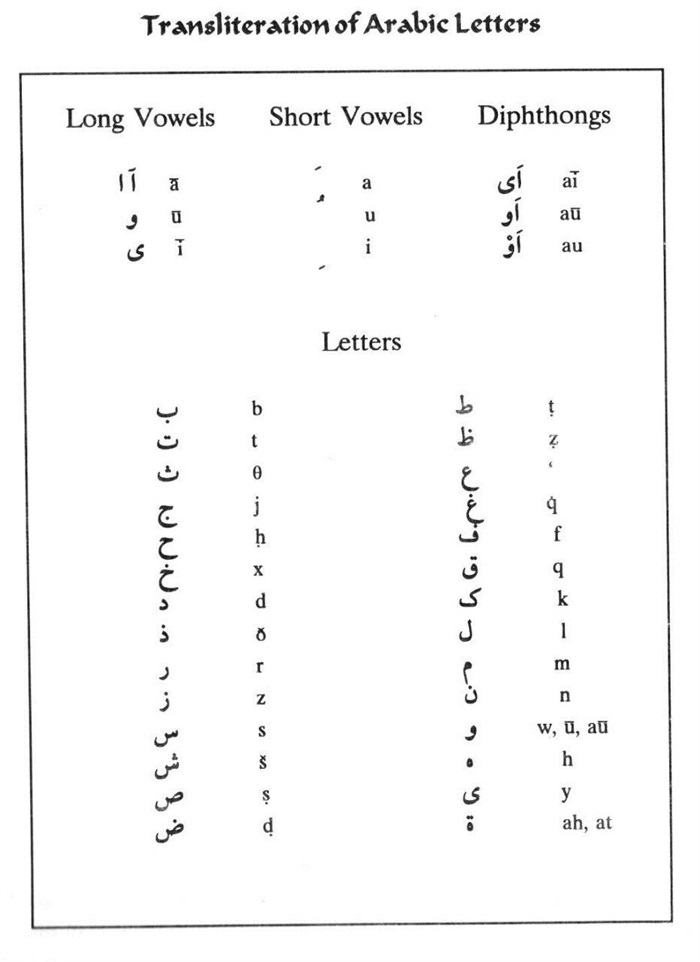
p: 16
88- قَالَ الْمَلاَُ الَّذِینَ اسْتَکْبَرُوا مِنْ قَوْمِهِ لَنُخْرِجَنَّکَ یَاشُعَیْبُ وَالَّذِینَ ءَامَنُوا مَعَکَ مِن قَرْیَتِنَآ أَوْ لَتَعُودُنَّ فِی مِلَّتِنَا قَالَ أَوَلَوْ کُنَّا کَارِهِینَ
88. “ The chiefs of the arrogant among his people said:
‘ We will surely expel you, O Shu‘ayb,
and those who believe with you from our town, unless you return into our creed. ’ He (Shu‘ayb) said: ‘ what,
even though we dislike (it) ? ’ ”
All prophets have been threatened to be expelled and banished. This is the logic of force. Sura ’Ibrāhi̅m, No.14, verse 14 says: “ And those who disbelieved said to their apostles: ‘ We will most certainly drive you forth from our land, so else you shall come back into our religion. … ”
The chiefs of the arrogant have always been the first enemies of prophets. The verse says:
“ The chiefs of the arrogant among his people said: …”
The method of prophets is logic and reasoning, but the style of disbelievers is force and threat.
The preachers of religion should not be afraid of the opponents’ threads, since there have always been threat and banishment in this way. The disbelievers told their prophet:
“ …‘ We will surely expel you, O Shu‘ayb, … ”
Yet, be careful to use a kind word, politely and wisely, when you confront the ignorances of disbelievers. Shu‘ayb answered them:
“…He (Shu‘ayb) said: ‘ what, even though we dislike (it) ? ’ ”
p: 17
89- قَدِ افْتَرَیْنَا عَلَی اللّهِ کَذِباً إِنْ عُدْنَا فِی مِلَّتِکُمْ بَعْدَ إِذْ نَجَّانَا اللّهُ مِنْهَا وَمَا یَکُونُ لَنَآ أَنْ نَعُودَ فِیهَآ إِلآَّ أَنْ یَشَآءَ اللّهُ رَبُّنَا وَسِعَ رَبُّنا کُلَّ شَیْءٍ عِلْماً عَلَی اللّهِ تَوَکَّلْنَا رَبَّنَا افْتَحْ بَیْنَنَا وَبَیْنَ قَوْمِنَا بِالْحَقِّ
وَأَنْتَ خَیْرُ الْفَاتِحِینَ
89. “ We should have forged a lie against Allah if we returned into your creed after Allah delivered us from it.
It is not for us to return into it, unless Allah,
our Lord, (so) will. Our Lord comprehends all things in His knowledge. In Allah we have put our trust.
Our Lord! Decide between us and our people with truth, and You are the best of deciders.”
The Qur’ānic term /millat/ has sometimes been used with the meaning of religion and creed.
Since the followers of Shu‘ayb had accepted their religion based upon reasoning and proof, (not upon desires), then they would not abandon it. Allah never commands upon returning to infidelity and paganism. He who returns from His command, surely the amount of his deed is so little that the one regrets from his action, while Allah is not like that and He never reviews the religion. The verse says:
“ We should have forged a lie against Allah if we returned into your creed after Allah delivered us from it. … ”
The Qur’ānic term /fath/ and /fātih/, in these aspects, mean: ‘ judgement and arbitration ’.
p: 18
The final word is said by Allah, in order that they might be delivered from this blind, and the path be paved.
Therefore, opposite to the evil suggestions of the enemies, we must trust on Allah and show our conclusiveness.
Never a believer is ready to collude on his beliefs, and he never returns from the Truth. Turing back and retrogression is forbidden for a true Muslims. The verse says:
“ …It is not for us to return into it, unless Allah, our Lord, (so) will. … ”
It is for this reason that we must submit the command of Allah and obey it.
Do not forget to observe discipline and courtesy in speech. Instead of curse, invoke Allah the just arbitration.
“ …Our Lord comprehends all things in His knowledge. In Allah we have put our trust. Our Lord! Decide between us and our people with truth, … ”
In supplication, the relationship between the demand and the Divine Names should be considered.
We are in need of triumph and, therefore, we call Him saying:
“ …and You are the best of deciders. ”
****
p: 19
90- وَقَالَ الْمَلأُ الَّذِینَ کَفَرُوا مِنْ قَوْمِهِ لَئِنْ اتَّبَعْتُمْ شُعَیْباً إِنَّکُمْ إِذاً لَخَاسِرُونَ
91- فَاَخَذَتْهُمُ الرَّجْفَةُ فَاَصْبَحُوا فِی دَارِهِمْ جَاثِمِینَ
90. “And the chiefs of those who disbelied from among his people said: ‘ If you follow Shu‘ayb,
you will indeed be losers ’.”
91. “Then the earthquake seized them, so they became motionless bodies in their dwellings.”
In this verse, the term /rajfah/ (earthquake) has been used for the punishment of those people, while in Sura Hūd, No.11, verse 94 the word /sayhah/ (rumbling) has been applied, and in Sura Ash-Shu‘arā, No.26, verse 189 the phrase “… the punishment of the day of cloud …”, which is a covering produced by an annihilating cloud, is mentioned as their torment. This shows that the earthquake of their chastisement had been accompanied with rumbling and an annihilating dark cloud.
The Arabic term /jāθm/is derived from /jaθm/ which means: to sit upon the knee and to stay in one place. As if, the punishment seized them at night when they were asleep. They woke up, but they had neither enough time to save themselves nor any ability to escape. So, they were destroyed while they were in the state of half-raised.
Most of the opponents of divine prophets were from the kind of rich notables.
p: 20
“And the chiefs of those who disbelied from among his people said: …”
One of the methods of disbelievers is threat by means of economical siege.
“…‘ If you follow Shu‘ayb, you will indeed be losers ’.”
****
When they became like that, they increased their own aberration by persisting on leading others astray. There was no hope that they might believe. Therefore, basing on the decree of the law of effacing the effects of corruption, the divine punishment fell upon them. The verse says:
“ Then the earthquake seized them, so they became motionless bodies in their dwellings.”
****
p: 21
92- الَّذِینَ کَذَّبُوا شُعَیْباً کَأَن لَمْ یَغْنَوْا فِیهَا الَّذِینَ کَذَّبُوا شُعَیْباً کَانُوا هُمُ الْخَاسِرِینَ
92. “Those who belied Shu‘ayb became (perished) as if they had never dwelt therein. Those who belied Shu‘ayb were themselves the losers.”
The Arabic term /yaqnau/, used in this verse, is derived from /ׁqinā / which means: ‘ to dwell in a place ’.
The great loss belongs to the idolaters. Instead of belief in one God, they ascribe partners, and instead of accepting the guidance of the immaculates, they refer to others supposing to be led.
Therefore, instead of a secured life, they will be destroyed of everything; and instead of being admitted into Heaven, they will enter Hell Fire, since, instead of Allah’s pleasure, they have incurred His Wrath.
Thus, the plots of the people of Shu‘ayb, who were the followers of falsehood, were of no avail. They wanted to expel Shu‘ayb from their town, but they themselves were destroyed in their own houses.
That is why that sometimes it happens that the places of refuge change to places of massacre. (The town of the people of Shu‘ayb, for example, was a pleasant place for them and also it was used as a means of threat against Shu‘ayb by them. But that town was ruined upon them and became a means of their destruction.
p: 22
It is at the time of incurring the Wrath of Allah that the real losers are recognized. The above verse is its Qur’ānic evidence. It says:
“Those who belied Shu‘ayb became (perished) as if they had never dwelt therein. Those who belied Shu‘ayb were themselves the losers.”
****
p: 23
93- فَتَوَلَّی عَنْهُمْ وَقَالَ یَا قَوْمِ لَقَدْ أَبْلَغْتُکُمْ رِسَالاَتِ رَبِّی وَنَصَحْتُ لَکُمْ فَکَیْفَ ءَاسَی عَلَی قَوْمٍ کَافِرِینَ
93. “ So he turned away from them, and said: ‘ O’ my people! I have delivered to you the messages of my Lord, and advised you sincerely; so how shall I then grieve for a disbelieving people?’ ”
Again, for a more intensive emphasis, it says that those who belied Shu‘ayb were the losers, not those who believed in him. Thus, such people are addressed in the holy verse as follows:
“ So he turned away from them, and said: ‘ O’ my people! I have delivered to you the messages of my Lord, and advised you sincerely; … ”
When Shu‘ayb saw them in the threashold of chastisement and destruction, he hopelessly turned away from them, and told them that he had conveyed the messages of Allah to them and had advised them, but refusing his words, they did not hearken to him.
That is, that punishment was very hard and painful, but they were deserve to incur it as a result of the crimes they had committed.
“ …So how shall I then grieve for a disbelieving people?’ ”
Then Suh‘ayb, in a positive interrogation with a negative sense, said why he should grieve for a people who disbelieved and incurred the punishment of Allah for themselves. This statement means that he said he did not grieve for them.
p: 24
Thus Shu‘ayb consoles himself, because he had made his best and applied all the necessary efforts to guide aright those people. But, alas, they disobeyed arrogantly and that torment was their recompense.
****
p: 25
Cause of the distress sent on the previous disbelieving people – Warning with the
punishment.
94- وَمَآ أَرْسَلْنَا فِی قَرْیَةٍ مِنْ نَبِیٍّ إِلآَّ أَخَذْنَآ أَهْلَهَا بِالْبَأْسَآءِ وَالضَّرَّآءِ
لَعَلَّهُمْ یَضَّرَّعُونَ
94. “ And We did not send a prophet in any town but We overtook its people with distress and affliction that they might humble themselves.”
The Qur’ānic term /ba’sā’/ means some calamities which reach the soul, like death; while the term /darrā’/ means: financial damages. (Tafsīr-i-Furqān)
As an Allah’s way of treatment, there are some bitter events and calamities for all nations.
It is noteworthy that difficulties and hardships are usually some functional factors in removing neglectfulness and in training man. Also, calamities are not always the Wrath of Allah. They are sometimes the grace of Allah in the form of misfortunes. (Like some iron which, as a result of being heated in the furnace, becomes soft and changeable into different shapes. Afflictions cause man to be mild, too.) Difficulties also make Man humiliate and supplicate.
The verse says:
p: 26
“ And We did not send a prophet in any town but We overtook its people with distress and affliction that they might humble themselves.”
(For more details upon the meaning of the Qur’ānic terms /ba’sā’/ and /darrā’/, refer to the commentary of Sura Al-’An‘ām, No. 6, verse 42, vol. 5, p. 124 the current English version series of commentary of the Holy Qur’ān.)
Imam Sadiq (a.s.) in a tradition said: “ Allah, Almighty and Glorious, said: ‘ When the one who has known Me disobeys Me, I will set up, as an absolute master over him, the one who has not known Me ’.” (’Usūl-i-Kāfi̅, part 3, p. 378)
Hadrat abul-Hassan-il-Hādi̅, the tenth Imam (a.s.) has said:
“ Verily Allah has a caller who calls every day and night ‘ O’ servants of Allah! Stop! stop sinning Allah! If there were not grazing animals, milking babies, and (in prayer) bowing aged ones, there would be showered a punishment over you by which you might be severely bruised ’.” (’Usūl-I-Kāfi̅, part 3, p. 378)
****
p: 27
95- ثُمَّ بَدَّلْنَا مَکَانَ السَّیِّئَةِ الْحَسَنَةَ حَتَّی عَفَوْا
وَقَالُوا قَدْ مَسَّ ءَابَآءَنَا الضَّرَّآء ُ وَالسَّرَّآءُ فَاَخَذْنَاهُمْ بَغْتَةً وَهُمْ لاَیَشْعُرُونَ
95. “ Then We altered the ill (circumstances) to good, until they multiplied, and said:
‘ Distress and happiness did indeed touch our fathers’.
So We seized them suddenly while they did not perceive.”
The Arabic term /‘afau/, mentioned in this verse, means
‘ the abundance of wealth and children ’.
The grace of Allah reached to be full unto them, but they did not become aware nor did they take an example.
A nearly similar meaning to this statement is recited in Sura Al-’An‘ām, No. 6, verse 44, where it says: “ Then, when they forgot that which they had been admonished to, We opened the doors of all things (of enjoyments), until when they rejoiced in what they were given, We seized them suddenly when, behold, they were in utter dispair.” The case is similar to the condition of a sick person whose physician becomes disappointed of him to be healed. Then he tells the people around him that they let him eat everything he wishes, because it is indifferent for the diseased person, and he is passing away.
However, as some commentators have said, there may also be another meaning for this verse. That meaning is that, after
p: 28
the removal of difficulties, the following generation said that bitter events were for their fathers and these offsprings were in security. They were neglectful that Allah’s way of treatment in seizing people encompasses all generations, and such negligences are the secret of the Wrath of Allah.
Therefore, passing by the bitter and sweet incidents heedlessly, and taking no example of them, brings forth the Wrath of Allah thereafter. This status is a sign of unawareness in such people.
“… while they did not perceive.”
Not every kind of welfare and happiness is a sign of the Grace of Allah. They may sometimes prepare the field for the Wrath of Allah. The verse says:
“ Then We altered the ill (circumstances) to good, until they multiplied, …”
Sometimes it happens that the welfare of a person causes his neglectfulness and his disobedience from the command of Allah (s.w.t).
“…and said: ‘ Distress and happiness did indeed touch our fathers’. …”
Most of those who fail in the Divine trials are the rich and the people who are in welfare, not the deprived ones.
It should also be noted that the Wrath of Allah does not inform men when it has to come, but it comes suddenly.
The verse says:
“… So We seized them suddenly while they did not perceive.”
****
p: 29
96- وَلَوْ أَنَّ أَهْلَ الْقُرَی ءَامَنُوا وَاتَّقَوْا لَفَتَحْنَا عَلَیْهِمْ بَرَکَاتٍ مِنَ السَّمَآءِ وَالاَرْض ِ
وَلَکِن کَذَّبُوا فَاَخَذْنَاهُمْ بِمَا کَانُوا یَکْسِبُونَ
96. “ And if the people of the towns had believed and kept from evil, We would have certainly opened up for them blessings from the heaven and the earth,
but they belied;
so We seized them for what they used to earn.”
The Arabic term /barakāt/ is the plural form of /barakah/. It is applied for the fix and continual favours. On the contrary, there are some fleeting things in the senses of blessing, plurality of good and its multiplication. Blessings include both material and spiritual bounties, like blessings in lifetimes, in knowledge, and in books.
The verse says:
“ And if the people of the towns had believed and kept
from evil, We would have certainly opened up for them
blessings from the heaven and the earth, …”
It implies that if the people of the towns, who were destroyed because of denial and disobedience, had testified the Divine prophets and had avoided polytheism and sinning, Allah would have bestowed upon them the increasing blessings from the heaven and the earth by means of rain and abundance of plants and fruits.
p: 30
Noah also promised his people if they believed, the blessings of heaven would be sent down unto them.
Some commentators say that blessings of the heaven, mentioned in this holy verse, refer to the supplications which are answered, and the blessings of the earth are the fulfilment of the requests.
The verse continues saying:
“… but they belied; so We seized them for what
they used to earn.”
That is, they rejected the divine prophets, and Allah punished them for the recompense of their disobediences, oppositions, and belying the prophets by ceasing rain from them, and, consequently, the blessings of the earth were restrained from them.
****
p: 31
97- أَفَاَمِنَ أَهْلُ الْقُرَی أَنْ یَأْتِیَهُمْ بَأْسُنَا بَیَاتاً وَهُمْ نَآئِمُونَ
98- أَوَأَمِنَ أَهْلُ الْقُرَی أَنْ یَأْتِیَهُمْ بَأْسُنَا ضُحًی
وَهُمْ یَلْعَبُونَ
97. “ What! do the people of the towns then feel secure from Our punishment coming upon them by night while they are sleeping ? ”
98. “ What! do the people of the towns feel secure from Our punishment coming upon them in daylight while they are playing ? ”
It questions whether the people of towns, who reject the prophets, are secure from the punishment of Allah when it comes down upon them while they are asleep at night, the same as it befell upon the former people.
The verse says:
“ What! do the people of the towns then feel secure from Our punishment coming upon them by night
while they are sleeping ? ”
****
Again, it questions whether the people of towns are secure from the punishment of Allah when it seizes them at the day time while they are busy doing some vain affairs.
The verse says:
p: 32
“ What! do the people of the towns feel secure from Our punishment coming upon them in daylight while they are playing ? ”
It is evident that whoever is busy with the mere affairs of this world and does not heed the affairs of Hereafter is in vain and, as if, he is playing around.
The purpose of the Qur’ānic phrase ‘ the people of the towns ’ is any group of people who are busy with some useless affairs, and who reject divine prophets, and they refrain worshipping One God.
The occasion of revelation of these two verses, of course, was the obstinacies of the pagans of Mecca.
****
p: 33
99- أَفَاَمِنُوا مَکْرَ اللّهِ فَلا یَأْمَنُ مَکْرَ اللّهِ إِلاَّ الْقَوْمُ الْخَاسِرُونَ
99. “ What! Do they then feel secure from Allah’s plan (sudden punishment)? But none feels secure
from Allah’s plan save the people (who are) losers.”
The verse begins thus: “ what! do they then feel secure from Allah’s plan (sudden punishment) ? …”
The verse implies whether these disbelieving people are secure when the divine punishment befalls them so that they do not understand.
The reason that the divine punishment is called here ‘ plan ’ is that it seizes them in a way that they do not know it and they do not understand it.
A plan, or plot, usually attacks the opposite party unawares.
The verse continues saying:
“… But none feels secure from Allah’s plan save the people
(who are) losers.”
That is, except the people who are losers, and they do not know it, no one feels secure from the plan of Allah.
The purpose of this verse is to attract the attention of the responsible ones to be careful and attentive that they should be afraid of Allah’s punishment, and they should obey Him. Never should they promise themselves security from that punishment, otherwise they will be involved in chastisement both in this world and Hereafter.
****
p: 34
The hearts of the previous disbelievers sealed against understanding as they
were not faithful to the covenant – Moses’ Mission to Pharoah –
Signs demanded of Moses and his showing them.
100- أَوَ لَمْ یَهْدِ لِلَّذِینَ یَرِثُونَ الاَرْضَ مِنْ بَعْدِ أَهْلِهَآ أَنْ لَوْ نَشَآءُ أَصَبْنَاهُمْ بِذُنُوبِهِمْ
وَنَطْبَعُ عَلَی قُلُوبِهِمْ فَهُمْ لایَسْمَعُونَ
100. “ Does He not guide (thereby) those who inherit the earth after its (former) residents that if We
please We will destroy them (too) for their sins and set a seal on their hearts so that they
do not hear (the truth) ? ”
Once more in this verse, in order to awaken the neglectful minds of the present people, and making them attentive of the instructive lessons which had existed in the lives of the former nations, the Qur’ān inquires whether those who inherit the earth next to the possessors of it did not take admonition from the study of the situation of the former nations. They should understand that if Allah pleases, He is able to destroy them,
p: 35
too, for their faults, and inflicts them with the same evil end that the former sinners suffered.
The verse says:
“ Does He not guide (thereby) those who inherit the earth after its (former) residents that if We please We
will destroy them (too) for their sins …”
Allah is also able to leave them alive, while, because of their committing sins and corruptions, He seals their hearts and let them not perceive and recognize the truth, so that they never hear the truth and do not accept any advice. Such people will be wandering in the life bewildered. The verse says:
“…and set a seal on their hearts so that they do not hear (the truth) ? ”
****
p: 36
101- تِلْکَ الْقُرَی نَقُصُّ عَلَیْکَ مِنْ أَنْبَآئِهَا وَلَقَدْ جَآءَتْهُم
ْ رُسُلُهُمْ بِالْبَیِّنَاتِ فَمَا کَانُوا
لِیُؤْمِنُوا بِمَا کَذَّبُوا مِن قَبْلُ کَذَلِکَ یَطْبَعُ اللّهُ عَلَی قُلُوبِ الْکَافِرِینَ
101. “ These are the towns some of whose tidings We
recount unto you; and certainly their Messengers came to them with manifest proofs,
but they would not believe in what they had belied from before. Thus does Allah set a seal on the hearts of the infidels.”
In this verse, as well as the next one, the emphasis is again on the lessons which can be taken from the explanation of the former people’s events. But, here, the addressee is the Prophet (p.b.u.h.), although the objective is indeed all human beings.
At first, it says:
“ These are the towns some of whose tidings
We recount unto you; …”
Then, the verse implies that it was not such that they became unnihilated without completing the argument, but surely their divine prophets went to them with clear evidences and those prophets tried their utmost effort to guide them. The holy verse continues saying:
“… and certainly their Messengers came to them
with manifest proofs, …”
But they steadily showed opposition against the continuous preaches and repeated invitations of their prophets and
p: 37
persisted on their own saying. They were not ready to accept and believe in that which they had belied before. Here is what the verse says:
“… but they would not believe in what they had
belied from before. …”
The cause of this obstinacy has been stated in the next sentence of the holy verse, as follows:
“… Thus does Allah set a seal on the hearts of the infidels.”
That is, those who step in the path of wrong, as a result of repetition and continuation of action, some corruptions such as perversion, infidelity, and impurity settle in their hearts so deeply that they remain fixed therein like the curvings upon a coin. This is from the kind of effect and property of action which has been attributed to Allah, since it is He Who is the Cause of all causes.
****
p: 38
102- وَمَا وَجَدْنَا لاَکْثَرِهِمْ مِنْ عَهْدٍ وإِنْ وَجَدْنَآ أَکْثَرَهُمْ لَفَاسِقِینَ
102. “ And, We did not find in most of them any (firm)
covenant, and verily We found most of them
to be wrong-doers.”
The objective meaning of the word ‘ ‘ahd ’, (covenant), mentioned in the verse, is either the relation between Allah and the sound innate disposition of people, or the invitation and laws of prophets, or the special covenants which sometimes people made with prophets saying that, for example, if the prophet performed so and so as a miracle or solved a particular difficulty of theirs, they would believe. One of the evidences of this kind in the Qur’ān is Sura ’A‘rāf, No. 7, verses 134 and 135 which say: “ And when the plague fell upon them, they said: ‘ O’ Moses! invoke your Lord for us by the covenant He has made with you. If you remove the plague from us, we will certainly believe in you, and we will certainly send with you the Children of Israel ’.” “ But when We removed the plague from them until a term which they should reach, behold, they broke (their promise again).”
Allah has made manifest some facts for human beings through both innate disposition and prophets in order that they may have confederation and submission unto them. But most people neglect the cry of innate dispostion and prophets, and going out of the path of the truth, they become wrong-doers. The verse says:
“ And, We did not find in most of them any (firm) covenant, …”
p: 39
Thus, the secret of the destruction of the former nations was breach of promise and disobedience.
“… and verily We found most of them to be wrong-doers.”
Allah has praised the faithful and blamed the breachers of promise.
****
p: 40
103- ثُمَّ بَعَثْنَا مِنْ بَعْدِهِمْ مُوسَی بِاَیَاتِنَآ إِلَی فِرْعَوْنَ وَمَلَئِهِ فَظَلَمُوا بِها فَانْظُرْ کَیْفَ کَانَ عَاقِبَةُ الْمُفْسِدِینَ
103. “ Then, after them, We sent Moses with Our Signs unto Pharaoh and his chiefs, but they wronged (and disbelieved) in them.
Consider then how the end of the mischief makers was! ”
The name of Moses (a.s.) has been repeated more than 130 times in the Qur’ān. No other name has been mentioned
therein as numerous as his name. As it is cited in Al-Mizān, the Commentary, the Qur’ān has referred to the divine miracles concerning no prophet as many as it has mentioned for Moses (a.s.).
The story of Moses (a.s.), mentioned in the Qur’ān, can be staged into five steps: 1) The birth and childhood of Moses. 2) His escape from the city of Madyan and living with Shuaib (Jethro). 3) His mission and his problems with Pharaoh. 4) His own deliverance and that of his people from Pharaoh, and returning to Palestine. 5) His conflicts with the Children of Israel.
This Sura, Al-’A‘rāf, is the first Meccan Sura which has referred to the story of Moses (a.s.).
One of the philosophies of the mission of prophets is standing against false deities. For general improvement of a society, the chiefs and great members of that society should
p: 41
be referred to first, because water must be purified from its head-source, as the verse says:
“ Then, after them, We sent Moses with Our Signs unto Pharaoh and his chiefs, …”
People’s faith in the truth usually causes their society to be improved, while disbelief and heresy draw it towards corruption. The verse continues saying:
“… but they wronged (and disbelieved) in them.
Consider then how the end of the mischief makers was! ”
****
p: 42
104-وَقَالَ مُوسَی یَافِرْعَوْنُ إِنِّی رَسُولٌ مِنْ رَبِّ الْعَالَمِینَ
104. " And Moses said: ‘ O Pharaoh! Verily I am a Messenger from the Lord of the worlds ’."
Prophets claimed nothing but their prophecy and invitation to the Truth. In the way of their invitation, they used to address the false deities of their time bravely and without any fear and opposed them.
" And Moses said: ‘ O Pharaoh! Verily I am a Messenger
from the Lord of the worlds ’."
To improve the society which has a regular system, it is better to begin from the chiefs of that society.
****
p: 43
105- حَقِیقٌ عَلَی اَنْ لآ اَقُولَ عَلَی اللّهِ إِلاَّ الْحَقَّ
قَدْ جِئْتُکُمْ بِبَیِّنَةٍ مِنْ رَبِّکُمْ فَاَرْسِلْ مَعِیَ بَنِی إِسْرآئِیلَ
105. “ (I am) worthy of saying nothing about Allah except the truth. Indeed I have come to you with a clear Sign (a miracle) from your Lord;
so send forth with me the Children of Israel.”
Prophets are infallible, and they say nothing but the truth. From the tongue of Moses, the verse says:
“ (I am) worthy of saying nothing about Allah
except the truth. … ”
Prophets should have miracles to prove their prophecy, as the verse refers to it and says:
“ … Indeed I have come to you with a clear Sign
(a miracle) from your Lord; …”
To provide the freedom of human beings is among the first aims of prophets. Except them, whoever takes the rein of the government in a society, drags those people into servitude of false deities.
As long as people are not delivered from the ties of false deities, it is not possible to offer them a complete cultural program to guide them. That was why Moses (a.s.) said to Pharaoh:
“ … so send forth with me the Children of Israel.”
****
p: 44
106- قَالَ إِنْ کُنْتَ جِئْتَ بِاَیَةٍ فَأْتِ بِهَآ إِنْ کُنْتَ مِنَ الصَّادِقِینَ
107- فَاَلْقَی عَصَاهُ فَإِذَا هِیَ ثُعْبَانٌ مُبِینٌ
106. “ He (Pharaoh) said: ‘ If you have come with a Sign (a miracle), then bring it, if you are of the truthful ones’.”
107. “ So he threw his rod, then behold! it was a clear serpent.”
The Arabic term /mu‘jizah/ is derived from the root /‘ajaza/ which means an action that those who have not the capacity and genius of prophethood or imamate are unable to do it, such as the act of Moses by his Rod, or the act of Jesus in raising men from the dead, and so on. The verse says:
“ He (Pharaoh) said: ‘ If you have come with a Sign
(a miracle), then bring it, if you are of the truthful ones’.”
In Sura Ash-Shu‘arā, No. 26, verse 45 we recite: “ Then Moses cast down his staff, and lo! It swallowed that which they falsely displayed.”
There were also some more miracles appeared from that Rod. It was struck the water of the sea when it dried up. Sura Ash-Shu‘arā, No. 26, verse 63 says: “ Strike the sea with your staff …” Or, it was struck the rock and fountains of water gushed forth from it. Sura Al-Baqarah, No. 2, verse 60 says: “ … Strike the rock with your staff.’…”
p: 45
It should be explained that at the presence of Moses (a.s.) the Rod changed to be a small snake, as Sura An-Naml, No. 27, verse 10 says: “ And cast down your staff, so when he saw it in motion as if it was a serpent…” At the presence of people it seemed an ordinary snake. Sura Tāhā, No. 20, verse 20 says: “ Then he cast it down, and lo! it was a serpent running.” But, at the presence of Pharaoh, it became a great clear snake, as the verse under discussion says:
“ So he threw his rod, then behold! it was a clear serpent.”
However, a miracle should be clear for all, so that no doubt remains. The verse says:
“ … then behold! it was a clear serpent.”
****
p: 46
Moses defeats Pharoah and his enchanters through
The Miraculous Rod
108- وَنَزَعَ یَدَهُ فإِذَا هِیَ بَیْضَآءُ لِلنَّاظِرِینَ
109- قَالَ الْمَلأُ مِنْ قَوْمِ فِرْعَوْنَ إِنَّ هَذَا لَسَاحِرٌ عَلِیمٌ
108. “ Then he drew out his hand, and behold! It was white to the beholders.”
109. “ The chiefs of Pharaoh’s people said: ‘ Verily this indeed is a knowing sorcerer ’.”
Besides warnings and changing the Rod as a serpent, Moses showed white hand, too. But the opponents of the prophets used to spoil the rank of the prophets. The verse says:
“ Then he drew out his hand, and behold! it was white to the beholders.”
****
Therefore, the adherents and the chiefs of wrong-doers around false deities are also shared with them in their crimes. The verse says:
“ The chiefs of Pharaoh’s people said: ‘ Verily this
indeed is a knowing sorcerer ’.”
p: 47
110- یُرِیدُ أَنْ یُخْرِجَکُمْ مِنْ أَرْضِکُمْ فَمَاذَا تَأْمُرُونَ
110. “ ‘ He (Moses) intends to expel you from your land.
Then what do you advise? ’ ”
In order to pervert the common opinions, Pharaoh tried to denigrate Moses (a.s.). From the point of belief, he called Moses (a.s.) a sorcerer, and from the social and political points of view, he introduced him as a seditious and quarrelsome person. One of the weapons of the opponents is to denigrate the men of the Truth. The verse, from the tongue of Pharaoh, says:
“ ‘ He (Moses) intends to expel you from your land. …”
False deities are often tyrannical, but sometimes they become helpless to consult in difficulties with some others around them.
“…Then what do you advise? ’ ”
****
p: 48
111- قَالُوا أَرْجِهِ وَأَخَاهُ وَأَرْسِلْ فِی الْمَدَآئِنِ حَاشِرِینَ
112- یَأْتُوکَ بِکُلِّ سَاحِرٍ عَلِیمٍ
111. “ They said (unto Pharaoh): ‘ Keep him and his brother in suspense (for a while);
and send men to the cities to collect (sorcerers) ,”
112. “ To bring you every knowing (expert) sorcerer ’.”
In their consultation, however, the attitude of all of them was that they told him to keep Moses and Aaron (a.s.) in suspense in order to collect sorcerers. The verse says as follows:
“ They said (unto Pharaoh): ‘ Keep him and his
brother in suspense (for a while);
and send men to the cities to collect (sorcerers) ,”
****
This device was for the reason that they would call all knowledgeable skillful experts of the time in sorcery to be gathered and to be brought to the presence of Pharaoh. The verse says:
“ To bring you every knowing (expert) sorcerer ’.”
Since haste in slaying Moses and Aaron, regarding Moses’ two surprising miracles, would cause the attraction of the attention of many people to him, and the feature of his
p: 49
‘ prophethood ’ might be strengthened with the feature of
‘ martyrdom and being oppressed ’, at first they thought that they would frustrate his deeds by means of some extraordinary actions of their sorcerers, and defame him. After that, they should slay him so that the story of Moses and Aaron could disappear from the minds of people forever.
****
p: 50
113- وَجَآءَ الْسَّحَرَةُ فِرْعَوْنَ قَالُوا إِنَّ لَنا لاَجْراً إِنْ کُنّا نَحْنُ الْغَالِبِینَ
114- قَالَ نَعَمْ وإِنَّکُمْ لَمِنَ الْمُقَرَّبِینَ
113. “ And the sorcerers came to Pharaoh, they said:
‘ Verily there will be a reward for us if we are victors’. ”
114. “ He said: ‘ Yes! and you will surely be of the near-stationed (to me)’.”
From this verse on, the words are upon the entanglement of Moses with the sorcerers and the end of his struggle therein.
The verse implies that, by the invitation of Pharaoh, sorcerers went to him, and the first thing that they told him was that whether they would have a large reward if they could overcome the enemy. Here is the verse:
“ And the sorcerers came to Pharaoh, they said: ‘ verily there will be a reward for us if we are victors’. ”
****
Immediately after that, Pharaoh also gave them a favorable promise, and said that not only he would give them a good financial reward but also they would be of the near-stationed to him. The verse says:
“ He said: ‘ Yes! and you will surely be of the near-stationed (to me)’.”
Thus, Pharaoh promised them both the reward of wealth and the reward of high rank.
p: 51
115- قَالُوا یَامُوسَی إِمَّآ أَنْ تُلْقِیَ وَإِمَّآ أَنْ نَکُونَ نَحْنُ الْمُلْقِینَ
116- قَالَ أَلْقُوا فَلَمّآ أَلْقَوْا سَحَرُوا أَعْیُنَ النَّاسِ وَاسْتَرْهَبُوهُمْ وَجَآءُو بِسِحْرٍ عَظِیمٍ
115. “ They (the sorcerers) said: ‘ O’ Moses! Will you throw, or shall we be the (first) throwers ? ’ ”
116. “ He (Moses) said: ‘ Throw (yours) ! ’ So when they threw, they bewitched the people’s eyes and terrified them and produced a great magic.”
Finally, a proper time was appointed for the meeting of Moses (a.s.) and the sorcerers to have their attempts. So all people were invited to come and see the event.
When the appointed day came, the sorcerers were completely ready with all their tools for the action. They had supplied some ropes and staffs which, it seemed, they had been filled with some special chemical materials. These materials could be changed into the form of some light gases before sunshine which could move those ropes and hollow staffs.
It was a wonderful scene. Moses, standing before people and the sorcerers, was alone. Only his brother, Aaron, was with him. The sorcerers told Moses either he would begin the action and cast his means first, or they might start and cast their own means. The verse in this regard says:
“ They (the sorcerers) said: ‘ O’ Moses! Will you throw, or shall we be the (first) throwers ? ’ ”
p: 52
Moses, with a particular coolness, answered them that they could begin first. The verse says:
“ He (Moses) said: ‘ Throw (yours) ! …’
When the sorcerers threw down their ropes and other means on the ground, they fascinated people and, by their deceitful deeds and exaggerative statements, they cast a sudden fear and terror upon people, and caused a great sorcery to be produced before them. The verse says:
“… So when they threw, they bewitched the people’s eyes and terrified them and produced a great magic.”
The Arabic term /sihr/ means: ‘ deceit, imposture, dexterity, and jugglery ’. Sometimes it also means: ‘ whatever the cause and motive of which is invisible ’. The verse says:
“… and produced a great magic.”
****
p: 53
117- وَأَوْحَیْنَآ إِلَی مُوسَی أَنْ أَلْقِ عَصَاکَ فإِذَا هِیَ تَلْقَفُ مَا یَأْفِکُونَ
117. “ And We revealed to Moses: ‘ Throw down your rod! ’ And behold, it swallowed (all) that they falsely had invented.”
At the moment when all people were excited, and happy shouts were heard from every side, Pharaoh and his by-standers were watching the scene of activities of sorcerers, while they were smiling contently and their eyes were glittering with joy. Then suddenly the Divine revelation came unto Moses (a.s.), biding him to throw down the staff. It caused the scene to be changed wholly. The faces of audience lost their colour, and instability overtook Pharaoh and his adherents.
In this verse, the Qur’ān refers to the very fact. It implies that Allah revealed to Moses (a.s.) to throw down his Rod. It became as a huge serpent which quickly and precisely gathered all false snakes and artificial means of the sorcerers. The holy verse says:
“ And We revealed to Moses: ‘ Throw down your rod! ’
And behold, it swallowed (all) that they falsely had invented.”
****
p: 54
118- فَوَقَعَ الْحَقُّ وَبَطَلَ مَاکَانُوا یَعْمَلُونَ
119- فَغُلِبُوا هُنَالِکَ وَانْقَلَبُوا صَاغِرِینَ
120- وَاُلْقِیَ الْسَّحَرَةُ سَاجِدِینَ
118. “ So the truth was established and what they were doing was made vain.”
119. “ Thus were they there defeated and brought low.”
120.“ And the sorcerers fell down in prostration.”
It was thus that the truth was manifested and the acts of sorcerers, which were baseless and improper, were nollified. The verse says:
“ So the truth was established and what they were doing was made vain.”
The reason of this incident was that the deed of Moses (a.s.) was a reality while the sorcerers’ deeds were some deceits, trickeries, dissimulations, juggleries and delusions.
This was the first stroke which was struck upon the foundation of the power of Pharaoh, the arrogant.
****
In verse 119, the Qur’ān implies that, thereafter, the signs of failure were seen in them, and all of them became low and helpless.
The verse says:
p: 55
“ Thus were they there defeated and brought low.”
****
The more important stroke happened when the scene of struggle of sorcerers against Moses (a.s.) was totally changed, and suddenly all the sorcerers fell down prostrating for the greatness of Allah. The verse says:
“ And the sorcerers fell down in prostration.”
****
p: 56
121- قَالُوا ءَامَنَّا بِرَبِّ الْعَالَمِینَ
122- رَبِّ مُوسَی وَهَارُونَ
121. “ They said: ‘ We have believed in the Lord of the worlds.”
122. “ The Lord of Moses and Aaron ’.”
The sorcerers shouted that they believed in the Lord of the worlds, Who was the Lord of Moses and Aaron. The verses say:
“ They said: ‘ We have believed in the Lord of the worlds.”
“ The Lord of Moses and Aaron ’.”
This happening was something which could never be foresighted by Pharaoh and his men.
****
p: 57
123- قَالَ فِرْعَوْنُ ءَامَنْتُمْ بِهِ قَبْلَ أَنْ ءَاذَنَ لَکُمْ إِنَّ هذَا لَمَکْرٌ مَکَرْتُمُوهُ فِی الْمَدِینَةِ لِتُخْرِجُوا مِنْهَآ أَهْلَهَا فَسَوْفَ تَعْلَمُونَ
123. “ Pharaoh said: ‘ Did you believe in him before I should give you permission? Surely this is a plot you have plotted in the city that you may expel its people from it,
but soon you shall know (the consequences) ! ”
When a new stroke was struck upon the bases and pillars of the power and authority of Pharaoh because of the victory of Moses (a.s.) over the sorcerers and that they believed in Moses (a.s.), Pharaoh was frightened and got excited. That was why he applied two plots as follows:
The first was his accusation against the sorcerers which perhaps was admired by common people. The verse says:
“ Pharaoh said: ‘ Did you believe in him before I should give you permission? …”
This is the worst form of colonialism that a nation be taken as slaves and captives so that they may not have even the right of thinking, contemplating, and heartily believing in a person or a religion.
This is the very plan which, in the present age, is pursued under the title of ‘ New colonialism ’, too.
Then, Pharaoh added:
“… Surely this is a plot you have plotted in the city that you may expel its people from it, …”
p: 58
This accusation was so unfounded and infamous that none could accept, except some perfectly unaware persons among common people.
After that, Pharaoh threatened them ambiguously, but it was said intensively and firmly. He said:
“… but soon you shall know (the consequences) ! ”
****
p: 59
124- لاَُقَطِّعَنَّ أَیْدِیَکُمْ وَأَرْجُلَکُمْ مِنْ خِلاَفٍ ثُمَّ لاَُصَلِّبَنَّکُمْ أَجْمَعِینَ
125- قَالُوا إِنَّآ إِلَی رَبِّنَا مُنْقَلِبُونَ
124. “ Surely I will cut off your hands and your feet
on opposite sides, then I will certainly crucify you all ’.”
125. “ They said: ‘ Verily unto our Lord we return ’.”
The ambiguous threat of Pharaoh, which was referred to in the previous verse, is clearly stated in the verse under discussion. Here, Pharaoh takes an oath that he cuts off their hands and feet on opposite sides, i.e. the right hand and the left foot, or the left hand and the right foot. The verse says:
“ Surely I will cut off your hands and your feet
on opposite sides,
then I will certainly crucify you all ’.”
What Pharaoh undertook here against the sorcerers, who had believed in Moses (a.s.), was a general behaviour that usually the tyrannical rulers have in their cowardly oppositions against the adherents of the Truth. On one side, they use the weapon of accusation against the demandant of the Truth to weaken them and their position both in the view of common people. And, on the other side, they rely on force, power, and threat to slaughter and destruction in order to break down their authority and will.
****
p: 60
None of the two weapons of Pharaoh could defeat the decision of the sorcerers. In their answer, they heartily and decidedly refused him, as follows:
“ They said: ‘ Verily unto our Lord we return ’.”
They said this statement with the meaning that if the Pharaoh’s threat could be done, they finally would become martyrs. In that case, not only the event might not harm them or decrease anything from them, but also it could be considered as an honour and a happiness for them.
****
p: 61
126- وَمَا تَنْقِمُ مِنَّآ إِلآَّ أَنْ ءَامَنَّا بِاَیَاتِ رَبِّنَا لَمَّا جَآءَتْنَا رَبَّنَآ أَفْرِغْ عَلَیْنَا صَبْراً وَتَوَفَّنَا مُسْلِمِینَ
126. “ And you do not take revenge upon us except because we have believed in the signs of our Lord when they came to us.’ ‘ Our Lord! Pour out upon us patience,
and cause us to die in submission ’.”
Then, in order to respond the accusation of Pharaoh, and to make the truth clear for the audience of the concerning scene, and, also, to prove their own sinlessness, the sorcerers said:
“ And you do not take revenge upon us except because
we have believed in the signs of our Lord when
they came to us.’ …”
At that time, they turned their faces from Pharaoh and, being attentive to Allah, they invoked Him to bestow upon them the highest degree of patience and perseverance. They knew that they could not tolerate those terrible threats without His help and His support. So, they said:
“ … ‘ Our Lord! Pour out upon us patience, and cause us
to die in submission ’.”
As it has been recorded in the Islamic traditions, as well as the history, finally the sorcerers resisted on their idea so much so that Pharaoh fulfilled what he had threatened, and he hung their mutilated bodies on some tall palm trees by the bank of Nile River.
p: 62
Yes, if belief and full awareness combine with together, the income of such a spiritual love will be some perseverance and devotion which will not be surprising in that way.
****
p: 63
The Israelites persecuted – Moses preaches patience – Promises delivery and the
Heritage of the Hold of the Land
127- وَقَالَ الْمَلأُ مِنْ قَوْمِ فِرْعَوْنَ أَتَذَرُ مُوسَی وَقَوْمَهُ لِیُفْسِدُوا
فِی الاَرْضِ وَیَذَرَکَ وءَالِهَتَکَ قَالَ سَنُقَتِّلُ أَبْنَآءَهُمْ وَنَسْتَحْیِی نِسَآءَهُمْ وإِنَّا فَوْقَهُمْ قَاهِرُونَ
127. “ And the chiefs of Pharaoh’s people said:
‘ Will you leave Moses and his people to make mischief in the land, and to desert you and your gods? ’
He said: ‘ Soon we will kill their sons and spare their women, and surely we are in power over them ’.”
After seeing the belief of the sorcerers, in order to move Pharaoh, the chiefs of his people told him whether he left Moses and his followers alive to oppose him and make other people oppose and, consequently, to take the control of government from Pharaoh and to make mischief in the country. They would also leave out both him and his gods. The verse says:
“ And the chiefs of Pharaoh’s people said:
‘ Will you leave Moses and his people to make mischief in the land, and to desert you and your gods? ’ …”
p: 64
Pharaoh answered them that he would kill their sons who were the encouragement of those people and whom they were making ready for fighting, while he would leave their daughters alive because they could do nothing against him. Pharaoh said that he could make of their females servants so that they became lowing and miserable. The holy verse continues saying:
“… He said: ‘ Soon we will kill their sons and spare their women, …”
It is understood from this sentence that Pharaoh did not expect to kill Moses (a.s.) and his followers since he had recognized their power unfailing. Therefore, he decided to attack the defendless children and to destroy them. The verse ends thus:
“… and surely we are in power over them ’.”
****
p: 65
128- قَالَ مُوسَی لِقَوْمِهِ اسْتَعِینُوا بِاللّهِ وَاصْبِرُوا إِنَّ الاَرْضَ لِلّهِ یُورِثُهَا مَنْ یَشَآءُ مِنْ عِبَادِهِ
وَالْعَاقِبَةُ لِلْمُتَّقِینَ
128. “ Moses said to his people:
‘ Seek help from Allah and endure. Verily the earth belongs to Allah; He grants its inheritance to whomever He pleases of His servants, and the end is (best) for the pious ones.”
There are two commandments accompanied with two glad tidings referred to in this holy verse. The commandments are:
‘ seeking help from Allah ’ and ‘ endurance ’; and the glad tidings are ‘ the inheritance of the earth ’ and ‘ the good end of the pious’.
It also indicates that seeking help from Allah and having confidence in Allah together with perseverance and piety are among the factors of the final victory and protection against threats. This means that we must both seek help from Allah and endure ourselves. The verse says:
“ Moses said to his people: ‘ Seek help from Allah and endure. …”
Another matter is that, at the sensitive times, a leader must console the community and make them hopeful, because the hope to a clear future is the promise of all religions including Islam. Moreover, the pious people, not only have a good end in this world, but also are victorious in the next world.
p: 66
“… Verily the earth belongs to Allah; He grants its inheritance to whomever He pleases of His servants, and the end is (best) for the pious ones.”
****
p: 67
129- قَالُوا اُوذِینَا مِنْ قَبْلِ أَنْ تَأْتِیَنَا وَمِنْ بَعْدِ مَا جِئْتَنَا قَالَ عَسَی
رَبُّکُمْ أَنْ یُهْلِکَ عَدُوَّکُمْ وَیَسْتَخْلِفَکُمْ فِی الاَرْضِ
فَیَنْظُرَ کَیْفَ تَعْمَلُونَ
129. “ They said: ‘ We have been hurt before you came to us and (also) after you came to us.’ He said:
‘ Maybe that your Lord will destroy your enemy and will make you successors in the earth,
then He observes how you act.”
The Children of Israel expected all the affairs be promptly corrected in one night after the raise of Moses (a.s.), and the country of Egypt, with all its facilities, could be in their authority, and the Pharaonic people would be annihilated. That was why they claimed that the raise of Moses (a.s.) did not bring confort for them.
The reply of Allah (s.w.t.) is that triumph needs some conditions, such as patience, struggle, and reliance. When these conditions are supplied, there is a hope to the help of Allah.
It was thus that the divine leaders were sometimes criticized by some friends who were of little capacity and of little tolerance. The verse says:
“ They said: ‘ We have been hurt before you came to us and (also) after you came to us.’ …”
Most of people imagine that happiness and felicity is found in comfort and tranquility. They suppose that the lack of them
p: 68
is as a failure to obtain their desires. They are neglectful that the Divine religions have come to correct the ways of lives, not to efface their difficulties.
A leader should hearken to critics and send some hope-giving messages. The verse continues saying:
“… He said: ‘ Maybe that your Lord will destroy your enemy and make you successors in the earth, …”
An Islamic government is a means of trial not a means of seeking pleasure. Then, the verse concludes as follows:
“… then He observes how you act.”
****
p: 69
The Israelites rescued – They were still after idol gods – Moses admonishes them to stick only to the true God Who had rescued them and bestowed on them great favours.
130-وَلَقَدْ أَخَذْنَآ ءَالَ فِرْعَوْنَ بِالسِّنِینَ وَنَقْصٍ مِنَ الثَّ-مَرَاتِ
لَعَلَّهُمْ یَذَّکَّرُونَ
130. “ And certainly We afflicted the clan of Pharaoh with drought and scarcity of fruits, so that they may take admonition.”
The Arabic word /sini̅n/ is the plural form of /sanah/ which means ‘ year ’; but when it is used with the term /’axǒ/ in the Arabic contexts, it often means: ‘ to afflict with drought and famine ’. The Qur’ān implies that Allah afflicted Pharaoh and his clan with drought and famine because of the indecent manner that they committed. The verse says:
“ And certainly We afflicted the clan of Pharaoh with drought …”
It also implies that besides famine and drought, Allah afflicted them with scarcity of fruits in order that they be in awe and to become monotheists, but they did not change their way. The verse continues saying:
“… and scarcity of fruits, so that they may take admonition.”
p: 70
131- فإِذَا جَآءَتْهُمُ الْحَسَنَةُ قَالُوا لَنَا هَذِهِ وإِنْ تُصِبْهُمْ سَیِّئَةٌ یَطَّیَّرُوا
بِمُوسَی وَمَنْ مَعَهُ أَلآ إِنَّمَا طَآئِرُهُمْ عِنْدَ اللّهِ وَلکِنَّ أَکْثَرَهُمْ لاَیَعْلَمُونَ
131. “ So, when any good came to them, they said:
‘ This is our due ’; and if any evil afflicted them,
they took it bad omens due to Moses and those with him.
Be it known! Surely the cause of their bad omens is with Allah,but most of them do not know.”
Whenever they obtained abundance of good, they said that it was for their own due that there had continuously been bounties in their cities, and, therefore, they did not thank Allah. The verse says:
“ So, when any good came to them, they said:
‘ This is our due ’; …”
But when they afflicted famine and starvation, they took Moses and his followers bad omens and said that it was due to them. In this regard, the verse says:
“… and if any evil afflicted them, they took it bad omens due to Moses and those with him. …”
Their real misfortune was as a result of their own sins and evil deeds. Such things cause the punishment of Allah for them both in this world and the Hereafter. The verse says:
“… Be it known! Surely the cause of their bad omens is with Allah, …”
But most of them do not know it, and do not contemplate to know this fact. The verse ends as follows:
“… but most of them do not know.”
p: 71
132- وَقَالُوا مَهْمَا تَأْتِنَا بِهِ مِنْ ءَایَةٍ لِتَسْحَرَنَا بِهَا
فَمَا نَحْنُ لَکَ بِمُؤْمِنِینَ
132. “ And they said: ‘ Whatever sign you may bring to us to charm us with it, we will not believe in you ’.”
The enemies knew that the job of Moses was not magic and also knew that it was a Divine Sign, but they arrogantly and obstinately did not believe.
But, when the sorcerers, who were expert in their job, understood that the accomplishment of Moses (a.s.) was not a magic, they believed.
Perhaps, the manner of the people of Pharaoh, that they called the accomplishment of Moses ‘ a sign ’, had been done mockingly.
The verse says:
“ And they said: ‘ Whatever sign you may bring to us to
charm us with it, we will not believe in you ’.”
****
p: 72
133-فَاَرْسَلْنَا عَلَیْهِمُ الطُّوفَانَ وَالْجَرَادَ وَالْقُمَّلَ وَالضَّفَادِعَ
وَالدَّمَ ءَایَاتٍ مُفَصَّلاَتٍ فَاسْتَکْبَرُوا وَکَانُوا قَوْماً مُجْرِمِینَ
133. “ So We sent against them the flood and the locusts and the vermin and the frogs and the blood as distinct signs, yet they acted proudly and they were a guilty people.”
The Arabic term /tūfān/ in the Persian language means:
‘ hurricane ’, but in the Arabic language it has been used with the sence of: ‘ a violate flood ’. In Mufradāt-i-Rāqib, it is cited that the word /tūfān/ is applied for any common event which is horrible.
The Arabic word /qummal/ means: some small insects, such as: lice, ants, aphis, and a kind of insects.
‘ Blood ’, which was among the divine signs and a punishment for the opponents of the people of Moses (a.s.), means: the change of water(s) into blood, or a common bleeding of people.
The attack of locusts, flood, and ‘ water being altered into blood ’ were ordained only against the people of Pharaoh, while the Children of Israel were in security.
The explanation of these punishments have been mentioned in the Turah, too. Some evidences are as follows:
1-The river turned into blood ….. Exodus, Chapter 7, verse 20
2-Swarm of flies ….. Exodus, Chapter 8, verse 21 and verse 24
p: 73
3- The plague of hail ….. Exodus, Chapter 9, verse 24 and verse 25
4- The attack of locusts ….. Exodus, Chapter 10, verses 12 and 14
After Allah’s warning and people’s heedlessness, it is the turn of some grievous retributions to come forth .
The verse says:
“ So We sent against them the flood and the locusts and the vermin and the frogs and the blood
as distinct signs, …”
Living creatures are the agents of Allah. Their mission is sometimes to bring mercy, like the spider’s web at the doorway of the cave for the protection of the Messenger of Allah (p.b.u.h.). And, it is sometimes a chastisement mission, like that of the swallows, and, in this verse, the mission of frogs and locusts.
However, many calamities are often for training. In any retribution, there is a respite for people to contemplate and repent and return to the Straight Path. Therefore, the Divine retributions come after completing the argument.
They saw the divine sign and punishment, yet they acted arrogantly. The verse says:
“… yet they acted proudly and they were a guilty people.”
****
p: 74
134- وَلَمَّا وَقَعَ عَلَیْهِمُ الرِّجْزُ قَالُوا یَا مُوسَی ادْعُ لَنَا رَبَّکَ
بِمَا عَهِدَ عِنْدَکَ
لَئِنْ کَشَفْتَ عَنَّا الْرِّجْزَ لَنُؤْمِنَنَّ لَکَ وَلَنُرْسِلَنَّ
مَعَکَ بَنِی إِسْرآئِیلَ
135- فَلَمَّا کَشَفْنَا عَنْهُمُ الْرِّجْزَ إِلَی أَجَلٍ هُمْ بَالِغُوهُ إِذَا هُمْ یَنْکُثُونَ
134. “ And when the plague fell upon them, they said:
‘ O’ Moses! invoke your Lord for us by the covenant He has made with you. If you remove the plague from us, we will certainly believe in you, and we will certainly send with you the Children of Israel ’.”
135. “ But when We removed the plague from them until a term which they should reach, behold, they broke (their promise again).”
The Arabidc term /nakθ/ originally means: ‘ to untwist a rope ’, but later it has been used in the sense of ‘ breaking a covenant ’, or ‘ violating an oath ’. The verse says:
“ And when the plague fell upon them, they said:
‘ O’ Moses! invoke your Lord for us by the covenant He has made with you. If you remove the plague from us, we will certainly believe in you, and we will certainly send with you the Children of Israel ’.”
****
p: 75
The Qur’ānic term /’ajal/, in this verse, may be the time which Moses (a.s.) appointed for the removal of a calamity, saying that, for example, it would be removed on so and so day or at so and so hour, in order that they might understand that it was a divine retribution and not an accidental happening.
The purpose also maybe that those obstinate people would finally meet the unavoidable Wrath of Allah, but until the appearance of that time and being drowned in the sea, the punishment was temporarily removed.
The verse says:
“ But when We removed the plague from them until a term which they should reach, behold, they broke (their promise again).”
****
p: 76
136- فَانْتَقَمْنَا مِنْهُمْ فَاَغْرَقْنَاهُمْ فِی الْیَمِّ بِاَنَّهُمْ کَذَّبُوا بِاَیَاتِنَا
وَکَانُوا عَنْهَا غَافِلِینَ
136. “ So We took vengeance on them and drowned them in the sea, because they belied Our Signs and were heedless of them.”
The Arabic term /’intiqām/ with the meaning of
‘ vengeance ’, in this verse, means ‘ punishment ’, and it does not mean ‘ grudge ’ or ‘ rancour ’ here.
The word /yam/ in the old Egyptian language was used for a sea or a river. Since the story here refers to Egypt, the same old word has been used in this verse of the Qur’ān. (Narrated from Mu‘jam-ul-Kabi̅r).
However, it should be noted that Allah is also ‘ taker of vengeance ’. The verse says:
“ So We took vengeance on them and drowned them in the
sea, because they belied Our Signs …”
Another point is that the main source of misfortunes and calamities is inside the entities of ourselves, and negligence brings a heavy compensation for us. The holy verse continues saying:
“… and were heedless of them.”
****
p: 77
137- وَأَوْرَثْنَا الْقَوْمَ الَّذِینَ کَانُوا یُسْتَضْعَفُونَ مَشَارِقَ الاَرْضِ وَمَغَارِبَهَا
الَّتِی بَارَکْنَا فِیهَا وَتَمَّتْ کَلِمَتُ رَبِّکَ الْحُسْنَی
عَلَی بَنِی إِسْرآئِیلَ بِمَا صَبَرُوا
وَدَمَّرْنَا مَاکَانَ یَصْنَعُ فِرْعَوْنُ وَقَوْمُهُ وَمَا کَانُوا یَعْرِشُونَ
137 . “ And We made the people, who were abased,
the inheritors to the east (parts) of the land and the west (parts) of it which We had blessed therein,
and the good word of your Lord about the Children of Israel was fulfilled for what they endured patiently, and We destroyed what Pharaoh and his people had built and what they used to erect.”
The region that the Children of Israel inherited included of Syria, Jordan, Egypt, Lebanon and present Palestine. Those lands contained both material bounties and spiritual bounties, where the great prophets raised and were buried.
The lands which were under the control of Pharaoh and his people were so vast that there were different horizons and with different hours of risings and settings of the sun therein.
From the points of industry, agriculture, and interesting buildings of their time, the people of Pharaoh were very developed. The verse says:
“ And We made the people, who were abased,
the inheritors to the east (parts) of the land and the west
p: 78
(parts) of it which We had blessed therein,
and the good word of your Lord about the Children of Israel was fulfilled for what they endured patiently, and We destroyed what Pharaoh and his people had built and what they used to erect.”
Yet, since the governments of divine prophets have been the governments of the oppressed, and Allah fulfills His promises, those oppressed people who show patience and perseverance can become the inheritors of the earth, as the verse indicates:
“ … We made the people, who were abased,
the inheritors to the east (parts) of the land and the west (parts) of it …”
****
p: 79
138- وَجَاوَزْنَا بِبَنِی إِسْرآئِیلَ الْبَحْرَ فَاَتَوْا عَلَی قَوْمٍ یَعْکُفُونَ
عَلَی أَصْنَامٍ لَهُمْ
قَالُوا یَامُوسَی اجْعَلْ لَنَآ إِلَهاً کَمَا لَهُمْ ءَالِهَةٌ
قَالَ إِنَّکُمْ قَوْمٌ تَجْهَلُونَ
138. “ And We made the Children of Israel to pass the sea;
then they came upon a people cleaving to idols they had.
They said: ‘ O’ Moses! make for us a god,
as they have gods ’. He (Moses) said: ‘ Verily you are a people behaving ignorantly ’.”
Those expert sorcerers of Pharaoh, who were dealing with sorcery and magic during all their lives, became such good believers by seeing a miracle that Pharaoh’s terrible threats could not change their decision. But, some of the followers of Moses, who saw all those great miracles, were so weak that they even asked him (a.s.) for an idol, and the observation of a deviated scene of idolatry drew them toward perversity.
The verse says:
138. “ And We made the Children of Israel to pass the sea;
then they came upon a people cleaving to idols they had.
They said: ‘ O’ Moses! make for us a god,
as they have gods ’. He (Moses) said: ‘ Verily you are a people behaving ignorantly ’.”
Therefore, as long as a group of people have not become strong enough in their true belief and faith, they should not
p: 80
migrate unto some perverted and dangerous regions, because invironments may affect on them, and communities are always exposed to the danger of aberration.
Also, sometimes it happens that watching an unappropriate view (of a film, a picture, or a society) spoils all the training efforts of the leaders.
****
p: 81
139- إِنَّ هَؤُلآءِ مُتَبَّرٌ مَاهُمْ فِیهِ وَبَاطِلٌ مَاکَانُوا یَعْمَلُونَ
139. “ (Moses said:) Surely this they are engaged upon shall be perished,
and what they are doing are in vain.”
The Qur’ānic term /mutabbarun/ is derived from the word /tabār/ with the meaning of ‘ destruction ’.
The holy verse maybe points to the glad tidings of Moses (a.s.) to the people, saying that by their presence in that region, polytheism and perversion would be effaced. (narrated from Marāqi̅, commentary). Here is the verse:
“ (Moses said:) Surely this they are engaged upon shall be perished,
and what they are doing are in vain.”
Therefore, both the mental and practical perversions are perishable. The end of them all is destruction.
****
p: 82
140- قَالَ أَغَیْرَ اللّهِ أَبْغِیکُمْ إِلَهاً وَهُوَ فَضَّلَکُمْ عَلی الْعَالَمِینَ
141- وإِذْ أَنْجَیْنَاکُمْ مِنْ ءَالِ فِرْعَوْنَ
یَسُومُونَکُمْ سُوءَ الْعَذَابِ یُقَتِّلُونَ أَبْنَآءَکُمْ وَیَسْتَحْیُونَ نِسَآءَکُمْ
وَفِی ذلِکُمْ بَلآءٌ مِن رَبِّکُمْ عَظِیمٌ
140. “ He said: ‘ Shall I find for you a god other than Allah, while He has preferred you above all creatures ? ’ ”
141. “ And (remember) when We delivered you from Pharaoh’s clan who were afflicting you with evil torment,
slaughtering your sons and sparing your women, and in that was a great trial from your Lord.”
Then, for an emphasis, the Qur’ān adds that Moses said to them whether he should find a god other than Allah for them; the same Lord Who preferred them over all people of their time. Here is the statement of the verse:
“ He said: ‘ Shall I find for you a god other than Allah, while He has preferred you above all creatures ? ’ ”
****
In the next verse, Allah points to one of His great bounties bestowed upon the Children of Israel, so that by attending to that great bounty the sense of gratitude could be moved in
p: 83
them, and they knew that only His Pure Essence is eligible to be adored, worshipped and submitted.
At first it says:
“ And (remember) when We delivered you from Pharaoh’s clan who were
afflicting you with evil torment, …”
Then, this ceaseless torment is explained as follows:
“… slaughtering your sons and sparing your women, …”
The explanation of the verse implies that in that event there lies a great trial upon them from the side of Allah. The verse says:
“… and in that was a great trial from your Lord.”
p: 84
Moses called on the Mountain – None can by any means see Allah with his physical
eyes – Moses given the Turah.
142- وَوَاعَدْنَا مُوسَی ثَلاَثِینَ لَیْلَةً وَأَتْمَمْنَاهَا بِعَشْرٍ فَتَمَّ مِیقَاتُ رَبِّهِ
أَرْبَعِینَ لَیْلَةً وَقَالَ مُوسَی لاَخِیهِ هَارُونَ اخْلُفْنِی فِی
قَوْمِی وَأَصْلِحْ وَلاتَتَّبِعْ سَبِیلَ الْمُفْسِدِینَ
142. “ And We made an appointment with Moses for thirty nights, and completed them with ten (more),
so the appointed time of his Lord was completed forty nights. And (before going there) Moses said to his brother Aaron: ‘ Be my successor among people,
and set the (people’s) affairs right and do not follow the way of mischief-makers ’.”
In Sura Al-Baqarah, No. 2, verse 50, the statement denotes that Allah (s.w.t.) appointed forty nights for Moses (a.s.):
“ And (remember) when We appointed forty nights for Moses,…”, but here, in this verse, the appointment is thirty nights added with ten more nights. As Imam Bāqir (a.s.) said: the philosophy of that manner was to try the Children of Israel. (Nūr-uth-Thaqalayn, the commentary, vol. 2, p. 61).
p: 85
The length of this time has been forty nights and days, yet the reason that the verse says ‘ forty nights ’, maybe, is that supplications are often performed at night. Or, perhaps, its reason is that in old times the formation of calendar was based on the appearance of the moon at night. The number of nights has also been used in counting days. The verse says:
“ And We made an appointment with Moses for thirty nights, and completed them with ten (more),
so the appointed time of his Lord was completed forty nights. …”
There are some secrets hidden in this figure, i.e. ‘ forty ’. This figure has a special position in the cultures of different religions. The Messenger of Allah, Muhammad (p.b.u.h.), was appointed to prophethood when he was forty years old. He kept aloof from Khadijah for forty nights in order that the heavenly food to be sent down and the preparation of the birth of Hazrat Zahrā (a.s.) to be supplied.
The descent of Divine revelation unto the holy Prophet (p.b.u.h.) was ceased for forty days.
The people of Moses (a.s.) were wandering bewildered in the deserts for forty years.
At the time of Noah, it rained for forty days.
To learn forty Islamic traditions by heart causes this person to be raised among the experts of Muslim law in Hereafter.
The preparation of spiritual perfection of man develops until the person becomes forty years old. After that the affairs are more difficult and the accounts are more delicate.
The recitation of Sura Al-Hamd done for forty times unto a sick person can be effective in his healing.
Whoever drinks wine, his prayers will not be accepted for forty days, though the one must establish those prayers.
p: 86
Allah may forgive a person upon whose dead body forty believers testify that he has been a good person.(1)
However, the explanation of forty nights of the appointed tryst of Moses is referred to in the Turah, Exedus.
Some Islamic literature denotes that thirty nights out of this forty nights were the whole nights of Zilqa‘dah, and the added ten nights happened at the beginning nights of Zil-Hajjah. (Nūr-uth-Thaqalayn, the commentary)
In any case, the event of the tryst of Moses (a.s.) was as follows:
“… And (before going there) Moses said to his brother Aaron: ‘ Be my successor among people, and set the (people’s) affairs right and do not follow the way of mischief-makers ’.”
A large number of commentators from both great Islamic sects have referred to the known ‘ Tradition of Rank ’ when explaining the verse under discussion. There is a difference, of course, that Shi‘ite commentators have taken it as one of the reputable proofs for the immediate vicegerency of Ali (a.s.).
The text of the tradition denotes that many of the companions of the Prophet (p.b.u.h.) have detailed the process of the Battle of Tabūk as follows:
The Prophet (p.b.u.h.) set out towards Tabūk when he appointed Ali-ibn-Abitālib (a.s.) in his place. Ali (a.s.) said to the Porphet (p.b.u.h.) whether he left him among children and women (and did not let him go with him (p.b.u.h.) to the battle-field to struggle). The Messenger of Allah (p.b.u.h.) answered him whether he was not content to be in the same
p: 87
rank to him (p.b.u.h.) as Aaron was to Moses except that there would be no prophet after him.
It was not only in the Battle of Tabūk that the Prophet (p.b.u.h.) expressed this meaning, but also in several occasions, other than that, this statement was heard from him, (p.b.u.h.) including the followings:
1- One day, the Prophet (p.b.u.h.) told ’Umm-us-Salamah: “ O’ ’Umm-us-Salamah! Ali’s tissue is the same as my tissue and, his blood is the same as my blood. The example of him unto me is like the example of Aaron unto Moses.”
2- Ibn-‘Abbas says that one day ‘Umar-ibn-Khattāb said that once he was in the presence of the Prophet (p.b.u.h.) accompanied with Abūbakr and some of the companions of the Prophet (p.b.u.h.). The Prophet (p.b.u.h.) was leaning on Ali (a.s.) when he touched Ali’s shoulder and said: “ O” Ali! you are the first man who believed (in Allah) and you are the first person who accepted Islam.” Then he (p.b.u.h.) said: “ The example of you unto me is like the example of Aaron unto Moses ”.
However, if we impartially examine the above-mentioned tradition, it can be understood from it that Ali (a.s.) had been given all the positions that Aaron had unto Moses (a.s.) and among the Children of Israel, except prophethood.
This meaning mentioned about the Tradition of Rank has been cited in the Sunnite sources such as: Sahih-i-Bukhāri̅, vol. 6, p. 3; Sahih-i-Muslim, vol. 4, p. 187; Sunan-i-Ibn-i-Mājid, vol. 1, p. 42; Musnad-i-Ahmad-ibn-Hanbal, vol. 1, pp. 173,175,177,179,182.
But the very tradition, ‘ the Tradition of Rank ’, is widely transmitted with Shi‘ites and it is available in the authentic books of traditions, including: 1) ‘Abaqāt, in book of
p: 88
Muhammad and Ali ’. 2) The tradition of Thaqalayn, by Najmiddin ‘Askary, pp. 105-127; 3) Safinat-ul-Bihār, vol. 21, p. 209; 4) Bihār-ul-’Anwār, vol. 37, p. 254; 5) Kanz-ul-Kirāchi, pp. 282,283; 6) An-Nihāyah, vol. 2, p. 172; 7) Kashf-ul-Qummah, p. 44; 8) Manāqib, Ibn-Abi̅-Tālib; 9) Al-Yaghi̅n; 10) Al-Kharā’ij-wal-Jarāyih; 11) Kāmil-ut-Tawārikh, by Ibn-’Athi̅r; 12) At-Tarā’if.
****
p: 89
143- وَلَمَّا جَآءَ مُوسَی لِمِیقَاتِنَا وَکَلَّمَهُ رَبُّهُ قَالَ رَبِّ أَرِنِی أَنْظُرْ إِلَیْکَ
قَالَ لَنْ تَرَانِی وَلَکِنِ انْظُرْ إِلَی الْجَبَلِ فإِنِ اسْتَقَرَّ مَکَانَهُ فَسَوْفَ تَرَانِی
فَلَمّا تَجَلّی رَبُّهُ لِلْجَبَلِ جَعَلَهُ دَکّاً وَخَرَّ مُوسَی صَعِقاً
فَلَمّآ اَفَاقَ قَالَ
سُبْحَانَکَ تُبْتُ إِلَیْکَ وَاَنَاْ اَوَّلُ الْمُؤْمِنِینَ
143. “ And when Moses came to Our appointed tryst and his Lord spoke with him, he said:
‘ My Lord, show me (Yourself), that I may look towards
You! ’ He (Allah) said: ‘ Never shall you see Me,
but look towards the mountain: if it remains firm in its place, then you will see Me.’ So when his Lord manifested (His) glory to the mountain,
He sent it crashing down, and Moses fell down senseless.
Then when he recovered, he said: ‘ Glory be to You!
I turn to You (repentant),
and I am the first of the believers ’.”
The Qur’ānic word /dakkah/ means ‘ a level land ’, and, therefore, in this verse the text means that the mountain was turned into dust so that it became level as the land.
That Divine Power, whatever it was, pounded the mountain into dust. Was it the great atomic power, or the power of waves, or some other mystic power ? It is unknown.
p: 90
There were two times that observing Allah was asked for. One time Moses (a.s.) himself asked Allah to see His True Essense. Then, in answer to him (a.s.), this very current verse was revealed and manifested that Moses (a.s.) had not its capacity. The verse says:
“ And when Moses came to Our appointed tryst and his Lord spoke with him, he said: ‘ My Lord, show me
(Yourself), that I may look towards
You! ’ He (Allah) said: ‘ Never shall you see Me,
but look towards the mountain: if it remains firm in its place, then you will see Me.’ So when his Lord manifested (His) glory to the mountain, He sent it crashing down, and Moses fell down senseless. Then when he recovered,
he said: ‘ Glory be to You! I turn to You (repentant), and I am the first of the believers ’.”
Another time was when the Children of Israel were seeking the pretext, and ignorantly asked Moses to see Allah by the eyes of head. This meaning has been referred to in verse No. 155 of the current Sura, which will be explained later.
This fact should be noted that Allah can never be seen by the outword eyes, neither in this world nor in the Hereafter. As the verse says:
“… ‘Never shall you see Me, ’…”
But He must be known by means of His effects, where His manifestations can be looked at. The verse says:
“ … so when his Lord manifested (His) glory to the
mountain, He sent it crashing down, …”
****
p: 91
144- قَالَ یَا مُوسَی إِنِّی اصْطَفَیْتُکَ عَلَی الْنَّاسِ بِرِسَالاَتِی وَبِکَلاَمِی فَخُذْ مَآءَاتَیْتُکَ وَکُنْ مِنَ الشَّاکِرِینَ
144. “ He said: ‘ O’ Moses! verily I have chosen you above the people by My Messages and by My speaking (unto you). So take what I have given you, and be of the grateful ones ’.”
Moses is Allah’s chosen servant. So, different demands, to become senseless, repentence and the like of them do not hinder him to be chosen. The verse says:
“ He said: ‘ O’ Moses! verily I have chosen you above the
people by My Messages and by My speaking
(unto you). …”
Imam Sādiq (a.s.) says: “Allah told Moses (a.s.): ‘ Do you know why did I choose you? It was because your humbleness and submission was matchless. Whenever you established prayer, you put your cheeks on the soil’. ” (Tafsi̅r-us-Sāfi̅, and ’Usūl-i-Kāfi̅)
After the removal of Tāqūt (deity) and formation of a godly society, the turn is for the execution of law and divine ordinances. Allah commands Moses:
“… So take what I have given you, …”
The bounties of Allah must be thanked for. The godly leading and religious responsibilities are amongst the bounties of Allah, for which we must thank. The verse says:
“… and be of the grateful ones ’.”
p: 92
145- وَکَتَبْنَا لَهُ فِی الاَلْوَاحِ مِنْ کُلِّ شَیْءٍ مَوْعِظَةً
وَتَفْصِیلاً لِکُلِّ شَیْءٍ
فَخُذْهَا بِقُوَّةٍ وَأْمُرْ قَوْمَکَ یَأْخُذُوا بِاَحْسَنِهَا سَأُوْرِیکُمْ
دَارَ الْفَاسِقِینَ
145. “ And We wrote for him in the Tablets of everything an admonition, and the explanation of all things;
so, (O’ Moses!) take hold of them with firmness and bid your people to take hold of the best of them.
Soon I will show you the abode of the transgressors.”
The verse indicates that, in the Tablets, Allah explained of everything some advices and admonitions sufficiently for Moses (a.s.), and He detailed the necessary affairs of the life and religion needed for individuals and the society of his time. The verse says:
“ And We wrote for him in the Tablets of everything
an admonition,
and the explanation of all things; …”
Then, He commanded Moses to take those commandments with utmost effort and with a strong and earnest will. The verse says:
“… so, (O’ Moses!) take hold of them with firmness …”
Moses (a.s.) was also ordered to bid his people to act according to the best of them. The verse continues saying:
“… and bid your people to take hold of the best
p: 93